Environmental Justice: From Extraction to Regeneration -  Redesigning Our Relationship with Nature

Environmental Justice: From Extraction to Regeneration - Redesigning Our Relationship with Nature

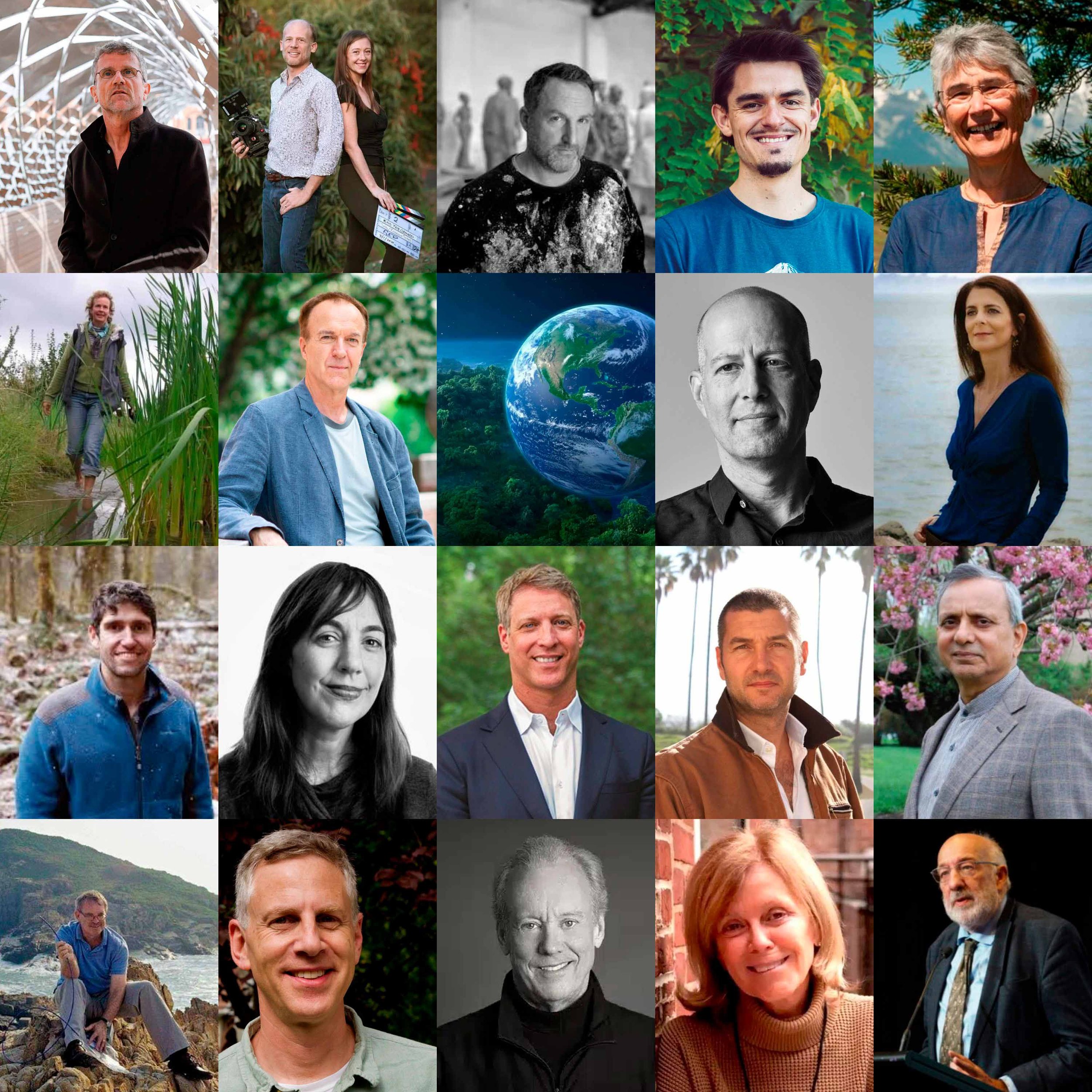
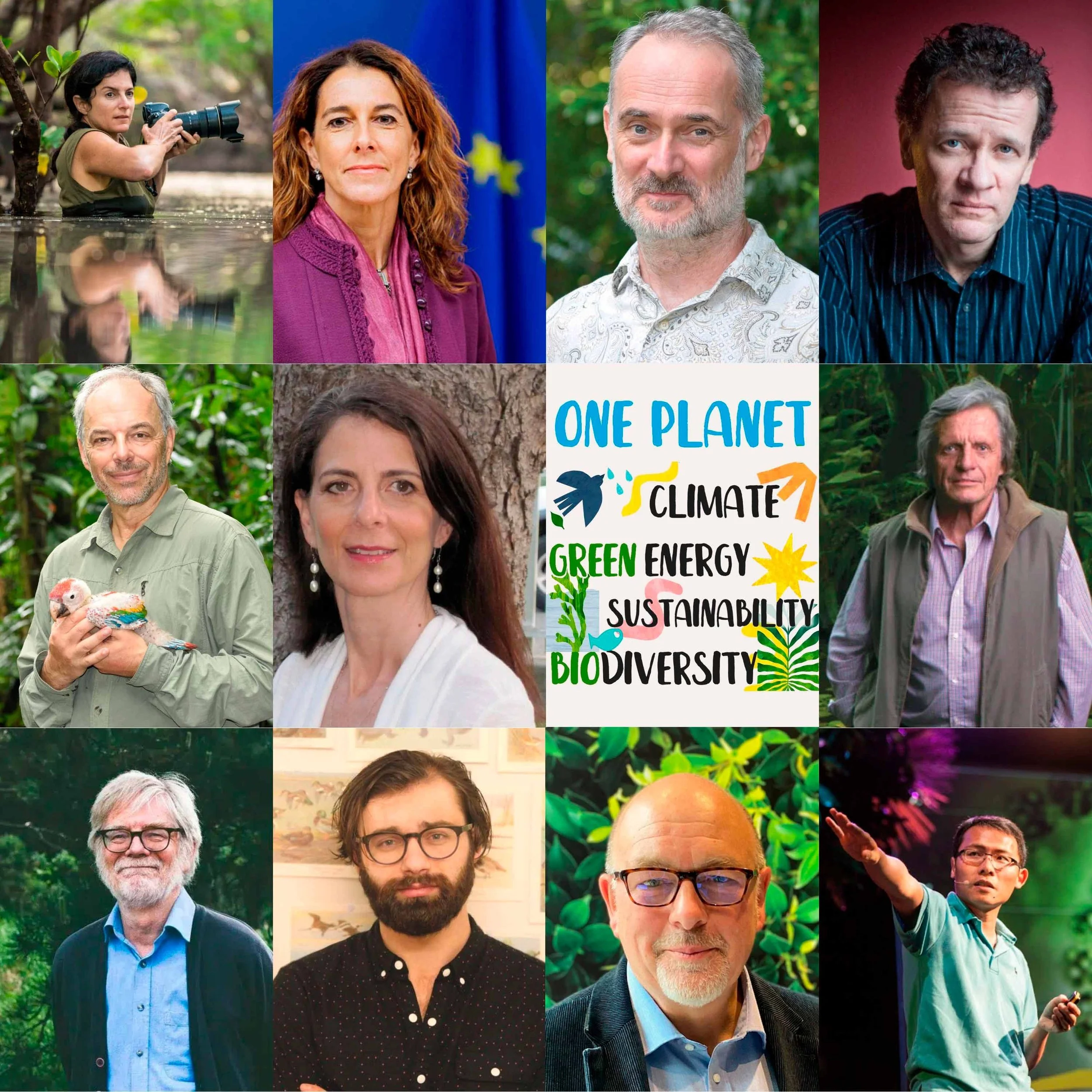
We explore our changing planet, from the melting ice in Greenland to the depleted soils of our farmlands. We’re joined writers, advocates and visionaries to discuss environmental justice, circular economies, and actionable design. Abrahm Lustgarten, Jon Gertner, Liza Featherstone, Rebecca Tickell, Bill Hare, Rob Nixon, Euan Nisbet, Roland Geyer, William McDonough, Carlo Ratti, Jason deCaires Taylor, Jane Madgwick, Paul Shrivastava, Osprey Orielle Lake, Ron Gonen, Louis de Jaeger, Kathleen Rogers, Yolanda Kakabadse, and Ben Goldfarb.

Environmental Justice: Indigenous Wisdom, Climate Action & The Rights of Nature

Environmental Justice: Indigenous Wisdom, Climate Action & The Rights of Nature

I want to be wowed by the world. I want to gaze at it in awe and wonder.

Clayton Page Aldern, David George Haskell, Yann Martel, Carl Safina, Martín von Hildebrand, Richard Black, Tom Chi, Paula Pinho, Osprey Orielle Lake, Bill Hare, Fred Pearce reflect on Climate Change & The Rights of Nature 

Why Do We Listen to the Talkers More Than the Builders Saving the Planet? - TOM CHI - Highlights

Why Do We Listen to the Talkers More Than the Builders Saving the Planet? - TOM CHI - Highlights

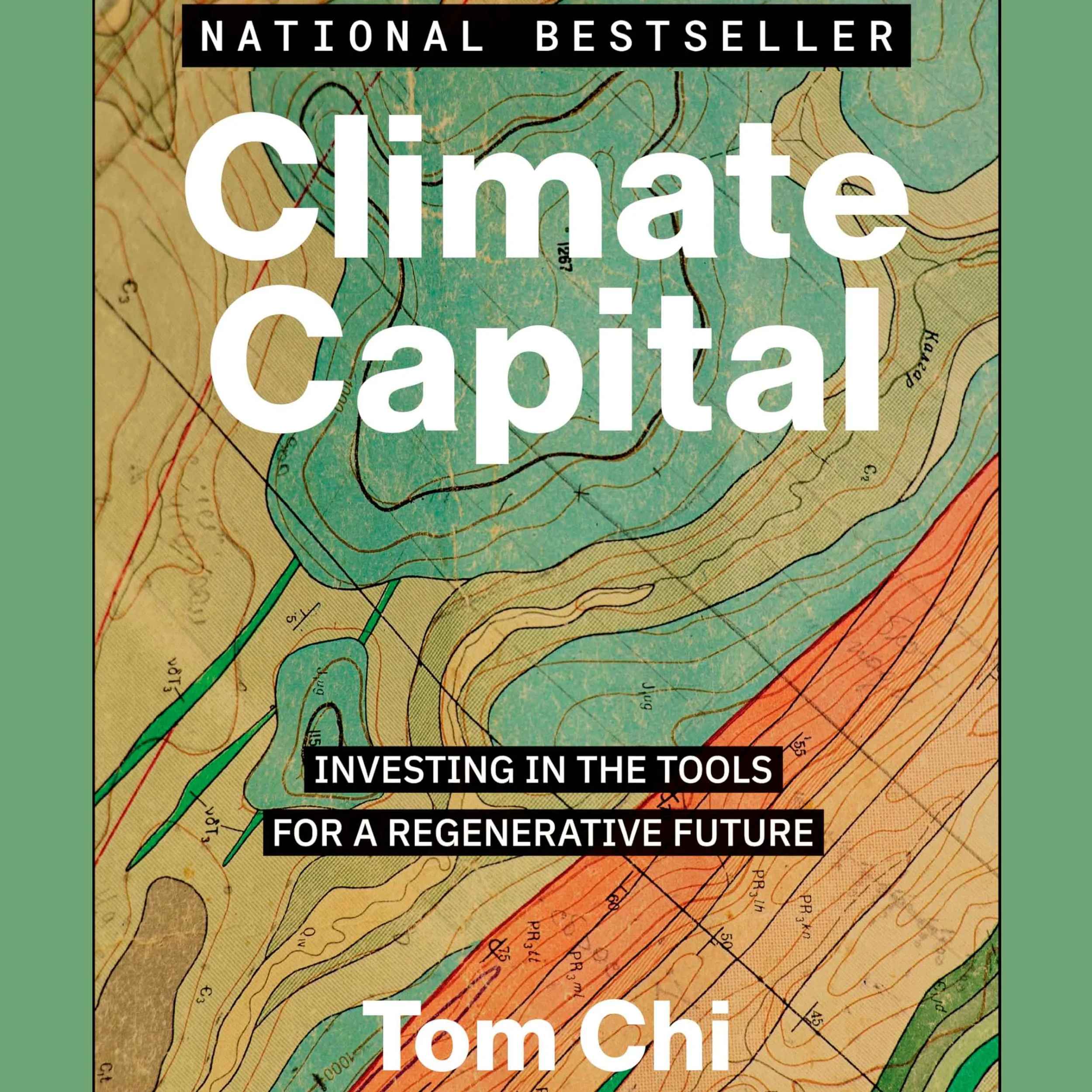
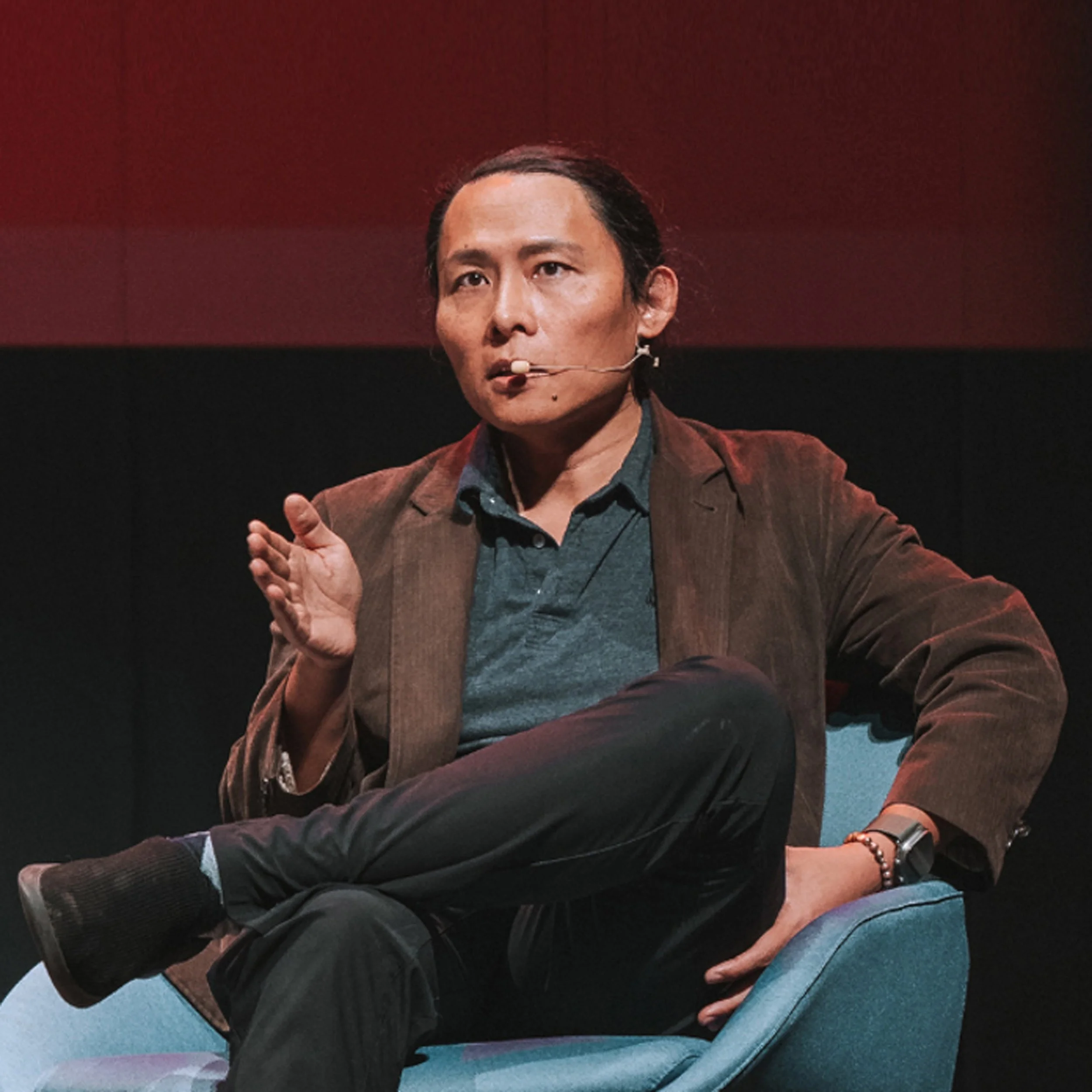
In the book I spend a bunch of time basically teaching skills and frameworks of thinking. Not to indoctrinate, it's not a framework like an ideology where you need to believe exactly these things. This is a lot more about how does one use their minds effectively to solve problems that have been solved before. I work on things that have to do with investment and climate and the future of the economy and automation. The main things I'm trying to teach in the book are skills around creativity, critical thinking, community compassion and frameworks around how to go and use that on problems that should be relatively portable to a bunch of problems that are meaningful to you. The way that education needs to change is that people need to actively be working on things that truly matter to them so that over time they end up being able to go make that difference.

Climate Capital with TOM CHI - Google X Co-founder, Founding Partner At One Ventures

Climate Capital with TOM CHI - Google X Co-founder, Founding Partner At One Ventures

In the book I spend a bunch of time basically teaching skills and frameworks of thinking. Not to indoctrinate, it's not a framework like an ideology where you need to believe exactly these things. This is a lot more about how does one use their minds effectively to solve problems that have been solved before. I work on things that have to do with investment and climate and the future of the economy and automation. The main things I'm trying to teach in the book are skills around creativity, critical thinking, community compassion and frameworks around how to go and use that on problems that should be relatively portable to a bunch of problems that are meaningful to you. The way that education needs to change is that people need to actively be working on things that truly matter to them so that over time they end up being able to go make that difference.

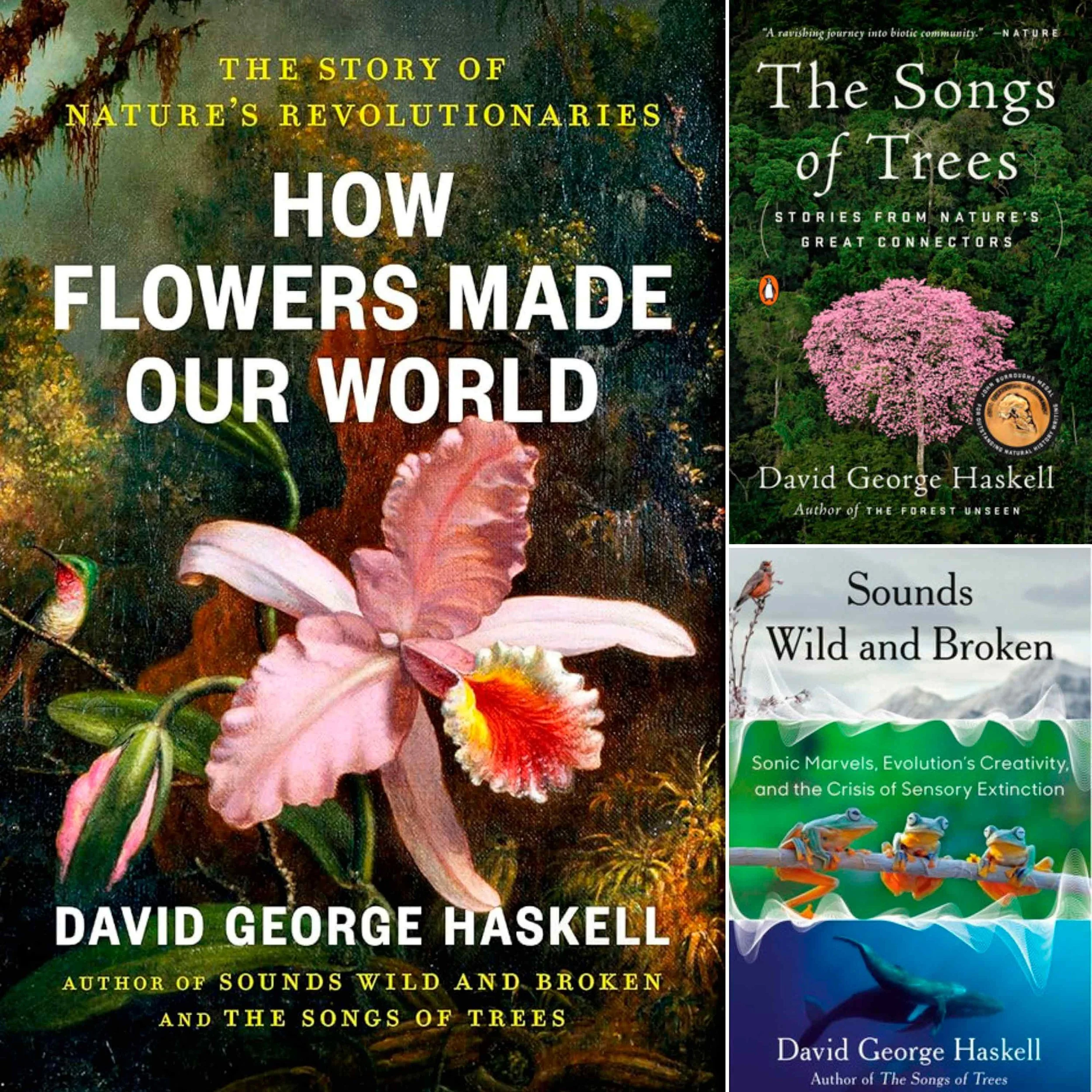
Listening to the Living World: Biologist DAVID GEORGE HASKELL on Flowers, Forests & Songs of Nature - Highlights

Listening to the Living World: Biologist DAVID GEORGE HASKELL on Flowers, Forests & Songs of Nature - Highlights

For at least 150 years biological sciences emphasized individuality and aloneness. So individual species, individual genes, individual organisms. And that's a useful view, up to a point. I mean, it is true that I am an individual organism. I've got a skin, and then the air begins and there's a gap between me and the next person over. But that view is also utterly false in many ways, in that the human body is not just comprised of human cells. There are bacteria, fungi, and viruses, all these other creatures that we now know are essential to our health. Our minds are not solitary. They're formed in relation to other beings. Ecosystems work only through relationship. So relationship and interconnection, not separation. And atomism is in fact the fundamental nature of life. Even from the very, very first fossils that we have of living organisms way back more than 3 billion years ago, these little cells are sitting next to one another.

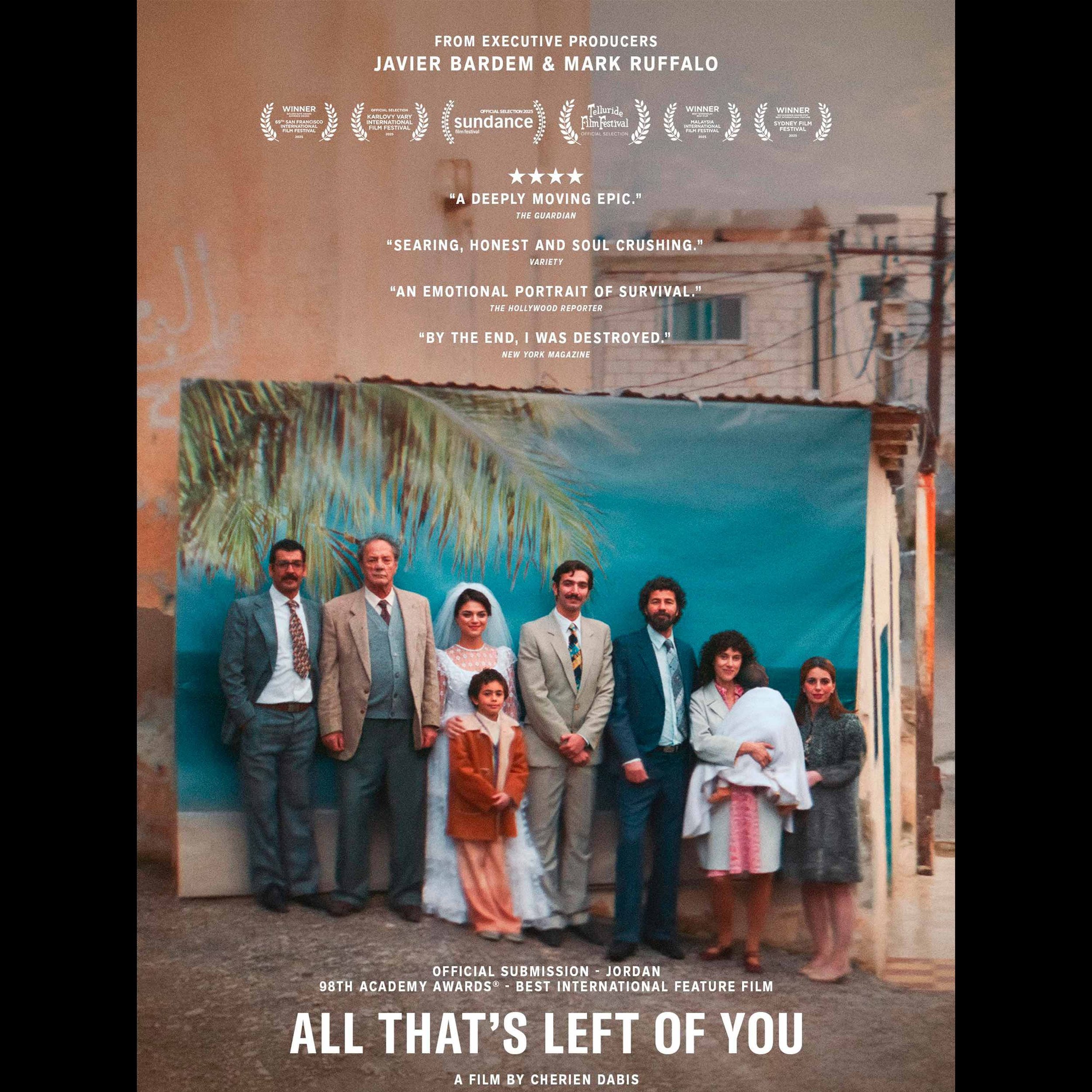
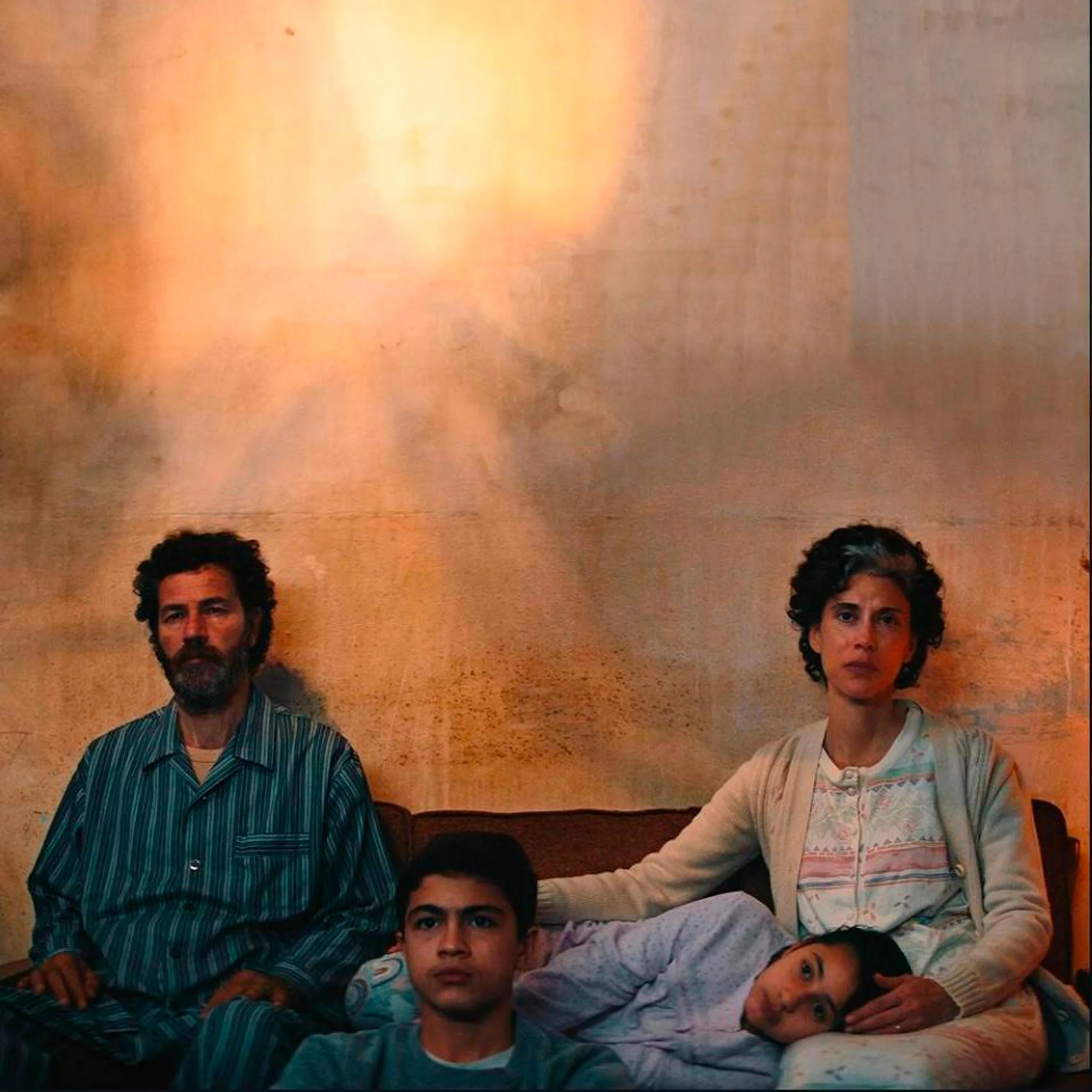
Palestine & Generational Trauma: CHERIEN DABIS on Directing All That's Left of You - Highlights

Palestine & Generational Trauma: CHERIEN DABIS on Directing All That's Left of You - Highlights

For me, we Palestinians are so much more than our pain and suffering, and the world often sees only our pain and suffering. I wanted to show other facets of who we are, no matter whether we're on the activist side of the spectrum or audience members who don't know very much about the situation. At the end of the day, we all have to choose humanity. In many ways I was inspired by observing the different generations of my own family and how our identities were shaped by everything happening in Palestine. That became the first idea for this film, to really show how it is a collective trauma for all Palestinians. That trauma is being passed down from generation to generation. Even if you're not a direct descendant of Nakba survivors, you still have that trauma. I wanted to explore that passage of trauma, that inheritance of my own trauma and take a look at how history and political events shape people.

The Psychological & Emotional Impact of Occupation w/ Actress, Director CHERIEN DABIS

The Psychological & Emotional Impact of Occupation w/ Actress, Director CHERIEN DABIS

For me, we Palestinians are so much more than our pain and suffering, and the world often sees only our pain and suffering. I wanted to show other facets of who we are, no matter whether we're on the activist side of the spectrum or audience members who don't know very much about the situation. At the end of the day, we all have to choose humanity. In many ways I was inspired by observing the different generations of my own family and how our identities were shaped by everything happening in Palestine. That became the first idea for this film, to really show how it is a collective trauma for all Palestinians. That trauma is being passed down from generation to generation. Even if you're not a direct descendant of Nakba survivors, you still have that trauma. I wanted to explore that passage of trauma, that inheritance of my own trauma and take a look at how history and political events shape people.

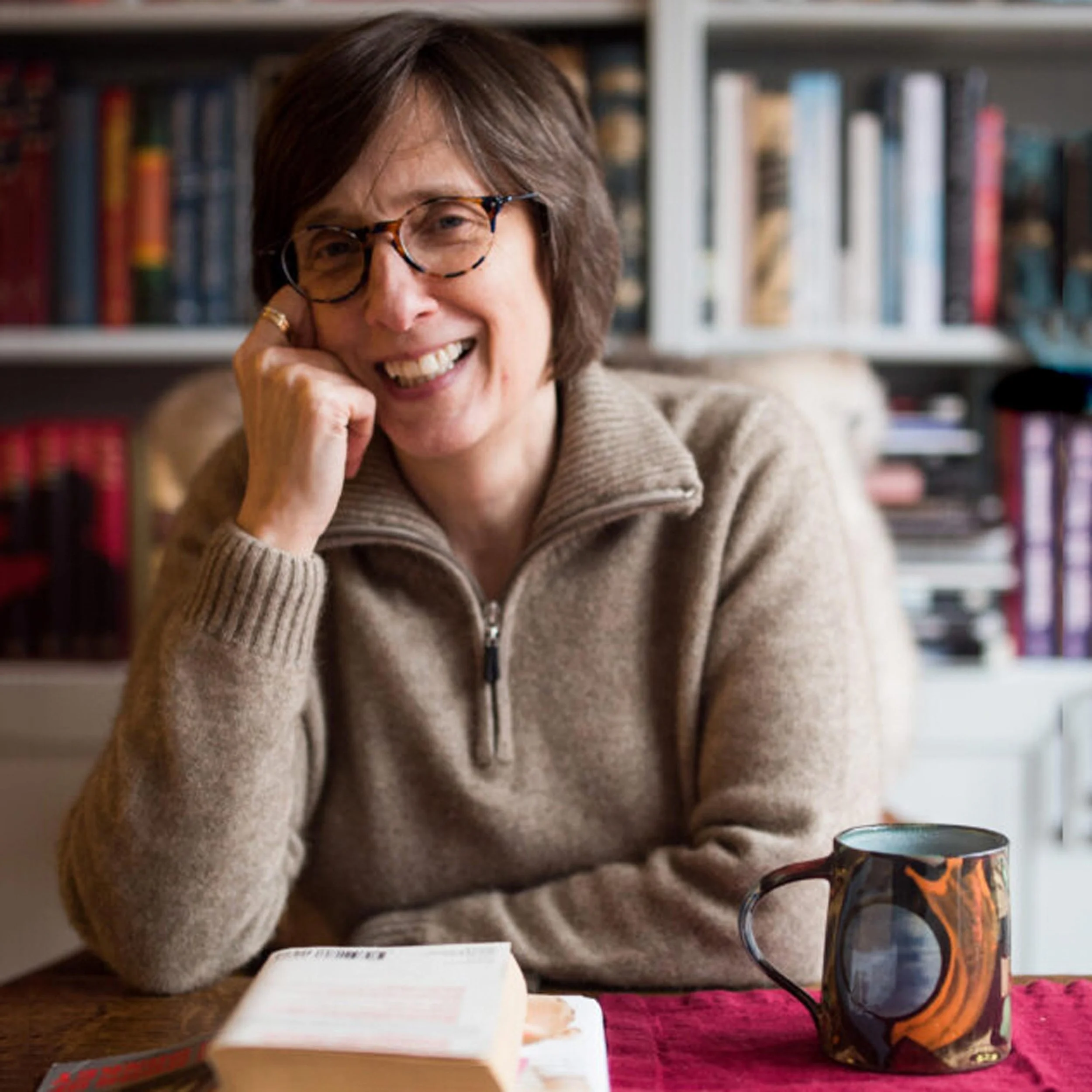
Trust, Education & Writing as Resistance w/ AL KENNEDY - Highlights

Trust, Education & Writing as Resistance w/ AL KENNEDY - Highlights

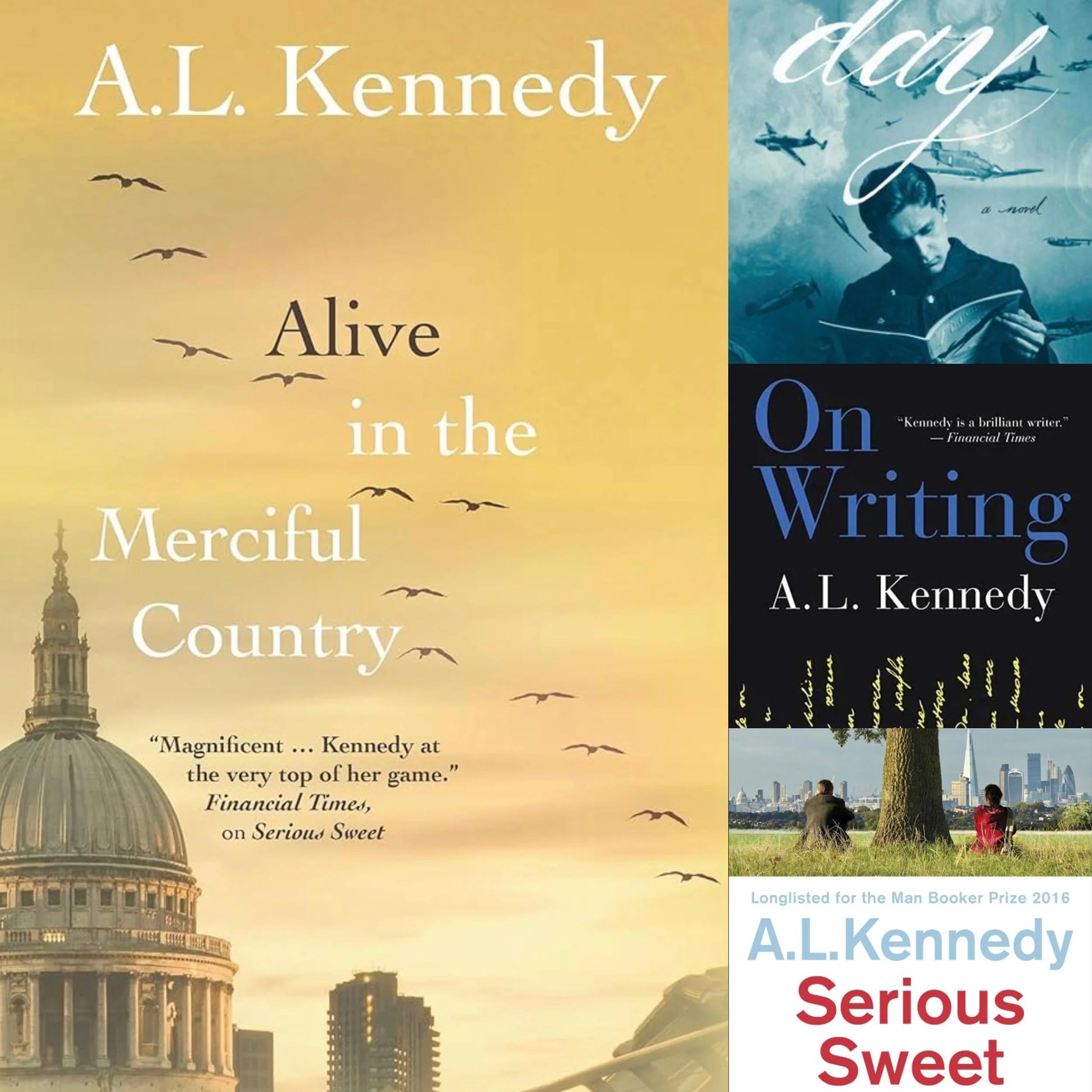
Author · Activist ·  Stand-Up Comedian AL KENNEDY · Author of Alive in the Merciful Country

The thing that puzzled him was why people don't agree to be fully expressed while they're alive. Why does it only happen in their last moment? Why wouldn't you live being fully expressed? If you have love, eventually you're going to win. It's not that people aren't going to die. It's not terrible things aren't going to happen. But if you stay with that and you stay centered in that, you'll get through and you will not have turned into a monster in order to overcome monsters.”

The Art of Fiction, Democracy & Truth with AL KENNEDY

The Art of Fiction, Democracy & Truth with AL KENNEDY

Author · Activist ·  Stand-Up Comedian AL KENNEDY · Author of Alive in the Merciful Country

The thing that puzzled him was why people don't agree to be fully expressed while they're alive. Why does it only happen in their last moment? Why wouldn't you live being fully expressed? If you have love, eventually you're going to win. It's not that people aren't going to die. It's not terrible things aren't going to happen. But if you stay with that and you stay centered in that, you'll get through and you will not have turned into a monster in order to overcome monsters.”

SIRI HUSTVEDT on Love, Grief & the Future of Democracy

SIRI HUSTVEDT on Love, Grief & the Future of Democracy

Author SIRI HUSTVEDT Remembers Her Late Husband, PAUL AUSTER

Grief happens because you don't stop loving the person who died. The person doesn't exist in your reality anymore. The everyday is not colored and shaped by this other human being, but you don't stop loving the person. So grief is a particular kind of unrequited love. And probably without that dynamic relationship with this person, I would be someone else. And he would've been someone else. I mean, Paul died before me. But we were, I think, hugely important to the drama of becoming in our own lives.

Who Are We? What Makes Us Care? Jim Shepard, Neil Patrick Harris, John Patrick Shanley & Artists Share Their Stories

Who Are We? What Makes Us Care? Jim Shepard, Neil Patrick Harris, John Patrick Shanley & Artists Share Their Stories

We explore the internal dialogues of artists and writers to ask what it means to step into someone else's shoes and expand our sense of solidarity through stories. Jim Shepard, Neil Patrick Harris, Katie Kitamura, Laura Eason, Sharmeen Obaid-Chinoy, Benoit Delhomme, Etgar Keret, Viet Thanh Nguyen, Adam Moss, John Patrick Shanley and Nicholas Kristof share their stories.

The Wisdom of Nature: Artists & Scientists on The Beauty & Fragility of Our Planet

The Wisdom of Nature: Artists & Scientists on The Beauty & Fragility of Our Planet

Artists & Scientists on The Beauty & Fragility of Our Planet

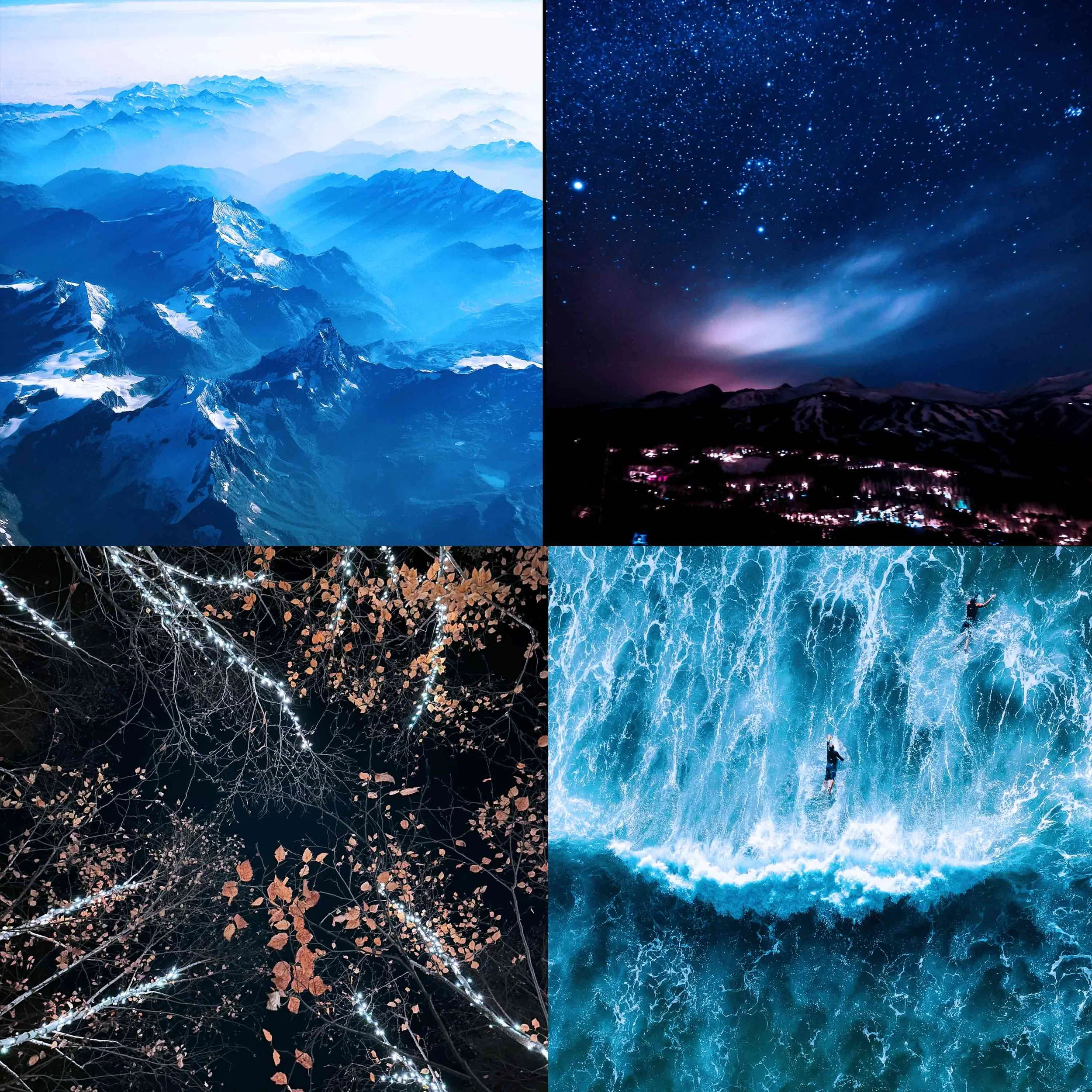
The Earth is talking. Are we listening? In this special edition, we hear from our guests from across the arts and sciences. From composers and poets to forest ecologists and climate envoys, they tell the story of our planet. Moving beyond the data of destruction, we explore the intelligence of nature, the ethics of what we eat, and the empathy required to save our future.

The Musician Who Sings to Animals - PLUMES on Trust & Cross-Species Communication - Highlights

The Musician Who Sings to Animals - PLUMES on Trust & Cross-Species Communication - Highlights

Musician & Activist PLUMES

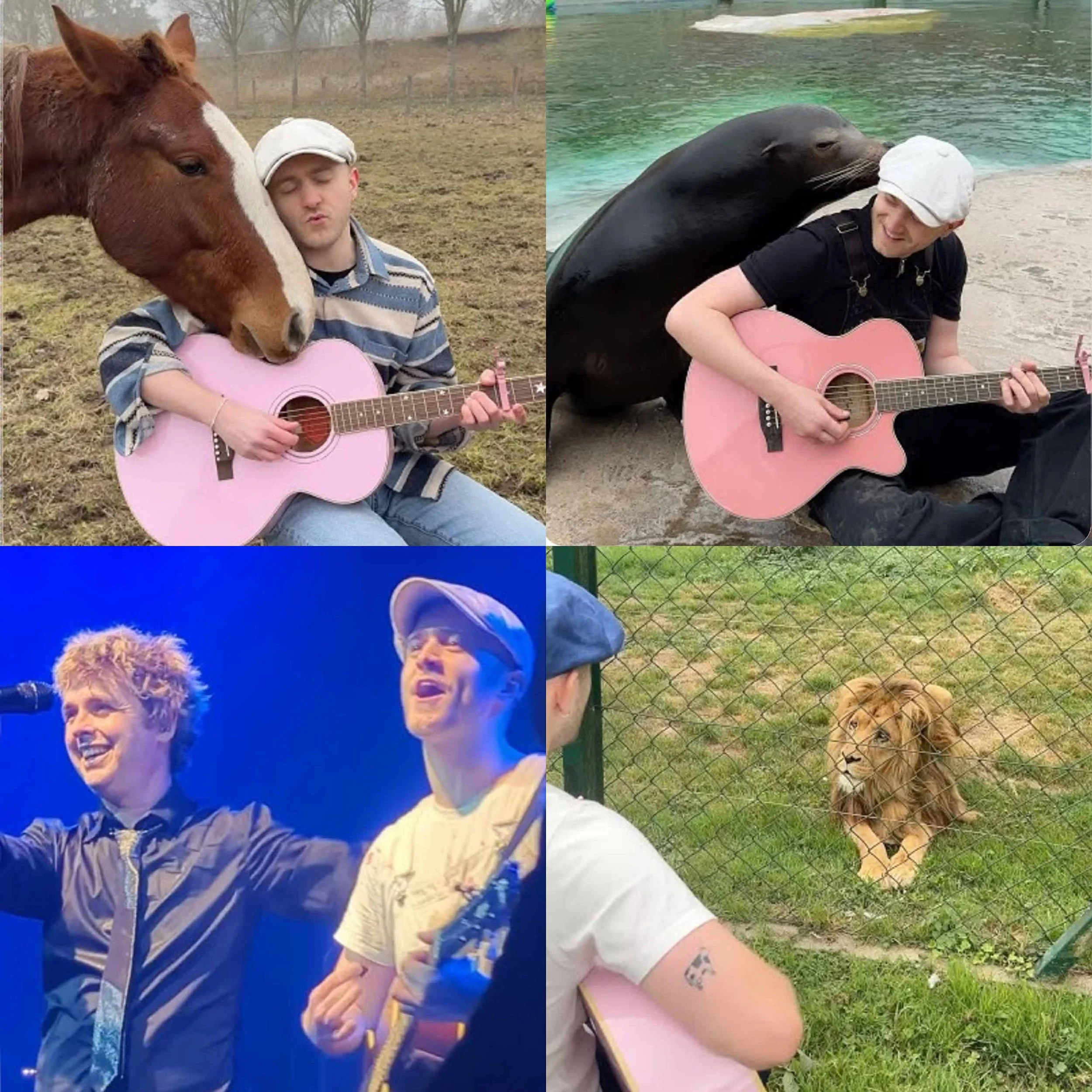
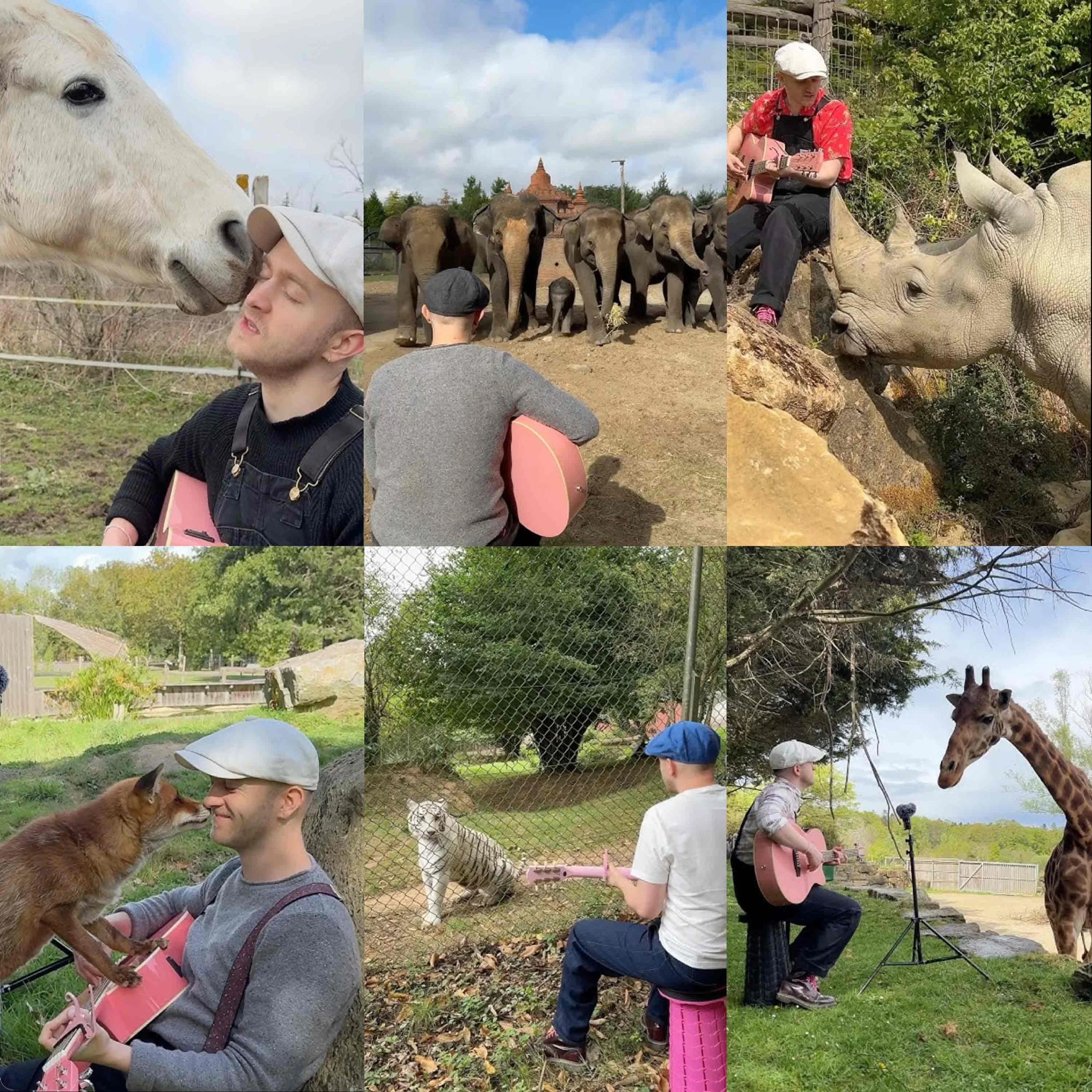
Mostly I’ll play in a minor key, something sad, which I think can work for an animal because they can sense the sadness, and they try to reassure me and comfort me. I chose love songs because I'm convinced they are very intuitive and they can sense what I am trying to say to them, and profess my love in a way. I think there's always a way to connect, and if you're being cautious and don't threaten the animals, something beautiful can happen.

Animals & The Healing Power of Music

Animals & The Healing Power of Music

Musician & Activist PLUMES

Mostly I’ll play in a minor key, something sad, which I think can work for an animal because they can sense the sadness, and they try to reassure me and comfort me. I chose love songs because I'm convinced they are very intuitive and they can sense what I am trying to say to them, and profess my love in a way. I think there's always a way to connect, and if you're being cautious and don't threaten the animals, something beautiful can happen.

Speaking Out of Place - DAVID PALUMBO-LIU on Reclaiming Our Political Voices - Highlights

Speaking Out of Place - DAVID PALUMBO-LIU on Reclaiming Our Political Voices - Highlights

Stanford Professor, Author & Host of Speaking Out of Place DAVID PALUMBO-LIU on the urgent need to reclaim our political voices and the forces that silence dissent

There is a dispute about what the American Dream is or how it would play out in different circumstances. The American dream has essentially been narrowed into a white Christian nationalist notion of things so that everything that falls outside what they imagine that to be is not only undesirable, but should be the subject of extermination, deportation, and detention. I am heartened by the fact that more of our 'better angels' are emerging with a more capacious and expansive notion of what the American dream could be.

Reclaiming the American Dream with DAVID PALUMBO-LIU – Stanford Professor, Author & Host, Speaking Out of Place

Reclaiming the American Dream with DAVID PALUMBO-LIU – Stanford Professor, Author & Host, Speaking Out of Place

Stanford Professor, Author & Host of Speaking Out of Place DAVID PALUMBO-LIU on the urgent need to reclaim our political voices and the forces that silence dissent

There is a dispute about what the American Dream is or how it would play out in different circumstances. The American dream has essentially been narrowed into a white Christian nationalist notion of things so that everything that falls outside what they imagine that to be is not only undesirable, but should be the subject of extermination, deportation, and detention. I am heartened by the fact that more of our 'better angels' are emerging with a more capacious and expansive notion of what the American dream could be.

The Writer's Voice: Novelists, Poets, Memoirists & Editors Share Their Stories

The Writer's Voice: Novelists, Poets, Memoirists & Editors Share Their Stories

VIET THANH NGUYEN, ADA LIMÓN, JAY PARINI, JERICHO BROWN & ADAM MOSS Share Their Stories

How do writers develop their voice? How are writing and the arts paths back to the self, showing us what is important in life?

BASQUIAT: The Price of Fame w/ Author DOUG WOODHAM - Highlights

BASQUIAT: The Price of Fame w/ Author DOUG WOODHAM - Highlights

A Conversation with Author DOUG WOODHAM
Managing Partner, Art Fiduciary Partners

All of the great artists are there for a reason: because they rebelled in some way. They created a visual vocabulary that felt fresh and new, which excited people. So, the great artists are not built on sort of anthills of sand. They're built on things of substance and of meaning. Though this is not a sufficient condition to become an icon, it's a necessary but not sufficient condition. I think you have to have an interesting and vivid personality or personal narrative that makes you interesting for people to talk about and want to learn about. I think you also have to have a support network of galleries, curators, and collectors who are excited about your work and want to push it forward, not wanting it to be forgotten. Basquiat's visual vocabulary is distinctive and stands out relative to what was being done in the 1980s. That's the sort of strong hill on which his reputation is built. Basquiat benefited from being the first black artist of note who got pushed forward. As in many things, the first benefits.

JEAN-MICHEL BASQUIAT: The Making of an Icon with DOUG WOODHAM, Fmr. President of Christie's Americas

JEAN-MICHEL BASQUIAT: The Making of an Icon with DOUG WOODHAM, Fmr. President of Christie's Americas

A Conversation with Author DOUG WOODHAM
Fmr. President of the Americas at Christie’s · Managing Partner, Art Fiduciary Partners

All of the great artists are there for a reason: because they rebelled in some way. They created a visual vocabulary that felt fresh and new, which excited people. So, the great artists are not built on sort of anthills of sand. They're built on things of substance and of meaning. Though this is not a sufficient condition to become an icon, it's a necessary but not sufficient condition. I think you have to have an interesting and vivid personality or personal narrative that makes you interesting for people to talk about and want to learn about. I think you also have to have a support network of galleries, curators, and collectors who are excited about your work and want to push it forward, not wanting it to be forgotten. Basquiat's visual vocabulary is distinctive and stands out relative to what was being done in the 1980s. That's the sort of strong hill on which his reputation is built. Basquiat benefited from being the first black artist of note who got pushed forward. As in many things, the first benefits.