PIERRE SOKOLSKY

PIERRE SOKOLSKY

Leader in field of Particle Astrophysics
Professor Emeritus of Physics & Astronomy U of Utah
Dean Emeritus of the College of Science

As an administrator for 15 years, I still tried to do science and it was difficult because being a dean, every day there is a problem. Every day you have to solve some personal issues, so it’s difficult to concentrate and what I would do was, whenever there was an opportunity to go to a conference away from the university, particularly in a different country, I would sit in the conference room listening to these lectures. You know how it is with meetings, maybe 10% of the speakers are exciting and interesting. What I found is even when I was not listening because I was in this atmosphere of people talking about physics, my mind was set free and would just start percolating. And all of a sudden ideas would come completely unrelated to what the speaker was talking about, except that they were scientific ideas. And I would jot them down and I found that this was really quite an interesting process because it was kind of an immersion process where you actually are not concentrating on what is exactly in front of you, but it puts you in this mood. The brain turns on a different lode and I think by association other ideas come up.

MITCH HOROWITZ

MITCH HOROWITZ

Historian of Alternative Spirituality & PEN Award-Winning Author

I’ve always considered myself a believing historian and, in fact, most historians of religion are actually believing historians. Very frequently they emerge from the congregations that they’re writing about, whether new religious movements or traditional religions, this is true of Kabbalistic scholar Gershom Scholem, it’s true of people who have written probably the most important biographies of more recent religious figures like Mary Baker Eddy or Joseph Smith, a Mormon prophet. Although, historians don’t frequently acknowledge being believing historians because they feel that it might seem to compromise their capacity for critical judgement, but my impression is different. My impression is that being in very direct proximity to the nature of the philosophical, religious, ethical, therapeutic movements that you’re writing about can heighten your critical acumen.

IAN SEABROOK

IAN SEABROOK

Award-Winning Underwater Director of Photography

It’s about leaving the planet in a better condition than it is currently. What you’re witnessing is years of neglect. It’s the humans who have screwed it all up, and the warming of the earth is no different. The oceans are changing. The topography is changing. Mussels are being fried when the tides recede. This is all unnatural. Or maybe it’s natural. I think it’s Mother Nature just being pissed off and saying, “This is what you get.” And so it’s up to everyone to change their ways. Their shopping habits, their eating habits, how much gas they use. All that stuff which people think “that can’t affect anything.” Well, you’re seeing the result of it now

DIANA CHAPLIN

DIANA CHAPLIN

Canopy Director of One Tree Planted

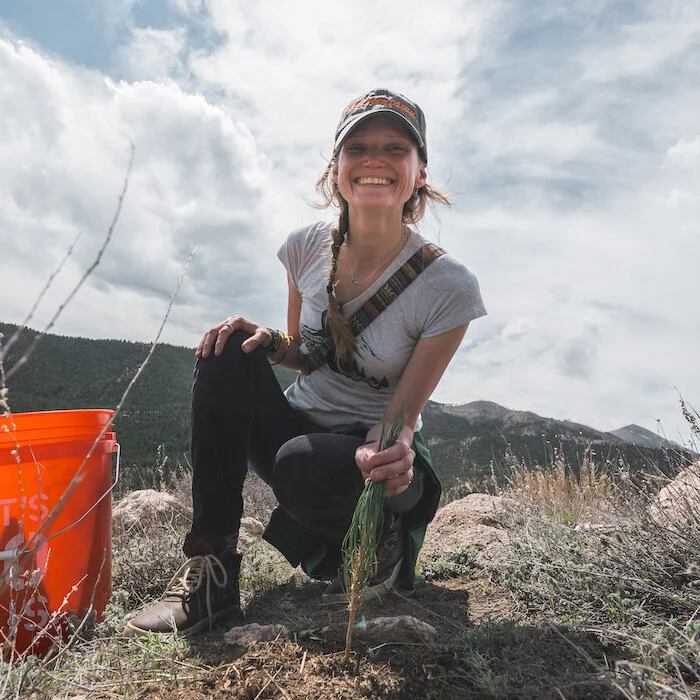
We planted over 10 million trees in 2020 alone. And it’s one tree planted for every dollar donated, so we make it as simple as possible, but when you add it all up together the impact is just tremendous and growing every day.”


MICOL HEBRON

MICOL HEBRON

Interdisciplinary Artist, Curator & Feminist Activist

Now I think we’re in another culture war. I think we’re in, as we see the realm of cancel culture in social media and this very polarising war between the liberal left and the conservative right. I think that we’re in another culture and a lot of it is centering around gender and race. If you look at what’s happened to black women athletes in the last couples of months, the censuring of their bodies either because of hormones in the case of Caster Semenya or Naomi Osaka, there’s a lot of ways that our society has found to police black bodies for being too exceptional in a lot of ways. For performing in exceptional ways, and the white patriarchy doesn’t like to see that because it starts to diminish their power.


HALA ALYAN

HALA ALYAN

Dayton Literary Peace Prize Winning Novelist, Poet & Clinical Psychologist

We become the stories we tell ourselves…I started writing around the time I learned English because we moved to the States soon after my fourth birthday, and so I was here for kindergarten into elementary school. I grasped this new language just as I was learning how to also put things onto the page. Those two things really happened at the same time for me. I entered this world where I felt very different and very other, for all intents and purposes I was set to be raised in Kuwait. And then that of course got turned upside down after the invasion by Saddam. I think that so much of my trying to make sense of the world had to do with the displacement, exile and these experiences that my parents had experienced but then that I had as well as we were fleeing the war. It’s hard to know because I think that language was being formed in my brain at the same time that these things were happening.

MARGE PIERCY

MARGE PIERCY

Novelist, Poet & Activist

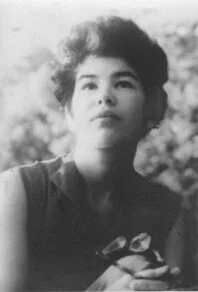
People who take care of sick people and AIDS and teachers and garbage collectors and people who work in daycare…all the things that have to happen in society we pay shit for. We pay an enormous amount of money to people who can throw a ball through a hoop. We pay an enormous amount of hedge fund people. All the people who take over corporations go in and destroy get immensely rich while the people who do what we actually need doing, what we must have to survive, the people who grow food, the independent farmers that used to exist…

JASON W. MOORE

JASON W. MOORE

Environmental Historian, Historical Geographer & Professor of Sociology · Binghamton University

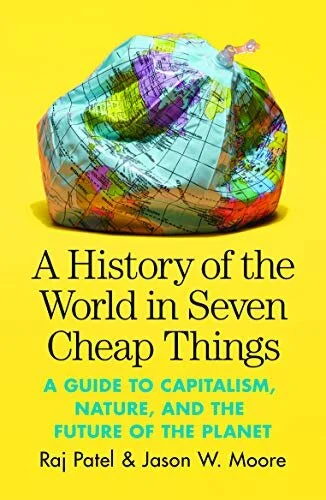
We’re not waiting for the disasters to happen. They have happened. They are happening, and the disasters aren’t natural. They involve climate, but the disasters are very much made by the conditions of capitalist accumulation. We are not going to be able to grapple with the challenges of planetary crisis with the thinking that created planetary crisis.


ALICE BROOKS

ALICE BROOKS

There’s this children’s book called Miss Rumphius, and I’ve carried it around with me my entire life. It’s about a woman who grandfather tells her three things, and the last one in the most difficult thing of all and that’s to fill the world with beauty. And I give this book to every one of my friends who are having babies, I have a copy with me almost at all times, and I’m reminded of that feeling that Jonathan Larson had in Tick, Tick…Boom! Of how much time do we have to do something great.

NEIL PATRICK HARRIS

NEIL PATRICK HARRIS

Actor · Comedian · Filmmaker · Magician · Singer · Writer

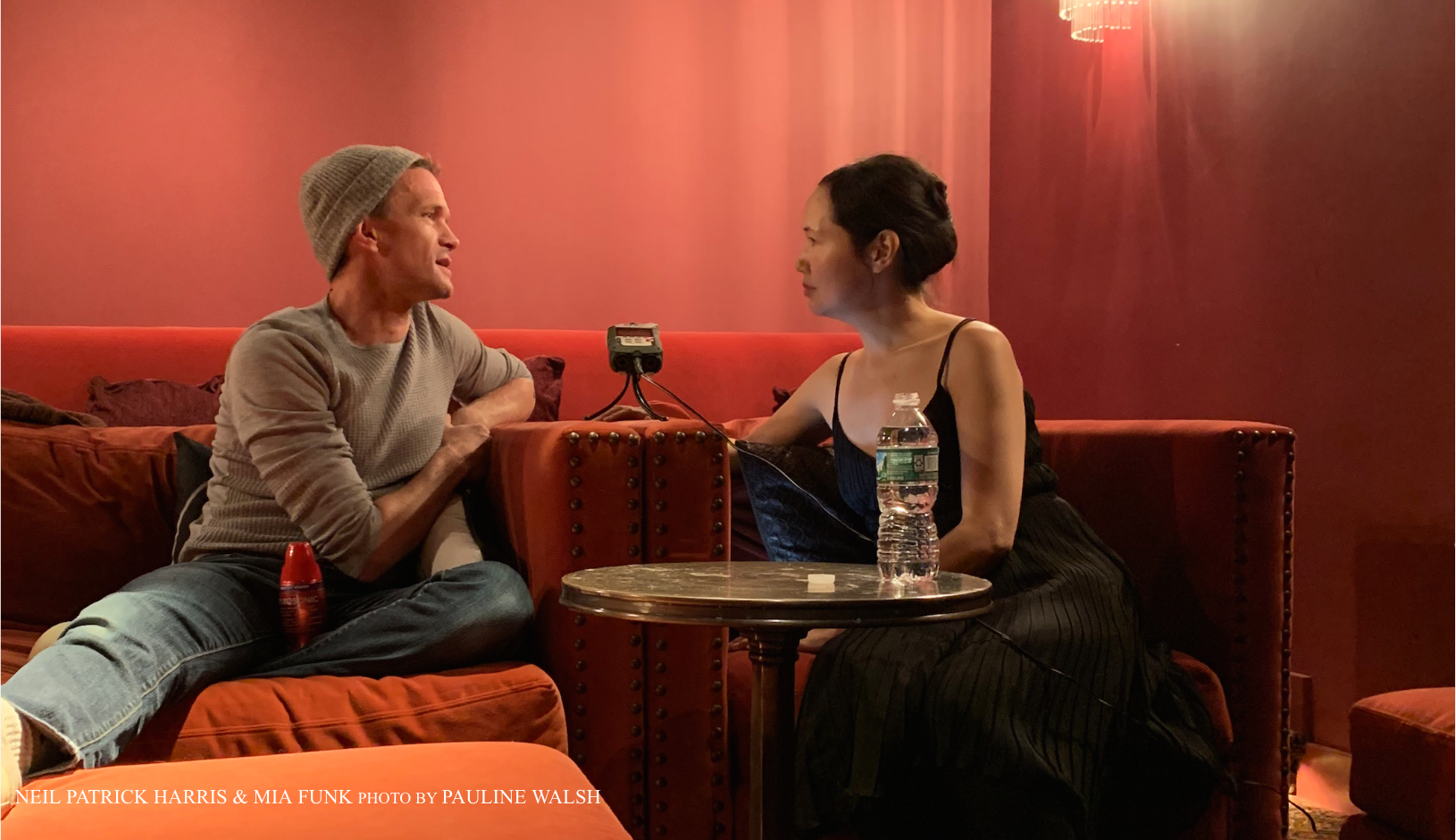
And I remember I was just the whitest kid ever from small-town New Mexico in this big city of Los Angeles…I'm sitting there watching this play about a lower middle-class African-American man in Pittsburgh and his family. And I just remember being so moved, moved to tears at 13, 14 years old…And it was so moving. And I did think even back then, I recognized the impact that the theater can have on someone that isn't even anything like what they're like.

TEMA STAIG & ALLISON VANORE

TEMA STAIG & ALLISON VANORE

Tema Staig · Women in Media Executive Director & Art Director
Allison Vanore · WIM Secretary & Emmy-Winning Producer of After Forever

I started Women in Media in 2010 as a sort of community group. We talked about women above and below the line because there weren’t any organizations or conversations really happening about women in the below the line positions, meaning women in the crew who are in the camera, art, grip and electronics departments. There were only conversations happening about more women directors and, being a scenic artist and production designer, I knew that there are so many women in the crew and there’s only one director. So if we only aimed for one, we would never get to parity and there would never be room like myself who wanted to advance from these crew positions.

DONALD ROBERTSON

DONALD ROBERTSON

Writer, Cognitive-Behavioural Psychotherapist
Author of How to Think Like a Roman Emperor

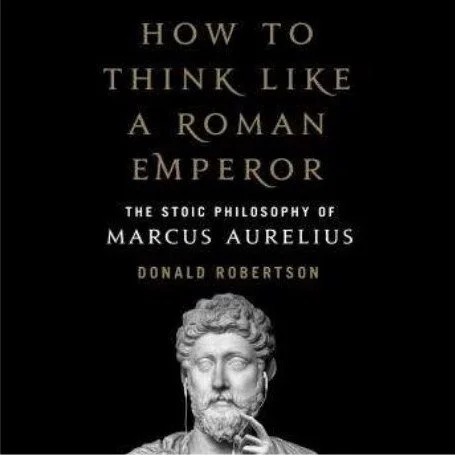
At first when I began writing these books, people told me that they didn’t think there was an audience for them. They thought it was a kind of niche subject, nobody was really that interested in it. And then gradually it became clear that there’s a surprisingly big audience of people that really have a craving for Classical wisdom and are interested in history, in the relationship between history and self-improvement and philosophy and psychotherapy.

DR. SUZANNE SIMARD

DR. SUZANNE SIMARD

Professor of Forest Ecology
Author of Finding the Mother Tree

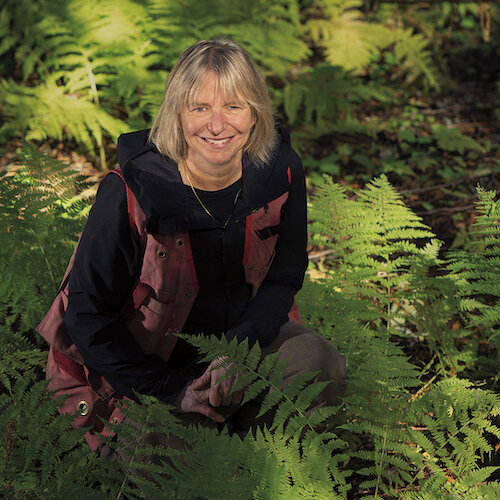
Think of yourself as a tree. You’ve got neighbours that you live beside for hundreds if not thousands of years, and none of you can move around, so you just have to communicate in other ways. And so trees have evolved to have these ways of communicating with each other, and they’re sophisticated, they’re nuanced. They include things like transmitting information through these root networks that link them together. They transmit information to each other through the air, so they perceive each other, they communicate and then they respond to each other. And that language is complex.

PETER SINGER

PETER SINGER

Most Influential Living Philosopher
Author · Founder of The Life You Can Save

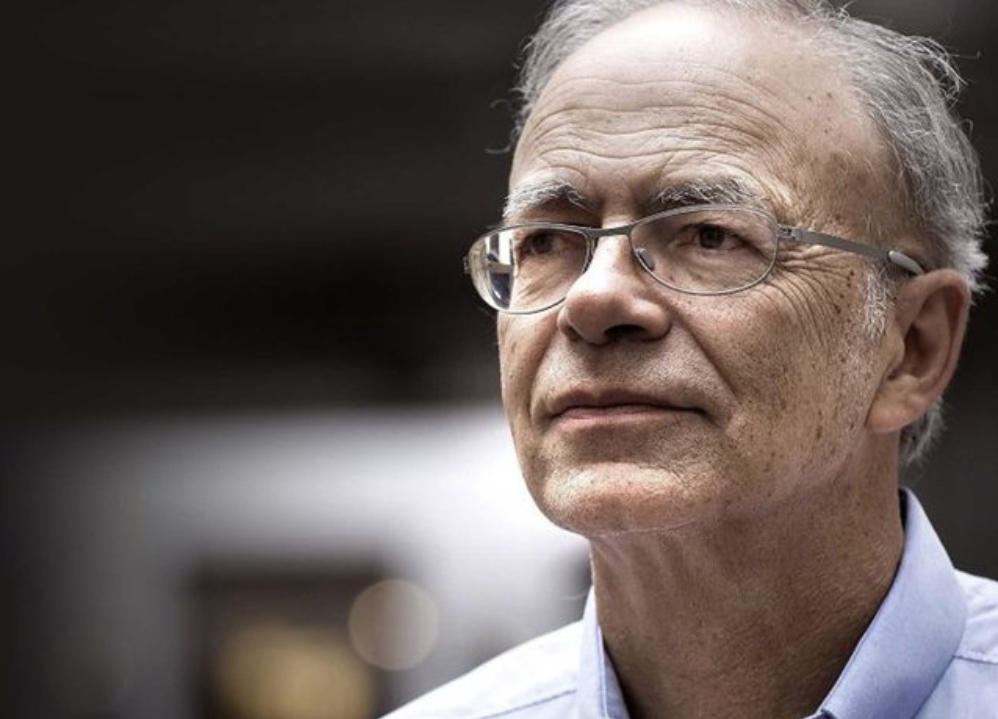
I would like young people to recognise that they are part of a long tradition that has been trying to the make the world a better place. A tradition that goes back as far as we have recorded history, that there are people who tried to–like Socrates, but also like Buddha and many other figures in different cultures–think more about how we ought to live in accordance with their thinking. Tried to do good in the world and that’s a tradition they can be part of. This generation really does hold the future of the planet in its hands.

MARK MENNIN

MARK MENNIN

Sculptor

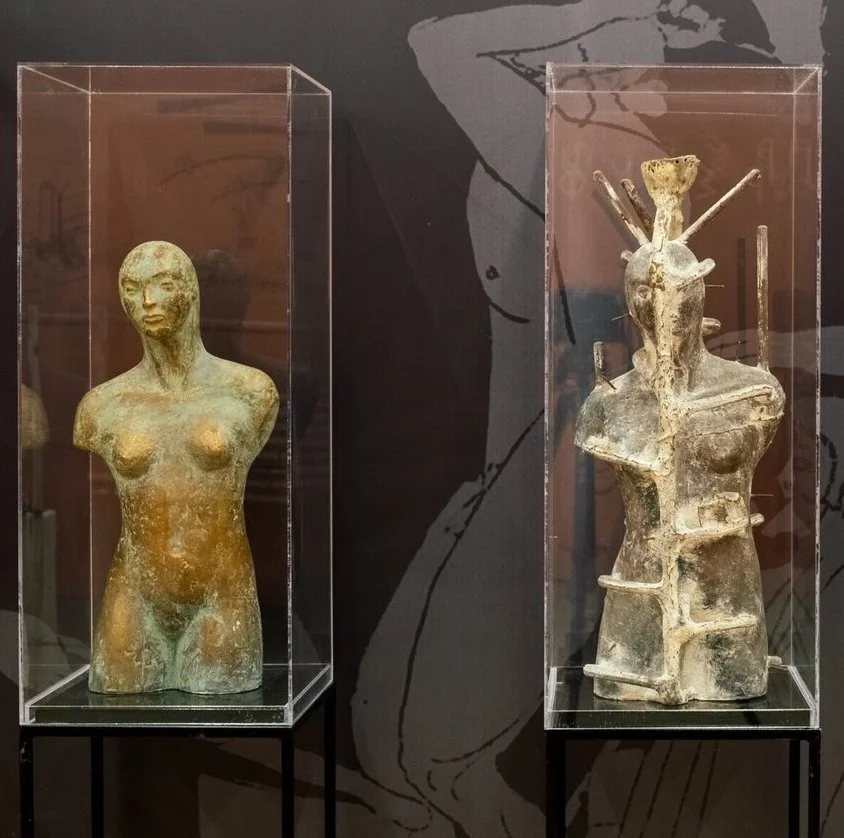
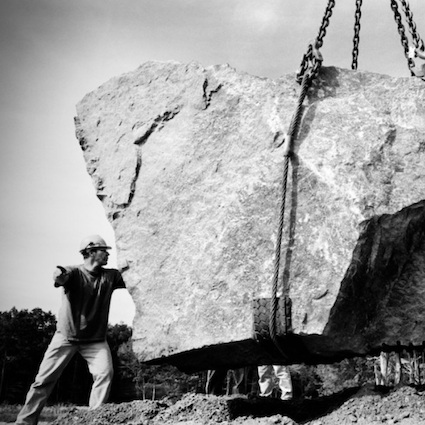
I think direct contact with the material should be important to every sculptor because I think once you lose that it becomes a second hand process. It’s one of the reasons the casting process isn’t so interesting to me just because the final product, the final piece has not been touched by the artist. There’s no relationship with the mind that conceived the piece or designed it. I think something is lost when that happens. And it becomes something else.

ELIZABETH KARCHER

ELIZABETH KARCHER

Executive Director of the President Wilson House in Washington, D.C.


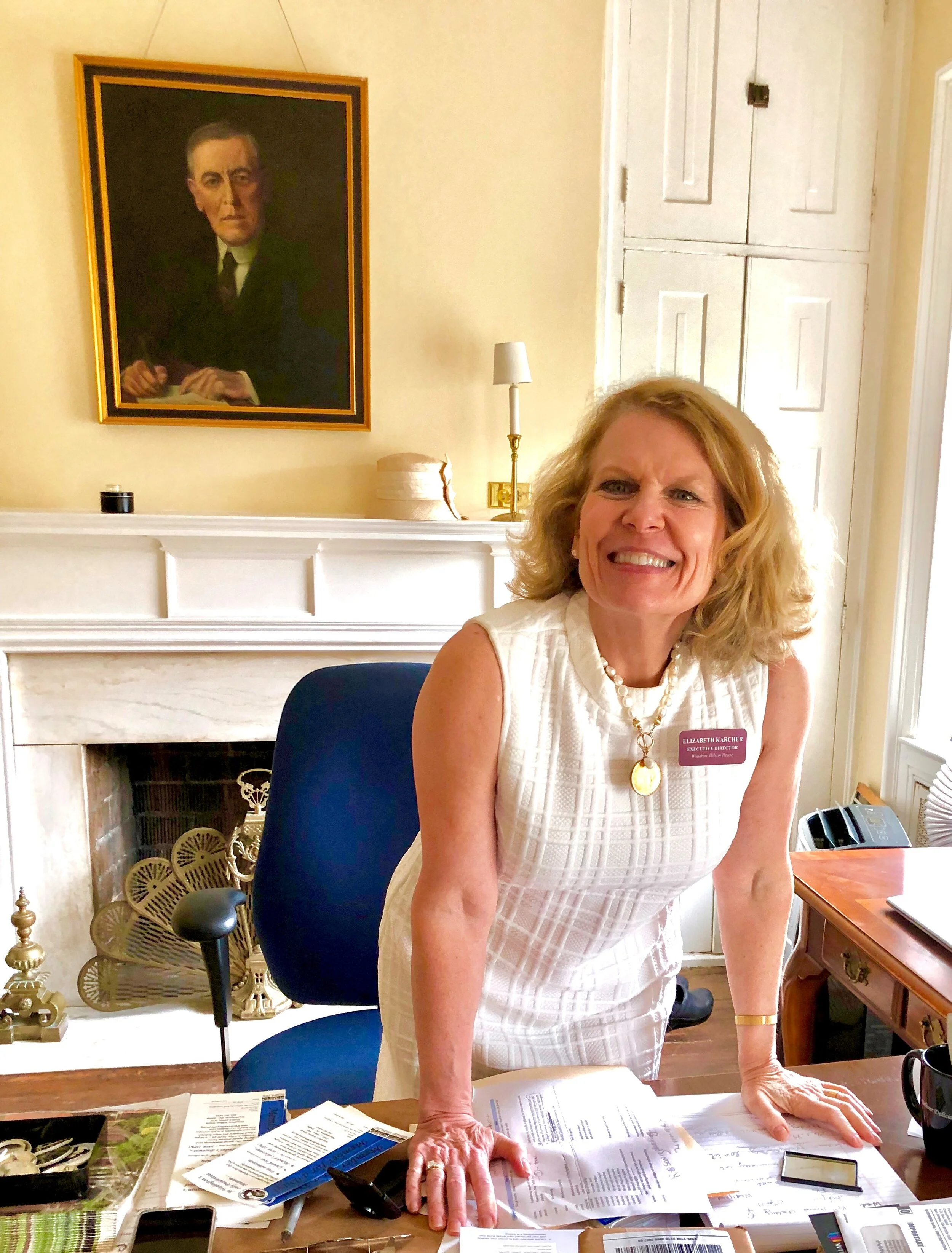
I have three missions, topics of conversation, ideas for exhibitions and really discussions that we want to bring to life at the House, and those are stories of African-Americans, racial conflict, and social justice, as well as women and women’s stories, suffrage, and finally Wilson’s international legacy and how he was seen after the Great War. I think those three topics are topics that resonate today. So, even though they’re 100 years old and issues that he faced in his Presidency, these are topics that are still relevant. We’re still talking about social and racial justice. We’re still about women being enfranchised and women, not just in the vote, but having positions in Board of Directors, museums, companies, and corporations across the United States.

SEBASTIEN GOKALP

SEBASTIEN GOKALP

Sébastien Gokalp · Director of France’s National Museum of Immigration
Curator of Exhibitions at Centre Pompidou, Musée d’art Moderne de la Ville de Paris & Louis Vuitton Foundation

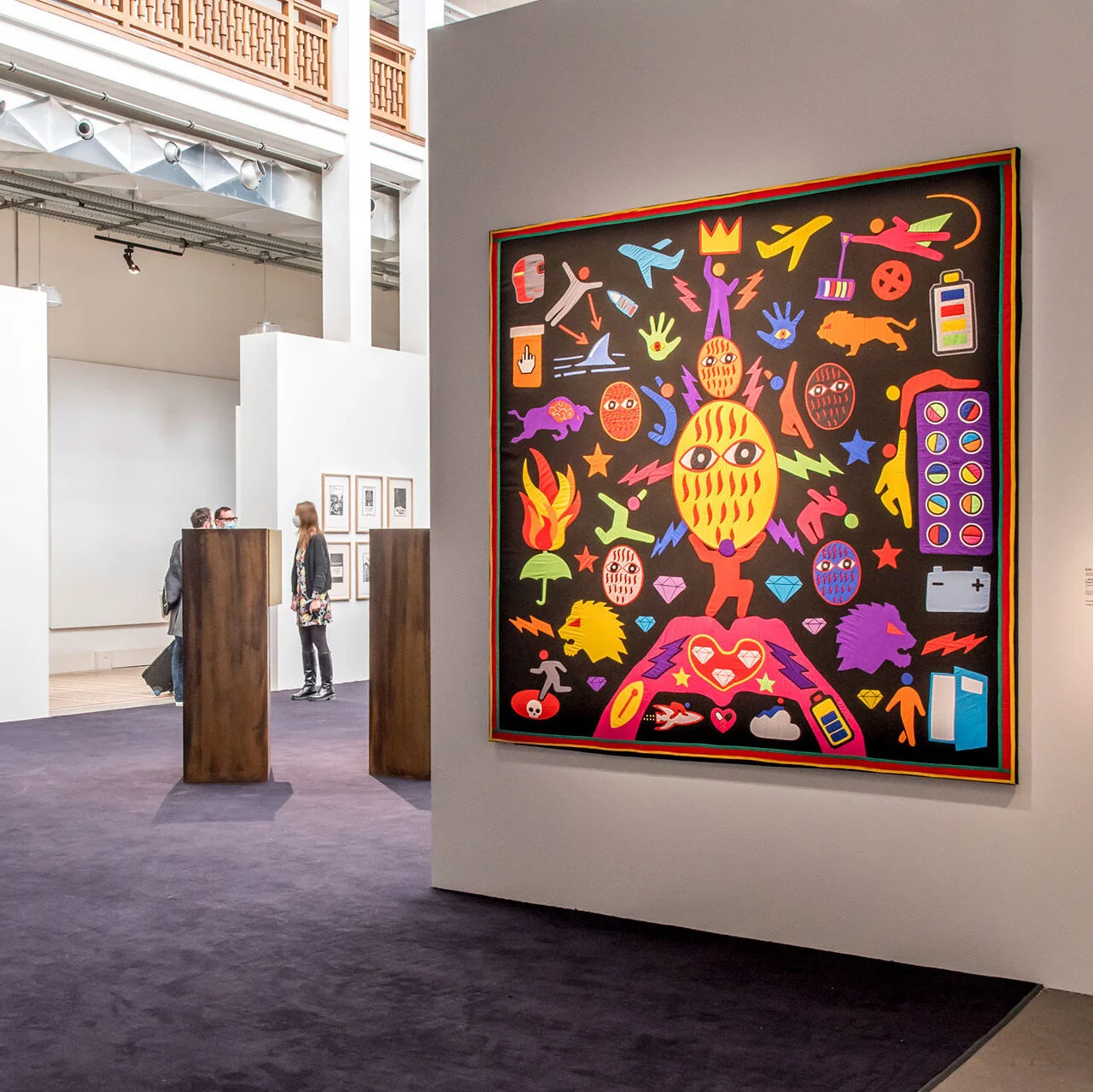
We have a motto that says that ‘we want to change the gaze on immigration or to open the eyes on immigration’. We’re not here to make action in society, but we want people who come here to have elements of reflection, perception about the question of immigration. To change a mind, because immigration is about the stories of people who come from another country–they are someone else, basically–by assisting them we want to show how someone else can be great for us and not a stranger, foreigner, nor an enemy, but a friend. Someone who will bring us many things about culture, about work, about a way of meaning, of thinking. We have a historical point of view. We want to show that from the French Revolution until now, so two centuries of stories.

HALA ALYAN

HALA ALYAN

Dayton Literary Peace Prize Winning Novelist, Poet & Clinical Psychologist

We become the stories we tell ourselves…I started writing around the time I learned English because we moved to the States soon after my fourth birthday, and so I was here for kindergarten into elementary school. I grasped this new language just as I was learning how to also put things onto the page. Those two things really happened at the same time for me. I entered this world where I felt very different and very other, for all intents and purposes I was set to be raised in Kuwait. And then that of course got turned upside down after the invasion by Saddam. I think that so much of my trying to make sense of the world had to do with the displacement, exile and these experiences that my parents had experienced but then that I had as well as we were fleeing the war. It’s hard to know because I think that language was being formed in my brain at the same time that these things were happening.

MICHAEL DAUGHTERTY

MICHAEL DAUGHTERTY

Multiple GRAMMY Award-winning composer
One of the ten most performed composers in America

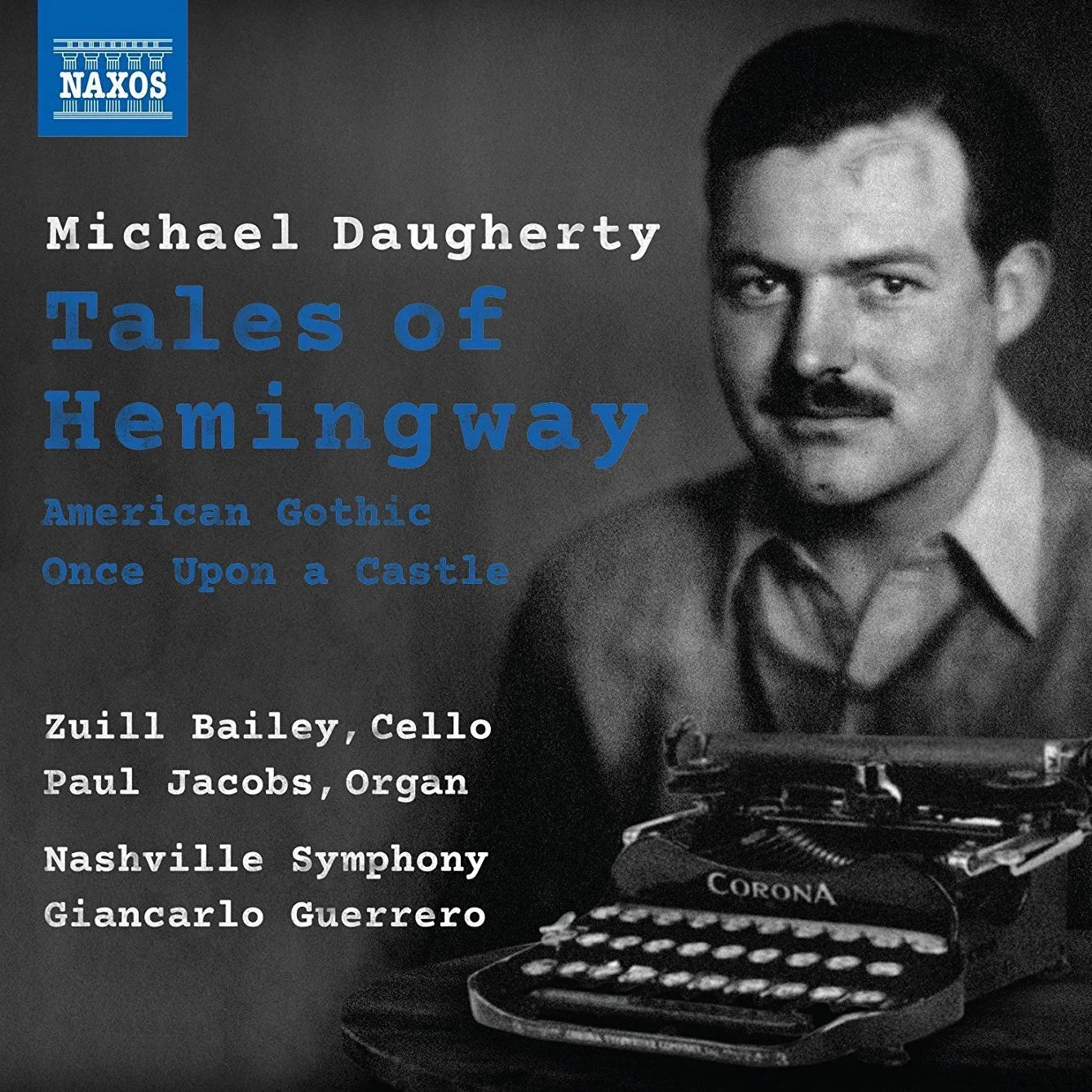
“Architecture is frozen music,” as Goethe said…There is something about when you’re exploring not knowing exactly where it’s going to go or how it’s going to turn out which creates an element of surprise and an element of intrigue.