"IMAGINATION is more important than knowledge. For knowledge is limited, whereas imagination embraces the entire world, stimulating progress, giving birth to evolution." –ALBERT EINSTEIN
🎧Listen on Apple Podcasts | Spotify
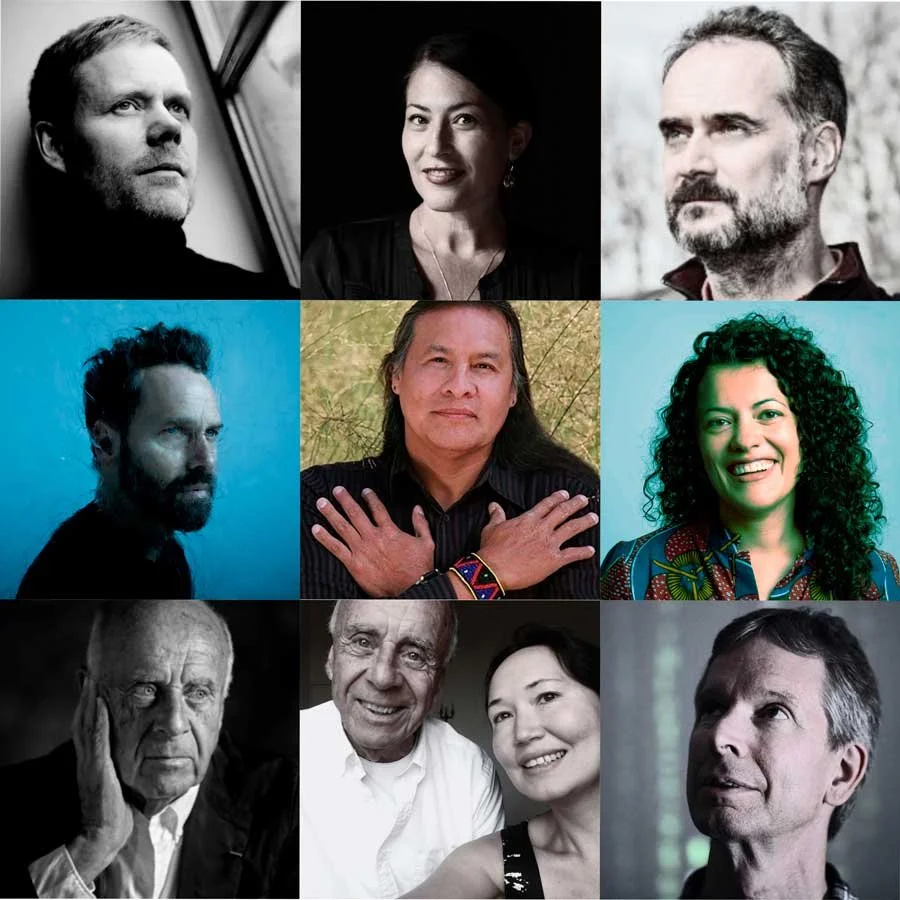
Artists, Writers & Scientists Share their Stories
Ada Limón, Max Richter, Dustin O’Halloran, David George Haskell, Donald Hoffman, and Ralph Gibson, reflect on beauty and the memories that give their life meaning.
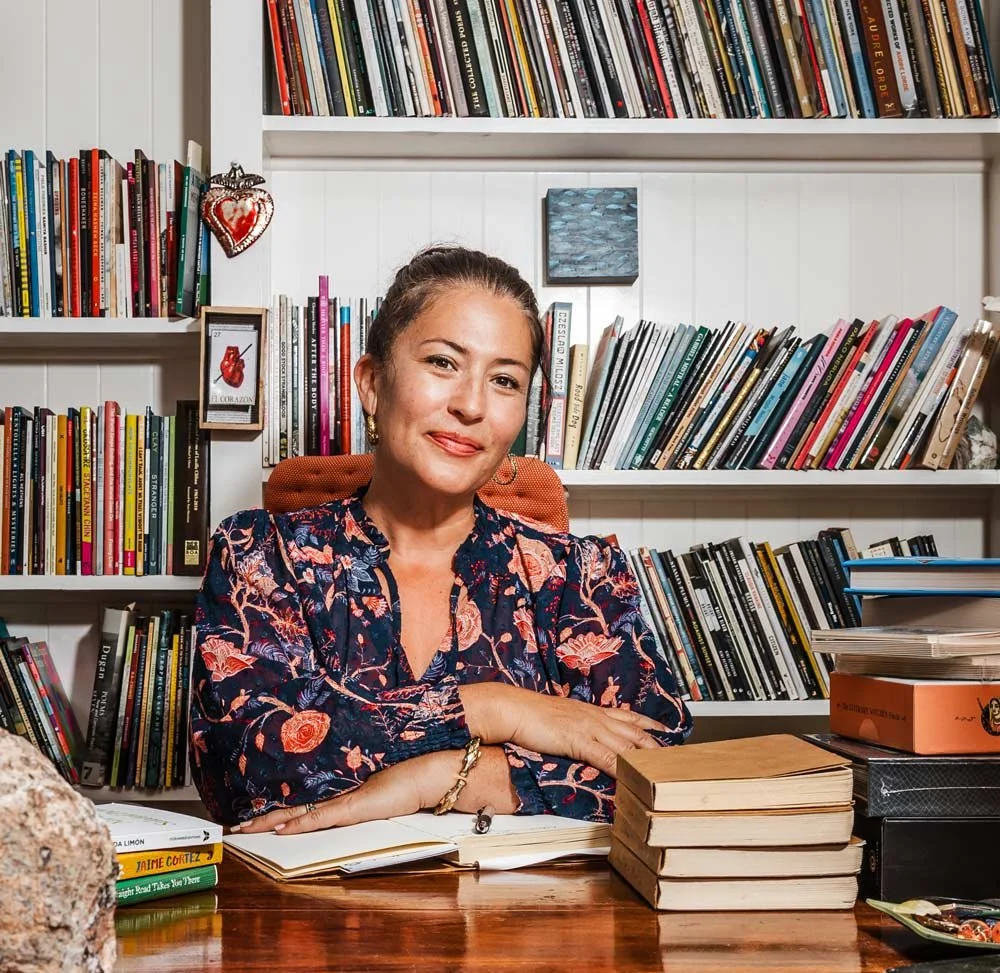
24th US Poet Laureate ADA LIMÓN
Author of Startlement · Against Breaking: On the Power of Poetry · The Hurting Kind
It’s always very interesting that we have to make a case for art because we don’t have to make a case for fast food. Like, we don’t have to make a case for all of these sort of things in our lives that we do not need, and yet we have to make a case for beauty? We have to make a case for the soul? We have to make a case for humanity? We have to make a case for singing back the wounded world? That to me is fascinating.
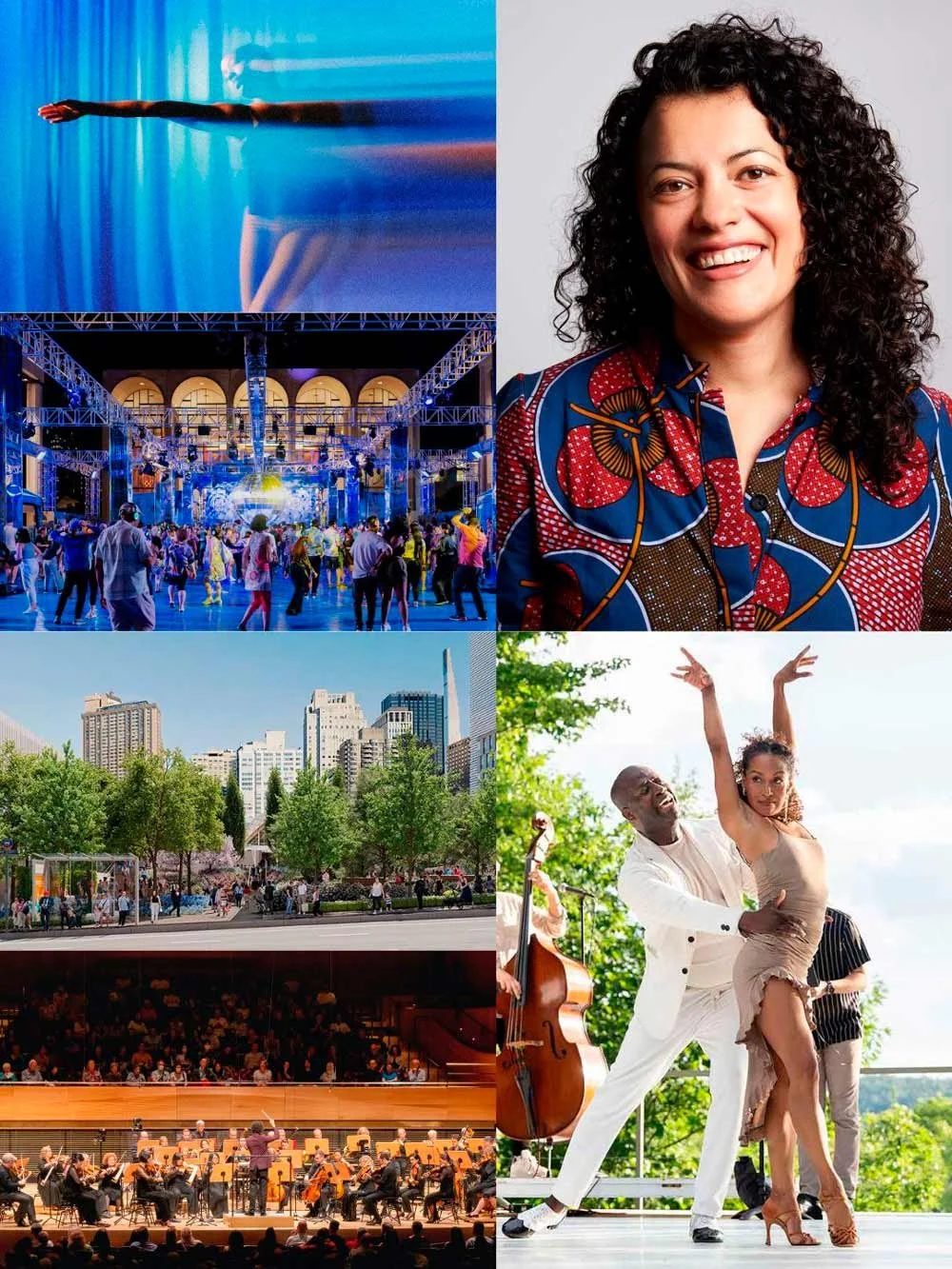
Celebrating the Performing Arts with Chief Artistic Officer SHANTA THAKE
Lincoln Center is multiple stages. I think probably over three dozen stages across 16 acres. It is a vast canvas in and of itself. And then we have this beautiful plaza that leads to this beautiful campus, and that’s the visual I think that most people have when they think of Lincoln Center is this beautiful fountain in the center and these three gorgeous buildings.It’s New York’s biggest plaza, and it feels very vibrant and beautiful. In the summer, we really take that plaza and we transform it into a dance floor. So this idea of also interrupting what people’s notion of Lincoln Center is because it’s a space that is very aspirational, which is a great thing.
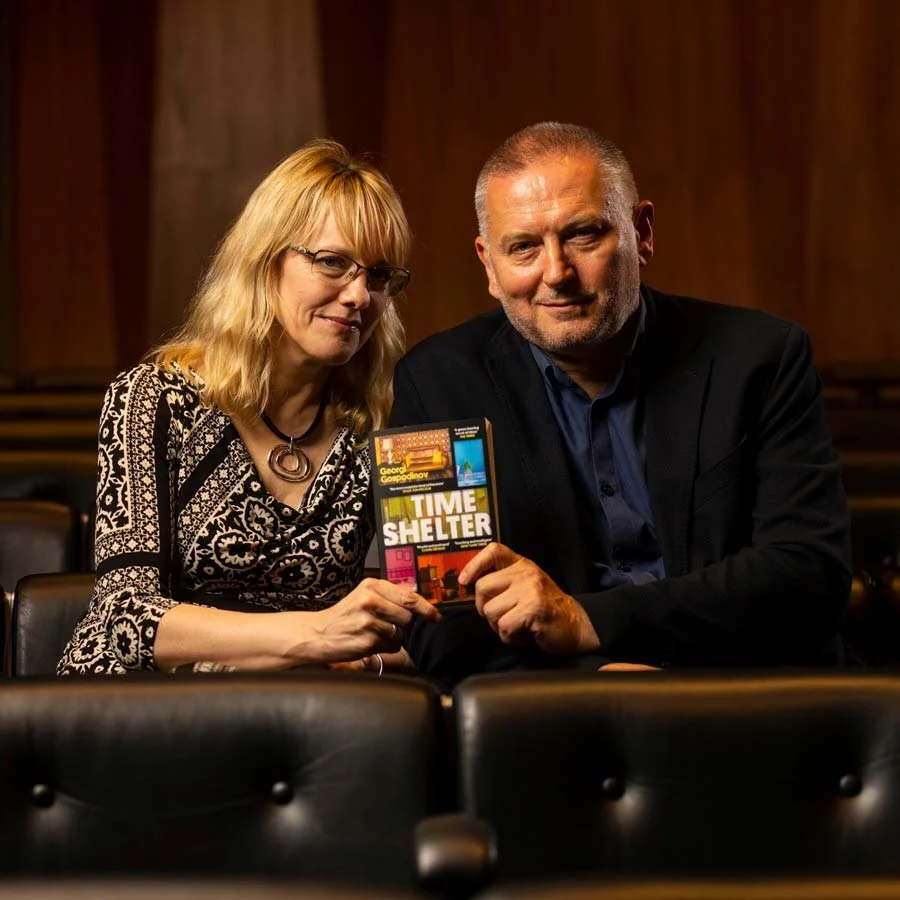
GEORGI GOSPODINOV (Author of Time Shelter · Death and the Gardener · The Physics of Sorrow) ANGELA RODEL (Translator · Musician · Exec. Director · Fulbright Bulgaria)
We are in the middle of a labyrinth which suggests to us many fake corridors. What's the superpower of literature? Literature is like an antidote against propaganda. Propaganda explains the world easily in a two-dimensional way. Literature gives you a more complex explanation. Literature tells personal stories.
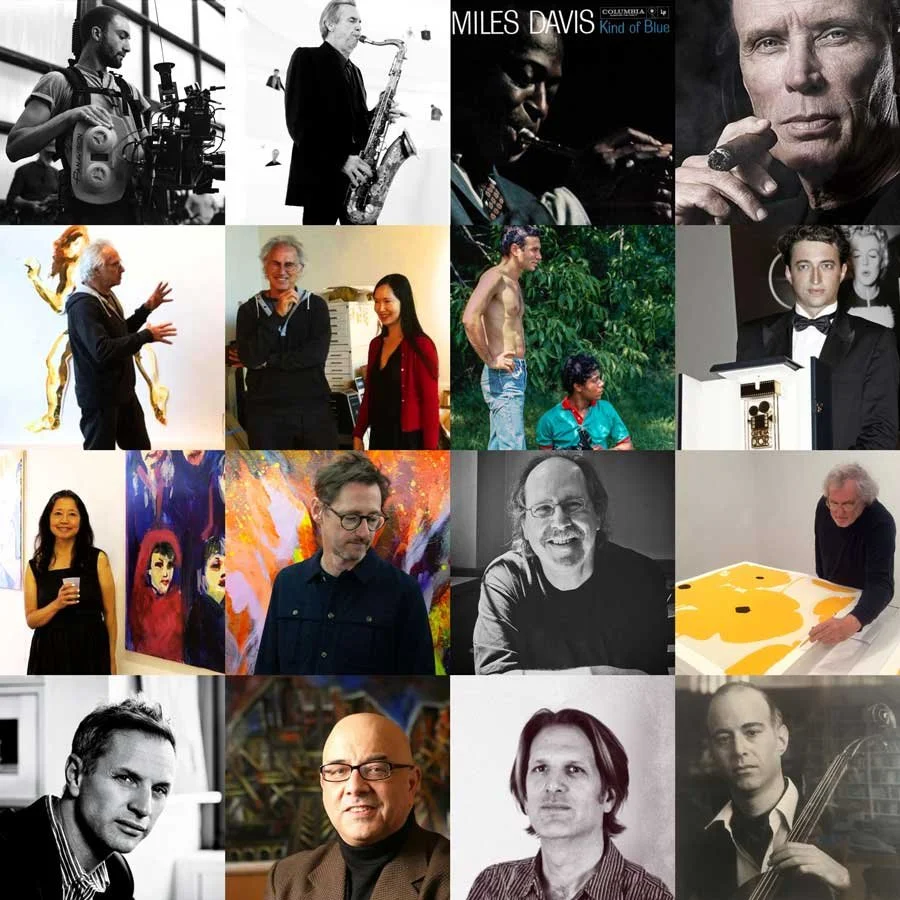
Artists on Creativity · Improvisation & the Search for Meaning
Peter Weller, Chayse Irvin, Lee Jaffe, Eric Fischl, Adam Moss, Anthony White, Dickie Landry, Bruce Evan Barnhart, Benh Zeitlin, Richard Sennett, Donald Sultan, Gloria Pacis, Paul Levinson and Julio Ottino share their stories.
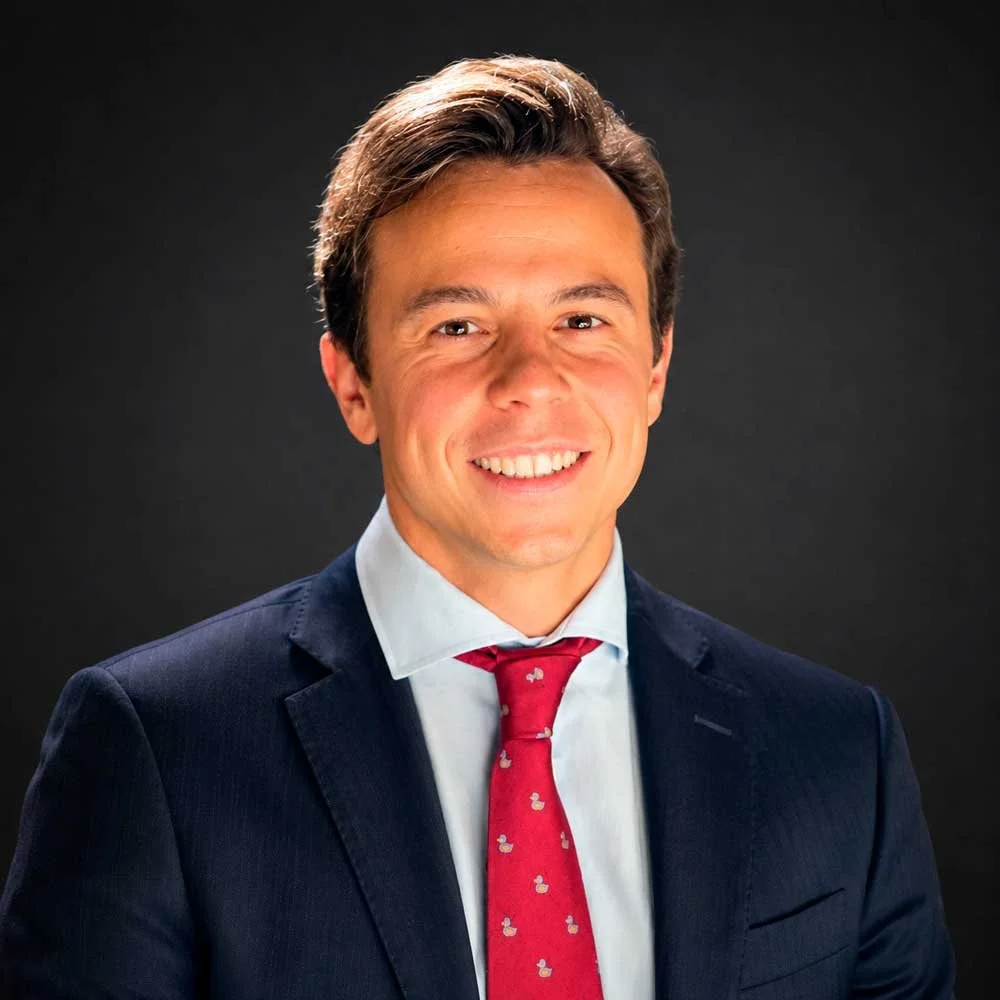
NACHO DE GREGORIO · Author of TheWhiteBox
I'm a believer in this technology. I believe that the cheaper it is, the more people will use it. So, even if we assume that models will get smaller for the same level of intelligence, the demand to actually have more compute is going to be enormous. And the reason why you want to have the compute close to you is not only in terms of performance. As a national security threat, I'm not saying this will happen, but it could happen that China or US or whoever decides to stop exporting compute to the rest of the world. If that happens today, Europe has zero AI at the scale of data the data center.
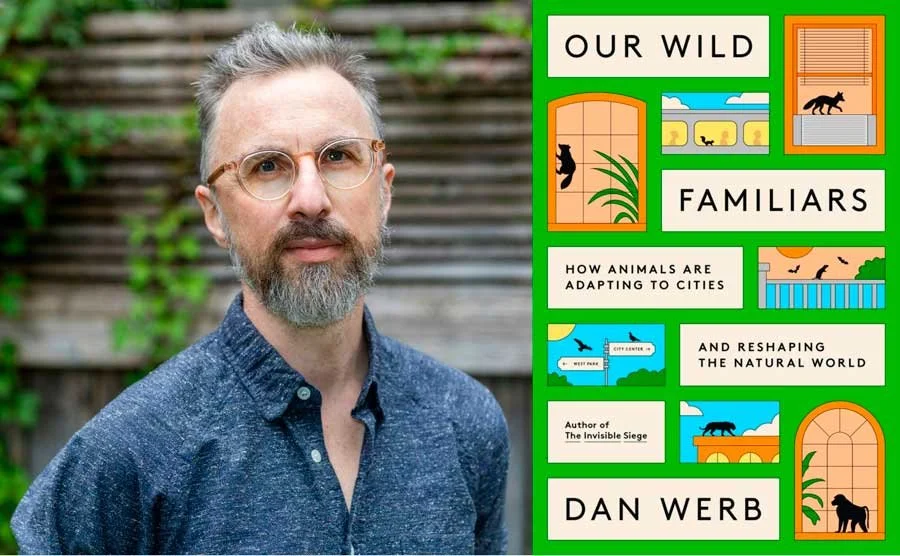
Epidemiologist · Musician · Author of Our Wild Familiars
So synanthropes are animals that have adapted to human-modified environments, and the Greek translation essentially is together with humans, so synanthrope. And they're a fascinating subset of wild animals that they're all around us, but we don't really notice them. And so in this new book, I was excited about writing something that had to do with the natural world. I was excited about writing something that touched on climate change and the way that the world was changing, but maybe not with such a sort of dirgey approach or funereal approach. Something that actually explored the wonder of the world as it is and as we experience it around our communities in our cities and towns. And I had come across this word synanthrope in the research for my last book, The Invisible Siege, which was about the rise of coronaviruses and the long scientific journey to find cures for COVID-19, and it just kind of stuck with me. There is this connection, of course, between wild animals and viruses and lots of questions about the origin of SARS-2, the virus that spread COVID-19 and caused the pandemic. And while that's touched on in the book a little bit, the vast majority of what I was excited to write about was just what these animals are doing in our cities. How is it that wild animals, raccoons, coyotes, all kinds of birds and animals as fragile as bats… These are not just insects and earthworms and things like that. These are very large predators that have nevertheless found a way to survive among us. And that in and of itself I think is just an amazing story and what I explore in this book.
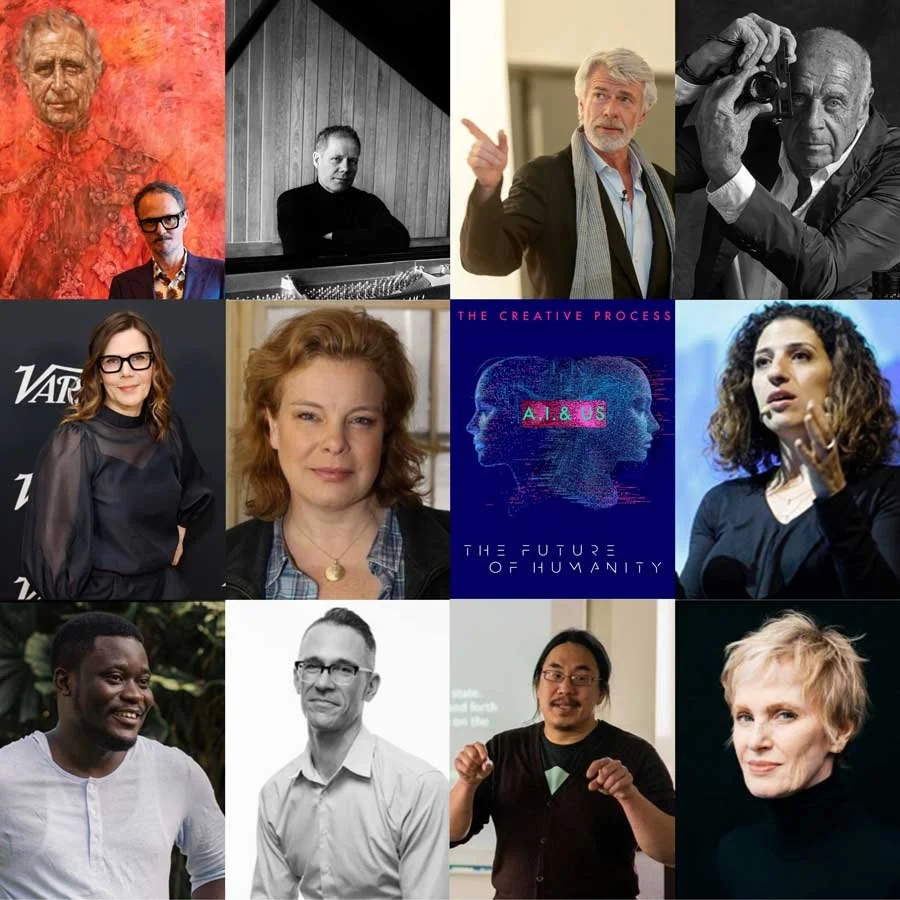
It is an ordinary human impulse to find a reflection of ourselves in the machines we build. But what happens when the lifeless begins to talk back, to paint, to compose and to simulate our emotions? How do we hold on to what makes us human? Siri Hustvedt, C. Thi Nguyen, Bayo Akomolafe, Jonathan Yeo, Laura Eason, Max Richter, Ralph Gibson, Catherine Curtin, Liad Mudrik, Jacob Ward, Chris Dercon examine the power of imperfection, imagination, intuition, and how to avoid getting lost in the machine.
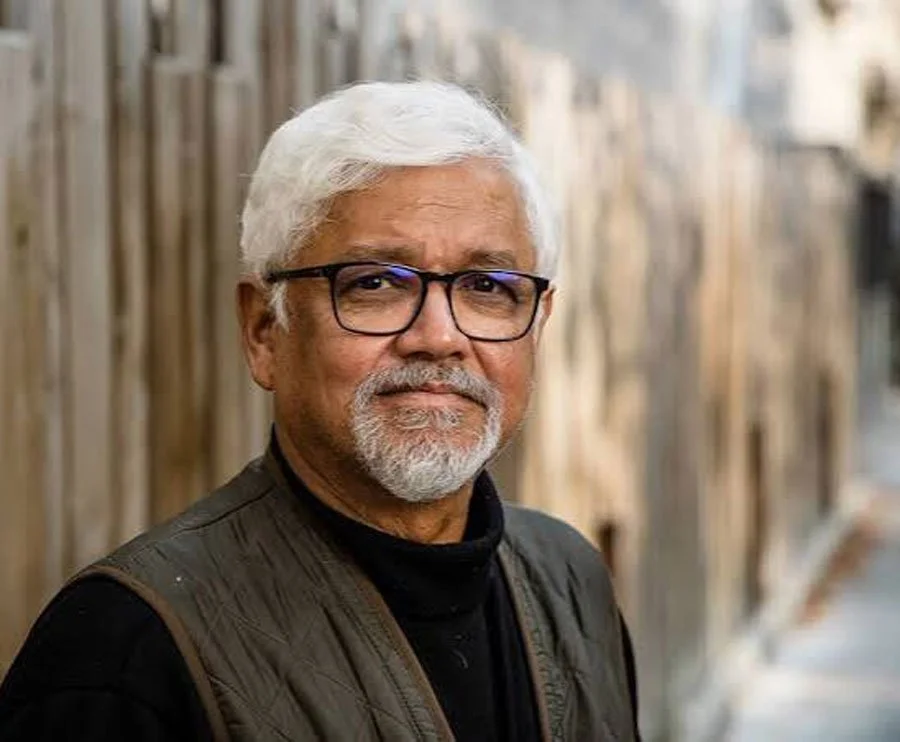
AMITAV GHOSH · Author of Ghost-Eye · The Shadow Lines · The Hungry Tide · Sea of Poppies · The Great Derangement: Climate Change and the Unthinkable
Imagining with precision is a very fundamental part of my work. When I sit down to write about anything, whether it be The Hungry Tide in the Sundarbans, or let's say The Shadow Lines, or Ghost-Eye. It's very important for me to get the topography right, to get the outlay of the streets or the house exactly right so I can actually picture all of that in my head. It's very important for me to have a sort of pictorial sense of what I'm seeing and what I'm writing about. Before I can write about it, I need to see it, as it were. So that's absolutely fundamental to my craft. That's just how I go about it. Like the Sufis say—behind the apparent reality is a hidden or ba- reality.
I guess that's always been something of great interest to me. How do you square these two realities and make them come together on a page? And really that is what, in some sense, the work of the imagination is. We know that we're in the grip of an intensifying planetary crisis. We can see signs of it everywhere.
How much of our consciousness is actually shaped by our bodies? We explore embodied cognition and the idea that we think with our limbs, breath and physical interactions, with Siri Hustvedt, Guy Leschziner, Daisy Fancourt, Helen Whybrow, Marie Nipper, Arash Abizadeh, David Linden, Bayo Akomolafe, Master Shi Heng Yi, Anil Seth, Robert Waldinger, Noelani Pantastico and Sean Curran.
Redesigning Our Relationship with Nature
We explore our changing planet, from melting ice in Greenland to the depleted soils in our farmlands. We’re joined by writers, advocates and visionaries to discuss environmental justice and the circular economy. Abrahm Lustgarten, Jon Gertner, Rebecca Tickell, Bill Hare, Rob Nixon, Euan Nisbet, Roland Geyer, William McDonough, Carlo Ratti, Jason deCaires Taylor, Jane Madgwick, Paul Shrivastava, Liza Featherstone, Osprey Orielle Lake, Ron Gonen, Louis de Jaeger, Kathleen Rogers and Yolanda Kakabadse.
Journalists, Writers, Political Scientists, Economists, Filmmakers on Democracy & The Fight for Truth · We explore the collapse of journalism, the rise of spin dictators and how disinformation is the new censorship. As media consolidates, journalism remains an act of hope. Nicholas Kristof, Abrahm Lustgarten, Lee McIntyre, Richard Black, Richard Wolff, Jeffrey Rosen, Sergei Guriev, James Fishkin, Viet Thanh Nguyen, T.C. Boyle, George Pelecanos, Jacob Ward, Dean Spade, Debora Cahn, Daniel Susskind, Mike Davis, Michael Maren.
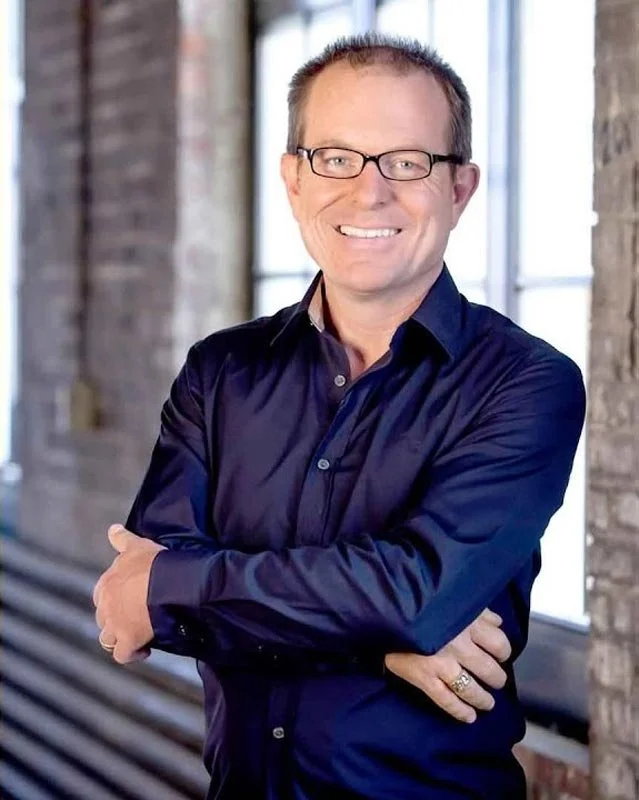
DR. KEITH SAWYER · Author of Learning to See: Inside the World's Leading Art and Design Schools · Explaining Creativity · Group Genius
I've discovered in my studies of creativity in general that creativity is not about starting with a brilliant idea and then following a linear path to an execution of your idea. What I see in art and design is a much more iterative, wandering, exploratory process where the ideas emerge from the act of engaging in the work.
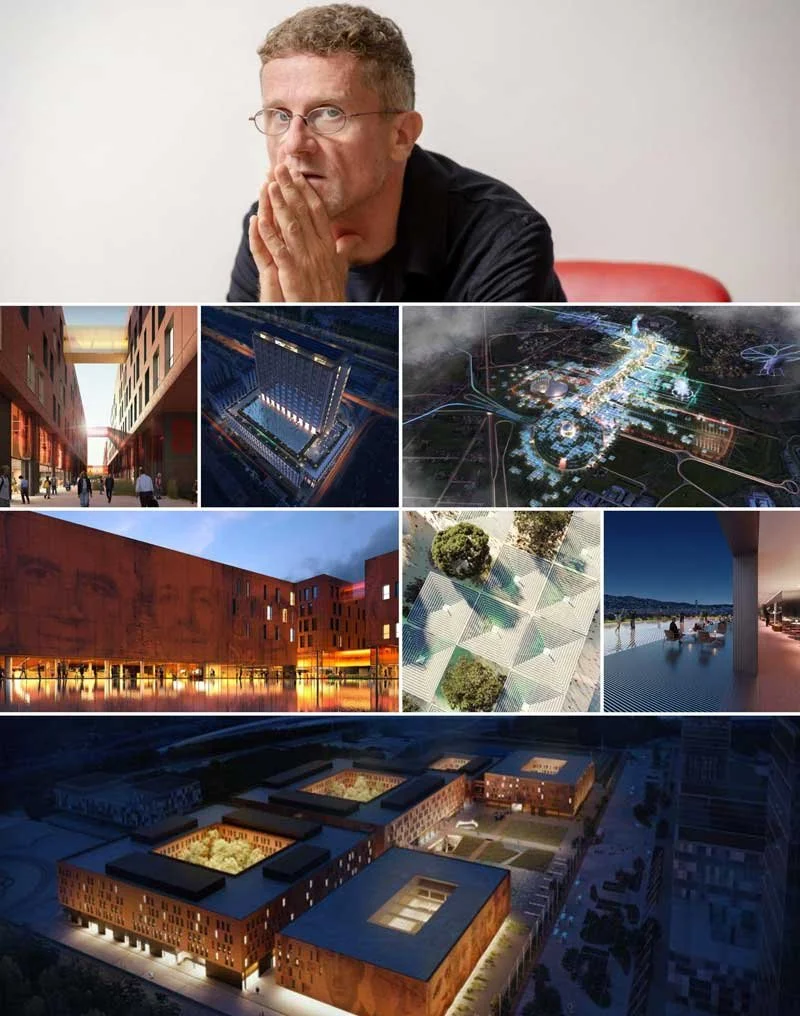
Architect · Engineer CARLO RATTI
Director of MIT's Senseable City Lab
Curator of Venice Biennale’s 19th Int’l Architectural Exhibition
What we need to do is learn from nature. If you think about how nature progresses through trial and error. I'm really a fan of how we can do open designs that citizens can respond to, and use the feedback in order to create similar systems to what happens in nature.
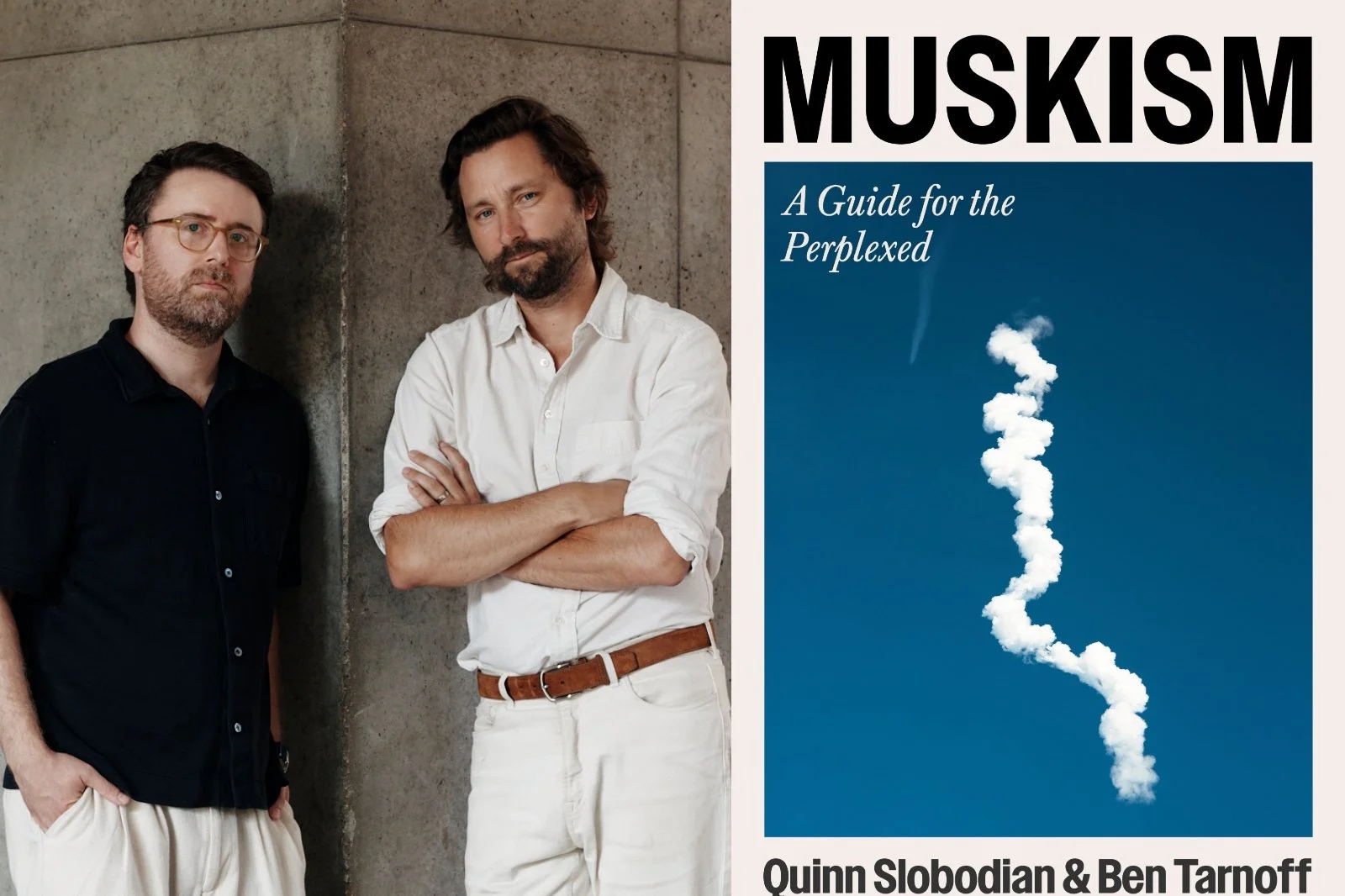
QUINN SLOBODIAN & BEN TARNOFF on why understanding Elon Musk’s computational worldview is essential for protecting the public sphere and fighting back against cyborg conservatism
Musk interestingly has this way of excluding the majority of the population from consideration, what he variously calls non-playing characters or NPCs, which is a category from video games, or sometimes bots, vampires. And this is a much more stark version of insider and outsider group creation than even hierarchies of race because it takes this one step further by taking very seriously the idea that other people are not only not human, but they in some way don't even exist, which is the literal reading of Musk's adoption of Nick Bostrom's simulation theory, which is that most people are simply programmable parts of a simulation, and only a small number of people are actual players.
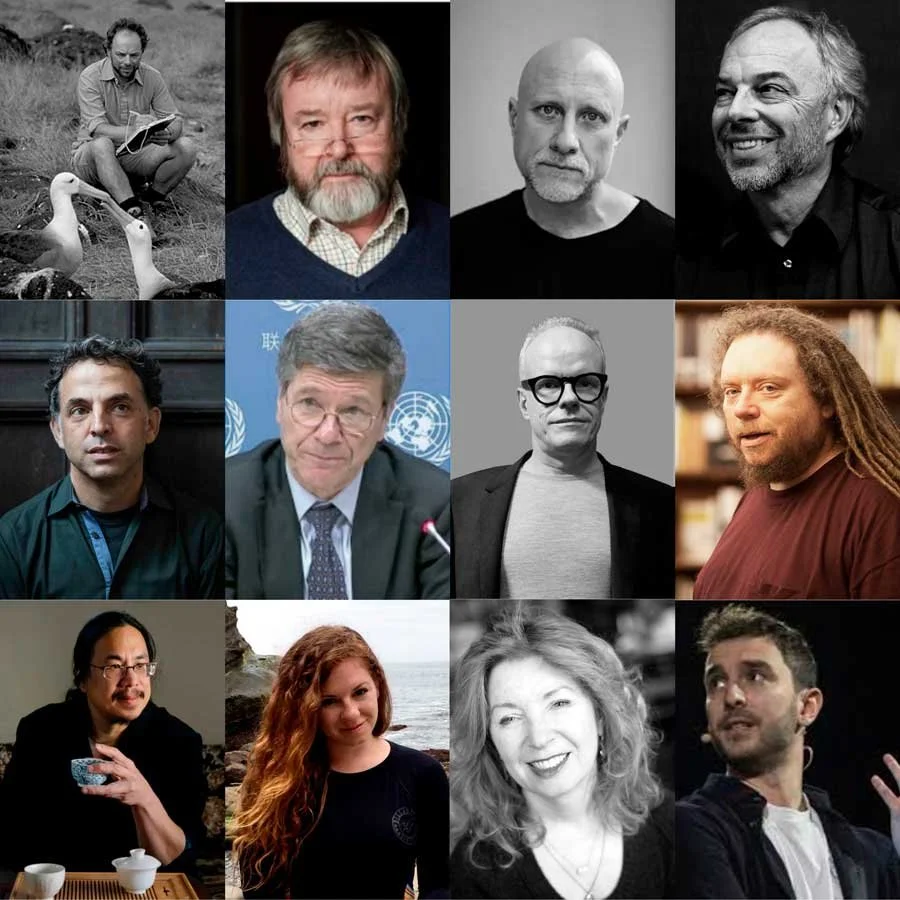
As artificial intelligence reshapes our visual culture and cognitive habits, we investigate the profound costs of offloading our reason to algorithms with Trevor Paglen, Jaron Lanier, Henry Ajder, Hans Ulrich Obrist, Antonella Wilby, C. Thi Nguyen, Carl Safina, Jeffrey Sachs, Etgar Keret, April Gornik and Iain McGilchrist.
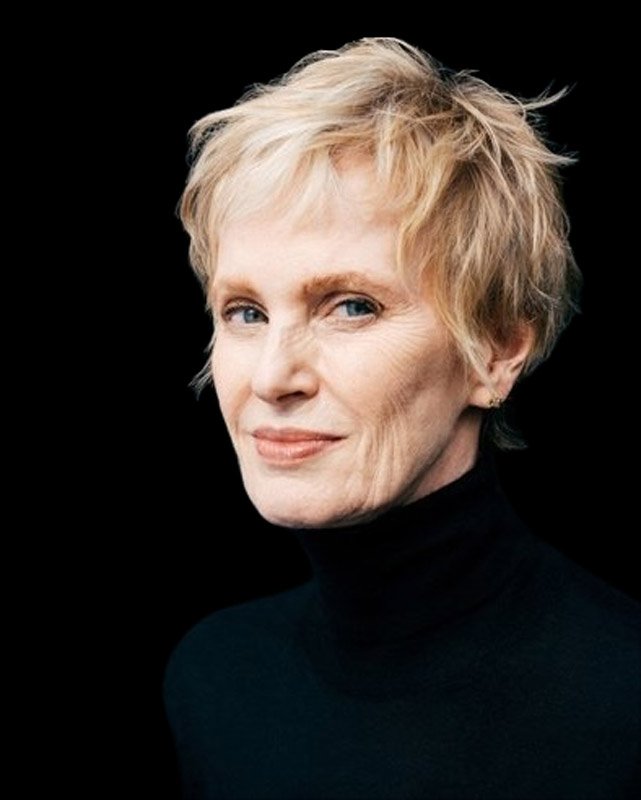
Author SIRI HUSTVEDT Remembers Her Late Husband, PAUL AUSTER
Grief happens because you don't stop loving the person who died. The person doesn't exist in your reality anymore. The everyday is not colored and shaped by this other human being, but you don't stop loving the person. So grief is a particular kind of unrequited love. And probably without that dynamic relationship with this person, I would be someone else. And he would've been someone else. Paul died before me. But we were, I think, hugely important to the drama of becoming in our own lives.
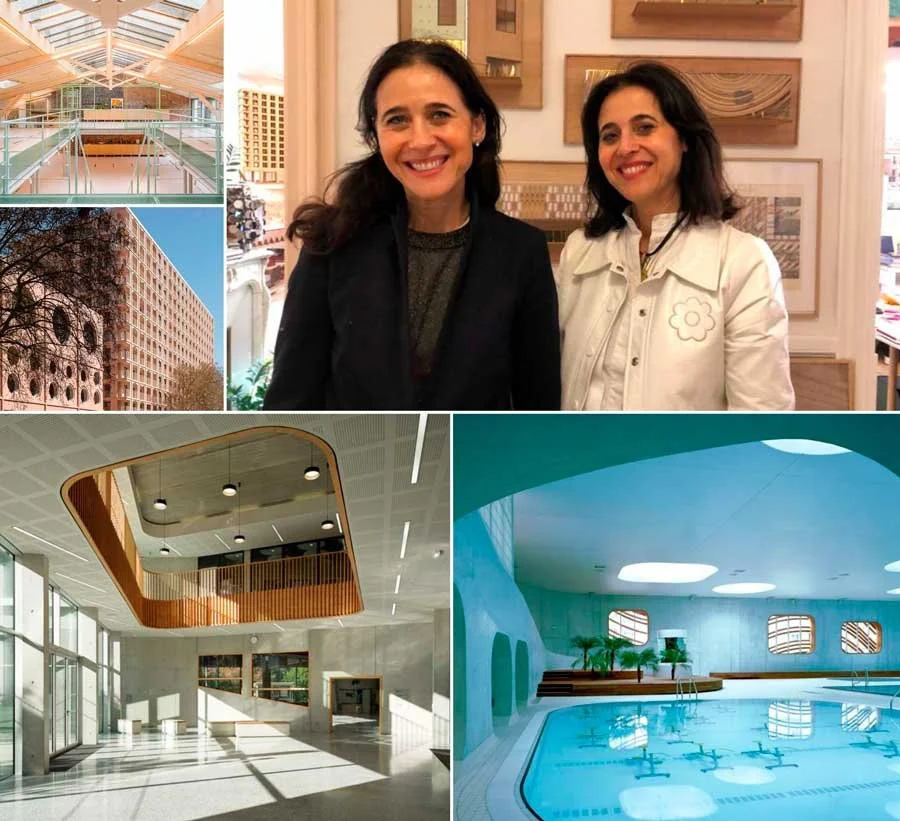
Architects SALWA & SELMA MIKOU
Architecture should bring a true sensation of wellbeing. We were really lucky to experience that as children, and now as architects, we try to bring all that we learned into our practice.
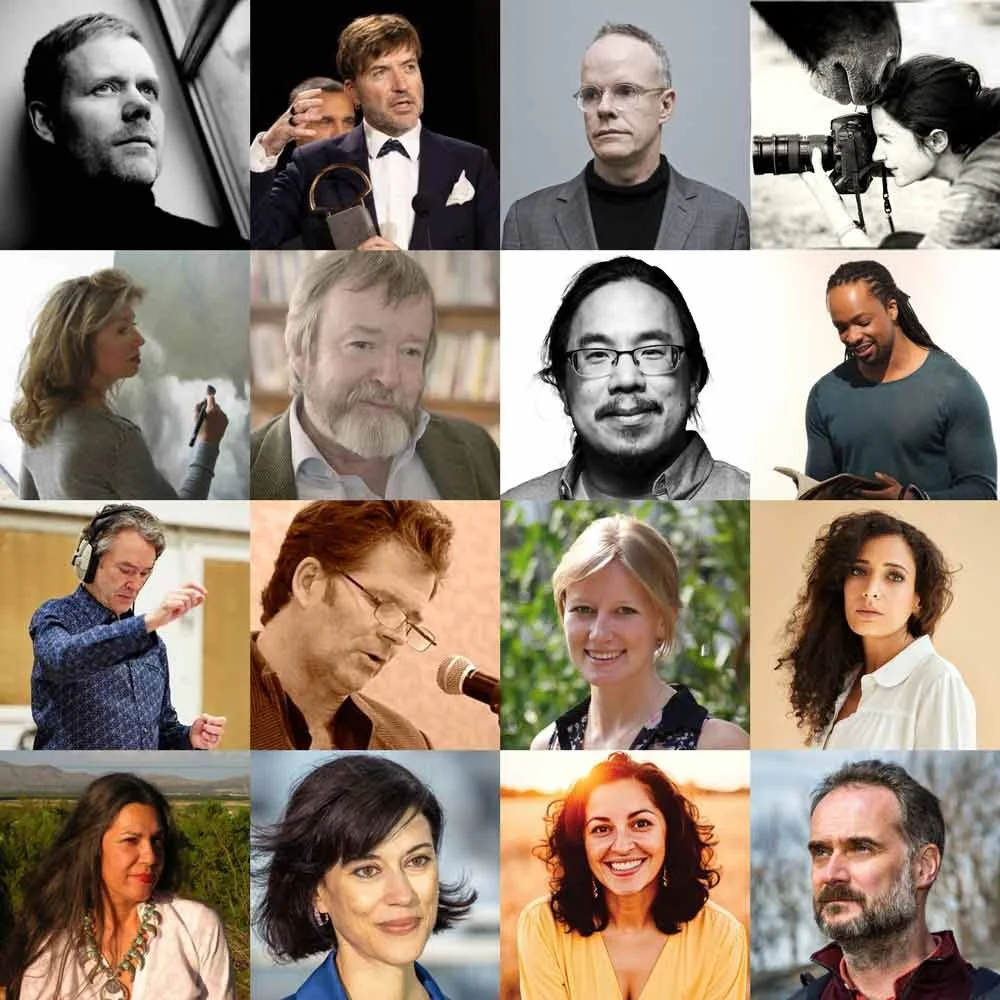
Creativity is an infinite conversation. The impulse to speak and be heard is what keeps us tethered to each other and to the world. Max Richter, Andre Dubus III, Iain McGilchrist, Ana Castillo, Albert Serra, Daisy Fancourt, David George Haskell, C. Thi Nguyen, Cherien Dabis, Aimee Nezhukumatathil, Ami Vitale, April Gornik, Carter Burwell, Hala Alyan, Jericho Brown and Hans Ulrich Obrist explore creativity as a window into reality and a tool for connection.
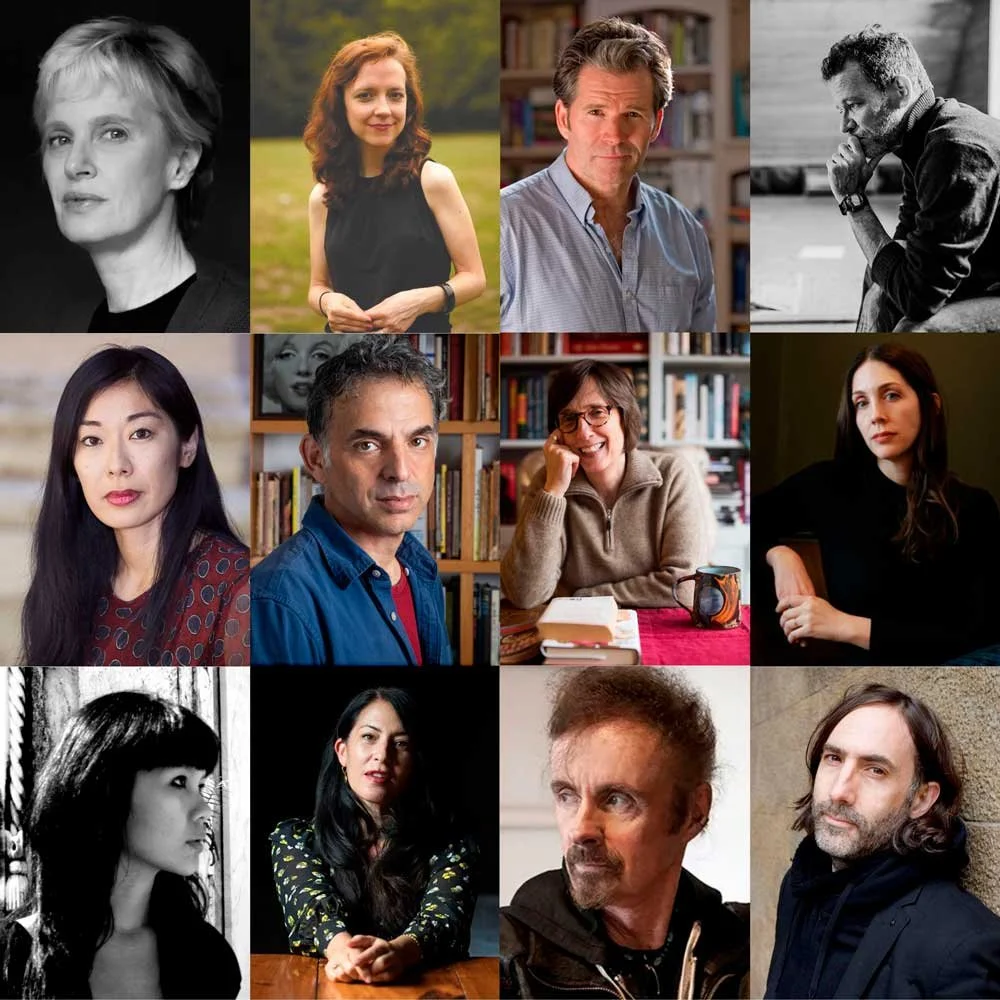
We hear from Andre Dubus III, Etgar Keret, Paul Lynch, Megan Abbott, Katie Kitamura, Liz Moore, A.L. Kennedy, Siri Hustvedt, Yann Martel, Intan Paramaditha, T.C. Boyle and Ada Limón on finding beauty in chaos and how writing helps them make sense of the world.

A Conversation with Documentary Filmmaker REBECCA TICKELL
Today, we explore the work of a filmmaker whose lens is consistently turned toward the most critical issues facing our planet. Rebecca Tickell, in collaboration with her husband Josh Tickell, has created a powerful cinematic catalog of films that are not merely observations, but catalysts for change. They've taken on the complexities of our energy systems, the deep-seated problems within our food supply, and now, with her latest work, Bee: Wild, they explore the essential, fragile, and often unseen world of pollinators.
Their film Kiss the Ground sparked a global conversation about regenerative agriculture, leading to tangible shifts in policy and public understanding. Common Ground continued this exploration, unraveling the intricate web of our food systems. Now, with Bee: Wild, narrated by Ellie Goulding and executive produced by Angelina Jolie, Rebecca brings her characteristic blend of journalistic rigor, personal narrative, and solutions-driven storytelling to the urgent plight of bees, asking us to reconsider our relationship with the natural world.
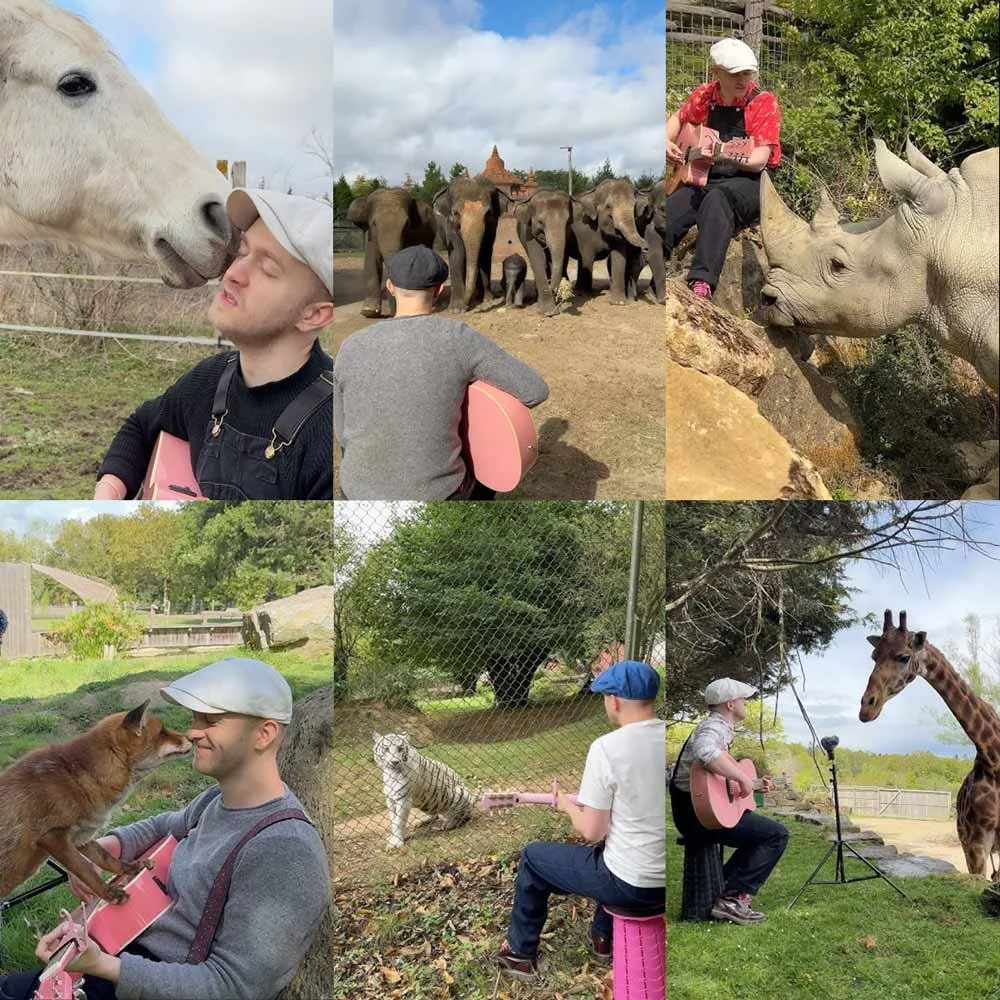
Musician & Activist PLUMES
Mostly I’ll play in a minor key, something sad, which I think can work for an animal because they can sense the sadness, and they try to reassure me and comfort me. I chose love songs because I'm convinced they are very intuitive and they can sense what I am trying to say to them, and profess my love in a way. I think there's always a way to connect, and if you're being cautious and don't threaten the animals, something beautiful can happen.
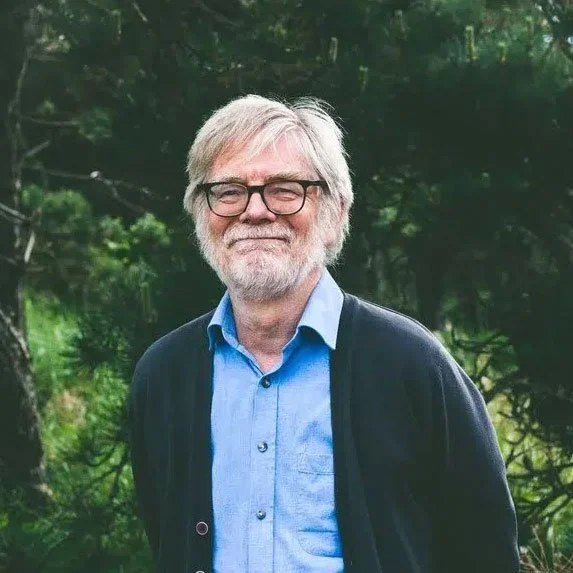
FRED PEARCE · Environmental Journalist · Author of Despite It All
Observing the world and talking to people around the world, I find a huge amount of spirit and optimism and hope among communities around the world. That really helps. And it's fabulous also to see how nature recovers from almost the worst things that we are doing.
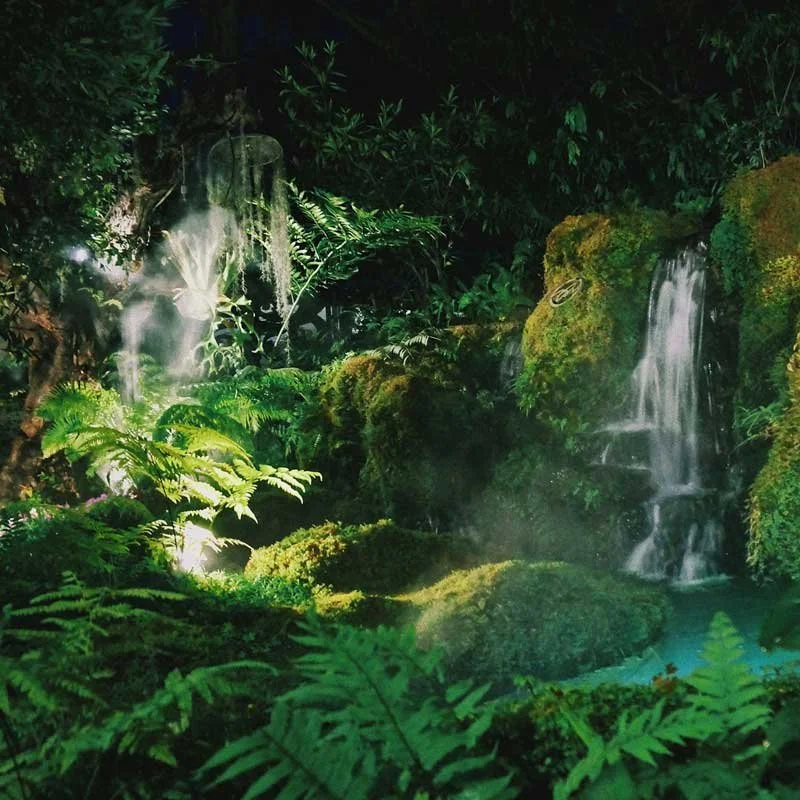
On Earth Day, we explore the Living World—a reality where we are not merely on a planet, but are a moving part of its metabolism. We travel from the High Sierras with Paul Hawken to the glowing forests of Costa Rica with Thomas Crowther. Guided by Paul Hawken, Merlin Sheldrake and David George Haskell, we explore policy and poetry with guests Paula Pinho, Hans Bruyninckx, Bill Hare and Alice Schmidt. Alongside Tiokasin Ghosthorse, Tom Chi, Erland Cooper, Rebecca Tickell and Britt Wray, we ask what happens when we stop trying to dominate and start trying to collaborate with the Earth?
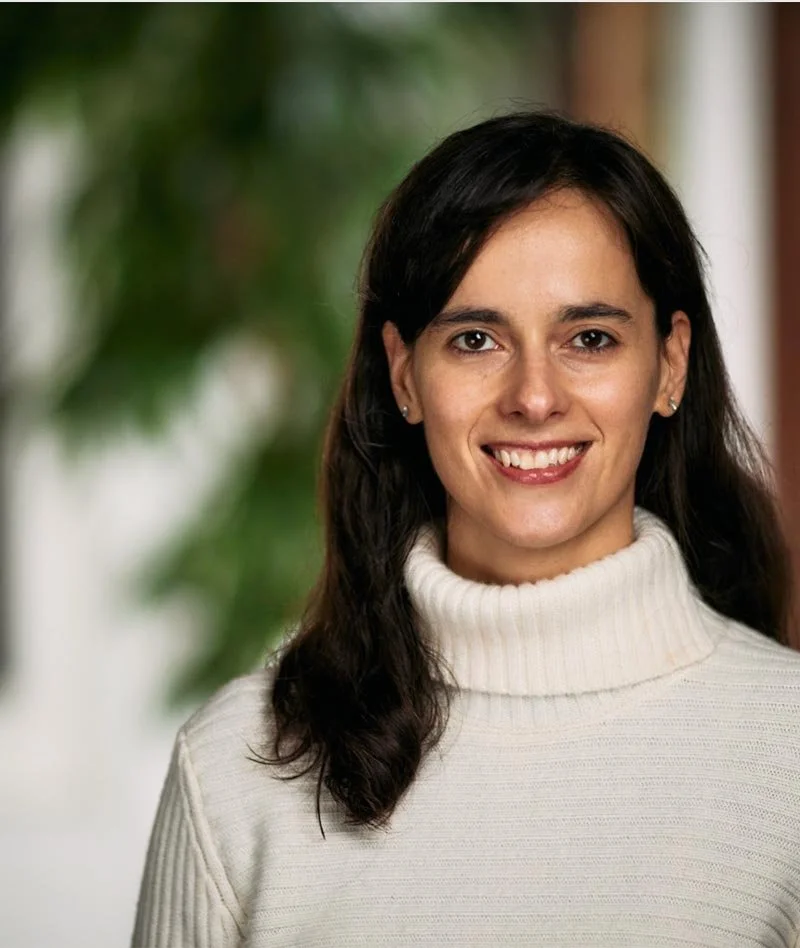
CARISSA VÉLIZ · Author of Prophecy: Prediction, Power & the Fight for the Future · Privacy is Power: Why & How You Should Take Back Control of Your Data
Algorithms are deciding whether you are eligible for a loan, a job, an apartment or insurance. They determine what you see online, who reads your social media posts and who connects with you on dating apps. They may even decide whether you get arrested or go to jail. Your very life hangs in the balance of prophecies.
If you are unlucky, a prediction will be what kills you. Forecasts can determine your place on a waiting list for an organ transplant or whether you get medical care in an emergency. Policymaking hinges on predictions. War and peace and whether someone lives or dies are decided based on forecasts about the strength of an adversary, the impact of a mission or the identity of a person. And yet no one has asked your permission to make those guesses. No governmental agency is supervising them. No one is informing you of the prophecies that shape your fate. Prophecies are the grounds on which fights over the future take place.
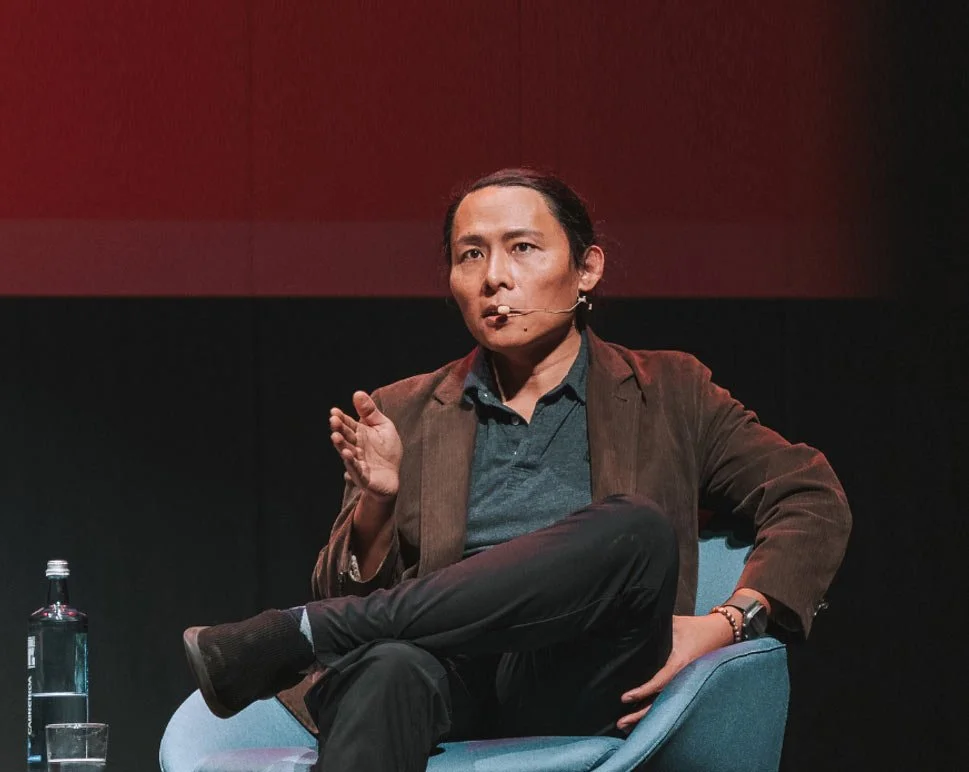
TOM CHI · Physicist · Designer · Inventor · Google X Co-founder (Glass, Loon, Waymo) · Founding Partner of At One Ventures · Author of Climate Capital
In the book I spend a bunch of time basically teaching skills and frameworks of thinking. Not to indoctrinate, it's not a framework like an ideology where you need to believe exactly these things. This is a lot more about how does one use their minds effectively to solve problems that have been solved before. I work on things that have to do with investment and climate and the future of the economy and automation. The main things I'm trying to teach in the book are skills around creativity, critical thinking, community compassion and frameworks around how to go and use that on problems that should be relatively portable to a bunch of problems that are meaningful to you. The way that education needs to change is that people need to actively be working on things that truly matter to them so that over time they end up being able to go make that difference.
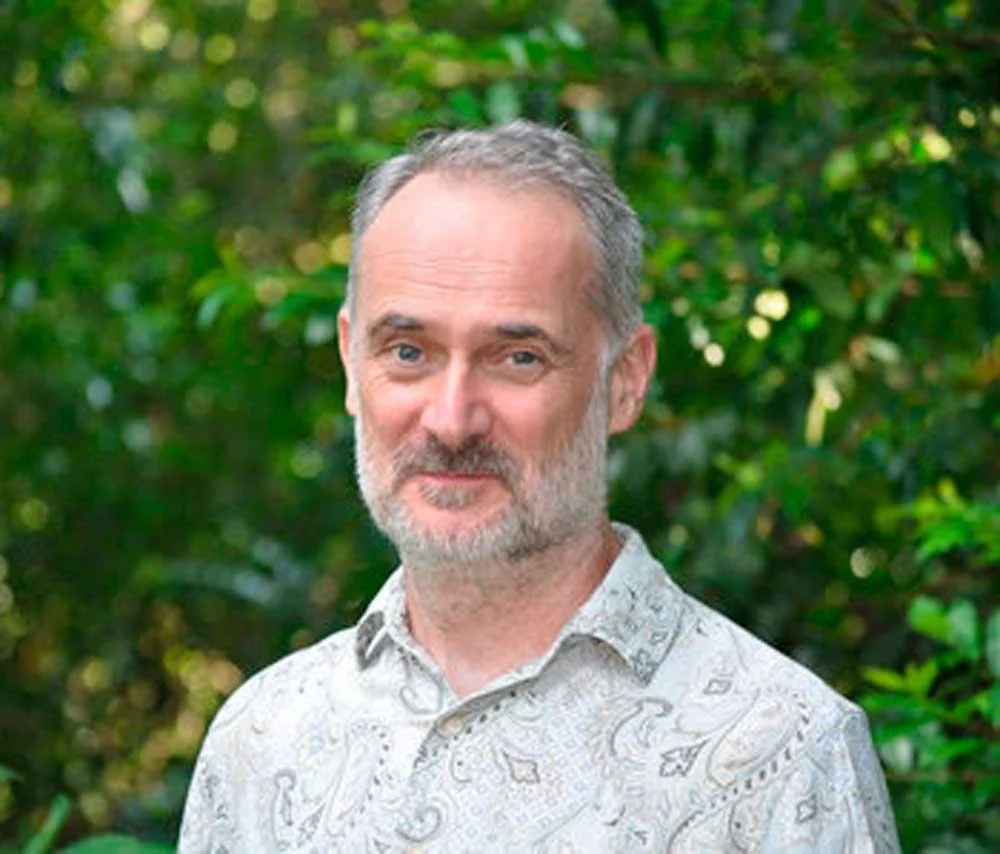
Biologist · Author DAVID GEORGE HASKELL on Deep Time, Plant Intelligence & Listening to the Living World
For at least 150 years biological sciences emphasized individuality and aloneness. So individual species, individual genes, individual organisms. And that's a useful view, up to a point. I mean, it is true that I am an individual organism. I've got a skin, and then the air begins and there's a gap between me and the next person over. But that view is also utterly false in many ways, in that the human body is not just comprised of human cells. There are bacteria, fungi, and viruses, all these other creatures that we now know are essential to our health. Our minds are not solitary. They're formed in relation to other beings. Ecosystems work only through relationship. So relationship and interconnection, not separation. And atomism is in fact the fundamental nature of life. Even from the very, very first fossils that we have of living organisms way back more than 3 billion years ago, these little cells are sitting next to one another.
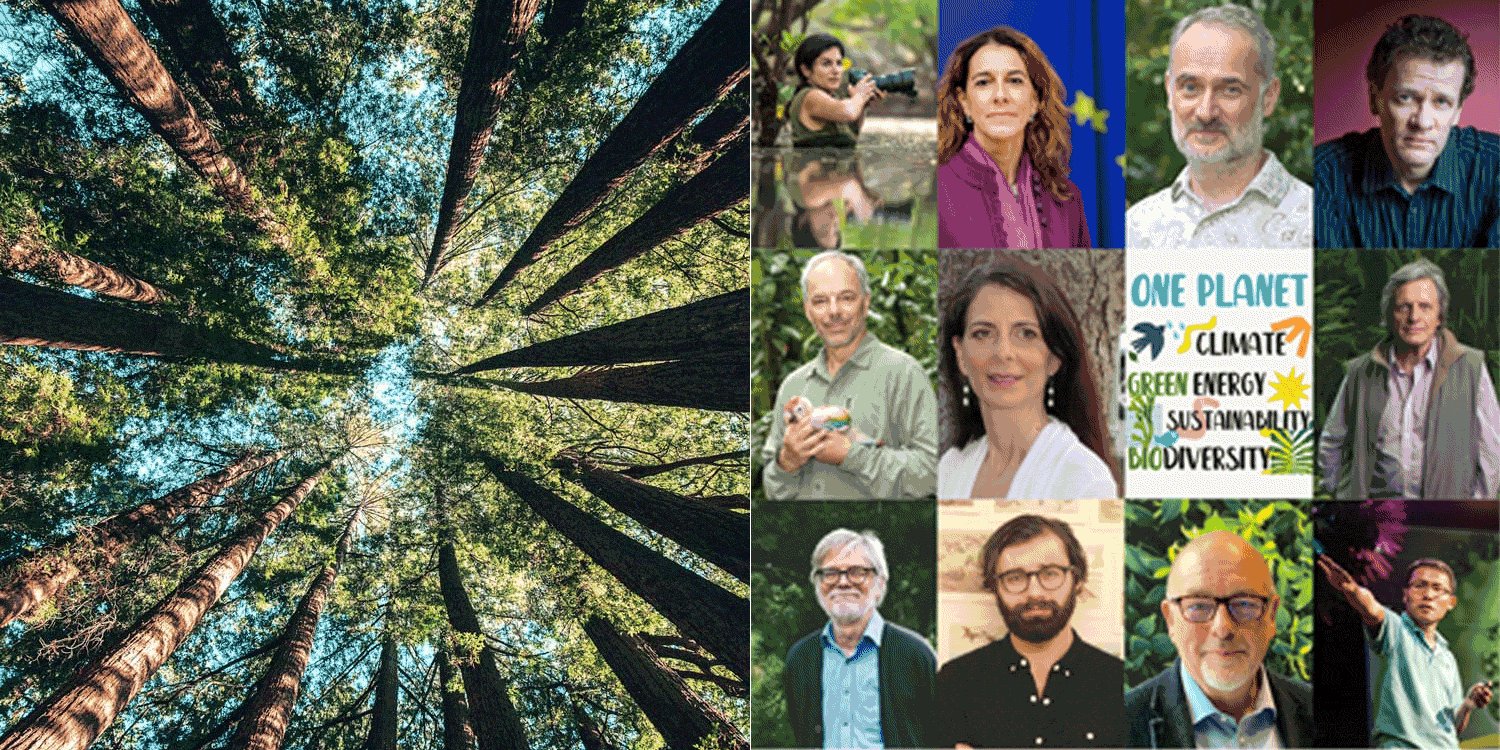
I want to be wowed by the world. I want to gaze at it in awe and wonder.
Clayton Page Aldern, David George Haskell, Yann Martel, Carl Safina, Martín von Hildebrand, Richard Black, Tom Chi, Paula Pinho, Osprey Orielle Lake, Bill Hare, Fred Pearce reflect on Climate Change & The Rights of Nature
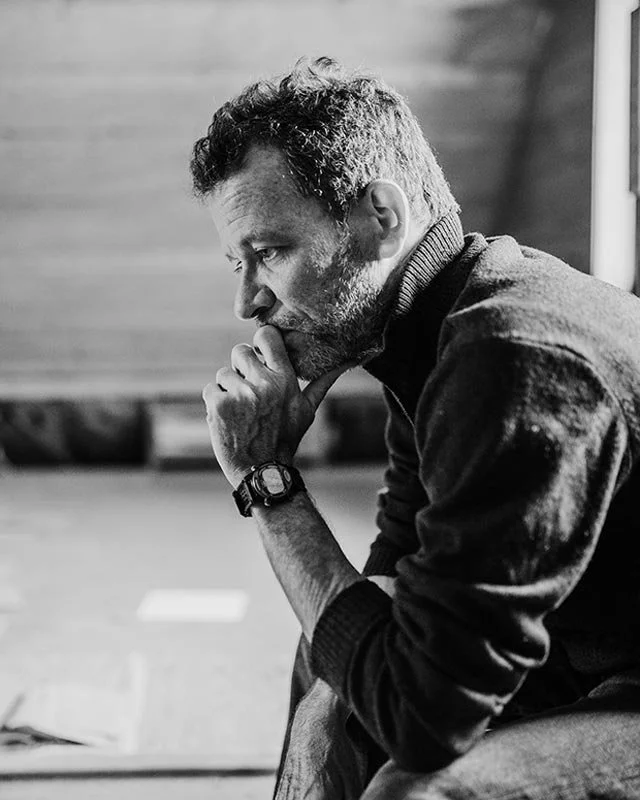
YANN MARTEL · Booker Prize-winning Author of Son of Nobody · Life of Pi
Storytelling, which is a very whole person kind of activity, is one that delivers all kinds of truths. Facts are just the ground upon which we build the edifices that we actually live in. And those are not just made of facts. They're made of other kinds of truths that make the stories of who we are, the cities we live in, the languages we speak—these are made of fact and fiction together, and those are the stories that define our lives.
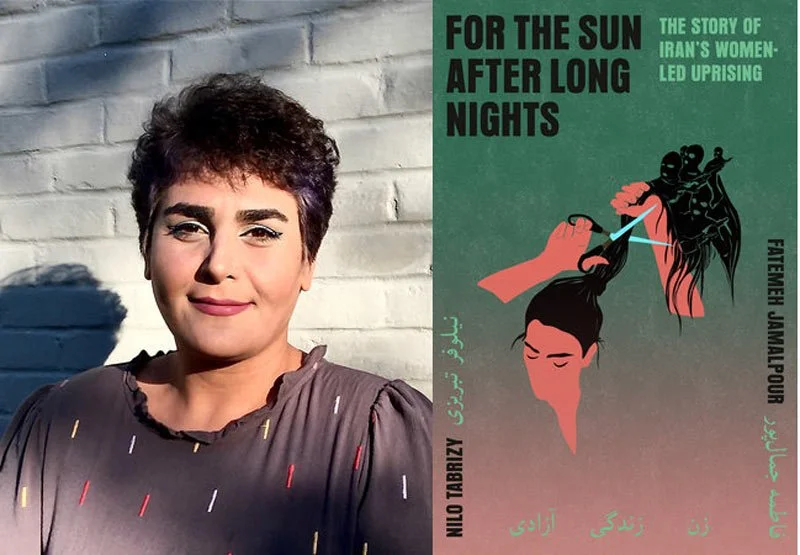
Journalist FATEMEH JAMALPOUR
Then I started to write about the interrogation sessions. I knew that writing is jumping over the death row. I knew they couldn't shut down my mind. I had all these notes about returning and the interrogation sessions because I was facing the whole ideological core of the regime. We realized that to tell the full, human side of the story of our people, we needed a book.
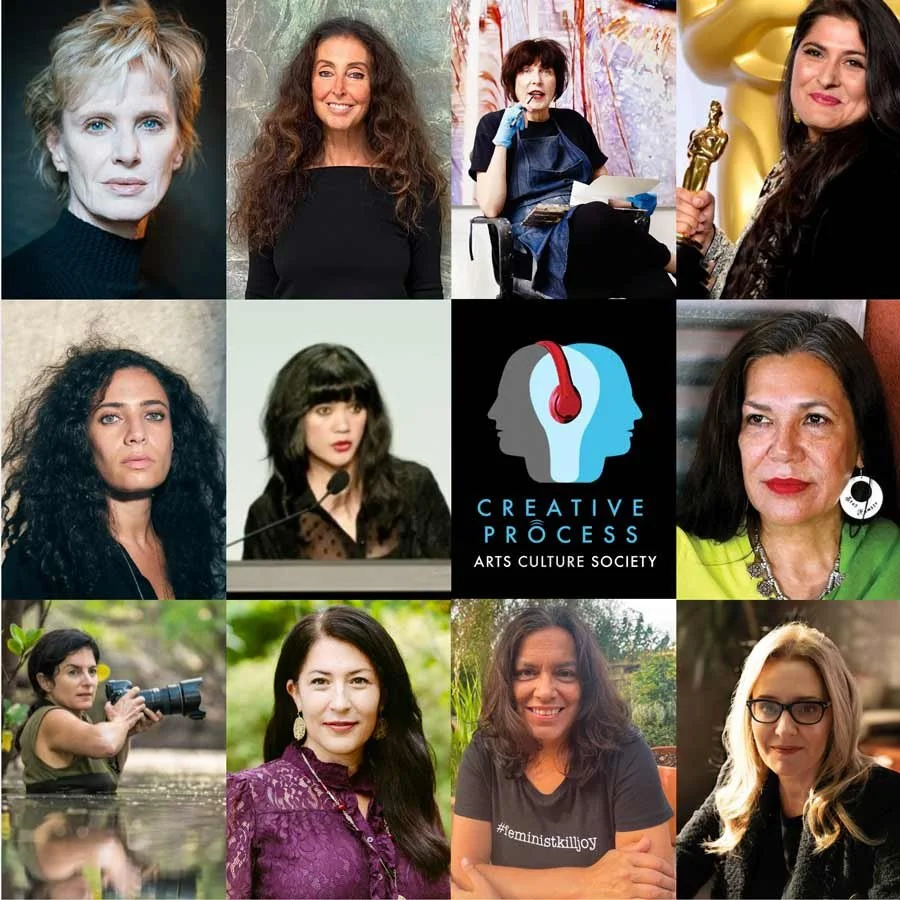
Writers, Artists, Filmmakers & Activists Share Their Stories
Manuela Luca-Dazio, Siri Hustvedt, Hala Alyan, Ana Castillo, Sharmeen Obaid-Chinoy, Sara Ahmed, Marilyn Minter, Ellen Rapoport, Intan Paramaditha, Ada Limón and Ami Vitale discuss art and storytelling as a tool for political solidarity, legal change and exploring freedom.

A Conversation with Author · Filmmaker ETGAR KERET
Winner of Cannes Film Festival’s Caméra d’Or · Charles Bronfman Prize & Sapir Prize
When I write my stories, I don't want to solve things in life. I just want to persuade myself that there is a way out. Maybe I am in a cell, maybe I'm trapped. Maybe I won't make it, but if I can imagine a plan for escape, then I'll be less trapped because at least in my mind, there is a way. I think that my parents are survivors. They always talked about this idea of humanity. My parents always said to me, when you look at people, don't look at their political views; that's not important. Look at the way that they look at you. If they see you, if they listen to you, if they can understand your intention, even if it's a failing one, they're your people. And if they can't, it doesn't matter.
I think that when I came with my mother and father, they thought there are people, there are human beings, and there are people who want to be human beings but are still struggling. And you go with humanity; you go with the person who can go against his ideology if his heart tells him something.

How Deception is Sculpting Our Reality
A Conversation with Artist · Geographer · Author TREVOR PAGLEN
At the core of the work is that sense of curiosity, that sense of joy, that sense of beauty, and that sense of learning. I've been fortunate to have all kinds of strange and interesting experiences, whether that's seeing weird things in the sky over secret military bases in the middle of the Nevada desert, going scuba diving and finding internet cables on the bottom of the ocean, or tracking spy satellites in the sky and being able to predict when they'll appear in a flash against the backdrop of stars. The world around us is extraordinary and embodied, right? It is not on screens, and I’m very privileged to have that be so much a part of my process.

A Conversation with Emmy Award-winning Actor, Director, Writer CADY McCLAIN
I won my first Emmy when I was 21, which was the result of absolutely devoting myself day and night for two years to doing all the scene work. I attended classes simultaneously and did plays until my mother died. I studied with Michael Howard for eight years. Even when I was so tired I couldn't get up to do a scene, he would say, "Get up and do a poem." It helped me enormously; it saved me. The way I was trained and how I train others is that you know when you’re in the zone. Oh God, it feels so good. It feels like flying. And that's what you want. You want to be so unselfaware that you're on liftoff?
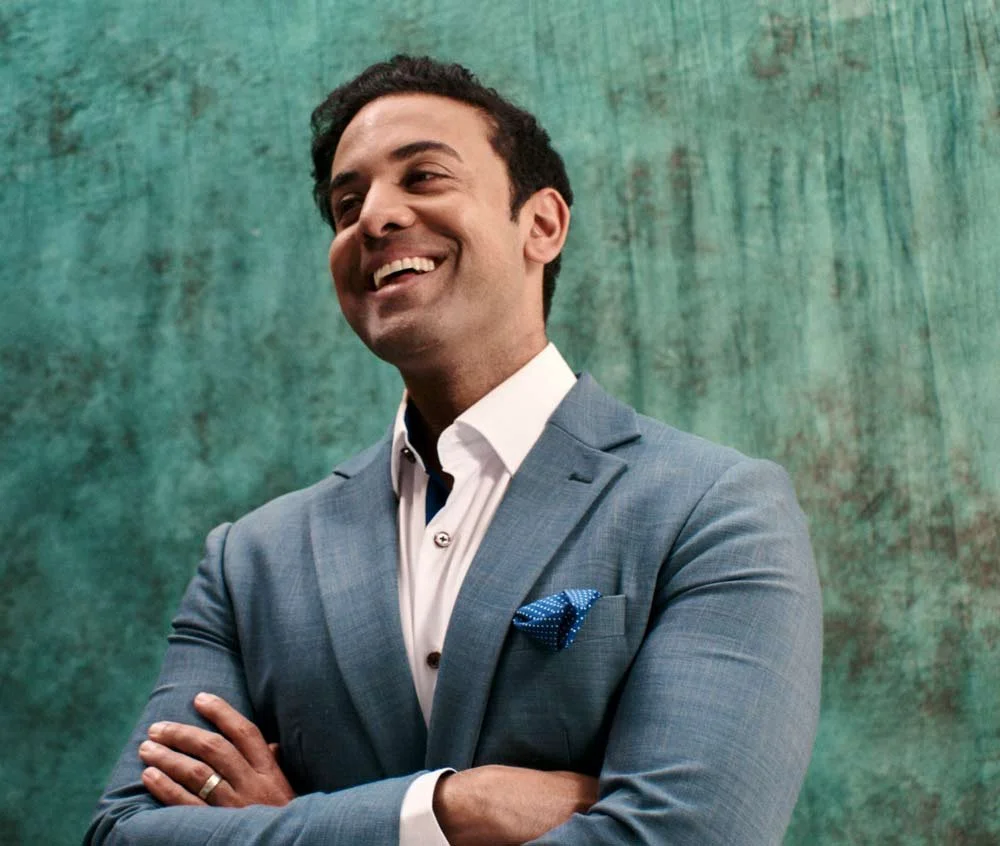
DR. ADEEL KHAN on the Future of Regenerative Medicine
I think the most important thing that I've learned through this whole journey is that we are ultimately here to help one another. And as a doctor, my job is to try to help as many people as I can with the technologies and kind of the gifts I have. I think everyone has their own unique gift and finding that and knowing how you can share that with the world is really what you should focus on. I think a lot of people have heard the word "stem cells"—it’s kind of become part of the zeitgeist almost, where people are just like, "Oh yeah, I think I've heard of stem cells." And when people think about it, I think they think regeneration. They think healing, which is kind of the whole idea behind stem cells.
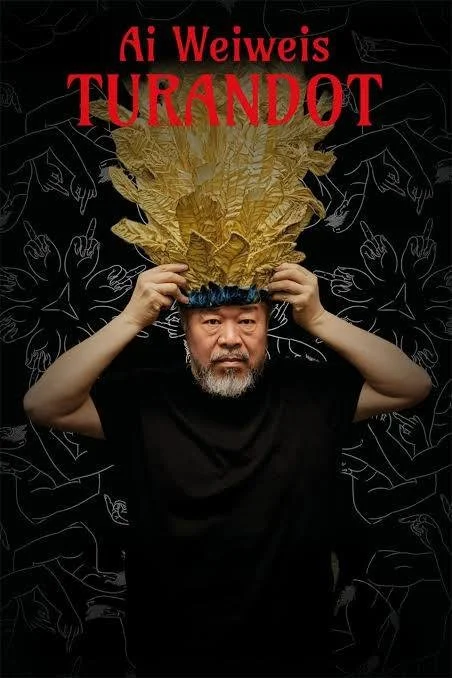
Everything is Art. Everything is Politics.
I think art competes with reality. And art will give you the last words.
–AI WEIWEI

A Conversation with MARIE NIPPER
Director of the ARKEN MUSEUM OF CONTEMPORARY ART · Denmark
We don't need to find an end solution, but it's a space where we can speculate, imagine, and practice our foresight. We can be part of a bigger imagination together with an institutional framework, which is really what we try to motivate as well when we communicate these exhibitions to our audience and speak with our guests about these works.
We can also sense that it's really a place where a lot of people like to enter these days. When you turn on a TV, look at a newspaper, listen to your radio, or speak with your friends, it seems like the world is falling apart on so many levels. It's such a challenging time. I think we can also offer this space for reflection and hopefully provide a reflection that gives some idea or feeling of agency. I think that is one of the places where we are really challenged, especially when we speak to kids and young people, as they often feel they have little agency in creating a better future for themselves. So, I believe we can really give that space to our audiences by showcasing some of these groundbreaking practices that are out there right now in contemporary art.
For me, it's this awe that I feel every time I meet an artist who has the courage to deal with what it means to be in the world as a human being and to tackle it from different ways and through different media. I always feel that through the collaborations I have with artists, I learn a little bit more about the world.
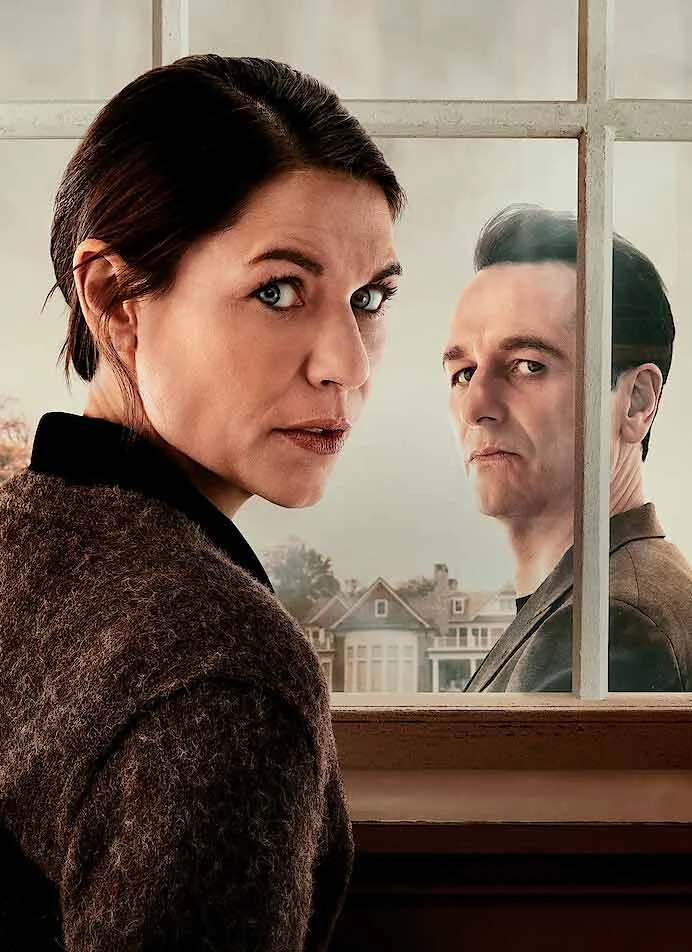
Starring CLAIRE DANES & MATTHEW RHYS · A Conversation with Showrunner, Exec. Producer HOWARD GORDON & Exec. Producer Writer DANIEL PEARLE
I think there's also something about an unfettered or uncensored id that is so captivating. We all have that fantasy of doing exactly what we want with no consequences and sort of letting that go. I think when you see an athlete at the peak of their game and living that dream, or when someone has actually done horrible things that you would never allow yourself to do, there is a fascination there.
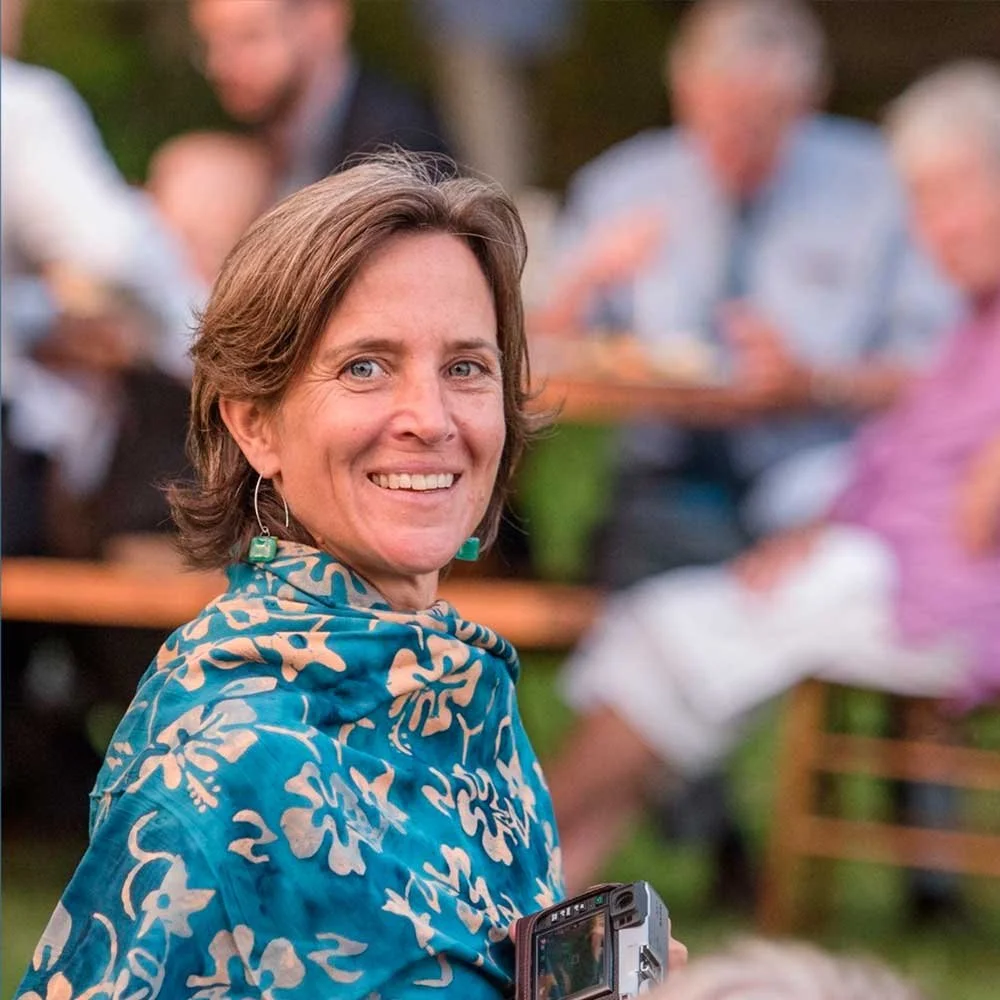
HELEN WHYBROW
Writer · Shepherd · Organic Farmer
There are two ways that I measure diminishment in the natural world, a world we all have the ability to see and sense no matter where we live. The first is ecological: a loss of vitality, complexity and stability. This can be studied and measured, but it can also be perceived by simply listening and noticing. Nature has a voice that sings in different registers and in those registers you can hear health or struggle, presence or absence. The second way I measured diminishment is in the human experience-- loss of beauty, of meaning, of pattern language these also become more available to us as we watch and listen take in what surrounds us.
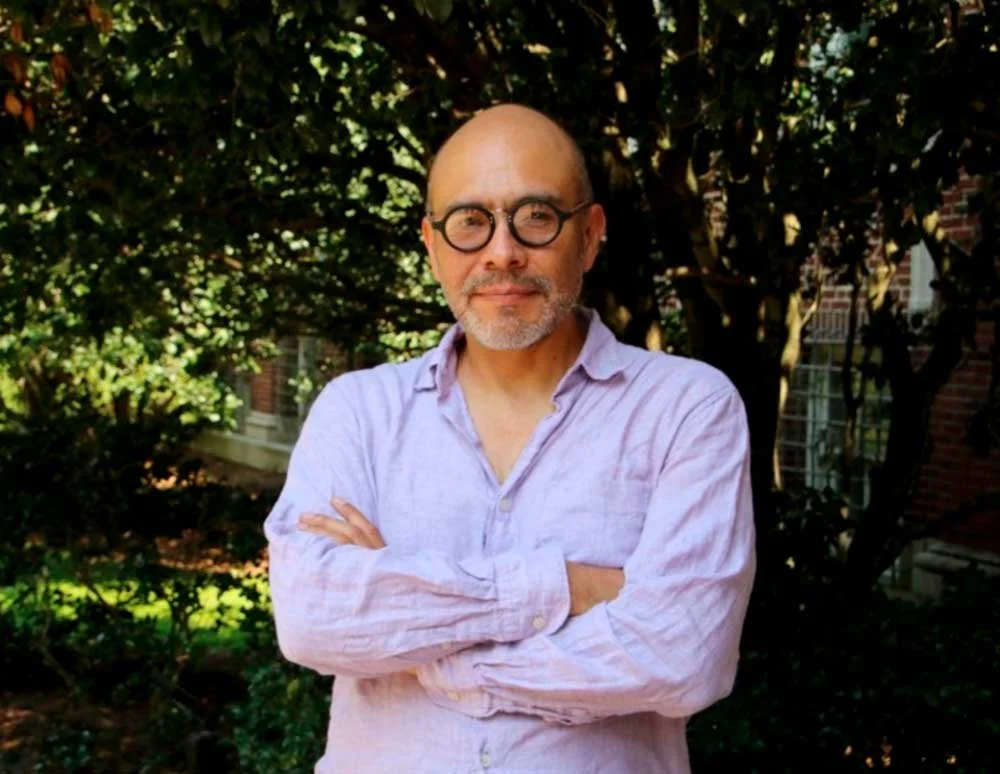
YURI HERRERA on Benito Juarez and Today's Political Crises
Benito Juarez is a really important figure in Mexican culture, politics and history. He is probably the most respected figure in that sense in Mexico, only akin to what Lincoln is in American culture. Juarez was an orphan in the state of Oaxaca who spoke a variant of Zapotec, an indigenous language. He was sent to a seminary and was going to become a priest, but in his own words, he felt repulsed by the way the priests were manipulating the people in Oaxaca.
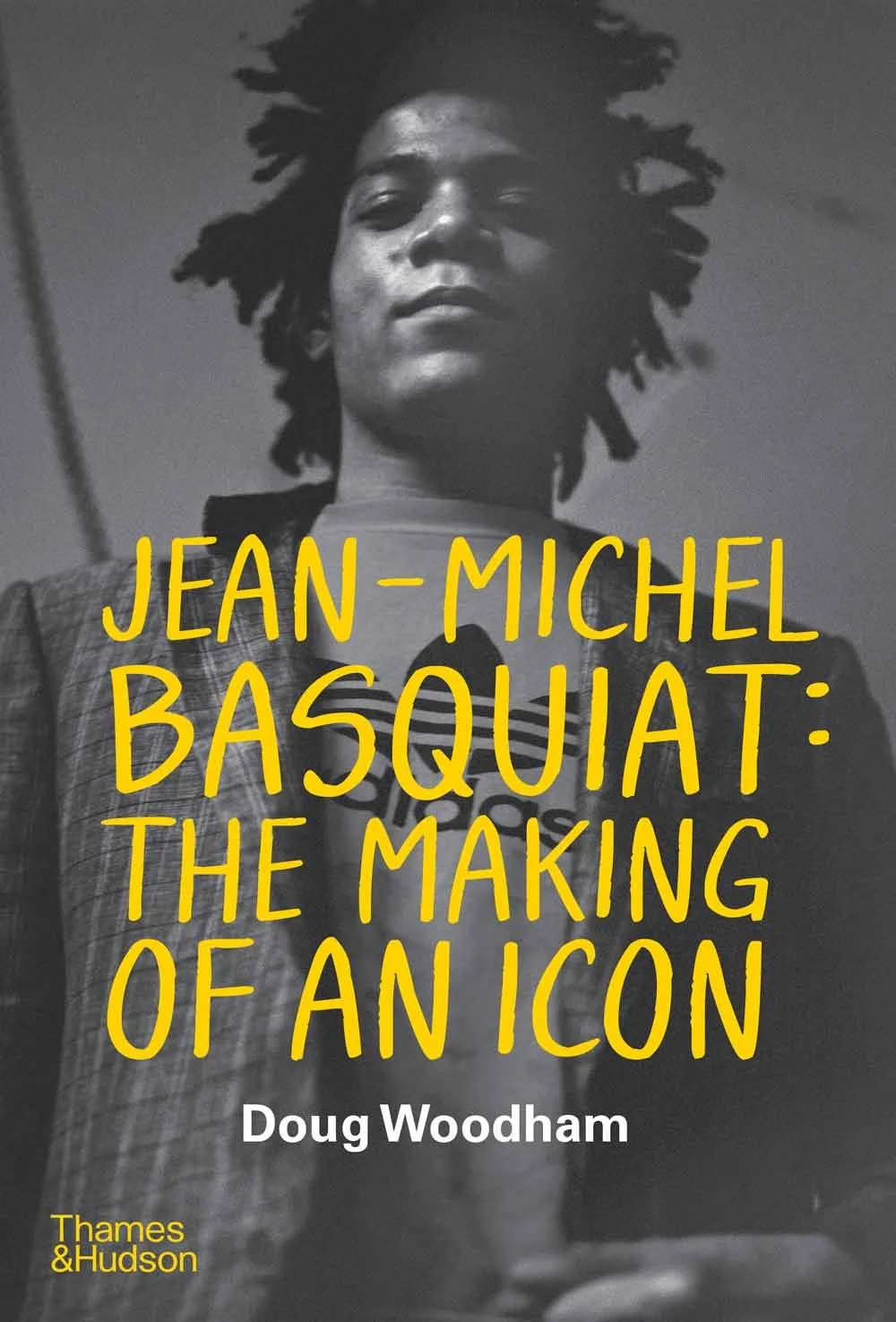
A Conversation with Author DOUG WOODHAM
Fmr. President of the Americas at Christie’s · Managing Partner, Art Fiduciary Partners
All of the great artists are there for a reason: because they rebelled in some way. They created a visual vocabulary that felt fresh and new, which excited people. So, the great artists are not built on sort of anthills of sand. They're built on things of substance and of meaning. Though this is not a sufficient condition to become an icon, it's a necessary but not sufficient condition. I think you have to have an interesting and vivid personality or personal narrative that makes you interesting for people to talk about and want to learn about. I think you also have to have a support network of galleries, curators, and collectors who are excited about your work and want to push it forward, not wanting it to be forgotten. Basquiat's visual vocabulary is distinctive and stands out relative to what was being done in the 1980s. That's the sort of strong hill on which his reputation is built. Basquiat benefited from being the first black artist of note who got pushed forward. As in many things, the first benefits.

A Conversation with International Gallerist, Curator & Podcast Host
Today, the world is very divided, lots of fractures. It is the time for art and culture to come into play because art is about soft power. If we want to resolve misunderstandings, art is the best, best, best way to communicate. So use this.

Everybody wants happiness, joyfulness, peaceful world. Our 21st century will not be easy century… I can change my mind. I can reduce anger, hatred. Nothing to do with religion. All religions carry the message of love, loving kindness, and tolerance. This century should be century of compassion, century of peace. No more bloodshed. We should develop a big “we,” rather than “we” or “they.” With these wings, you can fly. -THE DALAI LAMA, Wisdom of Happiness
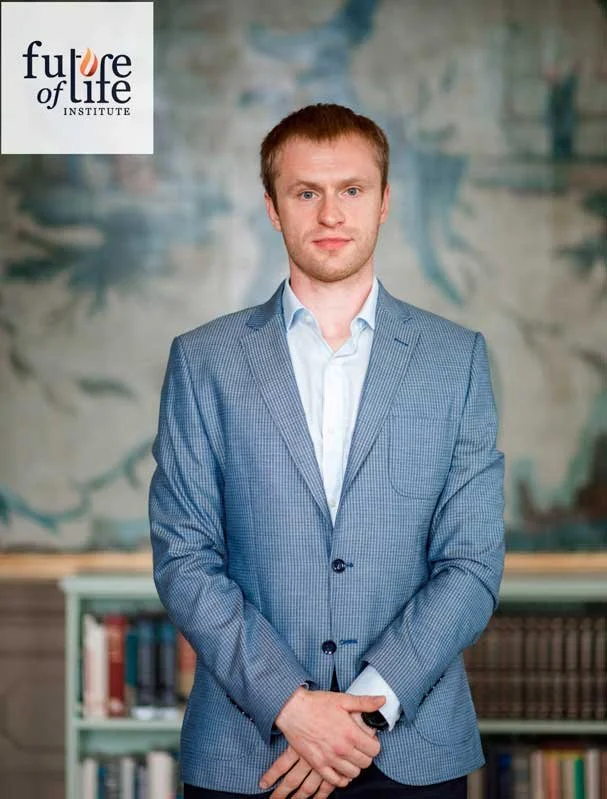
A Conversation with RISTO UUK · Head of EU Policy & Research · FUTURE OF LIFE INSTITUTE
The Future of Life Institute has been working on AI governance-related issues for the last decade. We're already over 10 years old, and our mission is to steer very powerful technology away from large-scale harm and toward very beneficial outcomes. You could think about any kind of extreme risks from AI, all the way to existential or extinction risk, the worst kinds of risks and the benefits. You can think about any kind of large benefits that humans could achieve from technology, all the way through to utopia, right? Utopia is the biggest benefit you can get from technology. Historically, that has meant we have focused on climate change, for example, and the impact of climate change. We have also focused on bio-related risks, pandemics and nuclear security issues. If things go well, we will be able to avoid these really bad downsides in terms of existential risk, extinction risks, mass surveillance, and really disturbing futures. We can avoid that very harmful side of AI or technology, and we can achieve some of the benefits.
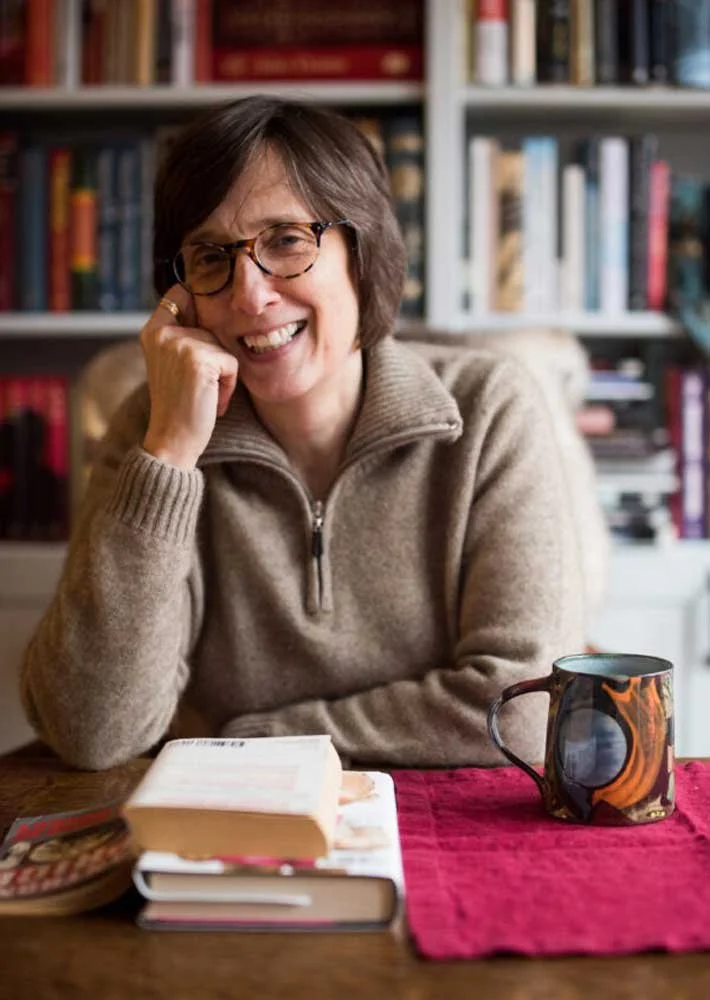
Author · Activist · Stand-Up Comedian AL KENNEDY · Author of Alive in the Merciful Country
The thing that puzzled him was why people don't agree to be fully expressed while they're alive. Why does it only happen in their last moment? Why wouldn't you live being fully expressed? If you have love, eventually you're going to win. It's not that people aren't going to die. It's not terrible things aren't going to happen. But if you stay with that and you stay centered in that, you'll get through and you will not have turned into a monster in order to overcome monsters.”
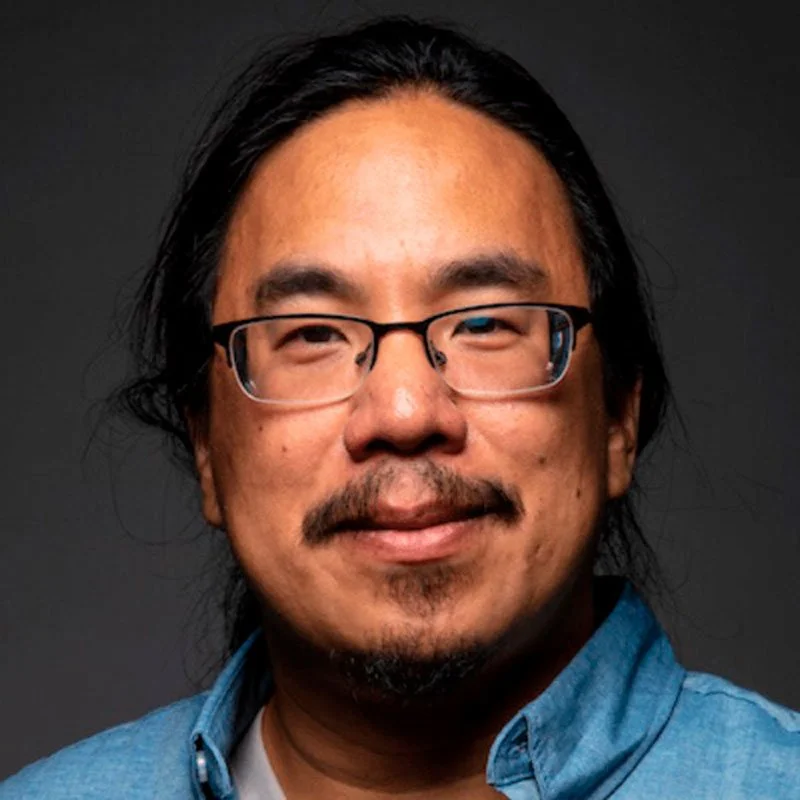
A Conversation with Philosopher C. THI NGUYEN · Author of The Score · Games: Agency as Art
To be in the process of making things, to be in the process of talking to people about what things mean… The creative process is actually, I think, the most meaningful part of life, but it's very hard to measure. When we get shoved towards a world that demands easy measurables, it's very hard to optimize away from the creative process and optimize towards things that are more static.
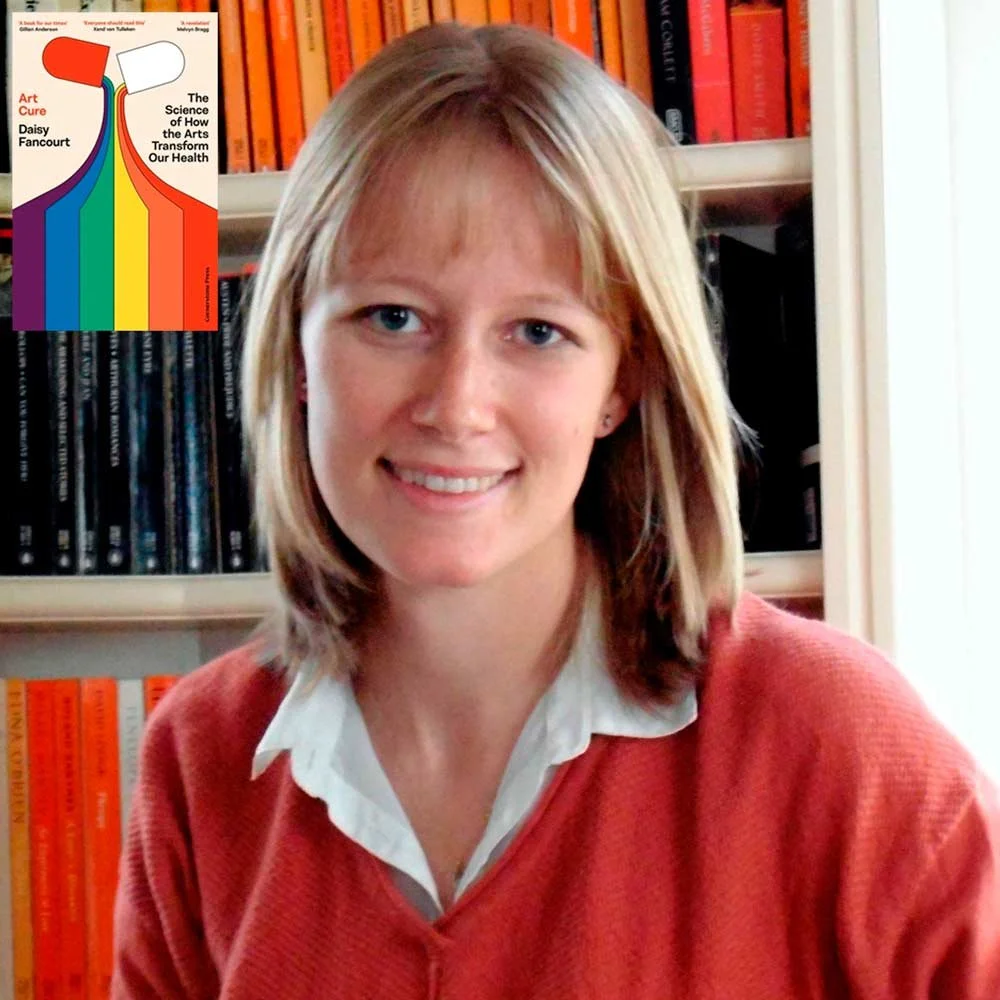
DAISY FANCOURT · Author of Art Cure · Director of WHO Collaborating Centre on Arts & Health · Prof. Psychobiology & Epidemiology at UCL
Within society we seem to have separated the arts out, so they’re not so much a part of our daily lives. As I’ve become a mother and I have children now, it’s been really eye-opening to rediscover lots of arts things that I’d stopped doing in my own childhood. But now coming back to them I think probably the most meaningful one for me is one I describe in the book, which is about my younger daughter, Daphne, who was premature and unfortunately got incredibly ill with meningitis and was in intensive care when she was just a few days old.

Award-winning Composer & Pianist
His album Sleep is the most streamed classical album of all time
Film & TV scores for Ad Astra · Black Mirror · Shutter Island · The Leftovers · Arrival · Taboo
For me, the creative process is a sort of a continuous thing in the sense that I'm writing kind of all the time, at some level. And that doesn't mean I'm sitting at my desk all the time, but it does mean that I've got a continuous thought process, a continuous engagement with the material I'm trying to shape. And it's many different kinds of processes. First of all, obviously an intention. You need to have an intention. What is it I'm trying to do? But then you get a process of making things, and then you get into a process of dialogue with the things you've made where they start to take on properties and it feels like the material has intentions of its own. So then you are trying to - it's like herding cats, you know? - sort of corralling this material into some kind of structure, some kind of formed object. Then it becomes like a sculptural process on the large scale.

A Conversation with Pulitzer Prize-winning Author VIET THANH NGUYEN
What I've discovered as a writer is that fear is a good indicator that there is a truth. To speak the truth in a society is oftentimes an act that requires some courage. Those processes of being an other for me in the United States were obviously very fundamental to shaping who I am as a person and as a writer. It was very difficult to undergo, but to become a writer who could talk about those issues was also a lot of fun. Writing The Sympathizer was a lot of fun, and I hope that the novel was enjoyable and humorous to read as well, despite its very serious politics. When I wrote The Committed, I also had a lot of fun as an outsider to France. In writing the novel itself, The Committed, there was a lot of humor, satire, and these kinds of tools to confront the tragedy of othering. This is very important to me as literary and political devices. I think I could do that in both The Sympathizer and The Committed because I had a lot of distance from the time periods that those novels described. My challenge right now is to try to find my sense of humor in describing what the United States is undergoing and doing to other countries, its own immigrants, and its own people of color, and minorities in the present. That's proving to be a little more challenging at this moment.

MONICA FERIA-TINTA on Ten Cases of Hope for Our Future
I like young people to know that they're extremely powerful. I guess the book was about giving hope because I realized how much we could do together. If a person can manage to argue and make a major impact in the way we are understanding treaties in human rights or other things, imagine what could be if every single person is in their own place in some field, with that alertness and synced in the same way. I believe that ordinary people are the ones bringing changes here. I believe that the communities gathering together – for example, I am seeing that in this country around the protection of rivers – are the ones that will mark the change. It's not going to come from above; it's going to come from below, up. We all have a role. Working for the protection of what we love the most will make you happy. So get into a positive mindset. Learn all you can. Be part of things that make you feel positive. You will see how you will find your way, and there is no place for feeling disempowered. This is the moment where you should feel very powerful because it is us who are going to make the future of this Earth.
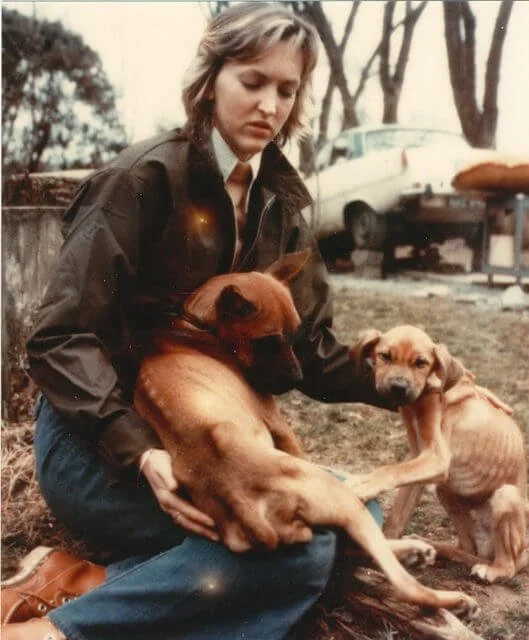
Founder & President of PETA - People for the Ethical Treatment of Animals
I think things do change because of agitation. So agitation is vital. I mean, nobody who is in a cause should be there to win a popularity contest, whether you're working for children or the elderly or working for peace animals, it's all against nonviolence, aggression, domination, and needless cruelty and suffering. It's all for respect. So you have to be vigorous. You have to use your voice. You can use it politely, but if people don't listen, at PETA, we escalate. So we always start off with a polite letter, a polite entreaty. We always try to, as I say, do the homework. So we have the options that we put out on the table to say, look, instead of doing this, you could do that, and we will help you transition to that.

Stories of Impact · People’s TV
Q: Who is David Byrne?
David Byrne: …I have no idea.
Most people know me through music, but when I was in high school I saw science and the arts as being equally creative fields. More recently, I just started taking an interest in how the brain works, and there's been this explosion of literature. As much as I love reading about neuroscience, I realize that experiencing some of the phenomena is just on a different level. I wanted to create an experience that shows us we're not who we think we are. Theater of the Mind is an immersive Science Theater project. With this show, I've tried to marry a narrative to the experience of different scientific phenomena that reveal how malleable our perception memory and identity really are.

Singer-songwriter · Documentary Filmmaker · Founder of The White Feather Foundation
Photographer/Author of Life’s Fragile Moments
I think a lot of joy comes from helping others. One of the things that I've been really focusing on is finding that balance in life, what’s real and what’s true and what makes you happy. How can you help other people feel the same and have a happier life? I think whatever that takes. So if that's charity, if that's photography, if that's documentary, if that's music, and I can do it, then I'm going to do it.
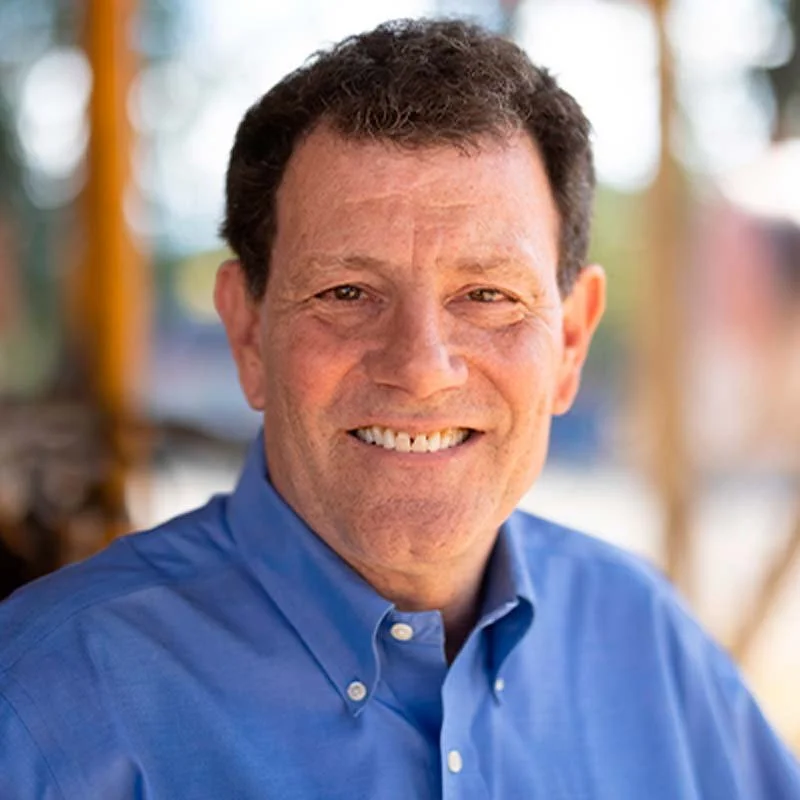
Pulitzer Prize-winning Journalist · NYTimes Op-Ed Columnist
Author of Chasing Hope, A Reporter's Life · Coauthor of Half the Sky · Tightrope · A Path Appears
I'm trying to get people to care about a crisis in ways that may bring solutions to it. And that's also how I deal with the terror and the fear to find a sense of purpose in what I do. It's incredibly heartbreaking to see some of the things and hear some of the stories, but at the end of the day, it feels like–inconsistently here and there–you can shine a light on problems, and by shining that light, you actually make a difference.
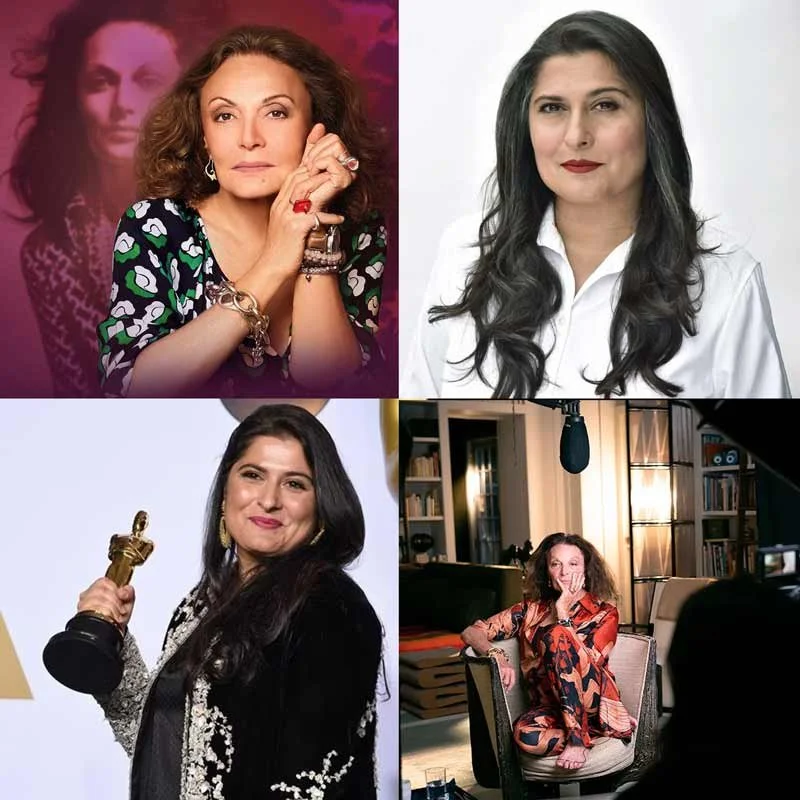
Oscar & Emmy-winning Director
Diane von Furstenberg: Woman in Charge · A Girl in the River
Forthcoming Star Wars film starring Daisy Ridley
As a filmmaker, I've always made films about extraordinary women whose lives are faced with extenuating circumstances who've had adversity thrown at them and who've risen to the occasion. And when I began to look at Diane's story, for me, Diane is a fashion designer, but she's so much more. Her central ethos is woman before fashion, and we felt it was very important to take that ethos and weave it into the spine of our film, and make it about the woman.
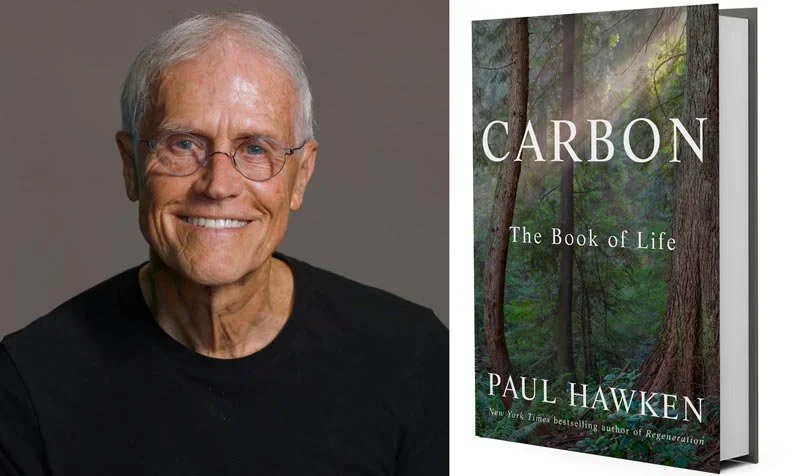
with PAUL HAWKEN
Environmentalist · Entrepreneur
Founder of Project Regeneration & Project Drawdown
We have 1.2 trillion carbon molecules in every cell. We have around 30 trillion cells, and that’s us. So carbon is really a flow that animates everything we love, enjoy, eat, and all plant life, all sea life—everything that's alive on this planet—is animated by the flow of carbon. We want to see the situation we're in as that, as a flow. Where are the flows coming from, and why are we interfering with them? Why are we crushing them? Why are we killing them? For sure. But also, we need to see the wonder, the awe, the astonishment of life itself and to have that sensibility as the overriding narrative of how we act in the world, how we live, and how we talk to each other. Unless we change the conversation about climate into something that's a conversation about more life—better conditions for people in terms of social justice, restoring so much of what we've lost—then we won’t get anywhere.
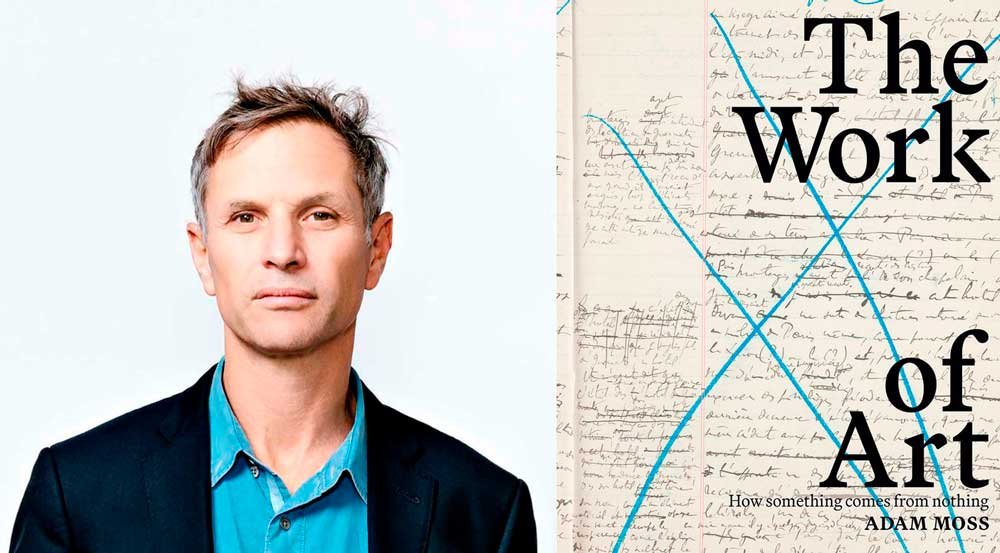
ADAM MOSS
Author · Artist · Fmr. Editor of New York magazine · The New York Times Magazine
I was very interested in the state of mind of an artist as he or she goes about making. I think one of the things that artists have is not just an interest in their own subconscious, but also an ability to find ways, tricks, and hacks to access their subconscious. Over time, they understand how to make productive use of what they find there. We all have subconsciousness; we all dream and daydream. We all have disassociated thoughts that float through our head, but we don't generally know what to do with them. One of the traits that successful artists seem to have is this ability to cross borders into recesses of their own minds.

with KATIE KITAMURA · Author of Audition
Intimacies · A Separation
I'm really interested in the formal aspect of characters who are channeling language, who are speaking the words of other people, and in characters who are aware of how little agency they actually have, who have passivity forced upon them, who perhaps even embrace their passivity to a certain extent but eventually seek out where they can enact their agency.

Novelist · Poet · Psychologist HALA ALYAN
Author of I’ll Tell You When I’m Home: A Memoir
I want to live a life of consequence, and I want to live a life that has stakes in it because that means that things matter to you. I think, in some ways, this memoir was a project of sifting through and excavating the darkest hours, both for me and for the lineage and ancestry that I came from. I think the darkest hours were experienced by so many people I come from who have had to leave places they didn't want to leave. I live in exile and have been forced to leave behind houses, land, cities, and people. Oftentimes, this has happened more than once in a lifetime, so they have carried that trauma. Of course, it plays out intergenerationally in many different ways.
I think it's a time of fear. I don't think I'm alone in that. I am scared for people that I love. I am scared for people who are quite vulnerable. I worry for my students. I am concerned for the places that I feel are engaging in complicity because that will be such a heavy legacy to endure later on, how people, places, and entities comport themselves in moments like this. They will be remembered. There will always be people who remember it.

Booker Prize-winning Novelist PAUL LYNCH
Author of Prophet Song · Beyond the Sea · Red Sky in the Morning
We narrate the story of our lives to ourselves. We narrate it in linear fashion. And I know many writers have played with time in all sorts of amazing ways, but we're storytellers. This is what we do. And if you give the brain a story, a prepackaged story, you're giving a cheesecake. That's what it wants. That's why it loves stories. That's why our society is just built on stories. Politics is nothing but stories. Everything you do in the evenings – we sit down, we're watching Netflix – just stories. We consume them all the time. We are just machines for belief.

Famous Rock & Urban Climber ALAIN ROBERT
Known for Free Solo Climbing 200+ of the World’s Tallest Skyscrapers using no Climbing Equipment
You are fighting to stay alive. You are fully in the present moment; you don't have time to think about being afraid. You are focused on what you are doing. You struggle to pass another window, then another, and you don't have time to think about your problems. The only thing you are concerned about deep down in the back of your mind is that you need to stay alive, and for that, you need to remain calm and focused.
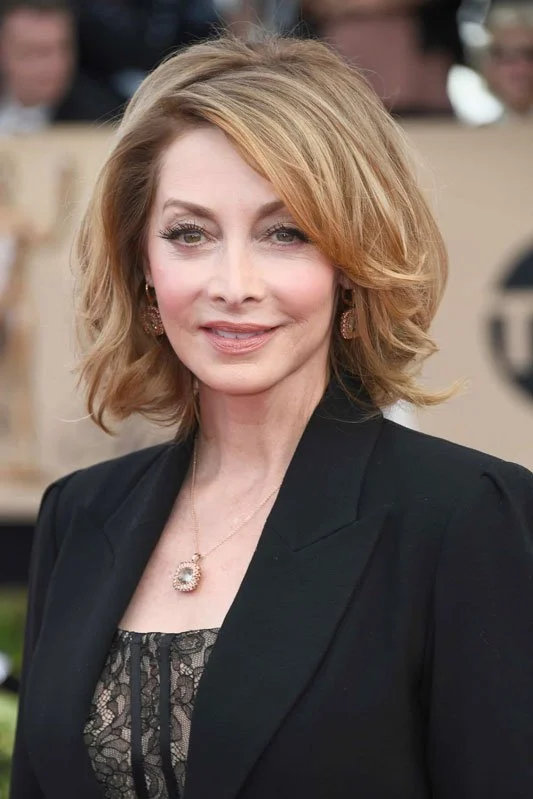
A Conversation with SHARON LAWRENCE
That transformation was key to my next step as an artist, to knowing that's what acting is. It isn't just posing; it isn't just being a version of yourself in a way that was free. Performing wasn't just performing; it was transforming. I think that artists find that in many different ways, and as actors, there are many ways into that.
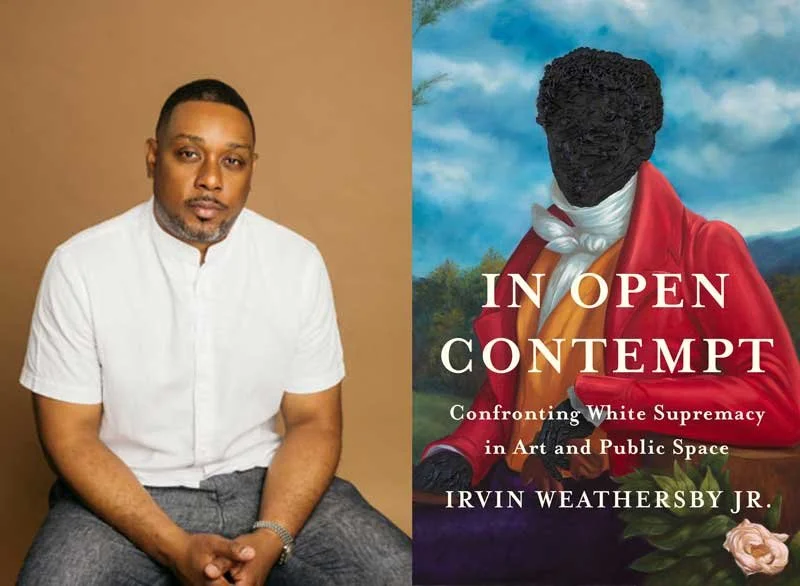
A Conversation with Author IRVIN WEATHERSBY JR.
One of the biggest symbols of America is Mount Rushmore. This monument, right? But I think most people fail to realize where it's located and why it's located there. Even more importantly, who did it? It's on a sacred Native American mountain, a place that was central to their creation stories. But then you think about who did it, and it was a Klansman. The guy who sculpted Mount Rushmore was a Klansman. People were like, "Wait, really?" Like, how is that a thing? But it seeps into our understanding and our embrace of white supremacy. This whole notion of us using Mount Rushmore as a metric of excellence is really sad. We are honoring slave owners and people who viciously killed natives, and those who pillage other lands in the name of capitalism. That's what America is, I guess.
I think there's such a disinterest in education in America that it is sickening. We can't even agree on facts. It's up to states' rights to decide. Really? States can say that this is true in one state, but it's not true in another? Although these states are united, it's very bizarre. I'm hopeful for revolution. I'm optimistic. I want radical change. I think we are repeating history. We are going through a cycle of fascism and greed, and I think we're going to see a lot of states collapse. As a result of that, I think people are going to be forced back to their primal needs and concerns, but I think they're going to be forced to think about what makes us human. How do we become more human? Because we've lost that. We've given it up to technology. How can we figure out what makes us a really powerful species again?
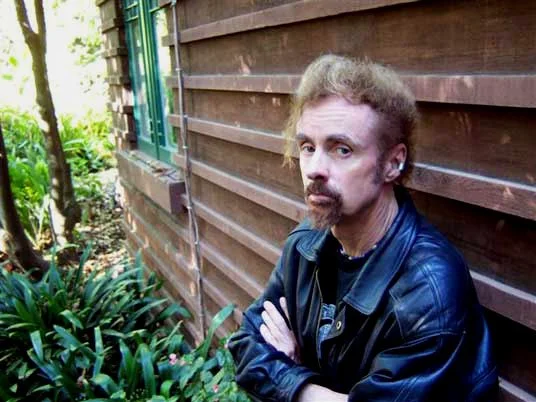
Novelist · Short Story Writer
What I have done in my career is just try to assess who we are, what we are, why we are here, and how come we, as animals, are able to walk around and wear pants and dresses and talk on the internet, while the other animals are not. It's been my obsession since I was young. I think if I hadn't become a novelist, I might have been happy to be a naturalist or a field biologist.
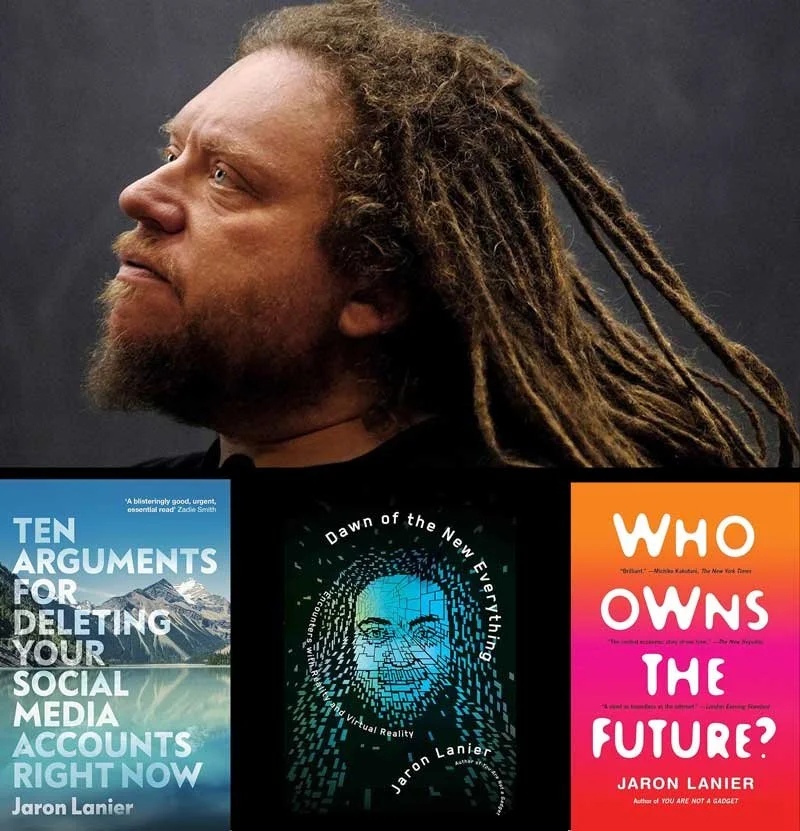
VR Pioneer · Musician · Author JARON LANIER
Who Owns the Future? · Dawn of the New Everything: Encounters with Reality & Virtual Reality · Ten Arguments for Deleting Your Social Media Accounts Right Now
AI is obviously the dominant topic in tech lately, and I think occasionally there's AI that's nonsense, and occasionally there's AI that's great. I love finding new proteins for medicine and so on. I don't think we serve ourselves well when we put our own technology up as if it were a new God that we created. I think we're really getting a little too full of ourselves to think that.
When we do that, I think we confuse ourselves too easily. This goes back to Alan Turing, the main founder of computer science, who had this idea of the Turing test. In the test, you can't tell whether the computer has gotten more human-like or the human has gotten more computer-like. People are very prone to becoming more computer-like. When we're on social media, we let ourselves be guided by the algorithms, so we start to become dumb in the way the algorithms want us to. You see that all the time. It's really degraded our psychologies and our society.
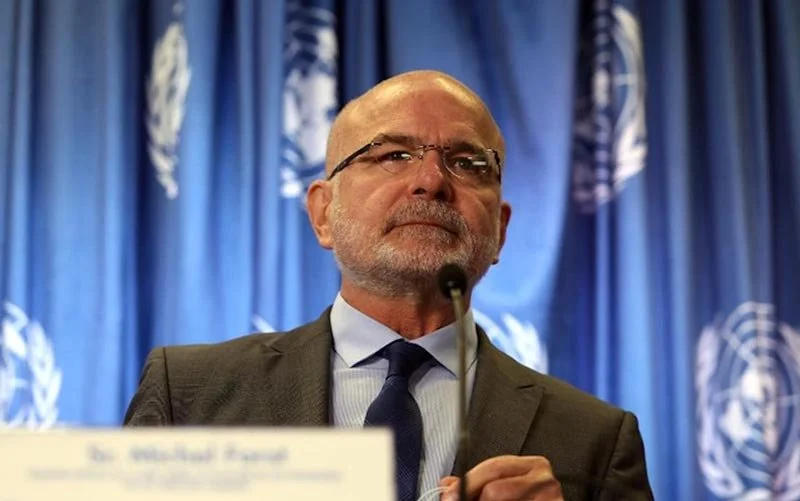
UN Special Rapporteur on Environmental Defenders MICHEL FORST on Protecting Environmental Activists
My mandate focuses on the protection of those trying to protect the planet. Protection of defenders is my main topic. When I'm speaking to states or companies, it's always related to cases of defenders facing threats, attacks, or penalization by companies or governments, like the recent case of Paul Watson (founder of Sea Shepherd) in Denmark… When I travel to places like Peru, Colombia, or Honduras and meet Indigenous people, I realize they have a relationship with nature that we don't have anymore. They express that the food they eat, the water they drink, and the air they breathe goes beyond just air and food; it represents what they call Pachamama or Mother Earth. This is a cosmovision shared across various communities, not only in Latin America but globally.
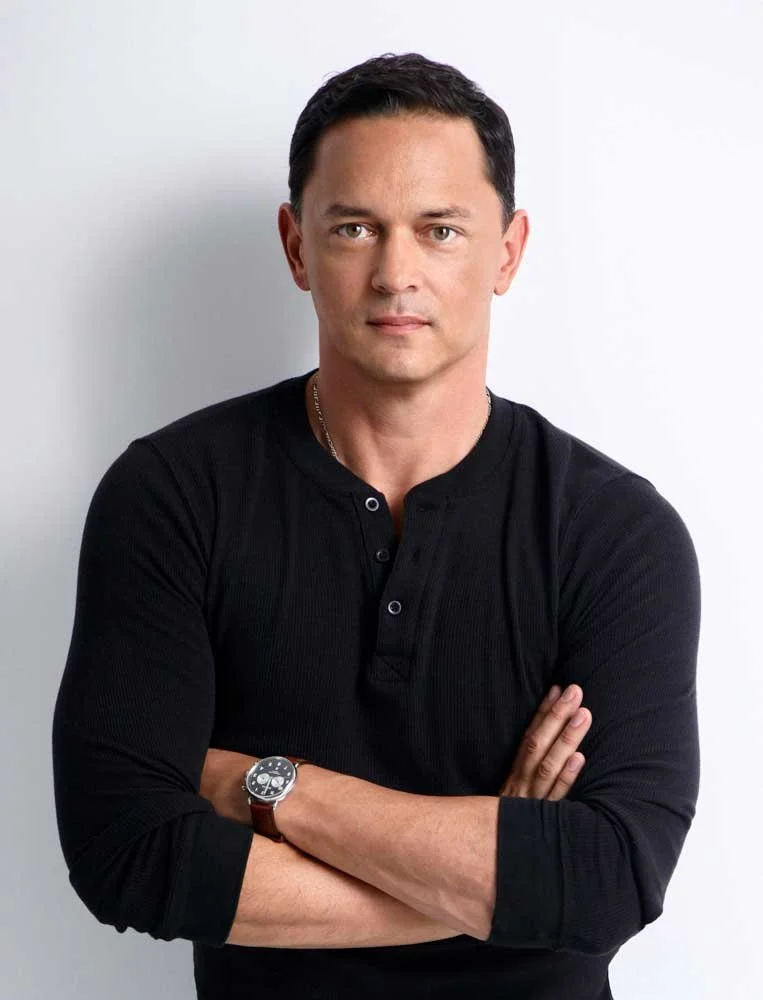
#1 New York Times Bestselling Author MARK GREANEY
Gray Man series · The Hard Line
I tell people I didn't become an adult until my parents died, and I was thirty-nine when my mom died. So I wasn't a child, but I really look back and think I became an adult that moment when my last parent passed away. Maybe that doesn't say great things about me, but that's just kind of how I look back on my whole life. I don't think I was super immature, but at the same time, the way that I thought about the world really changed when they were gone. I guess that's grief, but it's also giving you tools to go on and to help the next generation.
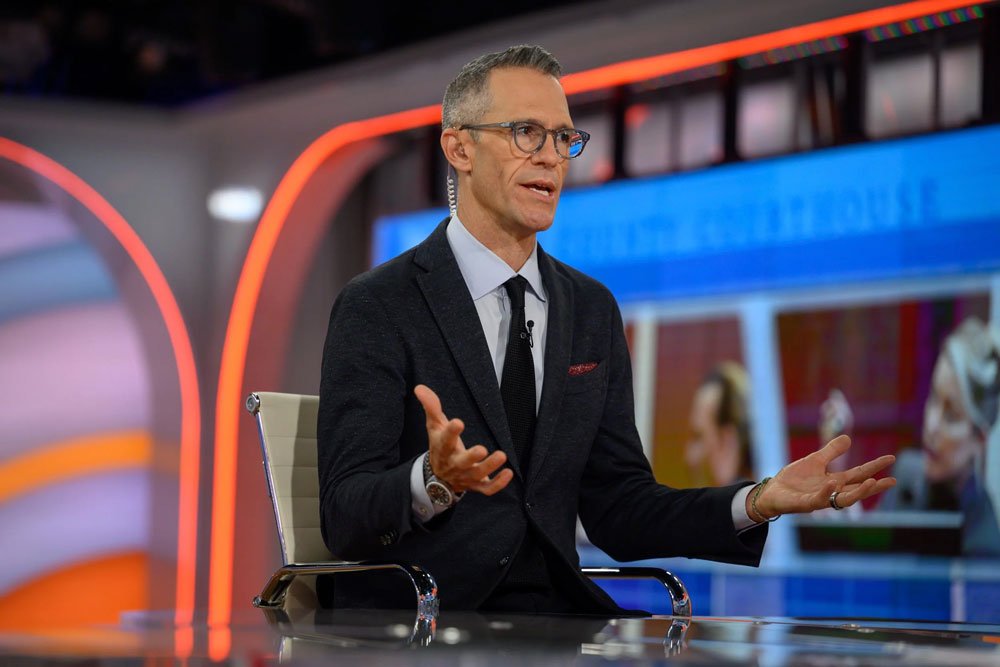
Conversation with Journalist JACOB WARD · Author of The Loop: How AI Is Creating a World Without Choices and How to Fight Back · Host of The Rip Current Podcast
Civilization is really a very new and very glitchy thing. If you talk to evolutionary psychologists and people who've looked at how our brains have developed over hundreds of thousands, if not millions of years, they'll tell you that our sense of wonder and creativity, as well as our ability to be cautious and rational, and to trust people we've never met to govern us, all of that kind of stuff—the vast majority of our decision-making actually rests on a much older, much more ancient system. We are so much more like primates than we like to think. Certainly, that's been the lesson of the last sort of 50 years of behavioral science. I was trying to marry a lot of research looking at the ways in which people are trying to build interesting technologies, but then deploy them to make money, and how tempting it is to throw those technologies at those ancient decision-making systems, especially because so much of our decision-making is instinctive. My worry with AI, of course, is that as we automate decision-making more and more, we use automated systems not only to entertain ourselves but to decide who gets a job, who gets a loan, and who gets bail. I worry that we're going to be in a position in 20 years where we don't have the internal compass we once did. We may have slid away from that higher human functioning—the creativity, the rationality, and all that stuff—and back toward a more primitive version of ourselves, because that's the part that gets played on by this kind of technology. And that's how all these companies wind up making money.
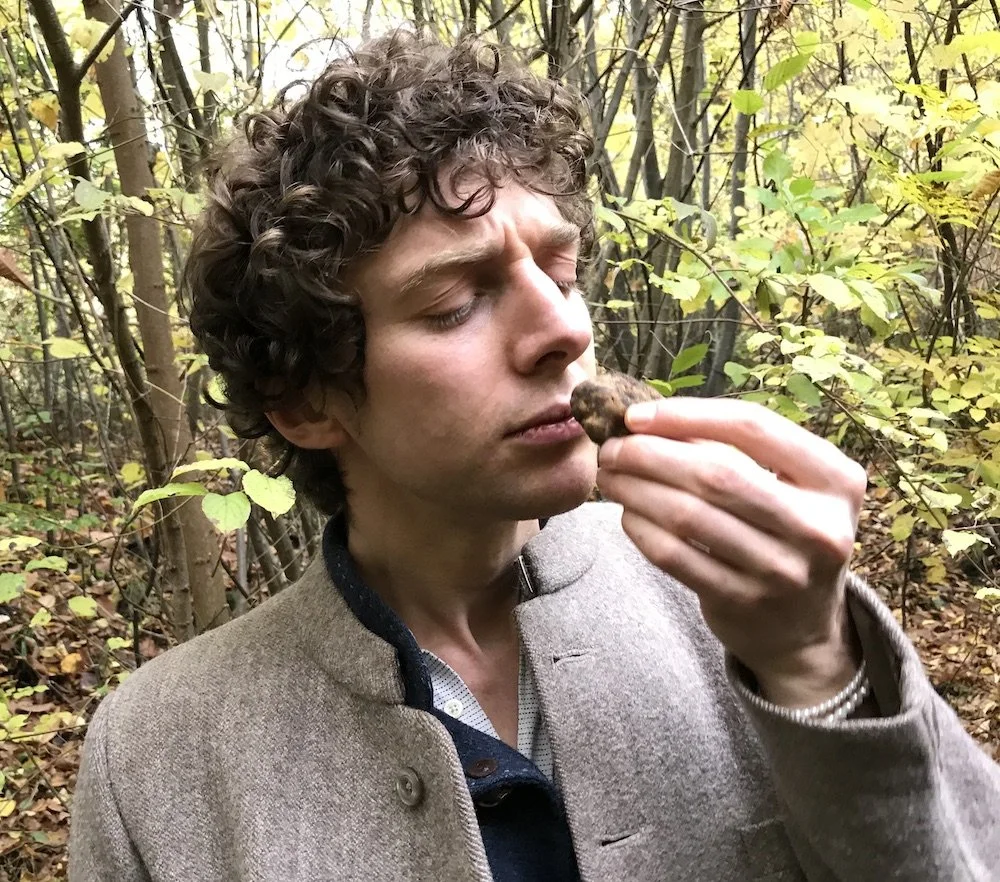
Biologist & Bestselling Author of Entangled Life: How Fungi Make Our Worlds, Change Our Minds, and Shape Our Futures, Winnger of the Wainwright Prize 2021.
Humans have been partnering with fungi for an unknowably long time, no doubt for longer than we’ve been humans. Whether as foods, eating mushrooms, as medicines, dosing ourselves with moulds and other mushrooms that might help, parasites or others helpers with infection, mushrooms as tinder or ways to carry a spark, this very important thing that humans needed to do for a very long time, and as agents of fermentation, as in yeasts creating alcohol. So humans have partnered with fungi to solve all sorts of problems and so fungi have found themselves enveloped within human societies and cultures for a long time.
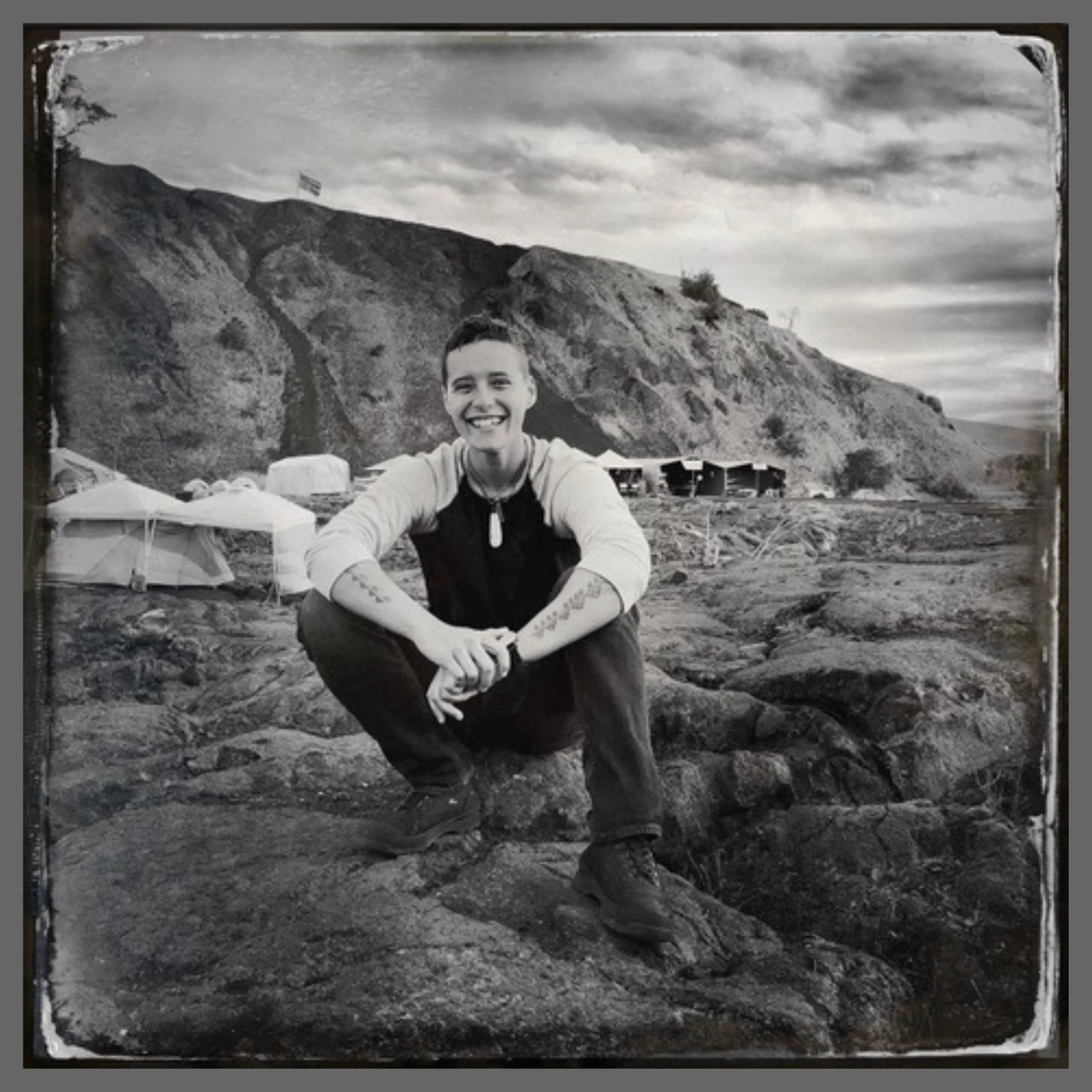
JAMAICA OSORIO · Kanaka Maoli Wahine Poet · Activist · Scholar
I have no conception of how we could have allowed / A world quite like this to exist / Where somewhere thousands of miles away and yet close all the same / A beautiful Palestinian child could be dancing / while her grandfather sings a song written long before the birth of our occupiers… of these overlapping worlds / They are both mine / To know / and to hold / I dare not look away
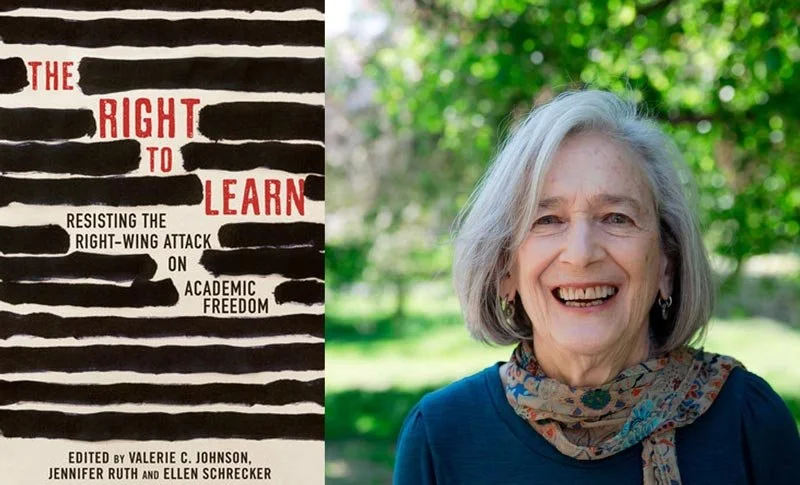
Historian ELLEN SCHRECKER
What McCarthyism did was focused on individuals who had once been in or near the Communist Party and who were refusing to cooperate with the witch hunt. That was it. Today, what we're seeing is an attack on everything. Within higher education, within society, all immigrants are under attack. Academics are under attack. LGBTQ people are under attack. Women are under attack.
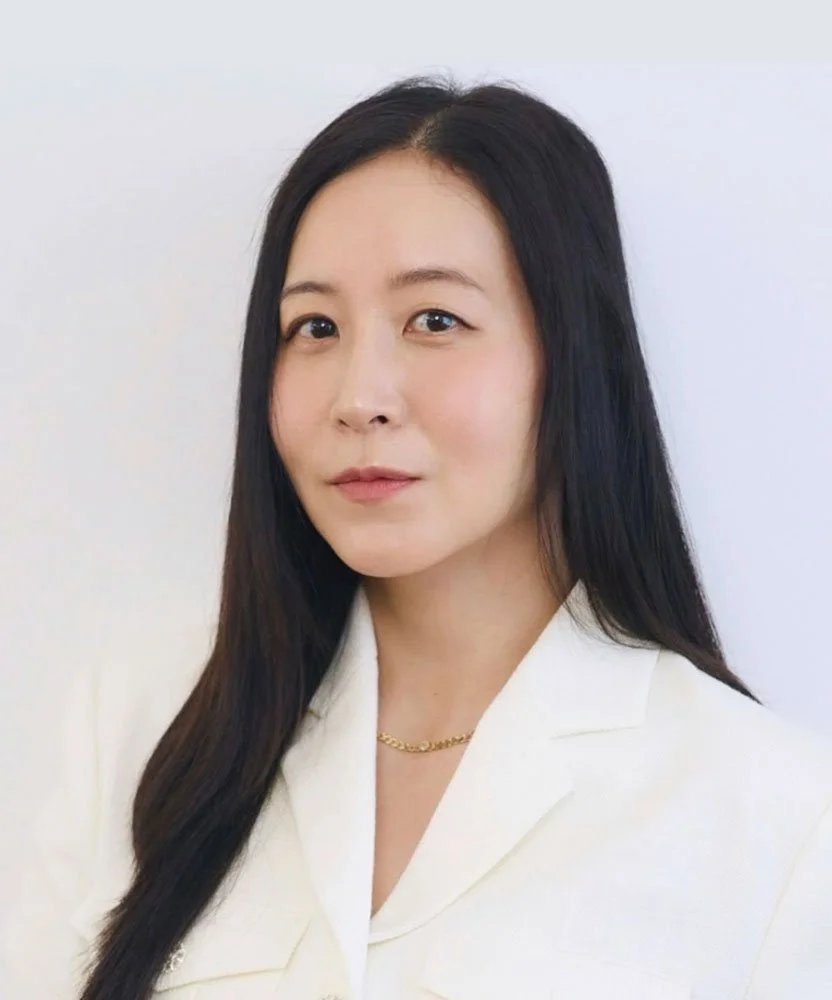
EUNSONG KIM Explains How Our Great Art Collections are Based on Debasing and Erasing Labor
I think through the ways in which you do not have the rise of the museum form... without the acceleration, the mutations of racial capitalism and settler colonialism. I'm really thinking about the ways in which art spaces, in particular cultural spaces... advertise themselves to be an exceptional site, a site that's removed from the world, but it's actually in those very spaces that you can so clearly see the ways in which the trenchant dynamics of racial capitalism, but also colonialism manifest.

Why do we write? Today we explore the practice of writing as an awakening and a bridge to memory. We hear from poets and novelists, musicians, dancers, and science writers. Hala Alyan, Andre Dubus III, Jericho Brown, Ada Limón, Aimee Nezhukumatathil, Max Stossel, Sy Montgomery, Tiokasin Ghosthorse, Julian Lennon, Julia Christensen, and Erland Cooper discuss how to hold onto hope in a changing world.

We explore the internal dialogues of artists and writers to ask what it means to step into someone else's shoes and expand our sense of solidarity through stories. Jim Shepard, Neil Patrick Harris, Katie Kitamura, Laura Eason, Sharmeen Obaid-Chinoy, Benoit Delhomme, Etgar Keret, Viet Thanh Nguyen, Adam Moss, John Patrick Shanley and Nicholas Kristof share their stories.
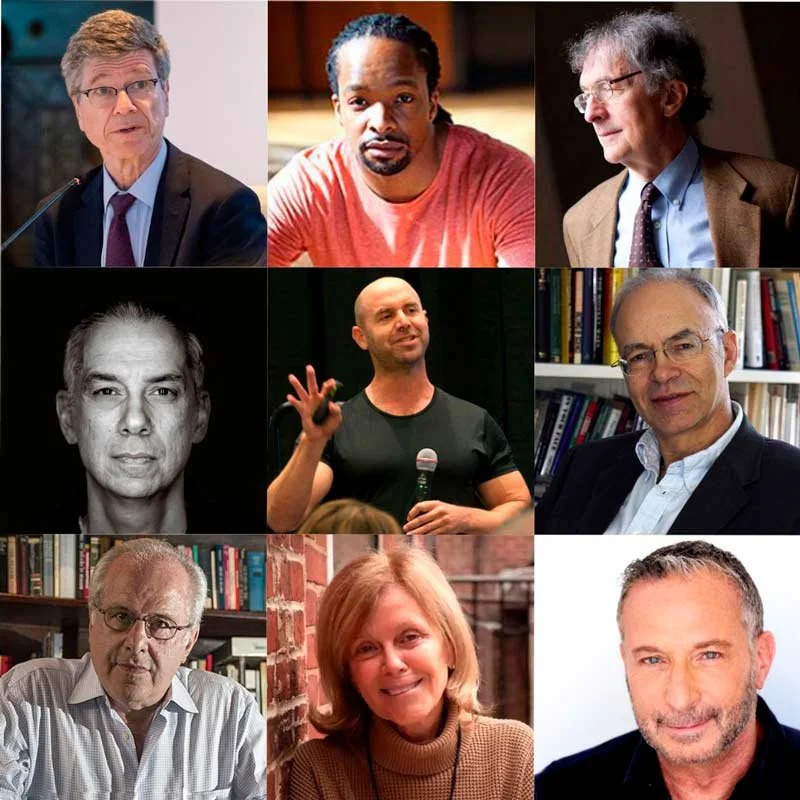
How do we rebuild a shared reality when the very foundations of truth are shifting?
Today we look at truth, education and civil society through the eyes of educators and economists, artists and philosophers. We’re joined by Lee McIntyre, Richard D. Wolff, Jeffrey Sachs, Howard Gardner, Todd Kashdan, Alan Poul, Jericho Brown, Kathleen Rogers and Peter Singer.
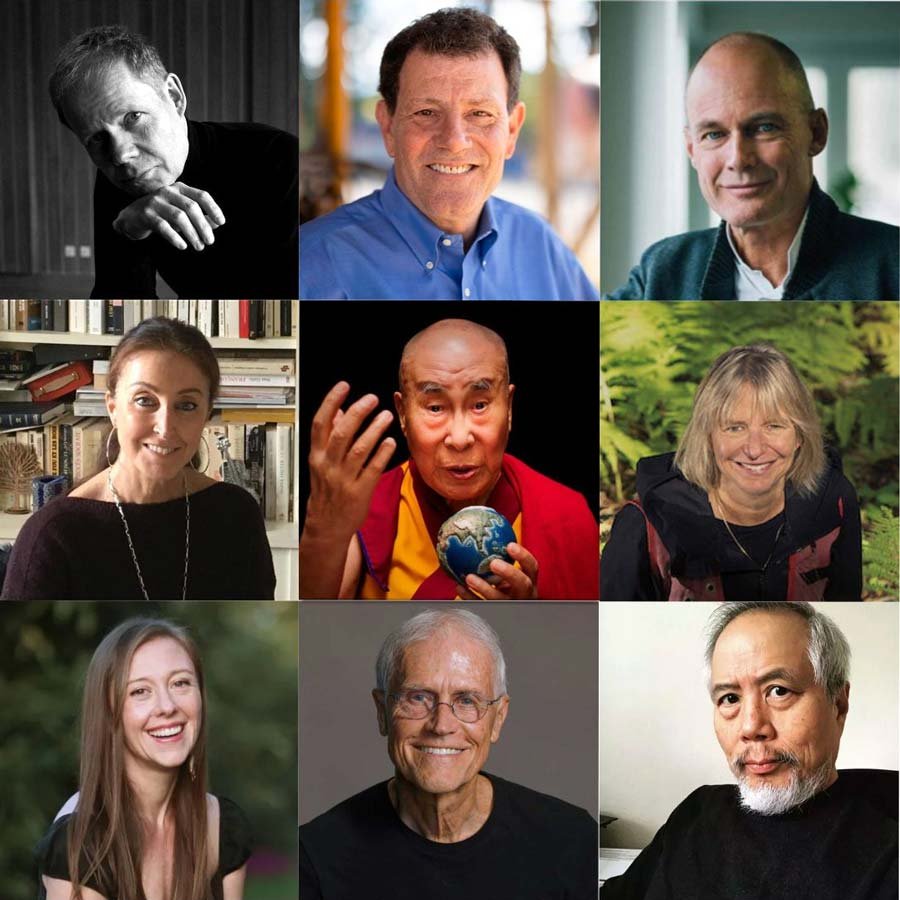
Writers, Environmentalists, Spiritual Leaders & Artists Share Their Stories
We are living through a moment of collision where the systems we built are turning against us and the future feels unwritten. But is this the end, or is it the start of a new beginning? We explore the discipline of hope with Pulitzer Prize-winning journalist Nicholas Kristof, The Dalai Lama, Suzanne Simard, Max Richter and other visionaries. From the pinch point of global crisis to the realization that we are wired to heal, they discuss how we can rise from the ashes of despair through creativity and collective action.
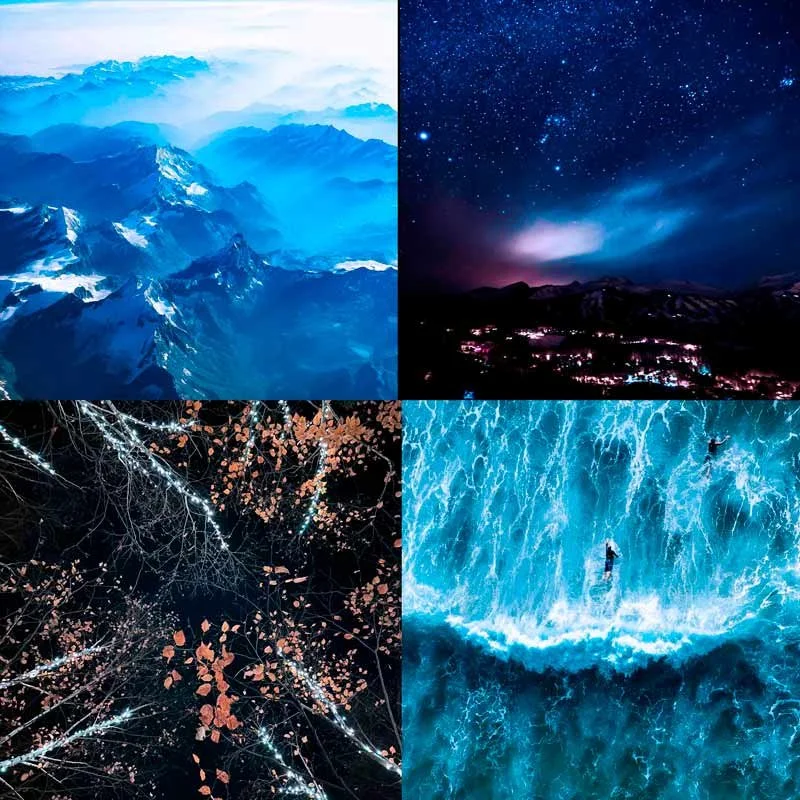
Artists & Scientists on The Beauty & Fragility of Our Planet
The Earth is talking. Are we listening? In this special edition, we hear from our guests from across the arts and sciences. From composers and poets to forest ecologists and climate envoys, they tell the story of our planet. Moving beyond the data of destruction, we explore the intelligence of nature, the ethics of what we eat, and the empathy required to save our future.
Stanford Professor, Author & Host of Speaking Out of Place DAVID PALUMBO-LIU on the urgent need to reclaim our political voices and the forces that silence dissent
There is a dispute about what the American Dream is or how it would play out in different circumstances. The American dream has essentially been narrowed into a white Christian nationalist notion of things so that everything that falls outside what they imagine that to be is not only undesirable, but should be the subject of extermination, deportation, and detention. I am heartened by the fact that more of our 'better angels' are emerging with a more capacious and expansive notion of what the American dream could be.
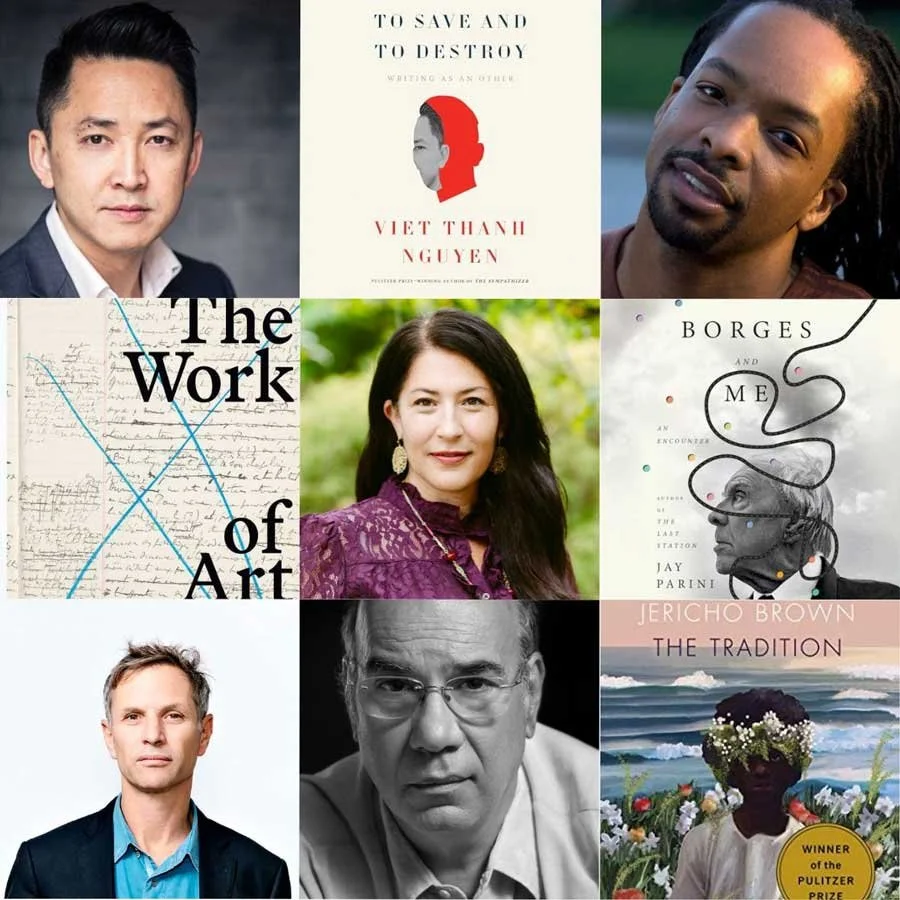
VIET THANH NGUYEN, ADA LIMÓN, JAY PARINI, JERICHO BROWN & ADAM MOSS Share Their Stories
How do writers develop their voice? How are writing and the arts paths back to the self, showing us what is important in life?

Conversation with SVEN NYHOLM, Prof. of Ethics of AI, LMU Munich · Lead Investigator, AI Ethics, Munich Center for Machine Learning · Author of Humans and Robots · The Ethics of Artificial Intelligence
I think we're betting on AI as something that can help to solve a lot of problems for us. It's the future, we think, whether it's producing text or art, or doing medical research or planning our lives for us, etc., the bet is that AI is going to be great, that it's going to get us everything we want and make everything better. But at the same time, we're gambling, at the extreme end, with the future of humanity , hoping for the best and hoping that this, what I'm calling the AI wager, is going to work out to our advantage, but we'll see.
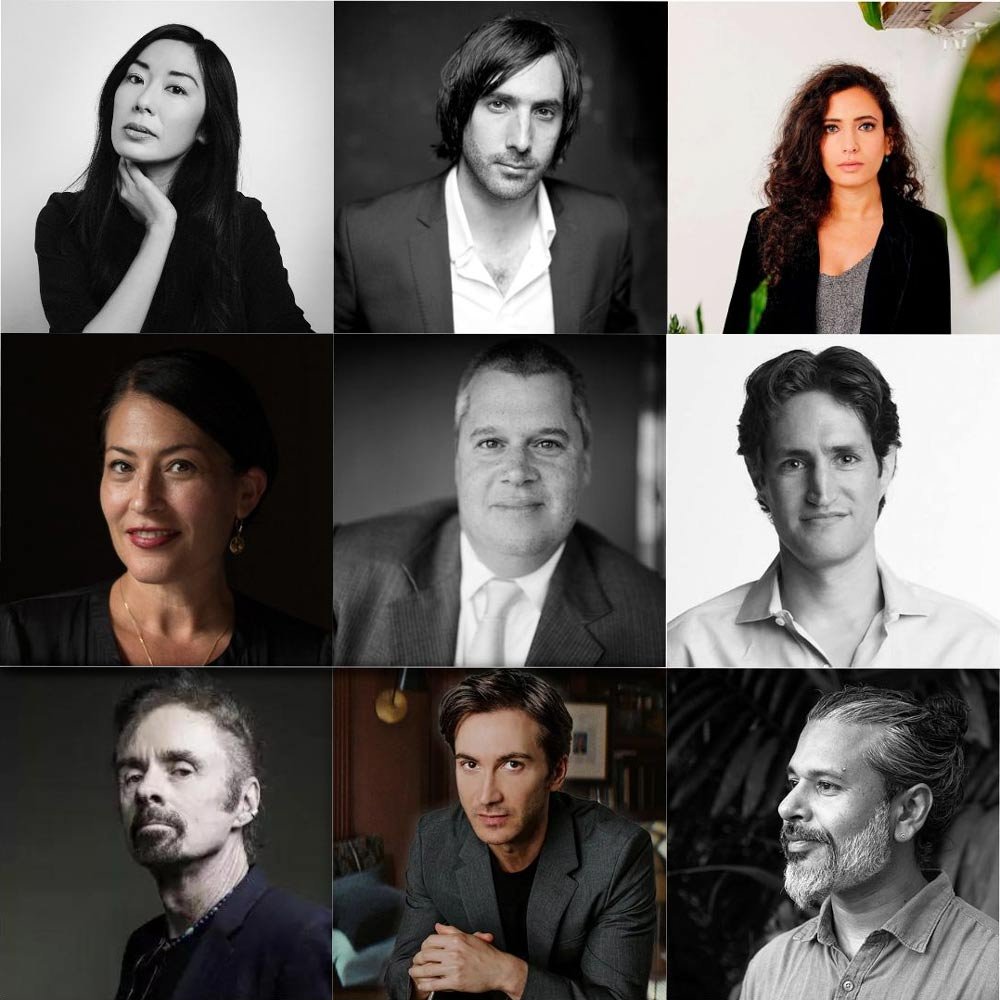
Katie Kitamura, Paul Lynch, Daniel Pearle, Hala Alyan, T.C. Boyle, Adam Alter, Shehan Karunatilaka, Daniel Handler a.k.a Lemony Snicket, and Ada Limón share their stories
How can we use negative spaces in fiction to engage with readers’ imaginations? How are memory and trauma passed onto us through language? How do we become more than the stories we tell ourselves?
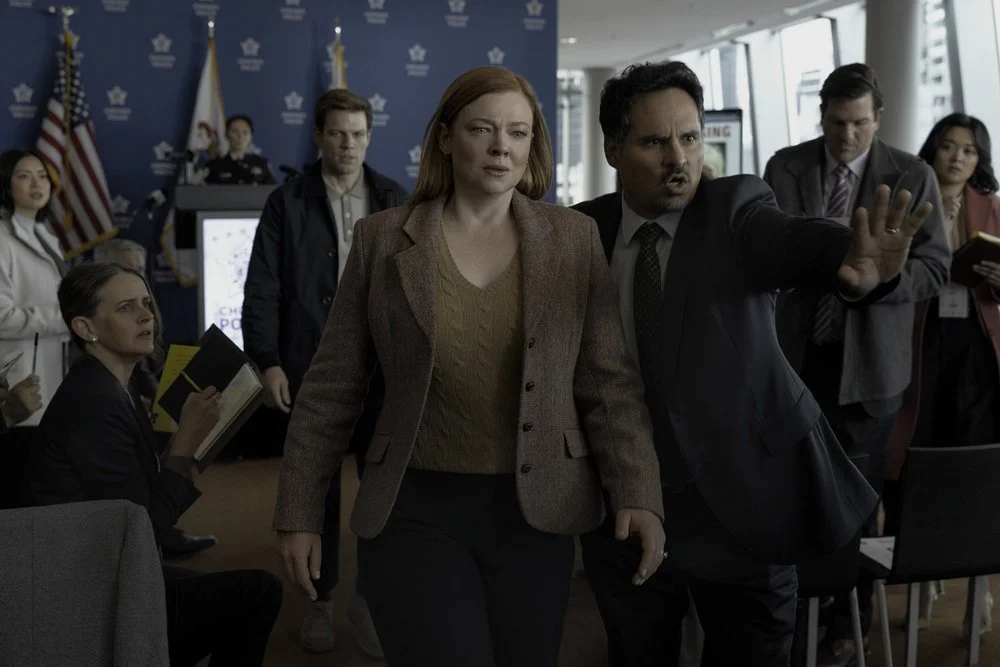
Starring SARAH SNOOK · A Conversation with Exec. Producer NIGEL MARCHANT & Creator MEGAN GALLAGHER
The people that we choose to love and the ones we choose to rely on and trust… Marissa and Jenny's relationship and that female friendship, that's what we watch happen in the series in real time. Whereas the marriages and the relationships that they're already in maybe aren't so perfect, the one we watch them choose is the one that's rewarding. It's so nice to listen to people's reactions to that relationship and how real that relationship feels. These two women, from a character perspective, have every reason to not get along or to hate each other or to yell at each other. That's the opposite of what each one of them does, and that just feels true and honest. I know a lot of women who I feel would act that way, be the best version of themselves in such an awful situation.

Connecting Brazil and China Through Art and Music
A Conversation with Curator · Philanthropist · Collector SARINA TANG
I think that, based on the fact that both Brazil and China are tied to my own roots, I understand a little more about the culture and history of both countries. About 15 to 20 years ago, I felt that I didn’t want to work just for income or to gain more fame. I felt I should do something meaningful for the rest of my life. Very few people from Brazil have ever been to China. This is why I brought a few Chinese artists from China to Brazil and from Brazil to China. That was my first experience doing some form of residency, but it was more than a residency. It was really for the Brazilian artists to learn more about China and its culture, and for some of the Chinese artists to learn more about Brazilian art and culture.

President of EDF Action · Advocacy & Political Arm of the Environmental Defense Fund
I think my role and where I'm most comfortable is focusing on the economic harms that the choices this administration is making will limit access to affordable, clean energy. Affordable energy overall, and that they will wind up harming the American people. EDF is standing up and fighting the Trump administration in court every single day. We believe, based on the facts and the law, that we have very good cases and expect to see more wins than not. When the government sets aside all of the things they need to do to land appropriately and just say, "We don't care. This is what Donald Trump wants," there is recourse to step in, intervene, and challenge that. They were sloppy the first time he was president. They're even more brazen now.

& The Future of Museums
A Conversation with NICOLA LEES · Director of the Aspen Art Museum
It's a complicated time to think about how we can slow down, be still, and bring a brilliant group of people together to do something that feels purposeful and can be productive. It's a moment where things are moving so fast. When I brought up the idea of a hinge generation, I think it's impossible to know how we will look back and reflect on this time and these moments. This year, there is a real emphasis on the relationship between the question we have posed for the retreat, which is fundamentally about our relationship with technology and identifying our relationship with the world and how we want to be present in the moment.
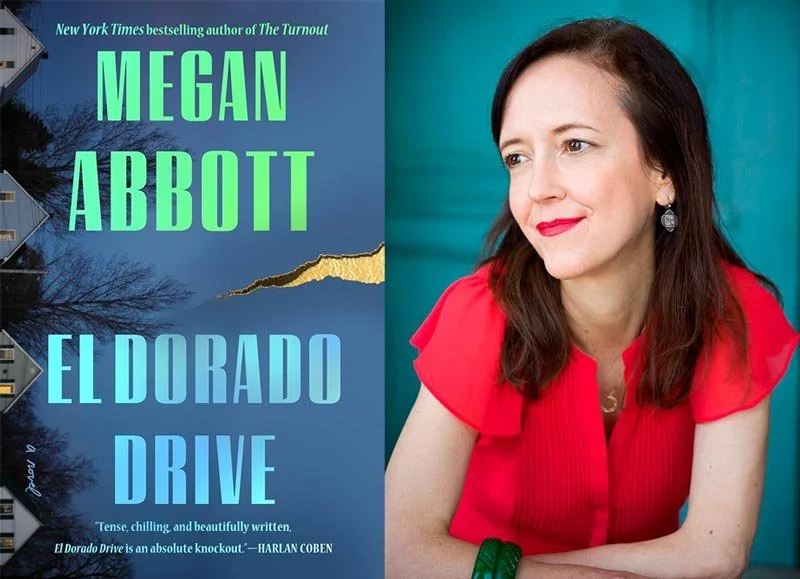
A Conversation with MEGAN ABBOTT
Author of Beware the Woman · You Will Know Me · Give Me Your Hand · The Turnout · Co-creator of Netflix’s Dare Me
I always say to young writers, you need to put your heart on the page. Don't worry about being like anyone else. I would say that foremost, in any of the arts, it is self-expression at its core… I think that it all goes back to childhood. I’ve always really been writing about family. I suppose we always are. I do think that it is the original wound, and it's where we are kind of wired and built from those early years. So I think every other relationship just replicates that. It's very natural for me to go there, I suppose because the feelings are most intense there. We just keep recycling these relationships and dynamics over and over again—until maybe someday we can catch ourselves and try to break the bad patterns. It feels the most visceral and real to me, always. You're always looking for that in writing. You want everything to be at this peak intensity, or at least I do. That seems the most natural place to start.
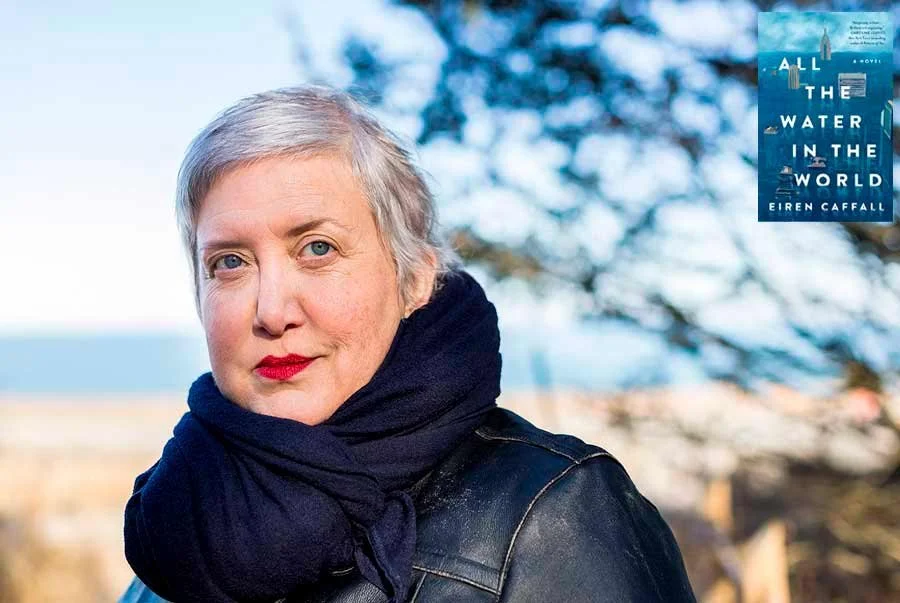
A Conversation with Writer & Musician EIREN CAFFALL
We are in a complex and delicately balanced relationship of connection to everything else on the planet. We begin to recognize, write into, and speak into the complex interdependence and interconnection of every gesture that we make on the planet. Most storytelling that I really respond to, whether it's from my own culture or from previous civilizations, acknowledges that we are in this complex relationship where every gesture we make is connected to the lives of every other creature on the planet. The more narratives we allow to be complex in that way and interconnected, the more we begin to change our brain chemistry around how we protect ourselves and everything that is in relation to us. The more that you have that evolving relationship with it, that's dynamic and alive to the moment you're in, and that's not afraid of the feelings of fear, hopelessness, grief, or pain that attend paying close attention to the world as it is evolving around you, the better we are able to be flexible in the relationship we need to form with fixing what we can and holding onto what we have.
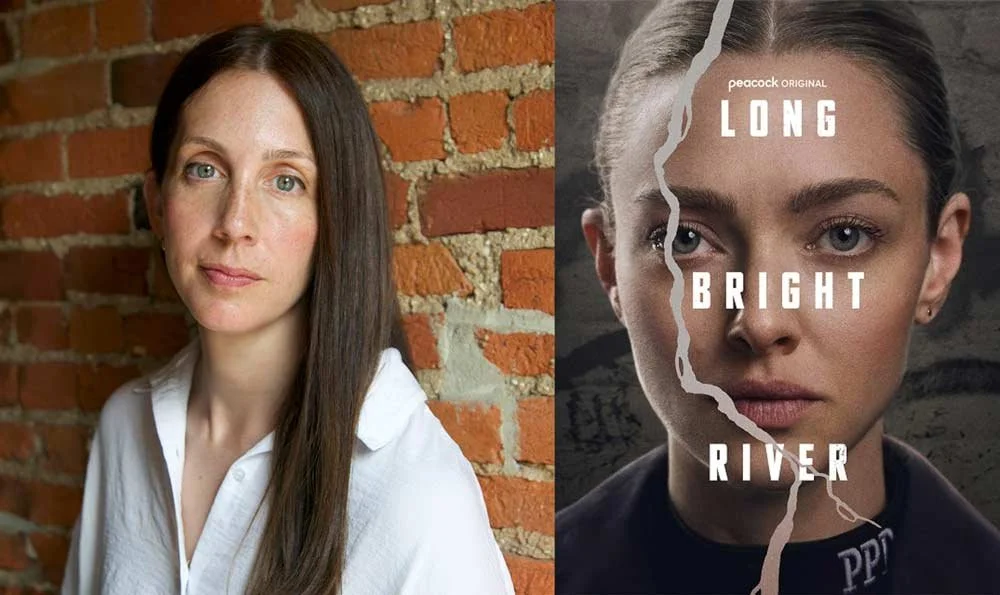
Author LIZ MOORE on Long Bright River starring AMANDA SEYFRIED
I've lived in Philadelphia for about 16 years. The book itself was inspired by my time spent in the Kensington neighborhood of Philadelphia interviewing a lot of the people that I met there, both longtime residents of the neighborhood and also people who were transient, a lot of people struggling with addiction and a lot of women doing sex work to fund their physical addiction to opioids. You find out about their past, their road into addiction, their aspirations, their fears. I began to lead free writing workshops at an organization named St. Francis Inn, which is a longstanding food service organization in the community. They had a women's day shelter where I taught. I was really able to connect with people within the community on a quite personal level and loved my experiences in Kensington. And I still go, I'm still quite close with a number of the community workers, people who run free healthcare clinics. All of it ultimately informed the writing of Long Bright River.

in Sam Altman's OPEN AI
A Conversation with KAREN HAO
My book is called Empire of AI because I'm trying to articulate this argument and illustrate that these companies operate exactly like empires of old. I highlight four features that essentially encapsulate the three things you read. However, I started talking about it in a different way after writing the book.
The four features are: they lay claim to resources that are not their own, which is the centralization of resources; they exploit an extraordinary amount of labor, both in the development of the technology and the fact that they're producing labor-automating technologies that then suppress workers' ability to bargain for better rights; they monopolize knowledge production, which comes when they centralize talent.

Filmmakers, Writers & Artists on Connecting through Creativity
How does art change the way we see and experience the world? Art has the power to offer transformative experiences, but what about the lives of artists who give so much of themselves? How can we balance creativity and personal well-being while still making work that is true and meaningful?
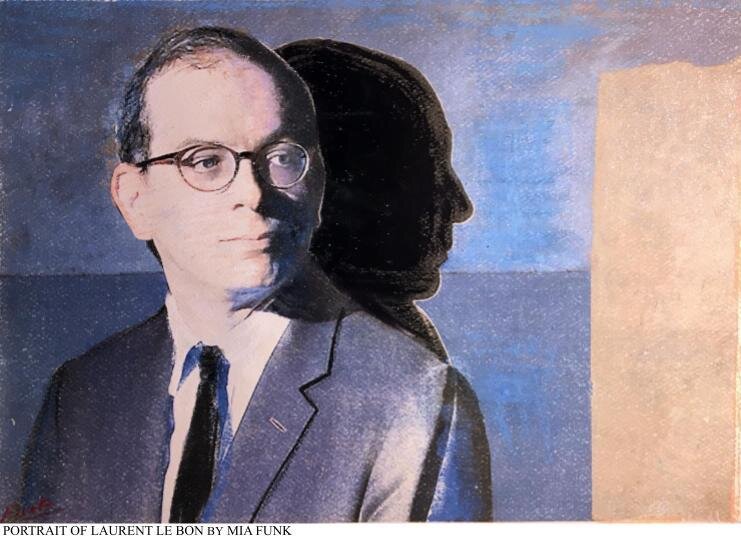
Fmr. President Musée Picasso
President Centre Pompidou
Picasso is a symbol of the creative process.
Always in metamorphosis. Always in transformation. Sometimes when you become wealthy and famous, you stop having the energy of the creative process, but if you see the whole span of his career, you have 50,000 works of art in all mediums. So the main mission of the museum is to display like a kaleidoscope, and we have always a new angle, a new direction.
A Conversation with LD CHEN · A 4th Generation of Dacheng Quan · Head Coach of Oneness Institute of America & Europe
Oneness is actually not about learning in the usual way. Most teachings tell you how to learn — how to let go, how to calm down, how to manage anger. Oneness does the opposite: we stand, we train the body to correct the heart, and then we live from that heart.
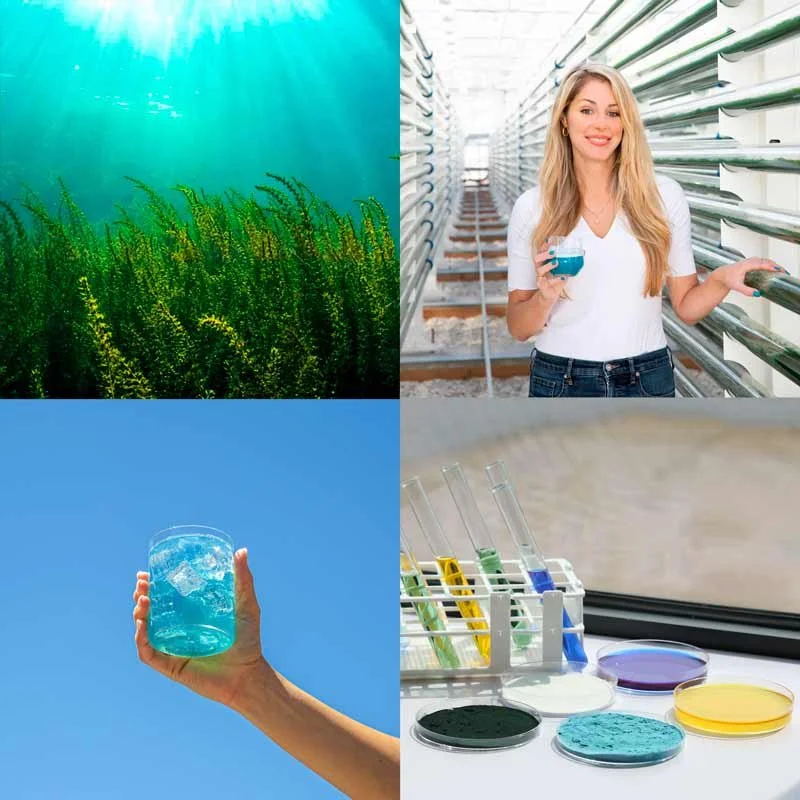
A Conversation with Co-Founder of FUL Foods JULIA STREULI & Founder of Creative Agency My Young Auntie OBERON SINCLAIR
Spirulina does everything. If you extract protein, there's a huge booming market and human need for protein. If you extract fats, omegas, etc., if you look at the recent FDA ruling around the color transition, every food and beverage company now is looking for a natural source of color. Spirulina can provide that. It's about looking at this ancient substance and seeing how it can plug into our future food system in a way that works for people and the planet.
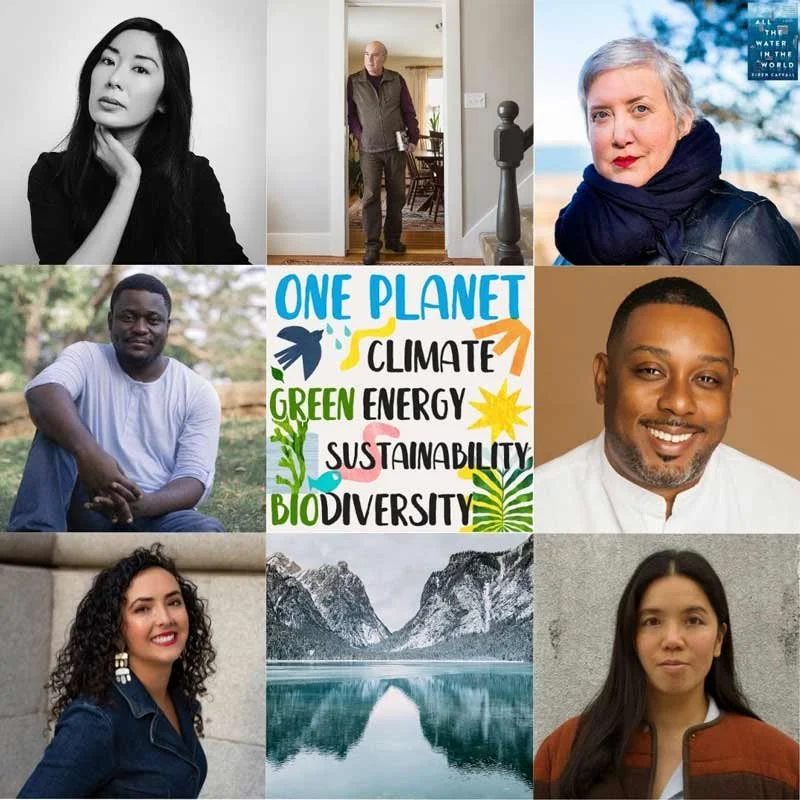
Katie Kitamura, Eiren Caffall, Jay Parini, Irvin Weathersby Jr., Natasha Hakimi Zapata, Audrea Lim & Dr. Bayo Akomolafe share their stories
How do our environments shape who we are and how we care for the world and each other? There are many solutions to climate change, inequality, and poverty around the world. How can we learn from them and transform our society?
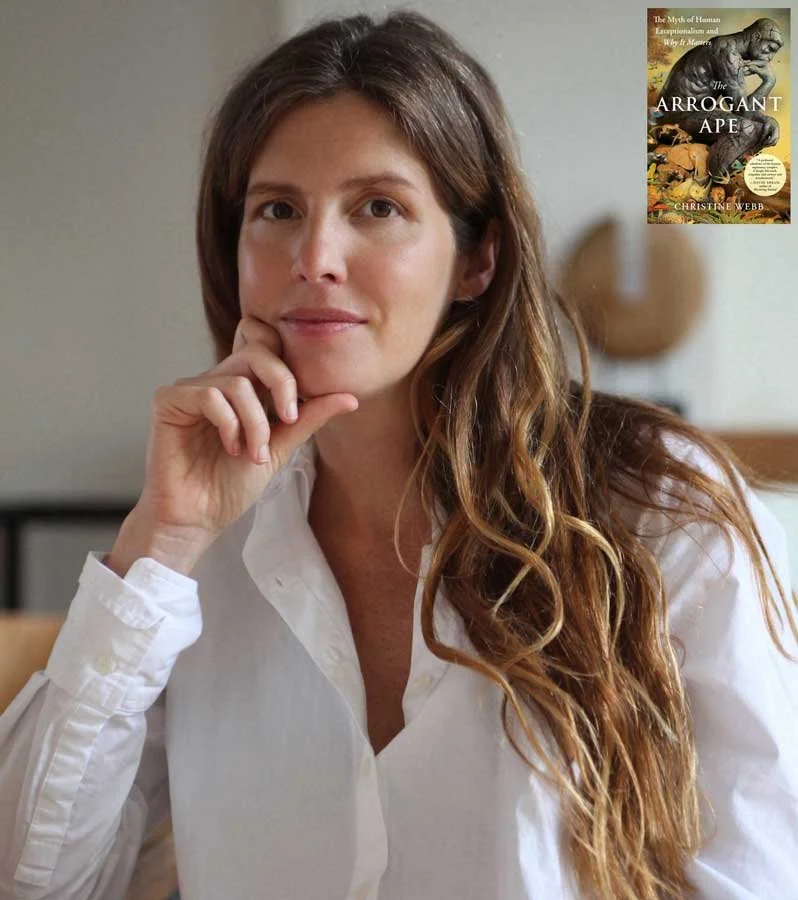
A Conversation with Primatologist CHRISTINE WEBB
There are many ways in which I think human exceptionalism has seeped into the sciences, but one of the many ways is through the methodologies we use when we compare the intelligence of humans and other species. In particular, in my field, I’m a primatologist by training, comparing the cognitive abilities of humans with the abilities of our closest living relatives, the great apes. Many times, those studies compare the intelligence of captive chimpanzees who are living in highly restricted, manmade environments. Often, these chimpanzees have been separated from their biological mothers at birth. They're often separated from the group during testing. They're subjected to very human-centric experimental paradigms, like playing with plastic puzzle boxes or computer touchscreens, and we're measuring how they perform on these tasks.
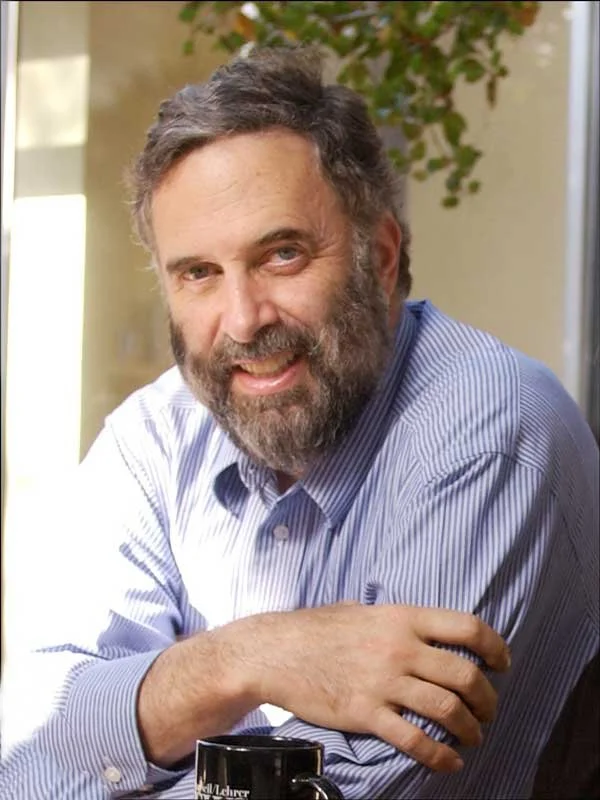
A Conversation with JAMES S. FISHKIN
Director of the Deliberative Democracy Lab
Deliberative democracy is itself, when properly done, a kind of democracy that can speak to the interests of a community. And we need that all over the world. The three ills of democracy that I propose to address with this method, which we've perfected over the last several decades. Democracy is supposed to make some connection with the "will of the people." But how can we estimate the will of the people when everyone is trying to manipulate it?
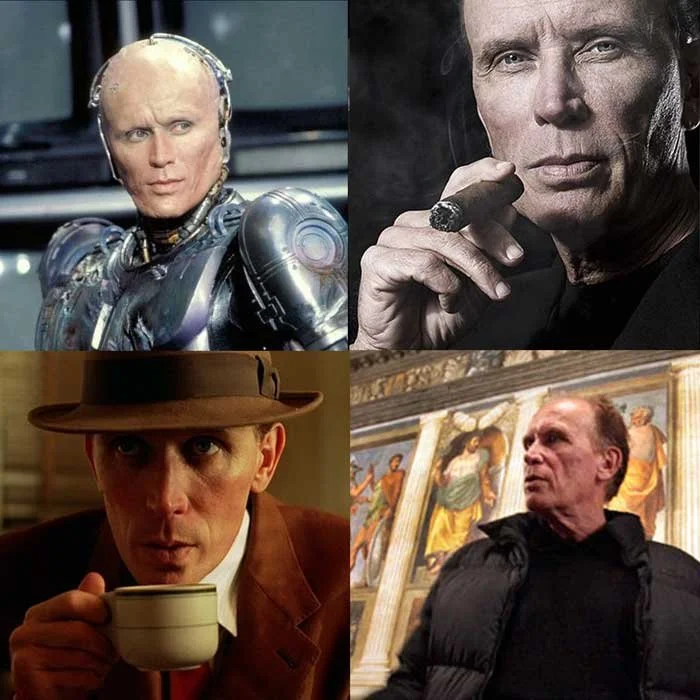
with Actor, Art Historian, Director, Musician, Author PETER WELLER
Art transcends time and culture—the beauty of it. People worry about the world now. I remind them to go live in 1968, a time of preparing to go to the moon while people died for their beliefs. This is a difficult time in a republic that’s supposed to be free, but music was leading the way. Whether it was Miles, Coltrane, Aretha, Leonard Cohen, Dylan, the music was extraordinarily influential and cutting-edge… Leon Battista Alberti is an interesting figure because he was a poet, painter, architect, and particularly an architect, writer, and humanist. He wrote this amazing book on painting that everyone has to read.
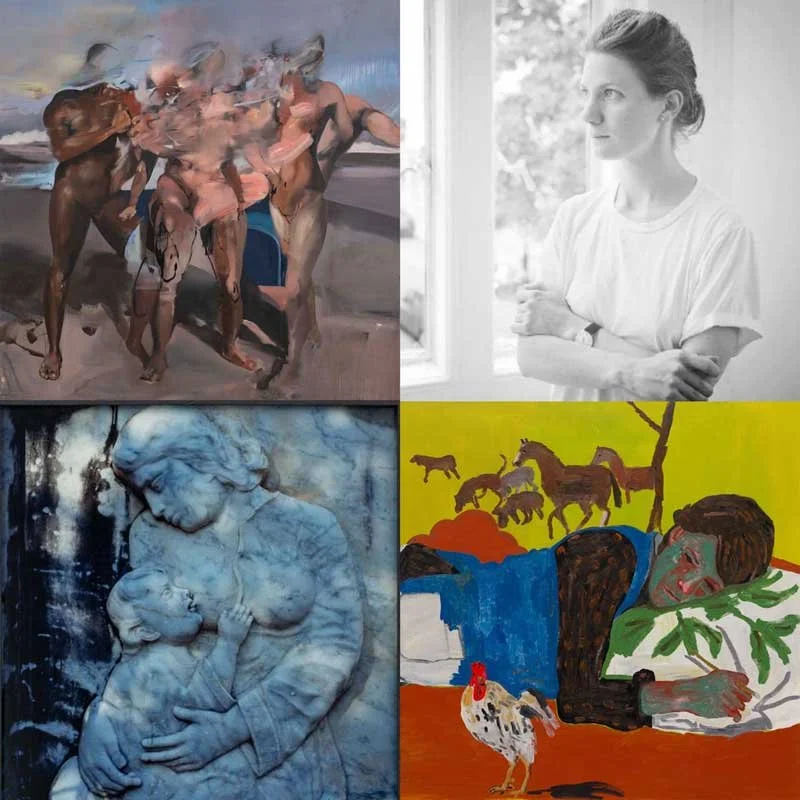
A Conversation with Gallerist HANNAH BARRY
There's something fundamental about the value of art and culture. Not just being integrated for vocational reasons, but because the experience of art and having a cultural element in one's life brings enjoyment, learning, relief, or any of the many experiences and feelings that art provides. I think this is quite fundamental as an element of life. Creativity is key in any career and also in personal life, especially in terms of problem-solving, relationships, kindness, compassion, and empathy. The arts, creativity, and the cultural world at large are not just nice to have; they are essential. Their value is fundamental, although sometimes it's extremely difficult to define in a way that aligns with what people might prefer. To see the arts lost from the developmental moments in one's life is tragic. Developmental moments in life come at all points in the arc of one's existence. To see that taken or diminished is unfortunate. Everyone involved in working with artists, artists themselves, or those who are creative knows this and believes in it.
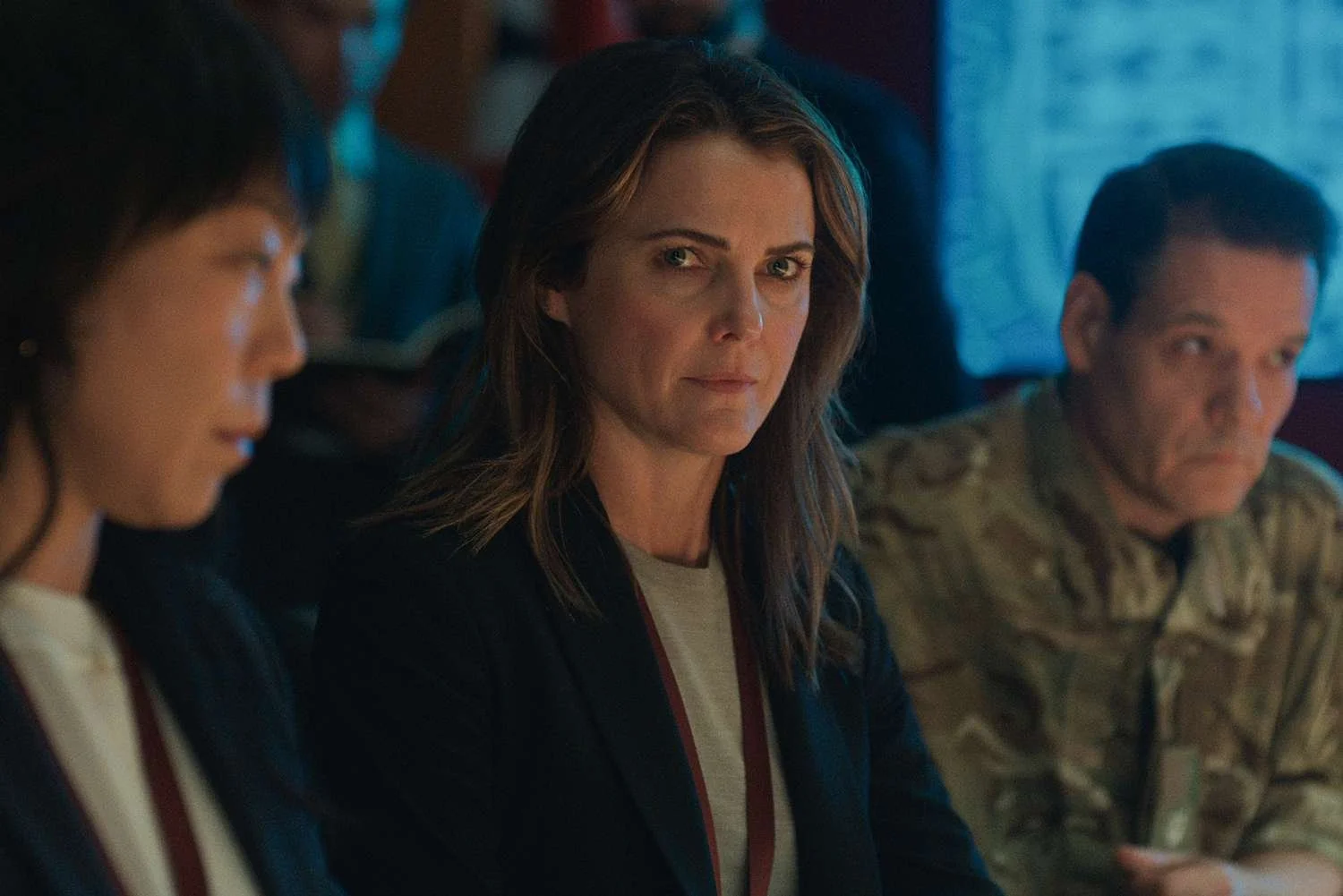
Conversation with Showrunner · Creator · Head Writer
DEBORA CAHN
I feel very fortunate that the medium I’m in is television, which is a very long form of storytelling. You're not telling a single story; you're telling a world. You're inviting people into a world and asking them to live there with you and these characters for a period of time. The best I can do is build a world where people grapple with these important questions and try their best. All I can expect from people and from myself is that we're trying to do something larger than ourselves.
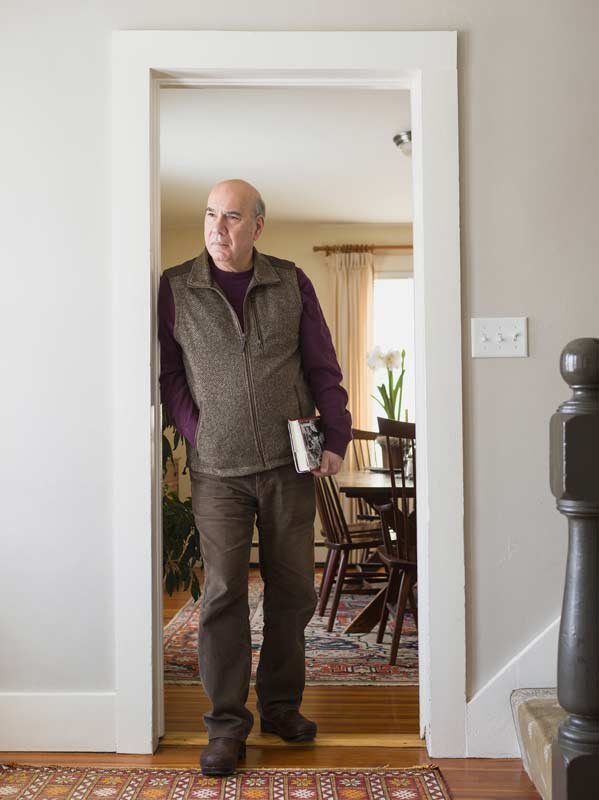
A Conversation with Author & Filmmaker JAY PARINI
Poetry is the prince of the literary arts to me. It's at the very top because it's language refined to its apex of memorability. I am interested in poetry as memorability and poetry as something you live by. These are the words you live by. These words stay in your brain and guide your life. That's what I am interested in. My memoir slash autofiction is called Borges and Me, and as you know, it's a story of my time in 1970 when my best friend Billy was drafted for the Vietnam War, and so was I. He went to Vietnam, and I went to Scotland to hide out and do my graduate work. I spent nearly seven years in Scotland, but I certainly spent the next five years definitely in Scotland. I was there before as an undergraduate for a bit, too. During that time, Billy was killed in Vietnam, and I was a nervous wreck. My memoir talks about my depression, my anxieties, and then, through my friend Alastair Reid, I met Borges, the great Argentine writer. We went on a little road trip through the Highlands, and this conversation with Borges really restored me back to myself and what was important in life. I felt that I owed a huge amount to that contact with Borges… I was lucky that suddenly, out of nowhere, came a wonderful director-producer named Mark Turtletaub. He had read my book and loved it, and he approached me. We had a conversation, and he said, "Look, I want to make this movie." So off we went.
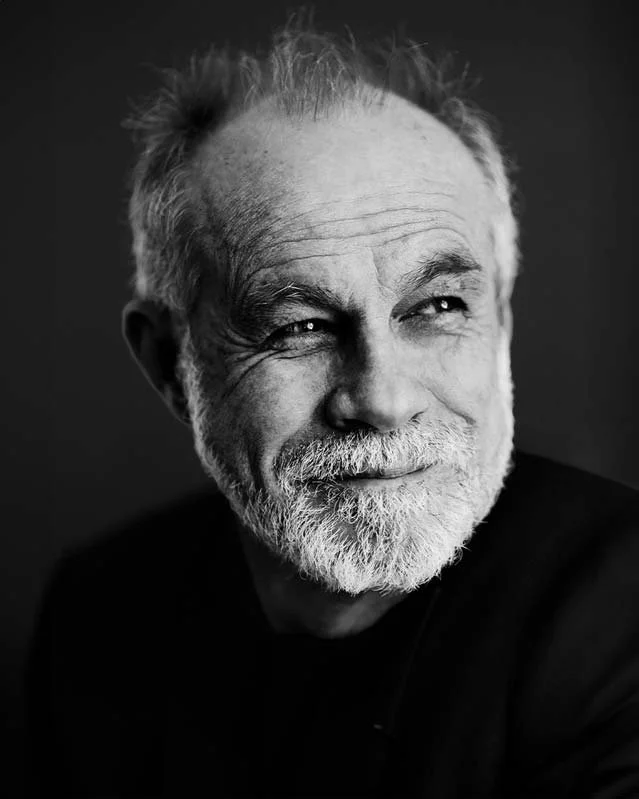
Originator of the 15-Minute City Concept · Author of The 15-Minute City: A Solution to Saving Our Time & Our Planet
It all starts at home. As a university professor, I have observed the process of transformation of different generations. We need to find a sense of life. We need to find a sense of belonging to our humanity, but to have this sense of life, we need to find a sense in our local communities.
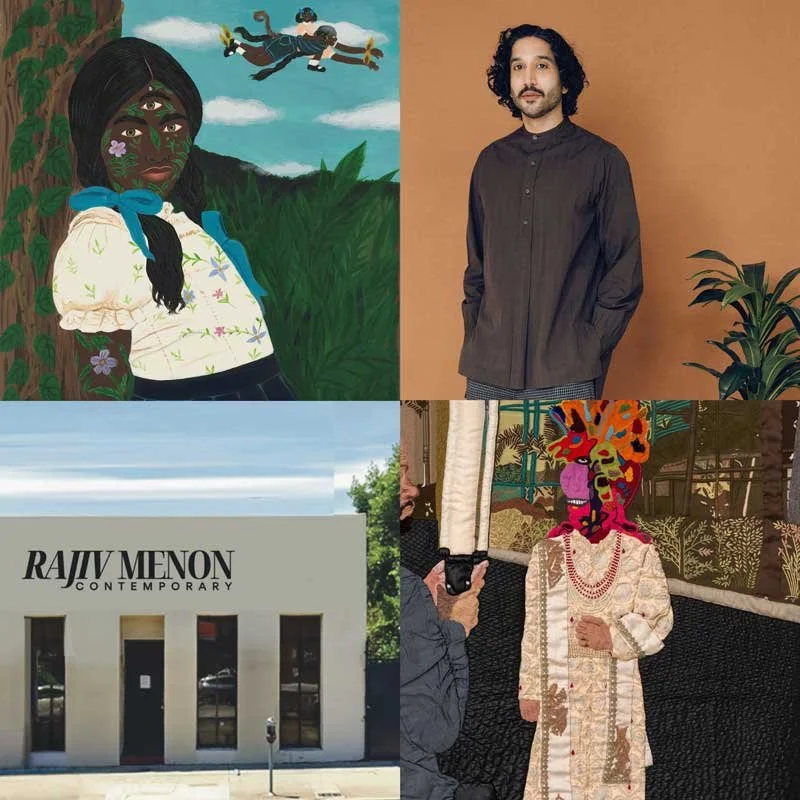
A Conversation with Gallerist · Curator RAJIV MENON
Founder of RAJIV MENON CONTEMPORARY
I want people to understand South Asian art as broader than a single gallery or a single artist, but as a larger cultural movement. I want people to encounter art in all parts of their lives, and I’m constantly thinking about new ways to achieve that. I was very aware, as someone launching a South Asia-focused gallery, that this was the cultural dynamic that undergirded the way that most people in the West were thinking about art from the region. Taking that on directly and inviting artists to work with that theme was a really important ground for setting the ethos of the gallery and the types of critical questions we wanted to tackle with the work we were doing.
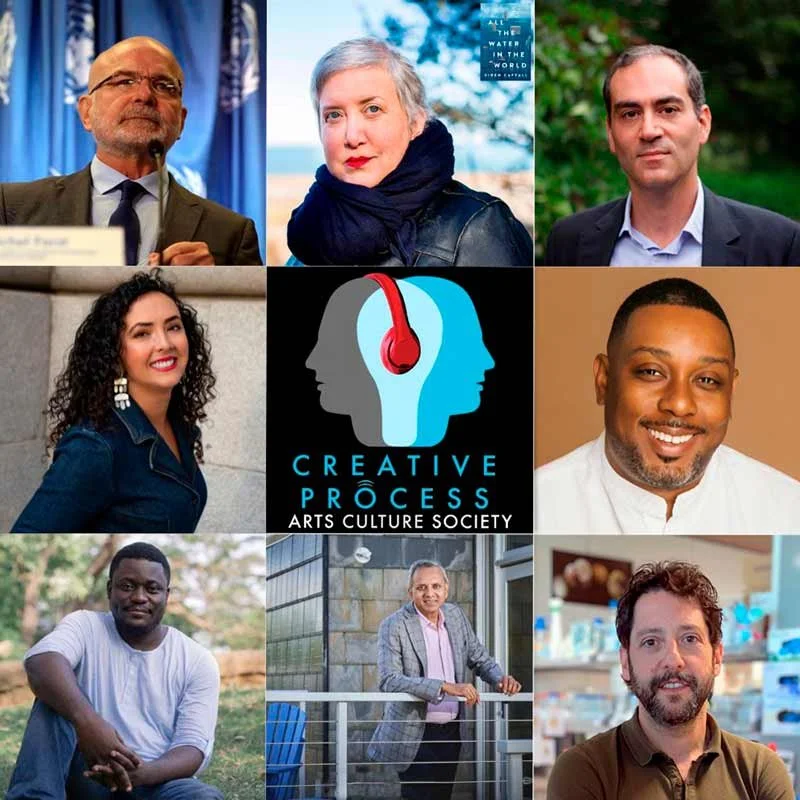
Scientists, Writers, Philosophers & Changemakers Share their Stories
In this time of rapid technological change, how do we hold onto our humanity? How do stories, traditions, and community help us find meaning in loss and face an uncertain future? How can science, art, and spirituality open new pathways to understanding ourselves and the human experience?
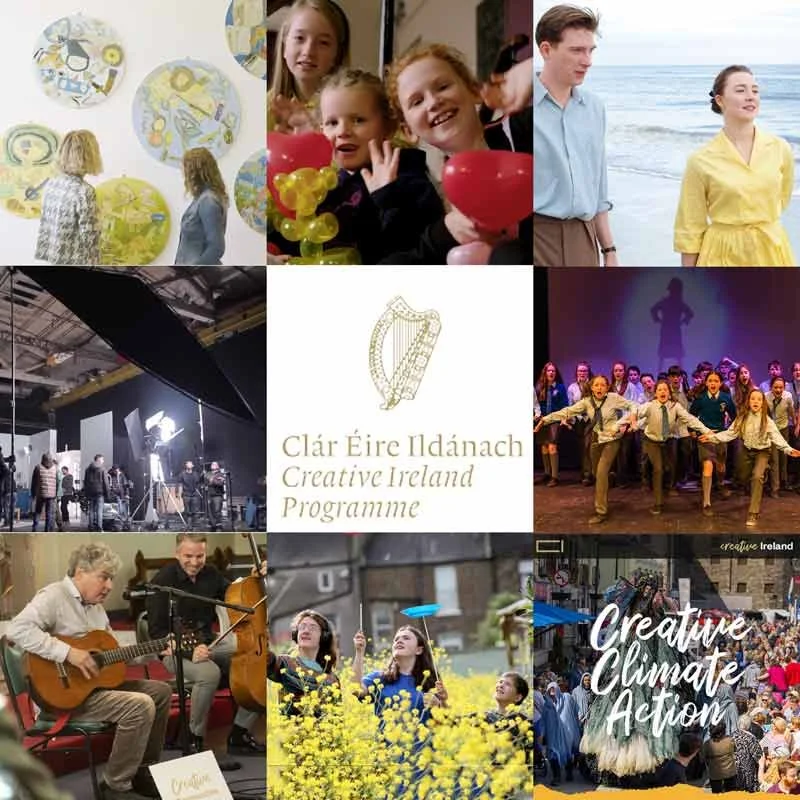
How Ireland Is Harnessing Creativity as National Strategy with SHEILA DEEGAN
I left the local environment to pursue Creative Ireland because I really believe in this broader approach. Let's try not to silo things. Let’s try and get people working collaboratively for the benefit of everybody, not just one program over the other. I really hope that young people can hold a sense of social justice as we move forward into a very complicated world. They need to remember that we're all just people and that we all just need each other, whether that's creatively or within the landscape or within the economics.

JULIE ANDREWS · PAUL SCHRADER · JOHN PATRICK SHANLEY · ETGAR KERET · JOY GORMAN WETTELS · CHAYSE IRVIN · MANUEL BILLETER
Share their Stories
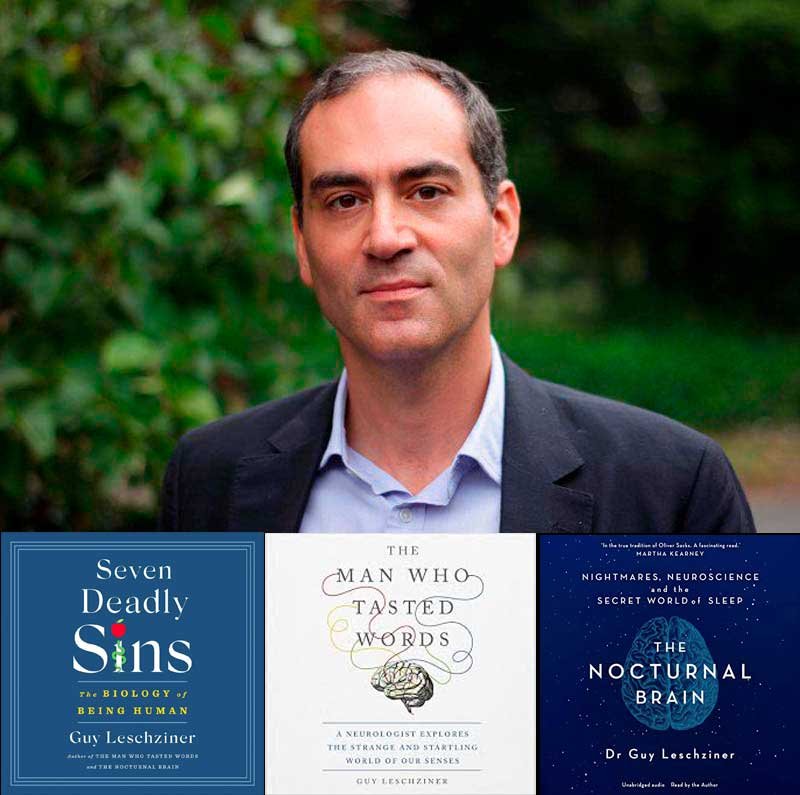
with Neurologist · DR. GUY LESCHZINER
Professor of Neurology & Sleep Medicine · King's College London
Author of Seven Deadly Sins · The Nocturnal Brain · The Man Who Tasted Words
I'm fascinated by the extremes of the human experience, partly because it is so far removed from our own experience of life. In another way, when you look at people who have neurological disorders or diseases, these are really nature's experiments. They are ways of trying to understand how the brain works for all of us. By extrapolation from looking at these extremes, we can learn about the workings of our own brains. That's very much the case across all the areas of my work, whether it be sleep disorders, neurology, or epilepsy—how we regulate our emotions, how we move, how we experience the world.

Environmentalists, Artists, Scientists & Earth Defenders Share their Stories
We are privileged to present the voices of individuals dedicated to effecting change and mitigating the harm inflicted upon our precious planet. These are individuals deeply committed to the core values that drive positive transformation: Max Richter, Ingrid Newkirk, Julian Lennon, Bertrand Piccard, Carl Safina, Nan Hauser, Claire Potter, Ada Limón, David Farrier, Cynthia Daniels, Oded Galor, Kathleen Rogers, Joelle Gergis, Sir Geoff Mulgan, Alain Robert, Noah Wilson-Rich, Chris Funk, Suzanne Simard, Peter Singer, and Jennifer Morgan.
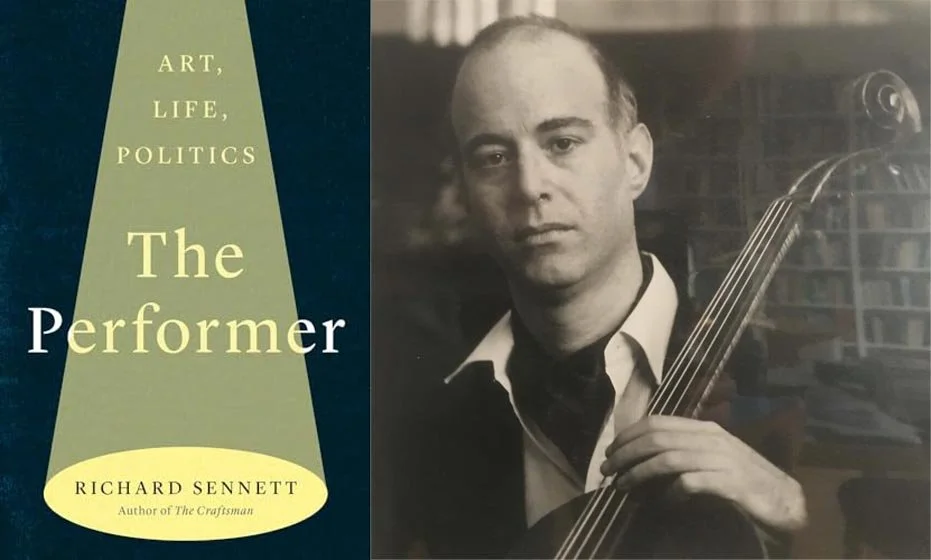
RICHARD SENNETT Centennial Professor of Sociology · London School of Economics · Fmr. Humanities Professor · NYU
Author of The Performer · The Fall of Public Man · The Culture of the New Capitalism · The Craftsman
We look at creative work as though the very creative process itself is something good. These are tools of expression, and like any tool, you can use them to damage something or to make something. They can be turned to very malign purposes, for instance, in the operas of Wagner. So I wanted to do this set of books, I want to show what is kind of the basic DNA that people use for good or for ill. What are the tools they use, if you like, of expression that they use in the creative process?
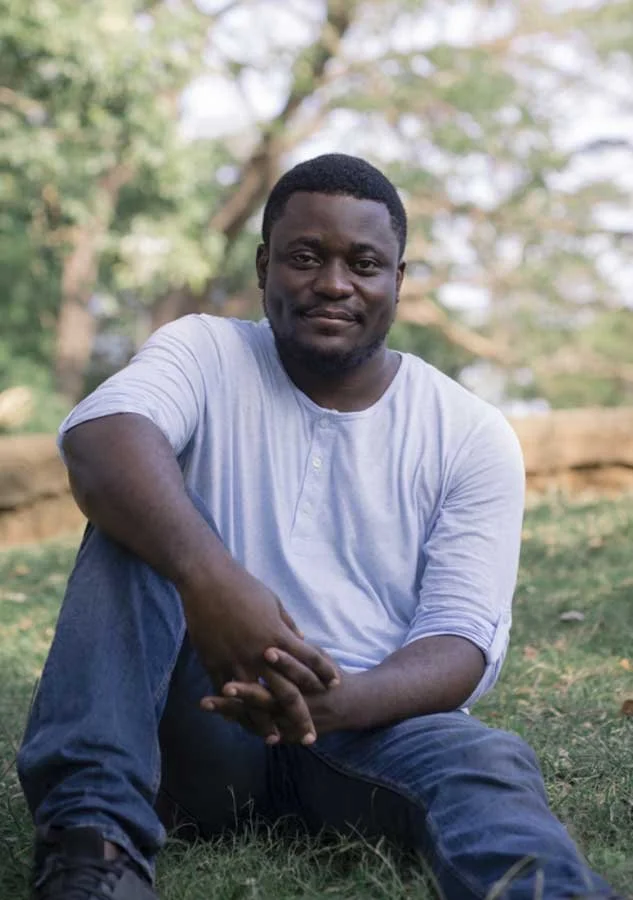
When Solutions Become Problems with BAYO AKOMOLAFE
Philosopher · Psychologist Public Intellectual · Author · Founder of the Emergence Network
I learn more than anything else from my children. My son, he's seven, he's autistic, and I call him my prophet for a reason. He teaches me to meet myself in ways that are usually very stunning. I can get information from other people; I can read a book here and there, but it's very rare to come across such an embodiment of grace, possibility, and futurity, all wrapped up in a tiny seven-year-old boy's body. My son has given me lots of gifts.
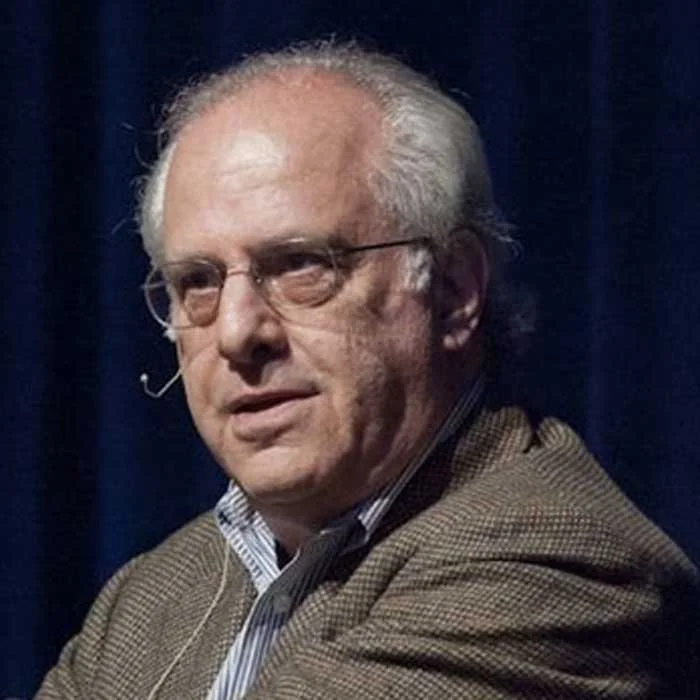
w/ Economist RICHARD D. WOLFF
Co-founder of Democracy at Work
Author · Host of Economic Update
The position of the United States in the world, economically and politically, is the weakest it has been in my lifetime. I was born in the middle of the 20th century, so I have watched the rise of the American empire and the success of American capitalism in the second half of the 20th century. However, over the last 20 years, I have watched that turn into its opposite—a decline. The decline is visible everywhere. Unless you live in the United States and consume mainstream media, there is a level of denial that will be recorded historically as one of the great examples, not just of a declining empire, which typically has people who cannot face it and who refuse to see it. You can go to Great Britain today and find quite a few people who think we still have the British Empire, even though everyone who isn't crazy knows that is silly. But we are earlier in the decline phase than the British are; they have had to endure it for a century while we have just had to do it for a couple of decades. It is fresh.
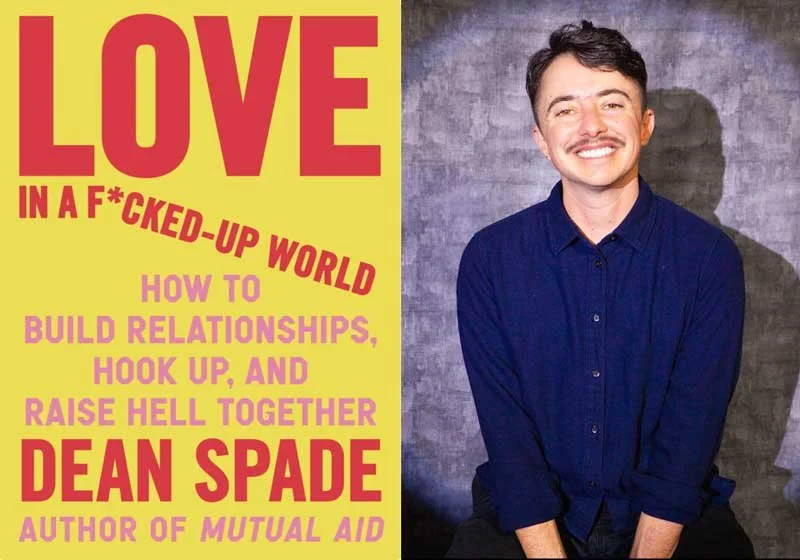
Conversation with DEAN SPADE about How to Build Relationships, Hook Up, and Raise Hell Together
This book has a lot of the wisdom of things that feminists and queers have learned in the community about sexuality, but the book is really for anybody who is political, even those just starting out and beginning to realize that there is something wrong with the systems they live under. I want to be in movements. Our movements are made of relationships. So, if you're just getting into our movements, or if you've been here for years and have been watching the ways we hurt each other and fall apart relationally, this book is about identifying these common patterns.

A Conversation with MARK CAMPANALE · Founder of Carbon Tracker
Carbon Tracker is a non-profit financial think tank focused on change and the energy transition. I set it up because I spent 20 years working in the financial world, and I noticed that a lot of coal, oil, and gas projects, even with all the evidence we know about climate change, were getting financed through banks and the stock market. It was almost as if investors were completely disregarding what climate change was going to do within our lifetime. What I wanted to do was challenge that, challenge the way people think, and challenge the financial operators, the bankers, stock exchange regulators, and investors to think about what climate change was going to do and what we could do about it. We're saying to the owners of these companies, the shareholders, "Why don't you think about what the world will look like in 50 years, and why are you putting these young people's pensions into coal, which we know is going to destroy the planet?"
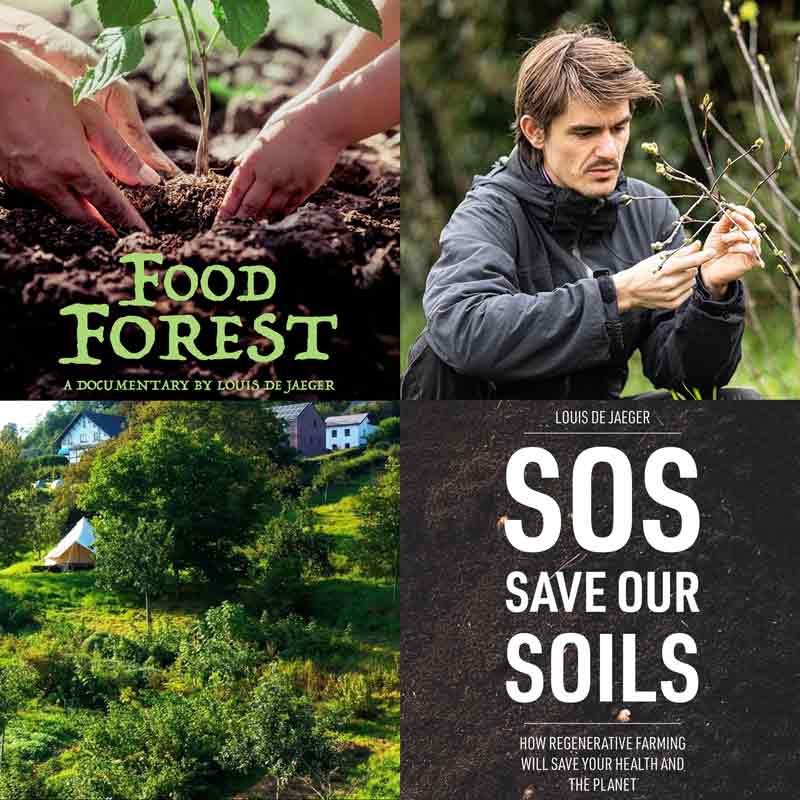
Eco-entrepreneur · Landscape Designer · Co-founder of Food Forest Institute LOUIS DE JAEGER on How Regenerative Food & Farming Will Save Your Health & The Planet
The Earth started as one big rock, and soil did not exist. Without soil, you can't really grow trees or any crops whatsoever. We are depleting soils super fast, and it is predicted that in less than 25 years, 90% of our soils will be degraded. We as humans can destroy things in a couple of years that have taken thousands or even millions of years to form. On the other hand, nature regenerates pretty fast. It heals itself. If humans help this healing process, it can go even faster.
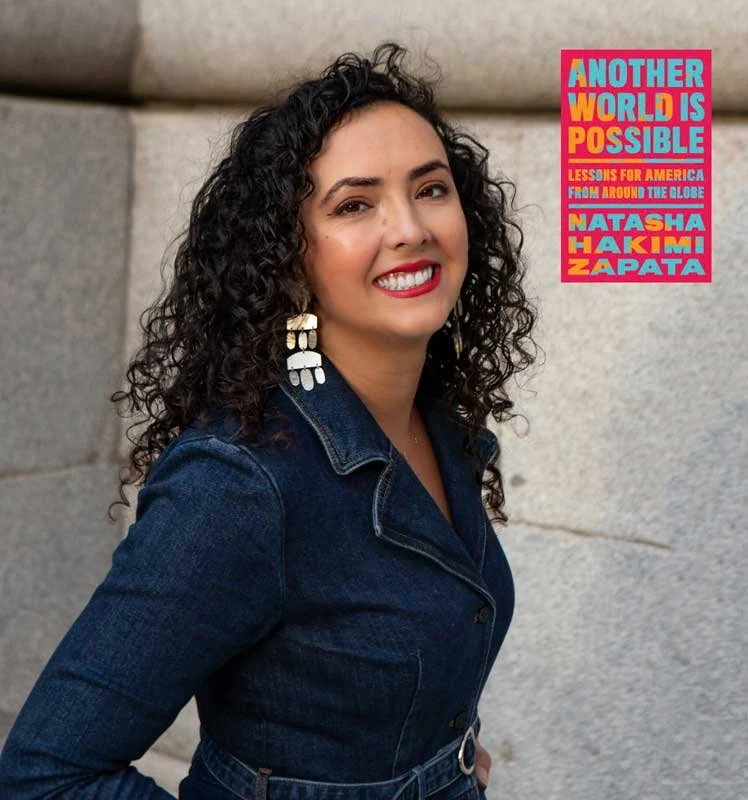
Lessons for America From Around the Globe with Journalist NATASHA HAKIMI ZAPATA
It's a really dangerous time we're living through, and I do think that when we talk about these progressive policies, a huge problem in the US is that we still have a lot of stigma left over from the Cold War that keeps us from really great ideas because they're branded as socialist or communist. And I’ve seen, in the time I've been a journalist for the past 15 years, how that stigma has slowly faded. And you see that younger people are more and more interested in these ideas, whether or not they're considered socialist.
Academy Award-winning Writer, Director & Producer
Glory · The Last Samurai · Shakespeare in Love · Thirtysomething
Author of NYTimes Bestseller Hits, Flops & Other Illusions: My Fortysomething Years in Hollywood
My intention was to write about my experiences, obviously, but also I felt that there was a little bit of a counterintuitive approach, which is to talk about some of the inner experiences of the creative process and being a director, being a writer, and I felt that that would open the window a little bit wider. I liked that it wasn't just a behind-the-scenes look. It is that, and I think it's full of fun anecdotes and little reveals, but it is to be a real book. It presumes to be a memoir, like many of the memoirs that I have loved of creative people in the past.
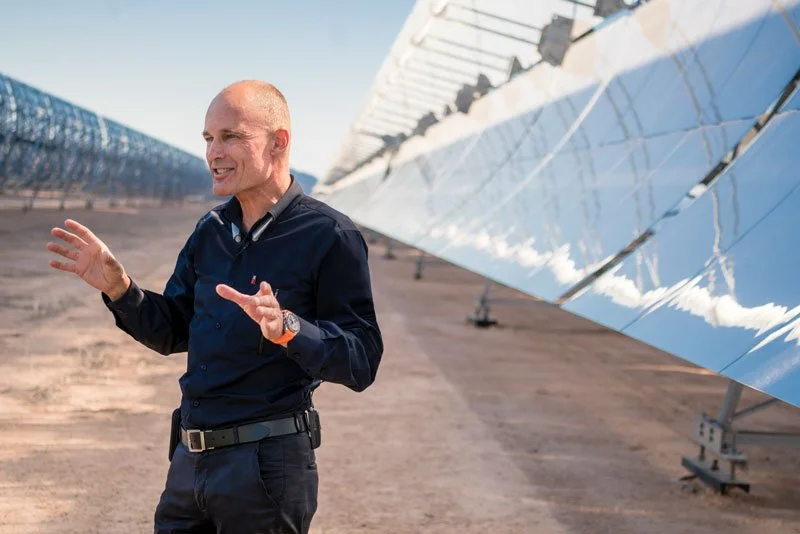
Explorer & Aviator of the First Round-the-World Solar-powered Flight
Founder of Solar Impulse Foundation & Climate Impulse
The goal with Climate Impulse is to revolutionize aviation and show that we can decarbonize aviation. Of course, it's not yet a jumbo jet with hydrogen. It's a two-seater airplane. If we go around the world nonstop with two people on board, this project can become like a flagship of climate action.
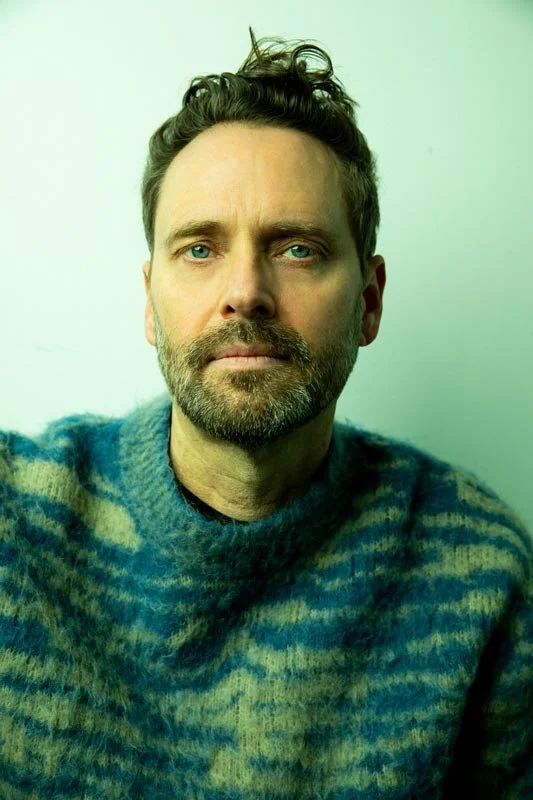
Emmy Award-winning · Oscar-nominated Composer · Musician
1 0 0 1 · Silfur · Transparent · Lion
The album 1 0 0 1 is really like a journey from our connection with nature to where we are now, in this moment where we're playing with technology. We're almost in this hybrid space, not fully understanding where it's going. And it's very deep in our subconscious and probably much greater than we realize. And it sort of ends in this space where the consciousness of what we're creating, it's going to be very separate from us. And I believe that's kind of where it's heading – the idea of losing humanity, losing touch with nature and becoming outside of something that we have created.
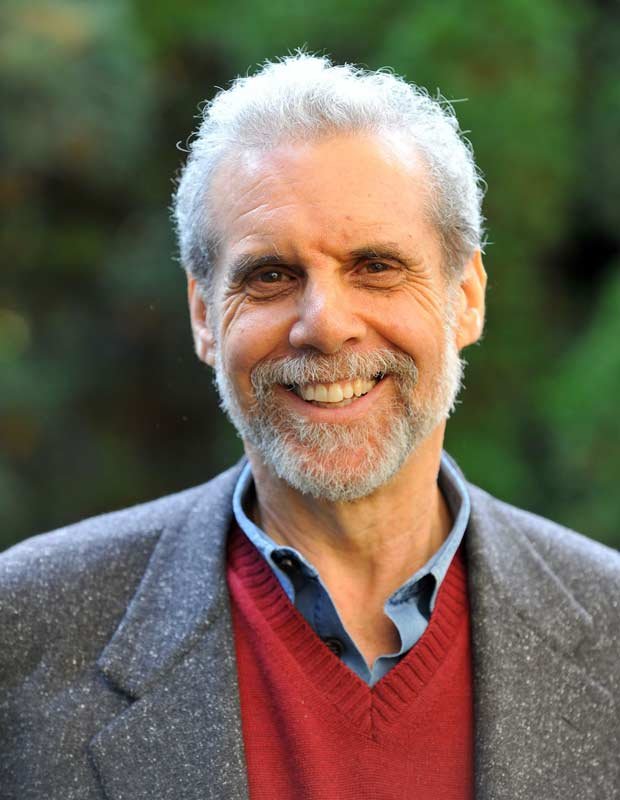
Psychologist
Author of Emotional Intelligence · Optimal · Ecological Intelligence
Emotional intelligence is how you manage yourself and how you handle your relationships. Are you aware of what you're feeling? Can you use that awareness to handle emotions, to be positive, to be sure your upsetting emotions don't overwhelm you? This then helps you to tune into other people's emotions, to be empathic, and to put that all together to manage relationships well. It turns out that's what makes an engineer highly effective. I think it's what makes anyone highly effective.
Founder & President of PETA - People for the Ethical Treatment of Animals
I think things do change because of agitation. So agitation is vital. I mean, nobody who is in a cause should be there to win a popularity contest, whether you're working for children or the elderly or working for peace animals, it's all against nonviolence, aggression, domination, and needless cruelty and suffering. It's all for respect. So you have to be vigorous. You have to use your voice. You can use it politely, but if people don't listen, at PETA, we escalate. So we always start off with a polite letter, a polite entreaty. We always try to, as I say, do the homework. So we have the options that we put out on the table to say, look, instead of doing this, you could do that, and we will help you transition to that.
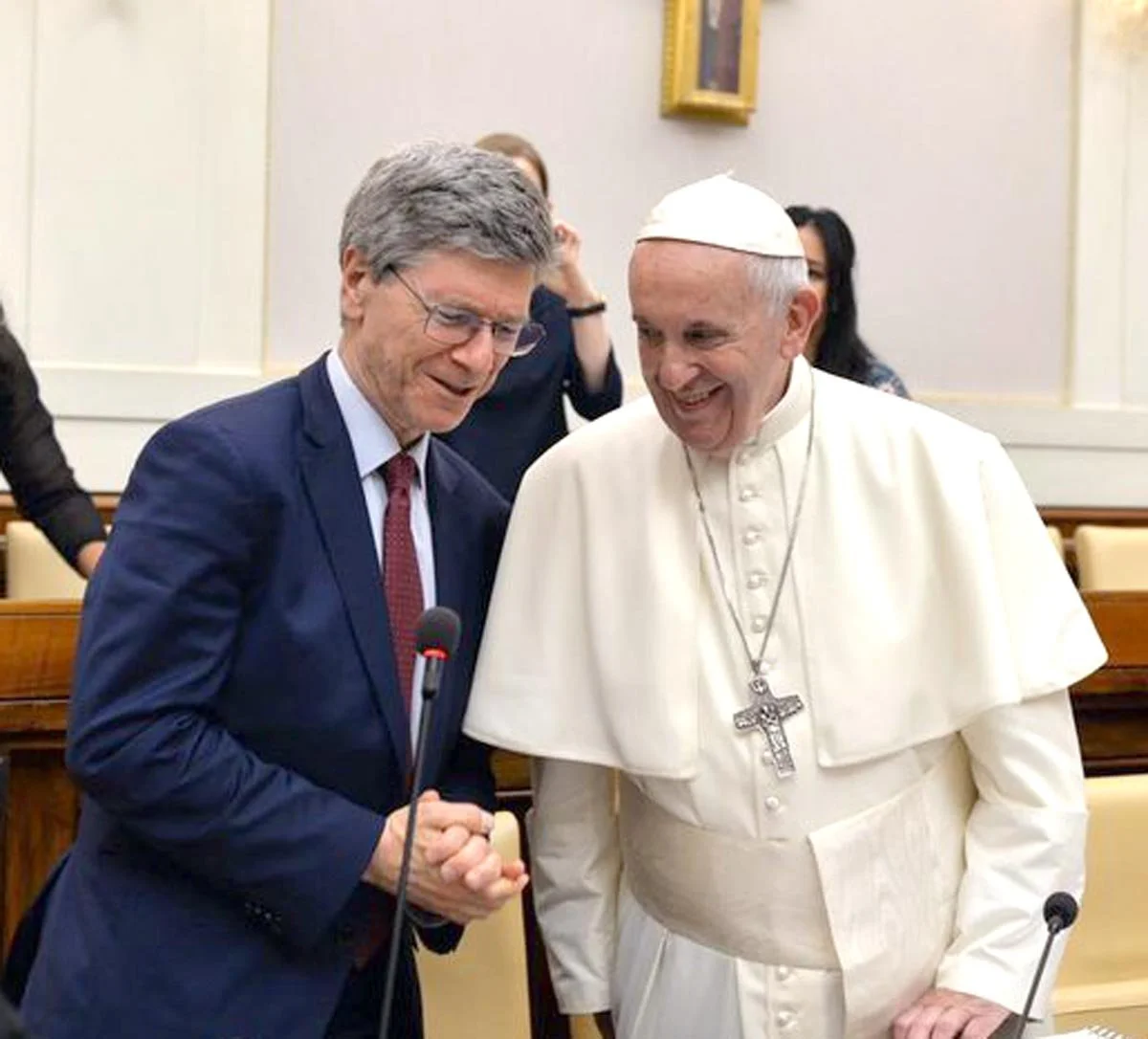
President of UN Sustainable Development Solutions Network
Director of Center for Sustainable Development, Columbia University
The US signed several statements in 2021 confirming that NATO would enlarge. Russia massed troops on its border and put on the table a draft US-Russia security agreement on December 17th, 2021 based on no NATO enlargement. The Biden administration formally replied that it was not willing to negotiate over that issue in a response in January. Then Russia invaded on February 24th, 2022. Four weeks later, Zelenskyy declared that Ukraine was accepting of neutrality. In other words, the initial Russian invasion brought Ukraine to the negotiating table, and during the second half of March, with the Turkish government being the mediators, Russia and Ukraine hammered out a peace agreement. Incredibly, the United States blocked it because the United States told the Ukrainian government: you fight on.
A Conversation with Neuroscientist DR. FERNANDO GARCÍA-MORENO
I think creative thinking is rooted in different parts of the brain. I believe that creativity is mostly a cultural expression of how our brains react to the world. It is our culture and our lives that make our brains creative in different manners. Even though you and I have very similar brains containing exactly the same cell types, we have evolved alongside each other for 300 million years. We share a lot of features, yet we express our ideas through creative thinking differently. In my opinion, this is cultural evolution—an expression of how our brains have evolved throughout our lives, how we learn, and what experiences we have over time: what we read, the movies we see, and the people we talk to.
We are working in the lab to understand this moment in development, which is called phylotypic. This is something that has been known for over a hundred years. When you see many vertebrate embryos at this early embryonic time point, all embryos look very, very similar. We are extrapolating these ideas to the brain. We have seen that at this time point, the phylotypic period, all brains of these species are very simple but very closely related. We share the same features with a fish or with a gecko or with any other mammalian species at this early time point. We have the same brain with the same genes active and the same cell types involved in it.
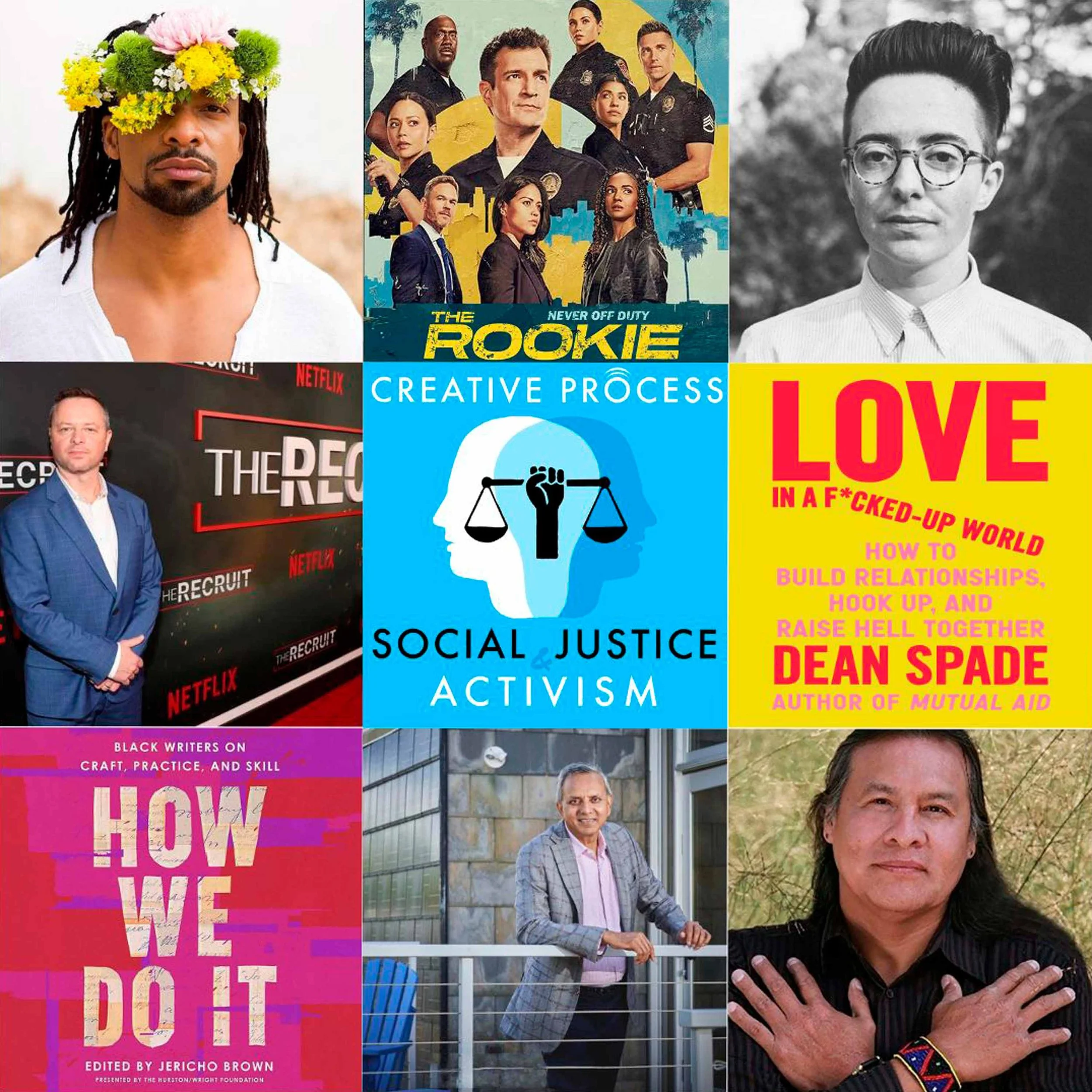
Personal Stories of Healing, Social Justice & Activism
How do our personal relationships affect political movements and activism? What can we learn from Native American tradition to restore ecological balance? How can transforming capitalism help address global inequality and the environmental crisis? Dean Spade, Jericho Brown, Alexi Hawley, Tiokasin Ghosthorse, and Paul Shrivastava share their stories.
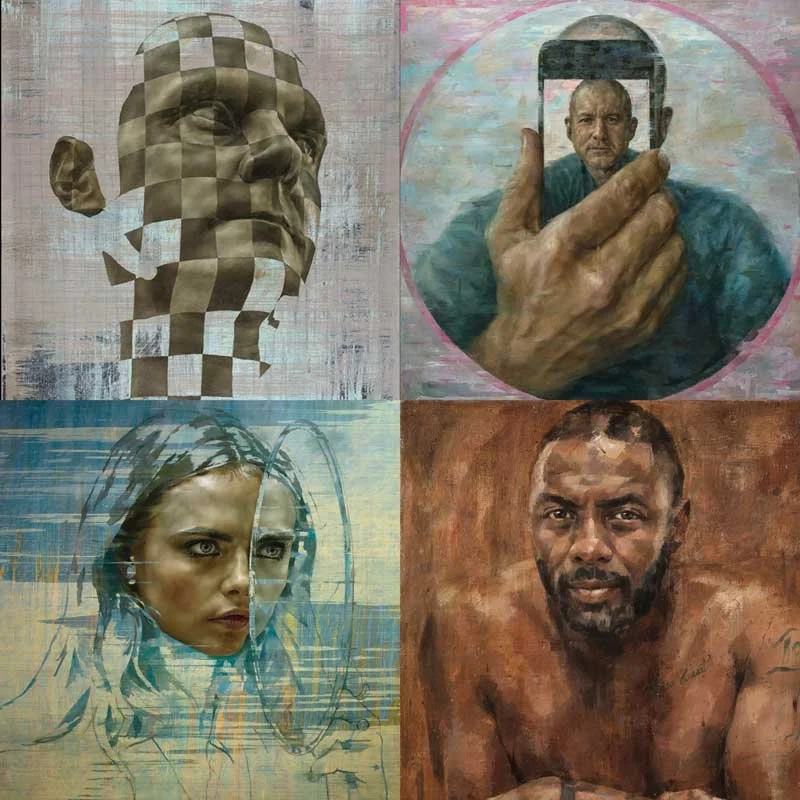
Artist
What are you trying to do with a portrait? On a basic level, you're trying to communicate something about the essence of who someone is. You're trying to figure out who they are, not necessarily who they present themselves as. The two things can quite often be different. You're trying to find ways of showing that through their face, their posture, or any other context. My instinct is always to try to reduce down to the essential elements. We read faces. It's obviously very, very deep in our DNA, really our survival instinct. We are programmed to read faces in a very fine-tuned way.
Executive Director of the Pritzker Architecture Prize
Fmr. Executive Director of Venice Biennale (Dept. of Visual Arts & Architecture)
When I started and I had to decide what to do in life - because I was working with museums, in exhibition design, and on the restoration of buildings - and then at some point, I had the chance to arrive at the Venice Biennale and my whole perspective changed. And it changed because I was working with living artists and architects. Until that moment, I was working around Old Masters, works in museums, and things that were there with the aura of history. And all of a sudden I was dealing with living architects and artists, and this was, for me, the most incredible experience. So I decided to leave all the rest, because I was doing quite a lot at the same time, and to concentrate on the Biennale.

ATHLETE · ACTOR · AMERICAN · ACTIVIST
DIAN HANSON discusses photographic homage to ARNOLD SCHWARZENEGGER
Why I was different from all the other boys in my town I cannot tell you. I was simply born with the gift of vision.
– ARNOLD SCHWARZENEGGER
It's not just that he grew up in a rural environment too. He was born on July 30th, 1947. And most of us today don't have any understanding or relationship to what Europe was like right after World War II. The winter of 1946/1947 in Austria was the most brutal in decades. The people already had too little food. They were in an occupied country. The summer potato crops failed. As Arnold has said, his mother had to go from farm to farm to farm, begging for food to be able to feed her children. His father, like all the men in the village, was defeated by the war. And he saw them all physically, emotionally, intellectually defeated and taking it out on their wives and children, that he was beaten and his mother was beaten. All the neighbor kids were beaten, and they were beaten into a kind of placid defeat. And he alone would not accept that. He could not see that life for himself. And so he wanted out of that. And as a poor boy, he had nothing but his body to work with. That was it. There was not going to be any college. There was not going to be any of that. There was going to be some kind of menial job, or he could use what he had - his body - to get him out of there.
Founder · Host · Exec. Director of First Voices Radio
Founder of Akantu Intelligence · Master Musician of the Ancient Lakota Flute
We have not adapted to Earth. She needs us to do that. Instead, we've tried to adapt Earth to our needs. Which is always an extraction, take away. Earth doesn't exist because of technology. Earth will always be here. So when it comes to animacy, I think it's a Western term also, and so we get away from the Western terms. We start seeing that, oh, we are becoming Earth as we're born into this physical dimension. We are becoming Earth. And then as we are living during this time, we're alive. We are becoming Earth. And when we are finished with this body, we are becoming Earth.
President & CEO of the National Constitution Center
Author of The Pursuit of Happiness: How Classical Writers on Virtue Inspired the Lives of the Founders and Defined America
That idea of planting seeds for future generations came from the Tusculan Disputations. There’s something especially empowering about Cicero. And it's very striking that Thomas Jefferson and John Adams and so many in the Founding Era viewed this manual about overcoming grief as the definition for achieving happiness. And I think it's because it's a philosophy of self-mastery, self-improvement, and self-empowerment.
Vice President · Head of the Paris Office
UN Sustainable Development Solutions Network
The SDSN was set up to mobilize research and science for the Sustainable Development Goals. The development goals were adopted in 2015 by all UN member states, marking the first time in human history that we have a common goal for the entire world. Out of all the targets that we track, only 16 percent are estimated to be on track. Currently, none of the SDGs are on track to be achieved at the global level.

Emmy-nominated Producer, Writer, Playwright LAURA EASON on THREE WOMEN
I think the show conveys to the women watching that their lives matter. They don't have to be some gorgeous aspirational person, although Sloane absolutely fits that mold. But for others living in the Midwest, struggling and feeling unseen, hopefully, the mirrors of Lina and Maggie will help them not feel so alone and remind them that their stories are important and matter.

Emmy & Golden Globe-winning Executive Producer · Director
Tokyo Vice · Six Feet Under · Tales of the City · My So-Called Life
I think all great work comes from the need to say something. And so this is the challenge for young artists and also maybe one of the essential elements that can never be completely taken over by AI because there has to be something you feel has not been said, and you feel an urgent need to say it. In fact, you can't not say it. That need to express is what gives birth to unique expression, which is where all of our visual, performance, and creative arts come from.
& The Limits to Growth with Co-President PAUL SHRIVASTAVA
Less than two weeks into the new year and the world’s wealthiest 1% have already used their fair share of the global carbon budget allocated for 2025. Climate change is here. It's already causing devastation to the most vulnerable populations. We are living with an extractive mindset, where we are extracting one way out of the life system of the Earth. We need to change from that extractive mindset to a regenerative mindset. And we need to change from the North Star of economic growth to a vision of eco civilizations. Those are the two main principles that I want to propose and that the Club of Rome suggests that we try to transform our current organization towards regenerative living and eco civilization.
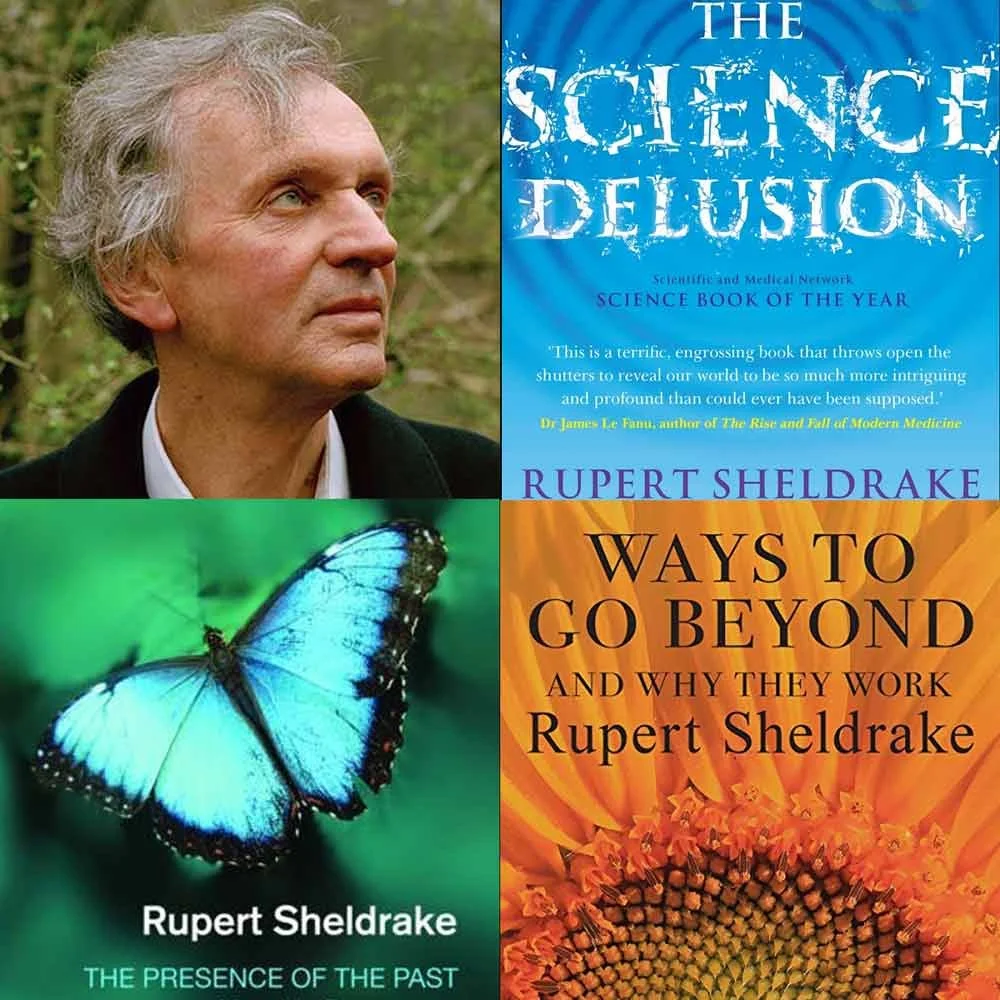
Biologist · Author
The Science Delusion · The Presence of the Past · Ways to Go Beyond and Why They Work
The idea that the laws of nature are fixed is taken for granted by almost all scientists and within physics, within cosmology, it leads to an enormous realm of speculation, which I think is totally unnecessary. We're assuming the laws of nature are fixed. Most of science assumes this, but is it really so in an evolving universe? Why shouldn't the laws evolve? And if we think about that, then we realize that actually, the whole idea of a law of nature is a metaphor. It's based on human laws. I mean, after all, dogs and cats don't obey laws. And in tribes, they don't even have laws. They have customs. So it's only in civilized societies that you have laws. And then if we think through that metaphor, then actually the laws do change. All artists are influenced by other artists and by things in the collective culture, and I think that morphic resonance as collective memory would say that all of us draw unconsciously as well as consciously on a collective memory and all animals draw on a collective memory of their kind as well. We don't know where it comes from, but there's true creativity involved in evolution, both human and natural.
How We Can Fight Poverty & Climate Chaos
with Environmental Journalist & Author AUDREA LIM
When I first started writing this book, it really foregrounded the problems within our land ownership system, which treats land as a commodity. The way we talk about land and issues like racial and food justice reflects this. We tend to focus on the problems, attaching big concepts to them, such as racial justice or environmental justice. I realized that my job primarily consists of going around and talking to activists and community groups about their work. I’m interested not just in the very big problems we face as a society, economy, and political system, but also in how people are trying to think through solutions or approaches to those problems.

Environmental Credit Solutions with BILL FLEDERBACH
President & CEO of ClimeCo
You'll hear ClimeCo speak a lot about market-based solutions because oftentimes, to really drive change in the market when a company is looking at ways to decarbonize, the first thing they typically do is look within their own operations. How can they get decarbonized? What's the cost of decarbonization? We call it the marginal abatement. Can they decarbonize with the technologies that exist? Oftentimes, those technologies exist outside of their operations. The benefit of the environmental markets allows companies to invest in projects that have a reasonable marginal cost.
Artists, Writers, Filmmakers Share their Stories
Marilyn Minter · Sharmeen Obaid-Chinoy · Dean Spade · Laura Eason · Intan Paramaditha · Tey Meadow · Sara Ahmed · Ellen Rapoport · Dian Hanson · Kate Mueth on the importance of agency, owning the narrative, and the joy of creation.
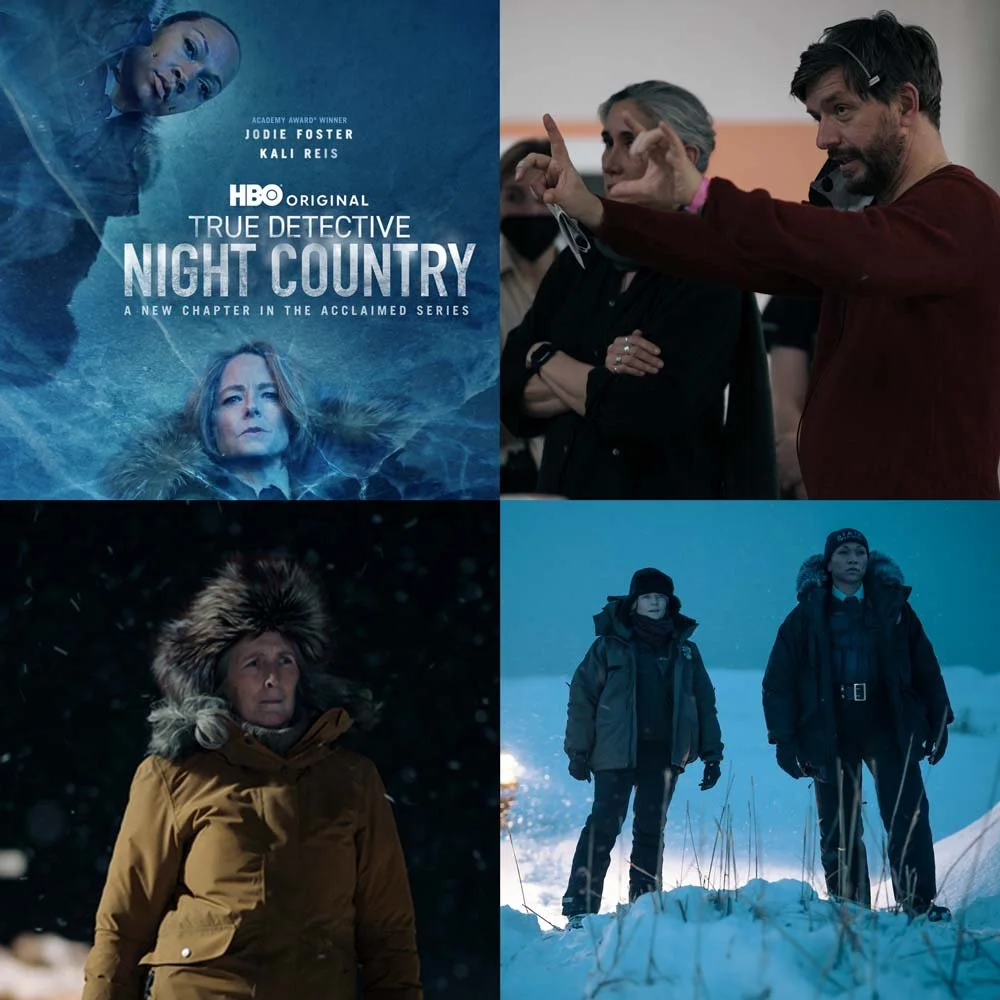
Academy Award-nominated Cinematographer
HBO’s True Detective: Night Country starring Jodie Foster · Kali Reis · Fiona Shaw
I drove for like a half an hour into absolute nothingness, and I left the car. It was three o'clock in the morning. It was minus 17 degrees and it was absolutely still. I've never experienced stillness such as that. I mean, it's like you feel like you can feel your atoms move or not move because it's so cold. And the sky is full of the Northern Lights. So you are already in a remote place, but you want to go further. And I think maybe those themes of going out into the wilderness are motivated by the urge to connect. And I think Issa López has really incorporated it beautifully into the script. And the show tells of this great disconnect between people. So not only are we disconnected from our environment, but we are disconnected from each other.
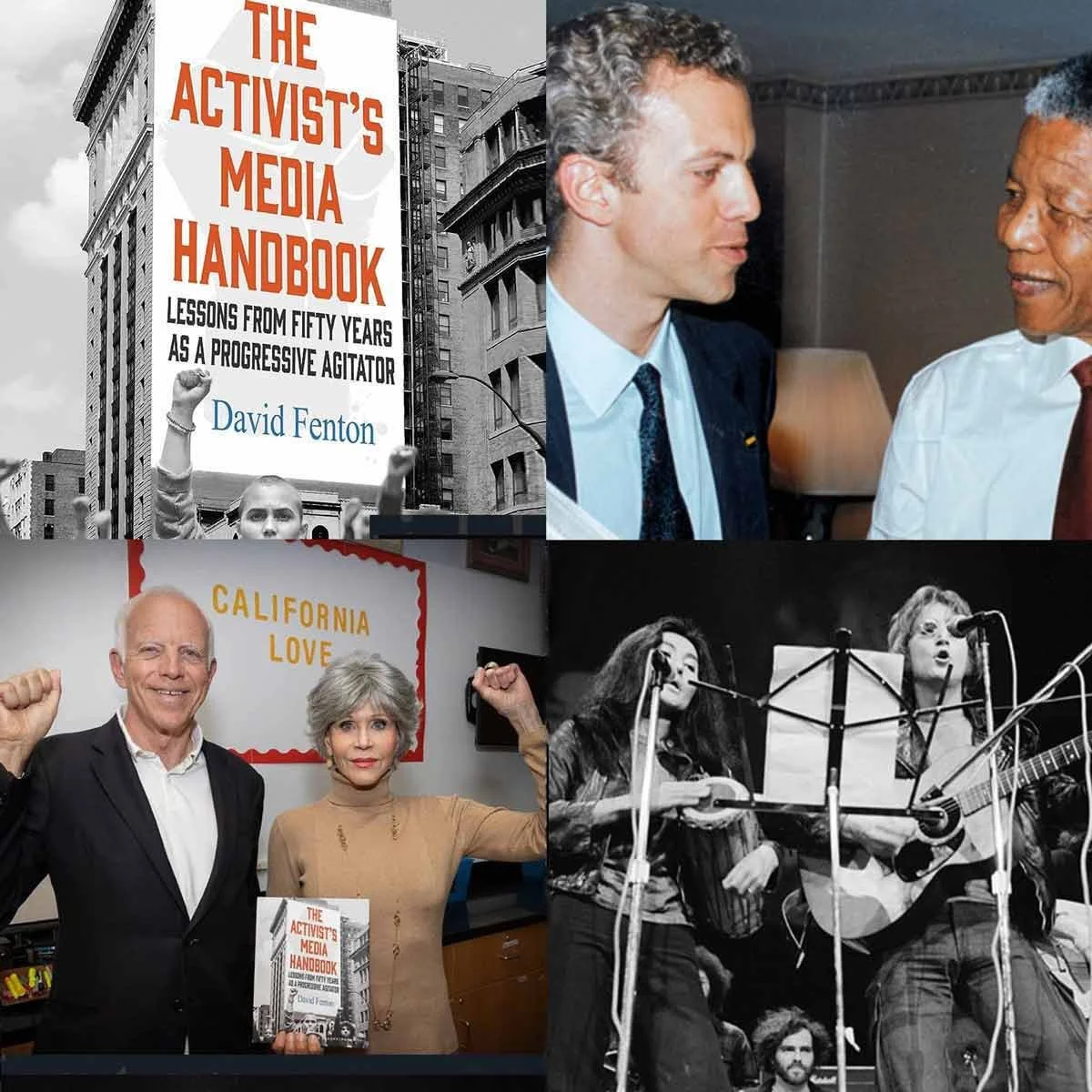
Author of The Activist’s Media Handbook: Lessons From 50 Years as a Progressive Agitator
Founder of Fenton Communications: The Social Change Agency
JStreet · Climate Nexus · The Death Penalty Information Center
It sounds like a cliche, but it really is true that history moves in pendulums and waves. And whatever is happening today is not going to last. It will change. So you have periods of concentrations of wealth and power, and then you have periods of rebellion. And I'm quite sure we're headed for another period of rebellion. You can see it a little bit now in the labor strife in the United States and the strikes. You can certainly see it in the massive demonstrations in France and Israel. Excessive concentrations of power breeds rebellion, and that's just inevitable. And the climate crisis is going to cause a lot of rebellion as people figure this out. And I think it's coming very soon, actually, because as you've noticed, the weather is getting very bad. It's become a non-linear accelerating phenomenon. And people will wake up to that. I just hope they wake up in time.
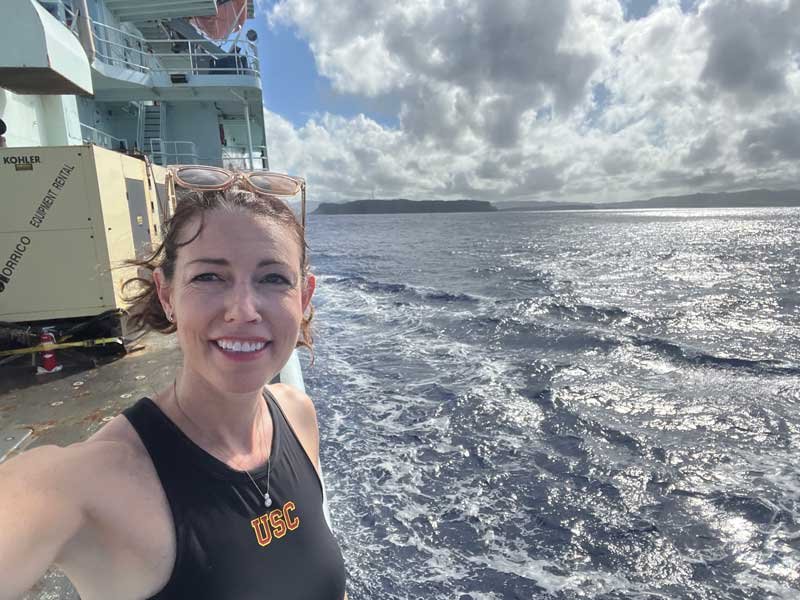
with KAREN G. LLOYD · Author of Intraterrestrials · Wrigley Chair in Environmental Studies · Professor of Earth Sciences · University of Southern California
It's really changed my view of what life is. So many of the things that we attribute to the trappings of life look like requirements, like oxygen and sunlight. All the things that humans would absolutely die without — they’re not really necessary for life. Studying these things sort of breaks down what is necessary; what are the things that life has to have?
A Conversation with Christen A. Smith on the Work of Black Feminist Beatrix Nascimento
Beatriz was a critical figure in Brazil’s Black Movement until her untimely death in 1995. Although she published only a handful of articles before she died and left only a few other recorded thoughts, her ideas about the symbolic relationship between quilombos (Afro-Brazilian maroon societies) and black subjectivity encourage us to re-imagine the meaning of Black liberation from a transnational, Black feminist perspective.
A Conversation with Persis Karim and Roya Ahmadi on a new documentary film, The Dawn is Too Far: Stories of Iranian-American Life. The film captures the lives of young Iranian-Americans who come to the San Francisco Bay Area around the time of the Iranian Revolution, and find themselves involved with, and helping to shape, a vibrant, international culture of politics and art.
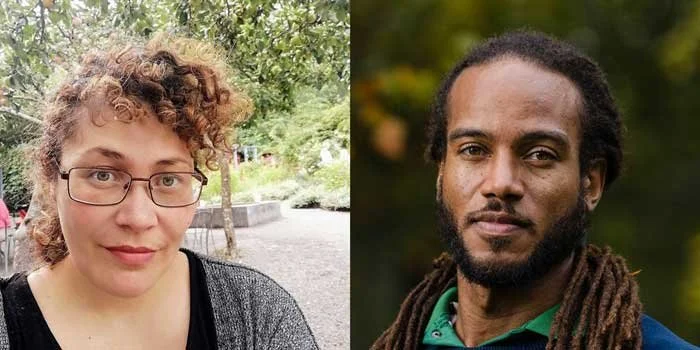
A Discussion with Azucena Castro & Malcom Ferdinand
Ferdinand discusses the “double fracture”—the environmental division of humans from their connection to the biosphere, and the colonial division instantiated by white supremacism and patriarchy. He insists that we not see these two phenomena as separate, rather as intimately connected. This double fracture makes any attempts to solve either environmental violence or colonial violence ineffective. In her foreword to Ferdinand’s Decolonial Ecologies, Angela Y. Davis writes that as she read the book, she “recognized how perfectly his conceptualizations illuminate the frameworks we need for both philosophical and popular understandings of our planetary conditions today.” The conversation covers how art, film, and poetry can manifest some of those frameworks, and Azucena takes us into a deep discussion of this and reads two poems in Spanish and then in English translation and has Malcom gloss them for us.
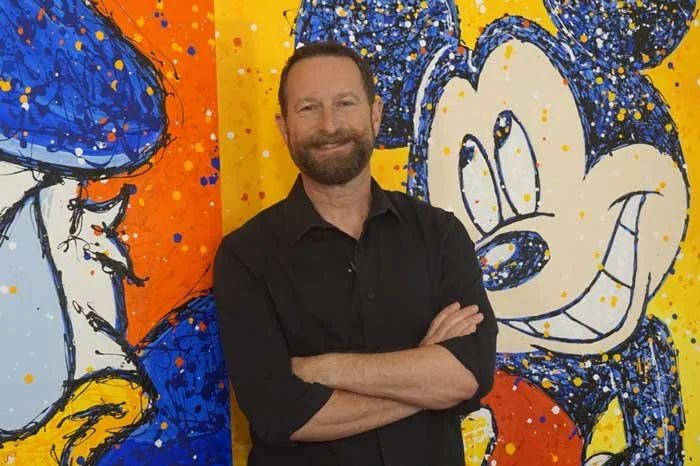
with Fmr. Vice President of Innovation & Creativity at Disney DUNCAN WARDLE
Author of The Imagination Emporium: Creative Recipes for Innovation
I think for most of us, time to think is the biggest barrier to innovation. I would argue it's our own river of thinking. Well, what's a river of thinking? I think it's our own expertise and our own experience. The more we have, the faster, wider, and deeper our river is, allowing us to make quick and informed decisions. But we don't get to think the way we've always thought. In the last four years, we've had global pandemics. We've had global climate change. We've got Generation Z entering the workforce, and now we have AI. So basically, the tools of the toolkit, which are brought to you by Nova, are actually designed to stop you from thinking the way you always do and give you permission to think differently.

Sculptor · Environmentalist · Creator of Underwater Museums
The sculptures get claimed and almost owned by the sea. And the textures that form the patterns, all things that could never be reproduced by human hands. And it's entirely unpredictable in many cases. I go to some of the "museums" expect to see this type of colonization or this type of growth, and it's nothing like how I've seen it envisaged it. It's completely different. Other times something has been made at its home, and there's an octopus that's built a house around it, or there's a school of fish that have nestled within the formations. There have been many, many different surprises along the way. I first started in the West Indies on an island called Grenada, which has a tropical reef system. And I expected the works to be sort of colonized. And I knew hard corals took a very long time to get established, to build their calcium skeletons, but actually, they were colonized within days. We saw white little calcareous worms, pink coraline algae, and green algae literally appeared sort of overnight.
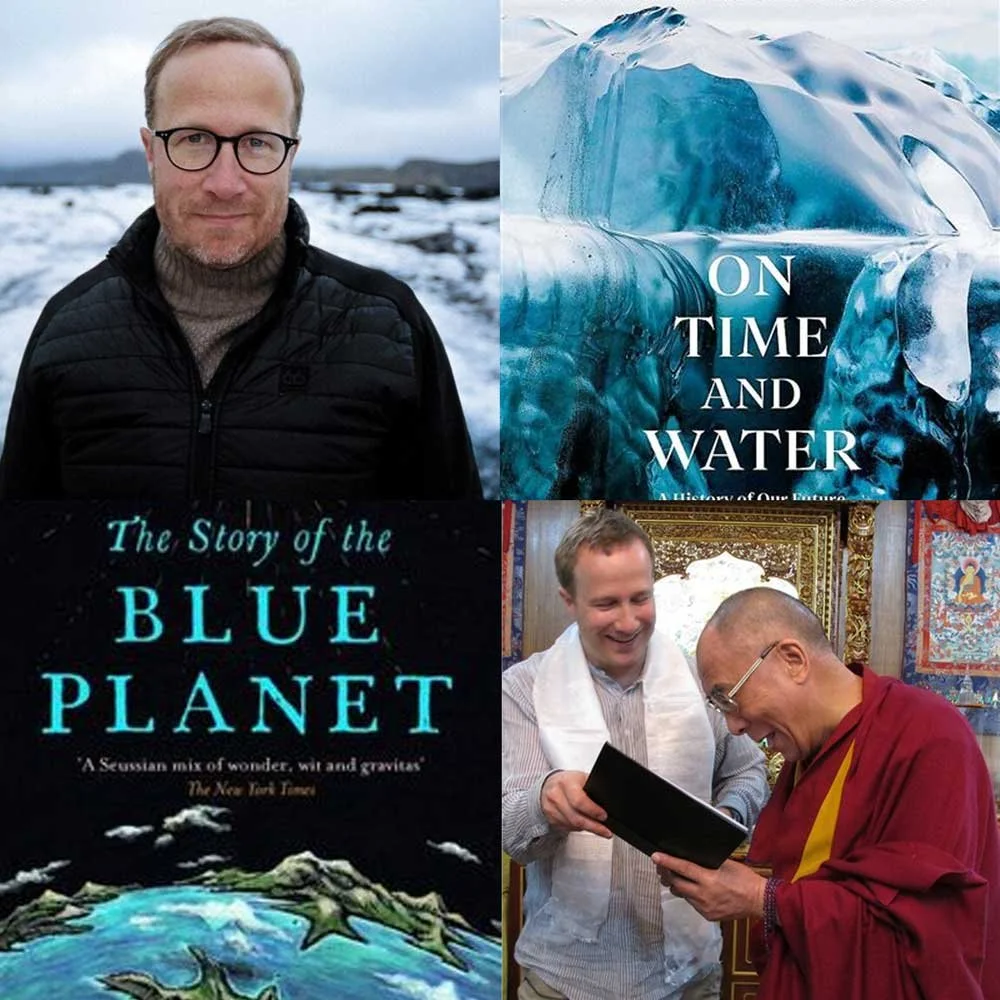
Icelandic Writer & Documentary Filmmaker
On Time and Water · The Casket of Time · LoveStar · Not Ok · The Story of the Blue Planet
A letter to the future
Ok is the first Icelandic glacier to lose its status as a glacier.
In the next 200 years all our glaciers are expected to follow the same path.
This monument is to acknowledge that we know what is happening and what needs to be done.
Only you know if we did it.
If you look at the Himalayas, the frozen glaciers are feeding 1 billion people with milky white water. The real tragedy is if the Himalayan glaciers go the same way as Iceland. In many places in the world, glaciers are very important for agriculture and the basic water supply of people.
with TAO LEIGH GOFFE · Author of Dark Laboratory: On Columbus, the Caribbean, and the Origins of the Climate Crisis
We manage to create a poetics out of that which wishes to destroy us and the planet. How else will we be able to live in ‘the after’? We must reassess what a problem is. Living is not a problem, as Audrey Lorde reminds us. I would add that dying is not a problem either. Decomposing is essential to the natural order and cycle of life. Living at the expense of others is a problem.
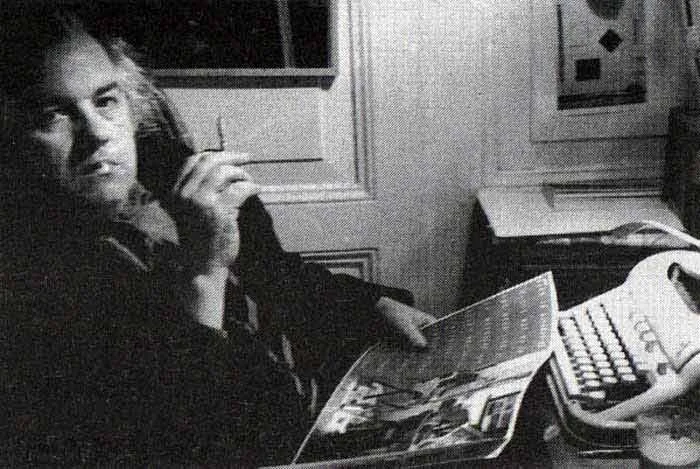
Writer · Philosopher · Independent Scholar
You have all the different languages interplaying with each other. Little scraps of Irish languages and idioms have stories that have been told, but how Ireland actually comes about as an idea, as to where the Irish come from. A lot of these kinds of debates are just placed, you know, in day-to-day conversation, and then they trail off. People start something; they trail off and might come back to it later. That phenomenon of speaking over each other, tales that are known and not known, I always found very interesting. It was literally like a radio that was kept on all day in the kitchen.
You would come in and out, and you would hear certain things, and you'd have to work out the context and the conversation and the speakers. In some way, one of the big personalities in the book is just a radio that’s playing, and some of these conversations are not actually taking place between characters in real-time. They're just snippets that have been overheard on radios.
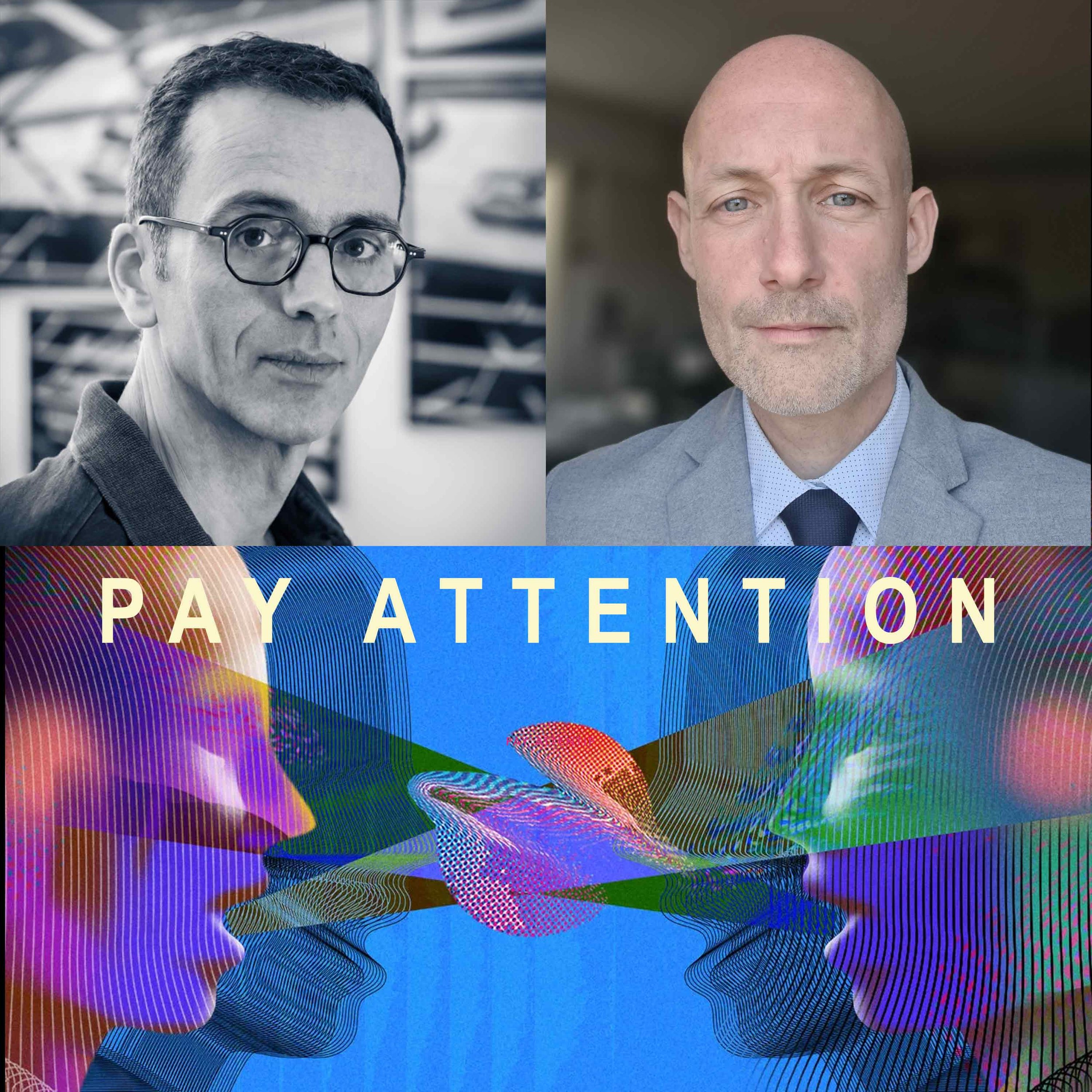
A Call to Regulate the Attention Market and Prevent Algorithmic Emotional Governance
The fact that technologies are being used and combined to capture our attention is concerning. This is currently being done with no limitations and no regulations. That's the main problem. Attention is a very private resource. No one should be allowed to extract it from us by exploiting what we know about the human mind and how it functions, including its weaknesses. We wrote this paper as a call to regulate the attention market and prevent algorithmic emotional governance.
Showrunner · Writer · Creator
The Rookie · The Recruit
There used to be a time when leading men were okay with falling down as a character. Harrison Ford in Indiana Jones is a prime example of that. Even going back to the fifties, they understood that failure and falling down, but getting back up, is an endearing quality. It's a universal human quality. We have gotten to a point in the last 10 or 15 years, or maybe longer, where leading men often want to win every fight. It’s in their contract: "I have to win every fight" or "I can't fail" or "I can't fall down." It's just such a mistake because the audience roots for you more if they see you fail and then get back up again. Noah is totally comfortable playing that character who's just trying to figure it out on the fly. Sometimes, he gets it wrong, but he's never going to give up. You can really feel that coming off the screen.
Award-winning Climate Activist
Author of Spinning Out: Climate Change, Mental Health and Fighting for a Better Future
There's that old saying, “blessed are the cracked for they shall let in the light.” For a lot of people like myself, I think it's true that losing your mind can be a proportionate response to the climate crisis. Those of us with mental health issues are often branded as being in our own world. But paradoxically, being in our own world can actually be a result of being more connected to the outside world rather than less. And in the context of climate change, it may be fairer to describe people who fail to develop psychological symptoms as being in their own separate anthropocentric world, inattentive to the experiences of the billions of other human and nonhuman beings on the planet, unaffected by looming existential catastrophe…

Filmmakers, Writers & Artists Share their Stories
How do the arts help us understand the world? How do our personal lives influence the art we make? Benoît Delhomme, John Patrick Shanley, Jim Shepard, Anthony White, Laura Eason, Mark Gottlieb & Michael Begler explore their creative process.
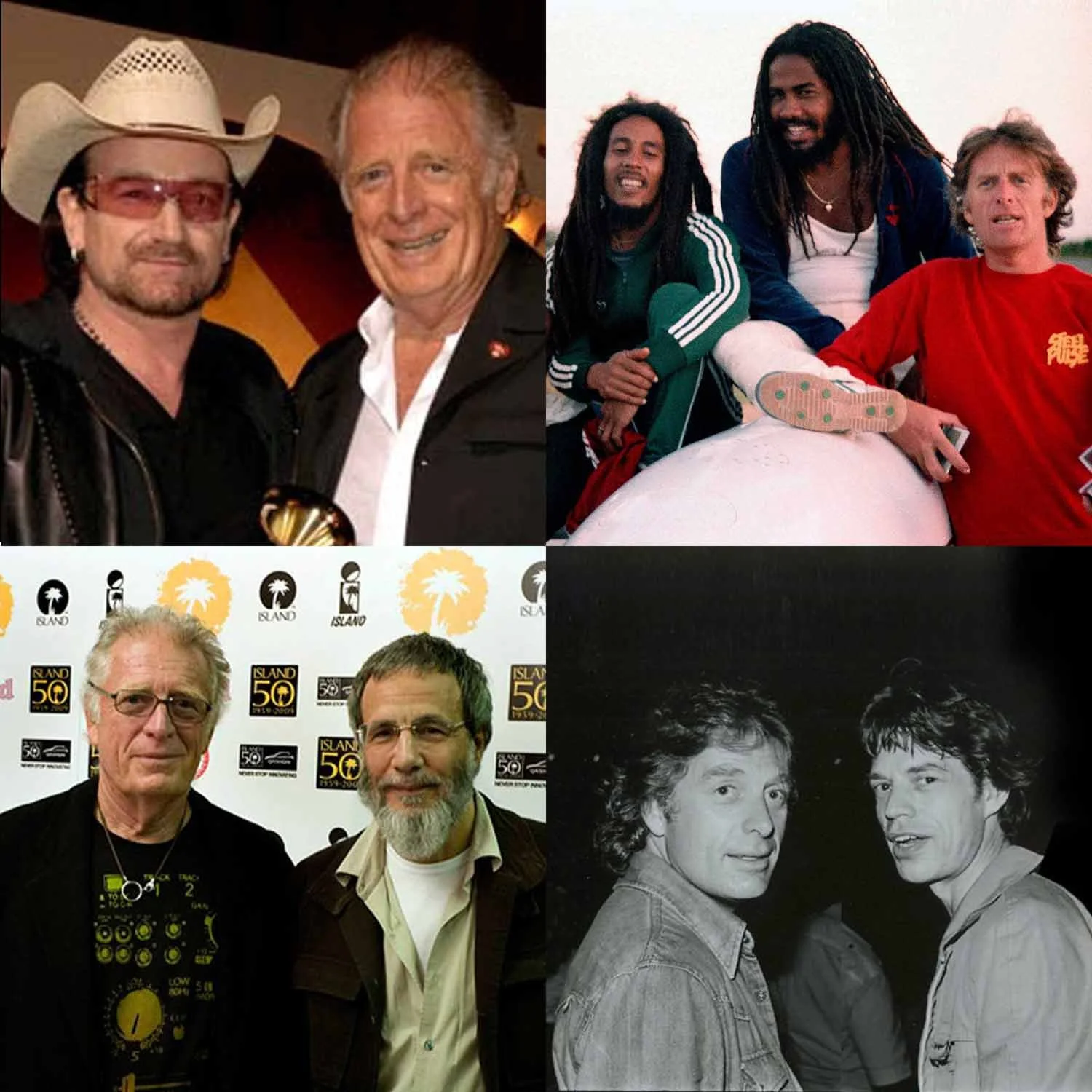
Founder of Island Records, which launched the careers of Bob Marley, U2, Cat Stevens, Grace Jones, Roxy Music, Amy Winehouse…
Author of The Islander: My Life in Music and Beyond
Winner of the Polar Music Prize · A&R Icon Award
I think you need to be aware and see people be open to what can happen and get a feel, get an instinct. I think I've been blessed with instinct. I mean, I did not do well at school. I passed zero exams. I'm unemployable, but I've been blessed with having instincts. The instinct of U2 was seeing their determination, the fact that the music itself initially wasn't close to what most of my music was because most of my music was bass and drum. And most of their music was vocal, so it wasn't a certain kind of music that I like all the time. I like music from all different kinds of levels…I absolutely felt for Bob Marley to really make it worldwide as it were, he needed to change something a little bit. I didn't want him to change what he was doing, not his lyrics and everything else like that. It was more the instrumentation of it. I felt for Bob to be able to reach a wider audience that he needed to move away a little bit from that and focus more and more on his lyrics. When I finally met Cat Stevens, and we just sort of sat down and then when he played the song ‘Father and Son,’ then suddenly the lyrics of the song and what it meant and everything, I suddenly felt this guy is fantastic.
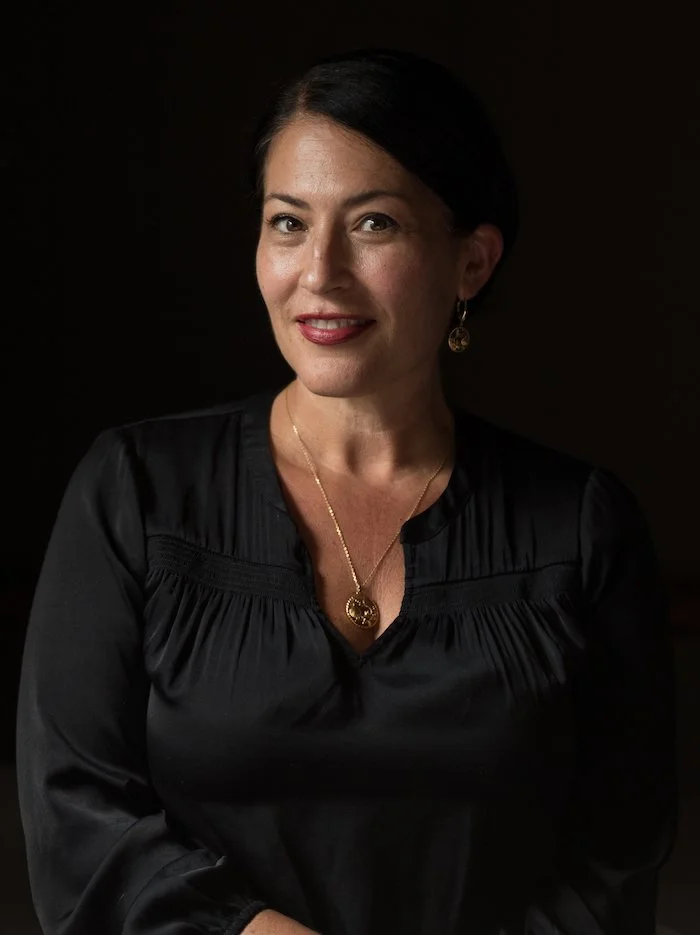
24th U.S. Poet Laureate · National Book Critics Circle Award-winning Poet
This poem was written when I was having a real moment of reckoning, not that I hadn't had it earlier, but where I was doing some deep reading about the climate crisis and really reckoning with myself, with where we were and what was happening, what the truth was. And I felt like it was so easy to slip down into a darkness, into a sort of numbness, and I didn't think that that numbness and darkness could be useful.

Co-writer · Executive Producer · Co-showrunner of HBO’s The Sympathizer
with Hoa Xuande · Robert Downey Jr.
I think it's central to the message of the show and of the book. This idea that there's another side to every question. That's the central quandary. There's this problem with the whole Vietnam War. It's saying, to Americans at least, put yourself on the other side, the Vietnamese side, and then recognize that that side also has two sides and then within that, there are further divisions. And if you do that, I think what it's proposing is that you have to step back. It forces a sort of objectivity and humility, and it asks you to step back and allow the bigger human questions to resonate.

Award-winning Cinematographer
Blonde starring Ana de Armas · Beyonce: Lemonade · Spike Lee’s BlacKkKlansman
That's all I can do on a movie. I can't really make a movie good or not because that's decided by the spectator. That's not in my control. All I can do is give it everything that I have. Like that's just the love I have to give. So why bring in all these other things? Just set it up so you can give it everything that you've got each time. In those theoretical considerations about how a scene can function or be rendered or shot or executed or all these things, just think of it as, "Oh, this is the challenge." I want authenticity. How do we create an environment where that's more likely to happen? Because it's never going to be something that I can enforce, and the more I try to enforce it, the less likely it'll happen. For me, the more risky things, the more things that defied expectations are really important to me. I guess it even goes down to just novelty. How do you create a need or a yearning? And the spectator, you create a particular rhythm and then you change that rhythm, and then it's almost like you try to sensitize your spectator to these ideas by defining a particular rhythm that you've set for them.

Award-winning Cinematographer of At Eternity’s Gate starring Willem Dafoe
The Theory of Everything starring Eddie Redmayne · The Scent of Green Papaya · Minamata
Artist Painter · Director
If you want to do your art well, you need to have some pleasure. If talking is not a pleasure, it's horrible. And when filming on a set is a bad experience, it's one of the worst things in life. As a cinematographer, if you can't make what you do personal to you, there is no soul. You need to make it personal. I certainly like a handheld camera, It's a bit like playing a saxophone. It's like the pace of walking or how I stop or I decide to go closer to the actor or to take more distance is so free. No one is telling me to go one step forward or one step back. I have to decide on the spot. So there certainly a freedom like a painter with a brush. It's nice because you have even the vibrations, your rhythms, the actor's rhythms. It's this dance.
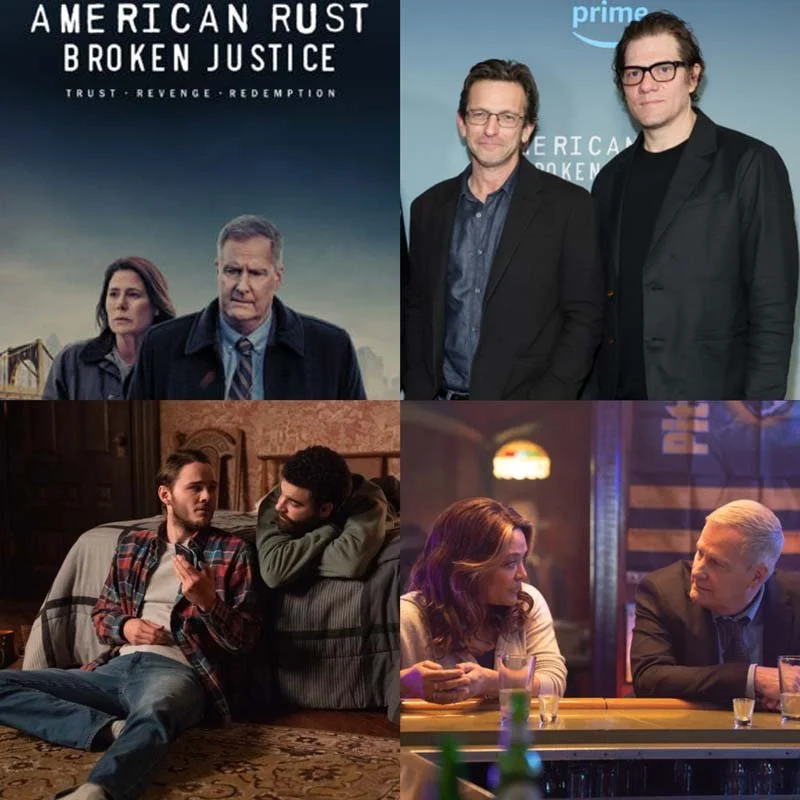
Award-winning Screenwriters · Exec. Producers · Directors
American Rust · The Looming Tower
Capote · The Outsiders musical
We're all culpable in some way of being both good and bad, being virtuous and also questionable at times in our own lives. And I think when you start answering questions on either side of that too firmly, I think it allows the audience to disconnect from it. And then you just have this sort of a good and bad guy narrative that is oversimplified all too often in our culture. I think viewers will relate to this nature versus nurture versus DNA, raising all the questions of psychological and biological inheritance.
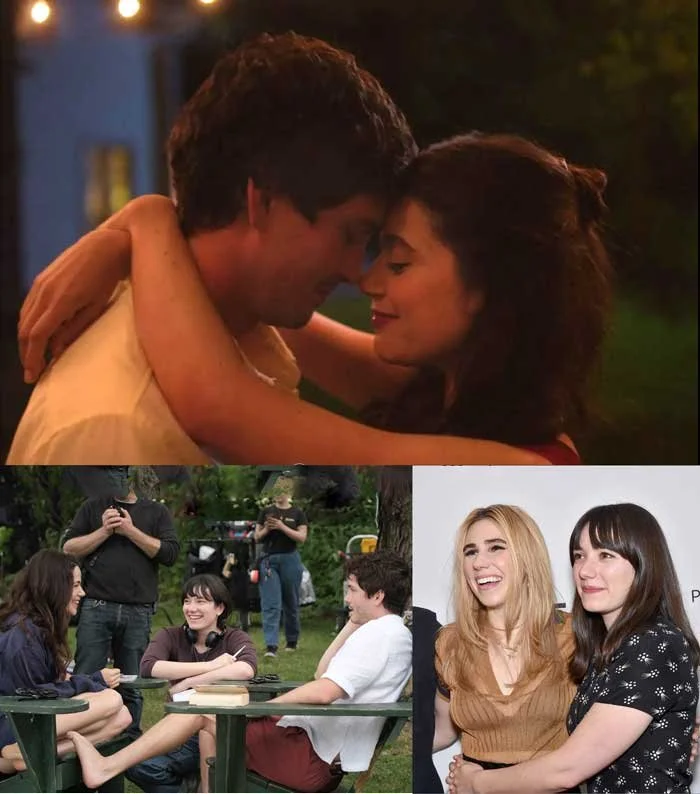
Writer, Director SOPHIE BROOKS on her new film OH, HI!
In reality, we're all complex people with feelings and our own sets of baggage. I do think we are very good at self-sabotage, all of us. It's a very easy road to go down. It's safe because it's comfortable, and we know it. When you can find the ways you self-sabotage and try to stop that, it will hopefully lead to a happier life and things that are meaningful. When I was in my late twenties, I got out of a serious relationship and kind of reentered the dating scene. I was shocked by the simplification of a lot of complicated feelings around dating and how women are so easily labeled crazy, and men are so easily labeled assholes.

Musicians, Writers, Filmmakers & Actors Share Their Stories
How do the arts help us find purpose and meaning? What role do stories play in helping us preserve memories, connect us to each other, and answer life’s big questions? Max Richter, Etgar Keret, Athony Joseph, Claudia Forestieri, Brigitte Muñoz-Liebowitz Johnjoe McFadden, Sheehan Karunatilaka, Catherine Curtin, Kate Mueth explore the importance of creativity and the arts.
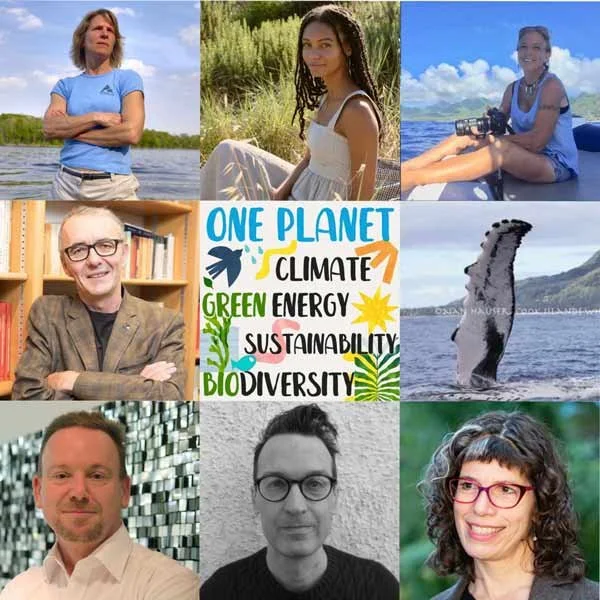
Scientists, Writers & Activists Share Solutions
What can we learn from whales, the ways they communicate, and how their life cycle affects whole ecosystems, absorbing carbon and helping cool the planet? How have we contributed to the ecological degradation of the environment? How does language influence perception and our relationship to the more than human world?

Writers, Philosophers & Thought Leaders Speak Out
How can we be more engaged global citizens? How do we fight for truth and protect democracy in a post-truth world? What influence do billionaires have on politics, journalism, and the technology that shapes our lives? Deborah Cahn, Daniel Susskind, Carlos Moreno, Lee McIntyre, Julian Lennon, Darryl Cunningham, and Arash Abizadeh on the future of democracy.

The Lives of Billionaires Comic Artist & Author DARRYL CUNNINGHAM on Making Complex Subjects Simple
No one should be a billionaire because it's damaging. There's a certain level of wealth that's damaging to a country. Billionaires have so much wealth that they have enormous political power, which is undemocratic. There should be a ceiling on wealth. I have nothing against people becoming millionaires or even multi-millionaires. But multi-billionaires are incredibly bad for all of us. If you have so much money that you can buy an entire political party, that's a thing that shouldn't exist.

Filmmakers, Musicians & Artists discuss their Creative Process
Where does our intuition come from? How are lifelong creative partnerships formed and what role do friendship and personal connection play? How do our personal lives influence the art we make?

Scientists, Activists, Farmers & Filmmakers Speak Out
PETA Founder Ingrid Newkirk, Cave Diver Jill Heinerth, IPCC Lead Author Joëlle Gergis, Director of the European Commission’s DG for Energy Paula Pinho, Co-Founder of The Best Bees Company Noah Wilson-Rich, Ecologist Carl Safina, Founder of The Ocean Agency Richard Vevers, Founding Father of the Circular Economy Walter Stahel, Founder of Advocacy Group F Minus, CEO of Legacy Agripartners Colin Steen, President of Source Global Neil Grimmer

Neuroscientist · Fmr. Dancer
Author of The Pathway to Flow: The New Science of Harnessing Creativity to Heal and Unwind the Body & Mind
The state of being in flow and seeking out that state, sort of disappearing from the here and now... it must have been something that has been part of human cultures for many millennia. We know that, for example, dancing can bring you into these states. And we know from many anthropological works that people dance themselves into trance, a type of flow. So, there is that flow in this scientific sense of a state of well-being. And we will speak about what that does to our brain and our broader wellbeing, but also the flow in what cues enter into our senses. So that would be a scientific field that looks at brain synchrony, physiology synchrony, these waves that we see that sort of connect with us.
Filmmakers, Writers & Artists on Connecting through Creativity
How does art change the way we see and experience the world? Art has the power to offer transformative experiences, but what about the lives of artists who give so much of themselves? How can we balance creativity and personal well-being while still making work that is true and meaningful?

This episode explores the enduring power of storytelling to shape our world and illuminate the human experience. Writers Neil Gaiman, Ada Limón, Jericho Brown, E.J. Koh, Marge Piercy, and Max Stossel discuss creativity, resilience, and the power of words to heal and bring people together.

How and when will we transition to a clean energy future? How have wetlands become both crucial carbon sinks and colossal methane emitters in a warming world? What lessons can we learn from non-human animals about living in greater harmony with nature?

Artists, Philosophers, Economists & Scientists discuss the Future
How can we shape technology’s impact on society? How do social media algorithms influence our democratic processes and personal well-being? Can AI truly emulate human creativity? And how will its pursuit of perfection change the art we create?

Artists, Writers, Visionaries & Educators Share their Stories
How can the arts help us learn to speak the language of the Earth and cultivate our intuitive intelligence? What is the power of mentorship for forging character and creative vision? How can we hold onto our cultural heritage and traditions, while preparing students for the needs of the 21st century?

Have we entered what Earth scientists call a “termination event,” and what can we do to avoid the worst outcomes? How can we look beyond GDP and develop new metrics that balance growth with human flourishing and environmental well-being? How can the 15-minute city model revolutionize urban living, enhance health, and reduce our carbon footprint?

Professor of Political Science · McGill University
Author of Hobbes and the Two Faces of Ethics · Assoc. Editor · Free & Equal
There is a tremendous tension between healthy democracy and deep economic inequalities. I don't think that, in the long run, democracies can survive in a healthy way unless we address the problem of economic inequalities. If we have individuals who are living day to day, on the one hand, and we have other individuals who are billionaires in our societies, on the other hand, it will be very difficult for us to have a genuine democracy.

Economist · Oxford & King’s College London
Author of Growth: A Reckoning · A World Without Work
We have a choice to change the nature of growth. How we can have growth that is more respectful of place, doesn’t cause as much damage to the environment, doesn't lead to as large inequalities in society, doesn’t disrupt politics, doesn't undermine the availability of good work? We ought to pursue this morally enriched GDP measure which better reflects what we really value and care about as a society.

Academy Award · Tony · Pulitzer Prize-winning Writer/Director
Doubt starring Meryl Streep, Philip Seymour Hoffman, Amy Adams
Moonstruck · Wild Mountain Thyme · Danny and the Deep Blue Sea · Joe Versus the Volcano
I knew Philip Seymour Hoffman for several years. We went on vacation together. He produced a play of mine. Before we did Doubt, we worked in the same theater company together, and he was, you know, very committed to excellence. And so he could become impatient with anybody who was not committed to excellence, and that could make him a volatile person to deal with. Phil cared. He cared a great deal. And he worked really hard. They're very committed. Like with Viola Davis. Viola had done a decent amount of big work before Doubt, but she was not recognized yet. And she was careful. You know, she certainly wasn't throwing weight around. She was, I'm the new kid on the block, and I'm just here to work and be serious and do my job, keep my head down, and get out. And pretty much that's what I was doing too, you know, because I've got Meryl Streep, I've got Philip Hoffman, who I was friends with, but Phil's not an easy guy to be friends with or was not easy to be friends with. He's a very prickly person prone to getting pissed off about things that you might not expect. And then Amy Adams was somebody who, you know, tried to get along with everybody and Phil would say like, 'You just want everybody to like you.' So, you know, you're in the middle of that group, and you just, you don't want to put yourself in a position where you're trying to prove something. You have to let them...they're very, very smart people, and they're going to figure out whatever it is that you're doing. They're going to figure out whether you are in any way trying to handle that. And that's not going to go well. And so I didn't do that.

President of the Academy of Motion Picture Arts & Sciences 2019-2022
Casting Director & Producer
What an academy was meant to be, going back to their founding, really is a group of people with a certain degree of passion and expertise and knowledge that want to get together and share. That's what I think academies are all about. So the fact that I've been helpful in spurring the Academy onto becoming a more international and global enterprise is a source of great satisfaction to me

Famous Rock & Urban Climber
"The French Spider-Man”
Known for Free Solo Climbing 200+ of the World’s Tallest Skyscrapers using no Climbing Equipment
First of all, yes, I need to know what I will be climbing, whether it's on rocks or whether it's on buildings. And then there is physical preparation. And regarding the mindset, it's more something that became a bit automatic over the years because I have been free soloing for almost 50 years. So it is pretty much my whole life. So that means that for me, being mentally ready, it's kind of simple. It's almost always the same mental process, meaning, I can be afraid before an ascent, but I know myself actually very well. And I know that once I am starting to climb, I feel fine. I put my fear aside, and I'm just climbing.

Functional Neurosurgeon · Professor · University of Utah
When you think about the evolution of the human brain–just like other animals that have specialized in speed or keeping warm or gathering food–I feel our brain sort of specialized being creative and flexible and being able to generate different solutions to a given problem. To me, this is probably the most fascinating thought process that happens in the human brain. And what I do in neurosurgery–and my subspecialty is called functional neurosurgery–we don't deal with disorders in which there's an anatomical abnormality inside the brain. We deal with disorders in which there is an abnormal connection or abnormal circuitry inside the brain when there's an issue with the way the brain functions. There's no tumor. There are no abnormal blood vessels or anything like that. And that gives us an amazing opportunity to really investigate how different circuits and different areas inside the brain work.

Creative & Academic Director · Stanford d.school
Co-authors of Assembling Tomorrow: A Guide to Designing a Thriving Future
Today, someone is putting the finishing touches on a machine- learning algorithm that will change the way you relate to your family. Someone is trying to design a way to communicate with animals in their own language. Someone is cleaning up the mess someone else left behind seventy years ago yesterday. Today, someone just had an idea that will end up saving one thing while it harms another.
To be a maker in this moment— to be a human today— is to collaborate with the world. It is to create and be created, to work and be worked on, to make and be made. To be human is to tinker, create, fix, care, and bring new things into the world. It is to design. You— yes, you!— might design products or policy, services or sermons, production lines or preschool programs. You might run a business, make art, or participate in passing out meals to the poor. You may write code or pour concrete, lobby for endangered species legislation or craft cocktails. Wherever you fit in, you are part of shaping the world. This is design work.
– Assembling Tomorrow: A Guide to Designing a Thriving Future

Founding Director · Remuseum
Fmr. Director · Speed Museum · Attorney · Co-Founder & CEO · IMC Licensing
The opportunity is that we have never had a public that is more passionate and obsessed with visual imagery. If the owners of the best original imagery in the world can't figure out how to take advantage of the fact that the world has now become obsessed with these treasures that we have to offer as museums, then shame on us. This is the opportunity to say, if you're spending all day scrolling on Instagram looking for amazing imagery, come and see the original source. Come and see the real work. Let us figure out how to make that connection.

A Conversation with Lecturers & Students
Recently, twenty-three lecturers in the highly successful Creative Writing program at Stanford were summoned to a Zoom meeting where they were first praised, and then summarily fired. One of the most surprising aspects of this purge is the fact that it was carried out not by top-tier university administrators, but by tenure-track faculty in the program. It was they who decided to brutally terminate their colleagues. On this episode of the Speaking Out of Place podcast Professor David Palumbo-Liu speaks with two of the lecturers who have been told they will leave Stanford in nine months, and one of their students, a published novelist. They explain the devastating nature of this act and share statistics and histories that show this was not at all necessary. Expediency for senior faculty trumped the survival of a carefully developed and nurtured community of creative writers.

Professor of Neuroscience & Principal Investigator at Columbia University’s Zuckerman Mind Brain Behavior Institute
I came to neuroscience from a humanistic perspective. I was very interested to find out who we are. What do we know? What do we think we know? Why do we think we know certain things? How do we see things? How do we perceive them? Ultimately, the question behind curiosity is what things we find interesting in our environment. The way I think about eye movements is that they really are trained in some largely subconscious process.
Screenwriter · Exec. Producer · Showrunner
Creator of Hulu's Tell Me Lies · Queen America
Often when people write or make movies about romances with young adults, I think they are very flippant about it and don't take it seriously. But I think that those friendships and romantic relationships are some of the most important ones because they really set the stage for the rest of our lives. If your first relationship is incredibly toxic and damaging, it can take you years to figure out that that's not normal, and that that's not actually how relationships are meant to be.

Earth Systems Scientist · Royal Holloway University of London
I am a Christian and I have strong Muslim and Jewish friends as well as great respect for Hindu beliefs. I grew up in Southern Africa and I am well aware of the depth of some Indigenous beliefs. I think that having belief systems does give you a very different perspective sometimes. Now, in Christianity, the concept of the shepherd, human beings are here and this is our garden, our garden of Eden, but we have a responsibility. And if we choose to kick ourselves out of the garden, there are consequences. And that's precisely what we are doing. The garden is there, it's lovely, and we can manage it, and it's our job to manage it. We can manage it properly. We can respect it. It's for all creation, and it's very explicit that it involves all Creation. And that's a very fundamental biblical law that you have to respect all Creation. And if you don't do that, then the consequences—you’re basically throwing yourself out of the garden of Eden.

Literary Critic · Historian of Science · Educator
Author of Natural Magic: Emily Dickinson, Charles Darwin, and the Dawn of Modern Science
There is a stronger connection between Dickinson and Darwin than the proximity of history. Or the universality of literature. They both understood natural science and the natural world in ways that seem strange and somewhat surprising in the 21st century. Their 19th century attitudes to nature and the study of it are so different from ours that when we trace their stories, a vanished world begins to emerge. The more I consider these figures together, the more I feel their world and my world. come alive. Darwin and Dickinson illuminate each other. By reading them together, we can start to understand the interconnected relationships that animated 19th century poetry and science.

Professor of History at Birkbeck, University of London · Author of Out of the Darkness: The Germans 1942 to 2022
The environmental crisis, Gaza, the war in Ukraine—all of those don't make sense if you don't have a sense of history. History and the humanities have come under huge pressure. We've seen falling student numbers, and that's a real shame because history continues to be a source of intellectual inspiration and curiosity that not only makes us wiser and more reflective but also creates the dynamism and creativity we need to confront our present and future challenges. I hope that among the young generations, there will be people inspired by history, people that have the ambition to research and write about the past.

Actress · Artist · Director · Producer · Writer
House M.D. · Girlfriends’ Guide to Divorce · Little Bird · The West Wing · The Kominsky Method
I have always thrown myself into everything, and that includes terrible things, because I want to have the whole experience. Even if I know it's going to hurt for better or for worse, that has been how I've lived my life. And so it's given me a lot of information and allowed me to play a lot of different roles and understand a lot of different points of view. I think part of the beauty of being in a long-running television show is that, in season one, you're playing the role they wrote. By season two, they're writing the person you're playing. You start to build your voice, and they start to merge, and so by the time you get to season three, you're much more like full human beings having this dialogue.

Artist · Environmentalist
Co-founder of The Church · Arts & Creativity Center
Co-director of Sag Harbor Cinema Board
I've chosen my work because I've loved the outside world. I love the things outside of myself. I love what isn't immediate to me. And I love projecting onto that as a way of kind of trying to reach the distance between my inner self and the vastness. To try to do that in a way that makes other people feel inspired by it, not be chided for not taking care of it. It's not something that I intend to be a message per se. I'd rather people look at the natural world and see the heartbreaking beauty of it and sense its fragility and its impermanence and their own impermanence and fragility and then have a response to that rather than say, you know, you have to act, you have to do something. I would hope that would inspire action rather than to cudgel them with a directive.

Singer-songwriter · Photographer · Documentary Filmmaker
Founder of The White Feather Foundation
Executive Producer of Common Ground
I thought, wow, how are they going to bring this across in a way that isn't shoving things down people's throats? It's presenting information in a way that is creative, but also in a way that drives your curiosity into understanding, number one, why are we in the position that we're in? And number two, how can we fix this? What can we do to change all of this? And so, I initially got involved as an executive producer on Kiss the Ground, and I was blown away by how that film came out at the end. How well rounded it was, the flow of the film, the storytelling, and really feeding me information that I didn't even know previously. And so also watching that become a platform around the world was jaw-dropping. I mean, the fact that the belief and the understanding and the wisdom that came out of that project has touched so many hearts, minds, and souls around the world, that people are really single-handedly almost making change for the better around the world. Now, when Common Ground was presented, I did love that concept because Kiss the Ground had been very much a broad approach and about America, for the majority, really, and Common Ground was a much more...I mean, we're still dealing with the same subject matter obviously, but I think it felt great to come from a more personal aspect."
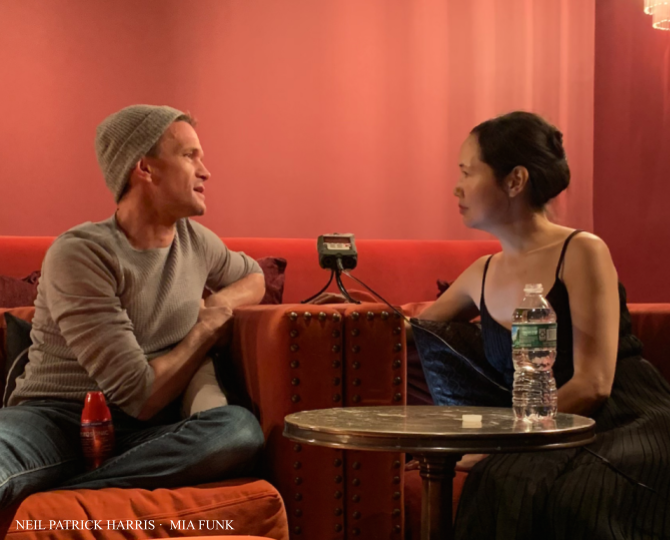
Founder of The Creative Process
What is very important to me is to create work that is meaningful, to reach beyond my particular concerns to speak to others and their concerns and interests, to do something that inspires the next generation and which is larger than myself.