A Life in Music
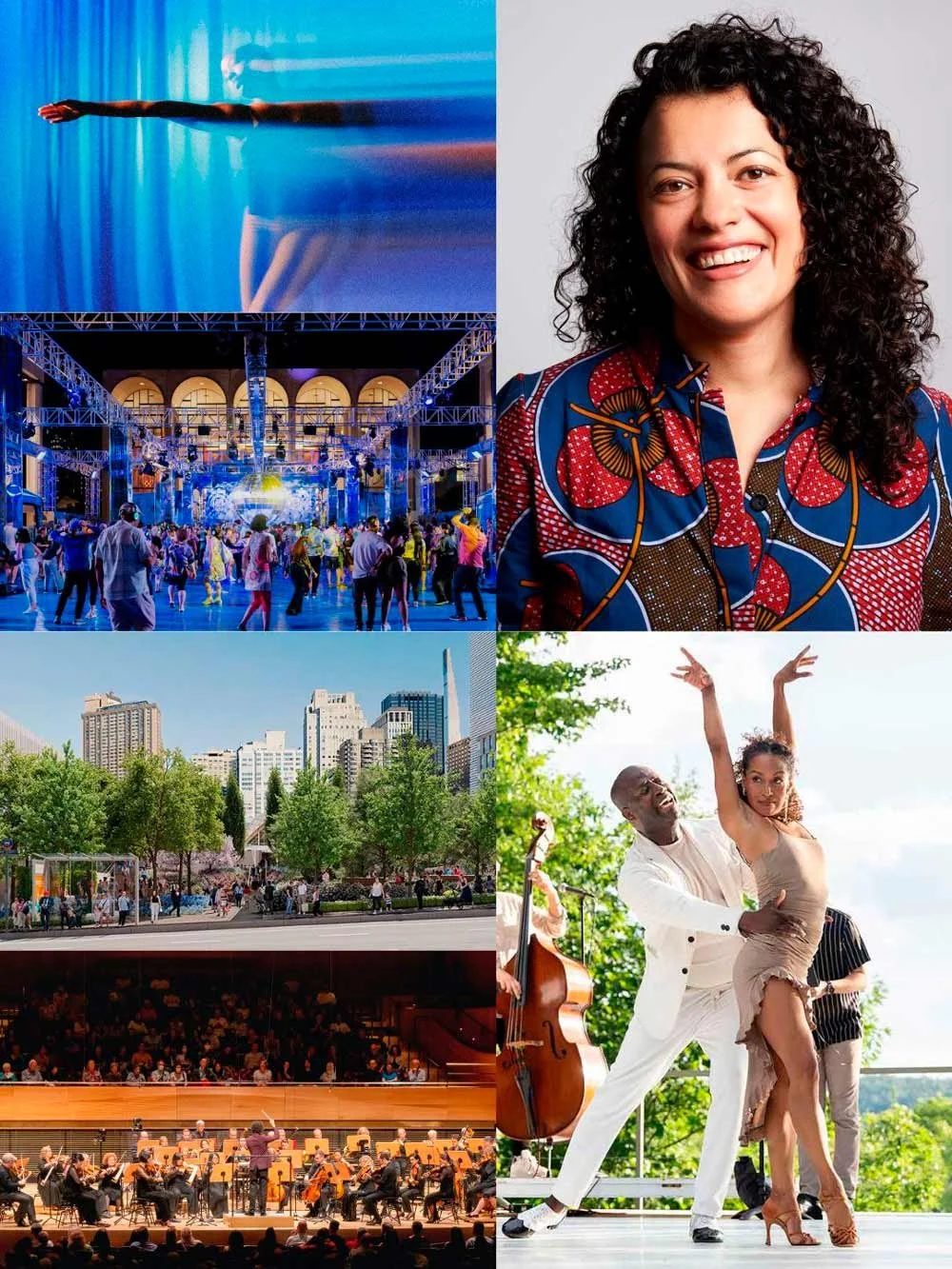
Celebrating the Performing Arts with Chief Artistic Officer SHANTA THAKE
Lincoln Center is multiple stages. I think probably over three dozen stages across 16 acres. It is a vast canvas in and of itself. And then we have this beautiful plaza that leads to this beautiful campus, and that’s the visual I think that most people have when they think of Lincoln Center is this beautiful fountain in the center and these three gorgeous buildings.It’s New York’s biggest plaza, and it feels very vibrant and beautiful. In the summer, we really take that plaza and we transform it into a dance floor. So this idea of also interrupting what people’s notion of Lincoln Center is because it’s a space that is very aspirational, which is a great thing.
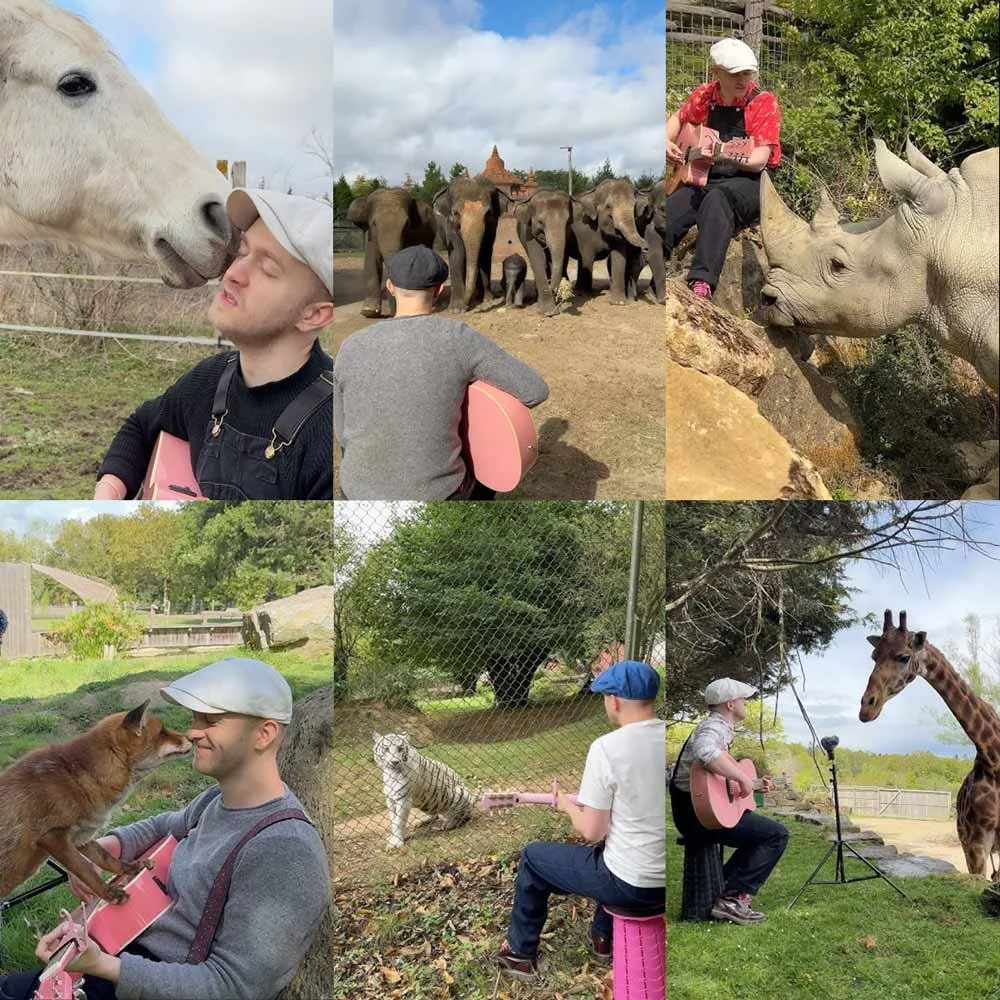
Musician & Activist PLUMES
Mostly I’ll play in a minor key, something sad, which I think can work for an animal because they can sense the sadness, and they try to reassure me and comfort me. I chose love songs because I'm convinced they are very intuitive and they can sense what I am trying to say to them, and profess my love in a way. I think there's always a way to connect, and if you're being cautious and don't threaten the animals, something beautiful can happen.
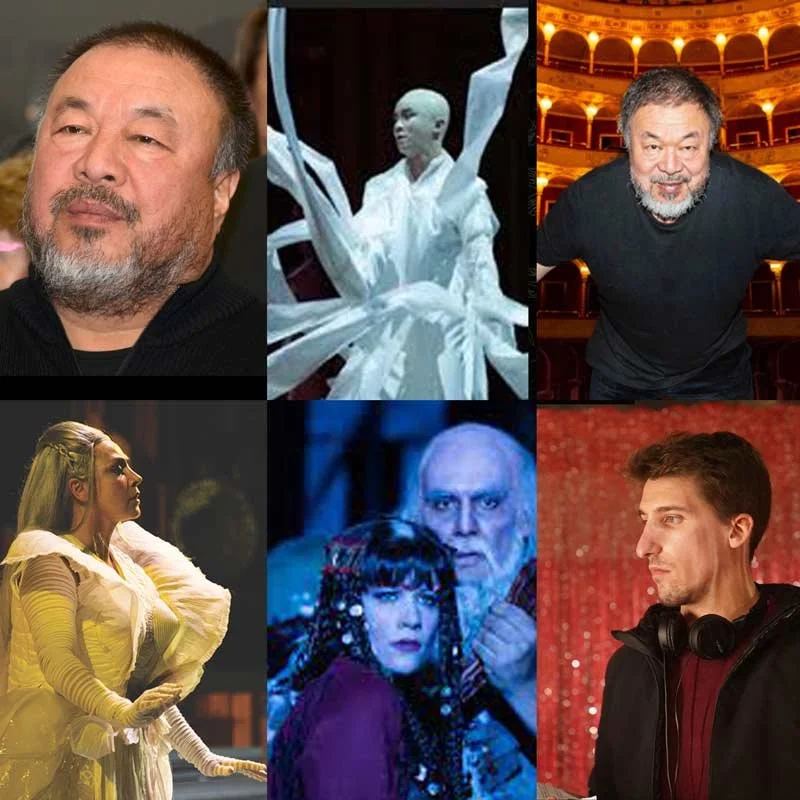
Everything is Art. Everything is Politics.
I think art competes with reality. And art will give you the last words.
–AI WEIWEI
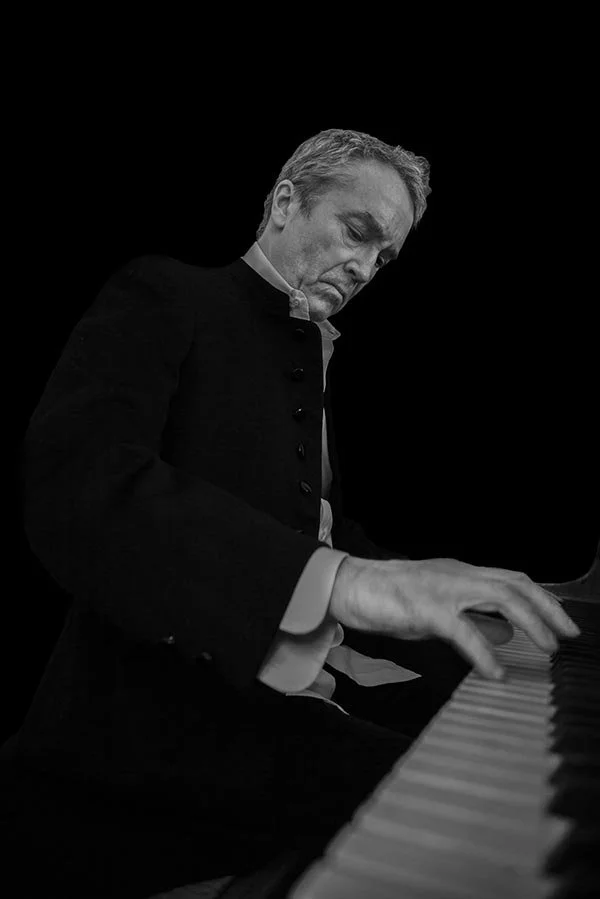
Film Composer
When I look at a film, I normally think what is missing from that, and that's what I'm trying to bring. I'm trying to find something that I think isn't there and that I could bring that would make it more interesting, make it more cinematic, more dramatic.
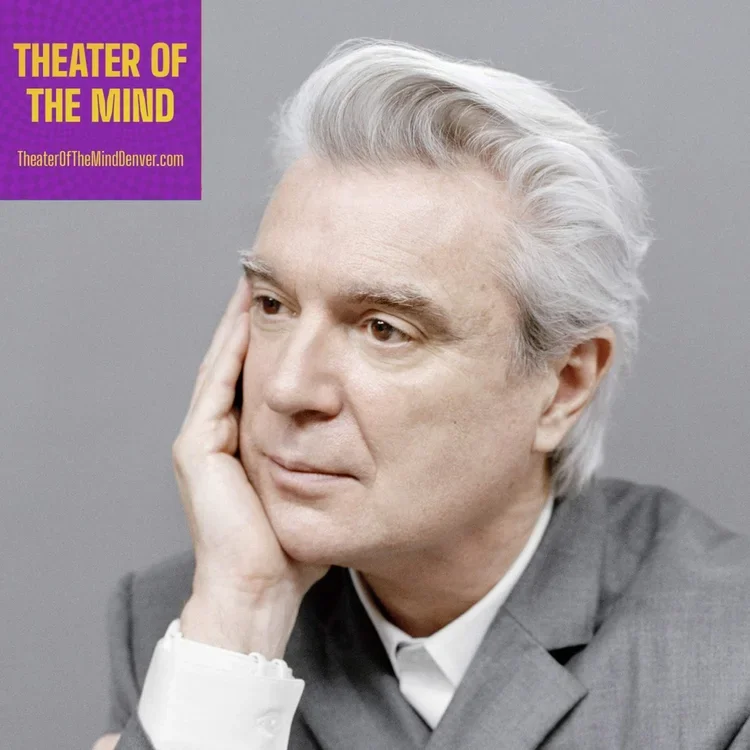
Stories of Impact · People’s TV
Q: Who is David Byrne?
David Byrne: …I have no idea.
Most people know me through music, but when I was in high school I saw science and the arts as being equally creative fields. More recently, I just started taking an interest in how the brain works, and there's been this explosion of literature. As much as I love reading about neuroscience, I realize that experiencing some of the phenomena is just on a different level. I wanted to create an experience that shows us we're not who we think we are. Theater of the Mind is an immersive Science Theater project. With this show, I've tried to marry a narrative to the experience of different scientific phenomena that reveal how malleable our perception memory and identity really are.

Award-winning Composer & Pianist
His album Sleep is the most streamed classical album of all time
Film & TV scores for Ad Astra · Black Mirror · Shutter Island · The Leftovers · Arrival · Taboo
For me, the creative process is a sort of a continuous thing in the sense that I'm writing kind of all the time, at some level. And that doesn't mean I'm sitting at my desk all the time, but it does mean that I've got a continuous thought process, a continuous engagement with the material I'm trying to shape. And it's many different kinds of processes. First of all, obviously an intention. You need to have an intention. What is it I'm trying to do? But then you get a process of making things, and then you get into a process of dialogue with the things you've made where they start to take on properties and it feels like the material has intentions of its own. So then you are trying to - it's like herding cats, you know? - sort of corralling this material into some kind of structure, some kind of formed object. Then it becomes like a sculptural process on the large scale.

President of Mad Solar · Creative Confidante & Industry Catalyst for Scott Mescudi a.k.a. Kid Cudi
Exec. Producer: Entergalactic starring Mescudi, Jessica Williams & Timothée Chalamet
Pearl · X starring Mia Goth
And what was so moving was when we went into Netflix to the theater to screen the finished product for the first time. You're sitting there and at the end of it, Scott was crying, and I looked over - it made me cry low-key - but Scott was crying and he said – This completely blows my mind because this is the first time I had a vision up here in my head and tried to express it, and then had to trust all 300 plus people, all around the world, working in different time zones, in different places, and each of them putting a hand to it and seeing exactly that vision. And then watching the product, and it is the best version of anything I could have ever possibly had in my head.
So, to us, that's the purest, most beautiful... Again, how fortunate that every hand was moving in tandem and moving in lockstep, and all of it. But that was the beauty of collaboration, this opportunity for a small vision to touch so many hands and become the big vision.
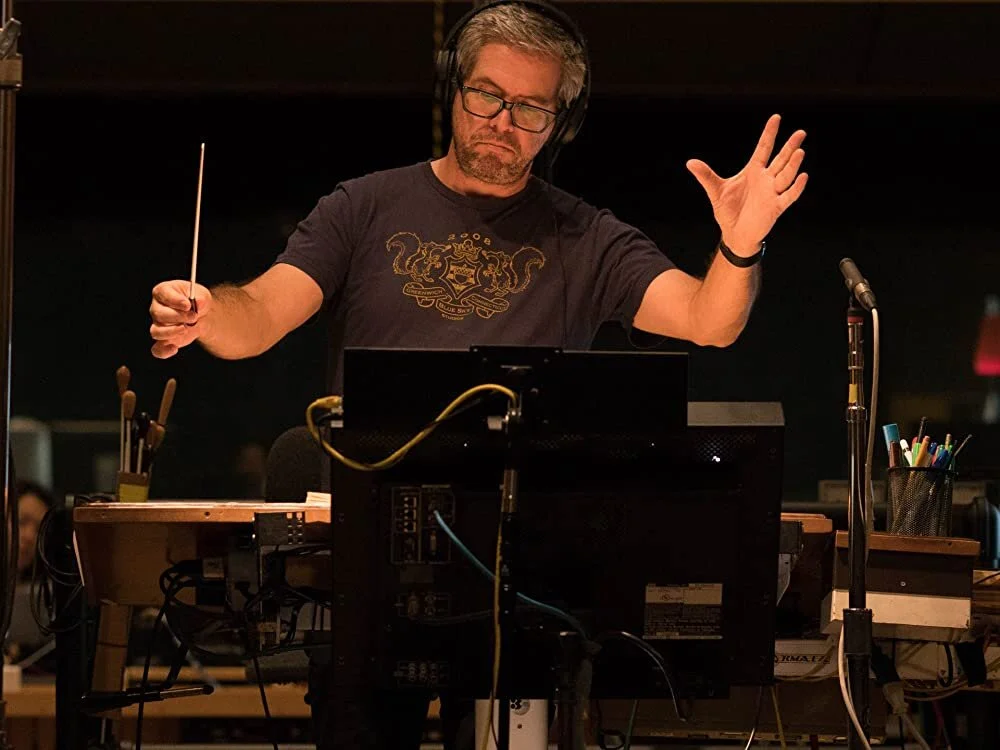
Composer
I can't draw a line between language, really, and music. It's too disparate, but there are so many levels of human communication in it that I hear. Feelings, obviously, imagery, a sort of indescribable warmth, chills. All of these kinds of words we try to use to explain the feelings, but the communication is very clear when music is good. It's very clear. You hear a story that is a four-dimensional story.
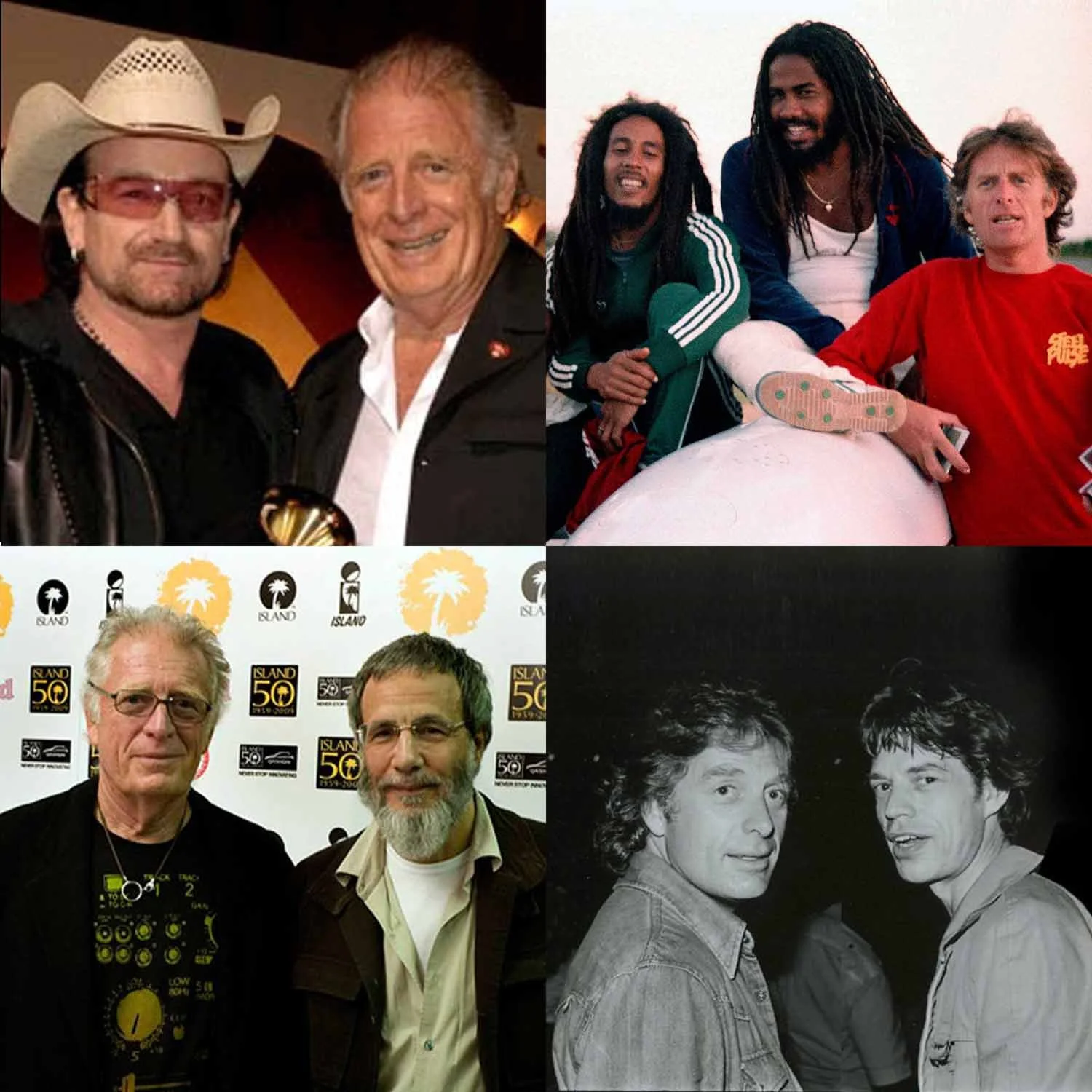
Founder of Island Records, which launched the careers of Bob Marley, U2, Cat Stevens, Grace Jones, Roxy Music, Amy Winehouse…
Author of The Islander: My Life in Music and Beyond
Winner of the Polar Music Prize · A&R Icon Award
I think you need to be aware and see people be open to what can happen and get a feel, get an instinct. I think I've been blessed with instinct. I mean, I did not do well at school. I passed zero exams. I'm unemployable, but I've been blessed with having instincts. The instinct of U2 was seeing their determination, the fact that the music itself initially wasn't close to what most of my music was because most of my music was bass and drum. And most of their music was vocal, so it wasn't a certain kind of music that I like all the time. I like music from all different kinds of levels…I absolutely felt for Bob Marley to really make it worldwide as it were, he needed to change something a little bit. I didn't want him to change what he was doing, not his lyrics and everything else like that. It was more the instrumentation of it. I felt for Bob to be able to reach a wider audience that he needed to move away a little bit from that and focus more and more on his lyrics. When I finally met Cat Stevens, and we just sort of sat down and then when he played the song ‘Father and Son,’ then suddenly the lyrics of the song and what it meant and everything, I suddenly felt this guy is fantastic.
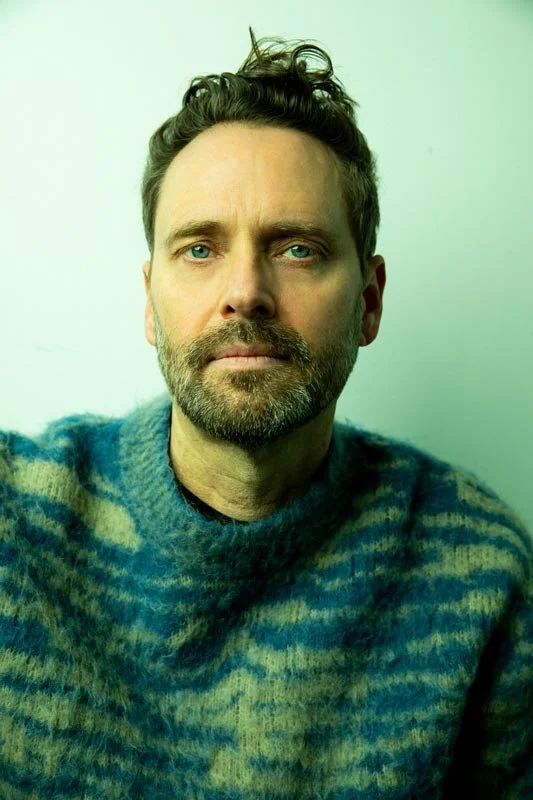
Emmy Award-winning · Oscar-nominated Composer · Musician
1 0 0 1 · Silfur · Transparent · Lion
The album 1 0 0 1 is really like a journey from our connection with nature to where we are now, in this moment where we're playing with technology. We're almost in this hybrid space, not fully understanding where it's going. And it's very deep in our subconscious and probably much greater than we realize. And it sort of ends in this space where the consciousness of what we're creating, it's going to be very separate from us. And I believe that's kind of where it's heading – the idea of losing humanity, losing touch with nature and becoming outside of something that we have created.

Singer-songwriter · Documentary Filmmaker · Founder of The White Feather Foundation
Photographer/Author of Life’s Fragile Moments
I think a lot of joy comes from helping others. One of the things that I've been really focusing on is finding that balance in life, what’s real and what’s true and what makes you happy. How can you help other people feel the same and have a happier life? I think whatever that takes. So if that's charity, if that's photography, if that's documentary, if that's music, and I can do it, then I'm going to do it.

Electronic Musician · Fmr. Computational Biologist
As technology becomes more dominant, the arts become ever more important for us to stay in touch the things that the sciences can't tackle. What it's actually like to be a person? What's actually important? We can have this endless progress inside this capitalist machine for greater wealth and longer life and more happiness, according to some metric. Or we can try and quantify society and push it forward. Ultimately, we all have to decide what's important to us as humans, and we need the arts to help with that. So, I think what's important really is just exposing ourselves to as many different ideas as we can, being open-minded, and trying to learn about all facets of life so that we can understand each other as well. And the arts is an essential part of that.
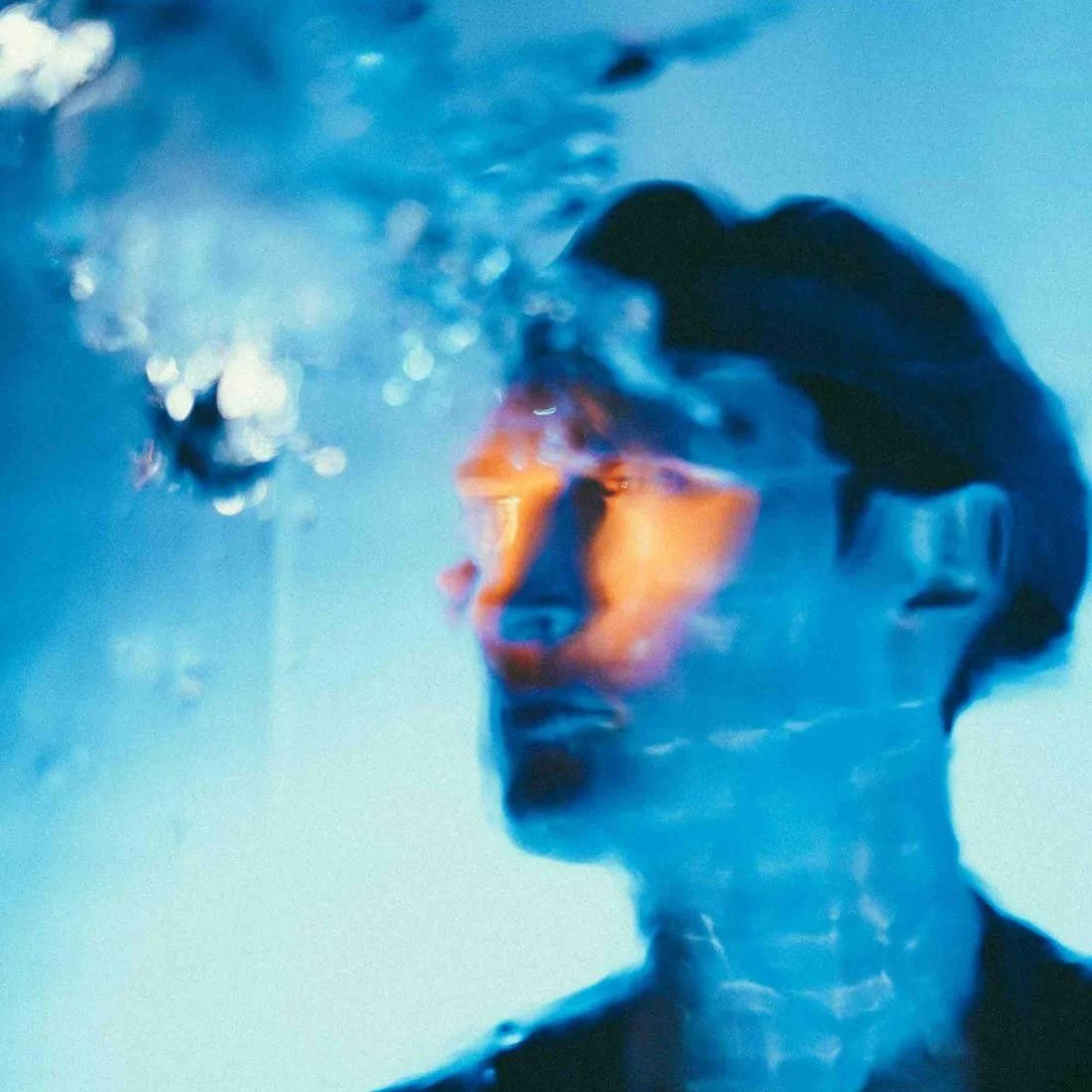
Nature’s Songwriter
Producer · Multi-instrumentalist · Composer of Folded Landscapes
Music has the ability to transport you to a place and create a sort of internal landscape. And we all have life-changing things that happened to us. And I remember I made it as a way to kind of ease a busy mind. And perhaps I was missing home. I still call Orkney home, even though I'm not there every day. I'm a thousand miles away today, and I still call Orkney home. For example, when I hear the voice of the curlew, it transports me back to Orkney with such a jolt. In a heartbeat. And music can do that too. It's very transformative. Visual arts have the ability to do that too. And you could stare at a Rothko painting and cry and not quite know why. It can take days to figure out perhaps certain meanings from it. But music I think is quite instant. It can really do that.
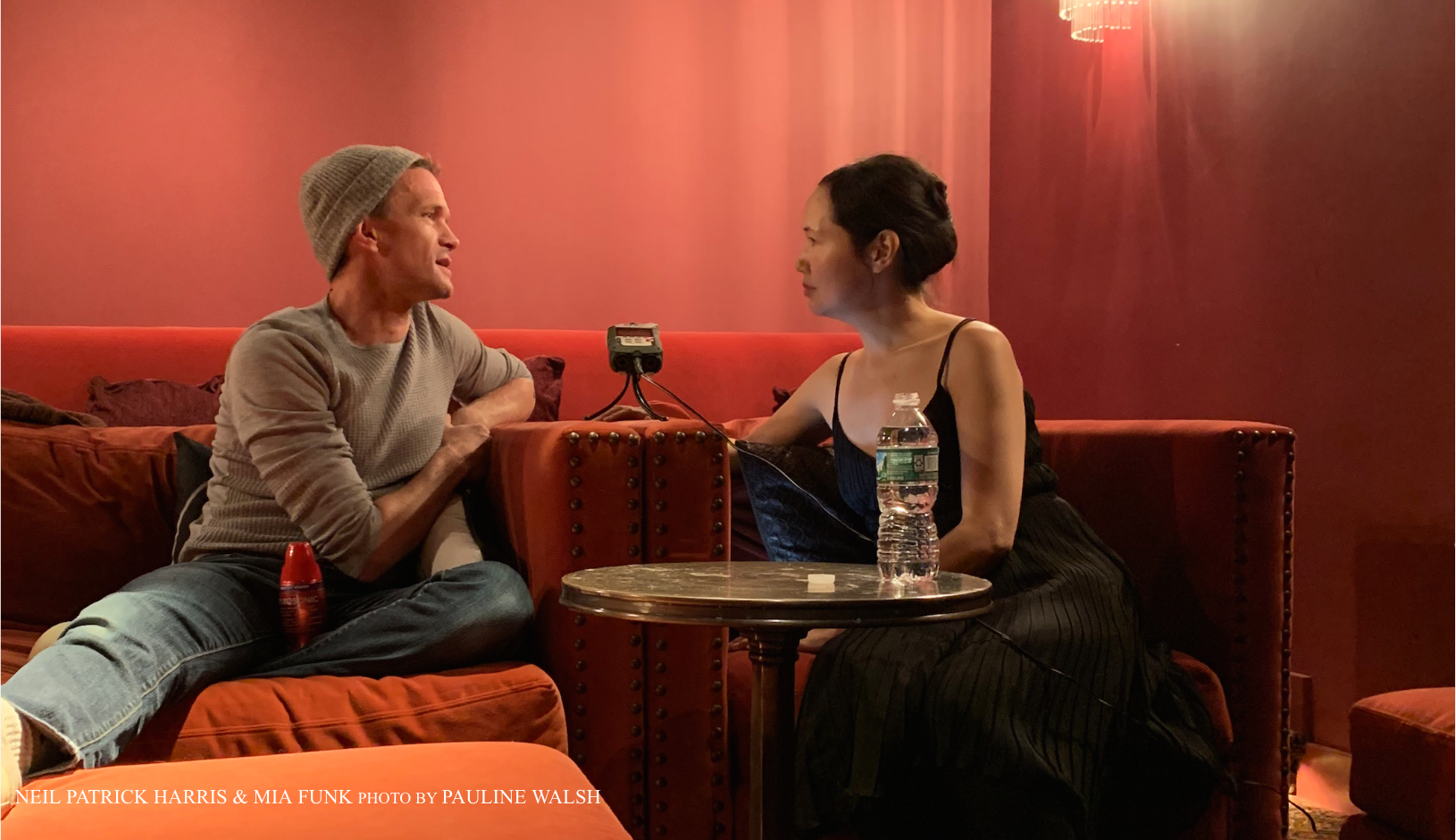
Actor · Comedian · Filmmaker · Magician · Singer · Writer
And I remember I was just the whitest kid ever from small-town New Mexico in this big city of Los Angeles…I'm sitting there watching this play about a lower middle-class African-American man in Pittsburgh and his family. And I just remember being so moved, moved to tears at 13, 14 years old…And it was so moving. And I did think even back then, I recognized the impact that the theater can have on someone that isn't even anything like what they're like.
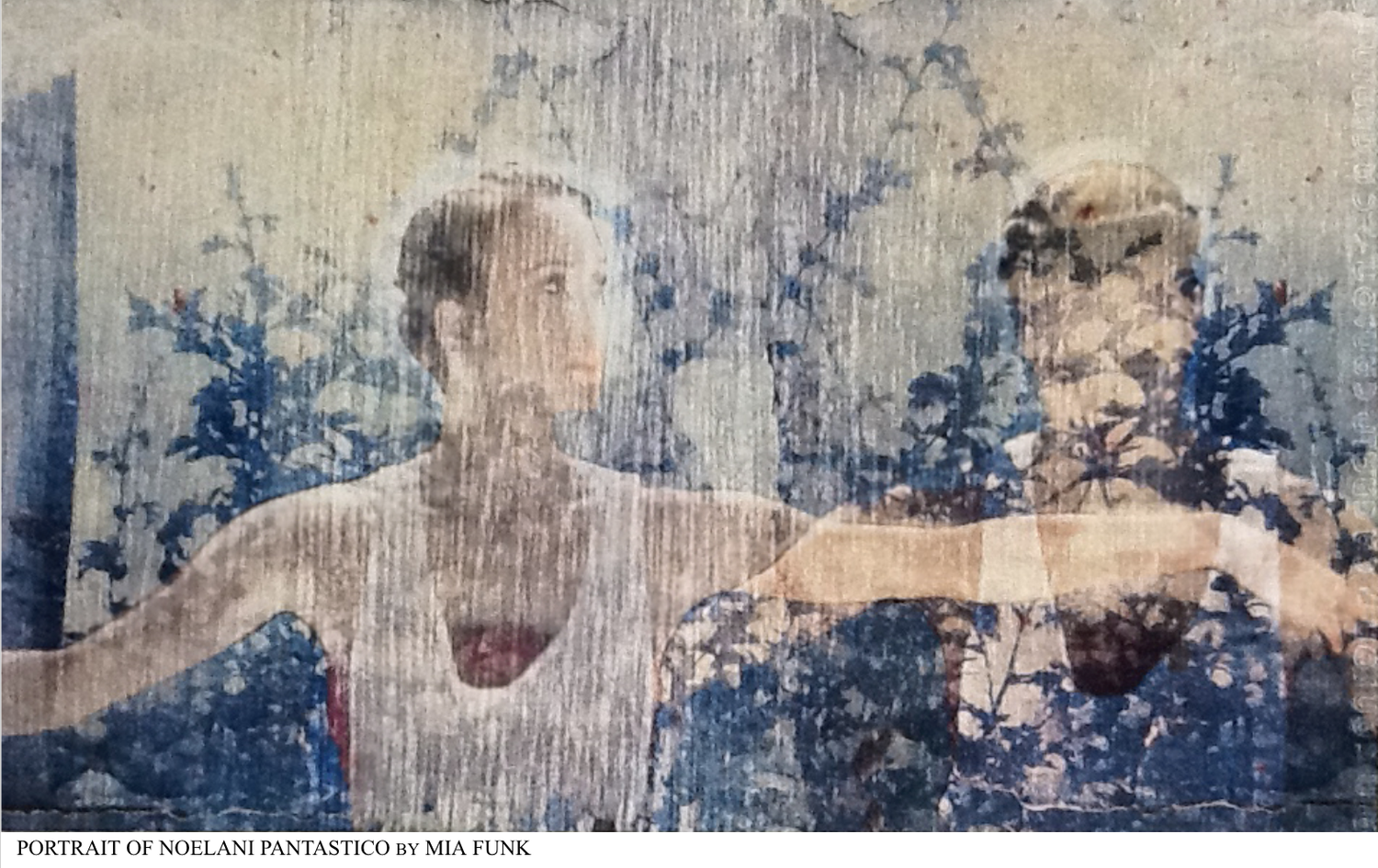
Principal Dancer · Pacific Northwest Ballet
I always do a lot of studying into the history of something, if I feel like that is going to help me. And then, if that's not going to help me, I make up a story. I do a lot of different things for each role and each performance, and sometimes when I repeat something something else will come through. So it really changes every single time.
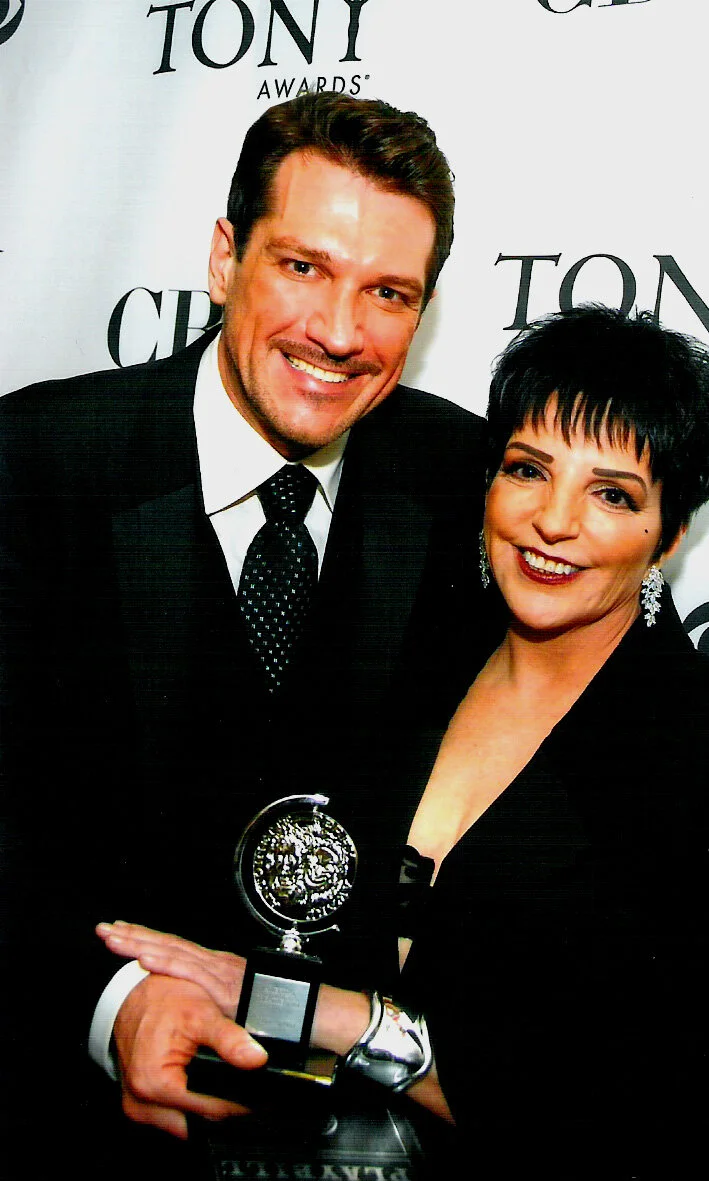
Tony Award-Winning Singer, Actor and Star of Chicago, the longest-running American Musical in Broadway History
All the themes are very contemporary. I think what moves this story is the search for instantaneous celebrity. That’s what the girls are all about, Roxie and Velma. They want to be famous. Of course everything that you cited, corruption, crimes, the press focusing on sensational stories–it’s all there. And I think that’s why the public relates so much to it.

Musician and Songwriter
There is a metaphor to every single word that we say, we're just not aware. But if we were aware, then it would become very interesting. And that's the quest for me to be constantly more and more aware because it's so beautiful. It's a quest for beauty as well.
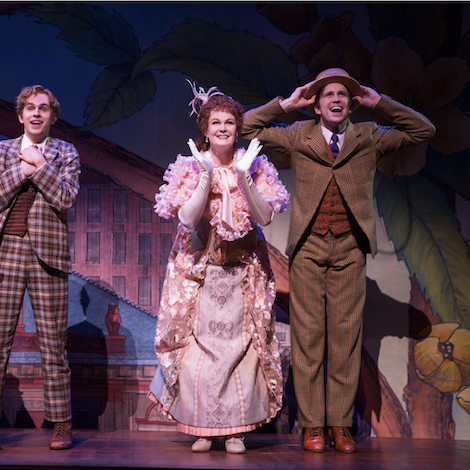
Tony & Olivier Award-Winning Actor, Singer & Songwriter
To not honor that we are all creative, beautiful, interesting deep, rich individuals. We’re not zeros and ones on a spreadsheet. We’re not scientifically explained. We are not mathematically judged. We are imperfect blobs of emotion and bone and spirit and life and when we come together there is nothing greater than the chemistry and the alchemy of musical theater… There’s a joy, there’s a bounce, there’s an effervescence that’s part of that music. I had a great teacher in college, the head of our program Brent Wagner said, 'With lyrics, I can tell you to open the door, but with music I can tell you how.’ Lyrics are information and music is emotion.

Award-winning Singer, Songwriter
I like the dark. I don't like the darkness, actually. Everybody has parts of darkness in themselves, and I feel that my creations have always come out of a dark place, from that sense of being alone, feeling alone, feeling misunderstood for being the person I am, too extravagant and sometimes too much for people. This is a way to help myself deal with it, to give it a place somewhere in my mind where it's okay.
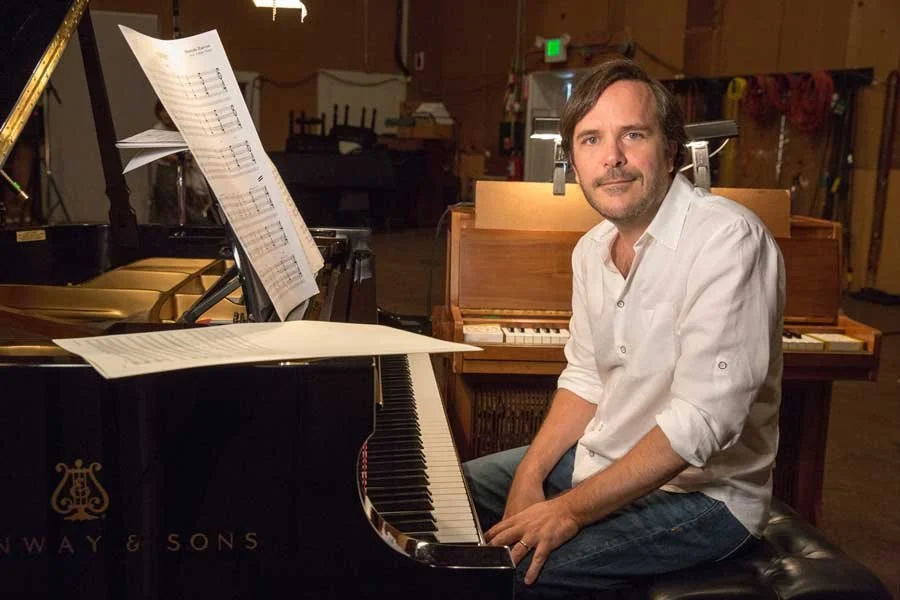
Pianist and TV/Film Composer
I think the music, the way that it's shot, and the way that it's written, of course, all work in conjunction. There’s something about a passage of time in your mind. Then it's not about the clocks. It's more about the suspended, almost like the absence of clocks, and the idea of suspended time, which memory is more like that since in our memory all time happens at once.
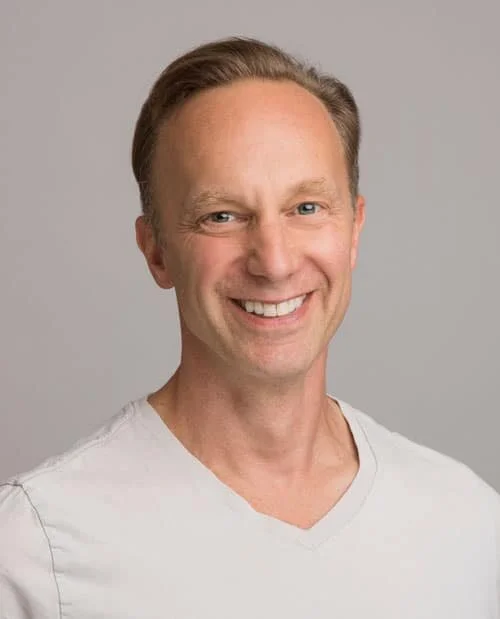
PETER BOAL · Artistic Director of Pacific Northwest Ballet
Dance is for everyone. That’s the mission. We see people that people that might not be able to encounter dance in so many ways because it’s not something that their school offers…and I think traditionally ballet has felt like it can be an elitist art form. Only certain people are invited. You have to have a certain type of foot. You have to have a long neck. You may have to have finances to be able to study ballet. We would like to eliminate that and make sure that it’s available for everybody to sort of dip their toe in and get a sense of it and have an experience of dance.

Songwriter & President of the Songwriters Guild of America
Songwriters create the meaning in people’s lives. When you’re married, you have a song. When you fall in love, you have a song. At a funeral, they play a song. When people go off to war, they’re singing a war ballad. Songs create the meaningful moments in people’s lives. People bookmark the moment they met and kissed for the first time with a song. Songs are the bookmarks of your life. Your life is not going to have those meaningful moments cemented into your heart and soul without those songs. That’s a critically important job. That’s worth paying for.

Jazz Harpist
The harp or the instrument that I play is a traditional instrument from Columbia (I’m from Bogota, Columbia). We have traditional music there called Janetta music. It’s the music from the plains of Colombia and Venezuala. It’s like the cowboy music… I met the harp when I was seven years old. That’s the first time I saw this instrument. I was like–Wow! I knew I was born to play the harp that day!
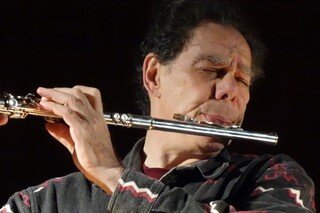
Award-winning Flutist, Composer, Teacher & Author
I decided that I wanted to explore the flute. I mean really explore the flute. People had known a few multi-phonics where you could play two notes. But they had been basically “special effects”, sort of sprinkled into a traditional line to spice it up. And I thought, why not just go the whole way? So my concept that first of all music is made by people. All art is made by people. Music is not made by instruments. The sound of the flute is silence. The sound of the piano is silence. The mark of a brush is a white canvas until the person makes the mark. So music comes from people. We use instruments.
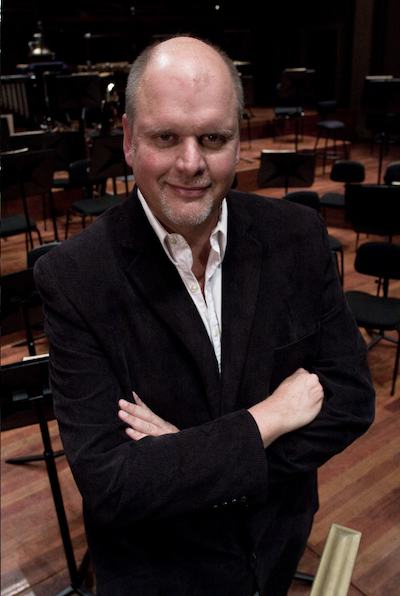
Multiple GRAMMY Award-winning composer
One of the ten most performed composers in America
“Architecture is frozen music,” as Goethe said…There is something about when you’re exploring not knowing exactly where it’s going to go or how it’s going to turn out which creates an element of surprise and an element of intrigue.
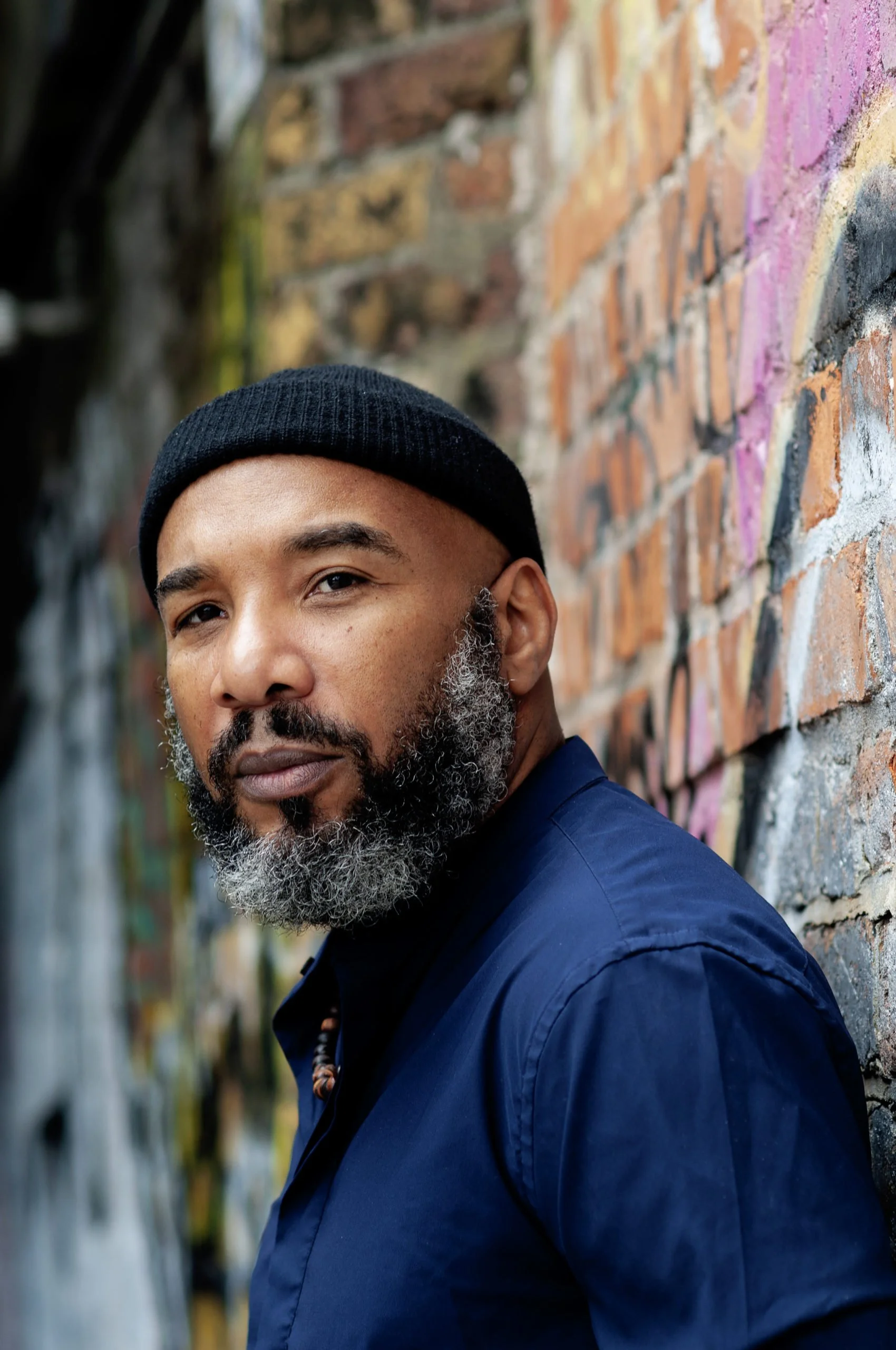
Award-winning Poet, Novelist & Musician, Lead vocalist of The Spasm Band
Author of Sonnets for Albert
The life of Caribbean people is not really documented. So this idea of Caribbean life being fragmented is something that I've had in my mind for a long time. So when I came to write this collection for my father, I realized that it was the same process and what I had were fragments, especially with him, because he wasn't around in a physical sense all the time. So all I had were little photographs, scattered memories, and remembrances. They're little parts of his life and parts of my experience with him... I never disliked my father. I always loved him and always was fascinated and captivated by him.
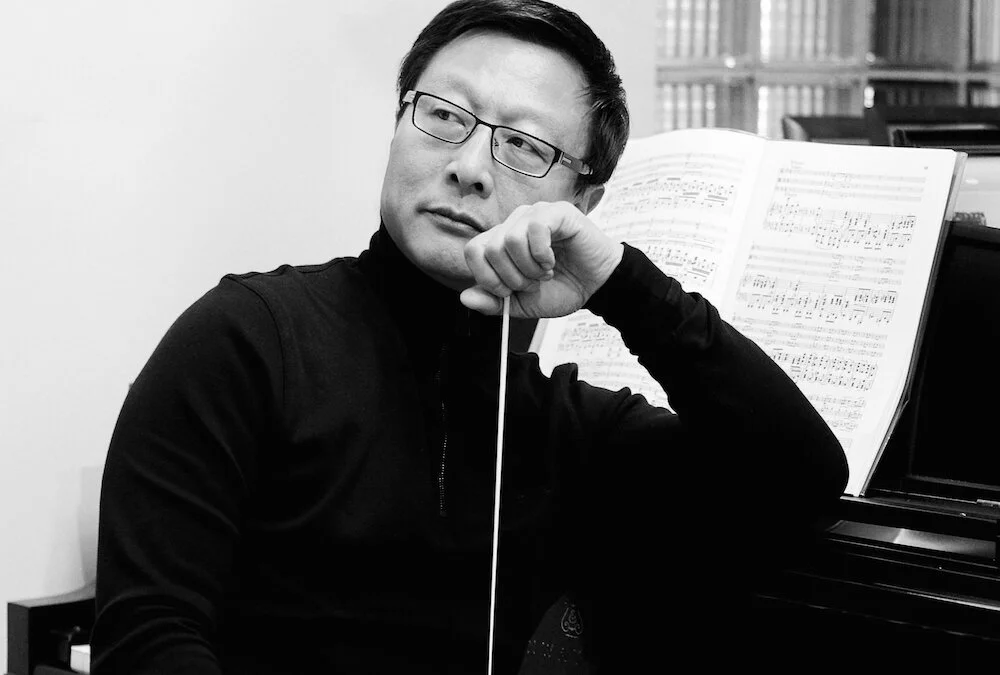
MacArthur & ASCAP Award-Winning Composer, Conductor & Pianist
Founder & Artistic Director of Intimacy of Creativity at The Hong Kong University of Science and Technology
I try to preserve the Chinese music flavor. So, you imagine in Chinese band, the country music that people usually reserve for weddings or for big moments or for funerals. That kind of a feeling. Drums and music playing. I try to preserve it from my memory because what we have now is just a tune. You can probably recognize the tune, but the execution of translating that for a Western orchestra and make it sound like it’s a Chinese band playing Chinese instruments.
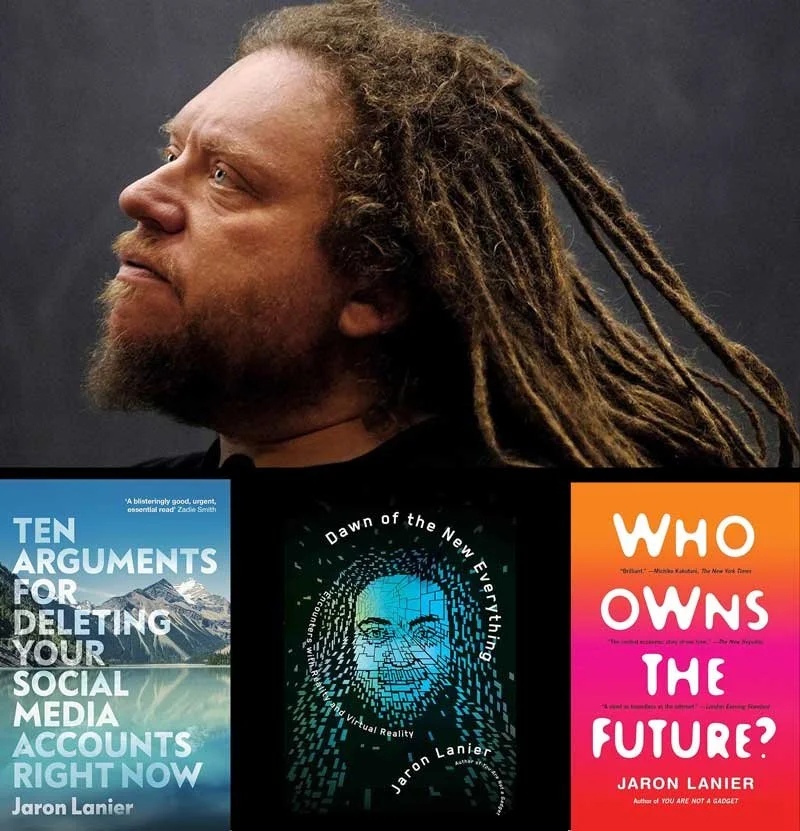
VR Pioneer · Musician · Author JARON LANIER
Who Owns the Future? · Dawn of the New Everything: Encounters with Reality & Virtual Reality · Ten Arguments for Deleting Your Social Media Accounts Right Now
AI is obviously the dominant topic in tech lately, and I think occasionally there's AI that's nonsense, and occasionally there's AI that's great. I love finding new proteins for medicine and so on. I don't think we serve ourselves well when we put our own technology up as if it were a new God that we created. I think we're really getting a little too full of ourselves to think that.
When we do that, I think we confuse ourselves too easily. This goes back to Alan Turing, the main founder of computer science, who had this idea of the Turing test. In the test, you can't tell whether the computer has gotten more human-like or the human has gotten more computer-like. People are very prone to becoming more computer-like. When we're on social media, we let ourselves be guided by the algorithms, so we start to become dumb in the way the algorithms want us to. You see that all the time. It's really degraded our psychologies and our society.

Composer · Songwriter · Conductor
The Land of Dreams ·The Snow Queen 3 · The Boat · Food 2050 · Green Book
I'm always trying to find my place here because, yes, I'm American. I'm an immigrant. I don't want to talk about the difficulties I face in my coming here, but it was not easy. So when I was writing the song called “Give Up”, and it's like a song that I'm singing to myself. Those are things, like there is a lot of personal experience. I was a luxury immigrant on a Fulbright grant on a J-1 Sponsor Visa, you know, with a solid family I could go back to in Italy in case anything went wrong. But at the same time, it was not easy. I want to do my job with a smile on my face, and it brought me to write the lyrics like: 'It's my turn. My time is now.' It's like something that I'm trying, we all try to get our turn to be our moment, to shine our moment. We're all waiting. We don't know if it will happen, but we need to try at least. We need to grab our life with our hands and make it work one way or another. So that's what I mean in my song “Orlando Dreams.”
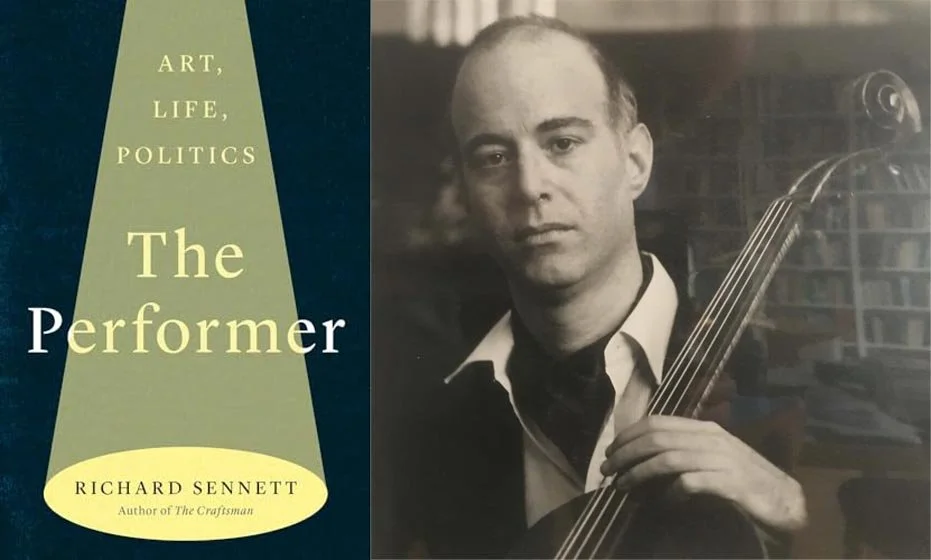
RICHARD SENNETT Centennial Professor of Sociology · London School of Economics · Fmr. Humanities Professor · NYU
Author of The Performer · The Fall of Public Man · The Culture of the New Capitalism · The Craftsman
We look at creative work as though the very creative process itself is something good. These are tools of expression, and like any tool, you can use them to damage something or to make something. They can be turned to very malign purposes, for instance, in the operas of Wagner. So I wanted to do this set of books, I want to show what is kind of the basic DNA that people use for good or for ill. What are the tools they use, if you like, of expression that they use in the creative process?
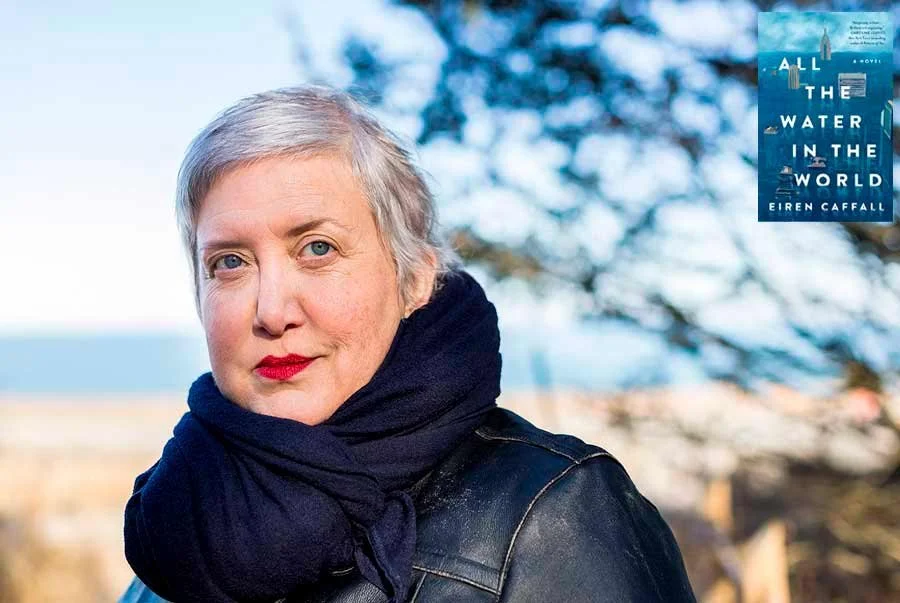
A Conversation with Writer & Musician EIREN CAFFALL
We are in a complex and delicately balanced relationship of connection to everything else on the planet. We begin to recognize, write into, and speak into the complex interdependence and interconnection of every gesture that we make on the planet. Most storytelling that I really respond to, whether it's from my own culture or from previous civilizations, acknowledges that we are in this complex relationship where every gesture we make is connected to the lives of every other creature on the planet. The more narratives we allow to be complex in that way and interconnected, the more we begin to change our brain chemistry around how we protect ourselves and everything that is in relation to us. The more that you have that evolving relationship with it, that's dynamic and alive to the moment you're in, and that's not afraid of the feelings of fear, hopelessness, grief, or pain that attend paying close attention to the world as it is evolving around you, the better we are able to be flexible in the relationship we need to form with fixing what we can and holding onto what we have.

Interdisciplinary Composer · AuDHD Coach
Host of the AuDHD Flourishing Podcast
So for me, just removing a lot of the shame and then a lot of the energy that I was wasting trying to fit myself into a neurotypical process or framework or way of thinking or being. So, you know, some people call that unmasking, just kind of removing. I was wasting a lot of energy, basically trying to be someone else and function in a different way. And then just beating myself up internally for not being able to do that. And throughout my healing journey, as I really realized, Oh, that's actually what's happening. Like there's not actually anything wrong with me being able to...That's why it's called Love Your Brain. It's not just, you know, tolerate your brain. Or, fine, you can work with this brain that you have. It's like, no, I genuinely love the weird experiences that my brain can give me and the incredibly rich, deep experience I have of the world. Like I experience nature so deeply and so intensely. I have really strong connections with animals. I have really great intuition, which I think is just from picking up all this sensory data and putting it together. All these experiences that I get to have, but I don't get to have those experiences if I'm just trying to make myself be something else, which I think is most people who are late diagnosed, I feel like that's their experience. It's just like I've been trying to be someone else for so long. It's exhausting. And then you don't have the energy then to be creative, the carving out the time, making the time to actually create.
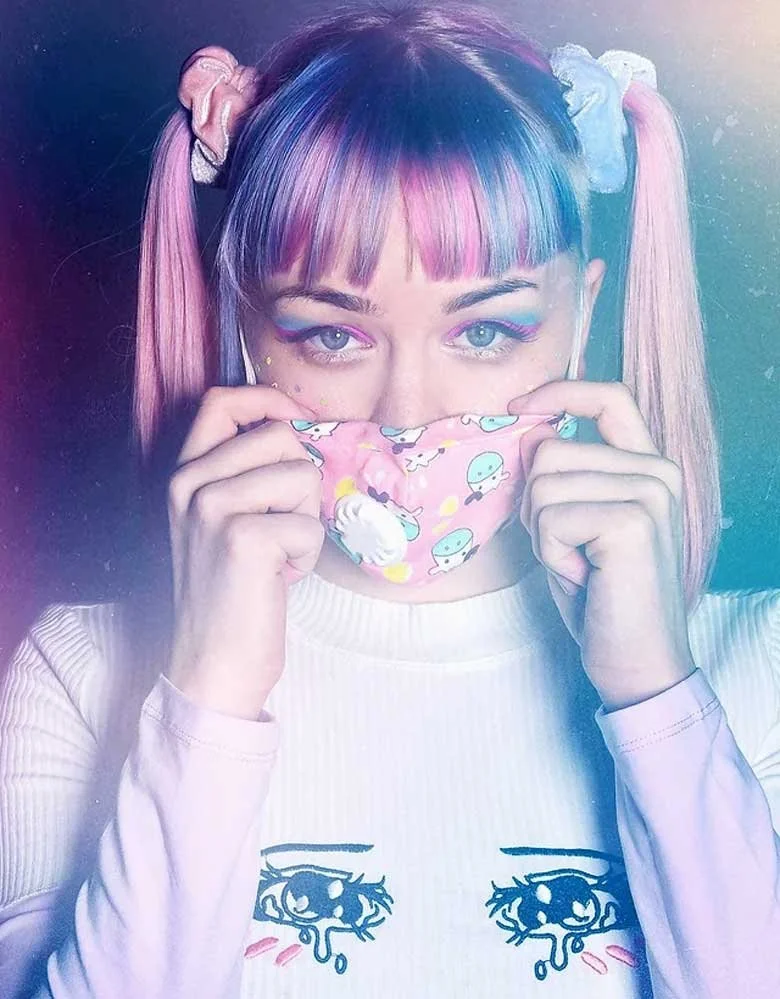
Alt Pop Singer/Songwriter · LGBTQIA+ Openly Non-binary Musician
Autism Awareness Advocate
I struggle a lot with the feeling of being alone and not having a community. And I did even more as a teenager. That's kind of what my music is about, finding those people who get it so you don't feel like you're alone anymore. And that's why I talk about things that maybe I wouldn't talk about outside of music, because in music it's a safer and easier way to find people who really get it.

Jake Ferguson · Anthony Joseph · Jermain Jackman
I think as humans, we forget. We are often limited by our own stereotypes, and we don't see that in everyone there's the potential for beauty and love and all these things. And I think The Architecture of Oppression, both parts one and two, are really a reflection of all the community and civil rights work that I've been doing for the same amount of time, really - 25 years. And I wanted to try and mix my day job and my music side, so bringing those two sides of my life together. I wanted to create a platform for black artists, black singers, and poets who I really admire. And it was a no-brainer to give Anthony a call for this second album because I know of his pedigree, and he's much more able to put ideas and thoughts on paper than I would be able to.

Co-Executive Directors of DJC Records
I took this class on genocide that had a huge impact on me, and it also coincided, just the timing, with the Occupy Wall Street movement. So then two years later in 2013, I was reading The New Jim Crow by Michelle Alexander, and the book is about how mass incarceration is like a modern-day racial caste system. And I just got the idea to do an album, because I was listening to a lot of concept albums like Pink Floyd, The Wall. And it started from there, just a little seed and a spark of just this idea for this one album. And then over time, it just evolved into an EP, and then a record label and a nonprofit. –Fury Young
I think in the end, what our mission is, is to dismantle stereotypes around race and prison. But maybe from listening to that album, and you see this guy, he applied for your job, and he has a drug charge or something. Maybe you're not looking at it so crazy anymore. It's like, know what? I'll give him an interview. I'll see. And that interview may change, you know, your life and that person's life. So that's like the ideal scenario. – B.L. Shirelle