FILM & TV
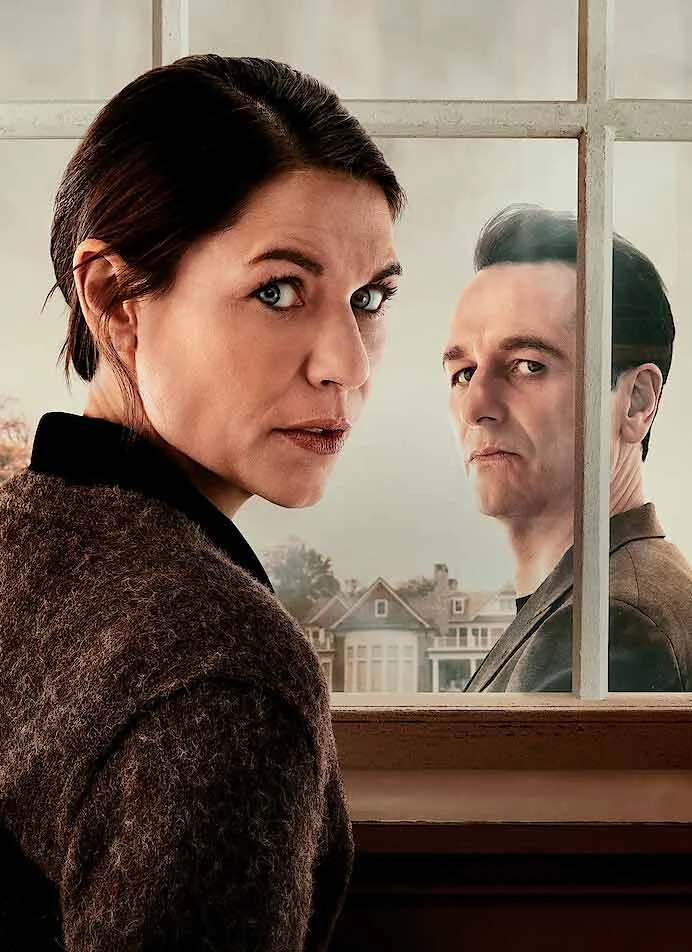
Starring CLAIRE DANES & MATTHEW RHYS · A Conversation with Showrunner, Exec. Producer HOWARD GORDON & Exec. Producer Writer DANIEL PEARLE
I think there's also something about an unfettered or uncensored id that is so captivating. We all have that fantasy of doing exactly what we want with no consequences and sort of letting that go. I think when you see an athlete at the peak of their game and living that dream, or when someone has actually done horrible things that you would never allow yourself to do, there is a fascination there.

Everybody wants happiness, joyfulness, peaceful world. Our 21st century will not be easy century… I can change my mind. I can reduce anger, hatred. Nothing to do with religion. All religions carry the message of love, loving kindness, and tolerance. This century should be century of compassion, century of peace. No more bloodshed. We should develop a big “we,” rather than “we” or “they.” With these wings, you can fly. – THE DALAI LAMA, Wisdom of Happiness

JULIE ANDREWS · PAUL SCHRADER · JOHN PATRICK SHANLEY · ETGAR KERET · JOY GORMAN WETTELS · CHAYSE IRVIN · MANUEL BILLETER
Share their Stories
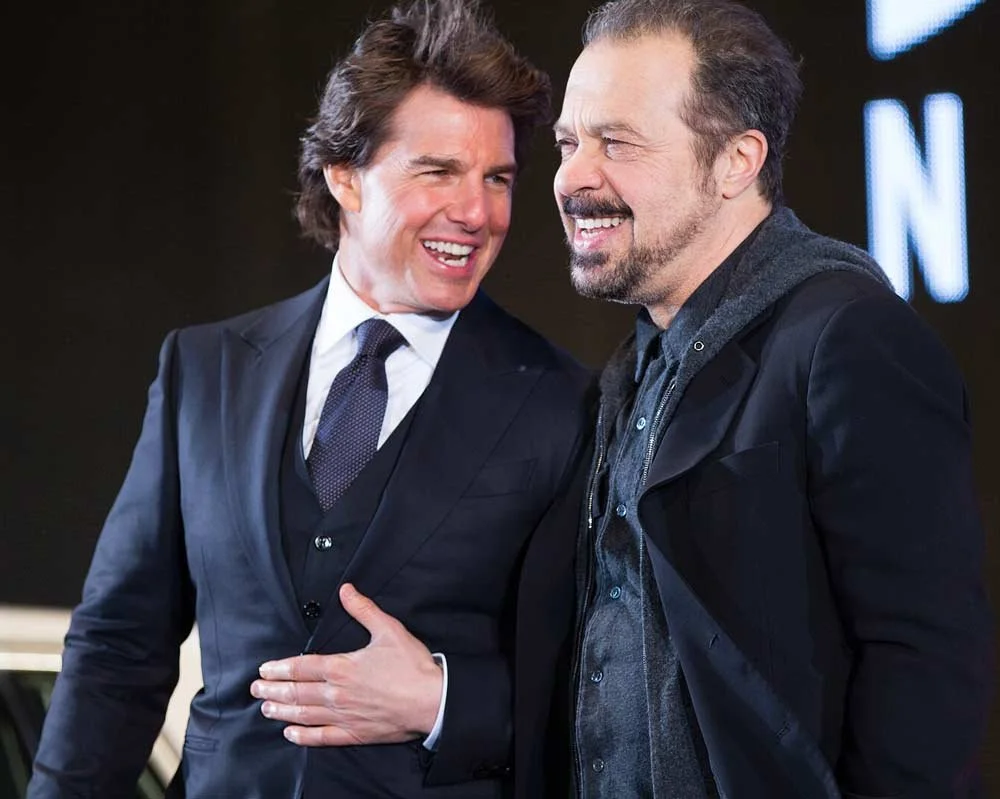
Academy Award-winning Writer, Director & Producer
Glory · The Last Samurai · Shakespeare in Love · Thirtysomething
Author of NYTimes Bestseller Hits, Flops & Other Illusions: My Fortysomething Years in Hollywood
My intention was to write about my experiences, obviously, but also I felt that there was a little bit of a counterintuitive approach, which is to talk about some of the inner experiences of the creative process and being a director, being a writer, and I felt that that would open the window a little bit wider. I liked that it wasn't just a behind-the-scenes look. It is that, and I think it's full of fun anecdotes and little reveals, but it is to be a real book. It presumes to be a memoir, like many of the memoirs that I have loved of creative people in the past.

Emmy & Golden Globe-winning Executive Producer · Director
Tokyo Vice · Six Feet Under · Tales of the City · My So-Called Life
I think all great work comes from the need to say something. And so this is the challenge for young artists and also maybe one of the essential elements that can never be completely taken over by AI because there has to be something you feel has not been said, and you feel an urgent need to say it. In fact, you can't not say it. That need to express is what gives birth to unique expression, which is where all of our visual, performance, and creative arts come from.

ATHLETE · ACTOR · AMERICAN · ACTIVIST
DIAN HANSON discusses photographic homage to ARNOLD SCHWARZENEGGER
Why I was different from all the other boys in my town I cannot tell you. I was simply born with the gift of vision.
– ARNOLD SCHWARZENEGGER
It's not just that he grew up in a rural environment too. He was born on July 30th, 1947. And most of us today don't have any understanding or relationship to what Europe was like right after World War II. The winter of 1946/1947 in Austria was the most brutal in decades. The people already had too little food. They were in an occupied country. The summer potato crops failed. As Arnold has said, his mother had to go from farm to farm to farm, begging for food to be able to feed her children. His father, like all the men in the village, was defeated by the war. And he saw them all physically, emotionally, intellectually defeated and taking it out on their wives and children, that he was beaten and his mother was beaten. All the neighbor kids were beaten, and they were beaten into a kind of placid defeat. And he alone would not accept that. He could not see that life for himself. And so he wanted out of that. And as a poor boy, he had nothing but his body to work with. That was it. There was not going to be any college. There was not going to be any of that. There was going to be some kind of menial job, or he could use what he had - his body - to get him out of there.
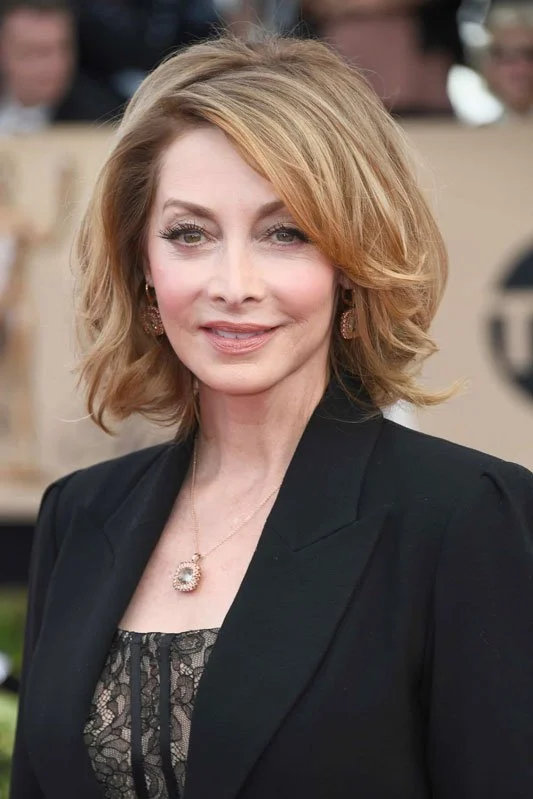
A Conversation with SHARON LAWRENCE
That transformation was key to my next step as an artist, to knowing that's what acting is. It isn't just posing; it isn't just being a version of yourself in a way that was free. Performing wasn't just performing; it was transforming. I think that artists find that in many different ways, and as actors, there are many ways into that.
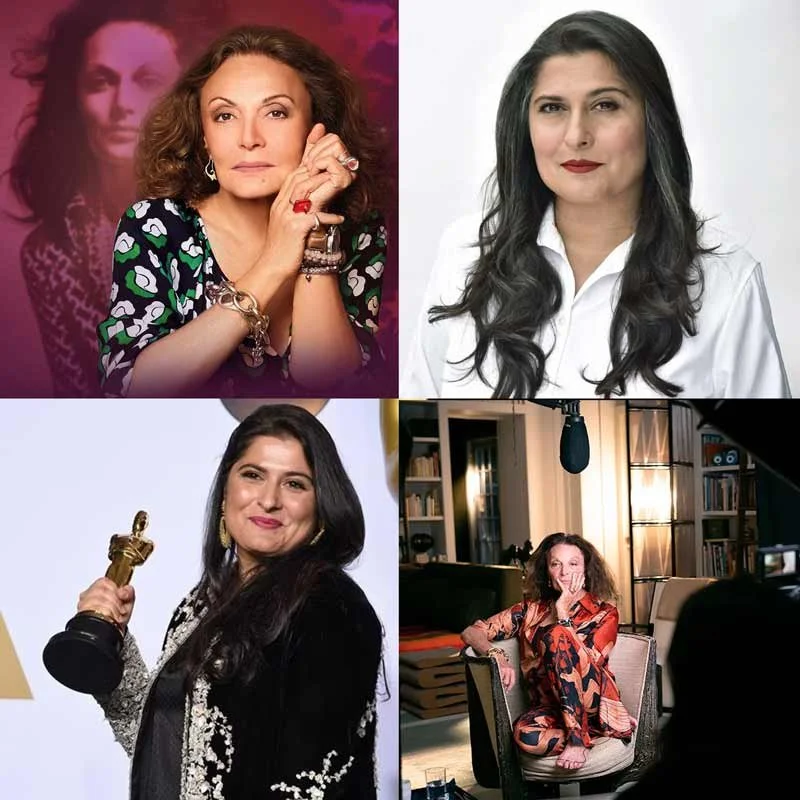
Oscar & Emmy-winning Director
Diane von Furstenberg: Woman in Charge · A Girl in the River
Forthcoming Star Wars film starring Daisy Ridley
As a filmmaker, I've always made films about extraordinary women whose lives are faced with extenuating circumstances who've had adversity thrown at them and who've risen to the occasion. And when I began to look at Diane's story, for me, Diane is a fashion designer, but she's so much more. Her central ethos is woman before fashion, and we felt it was very important to take that ethos and weave it into the spine of our film, and make it about the woman.

Actress · Artist · Director · Producer · Writer
House M.D. · Girlfriends’ Guide to Divorce · Little Bird · The West Wing · The Kominsky Method
I have always thrown myself into everything, and that includes terrible things, because I want to have the whole experience. Even if I know it's going to hurt for better or for worse, that has been how I've lived my life. And so it's given me a lot of information and allowed me to play a lot of different roles and understand a lot of different points of view. I think part of the beauty of being in a long-running television show is that, in season one, you're playing the role they wrote. By season two, they're writing the person you're playing. You start to build your voice, and they start to merge, and so by the time you get to season three, you're much more like full human beings having this dialogue.

Award-winning Cinematographer of At Eternity’s Gate starring Willem Dafoe
The Theory of Everything starring Eddie Redmayne · The Scent of Green Papaya · Minamata
Artist Painter · Director
If you want to do your art well, you need to have some pleasure. If talking is not a pleasure, it's horrible. And when filming on a set is a bad experience, it's one of the worst things in life. As a cinematographer, if you can't make what you do personal to you, there is no soul. You need to make it personal. I certainly like a handheld camera, It's a bit like playing a saxophone. It's like the pace of walking or how I stop or I decide to go closer to the actor or to take more distance is so free. No one is telling me to go one step forward or one step back. I have to decide on the spot. So there certainly a freedom like a painter with a brush. It's nice because you have even the vibrations, your rhythms, the actor's rhythms. It's this dance.

Award-winning Cinematographer
Blonde starring Ana de Armas · Beyonce: Lemonade · Spike Lee’s BlacKkKlansman
That's all I can do on a movie. I can't really make a movie good or not because that's decided by the spectator. That's not in my control. All I can do is give it everything that I have. Like that's just the love I have to give. So why bring in all these other things? Just set it up so you can give it everything that you've got each time. In those theoretical considerations about how a scene can function or be rendered or shot or executed or all these things, just think of it as, "Oh, this is the challenge." I want authenticity. How do we create an environment where that's more likely to happen? Because it's never going to be something that I can enforce, and the more I try to enforce it, the less likely it'll happen. For me, the more risky things, the more things that defied expectations are really important to me. I guess it even goes down to just novelty. How do you create a need or a yearning? And the spectator, you create a particular rhythm and then you change that rhythm, and then it's almost like you try to sensitize your spectator to these ideas by defining a particular rhythm that you've set for them.

Academy Award · Tony · Pulitzer Prize-winning Writer/Director
Doubt starring Meryl Streep, Philip Seymour Hoffman, Amy Adams
Moonstruck · Wild Mountain Thyme · Danny and the Deep Blue Sea · Joe Versus the Volcano
I knew Philip Seymour Hoffman for several years. We went on vacation together. He produced a play of mine. Before we did Doubt, we worked in the same theater company together, and he was, you know, very committed to excellence. And so he could become impatient with anybody who was not committed to excellence, and that could make him a volatile person to deal with. Phil cared. He cared a great deal. And he worked really hard. They're very committed. Like with Viola Davis. Viola had done a decent amount of big work before Doubt, but she was not recognized yet. And she was careful. You know, she certainly wasn't throwing weight around. She was, I'm the new kid on the block, and I'm just here to work and be serious and do my job, keep my head down, and get out. And pretty much that's what I was doing too, you know, because I've got Meryl Streep, I've got Philip Hoffman, who I was friends with, but Phil's not an easy guy to be friends with or was not easy to be friends with. He's a very prickly person prone to getting pissed off about things that you might not expect. And then Amy Adams was somebody who, you know, tried to get along with everybody and Phil would say like, 'You just want everybody to like you.' So, you know, you're in the middle of that group, and you just, you don't want to put yourself in a position where you're trying to prove something. You have to let them...they're very, very smart people, and they're going to figure out whatever it is that you're doing. They're going to figure out whether you are in any way trying to handle that. And that's not going to go well. And so I didn't do that.
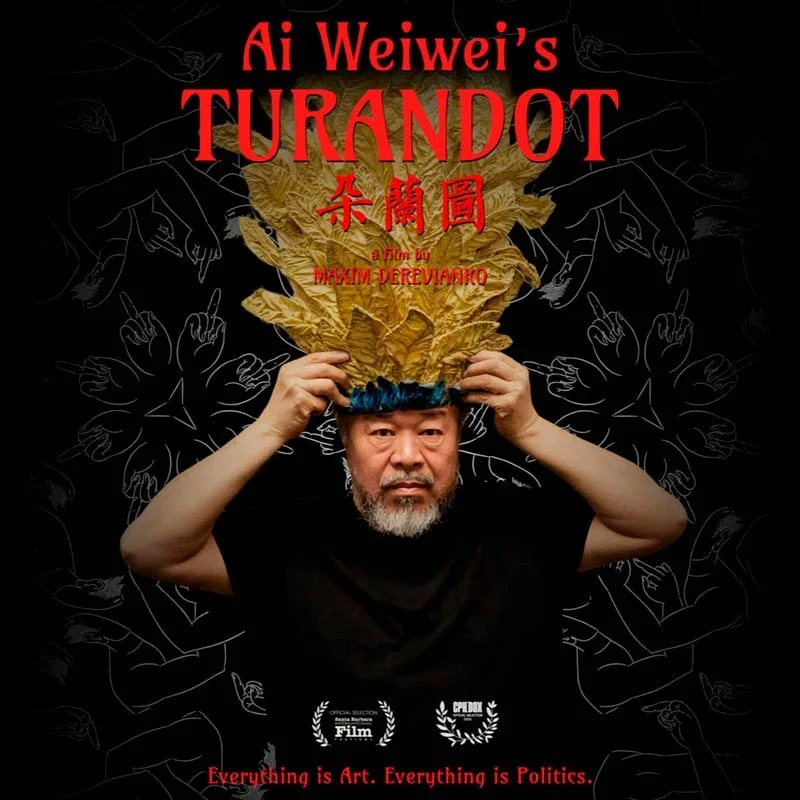
Everything is Art. Everything is Politics.
I think art competes with reality. And art will give you the last words.
–AI WEIWEI
Writer · Director · Executive Producer
Pet Sematary: Bloodlines · Sleepy Hollow · Bambi · Lord of the Flies
For me, I don't start a project unless I have a really clear understanding of who the main characters are and why this is a journey that's necessary for them to take. And why are these both the best and the worst people to be in this series? That's the question I ask myself all the time because you need to know: What are their strengths? What are their weaknesses? What are the dramatic tension points going to be where these specific people can really succeed or really fail in this scenario? I love people who are passionate, and Quentin Tarantino is just so passionate. And I've never been in a writer's room or even really in any kind of development experience where a director was just so passionate and so full of kind of energetic ideas. And that was really inspiring. Somebody who just completely knows their own point of view and gets excited by their own ideas is just fun to watch.

A Conversation with Emmy Award-winning Actor, Director, Writer CADY McCLAIN
I won my first Emmy when I was 21, which was the result of absolutely devoting myself day and night for two years to doing all the scene work. I attended classes simultaneously and did plays until my mother died. I studied with Michael Howard for eight years. Even when I was so tired I couldn't get up to do a scene, he would say, "Get up and do a poem." It helped me enormously; it saved me. The way I was trained and how I train others is that you know when you’re in the zone. Oh God, it feels so good. It feels like flying. And that's what you want. You want to be so unselfaware that you're on liftoff?
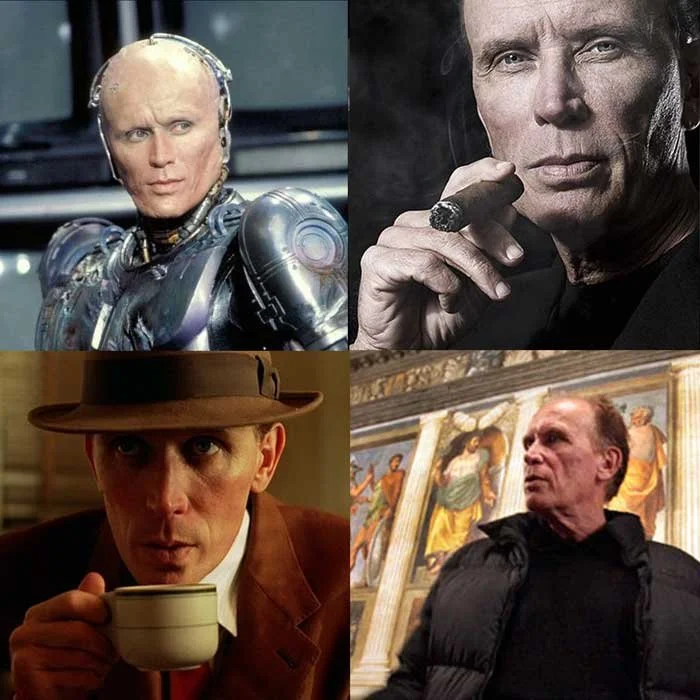
with Actor, Art Historian, Director, Musician, Author PETER WELLER
Art transcends time and culture—the beauty of it. People worry about the world now. I remind them to go live in 1968, a time of preparing to go to the moon while people died for their beliefs. This is a difficult time in a republic that’s supposed to be free, but music was leading the way. Whether it was Miles, Coltrane, Aretha, Leonard Cohen, Dylan, the music was extraordinarily influential and cutting-edge… Leon Battista Alberti is an interesting figure because he was a poet, painter, architect, and particularly an architect, writer, and humanist. He wrote this amazing book on painting that everyone has to read.
Emmy Award-winning · Oscar-nominated Composer · Musician
1 0 0 1 · Silfur · Transparent · Lion
The album 1 0 0 1 is really like a journey from our connection with nature to where we are now, in this moment where we're playing with technology. We're almost in this hybrid space, not fully understanding where it's going. And it's very deep in our subconscious and probably much greater than we realize. And it sort of ends in this space where the consciousness of what we're creating, it's going to be very separate from us. And I believe that's kind of where it's heading – the idea of losing humanity, losing touch with nature and becoming outside of something that we have created.

Emmy-nominated Producer, Writer, Playwright LAURA EASON on THREE WOMEN
I think the show conveys to the women watching that their lives matter. They don't have to be some gorgeous aspirational person, although Sloane absolutely fits that mold. But for others living in the Midwest, struggling and feeling unseen, hopefully, the mirrors of Lina and Maggie will help them not feel so alone and remind them that their stories are important and matter.
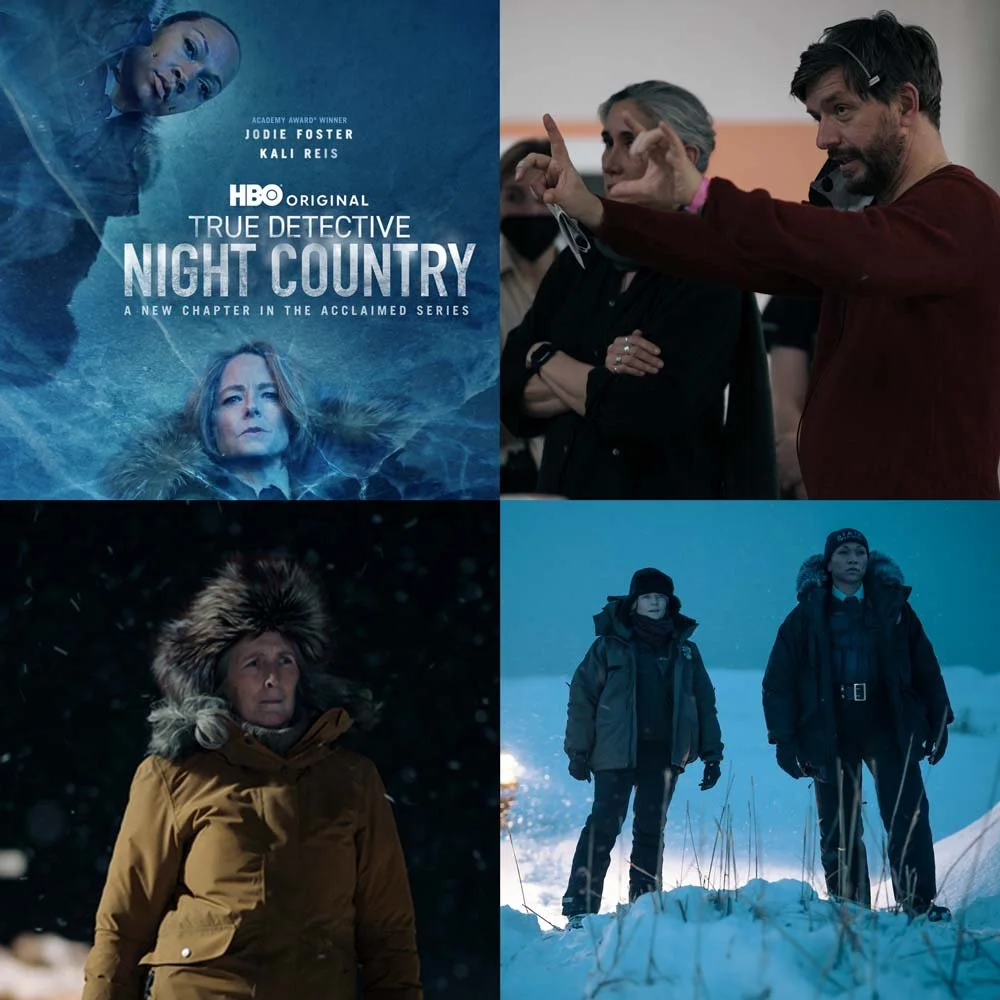
Academy Award-nominated Cinematographer
HBO’s True Detective: Night Country starring Jodie Foster · Kali Reis · Fiona Shaw
I drove for like a half an hour into absolute nothingness, and I left the car. It was three o'clock in the morning. It was minus 17 degrees and it was absolutely still. I've never experienced stillness such as that. I mean, it's like you feel like you can feel your atoms move or not move because it's so cold. And the sky is full of the Northern Lights. So you are already in a remote place, but you want to go further. And I think maybe those themes of going out into the wilderness are motivated by the urge to connect. And I think Issa López has really incorporated it beautifully into the script. And the show tells of this great disconnect between people. So not only are we disconnected from our environment, but we are disconnected from each other.

Co-writer · Executive Producer · Co-showrunner of HBO’s The Sympathizer
with Hoa Xuande · Robert Downey Jr.
I think it's central to the message of the show and of the book. This idea that there's another side to every question. That's the central quandary. There's this problem with the whole Vietnam War. It's saying, to Americans at least, put yourself on the other side, the Vietnamese side, and then recognize that that side also has two sides and then within that, there are further divisions. And if you do that, I think what it's proposing is that you have to step back. It forces a sort of objectivity and humility, and it asks you to step back and allow the bigger human questions to resonate.
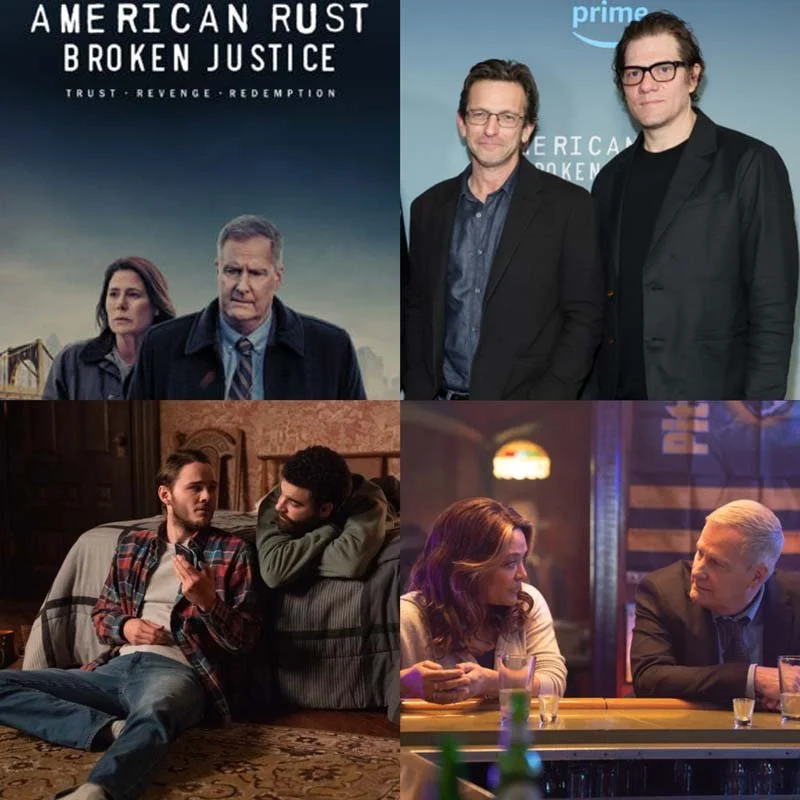
Award-winning Screenwriters · Exec. Producers · Directors
American Rust · The Looming Tower
Capote · The Outsiders musical
We're all culpable in some way of being both good and bad, being virtuous and also questionable at times in our own lives. And I think when you start answering questions on either side of that too firmly, I think it allows the audience to disconnect from it. And then you just have this sort of a good and bad guy narrative that is oversimplified all too often in our culture. I think viewers will relate to this nature versus nurture versus DNA, raising all the questions of psychological and biological inheritance.
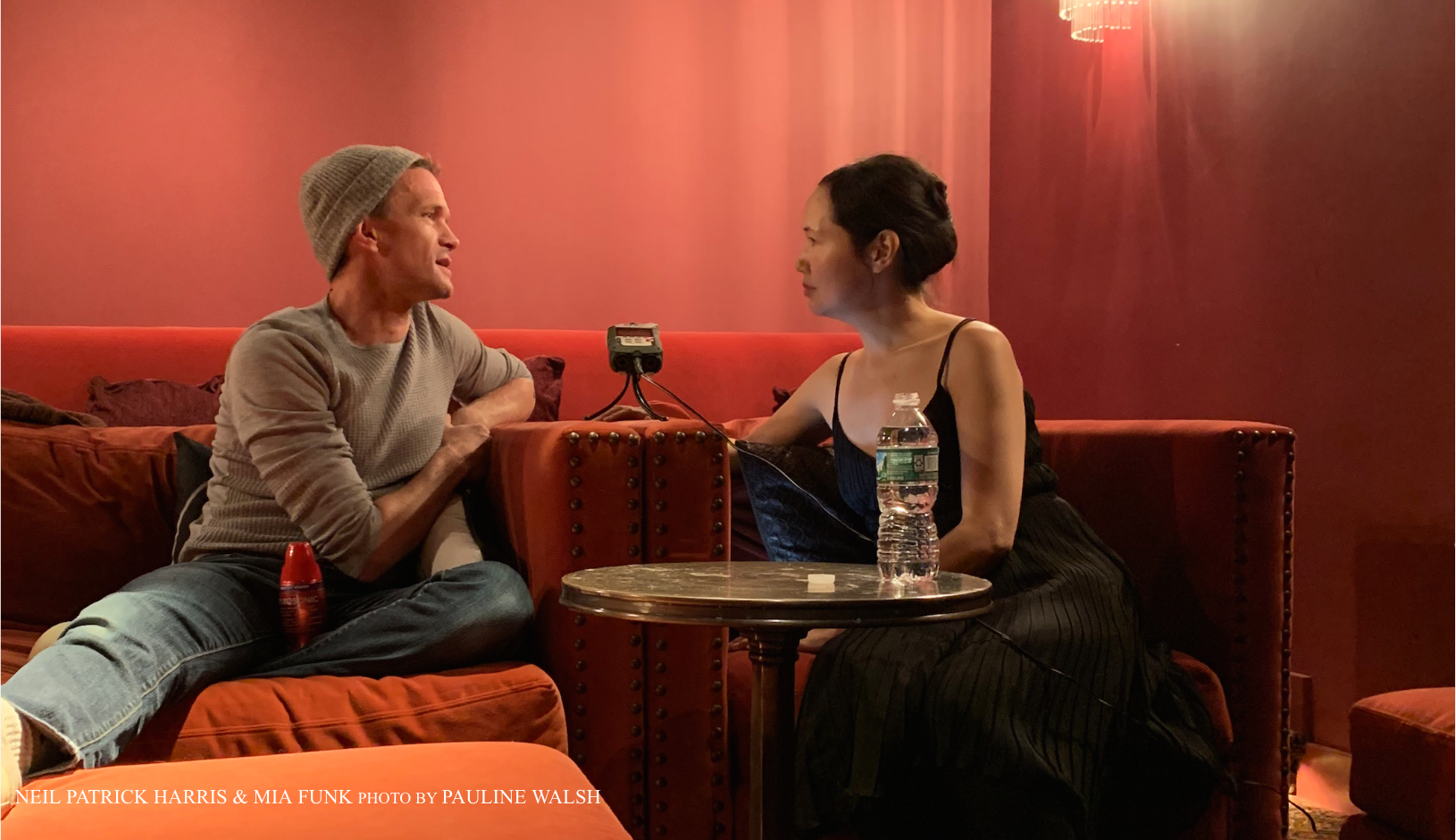
Actor · Comedian · Filmmaker · Magician · Singer · Writer
And I remember I was just the whitest kid ever from small-town New Mexico in this big city of Los Angeles…I'm sitting there watching this play about a lower middle-class African-American man in Pittsburgh and his family. And I just remember being so moved, moved to tears at 13, 14 years old…And it was so moving. And I did think even back then, I recognized the impact that the theater can have on someone that isn't even anything like what they're like.

Award-winning Composer & Pianist
His album Sleep is the most streamed classical album of all time
Film & TV scores for Ad Astra · Black Mirror · Shutter Island · The Leftovers · Arrival · Taboo
For me, the creative process is a sort of a continuous thing in the sense that I'm writing kind of all the time, at some level. And that doesn't mean I'm sitting at my desk all the time, but it does mean that I've got a continuous thought process, a continuous engagement with the material I'm trying to shape. And it's many different kinds of processes. First of all, obviously an intention. You need to have an intention. What is it I'm trying to do? But then you get a process of making things, and then you get into a process of dialogue with the things you've made where they start to take on properties and it feels like the material has intentions of its own. So then you are trying to - it's like herding cats, you know? - sort of corralling this material into some kind of structure, some kind of formed object. Then it becomes like a sculptural process on the large scale.

Director of Photography
Emmy & Sundance Special Jury Award-Winning & Oscar Nominated Documentaries
I hope that film and the story can help people get their heads around these huge ideas that are pretty terrifying and almost hopeless to think about. What can we do? Are we on this track? What have we done to the earth? I think scientists are very much starting to agree that it’s getting to the point where it’s almost too late. So can humans see that far ahead? Can we understand the track we’re on in time? I don’t know, but I’m willing to use whatever tools possible to try to help that conversation happen.
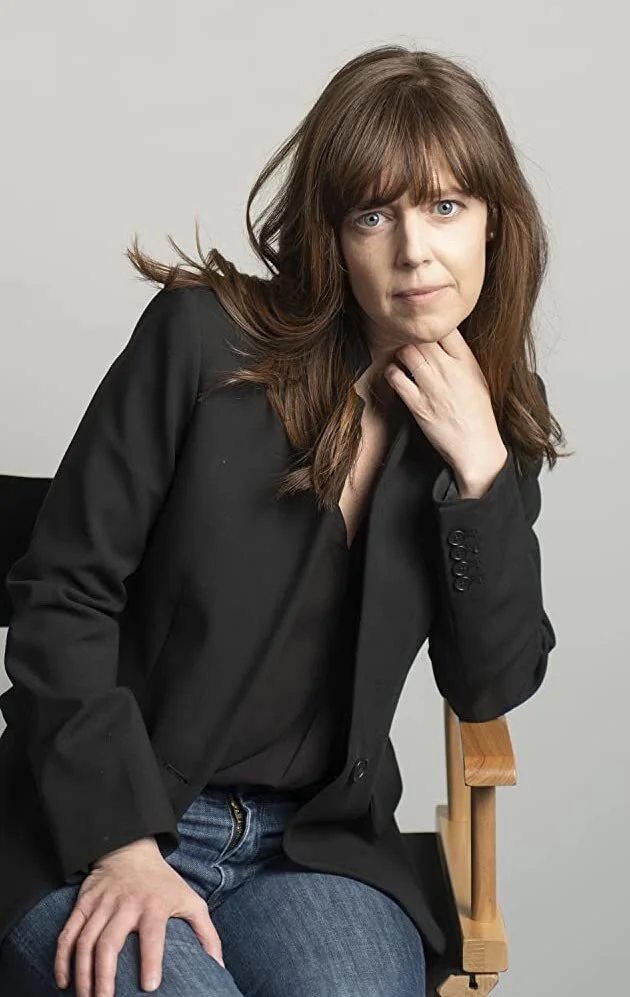
Award-winning Cinematographer
In The Heights, Tick, Tick…Boom!
There’s this children’s book called Miss Rumphius, and I’ve carried it around with me my entire life. It’s about a woman whose grandfather tells her three things, and the last one is the most difficult thing of all and that’s to fill the world with beauty. And I give this book to every one of my friends who are having babies, I have a copy with me almost at all times, and I’m reminded of that feeling that Jonathan Larson had in Tick, Tick…Boom! Of how much time do we have to do something great.

Tony & Emmy Award-Winning Actress · Conservationist
Chairman of the National Endowment for the Arts 1993-97
I did not seek out these roles like All the President's Men. I know that I was very interested in social and political issues from childhood. I don't know whether there was something in me that translated that I was politically and socially conscious when I was a young actress because these roles came to me. I didn't go out begging for them. And I was so grateful to have them because I thought they had a depth to them.
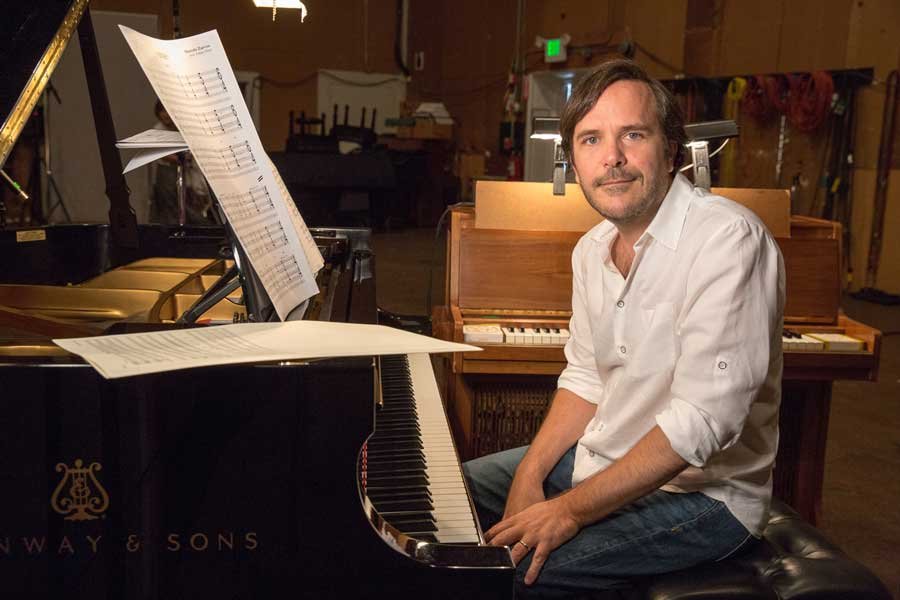
Pianist and TV/Film Composer
I think the music, the way that it's shot, and the way that it's written, of course, all work in conjunction. There’s something about a passage of time in your mind. Then it's not about the clocks. It's more about the suspended, almost like the absence of clocks, and the idea of suspended time, which memory is more like that since in our memory all time happens at once.

Actor and Director
When I read Mamet, to me, it was almost like–Yeah! I get it. This is a language I understand. It felt very comfortable to me. And I know he has told me that he has written characters with my voice in his mind as he wrote them, and so, again how lucky for me that that's the case. I feel very lucky that it's worked out that way that he's the writer that I ended up hooking up with.

Academy Award-winning Documentary Filmmaker
I think it's interesting because I feel like in scripted films people are trying to infuse a spontaneity and a reality and a being in the moment into something that's very artificial. And I feel a lot of what we do as documentarians is try and impose a structure or a form on something that is utterly real and alive and in the moment and uncategorizable in many ways. So, we're kind of the opposite, coming from opposite ends of the same goal, which is to kind of create something that is or feels authentic to a certain truth, an emotional truth, or a literal truth.

Playwright & President of the Dramatists Guild of America
I think we have to look to find the voices of women and marginalized people because sometimes it's the most disenfranchised people in the culture that are the most articulate about it and most aware of the innate injustice in certain social systems. So I think we really have examine our canon and broaden and deepen it to include more voices.
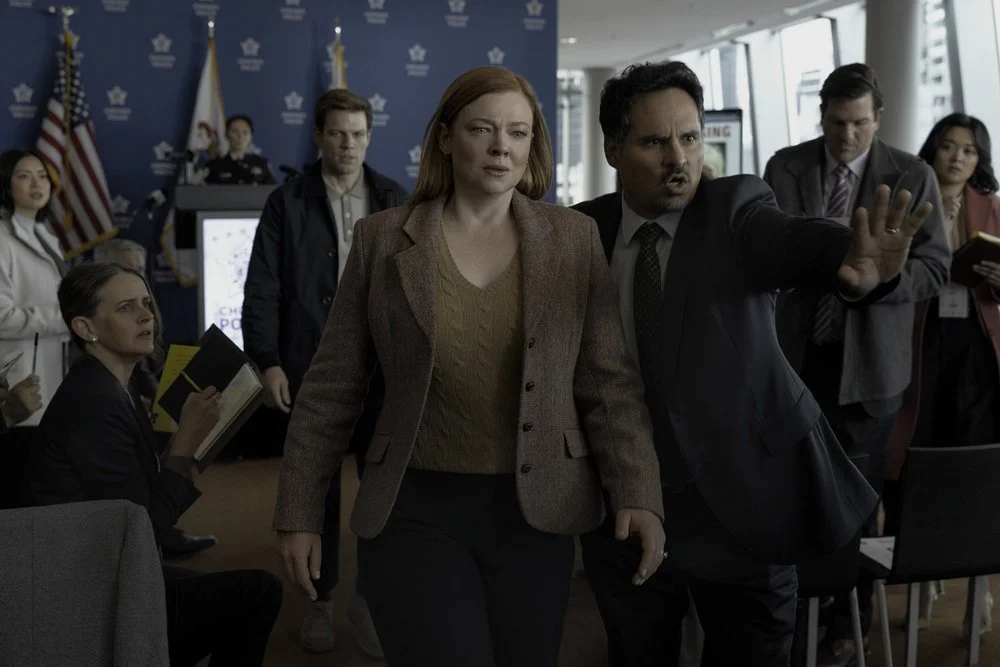
Starring SARAH SNOOK · A Conversation with Exec. Producer NIGEL MARCHANT & Creator MEGAN GALLAGHER
The people that we choose to love and the ones we choose to rely on and trust… Marissa and Jenny's relationship and that female friendship, that's what we watch happen in the series in real time. Whereas the marriages and the relationships that they're already in maybe aren't so perfect, the one we watch them choose is the one that's rewarding. It's so nice to listen to people's reactions to that relationship and how real that relationship feels. These two women, from a character perspective, have every reason to not get along or to hate each other or to yell at each other. That's the opposite of what each one of them does, and that just feels true and honest. I know a lot of women who I feel would act that way, be the best version of themselves in such an awful situation.
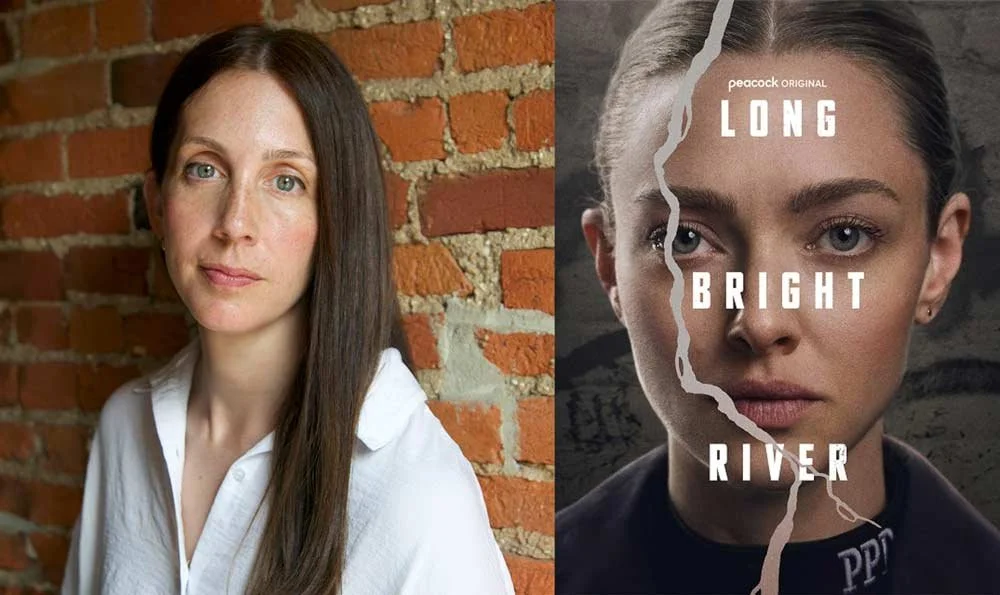
Author LIZ MOORE on Long Bright River starring AMANDA SEYFRIED
I've lived in Philadelphia for about 16 years. The book itself was inspired by my time spent in the Kensington neighborhood of Philadelphia interviewing a lot of the people that I met there, both longtime residents of the neighborhood and also people who were transient, a lot of people struggling with addiction and a lot of women doing sex work to fund their physical addiction to opioids. You find out about their past, their road into addiction, their aspirations, their fears. I began to lead free writing workshops at an organization named St. Francis Inn, which is a longstanding food service organization in the community. They had a women's day shelter where I taught. I was really able to connect with people within the community on a quite personal level and loved my experiences in Kensington. And I still go, I'm still quite close with a number of the community workers, people who run free healthcare clinics. All of it ultimately informed the writing of Long Bright River.

President of the Academy of Motion Picture Arts & Sciences 2019-2022
Casting Director & Producer
What an academy was meant to be, going back to their founding, really is a group of people with a certain degree of passion and expertise and knowledge that want to get together and share. That's what I think academies are all about. So the fact that I've been helpful in spurring the Academy onto becoming a more international and global enterprise is a source of great satisfaction to me

President of Mad Solar · Creative Confidante & Industry Catalyst for Scott Mescudi a.k.a. Kid Cudi
Exec. Producer: Entergalactic starring Mescudi, Jessica Williams & Timothée Chalamet
Pearl · X starring Mia Goth
And what was so moving was when we went into Netflix to the theater to screen the finished product for the first time. You're sitting there and at the end of it, Scott was crying, and I looked over - it made me cry low-key - but Scott was crying and he said – This completely blows my mind because this is the first time I had a vision up here in my head and tried to express it, and then had to trust all 300 plus people, all around the world, working in different time zones, in different places, and each of them putting a hand to it and seeing exactly that vision. And then watching the product, and it is the best version of anything I could have ever possibly had in my head.
So, to us, that's the purest, most beautiful... Again, how fortunate that every hand was moving in tandem and moving in lockstep, and all of it. But that was the beauty of collaboration, this opportunity for a small vision to touch so many hands and become the big vision.

Executive Producer of Television, Feature Films & Documentaries
Hulu’s The Great starring Elle Fanning & Nicholas Hoult
As a filmmaker, what you are selling and your primary asset is yourself, so the clearer you are about yourself, the clearer you can “play yourself”, the more effective you’re going to be in expressing the ideas that you are particularly gifted to do. So that clarity of voice is as important for a writer or a director or producer as it is for a performer or a musician or anybody else. You want to find the best version of yourself and that is about recognizing when those moments of clarity are there and when they are not.
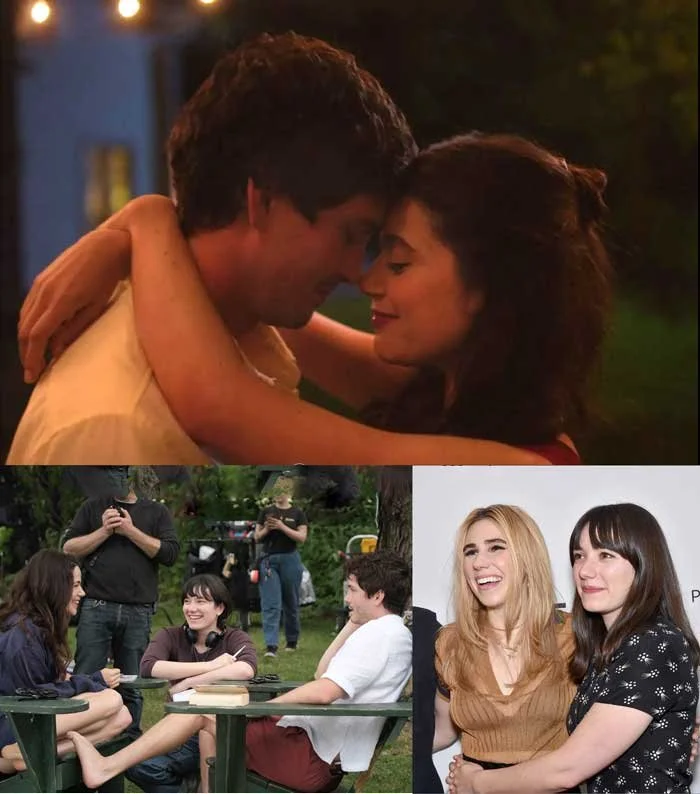
Writer, Director SOPHIE BROOKS on her new film OH, HI!
In reality, we're all complex people with feelings and our own sets of baggage. I do think we are very good at self-sabotage, all of us. It's a very easy road to go down. It's safe because it's comfortable, and we know it. When you can find the ways you self-sabotage and try to stop that, it will hopefully lead to a happier life and things that are meaningful. When I was in my late twenties, I got out of a serious relationship and kind of reentered the dating scene. I was shocked by the simplification of a lot of complicated feelings around dating and how women are so easily labeled crazy, and men are so easily labeled assholes.
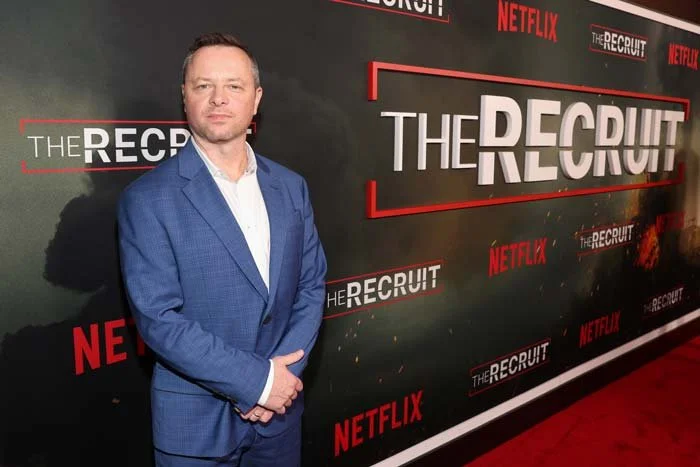
Showrunner · Writer · Creator
The Rookie · The Recruit
There used to be a time when leading men were okay with falling down as a character. Harrison Ford in Indiana Jones is a prime example of that. Even going back to the fifties, they understood that failure and falling down, but getting back up, is an endearing quality. It's a universal human quality. We have gotten to a point in the last 10 or 15 years, or maybe longer, where leading men often want to win every fight. It’s in their contract: "I have to win every fight" or "I can't fail" or "I can't fall down." It's just such a mistake because the audience roots for you more if they see you fail and then get back up again. Noah is totally comfortable playing that character who's just trying to figure it out on the fly. Sometimes, he gets it wrong, but he's never going to give up. You can really feel that coming off the screen.
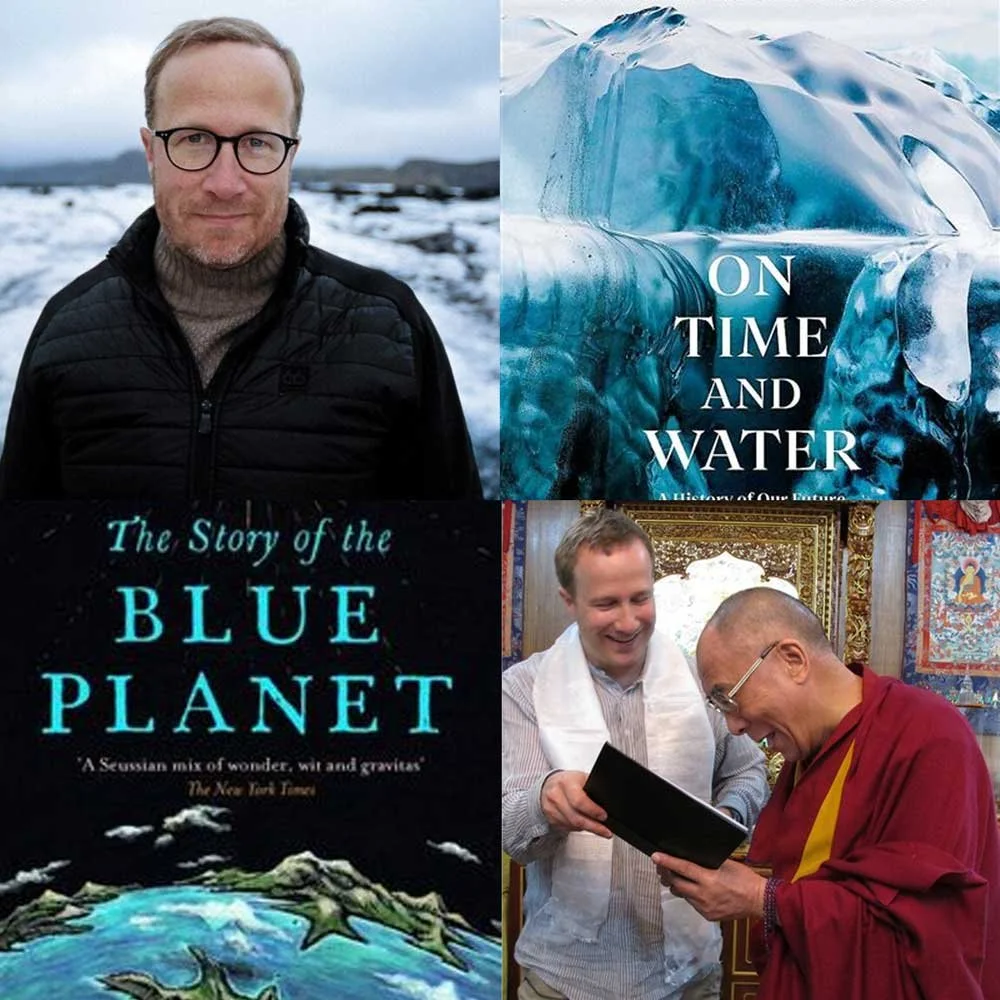
Icelandic Writer & Documentary Filmmaker
On Time and Water · The Casket of Time · LoveStar · Not Ok · The Story of the Blue Planet
A letter to the future
Ok is the first Icelandic glacier to lose its status as a glacier.
In the next 200 years all our glaciers are expected to follow the same path.
This monument is to acknowledge that we know what is happening and what needs to be done.
Only you know if we did it.
If you look at the Himalayas, the frozen glaciers are feeding 1 billion people with milky white water. The real tragedy is if the Himalayan glaciers go the same way as Iceland. In many places in the world, glaciers are very important for agriculture and the basic water supply of people.

Award-Winning Underwater Director of Photography
It’s about leaving the planet in a better condition than it is currently. What you’re witnessing is years of neglect. It’s the humans who have screwed it all up, and the warming of the earth is no different. The oceans are changing. The topography is changing. Mussels are being fried when the tides recede. This is all unnatural. Or maybe it’s natural. I think it’s Mother Nature just being pissed off and saying, “This is what you get.” And so it’s up to everyone to change their ways. Their shopping habits, their eating habits, how much gas they use. All that stuff which people think “that can’t affect anything.” Well, you’re seeing the result of it now.
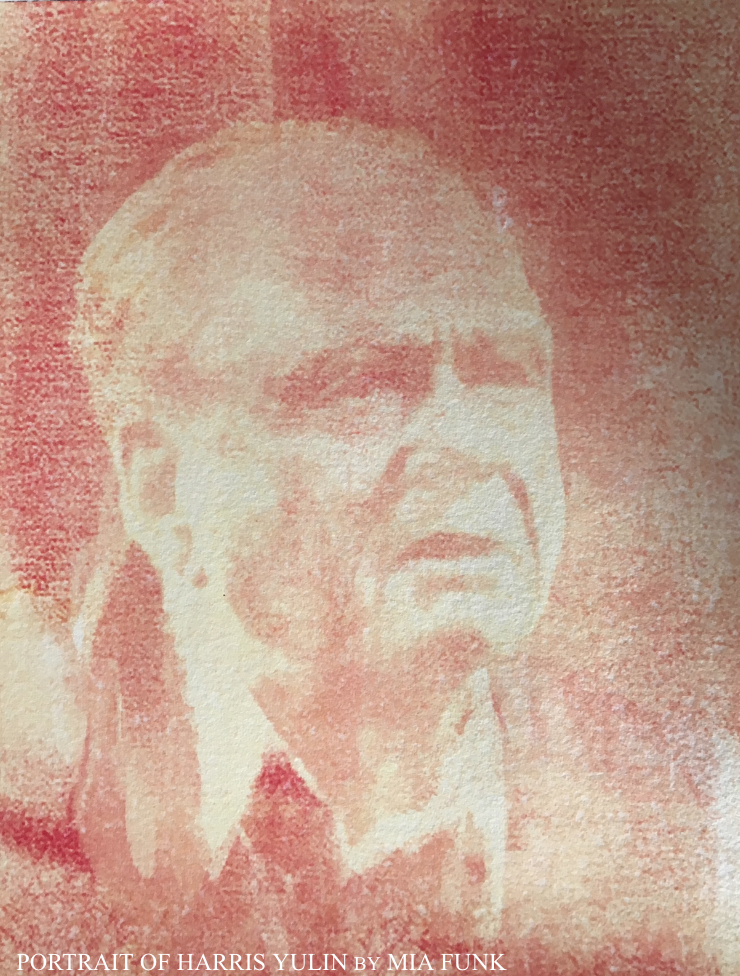
Actor and Theater Director
I really know theater because that's where I started. I went at it in a very haphazard way. It was not orderly at all. I didn't go to a proper school or anything like that. I did a little bit of studying here or there...Jeff Corey (and at one class in New York) someone said something that helped me a great deal. And then I just learned by doing it.