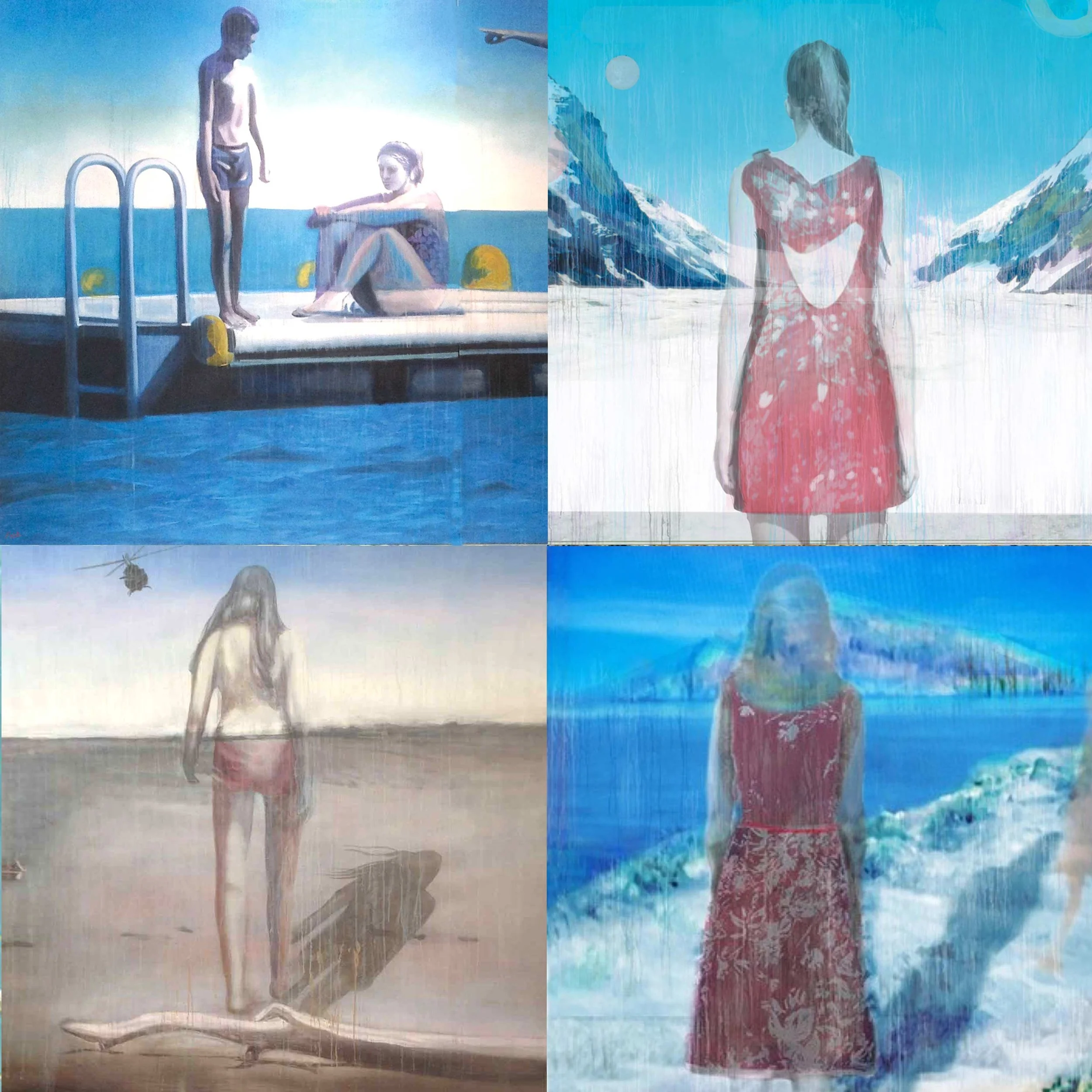
Erland Cooper - Nature’s Songwriter - Composer of “Folded Landscapes”

Erland Cooper - Nature’s Songwriter - Composer of “Folded Landscapes”

Nature’s Songwriter
Producer · Multi-instrumentalist · Composer of Folded Landscapes

Music has the ability to transport you to a place and create a sort of internal landscape. And we all have life-changing things that happened to us. And I remember I made it as a way to kind of ease a busy mind. And perhaps I was missing home. I still call Orkney home, even though I'm not there every day. I'm a thousand miles away today, and I still call Orkney home. For example, when I hear the voice of the curlew, it transports me back to Orkney with such a jolt. In a heartbeat. And music can do that too. It's very transformative. Visual arts have the ability to do that too. And you could stare at a Rothko painting and cry and not quite know why. It can take days to figure out perhaps certain meanings from it. But music I think is quite instant. It can really do that.

SERGEI GURIEV - Economist - Provost of SciencesPo - Co-author of Spin Dictators: The Changing Face of Tyranny in the 21st Century

SERGEI GURIEV - Economist - Provost of SciencesPo - Co-author of Spin Dictators: The Changing Face of Tyranny in the 21st Century

Political Economist · Provost of SciencesPo
Co-author of Spin Dictators: The Changing Face of Tyranny in the 21st Century

In Russia, I ran a university, a new economic school. And as an economist and a public intellectual, I was engaged in interactions with the government, including with Vladimir Putin. And there, of course, the situation was that Russia was already a nondemocratic country, meaning that it was a country where elections were not free and fair and partial censorship was already in place. Yet in those years, we could express ourselves openly, not on national TV, but at least in newspapers and on radio. And that eventually brought me into trouble with Vladimir Putin, who at some point suggested that I talked too much and I should not be in the same country. I was also interrogated. My office was searched. And at some point, common friends told me, 'Look, you shouldn't be here.' And I bought a one-way ticket for the next day and just left Russia. The dictators in the 20th century used military or paramilitary uniforms to project brute force and fear. Today, the situation is different. Successful dictators pretend to be democrats.

JASON deCAIRES TAYLOR - Sculptor, Environmentalist, Creator of Underwater Museums

JASON deCAIRES TAYLOR - Sculptor, Environmentalist, Creator of Underwater Museums

Sculptor · Environmentalist · Creator of Underwater Museums

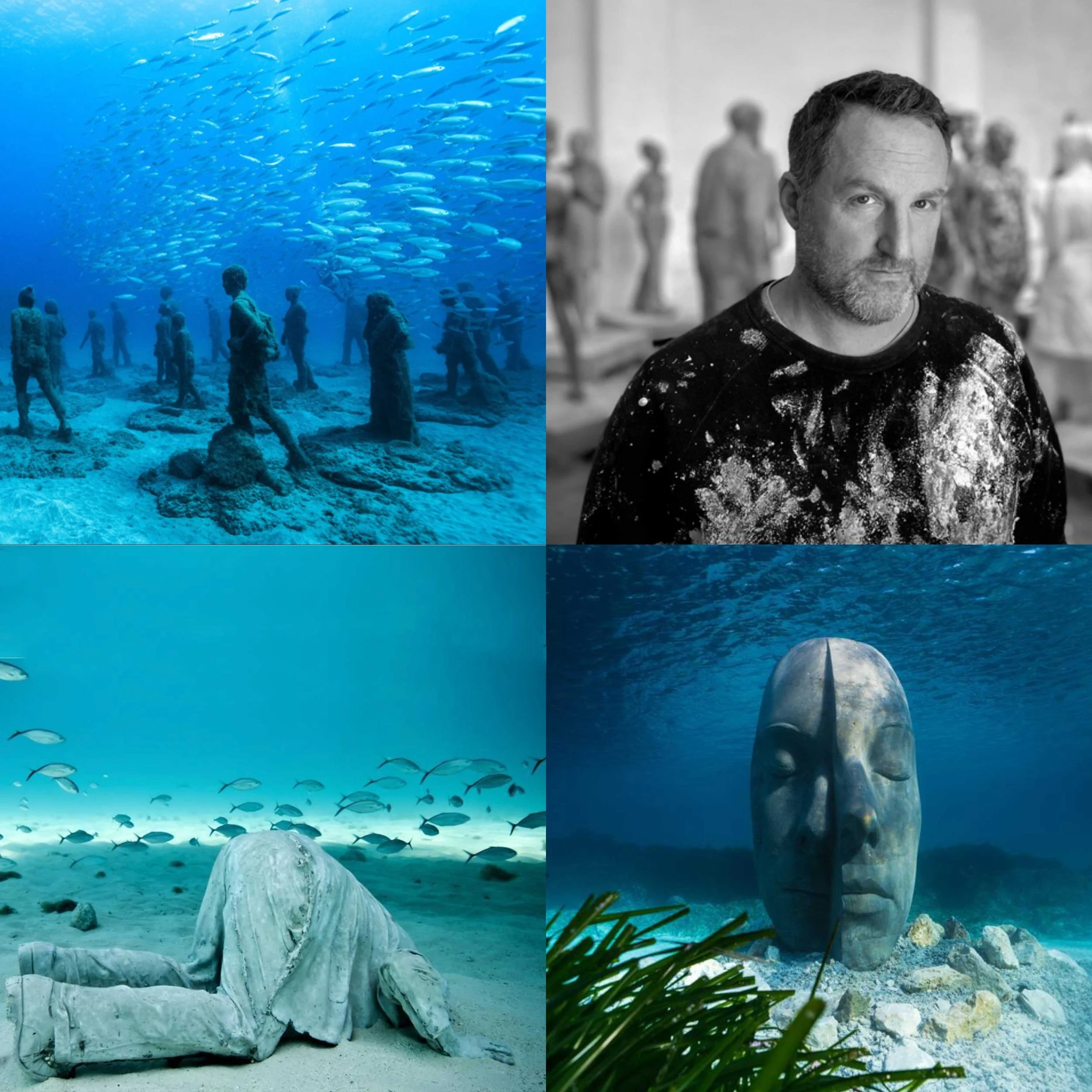
The sculptures get claimed and almost owned by the sea. And the textures that form the patterns, all things that could never be reproduced by human hands. And it's entirely unpredictable in many cases. I go to some of the "museums" expect to see this type of colonization or this type of growth, and it's nothing like how I've seen it envisaged it. It's completely different. Other times something has been made at its home, and there's an octopus that's built a house around it, or there's a school of fish that have nestled within the formations. There have been many, many different surprises along the way. I first started in the West Indies on an island called Grenada, which has a tropical reef system. And I expected the works to be sort of colonized. And I knew hard corals took a very long time to get established, to build their calcium skeletons, but actually, they were colonized within days. We saw white little calcareous worms, pink coraline algae, and green algae literally appeared sort of overnight.

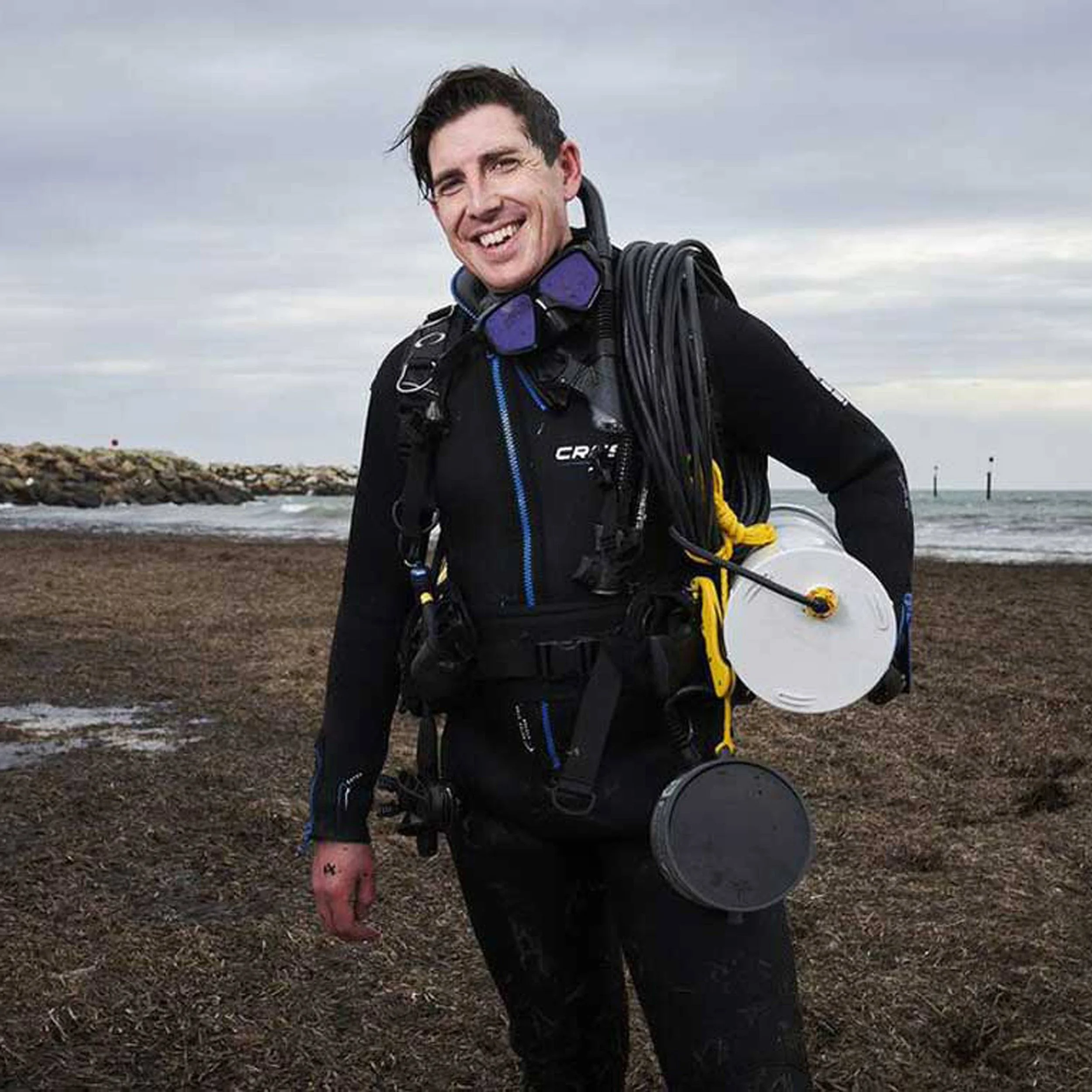
DOMINIC McAFEE - Marine Ecologist, University of Adelaide - Restoring Lost Oyster Reefs

DOMINIC McAFEE - Marine Ecologist, University of Adelaide - Restoring Lost Oyster Reefs

Marine Ecologist · University of Adelaide · Restoring Lost Oyster Reefs

There's this real emergence of young people doing incredible things enabled by bio-modern technology and a more globalized and connected world and access to amazing educational resources about what the environment does and means for humanity. We've lost something like 85% of oyster reefs globally. In Australia it's over 99%. We've smashed this ecosystem to smithereens. It covered something like 7,000 kilometers of coastline and the flat oyster reef, for example, the flat oysters, one type of oyster that we work with were completely removed from the Australian mainland, and about 5,000 kilometers of reef destroyed in a very short period of time. And because of the intensity with which the coastlines were modified following European settlement of Australia, they haven't been able to come back naturally.

MARCIA DeSANCTIS - Author of “A Hard Place to Leave: Stories from a Restless Life"

MARCIA DeSANCTIS - Author of “A Hard Place to Leave: Stories from a Restless Life"

Journalist, Essayist, Author of A Hard Place to Leave: Stories from a Restless Life
100 Places in France Every Woman Should Go

I started looking over the stories that I had done. I would say the majority of the essays were not really about travel. They were more about aging and marriage and memory and all of those things, but I did find in the travel essays those kernels of things that I wanted to explore - bigger kernels of things that were sort of scratching at me from the inside like a piece of sand in my pocket that was irritating me and that I wanted to explore. What I found was that the theme of coming and going, the theme of arrivals and departures, the theme of entrances and exits, and the theme of home and away seemed to repeat itself. I felt that whenever I was somewhere, there was always a tide home. And when I was home, there was always the urge for going. And so I just weeded out and weeded out and really wanted to keep this theme of home and away.

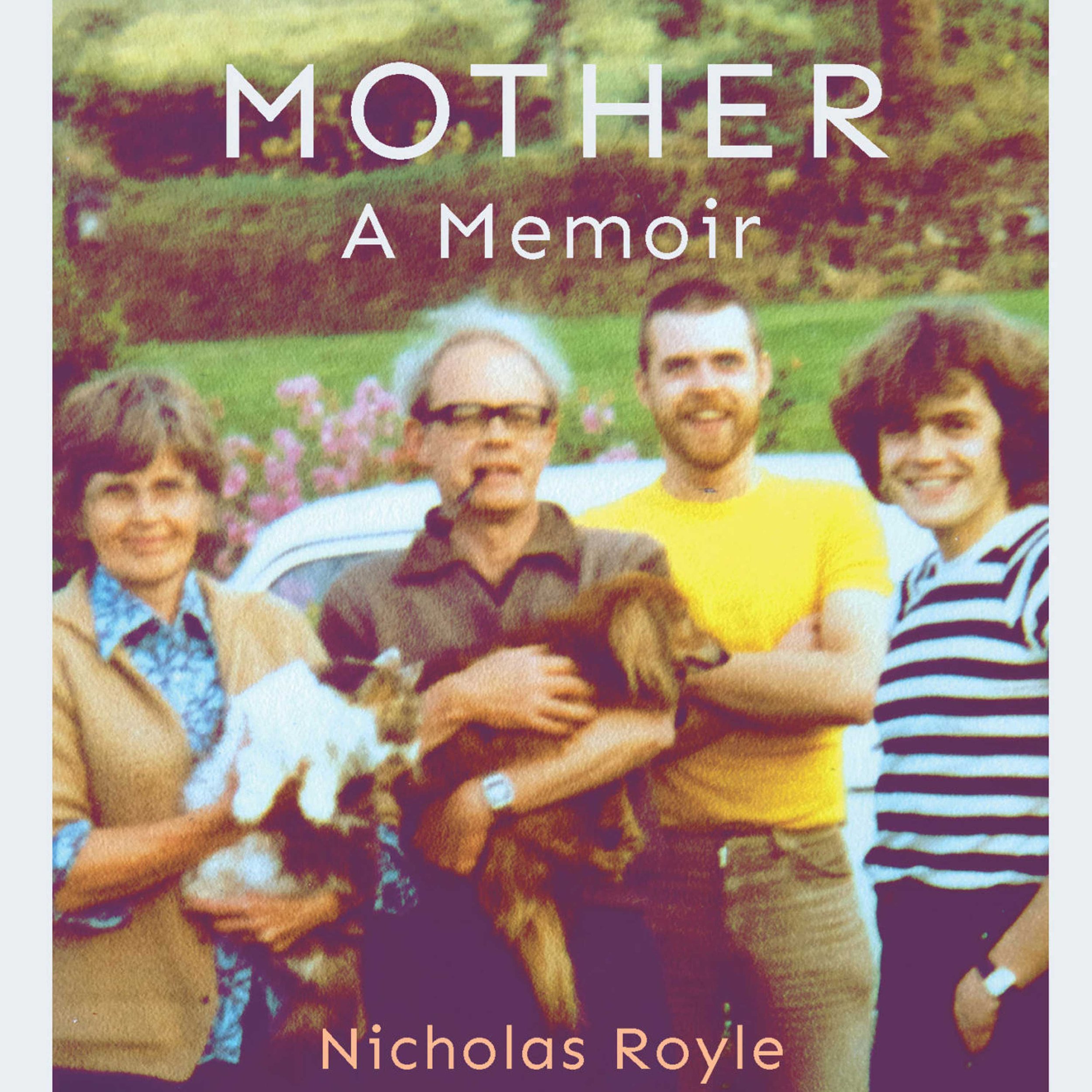
NICHOLAS ROYLE - Author, Editor, Educator reads “Mother: A Memoir”

NICHOLAS ROYLE - Author, Editor, Educator reads “Mother: A Memoir”

Co-author of An Introduction to Literature, Criticism and Theory
Author of Mother: A Memoir · Managing Editor of Oxford Literary Review

My mother died years ago. What has induced me to write about her after all this time remains mysterious to me. It is connected to the climate crisis. As the natural historian David Attenborough says: 'the collapse of our civilizations and the extinction of much of the natural world is on the horizon.' In ways I cannot pretend to fathom I have found that writing about my mother is bound up with writing about Mother Nature and Mother Earth. And no doubt it has to do also with my own aging and the buried life of mourning. The strange timetables of realization and loss. A memoir is 'a written record of a person's knowledge of events or of a person's own experiences'. 'A record of events written by a person having intimate knowledge of them and based on personal observation.' So the dictionaries tell us. But this memoir of my mother makes no attempt at a comprehensive record.

MARGE PIERCY - NYTimes Bestselling Novelist, Poet & Activist

MARGE PIERCY - NYTimes Bestselling Novelist, Poet & Activist

Novelist, Poet & Activist

People who take care of sick people and AIDS and teachers and garbage collectors and people who work in daycare…all the things that have to happen in society we pay shit for. We pay an enormous amount of money to people who can throw a ball through a hoop. We pay an enormous amount of hedge fund people. All the people who take over corporations go in and destroy get immensely rich while the people who do what we actually need doing, what we must have to survive, the people who grow food, the independent farmers that used to exist…

LAURIE ANDERSON - DICKIE LANDRY - "HOME OF THE BRAVE"

LAURIE ANDERSON - DICKIE LANDRY - "HOME OF THE BRAVE"

I still have problems today. Some people call it stage fright. I don't know what it is, but I'm always right before a concert thinking, Why am I doing this? I should be doing this. I should be doing that. Why am I here? What am I going to do? And I walk up to the microphone, I'm still thinking this, and I start playing. And I'm still thinking, What am I doing here? Why, why, why? All the questions of how I'm going to sustain playing for 45 minutes or an hour, and I'm still playing and playing. And then all of a sudden I go, Well, Mr. Landry, you've got people sitting in the audience. You're getting paid for this. So enjoy yourself. So the next thing I know, the concert is over, and I don't know where I've been.

.sqs-block-summary-v2 .summary-block-setting-text-size-small .summary-excerpt p { font-size: 10px; }
MARK GOTTLIEB - Vice President & Literary Agent at Trident Media Group

MARK GOTTLIEB - Vice President & Literary Agent at Trident Media Group

Vice President & Literary Agent at Trident Media Group

There's a lot of apprenticeship in our industry because historically it had to be that way, otherwise what you would have in publishing - there's still a lot of this - is a bunch of English majors trying to make sense of how to run a business, right?Because book publishing or working at a literary agency - a talent agency for authors like I do - is at the crossroads of creative and business. And if you didn't have that kind of apprenticeship, someone to learn from at the company where you work, then we would all just be English majors just trying to feel our way in the dark.

I think that the important thing for people to really know about storytelling is that books are sort of like the oil paintings of the new media. It's a very fine art form, an old art form, and a story exists in everything, whether it's a photograph, a painting, a song, or a movie, it all began with a story. And stories have been here from the dawn of time. They're going to forever be in our existence, but I think people should just always have curious minds and seek out stories and storytelling and try to see the story in everything, not just look at things for face value.

ALICE FULTON - Poet - Recipient of MacArthur “Genius”, NEA & Guggenheim Fellowships

ALICE FULTON - Poet - Recipient of MacArthur “Genius”, NEA & Guggenheim Fellowships

Alice Fulton’s books include Barely Composed, a poetry collection; The Nightingales Of Troy, linked stories; and Cascade Experiment: Selected Poems. Her book Felt received the Bobbitt Prize from the Library of Congress, awarded to the best book of poems published within a two-year period. She has received an American Academy of Arts and Letters Award in Literature and fellowships from the MacArthur Foundation, National Endowment for the Arts, Guggenheim Foundation, and Ingram Merrill Foundation.  Her other books include Sensual Math, Powers Of Congress, Palladium, Dance Script With Electric Ballerina, and an essay collection, Feeling As A Foreign Language. She lives in Ithaca, NY. 

ROBERT PLANT - DICKIE LANDRY - LIL' BAND O' GOLD

ROBERT PLANT - DICKIE LANDRY - LIL' BAND O' GOLD

I still have problems today. Some people call it stage fright. I don't know what it is, but I'm always right before a concert thinking, Why am I doing this? I should be doing this. I should be doing that. Why am I here? What am I going to do? And I walk up to the microphone, I'm still thinking this, and I start playing. And I'm still thinking, What am I doing here? Why, why, why? All the questions of how I'm going to sustain playing for 45 minutes or an hour, and I'm still playing and playing. And then all of a sudden I go, Well, Mr. Landry, you've got people sitting in the audience. You're getting paid for this. So enjoy yourself. So the next thing I know, the concert is over, and I don't know where I've been.

JERICHO BROWN - Pulitzer Prize-Winning Poet, Author of "The Tradition", "The New Testament"

JERICHO BROWN - Pulitzer Prize-Winning Poet, Author of "The Tradition", "The New Testament"

Pulitzer Prize-winning Poet
Author of The Tradition & The New Testament

I just want to make the poems like a living being…There are moments that I’m not at the desk, but I’m living life. And living life is actually what leads to writing. You have to have experiences to write about. Whether or not you are aware of those experiences as you are writing them down because if you’re doing music first, maybe you’re not aware of what you’re writing. And yet, those experiences are what come to fruition in your writing. You become aware. Oh, I did come on that roller coaster that time that I haven’t thought about in twenty years. Oh I did make love to that cute person that I haven’t thought about in ten years, but you’ve got to make love, you’ve got to get on roller coasters, you’ve got to get your heart broken. You’ve got to dance. You gotta get out and do things and that, too, is a part of writing. You have to trust you’re a writer by identity. And if you can trust that you’re a writer by identity, then you don’t have to be at a desk.

WORLD OCEANS DAY

WORLD OCEANS DAY

Voices of environmentalists and artists.
Enjoy this Special Series with music courtesy of composer, producer and multi-instrumentalist Erland Cooper.

E.J. KOH - Award-Winning Memoirist & Poet - “The Magical Language of Others”, “A Lesser Love”

E.J. KOH - Award-Winning Memoirist & Poet - “The Magical Language of Others”, “A Lesser Love”

Award-winning Memoirist & Poet
The Magical Language of Others · A Lesser Love

I had delayed speech, and I had quite a bit of trouble with speaking. I think I must have been five before I was uttering some of my first words and trying to articulate. Simple communication was very difficult for me and my family, especially in a family where we were speaking several languages. They hoped to instill English. It’s the language of survival. There was a lot of frustration and fear in my relationship to language, and the relationship these languages had to each other, that was something I felt very sensitive to since I was young. Since before I could speak.

DITTE LYSGAARD VIND - Circular Economy & Design Expert - Author of Danish Design Heritage & Global Sustainability

DITTE LYSGAARD VIND - Circular Economy & Design Expert - Author of Danish Design Heritage & Global Sustainability

Circular Economy & Design Expert · Founder of The Circular Way
Author of Danish Design Heritage & Global Sustainability

Putting design first, it really enables us to shape a future that we don't yet know. But we need to be super tactile and practical about it as well. And then seeing that is something that design very much has the ability to do. And at the same time, having this growing frustration that wherever you go, wherever you talk about sustainability, it was a compromise. It was something that meant uglier, less convenient, more expensive, all these different things, but then diving into the Danish Design heritage, seeing that what set them apart was that after the World Wars, they had a social purpose of democratizing and rebuilding the welfare state, and that was not something that lessened the final result. On the contrary, it heightened the ambition, the final design, and the solutions.

Special World Environment Day Stories - Environmentalists, Students & Teachers share their Love for the Planet

Special World Environment Day Stories - Environmentalists, Students & Teachers share their Love for the Planet

Environmentalists, Artists, Students & Teachers share their Love for the Planet

Today we’re streaming voices of environmentalists, artists, students, and teachers with music courtesy of composer Max Richter.

Happy World Environment Day! Voices from the Parkinson's Community & Artpark Bridges Celebrate the Natural World

Happy World Environment Day! Voices from the Parkinson's Community & Artpark Bridges Celebrate the Natural World

Happy World Environment Day!

For this special episode we celebrate the natural world with Artpark Bridges, the Parkinson's Community, independent living adults with Parkinson's disease, and People Inc, the Arts Experience, a day habilitation program for adults with developmental disabilities.  

Artpark Bridges is a year-round community engagement program led by interdisciplinary artist Cynthia Pegado, dedicated to empowering adults of diverse abilities and backgrounds through expressive arts workshops and performance opportunities. Serving the Buffalo-Niagara Falls region of New York State, Artpark Bridges connects citizens with a sense of inclusion and purpose, healing and creative expression. 

CARL SAFINA - Ecologist - Founding President of Safina Center - NYTimes Bestselling Author

CARL SAFINA - Ecologist - Founding President of Safina Center - NYTimes Bestselling Author

Ecologist, Founding President of Safina Center
NYTimes Bestselling Author of Becoming Wild · Song for the Blue Ocean · Beyond Words: What Animals Think and Feel

So we tend to take living for granted. I think that might be the biggest limitation of human intelligence is to not understand with awe and reverence and love that we live in a miracle that we are part of and that we have the ability to either nurture or destroy. The living world is enormously enriching to human life. I just loved animals. They're always just totally fascinating. They're not here for us. They're just here like we're just here. They are of this world as much as we are of this world. They really have the same claim to life and death and the circle of being.

ANTHONY JOSEPH - T.S. Eliot Award-winning Poet, Novelist & Musician, Lead vocalist of The Spasm Band

ANTHONY JOSEPH - T.S. Eliot Award-winning Poet, Novelist & Musician, Lead vocalist of The Spasm Band

T.S. Eliot Award-winning Poet, Novelist & Musician, Lead vocalist of The Spasm Band
Author of Sonnets for Albert

The life of Caribbean people is not really documented. So this idea of Caribbean life being fragmented is something that I've had in my mind for a long time. So when I came to write this collection for my father, I realized that it was the same process and what I had were fragments, especially with him, because he wasn't around in a physical sense all the time. So all I had were little photographs, scattered memories, and remembrances. They're little parts of his life and parts of my experience with him... I never disliked my father. I always loved him and always was fascinated and captivated by him.