A Little White Lie starring Michael Shannon - Director MICHAEL MAREN on his path from Foreign Correspondent to Filmmaking - Highlights

A Little White Lie starring Michael Shannon - Director MICHAEL MAREN on his path from Foreign Correspondent to Filmmaking - Highlights

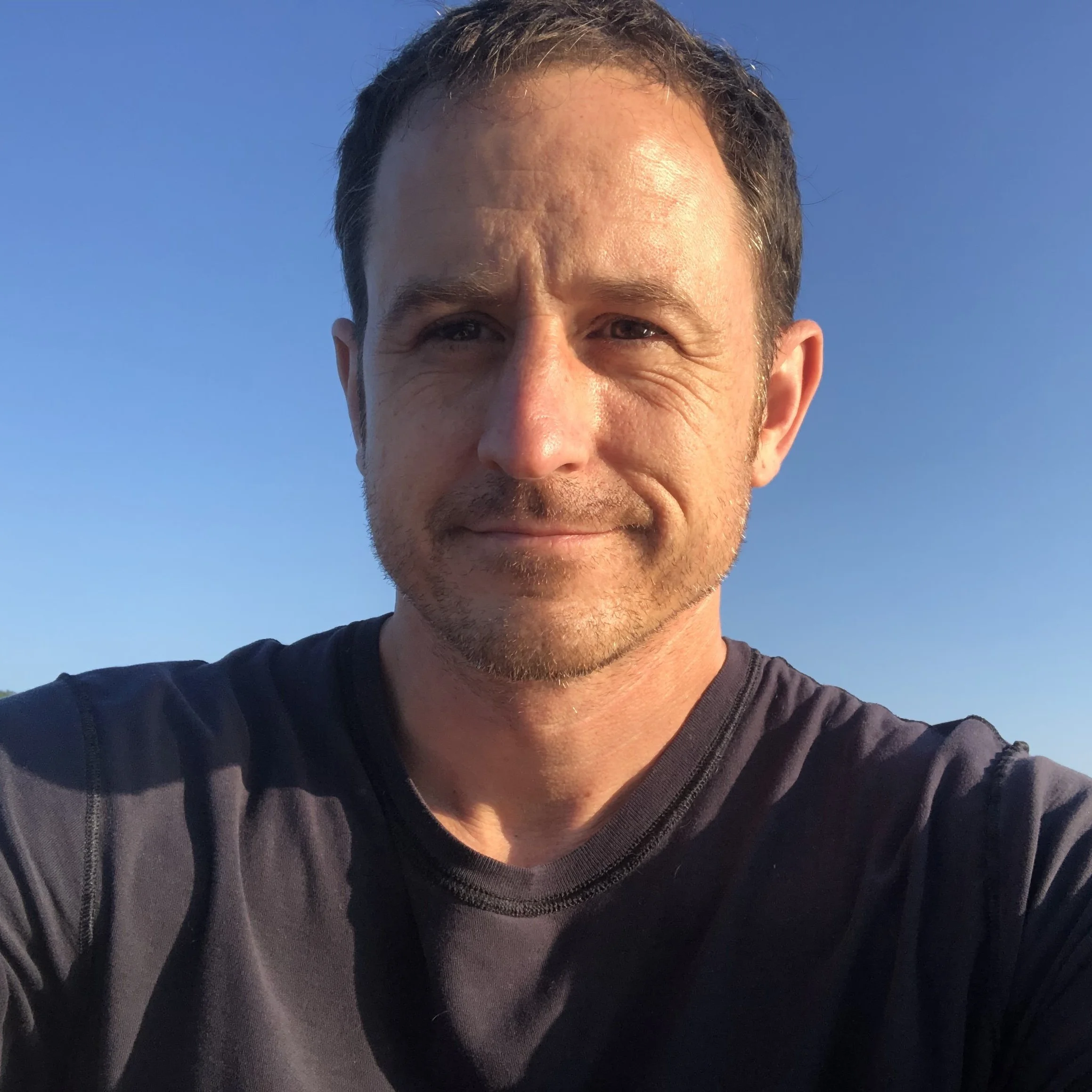
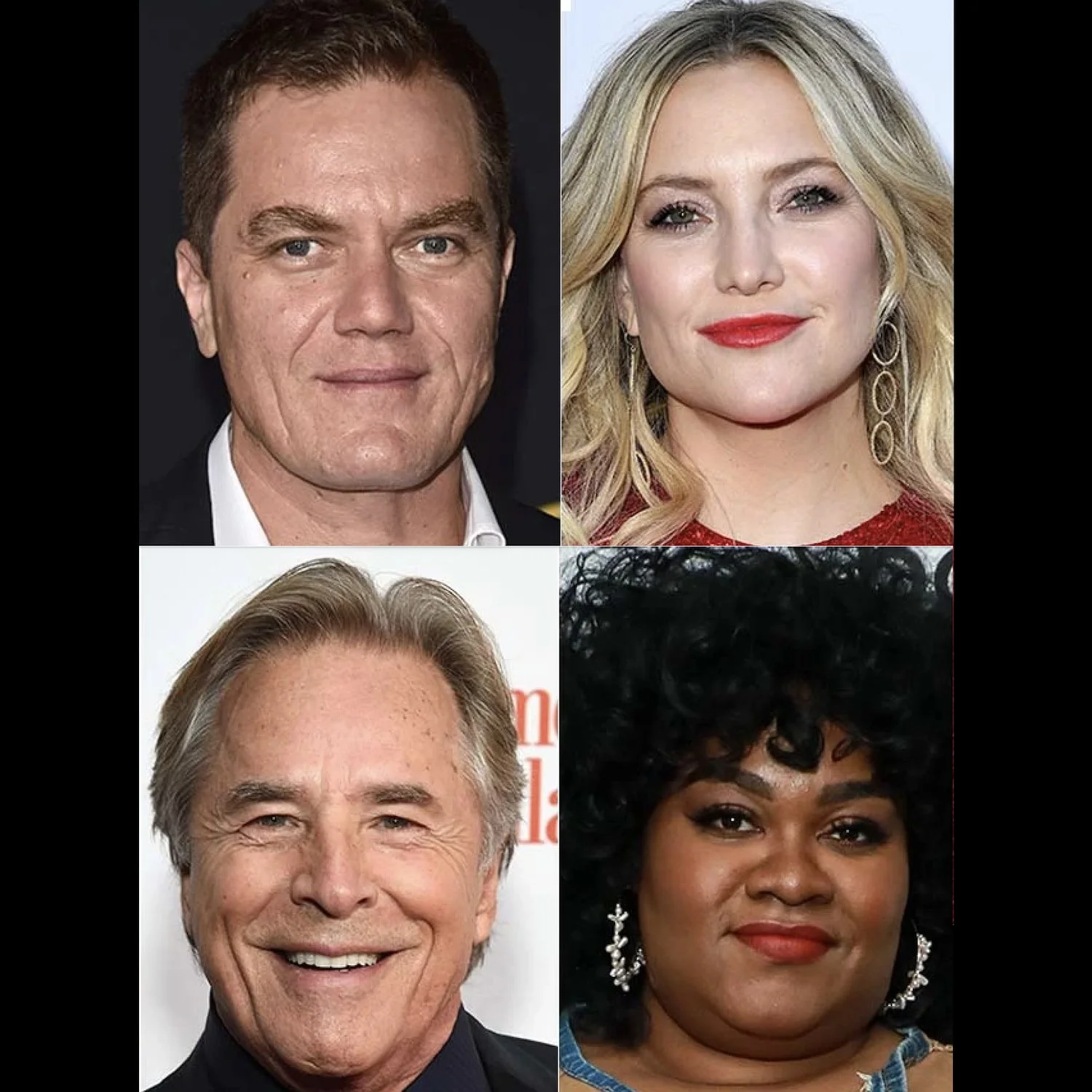
Michael Maren is a journalist, filmmaker and former aid worker. He’s written scripts for HBO, Sony Pictures, and many independent producers. His film, A Short History of Decay was a funny and moving examination of a writer  Bryan Greenberg visiting his ailing parents, played by Linda Lavin and  Harris Yulin. His forthcoming film is an adaptation of Chris Belden’s novel Shriver. It’s a comedy set at a writers conference and stars Michael Shannon, Kate Hudson, Don Johnson, and Zach Braff.  Maren has taught screenwriting at Wesleyan University, Provincetown Fine Arts Work Center, Taos Summer Writers’ Workshop, and co-directs the Sirenland Writers Conference. He created the film screening/discussion series Under the Influence: Writers on Film.

THE CREATIVE PROCESS

I don't know how you like to define yourself, you're a writer, you're a director. You came up as a foreign war correspondent, as a volunteer. It's quite an interesting trajectory, I think, for anyone who might want to become a director. Could you describe how you fell in love with telling stories?

MICHAEL MAREN

When I was in fifth grade. We used to have a little creative writing class, and people would write stories. And I don't know why I did this, but I remember when I was in the class, they started their student stories with–so I woke up in the morning and I went to the... I just thought, I'm nine years old, I just cut to the chase and talked about being in the air with the go-cart rolling over, and the teacher was blown away. In fifth grade, she said, "You're a really good writer." And I never forgot that.

-

So, I'm very, very much a natural journalist in that way. I had a lot of opportunities to get involved in things overseas, whether it was to stay in aid work or to work for, when I got out of graduate school, offers to like join financial institutions and World Bank kind of stuff or investment banking. I have a masters from Columbia, but I took a job for seventeen thousand dollars a year writing for this little magazine about Africa.

And it gave me the opportunity to keep traveling and keep reporting. And I just loved it. I loved it for years and years. And part of my interest in Africa came from watching movies set in Africa as a kid. And I actually tried my hand at writing screenplays during the 1980s a couple of times just by myself and actually trying to option them. I was reporting out of Uganda in the mid-80s when Yoweri Museveni, who's now the president, was still a guerrilla leader fighting against the regime.

And during that time, I was sort of sleeping outside and doing a lot of stuff. I read a copy of Patricia Highsmith's The Talented Mr. Ripley, and I thought, "Wow, this would make a great movie." When I got back to New York, I at one point I called, but I ended up realizing that the rights had been owned for many, many years, and I wasn't about to get the rights to make the screenplay.

My mentor in journalism was it was a guy named Richard Ben Cramer, one of the great journalists of all time. And I met Richard in Africa in the early 1980s. And Richard taught me one thing. He said every five minutes as a journalist, stop and ask yourself, what's the story? What's the story? And the point is, you can walk into any world and kind of get lost in the details. But when you know the story you're trying to tell, you know what the details are and pay attention to them.

This interview was conducted by Mia Funk with the participation of collaborating universities and students. Associate Interviews Producer on this podcast was Katherine Vasiliev. Digital Media Coordinator is Yu Young Lee. “Winter Time” was composed by Nikolas Anadolis* and performed by the Athenian Trio.

Mia Funk is an artist, interviewer and founder of The Creative Process.

 
MICHAEL MAREN - Director, Screenwriter, Fmr. Foreign Correspondent

MICHAEL MAREN - Director, Screenwriter, Fmr. Foreign Correspondent

Michael Maren is a journalist, filmmaker and former aid worker. He’s written scripts for HBO, Sony Pictures, and many independent producers. His film, A Short History of Decay was a funny and moving examination of a writer  Bryan Greenberg visiting his ailing parents, played by Linda Lavin and  Harris Yulin. His forthcoming film is an adaptation of Chris Belden’s novel Shriver. It’s a comedy set at a writers conference and stars Michael Shannon, Kate Hudson, Don Johnson, and Zach Braff.  Maren has taught screenwriting at Wesleyan University, Provincetown Fine Arts Work Center, Taos Summer Writers’ Workshop, and co-directs the Sirenland Writers Conference. He created the film screening/discussion series Under the Influence: Writers on Film.

THE CREATIVE PROCESS

I don't know how you like to define yourself, you're a writer, you're a director. You came up as a foreign war correspondent, as a volunteer. It's quite an interesting trajectory, I think, for anyone who might want to become a director. Could you describe how you fell in love with telling stories?

MICHAEL MAREN

When I was in fifth grade. We used to have a little creative writing class, and people would write stories. And I don't know why I did this, but I remember when I was in the class, they started their student stories with–so I woke up in the morning and I went to the... I just thought, I'm nine years old, I just cut to the chase and talked about being in the air with the go-cart rolling over, and the teacher was blown away. In fifth grade, she said, "You're a really good writer." And I never forgot that.

-

So, I'm very, very much a natural journalist in that way. I had a lot of opportunities to get involved in things overseas, whether it was to stay in aid work or to work for, when I got out of graduate school, offers to like join financial institutions and World Bank kind of stuff or investment banking. I have a masters from Columbia, but I took a job for seventeen thousand dollars a year writing for this little magazine about Africa.

And it gave me the opportunity to keep traveling and keep reporting. And I just loved it. I loved it for years and years. And part of my interest in Africa came from watching movies set in Africa as a kid. And I actually tried my hand at writing screenplays during the 1980s a couple of times just by myself and actually trying to option them. I was reporting out of Uganda in the mid-80s when Yoweri Museveni, who's now the president, was still a guerrilla leader fighting against the regime.

And during that time, I was sort of sleeping outside and doing a lot of stuff. I read a copy of Patricia Highsmith's The Talented Mr. Ripley, and I thought, "Wow, this would make a great movie." When I got back to New York, I at one point I called, but I ended up realizing that the rights had been owned for many, many years, and I wasn't about to get the rights to make the screenplay.

My mentor in journalism was it was a guy named Richard Ben Cramer, one of the great journalists of all time. And I met Richard in Africa in the early 1980s. And Richard taught me one thing. He said every five minutes as a journalist, stop and ask yourself, what's the story? What's the story? And the point is, you can walk into any world and kind of get lost in the details. But when you know the story you're trying to tell, you know what the details are and pay attention to them.

This interview was conducted by Mia Funk with the participation of collaborating universities and students. Associate Interviews Producer on this podcast was Katherine Vasiliev. Digital Media Coordinator is Yu Young Lee. “Winter Time” was composed by Nikolas Anadolis* and performed by the Athenian Trio.

Mia Funk is an artist, interviewer and founder of The Creative Process.
 
Doing the Right Thing: How to End Systemic Racism in Faculty Hiring - MARYBETH GASMAN - Highlights

Doing the Right Thing: How to End Systemic Racism in Faculty Hiring - MARYBETH GASMAN - Highlights

Author of Doing the Right Thing: How to End Systemic Racism in Faculty Hiring
Executive Director of the Samuel DeWitt Proctor Institute for Leadership, Equity, & Justice & Rutgers Center for Minority Serving Institutions

We all have things to learn when it comes to these diversity-related issues or issues of identity. We have so much to learn. Just because, let's say, you’re a person of color, it doesn't necessarily mean that you are going to be accepting of transgender individuals. You might have some real hangups. Or you could be transgender and have some hangups around people of color, all around the spectrum. You can be a woman who doesn't support women. You can be a woman who doesn't support women trans-women. There are all of these kinds of things that I think we have to be open to, and we have to be open to learning and also open to making mistakes because sometimes people are going to make mistakes around these issues.

MARYBETH GASMAN - Exec. Director, Samuel DeWitt Proctor Institute for Leadership, Equity & Justice & Rutgers Center for Minority Serving Institutions

MARYBETH GASMAN - Exec. Director, Samuel DeWitt Proctor Institute for Leadership, Equity & Justice & Rutgers Center for Minority Serving Institutions

Author of Doing the Right Thing: How to End Systemic Racism in Faculty Hiring
Executive Director of the Samuel DeWitt Proctor Institute for Leadership, Equity, & Justice & Rutgers Center for Minority Serving Institutions

We all have things to learn when it comes to these diversity-related issues or issues of identity. We have so much to learn. Just because, let's say, you’re a person of color, it doesn't necessarily mean that you are going to be accepting of transgender individuals. You might have some real hangups. Or you could be transgender and have some hangups around people of color, all around the spectrum. You can be a woman who doesn't support women. You can be a woman who doesn't support women trans-women. There are all of these kinds of things that I think we have to be open to, and we have to be open to learning and also open to making mistakes because sometimes people are going to make mistakes around these issues.

Fractured: How We Learn to Live Together with JON YATES - Highlights

Fractured: How We Learn to Live Together with JON YATES - Highlights

Executive Director of Youth Endowment Fund
Author of Fractured: How We Learn to Live Together

I think humans really need to feel valued and loved. The question is where do you get your value from? And I try to get my value from–faith plays a big part of my life, but not everyone has that way of thinking about the world, so I'm not going to major on that, but that's only part of it, the sense that I believe there's a God who thinks I'm of worth, but it's more than that. I believe that my closest friends and my family think I'm of worth. And so I think that's probably made me more comfortable in saying if I start a charity and it fails, and I have started things that fell apart, it's not the end of the world.

JON YATES - Exec. Director of Youth Endowment Fund & Author of Fractured: How We Learn to Live Together

JON YATES - Exec. Director of Youth Endowment Fund & Author of Fractured: How We Learn to Live Together

Executive Director of Youth Endowment Fund
Author of Fractured: How We Learn to Live Together

I think humans really need to feel valued and loved. The question is where do you get your value from? And I try to get my value from–faith plays a big part of my life, but not everyone has that way of thinking about the world, so I'm not going to major on that, but that's only part of it, the sense that I believe there's a God who thinks I'm of worth, but it's more than that. I believe that my closest friends and my family think I'm of worth. And so I think that's probably made me more comfortable in saying if I start a charity and it fails, and I have started things that fell apart, it's not the end of the world.

DOUG WRIGHT - Tony & Pulitzer Prize-Winning Writer & Fmr. President of the Dramatists Guild of America

DOUG WRIGHT - Tony & Pulitzer Prize-Winning Writer & Fmr. President of the Dramatists Guild of America

Playwright & President of the Dramatists Guild of America

I think we have to look to find the voices of women and marginalized people because sometimes it's the most disenfranchised people in the culture that are the most articulate about it and most aware of the innate injustice in certain social systems. So I think we really have examine our canon and broaden and deepen it to include more voices.

"Diversity and Maturity: ALI SCHOUTEN Explores the Evolving Themes of iCarly Revival - Highlights

"Diversity and Maturity: ALI SCHOUTEN Explores the Evolving Themes of iCarly Revival - Highlights

Emmy-Nominated Showrunner, Executive Producer & Writer of iCarly

What we deal more in the second season with how your online persona and your real-life persona sometimes can't help but be at odds with one another. In the first episode back we get into how women are treated, how women in relationships are treated online. In a later episode, we deal with how women are or are not allowed to express their anger online as content creators. So it’s something we talked a lot about in the room. That fracturing of self, that even in a goofy show that's very lighthearted and entertaining, it’s something that we do discuss and try to sneak little tidbits in there.

ALI SCHOUTEN - Emmy-Nominated Showrunner & Executive Producer of iCarly on Forging a Career in Television

ALI SCHOUTEN - Emmy-Nominated Showrunner & Executive Producer of iCarly on Forging a Career in Television

Emmy-Nominated Showrunner, Executive Producer & Writer of iCarly

What we deal more in the second season with how your online persona and your real-life persona sometimes can't help but be at odds with one another. In the first episode back we get into how women are treated, how women in relationships are treated online. In a later episode, we deal with how women are or are not allowed to express their anger online as content creators. So it’s something we talked a lot about in the room. That fracturing of self, that even in a goofy show that's very lighthearted and entertaining, it’s something that we do discuss and try to sneak little tidbits in there.

From The Piano to The Great Wall - STUART DRYBURGH on the Art of Cinematography

From The Piano to The Great Wall - STUART DRYBURGH on the Art of Cinematography

Cinematographer

If I had to choose one movie I always say Terrence Mallick's Badlands. If I have to ever choose one it's that one. It's just such an amazing film. Great music and great acting. Just sort of stood back, relaxed cinematography by Tak Fujimoto. That era of John Cassavetes movies. Oh, my god, Gloria, Woman Under the Influence. Just outstanding and daring and free. In the film world, I’m probably more influenced by that than I even realize. I always appreciated the magic of cinema, even before I was involved.

Lighting the Scene: STUART DRYBURGH on his Oscar-Nominated The Piano & Other Films - Highlights

Lighting the Scene: STUART DRYBURGH on his Oscar-Nominated The Piano & Other Films - Highlights

Cinematographer

If I had to choose one movie I always say Terrence Mallick's Badlands. If I have to ever choose one it's that one. It's just such an amazing film. Great music and great acting. Just sort of stood back, relaxed cinematography by Tak Fujimoto. That era of John Cassavetes movies. Oh, my god, Gloria, Woman Under the Influence. Just outstanding and daring and free. In the film world, I’m probably more influenced by that than I even realize. I always appreciated the magic of cinema, even before I was involved.

Climate Science, Policy & Global Impact - BILL HARE - Founder & CEO, Climate Analytics - Highlights

Climate Science, Policy & Global Impact - BILL HARE - Founder & CEO, Climate Analytics - Highlights

Founder & CEO of Climate Analytics · Physicist · Climate Scientist

Net-zero is a big idea. It’s a big theme. And, unfortunately, what's going up are many ways to look like you're doing net-zero when you're not. So in the ideal world, getting to net-zero means essentially reducing your emissions, and then, where you have residual emissions left, that means you might need to have negative emissions. For example, it's relatively easy to decarbonize the power sector completely, and you can do it quickly and cheaply in most places, but you’re always going to be left with some levels of emissions from agriculture.

The Science of Change: Climate Scientist BILL HARE on the IPCC & Global Climate Action

The Science of Change: Climate Scientist BILL HARE on the IPCC & Global Climate Action

Founder & CEO of Climate Analytics · Physicist · Climate Scientist

Net-zero is a big idea. It’s a big theme. And, unfortunately, what's going up are many ways to look like you're doing net-zero when you're not. So in the ideal world, getting to net-zero means essentially reducing your emissions, and then, where you have residual emissions left, that means you might need to have negative emissions. For example, it's relatively easy to decarbonize the power sector completely, and you can do it quickly and cheaply in most places, but you’re always going to be left with some levels of emissions from agriculture.

People's Power: Reclaiming the Energy Commons with ASHLEY DAWSON - Highlights

People's Power: Reclaiming the Energy Commons with ASHLEY DAWSON - Highlights

Author of People’s Power, Extreme Cities, Extinction
Professor of Postcolonial Studies at City University of New York

The political struggle is really hard today and I feel like we haven't been winning, but I think it's important not to think of this as either we win it, or there's catastrophe and that's the end. We win or lose, and there’s this big tidal wave that kills us all. That's not the way the climate crisis is going to play out. It’s going to be a long, slow, attritional crisis punctuated by forms of natural disaster that will decimate populations, but it's also going to be something that people will be impacted by for generations and that people will continue to mobilize around, so I think it's important to keep that in mind.

ASHLEY DAWSON - Author of "People’s Power", "Extreme Cities", "Extinction" - Professor of Postcolonial Studies at CUNY

ASHLEY DAWSON - Author of "People’s Power", "Extreme Cities", "Extinction" - Professor of Postcolonial Studies at CUNY

Author of People’s Power, Extreme Cities, Extinction
Professor of Postcolonial Studies at City University of New York

The political struggle is really hard today and I feel like we haven't been winning, but I think it's important not to think of this as either we win it, or there's catastrophe and that's the end. We win or lose, and there’s this big tidal wave that kills us all. That's not the way the climate crisis is going to play out. It’s going to be a long, slow, attritional crisis punctuated by forms of natural disaster that will decimate populations, but it's also going to be something that people will be impacted by for generations and that people will continue to mobilize around, so I think it's important to keep that in mind.

Sculpting Stories: JOHN POWERS on Art, Resilience & the Creative Process - Highlights

Sculpting Stories: JOHN POWERS on Art, Resilience & the Creative Process - Highlights

Sculptor

The figure in my work is me. The figure in my work is you. It's me placing objects. It’s me putting things together. It’s you standing near it. It’s you in proximity moving back and forth, moving around it. It’s us. One of the reasons I make the things I do the way I make them is because I can't imagine them. I make things that I couldn't draw or even think about clearly. I can only look at them. I enjoy the complexity that I make because I'm striving to see it.

In the Studio: JOHN POWERS on the Intersection of Art and Experience

In the Studio: JOHN POWERS on the Intersection of Art and Experience

Sculptor

The figure in my work is me. The figure in my work is you. It's me placing objects. It’s me putting things together. It’s you standing near it. It’s you in proximity moving back and forth, moving around it. It’s us. One of the reasons I make the things I do the way I make them is because I can't imagine them. I make things that I couldn't draw or even think about clearly. I can only look at them. I enjoy the complexity that I make because I'm striving to see it.

Behind the Scenes: ROBERT NATHAN on Law & Order, ER & Writing Novels - Highlights

Behind the Scenes: ROBERT NATHAN on Law & Order, ER & Writing Novels - Highlights

Robert Nathan is an award-winning television producer, screenwriter, journalist, and novelist. Best known for his work on the Law & Order television franchise and his novel The White Tiger. He has worked in politics, broadcast and print journalism, film, and television. Nathan joined the original writing staff of Law & Order, working on three series in the franchise. Nathan’s script for the episode “Manhood,” co-written with Walon Green, holds the franchise’s only Emmy nomination for Outstanding Writing for a Drama Series. He was also on the original staff of the TV series ER and received a Peabody Award. Nathan has received four Emmy nominations, an Edgar Award nomination, the GLAAD Media Award, the Silver Gavel Award, the Shine Award, and a Humanitas Award nomination.

This interview was conducted by Mia Funk with the participation of collaborating universities and students. Associate Interviews Producer on this podcast was Sophie Mackin. Digital Media Coordinator is Yu Young Lee. “Winter Time” was composed by Nikolas Anadolis and performed by the Athenian Trio.

ROBERT NATHAN - Peabody Award-Winning TV producer, screenwriter, journalist, novelist

ROBERT NATHAN - Peabody Award-Winning TV producer, screenwriter, journalist, novelist

Robert Nathan is an award-winning television producer, screenwriter, journalist, and novelist. Best known for his work on the Law & Order television franchise and his novel The White Tiger. He has worked in politics, broadcast and print journalism, film, and television. Nathan joined the original writing staff of Law & Order, working on three series in the franchise. Nathan’s script for the episode “Manhood,” co-written with Walon Green, holds the franchise’s only Emmy nomination for Outstanding Writing for a Drama Series. He was also on the original staff of the TV series ER and received a Peabody Award. Nathan has received four Emmy nominations, an Edgar Award nomination, the GLAAD Media Award, the Silver Gavel Award, the Shine Award, and a Humanitas Award nomination.

This interview was conducted by Mia Funk with the participation of collaborating universities and students. Associate Interviews Producer on this podcast was Sophie Mackin. Digital Media Coordinator is Yu Young Lee. “Winter Time” was composed by Nikolas Anadolis and performed by the Athenian Trio.