Curating has to do with junction making. When I wake up in the morning, I always think how can I bring people together? I think my activity has always to do with junction making. When I do exhibitions, I make junctions between artworks. I make junctions between artists. I make junctions between art and different disciplines because I think we live in a society where there are a lot of silos. There are different, very specialized worlds. And I've always seen it as my role to make connections between these different worlds. I think, if we want to address the big question or challenges of the 21st century–if it's extinction and ecology or if it's inequality or if it's the future of technology–I think it's very important that we go beyond the fear of pooling knowledge. We go beyond these silos of knowledge and bring the different disciplines together.
–HANS-ULRICH OBRIST
Artistic Director, SERPENTINE GALLERIES
Interviewed for The Creative Process
Thank you for all you do to celebrate the arts and make junctions between artworks, artists, and the public.
Our audience (over 4.5 million reads per month) would love to hear about what you do. Tell us about your design practice and appreciation for the arts. When you’ve completed your interview, feel free to share a post/reels about your interview, artists, and projects with us on Instagram @creativeprocesspodcast via Invite Collaborator so we can further celebrate your work.
Please find below your interview questions. Once we receive your responses, we’ll refine our questions so the final piece reads like a conversation, with questions tailored to your work. Thanks for understanding that this two-step process helps us streamline what can take several hours of work to celebrate your work in both written and podcast episodes. Looking forward to publishing your reflections!
I’m short on time for a written interview. Can I participate in a podcast instead?
If you're short on time, feel free to complete only the required fields. Participants in our written interviews will be invited to record their responses for our popular podcast anthology episodes and ~12 minute interview. Our 1-hour podcast interviews take our team ~20 hours to research, edit, transcribe, and publish, so there are fewer open slots. Participants in our written interviews will be added to the wait list, and your responses help us select the guests we schedule. Please note that our website and arts journal receive over 4.5 million reads a month, while our podcasts receive 2+ million listens a month.
FAQ
What curators, museums, and artists have been featured?
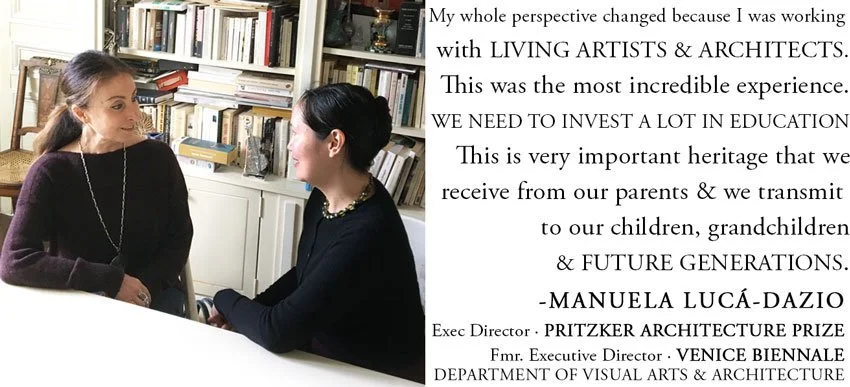
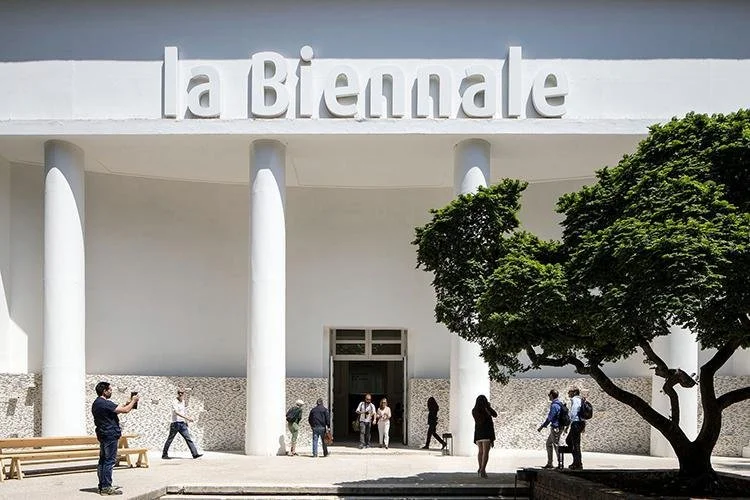
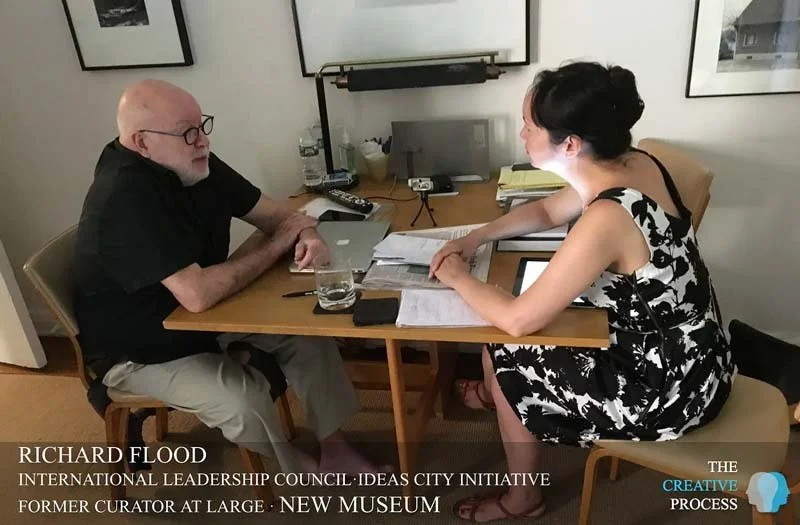
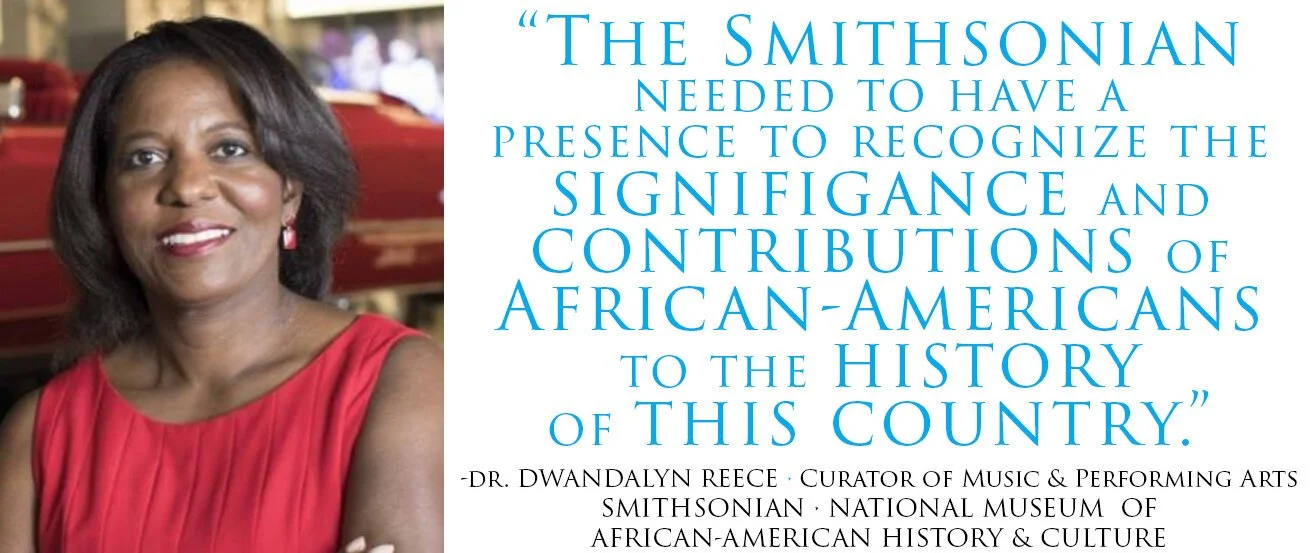
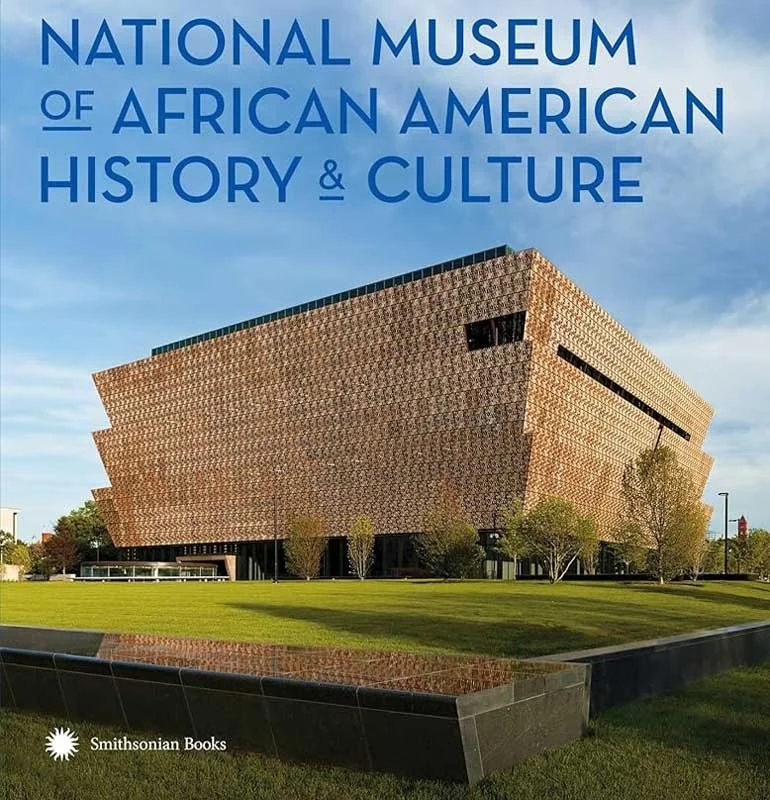
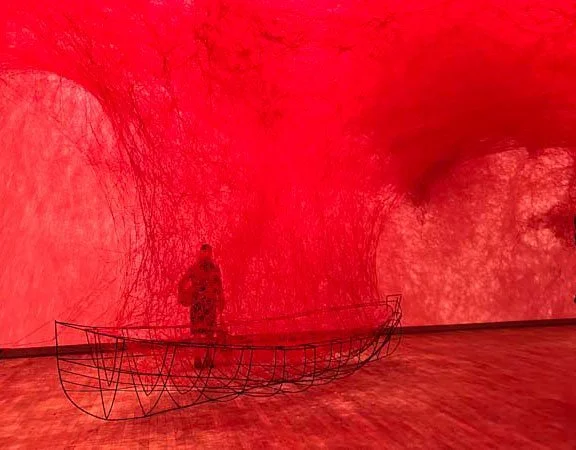
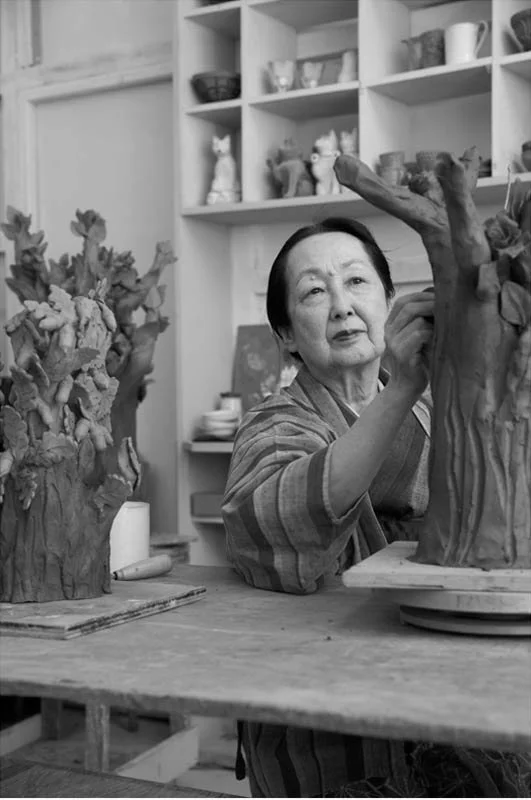
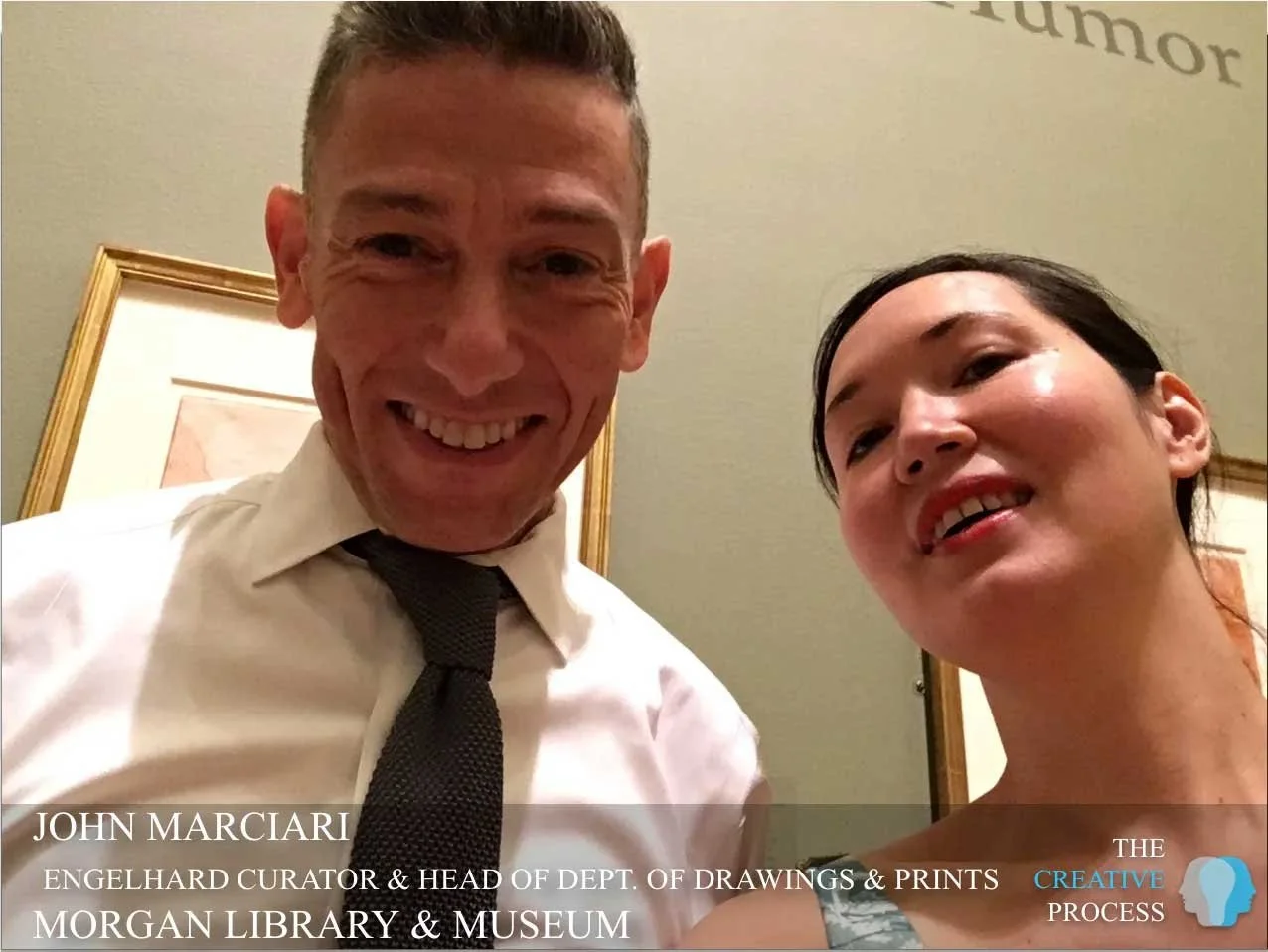
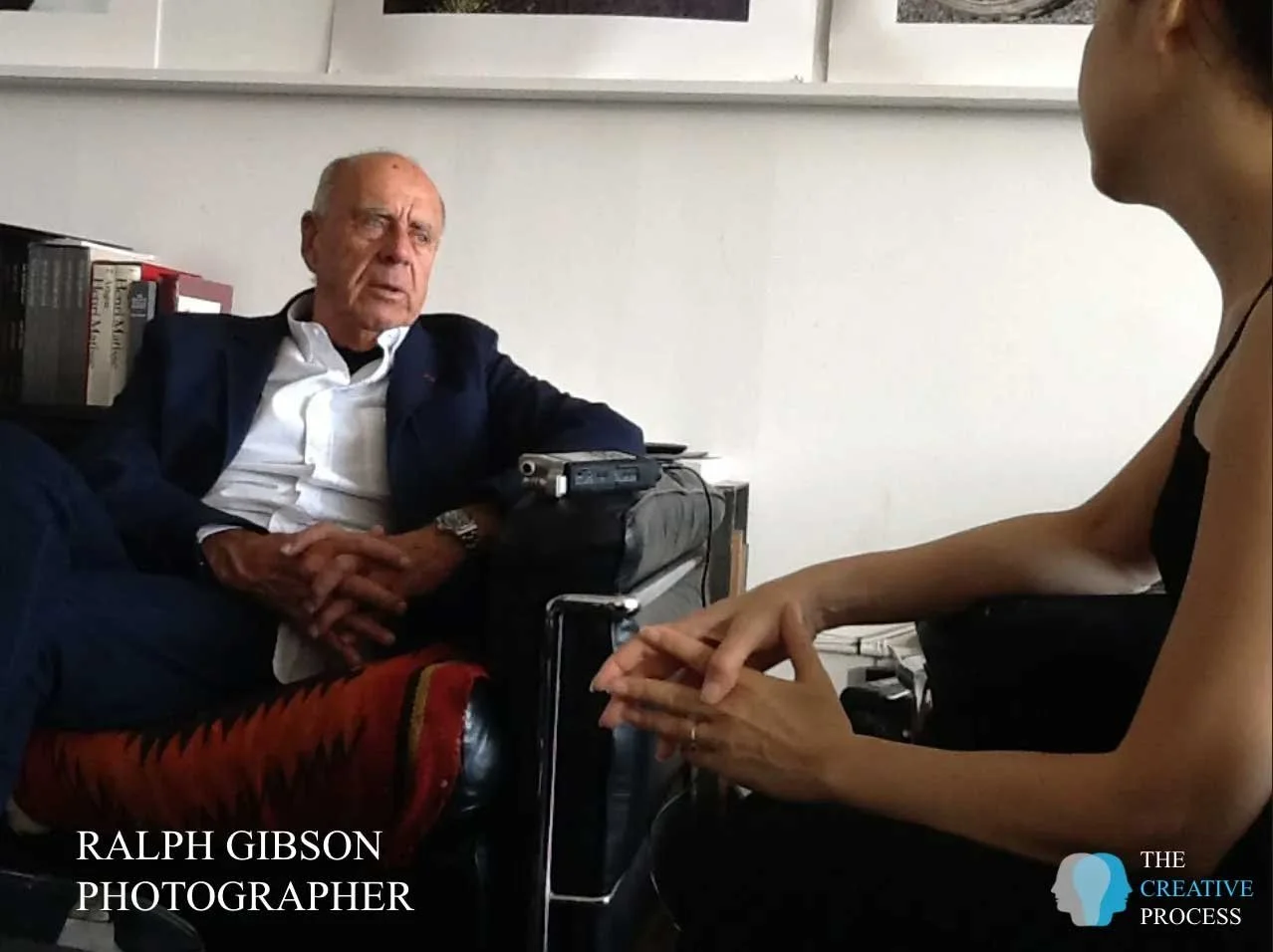
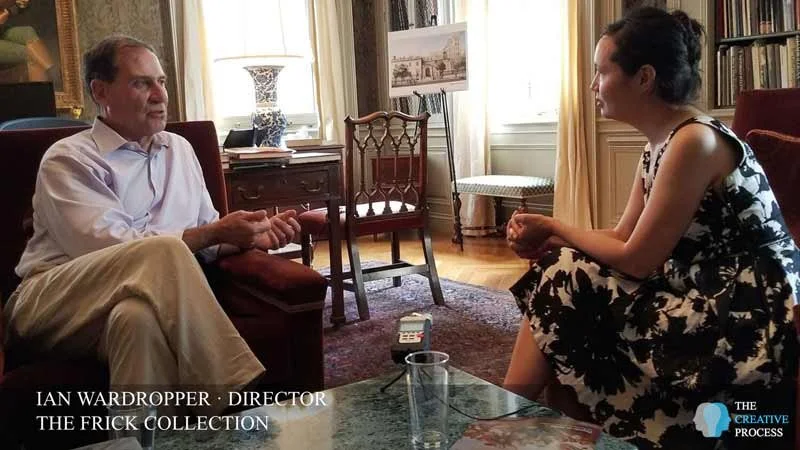
Laurent Le Bon (Centre Pompidou, Fmr. Musée Picasso), Manuela Lucá-Dazio (Venice Biennale, Pritzker Architecture Prize), Chris Dercon (Fondation Cartier, Fmr. TATE Modern, Grand Palais), Hans-Ulrich Obrist (Serpentine Galleries), Susan Fisher Sterling (National Museum of Women in the Arts), George Condo, David Rubin (Academy of Motion Picture Arts & Sciences), Neil Patrick Harris, Dwandalyn Reece (Smithsonian Nat’l Museum of African American History & Culture), Mark Seliger, Adrian Ghenie, Chiharu Shiota, Setsuko Klossowska de Rola, Matthew Libatique (A Star is Born), Marilyn Minter, Cindy Sherman, Jonathan Yeo, Martin Ruhe (The Midnight Sky), Elissa Auther (Museum of Arts & Design), Neil Gaiman, Roxane Gay, George Saunders, Pacific Northwest Ballet, Pulitzer Prize-winning poet Jericho Brown, U.S. Poet Laureate Ada Limón, Dimitrios Pandermalis (Acropolis Museum), Ian Wardropper (The Frick Collection), Jason deCaires Taylor, Mechtild Rössler (UNESCO World Heritage Centre), Hillary Mantel, Alicia Longwell (Parrish Art Museum), Tanner Woodford (Design Museum of Chicago), Michael Sticka (GRAMMY Museum), John Marciari (Morgan Library & Museum), Richard Flood (The New Museum), George Maginis (Benaki Museum), Ralph Gibson, Ami Vitale (National Geographic), Eric Fischl, National Museum of Contemporary Art EMST, Pierre Hughe, Nicole Fleetwood, among others across the arts and sciences.
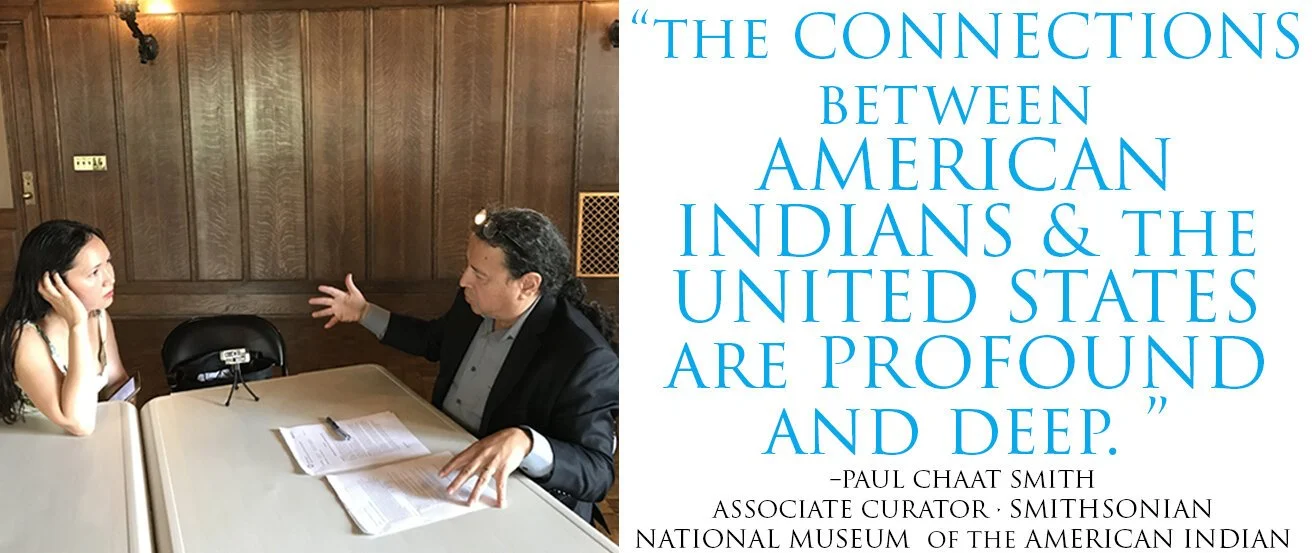
Other participating institutions & universities: Academy of Motion Picture Arts & Sciences, Smithsonian Institute, Harvard, Grand Palais, Stanford, Dramatists Guild of America, MIT, Columbia, Princeton, Juilliard, Songwriters Hall of Fame, Smithsonian’s National Museum of the American Indian, Musée du Luxembourg in Paris, Writers Guild of America, EARTHDAY·ORG, Guild Hall Museum East Hampton, Herakleidon Museum, Intuit - The Center for Intuitive and Outsider Art in Chicago, National Constitution Center, and Maison de la Culture Yiddish, Harvard Dance, Stavros Niarchos Foundation Cultural Center, Remuseum, Crystal Bridges Museum of American Art, among others.
Thank you for all you do to celebrate the arts and humanities. The practice of curation is one of making junctions between artworks and artists and communicating their relevance to wider society. It’s a practice that remains mysterious to most people because we only see the final result, not the hours of discussion, thought, writing, and collaboration that go into it. Like theatre directors or film editors, the art of curation is an essential element of the work of art.
We're excited to introduce a new Inside the Art World section of our journal to celebrate the important role curators play in the ways we experience art. By shaping the ways we look at art, you create new ways of looking at the world around us.
To be featured in an interview on The Creative Process, please answer the interview questions on this form: www.creativeprocess.info/curation-form