Pierre Huyghe: Variants

Pierre Huyghe: Variants

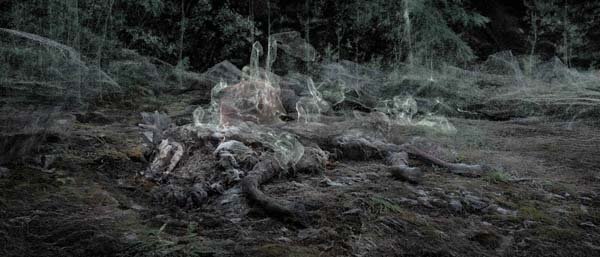
Pierre Huyghe’s Variants (2021—) does not occupy space; it perpetuates it. The work takes as its foundation a complete 3D scan and model of a small island at the bend of the Randselva River in Norway. Biologists and surveyors then furnished this model with quantitative and qualitative measurements of the island’s organic and inorganic elements, such as the types of species, the water levels, the trash, and the sounds and smells. Biochemical and physical sensors are installed around the island to track the shifts in the island’s environment and funnel them into an artificial neural network, which generates from all collected data a continuously evolving and mutating simulation of the island, unfolding in real time on the large LED screen at the far end of the island.
Art Basel 2025 Highlights

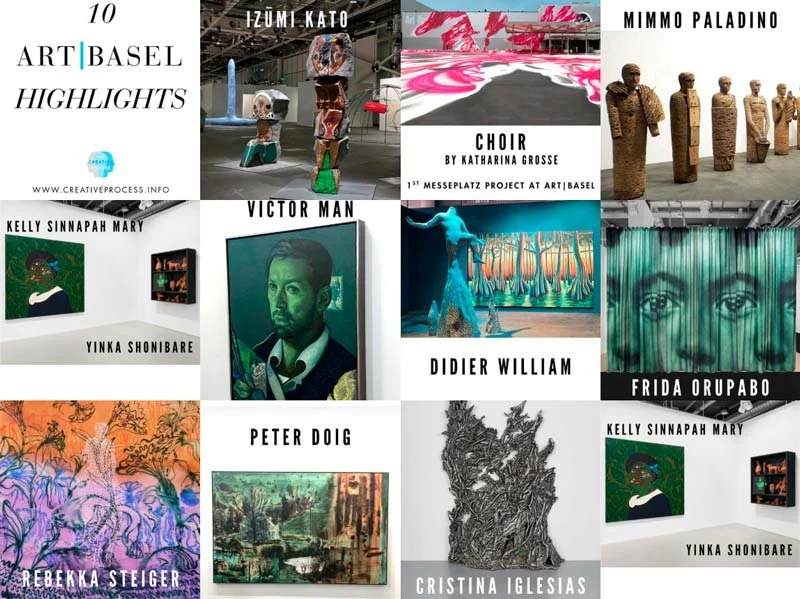
Art Basel 2025 Highlights

A vast, complex map of our present moment. It wasn't just a collection of art; it was a conversation, sometimes hushed, sometimes resonant, about where we are, what we value, and the stories that shape us. Walking through the halls, one could sense the intricate connections between artists, their materials, and the larger human experience. It's a place where significant ideas find form, inviting us to look closer, to think, and to feel.

 Adrian Ghenie: Shadow Paintings

Adrian Ghenie: Shadow Paintings

“Once you leave the traditional constraints of anatomy behind, the way you deform can become a portrait of character or the inner psyche on a deeper level. This play with the human form marked the beginning of something new.” Renowned Romanian artist Adrian Ghenie is currently presenting two exhibitions at the Albertina and the Dresden Kupferstich-Kabinett. Working with a variety of materials and subjects, Ghenie explores the personal, the political, and the art historical, fusing these discourses into expressive abstract and figurative works of art across multiple mediums.

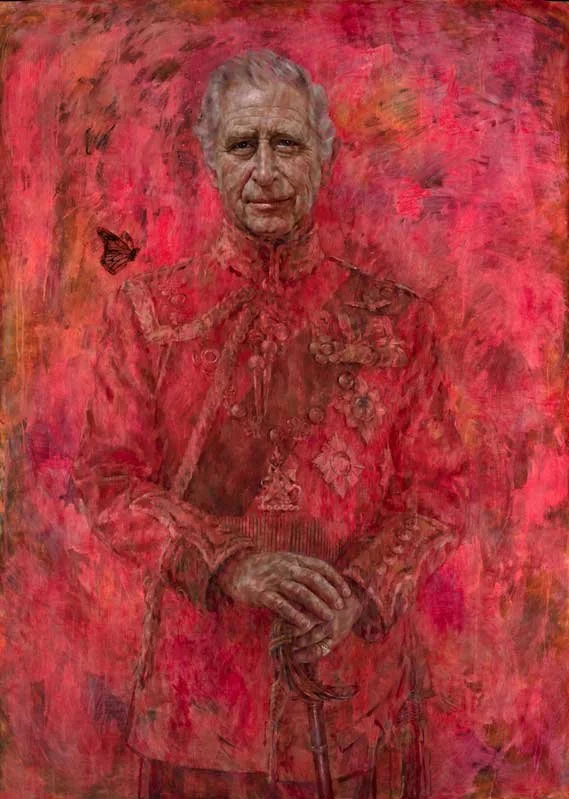
JONATHAN YEO

JONATHAN YEO

Artist

What are you trying to do with a portrait? On a basic level, you're trying to communicate something about the essence of who someone is. You're trying to figure out who they are, not necessarily who they present themselves as. The two things can quite often be different. You're trying to find ways of showing that through their face, their posture, or any other context. My instinct is always to try to reduce down to the essential elements. We read faces. It's obviously very, very deep in our DNA, really our survival instinct. We are programmed to read faces in a very fine-tuned way.

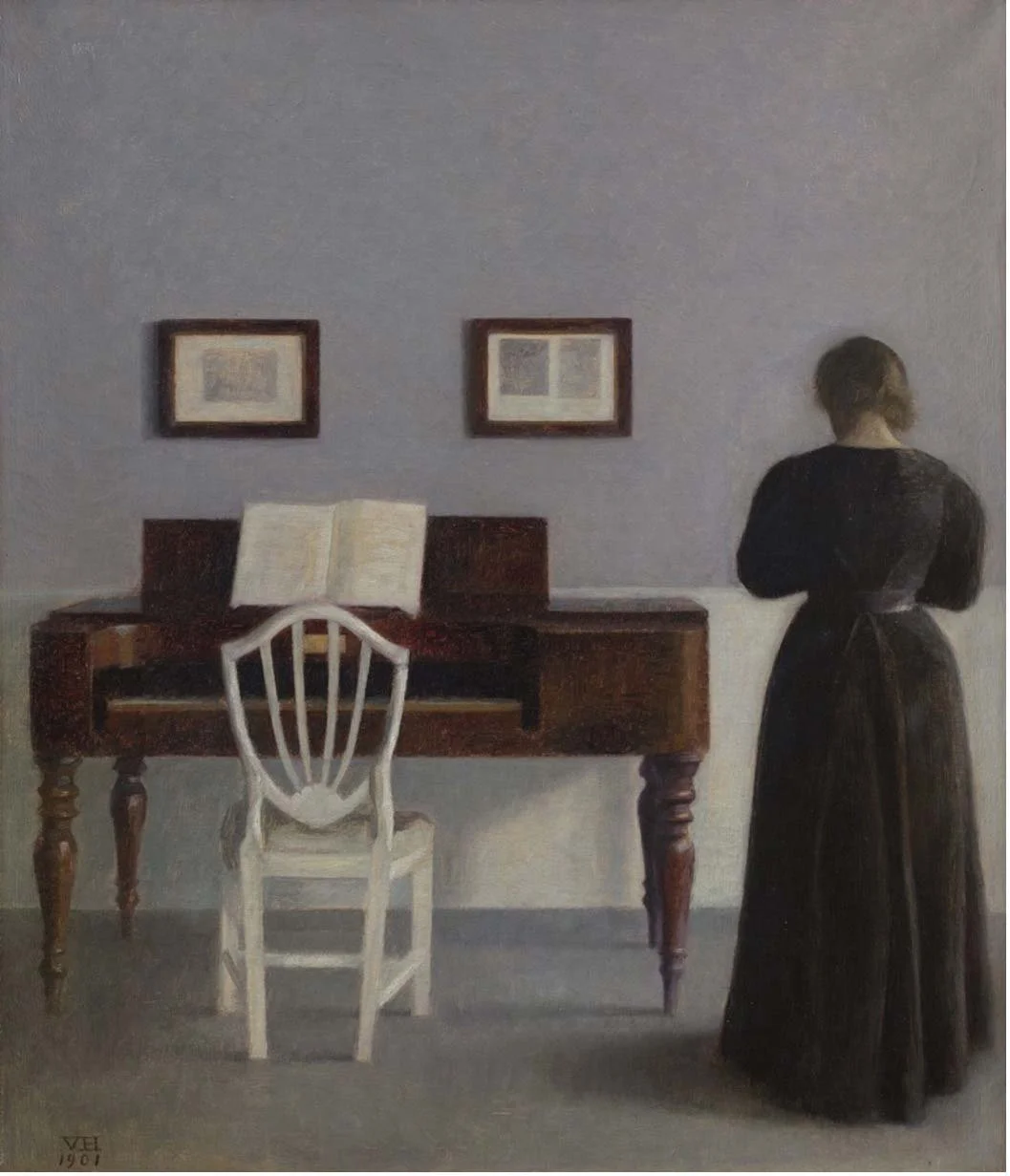
VILHELM HAMMERSHØI · SILENCE

VILHELM HAMMERSHØI · SILENCE

Can silence be painted? How can artists capture interior states, solitude, and the passing of time? How are the homes we live in a reflection of the people who inhabit them? How can we read a painting to piece together the life of the artist?