Literature is an Antidote to Propaganda - Grief, Memory & Humanity w/ G. GOSPODINOV & A. RODEL - Highlights

Literature is an Antidote to Propaganda - Grief, Memory & Humanity w/ G. GOSPODINOV & A. RODEL - Highlights

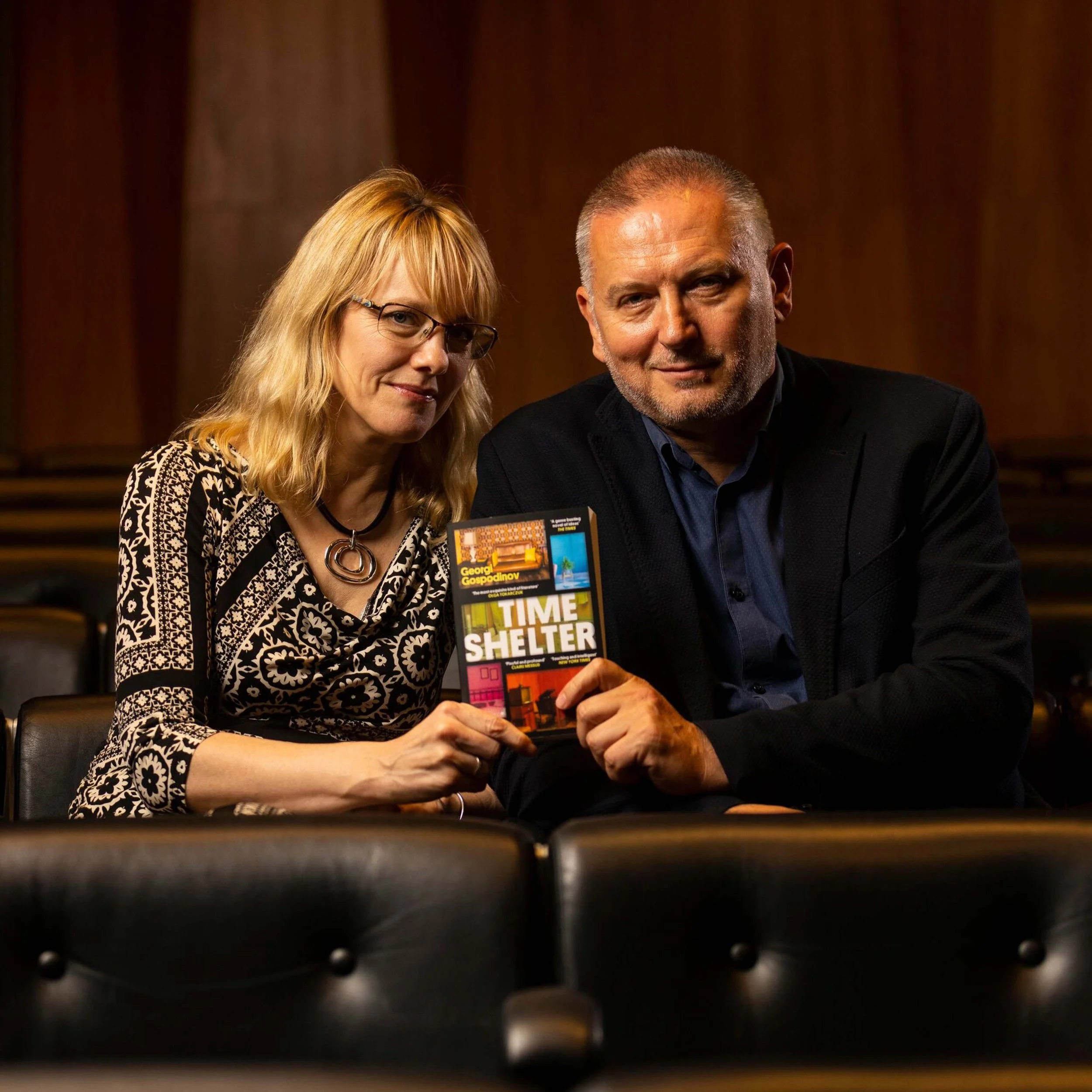
We are in the middle of a labyrinth which suggests to us many fake corridors. What's the superpower of literature? Literature is like an antidote against propaganda. Propaganda explains the world easily in a two-dimensional way.  Literature gives you a more complex explanation. Literature tells personal stories.

Time, Memory & the Art of Translation with GEORGI GOSPODINOV & ANGELA RODEL

Time, Memory & the Art of Translation with GEORGI GOSPODINOV & ANGELA RODEL

We are in the middle of a labyrinth which suggests to us many fake corridors. What's the superpower of literature? Literature is like an antidote against propaganda. Propaganda explains the world easily in a two-dimensional way.  Literature gives you a more complex explanation. Literature tells personal stories.

Our Wild Familiars - DR. DAN WERB on Animals that Live Among Us & Urban Wildlife Conservation - Highlights

Our Wild Familiars - DR. DAN WERB on Animals that Live Among Us & Urban Wildlife Conservation - Highlights

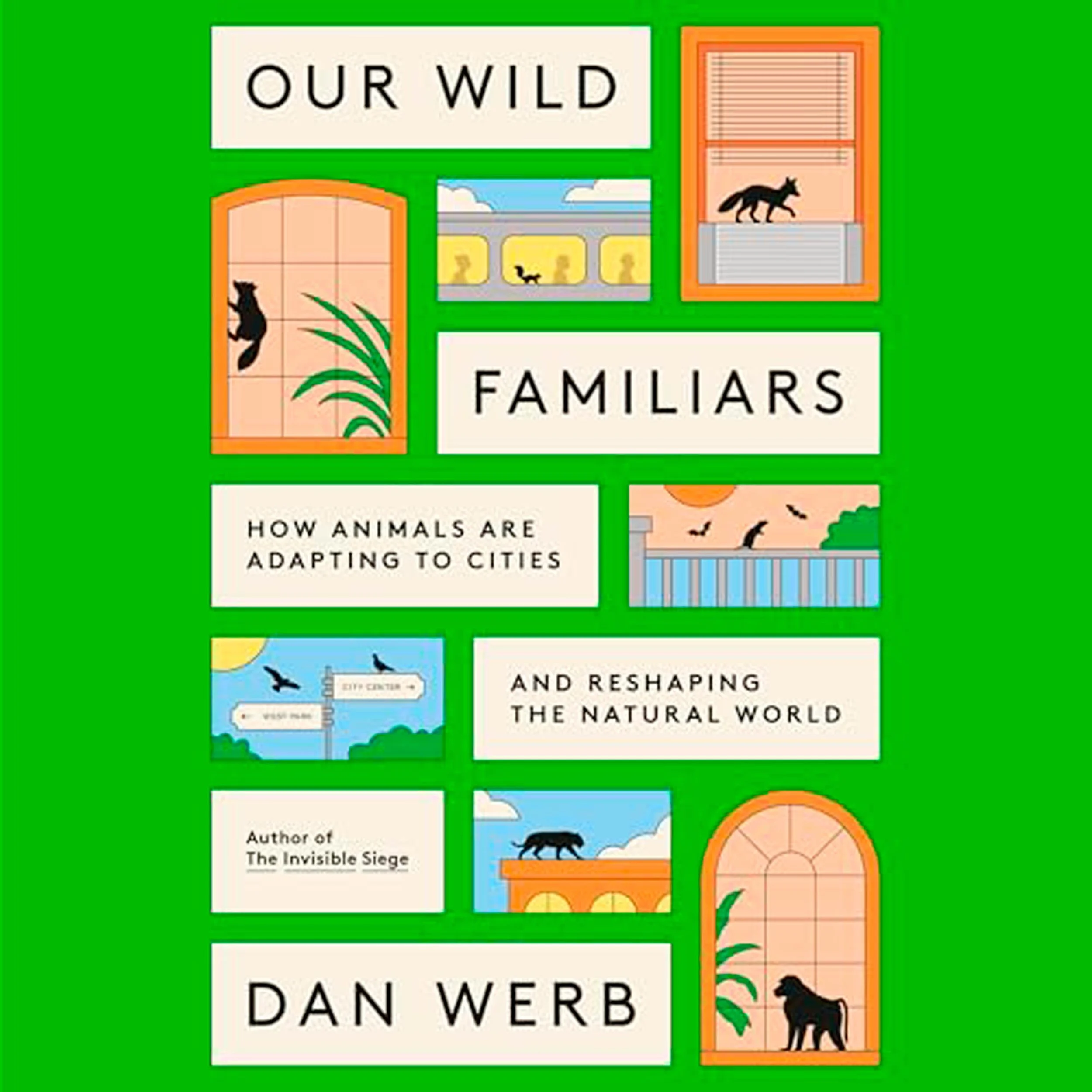
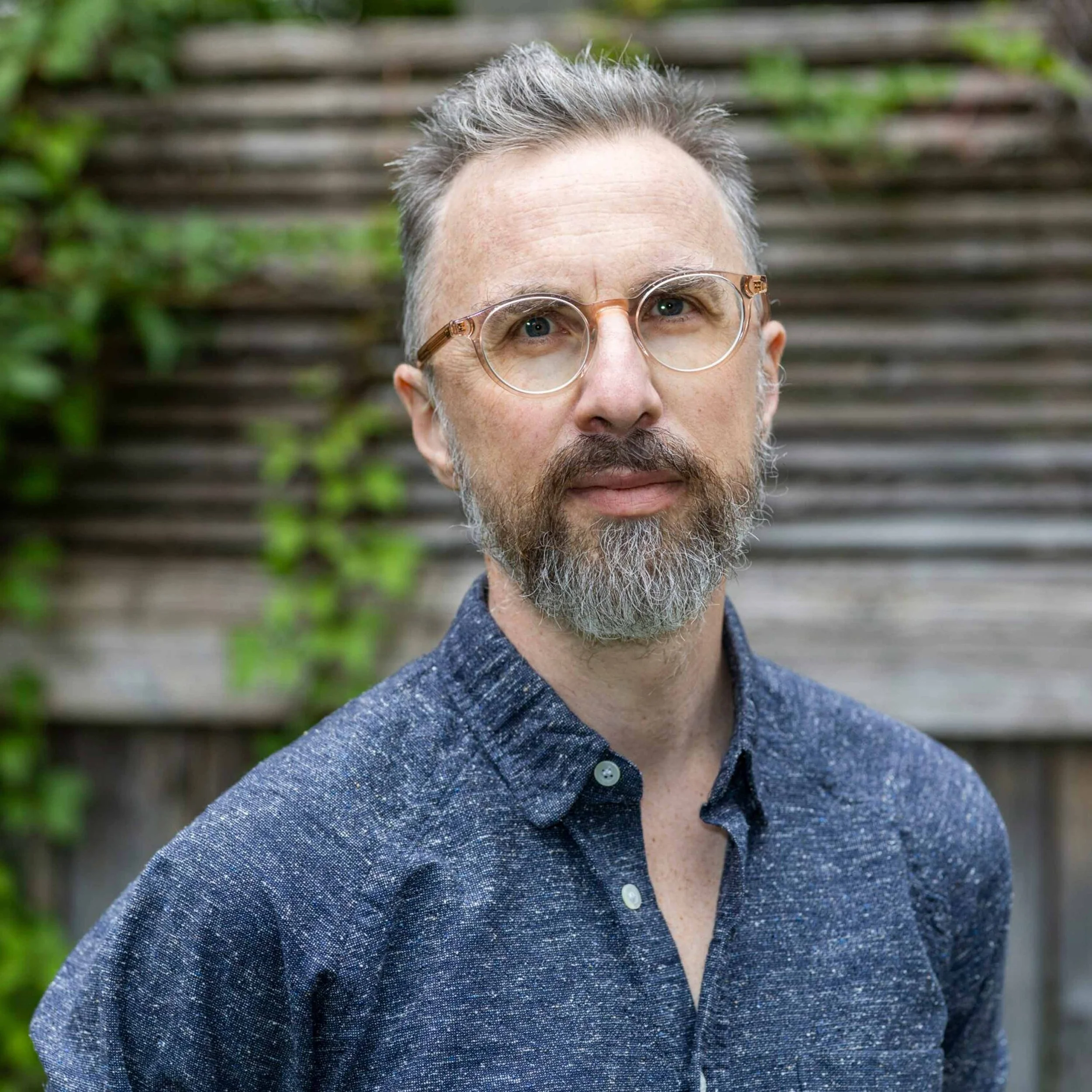
So synanthropes are animals that have adapted to human-modified environments, and the Greek translation essentially is together with humans, so synanthrope. And they're a fascinating subset of wild animals that they're all around us, but we don't really notice them. And so in this new book, I was excited about writing something that had to do with the natural world. I was excited about writing something that touched on climate change and the way that the world was changing, but maybe not with such a sort of dirgey approach or funereal approach. Something that actually explored the wonder of the world as it is and as we experience it around our communities in our cities and towns. And I had come across this word synanthrope in the research for my last book, The Invisible Siege, which was about the rise of coronaviruses and the long scientific journey to find cures for COVID-19, and it just kind of stuck with me. There is this connection, of course, between wild animals and viruses and lots of questions about the origin of SARS-2, the virus that spread COVID-19 and caused the pandemic. And while that's touched on in the book a little bit, the vast majority of what I was excited to write about was just what these animals are doing in our cities. How is it that wild animals, raccoons, coyotes, all kinds of birds and animals as fragile as bats… These are not just insects and earthworms and things like that. These are very large predators that have nevertheless found a way to survive among us. And that in and of itself I think is just an amazing story and what I explore in this book.
How Animals Are Adapting to Cities & Reshaping the Natural World w/ Author & Epidemiologist DAN WERB

How Animals Are Adapting to Cities & Reshaping the Natural World w/ Author & Epidemiologist DAN WERB

So synanthropes are animals that have adapted to human-modified environments, and the Greek translation essentially is together with humans, so synanthrope. And they're a fascinating subset of wild animals that they're all around us, but we don't really notice them. And so in this new book, I was excited about writing something that had to do with the natural world. I was excited about writing something that touched on climate change and the way that the world was changing, but maybe not with such a sort of dirgey approach or funereal approach. Something that actually explored the wonder of the world as it is and as we experience it around our communities in our cities and towns. And I had come across this word synanthrope in the research for my last book, The Invisible Siege, which was about the rise of coronaviruses and the long scientific journey to find cures for COVID-19, and it just kind of stuck with me. There is this connection, of course, between wild animals and viruses and lots of questions about the origin of SARS-2, the virus that spread COVID-19 and caused the pandemic. And while that's touched on in the book a little bit, the vast majority of what I was excited to write about was just what these animals are doing in our cities. How is it that wild animals, raccoons, coyotes, all kinds of birds and animals as fragile as bats… These are not just insects and earthworms and things like that. These are very large predators that have nevertheless found a way to survive among us. And that in and of itself I think is just an amazing story and what I explore in this book.
Listening to the Living World: Ami Vitale, Yann Martel, Carl Safina, David George Haskell & Others on Climate Change & The Rights of Nature

Listening to the Living World: Ami Vitale, Yann Martel, Carl Safina, David George Haskell & Others on Climate Change & The Rights of Nature

I want to be wowed by the world. I want to gaze at it in awe and wonder.

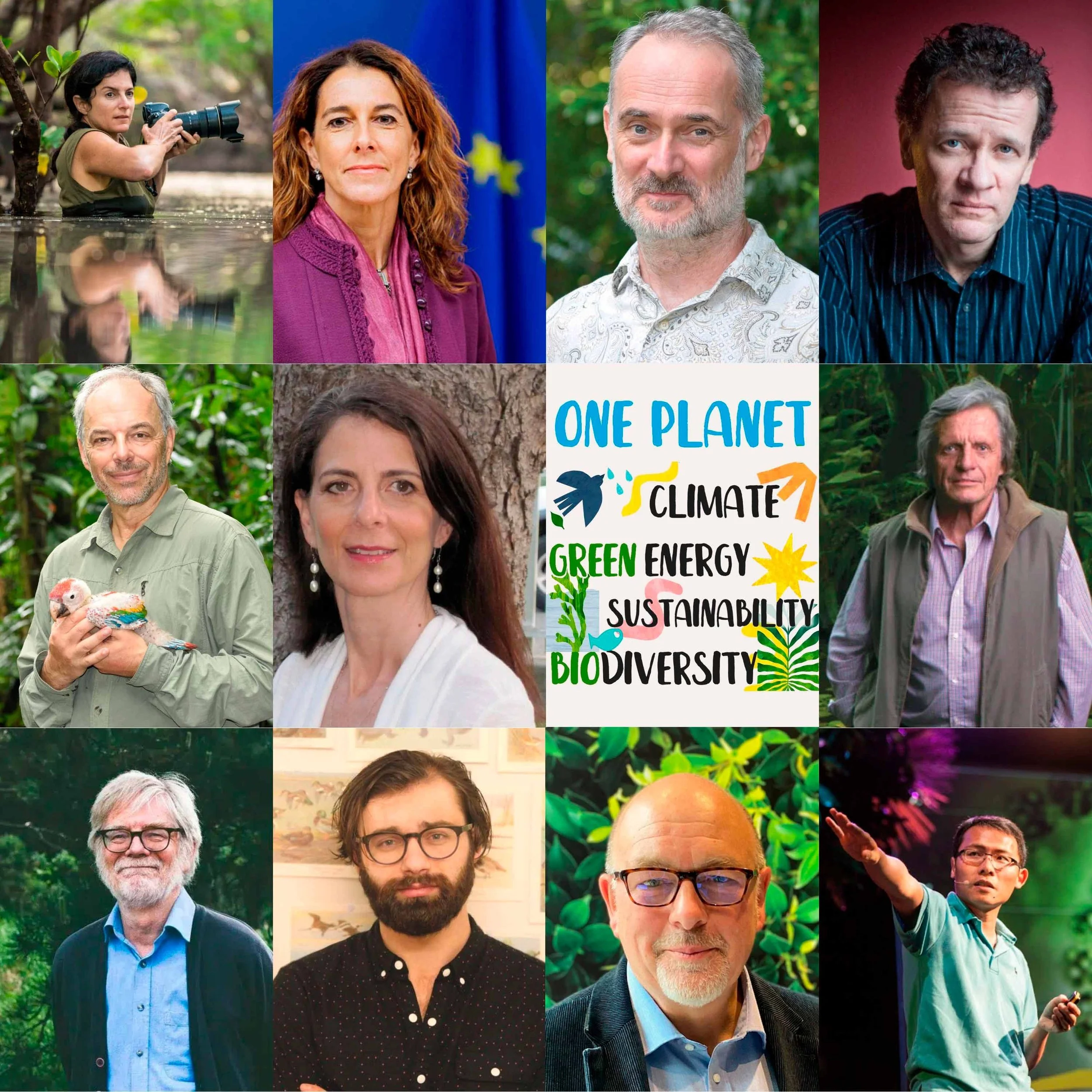
Clayton Page Aldern, David George Haskell, Yann Martel, Carl Safina, Martín von Hildebrand, Richard Black, Tom Chi, Paula Pinho, Osprey Orielle Lake, Bill Hare, Fred Pearce reflect on Climate Change & The Rights of Nature 

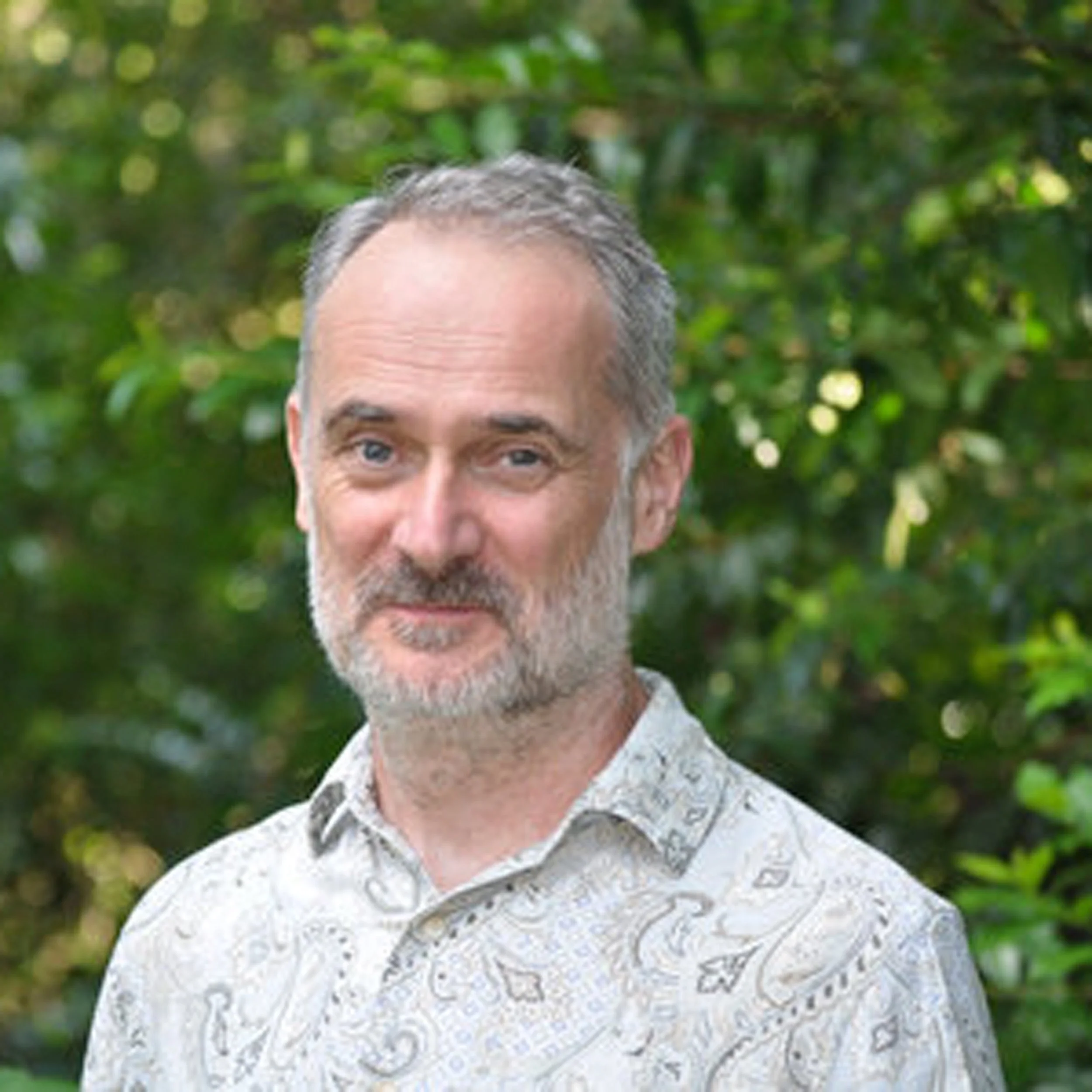
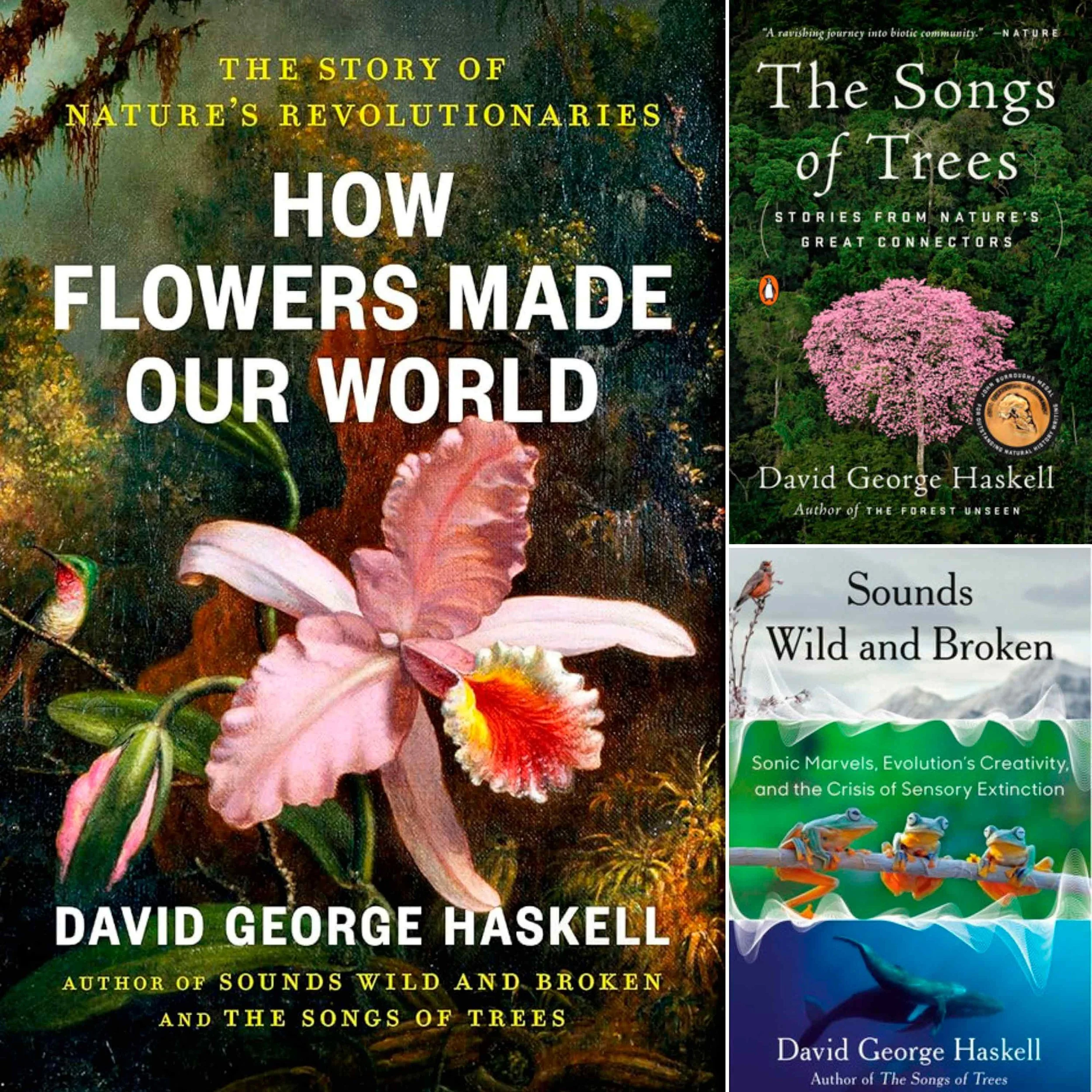
How Flowers Made Our World: DAVID GEORGE HASKELL on Deep Time, Plant Intelligence & Listening to the Living World

How Flowers Made Our World: DAVID GEORGE HASKELL on Deep Time, Plant Intelligence & Listening to the Living World

For at least 150 years biological sciences emphasized individuality and aloneness. So individual species, individual genes, individual organisms. And that's a useful view, up to a point. I mean, it is true that I am an individual organism. I've got a skin, and then the air begins and there's a gap between me and the next person over. But that view is also utterly false in many ways, in that the human body is not just comprised of human cells. There are bacteria, fungi, and viruses, all these other creatures that we now know are essential to our health. Our minds are not solitary. They're formed in relation to other beings. Ecosystems work only through relationship. So relationship and interconnection, not separation. And atomism is in fact the fundamental nature of life. Even from the very, very first fossils that we have of living organisms way back more than 3 billion years ago, these little cells are sitting next to one another.

Listening to the Living World: Biologist DAVID GEORGE HASKELL on Flowers, Forests & Songs of Nature - Highlights

Listening to the Living World: Biologist DAVID GEORGE HASKELL on Flowers, Forests & Songs of Nature - Highlights

For at least 150 years biological sciences emphasized individuality and aloneness. So individual species, individual genes, individual organisms. And that's a useful view, up to a point. I mean, it is true that I am an individual organism. I've got a skin, and then the air begins and there's a gap between me and the next person over. But that view is also utterly false in many ways, in that the human body is not just comprised of human cells. There are bacteria, fungi, and viruses, all these other creatures that we now know are essential to our health. Our minds are not solitary. They're formed in relation to other beings. Ecosystems work only through relationship. So relationship and interconnection, not separation. And atomism is in fact the fundamental nature of life. Even from the very, very first fossils that we have of living organisms way back more than 3 billion years ago, these little cells are sitting next to one another.

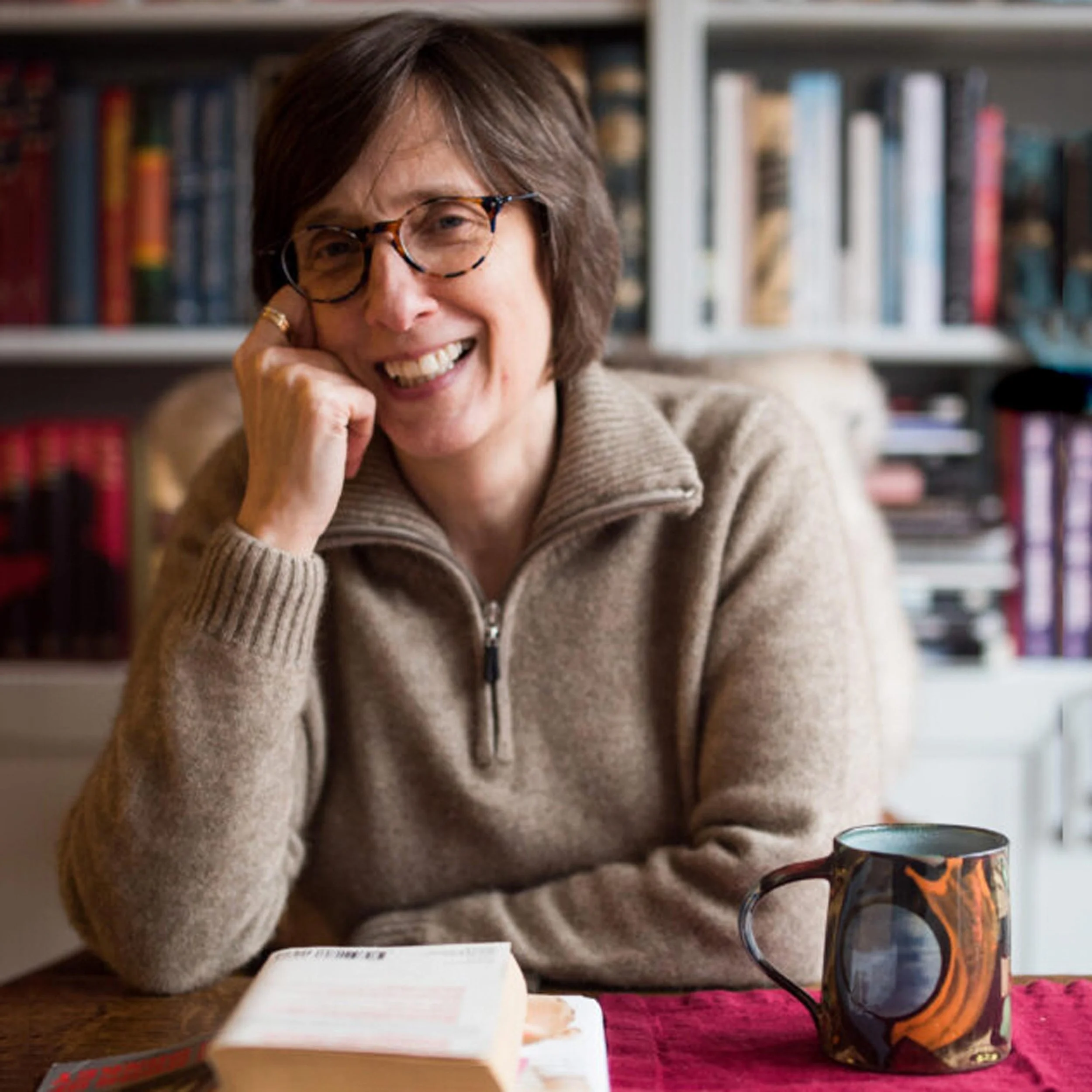
Trust, Education & Writing as Resistance w/ AL KENNEDY - Highlights

Trust, Education & Writing as Resistance w/ AL KENNEDY - Highlights

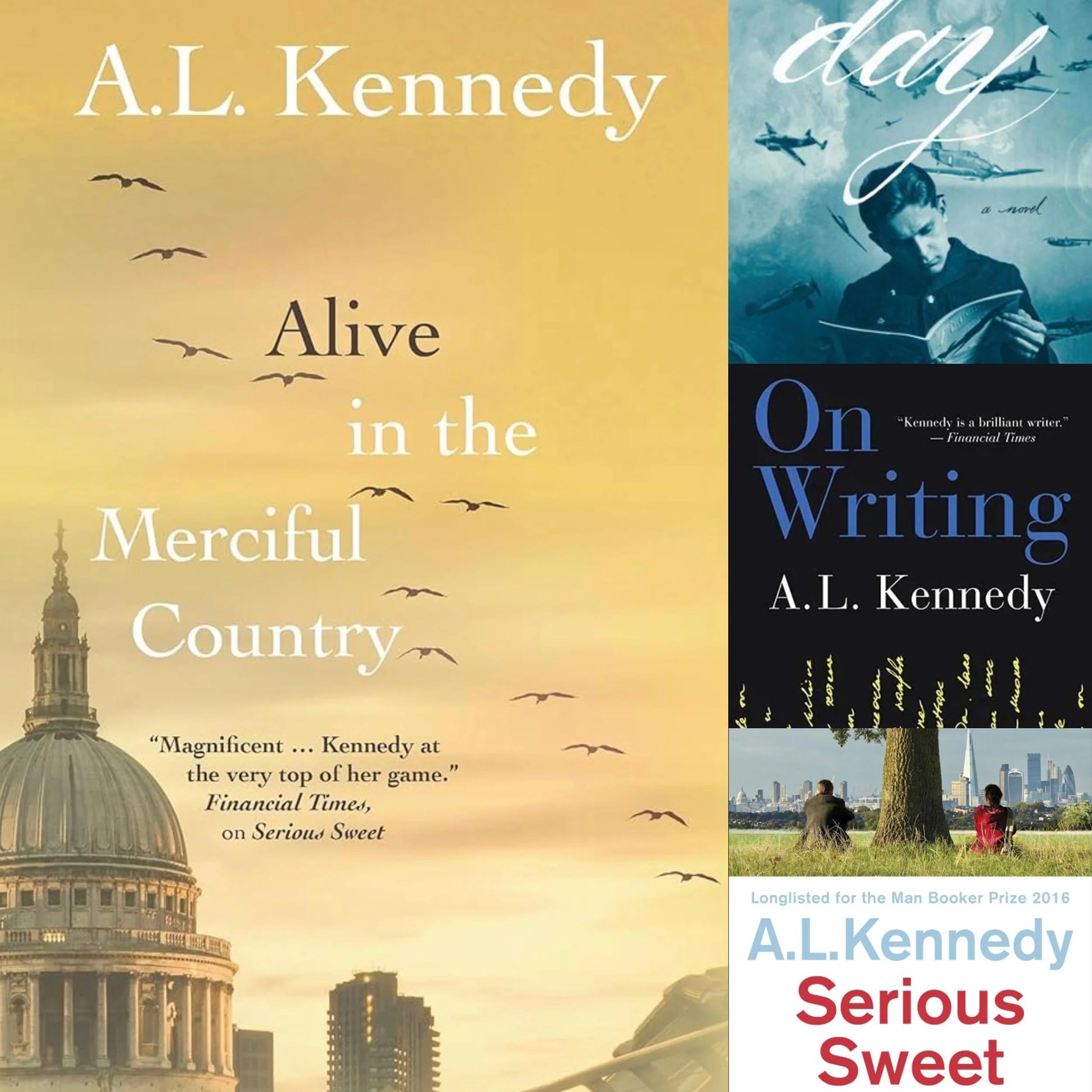
Author · Activist ·  Stand-Up Comedian AL KENNEDY · Author of Alive in the Merciful Country

The thing that puzzled him was why people don't agree to be fully expressed while they're alive. Why does it only happen in their last moment? Why wouldn't you live being fully expressed? If you have love, eventually you're going to win. It's not that people aren't going to die. It's not terrible things aren't going to happen. But if you stay with that and you stay centered in that, you'll get through and you will not have turned into a monster in order to overcome monsters.”

The Art of Fiction, Democracy & Truth with AL KENNEDY

The Art of Fiction, Democracy & Truth with AL KENNEDY

Author · Activist ·  Stand-Up Comedian AL KENNEDY · Author of Alive in the Merciful Country

The thing that puzzled him was why people don't agree to be fully expressed while they're alive. Why does it only happen in their last moment? Why wouldn't you live being fully expressed? If you have love, eventually you're going to win. It's not that people aren't going to die. It's not terrible things aren't going to happen. But if you stay with that and you stay centered in that, you'll get through and you will not have turned into a monster in order to overcome monsters.”

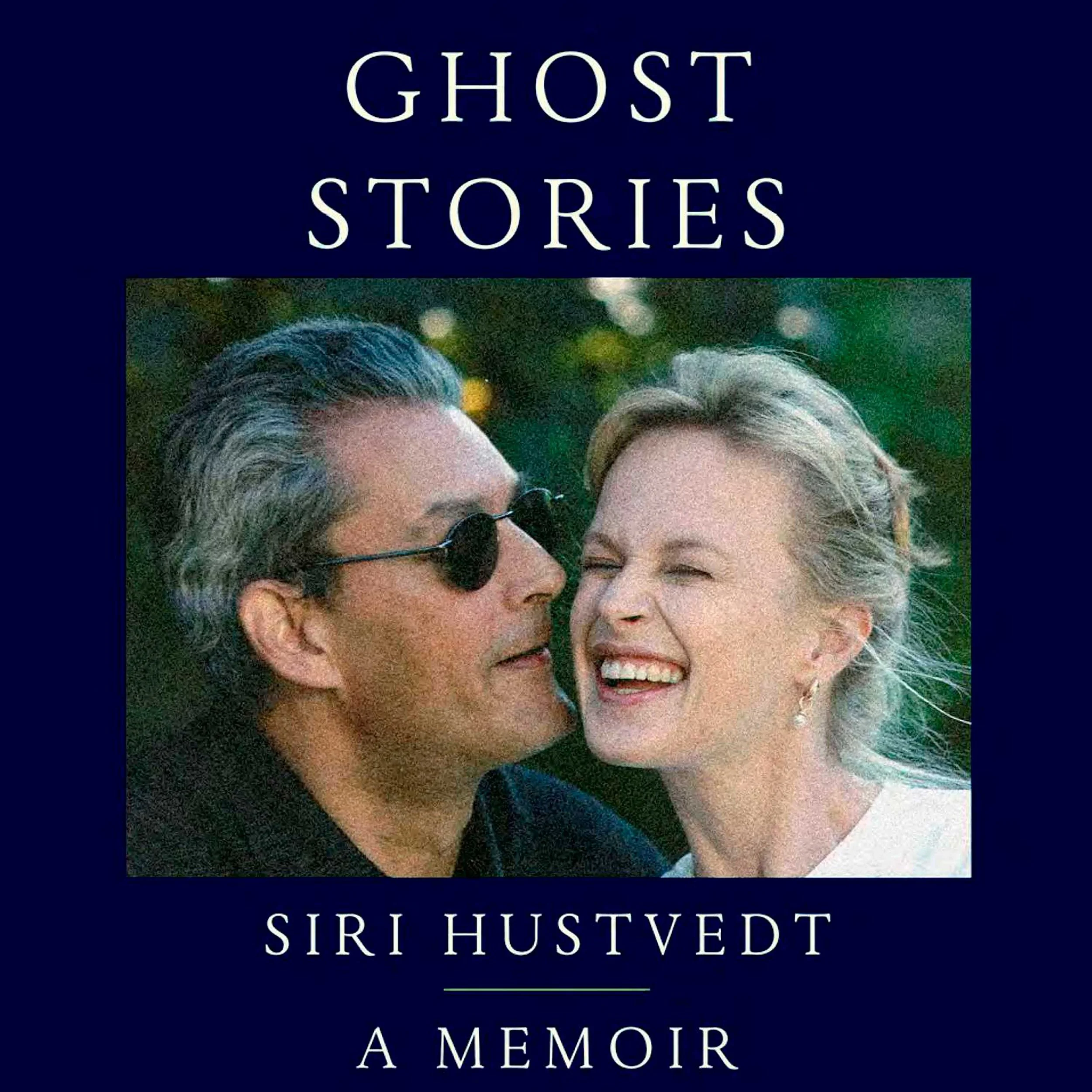
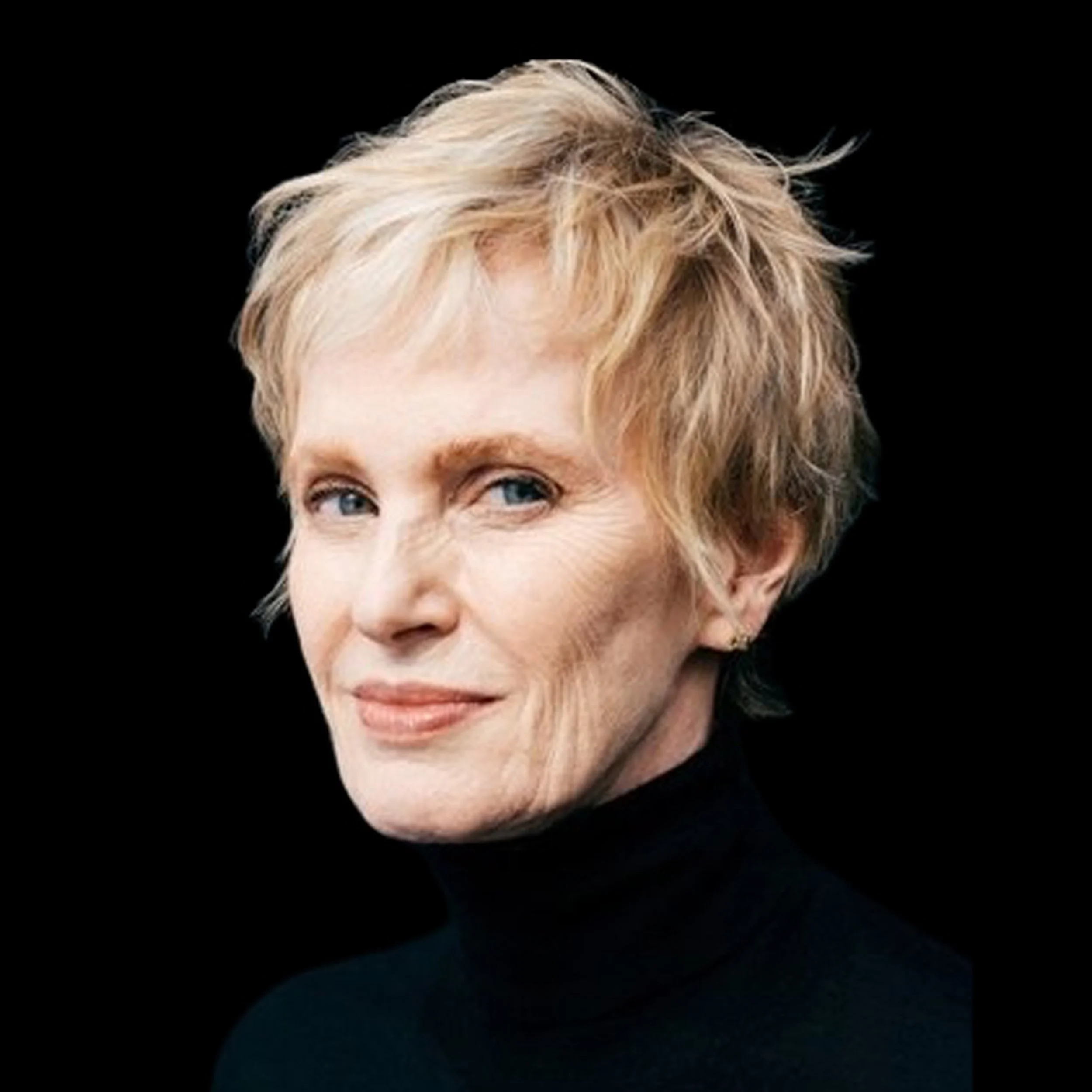
SIRI HUSTVEDT on Love, Grief & Her Late Husband PAUL AUSTER - Highlights

SIRI HUSTVEDT on Love, Grief & Her Late Husband PAUL AUSTER - Highlights

Author SIRI HUSTVEDT Remembers Her Late Husband, PAUL AUSTER

Grief happens because you don't stop loving the person who died. The person doesn't exist in your reality anymore. The everyday is not colored and shaped by this other human being, but you don't stop loving the person. So grief is a particular kind of unrequited love. And probably without that dynamic relationship with this person, I would be someone else. And he would've been someone else. I mean, Paul died before me. But we were, I think, hugely important to the drama of becoming in our own lives.

Ghost Stories · A Memoir of Love & Grief

Ghost Stories · A Memoir of Love & Grief

Author SIRI HUSTVEDT Remembers Her Late Husband, PAUL AUSTER

Grief happens because you don't stop loving the person who died. The person doesn't exist in your reality anymore. The everyday is not colored and shaped by this other human being, but you don't stop loving the person. So grief is a particular kind of unrequited love. And probably without that dynamic relationship with this person, I would be someone else. And he would've been someone else. I mean, Paul died before me. But we were, I think, hugely important to the drama of becoming in our own lives.

Who Are We? What Makes Us Care? Jim Shepard, Neil Patrick Harris, John Patrick Shanley & Artists Share Their Stories

Who Are We? What Makes Us Care? Jim Shepard, Neil Patrick Harris, John Patrick Shanley & Artists Share Their Stories

We explore the internal dialogues of artists and writers to ask what it means to step into someone else's shoes and expand our sense of solidarity through stories. Jim Shepard, Neil Patrick Harris, Katie Kitamura, Laura Eason, Sharmeen Obaid-Chinoy, Benoit Delhomme, Etgar Keret, Viet Thanh Nguyen, Adam Moss, John Patrick Shanley and Nicholas Kristof share their stories.

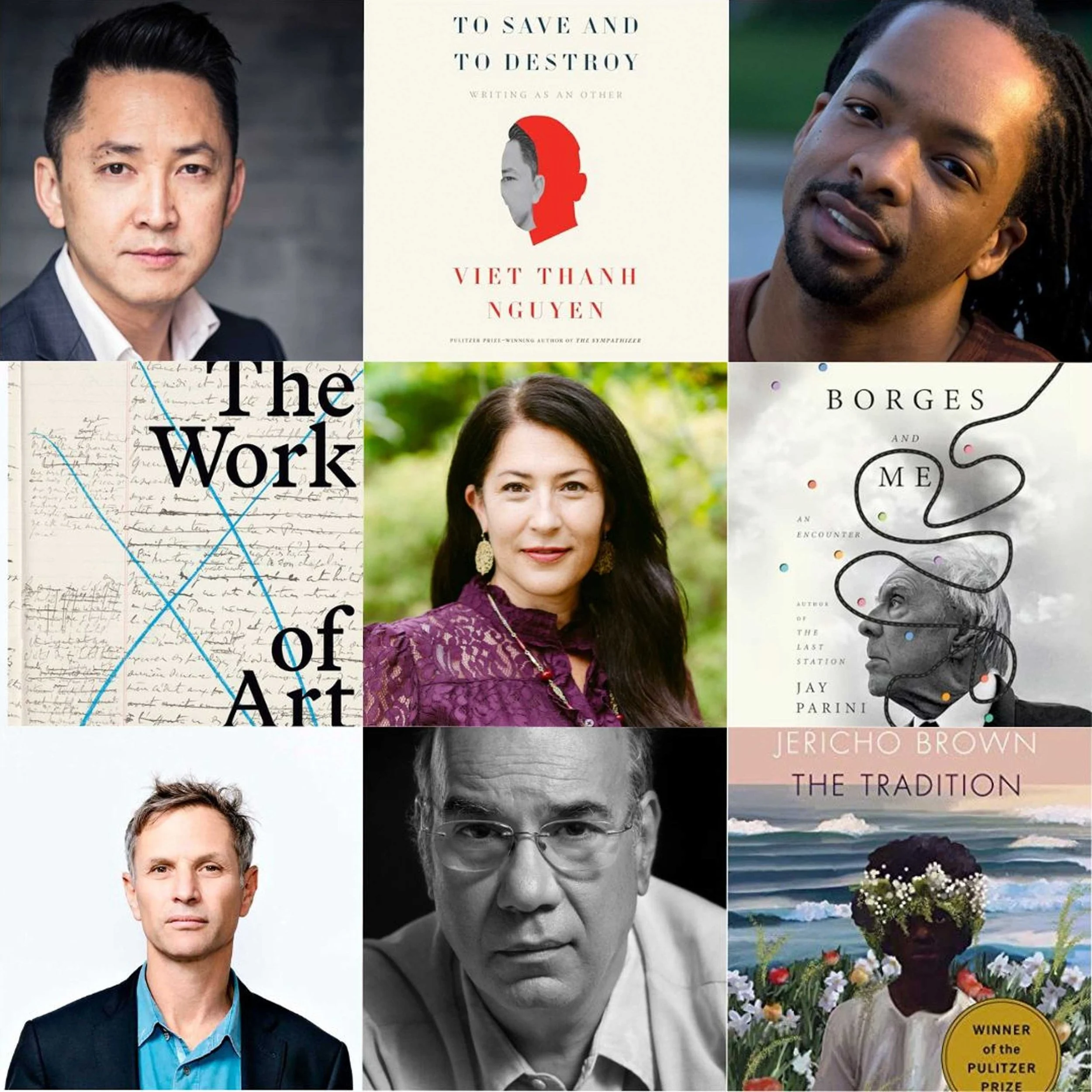
The Writer's Voice: Novelists, Poets, Memoirists & Editors Share Their Stories

The Writer's Voice: Novelists, Poets, Memoirists & Editors Share Their Stories

VIET THANH NGUYEN, ADA LIMÓN, JAY PARINI, JERICHO BROWN & ADAM MOSS Share Their Stories

How do writers develop their voice? How are writing and the arts paths back to the self, showing us what is important in life?

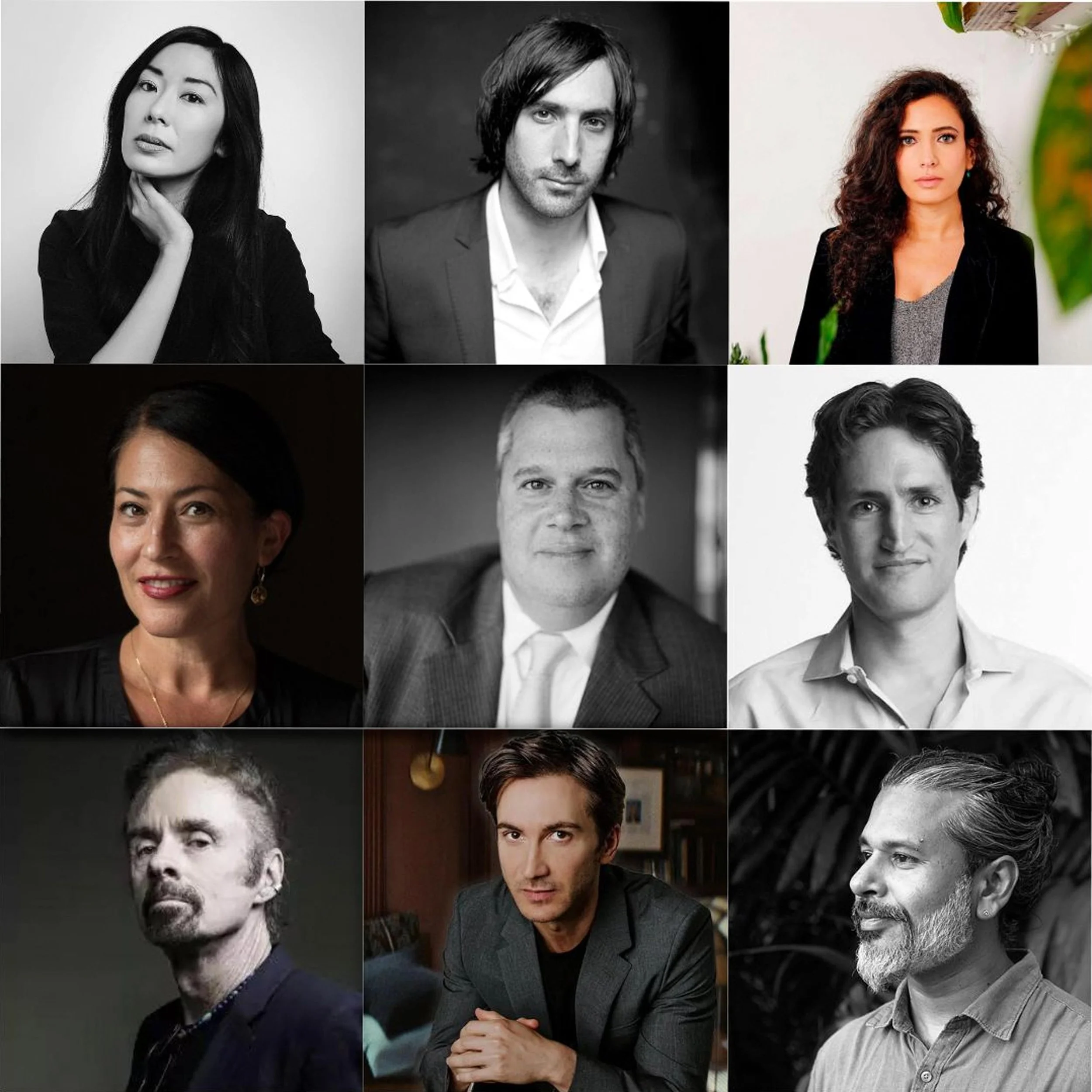
Writers on Memory, Language & the Power of the Unconscious

Writers on Memory, Language & the Power of the Unconscious

Katie Kitamura, Paul Lynch, Daniel Pearle, Hala Alyan, T.C. Boyle, Adam Alter, Shehan Karunatilaka, Daniel Handler a.k.a Lemony Snicket, and Ada Limón share their stories

How can we use negative spaces in fiction to engage with readers’ imaginations? How are memory and trauma passed onto us through language? How do we become more than the stories we tell ourselves?

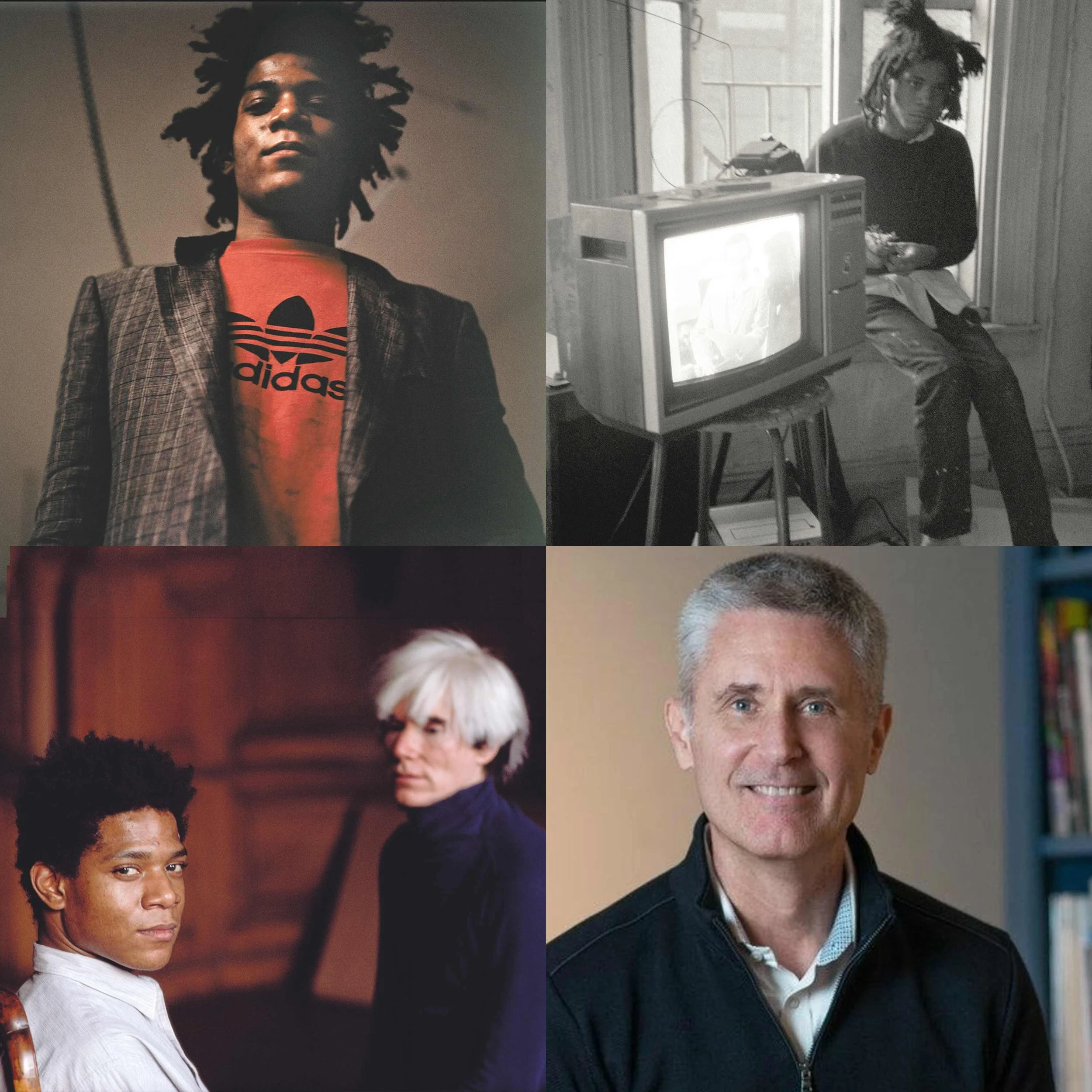
BASQUIAT: The Price of Fame w/ Author DOUG WOODHAM - Highlights

BASQUIAT: The Price of Fame w/ Author DOUG WOODHAM - Highlights

A Conversation with Author DOUG WOODHAM
Managing Partner, Art Fiduciary Partners

All of the great artists are there for a reason: because they rebelled in some way. They created a visual vocabulary that felt fresh and new, which excited people. So, the great artists are not built on sort of anthills of sand. They're built on things of substance and of meaning. Though this is not a sufficient condition to become an icon, it's a necessary but not sufficient condition. I think you have to have an interesting and vivid personality or personal narrative that makes you interesting for people to talk about and want to learn about. I think you also have to have a support network of galleries, curators, and collectors who are excited about your work and want to push it forward, not wanting it to be forgotten. Basquiat's visual vocabulary is distinctive and stands out relative to what was being done in the 1980s. That's the sort of strong hill on which his reputation is built. Basquiat benefited from being the first black artist of note who got pushed forward. As in many things, the first benefits.

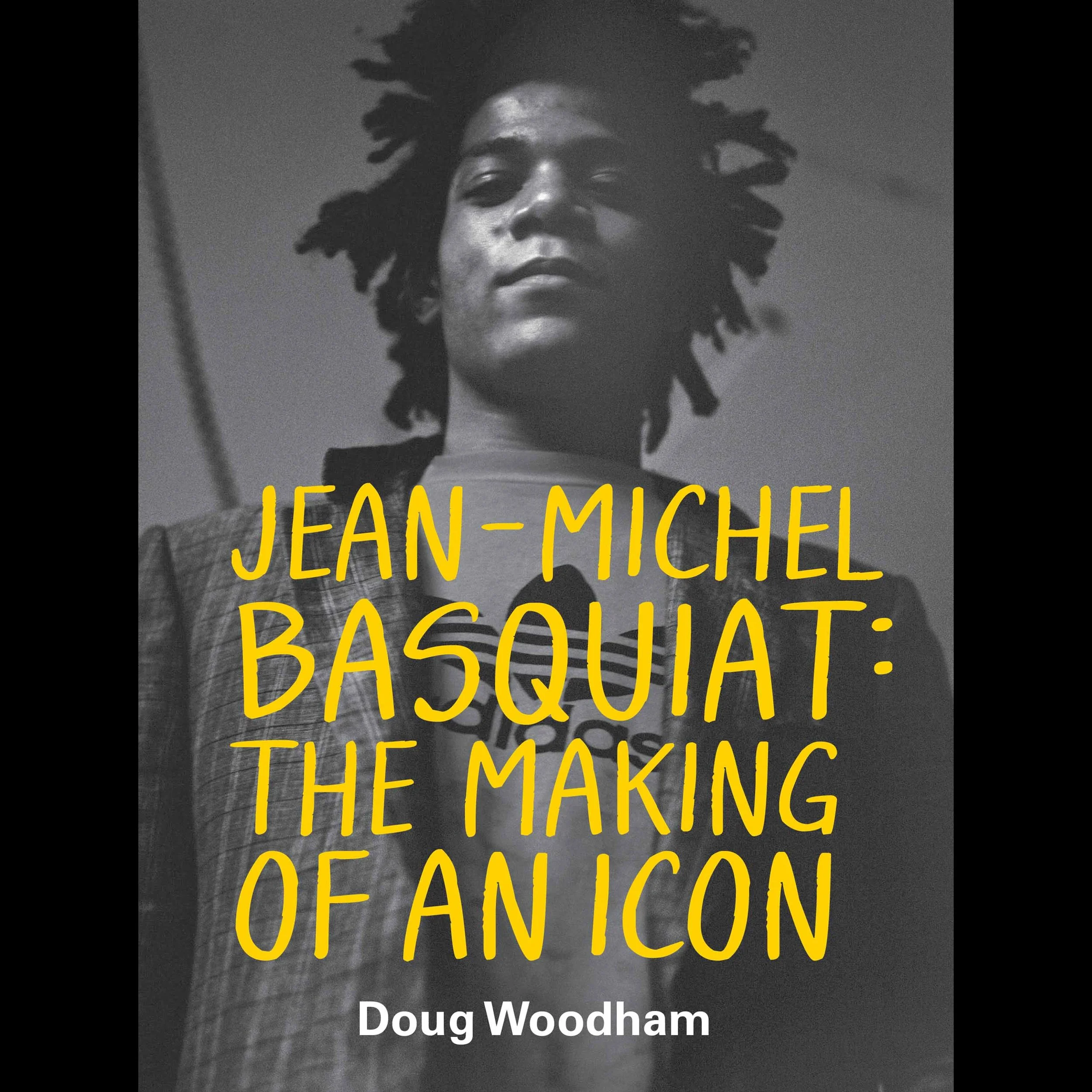
JEAN-MICHEL BASQUIAT: The Making of an Icon with DOUG WOODHAM, Fmr. President of Christie's Americas

JEAN-MICHEL BASQUIAT: The Making of an Icon with DOUG WOODHAM, Fmr. President of Christie's Americas

A Conversation with Author DOUG WOODHAM
Fmr. President of the Americas at Christie’s · Managing Partner, Art Fiduciary Partners

All of the great artists are there for a reason: because they rebelled in some way. They created a visual vocabulary that felt fresh and new, which excited people. So, the great artists are not built on sort of anthills of sand. They're built on things of substance and of meaning. Though this is not a sufficient condition to become an icon, it's a necessary but not sufficient condition. I think you have to have an interesting and vivid personality or personal narrative that makes you interesting for people to talk about and want to learn about. I think you also have to have a support network of galleries, curators, and collectors who are excited about your work and want to push it forward, not wanting it to be forgotten. Basquiat's visual vocabulary is distinctive and stands out relative to what was being done in the 1980s. That's the sort of strong hill on which his reputation is built. Basquiat benefited from being the first black artist of note who got pushed forward. As in many things, the first benefits.

On Mind Games, Power & Obsession - Showrunner HOWARD GORDON & Writer DANIEL PEARLE - Highlights

On Mind Games, Power & Obsession - Showrunner HOWARD GORDON & Writer DANIEL PEARLE - Highlights

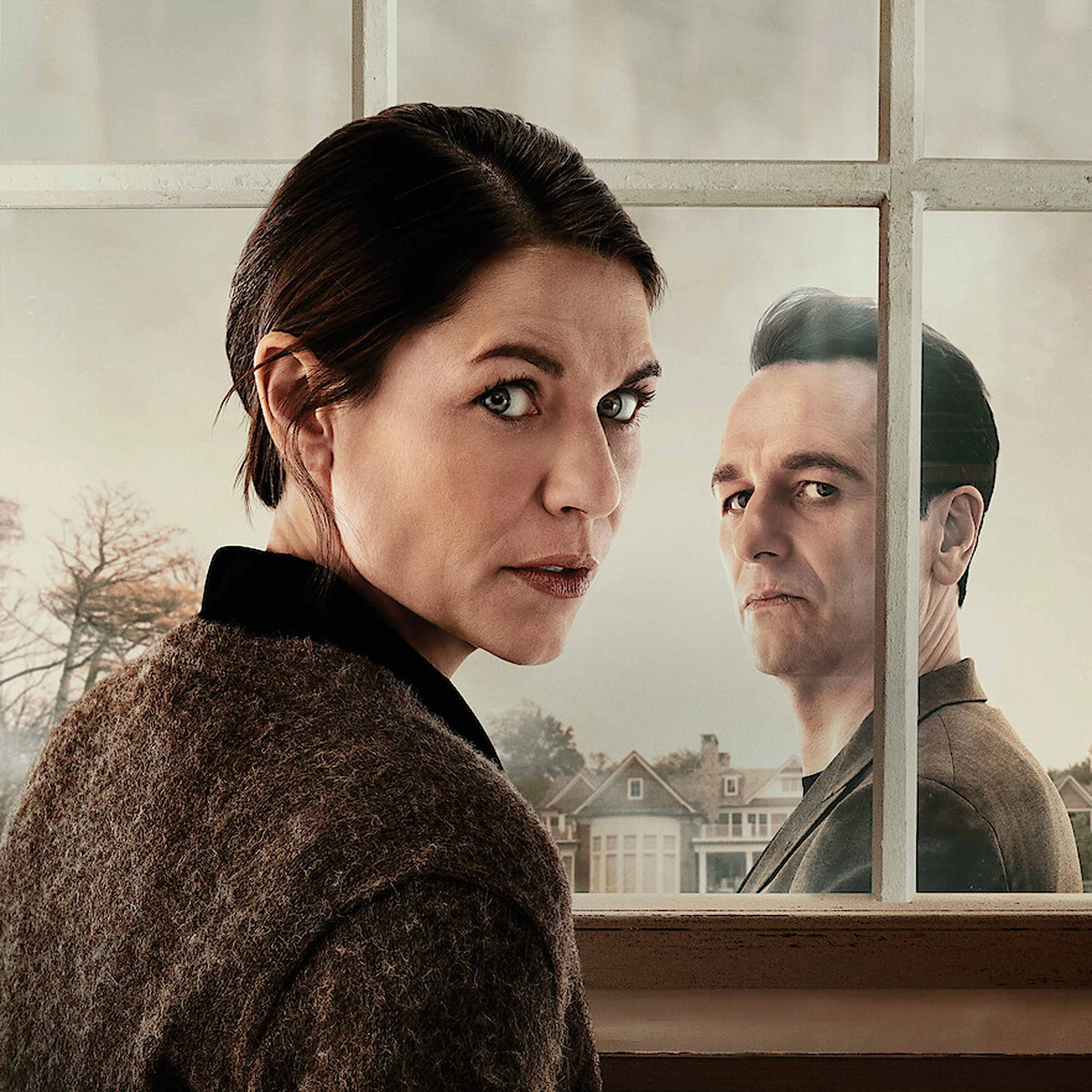
Starring CLAIRE DANES & MATTHEW RHYS
A Conversation with Showrunner, Exec. Producer HOWARD GORDON & Exec. Producer Writer DANIEL PEARLE

And I think there's also just something about an unfettered or uncensored id that is so captivating. We all have that fantasy of doing exactly what we want with no consequences and sort of letting that go. I think when you see an athlete at the peak of their game, doing that embodied thing and living that dream, or when someone has actually done horrible things that you would never allow yourself to do, there is a fascination there. I had one teacher who said, "Anyone who drives you crazy or that you just cannot stand in life, put them in a play or put them in a scene, and the audience will love them." If someone has really gotten under your skin and you just cannot stand them, and you have a visceral reaction—like, "I just hate this person"—make them a character, and the audience will make them everyone's favorite character. There is something to that.

The Beast in Me starring CLAIRE DANES - Behind the Scenes w/ HOWARD GORDON & DANIEL PEARLE

The Beast in Me starring CLAIRE DANES - Behind the Scenes w/ HOWARD GORDON & DANIEL PEARLE

Starring CLAIRE DANES & MATTHEW RHYS
A Conversation with Showrunner, Exec. Producer HOWARD GORDON & Exec. Producer Writer DANIEL PEARLE

And I think there's also just something about an unfettered or uncensored id that is so captivating. We all have that fantasy of doing exactly what we want with no consequences and sort of letting that go. I think when you see an athlete at the peak of their game, doing that embodied thing and living that dream, or when someone has actually done horrible things that you would never allow yourself to do, there is a fascination there. I had one teacher who said, "Anyone who drives you crazy or that you just cannot stand in life, put them in a play or put them in a scene, and the audience will love them." If someone has really gotten under your skin and you just cannot stand them, and you have a visceral reaction—like, "I just hate this person"—make them a character, and the audience will make them everyone's favorite character. There is something to that.

Listening to the Planet -  Writers' Perspectives on Nature, Place & Interconnectedness

Listening to the Planet - Writers' Perspectives on Nature, Place & Interconnectedness

Katie Kitamura, Eiren Caffall, Jay Parini, Irvin Weathersby Jr., Natasha Hakimi Zapata, Audrea Lim & Dr. Bayo Akomolafe share their stories

How do our environments shape who we are and how we care for the world and each other? There are many solutions to climate change, inequality, and poverty around the world. How can we learn from them and transform our society?

Why We Need Stories in Times of Crisis: ETGAR KERET on Healing, Connection & Creativity in the Age of AI - Highlights

Why We Need Stories in Times of Crisis: ETGAR KERET on Healing, Connection & Creativity in the Age of AI - Highlights

A Conversation with Author · Filmmaker ETGAR KERET
Winner of Cannes Film Festival’s Caméra d’Or · Charles Bronfman Prize & Sapir Prize

When I write my stories, I don't want to solve things in life. I just want to persuade myself that there is a way out. Maybe I am in a cell, maybe I'm trapped. Maybe I won't make it, but if I can imagine a plan for escape, then I'll be less trapped because at least in my mind, there is a way. I think that my parents are survivors. They always talked about this idea of humanity. My parents always said to me, when you look at people, don't look at their political views; that's not important. Look at the way that they look at you. If they see you, if they listen to you, if they can understand your intention, even if it's a failing one, they're your people. And if they can't, it doesn't matter.

I think that when I came with my mother and father, they thought there are people, there are human beings, and there are people who want to be human beings but are still struggling. And you go with humanity; you go with the person who can go against his ideology if his heart tells him something.