Highlights - TREVA B. LINDSEY, PhD - Author of America, Goddam: Violence, Black Women, and The Struggle for Justice
TREVA B. LINDSEY, PhD - Author of America, Goddam: Violence, Black Women, and The Struggle for Justice
Highlights - DEBORA CAHN - Showrunner of The Diplomat starring Keri Russell - Exec. Producer Homeland, Grey’s Anatomy

Highlights - DEBORA CAHN - Showrunner of The Diplomat starring Keri Russell - Exec. Producer Homeland, Grey’s Anatomy

Showrunner & Executive Producer of Netflix’s The Diplomat starring Keri Russell & Rufus Sewell
Exec. Producer Homeland · Grey’s Anatomy · Vinyl
Co-Producer The West Wing

So the idea was to look at what it's like to be an ambassador for the United States abroad and to do that in the context of a married couple, both of whom are in the same field. And what kind of tensions come from being in a relationship with somebody where you're both collaborators and personal partners and sometimes competitors? And what does that do to your life? What does it do to your work experience? And it felt like a military alliance and a marriage are not so different in many ways. You know, you get together under certain circumstances, and then time marches on and things change, and both parties change, and you're still in this relationship that either can or can't bend with you.

DEBORA CAHN - Showrunner & Executive Producer of Netflix’s The Diplomat starring Keri Russell & Rufus Sewell


DEBORA CAHN - Showrunner & Executive Producer of Netflix’s The Diplomat starring Keri Russell & Rufus Sewell


Showrunner & Executive Producer of Netflix’s The Diplomat starring Keri Russell & Rufus Sewell
Exec. Producer Homeland · Grey’s Anatomy · Vinyl
Co-Producer The West Wing

So the idea was to look at what it's like to be an ambassador for the United States abroad and to do that in the context of a married couple, both of whom are in the same field. And what kind of tensions come from being in a relationship with somebody where you're both collaborators and personal partners and sometimes competitors? And what does that do to your life? What does it do to your work experience? And it felt like a military alliance and a marriage are not so different in many ways. You know, you get together under certain circumstances, and then time marches on and things change, and both parties change, and you're still in this relationship that either can or can't bend with you.

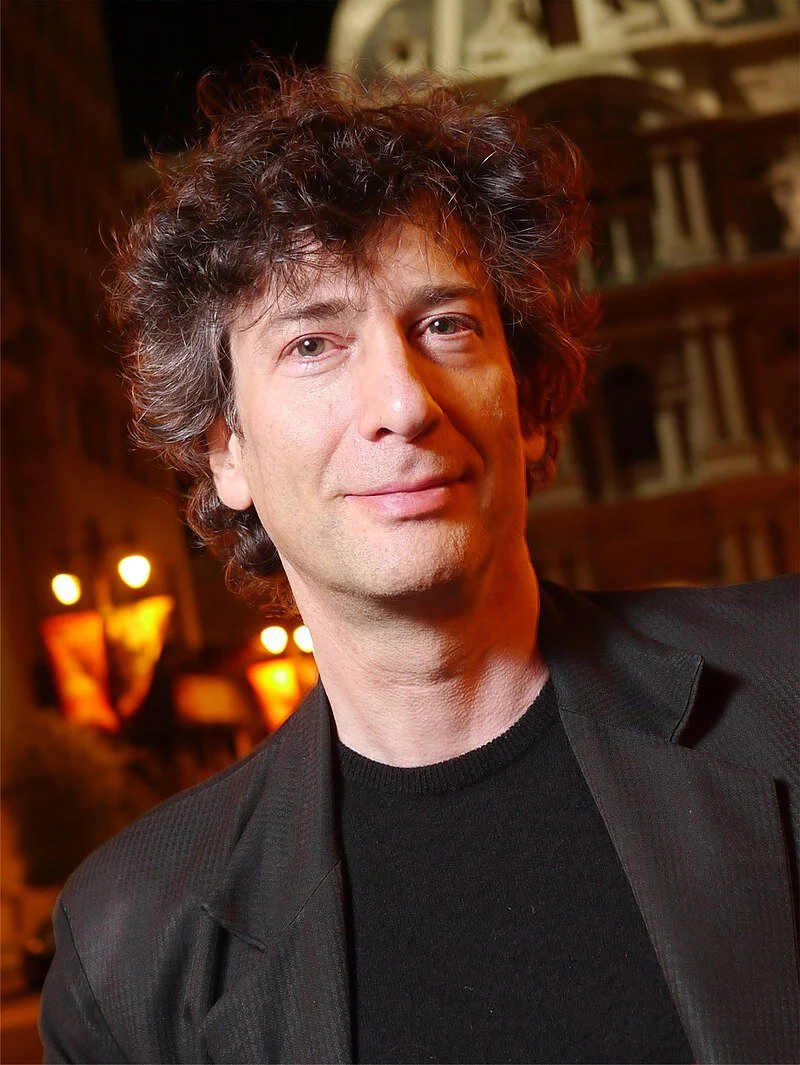
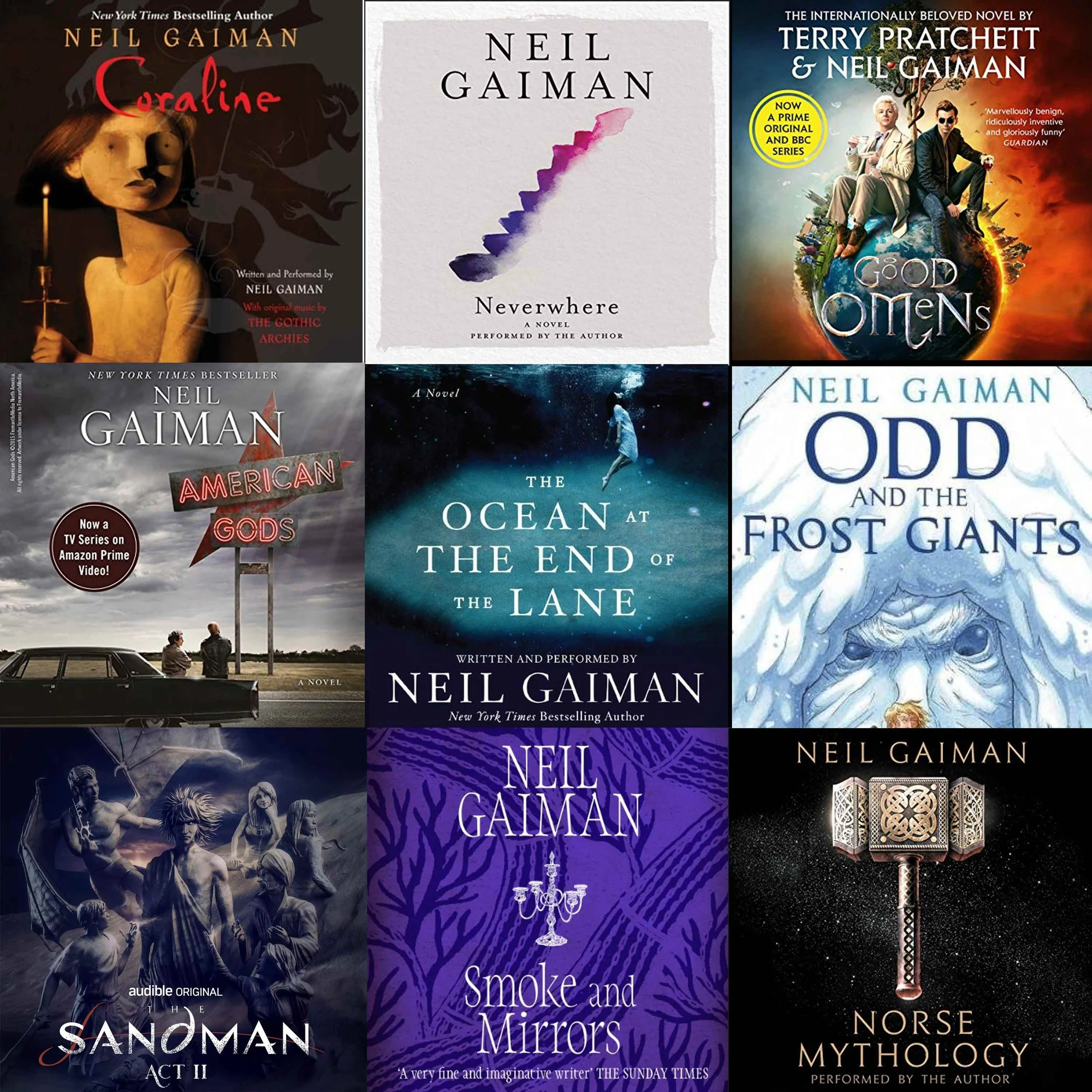
Highlights - NEIL GAIMAN - Writer, Producer, Showrunner - The Sandman, American Gods, Good Omens, Coraline

Highlights - NEIL GAIMAN - Writer, Producer, Showrunner - The Sandman, American Gods, Good Omens, Coraline

Interview Highlights

I've always, pretty much from the beginning, I've always wanted to write as if I were paying by the word to be published. So that's always gone in there. Whether it's film or television, whether it's comics, whether it's novels, and especially short stories. I want everything to count. I want every word to count.

NEIL GAIMAN - Writer, Producer, Showrunner - The Sandman, American Gods, Good Omens, Coraline

NEIL GAIMAN - Writer, Producer, Showrunner - The Sandman, American Gods, Good Omens, Coraline

Writer · Graphic Novelist · Producer

The idea that anything could be a door, the idea that the back of the wardrobe could open up unto a world in which it was winter and there were other worlds inches away from us, became just part of the way that I saw the world, that was how I assumed the way the world worked, when I was a kid that was the way that I saw.

Highlights - Britt Wray - Author, Researcher Working on Climate Change and Mental Health

Highlights - Britt Wray - Author, Researcher Working on Climate Change and Mental Health

Author of Generation Dread: Finding Purpose in an Age of Climate Crisis
Broadcaster and Researcher Working on Climate Change and Mental Health

I think the general waking up that I'm seeing around me in so many different parts of society, people from all walks understanding that this is here, it's not a future threat. It's active now. We need to get smart about addressing it. A lot of people are also asking themselves how can I be of service? What can I do at this time? How am I going to be? And you know, the more climate job boards and networking communities and sites of bringing people together to do that work of figuring out how they're going to go on their climate journey while infusing it with a sense of joy, with a sense of how can we make this fun, right? How can we reshift so this is not just focusing on the negative, but really focusing on what we want to be building and what is abundant and the better life that we're working towards? All of that has been popping up a lot and that gives me an honest sense of hope. So a lot of it is about that relationality, creating conditions of solidarity that bring a sense of stability and security. Even though there's a lot of uncertainty about what the impacts will be and how they're going to affect us, each and every one of us, in the decades ahead. There needs to, amidst all that uncertainty, be other things that can undergird a child and make them feel held, safe, secure, and like they belong to a protective community that's thinking and feeling with them through this.

Britt Wray - Author of “Generation Dread: Finding Purpose in an Age of Climate Crisis”

Britt Wray - Author of “Generation Dread: Finding Purpose in an Age of Climate Crisis”

Author of Generation Dread: Finding Purpose in an Age of Climate Crisis
Broadcaster and Researcher Working on Climate Change and Mental Health

I think the general waking up that I'm seeing around me in so many different parts of society, people from all walks understanding that this is here, it's not a future threat. It's active now. We need to get smart about addressing it. A lot of people are also asking themselves how can I be of service? What can I do at this time? How am I going to be? And you know, the more climate job boards and networking communities and sites of bringing people together to do that work of figuring out how they're going to go on their climate journey while infusing it with a sense of joy, with a sense of how can we make this fun, right? How can we reshift so this is not just focusing on the negative, but really focusing on what we want to be building and what is abundant and the better life that we're working towards? All of that has been popping up a lot and that gives me an honest sense of hope. So a lot of it is about that relationality, creating conditions of solidarity that bring a sense of stability and security. Even though there's a lot of uncertainty about what the impacts will be and how they're going to affect us, each and every one of us, in the decades ahead. There needs to, amidst all that uncertainty, be other things that can undergird a child and make them feel held, safe, secure, and like they belong to a protective community that's thinking and feeling with them through this.

Special Earth Day Stories - Environmentalists, Artists, Students & Teachers share their Love for the Planet - Part 1

Special Earth Day Stories - Environmentalists, Artists, Students & Teachers share their Love for the Planet - Part 1

Environmentalists, Artists, Students & Teachers share their Love for the Planet

Today we’re streaming voices of environmentalists, artists, students, and teachers with music courtesy of composer Max Richter.

Highlights - JOHN PATRICK SHANLEY - Writer/Director - Doubt starring Meryl Streep, Philip Seymour Hoffman, Amy Adams, Viola Davis - Moonstruck

Highlights - JOHN PATRICK SHANLEY - Writer/Director - Doubt starring Meryl Streep, Philip Seymour Hoffman, Amy Adams, Viola Davis - Moonstruck

Academy Award · Tony · Pulitzer Prize-winning Writer/Director
Doubt starring Meryl Streep, Philip Seymour Hoffman, Amy Adams
Moonstruck · Wild Mountain Thyme · Danny and the Deep Blue Sea · Joe Versus the Volcano

I knew Philip Seymour Hoffman for several years. We went on vacation together. He produced a play of mine. Before we did Doubt, we worked in the same theater company together, and he was, you know, very committed to excellence. And so he could become impatient with anybody who was not committed to excellence, and that could make him a volatile person to deal with. Phil cared. He cared a great deal. And he worked really hard. They're very committed. Like with Viola Davis. Viola had done a decent amount of big work before Doubt, but she was not recognized yet. And she was careful. You know, she certainly wasn't throwing weight around. She was, I'm the new kid on the block, and I'm just here to work and be serious and do my job, keep my head down, and get out. And pretty much that's what I was doing too, you know, because I've got Meryl Streep, I've got Philip Hoffman, who I was friends with, but Phil's not an easy guy to be friends with or was not easy to be friends with. He's a very prickly person prone to getting pissed off about things that you might not expect. And then Amy Adams was somebody who, you know, tried to get along with everybody and Phil would say like, 'You just want everybody to like you.' So, you know, you're in the middle of that group, and you just, you don't want to put yourself in a position where you're trying to prove something. You have to let them...they're very, very smart people, and they're going to figure out whatever it is that you're doing. They're going to figure out whether you are in any way trying to handle that. And that's not going to go well. And so I didn't do that.

JOHN PATRICK SHANLEY - Academy Award-winning Writer/Director - Doubt starring Meryl Streep, Philip Seymour Hoffman, Amy Adams - Moonstruck

JOHN PATRICK SHANLEY - Academy Award-winning Writer/Director - Doubt starring Meryl Streep, Philip Seymour Hoffman, Amy Adams - Moonstruck

Academy Award · Tony · Pulitzer Prize-winning Writer/Director
Doubt starring Meryl Streep, Philip Seymour Hoffman, Amy Adams
Moonstruck · Wild Mountain Thyme · Danny and the Deep Blue Sea · Joe Versus the Volcano

I knew Philip Seymour Hoffman for several years. We went on vacation together. He produced a play of mine. Before we did Doubt, we worked in the same theater company together, and he was, you know, very committed to excellence. And so he could become impatient with anybody who was not committed to excellence, and that could make him a volatile person to deal with. Phil cared. He cared a great deal. And he worked really hard. They're very committed. Like with Viola Davis. Viola had done a decent amount of big work before Doubt, but she was not recognized yet. And she was careful. You know, she certainly wasn't throwing weight around. She was, I'm the new kid on the block, and I'm just here to work and be serious and do my job, keep my head down, and get out. And pretty much that's what I was doing too, you know, because I've got Meryl Streep, I've got Philip Hoffman, who I was friends with, but Phil's not an easy guy to be friends with or was not easy to be friends with. He's a very prickly person prone to getting pissed off about things that you might not expect. And then Amy Adams was somebody who, you know, tried to get along with everybody and Phil would say like, 'You just want everybody to like you.' So, you know, you're in the middle of that group, and you just, you don't want to put yourself in a position where you're trying to prove something. You have to let them...they're very, very smart people, and they're going to figure out whatever it is that you're doing. They're going to figure out whether you are in any way trying to handle that. And that's not going to go well. And so I didn't do that.

Highlights - Anthony Joseph - Award-winning Writer & Musician - “Sonnets for Albert”

Highlights - Anthony Joseph - Award-winning Writer & Musician - “Sonnets for Albert”

Award-winning Poet, Novelist & Musician, Lead vocalist of The Spasm Band
Author of Sonnets for Albert

The life of Caribbean people is not really documented. So this idea of Caribbean life being fragmented is something that I've had in my mind for a long time. So when I came to write this collection for my father, I realized that it was the same process and what I had were fragments, especially with him, because he wasn't around in a physical sense all the time. So all I had were little photographs, scattered memories, and remembrances. They're little parts of his life and parts of my experience with him... I never disliked my father. I always loved him and always was fascinated and captivated by him.

ANTHONY JOSEPH - T.S. Eliot Award-winning Poet, Novelist & Musician, Lead vocalist of The Spasm Band

ANTHONY JOSEPH - T.S. Eliot Award-winning Poet, Novelist & Musician, Lead vocalist of The Spasm Band

T.S. Eliot Award-winning Poet, Novelist & Musician, Lead vocalist of The Spasm Band
Author of Sonnets for Albert

The life of Caribbean people is not really documented. So this idea of Caribbean life being fragmented is something that I've had in my mind for a long time. So when I came to write this collection for my father, I realized that it was the same process and what I had were fragments, especially with him, because he wasn't around in a physical sense all the time. So all I had were little photographs, scattered memories, and remembrances. They're little parts of his life and parts of my experience with him... I never disliked my father. I always loved him and always was fascinated and captivated by him.

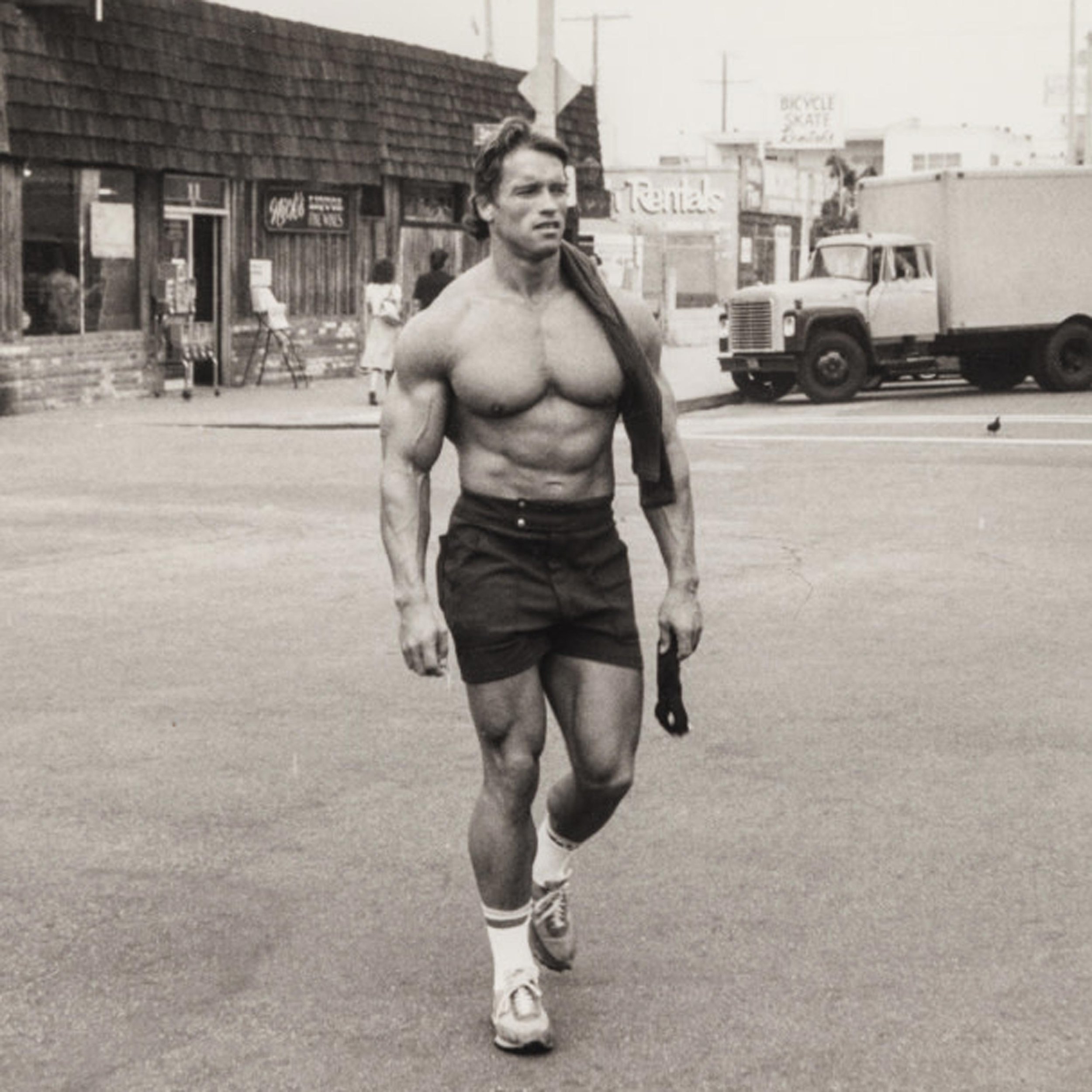
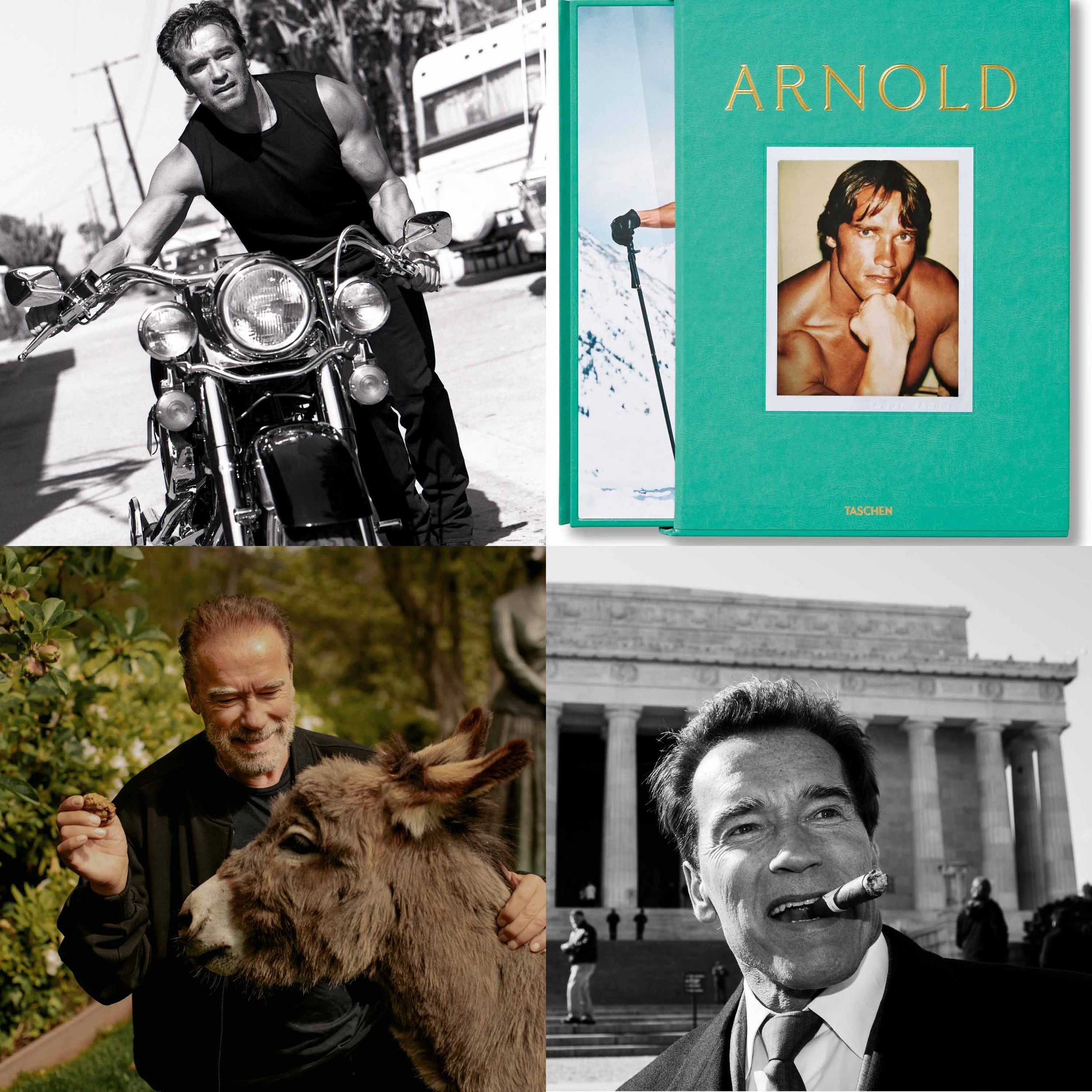
Highlights - ARNOLD SCHWARZENEGGER: Athlete, Actor, American, Activist - Conversation with Editor DIAN HANSON

Highlights - ARNOLD SCHWARZENEGGER: Athlete, Actor, American, Activist - Conversation with Editor DIAN HANSON

ATHLETE · ACTOR · AMERICAN · ACTIVIST
DIAN HANSON discusses photographic homage to ARNOLD SCHWARZENEGGER

Why I was different from all the other boys in my town I cannot tell you. I was simply born with the gift of vision.
– ARNOLD SCHWARZENEGGER

It's not just that he grew up in a rural environment too. He was born on July 30th, 1947. And most of us today don't have any understanding or relationship to what Europe was like right after World War II. The winter of 1946/1947 in Austria was the most brutal in decades. The people already had too little food. They were in an occupied country. The summer potato crops failed. As Arnold has said, his mother had to go from farm to farm to farm, begging for food to be able to feed her children. His father, like all the men in the village, was defeated by the war. And he saw them all physically, emotionally, intellectually defeated and taking it out on their wives and children, that he was beaten and his mother was beaten. All the neighbor kids were beaten, and they were beaten into a kind of placid defeat. And he alone would not accept that. He could not see that life for himself. And so he wanted out of that. And as a poor boy, he had nothing but his body to work with. That was it. There was not going to be any college. There was not going to be any of that. There was going to be some kind of menial job, or he could use what he had - his body - to get him out of there.

ARNOLD SCHWARZENEGGER: Athlete, Actor, American, Activist - Conversation with Editor DIAN HANSON

ARNOLD SCHWARZENEGGER: Athlete, Actor, American, Activist - Conversation with Editor DIAN HANSON

ATHLETE · ACTOR · AMERICAN · ACTIVIST
DIAN HANSON discusses photographic homage to ARNOLD SCHWARZENEGGER

Why I was different from all the other boys in my town I cannot tell you. I was simply born with the gift of vision.
– ARNOLD SCHWARZENEGGER

It's not just that he grew up in a rural environment too. He was born on July 30th, 1947. And most of us today don't have any understanding or relationship to what Europe was like right after World War II. The winter of 1946/1947 in Austria was the most brutal in decades. The people already had too little food. They were in an occupied country. The summer potato crops failed. As Arnold has said, his mother had to go from farm to farm to farm, begging for food to be able to feed her children. His father, like all the men in the village, was defeated by the war. And he saw them all physically, emotionally, intellectually defeated and taking it out on their wives and children, that he was beaten and his mother was beaten. All the neighbor kids were beaten, and they were beaten into a kind of placid defeat. And he alone would not accept that. He could not see that life for himself. And so he wanted out of that. And as a poor boy, he had nothing but his body to work with. That was it. There was not going to be any college. There was not going to be any of that. There was going to be some kind of menial job, or he could use what he had - his body - to get him out of there.

Highlights - ADA LIMÓN, U.S. Poet Laureate - The Hurting Kind, The Carrying

Highlights - ADA LIMÓN, U.S. Poet Laureate - The Hurting Kind, The Carrying

National Book Critics Circle Award-winning Poet & Host of The Slowdown podcast

This poem was written when I was having a real moment of reckoning, not that I hadn't had it earlier, but where I was doing some deep reading about the climate crisis and really reckoning with myself, with where we were and what was happening, what the truth was. And I felt like it was so easy to slip down into a darkness, into a sort of numbness, and I didn't think that that numbness and darkness could be useful.

ADA LIMÓN, U.S. Poet Laureate - The Hurting Kind, The Carrying

ADA LIMÓN, U.S. Poet Laureate - The Hurting Kind, The Carrying

U.S. Poet Laureate · Host of The Slowdown podcast

This poem was written when I was having a real moment of reckoning, not that I hadn't had it earlier, but where I was doing some deep reading about the climate crisis and really reckoning with myself, with where we were and what was happening, what the truth was. And I felt like it was so easy to slip down into a darkness, into a sort of numbness, and I didn't think that that numbness and darkness could be useful.

Highlights - JERICHO BROWN - Pulitzer Prize-winning Poet - Editor of How We Do It: Black Writers on Craft, Practice, and Skill

Highlights - JERICHO BROWN - Pulitzer Prize-winning Poet - Editor of How We Do It: Black Writers on Craft, Practice, and Skill

Pulitzer Prize-winning Poet · Director of Creative Writing Program · Emory University
Editor of How We Do It: Black Writers on Craft, Practice, and Skill

As writers, it's our job to write what will become clichés. Not to write clichés, but to be original enough that we make something that people are still saying for hundreds of years to come. And if that's what you're doing, that's pretty powerful. When I'm writing a poem I'm making a world. And if I can stick to that, then I have to believe that once a poem is out in the world, another world has been made, another way of living, another way of thinking, another way of seeing things.

JERICHO BROWN - Pulitzer Prize-winning Poet - Editor of “How We Do It: Black Writers on Craft, Practice, and Skill”

JERICHO BROWN - Pulitzer Prize-winning Poet - Editor of “How We Do It: Black Writers on Craft, Practice, and Skill”

Pulitzer Prize-winning Poet · Director of Creative Writing Program · Emory University
Editor of How We Do It: Black Writers on Craft, Practice, and Skill

As writers, it's our job to write what will become clichés. Not to write clichés, but to be original enough that we make something that people are still saying for hundreds of years to come. And if that's what you're doing, that's pretty powerful. When I'm writing a poem I'm making a world. And if I can stick to that, then I have to believe that once a poem is out in the world, another world has been made, another way of living, another way of thinking, another way of seeing things.

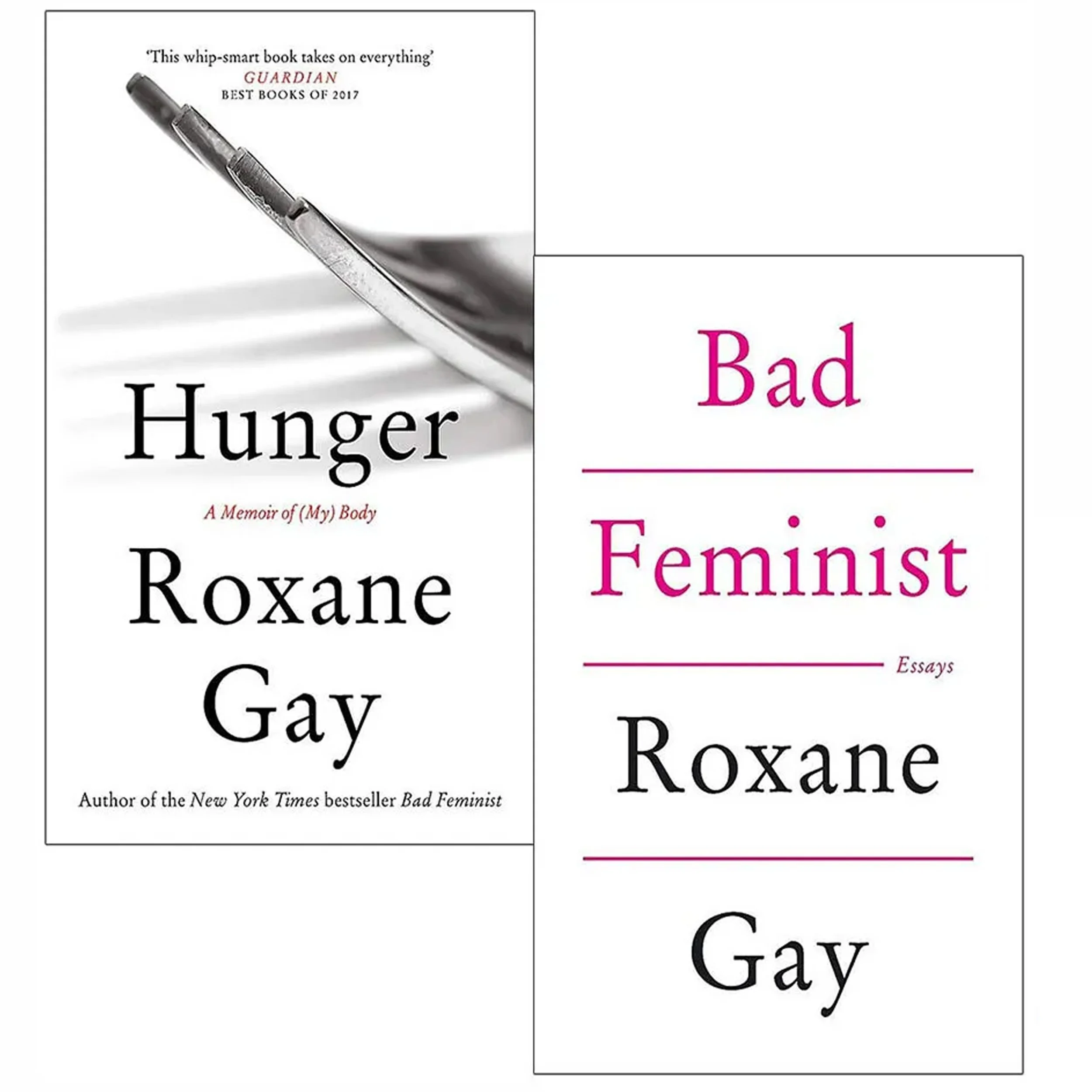
Highlights - ROXANE GAY - NYTimes Best-selling Author, Editor & Social Commentator: Bad Feminist, Hunger, Difficult Women

Highlights - ROXANE GAY - NYTimes Best-selling Author, Editor & Social Commentator: Bad Feminist, Hunger, Difficult Women

Writer

As seductive as the virtual world can be – where there are fewer boundaries, where you can be anything, and you can be anyone – there's something very important about the tactile world and being grounded in the tactile world. And so far humanity has not lost sight of that collectively. And I do not think that we will.