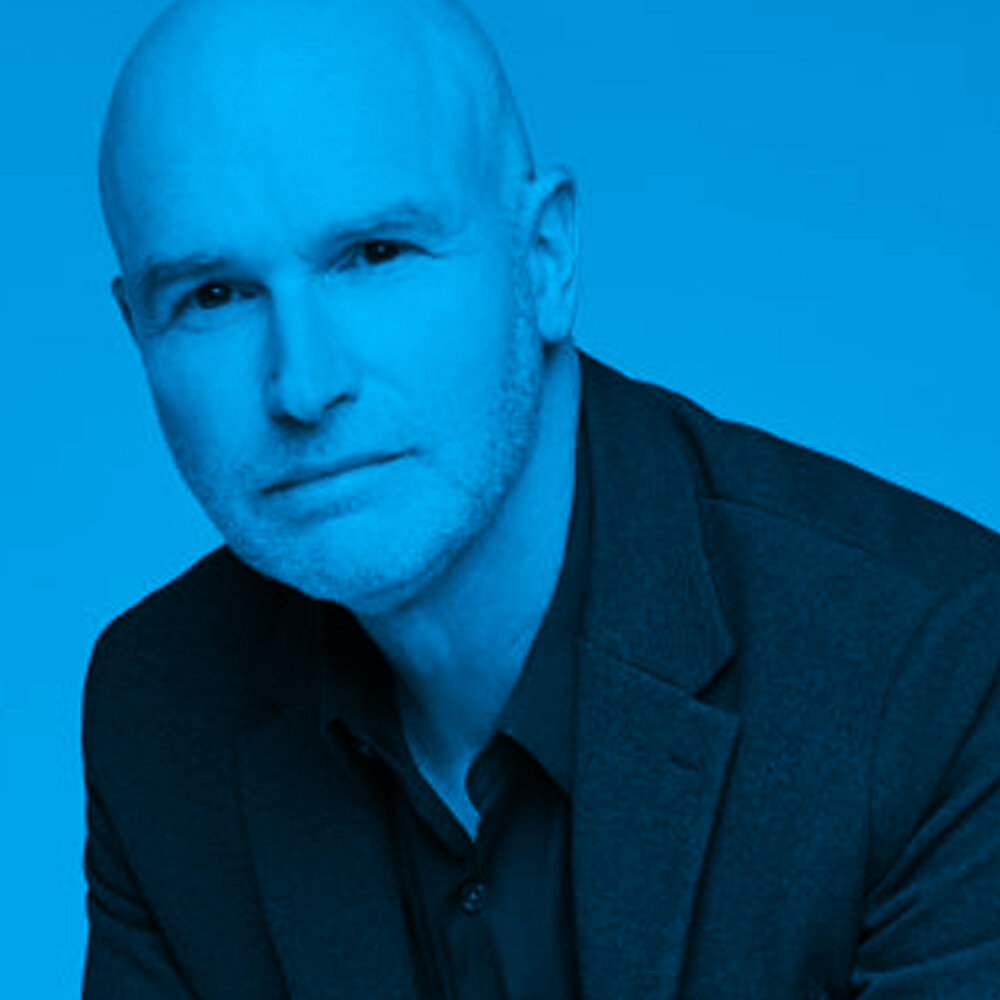
PETER SINGER

PETER SINGER

Most Influential Living Philosopher
Author · Founder of The Life You Can Save

I would like young people to recognise that they are part of a long tradition that has been trying to the make the world a better place. A tradition that goes back as far as we have recorded history, that there are people who tried to–like Socrates, but also like Buddha and many other figures in different cultures–think more about how we ought to live in accordance with their thinking. Tried to do good in the world and that’s a tradition they can be part of. This generation really does hold the future of the planet in its hands.

(Highlights) HALA ALYAN

(Highlights) HALA ALYAN

Dayton Literary Peace Prize Winning Novelist, Poet & Clinical Psychologist

We become the stories we tell ourselves…I started writing around the time I learned English because we moved to the States soon after my fourth birthday, and so I was here for kindergarten into elementary school. I grasped this new language just as I was learning how to also put things onto the page. Those two things really happened at the same time for me. I entered this world where I felt very different and very other, for all intents and purposes I was set to be raised in Kuwait. And then that of course got turned upside down after the invasion by Saddam. I think that so much of my trying to make sense of the world had to do with the displacement, exile and these experiences that my parents had experienced but then that I had as well as we were fleeing the war. It’s hard to know because I think that language was being formed in my brain at the same time that these things were happening.

HALA ALYAN

HALA ALYAN

Dayton Literary Peace Prize Winning Novelist, Poet & Clinical Psychologist

We become the stories we tell ourselves…I started writing around the time I learned English because we moved to the States soon after my fourth birthday, and so I was here for kindergarten into elementary school. I grasped this new language just as I was learning how to also put things onto the page. Those two things really happened at the same time for me. I entered this world where I felt very different and very other, for all intents and purposes I was set to be raised in Kuwait. And then that of course got turned upside down after the invasion by Saddam. I think that so much of my trying to make sense of the world had to do with the displacement, exile and these experiences that my parents had experienced but then that I had as well as we were fleeing the war. It’s hard to know because I think that language was being formed in my brain at the same time that these things were happening.

(Highlights) DAVID HOLLANDER

(Highlights) DAVID HOLLANDER

Showrunner · Writer · Director

They are very different skill sets and very different ways of approaching storytelling. Writing is very private. I find writing to be very difficult. I have an idea. I have a feeling, and then I write into it. That part of the process is the most painful and the most demanding. Directing is easier. It’s a very different skill set. It’s applying a story to the technique of how you film it, how it’s going to work. That part is so simple. The writing is brutally hard. There’s an architecture to every season that you write in television. I have to see the whole story. This big twelve-hour story. There’s a lot of math in that. There’s a lot of Where am I going? and How is it going to feel? Because at the end of the day, all I’m doing is trying to make people feel something.

DAVID HOLLANDER

DAVID HOLLANDER

Showrunner · Writer · Director

They are very different skill sets and very different ways of approaching storytelling. Writing is very private. I find writing to be very difficult. I have an idea. I have a feeling, and then I write into it. That part of the process is the most painful and the most demanding. Directing is easier. It’s a very different skill set. It’s applying a story to the technique of how you film it, how it’s going to work. That part is so simple. The writing is brutally hard. There’s an architecture to every season that you write in television. I have to see the whole story. This big twelve-hour story. There’s a lot of math in that. There’s a lot of Where am I going? and How is it going to feel? Because at the end of the day, all I’m doing is trying to make people feel something.

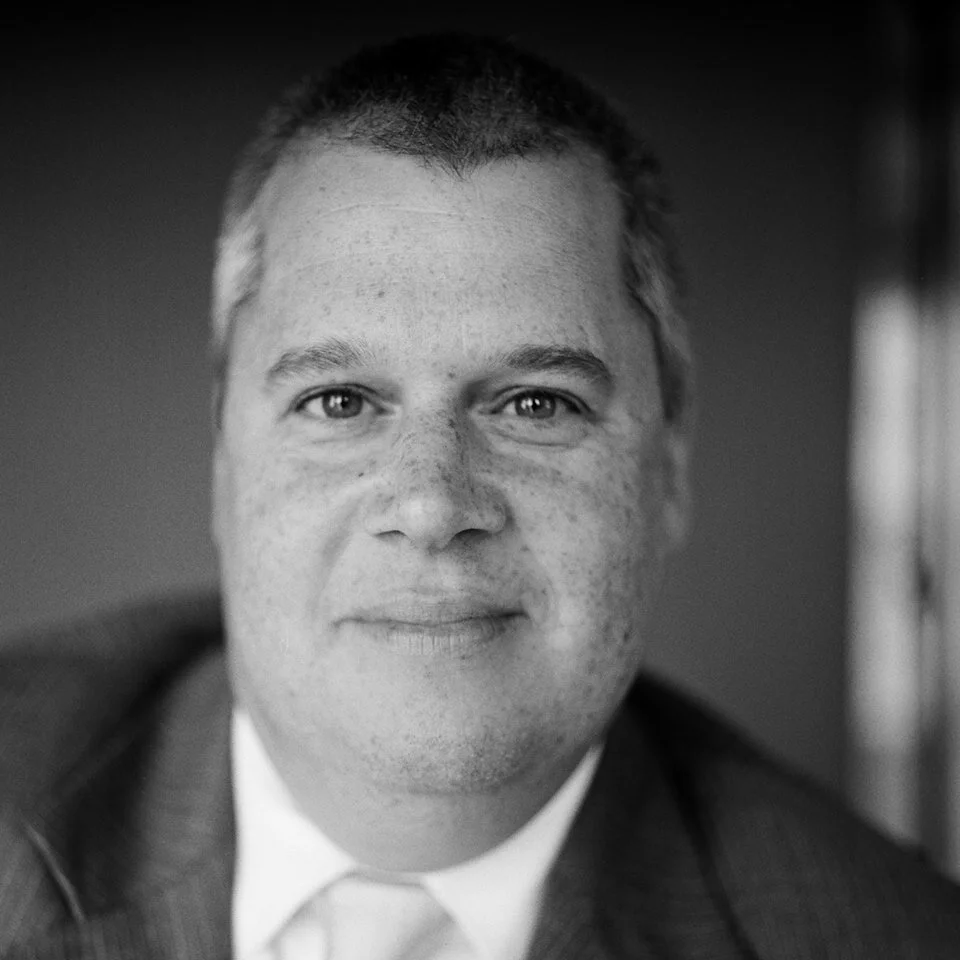
(Highlights) DANIEL HANDLER a.k.a Lemony Snicket

(Highlights) DANIEL HANDLER a.k.a Lemony Snicket

Writer

I think what is most exciting is that it is a very passionate readership. You never love a book the way you love a book when you are ten. And I think to be a part of that sacred space and that kind of sacred exchange between a reader and literature is very exciting.

DANIEL HANDLER a.k.a Lemony Snicket

DANIEL HANDLER a.k.a Lemony Snicket

Writer

I think what is most exciting is that it is a very passionate readership. You never love a book the way you love a book when you are ten. And I think to be a part of that sacred space and that kind of sacred exchange between a reader and literature is very exciting.

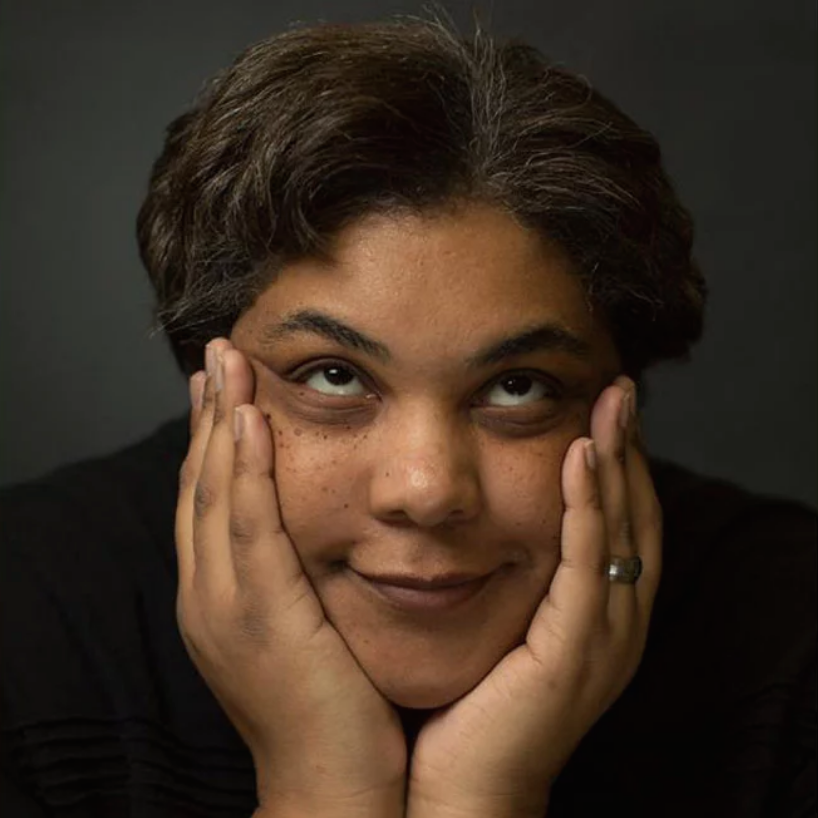
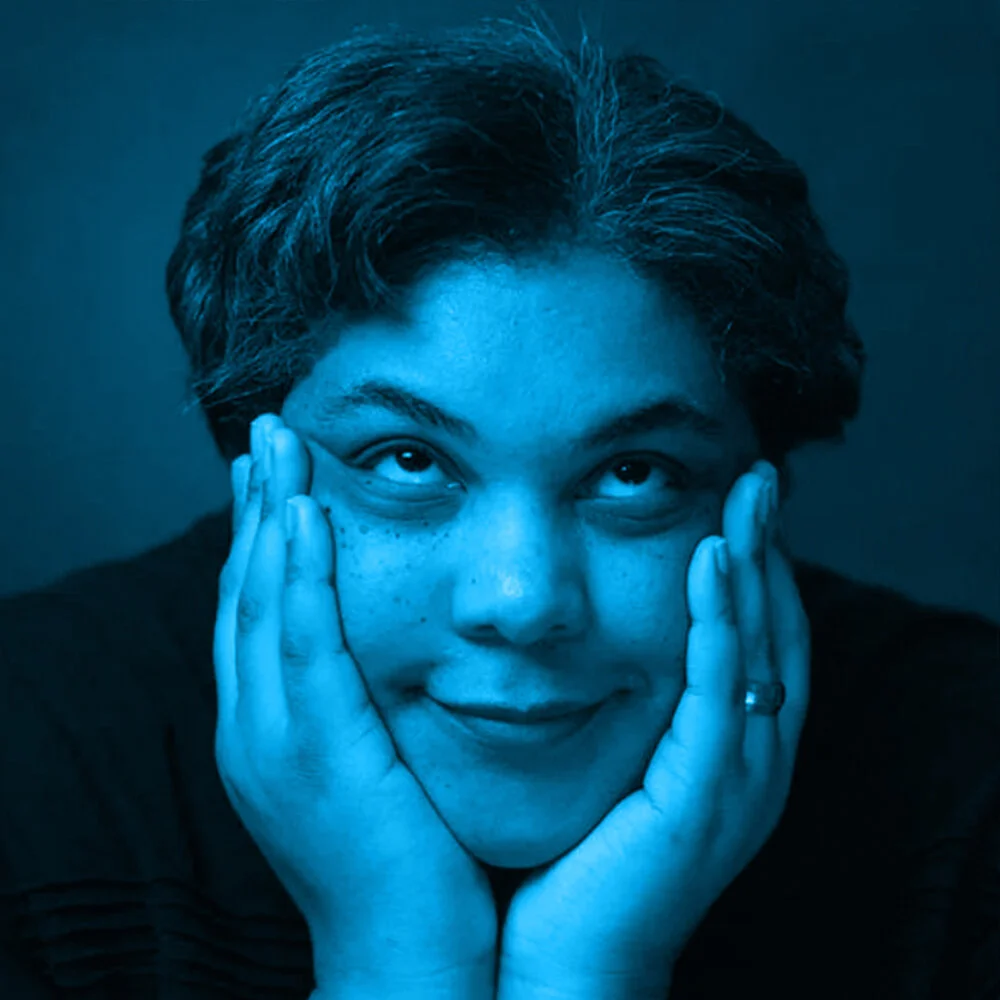
ROXANE GAY

ROXANE GAY

Writer

As seductive as the virtual world can be – where there are fewer boundaries, where you can be anything, and you can be anyone – there's something very important about the tactile world and being grounded in the tactile world. And so far humanity has not lost sight of that collectively. And I do not think that we will.

(Highlights) ROXANE GAY

(Highlights) ROXANE GAY

Writer

As seductive as the virtual world can be – where there are fewer boundaries, where you can be anything, and you can be anyone – there's something very important about the tactile world and being grounded in the tactile world. And so far humanity has not lost sight of that collectively. And I do not think that we will.

RICK MOODY

RICK MOODY

Novelist & Memoirist

Words are the oldest information storage and retrieval system ever devised…The written word will remain, scribbled on collapsed highway overpasses, as a testament to love and rage, as evidence of the wanderers in the ruin.

CAROLYN WATERS BROE

CAROLYN WATERS BROE

Founding Conductor of the Four Seasons Orchestra
Principal Violist of the Scottsdale Philharmonic

I feel that the earth is like a classroom for soul growth and we’re put here to overcome challenges, and we may be working on something like humility or compassion or love of humanity. The challenges might be something like war or cancer. Everybody gets a challenge to work on in their lives, but they also get a great gift to help them through those challenges. You just have to know how to use those gifts.

(Highlights) CAROLYN WATERS BROE

(Highlights) CAROLYN WATERS BROE

Founding Conductor of the Four Seasons Orchestra
Principal Violist of the Scottsdale Philharmonic

I feel that the earth is like a classroom for soul growth and we’re put here to overcome challenges, and we may be working on something like humility or compassion or love of humanity. The challenges might be something like war or cancer. Everybody gets a challenge to work on in their lives, but they also get a great gift to help them through those challenges. You just have to know how to use those gifts.

(Highlights) EIMEAR McBRIDE

(Highlights) EIMEAR McBRIDE

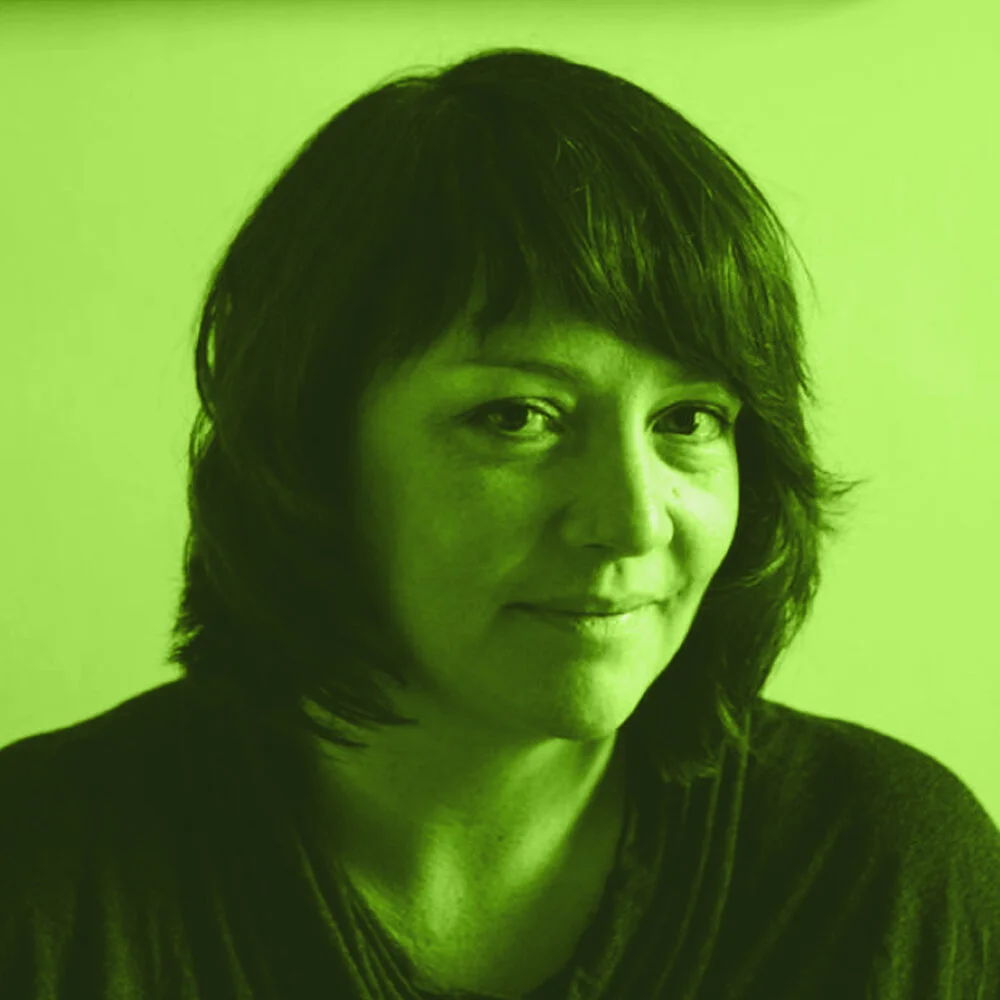
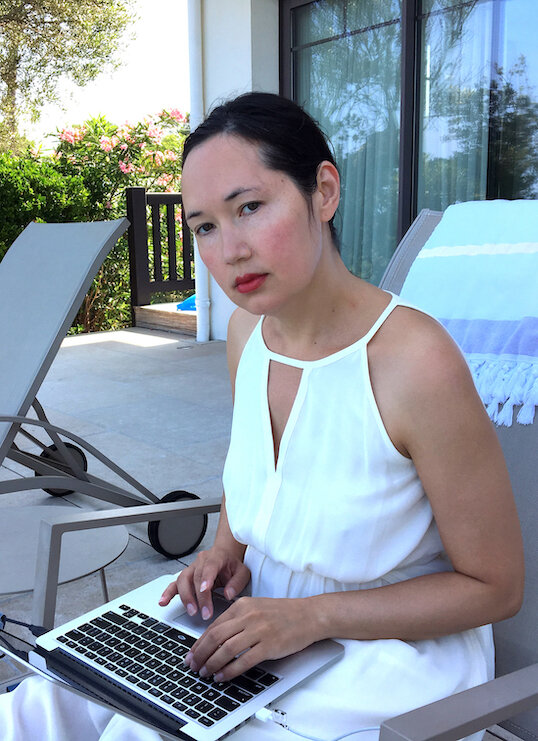
Eimear McBride trained at The Drama Centre in London. Her debut novel A Girl is a Half-formed Thing received a number of awards, including the Bailey Women’s Prize for Fiction, and the Irish Novel of the Year. She occasionally writes interviews for The Guardian, TLS, and The New Statesman.

This interview was conducted by Justin Hayes and Mia Funk with the participation of collaborating universities and students. Associate Interviews Producer on this podcast was Reagan-Koffink. Digital Media Coordinator is Yu Young Lee. 


Mia Funk is an artist, interviewer and founder of The Creative Process.

EIMEAR McBRIDE

EIMEAR McBRIDE

Eimear McBride trained at The Drama Centre in London. Her debut novel A Girl is a Half-formed Thing received a number of awards, including the Bailey Women’s Prize for Fiction, and the Irish Novel of the Year. She occasionally writes interviews for The Guardian, TLS, and The New Statesman.

This interview was conducted by Justin Hayes and Mia Funk with the participation of collaborating universities and students. Associate Interviews Producer on this podcast was Reagan-Koffink. Digital Media Coordinator is Yu Young Lee. 


Mia Funk is an artist, interviewer and founder of The Creative Process.

(Highlights) YANN MARTEL

(Highlights) YANN MARTEL

Novelist

It's interesting to me that the West has been shaped by two works of fiction, The Iliad and The Odyssey and the Gospels, which are prehistoric artistic works. The West has two feet. They're both fictional feet, and after that we started being rational and reasonable.

YANN MARTEL

YANN MARTEL

Novelist

It's interesting to me that the West has been shaped by two works of fiction, The Iliad and The Odyssey and the Gospels, which are prehistoric artistic works. The West has two feet. They're both fictional feet, and after that we started being rational and reasonable.

(Highlights) JOHN D'AGATA

(Highlights) JOHN D'AGATA

John D’Agata is the author of Halls of Fame, About a Mountain, and The Lifespan of a Fact, as well as the editor of the 3-volume series  A New History of the Essay, which includes the anthologies The Next American Essay, The Making of the American Essay, and The Lost Origins of the Essay. His work has been supported by a Guggenheim Fellowship, a Howard Foundation Fellowship, an NEA Literature Fellowship, and a Lannan Foundation Fellowship. He holds a B.A. from Hobart College and two M.F.A.s from the University of Iowa, and recently his essays have appeared in The Believer, Harper's, Gulf Coast, and Conjunctions. John D’Agata lives in Iowa City where he teaches creative writing at the University of Iowa. The Lifespan of Fact was adapted into a Broadway play starring Daniel Radcliffe, Cherry Jones, and Bobby Cannavale.

JOHN D'AGATA

For a writer of non-fiction or essayist that’s very difficult to work with because we aren’t, or at least some of us don’t consider ourselves journalists. The tools that we are working with aren’t–What your favorite color is. Where you grew up. Or what your favorite number is. If we’re writing a profile of something, the tools that we’re working with are long conversations in which people are sharing anecdotes about themselves. When I do an interview with somebody, I don’t take out a tape recorder. I don’t have a notebook. I invite them on a walk so that we can feel at least that we’re just chatting.

This interview was conducted by Mia Funk with the participation of collaborating universities and students. Associate Interviews Producer on this podcast was Cameron McDonald. Digital Media Coordinator is Hannah Story Brown. 

Mia Funk is an artist, interviewer and founder of The Creative Process.

JOHN D'AGATA

JOHN D'AGATA

John D’Agata is the author of Halls of Fame, About a Mountain, and The Lifespan of a Fact, as well as the editor of the 3-volume series  A New History of the Essay, which includes the anthologies The Next American Essay, The Making of the American Essay, and The Lost Origins of the Essay. His work has been supported by a Guggenheim Fellowship, a Howard Foundation Fellowship, an NEA Literature Fellowship, and a Lannan Foundation Fellowship. He holds a B.A. from Hobart College and two M.F.A.s from the University of Iowa, and recently his essays have appeared in The Believer, Harper's, Gulf Coast, and Conjunctions. John D’Agata lives in Iowa City where he teaches creative writing at the University of Iowa. The Lifespan of Fact was adapted into a Broadway play starring Daniel Radcliffe, Cherry Jones, and Bobby Cannavale.

JOHN D'AGATA

For a writer of non-fiction or essayist that’s very difficult to work with because we aren’t, or at least some of us don’t consider ourselves journalists. The tools that we are working with aren’t–What your favorite color is. Where you grew up. Or what your favorite number is. If we’re writing a profile of something, the tools that we’re working with are long conversations in which people are sharing anecdotes about themselves. When I do an interview with somebody, I don’t take out a tape recorder. I don’t have a notebook. I invite them on a walk so that we can feel at least that we’re just chatting.

This interview was conducted by Mia Funk with the participation of collaborating universities and students. Associate Interviews Producer on this podcast was Cameron McDonald. Digital Media Coordinator is Hannah Story Brown. 

Mia Funk is an artist, interviewer and founder of The Creative Process.

(Highlights) TAL HEVER-CHYBOWSKI

(Highlights) TAL HEVER-CHYBOWSKI

Director of the Paris Yiddish Center (Maison de la Culture Yiddish) & Medem Library

A lot of people in my family and among my friends when they heard that I study Yiddish and that later made it my livelihood, they are very surprised. Yiddish? How come Yiddish? Why Yiddish? They even laugh sometimes, they are very surprised. And what I answer to them is that there is nothing surprising about the fact that I study or speak Yiddish. The real surprise, the real question that has to be asked is how come my parents, this last generation, didn’t speak Yiddish? Because, if you consider my family, for hundreds of years on all sides they spoke Yiddish.

TAL HEVER-CHYBOWSKI

TAL HEVER-CHYBOWSKI

Director of the Paris Yiddish Center (Maison de la Culture Yiddish) & Medem Library

A lot of people in my family and among my friends when they heard that I study Yiddish and that later made it my livelihood, they are very surprised. Yiddish? How come Yiddish? Why Yiddish? They even laugh sometimes, they are very surprised. And what I answer to them is that there is nothing surprising about the fact that I study or speak Yiddish. The real surprise, the real question that has to be asked is how come my parents, this last generation, didn’t speak Yiddish? Because, if you consider my family, for hundreds of years on all sides they spoke Yiddish.