Memory, Myth, Meaning & the Art of Curation

Memory, Myth, Meaning & the Art of Curation

A Conversation with Curator DIANA DI NUZZO

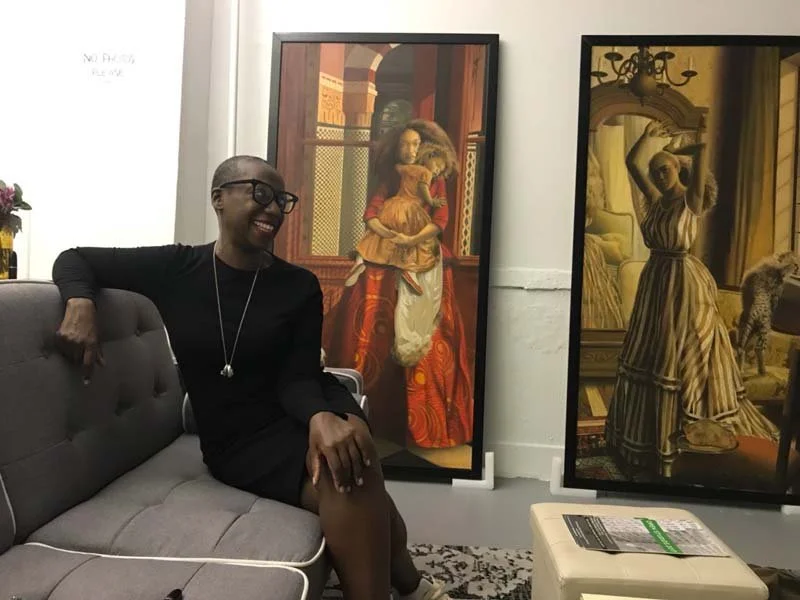
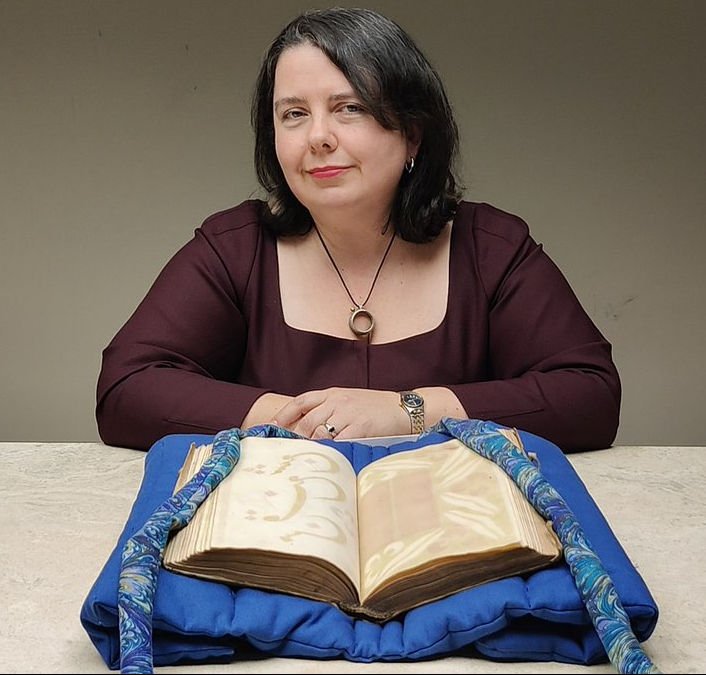
Art is a glue, something where we leave the tiring world of words, and we let ourselves meander through dreams and all kinds of trips. The main characteristic of a good curator is being open to the others and trying not getting spoiled by the mainstream perception of reality. I have recently curated a show in La Specola (a great university museum in Florence), with the work by painter Giovanni Lopez, earlier I have curated painters such as Giulia Huober, Chiara Crescioli, Luigi Lanotte, earlier than that the show "A+A" with photos by Aldo Fallai of Antonio Brizzolari...managing a collection is something that can be quite easy if the people around you are aware of what they are dealing with, but it can be also quite complicated if there is not enough understanding of the narratives in play. Personal issues are always tricky when it comes to dealing with artists' families, and time hides so many details that may be quite useful if taken into consideration.
Narratives in Space: Curating with Intent

Narratives in Space: Curating with Intent

A Conversation with STAVROULA COULIANIDIS
Independent Curator · Founder of STAV Curatorial Organization

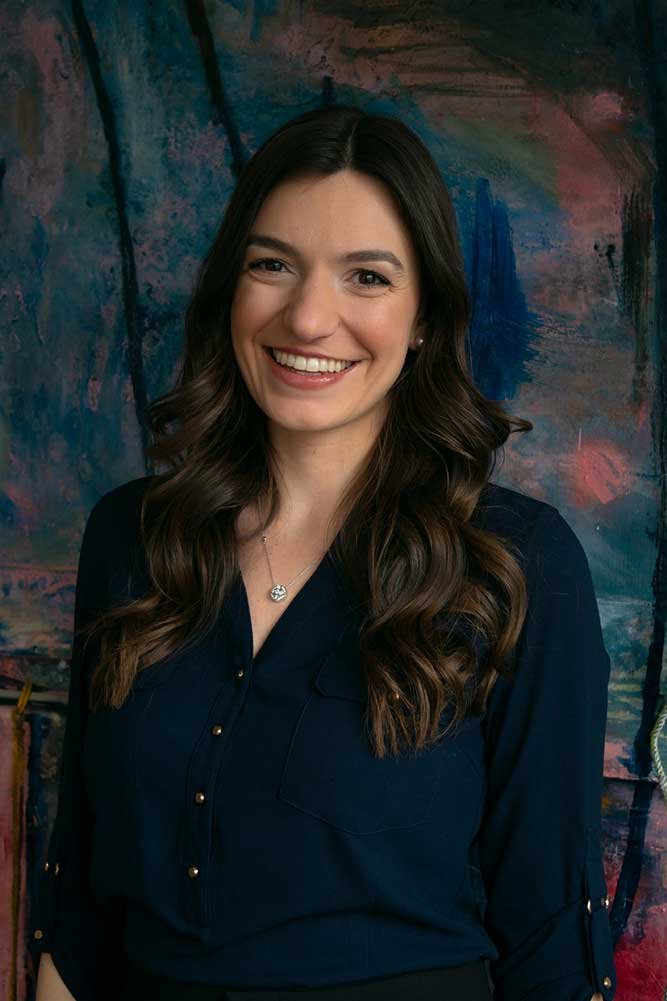
I believe you need to have a clear sense of the narrative you want to tell. What do you want viewers to learn? How will you visually take audiences on a journey? Whether an exhibition focuses on a particular era, a societal issue or singular body of work, a good curator should be able to tell a story that all can understand. I did not grow up in the art world, so transparency is important to me.

Threads of Time: Prints, Textiles & the Tactile Archive
Race · Identity · Gender · Class & Systems of Power

Race · Identity · Gender · Class & Systems of Power

Conversation with Independent Curator · Writer MONIQUE LONG

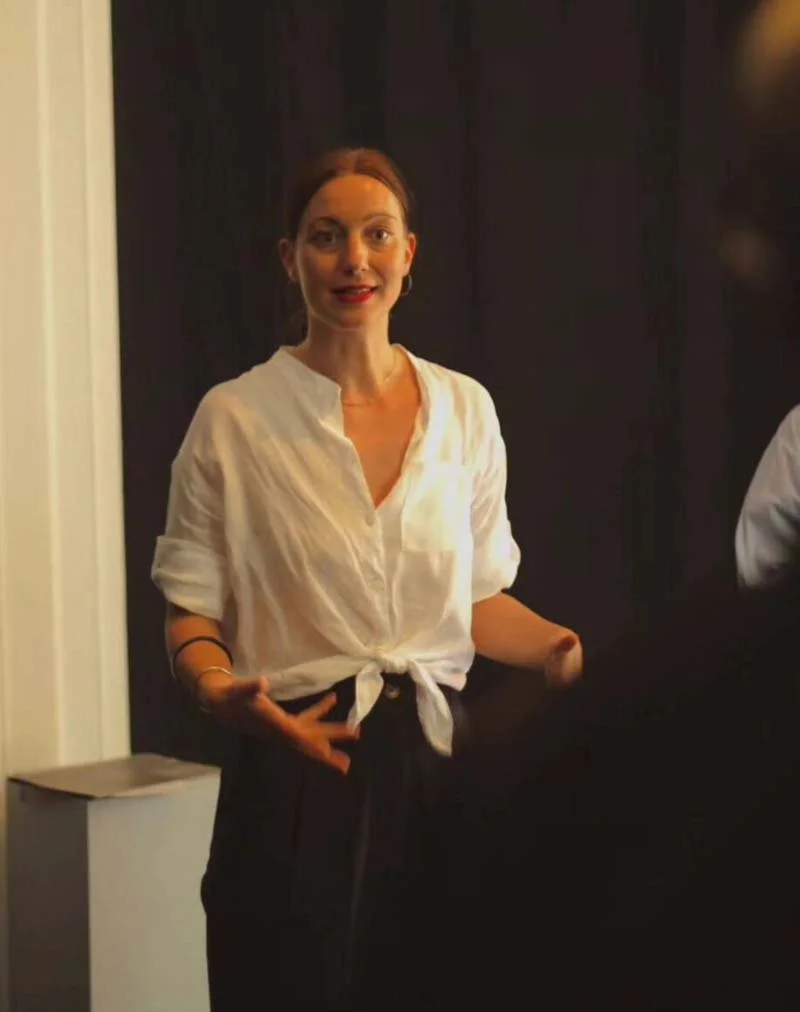
Lowery Stokes Sims is someone I consider a mentor. Early in my career, I received an ArtTable fellowship and I was assigned to her groundbreaking exhibition The Global Africa Project at The Museum of Arts and Design for mentorship. She hired me after the fellowship and my time there was the first real experience I had working directly with contemporary artists. My advice to emerging arts professionals is to seek out mentorship informally or formally. For artists who want to dedicate full time to their practice, learn what it means to run a business.

Curating the Invisible: Sound, Space & Freedom

Curating the Invisible: Sound, Space & Freedom

A Conversation with MARIA ABRAMENKO
Independent Curator · Art Critic · Art Editor in Chief at Nasty Magazine

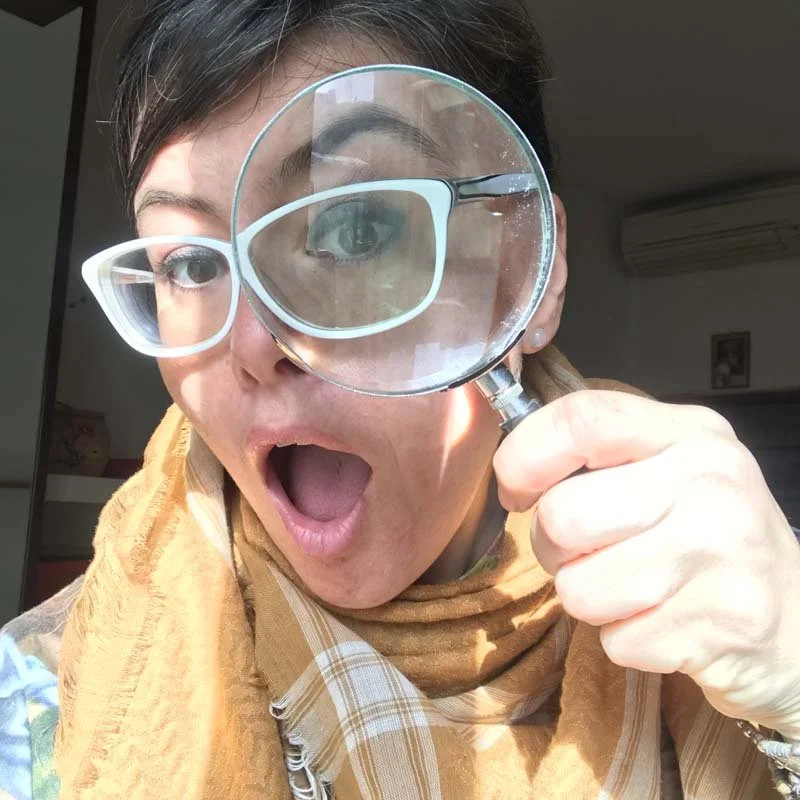
The work of art most important for me is one that challenges perceptions and invites deeper thought. It’s not necessarily about a single piece, but rather the kind of work that makes me question, reflect, and feel something beyond the surface. Whether it’s a classical restoration or a contemporary installation, I’m drawn to works that tell a story, provoke conversation, or capture a moment of truth. Art that stays with you long after you’ve experienced it—that’s what I find most important.

Tracing the Invisible Thread

Tracing the Invisible Thread

Conversation with Curator · Writer NISHA MERIT
Founder of the MERIT ART COLLECTIVE

I continuously fall in and out of love with art. It’s a hot lover that burns you if you stay too long, but also, you just can’t get enough. Clearly, a lack of healthy boundaries… 
The one constant is my curiosity for it. That’s the thing that drives me. The fact that I will never fully understand it, yet have the most pleasure trying to figure it out. But maybe I am just a recidivist in sabotaging myself. 
It's our reflection. It’s the material we negotiate our understanding of the world, a product of its time and place, it is the way we review our past. It is the one form (visual and musical) that lets you experience the subtle, the transcendental, the magical.