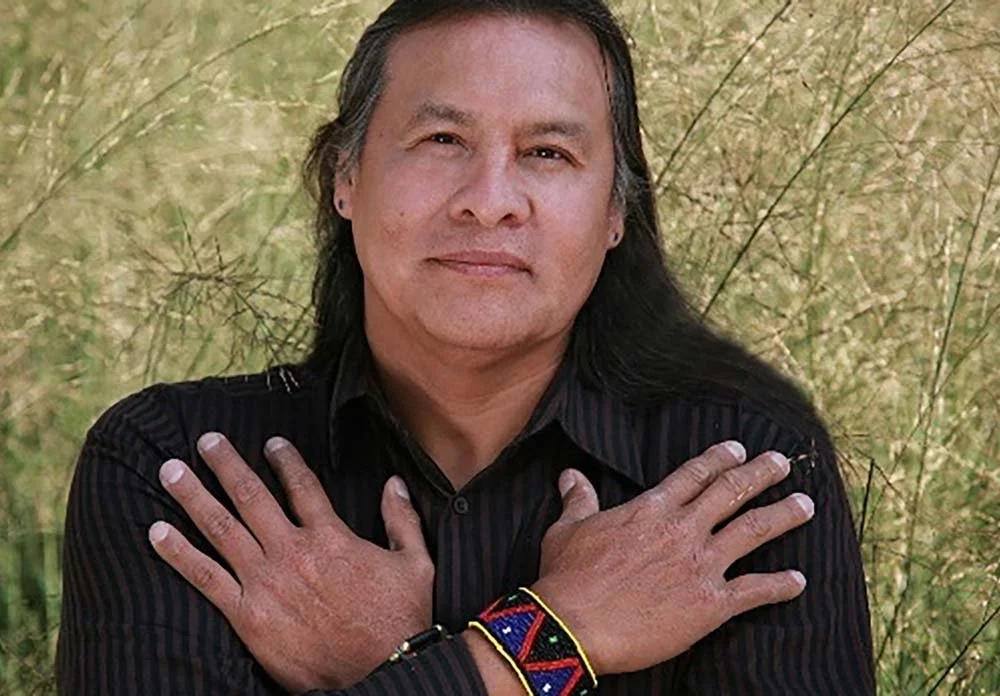
TIOKASIN GHOSTHORSE

TIOKASIN GHOSTHORSE

Founder · Host · Exec. Director of First Voices Radio
Founder of Akantu Intelligence · Master Musician of the Ancient Lakota Flute

We have not adapted to Earth. She needs us to do that. Instead, we've tried to adapt Earth to our needs. Which is always an extraction, take away. Earth doesn't exist because of technology. Earth will always be here. So when it comes to animacy, I think it's a Western term also, and so we get away from the Western terms. We start seeing that, oh, we are becoming Earth as we're born into this physical dimension. We are becoming Earth. And then as we are living during this time, we're alive. We are becoming Earth. And when we are finished with this body, we are becoming Earth. 

JEFFREY ROSEN

JEFFREY ROSEN

President & CEO of the National Constitution Center
Author of The Pursuit of Happiness: How Classical Writers on Virtue Inspired the Lives of the Founders and Defined America

That idea of planting seeds for future generations came from the Tusculan Disputations. There’s something especially empowering about Cicero. And it's very striking that Thomas Jefferson and John Adams and so many in the Founding Era viewed this manual about overcoming grief as the definition for achieving happiness. And I think it's because it's a philosophy of self-mastery, self-improvement, and self-empowerment.

Female Desire · Sex & Intimacy

Female Desire · Sex & Intimacy

Emmy-nominated Producer, Writer, Playwright LAURA EASON on THREE WOMEN

I think the show conveys to the women watching that their lives matter. They don't have to be some gorgeous aspirational person, although Sloane absolutely fits that mold. But for others living in the Midwest, struggling and feeling unseen, hopefully, the mirrors of Lina and Maggie will help them not feel so alone and remind them that their stories are important and matter.

ADA LIMÓN

ADA LIMÓN

24th U.S. Poet Laureate · National Book Critics Circle Award-winning Poet

This poem was written when I was having a real moment of reckoning, not that I hadn't had it earlier, but where I was doing some deep reading about the climate crisis and really reckoning with myself, with where we were and what was happening, what the truth was. And I felt like it was so easy to slip down into a darkness, into a sort of numbness, and I didn't think that that numbness and darkness could be useful.

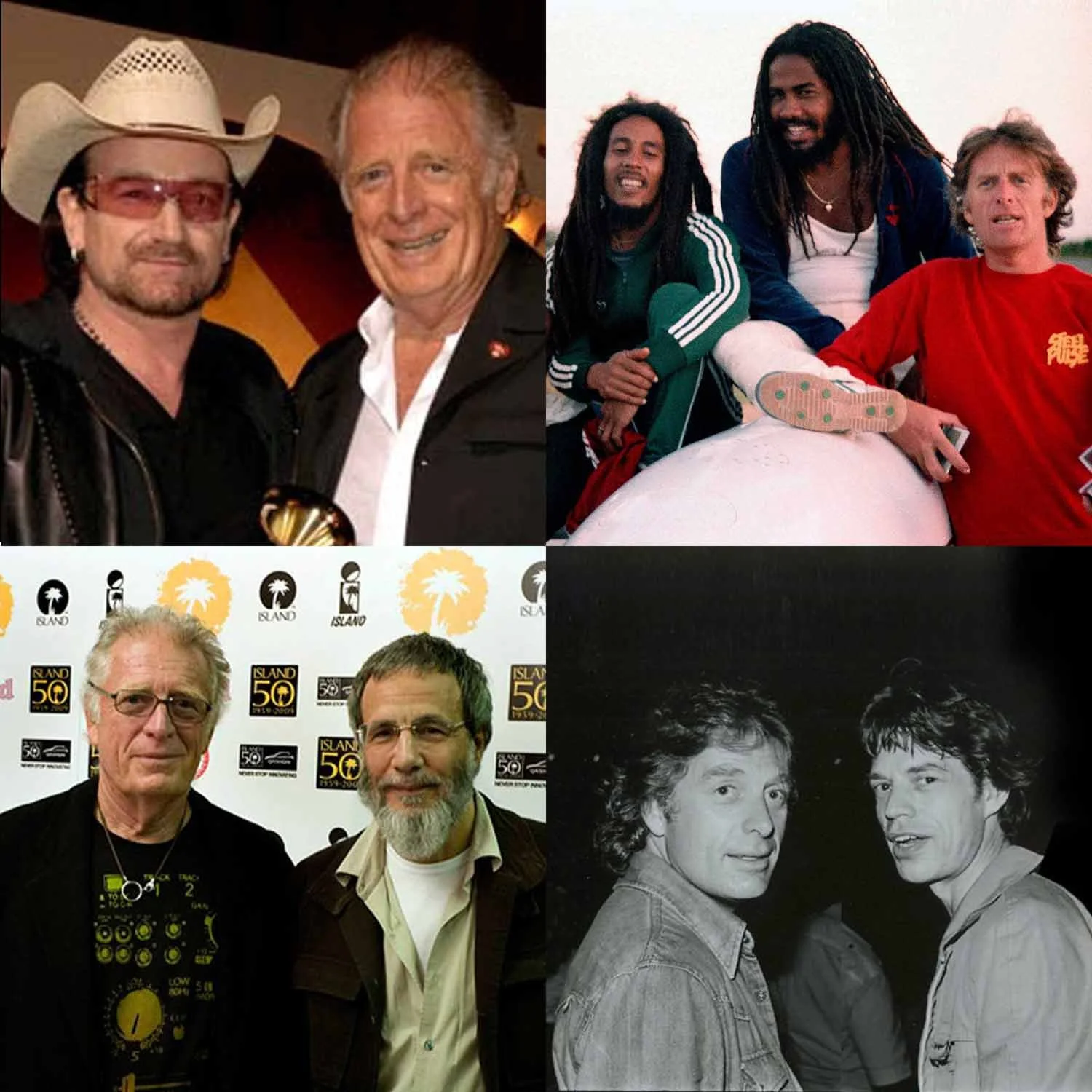
CHRIS BLACKWELL

CHRIS BLACKWELL

Founder of Island Records, which launched the careers of Bob Marley, U2, Cat Stevens, Grace Jones, Roxy Music, Amy Winehouse…
Author of The Islander: My Life in Music and Beyond
Winner of the Polar Music Prize · A&R Icon Award

I think you need to be aware and see people be open to what can happen and get a feel, get an instinct. I think I've been blessed with instinct. I mean, I did not do well at school. I passed zero exams. I'm unemployable, but I've been blessed with having instincts. The instinct of U2 was seeing their determination, the fact that the music itself initially wasn't close to what most of my music was because most of my music was bass and drum. And most of their music was vocal, so it wasn't a certain kind of music that I like all the time. I like music from all different kinds of levels…I absolutely felt for Bob Marley to really make it worldwide as it were, he needed to change something a little bit. I didn't want him to change what he was doing, not his lyrics and everything else like that. It was more the instrumentation of it. I felt for Bob to be able to reach a wider audience that he needed to move away a little bit from that and focus more and more on his lyrics. When I finally met Cat Stevens, and we just sort of sat down and then when he played the song ‘Father and Son,’ then suddenly the lyrics of the song and what it meant and everything, I suddenly felt this guy is fantastic.

CHARLIE HERTZOG YOUNG

CHARLIE HERTZOG YOUNG

Award-winning Climate Activist
Author of Spinning Out: Climate Change, Mental Health and Fighting for a Better Future

There's that old saying, “blessed are the cracked for they shall let in the light.” For a lot of people like myself, I think it's true that losing your mind can be a proportionate response to the climate crisis. Those of us with mental health issues are often branded as being in our own world. But paradoxically, being in our own world can actually be a result of being more connected to the outside world rather than less. And in the context of climate change, it may be fairer to describe people who fail to develop psychological symptoms as being in their own separate anthropocentric world, inattentive to the experiences of the billions of other human and nonhuman beings on the planet, unaffected by looming existential catastrophe…

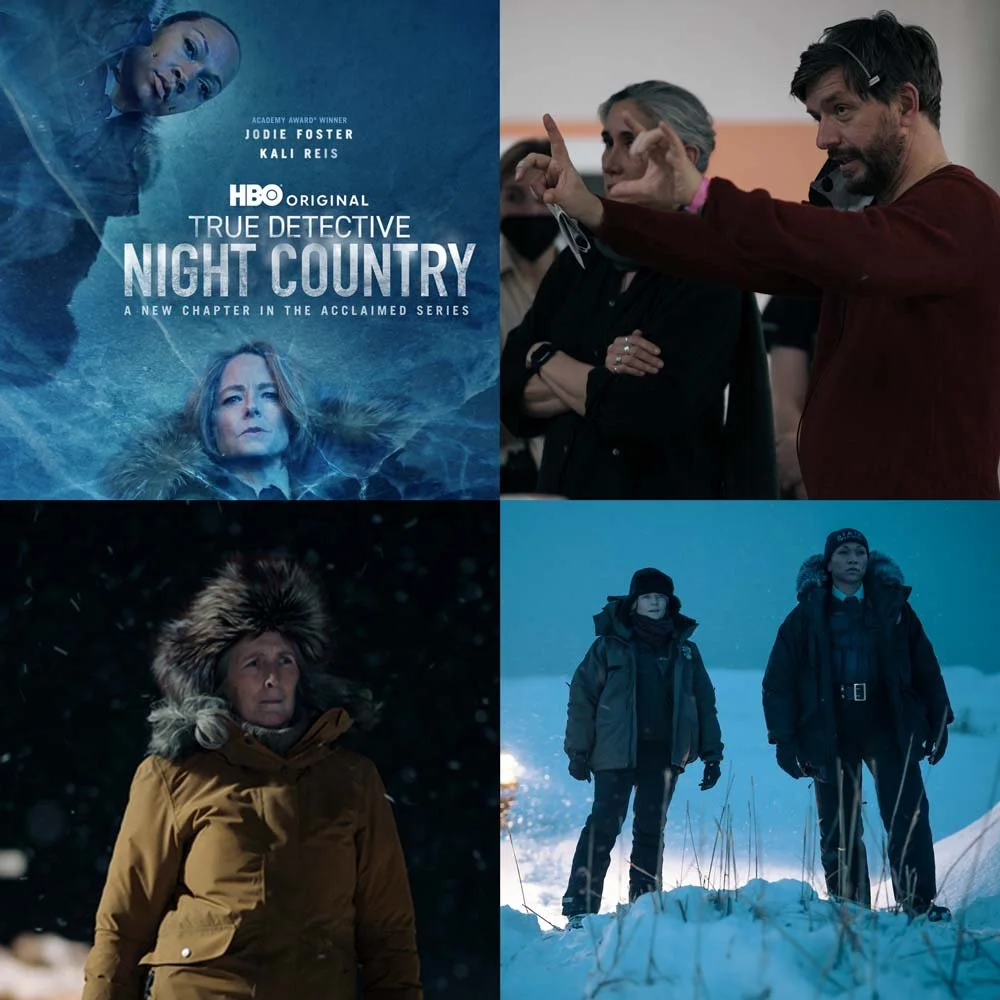
FLORIAN HOFFMEISTER

FLORIAN HOFFMEISTER

Academy Award-nominated Cinematographer
HBO’s True Detective: Night Country starring Jodie Foster · Kali Reis · Fiona Shaw

I drove for like a half an hour into absolute nothingness, and I left the car. It was three o'clock in the morning. It was minus 17 degrees and it was absolutely still. I've never experienced stillness such as that. I mean, it's like you feel like you can feel your atoms move or not move because it's so cold. And the sky is full of the Northern Lights. So you are already in a remote place, but you want to go further. And I think maybe those themes of going out into the wilderness are motivated by the urge to connect. And I think Issa López has really incorporated it beautifully into the script. And the show tells of this great disconnect between people. So not only are we disconnected from our environment, but we are disconnected from each other.

DON McKELLAR

DON McKELLAR

Co-writer · Executive Producer · Co-showrunner of HBO’s The Sympathizer
with Hoa Xuande · Robert Downey Jr.

I think it's central to the message of the show and of the book. This idea that there's another side to every question. That's the central quandary. There's this problem with the whole Vietnam War. It's saying, to Americans at least, put yourself on the other side, the Vietnamese side, and then recognize that that side also has two sides and then within that, there are further divisions. And if you do that, I think what it's proposing is that you have to step back. It forces a sort of objectivity and humility, and it asks you to step back and allow the bigger human questions to resonate.

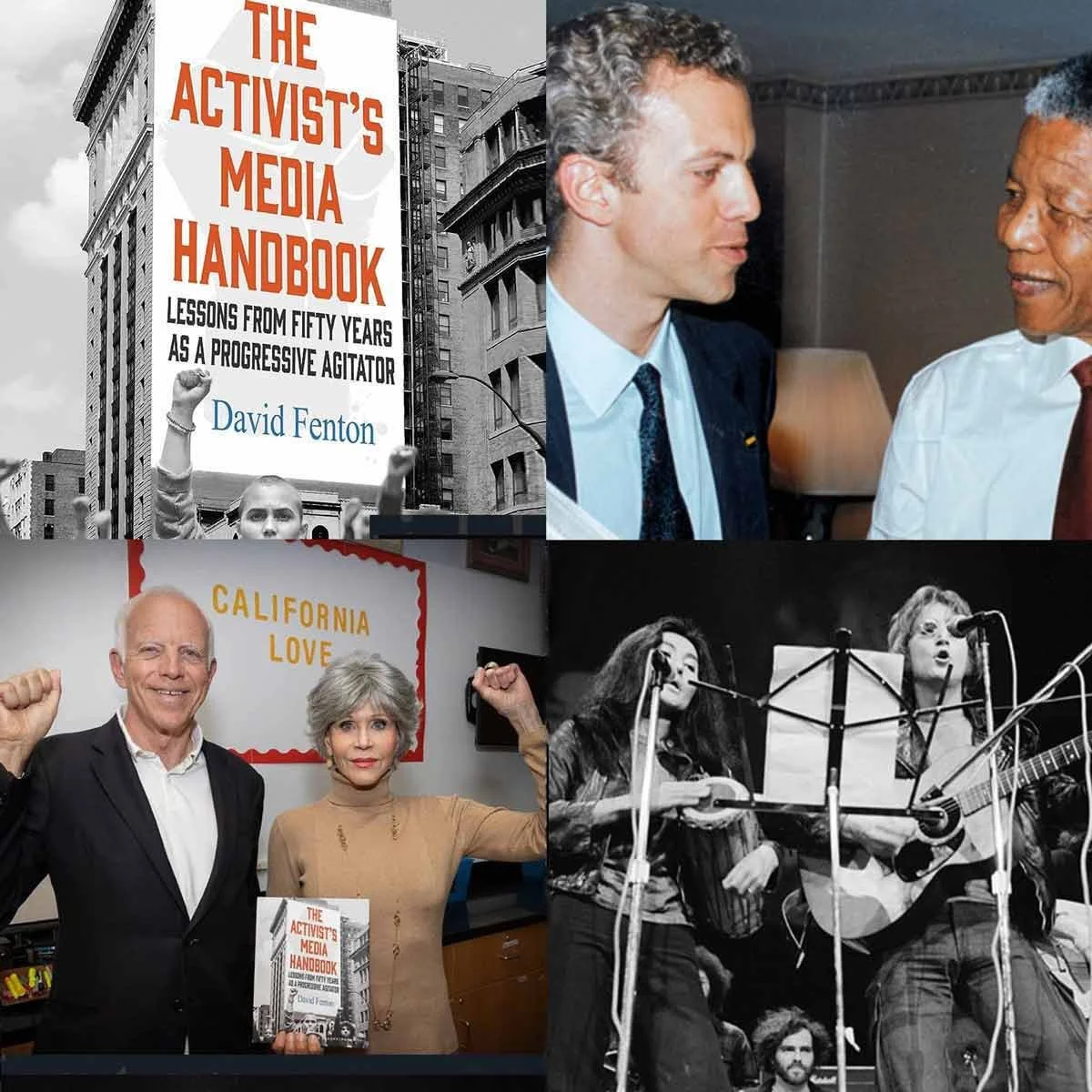
DAVID FENTON

DAVID FENTON

Author of The Activist’s Media Handbook: Lessons From 50 Years as a Progressive Agitator
Founder of Fenton Communications: The Social Change Agency
JStreet · Climate Nexus · The Death Penalty Information Center

It sounds like a cliche, but it really is true that history moves in pendulums and waves. And whatever is happening today is not going to last. It will change. So you have periods of concentrations of wealth and power, and then you have periods of rebellion. And I'm quite sure we're headed for another period of rebellion. You can see it a little bit now in the labor strife in the United States and the strikes. You can certainly see it in the massive demonstrations in France and Israel. Excessive concentrations of power breeds rebellion, and that's just inevitable. And the climate crisis is going to cause a lot of rebellion as people figure this out. And I think it's coming very soon, actually, because as you've noticed, the weather is getting very bad. It's become a non-linear accelerating phenomenon. And people will wake up to that. I just hope they wake up in time.

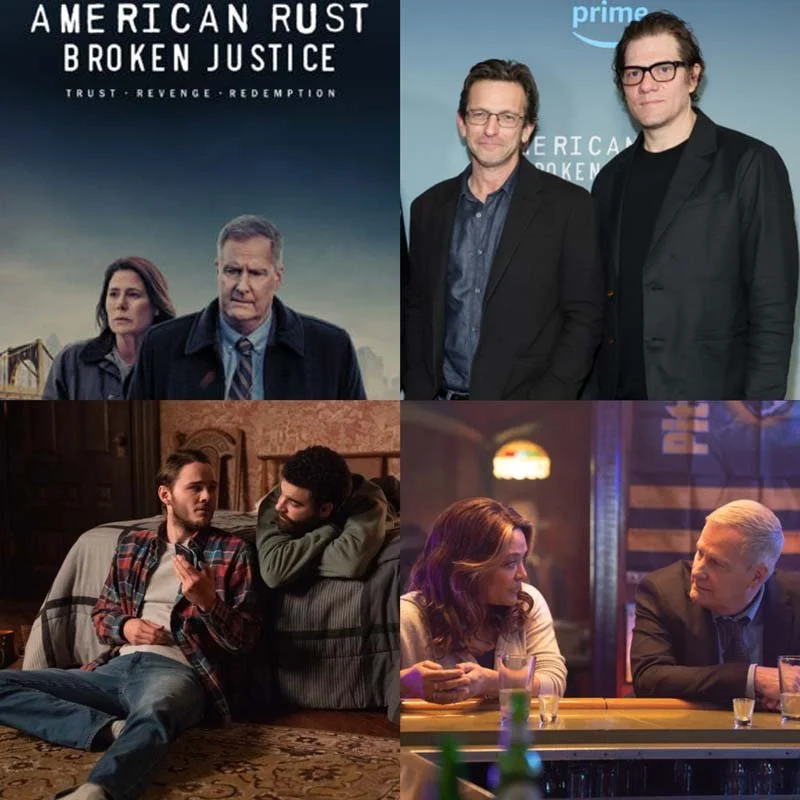
DAN FUTTERMAN & ADAM RAPP

DAN FUTTERMAN & ADAM RAPP

Award-winning Screenwriters · Exec. Producers · Directors
American Rust · The Looming Tower
Capote · The Outsiders musical

We're all culpable in some way of being both good and bad, being virtuous and also questionable at times in our own lives. And I think when you start answering questions on either side of that too firmly, I think it allows the audience to disconnect from it. And then you just have this sort of a good and bad guy narrative that is oversimplified all too often in our culture. I think viewers will relate to this nature versus nurture versus DNA, raising all the questions of psychological and biological inheritance.

BENOIT DELHOMME

BENOIT DELHOMME

Award-winning Cinematographer of At Eternity’s Gate starring Willem Dafoe
The Theory of Everything
starring Eddie Redmayne · The Scent of Green Papaya · Minamata
Artist Painter · Director

If you want to do your art well, you need to have some pleasure. If talking is not a pleasure, it's horrible. And when filming on a set is a bad experience, it's one of the worst things in life. As a cinematographer, if you can't make what you do personal to you, there is no soul. You need to make it personal. I certainly like a handheld camera, It's a bit like playing a saxophone. It's like the pace of walking or how I stop or I decide to go closer to the actor or to take more distance is so free. No one is telling me to go one step forward or one step back. I have to decide on the spot. So there certainly a freedom like a painter with a brush. It's nice because you have even the vibrations, your rhythms, the actor's rhythms. It's this dance.

CHAYSE IRVIN

CHAYSE IRVIN

Award-winning Cinematographer
Blonde starring Ana de Armas · Beyonce: Lemonade · Spike Lee’s BlacKkKlansman

That's all I can do on a movie. I can't really make a movie good or not because that's decided by the spectator. That's not in my control. All I can do is give it everything that I have. Like that's just the love I have to give. So why bring in all these other things? Just set it up so you can give it everything that you've got each time. In those theoretical considerations about how a scene can function or be rendered or shot or executed or all these things, just think of it as, "Oh, this is the challenge." I want authenticity. How do we create an environment where that's more likely to happen? Because it's never going to be something that I can enforce, and the more I try to enforce it, the less likely it'll happen. For me, the more risky things, the more things that defied expectations are really important to me. I guess it even goes down to just novelty. How do you create a need or a yearning? And the spectator, you create a particular rhythm and then you change that rhythm, and then it's almost like you try to sensitize your spectator to these ideas by defining a particular rhythm that you've set for them.

JASON deCAIRES TAYLOR

JASON deCAIRES TAYLOR

Sculptor · Environmentalist · Creator of Underwater Museums

The sculptures get claimed and almost owned by the sea. And the textures that form the patterns, all things that could never be reproduced by human hands. And it's entirely unpredictable in many cases. I go to some of the "museums" expect to see this type of colonization or this type of growth, and it's nothing like how I've seen it envisaged it. It's completely different. Other times something has been made at its home, and there's an octopus that's built a house around it, or there's a school of fish that have nestled within the formations. There have been many, many different surprises along the way. I first started in the West Indies on an island called Grenada, which has a tropical reef system. And I expected the works to be sort of colonized. And I knew hard corals took a very long time to get established, to build their calcium skeletons, but actually, they were colonized within days. We saw white little calcareous worms, pink coraline algae, and green algae literally appeared sort of overnight.

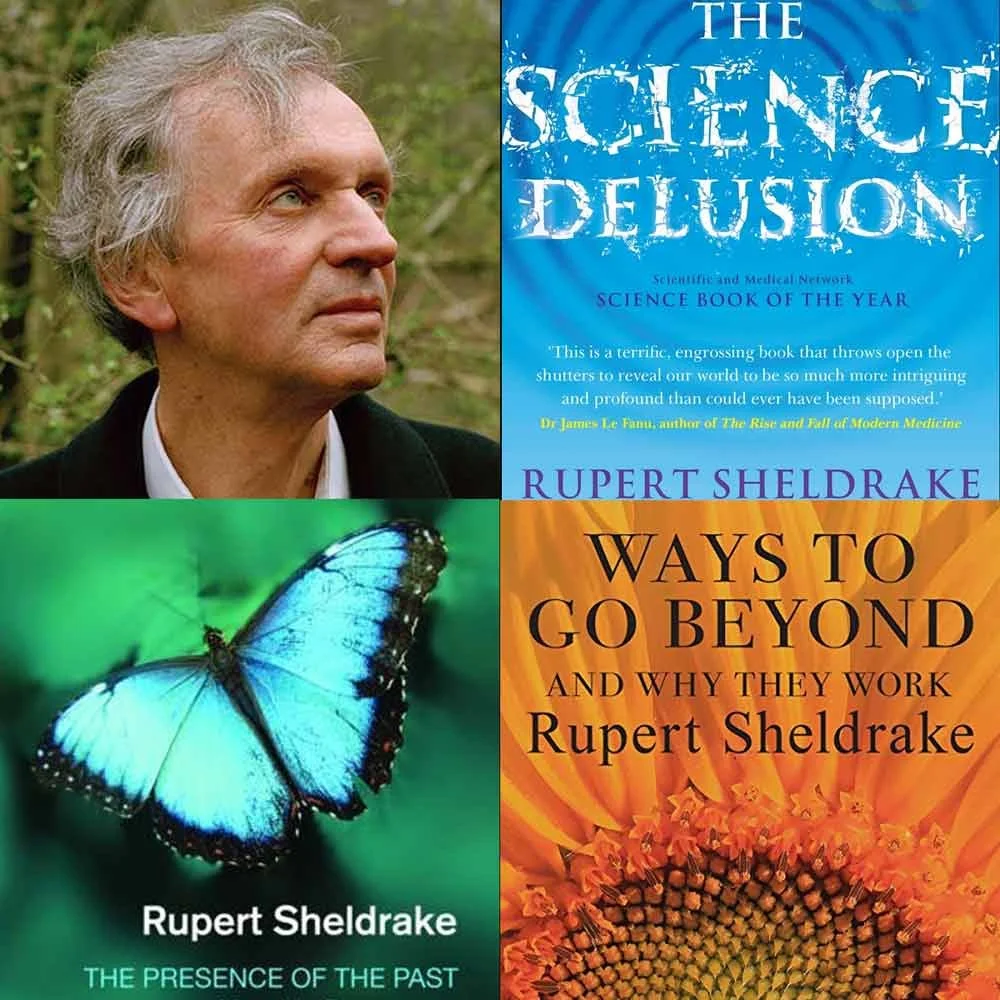
DR. RUPERT SHELDRAKE

DR. RUPERT SHELDRAKE

Biologist · Author
The Science Delusion · The Presence of the Past · Ways to Go Beyond and Why They Work

The idea that the laws of nature are fixed is taken for granted by almost all scientists and within physics, within cosmology, it leads to an enormous realm of speculation, which I think is totally unnecessary. We're assuming the laws of nature are fixed. Most of science assumes this, but is it really so in an evolving universe? Why shouldn't the laws evolve? And if we think about that, then we realize that actually, the whole idea of a law of nature is a metaphor. It's based on human laws. I mean, after all, dogs and cats don't obey laws. And in tribes, they don't even have laws. They have customs. So it's only in civilized societies that you have laws. And then if we think through that metaphor, then actually the laws do change. All artists are influenced by other artists and by things in the collective culture, and I think that morphic resonance as collective memory would say that all of us draw unconsciously as well as consciously on a collective memory and all animals draw on a collective memory of their kind as well. We don't know where it comes from, but there's true creativity involved in evolution, both human and natural.

JULIAN LENNON

JULIAN LENNON

Singer-songwriter · Photographer · Documentary Filmmaker
Founder of The White Feather Foundation
Executive Producer of Common Ground

I thought, wow, how are they going to bring this across in a way that isn't shoving things down people's throats? It's presenting information in a way that is creative, but also in a way that drives your curiosity into understanding, number one, why are we in the position that we're in? And number two, how can we fix this? What can we do to change all of this? And so, I initially got involved as an executive producer on Kiss the Ground, and I was blown away by how that film came out at the end. How well rounded it was, the flow of the film, the storytelling, and really feeding me information that I didn't even know previously. And so also watching that become a platform around the world was jaw-dropping. I mean, the fact that the belief and the understanding and the wisdom that came out of that project has touched so many hearts, minds, and souls around the world, that people are really single-handedly almost making change for the better around the world. Now, when Common Ground was presented, I did love that concept because Kiss the Ground had been very much a broad approach and about America, for the majority, really, and Common Ground was a much more...I mean, we're still dealing with the same subject matter obviously, but I think it felt great to come from a more personal aspect." 

JOHN PATRICK SHANLEY

JOHN PATRICK SHANLEY

Academy Award · Tony · Pulitzer Prize-winning Writer/Director
Doubt starring Meryl Streep, Philip Seymour Hoffman, Amy Adams
Moonstruck · Wild Mountain Thyme · Danny and the Deep Blue Sea · Joe Versus the Volcano

I knew Philip Seymour Hoffman for several years. We went on vacation together. He produced a play of mine. Before we did Doubt, we worked in the same theater company together, and he was, you know, very committed to excellence. And so he could become impatient with anybody who was not committed to excellence, and that could make him a volatile person to deal with. Phil cared. He cared a great deal. And he worked really hard. They're very committed. Like with Viola Davis. Viola had done a decent amount of big work before Doubt, but she was not recognized yet. And she was careful. You know, she certainly wasn't throwing weight around. She was, I'm the new kid on the block, and I'm just here to work and be serious and do my job, keep my head down, and get out. And pretty much that's what I was doing too, you know, because I've got Meryl Streep, I've got Philip Hoffman, who I was friends with, but Phil's not an easy guy to be friends with or was not easy to be friends with. He's a very prickly person prone to getting pissed off about things that you might not expect. And then Amy Adams was somebody who, you know, tried to get along with everybody and Phil would say like, 'You just want everybody to like you.' So, you know, you're in the middle of that group, and you just, you don't want to put yourself in a position where you're trying to prove something. You have to let them...they're very, very smart people, and they're going to figure out whatever it is that you're doing. They're going to figure out whether you are in any way trying to handle that. And that's not going to go well. And so I didn't do that.
MANUELA LUCÁ-DAZIO

MANUELA LUCÁ-DAZIO

Executive Director of the Pritzker Architecture Prize
Fmr. Executive Director of Venice Biennale (Dept. of Visual Arts & Architecture)

When I started and I had to decide what to do in life - because I was working with museums, in exhibition design, and on the restoration of buildings - and then at some point, I had the chance to arrive at the Venice Biennale and my whole perspective changed. And it changed because I was working with living artists and architects. Until that moment, I was working around Old Masters, works in museums, and things that were there with the aura of history. And all of a sudden I was dealing with living architects and artists, and this was, for me, the most incredible experience. So I decided to leave all the rest, because I was doing quite a lot at the same time, and to concentrate on the Biennale.

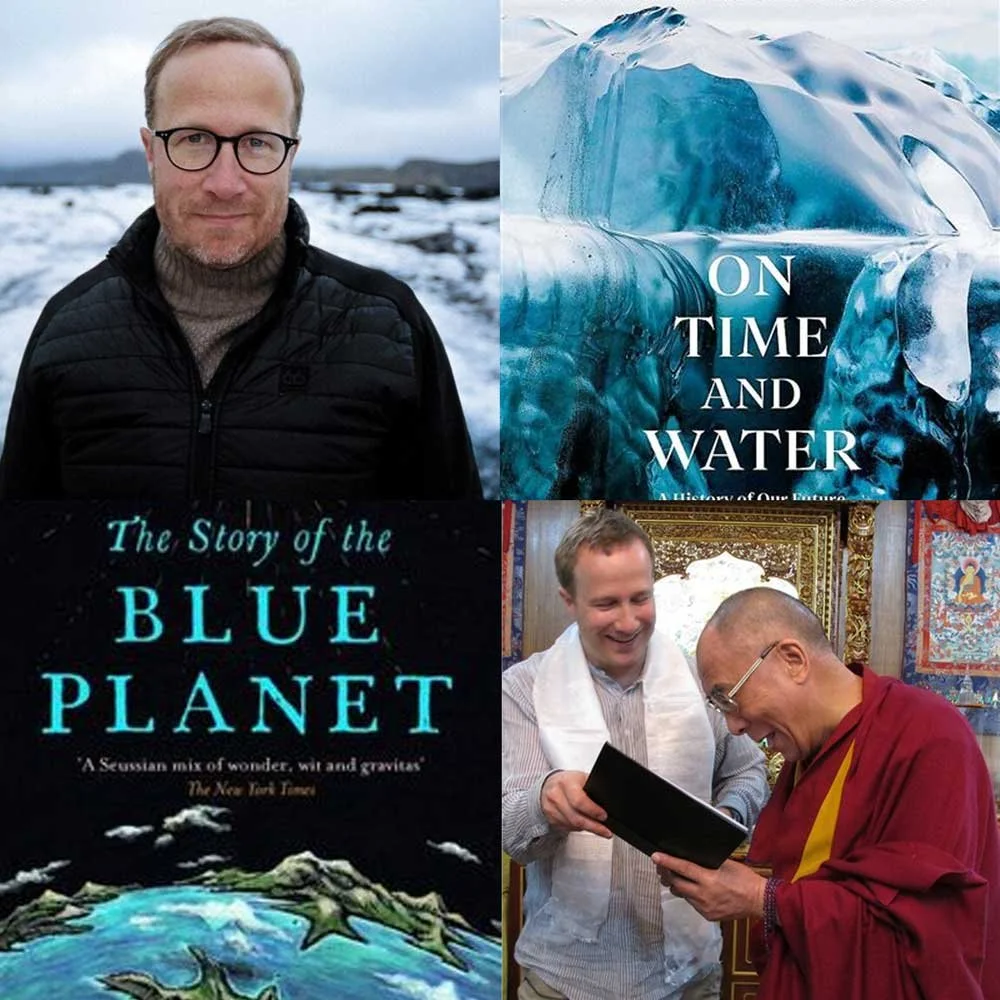
ANDRI SNÆR MAGNASON

ANDRI SNÆR MAGNASON

Icelandic Writer & Documentary Filmmaker
On Time and Water · The Casket of Time · LoveStar · Not Ok · The Story of the Blue Planet

A letter to the future
Ok is the first Icelandic glacier to lose its status as a glacier.
In the next 200 years all our glaciers are expected to follow the same path.
This monument is to acknowledge that we know what is happening and what needs to be done.
Only you know if we did it.

If you look at the Himalayas, the frozen glaciers are feeding 1 billion people with milky white water. The real tragedy is if the Himalayan glaciers go the same way as Iceland. In many places in the world, glaciers are very important for agriculture and the basic water supply of people.

ARNOLD SCHWARZENEGGER

ARNOLD SCHWARZENEGGER

ATHLETE · ACTOR · AMERICAN · ACTIVIST
DIAN HANSON discusses photographic homage to ARNOLD SCHWARZENEGGER

Why I was different from all the other boys in my town I cannot tell you. I was simply born with the gift of vision.
– ARNOLD SCHWARZENEGGER

It's not just that he grew up in a rural environment too. He was born on July 30th, 1947. And most of us today don't have any understanding or relationship to what Europe was like right after World War II. The winter of 1946/1947 in Austria was the most brutal in decades. The people already had too little food. They were in an occupied country. The summer potato crops failed. As Arnold has said, his mother had to go from farm to farm to farm, begging for food to be able to feed her children. His father, like all the men in the village, was defeated by the war. And he saw them all physically, emotionally, intellectually defeated and taking it out on their wives and children, that he was beaten and his mother was beaten. All the neighbor kids were beaten, and they were beaten into a kind of placid defeat. And he alone would not accept that. He could not see that life for himself. And so he wanted out of that. And as a poor boy, he had nothing but his body to work with. That was it. There was not going to be any college. There was not going to be any of that. There was going to be some kind of menial job, or he could use what he had - his body - to get him out of there.

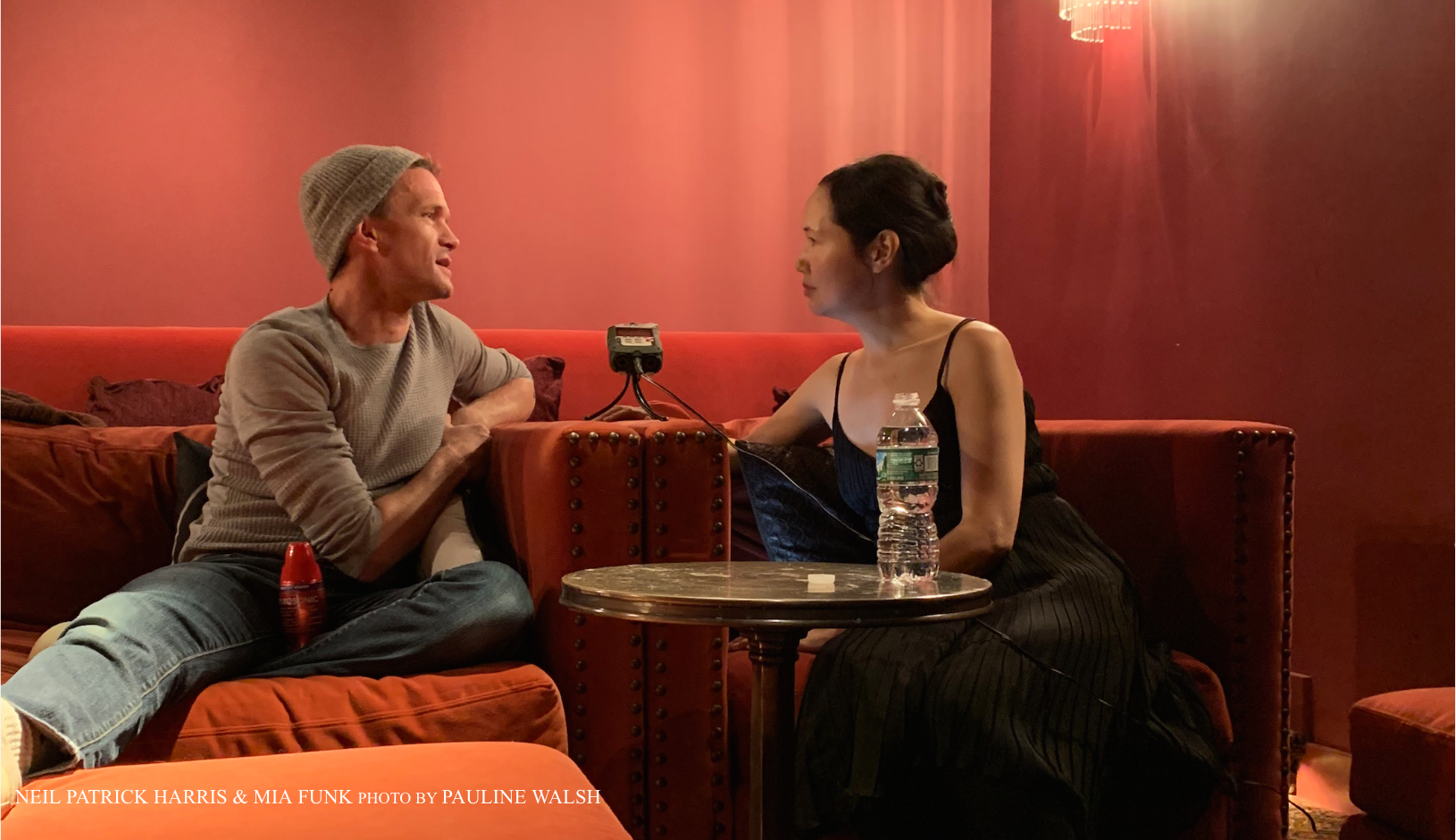
NEIL PATRICK HARRIS

NEIL PATRICK HARRIS

Actor · Comedian · Filmmaker · Magician · Singer · Writer

And I remember I was just the whitest kid ever from small-town New Mexico in this big city of Los Angeles…I'm sitting there watching this play about a lower middle-class African-American man in Pittsburgh and his family. And I just remember being so moved, moved to tears at 13, 14 years old…And it was so moving. And I did think even back then, I recognized the impact that the theater can have on someone that isn't even anything like what they're like.