Highlights - TANSY E. HOSKINS - Author of "The Anti-Capitalist Book Of Fashion”, “Foot Work”, “Stitched Up”

Highlights - TANSY E. HOSKINS - Author of "The Anti-Capitalist Book Of Fashion”, “Foot Work”, “Stitched Up”

Author of The Anti-Capitalist Book Of Fashion · Foot Work · Stitched Up
Freelance Fashion & Beauty Writer Award Winner

I definitely believe at the moment that fashion brands, big fashion in particular, they just exist to exploit people. It's an excuse to exploit the poor, basically. I see fashion as part of this very extractive global economic society where 100, 150 years ago, that extraction was very obvious. You had the enslavement of people. You had taxation. You had literally armies turning up and occupying the land that they wanted and just taking resources or land. These days it's more subtle, but the brands are still following those colonial pathways.


TANSY E. HOSKINS - Author of "The Anti-Capitalist Book Of Fashion” - Freelance Fashion & Beauty Writer Award Winner

TANSY E. HOSKINS - Author of "The Anti-Capitalist Book Of Fashion” - Freelance Fashion & Beauty Writer Award Winner

Author of The Anti-Capitalist Book Of Fashion · Foot Work · Stitched Up
Freelance Fashion & Beauty Writer Award Winner

I definitely believe at the moment that fashion brands, big fashion in particular, they just exist to exploit people. It's an excuse to exploit the poor, basically. I see fashion as part of this very extractive global economic society where 100, 150 years ago, that extraction was very obvious. You had the enslavement of people. You had taxation. You had literally armies turning up and occupying the land that they wanted and just taking resources or land. These days it's more subtle, but the brands are still following those colonial pathways.
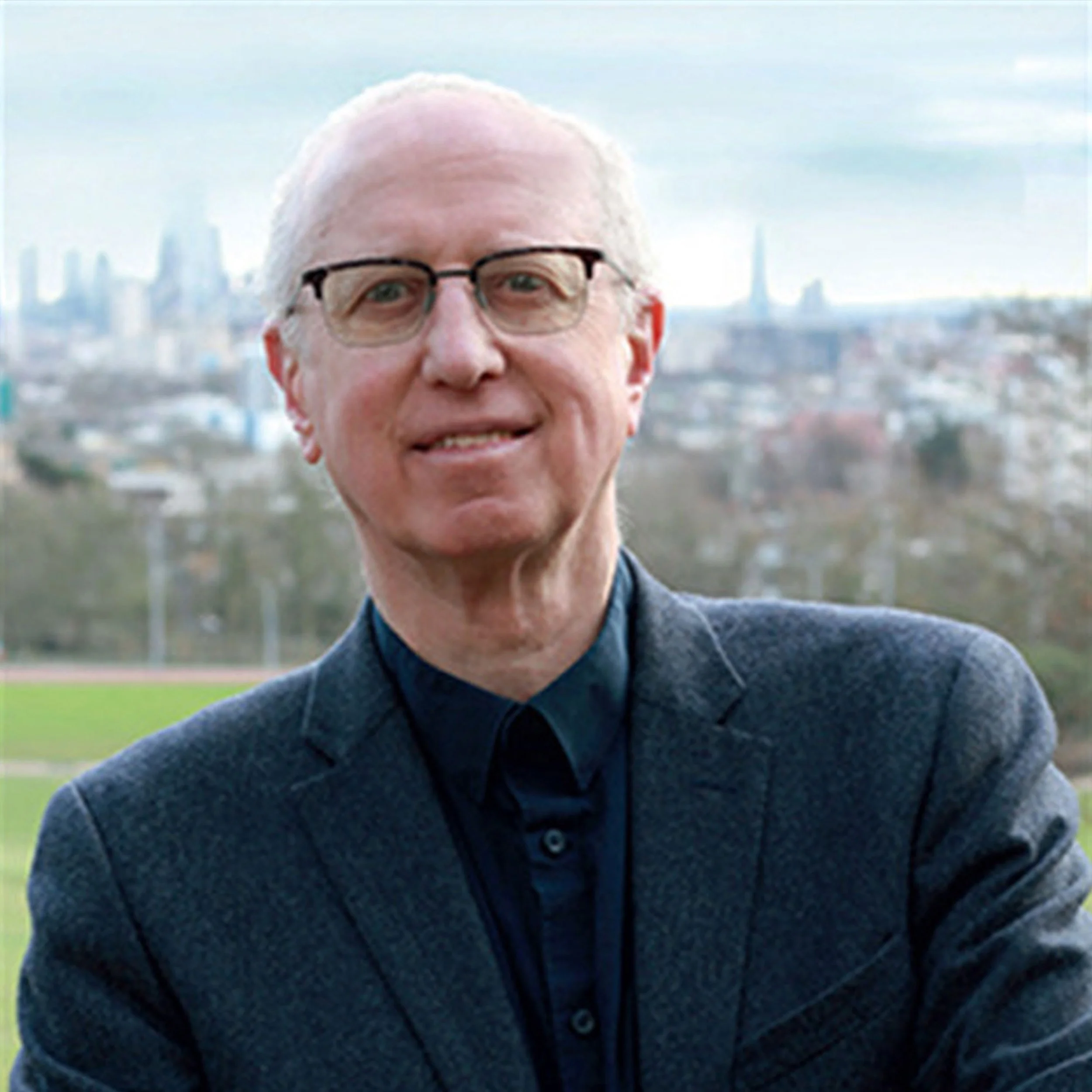
Highlights - SIR ANDY HAINES - Tyler Prize Award-winner - Fmr. Chair of WHO World Health Report - Chair InterAcademy Partnership

Highlights - SIR ANDY HAINES - Tyler Prize Award-winner - Fmr. Chair of WHO World Health Report - Chair InterAcademy Partnership

Tyler Prize Award-winner for Environmental Achievement
Professor of Environmental Change & Public Health
Fmr. Chair of WHO World Health Report · Rockefeller /Lancet Commission on Planetary Health

In terms of the impacts of climate change on health when we started 30 years ago, because there was very little data then, so we made suggestions as to what we thought the health outcomes we thought would be affected like vector-borne diseases, crop failures, water availability, sea level rise, increasing disasters related to climatic extreme events, and obviously the effects of extreme heat on vulnerable populations. In particular, elderly people, but not just elderly people. So we suggested a whole range of different health impacts that could occur. And I think, in general, those ideas have stood the test of time, but of course, as the situation has moved on, we've also become much more preoccupied with what kind of action we need to take.

SIR ANDY HAINES - Tyler Prize Award-winner for Environmental Achievement - Prof. Env. Change & Public Health

SIR ANDY HAINES - Tyler Prize Award-winner for Environmental Achievement - Prof. Env. Change & Public Health

Tyler Prize Award-winner for Environmental Achievement
Professor of Environmental Change & Public Health
Fmr. Chair of WHO World Health Report · Rockefeller /Lancet Commission on Planetary Health

In terms of the impacts of climate change on health when we started 30 years ago, because there was very little data then, so we made suggestions as to what we thought the health outcomes we thought would be affected like vector-borne diseases, crop failures, water availability, sea level rise, increasing disasters related to climatic extreme events, and obviously the effects of extreme heat on vulnerable populations. In particular, elderly people, but not just elderly people. So we suggested a whole range of different health impacts that could occur. And I think, in general, those ideas have stood the test of time, but of course, as the situation has moved on, we've also become much more preoccupied with what kind of action we need to take.

Highlights - MARK BURGMAN - Author of “Trusting Judgments: How to Get the Best Out of Experts”

Highlights - MARK BURGMAN - Author of “Trusting Judgments: How to Get the Best Out of Experts”

Director of the Centre for Environmental Policy, Imperial College London · Editor-in-Chief of Conservation Biology

Author of Trusting Judgments: How to Get the Best Out of Experts

The idea of expertise and expert judgment has been around and has been something that society depends upon for a long time, but there have been no serious empirical explorations of who's an expert, what a domain of expertise is, and what sort of frailties are experts susceptible to. Those things haven't been addressed in an empirical way until the last 30 years. Some of this work began in the fifties with Kahneman and Tversky. They began to explore the things that make people misjudge risky situations, and that led to a body of research on who makes good judgments and under what circumstances for things that might affect us in various ways.

MARK BURGMAN - Director, Centre for Environmental Policy, Imperial College London - Editor-in-Chief, Conservation Biology

MARK BURGMAN - Director, Centre for Environmental Policy, Imperial College London - Editor-in-Chief, Conservation Biology

Director of the Centre for Environmental Policy, Imperial College London · Editor-in-Chief of Conservation Biology

Author of Trusting Judgments: How to Get the Best Out of Experts

The idea of expertise and expert judgment has been around and has been something that society depends upon for a long time, but there have been no serious empirical explorations of who's an expert, what a domain of expertise is, and what sort of frailties are experts susceptible to. Those things haven't been addressed in an empirical way until the last 30 years. Some of this work began in the fifties with Kahneman and Tversky. They began to explore the things that make people misjudge risky situations, and that led to a body of research on who makes good judgments and under what circumstances for things that might affect us in various ways.

Highlights - NICHOLAS ROYLE - Author of "Mother: A Memoir"

Highlights - NICHOLAS ROYLE - Author of "Mother: A Memoir"

Co-author of An Introduction to Literature, Criticism and Theory
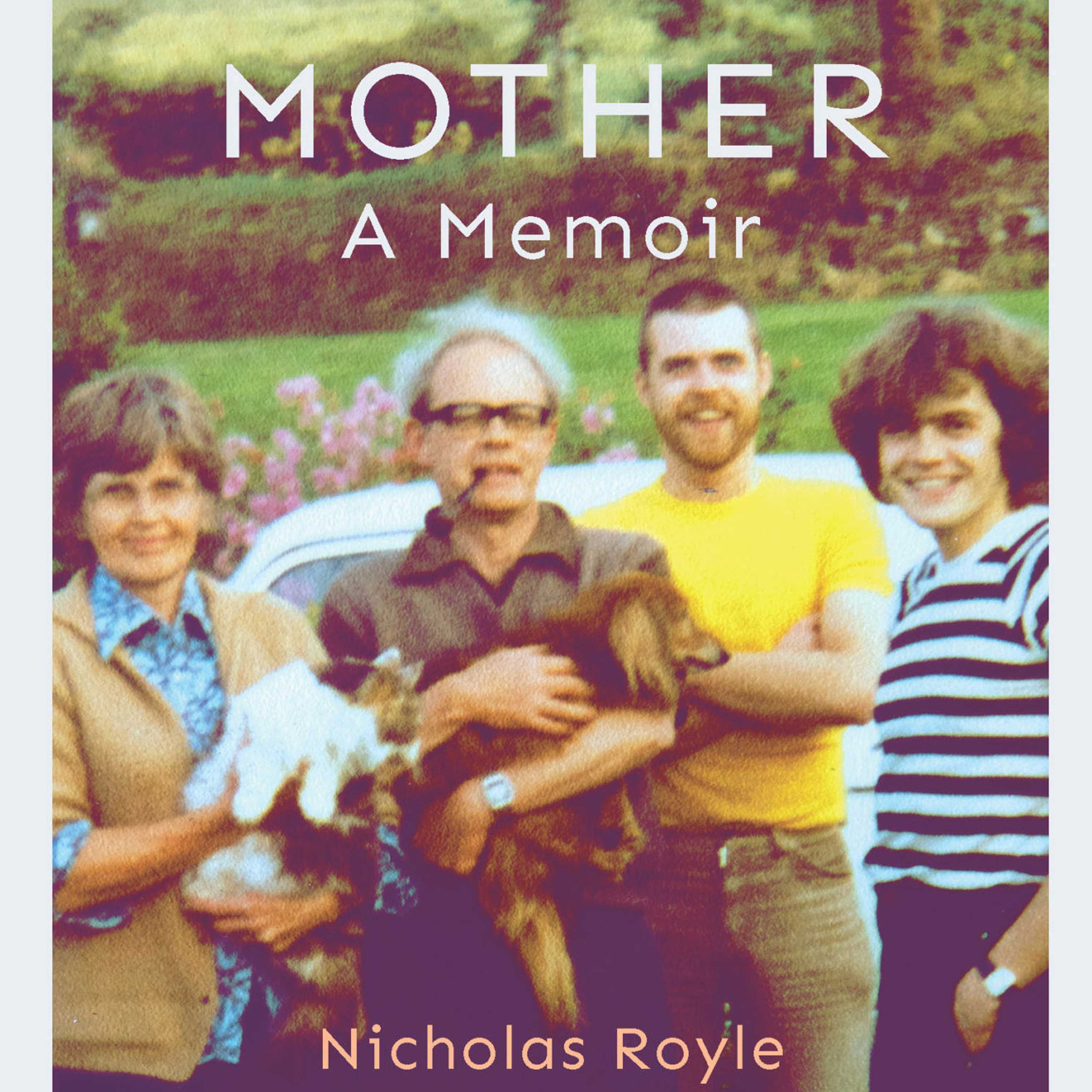
Author of Mother: A Memoir · Managing Editor of Oxford Literary Review

My mother died years ago. What has induced me to write about her after all this time remains mysterious to me. It is connected to the climate crisis. As the natural historian David Attenborough says: 'the collapse of our civilizations and the extinction of much of the natural world is on the horizon.' In ways I cannot pretend to fathom I have found that writing about my mother is bound up with writing about Mother Nature and Mother Earth. And no doubt it has to do also with my own aging and the buried life of mourning. The strange timetables of realization and loss. A memoir is 'a written record of a person's knowledge of events or of a person's own experiences'. 'A record of events written by a person having intimate knowledge of them and based on personal observation.' So the dictionaries tell us. But this memoir of my mother makes no attempt at a comprehensive record.

NICHOLAS ROYLE -  Author of “Mother: A Memoir” - Co-author of "An Introduction to Literature, Criticism and Theory"

NICHOLAS ROYLE - Author of “Mother: A Memoir” - Co-author of "An Introduction to Literature, Criticism and Theory"

Co-author of An Introduction to Literature, Criticism and Theory
Author of Mother: A Memoir · Managing Editor of Oxford Literary Review

My mother died years ago. What has induced me to write about her after all this time remains mysterious to me. It is connected to the climate crisis. As the natural historian David Attenborough says: 'the collapse of our civilizations and the extinction of much of the natural world is on the horizon.' In ways I cannot pretend to fathom I have found that writing about my mother is bound up with writing about Mother Nature and Mother Earth. And no doubt it has to do also with my own aging and the buried life of mourning. The strange timetables of realization and loss. A memoir is 'a written record of a person's knowledge of events or of a person's own experiences'. 'A record of events written by a person having intimate knowledge of them and based on personal observation.' So the dictionaries tell us. But this memoir of my mother makes no attempt at a comprehensive record.

Highlights - JILL HEINERTH - Explorer, Presenter, Author of “Into The Planet: My Life as a Cave Diver”

Highlights - JILL HEINERTH - Explorer, Presenter, Author of “Into The Planet: My Life as a Cave Diver”

Explorer · Presenter · Author of Into The Planet: My Life as a Cave Diver

If I die, it will be in the most glorious place that nobody has ever seen. I can no longer feel the fingers in my left hand. The glacial Antarctic water to see through a tiny puncture in my formerly waterproof glove. If this water were one-tenth of a degree colder, the ocean will become solid. Finding the knife-edged freeze is depleting my strength, my blood vessels throbbing in a futile attempt to deliver warmth to my extremities. The archway of ice above our heads is furrowed like the surface of a golf ball, carved by the hand of the sea. Iridescent blue, Wedgewood, azure, cerulean, cobalt, and pastel robin’s egg meld with chalk and silvery alabaster. The ice is vibrant, right, and at the same time ghostly. The beauty contradicts the danger. We are the first people to cave dive inside an iceberg. And we may not live to tell the story.

JILL HEINERTH - Explorer, Presenter, Author of “Into The Planet: My Life as a Cave Diver”

JILL HEINERTH - Explorer, Presenter, Author of “Into The Planet: My Life as a Cave Diver”

Explorer · Presenter · Author of Into The Planet: My Life as a Cave Diver

If I die, it will be in the most glorious place that nobody has ever seen. I can no longer feel the fingers in my left hand. The glacial Antarctic water to see through a tiny puncture in my formerly waterproof glove. If this water were one-tenth of a degree colder, the ocean will become solid. Finding the knife-edged freeze is depleting my strength, my blood vessels throbbing in a futile attempt to deliver warmth to my extremities. The archway of ice above our heads is furrowed like the surface of a golf ball, carved by the hand of the sea. Iridescent blue, Wedgewood, azure, cerulean, cobalt, and pastel robin’s egg meld with chalk and silvery alabaster. The ice is vibrant, right, and at the same time ghostly. The beauty contradicts the danger. We are the first people to cave dive inside an iceberg. And we may not live to tell the story.

Highlights - Robert Sternberg - Fmr. President, American Psychological Assoc. - Author of “Adaptive Intelligence”

Highlights - Robert Sternberg - Fmr. President, American Psychological Assoc. - Author of “Adaptive Intelligence”

Award-winning Educator - Author of Adaptive Intelligence: Surviving and Thriving in Times of Uncertainty
Fmr. President of the American Psychological Association

Are we looking at intelligence wrong? There are an awful lot of people who have graduated from top schools who become leaders who are worse than incompetent. They make their countries worse rather than better. And the conclusion I came to is that we made a mistake, in that intelligence was originally defined by the founders of the field Alfred Binet, David Wechsler, and others, as the ability to adapt to the environment a requirement. And answering a vocabulary problem for an obscure word is not about adapting to the environment. So I began to wonder where we lost the train of thought. And the conclusion I came to is that colleges just forgot the original message of the founders of the field, and so we got immersed in these numbers that turn out not to mean that much. So I wrote about intelligence as the ability to get along in the world and hopefully make the world a little bit better

Robert Sternberg - Award-winning Educator - Author of “Adaptive Intelligence” - Fmr. President, American Psychological Assoc.

Robert Sternberg - Award-winning Educator - Author of “Adaptive Intelligence” - Fmr. President, American Psychological Assoc.

Award-winning Educator - Author of Adaptive Intelligence: Surviving and Thriving in Times of Uncertainty
Fmr. President of the American Psychological Association

Are we looking at intelligence wrong? There are an awful lot of people who have graduated from top schools who become leaders who are worse than incompetent. They make their countries worse rather than better. And the conclusion I came to is that we made a mistake, in that intelligence was originally defined by the founders of the field Alfred Binet, David Wechsler, and others, as the ability to adapt to the environment a requirement. And answering a vocabulary problem for an obscure word is not about adapting to the environment. So I began to wonder where we lost the train of thought. And the conclusion I came to is that colleges just forgot the original message of the founders of the field, and so we got immersed in these numbers that turn out not to mean that much. So I wrote about intelligence as the ability to get along in the world and hopefully make the world a little bit better

Highlights - Julio Ottino - Founding Co-Director of Northwestern Institute on Complex Systems

Highlights - Julio Ottino - Founding Co-Director of Northwestern Institute on Complex Systems

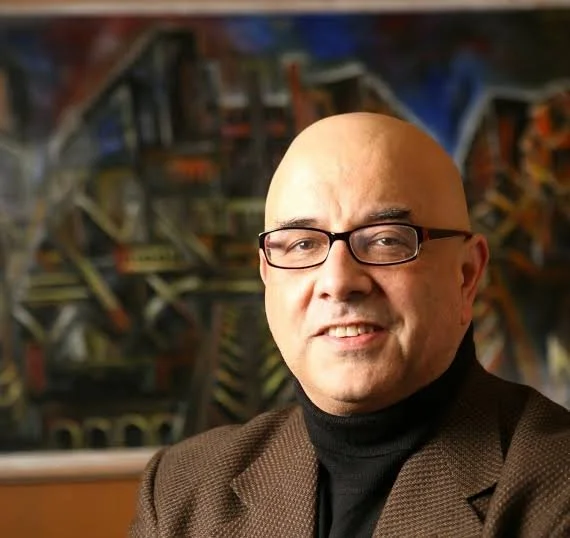
Julio Ottino is an artist, researcher, author, and educator at Northwestern University. He is the author, with Bruce Mau, of The Nexus: Augmented Thinking for a Complex World - The New Convergence of Art, Technology, and Science. He was the founding co-director of the Northwestern Institute on Complex Systems. In 2008, he was listed in the “One Hundred Engineers of the Modern Era”. In 2017, he was awarded the Bernard M. Gordon Prize for Innovation in Engineering and Technology Education from the National Academy of Engineering.

Today's complex problems demand a radically new way of thinking — one in which art, technology, and science converge to expand our creativity and augment our insight. Creativity must be combined with the ability to execute; the leaders and innovators of the future will have to understand this balance and manage such complexities as climate change and pandemics. The place of this convergence is THE NEXUS. In this provocative and visually striking book, Julio Mario Ottino and Bruce Mau offer a guide for navigating the intersections of art, technology, and science.

This interview was conducted by Mia Funk and Riya Patel with the participation of collaborating universities and students. Associate Interviews Producer on this episode was Riya Patel.

Mia Funk is an artist, interviewer and founder of The Creative Process & One Planet Podcast (Conversations about Climate Change & Environmental Solutions).

Julio Ottino - Author of “The Nexus: Augmented Thinking for a Complex World - The New Convergence of Art, Technology, and Science”


Julio Ottino - Author of “The Nexus: Augmented Thinking for a Complex World - The New Convergence of Art, Technology, and Science”


Julio Ottino is an artist, researcher, author, and educator at Northwestern University. He is the author, with Bruce Mau, of The Nexus: Augmented Thinking for a Complex World - The New Convergence of Art, Technology, and Science. He was the founding co-director of the Northwestern Institute on Complex Systems. In 2008, he was listed in the “One Hundred Engineers of the Modern Era”. In 2017, he was awarded the Bernard M. Gordon Prize for Innovation in Engineering and Technology Education from the National Academy of Engineering.

Today's complex problems demand a radically new way of thinking — one in which art, technology, and science converge to expand our creativity and augment our insight. Creativity must be combined with the ability to execute; the leaders and innovators of the future will have to understand this balance and manage such complexities as climate change and pandemics. The place of this convergence is THE NEXUS. In this provocative and visually striking book, Julio Mario Ottino and Bruce Mau offer a guide for navigating the intersections of art, technology, and science.

This interview was conducted by Mia Funk and Riya Patel with the participation of collaborating universities and students. Associate Interviews Producer on this episode was Riya Patel.

Mia Funk is an artist, interviewer and founder of The Creative Process & One Planet Podcast (Conversations about Climate Change & Environmental Solutions).

Highlights - Joëlle Gergis - Lead Author  - IPCC Sixth Assessment Report - Author of “Humanity’s Moment”

Highlights - Joëlle Gergis - Lead Author - IPCC Sixth Assessment Report - Author of “Humanity’s Moment”

Lead Author  of the IPCC Sixth Assessment Report · Author of Humanity’s Moment: A Climate Scientist’s Case for Hope · Sunburnt Country · Contributor to The Climate Book, ed. Greta Thunberg · Not Too Late, eds. Rebecca Solnit, Thelma Young Lutunatabua

We're really starting to witness serious climate extremes that can no longer be ignored. And the IPCC, one of our key conclusions to that report was that effectively the human fingerprint on the climate system is now undeniable. It is now an established fact that we have warmed every single continent, every ocean basin on the planet. And again, that's a pretty serious thing to contemplate that human activity from the burning of fossil fuels and the clearing of land has led to this energy imbalance in the earth system, which is leading to a rapidly shifting climate.

Joëlle Gergis - Lead Author  - IPCC Sixth Assessment Report - Author of “Humanity’s Moment”

Joëlle Gergis - Lead Author - IPCC Sixth Assessment Report - Author of “Humanity’s Moment”

Lead Author  of the IPCC Sixth Assessment Report · Author of Humanity’s Moment: A Climate Scientist’s Case for Hope · Sunburnt Country · Contributor to The Climate Book, ed. Greta Thunberg · Not Too Late, eds. Rebecca Solnit, Thelma Young Lutunatabua

We're really starting to witness serious climate extremes that can no longer be ignored. And the IPCC, one of our key conclusions to that report was that effectively the human fingerprint on the climate system is now undeniable. It is now an established fact that we have warmed every single continent, every ocean basin on the planet. And again, that's a pretty serious thing to contemplate that human activity from the burning of fossil fuels and the clearing of land has led to this energy imbalance in the earth system, which is leading to a rapidly shifting climate.

Highlights - Nina Hall - Author of “Transnational Advocacy in the Digital Era”


Highlights - Nina Hall - Author of “Transnational Advocacy in the Digital Era”


Author of Transnational Advocacy in the Digital Era: Think Global, Act Local
Assistant Professor · International Relations · Johns Hopkins School of Advanced International Studies (Europe)

Digital advocacy organizations are recognized as influential actors by the media, politicians, and some academics. In 2016, GetUp, an Australian digital advocacy organization, was named by the Australian Financial Review as one of the top ten actors with ‘covert power’ in Australia.1 Campact in Germany has powerfully mobilized public opinion against the Transatlantic Trade and Investment Partnership. MoveOn was one of the ‘leading advocacy organizations’ mobilizing people against the Iraq War in the United States. Meanwhile, Leadnow, a digital advocacy organization in Canada, helped to unseat Prime Minister Stephen Harper in the 2015 Canadian federal election. This new model of advocacy organization has spread around the world. Nineteen digital advocacy organizations claim to have a total of over 20 million members. What drove the global spread of digital advocacy organizations?

Nina Hall - Author of “Transnational Advocacy in the Digital Era: Think Global, Act Local”

Nina Hall - Author of “Transnational Advocacy in the Digital Era: Think Global, Act Local”

Author of Transnational Advocacy in the Digital Era: Think Global, Act Local
Assistant Professor · International Relations · Johns Hopkins School of Advanced International Studies (Europe)

Digital advocacy organizations are recognized as influential actors by the media, politicians, and some academics. In 2016, GetUp, an Australian digital advocacy organization, was named by the Australian Financial Review as one of the top ten actors with ‘covert power’ in Australia.1 Campact in Germany has powerfully mobilized public opinion against the Transatlantic Trade and Investment Partnership. MoveOn was one of the ‘leading advocacy organizations’ mobilizing people against the Iraq War in the United States. Meanwhile, Leadnow, a digital advocacy organization in Canada, helped to unseat Prime Minister Stephen Harper in the 2015 Canadian federal election. This new model of advocacy organization has spread around the world. Nineteen digital advocacy organizations claim to have a total of over 20 million members. What drove the global spread of digital advocacy organizations?

Highlights - Alberto Savoia - Google’s 1st Engineering Director - Author of “The Right It”

Highlights - Alberto Savoia - Google’s 1st Engineering Director - Author of “The Right It”

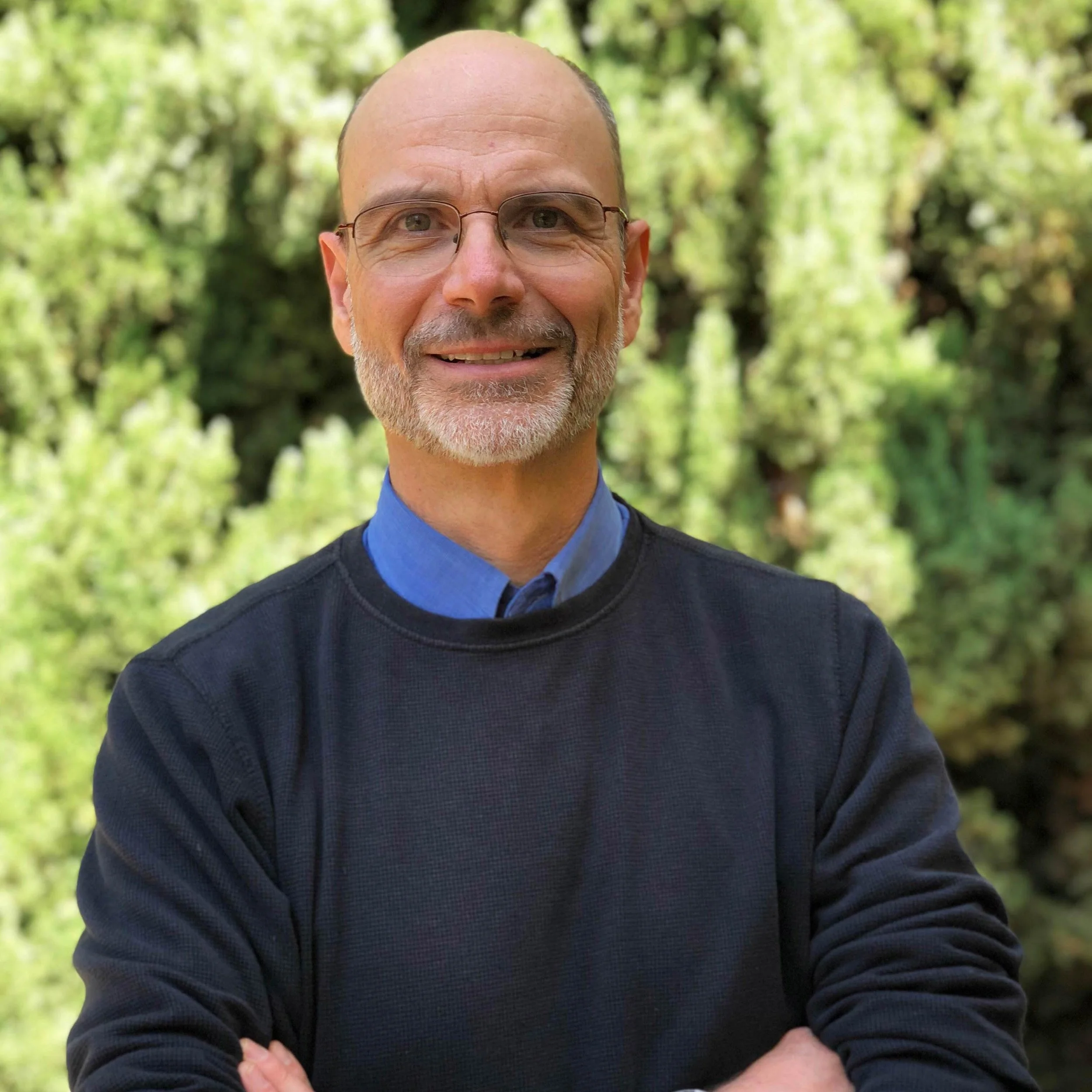
Google’s 1st Engineering Director · Innovation Agitator Emeritus
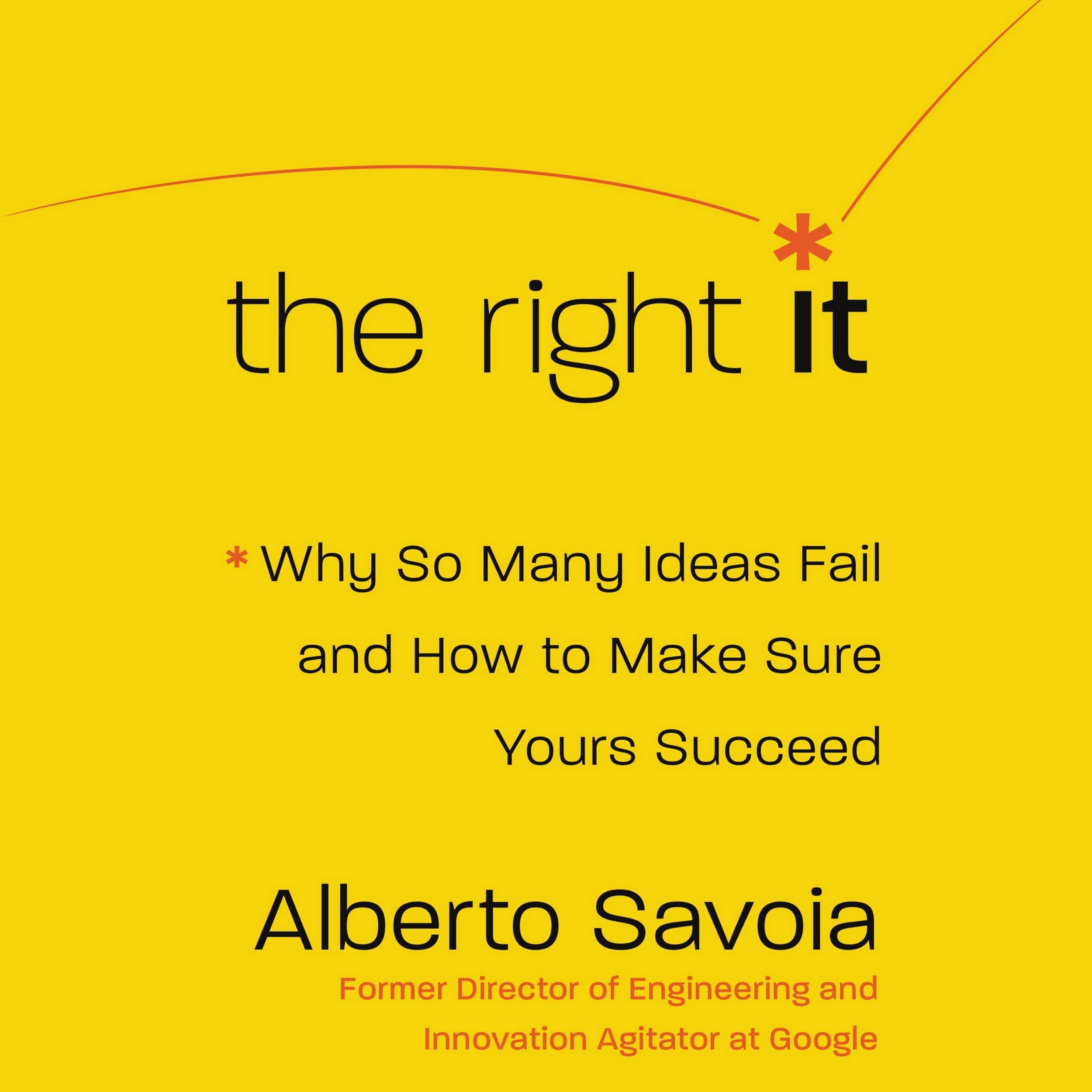
Author of The Right It: Why So Many Ideas Fail and How to Make Sure Yours Succeed

As much as I would love to take the credit, Google Ads was a big team, and I was fortunate to be brought in as a director that managed the team. I think the reason it was so successful is because innovations and new ideas, they compound. They build one upon the other. So the reason why ads was so successful for Google is because search was so successful for Google. So when you have search and you have billions of people coming in every day, maybe every hour, and searching all kinds of things, you have this treasure trove of data. If you have billion searches per day, you know how many experiments can you run? And so Google is very famous for doing a lot of A/B experiments. That's how we collect the data. So what actually enabled Google to be so successful and to grow is this mental attitude, which is the same one that Amazon and some of these really successful technology companies have, of doing a lot of experiments on small samples and continually refining their data based on that. If you're dealing with a lot of people, you can do those experiments and that's why these companies are successful. The sad thing or what happens with companies that do not operate in that way, that do not try to operate on data and do all of those experiments, those are the ones that are left behind. Innovation is experimentation.

Alberto Savoia - Google’s 1st Engineering Director - Author of “The Right It”

Alberto Savoia - Google’s 1st Engineering Director - Author of “The Right It”

Google’s 1st Engineering Director · Innovation Agitator Emeritus
Author of The Right It: Why So Many Ideas Fail and How to Make Sure Yours Succeed

As much as I would love to take the credit, Google Ads was a big team, and I was fortunate to be brought in as a director that managed the team. I think the reason it was so successful is because innovations and new ideas, they compound. They build one upon the other. So the reason why ads was so successful for Google is because search was so successful for Google. So when you have search and you have billions of people coming in every day, maybe every hour, and searching all kinds of things, you have this treasure trove of data. If you have billion searches per day, you know how many experiments can you run? And so Google is very famous for doing a lot of A/B experiments. That's how we collect the data. So what actually enabled Google to be so successful and to grow is this mental attitude, which is the same one that Amazon and some of these really successful technology companies have, of doing a lot of experiments on small samples and continually refining their data based on that. If you're dealing with a lot of people, you can do those experiments and that's why these companies are successful. The sad thing or what happens with companies that do not operate in that way, that do not try to operate on data and do all of those experiments, those are the ones that are left behind. Innovation is experimentation.