Highlights - Etgar Keret - Cannes Film Festival Award-winning Director - Author of “Fly Already”, “The Seven Good Years”

Highlights - Etgar Keret - Cannes Film Festival Award-winning Director - Author of “Fly Already”, “The Seven Good Years”

Cannes Film Festival Award-winning Director
Author of Fly Already · Suddenly a Knock on the Door · The Seven Good Years

For me, there is something about art, it's not a monologue, it's a dialogue. Some people, it doesn't matter who they speak to, they will speak in the same way they would speak to a five-year-old or to an intellectual or to somebody who doesn't speak the language very well. They would speak the same way and they don't care because this is what they have to say, but I think that the natural thing in the dialogue is really to look into the eyes of the person you speak to and see when he understands or when she doesn't understand or when she's moved or when he's angry. And basically out of that, kind of create your own language.

Etgar Keret - Cannes Film Festival Award-winning Director - Author of “Fly Already”, “Suddenly a Knock on the Door”

Etgar Keret - Cannes Film Festival Award-winning Director - Author of “Fly Already”, “Suddenly a Knock on the Door”

Cannes Film Festival Award-winning Director
Author of Fly Already · Suddenly a Knock on the Door · The Seven Good Years

For me, there is something about art, it's not a monologue, it's a dialogue. Some people, it doesn't matter who they speak to, they will speak in the same way they would speak to a five-year-old or to an intellectual or to somebody who doesn't speak the language very well. They would speak the same way and they don't care because this is what they have to say, but I think that the natural thing in the dialogue is really to look into the eyes of the person you speak to and see when he understands or when she doesn't understand or when she's moved or when he's angry. And basically out of that, kind of create your own language.

Highlights -Manuel Billeter - Cinematographer -  “The Gilded Age” “Inventing Anna” “Jessica Jones” “Luke Cage”

Highlights -Manuel Billeter - Cinematographer - “The Gilded Age” “Inventing Anna” “Jessica Jones” “Luke Cage”

Cinematographer · The Gilded Age · Inventing Anna
Jessica Jones · Luke Cage

What I think made me want to pursue film or what started my fascination with film and cinema were definitely Fellini, Antonioni, and Bertolucci; the masters, if you will, that kind of make you dream - make you just go to a movie theater, enter this space, and just have a communal experience. I know looking at the screen and just being completely immersed and experiencing stories or experiencing things that make you understand life more - or make you understand life less - and create a dialogue between you and the rest of the world.

Manuel Billeter - Cinematographer - “The Gilded Age” “Inventing Anna” “Jessica Jones” “Luke Cage”

Manuel Billeter - Cinematographer - “The Gilded Age” “Inventing Anna” “Jessica Jones” “Luke Cage”

Cinematographer · The Gilded Age · Inventing Anna
Jessica Jones · Luke Cage

What I think made me want to pursue film or what started my fascination with film and cinema were definitely Fellini, Antonioni, and Bertolucci; the masters, if you will, that kind of make you dream - make you just go to a movie theater, enter this space, and just have a communal experience. I know looking at the screen and just being completely immersed and experiencing stories or experiencing things that make you understand life more - or make you understand life less - and create a dialogue between you and the rest of the world.

Highlights - Nina Hall - Author of “Transnational Advocacy in the Digital Era”


Highlights - Nina Hall - Author of “Transnational Advocacy in the Digital Era”


Author of Transnational Advocacy in the Digital Era: Think Global, Act Local
Assistant Professor · International Relations · Johns Hopkins School of Advanced International Studies (Europe)

Digital advocacy organizations are recognized as influential actors by the media, politicians, and some academics. In 2016, GetUp, an Australian digital advocacy organization, was named by the Australian Financial Review as one of the top ten actors with ‘covert power’ in Australia.1 Campact in Germany has powerfully mobilized public opinion against the Transatlantic Trade and Investment Partnership. MoveOn was one of the ‘leading advocacy organizations’ mobilizing people against the Iraq War in the United States. Meanwhile, Leadnow, a digital advocacy organization in Canada, helped to unseat Prime Minister Stephen Harper in the 2015 Canadian federal election. This new model of advocacy organization has spread around the world. Nineteen digital advocacy organizations claim to have a total of over 20 million members. What drove the global spread of digital advocacy organizations?

Nina Hall - Author of “Transnational Advocacy in the Digital Era: Think Global, Act Local”

Nina Hall - Author of “Transnational Advocacy in the Digital Era: Think Global, Act Local”

Author of Transnational Advocacy in the Digital Era: Think Global, Act Local
Assistant Professor · International Relations · Johns Hopkins School of Advanced International Studies (Europe)

Digital advocacy organizations are recognized as influential actors by the media, politicians, and some academics. In 2016, GetUp, an Australian digital advocacy organization, was named by the Australian Financial Review as one of the top ten actors with ‘covert power’ in Australia.1 Campact in Germany has powerfully mobilized public opinion against the Transatlantic Trade and Investment Partnership. MoveOn was one of the ‘leading advocacy organizations’ mobilizing people against the Iraq War in the United States. Meanwhile, Leadnow, a digital advocacy organization in Canada, helped to unseat Prime Minister Stephen Harper in the 2015 Canadian federal election. This new model of advocacy organization has spread around the world. Nineteen digital advocacy organizations claim to have a total of over 20 million members. What drove the global spread of digital advocacy organizations?

Highlights - Alberto Savoia - Google’s 1st Engineering Director - Author of “The Right It”

Highlights - Alberto Savoia - Google’s 1st Engineering Director - Author of “The Right It”

Google’s 1st Engineering Director · Innovation Agitator Emeritus
Author of The Right It: Why So Many Ideas Fail and How to Make Sure Yours Succeed

As much as I would love to take the credit, Google Ads was a big team, and I was fortunate to be brought in as a director that managed the team. I think the reason it was so successful is because innovations and new ideas, they compound. They build one upon the other. So the reason why ads was so successful for Google is because search was so successful for Google. So when you have search and you have billions of people coming in every day, maybe every hour, and searching all kinds of things, you have this treasure trove of data. If you have billion searches per day, you know how many experiments can you run? And so Google is very famous for doing a lot of A/B experiments. That's how we collect the data. So what actually enabled Google to be so successful and to grow is this mental attitude, which is the same one that Amazon and some of these really successful technology companies have, of doing a lot of experiments on small samples and continually refining their data based on that. If you're dealing with a lot of people, you can do those experiments and that's why these companies are successful. The sad thing or what happens with companies that do not operate in that way, that do not try to operate on data and do all of those experiments, those are the ones that are left behind. Innovation is experimentation.

Alberto Savoia - Google’s 1st Engineering Director - Author of “The Right It”

Alberto Savoia - Google’s 1st Engineering Director - Author of “The Right It”

Google’s 1st Engineering Director · Innovation Agitator Emeritus
Author of The Right It: Why So Many Ideas Fail and How to Make Sure Yours Succeed

As much as I would love to take the credit, Google Ads was a big team, and I was fortunate to be brought in as a director that managed the team. I think the reason it was so successful is because innovations and new ideas, they compound. They build one upon the other. So the reason why ads was so successful for Google is because search was so successful for Google. So when you have search and you have billions of people coming in every day, maybe every hour, and searching all kinds of things, you have this treasure trove of data. If you have billion searches per day, you know how many experiments can you run? And so Google is very famous for doing a lot of A/B experiments. That's how we collect the data. So what actually enabled Google to be so successful and to grow is this mental attitude, which is the same one that Amazon and some of these really successful technology companies have, of doing a lot of experiments on small samples and continually refining their data based on that. If you're dealing with a lot of people, you can do those experiments and that's why these companies are successful. The sad thing or what happens with companies that do not operate in that way, that do not try to operate on data and do all of those experiments, those are the ones that are left behind. Innovation is experimentation.

Highlights - Mathis Wackernagel - Founder, Pres., Global Footprint Network - World Sustainability Award Winner

Highlights - Mathis Wackernagel - Founder, Pres., Global Footprint Network - World Sustainability Award Winner

Founder & President of Global Footprint Network
Winner of the World Sustainability Award · IAIA Global Environment Award

So shooting for one planet just means you would be totally dominant, and leave no space for other species. Ecologists say to maintain 85% of preindustrial biodiversity, it would take about at least half the planet left on its own. That would mean getting to half-planet. And now we use at least 1.75. I say at least because our assessments with about 15,000 data points per country in a year are based on UN statistics, and their demand side is probably an underestimate because not all demands are included. And also on the supply side or the regeneration side, the UN is very production oriented, so it's the FAO numbers, for example, look at agricultural production, and the depletion side or the destruction side is not factored in adequately. So that's why it's an underestimate. And still, it shows we use about 1.75 Earths, and that's more than three times half an Earth. So that's kind of the difference. But we also know overshoot will end one way or another. The question is do we choose to end it? Do we choose it by design, or do we let nature take the lead and end overshoot by disaster? So it's really ending overshoot by design or disaster. That's the big choice we need to make.

Mathis Wackernagel - Founder, President, Global Footprint Network - World Sustainability Award Winner

Mathis Wackernagel - Founder, President, Global Footprint Network - World Sustainability Award Winner

Founder & President of Global Footprint Network
Winner of the World Sustainability Award · IAIA Global Environment Award

So shooting for one planet just means you would be totally dominant, and leave no space for other species. Ecologists say to maintain 85% of preindustrial biodiversity, it would take about at least half the planet left on its own. That would mean getting to half-planet. And now we use at least 1.75. I say at least because our assessments with about 15,000 data points per country in a year are based on UN statistics, and their demand side is probably an underestimate because not all demands are included. And also on the supply side or the regeneration side, the UN is very production oriented, so it's the FAO numbers, for example, look at agricultural production, and the depletion side or the destruction side is not factored in adequately. So that's why it's an underestimate. And still, it shows we use about 1.75 Earths, and that's more than three times half an Earth. So that's kind of the difference. But we also know overshoot will end one way or another. The question is do we choose to end it? Do we choose it by design, or do we let nature take the lead and end overshoot by disaster? So it's really ending overshoot by design or disaster. That's the big choice we need to make.

Highlights - Kristen Ohlson - Author of Sweet in Tooth and Claw, and The Soil Will Save Us

Highlights - Kristen Ohlson - Author of Sweet in Tooth and Claw, and The Soil Will Save Us

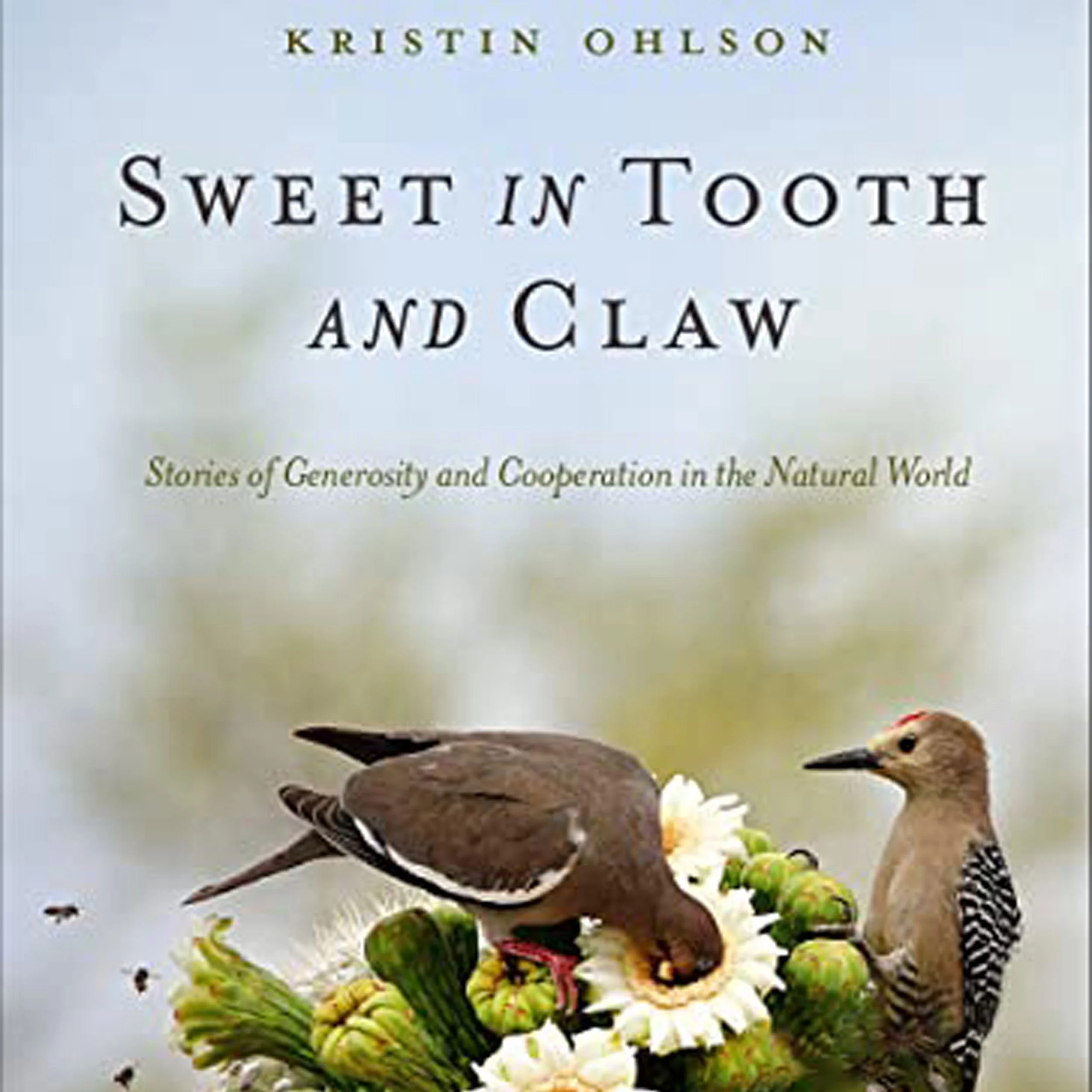
Author of Sweet in Tooth and Claw: Stories of Generosity and Cooperation in the Natural World
The Soil Will Save Us

I think it's this story of cooperation is important in terms of the story that we tell ourselves about nature, and seeing as how we are part of nature, it's important that we see ourselves as possibly a partner instead of a destroyer. I think that we have held onto the perspective that nature is all about competition and conflict. And when we shift that, when we look at nature as this vast web of interconnection and cooperation, and of course competition and conflict in there obviously in some places. But when we look at this vast web of cooperation and collaboration, I think that it changes our view. It changes our view of what's possible.

Kristin Ohlson - Author of Sweet in Tooth and Claw: Stories of Generosity and Cooperation in the Natural World

Kristin Ohlson - Author of Sweet in Tooth and Claw: Stories of Generosity and Cooperation in the Natural World

Author of Sweet in Tooth and Claw: Stories of Generosity and Cooperation in the Natural World
The Soil Will Save Us

I think it's this story of cooperation is important in terms of the story that we tell ourselves about nature, and seeing as how we are part of nature, it's important that we see ourselves as possibly a partner instead of a destroyer. I think that we have held onto the perspective that nature is all about competition and conflict. And when we shift that, when we look at nature as this vast web of interconnection and cooperation, and of course competition and conflict in there obviously in some places. But when we look at this vast web of cooperation and collaboration, I think that it changes our view. It changes our view of what's possible.

Highlights - Walter Stahel - Architect, Founding Father of Circular Economy - Founder-Director, Product-Life Institute

Highlights - Walter Stahel - Architect, Founding Father of Circular Economy - Founder-Director, Product-Life Institute

Founding Father of the Circular Economy · Founder-Director of Product-Life Institute
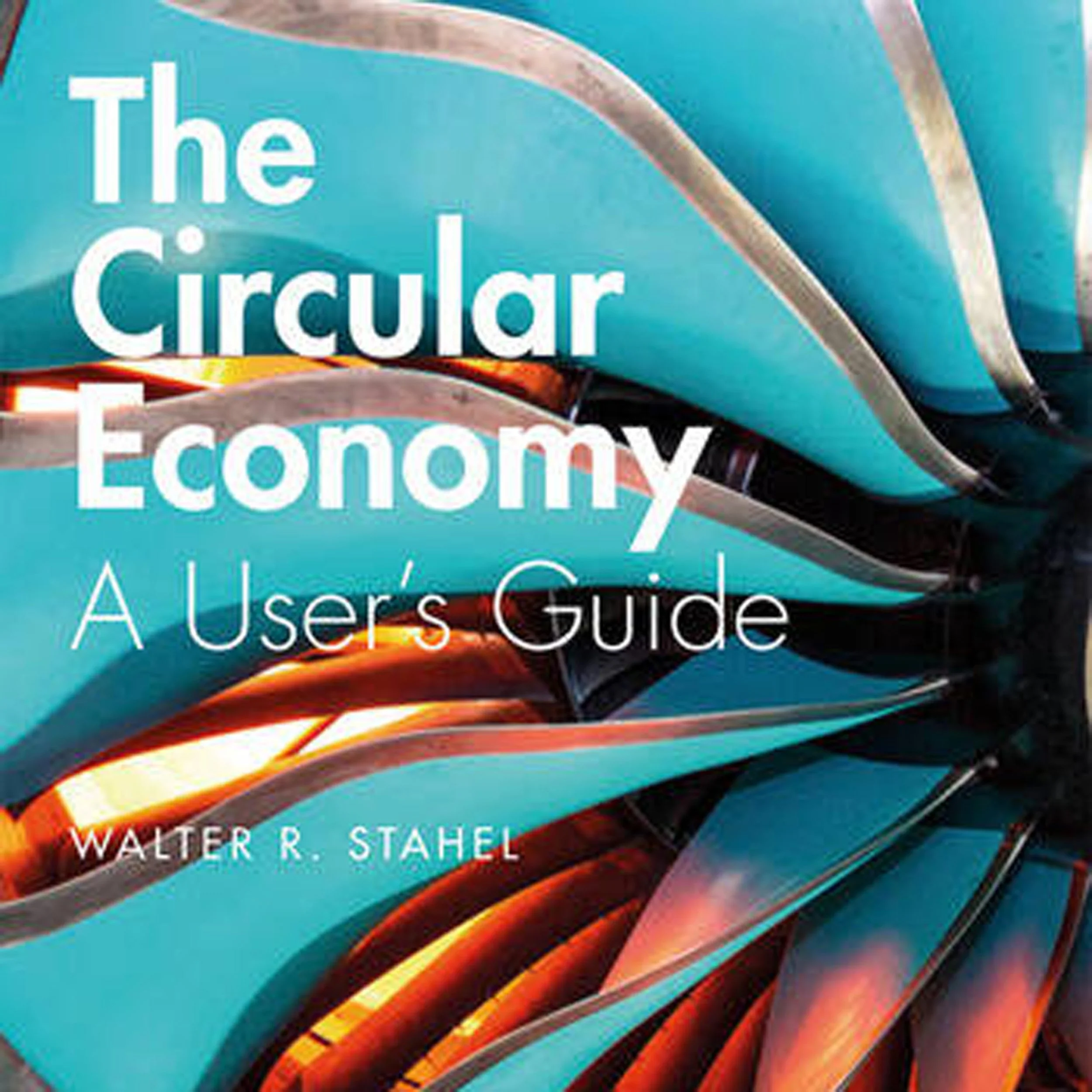
Author of The Circular Economy: A User’s Guide.

The circularity, of course, has existed in nature for a long time. Actually, nature's circularity is by evolution. There is no plan, there is no liability, and there are no preferences. It's simply the cycles such as marine tides, CO2, and water cycles, plants and animals, and basically by evolution, the best solution wins. Also, there is no waste. Dead material becomes food for other animals or plants. Now, early mankind survived by depending on these local natural resources sharing a non-monetary chaotic symbiosis dominated by nature, then poverty or necessity-based society changed when humankind used science to overcome shortages of everything. In other words, the Anthropocene. With nuclear energy, petrochemicals, metal alloys, we became independent from nature, but we overlooked the fact that these new manmade anthropogenic resources or synthetic resources were unknown to nature, so nature could not deal with them. And that means that we, humankind, has to take responsibility for it.

Walter Stahel - Architect, Economist, Founding Father of Circular Economy - Founder-Director, Product-Life Institute

Walter Stahel - Architect, Economist, Founding Father of Circular Economy - Founder-Director, Product-Life Institute

Founding Father of the Circular Economy · Founder-Director of Product-Life Institute
Author of The Circular Economy: A User’s Guide.

The circularity, of course, has existed in nature for a long time. Actually, nature's circularity is by evolution. There is no plan, there is no liability, and there are no preferences. It's simply the cycles such as marine tides, CO2, and water cycles, plants and animals, and basically by evolution, the best solution wins. Also, there is no waste. Dead material becomes food for other animals or plants. Now, early mankind survived by depending on these local natural resources sharing a non-monetary chaotic symbiosis dominated by nature, then poverty or necessity-based society changed when humankind used science to overcome shortages of everything. In other words, the Anthropocene. With nuclear energy, petrochemicals, metal alloys, we became independent from nature, but we overlooked the fact that these new manmade anthropogenic resources or synthetic resources were unknown to nature, so nature could not deal with them. And that means that we, humankind, has to take responsibility for it.

Highlights - Todd Kashdan - APA Award-winning Author of The Art of Insubordination, and Curious?

Highlights - Todd Kashdan - APA Award-winning Author of The Art of Insubordination, and Curious?

APA Award-winning Author of The Art of Insubordination: How to Dissent and Defy Effectively
Curious? · The Upside of Your Dark Side
Leading Authority on Well-being, Curiosity, Courage & Resilience

We're really talking about principled rebels. And when we talk about insubordination, we're talking about most of us live in these social hierarchies, and there's the idea, this started in the military and still goes on, where if someone at a lower rank questions or challenges a command or a norm that someone of a higher rank, that's considered an act of insubordination. And one of the main problems of that, I think anyone who's listening can acknowledge, is it depends on the quality of the idea of the person who's raising the question. I just realized there was this whole body of literature on minority influence that no one had put together into a book for the general public, and considering the racial reckoning that occurred during COVID-19, the extra attention to diversity, to disadvantaged groups, every moment of society, it just feels like it's more and more relevant of what I've been working on.

Todd Kashdan - Award-winning Author of “The Art of Insubordination: How to Dissent and Defy Effectively”

Todd Kashdan - Award-winning Author of “The Art of Insubordination: How to Dissent and Defy Effectively”

APA Award-winning Author of The Art of Insubordination: How to Dissent and Defy Effectively
Curious? · The Upside of Your Dark Side
Leading Authority on Well-being, Curiosity, Courage & Resilience

We're really talking about principled rebels. And when we talk about insubordination, we're talking about most of us live in these social hierarchies, and there's the idea, this started in the military and still goes on, where if someone at a lower rank questions or challenges a command or a norm that someone of a higher rank, that's considered an act of insubordination. And one of the main problems of that, I think anyone who's listening can acknowledge, is it depends on the quality of the idea of the person who's raising the question. I just realized there was this whole body of literature on minority influence that no one had put together into a book for the general public, and considering the racial reckoning that occurred during COVID-19, the extra attention to diversity, to disadvantaged groups, every moment of society, it just feels like it's more and more relevant of what I've been working on.

Highlights - Alain Robert - Famous Rock and Urban Climber - "The French Spider-Man”

Highlights - Alain Robert - Famous Rock and Urban Climber - "The French Spider-Man”

Famous Rock & Urban Climber · "The French Spider-Man”
Known for Free Solo Climbing the World’s Tallest Skyscrapers using no Climbing Equipment

First of all, yes, I need to know what I will be climbing, whether it's on rocks or whether it's on buildings. And then there is physical preparation. And regarding the mindset, it's more something that became a bit automatic over the years because I have been free soloing for almost 50 years. So it is pretty much my whole life. So that means that for me, being mentally ready, it's kind of simple. It's almost always the same mental process, meaning, I can be afraid before an ascent, but I know myself actually very well. And I know that once I am starting to climb, I feel fine. I put my fear aside, and I'm just climbing.

Alain Robert - Famous Rock and Urban Climber - "The French Spider-Man”

Alain Robert - Famous Rock and Urban Climber - "The French Spider-Man”

Famous Rock & Urban Climber · "The French Spider-Man”
Known for Free Solo Climbing the World’s Tallest Skyscrapers using no Climbing Equipment

First of all, yes, I need to know what I will be climbing, whether it's on rocks or whether it's on buildings. And then there is physical preparation. And regarding the mindset, it's more something that became a bit automatic over the years because I have been free soloing for almost 50 years. So it is pretty much my whole life. So that means that for me, being mentally ready, it's kind of simple. It's almost always the same mental process, meaning, I can be afraid before an ascent, but I know myself actually very well. And I know that once I am starting to climb, I feel fine. I put my fear aside, and I'm just climbing.

Highlights - Dr. Anna Lembke - Author of Dopamine Nation - Chief of Stanford Addiction Medicine Dual Diagnosis Clinic

Highlights - Dr. Anna Lembke - Author of Dopamine Nation - Chief of Stanford Addiction Medicine Dual Diagnosis Clinic

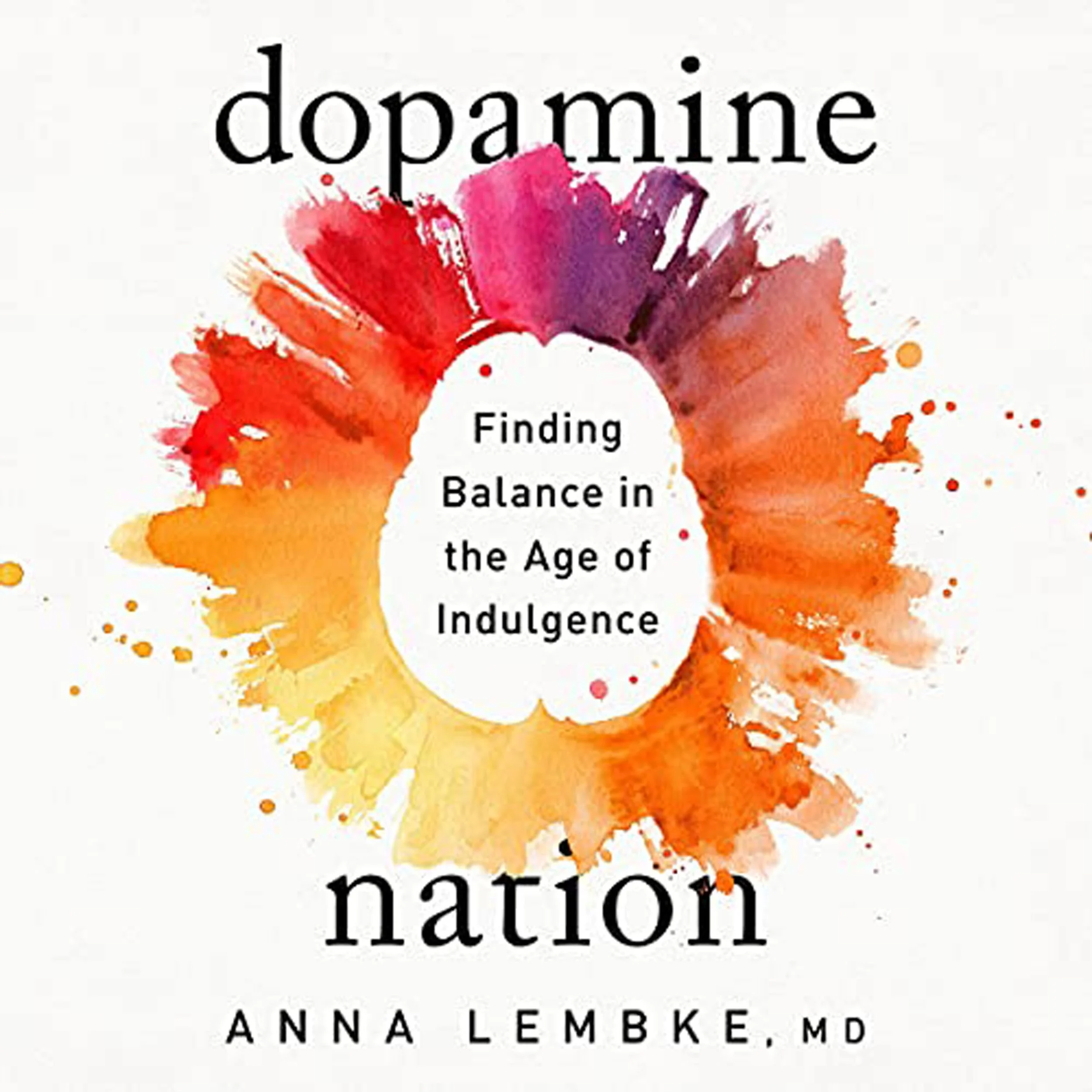
Author of Dopamine Nation: Finding Balance in the Age of Indulgence
Chief of the Stanford Addiction Medicine Dual Diagnosis Clinic

I'm an addiction psychiatrist. When I use the word addiction, I'm really talking about having crossed the line from basically healthy use with an occasional slip to somebody who's really caught in the vortex of compulsive overconsumption with consequences and typically needing help from others. It's one of the main points of my book Dopamine Nation that we are living in this addictogenic world where almost all human behaviors and substances have become drugified in one way, right? Social media has drugified human connection. Our food has been drugified by the addition of salt, fat, sugar. Reading is drugified, the way that these genre novels fill this sort of gaping hole of compulsive consumption among their readership, people always wanting more. The Netflix binges, where you get the next episode automatically fills unless you do something to stop it. You know, these are all little ways in which our lives have been engineered to keep us clicking and swiping and eating and smoking and drinking to the detriment of the globe. I mean, 70% of global deaths are due to diseases caused by modifiable risk factors, and the top three are smoking, inactivity, and overeating or diet. So we're literally titillating ourselves to death.

Dr. Anna Lembke - Author of Dopamine Nation: Finding Balance in the Age of Indulgence

Dr. Anna Lembke - Author of Dopamine Nation: Finding Balance in the Age of Indulgence

Author of Dopamine Nation: Finding Balance in the Age of Indulgence
Chief of the Stanford Addiction Medicine Dual Diagnosis Clinic

I'm an addiction psychiatrist. When I use the word addiction, I'm really talking about having crossed the line from basically healthy use with an occasional slip to somebody who's really caught in the vortex of compulsive overconsumption with consequences and typically needing help from others. It's one of the main points of my book Dopamine Nation that we are living in this addictogenic world where almost all human behaviors and substances have become drugified in one way, right? Social media has drugified human connection. Our food has been drugified by the addition of salt, fat, sugar. Reading is drugified, the way that these genre novels fill this sort of gaping hole of compulsive consumption among their readership, people always wanting more. The Netflix binges, where you get the next episode automatically fills unless you do something to stop it. You know, these are all little ways in which our lives have been engineered to keep us clicking and swiping and eating and smoking and drinking to the detriment of the globe. I mean, 70% of global deaths are due to diseases caused by modifiable risk factors, and the top three are smoking, inactivity, and overeating or diet. So we're literally titillating ourselves to death.