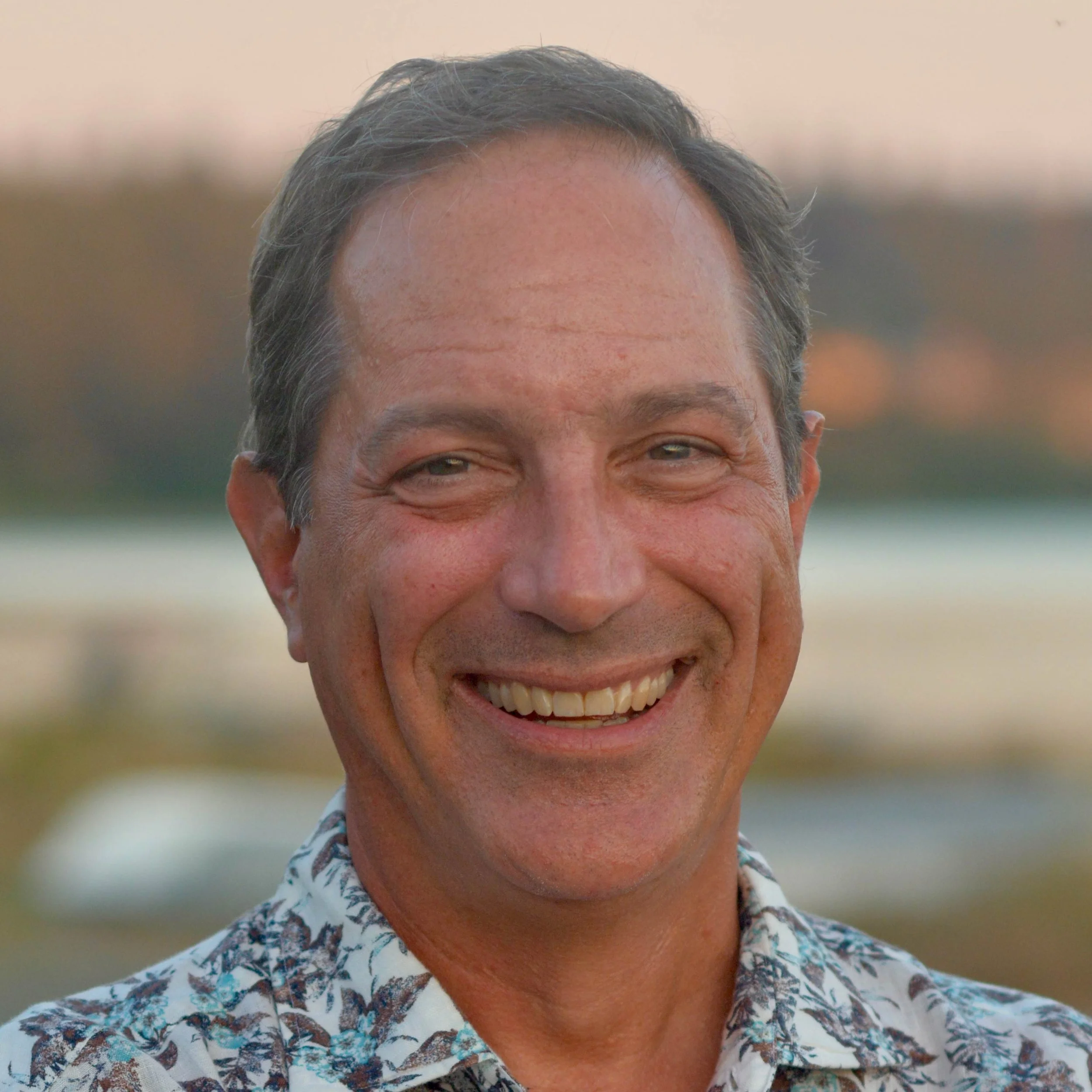
Highlights - DEAN SPADE - Professor at SeattleU’s School of Law - Author of Mutual Aid, Building Solidarity During This Crisis (and the Next)

Highlights - DEAN SPADE - Professor at SeattleU’s School of Law - Author of Mutual Aid, Building Solidarity During This Crisis (and the Next)

Organizer · Speaker · Professor at Seattle University's School of Law
Author of Normal Life: Administrative Violence, Critical Trans Politics, and the Limits of Law
Mutual Aid, Building Solidarity During This Crisis (and the Next)

I want to see movements that embolden our tactics. Like people blocking oil pipelines all over the world. That's what's required now. Asking endlessly from the dominant system to treat us fairly doesn't work. And this frustrating kind of endless appeal and hoping maybe we can get it to work this time doesn't work. And the clock is ticking, especially on ecological collapse. We need to save each other's lives and act.
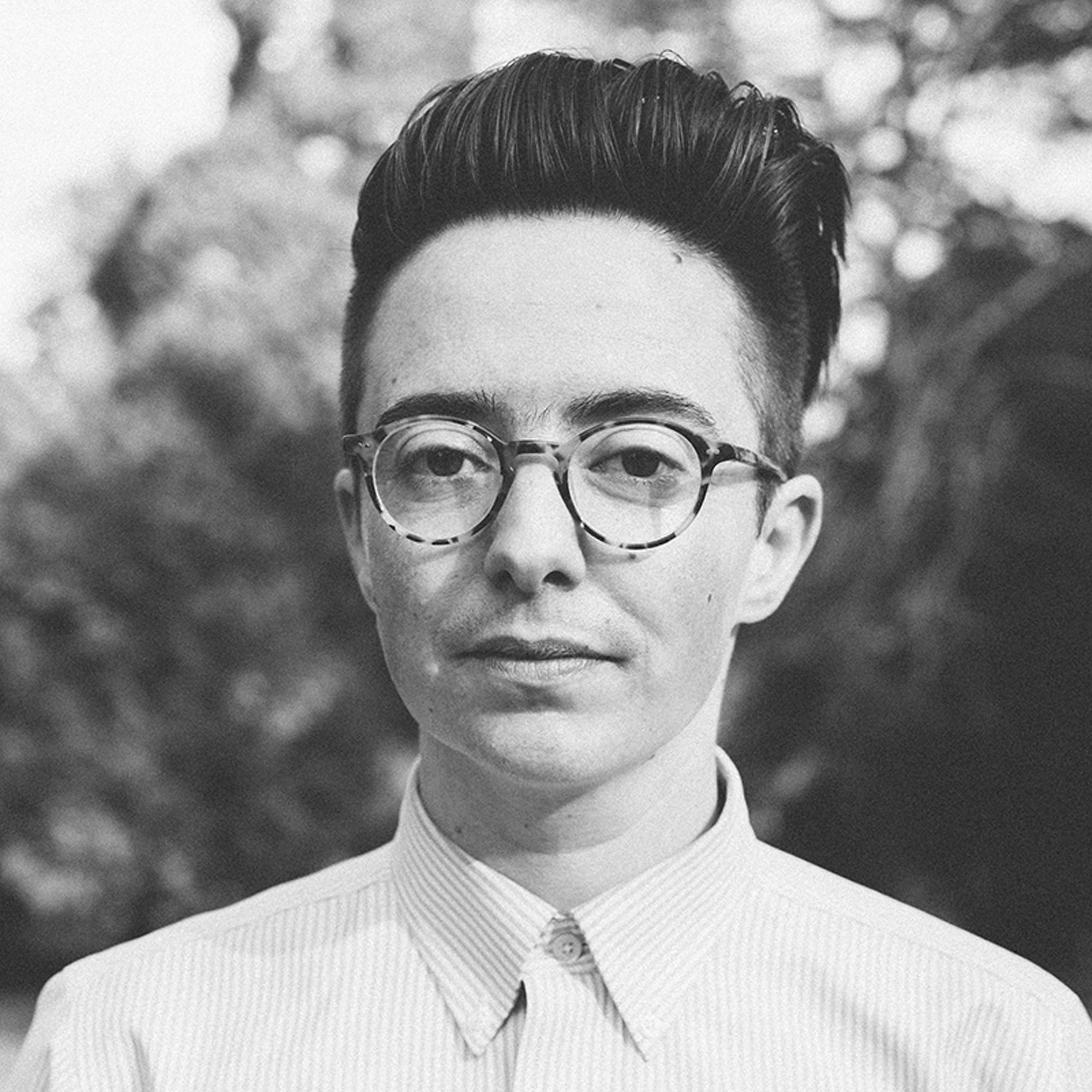
DEAN SPADE - Author of Normal Life: Administrative Violence, Critical Trans Politics, and the Limits of Law

DEAN SPADE - Author of Normal Life: Administrative Violence, Critical Trans Politics, and the Limits of Law

Organizer · Speaker · Professor at Seattle University's School of Law
Author of Normal Life: Administrative Violence, Critical Trans Politics, and the Limits of Law
Mutual Aid, Building Solidarity During This Crisis (and the Next)

I want to see movements that embolden our tactics. Like people blocking oil pipelines all over the world. That's what's required now. Asking endlessly from the dominant system to treat us fairly doesn't work. And this frustrating kind of endless appeal and hoping maybe we can get it to work this time doesn't work. And the clock is ticking, especially on ecological collapse. We need to save each other's lives and act.
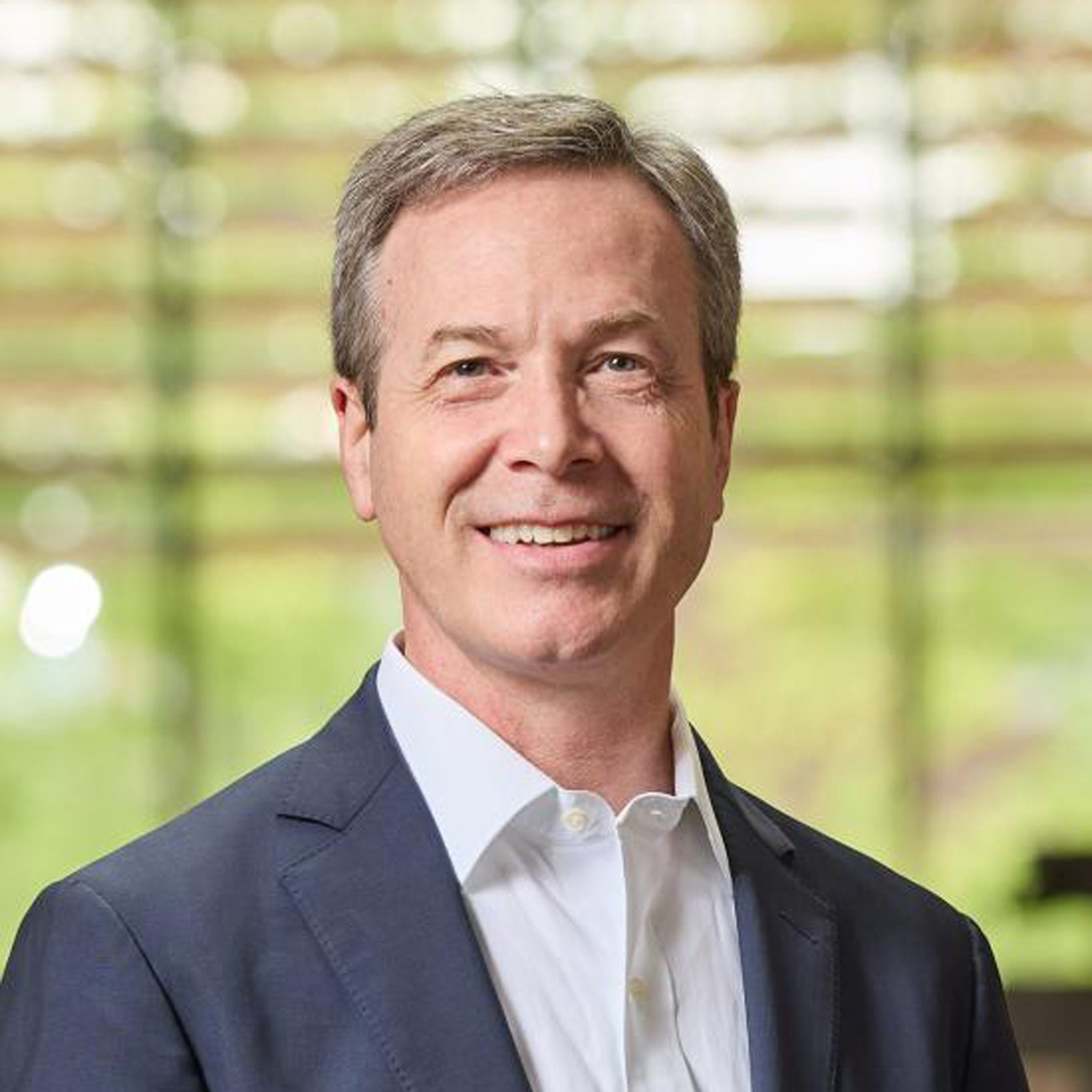
Highlights - ANTHONY LEISEROWITZ - Host of Climate Connections - Senior Research Scientist, Yale School of the Environment

Highlights - ANTHONY LEISEROWITZ - Host of Climate Connections - Senior Research Scientist, Yale School of the Environment

Founding Director of the Yale Program on Climate Change Communication
Host of Climate Connections · Senior Research Scientist at the Yale School of the Environment

Storytelling is still one of the most powerful ways we have to communicate from one person to another, from one person to millions, and from millions back to one. At the Yale Program on Climate Change Communication, we study how people respond to climate change. So what do people around the world understand or misunderstand about the causes, the consequences, and solutions? How do they perceive the risks: the likelihood and severity of different types of impacts from sea level rise to the health impacts? What kinds of policies do they support or oppose? And then what kinds of behaviors are people engaged in or willing to change to be part of climate solutions? There are lots of different things there, but our ultimate question is answering why. What are the psychological, cultural, the political reasons why some people get engaged with this issue? While others are kind of apathetic and some are downright dismissive and hostile, or at least they are in the United States, which thankfully is not the case in most of the rest of the world.

ANTHONY LEISEROWITZ - Founding Director of Yale Program on Climate Change Communication - Host of Climate Connections

ANTHONY LEISEROWITZ - Founding Director of Yale Program on Climate Change Communication - Host of Climate Connections

Founding Director of the Yale Program on Climate Change Communication
Host of Climate Connections · Senior Research Scientist at the Yale School of the Environment

Storytelling is still one of the most powerful ways we have to communicate from one person to another, from one person to millions, and from millions back to one. At the Yale Program on Climate Change Communication, we study how people respond to climate change. So what do people around the world understand or misunderstand about the causes, the consequences, and solutions? How do they perceive the risks: the likelihood and severity of different types of impacts from sea level rise to the health impacts? What kinds of policies do they support or oppose? And then what kinds of behaviors are people engaged in or willing to change to be part of climate solutions? There are lots of different things there, but our ultimate question is answering why. What are the psychological, cultural, the political reasons why some people get engaged with this issue? While others are kind of apathetic and some are downright dismissive and hostile, or at least they are in the United States, which thankfully is not the case in most of the rest of the world.

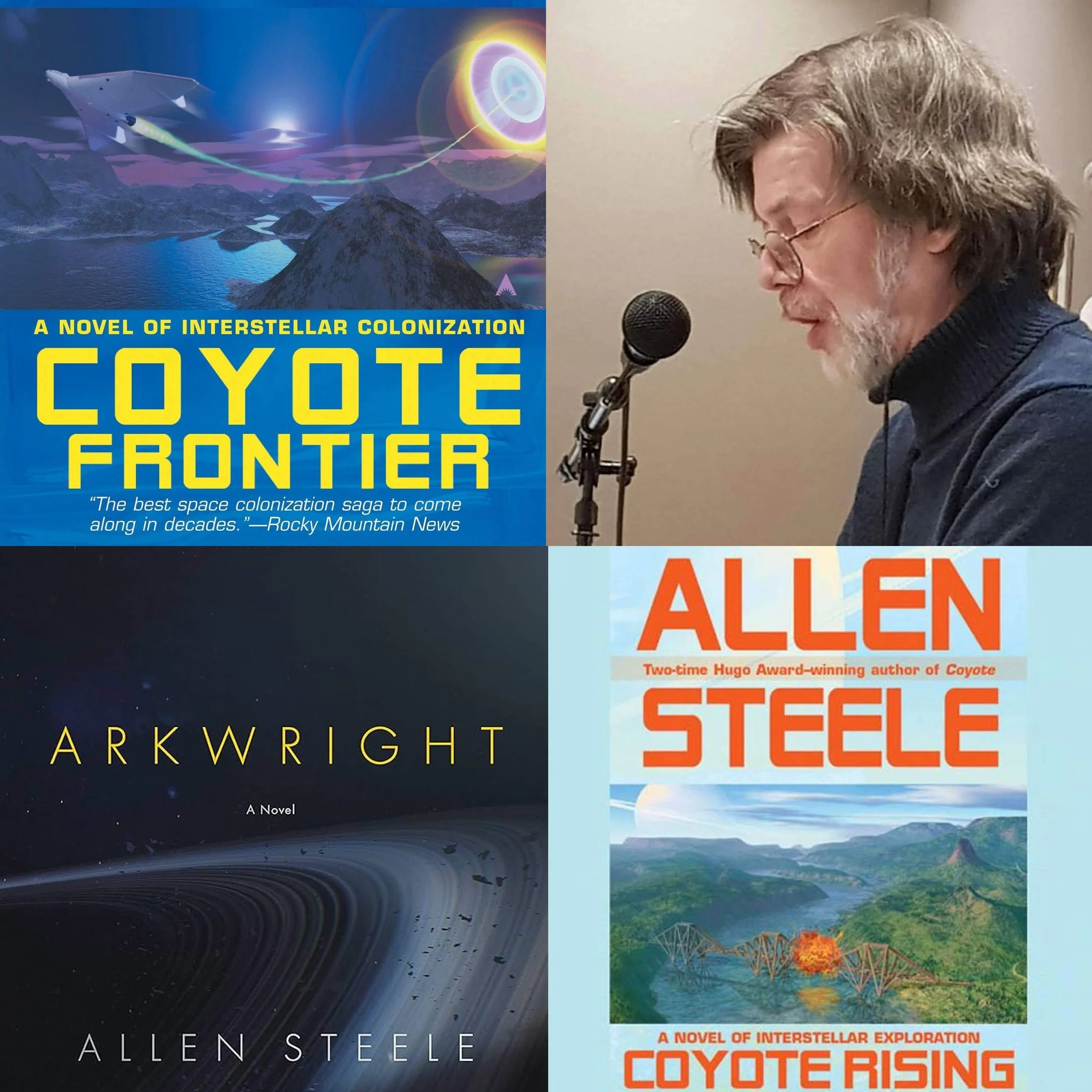
Highlights - ALLEN STEELE - Hugo Award-winning Science Fiction Author of the Coyote Trilogy, Arkwright

Highlights - ALLEN STEELE - Hugo Award-winning Science Fiction Author of the Coyote Trilogy, Arkwright

Winner of the Hugo · Asimov's Readers & Locus Awards
Served on the Board of Directors of Science Fiction & Fantasy Writers of America

I'm really very glad. I was happy to see that within my lifetime that the prospects of not just Mars, but in fact interstellar space is being taken seriously. I've been at two conferences where we were talking about building the first starship within this century. One of my later books, Arkwright, is about such a project. I saw that Elon Musk is building Starship One, I wish him all the best. And I envy anybody who goes.

I wish I were a younger person and in better health. Somebody asked me some time ago, would you go to Mars? And I said, “I can't do it now. I've got a bum pancreas, and I'm 65 years old, and I'm not exactly the prime prospect for doing this. If you asked me 40 years ago would I go, I would have said: in a heartbeat!” I would gladly leave behind almost everything. I don't think I'd be glad about leaving my wife and family behind, but I'd be glad to go live on another planet, perhaps for the rest of my life, just for the chance to explore a new world, to be one of the settlers in a new world. We've got to be careful about how we do this. And we've got to be careful, particularly about the rationale of the people who are doing this.

ALLEN STEELE - Hugo Award-winning Science Fiction Author of the Coyote Trilogy, Arkwright

ALLEN STEELE - Hugo Award-winning Science Fiction Author of the Coyote Trilogy, Arkwright

Winner of the Hugo · Asimov's Readers & Locus Awards
Served on the Board of Directors of Science Fiction & Fantasy Writers of America

I'm really very glad. I was happy to see that within my lifetime that the prospects of not just Mars, but in fact interstellar space is being taken seriously. I've been at two conferences where we were talking about building the first starship within this century. One of my later books, Arkwright, is about such a project. I saw that Elon Musk is building Starship One, I wish him all the best. And I envy anybody who goes.

I wish I were a younger person and in better health. Somebody asked me some time ago, would you go to Mars? And I said, “I can't do it now. I've got a bum pancreas, and I'm 65 years old, and I'm not exactly the prime prospect for doing this. If you asked me 40 years ago would I go, I would have said: in a heartbeat!” I would gladly leave behind almost everything. I don't think I'd be glad about leaving my wife and family behind, but I'd be glad to go live on another planet, perhaps for the rest of my life, just for the chance to explore a new world, to be one of the settlers in a new world. We've got to be careful about how we do this. And we've got to be careful, particularly about the rationale of the people who are doing this.

Highlights - RALPH GIBSON - Award-winning Photographer - Leica Hall of Fame Inductee

Highlights - RALPH GIBSON - Award-winning Photographer - Leica Hall of Fame Inductee

Award-winning Photographer
Leica Hall of Fame Inductee · Recipient of the French Legion of Honor

I wouldn't be able to effectively delineate where my life ends and photography begins. They're one and the same. If my eyes are open, I'm seeing. If I'm seeing, I'm essentially in that valence within which, or from within which come the images. In that book, Self Exposure, one of the things I did realize as I was writing it: all autobiographies are chronological and anecdotal. That's the way they unfold. And I realized that there were certain decisions I had made along the way that were crucial. And there was really only a handful of them. But I was very fortunate because I had that initial desire to be a photographer. I don't even know if it was a desire. I think it was something much further beyond that. I would have to say it was more of a...I didn't really choose photography, it sort of chose me, you know. I mean, nolo contendere. I just did what I knew I had to do. There was a sense of devoir, you know, you just do it. Claude Lévi-Strauss the great social anthropologist has made this sort of thing clear: Society changes and with it the context through which we observe something has changed as well. And so I like the role of art in society and my relationship to my society and to art in my society. Now I'm interested in this phase of my life and how does the mind influence the mind? 

RALPH GIBSON - Award-winning Photographer - Leica Hall of Fame Inductee

RALPH GIBSON - Award-winning Photographer - Leica Hall of Fame Inductee

Award-winning Photographer
Leica Hall of Fame Inductee · Recipient of the French Legion of Honor

I wouldn't be able to effectively delineate where my life ends and photography begins. They're one and the same. If my eyes are open, I'm seeing. If I'm seeing, I'm essentially in that valence within which, or from within which come the images. In that book, Self Exposure, one of the things I did realize as I was writing it: all autobiographies are chronological and anecdotal. That's the way they unfold. And I realized that there were certain decisions I had made along the way that were crucial. And there was really only a handful of them. But I was very fortunate because I had that initial desire to be a photographer. I don't even know if it was a desire. I think it was something much further beyond that. I would have to say it was more of a...I didn't really choose photography, it sort of chose me, you know. I mean, nolo contendere. I just did what I knew I had to do. There was a sense of devoir, you know, you just do it. Claude Lévi-Strauss the great social anthropologist has made this sort of thing clear: Society changes and with it the context through which we observe something has changed as well. And so I like the role of art in society and my relationship to my society and to art in my society. Now I'm interested in this phase of my life and how does the mind influence the mind? 

Highlights - IAN ROBERTSON - Author of How Confidence Works - Co-Director, Global Brain Health Institute

Highlights - IAN ROBERTSON - Author of How Confidence Works - Co-Director, Global Brain Health Institute

Author of How Confidence Works: The New Science of Self-belief
Co-Director of the Global Brain Health Institute · Co-Leader of The BrainHealth Project

The book probes the science and neuroscience behind the idea that confidence can be learned, or whether it is something you inherit. Optimism, hope, and self-esteem are all concepts that are easily confused with confidence. But, as I show, they differ in one fundamental way - confidence empowers action. You can be an optimist who is hopeful that things will work out okay in the end without ever believing that you can play a part in that outcome, or indeed have any realistic grounds for that optimism. And you can have high self-esteem and feel good about yourself without feeling confident that you can achieve a particular goal.

IAN ROBERTSON - Author of How Confidence Works: The New Science of Self-belief - Co-Director of the Global Brain Health Institute

IAN ROBERTSON - Author of How Confidence Works: The New Science of Self-belief - Co-Director of the Global Brain Health Institute

Author of How Confidence Works: The New Science of Self-belief
Co-Director of the Global Brain Health Institute · Co-Leader of The BrainHealth Project

The book probes the science and neuroscience behind the idea that confidence can be learned, or whether it is something you inherit. Optimism, hope, and self-esteem are all concepts that are easily confused with confidence. But, as I show, they differ in one fundamental way - confidence empowers action. You can be an optimist who is hopeful that things will work out okay in the end without ever believing that you can play a part in that outcome, or indeed have any realistic grounds for that optimism. And you can have high self-esteem and feel good about yourself without feeling confident that you can achieve a particular goal.

Highlights - RICK BASS - Author & Environmentalist - “Why I Came West”, “For a Little While”

Highlights - RICK BASS - Author & Environmentalist - “Why I Came West”, “For a Little While”

Environmentalist & Story Prize Award-winning Author
Why I Came West · For a Little While · The Traveling Feast

I grieve the changes to the four seasons that are happening here in Montana. One of the great things about this place is having four distinct seasons, and now they're tilted. Some are short, some are long, and some don't exist anymore. And that's unsettling, to say the least. It's not a fear of what's coming. It's a grief for what's gone away. I'm mindful of the pressure that we are putting on the generations who follow us and the mandate to have fun, to be fully human, to be joyous, to celebrate, and to enjoy being in the midst of nature's beauty.

RICK BASS - Environmentalist & Story Prize Award-winning Author of “Why I Came West”, “For a Little While”

RICK BASS - Environmentalist & Story Prize Award-winning Author of “Why I Came West”, “For a Little While”

Environmentalist & Story Prize Award-winning Author
Why I Came West · For a Little While · The Traveling Feast

I grieve the changes to the four seasons that are happening here in Montana. One of the great things about this place is having four distinct seasons, and now they're tilted. Some are short, some are long, and some don't exist anymore. And that's unsettling, to say the least. It's not a fear of what's coming. It's a grief for what's gone away. I'm mindful of the pressure that we are putting on the generations who follow us and the mandate to have fun, to be fully human, to be joyous, to celebrate, and to enjoy being in the midst of nature's beauty.

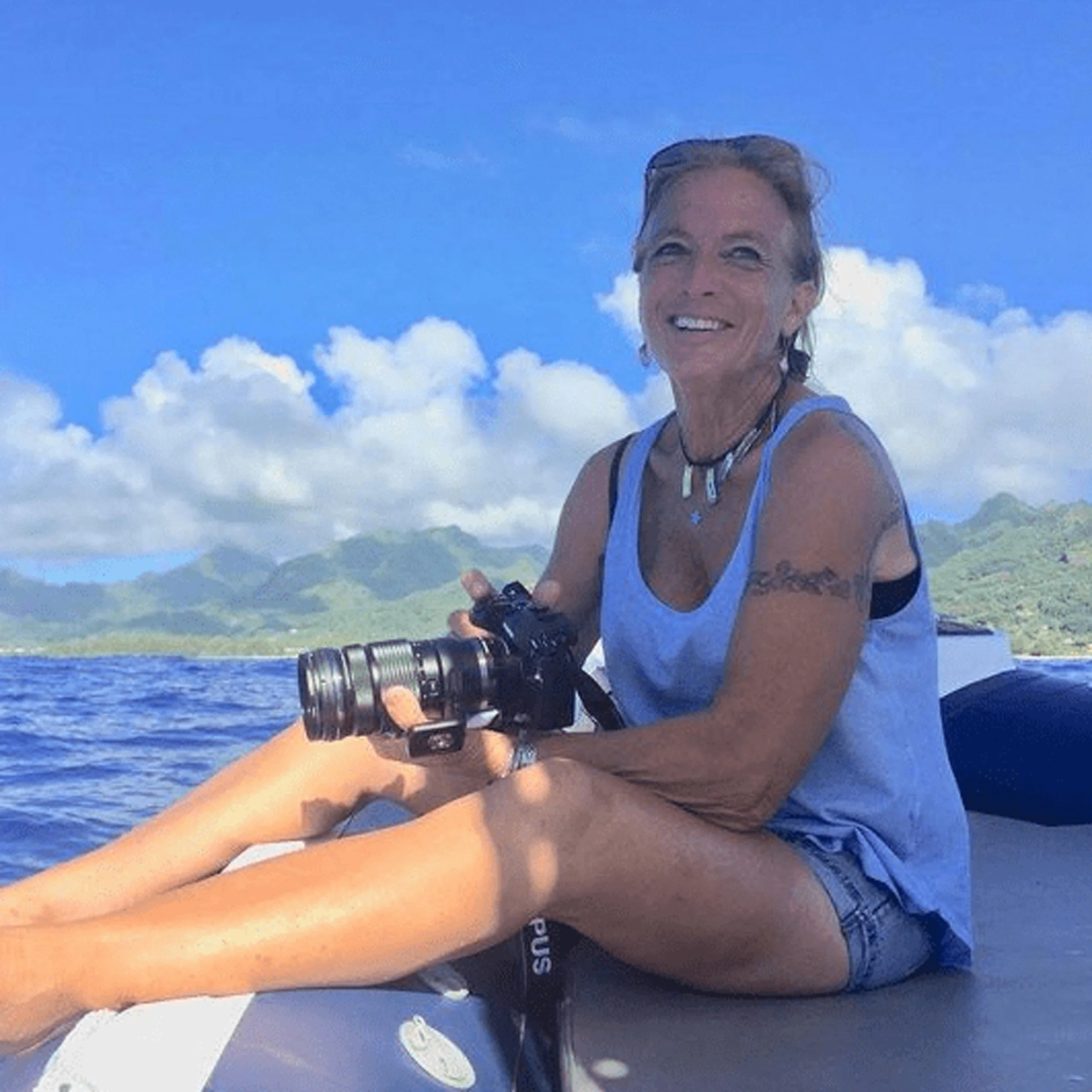
Highlights - NAN HAUSER - Whale Researcher - Director, Cook Islands Whale Research - President, Center for Cetacean Research & Conservation

Highlights - NAN HAUSER - Whale Researcher - Director, Cook Islands Whale Research - President, Center for Cetacean Research & Conservation

Whale Researcher
President of the Center for Cetacean Research & Conservation
Director, Cook Islands Whale Research

I don't think a lot of people realize how absolutely important whales are, and not just because they're beautiful and they make people happy, but whales carry nutrients from the depths they feed back to the surface. And there's this liquidy plume of fecal matter, and it's called the whale pump. And they bring all these nutrients upward with their tails by swimming up and down the water column, it's like an upward biological pump. And there's an incredible amount of nitrogen that's released in these plumes. And we get this great soup of nutrients. We get more from this nitrogen than all the rivers combined. And in the past, we recognized microbes and plankton and fish and that they recycled nutrients in the ocean, yet whales and other marine mammals have largely been overlooked and that's too bad because they are bioengineers. They help the climate so much because of all this creates more plankton by circulating the nutrients and fertilizing the phytoplankton with their poo.

NAN HAUSER - Whale Researcher - President, Center for Cetacean Research & Conservation - Director, Cook Islands Whale Research

NAN HAUSER - Whale Researcher - President, Center for Cetacean Research & Conservation - Director, Cook Islands Whale Research

Whale Researcher
President of the Center for Cetacean Research & Conservation
Director, Cook Islands Whale Research

I don't think a lot of people realize how absolutely important whales are, and not just because they're beautiful and they make people happy, but whales carry nutrients from the depths they feed back to the surface. And there's this liquidy plume of fecal matter, and it's called the whale pump. And they bring all these nutrients upward with their tails by swimming up and down the water column, it's like an upward biological pump. And there's an incredible amount of nitrogen that's released in these plumes. And we get this great soup of nutrients. We get more from this nitrogen than all the rivers combined. And in the past, we recognized microbes and plankton and fish and that they recycled nutrients in the ocean, yet whales and other marine mammals have largely been overlooked and that's too bad because they are bioengineers. They help the climate so much because of all this creates more plankton by circulating the nutrients and fertilizing the phytoplankton with their poo.

Highlights - JIM SHEPARD - Award-winning Author of The Book of Aron, Project X, The World to Come, Like You’d Understand, Anyway

Highlights - JIM SHEPARD - Award-winning Author of The Book of Aron, Project X, The World to Come, Like You’d Understand, Anyway

Author of The Book of Aron · Project X · The World to Come starring Casey Affleck, Vanessa Kirby, Katherine Waterston
Winner of the PEN New England Award · The Story Prize · Ribalow Prize for Jewish Literature

In terms of what I'm writing, I'm always trying to make myself a more interesting human being. And so that means I'm coming across these human dilemmas where I'm like what would it have been like to be in that position? And that snags my emotional imagination. I do think that literature is all about extending the empathetic imagination. And so I'm always looking to educate myself in emotional terms, too. Because I'm very interested in the way we respond in those situations where it feels like we both have responsibility, and we don't have responsibility.

JIM SHEPARD - Author of The Book of Aron, Project X, The World to Come starring Casey Affleck, Vanessa Kirby, Katherine Waterston

JIM SHEPARD - Author of The Book of Aron, Project X, The World to Come starring Casey Affleck, Vanessa Kirby, Katherine Waterston

Author of The Book of Aron · Project X · The World to Come starring Casey Affleck, Vanessa Kirby, Katherine Waterston
Winner of the PEN New England Award · The Story Prize · Ribalow Prize for Jewish Literature

In terms of what I'm writing, I'm always trying to make myself a more interesting human being. And so that means I'm coming across these human dilemmas where I'm like what would it have been like to be in that position? And that snags my emotional imagination. I do think that literature is all about extending the empathetic imagination. And so I'm always looking to educate myself in emotional terms, too. Because I'm very interested in the way we respond in those situations where it feels like we both have responsibility, and we don't have responsibility.

Speaking Out of Place: SARA AHMED discusses The Feminist Killjoy Handbook

Speaking Out of Place: SARA AHMED discusses The Feminist Killjoy Handbook

Author of The Feminist Killjoy Handbook
Independent Queer Feminist Scholar

You're more likely to progress if you say yes. It's a reproductive mechanism, which is why feminist culture knows so much about everything. We can explain how it is that institutions keep being reproduced in the same way. So what then do you do? Where do you go if your no has nowhere to go? And I think when you say no to the world, and you're pushed out by it, you still find your people. And that there's the world-making is in the people who find in the refusal of the institution a common ground.

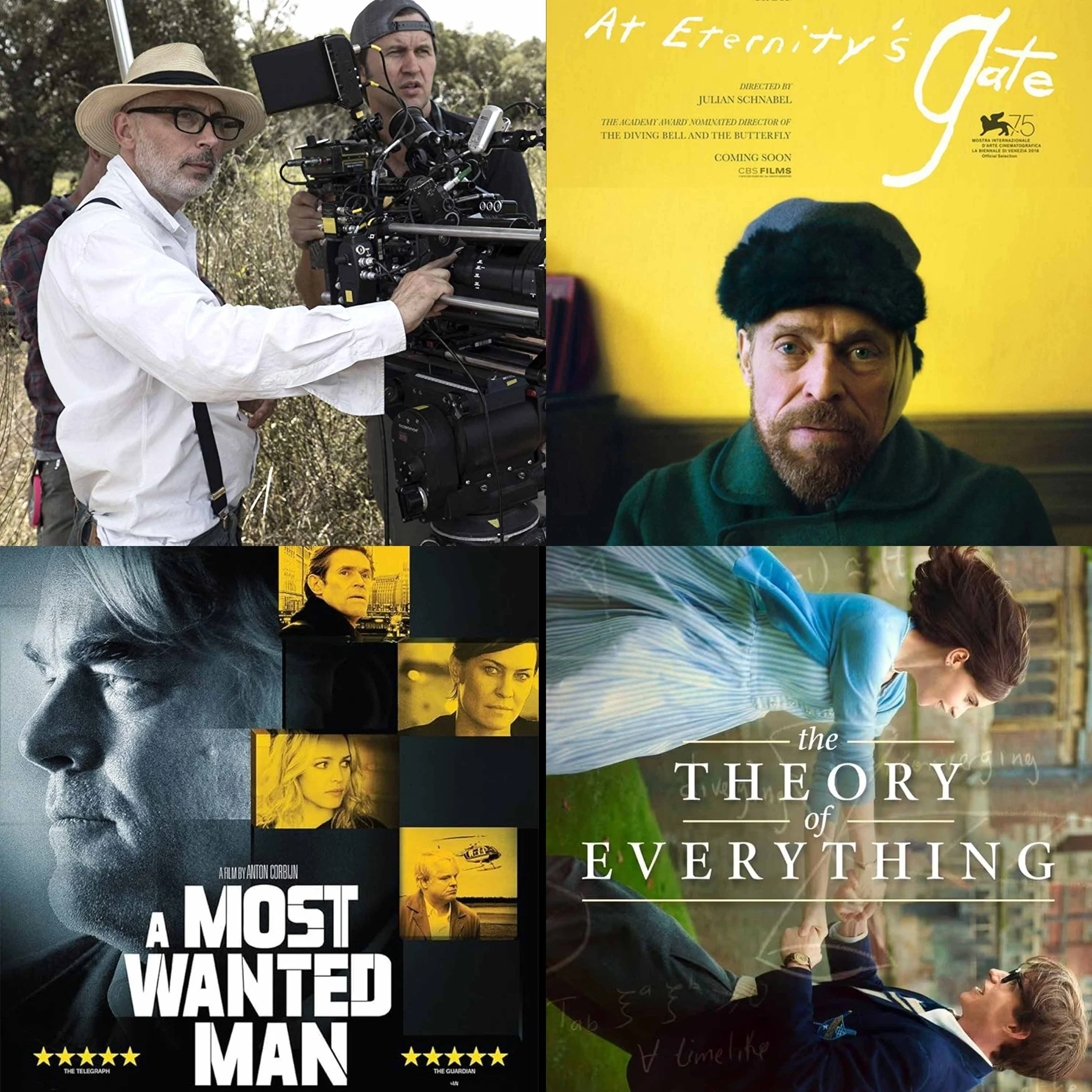
BENOIT DELHOMME - Cinematographer of At Eternity’s Gate w/ Willem Dafoe, The Theory of Everything w/ Eddie Redmayne - Part 1

BENOIT DELHOMME - Cinematographer of At Eternity’s Gate w/ Willem Dafoe, The Theory of Everything w/ Eddie Redmayne - Part 1

Award-winning Cinematographer of At Eternity’s Gate · The Theory of Everything
The Scent of Green Papaya · Minamata
Artist Painter · Director

If you want to do your art well, you need to have some pleasure. If talking is not a pleasure, it's horrible. And when filming on a set is a bad experience, it's one of the worst things in life. As a cinematographer, if you can't make what you do personal to you, there is no soul. You need to make it personal. I certainly like a handheld camera, It's a bit like playing a saxophone. It's like the pace of walking or how I stop or I decide to go closer to the actor or to take more distance is so free. No one is telling me to go one step forward or one step back. I have to decide on the spot. So there certainly a freedom like a painter with a brush. It's nice because you have even the vibrations, your rhythms, the actor's rhythms. It's this dance.

ROB VERCHICK - Leading Climate Change Scholar - Author of The Octopus in the Parking Garage

ROB VERCHICK - Leading Climate Change Scholar - Author of The Octopus in the Parking Garage

Leading Scholar of Disaster & Climate Change Law
EPA Official under the Obama Administration · President of the Center for Progressive Reform
Author of The Octopus in the Parking Garage: A Call for Climate Resilience

I believe that the strongest machine we have, the strongest empathy machine that we have is literature. The best way to get people to feel what someone else is feeling is through literature and stories. And I also think that feeling and emotion are an important part of reasoning and governing too. It's not the only part, but I think you have to understand how people see the world and how they feel about the world. So in my classes, I teach law classes. I teach policy classes. I often assign novels. We read in one of my classes Their Eyes Were Watching God, the case about a hypothetical hurricane in Florida written by Zora Neale Hurston. We read Oryx and Crake by Margaret Atwood, which is a kind of dystopian novel that involves climate change. We've read The Handmaid's Tale in my classes. What's interesting about them is that they make us, they open up our imaginations and say, Oh, I never thought something like that could happen. We hope it doesn't, but it could, right? And so how do we change the way we look at the future? And it also changes, I think, the way that we understand people's lives.

Highlights - LESLEY HUGHES - Lead Author, IPCC 4th, 5th Assessment Reports - Biology Professor, Macquarie University

Highlights - LESLEY HUGHES - Lead Author, IPCC 4th, 5th Assessment Reports - Biology Professor, Macquarie University

Lead Author of IPCC 4th & 5th Assessment Reports
Director & Councillor of Climate Council of Australia

It's certainly not the case that scientists should be the only people communicating. We have to have everybody in this mix because we're all in this together. So we have to have good science that's communicated. We have to have smart engineers who can work on the technological solutions. We have to have lawyers who are undertaking climate litigation. We have to have creative artists who can tell stories and appeal to people's emotions. No one group should have a responsibility to solve the climate crisis. It's got to be all of those groups bringing what they call the time, the talent, and the treasure to work together on this. We are all in this together, and we've all got a suite of different skills that have to be harnessed to solve this problem.