The Neuroscience of Creativity with DR. BEN SHOFTY

The Neuroscience of Creativity with DR. BEN SHOFTY

Functional Neurosurgeon · Professor · University of Utah

When you think about the evolution of the human brain–just like other animals that have specialized in speed or keeping warm or gathering food–I feel our brain sort of specialized being creative and flexible and being able to generate different solutions to a given problem. To me, this is probably the most fascinating thought process that happens in the human brain. And what I do in neurosurgery–and my subspecialty is called functional neurosurgery–we don't deal with disorders in which there's an anatomical abnormality inside the brain. We deal with disorders in which there is an abnormal connection or abnormal circuitry inside the brain when there's an issue with the way the brain functions. There's no tumor. There are no abnormal blood vessels or anything like that. And that gives us an amazing opportunity to really investigate how different circuits and different areas inside the brain work.

Assembling Tomorrow: A Guide to Designing a Thriving Future - SCOTT DOORLEY & CARISSA CARTER - Highlights

Assembling Tomorrow: A Guide to Designing a Thriving Future - SCOTT DOORLEY & CARISSA CARTER - Highlights

Creative & Academic Director · Stanford d.school
Co-authors of Assembling Tomorrow: A Guide to Designing a Thriving Future

Today, someone is putting the finishing touches on a machine-­ learning algorithm that will change the way you relate to your family. Someone is trying to design a way to communicate with animals in their own language. Someone is cleaning up the mess someone else left behind seventy years ago yesterday. Today, someone just had an idea that will end up saving one thing while it harms another.

To be a maker in this moment—­ to be a human today—­ is to collaborate with the world. It is to create and be created, to work and be worked on, to make and be made. To be human is to tinker, create, fix, care, and bring new things into the world. It is to design. You—­ yes, you!—­ might design products or policy, services or sermons, production lines or preschool programs. You might run a business, make art, or participate in passing out meals to the poor. You may write code or pour concrete, lobby for endangered species legislation or craft cocktails. Wherever you fit in, you are part of shaping the world. This is design work.

– Assembling Tomorrow: A Guide to Designing a Thriving Future

Can Design Save the World? - SCOTT DOORLEY & CARISSA CARTER - Co-authors of Assembling Tomorrow - Directors of Stanford’s d.School

Can Design Save the World? - SCOTT DOORLEY & CARISSA CARTER - Co-authors of Assembling Tomorrow - Directors of Stanford’s d.School

Creative & Academic Director · Stanford d.school
Co-authors of Assembling Tomorrow: A Guide to Designing a Thriving Future

Today, someone is putting the finishing touches on a machine-­ learning algorithm that will change the way you relate to your family. Someone is trying to design a way to communicate with animals in their own language. Someone is cleaning up the mess someone else left behind seventy years ago yesterday. Today, someone just had an idea that will end up saving one thing while it harms another.

To be a maker in this moment—­ to be a human today—­ is to collaborate with the world. It is to create and be created, to work and be worked on, to make and be made. To be human is to tinker, create, fix, care, and bring new things into the world. It is to design. You—­ yes, you!—­ might design products or policy, services or sermons, production lines or preschool programs. You might run a business, make art, or participate in passing out meals to the poor. You may write code or pour concrete, lobby for endangered species legislation or craft cocktails. Wherever you fit in, you are part of shaping the world. This is design work.

– Assembling Tomorrow: A Guide to Designing a Thriving Future

How Can Museums Stay Relevant & Engage with Communities? - Highlights - STEPHEN REILY
The Future of Museums - STEPHEN REILY, Founding Director of Remuseum on Transforming Cultural Spaces
Was Stanford Firing 23 Lecturers in Creative Writing Really Necessary?

Was Stanford Firing 23 Lecturers in Creative Writing Really Necessary?

A Conversation with Lecturers & Students

Recently, twenty-three lecturers in the highly successful Creative Writing program at Stanford were summoned to a Zoom meeting where they were first praised, and then summarily fired. One of the most surprising aspects of this purge is the fact that it was carried out not by top-tier university administrators, but by tenure-track faculty in the program. It was they who decided to brutally terminate their colleagues. On this episode of the Speaking Out of Place podcast Professor David Palumbo-Liu speaks with two of the lecturers who have been told they will leave Stanford in nine months, and one of their students, a published novelist. They explain the devastating nature of this act and share statistics and histories that show this was not at all necessary.  Expediency for senior faculty trumped the survival of a carefully developed and nurtured community of creative writers.

How Our Brains Choose What to Learn & Navigate Uncertainty - Highlights - JACQUELINE GOTTLIEB

How Our Brains Choose What to Learn & Navigate Uncertainty - Highlights - JACQUELINE GOTTLIEB

Professor of Neuroscience & Principal Investigator at Columbia University’s Zuckerman Mind Brain Behavior Institute

I came to neuroscience from a humanistic perspective. I was very interested to find out who we are. What do we know? What do we think we know? Why do we think we know certain things? How do we see things? How do we perceive them? Ultimately, the question behind curiosity is what things we find interesting in our environment. The way I think about eye movements is that they really are trained in some largely subconscious process.

Curiosity, Cognition & Creativity with Neuroscientist DR. JACQUELINE GOTTLIEB

Curiosity, Cognition & Creativity with Neuroscientist DR. JACQUELINE GOTTLIEB

Professor of Neuroscience & Principal Investigator at Columbia University’s Zuckerman Mind Brain Behavior Institute

I came to neuroscience from a humanistic perspective. I was very interested to find out who we are. What do we know? What do we think we know? Why do we think we know certain things? How do we see things? How do we perceive them? Ultimately, the question behind curiosity is what things we find interesting in our environment. The way I think about eye movements is that they really are trained in some largely subconscious process.

How can journalism make people care about crises & create solutions? - Highlights - NICHOLAS KRISTOF

How can journalism make people care about crises & create solutions? - Highlights - NICHOLAS KRISTOF

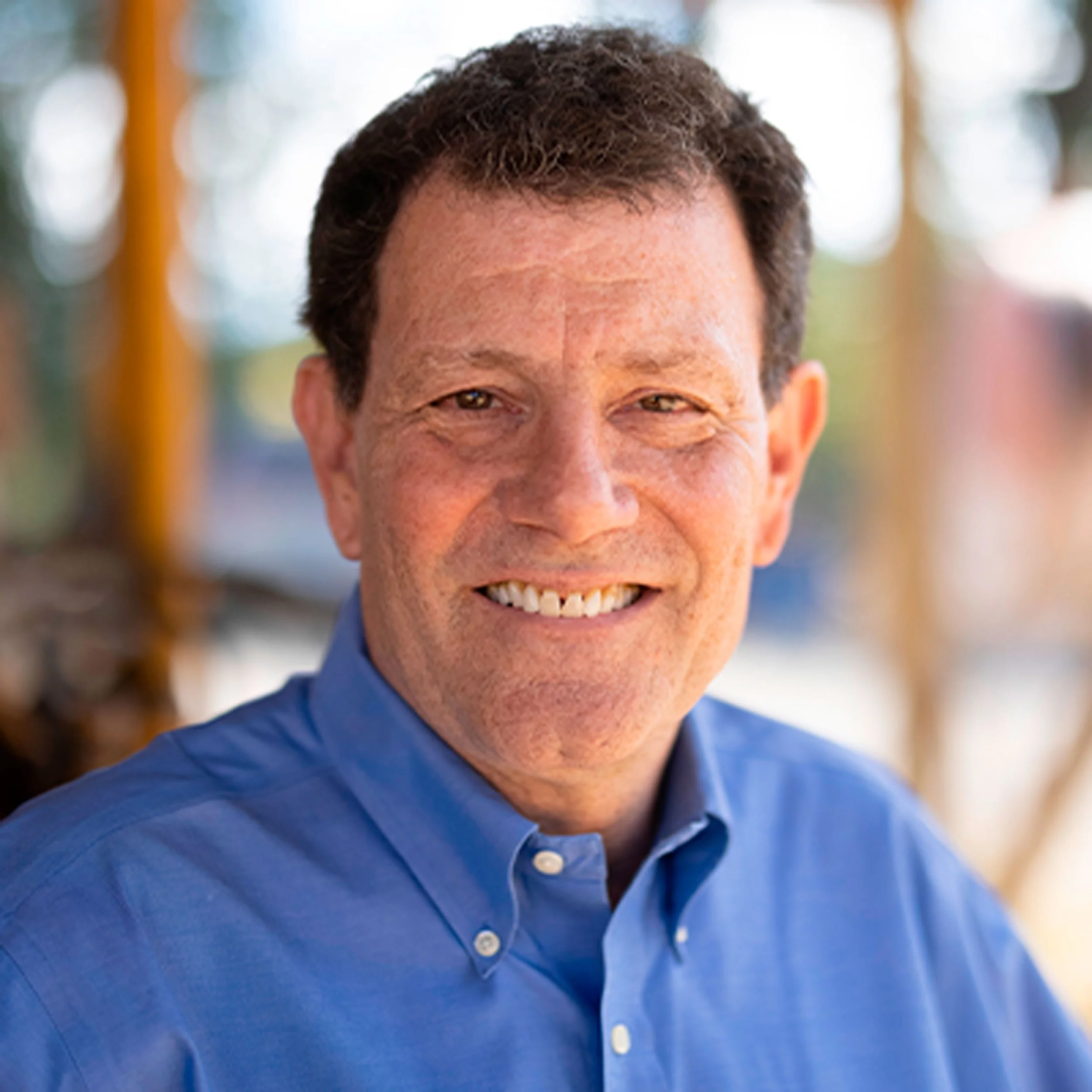
Pulitzer Prize-winning Journalist · NYTimes Op-Ed Columnist
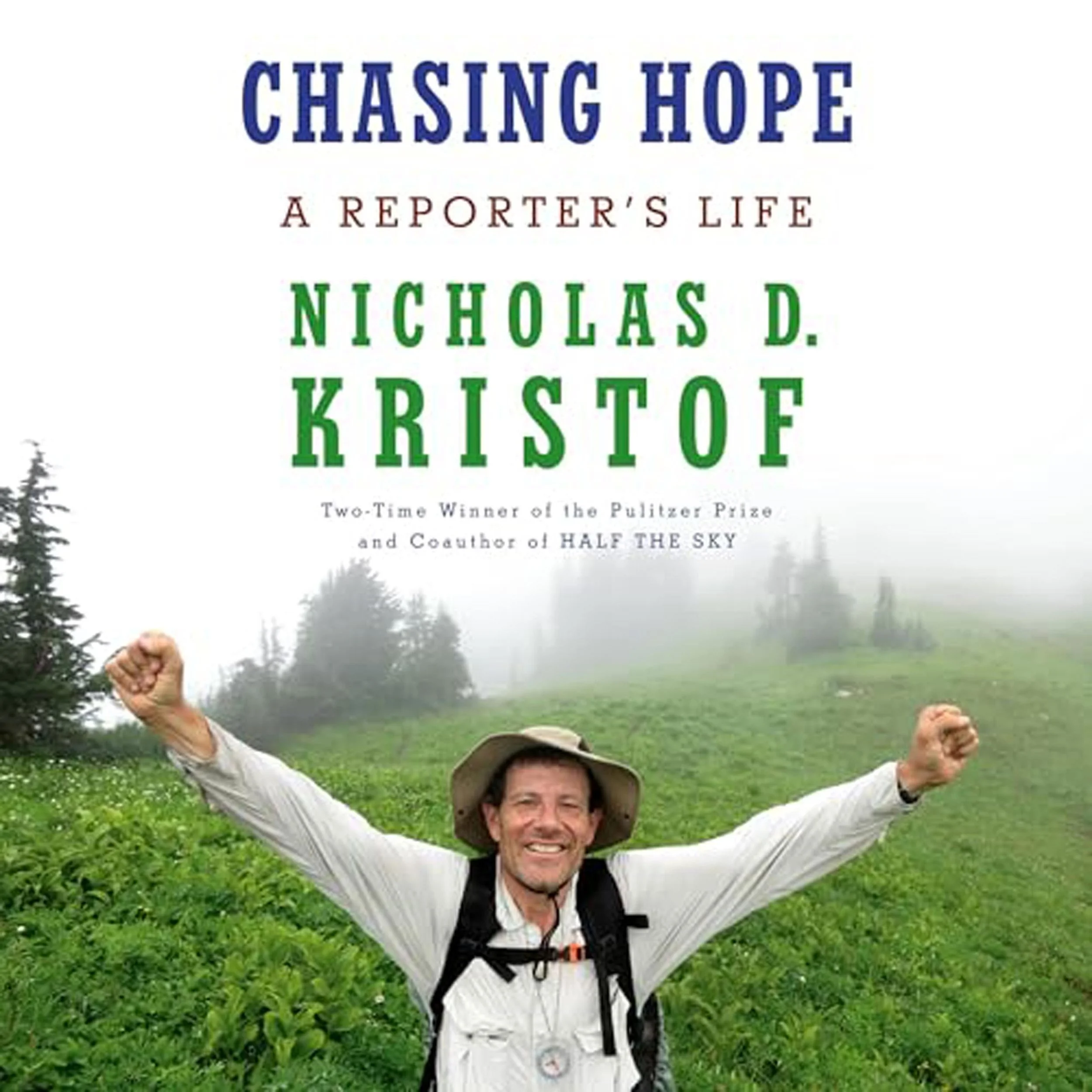
Author of Chasing Hope, A Reporter's Life · Coauthor of Half the Sky · Tightrope · A Path Appears

I'm trying to get people to care about a crisis in ways that may bring solutions to it. And that's also how I deal with the terror and the fear to find a sense of purpose in what I do. It's incredibly heartbreaking to see some of the things and hear some of the stories, but at the end of the day, it feels like–inconsistently here and there–you can shine a light on problems, and by shining that light, you actually make a difference.

Chasing Hope: A Reporter's Life w/ Pulitzer Prize-winning Journalist NICHOLAS KRISTOF

Chasing Hope: A Reporter's Life w/ Pulitzer Prize-winning Journalist NICHOLAS KRISTOF

Pulitzer Prize-winning Journalist · NYTimes Op-Ed Columnist
Author of Chasing Hope, A Reporter's Life · Coauthor of Half the Sky · Tightrope · A Path Appears

I'm trying to get people to care about a crisis in ways that may bring solutions to it. And that's also how I deal with the terror and the fear to find a sense of purpose in what I do. It's incredibly heartbreaking to see some of the things and hear some of the stories, but at the end of the day, it feels like–inconsistently here and there–you can shine a light on problems, and by shining that light, you actually make a difference.

Wetlands, Methane & Restoring Earth’s Garden of Eden with EUAN NISBET

Wetlands, Methane & Restoring Earth’s Garden of Eden with EUAN NISBET

Earth Systems Scientist · Royal Holloway University of London

I am a Christian and I have strong Muslim and Jewish friends as well as great respect for Hindu beliefs. I grew up in Southern Africa and I am well aware of the depth of some Indigenous beliefs. I think that having belief systems does give you a very different perspective sometimes. Now, in Christianity, the concept of the shepherd, human beings are here and this is our garden, our garden of Eden, but we have a responsibility. And if we choose to kick ourselves out of the garden, there are consequences. And that's precisely what we are doing. The garden is there, it's lovely, and we can manage it, and it's our job to manage it. We can manage it properly. We can respect it. It's for all creation, and it's very explicit that it involves all Creation. And that's a very fundamental biblical law that you have to respect all Creation. And if you don't do that, then the consequences—you’re basically throwing yourself out of the Garden of Eden.

Natural Magic: Emily Dickinson, Charles Darwin, and the Dawn of Modern Science with RENÉE BERGLAND

Natural Magic: Emily Dickinson, Charles Darwin, and the Dawn of Modern Science with RENÉE BERGLAND

Literary Critic · Historian of Science · Educator
Author of Natural Magic: Emily Dickinson, Charles Darwin, and the Dawn of Modern Science

There is a stronger connection between Dickinson and Darwin than the proximity of history. Or the universality of literature. They both understood natural science and the natural world in ways that seem strange and somewhat surprising in the 21st century. Their 19th century attitudes to nature and the study of it are so different from ours that when we trace their stories, a vanished world begins to emerge. The more I consider these figures together, the more I feel their world and my world. come alive. Darwin and Dickinson illuminate each other. By reading them together, we can start to understand the interconnected relationships that animated 19th century poetry and science.

Germany's Postwar Legacy: Lessons for Today's Crises - Highlights - FRANK TRENTMANN

Germany's Postwar Legacy: Lessons for Today's Crises - Highlights - FRANK TRENTMANN

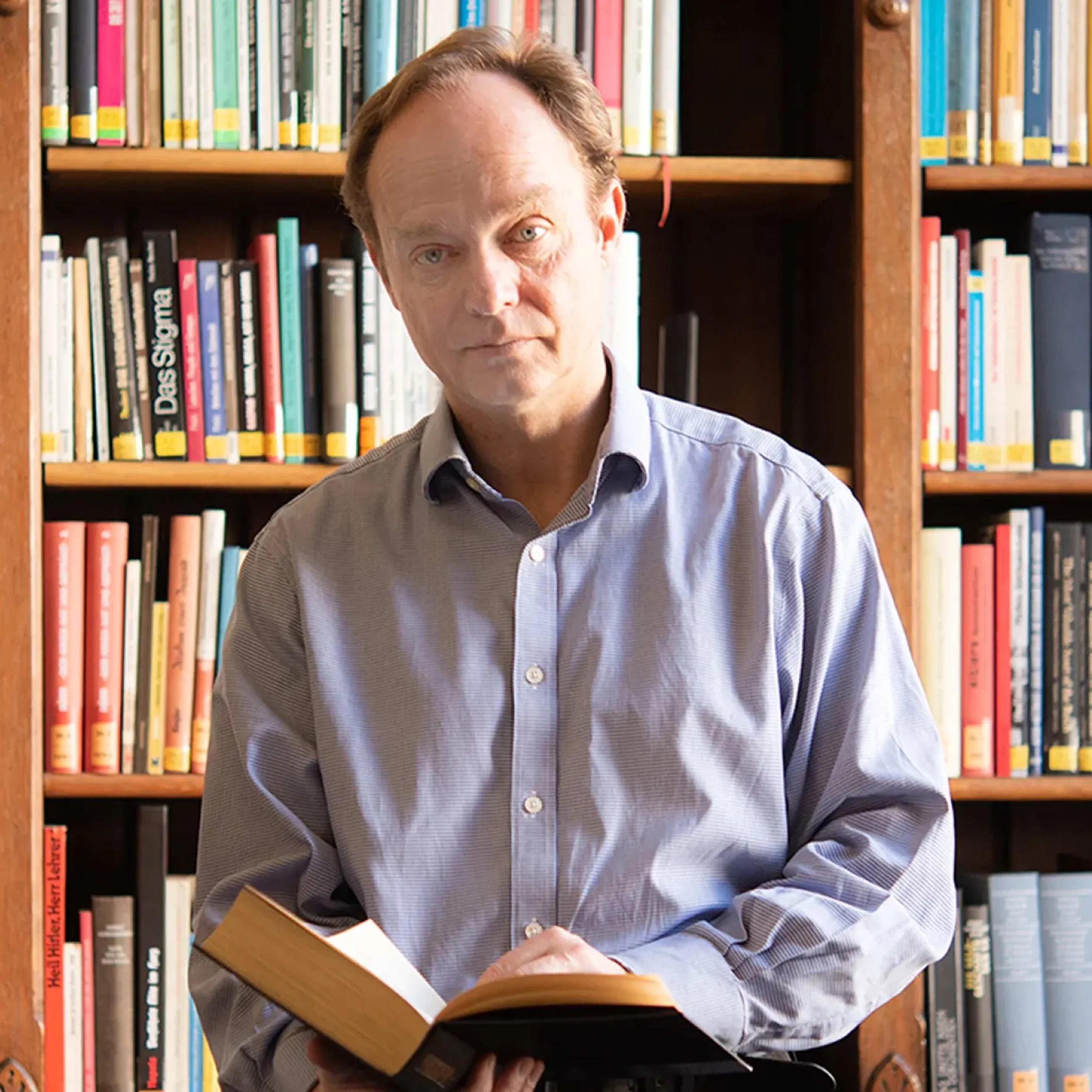
Professor of History at Birkbeck, University of London · Author of Out of the Darkness: The Germans 1942 to 2022

The environmental crisis, Gaza, the war in Ukraine—all of those don't make sense if you don't have a sense of history. History and the humanities have come under huge pressure. We've seen falling student numbers, and that's a real shame because history continues to be a source of intellectual inspiration and curiosity that not only makes us wiser and more reflective but also creates the dynamism and creativity we need to confront our present and future challenges. I hope that among the young generations, there will be people inspired by history, people that have the ambition to research and write about the past.

Out of the Darkness: The Germans 1942 to 2022 with FRANK TRENTMANN

Out of the Darkness: The Germans 1942 to 2022 with FRANK TRENTMANN

Professor of History at Birkbeck, University of London · Author of Out of the Darkness: The Germans 1942 to 2022

The environmental crisis, Gaza, the war in Ukraine—all of those don't make sense if you don't have a sense of history. History and the humanities have come under huge pressure. We've seen falling student numbers, and that's a real shame because history continues to be a source of intellectual inspiration and curiosity that not only makes us wiser and more reflective but also creates the dynamism and creativity we need to confront our present and future challenges. I hope that among the young generations, there will be people inspired by history, people that have the ambition to research and write about the past.

The SDGs & UN Summit of the Future - Highlights - GUILLAUME LAFORTUNE

The SDGs & UN Summit of the Future - Highlights - GUILLAUME LAFORTUNE

Vice President · Head of the Paris Office
UN Sustainable Development Solutions Network

The SDSN was set up to mobilize research and science for the Sustainable Development Goals. The development goals were adopted in 2015 by all UN member states, marking the first time in human history that we have a common goal for the entire world. Out of all the targets that we track, only 16 percent are estimated to be on track. Currently, none of the SDGs are on track to be achieved at the global level.

How Can We Unite 193 Countries for a Sustainable Future? - GUILLAUME LAFORTUNE - VP, UN SDSN, Paris

How Can We Unite 193 Countries for a Sustainable Future? - GUILLAUME LAFORTUNE - VP, UN SDSN, Paris

Vice President · Head of the Paris Office
UN Sustainable Development Solutions Network

The SDSN was set up to mobilize research and science for the Sustainable Development Goals. The development goals were adopted in 2015 by all UN member states, marking the first time in human history that we have a common goal for the entire world. Out of all the targets that we track, only 16 percent are estimated to be on track. Currently, none of the SDGs are on track to be achieved at the global level.

How can music disrupt oppression & bring about social change? - Highlights - JAKE FERGUSON, ANTHONY JOSEPH & JERMAIN JACKMAN

How can music disrupt oppression & bring about social change? - Highlights - JAKE FERGUSON, ANTHONY JOSEPH & JERMAIN JACKMAN

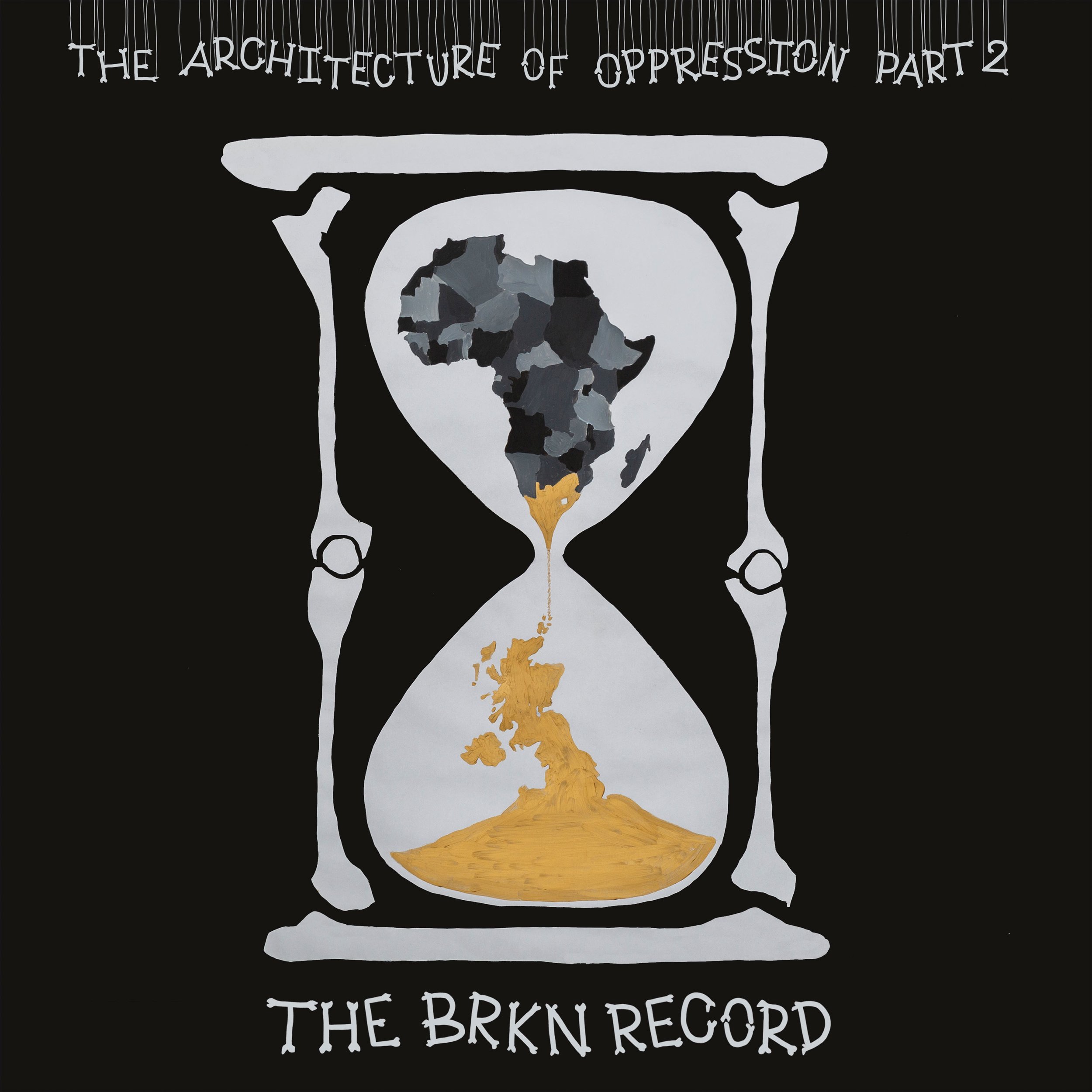
I think as humans, we forget. We are often limited by our own stereotypes, and we don't see that in everyone there's the potential for beauty and love and all these things. And I think The Architecture of Oppression, both parts one and two, are really a reflection of all the community and civil rights work that I've been doing for the same amount of time, really - 25 years. And I wanted to try and mix my day job and my music side, so bringing those two sides of my life together. I wanted to create a platform for black artists, black singers, and poets who I really admire. And it was a no-brainer to give Anthony a call for this second album because I know of his pedigree, and he's much more able to put ideas and thoughts on paper than I would be able to.

The Architecture of Oppression with JAKE FERGUSON, ANTHONY JOSEPH & JERMAIN JACKMAN

The Architecture of Oppression with JAKE FERGUSON, ANTHONY JOSEPH & JERMAIN JACKMAN

I think as humans, we forget. We are often limited by our own stereotypes, and we don't see that in everyone there's the potential for beauty and love and all these things. And I think The Architecture of Oppression, both parts one and two, are really a reflection of all the community and civil rights work that I've been doing for the same amount of time, really - 25 years. And I wanted to try and mix my day job and my music side, so bringing those two sides of my life together. I wanted to create a platform for black artists, black singers, and poets who I really admire. And it was a no-brainer to give Anthony a call for this second album because I know of his pedigree, and he's much more able to put ideas and thoughts on paper than I would be able to.

PRIYAMVADA GOPAL & FRANÇOISE VERGÈS on the Recent Elections in Britain & France

PRIYAMVADA GOPAL & FRANÇOISE VERGÈS on the Recent Elections in Britain & France

on the Recent Elections in Britain and France

I would say what we can celebrate is the incredible mobilization of the young people. They went everywhere, they knocked on the door, they mobilized. This was an incredible, incredible mobilization. So that was extraordinary because it showed real mobilization and an understanding that the National Rally was a real threat. We knew that if they came to power, the first people who would be targeted would be people of color, and that was absolutely clear.

How Do Utopian Visions Shape Our Reality & Future? - Highlights - S. D. CHROSTOWSKA

How Do Utopian Visions Shape Our Reality & Future? - Highlights - S. D. CHROSTOWSKA

Author · Historian · Curator
Utopia in the Age of Survival: Between Myth and Politics · The Eyelid · Marvellous Utopia

I like to think of utopianism as “effective social daydreaming” because utopia is associated with consciously imagining societies. Our imagination is always involved in creating reality. The opposition between the two, reality and the imaginary, is not a stark one; they're porous.