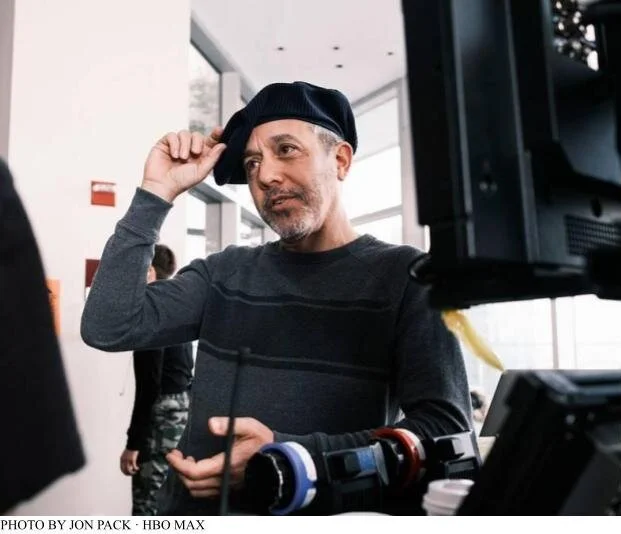
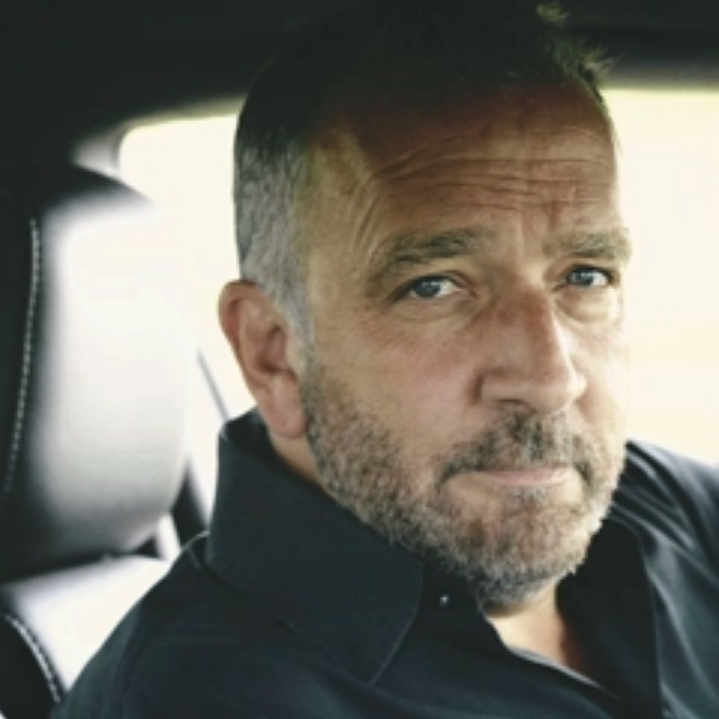
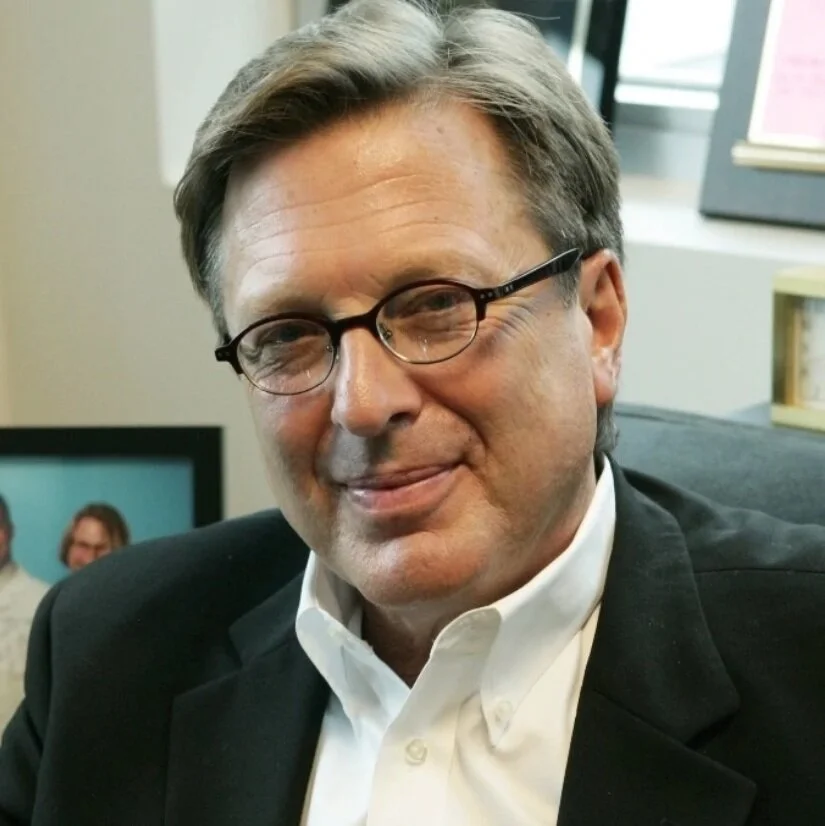
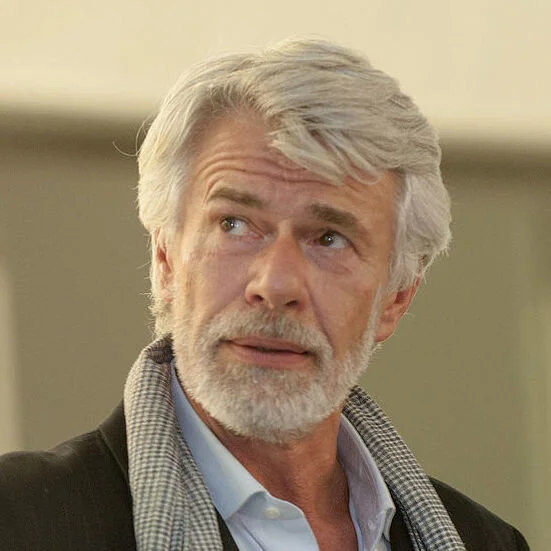
IMAGINATION is more important than knowledge. For knowledge is limited, whereas imagination embraces the entire world, stimulating progress, giving birth to evolution." –ALBERT EINSTEIN
🎧Listen on Apple Podcasts | Spotify
Cinematographer
I think ultimately the writing and the performances are the foundation of any good project, but I think that cinematography can either elevate or undermine both the writing or the performances, depending on how it’s treated and how it’s executed. So, to me, it’s a fundamental part of the process.
Award-Winning Screenwriter & Novelist
Tim Burton had just Pee-wee’s Big Adventure. He was at some point in the making of Beetlejuice. Our agency didn’t know what to do with either of us with our off-kilter sensibility, so they introduced us, and we immediately felt a kinship and became friends. It was pretty clear from pretty early on that we wanted to work together. We threw out ideas. Among the ideas we talked about Tim mentioned to me a drawing he had made in high school of a character who had scissors instead of hands. And I said, ‘Stop right there!; First of all, this may surprise you, it was the stupidest thing I’d ever heard in my life, so I knew it was brilliant. It was so simple and so stupid and such an obvious metaphor, I knew that it had power beyond belief. I said, ‘Stop, I know exactly what to do with that!’
Author of The Silk Code · The Plot to Save Socrates
Musician · Professor
Paul Levinson is an author, musician, and professor at Fordham University, where he teaches communications and media studies. His fiction and non-fiction work has been translated into 16 languages, and includes the sci-fi novels The Silk Code and The Plot to Save Socrates. Before his academic career, he spent much of the late 1960s and early 70s as a singer-songwriter, writing over 100 songs. He returned to music in 2020 with the release of his album “Welcome Up: Songs of Space and Time.”
Award-winning Author, Screenwriter, Showrunner & Producer
The Wire · The Deuce · We Own This City
I do want to point out–many writers don’t want to admit to it or say it–it’s just words on a page until everybody else makes it come alive. You had Idris Elba and Wood Harris acting in that scene. I had Joe Chappelle shooting it. He was the director. All the craftsmen and artists that worked on that made it what it is. And that’s actually what I like about it. It’s why I continue to work in television. I like working with all these artists. I like getting together with these people and making something together. It’s not just the writing. It’s everything that everybody contributes to make it what it is.
Producer of Clifford the Big Red Dog · The Smurfs · Charlotte’s Web · The Mighty Ducks · Fried Green Tomatoes · When A Man Loves A Woman
Founder of The Kerner Entertainment Company
Jordan Kerner is a widely acclaimed film and television producer. He is president and founder of The Kerner Entertainment Company, which is committed to high quality, value-oriented, provocative entertainment. Most recently, Kerner was engaged to develop and produce a film adaptation of Clifford the Big Red Dog. His previous films include The Smurfs, Charlotte’s Web, The Mighty Ducks, Fried Green Tomatoes, and When A Man Loves A Woman. Kerner is also a dedicated custodian of his community-- he is involved with such organizations as Planned Parenthood, RiverLA, and the Starbright Foundation.
President of RMN Grand Palais
Former Director TATE Modern
The public has started to use museums in a completely different way. When we asked at the TATE Modern, why do you want to come? People said, "We want to come to gain knowledge. People said, “We want to come to admire, but most people said, "We want to come to the museum because it's a perfect place for encounters."
I always speak not about good or bad art. I don't think that's interesting. I speak about necessary or not necessary art. I teach a lot, still do, and when I asked students, "Why do you come and study?" I was only interested in students who spoke about I want to make a contribution...I want to know what they can contribute.
Academy Award-winning Film Editor
Star Wars · Ray · Mission: Impossible - Ghost Protocol
I think that editing is an interpretive art. You look at the material, and then you react to it. You make decisions about what do I want to reveal at the beginning of the scene? And what do I want to save for the end? And how do I want to build to a particular impact?
Founding Managing Director of Stavros Niarchos Foundation Cultural Center 2012-2016
Co-founder of Future Library · Director of UNESCO’s Athens World Book Capital 2018-2019
Director of Greek Operations · The Heritage Management Organization
What you say is very interesting. How do we make the readers of tomorrow?Because it’s true there are many children growing up who do not have the same relationship to books that we did. And so we have to reach them with social and educational initiatives like yours. We need libraries which are social spaces.One of my children, he was not so fond of books. He likes fashion. If it relates to fashion, he will find out everything about it. And so I believe if you reach them through their interests they will understand the importance of reading.
Poet
It's all-inclusive – poetry– and everything is poetry in a certain way, and poetic measure is like what we're composed of. It's what we are. I mean, we're poetry.
Award-winning Author · Educator · Editor
Peter McLaren is Distinguished Professor in Critical Studies, the Donna Ford Attallah College of Educational Studies, Chapman University and Professor Emeritus, the University of California, Los Angeles. He is an award-winning author and editor of approximately 50 books. His writings have been translated into 25 languages. He is the recipient of numerous lifetime achievement awards and is a Fellow of the American Educational Research Association. One of the architects of critical pedagogy in North America, Professor McLaren is active politically in both North America and America Latina and is co-founder of Instituto McLaren de Pedagogia Critica in Ensenada, Mexico. His work is indebted to his mentor, Paulo Freire, and the Catholic social justice tradition of liberation theology. His latest book is He Walks Among Us: Christian Fascism Ushering in the End of Days.
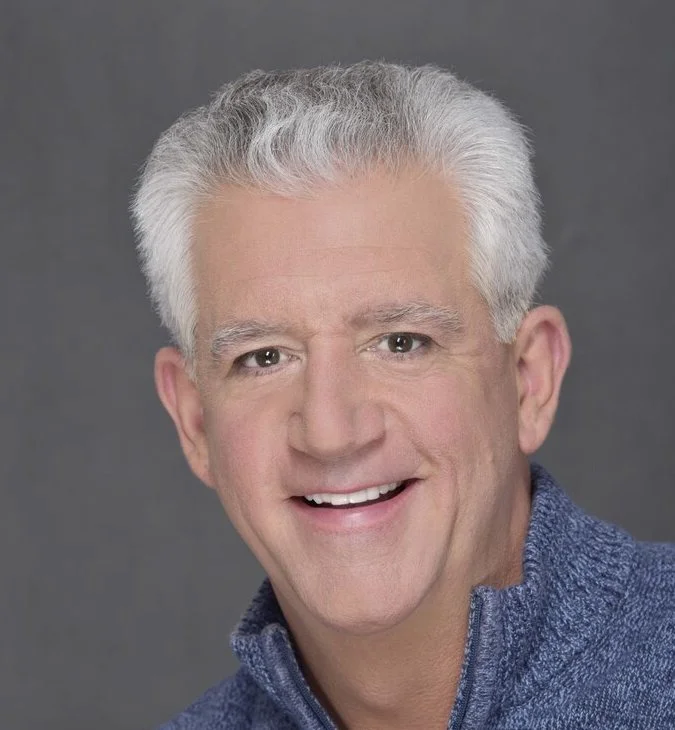
Tony Award-winning Actor
Chicago · Dirty Rotten Scoundrels · Billy Elliot · Blue Bloods
Gregory Jbara is a Tony award-winning stage actor with a impressive career spanning over four decades . On Broadway, Gregory has stared in renditions of Chicago, Dirty Rotten Scoundrels, and Billy Elliot, which earned him the 2009 Tony award for Best Featured Actor in a Musical. Since departing from the stage, Gregory has spent ten seasons alongside Tom Selick in the CBS drama Blue Bloods.
Rome Prize & Story Prize Spotlight Award-winning Author · Translator & Educator
Krys Lee is the author of the short story collection Drifting House and the recent debut novel How I Became a North Korean, both published by Viking, Penguin Random House. She is a recipient of the Rome Prize and the Story Prize Spotlight Award, the Honor Title in Adult Fiction Literature from the Asian/Pacific American Libraries Association, and finalist for Center for Fiction First Novel Prize and the BBC International Story Prize. Her fiction, journalism, and literary translations have appeared inGranta, The Kenyon Review, Narrative, San Francisco Chronicle, Corriere della Sera, and The Guardian, among others. She is an assistant professor of creative writing and literature at Yonsei University, Underwood International College, in South Korea.
MacArthur "Genius" Fellow, Educator,
Curator & Author ofMarking Time - Art in the Age of Mass Incarceration
Dr. Nicole Fleetwood is an educator and author whose work explores Black cultural history, visual, media, and gender studies and mass incarceration. She earned her B.Phil from Miami University and her Ph.D. from Stanford University. Fleetwood is the inaugural James Weldon Johnson Professor at NYU’s Steinhardt School of Culture, Education, and Human Development. She has also been published in several scholarly journals, co/curated exhibitions on art and mass incarceration, and received prestigious grants and fellowships from the Whiting Foundation Public Engagement Fellowship, the Schomburg Center for Research on Black Culture, and many more.
Executive Director of the Design Museum of Chicago
Tanner Woodford is founder and executive director of the Design Museum of Chicago. He teaches at the School of the Art Institute of Chicago and paints large scale typographic murals across public spaces. As a designer, educator, and entrepreneur, he has taught, lectured, and led workshops on design issues, social change, and design history in classrooms and at conferences. He is happy to be scrappy, irrepressibly optimistic, and believes design has the capacity to fundamentally improve the human condition. He lives and works in Chicago, Ill.
President & CEO · National Constitution Center · Contributing Editor of The Atlantic
Professor of Law at The George Washington University Law School
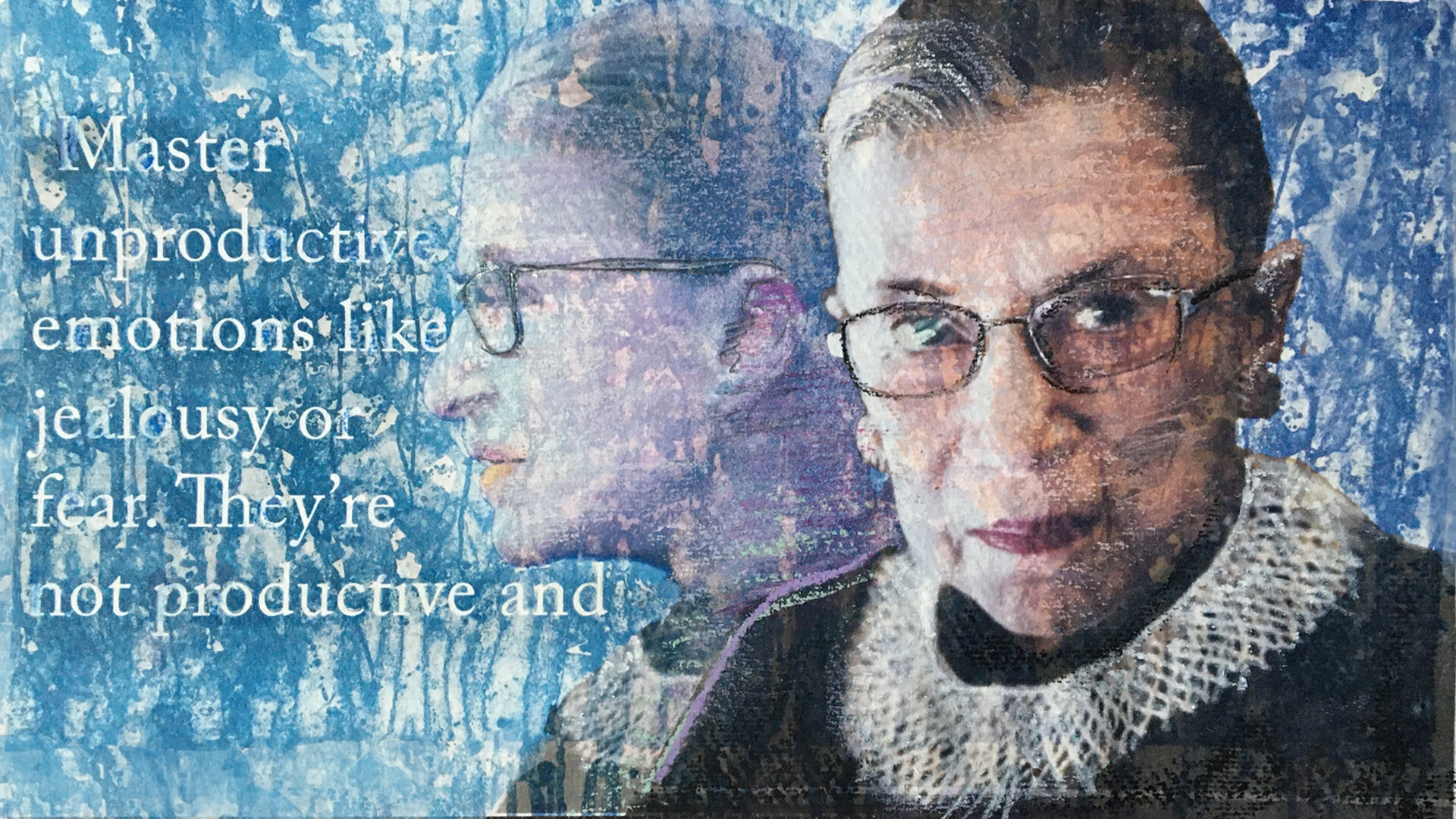
The Constitution expresses the Enlightenment faith. All human beings are born with natural rights that come from God or nature and not from government, and that it's the purpose of government to allow us to exercise our freedom. It's so rich and striking to see how the great thinkers who inspired the Founders of the American Constitution, beginning with the Greek and Roman philosophers Plato and Aristotle and the Stoics, and then continued through The Enlightenment, really were philosophers of happiness. And they believe that we have a right and a duty to pursue happiness, not by feeling good, but by being good. It's a classical notion of happiness rooted in virtue and civic virtue. It's both an individual and a political obligation. The individual obligation to pursue happiness is to master our perturbations of the mind, as Cicero put it, channeling Aristotle–anger, jealousy, and fear so that we can be guided by reason rather than passion and serve others and the public good. And then constitutions are formed to allow us to do that at the political level and to be governed by reason rather than passion, to slow down deliberation so that hasty factions don't crystallize and threaten liberty and equality, and to ensure that the government protects our natural rights rather than threatening them.
Host of Arts Engines
Aaron Dworkin is a multifaceted artist and entrepreneur with passion for diversifying and amplifying the arts. Epitomizing how art, leadership, and diversity all play a vital role in advancing our society, Dwokin founded The Sphinx Organization, a non-profit organization that molds Black and Latinx classical musicians, and he serves on the advisory board for several prestigious arts organizations. Dworkin is an educator of both Arts Leadership and Entrepreneurial Leadership at his alma mater, the University of Michigan. Aaron Dworkin, decorated in awards and accolades, continues to be a force in his community, driving the need for diversity, arts education, and leadership.
General Manager & Communications Director
Herakleidon Museum, Athens
Artist
The truth of the matter is that there are some people who are born to be creative and they're going to be artists. And the importance of fostering that is necessary, because if we each fulfill our purpose as humans, then society is better off for it. So in other words, if I had been anything else other than what I have become, I would have only been living up to half of my potential. And so that's really important to address that. I have a lot of students whose parents don't want them to be artists because it doesn't make money, but that means they're only living up to half of their potential because they're truly meant to be artists. And so society needs to shift this understanding on what is important.
Museum Director & Chief Curator · Guild Hall of East Hampton
I think that what you're doing is definitely offering a service to so many people and letting them explore various forms of creativity and how you can use that creativity to enhance the world. I don't mean it in a highfalutin way, but I think that art does influence the world on many different levels. On a daily level, but on a more global level.
Writer · Activist · Comparative Literature Professor
Students come in already knowing what they want to do. And so they've already excluded and taken out of consideration all sorts of options, which is exactly the opposite of what a university is supposed to do. It's supposed to give you a broad set of possible ways of thinking about life and training your mind and your talents. And so I like to open that up more for students.
Screenwriter, Filmmaker, Journalist
Any time there is a rise of authoritarianism journalists become enemy number one because the truth is the first victim of any kind of authoritarianism. So journalists are needed now more than ever. Real journalists doing real work.
Interview with Tracy Mitchell & Allen O’Reilly
So our role, we feel it's part of our mission, is to bring along the new voices as well as taking some of the older works and recreating them in a new way for a new audience.
Professor of Literature, Technology and Publishing · Birkbeck College
Technology seems to me to change both everything and nothing. It suggests to us new ways for communication in which we might reach wide, diverse audiences and ensure the broadest proliferation of ideas. For the first time in human history, the way that we disseminate ideas can finally match the nature of ideas and thought itself.
Writer
The first three novels were an attempt to define the feeling of the new century. Or perhaps to find any hope within the feeling.
Photographer · Shinnecock Indian Tribe
You don't need to know every single battle or every single treaty or every single Native American historical moment. Everything else will come to you as you want to learn more and just appreciate more of your own personal history.
Composer and Pianist
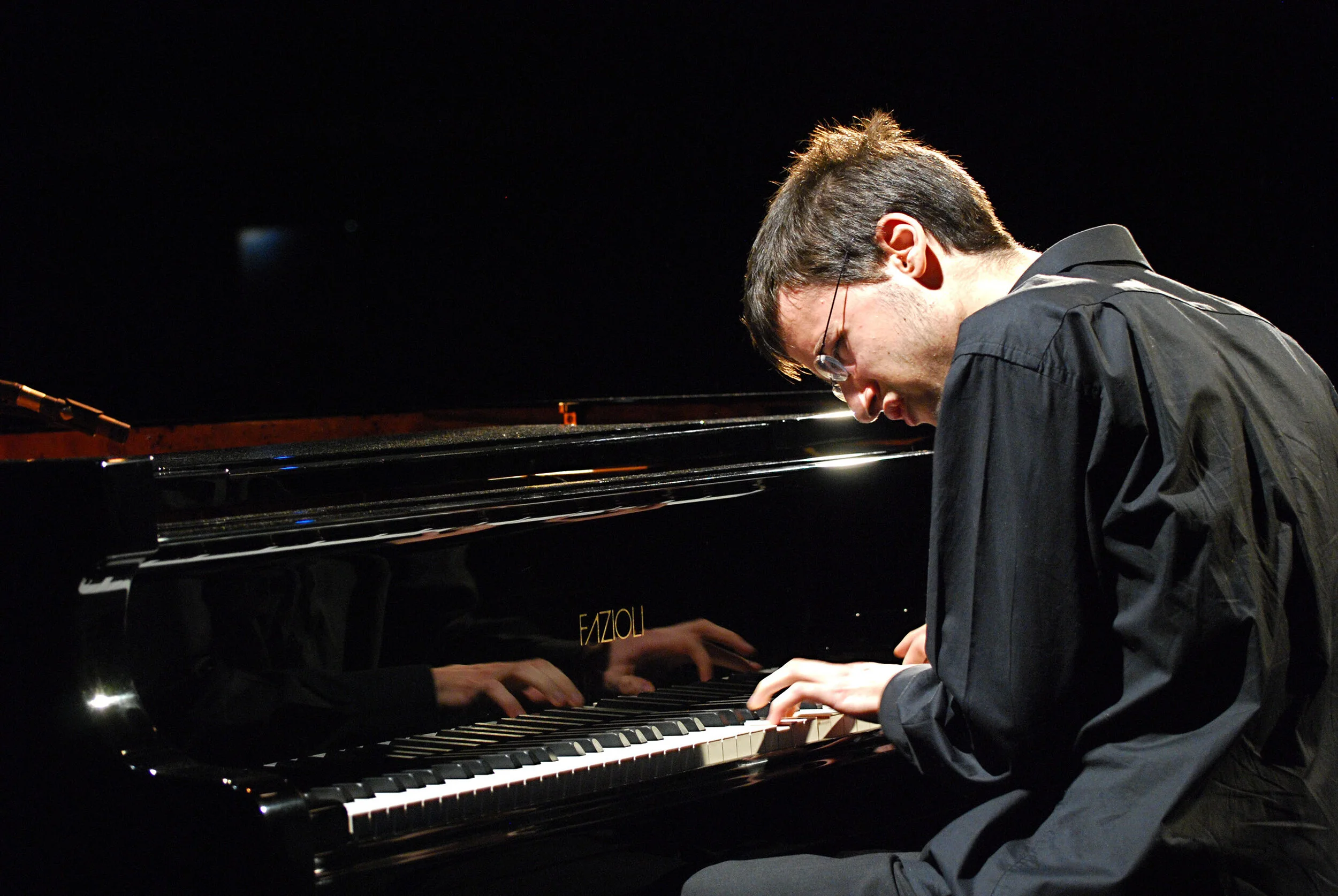
I started playing piano at the age of four. I was listening to a lot of jazz, which was the style of music I grew up with. I started by improvising, trying to improvise the sounds of my favorite piano players.
Executive Artistic Director · Onassis USA
The Humanities Impact Program is something that Young Kim, who is director of education here in New York, really built. And it is, I think, a very impactful, thoughtful program of support and collaboration with a range of organizations that, again, is about trying to build some of these classical ideas into the kind of contemporary practice where historically they've been ignored.
Artist and Researcher
It has always seemed to me that as a South African and Namibian artist that there was not a choice to not explore colonial migrations, apartheid histories and white privilege. The past shapes the present and I have always wanted to better understand how South African society has been formed.
Professor of Cultural Studies at the University of Leuven
The humanities are vital in this regard because they can bring together the best of two worlds: content and form. Humanists create new content because they are open to the challenges of changing forms and vice versa.
In a way, I sometimes think that it’s when the divergences from what really happened are quite small that it calls for the services of a very scrupulous and clever biographer. Certainly the stuff you get about me from my books it’s not–how can I put it?–it’s not reliable as evidence in any court of law. I’m very conscious that I’m not under oath when I’m writing.
I sort of think we’re all kind of a swirl of everything we’ve read, the art we’ve looked at or heard, the life we’ve led, the people we know, the stories we’ve heard, the stories we’ve lived through and the stories we’ve heard secondhand, the fears we’ve had, the desires we’ve had, it’s kind of just swirling around, so when you’re writing it’s not that you’re channeling it in a completely unthinking way, but when I write I’m just sort of moving fence to fence and seeing what bubbles up.
Writer
And it's something every writer carries in them in their heart. Carries–it's a big statement, but there's a small truth within the kernel of it–carries the history, the geography, the rules and the songs of the place they come from. It's inescapable. And to throw it away or to lose it is a tragedy. And to throw it away is a crime. So, for all my complaints about my native land, I am glad to be in there on that bus because it was a lovely thing to have. There are lot of them driving that bus, I'm just one of the passengers.
All Is Forgotten, Nothing Is Lost was a departure. It’s actually my favorite because it was just a huge pleasure to write. So much fun to write. Nothing to do with my background, my family, it’s all about lived experience and observations I made coming up as a writer. Because for me becoming a writer went hand in hand with me becoming a person.
I’ve never really written a roman à clef, you know, something directly from my experience. [...] And yet again, you are always writing about yourself. Even if you’re not writing about something you’ve actually lived, you’re dealing with your own internal weather system, as I’ve said, and we all have one. And you’re also dealing with the things that keep you up at night, the things that worry you, the things you haven’t been able to get right. Your fears. And everyone has fears and they all come into play.
I feel like anybody can make a church or a garden spiritual, but for me the more interesting thing is to see if you can make holy or spiritual things that are just very ordinary. […] There’s all sorts of places that are holy, not just the ones that are defined that way by the culture. That’s always been a part of my work. From the very beginning
Art and Theater Director, Costume Designer
Creativity is perhaps the ultimate mystery. I veer wildly between opposing views on it and have different feelings depending on whether the creator is isolated or a collaborator.
Actor and Director
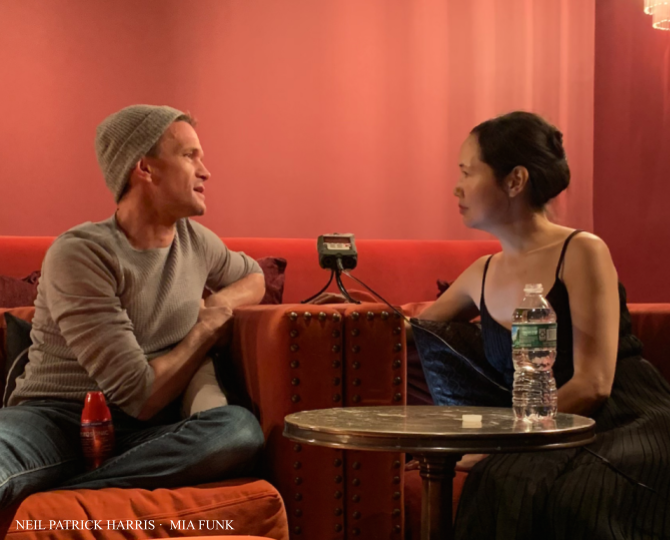
I've been so fortunate to work with such great actors over the years. Laura Linney, Joe Mantello and the entire company of The Normal Heart, Nathan Lane, who I consider one of my great educators. He was a real mentor to me. He was such a professional and he was so devoted to the character and worked tirelessly to make the character in the show as good as it could possibly be. Nathan never ever did it sitting down. He's always full steam ahead and there was a great lesson in that for me to watch somebody's work ethic. It taught me my work ethic.
Principal Dancer · Pacific Northwest Ballet
I always do a lot of studying into the history of something, if I feel like that is going to help me. And then, if that's not going to help me, I make up a story. I do a lot of different things for each role and each performance, and sometimes when I repeat something something else will come through. So it really changes every single time.
Writer
I don’t start off to create a moral in telling a story, but there are certainly consequences to the decisions that we make and some of those will inevitably have what we call a moral dimension. I don’t respond enthusiastically to fiction when I can see a thumb on the scales, when I can see that it’s a sermon in disguise. I’m more interested in writing that explores rather than proclaims.
Writer
I think what is most exciting is that it is a very passionate readership. You never love a book the way you love a book when you are ten. And I think to be a part of that sacred space and that kind of sacred exchange between a reader and literature is very exciting.
Composer
I can't draw a line between language, really, and music. It's too disparate, but there are so many levels of human communication in it that I hear. Feelings, obviously, imagery, a sort of indescribable warmth, chills. All of these kinds of words we try to use to explain the feelings, but the communication is very clear when music is good. It's very clear. You hear a story that is a four-dimensional story.
Playwright and Director
I think the big thing writing for the theater has given me is the awareness that it's possible to inhabit another person's subjectivity fully enough to give voice to a set of experiences that aren't your own and you can do that in a way that gives solace and interests people. We're all capable of those kinds of acts of imagination that can bring us closer to the subjectivity of other people.
Deputy Director of Curatorial Affairs & Chief Curator Museum of Arts and Design
So the Museum of Arts and Design historically, for me, is part of a New York avantgarde scene. It's just that it was dedicated to artists working in these historically-marginalized materials. And it continues to do that. That mission has never changed.
Painter and Art Historian for Louvre Museum & Armand Hammer Center for Leonardo Studies at UCLA
Da Vinci certainly must have been very well organized because you can't make so much work without a base in the organization of your life which is very strict. You can't go and penetrate such high intellectual spheres unless you're a man of good. Do you understand what I mean? To have some ideal of perfection, beauty, and humanity inside yourself…Art is art, and that's all. To me, art is the expression of beauty, and beauty is something like the sun, shall we say. An absolute.
Writer
Art was important to me as a youth: I looked at paintings, listened to music and I read a lot. I assumed I would become an artist of some sort, and thought perhaps I would be a painter.
Writer
I come in on a story when things are different, destabilized, when, in effect, a new voice may be necessary, whether from the outside narrator or from within the story, inhabiting the mind of my character.
Director of the Institute of Astronomy at KU Leuven
Chair in Asteroseismology at Radboud University Nijmegen
Everybody is interested in the Universe, so communicating about it is easy, no matter the background of the audience. These pictures of planets, comets, stars, galaxies, etc., trigger so much imagination that one gets the attention and interest immediately. The beauty of our Cosmos moves all.
Musician and Songwriter
So, I started the program called Shelter Songs. I'm in two shelters now and expanding to 4 or 5 throughout the city. It's a nice thing to just look at them and say, "I'm with you for an hour. I'm here to serve you. Whatever you want. I have no agenda on what we're going to write.
President · Costume Designers Guild
The Mindy Project, Pitch Perfect trilogy, Four Weddings and a Funeral, Veronica Mars
Whether you're telling a story for the people at work or you're telling a story for your character on camera, I think that we tell a story every day by what we wear.
Artist and activist for people, places, and animals
I was in a group called the Women's Action Coalition in the early 90's. The fact that we couldn't get the ERA passed is insane. Although, now as I’m seeing it reintroduced, it should be a true equal rights amendment for everybody. Not just focused on women being equal to men, but a real update to the constitution. We still have things that we need to rewrite.
Charles W. Engelhard Curator and Head of the Department of Drawings and Prints
The Morgan Library & Museum
So that idea of what the drawings tell us about the artist is another thing that's constantly interesting to me. You, maybe more so than a finished painting, get a sense of what problems an artist is trying to work out along the way.
Dancer · Choreographer and Ballet Stager · Fmr. Director Harvard Dance
Keeping people interested in dance is exposing folks, no matter how big or small an audience, to the different ways of seeing. How can you place a value on solace, joy, or tenderness and vulnerability?
Writer
In the course of writing a novel I will sometimes lock myself away. During most of my previous novels there comes a point where I just go to the country and hide for 5 or 6 weeks. Sometimes it’s the first draft, sometimes it’s the second. There are periods when I feel like you just have to cut out the world and listen to the voice in your own head. In the course of writing a novel I will sometimes lock myself away. During most of my previous novels there comes a point where I just go to the country and hide for 5 or 6 weeks. Sometimes it’s the first draft, sometimes it’s the second. There are periods when I feel like you just have to cut out the world and listen to the voice in your own head.
Artistic Director · John Drew Theater · Guild Hall of East Hampton
And the era of the actor-manager has probably passed, but in a curious way, I feel like I've been living that life as an actor-manager because I will both act, direct or produce and they all inform each other. You know, they're all part of the same creative language. And I think, having been an actor and first and foremost loving being an actor, I think I know how to speak and communicate with other actors at various levels.
Novelist & Memoirist
Words are the oldest information storage and retrieval system ever devised…The written word will remain, scribbled on collapsed highway overpasses, as a testament to love and rage, as evidence of the wanderers in the ruin.
Highlights of recent interviews and engagements with museums and creative communities
“Sometimes we think that we invented everything, but this is not true. The history of human thinking is very important, is very useful for us to know different thinking of other people… There are different approaches in life and different interpretations of the world and of societies.”
Writer
I don’t start off to create a moral in telling a story, but there are certainly consequences to the decisions that we make and some of those will inevitably have what we call a moral dimension. I don’t respond enthusiastically to fiction when I can see a thumb on the scales, when I can see that it’s a sermon in disguise. I’m more interested in writing that explores rather than proclaims.
Writer and Director
When I compare novelists to short story writers or very short story writers, I can’t compare them, but one thing for sure, the purpose is different. I think that someone who writes tries to create or document a world. And when you write very short fiction you try to document a motion, some kind of movement.
Writer
I believe that following a narrative is a very intense experience, immersive on a mental as well as on the physical level. Reading is for me just as powerful as writing. I spend three hours a day reading, the rest of the time writing, and in between I try to live in the best way I can.
Acting Associate Director for Curatorial Affairs · Curator of Music and Performing Arts
National Museum of African American History and Culture · Smithsonian Institution
This museum, this institution has a long history and actually, the idea of a museum goes back to maybe 100 years ago when Civil War veterans wanted a monument recognizing the service and the sacrifice of African Americans during the war effort. It wasn't until the mid-late 80s when congressman John Lewis with some other colleagues started to bring forth the idea that the Smithsonian needed to have a presence to recognize the significance and contributions of African Americans to the history of this country.
Musician and Songwriter
There is a metaphor to every single word that we say, we're just not aware. But if we were aware, then it would become very interesting. And that's the quest for me to be constantly more and more aware because it's so beautiful. It's a quest for beauty as well.
Cinematographer
As a cinematographer what you're trying to do is portray the story in the proper way. Of course, there is going to be an aesthetic that you place based on your own taste and what you believe in, maybe some of the things you're attracted to, inspired by, but ultimately everything, all the decisions are made with the narrative in mind. And that entails doing deep dives into research with photographs and art and music and things that you see in life and things that you remember from your past that sort of inform the things that you choose to do.
Author, Screenwriter and Producer
So the great thing about being a writer is you can take the pain of your life and make something out of it. And you can mix it up with the happier parts and make something even better out of it. I mean, it's kind of all these things end up being gifts when you're older.
Writer
As seductive as the virtual world can be – where there are fewer boundaries, where you can be anything, and you can be anyone – there's something very important about the tactile world and being grounded in the tactile world. And so far humanity has not lost sight of that collectively. And I do not think that we will.
Writer · Producer · Director
Sex and the City, Modern Family, Everybody Loves Raymond, Otherhood
It was a long journey because I think I've been writing television now twenty-five years. I never really had the directing bug. I always loved writing and I like being behind the scenes and, in television, writers have so much control anyway to rise up the ranks and run the show and hire the directors, so I mostly had just great collaborations with directors.
Pilobolus Dance Company
I guess the part that's our thing is the method or process that Renée Jaworski was describing. The constraint, the framework that we try to put on what we're doing includes that, for this time, let's not map everything out first and try and realize the vision that one person has but to put people together, as Renée was saying, and have something else emerge that's a product of everybody that's involved. Penn Jillette, who we were honored to work with, the way he put it is, "You're not a collective, you're not looking the same, talking the same, you don't use the same terms for movement. All the dancers look different, and they think differently as well. –MATT KENT
Director · Pollock-Krasner House & Study Center
Jackson Pollock said it himself. “It's energy and motion made visible.” So these are things that come spontaneously from his own feelings, but they're based on, first of all, observation, the natural world around him, all the forces of nature that were so influential. And then, processing that and figuring out how to create a visual language that expresses those feelings. And some of those feelings can be very complicated.
The technique, the means of expression is dictated by what those feelings are. It's not the other way around. People think – Oh, he used the liquid material and then he sort of danced around and that kind of gave him ideas. – No.
Actor and Director
When I read Mamet, to me, it was almost like–Yeah! I get it. This is a language I understand. It felt very comfortable to me. And I know he has told me that he has written characters with my voice in his mind as he wrote them, and so, again how lucky for me that that's the case. I feel very lucky that it's worked out that way that he's the writer that I ended up hooking up with.
Writer · Graphic Novelist · Producer
The idea that anything could be a door, the idea that the back of the wardrobe could open up unto a world in which it was winter and there were other worlds inches away from us, became just part of the way that I saw the world, that was how I assumed the way the world worked, when I was a kid that was the way that I saw.
Academy Award-winning Documentary Filmmaker
I think it's interesting because I feel like in scripted films people are trying to infuse a spontaneity and a reality and a being in the moment into something that's very artificial. And I feel a lot of what we do as documentarians is try and impose a structure or a form on something that is utterly real and alive and in the moment and uncategorizable in many ways. So, we're kind of the opposite, coming from opposite ends of the same goal, which is to kind of create something that is or feels authentic to a certain truth, an emotional truth, or a literal truth.
Cinematographer
If I had to choose one movie I always say Terrence Mallick's Badlands. If I have to ever choose one it's that one. It's just such an amazing film. Great music and great acting. Just sort of stood back, relaxed cinematography by Tak Fujimoto. That era of John Cassavetes movies. Oh, my god, Gloria, Woman Under the Influence. Just outstanding and daring and free. In the film world, I’m probably more influenced by that than I even realize. I always appreciated the magic of cinema, even before I was involved.
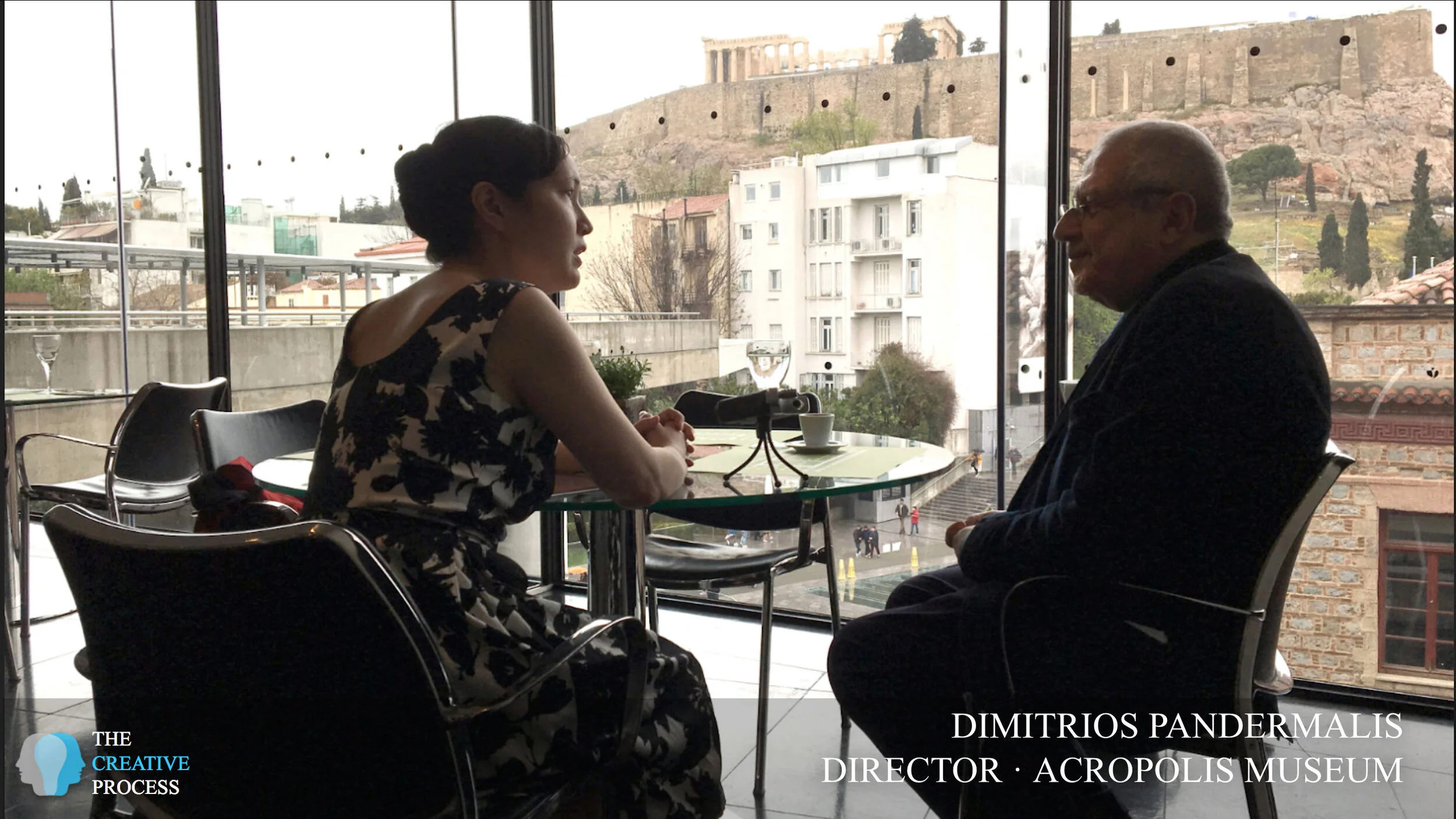
President of the Acropolis Museum
I think that contact with ancient civilizations is very important because we get to have in our life a third dimension. If we live only in the present, we don't understand what happened many thousand years ago. We don't realize what the development of humanity really is.
Novelist and Essayist
The reason I think you should read in these other disciplines is because it will help you in your own work. Now I really mean that. I think what has happened with the fragmentation of disciplines is that when problems arise. ...the people working in the discipline are unable to see avenues out of the problem that they would easily see if they had worked through problems in other disciplines.
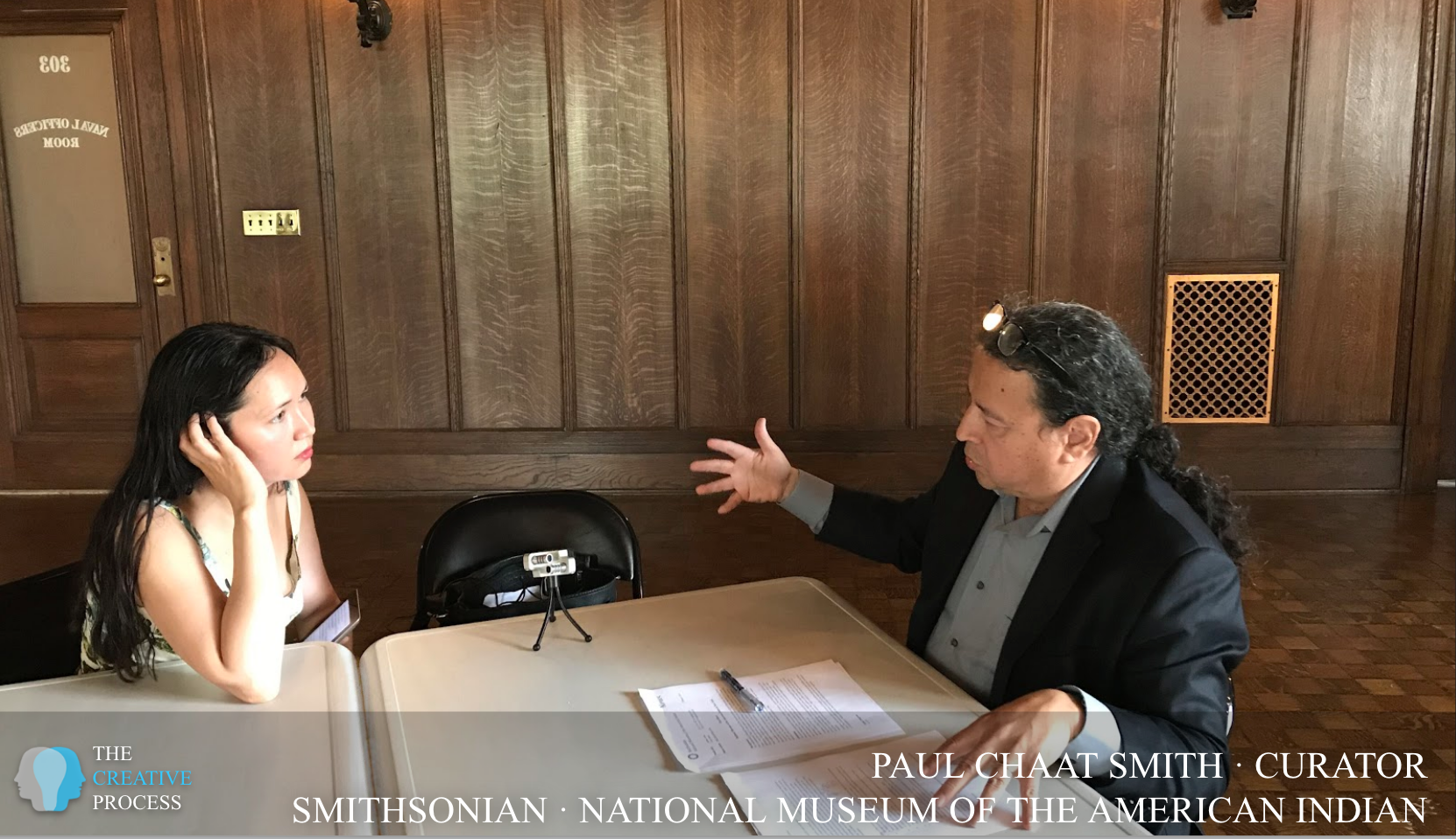
Associate Curator
Smithsonian National Museum of the American Indian
The connections between American Indians and the United States are profound and deep. And it's not simply an issue of us being victims and the U.S. being the oppressor. It's much more complicated than that.
Actress, Choreographer, Artistic Director - Neo-Political Cowgirls
I care very deeply about the arts, theater arts. So I had a choice to make, either leave entirely or be the change, as they say. So I started Neo-Political Cowgirls to embrace women in their story, in our story.
Director of FIAC · Foire Internationale d’Art Contemporain
If you create the conditions in which people feel comfortable interacting with art, there are some really beautiful things that can emerge from that encounter. Things that I think are life changing.
Playwright & President of the Dramatists Guild of America
I think we have to look to find the voices of women and marginalized people because sometimes it's the most disenfranchised people in the culture that are the most articulate about it and most aware of the innate injustice in certain social systems. So I think we really have examine our canon and broaden and deepen it to include more voices.
Actor and Theater Director
I really know theater because that's where I started. I went at it in a very haphazard way. It was not orderly at all. I didn't go to a proper school or anything like that. I did a little bit of studying here or there...Jeff Corey (and at one class in New York) someone said something that helped me a great deal. And then I just learned by doing it.
Novelist
It's interesting to me that the West has been shaped by two works of fiction, The Iliad and The Odyssey and the Gospels, which are prehistoric artistic works. The West has two feet. They're both fictional feet, and after that we started being rational and reasonable.
Tony & Emmy Award-Winning Actress · Conservationist
Chairman of the National Endowment for the Arts 1993-97
I did not seek out these roles like All the President's Men. I know that I was very interested in social and political issues from childhood. I don't know whether there was something in me that translated that I was politically and socially conscious when I was a young actress because these roles came to me. I didn't go out begging for them. And I was so grateful to have them because I thought they had a depth to them.
Pianist and TV/Film Composer
I think the music, the way that it's shot, and the way that it's written, of course, all work in conjunction. There’s something about a passage of time in your mind. Then it's not about the clocks. It's more about the suspended, almost like the absence of clocks, and the idea of suspended time, which memory is more like that since in our memory all time happens at once.
Writer · Critic · Artist
it is wonderful to have more than one culture, as you know. It's a great thing in life. It's a wonderful thing in life.
If you know other languages, it's stupendous because it gives you some access, both in reading and fluidity of places, but also to know that you can have two exciting places to be in. Two exciting languages and two exciting cultures and two exciting places to visit. That's what I love, mostly. I don't think I was born in the wrong country. I wasn't really born in America. I was born in the Bronx.
The artificial beginning is interesting to me. There is a clear-cut: old life, that's old country, and here's there's new life, new country. It is an advantage. You are looking at life through an old pair of eyes and a new pair of eyes. And there's always that ambivalence––Where do you belong? And how do you belong? And I do think these are advantages of immigrant writers or writers with two languages or who have two worlds.
Faculty of Psychology and Educational Sciences · KU Leuven
The humanities study people, their cultures, and their arts. The disciplines provide us with frameworks of meaning to understand our place in the world and in human history. They teach us how to read literature, history, religions, music, and works of visual art among many others. All of these are important aspects of what it means to be part of the global collective of humankind.
Writer
I think many of my stories work on this principle: everything is just as it is in our world (they physicality, the psychology, etc) except for one distorted thing. The effect, I hope, is to make the reader (and me) see our "real" world in a slightly new light.
I think I can do no better about answering the question of what it means to be truly educated than to go back to some of the classic views on the subject. For example the views expressed by the founder of the modern higher education system, Wilhelm von Humboldt, leading humanist, a figure of the Enlightenment who wrote extensively on education and human development and argued, I think, kind of very plausibly, that the core principle and requirement of a fulfilled human being is the ability to inquire and create constructively independently without external controls.
Writer
I think part of what I was thinking about with this project was to build the fact that [my character] Yunior is a writer and that with Yunior being a writer we get to check in with his maturing and changing perspective. [...] Therefore built into the story there’s a perspective that might not otherwise be available if I was writing far more closely to the events he was narrating. These are the weird nerdy decisions one makes as one writes where one has to decide the events that are occurring in your text. You have to decide what’s the distance between the event and the point of telling where the narrator stands, looking upon and reflecting and retelling those events.
Writer
I've written a number of short stories from a first-person POV but I guess with novels I felt that this was too restrictive. What worked for me was a third-person approach that was somewhat suffused with the personality of the character.
Founder of The Creative Process
What is very important to me is to create work that is meaningful, to reach beyond my particular concerns to speak to others and their concerns and interests, to do something that inspires the next generation and which is larger than myself.
Film Composer
When I look at a film, I normally think what is missing from that, and that's what I'm trying to bring. I'm trying to find something that I think isn't there and that I could bring that would make it more interesting, make it more cinematic, more dramatic.
Curator · Writer · Interviewer & Artistic Director of Serpentine Galleries
I’ve always thought that curating has to do with junction making. I’m always thinking of ways to bring people together and make connections between different worlds. I think, if we want to address the big question or challenges of the 21st century, it's very important that we go beyond the fear of pooling knowledge and move beyond these silos of knowledge to bring the different disciplines together.
Children's Book Author · Editor · Producer · Arts Educator
Katherine Anne Porter, essentially what she says is that the arts are what we find when the rubble is cleared away. In other words, they are the sum and substance of our lives, and we can go through wars and changes and all kinds of challenges in the world, but in the end, the arts tell us who we are and they are what remain no matter what. And when we look back and understand other civilizations that went before us, and when we think ahead to how people will view us in future civilizations, it will be our art and the arts that inform that story and tell people who we are and who we were, just as they do now from history.
Director & Chief Curator · Museum at the Fashion Institute of Technology
Like many of us, I was always personally interested in fashion as a means of communication and masquerade, but it was in graduate school when a classmate of mine did a report on two scholarly articles about the Victorian corset that I suddenly had an epiphany, and I realized that fashion was a part of culture, and I could study fashion history.
Anna-Maria and Stephen Kellen Director · The Frick Collection
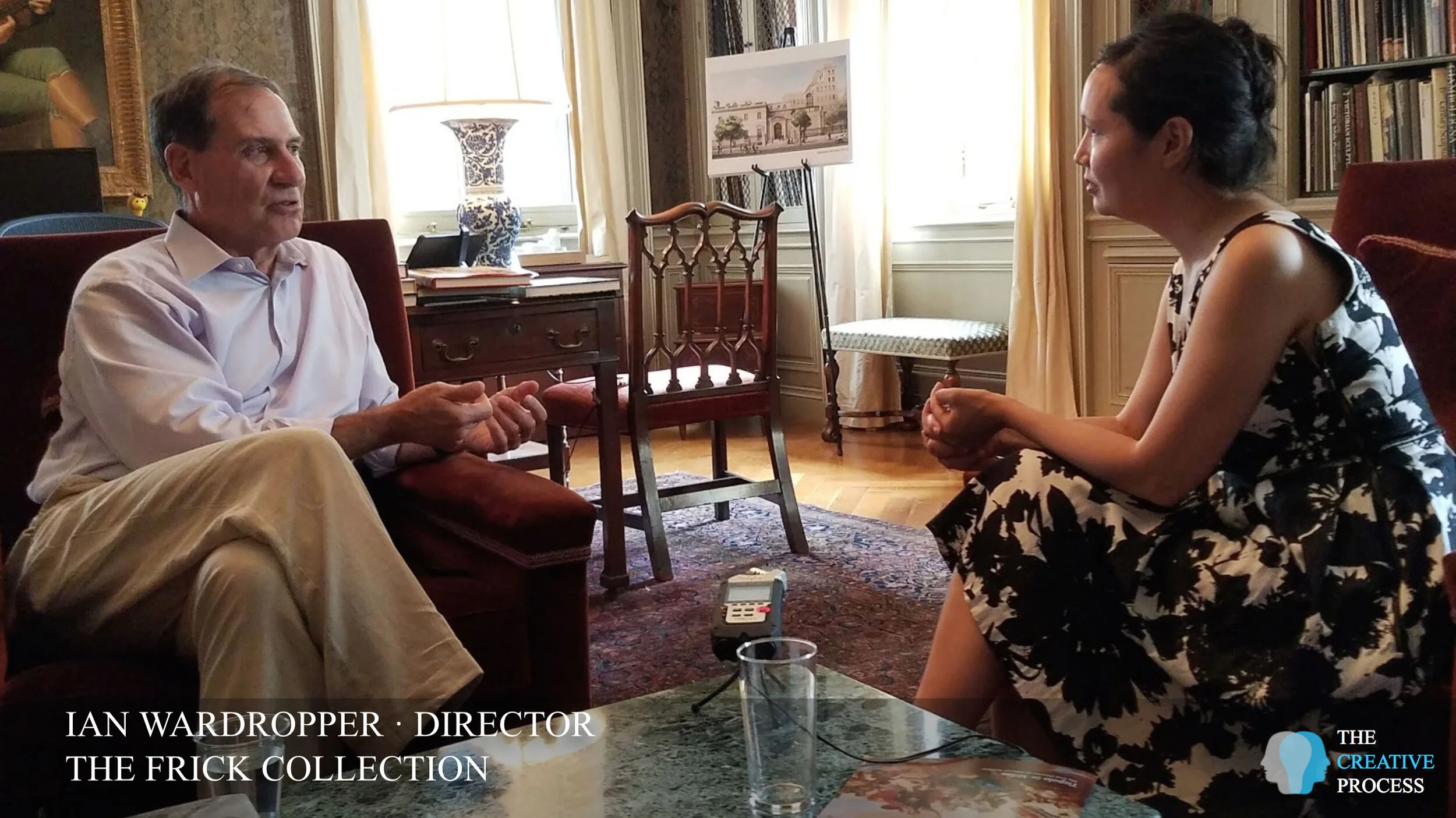
I firmly believe that the arts should be a part of everybody's education. It's not just learning the history of art, but it's about opening up creativity as a means that can be useful to somebody throughout one's life.
Executive Director · Pilobolus Dance Company
I think that what they don't realise often is that the skills of the people that are sitting in those jobs are deeply in conflict with the skills required to perform well in our our time. I think there is an enormous amount of change that needs to happen in education. And I think, in some instances, it's beginning to, but we're really working and teaching our future using systems that are antiquated and don't really relate.
Photographer
Whatever I do, quite often I say– Is this good for my work? Should I go here? Should I do that? When I had my initial debut, I became known for a book called The Somnambulist. I took 24 of those pictures in one weekend and then I worked for three years on the next 24.
The New Museum
When you're looking, really look very, very hard at the new. Look very, very hard at what challenges you. If you're bothered by it, go deeper. So it was "Don't take the easy way out and say 'I love that'. 'Why do you love it?' 'I just feel it.' No, unacceptable. Just feeling it is not enough, if you're a responsible party. If you're a member of the public, fine, have whatever kind of experience you want, but if you're a professional, know why you're doing it.
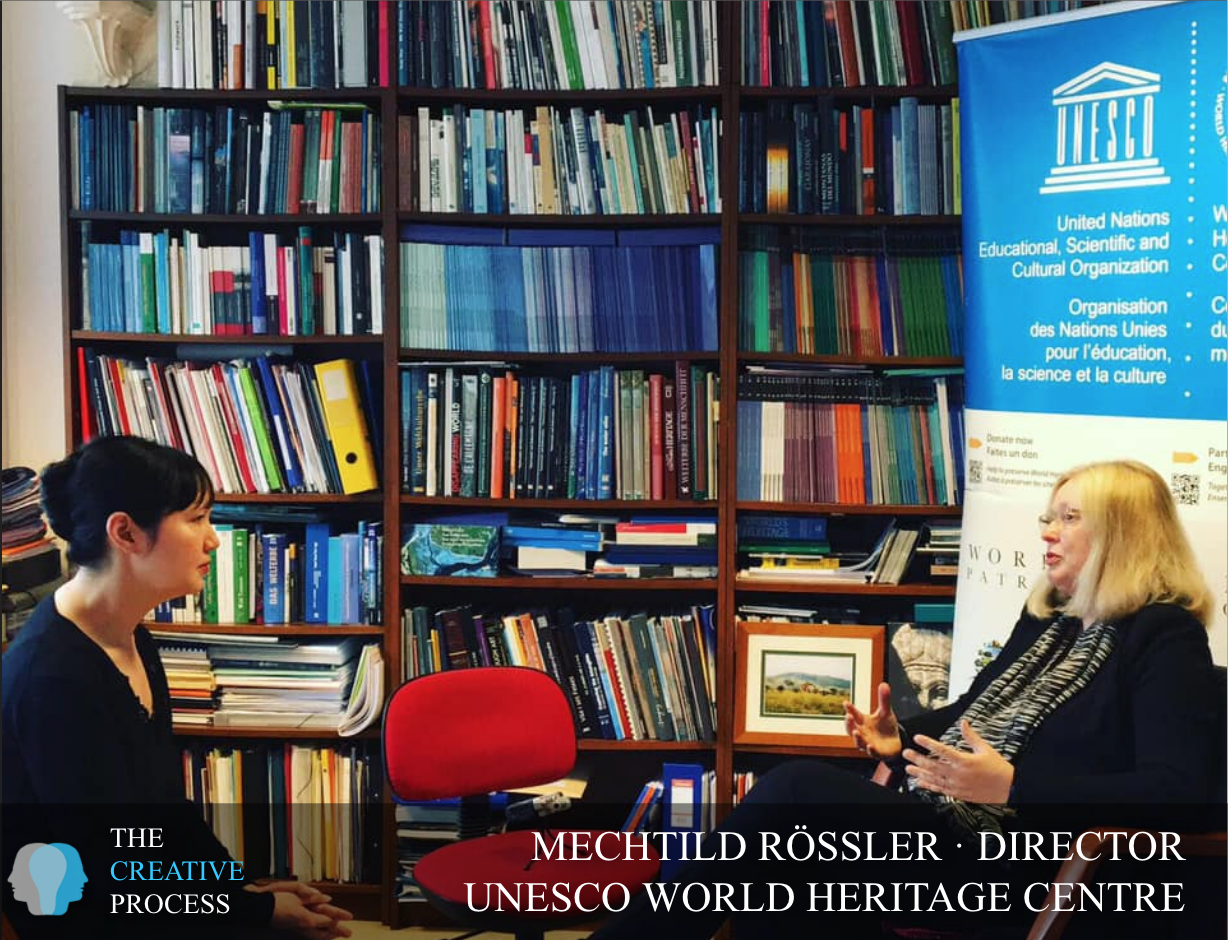
Director · UNESCO World Heritage Centre
It's a very unique instrument. It has now 193 countries, which have ratified it. The idea of this convention is really unique because it is about heritage of outstanding universal value.
Lewis B. and Dorothy Cullman Chief Curator
Parrish Art Museum
There's such a metaphysical moment when these images are created on a surface. In three dimension on a flat surface, it's kind of a head-scratcher to start. So great art has a transcendent moment.
Novelist · Feminist · Philanthropist
I was born in 1942 in a Catholic, conservative, patriarchal society. And I was born angry against the world as I saw it. I became a feminist before the word reached Chile. I was a young girl when I realized I didn’t want to be like my mother, although I adored her, I wanted to be like my grandfather and the men in our family: strong, independent, self-sufficient, unafraid. Later I learned that some women could be all that and decided I was going to be one of them. Since then I have worked with women and for women all my life. I have a foundation whose mission is to empower women and girls. I don’t need to invent my feminine characters, the women I have known inspire me.
Artist
The whole thing is to get them to feel like no matter where their background is from, the difficulty they have in their personal lives, the isolation that they feel in relationship to that, that within the art community they are embraced, they are welcomed. All they have to do is just keep getting better at it, but the community is there. I think that something we're all looking for is where we belong.
1952-2022
Booker Prize-winning Novelist & Memoirist
I do develop my books in scenes, and write a lot of dialogue – though book dialogue is different from stage dialogue, which is different from TV dialogue – and that is different from radio dialogue – I’ve explored all these facets. I think I am covertly a playwright and always have been – it’s just that the plays last for weeks, instead of a couple of hours.
Director · National Museum of Women in the Arts
I came to work at the National Museum of Women in the Arts thirty-two years ago. I really took to the idea that the museum was controversial, that a lot of men said, "Why do you need a women's museum? There are so many other museums. Why do women have to be separated?"
Founder of The Creative Process
What is very important to me is to create work that is meaningful, to reach beyond my particular concerns to speak to others and their concerns and interests, to do something that inspires the next generation and which is larger than myself.