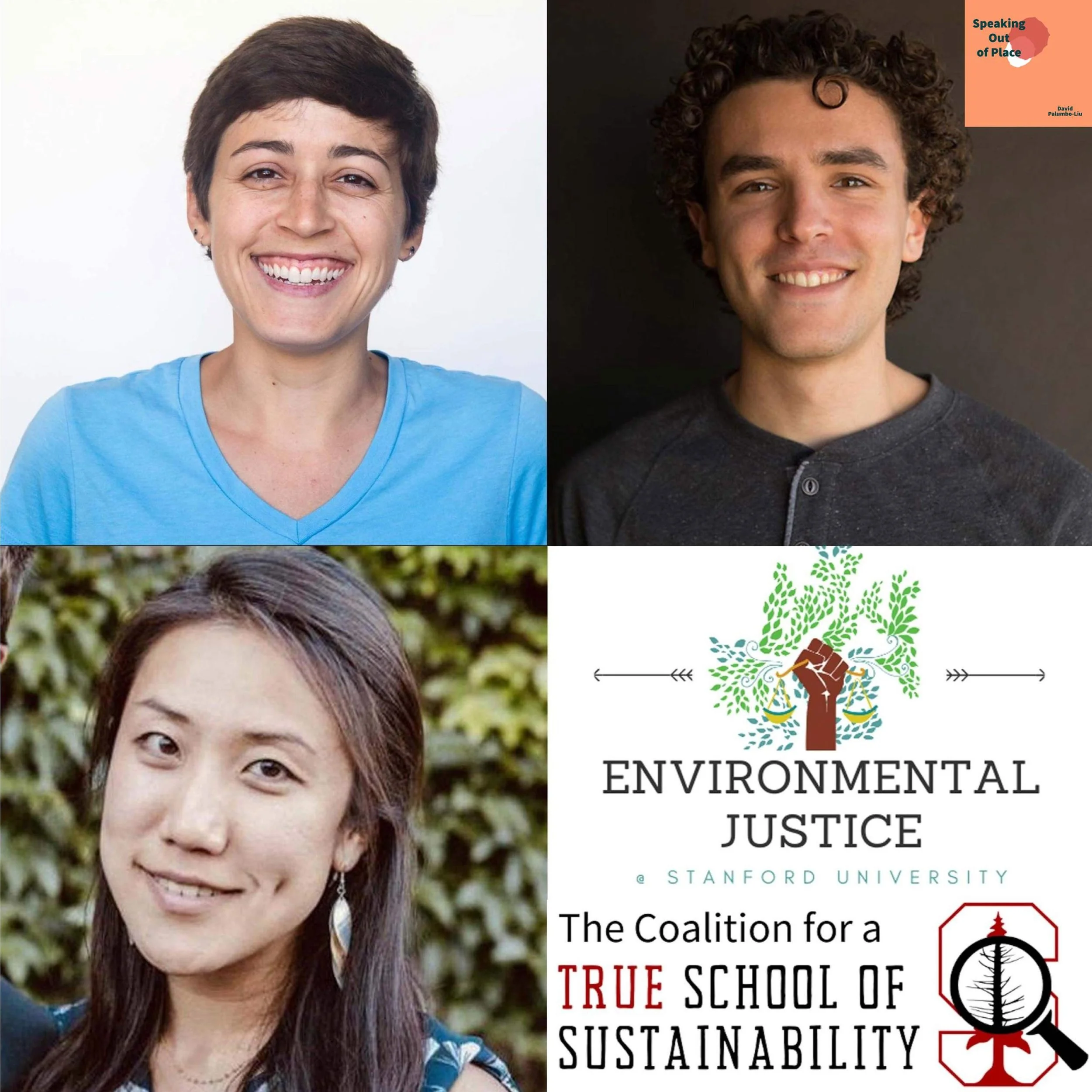
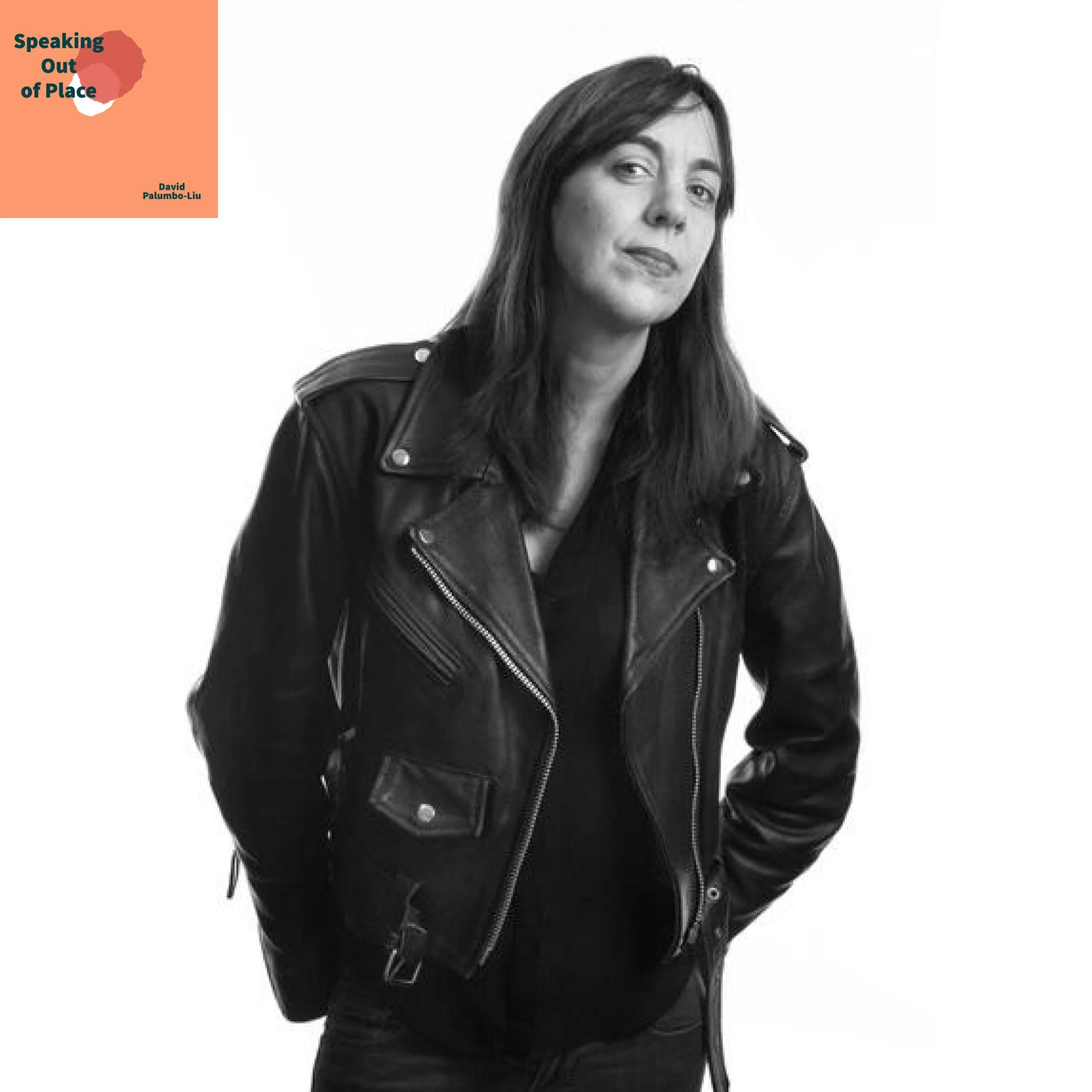
Speaking Out of Place: LIZA BLACK & JOSEPH PIERCE discuss When “Natives” Aren’t: The Epistemic & Communal Violence & Re-storying

Speaking Out of Place: LIZA BLACK & JOSEPH PIERCE discuss When “Natives” Aren’t: The Epistemic & Communal Violence & Re-storying

Discuss When “Natives” Aren’t: The Epistemic & Communal Violence & Re-storying

A lot of Pretendians lay claim to this identity of being Native American, and the universities have no problem with it whatsoever. It's indigenous people who fight against that settler colonial initiative to make this about diversity, equity, and inclusion, and not about indigeneity or indigenous rights. And so when students mark down Indigenous, they're accepted as an Indigenous person, and the university pats itself on the back for admitting yet another Indigenous person. And they happily add up those numbers that go into all sorts of reports to say, "This is how many Indigenous students we have at the moment. The numbers are rising, etc." And many of those students never attend any Indigenous events, but some do. Some will come to the support center for Native students. And some will really take on ownership of this idea that they are Native, when in fact they're not. And they actually know they're not. But let's say we have a person who's gifted intellectually. And they can get their heads around these stories. And they can get their heads around epistemic violence. And they become friends with people in the Native community. That's the beginning of their story. And that's the way in which academia produces these people.

Highlights - APRIL GORNIK - Artist, Environmentalist, Co-founder of The Church: Arts & Creativity Center

Highlights - APRIL GORNIK - Artist, Environmentalist, Co-founder of The Church: Arts & Creativity Center

Artist · Environmentalist
Co-founder of The Church · Arts & Creativity Center
Co-director of Sag Harbor Cinema Board

I've chosen my work because I've loved the outside world. I love the things outside of myself. I love what isn't immediate to me. And I love projecting onto that as a way of kind of trying to reach the distance between my inner self and the vastness. To try to do that in a way that makes other people feel inspired by it, not be chided for not taking care of it. It's not something that I intend to be a message per se. I'd rather people look at the natural world and see the heartbreaking beauty of it and sense its fragility and its impermanence and their own impermanence and fragility and then have a response to that rather than say, you know, you have to act, you have to do something. I would hope that would inspire action rather than to cudgel them with a directive.

APRIL GORNIK - Artist, Environmentalist, Co-founder of The Church: Arts & Creativity Center

APRIL GORNIK - Artist, Environmentalist, Co-founder of The Church: Arts & Creativity Center

Artist · Environmentalist
Co-founder of The Church · Arts & Creativity Center
Co-director of Sag Harbor Cinema Board

I've chosen my work because I've loved the outside world. I love the things outside of myself. I love what isn't immediate to me. And I love projecting onto that as a way of kind of trying to reach the distance between my inner self and the vastness. To try to do that in a way that makes other people feel inspired by it, not be chided for not taking care of it. It's not something that I intend to be a message per se. I'd rather people look at the natural world and see the heartbreaking beauty of it and sense its fragility and its impermanence and their own impermanence and fragility and then have a response to that rather than say, you know, you have to act, you have to do something. I would hope that would inspire action rather than to cudgel them with a directive.

Highlights - DEAN SPADE - Professor at SeattleU’s School of Law - Author of Mutual Aid, Building Solidarity During This Crisis (and the Next)

Highlights - DEAN SPADE - Professor at SeattleU’s School of Law - Author of Mutual Aid, Building Solidarity During This Crisis (and the Next)

Organizer · Speaker · Professor at Seattle University's School of Law
Author of Normal Life: Administrative Violence, Critical Trans Politics, and the Limits of Law
Mutual Aid, Building Solidarity During This Crisis (and the Next)

I want to see movements that embolden our tactics. Like people blocking oil pipelines all over the world. That's what's required now. Asking endlessly from the dominant system to treat us fairly doesn't work. And this frustrating kind of endless appeal and hoping maybe we can get it to work this time doesn't work. And the clock is ticking, especially on ecological collapse. We need to save each other's lives and act.

DEAN SPADE - Author of Normal Life: Administrative Violence, Critical Trans Politics, and the Limits of Law

DEAN SPADE - Author of Normal Life: Administrative Violence, Critical Trans Politics, and the Limits of Law

Organizer · Speaker · Professor at Seattle University's School of Law
Author of Normal Life: Administrative Violence, Critical Trans Politics, and the Limits of Law
Mutual Aid, Building Solidarity During This Crisis (and the Next)

I want to see movements that embolden our tactics. Like people blocking oil pipelines all over the world. That's what's required now. Asking endlessly from the dominant system to treat us fairly doesn't work. And this frustrating kind of endless appeal and hoping maybe we can get it to work this time doesn't work. And the clock is ticking, especially on ecological collapse. We need to save each other's lives and act.

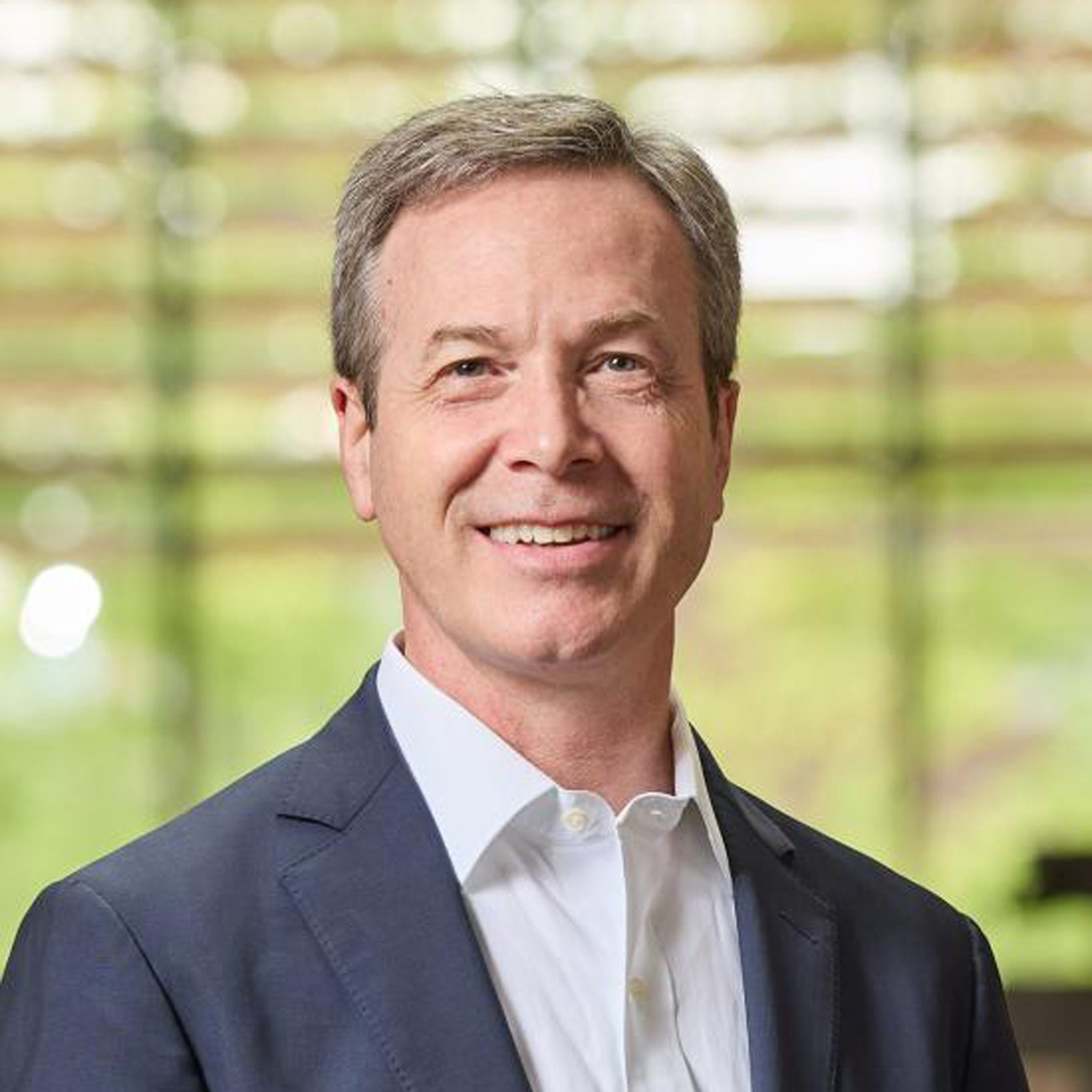
Highlights - ANTHONY LEISEROWITZ - Host of Climate Connections - Senior Research Scientist, Yale School of the Environment

Highlights - ANTHONY LEISEROWITZ - Host of Climate Connections - Senior Research Scientist, Yale School of the Environment

Founding Director of the Yale Program on Climate Change Communication
Host of Climate Connections · Senior Research Scientist at the Yale School of the Environment

Storytelling is still one of the most powerful ways we have to communicate from one person to another, from one person to millions, and from millions back to one. At the Yale Program on Climate Change Communication, we study how people respond to climate change. So what do people around the world understand or misunderstand about the causes, the consequences, and solutions? How do they perceive the risks: the likelihood and severity of different types of impacts from sea level rise to the health impacts? What kinds of policies do they support or oppose? And then what kinds of behaviors are people engaged in or willing to change to be part of climate solutions? There are lots of different things there, but our ultimate question is answering why. What are the psychological, cultural, the political reasons why some people get engaged with this issue? While others are kind of apathetic and some are downright dismissive and hostile, or at least they are in the United States, which thankfully is not the case in most of the rest of the world.

ANTHONY LEISEROWITZ - Founding Director of Yale Program on Climate Change Communication - Host of Climate Connections

ANTHONY LEISEROWITZ - Founding Director of Yale Program on Climate Change Communication - Host of Climate Connections

Founding Director of the Yale Program on Climate Change Communication
Host of Climate Connections · Senior Research Scientist at the Yale School of the Environment

Storytelling is still one of the most powerful ways we have to communicate from one person to another, from one person to millions, and from millions back to one. At the Yale Program on Climate Change Communication, we study how people respond to climate change. So what do people around the world understand or misunderstand about the causes, the consequences, and solutions? How do they perceive the risks: the likelihood and severity of different types of impacts from sea level rise to the health impacts? What kinds of policies do they support or oppose? And then what kinds of behaviors are people engaged in or willing to change to be part of climate solutions? There are lots of different things there, but our ultimate question is answering why. What are the psychological, cultural, the political reasons why some people get engaged with this issue? While others are kind of apathetic and some are downright dismissive and hostile, or at least they are in the United States, which thankfully is not the case in most of the rest of the world.

Speaking Out of Place: VEENA DUBAL discusses how Uber, Lyft, Instacart, DoorDash…use algorithmic wage discrimination against their workers

Speaking Out of Place: VEENA DUBAL discusses how Uber, Lyft, Instacart, DoorDash…use algorithmic wage discrimination against their workers

on how Uber, Lyft, Instacart, DoorDash and others use algorithmic wage discrimination against their workers

In this episode of the Speaking Out of Place podcast, Professor David Palumbo-Liu speaks with Professor Veena Dubal about how such companies have exported globally a technique of algorithmic wage discrimination that pays workers based on data to which they have no access. Owners dangle bonuses before workers but take away work from them as they draw close to achieving their targets; they use psychological tricks derived from video games to create a casino-like environment where the house always wins. Dubal urges us not to fall into the trap of competing against the house, but back to “good old-fashioned organizing.”

SUCHITRA VIJAYAN · FRANCESCA RECCHIA · ANAND TELTUMBDE

SUCHITRA VIJAYAN · FRANCESCA RECCHIA · ANAND TELTUMBDE

Speaking Out of Place: Voices of Resistance Emerge from Behind the Walls of India’s Security State

Professor David Palumbo-Liu and Azeezah Kanji talk with the founders of the Polis Project—Suchitra Vijayan and Francesca Recchia—about their new book, How Long Can the Moon Be Caged? Voices of Indian Political Prisoners. They are joined by the eminent Dalit intellectual, and former political prisoner Dr. Anand Teltumbde to lend his unique insight into the political situation in India and the realities of being a political prisoner there. The book combines deep historical research, documents regarding the current political situation in India, and a set of creative works from political prisoners conveying to the world their resistance and courage.

Highlights - RICK BASS - Author & Environmentalist - “Why I Came West”, “For a Little While”

Highlights - RICK BASS - Author & Environmentalist - “Why I Came West”, “For a Little While”

Environmentalist & Story Prize Award-winning Author
Why I Came West · For a Little While · The Traveling Feast

I grieve the changes to the four seasons that are happening here in Montana. One of the great things about this place is having four distinct seasons, and now they're tilted. Some are short, some are long, and some don't exist anymore. And that's unsettling, to say the least. It's not a fear of what's coming. It's a grief for what's gone away. I'm mindful of the pressure that we are putting on the generations who follow us and the mandate to have fun, to be fully human, to be joyous, to celebrate, and to enjoy being in the midst of nature's beauty.

RICK BASS - Environmentalist & Story Prize Award-winning Author of “Why I Came West”, “For a Little While”

RICK BASS - Environmentalist & Story Prize Award-winning Author of “Why I Came West”, “For a Little While”

Environmentalist & Story Prize Award-winning Author
Why I Came West · For a Little While · The Traveling Feast

I grieve the changes to the four seasons that are happening here in Montana. One of the great things about this place is having four distinct seasons, and now they're tilted. Some are short, some are long, and some don't exist anymore. And that's unsettling, to say the least. It's not a fear of what's coming. It's a grief for what's gone away. I'm mindful of the pressure that we are putting on the generations who follow us and the mandate to have fun, to be fully human, to be joyous, to celebrate, and to enjoy being in the midst of nature's beauty.

Speaking Out of Place: LIZA FEATHERSTONE on Build Public Renewables Act (BPRA)

Speaking Out of Place: LIZA FEATHERSTONE on Build Public Renewables Act (BPRA)

Journalist · Essayist · Author · Teacher
Columnist Jacobin Magazine · New Republic

We have passed the Build Public Renewables Act which mandates and requires the state's power authority the New York State Power Authority to build its own publicly funded renewables: renewable energy, wind, and solar. And this was a long, long hard hard-fought victory. And to say how it happened, we need to think back to the early Bernie days just after the Bernie Sanders' 2016 presidential campaign. Obviously, people were very disappointed that Bernie Sanders didn't win, but a lot of people were also very politicized by that campaign and by that moment. And so a lot of people were joining DSA (Democratic Socialists of America). At the same time, a lot of young people were becoming very aware and very anxious, disturbed, and deeply depressed by the climate crisis.

Highlights - NAN HAUSER - Whale Researcher - Director, Cook Islands Whale Research - President, Center for Cetacean Research & Conservation

Highlights - NAN HAUSER - Whale Researcher - Director, Cook Islands Whale Research - President, Center for Cetacean Research & Conservation

Whale Researcher
President of the Center for Cetacean Research & Conservation
Director, Cook Islands Whale Research

I don't think a lot of people realize how absolutely important whales are, and not just because they're beautiful and they make people happy, but whales carry nutrients from the depths they feed back to the surface. And there's this liquidy plume of fecal matter, and it's called the whale pump. And they bring all these nutrients upward with their tails by swimming up and down the water column, it's like an upward biological pump. And there's an incredible amount of nitrogen that's released in these plumes. And we get this great soup of nutrients. We get more from this nitrogen than all the rivers combined. And in the past, we recognized microbes and plankton and fish and that they recycled nutrients in the ocean, yet whales and other marine mammals have largely been overlooked and that's too bad because they are bioengineers. They help the climate so much because of all this creates more plankton by circulating the nutrients and fertilizing the phytoplankton with their poo.

Highlights - JIM SHEPARD - Award-winning Author of The Book of Aron, Project X, The World to Come, Like You’d Understand, Anyway

Highlights - JIM SHEPARD - Award-winning Author of The Book of Aron, Project X, The World to Come, Like You’d Understand, Anyway

Author of The Book of Aron · Project X · The World to Come starring Casey Affleck, Vanessa Kirby, Katherine Waterston
Winner of the PEN New England Award · The Story Prize · Ribalow Prize for Jewish Literature

In terms of what I'm writing, I'm always trying to make myself a more interesting human being. And so that means I'm coming across these human dilemmas where I'm like what would it have been like to be in that position? And that snags my emotional imagination. I do think that literature is all about extending the empathetic imagination. And so I'm always looking to educate myself in emotional terms, too. Because I'm very interested in the way we respond in those situations where it feels like we both have responsibility, and we don't have responsibility.

JIM SHEPARD - Author of The Book of Aron, Project X, The World to Come starring Casey Affleck, Vanessa Kirby, Katherine Waterston

JIM SHEPARD - Author of The Book of Aron, Project X, The World to Come starring Casey Affleck, Vanessa Kirby, Katherine Waterston

Author of The Book of Aron · Project X · The World to Come starring Casey Affleck, Vanessa Kirby, Katherine Waterston
Winner of the PEN New England Award · The Story Prize · Ribalow Prize for Jewish Literature

In terms of what I'm writing, I'm always trying to make myself a more interesting human being. And so that means I'm coming across these human dilemmas where I'm like what would it have been like to be in that position? And that snags my emotional imagination. I do think that literature is all about extending the empathetic imagination. And so I'm always looking to educate myself in emotional terms, too. Because I'm very interested in the way we respond in those situations where it feels like we both have responsibility, and we don't have responsibility.

Speaking Out of Place: SARA AHMED discusses The Feminist Killjoy Handbook

Speaking Out of Place: SARA AHMED discusses The Feminist Killjoy Handbook

Author of The Feminist Killjoy Handbook
Independent Queer Feminist Scholar

You're more likely to progress if you say yes. It's a reproductive mechanism, which is why feminist culture knows so much about everything. We can explain how it is that institutions keep being reproduced in the same way. So what then do you do? Where do you go if your no has nowhere to go? And I think when you say no to the world, and you're pushed out by it, you still find your people. And that there's the world-making is in the people who find in the refusal of the institution a common ground.

The Subversive Seventies: A Conversation with Political Theorist MICHAEL HARDT

The Subversive Seventies: A Conversation with Political Theorist MICHAEL HARDT

A Conversation with Political Theorist MICHAEL HARDT on his expansive study of a broad range of subversive movements across the globe. He shows us how the 70s were actually ahead of us in terms of confronting key issues and contradictions that remain with us today and shows what we can learn from them.

ROB VERCHICK - Leading Climate Change Scholar - Author of The Octopus in the Parking Garage

ROB VERCHICK - Leading Climate Change Scholar - Author of The Octopus in the Parking Garage

Leading Scholar of Disaster & Climate Change Law
EPA Official under the Obama Administration · President of the Center for Progressive Reform
Author of The Octopus in the Parking Garage: A Call for Climate Resilience

I believe that the strongest machine we have, the strongest empathy machine that we have is literature. The best way to get people to feel what someone else is feeling is through literature and stories. And I also think that feeling and emotion are an important part of reasoning and governing too. It's not the only part, but I think you have to understand how people see the world and how they feel about the world. So in my classes, I teach law classes. I teach policy classes. I often assign novels. We read in one of my classes Their Eyes Were Watching God, the case about a hypothetical hurricane in Florida written by Zora Neale Hurston. We read Oryx and Crake by Margaret Atwood, which is a kind of dystopian novel that involves climate change. We've read The Handmaid's Tale in my classes. What's interesting about them is that they make us, they open up our imaginations and say, Oh, I never thought something like that could happen. We hope it doesn't, but it could, right? And so how do we change the way we look at the future? And it also changes, I think, the way that we understand people's lives.

Highlights - LESLEY HUGHES - Lead Author, IPCC 4th, 5th Assessment Reports - Biology Professor, Macquarie University

Highlights - LESLEY HUGHES - Lead Author, IPCC 4th, 5th Assessment Reports - Biology Professor, Macquarie University

Lead Author of IPCC 4th & 5th Assessment Reports
Director & Councillor of Climate Council of Australia

It's certainly not the case that scientists should be the only people communicating. We have to have everybody in this mix because we're all in this together. So we have to have good science that's communicated. We have to have smart engineers who can work on the technological solutions. We have to have lawyers who are undertaking climate litigation. We have to have creative artists who can tell stories and appeal to people's emotions. No one group should have a responsibility to solve the climate crisis. It's got to be all of those groups bringing what they call the time, the talent, and the treasure to work together on this. We are all in this together, and we've all got a suite of different skills that have to be harnessed to solve this problem.