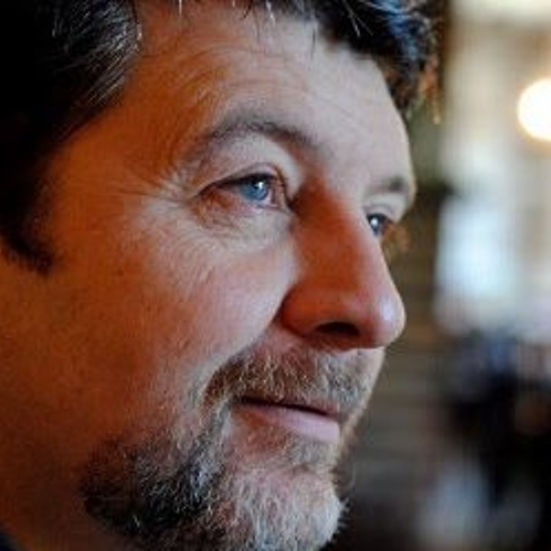
MITCH HOROWITZ

MITCH HOROWITZ

Historian of Alternative Spirituality & PEN Award-Winning Author

I’ve always considered myself a believing historian and, in fact, most historians of religion are actually believing historians. Very frequently they emerge from the congregations that they’re writing about, whether new religious movements or traditional religions, this is true of Kabbalistic scholar Gershom Scholem, it’s true of people who have written probably the most important biographies of more recent religious figures like Mary Baker Eddy or Joseph Smith, a Mormon prophet. Although, historians don’t frequently acknowledge being believing historians because they feel that it might seem to compromise their capacity for critical judgement, but my impression is different. My impression is that being in very direct proximity to the nature of the philosophical, religious, ethical, therapeutic movements that you’re writing about can heighten your critical acumen.

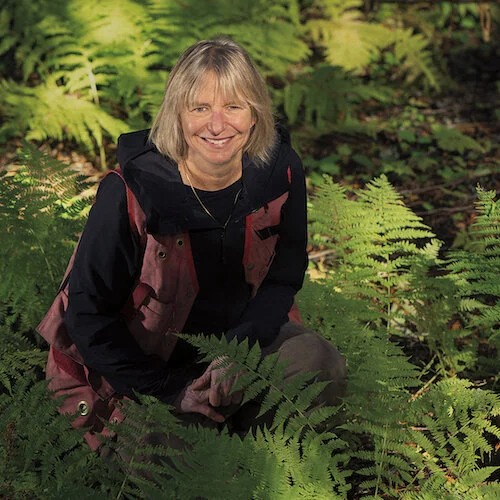
(Highlights) DR. SUZANNE SIMARD

(Highlights) DR. SUZANNE SIMARD

Professor of Forest Ecology
Author of Finding the Mother Tree

Think of yourself as a tree. You’ve got neighbours that you live beside for hundreds if not thousands of years, and none of you can move around, so you just have to communicate in other ways. And so trees have evolved to have these ways of communicating with each other, and they’re sophisticated, they’re nuanced. They include things like transmitting information through these root networks that link them together. They transmit information to each other through the air, so they perceive each other, they communicate and then they respond to each other. And that language is complex.

DR. SUZANNE SIMARD

DR. SUZANNE SIMARD

Professor of Forest Ecology
Author of Finding the Mother Tree

Think of yourself as a tree. You’ve got neighbours that you live beside for hundreds if not thousands of years, and none of you can move around, so you just have to communicate in other ways. And so trees have evolved to have these ways of communicating with each other, and they’re sophisticated, they’re nuanced. They include things like transmitting information through these root networks that link them together. They transmit information to each other through the air, so they perceive each other, they communicate and then they respond to each other. And that language is complex.

(Highlights) DONALD ROBERTSON

(Highlights) DONALD ROBERTSON

Writer, Cognitive-Behavioural Psychotherapist
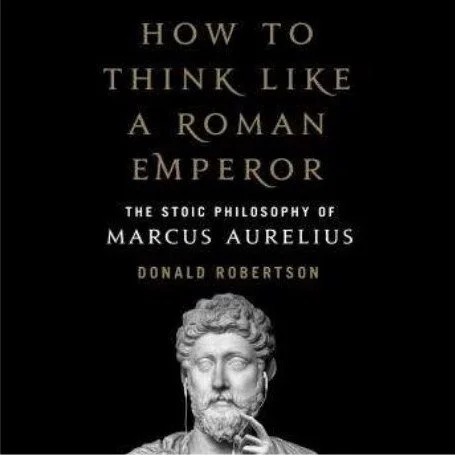
Author of How to Think Like a Roman Emperor

At first when I began writing these books, people told me that they didn’t think there was an audience for them. They thought it was a kind of niche subject, nobody was really that interested in it. And then gradually it became clear that there’s a surprisingly big audience of people that really have a craving for Classical wisdom and are interested in history, in the relationship between history and self-improvement and philosophy and psychotherapy.

DONALD ROBERTSON

DONALD ROBERTSON

Writer, Cognitive-Behavioural Psychotherapist
Author of How to Think Like a Roman Emperor

At first when I began writing these books, people told me that they didn’t think there was an audience for them. They thought it was a kind of niche subject, nobody was really that interested in it. And then gradually it became clear that there’s a surprisingly big audience of people that really have a craving for Classical wisdom and are interested in history, in the relationship between history and self-improvement and philosophy and psychotherapy.

(Highlights) PETER SINGER

(Highlights) PETER SINGER

Most Influential Living Philosopher
Author · Founder of The Life You Can Save

I would like young people to recognise that they are part of a long tradition that has been trying to the make the world a better place. A tradition that goes back as far as we have recorded history, that there are people who tried to–like Socrates, but also like Buddha and many other figures in different cultures–think more about how we ought to live in accordance with their thinking. Tried to do good in the world and that’s a tradition they can be part of. This generation really does hold the future of the planet in its hands.

PETER SINGER

PETER SINGER

Most Influential Living Philosopher
Author · Founder of The Life You Can Save

I would like young people to recognise that they are part of a long tradition that has been trying to the make the world a better place. A tradition that goes back as far as we have recorded history, that there are people who tried to–like Socrates, but also like Buddha and many other figures in different cultures–think more about how we ought to live in accordance with their thinking. Tried to do good in the world and that’s a tradition they can be part of. This generation really does hold the future of the planet in its hands.