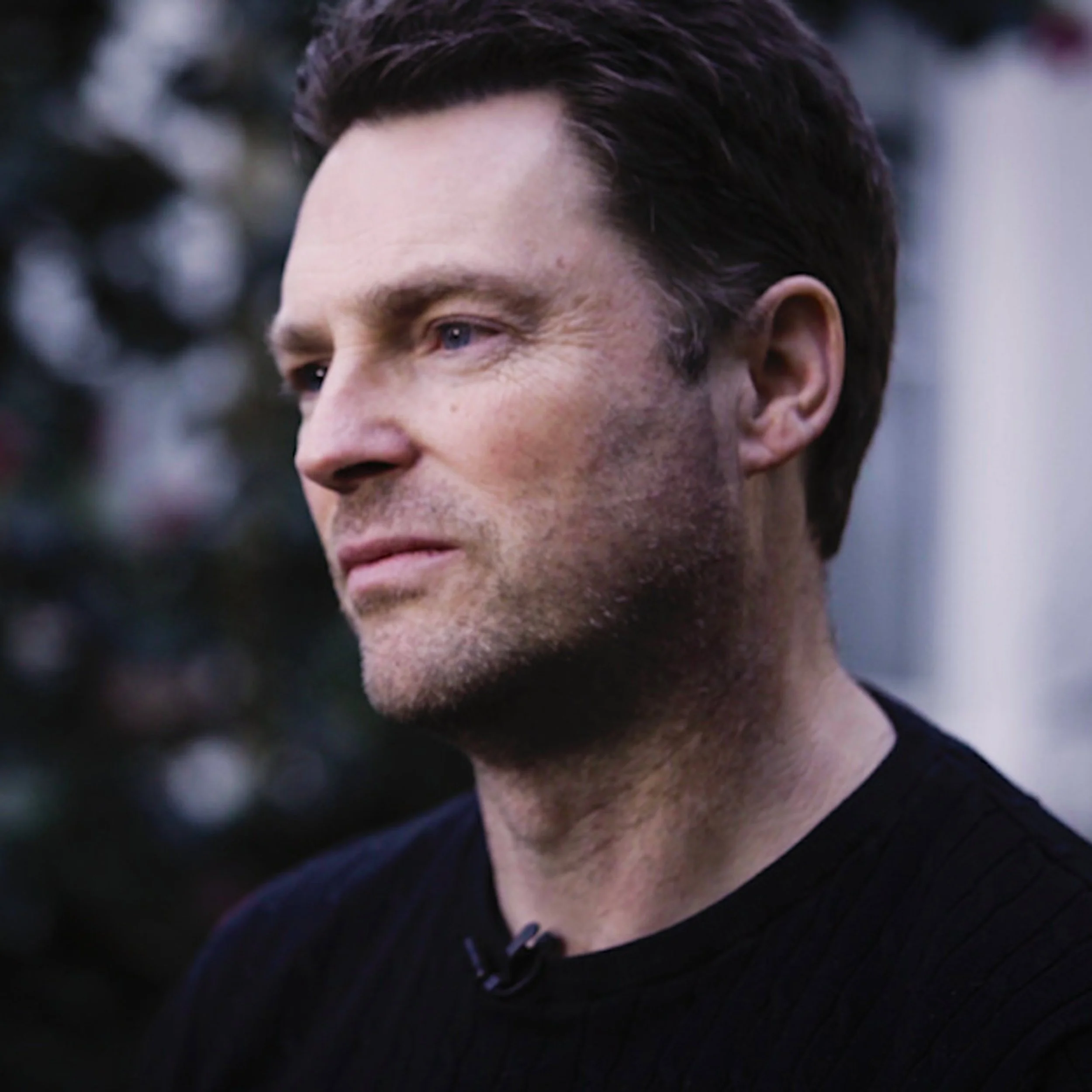
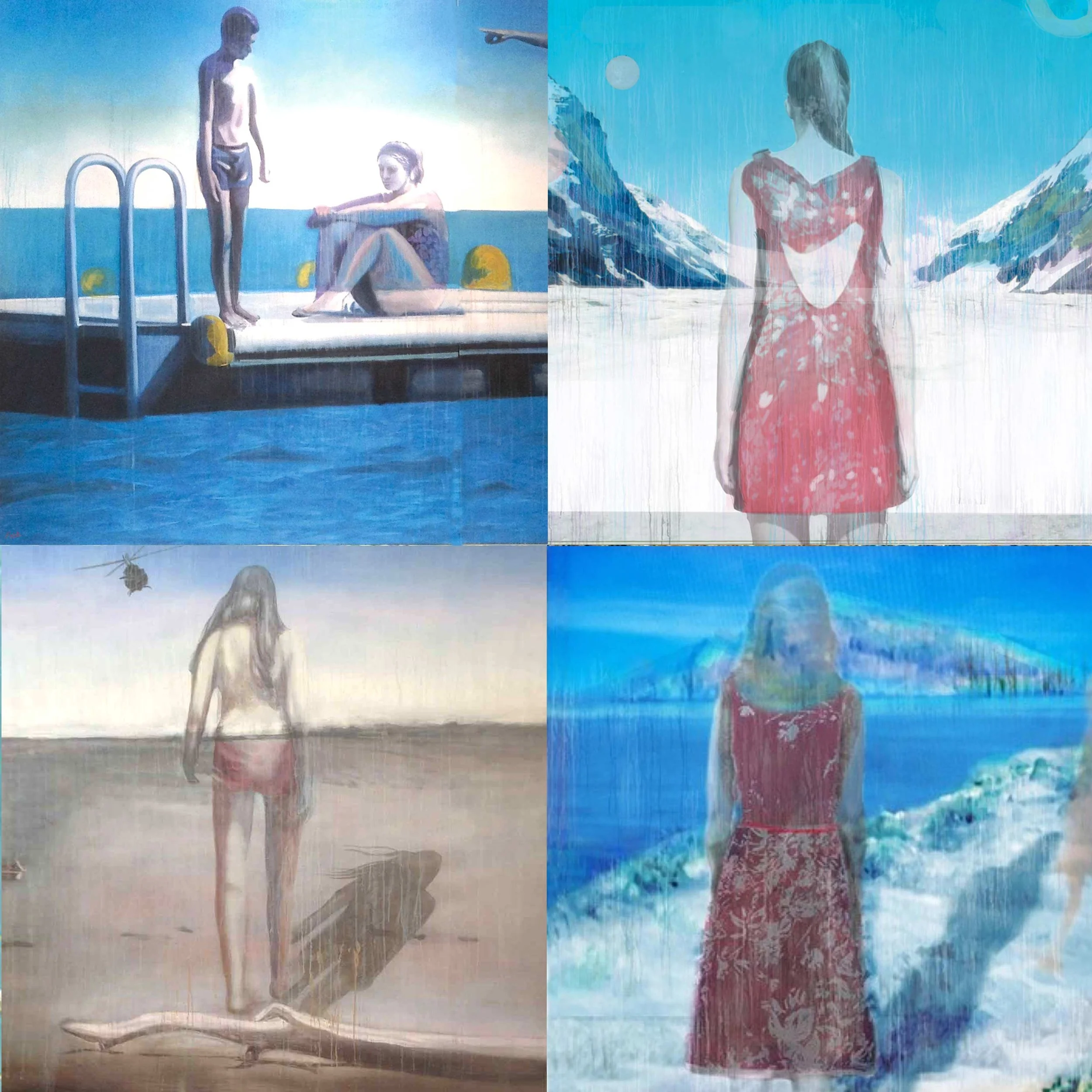
Highlights - Actress CATHERINE CURTIN (Orange is the New Black) & Artistic Director KATE MUETH (Director, Educator, Choreographer)

Highlights - Actress CATHERINE CURTIN (Orange is the New Black) & Artistic Director KATE MUETH (Director, Educator, Choreographer)

"I don't know why we would really want to tell stories without being connected to the meaning. And I think that's especially for women, but I do think for human beings, that is how we can work as hard and be able to get up the next morning and keep going. Because we are working through the meaning, and it feeds us as we're like making sense of it all, trying to make sense of it, and for being in community and communion.” - Kate Mueth
”What we've done today is we've made everything so fast and so easy that I think there's something to the creative process about it being a little bit more of an exploration than it is wham bam, it's done. Let's go have lunch. And I think there is something to the creative process where it's allowed to develop. It's called process because it is a process. I'm always glad to just relax in the creative process, and I'm always very grateful for that. I think it's why I do so much indie film because it's really fun.” -Catherine Curtin

Actress CATHERINE CURTIN (Stranger Things) & Artistic Director KATE MUETH (Neo-Political Cowgirls)

Actress CATHERINE CURTIN (Stranger Things) & Artistic Director KATE MUETH (Neo-Political Cowgirls)

"I don't know why we would really want to tell stories without being connected to the meaning. And I think that's especially for women, but I do think for human beings, that is how we can work as hard and be able to get up the next morning and keep going. Because we are working through the meaning, and it feeds us as we're like making sense of it all, trying to make sense of it, and for being in community and communion.” - Kate Mueth
”What we've done today is we've made everything so fast and so easy that I think there's something to the creative process about it being a little bit more of an exploration than it is wham bam, it's done. Let's go have lunch. And I think there is something to the creative process where it's allowed to develop. It's called process because it is a process. I'm always glad to just relax in the creative process, and I'm always very grateful for that. I think it's why I do so much indie film because it's really fun.” -Catherine Curtin

Highlights - Nobel Peace Prize-winning Climate Scientist MARK HOWDEN - Director, Climate Change Institute at ANU - Vice Chair of IPCC

Highlights - Nobel Peace Prize-winning Climate Scientist MARK HOWDEN - Director, Climate Change Institute at ANU - Vice Chair of IPCC

Director of the Climate Change Institute at The Australian National University
Vice Chair of the Intergovernmental Panel on Climate Change (IPCC)
Co-recipient of the 2007 NOBEL PEACE PRIZE

We live in a diverse world, and we're in a funny time where we sometimes see the best of humanity and the worst of humanity. And I think what we need to do is be very strong in wanting to lift the game of each other and ourselves. And so I think that's one of the sort of key things. Particularly, young people should be more demanding that we behave better towards each other and care more about each other and the world that we live in. In terms of these heatwaves, droughts, and fires that the world is seeing, which we thought were going to hit us in 2050 or 2070, are hitting us now in 2023. So, those risks are coming much faster and harder than we thought they were going to come. And so, in many cases, we're unprepared for the severity of these changes.

MARK HOWDEN - Vice Chair, Intergovernmental Panel on Climate Change - Director, Climate Change Institute at The Australian National University

MARK HOWDEN - Vice Chair, Intergovernmental Panel on Climate Change - Director, Climate Change Institute at The Australian National University

Director of the Climate Change Institute at The Australian National University
Vice Chair of the Intergovernmental Panel on Climate Change (IPCC)
Co-recipient of the 2007 NOBEL PEACE PRIZE

We live in a diverse world, and we're in a funny time where we sometimes see the best of humanity and the worst of humanity. And I think what we need to do is be very strong in wanting to lift the game of each other and ourselves. And so I think that's one of the sort of key things. Particularly, young people should be more demanding that we behave better towards each other and care more about each other and the world that we live in. In terms of these heatwaves, droughts, and fires that the world is seeing, which we thought were going to hit us in 2050 or 2070, are hitting us now in 2023. So, those risks are coming much faster and harder than we thought they were going to come. And so, in many cases, we're unprepared for the severity of these changes.

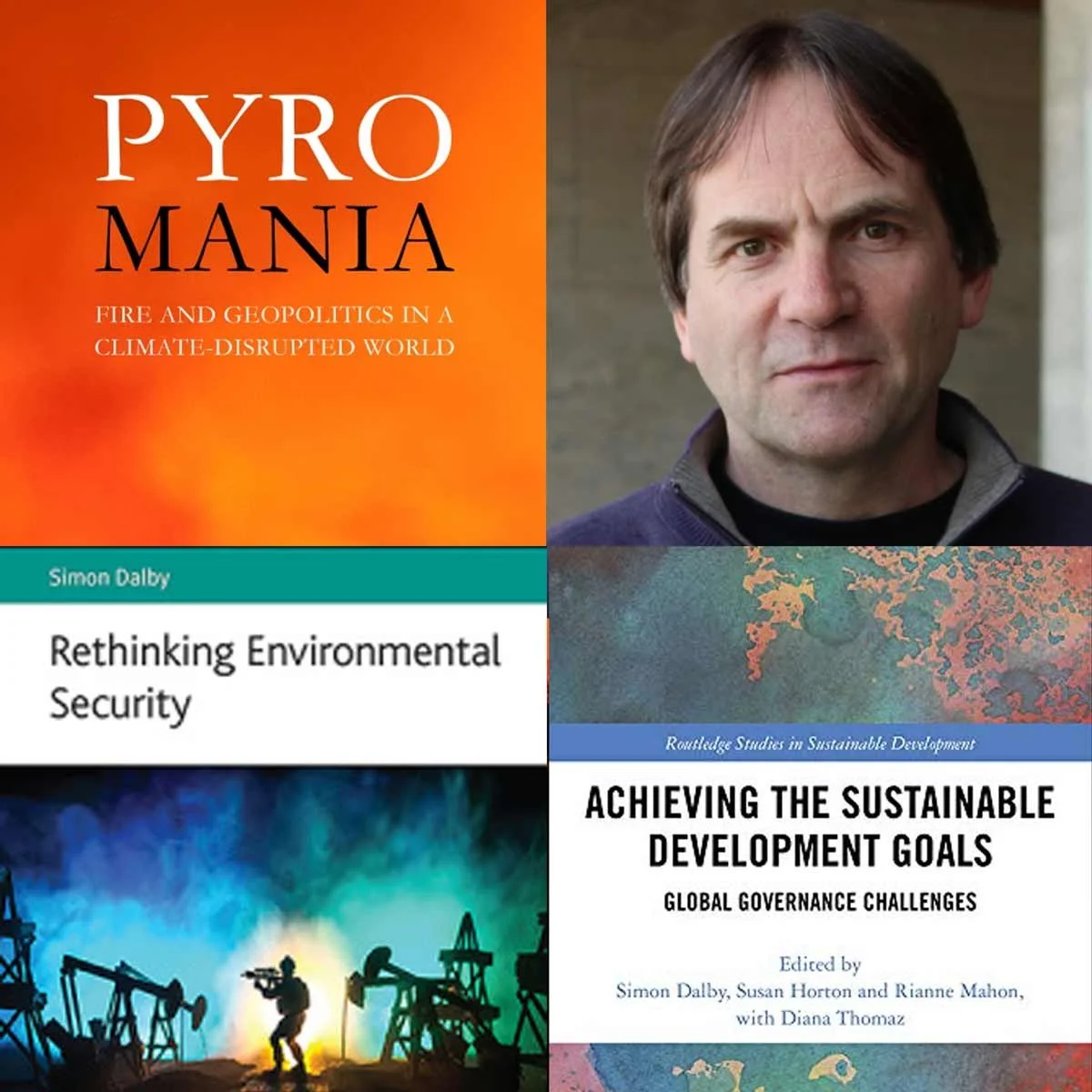
SIMON DALBY - Author of Pyromania: Fire and Geopolitics in a Climate-Disrupted World

SIMON DALBY - Author of Pyromania: Fire and Geopolitics in a Climate-Disrupted World

Author of Pyromania: Fire and Geopolitics in a Climate-Disrupted World
Professor Emeritus at Wilfrid Laurier University

We also need to note most people move locally rather than globally. In the discussions about climate refugees, people are going to be dislocated. There are obviously going to be places that are going to become quite literally uninhabitable because they're too hot and too dry, or they've been flooded so frequently that they're just not sustainable. That said it is also worth pointing out that this climate change process is playing out in a global economy, which is also changing where people live and how people live very rapidly. the migration from rural areas to urban systems has been massive over the last couple of generations. We became an urban species.

Highlights - MARK MASLIN - Author of How To Save Our Planet: The Facts - Professor, Earth System Science, UCLondon

Highlights - MARK MASLIN - Author of How To Save Our Planet: The Facts - Professor, Earth System Science, UCLondon

Author of How To Save Our Planet: The Facts
Professor of Earth System Science at University College London

I think the most important thing is realizing how much impact humans have had on the planet. For example, did you know that we move more rock and sediment than all the natural processes put together? We also have created enough concrete already to cover the whole world in a layer that's two millimeters thick, and that includes the oceans. We have also created and make something like 300 million tons of plastic every single year, which we know ends up in our rivers. It ends up in our oceans. And we've also found that microplastics have been found in human blood. So this is the impact we're having all around the world. We've also cut down 3 trillion trees, that's half the trees on the planet. We have doubled carbon dioxide in the atmosphere. We've increased methane by about 150%, which has led to a warming of the planet of about 1.2 degrees Celsius. And If you weigh the land mammals, 30% of that weight is us humans. There are 8 billion of us, and I have to say a few of us could lose a few pounds, but 67% of that weight is our livestock. And just 3% is those wild animals. So in less than 5,000 years, we've gone from 99% being wild animals to less than 3%. That's how much impact we humans have had on the planet.

MARK MASLIN - Author of How To Save Our Planet: The Facts - Professor, Earth System Science, University College London

MARK MASLIN - Author of How To Save Our Planet: The Facts - Professor, Earth System Science, University College London

Author of How To Save Our Planet: The Facts
Professor of Earth System Science at University College London

I think the most important thing is realizing how much impact humans have had on the planet. For example, did you know that we move more rock and sediment than all the natural processes put together? We also have created enough concrete already to cover the whole world in a layer that's two millimeters thick, and that includes the oceans. We have also created and make something like 300 million tons of plastic every single year, which we know ends up in our rivers. It ends up in our oceans. And we've also found that microplastics have been found in human blood. So this is the impact we're having all around the world. We've also cut down 3 trillion trees, that's half the trees on the planet. We have doubled carbon dioxide in the atmosphere. We've increased methane by about 150%, which has led to a warming of the planet of about 1.2 degrees Celsius. And If you weigh the land mammals, 30% of that weight is us humans. There are 8 billion of us, and I have to say a few of us could lose a few pounds, but 67% of that weight is our livestock. And just 3% is those wild animals. So in less than 5,000 years, we've gone from 99% being wild animals to less than 3%. That's how much impact we humans have had on the planet.

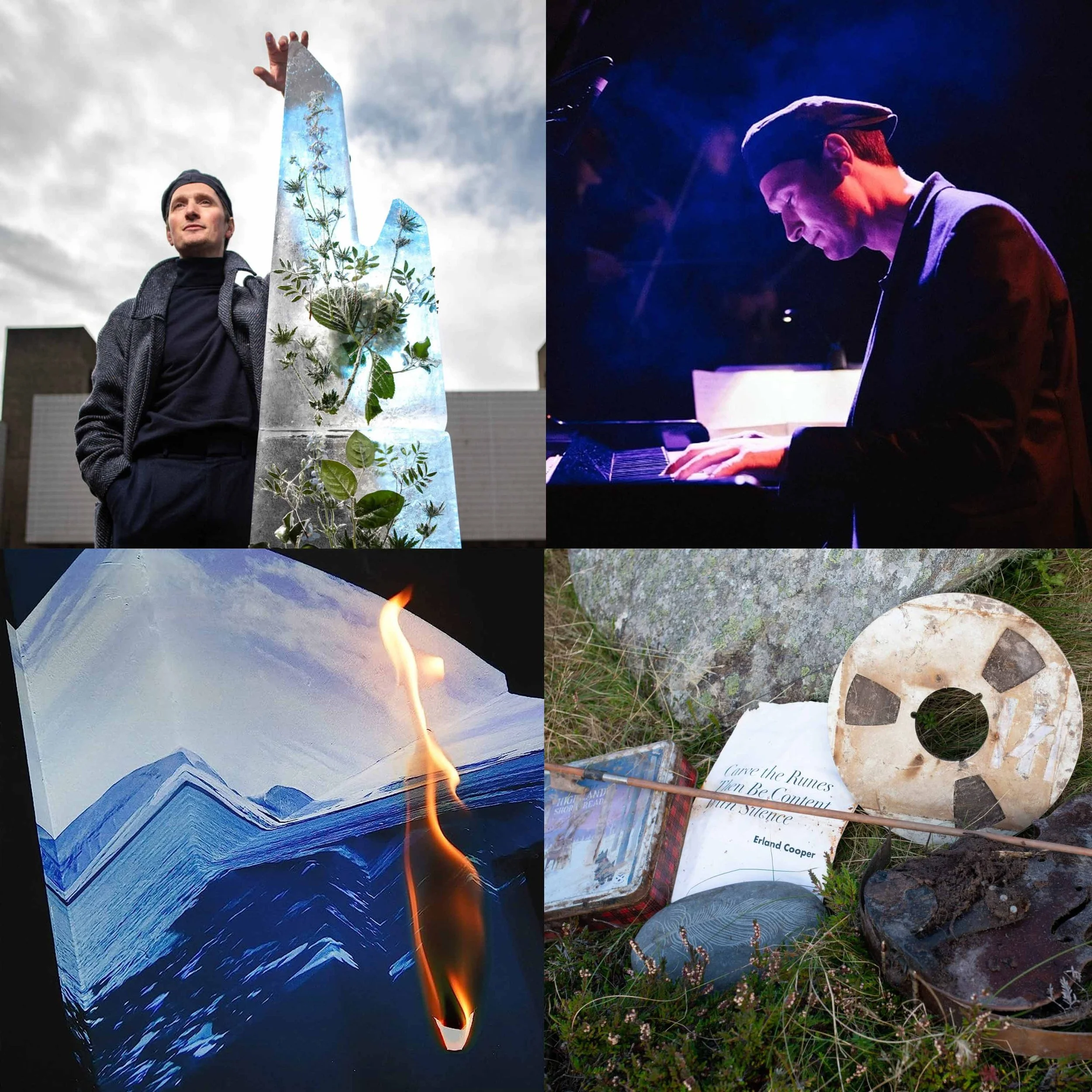
Highlights - Erland Cooper - Scottish Composer, Producer, Multi-instrumentalist

Highlights - Erland Cooper - Scottish Composer, Producer, Multi-instrumentalist

Nature’s Songwriter
Producer · Multi-instrumentalist · Composer of Folded Landscapes

Music has the ability to transport you to a place and create a sort of internal landscape. And we all have life-changing things that happened to us. And I remember I made it as a way to kind of ease a busy mind. And perhaps I was missing home. I still call Orkney home, even though I'm not there every day. I'm a thousand miles away today, and I still call Orkney home. For example, when I hear the voice of the curlew, it transports me back to Orkney with such a jolt. In a heartbeat. And music can do that too. It's very transformative. Visual arts have the ability to do that too. And you could stare at a Rothko painting and cry and not quite know why. It can take days to figure out perhaps certain meanings from it. But music I think is quite instant. It can really do that.

Erland Cooper - Nature’s Songwriter - Composer of “Folded Landscapes”

Erland Cooper - Nature’s Songwriter - Composer of “Folded Landscapes”

Nature’s Songwriter
Producer · Multi-instrumentalist · Composer of Folded Landscapes

Music has the ability to transport you to a place and create a sort of internal landscape. And we all have life-changing things that happened to us. And I remember I made it as a way to kind of ease a busy mind. And perhaps I was missing home. I still call Orkney home, even though I'm not there every day. I'm a thousand miles away today, and I still call Orkney home. For example, when I hear the voice of the curlew, it transports me back to Orkney with such a jolt. In a heartbeat. And music can do that too. It's very transformative. Visual arts have the ability to do that too. And you could stare at a Rothko painting and cry and not quite know why. It can take days to figure out perhaps certain meanings from it. But music I think is quite instant. It can really do that.

Highlights - SERGEI GURIEV - Political Economist - Provost of SciencesPo - Co-author of Spin Dictators

Highlights - SERGEI GURIEV - Political Economist - Provost of SciencesPo - Co-author of Spin Dictators

Political Economist · Provost of SciencesPo
Co-author of Spin Dictators: The Changing Face of Tyranny in the 21st Century

In Russia, I ran a university, a new economic school. And as an economist and a public intellectual, I was engaged in interactions with the government, including with Vladimir Putin. And there, of course, the situation was that Russia was already a nondemocratic country, meaning that it was a country where elections were not free and fair and partial censorship was already in place. Yet in those years, we could express ourselves openly, not on national TV, but at least in newspapers and on radio. And that eventually brought me into trouble with Vladimir Putin, who at some point suggested that I talked too much and I should not be in the same country. I was also interrogated. My office was searched. And at some point, common friends told me, 'Look, you shouldn't be here.' And I bought a one-way ticket for the next day and just left Russia. The dictators in the 20th century used military or paramilitary uniforms to project brute force and fear. Today, the situation is different. Successful dictators pretend to be democrats.

SERGEI GURIEV - Economist - Provost of SciencesPo - Co-author of Spin Dictators: The Changing Face of Tyranny in the 21st Century

SERGEI GURIEV - Economist - Provost of SciencesPo - Co-author of Spin Dictators: The Changing Face of Tyranny in the 21st Century

Political Economist · Provost of SciencesPo
Co-author of Spin Dictators: The Changing Face of Tyranny in the 21st Century

In Russia, I ran a university, a new economic school. And as an economist and a public intellectual, I was engaged in interactions with the government, including with Vladimir Putin. And there, of course, the situation was that Russia was already a nondemocratic country, meaning that it was a country where elections were not free and fair and partial censorship was already in place. Yet in those years, we could express ourselves openly, not on national TV, but at least in newspapers and on radio. And that eventually brought me into trouble with Vladimir Putin, who at some point suggested that I talked too much and I should not be in the same country. I was also interrogated. My office was searched. And at some point, common friends told me, 'Look, you shouldn't be here.' And I bought a one-way ticket for the next day and just left Russia. The dictators in the 20th century used military or paramilitary uniforms to project brute force and fear. Today, the situation is different. Successful dictators pretend to be democrats.

Highlights - JASON deCAIRES TAYLOR - Sculptor, Environmentalist, Creator of Underwater Museums

Highlights - JASON deCAIRES TAYLOR - Sculptor, Environmentalist, Creator of Underwater Museums

Sculptor · Environmentalist · Creator of Underwater Museums

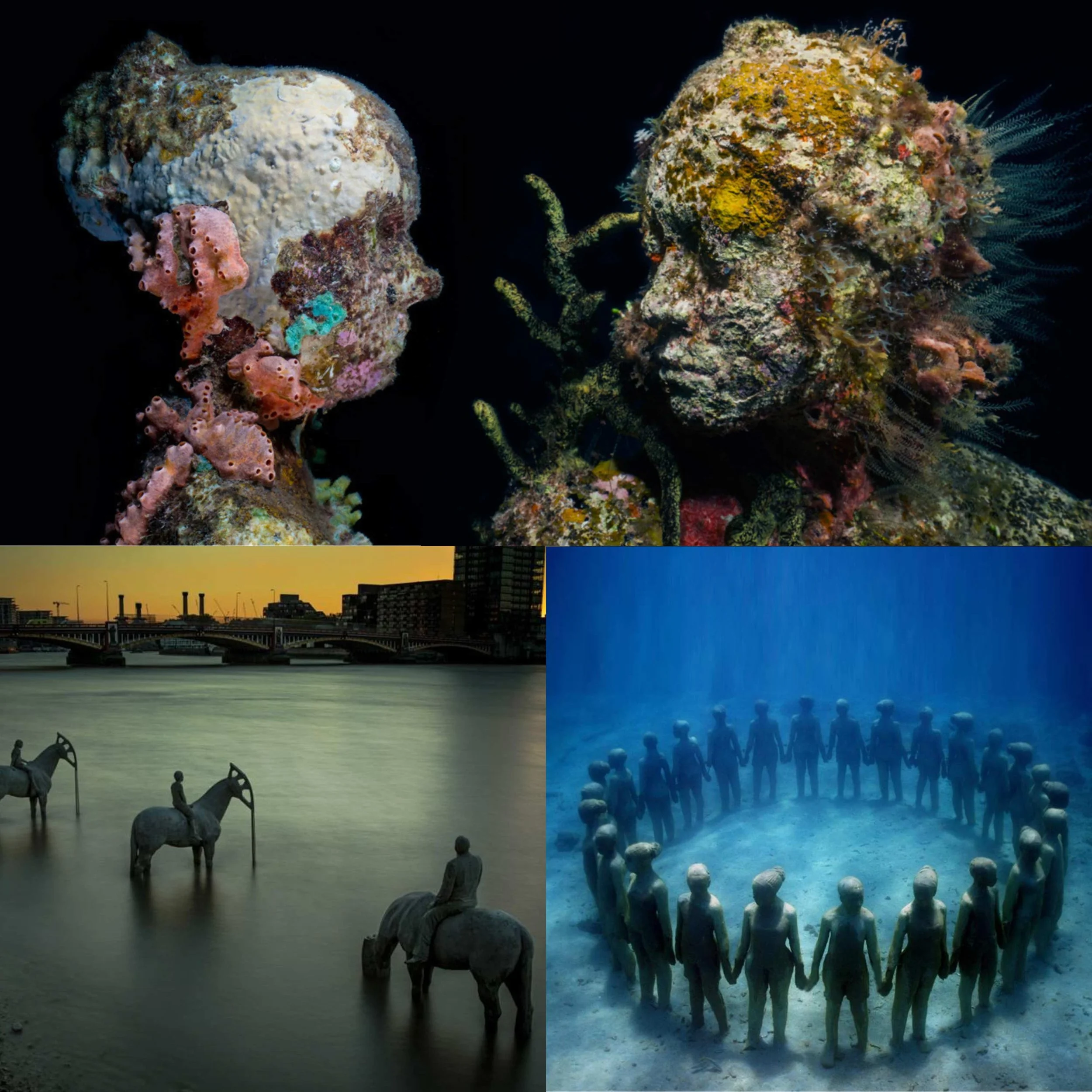
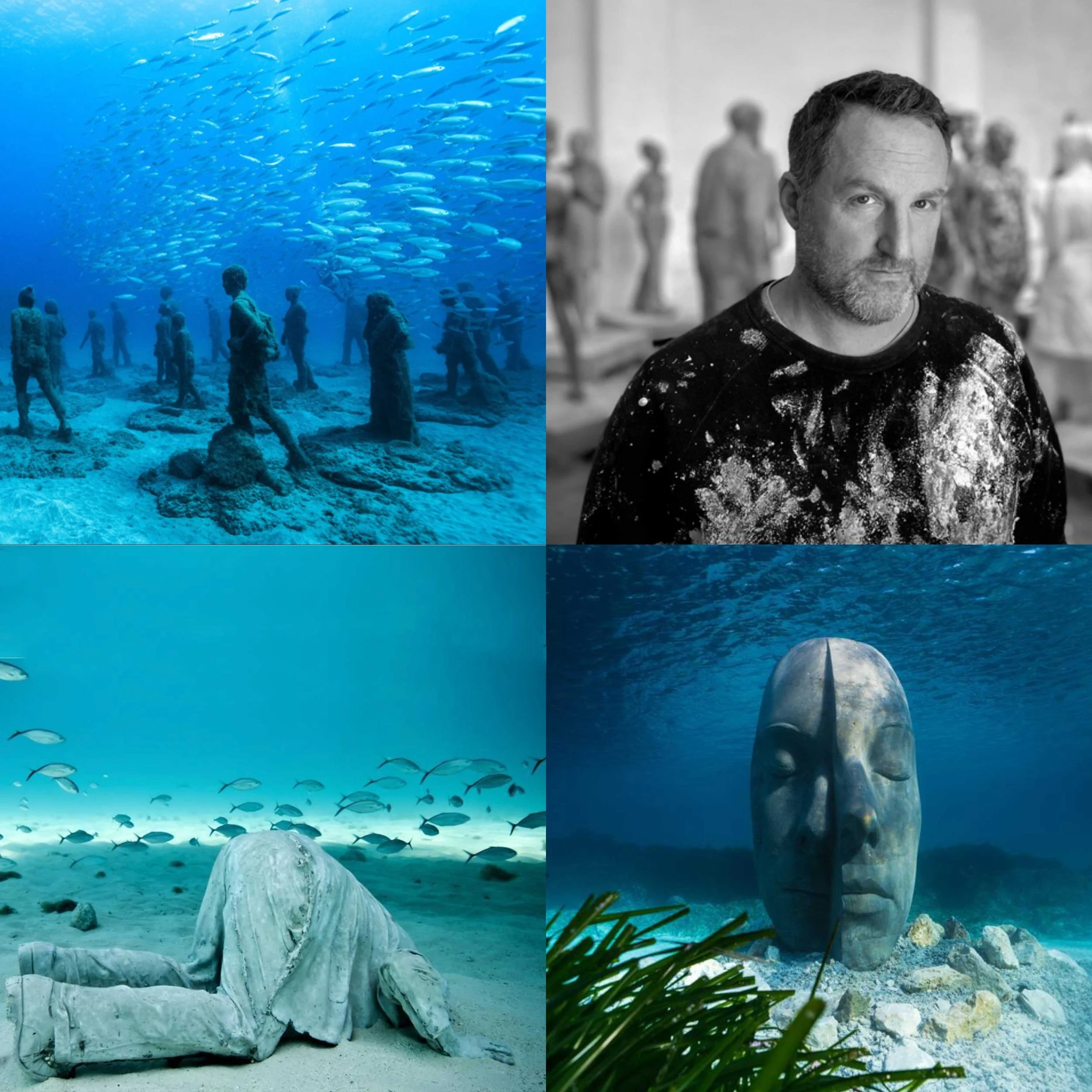
The sculptures get claimed and almost owned by the sea. And the textures that form the patterns, all things that could never be reproduced by human hands. And it's entirely unpredictable in many cases. I go to some of the "museums" expect to see this type of colonization or this type of growth, and it's nothing like how I've seen it envisaged it. It's completely different. Other times something has been made at its home, and there's an octopus that's built a house around it, or there's a school of fish that have nestled within the formations. There have been many, many different surprises along the way. I first started in the West Indies on an island called Grenada, which has a tropical reef system. And I expected the works to be sort of colonized. And I knew hard corals took a very long time to get established, to build their calcium skeletons, but actually, they were colonized within days. We saw white little calcareous worms, pink coraline algae, and green algae literally appeared sort of overnight.

JASON deCAIRES TAYLOR - Sculptor, Environmentalist, Creator of Underwater Museums

JASON deCAIRES TAYLOR - Sculptor, Environmentalist, Creator of Underwater Museums

Sculptor · Environmentalist · Creator of Underwater Museums

The sculptures get claimed and almost owned by the sea. And the textures that form the patterns, all things that could never be reproduced by human hands. And it's entirely unpredictable in many cases. I go to some of the "museums" expect to see this type of colonization or this type of growth, and it's nothing like how I've seen it envisaged it. It's completely different. Other times something has been made at its home, and there's an octopus that's built a house around it, or there's a school of fish that have nestled within the formations. There have been many, many different surprises along the way. I first started in the West Indies on an island called Grenada, which has a tropical reef system. And I expected the works to be sort of colonized. And I knew hard corals took a very long time to get established, to build their calcium skeletons, but actually, they were colonized within days. We saw white little calcareous worms, pink coraline algae, and green algae literally appeared sort of overnight.

Highlights - DOMINIC McAFEE - Marine Ecologist, University of Adelaide - Restoring Lost Oyster Reefs

Highlights - DOMINIC McAFEE - Marine Ecologist, University of Adelaide - Restoring Lost Oyster Reefs

Marine Ecologist · University of Adelaide · Restoring Lost Oyster Reefs

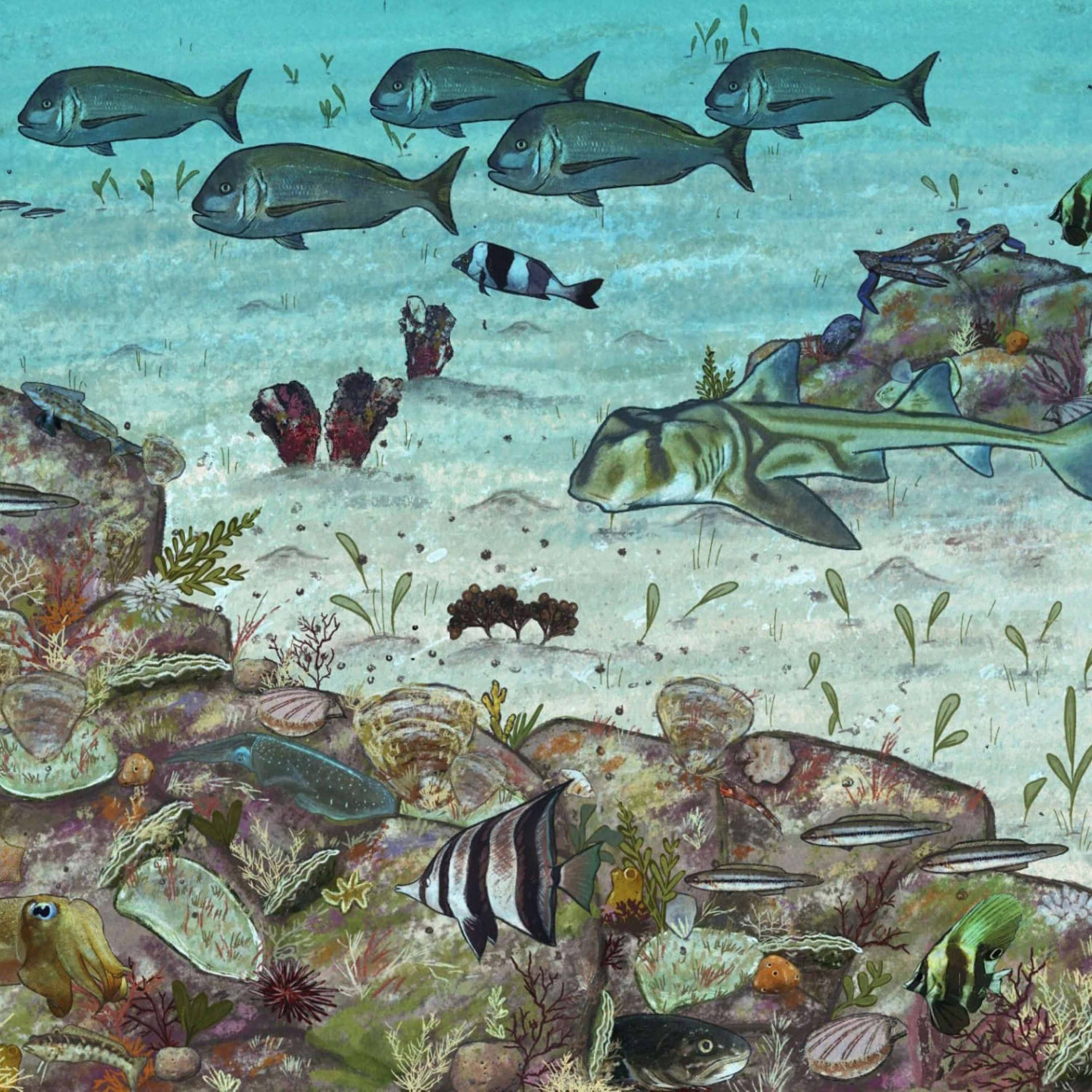
There's this real emergence of young people doing incredible things enabled by bio-modern technology and a more globalized and connected world and access to amazing educational resources about what the environment does and means for humanity. We've lost something like 85% of oyster reefs globally. In Australia it's over 99%. We've smashed this ecosystem to smithereens. It covered something like 7,000 kilometers of coastline and the flat oyster reef, for example, the flat oysters, one type of oyster that we work with were completely removed from the Australian mainland, and about 5,000 kilometers of reef destroyed in a very short period of time. And because of the intensity with which the coastlines were modified following European settlement of Australia, they haven't been able to come back naturally.

DOMINIC McAFEE - Marine Ecologist, University of Adelaide - Restoring Lost Oyster Reefs

DOMINIC McAFEE - Marine Ecologist, University of Adelaide - Restoring Lost Oyster Reefs

Marine Ecologist · University of Adelaide · Restoring Lost Oyster Reefs

There's this real emergence of young people doing incredible things enabled by bio-modern technology and a more globalized and connected world and access to amazing educational resources about what the environment does and means for humanity. We've lost something like 85% of oyster reefs globally. In Australia it's over 99%. We've smashed this ecosystem to smithereens. It covered something like 7,000 kilometers of coastline and the flat oyster reef, for example, the flat oysters, one type of oyster that we work with were completely removed from the Australian mainland, and about 5,000 kilometers of reef destroyed in a very short period of time. And because of the intensity with which the coastlines were modified following European settlement of Australia, they haven't been able to come back naturally.

Highlights - MARK GOTTLIEB - Vice President & Literary Agent at Trident Media Group

Highlights - MARK GOTTLIEB - Vice President & Literary Agent at Trident Media Group

Vice President & Literary Agent at Trident Media Group

There's a lot of apprenticeship in our industry because historically it had to be that way, otherwise what you would have in publishing - there's still a lot of this - is a bunch of English majors trying to make sense of how to run a business, right?Because book publishing or working at a literary agency - a talent agency for authors like I do - is at the crossroads of creative and business. And if you didn't have that kind of apprenticeship, someone to learn from at the company where you work, then we would all just be English majors just trying to feel our way in the dark.

I think that the important thing for people to really know about storytelling is that books are sort of like the oil paintings of the new media. It's a very fine art form, an old art form, and a story exists in everything, whether it's a photograph, a painting, a song, or a movie, it all began with a story. And stories have been here from the dawn of time. They're going to forever be in our existence, but I think people should just always have curious minds and seek out stories and storytelling and try to see the story in everything, not just look at things for face value.

MARK GOTTLIEB - Vice President & Literary Agent at Trident Media Group

MARK GOTTLIEB - Vice President & Literary Agent at Trident Media Group

Vice President & Literary Agent at Trident Media Group

There's a lot of apprenticeship in our industry because historically it had to be that way, otherwise what you would have in publishing - there's still a lot of this - is a bunch of English majors trying to make sense of how to run a business, right?Because book publishing or working at a literary agency - a talent agency for authors like I do - is at the crossroads of creative and business. And if you didn't have that kind of apprenticeship, someone to learn from at the company where you work, then we would all just be English majors just trying to feel our way in the dark.

I think that the important thing for people to really know about storytelling is that books are sort of like the oil paintings of the new media. It's a very fine art form, an old art form, and a story exists in everything, whether it's a photograph, a painting, a song, or a movie, it all began with a story. And stories have been here from the dawn of time. They're going to forever be in our existence, but I think people should just always have curious minds and seek out stories and storytelling and try to see the story in everything, not just look at things for face value.

RICHARD VEVERS -  Founder & CEO of The Ocean Agency · Featured in Netflix’s Chasing Coral

RICHARD VEVERS - Founder & CEO of The Ocean Agency · Featured in Netflix’s Chasing Coral

Founder & CEO of The Ocean Agency · Featured in Netflix’s Chasing Coral

People just forget the importance of the ocean. It controls the climate system and sustains life. For example, there are 20 billion carbon-capturing sea creatures for every human being. They are sucking carbon out of the system and pooping it to the ocean floor. And this is one of the solutions happening on an epic scale in the ocean. And there are so many other examples like that. And if you think about our bodies, we're 60% water. And that water was once in the ocean with fish swimming through it.

WORLD OCEANS DAY

WORLD OCEANS DAY

Voices of environmentalists and artists.
Enjoy this Special Series with music courtesy of composer, producer and multi-instrumentalist Erland Cooper.

Highlights - DITTE LYSGAARD VIND - Circular Economy & Design Expert - Founder of The Circular Way

Highlights - DITTE LYSGAARD VIND - Circular Economy & Design Expert - Founder of The Circular Way

Circular Economy & Design Expert · Founder of The Circular Way
Author of Danish Design Heritage & Global Sustainability

Putting design first, it really enables us to shape a future that we don't yet know. But we need to be super tactile and practical about it as well. And then seeing that is something that design very much has the ability to do. And at the same time, having this growing frustration that wherever you go, wherever you talk about sustainability, it was a compromise. It was something that meant uglier, less convenient, more expensive, all these different things, but then diving into the Danish Design heritage, seeing that what set them apart was that after the World Wars, they had a social purpose of democratizing and rebuilding the welfare state, and that was not something that lessened the final result. On the contrary, it heightened the ambition, the final design, and the solutions.