All The Light We Cannot See

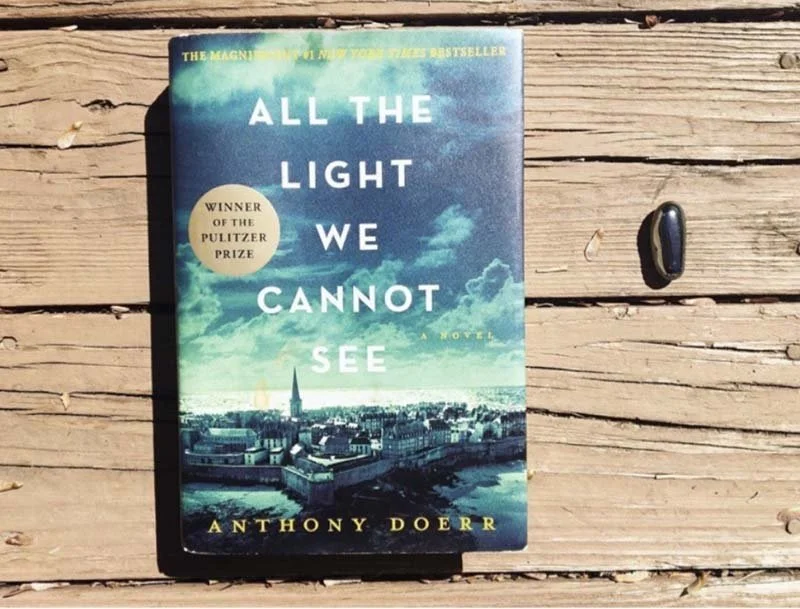
All The Light We Cannot See

I always thought, or imagined, that there were these invisible lines trembling in our wake, outlining our trajectories through life, throbbing with electric energy. Lines that sometimes cross one other, or follow in parallel ellipses without ever touching, or meet up for one brief moment and then part. A universe of lines crisscrossing in the void.
Why Do We Listen to the Talkers More Than the Builders Saving the Planet?

Why Do We Listen to the Talkers More Than the Builders Saving the Planet?

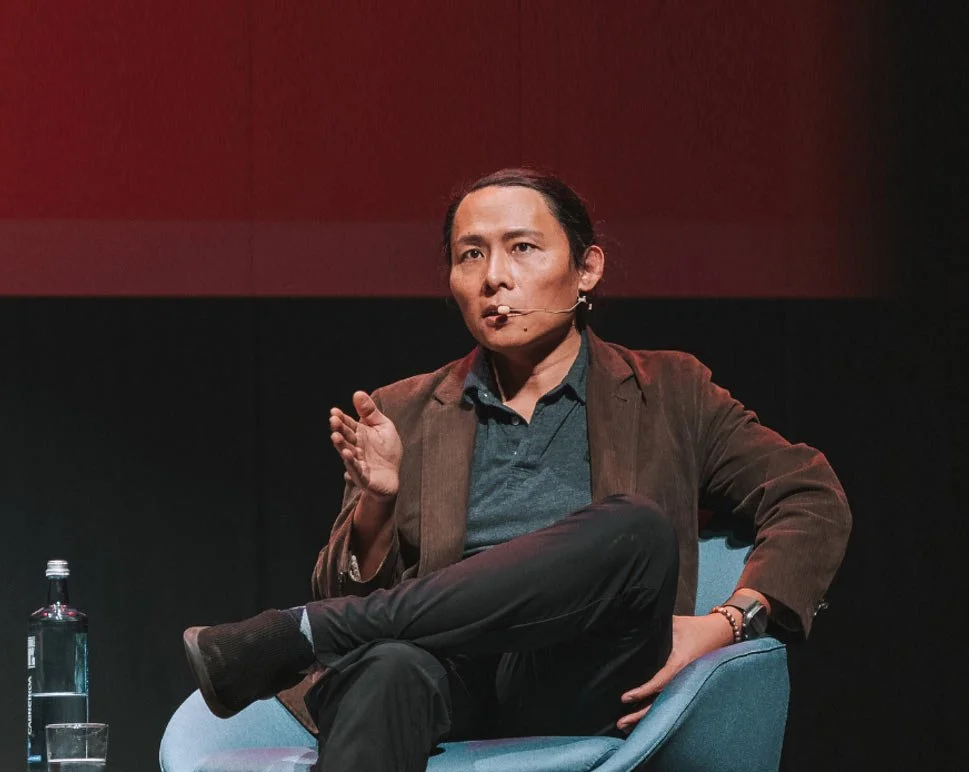
TOM CHI · Physicist · Designer · Inventor · Google X Co-founder (Glass, Loon, Waymo) · Founding Partner of At One Ventures · Author of Climate Capital

In the book I spend a bunch of time basically teaching skills and frameworks of thinking. Not to indoctrinate, it's not a framework like an ideology where you need to believe exactly these things. This is a lot more about how does one use their minds effectively to solve problems that have been solved before. I work on things that have to do with investment and climate and the future of the economy and automation. The main things I'm trying to teach in the book are skills around creativity, critical thinking, community compassion and frameworks around how to go and use that on problems that should be relatively portable to a bunch of problems that are meaningful to you.

Who Are We? What Makes Us Care?

Who Are We? What Makes Us Care?

We explore the internal dialogues of artists and writers to ask what it means to step into someone else's shoes and expand our sense of solidarity through stories. Jim Shepard, Neil Patrick Harris, Katie Kitamura, Laura Eason, Sharmeen Obaid-Chinoy, Benoit Delhomme, Etgar Keret, Viet Thanh Nguyen, Adam Moss, John Patrick Shanley and Nicholas Kristof share their stories.

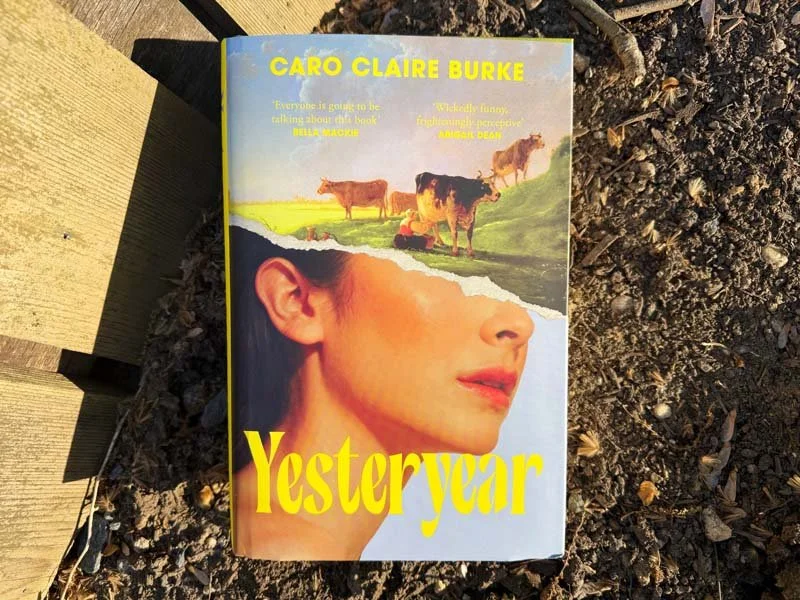
Yesteryear

Yesteryear

“You’re reading what?!” echo my literary fiction friends, lighting up my DM’s like fireflies in the summer grass. What can I say. I caved. I dipped my feet in the Zeitgeist.

How much more delicious/genius/alluring could the premise be? A tradwife selling the fantasy of life in Yesteryear (a place and an idea) to her millions of followers, finds herself waking up one day in 1855 and having to contend with how life in said yesteryear actually felt like. Genius indeed. What follows is a thriller/satire/absurdist tale of the highest order, written with fury and acerbic bite, propulsive and unputdownable. Bookish crack cocaine. Halloween candy on overdrive.

How the Arts Can Transform Our Health

How the Arts Can Transform Our Health

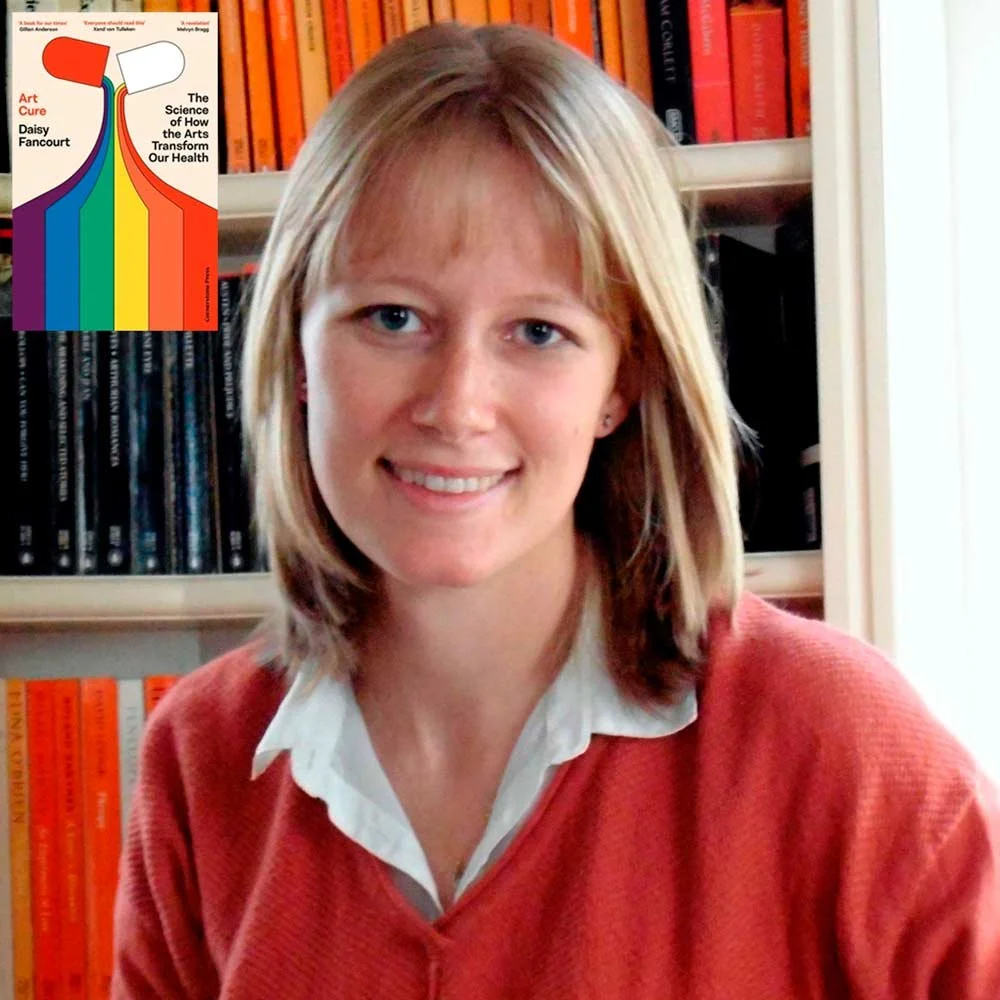
DAISY FANCOURT · Author of Art Cure · Director of WHO Collaborating Centre on Arts & Health · Prof. Psychobiology & Epidemiology at UCL

Within society we seem to have separated the arts out, so they’re not so much a part of our daily lives. As I’ve become a mother and I have children now, it’s been really eye-opening to rediscover lots of arts things that I’d stopped doing in my own childhood. But now coming back to them I think probably the most meaningful one for me is one I describe in the book, which is about my younger daughter, Daphne, who was premature and unfortunately got incredibly ill with meningitis and was in intensive care when she was just a few days old.

Female Desire · Sex & Intimacy

Female Desire · Sex & Intimacy

Emmy-nominated Producer, Writer, Playwright LAURA EASON on THREE WOMEN

I think the show conveys to the women watching that their lives matter. They don't have to be some gorgeous aspirational person, although Sloane absolutely fits that mold. But for others living in the Midwest, struggling and feeling unseen, hopefully, the mirrors of Lina and Maggie will help them not feel so alone and remind them that their stories are important and matter.

DON McKELLAR

DON McKELLAR

Co-writer · Executive Producer · Co-showrunner of HBO’s The Sympathizer
with Hoa Xuande · Robert Downey Jr.

I think it's central to the message of the show and of the book. This idea that there's another side to every question. That's the central quandary. There's this problem with the whole Vietnam War. It's saying, to Americans at least, put yourself on the other side, the Vietnamese side, and then recognize that that side also has two sides and then within that, there are further divisions. And if you do that, I think what it's proposing is that you have to step back. It forces a sort of objectivity and humility, and it asks you to step back and allow the bigger human questions to resonate.