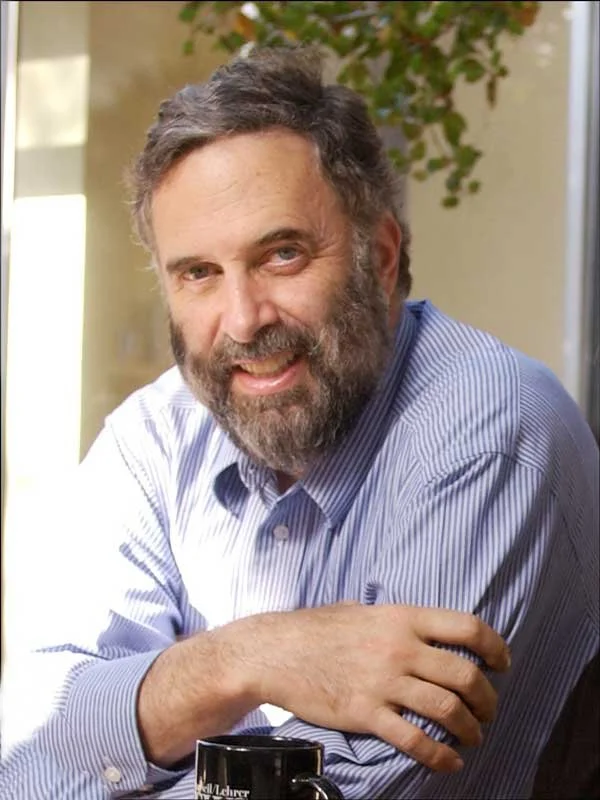
JEFFREY SACHS

JEFFREY SACHS

President of UN Sustainable Development Solutions Network
Director of Center for Sustainable Development, Columbia University

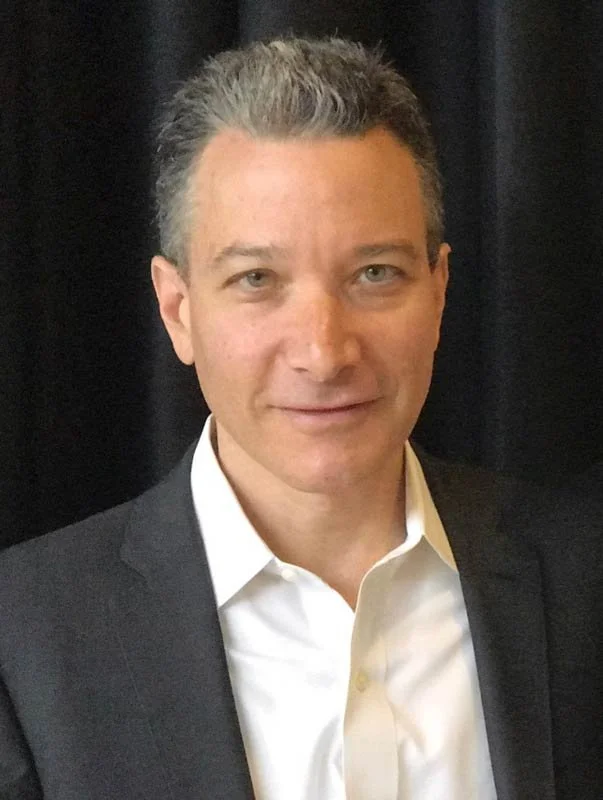
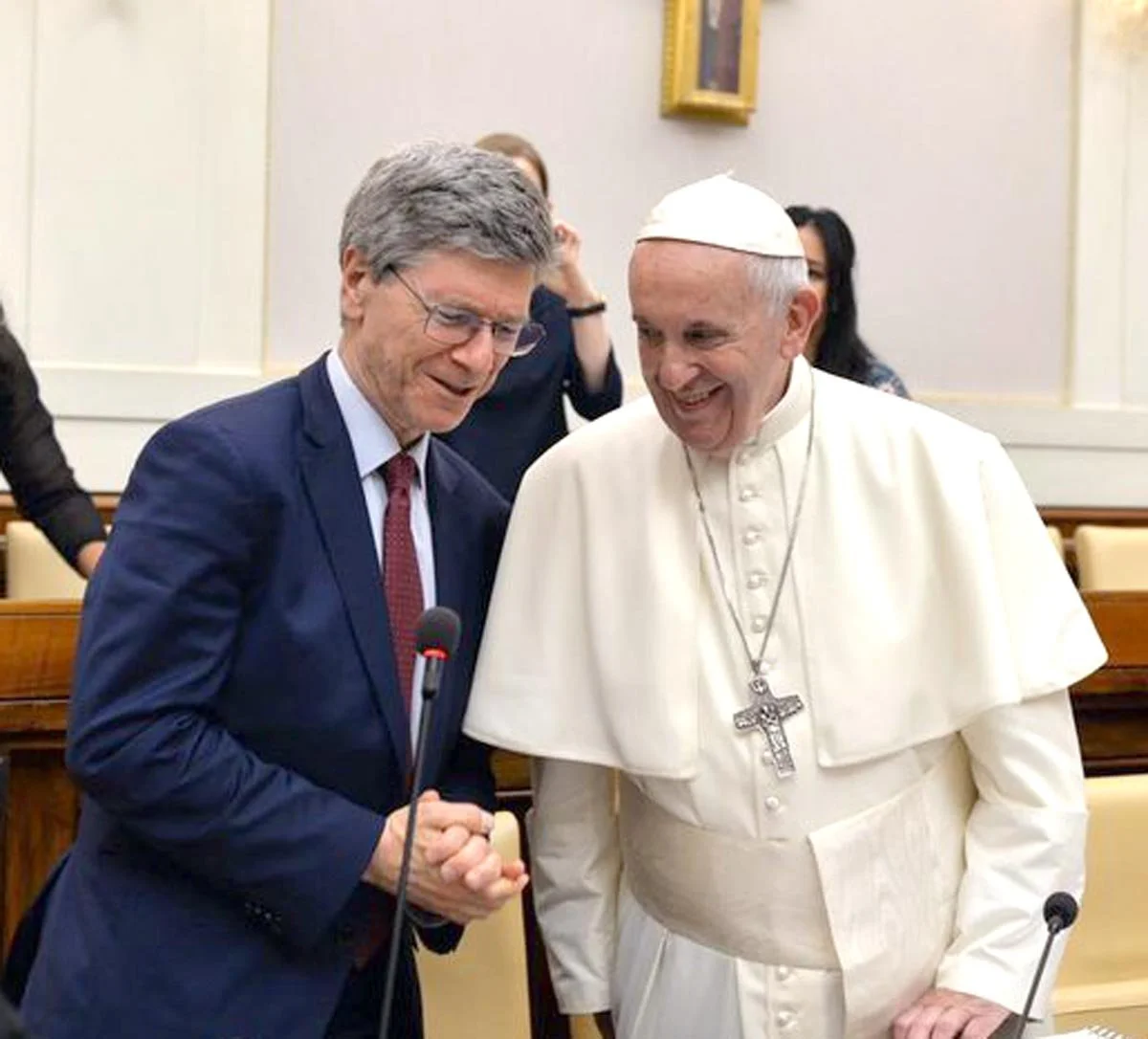
The US signed several statements in 2021 confirming that NATO would enlarge. Russia massed troops on its border and put on the table a draft US-Russia security agreement on December 17th, 2021 based on no NATO enlargement. The Biden administration formally replied that it was not willing to negotiate over that issue in a response in January. Then Russia invaded on February 24th, 2022. Four weeks later, Zelenskyy declared that Ukraine was accepting of neutrality. In other words, the initial Russian invasion brought Ukraine to the negotiating table, and during the second half of March, with the Turkish government being the mediators, Russia and Ukraine hammered out a peace agreement. Incredibly, the United States blocked it because the United States told the Ukrainian government: you fight on.
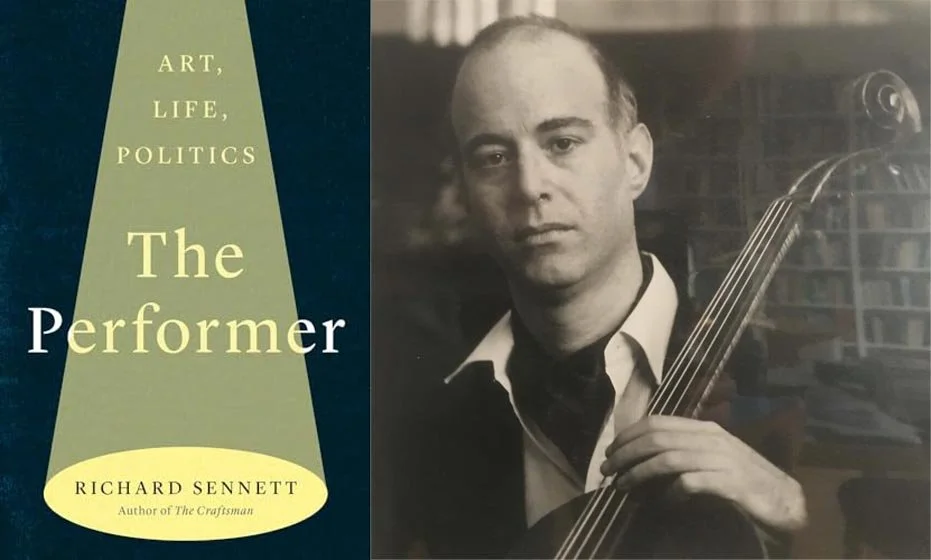
The Performer: Art · Life · Politics

The Performer: Art · Life · Politics

RICHARD SENNETT Centennial Professor of Sociology · London School of Economics · Fmr. Humanities Professor · NYU
Author of The Performer · The Fall of Public Man · The Culture of the New Capitalism · The Craftsman

We look at creative work as though the very creative process itself is something good. These are tools of expression, and like any tool, you can use them to damage something or to make something. They can be turned to very malign purposes, for instance, in the operas of Wagner. So I wanted to do this set of books, I want to show what is kind of the basic DNA that people use for good or for ill. What are the tools they use, if you like, of expression that they use in the creative process?

Understanding Capitalism

Understanding Capitalism

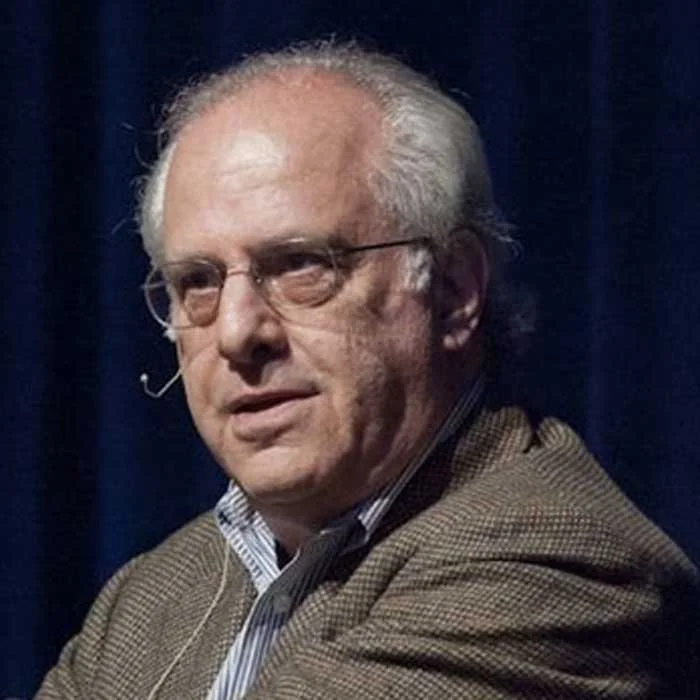
w/ Economist RICHARD D. WOLFF
Co-founder of Democracy at Work
Author · Host of Economic Update

The position of the United States in the world, economically and politically, is the weakest it has been in my lifetime. I was born in the middle of the 20th century, so I have watched the rise of the American empire and the success of American capitalism in the second half of the 20th century. However, over the last 20 years, I have watched that turn into its opposite—a decline. The decline is visible everywhere. Unless you live in the United States and consume mainstream media, there is a level of denial that will be recorded historically as one of the great examples, not just of a declining empire, which typically has people who cannot face it and who refuse to see it. You can go to Great Britain today and find quite a few people who think we still have the British Empire, even though everyone who isn't crazy knows that is silly. But we are earlier in the decline phase than the British are; they have had to endure it for a century while we have just had to do it for a couple of decades. It is fresh.

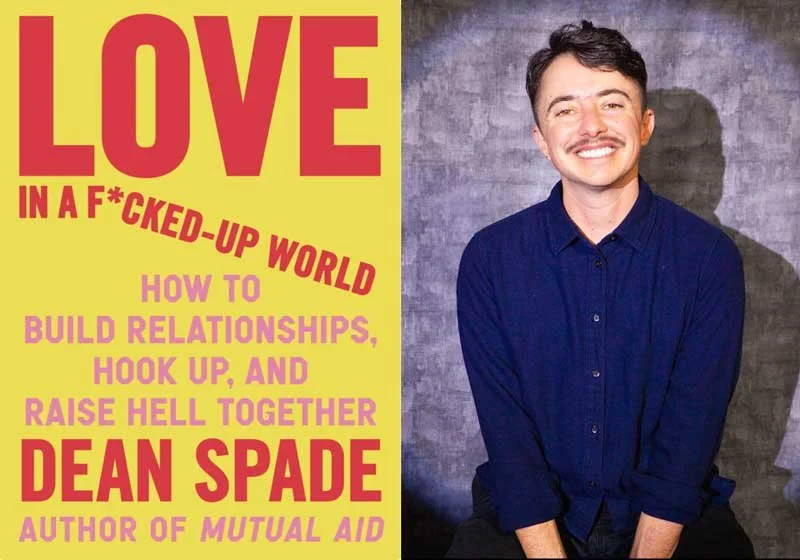
LOVE in a F*cked-Up World

LOVE in a F*cked-Up World

Conversation with DEAN SPADE about How to Build Relationships, Hook Up, and Raise Hell Together

This book has a lot of the wisdom of things that feminists and queers have learned in the community about sexuality, but the book is really for anybody who is political, even those just starting out and beginning to realize that there is something wrong with the systems they live under. I want to be in movements. Our movements are made of relationships. So, if you're just getting into our movements, or if you've been here for years and have been watching the ways we hurt each other and fall apart relationally, this book is about identifying these common patterns.

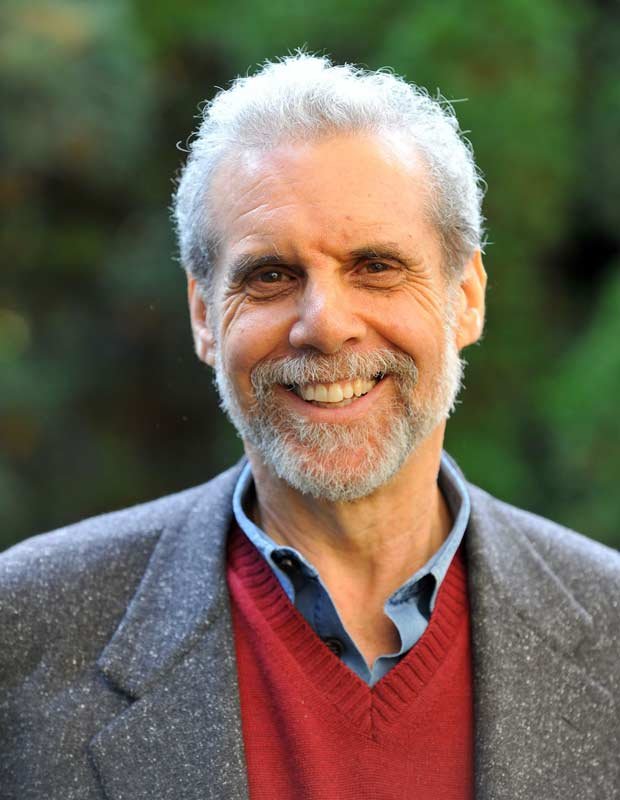
DANIEL GOLEMAN

DANIEL GOLEMAN

Psychologist
Author of Emotional Intelligence · Optimal · Ecological Intelligence

Emotional intelligence is how you manage yourself and how you handle your relationships. Are you aware of what you're feeling? Can you use that awareness to handle emotions, to be positive, to be sure your upsetting emotions don't overwhelm you? This then helps you to tune into other people's emotions, to be empathic, and to put that all together to manage relationships well. It turns out that's what makes an engineer highly effective. I think it's what makes anyone highly effective. 

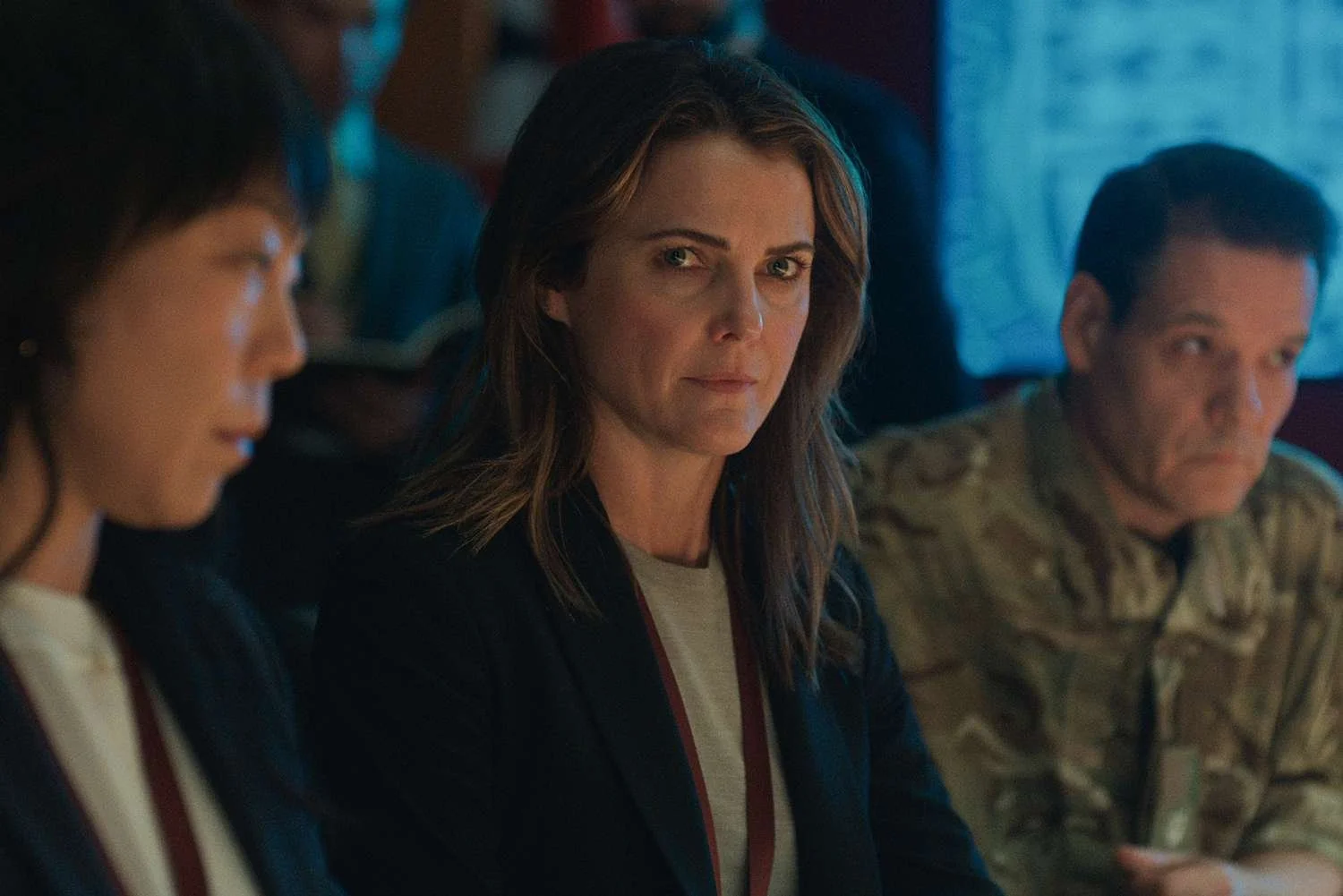
THE DIPLOMAT

THE DIPLOMAT

Conversation with Showrunner · Creator · Head Writer
DEBORA CAHN

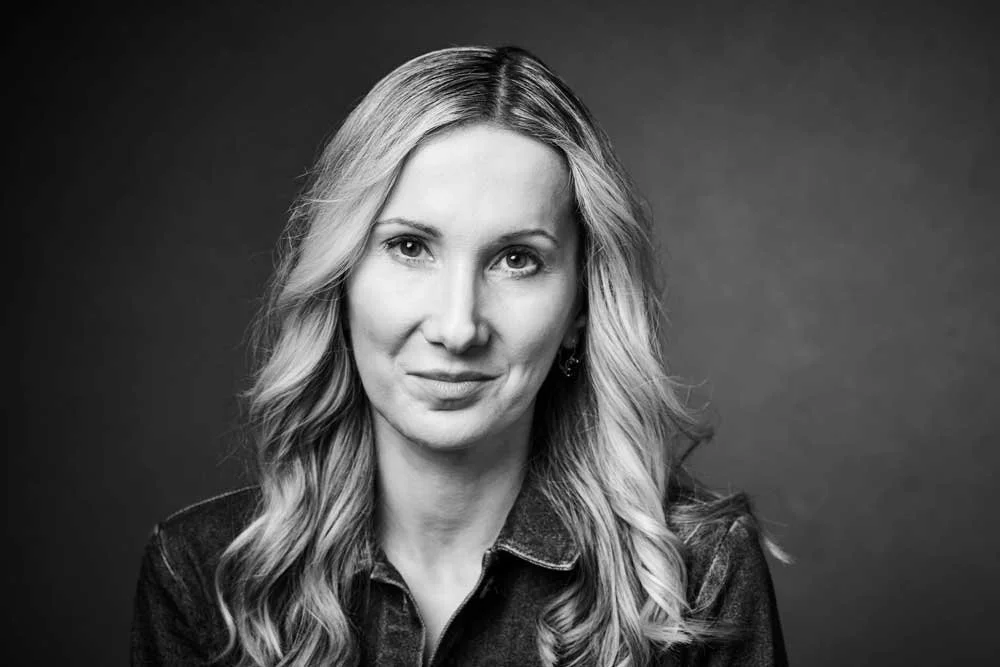
I feel very fortunate that the medium I’m in is television, which is a very long form of storytelling. You're not telling a single story; you're telling a world. You're inviting people into a world and asking them to live there with you and these characters for a period of time. The best I can do is build a world where people grapple with these important questions and try their best. All I can expect from people and from myself is that we're trying to do something larger than ourselves.

On Borges, Gore Vidal, Robert Frost & The Writing Life

On Borges, Gore Vidal, Robert Frost & The Writing Life

A Conversation with Author & Filmmaker JAY PARINI

Poetry is the prince of the literary arts to me. It's at the very top because it's language refined to its apex of memorability. I am interested in poetry as memorability and poetry as something you live by. These are the words you live by. These words stay in your brain and guide your life. That's what I am interested in. My memoir slash autofiction is called Borges and Me, and as you know, it's a story of my time in 1970 when my best friend Billy was drafted for the Vietnam War, and so was I. He went to Vietnam, and I went to Scotland to hide out and do my graduate work. I spent nearly seven years in Scotland, but I certainly spent the next five years definitely in Scotland. I was there before as an undergraduate for a bit, too. During that time, Billy was killed in Vietnam, and I was a nervous wreck. My memoir talks about my depression, my anxieties, and then, through my friend Alastair Reid, I met Borges, the great Argentine writer. We went on a little road trip through the Highlands, and this conversation with Borges really restored me back to myself and what was important in life. I felt that I owed a huge amount to that contact with Borges… I was lucky that suddenly, out of nowhere, came a wonderful director-producer named Mark Turtletaub. He had read my book and loved it, and he approached me. We had a conversation, and he said, "Look, I want to make this movie." So off we went.

The Pursuit of Happiness

The Pursuit of Happiness

A Conversation with JEFFREY ROSEN
President & CEO of the National Constitution Center
Author of The Pursuit of Happiness: How Classical Writers on Virtue Inspired the Lives of the Founders and Defined America

That idea of planting seeds for future generations came from the Tusculan Disputations. There’s something especially empowering about Cicero. And it's very striking that Thomas Jefferson and John Adams and so many in the Founding Era viewed this manual about overcoming grief as the definition for achieving happiness. And I think it's because it's a philosophy of self-mastery, self-improvement, and self-empowerment.

Exploring  Family Dynamics & Fierce Female Friendships

Exploring  Family Dynamics & Fierce Female Friendships

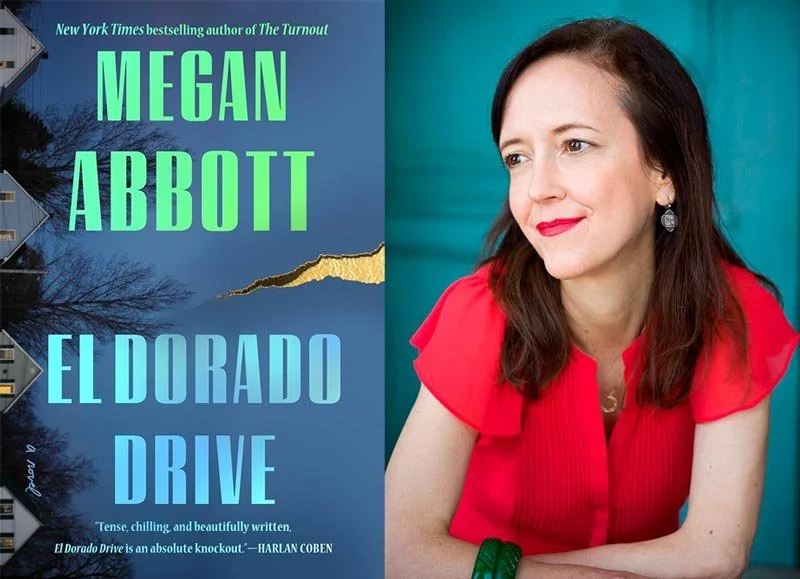
A Conversation with MEGAN ABBOTT
Author of Beware the Woman · You Will Know Me · Give Me Your Hand · The Turnout · Co-creator of Netflix’s Dare Me

I always say to young writers, you need to put your heart on the page. Don't worry about being like anyone else. I would say that foremost, in any of the arts, it is self-expression at its core… I think that it all goes back to childhood. I’ve always really been writing about family. I suppose we always are. I do think that it is the original wound, and it's where we are kind of wired and built from those early years. So I think every other relationship just replicates that. It's very natural for me to go there, I suppose because the feelings are most intense there. We just keep recycling these relationships and dynamics over and over again—until maybe someday we can catch ourselves and try to break the bad patterns. It feels the most visceral and real to me, always. You're always looking for that in writing. You want everything to be at this peak intensity, or at least I do. That seems the most natural place to start.

Confronting White Supremacy in Art & Public Space

Confronting White Supremacy in Art & Public Space

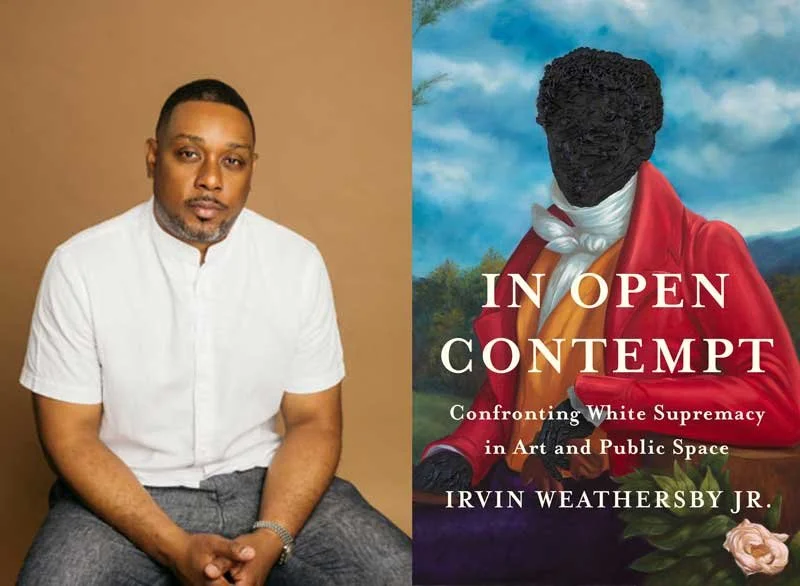
A Conversation with Author IRVIN WEATHERSBY JR.

One of the biggest symbols of America is Mount Rushmore. This monument, right? But I think most people fail to realize where it's located and why it's located there. Even more importantly, who did it? It's on a sacred Native American mountain, a place that was central to their creation stories. But then you think about who did it, and it was a Klansman. The guy who sculpted Mount Rushmore was a Klansman. People were like, "Wait, really?" Like, how is that a thing? But it seeps into our understanding and our embrace of white supremacy. This whole notion of us using Mount Rushmore as a metric of excellence is really sad. We are honoring slave owners and people who viciously killed natives, and those who pillage other lands in the name of capitalism. That's what America is, I guess.

I think there's such a disinterest in education in America that it is sickening. We can't even agree on facts. It's up to states' rights to decide. Really? States can say that this is true in one state, but it's not true in another? Although these states are united, it's very bizarre. I'm hopeful for revolution. I'm optimistic. I want radical change. I think we are repeating history. We are going through a cycle of fascism and greed, and I think we're going to see a lot of states collapse. As a result of that, I think people are going to be forced back to their primal needs and concerns, but I think they're going to be forced to think about what makes us human. How do we become more human? Because we've lost that. We've given it up to technology. How can we figure out what makes us a really powerful species again?

 On Motherhood & Memory · Trauma & Survival

On Motherhood & Memory · Trauma & Survival

Novelist · Poet · Psychologist HALA ALYAN
Author of I’ll Tell You When I’m Home: A Memoir

I want to live a life of consequence, and I want to live a life that has stakes in it because that means that things matter to you. I think, in some ways, this memoir was a project of sifting through and excavating the darkest hours, both for me and for the lineage and ancestry that I came from. I think the darkest hours were experienced by so many people I come from who have had to leave places they didn't want to leave. I live in exile and have been forced to leave behind houses, land, cities, and people. Oftentimes, this has happened more than once in a lifetime, so they have carried that trauma. Of course, it plays out intergenerationally in many different ways.

I think it's a time of fear. I don't think I'm alone in that. I am scared for people that I love. I am scared for people who are quite vulnerable. I worry for my students. I am concerned for the places that I feel are engaging in complicity because that will be such a heavy legacy to endure later on, how people, places, and entities comport themselves in moments like this. They will be remembered. There will always be people who remember it.

Family, Addiction & Overcoming Trauma

Family, Addiction & Overcoming Trauma

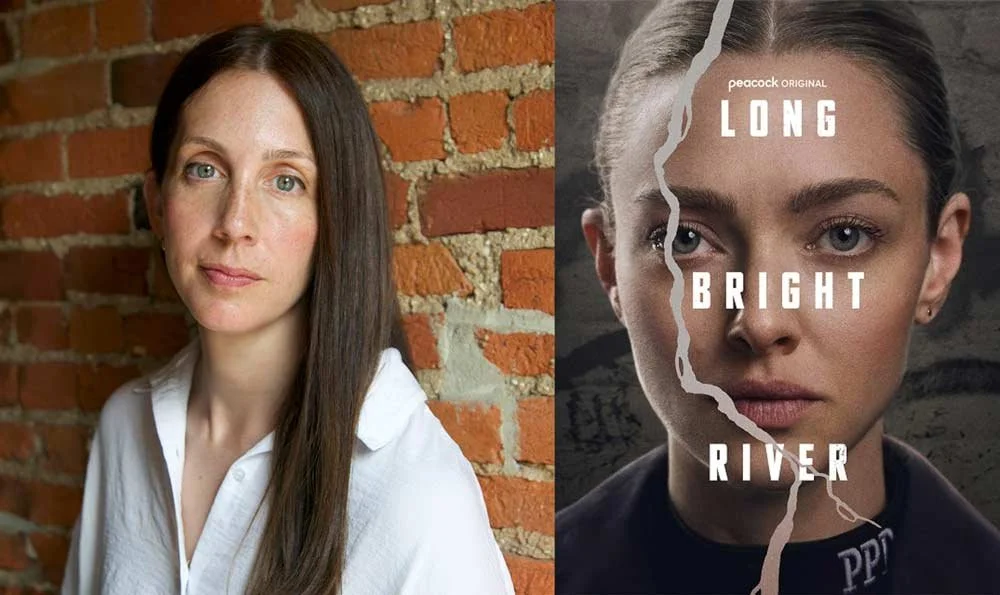
Author LIZ MOORE on Long Bright River starring AMANDA SEYFRIED

I've lived in Philadelphia for about 16 years.  The book itself was inspired by my time spent in the Kensington neighborhood of Philadelphia interviewing a lot of the people that I met there, both longtime residents of the neighborhood and also people who were transient,  a lot of people struggling with addiction and a lot of women doing sex work to fund their  physical addiction to opioids. You find out about their past,  their road into addiction, their aspirations, their fears.  I began to lead free writing workshops at an organization named St. Francis Inn, which is a longstanding food service organization in the community. They had a women's day shelter where I taught.  I was really able to connect with people within the community on a quite personal level and loved my experiences in Kensington. And I still go, I'm still quite close with a number of the community workers, people who run free healthcare clinics. All of it ultimately informed the writing of Long Bright River.

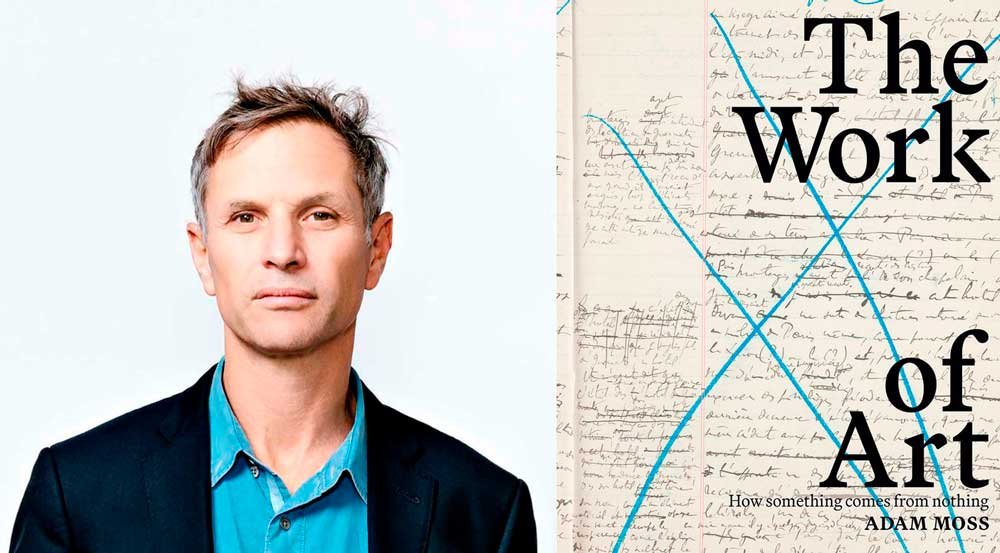
The Work of Art

The Work of Art

ADAM MOSS
Author · Artist · Fmr. Editor of New York magazine · The New York Times Magazine

 I was very interested in the state of mind of an artist as he or she goes about making. I think one of the things that artists have is not just an interest in their own subconscious, but also an ability to find ways, tricks, and hacks to access their subconscious. Over time, they understand how to make productive use of what they find there. We all have subconsciousness; we all dream and daydream. We all have disassociated thoughts that float through our head, but we don't generally know what to do with them. One of the traits that successful artists seem to have is this ability to cross borders into recesses of their own minds.

What is Deliberative Democracy?
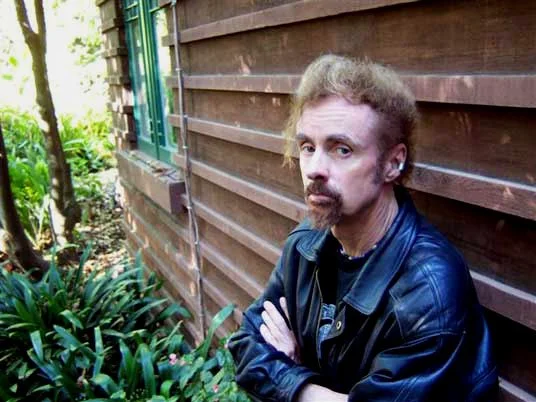
A Life in Writing with T.C. BOYLE

A Life in Writing with T.C. BOYLE

Novelist · Short Story Writer

What I have done in my career is just try to assess who we are, what we are, why we are here, and how come we, as animals, are able to walk around and wear pants and dresses and talk on the internet, while the other animals are not. It's been my obsession since I was young. I think if I hadn't become a novelist, I might have been happy to be a naturalist or a field biologist.

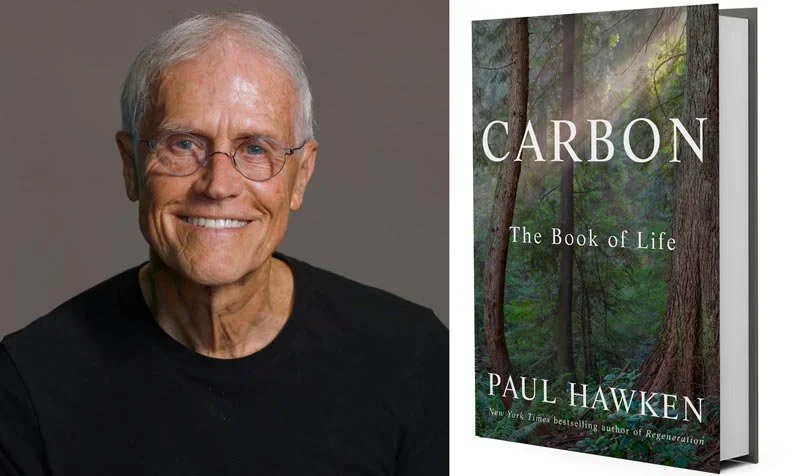
CARBON: The Book of Life

CARBON: The Book of Life

with PAUL HAWKEN
Environmentalist · Entrepreneur
Founder of Project Regeneration & Project Drawdown

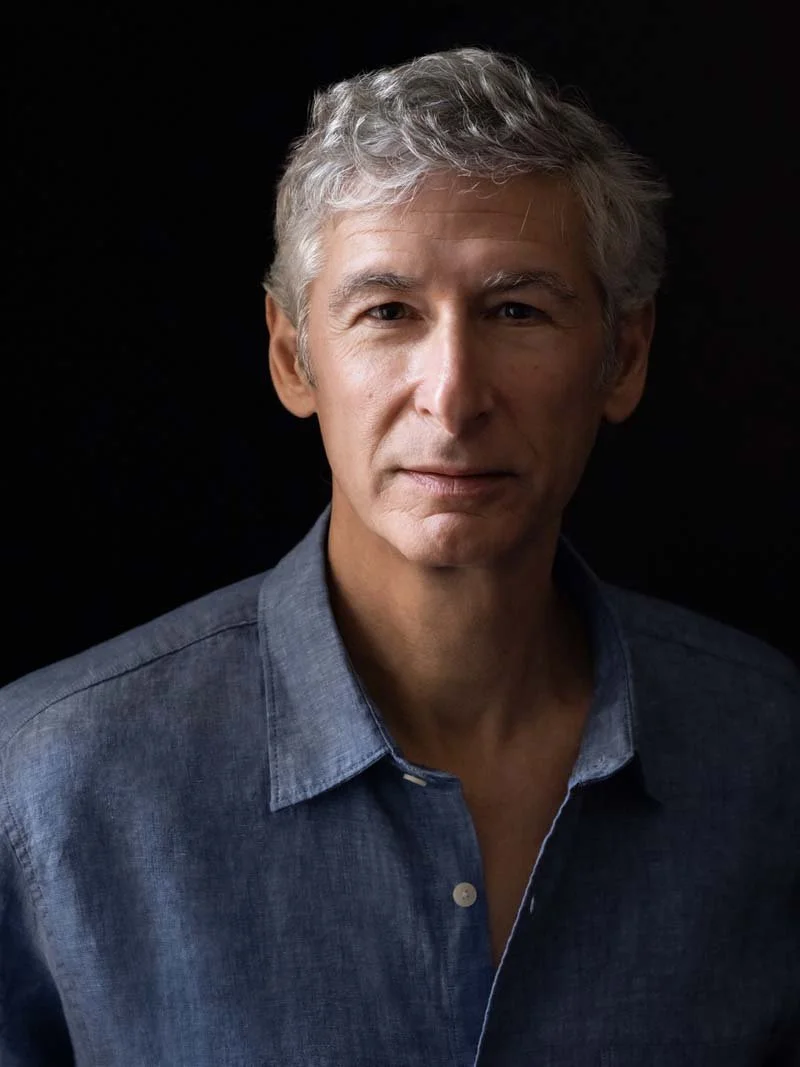
We have 1.2 trillion carbon molecules in every cell. We have around 30 trillion cells, and that’s us. So carbon is really a flow that animates everything we love, enjoy, eat, and all plant life, all sea life—everything that's alive on this planet—is animated by the flow of carbon. We want to see the situation we're in as that, as a flow. Where are the flows coming from, and why are we interfering with them? Why are we crushing them? Why are we killing them? For sure. But also, we need to see the wonder, the awe, the astonishment of life itself and to have that sensibility as the overriding narrative of how we act in the world, how we live, and how we talk to each other. Unless we change the conversation about climate into something that's a conversation about more life—better conditions for people in terms of social justice, restoring so much of what we've lost—then we won’t get anywhere.

NICHOLAS KRISTOF

NICHOLAS KRISTOF

Pulitzer Prize-winning Journalist · NYTimes Op-Ed Columnist
Author of Chasing Hope, A Reporter's Life · Coauthor of Half the Sky · Tightrope · A Path Appears

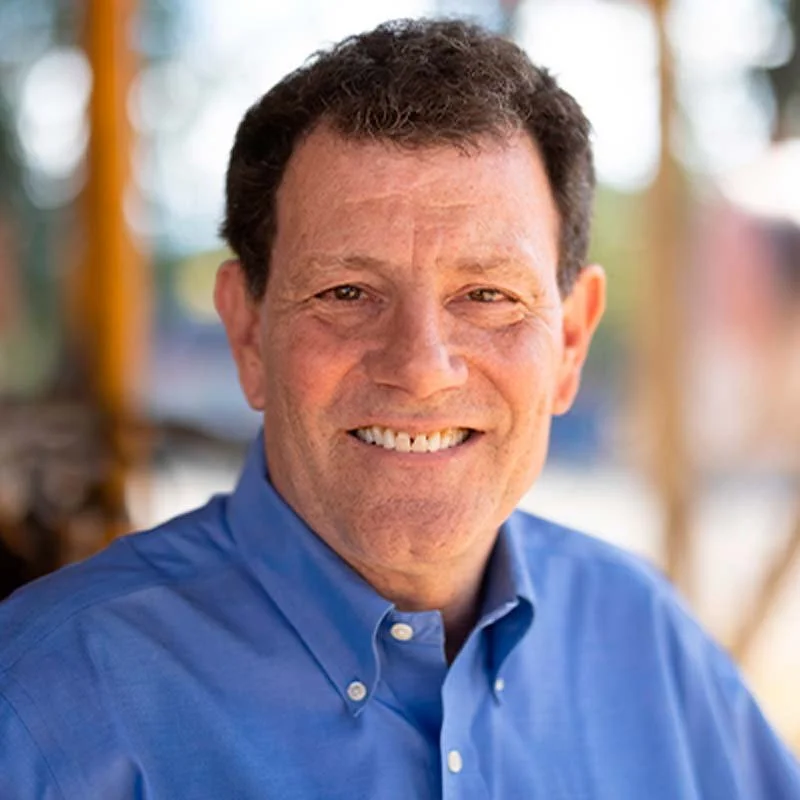
I'm trying to get people to care about a crisis in ways that may bring solutions to it. And that's also how I deal with the terror and the fear to find a sense of purpose in what I do. It's incredibly heartbreaking to see some of the things and hear some of the stories, but at the end of the day, it feels like–inconsistently here and there–you can shine a light on problems, and by shining that light, you actually make a difference.

Underjungle

Underjungle

A Conversation with Author JAMES STURZ

Underjungle is a tale of love, loss, family, and war—set entirely underwater. Sometimes I’ll joke it’s War and Peace, but 3,000 feet deeper. And shorter. And maybe a little funnier, too. But it’s also about our deep connection to the ocean. I wrote most of it in Hawaii during the pandemic, researching it off the coast. I knew that to write it I needed to say what it was like to be underwater. Not just to dive down, but to live there and be there, and for everything you know, whether it’s food, minerals, oxygen, ideas, or mates to come to you in the currents, through this thick and intensely rich medium that covers 70 percent of the planet. So I’d go to the coast to scuba dive or free dive. Not to chase after fish, but simply to sink and to take this different world in—one I was particularly happy to spend time in, not just because I love the water, but because so much of the rest of the world was closed off, and I feel free when I’m submerged it. And then I’d come home and try to figure out what everything I saw and felt meant, because I intended the book as a love song.

Poetry · Exile · Silence

Poetry · Exile · Silence

A Conversation with Poet MAJA LUKIC

I was born in Croatia, in the former Yugoslavia. We left that country when the civil war broke out, and I grew up in Canada, mostly, with a lot of subsequent moves from place to place. So very early in childhood, I was confronted with complex feelings I couldn’t describe yet, and I felt a deep inchoate sense of loss. I was coming from a country that no longer existed and speaking a language that, politically, no longer existed. It made me more solitary—I had a rich inner life and retreated to my imagination as a safe place, which is fantastic training ground for a writer’s life. At the same time, living in the immigrant community in Canada and meeting kids from other cultures and other languages, I understood something about the universality of human experience. Yes, it was painful to leave home because of a war, but others abandoned their homes, too.

On Identity · Disruption & Story

On Identity · Disruption & Story

A Conversation with Author JENNIFER SAVRAN KELLY

I was born and raised on Long Island in New York. My family moved around the island quite a bit, so I'm always interested in the idea of home. Is it a place or a feeling? Can it be lost or taken away? Undermined? Or is it something we make for ourselves? In my writing, I think this translates to the idea of foundational beliefs. I like to explore what happens when the foundational beliefs of my characters are shaken. Do they fold with the debris or rise from it changed, for better or worse?