Revolutionizing Sustainability: BERTRAND PICCARD's Path to a Cleaner Planet

Revolutionizing Sustainability: BERTRAND PICCARD's Path to a Cleaner Planet

Explorer & Aviator of the First Round-the-World Solar-powered Flight
Founder of Solar Impulse Foundation & Climate Impulse
UN Goodwill Ambassador for the Environment

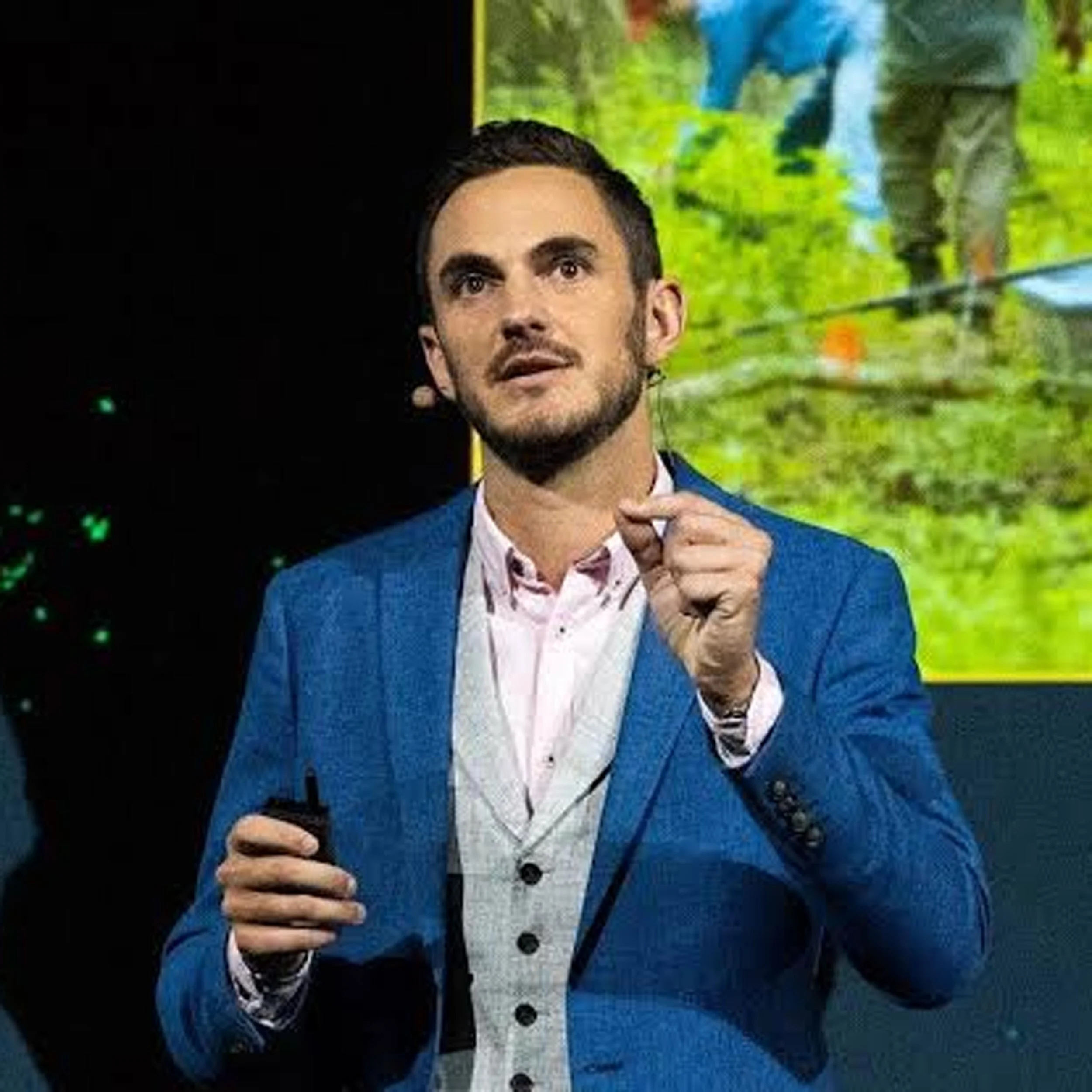
The goal with Climate Impulse is to revolutionize aviation and show that we can decarbonize aviation. We can make it more efficient. Of course, it's not yet a jumbo jet with hydrogen. It's a two-seater airplane. But I want to make the ultimate flight to shake a little bit the certitudes of the people. If we go around the world nonstop with two people on board, this project can become like a flagship of climate action.

Will human efficiency destroy the planet and us? - DR. LUDOVIC SLIMAK - Author of The Naked Neanderthal

Will human efficiency destroy the planet and us? - DR. LUDOVIC SLIMAK - Author of The Naked Neanderthal

Paleoanthropologist · Author of The Naked Neanderthal: A New Understanding of the Human Creature

This book is not just about Neanderthals. It's a book about us. I wanted to warn humans, to say there is something in us that is so efficient and dangerous. We've effectively collapsed many things and are now inducing the collapse of natural environments on the planet. And after that, we might even cause the collapse of ourselves as Homo sapiens.

What does it mean to have an ecological mind? - PAOLA SPINOZZI

What does it mean to have an ecological mind? - PAOLA SPINOZZI

Coordinator, Phd Programme, Environmental Sustainability & Wellbeing · University of Ferrara
Co-editor of Cultures of Sustainability and Wellbeing: Theories, Histories and Policies

The humanities are all about representing the world, while the sciences are all about knowing the world. But I believe the roles are deeply intertwined, and that literature, the humanities, philosophy, history, and the arts are all ways of knowing the world. They do exactly the same thing in our understanding of the world. And it is really important to try to put these things together to bring people closer in talking to each other.

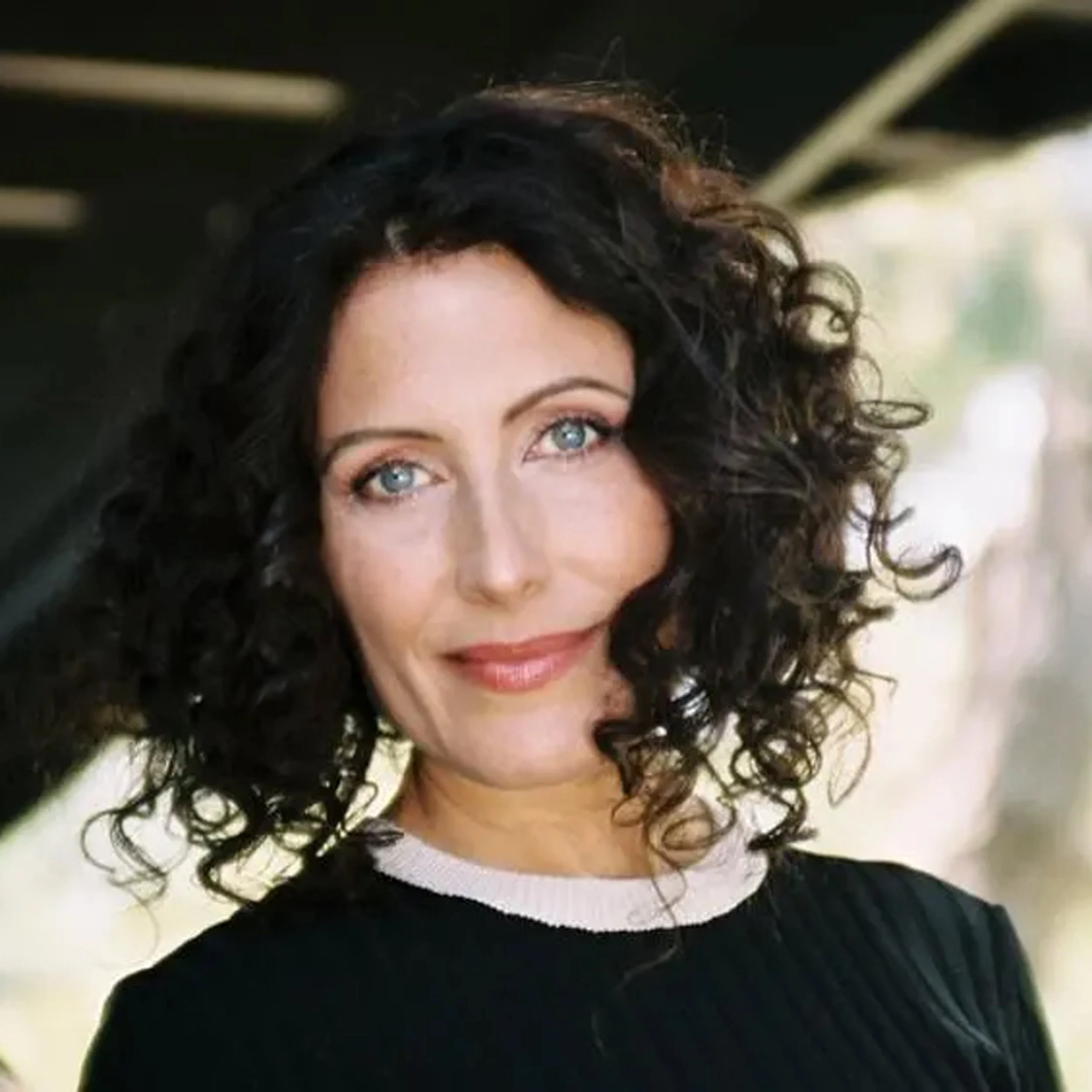
LISA EDELSTEIN - From Acting to Directing, Writing & Visual Art

LISA EDELSTEIN - From Acting to Directing, Writing & Visual Art

Actress · Artist · Director · Producer · Writer
House M.D. · Girlfriends’ Guide to Divorce · Little Bird

I have always thrown myself into everything, and that includes terrible things, because I want to have the whole experience. Even if I know it's going to hurt for better or for worse, that has been how I've lived my life. And so it's given me a lot of information and allowed me to play a lot of different roles and understand a lot of different points of view. I think part of the beauty of being in a long-running television show is that, in season one, you're playing the role they wrote. By season two, they're writing the person you're playing. You start to build your voice, and they start to merge, and so by the time you get to season three, you're much more like full human beings having this dialogue.

What does the future hold for our late-stage capitalist society with mega-corps controlling everything? KYLE HIGGINS, KARINA MANASHIL & KID CUDI

What does the future hold for our late-stage capitalist society with mega-corps controlling everything? KYLE HIGGINS, KARINA MANASHIL & KID CUDI

Eisner Award-nominated Comic Book Author KYLE HIGGINS
Emmy-nominated Producer KARINA MANASHIL & KID CUDI on the Making of Moon Man

So, as we started talking and going through what this could look like. What a new black superhero in 2024 could look like? What would the threats be? What the world might look like if it's maybe not even five minutes in the future? I would argue it's like two and a half minutes in the future. And then what kind of really complex, emotionally layered journey we could put this character through?

Reshaping Our World: Climate Change, Education, Mental Health & Advocacy for Nature

Reshaping Our World: Climate Change, Education, Mental Health & Advocacy for Nature

Climate Change, Education, Mental Health & Advocacy for Nature

Climate change gives us a chance to re-imagine the world in a way that every single human being can participate in. And so whether you're in a remote part of the United States or some other country, when you learn about climate change, it shouldn't just be the science. It should be the opportunity. –Kathleen Rogers, President of EarthDay·ORG

Songs of Nature - Musicians, Writers, Ecologists, Philosophers on the Mysteries of the Natural World

Songs of Nature - Musicians, Writers, Ecologists, Philosophers on the Mysteries of the Natural World

The natural world has its own sonic language. Its own fingerprints. And that's one of the beautiful things about being out here. There is another acoustic environment, another sort of sonic fingerprint, and it is always changing. Every day is a sort of a different sound picture. I walk out the door and you do hear it changing over time. The leaves are coming in now, different kinds of bird song. The wind sounds different. Tt's a wonderful thing to be around and experience.
—Max Richter

What are we willing to give up to find meaning & a sense of belonging? - TARA ISABELLA BURTON

What are we willing to give up to find meaning & a sense of belonging? - TARA ISABELLA BURTON

Author of Here in Avalon · Social Creature
Strange Rites: New Religions for a Godless World 
Self-Made: Curating Our Image from Da Vinci to the Kardashians
So this idea that we can present ourselves as works of art, that we can create ourselves has always had a particular sort of aristocratic coding, historically associated with monarchs, who create their public image and their public persona, including through fashion. Today, if we don't self-promote, self-create, and self-brand, will we find the right partner? Get into the right college? Even secure the best job?

The Unseen Invasion of Microplastics in Our Lives - KATHLEEN ROGERS - President of EarthDay.ORG

The Unseen Invasion of Microplastics in Our Lives - KATHLEEN ROGERS - President of EarthDay.ORG

Interview with KATHLEEN ROGERS
President of EarthDay·org

Microplastics and nanoplastic pollution are currently blanketing the planet. They are in the air we breathe, the food we eat, and the water we drink, infiltrating our bodies and even brains and human embryos. Coca-Cola alone sells 100 billion+ single-use plastic bottles each year, ending up in landfills and the ocean. Earth’s population will reach 9.8 billion people by 2050. Two-thirds of humans will become city dwellers. Our waste will drive a mounting worldwide crisis.

ALAN POUL - Emmy & Golden Globe-winning Producer/Director - Tokyo Vice - Six Feet Under - Tales of the City - My So-Called Life

ALAN POUL - Emmy & Golden Globe-winning Producer/Director - Tokyo Vice - Six Feet Under - Tales of the City - My So-Called Life

Emmy & Golden Globe-winning Executive Producer · Director
Tokyo Vice · Six Feet Under · Tales of the City · My So-Called Life

I think all great work comes from the need to say something. And so this is the challenge for young artists and also maybe one of the essential elements that can never be completely taken over by AI because there has to be something you feel has not been said, and you feel an urgent need to say it. In fact, you can't not say it. That need to express is what gives birth to unique expression, which is where all of our visual, performance, and creative arts come from. 

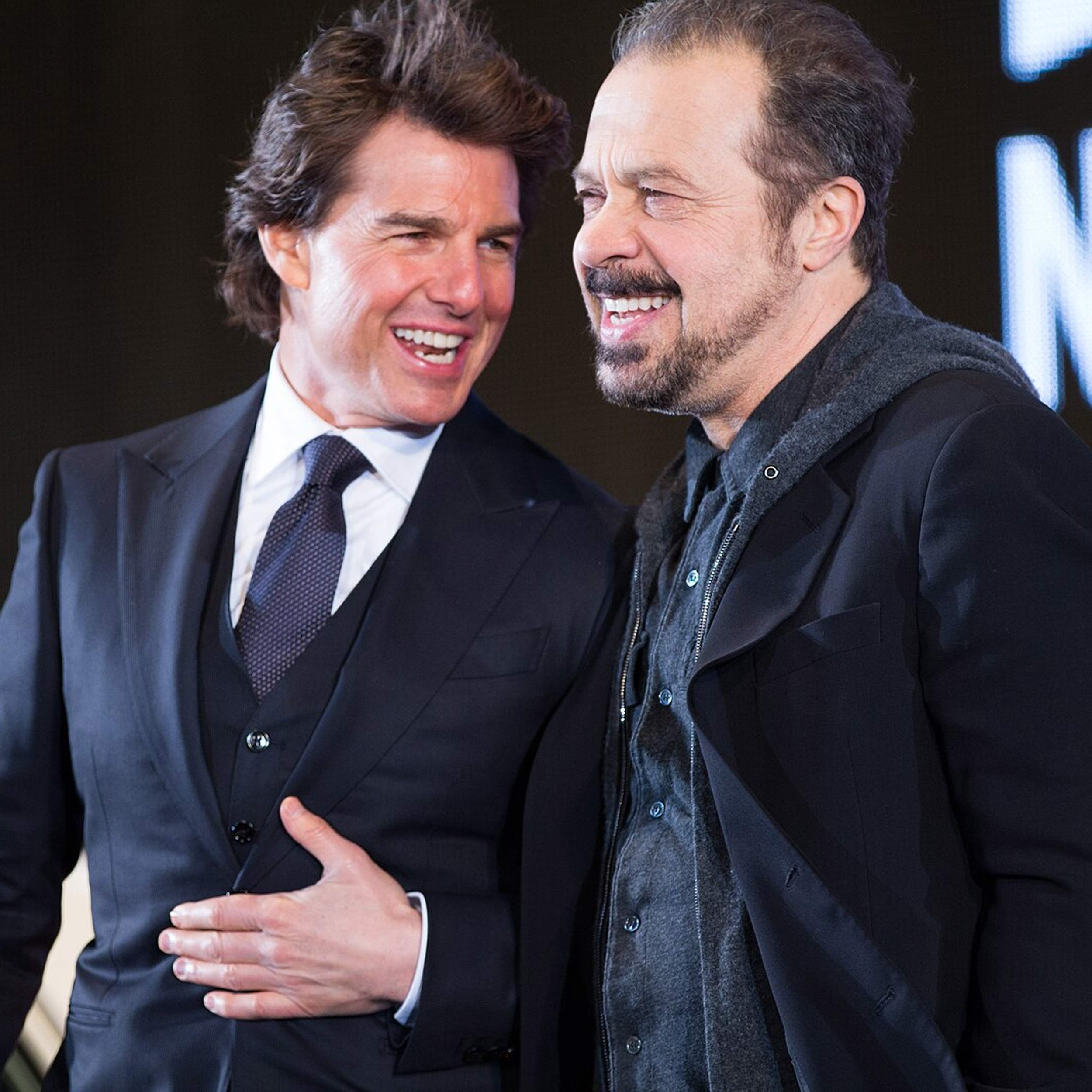
ED ZWICK - Academy Award-winning Writer, Director & Producer - Glory, The Last Samurai, Shakespeare in Love, Thirtysomething

ED ZWICK - Academy Award-winning Writer, Director & Producer - Glory, The Last Samurai, Shakespeare in Love, Thirtysomething

Academy Award-winning Writer, Director & Producer
Glory · The Last Samurai · Shakespeare in Love · Thirtysomething
Author of Hits, Flops & Other Illions: My Fortysomething Years in Hollywood

My intention was to write about my experiences, obviously, but also I felt that there was a little bit of a counterintuitive approach, which is to talk about some of the inner experiences of the creative process and being a director, being a writer, and I felt that that would open the window a little bit wider. I liked that it wasn't just a behind-the-scenes look. It is that, and I think it's full of fun anecdotes and little reveals, but it is to be a real book. It presumes to be a memoir, like many of the memoirs that I have loved of creative people in the past.

How can we improve animal-human relationships? - POORVA JOSHIPURA - Senior VP, PETA UK

How can we improve animal-human relationships? - POORVA JOSHIPURA - Senior VP, PETA UK

PETA U.K. · Senior Vice President
Author of Survival at Stake: How Our Treatment of Animals is Key to Human Existence

I wrote Survival at Stake because I've been working in animal rights for nearly the past 25 years. Throughout that time, one common question has been asked: Well, shouldn't we deal with human issues first. But animal rights are human rights. Animal rights is environmentalism. These things are not distinct. And that's the point I was really trying to make in my book. I was inspired to write it because of the COVID-19 crisis. It just brings us back to the point of why it is so important to teach people, young people, and young men the importance of being kind to everyone, animals included. If you teach them that, I think the other lessons start to much more automatically transfer over.

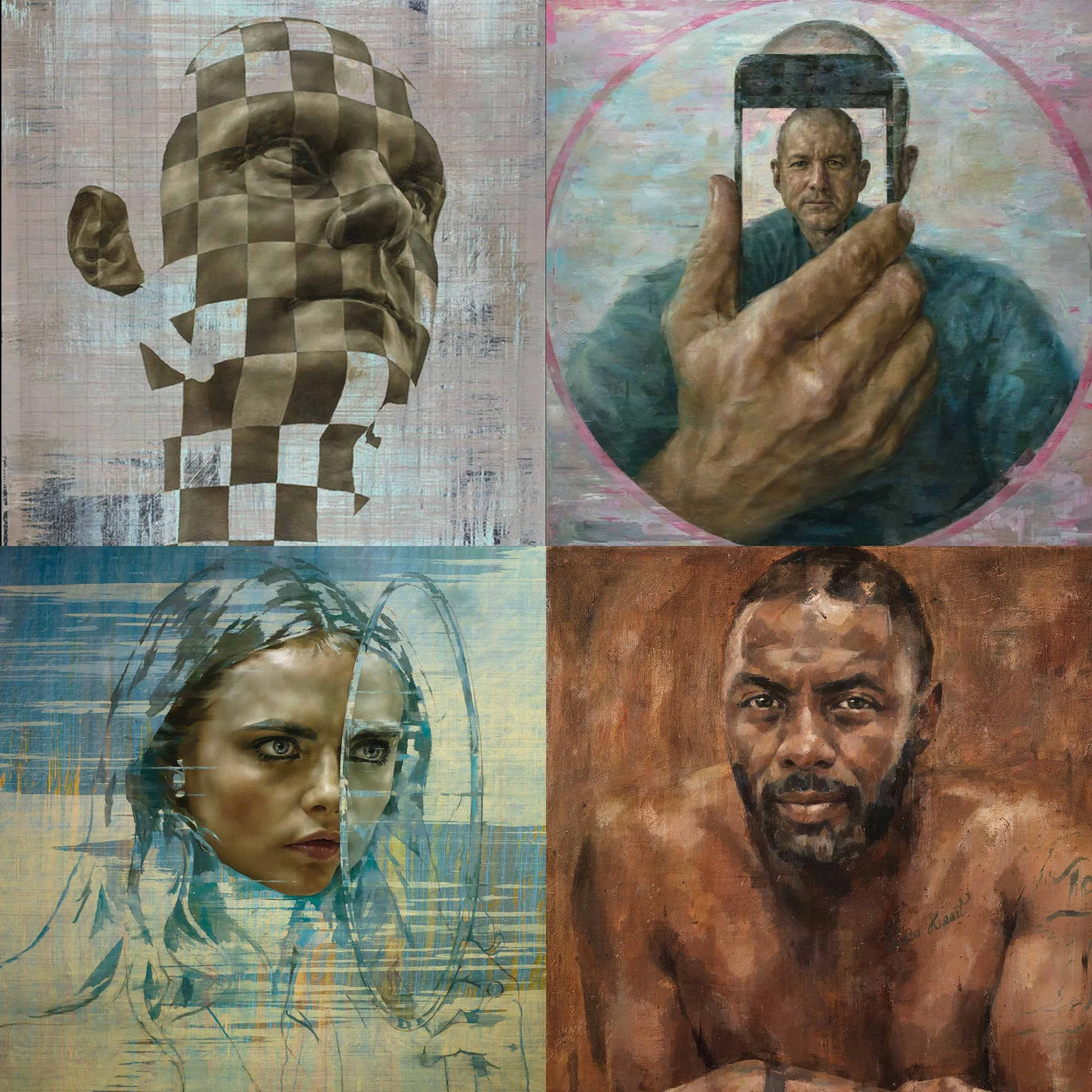
JONATHAN YEO - Celebrated Portrait Artist on the Importance of Connection & Intuitive Intelligence

JONATHAN YEO - Celebrated Portrait Artist on the Importance of Connection & Intuitive Intelligence

Artist

What are you trying to do with the portrait? On a basic level, you're trying to communicate something about the essence of who someone is. You're trying to figure out who they are, not necessarily who they present themselves as. The two things can quite often be different. And then, you're trying to find ways of showing that through their face, their posture, or any other context. My instinct is always to try to reduce down to the essential elements. We read faces. It's obviously very, very deep in our DNA, really our survival instinct. We are programmed to read faces in a very fine-tuned way.

LEWIS DARTNELL - Author of Origins: How the Earth Made Us & Being Human: How Our Biology Shaped World History

LEWIS DARTNELL - Author of Origins: How the Earth Made Us & Being Human: How Our Biology Shaped World History

Astrobiologist · Science Communicator
Author of Origins: How the Earth Made Us · Being Human: How Our Biology Shaped World History

The challenges facing our society at the moment effectively are the unintended consequence of a solution we found in the late 1700s when society was running out of energy, we had no more timber, and we realized we could dig underground for ancient fossilized woodland, which is basically what coal is from about 300 million years ago. The consequence of burning all that coal and then oil was a release of carbon dioxide, changing our atmosphere and warming the planet. So, it's a problem born out of our ingenuity and resourcefulness, but I'm confident that we will find the solution out of our ingenuity and resourcefulness.

How can we develop AI systems that are more respectful, ethical, and sustainable? - DR. SASHA LUCCIONI

How can we develop AI systems that are more respectful, ethical, and sustainable? - DR. SASHA LUCCIONI

Founding Member of Climate Change AI
AI Researcher & Climate Lead · Hugging Face

My work is really about figuring out how, right now, AI is using resources like energy and emitting greenhouse gases and how it's using our data without our consent. I feel that if we develop AI systems that are more respectful, ethical, and sustainable, we can help future generations so that AI will be less of a risk to society.  The way I got into this field was working on the environmentally beneficial applications of AI, and I do believe that that's an impactful way of using AI techniques because there's so much data about the climate, satellite data, and sensor data, and the way to go about this is to work with domain experts. AI is never going to solve the problem on its own, but it can be a tool. So I think that there's a lot of promise there.

How can enlightened self-interest advance social equity & climate action? - DR. SHIV SOMESHWAR

How can enlightened self-interest advance social equity & climate action? - DR. SHIV SOMESHWAR

Fmr. European Chair for Sustainable Development & Climate Transition · Sciences Po
Development Clinician focused on Diagnosing Development of Cities & Nation States

How do you have economic growth that is socially equitable and environmentally sustainable? It's not just that you have ecological sustainability; hence, that is sustainable development. Because lots of examples of economic, ecological, and ecologically sensitive growth need not be socially equitable. That's why this whole emphasis on just transition is not just about climate, but it's also about justice. It's about social equity in economic growth. Unlike in Europe, where there is now the call for degrowth or a circular economy, most parts of the world would look at you blankly if you talked about degrowth because they are hungry for growth. And so sustainable development is about managing these trade-offs.

THOMAS CROWTHER - Ecologist - Co-chair of the Board for UN Decade on Ecosystem Restoration - Founder of Restor

THOMAS CROWTHER - Ecologist - Co-chair of the Board for UN Decade on Ecosystem Restoration - Founder of Restor

Ecologist · Founder of Restor
Co-chair of the Board for the UN Decade on Ecosystem Restoration

Global restoration really means finding and empowering the millions of local communities, indigenous populations, and farmers who are promoting biodiversity. Restor is a digital platform, sort of like Google Maps, but for restoration. So rather than seeing coffee shops and supermarkets, you will see conservation projects and Indigenous-led restoration initiatives. And that means you can find a currently on Restor - I think we have around 140, 000 - so you can go on there for free right now and find thousands and thousands of these amazing heroes of nature. And you can zoom in and you can see every single tree on the ground. You can see every bush and you can fund them or you can buy their coffee or you can go visit their projects and do ecotourism. There's a myriad of ways that we can all support their efforts by also improving our own lives. 

We need to be cutting our emissions so that we can allow nature to thrive and help us along the way. For far too long people have been squabbling about emissions. We should do this or we should do that. Climate change is way too big for us to be squabbling about things. We need to do everything now. When we grow the same crops every year, the soil gets more depleted and all the nutrients are lost. I've heard quotes that if we cannot find agricultural systems that rejuvenate the soil instead of depleting it, we are signing our death warrant. It's like we need to be promoting healthy soils if we're going to have any agriculture in the future.

What can thousand-year-old trees teach us about living sustainably on this planet? - DOUG LARSON

What can thousand-year-old trees teach us about living sustainably on this planet? - DOUG LARSON

Award-winning Scientist · Ecologist · Professor Emeritus · University of Guelph
Author of Cliff Ecology · The Urban Cliff Revolution · The Dogma At My Homework.

I think one thing I learned from looking at the ancient trees is that there is no great benefit to anything of growing quickly and accumulating vast resources. Growing slowly and patiently and with fewer demands on the environment in which you live is just as healthy and perhaps more healthy than the endless hunger for more and more and more, which we see as a characteristic of our species.

DR. BARRY SCHWARTZ - Author of The Paradox of Choice & Why We Work

DR. BARRY SCHWARTZ - Author of The Paradox of Choice & Why We Work

Psychologist · Author of Why We Work
The Paradox of Choice: Why More Is Less

In 2004, the internet was just getting started in a major league way, and already the choice overload was a problem. I would say that from the modern perspective, 2004 seems like the 18th century, and as near as I can tell, all of these changes, every single one of them has made the problem substantially worse. The idea that you can get information to help guide you through - well, yeah, but what information do you believe? What's trustworthy? What's being motivated by an opportunity to sell you something? So there is a haze, there is this fog that we're operating in. And I think we just sort of give up in resignation and look at recommendations and hope that they're legitimate because how else do you get through the day?

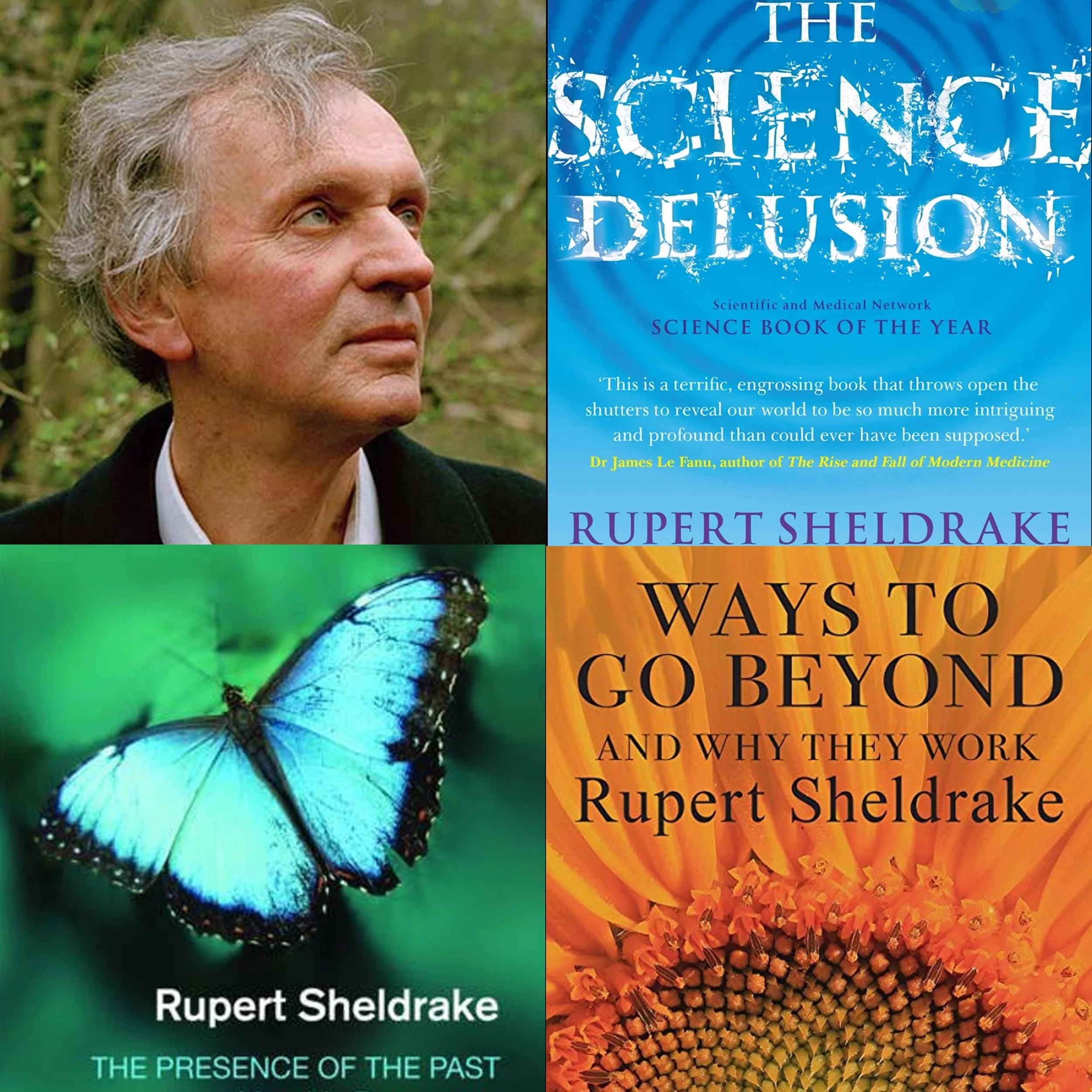
RUPERT SHELDRAKE - Biologist & Author of The Science Delusion, The Presence of the Past

RUPERT SHELDRAKE - Biologist & Author of The Science Delusion, The Presence of the Past

Biologist · Author
The Science Delusion · The Presence of the Past · Ways to Go Beyond and Why They Work.

The idea that the laws of nature are fixed is taken for granted by almost all scientists and within physics, within cosmology, it leads to an enormous realm of speculation, which I think is totally unnecessary. We're assuming the laws of nature are fixed. Most of science assumes this, but is it really so in an evolving universe? Why shouldn't the laws evolve? And if we think about that, then we realize that actually, the whole idea of a law of nature is a metaphor. It's based on human laws. I mean, after all, dogs and cats don't obey laws. And in tribes, they don't even have laws. They have customs. So it's only in civilized societies that you have laws.

And then if we think through that metaphor, then actually the laws do change.

All artists are influenced by other artists and by things in the collective culture, and I think that morphic resonance as collective memory would say that all of us draw unconsciously as well as consciously on a collective memory and all animals draw on a collective memory of their kind as well. We don't know where it comes from, but there's true creativity involved in evolution, both human and natural.