FLORIAN HOFFMEISTER - Cinematographer - True Detective: Night Country starring Jodie Foster & Kali Reis

FLORIAN HOFFMEISTER - Cinematographer - True Detective: Night Country starring Jodie Foster & Kali Reis

Academy Award-nominated Cinematographer
HBO’s True Detective: Night Country starring Jodie Foster · Kali Reis · Fiona Shaw

I drove for like a half an hour into absolute nothingness, and I left the car. It was three o'clock in the morning. It was minus 17 degrees and it was absolutely still. I've never experienced stillness such as that. I mean, it's like you feel like you can feel your atoms move or not move because it's so cold. And the sky is full of the Northern Lights. So you are already in a remote place, but you want to go further. And I think maybe those themes of going out into the wilderness are motivated by the urge to connect. And I think Issa López has really incorporated it beautifully into the script. And the show tells of this great disconnect between people. So not only are we disconnected from our environment, but we are disconnected from each other.
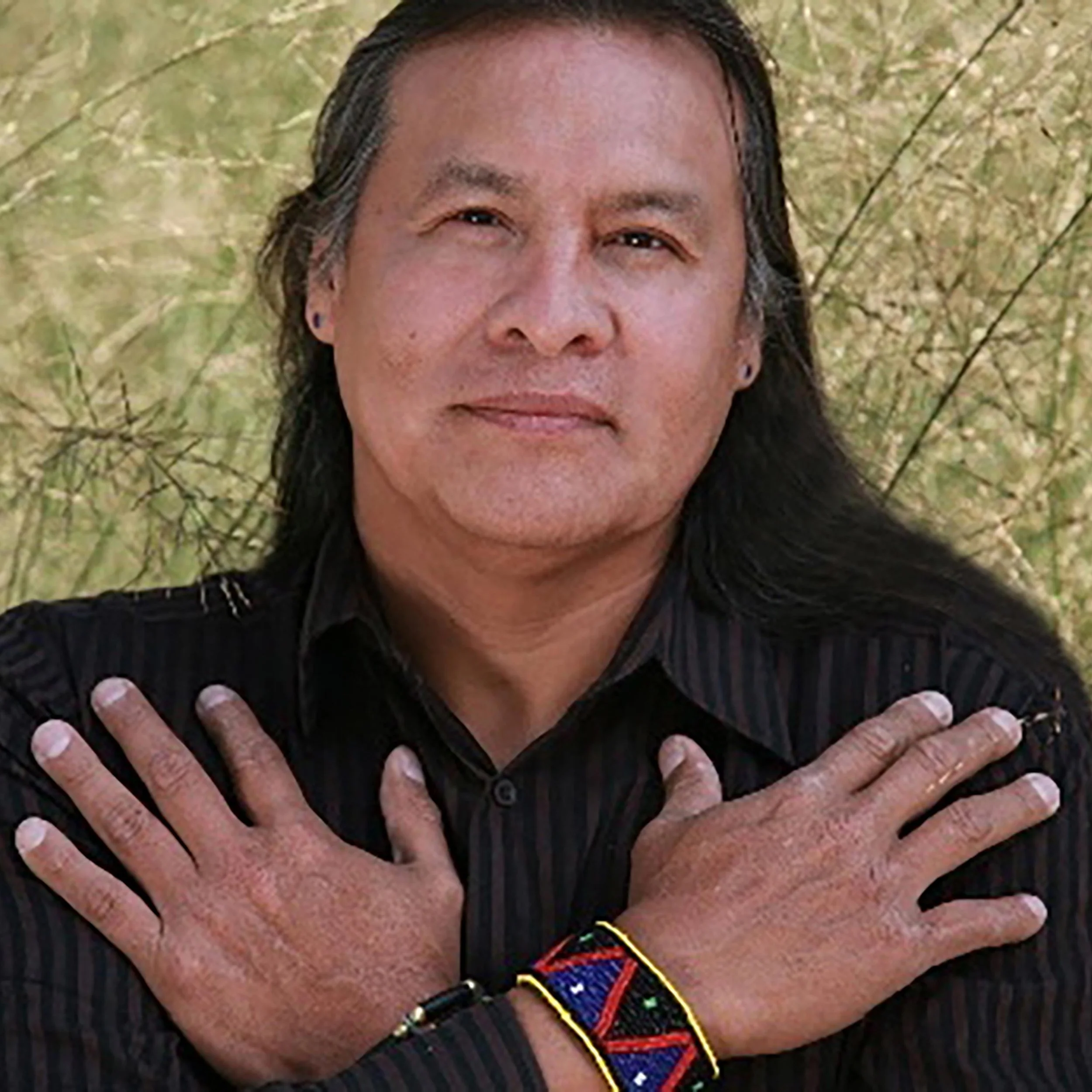
TIOKASIN GHOSTHORSE - Founder/Host of First Voices Radio - Founder of Akantu Intelligence

TIOKASIN GHOSTHORSE - Founder/Host of First Voices Radio - Founder of Akantu Intelligence

Founder · Host · Exec. Director of First Voices Radio
Founder of Akantu Intelligence · Master Musician of the Ancient Lakota Flute

We have not adapted to Earth. She needs us to do that. Instead, we've tried to adapt Earth to our needs. Which is always an extraction, take away. Earth doesn't exist because of technology. Earth will always be here. So when it comes to animacy, I think it's a Western term also, and so we get away from the Western terms. We start seeing that, oh, we are becoming Earth as we're born into this physical dimension. We are becoming Earth. And then as we are living during this time, we're alive. We are becoming Earth. And when we are finished with this body, we are becoming Earth. 

Are we living in a Simulated Universe? - MELVIN VOPSON

Are we living in a Simulated Universe? - MELVIN VOPSON

Physicist · Author of Reality Reloaded: The Scientific Case for a Simulated Universe
Co-founder & CEO of the Information Physics Institute

These ideas go as far back as Ancient Greece, which basically gave birth to two lines of thinking, two ideologies, materialism and idealism. And the idealist thinkers like Plato regarded reality as a projection of our minds, as something that is not real. And the only thing that is real is our consciousness and our minds and everything else around us is just constructs of our proception and projections. And that was a philosophy that was opposed to materialism, which regards the world as in a materialistic way, made up of atoms and matter and our minds are a product of these chemical reactions and the matter is coming together and forming our minds and consciousness. And everything in the world exists regardless of our consciousness or our minds and the universe is there and it's a materialistic view of the world. So these are two competing ideologies, and this is actually how we see the world today in a materialistic way.

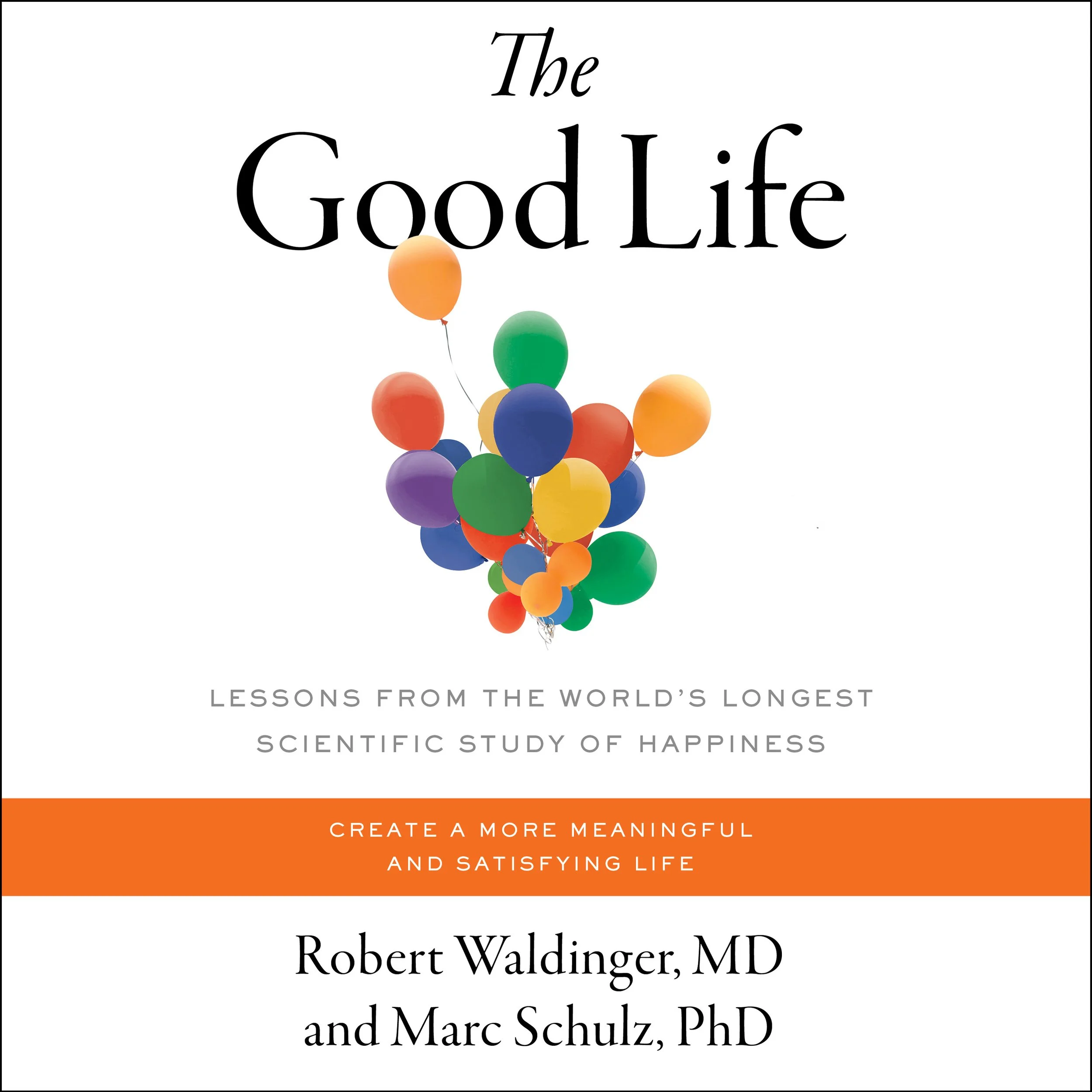
ROBERT WALDINGER - Co-Author of The Good Life: Lessons from the World's Longest Scientific Study of Happiness

ROBERT WALDINGER - Co-Author of The Good Life: Lessons from the World's Longest Scientific Study of Happiness

Co-Author of The Good Life: Lessons from the World's Longest Scientific Study of Happiness
Director of the Harvard Study of Adult Development
Psychiatrist · Psychoanalyst · Zen Priest

It's a study of adult lifespan development and when it was started in 1938, it was actually radical to study normal development for two reasons. One is that most of what had been studied was about what goes wrong in development, which we still do because we want to try to help people who are having developmental problems.

So that makes a lot of sense, but to study what goes right in development, that was unheard of. The other thing is that for a long time, we certainly thought about children as developing because you can watch children change every day. That change happens so fast, but many people thought that once you got to be in your 20s, you were kind of done with development. You found a partner, you found a line of work, you were set with regard to your personality, and that was it, then you just lived your life.

And of course, now we understand that there's so much that changes and develops through the course of adult life, but my predecessors (I'm the fourth director) were really, insightful in their understanding of how much there was to learn about all the changes that happen across the adult lifespan.

How has jazz been interpreted around the world? Highlights - BERNARDO MOREIRA

How has jazz been interpreted around the world? Highlights - BERNARDO MOREIRA

Portuguese Jazz Musician

I had so many people around me when I was young– famous poets like Ary dos Santos, one of Portugal’s greatest poets of the 20th century. Sometimes he would be there talking with my mother, and I had this information that was getting in, but I wasn’t aware of it. And then in the early days, when I had just started playing, I was really into modern jazz, which was very instrumental, so I didn’t really pay attention to lyrics. It took me a while to get interested in Portuguese music, and in that mixture between jazz, Fado music and Portuguese popular music. For a while I was into the importance of a good poem. Now what moves me most of the time is that mixture of cultures— trying to do something that you cannot find in other countries. If you are into a lot of American jazz, for instance, you can play great music, but you are always playing music that started elsewhere, you know? And for a European like me, it’s challenging to try and find what makes you different in such a big market. What sound can you try to create that you wouldn’t hear in France or in Japan or in New York? So that's a very difficult challenge, actually, because you try to get really into your heart and your emotion. And I think Portugal has a lot of good emotions in its popular music that you don't find elsewhere. The music I make always has a kind of nostalgic ambience. It's not always sadness. It's a melancholic approach that is very hard to put into words– you just need to feel it.

WENDY WONG - Author of We, the Data: Human Rights in the Digital Age

WENDY WONG - Author of We, the Data: Human Rights in the Digital Age

Author of We, the Data: Human Rights in the Digital Age
Professor of Political Science at University of British Columbia

One of the things that we need to remember is that we are data stakeholders and not data subjects. We're often called data subjects if you look at the way legislation is written and tech companies talk about the users of their technology as data subjects. Being a subject casts this sort of '“you can't help but have this happen to you” effect. But we're actually data stakeholders for the reason that data cannot be created without us. If companies were incentivized to follow data minimization for example, where they only collect the data they need, that would change the way we interact with digital technologies.

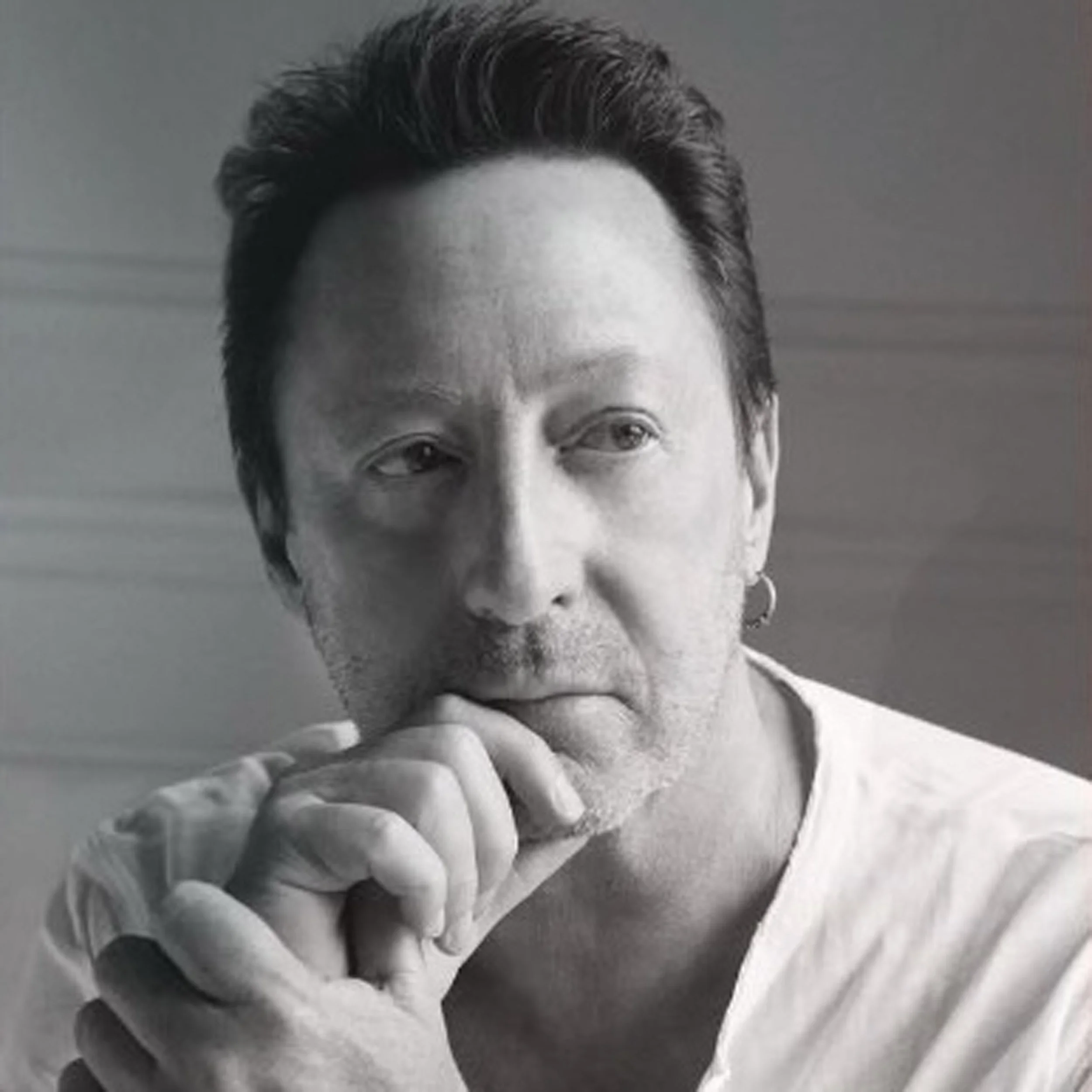
JULIAN LENNON - Singer-songwriter, Photographer, Doc Filmmaker, Exec. Producer of Common Ground

JULIAN LENNON - Singer-songwriter, Photographer, Doc Filmmaker, Exec. Producer of Common Ground

Singer-songwriter · Photographer · Documentary Filmmaker
Founder of The White Feather Foundation
Executive Producer of Common Ground

I thought, wow, how are they going to bring this across in a way that isn't shoving things down people's throats? It's presenting information in a way that is creative, but also in a way that drives your curiosity into understanding, number one, why are we in the position that we're in? And number two, how can we fix this? What can we do to change all of this? And so, I initially got involved as an executive producer on Kiss the Ground, and I was blown away by how that film came out at the end. How well rounded it was, the flow of the film, the storytelling, and really feeding me information that I didn't even know previously. And so also watching that become a platform around the world was jaw-dropping. I mean, the fact that the belief and the understanding and the wisdom that came out of that project has touched so many hearts, minds, and souls around the world, that people are really single-handedly almost making change for the better around the world. Now, when Common Ground was presented, I did love that concept because Kiss the Ground had been very much a broad approach and about America, for the majority, really, and Common Ground was a much more...I mean, we're still dealing with the same subject matter obviously, but I think it felt great to come from a more personal aspect." 

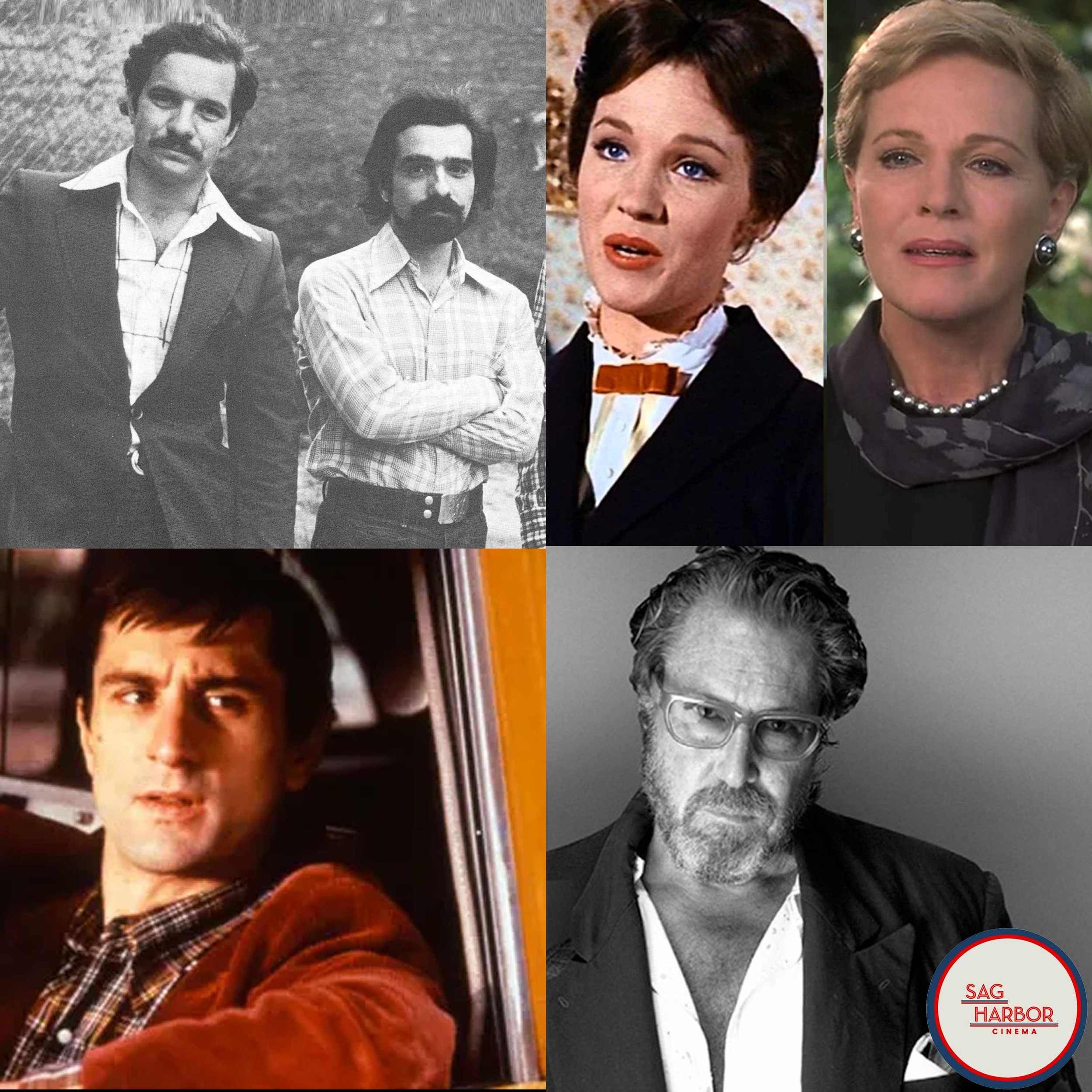
JULIE ANDREWS - PAUL SCHRADER - JULIAN SCHNABEL on Filmmaking & Creative Process

JULIE ANDREWS - PAUL SCHRADER - JULIAN SCHNABEL on Filmmaking & Creative Process

“Taxi Driver, the first script I wrote, it is very much a young man's film. And it's full of, the anger of a young man. And the striking out. And also it's full of the pathology of suicidal glory.”

”Tony Walton, when he was designing the costumes, he said, ‘I think somehow Mary Poppins has a bit of a secret life. She's a bit naughty..’ And it was a great clue for me because that little wicked thing that she has occasionally. And then while doing and thinking and talking to the director, you do form certain things like flying with the feet turned out and the way she walked. I tried to make her walk almost as if she weren't quite touching the ground.”

“I think that the truth of the movie is maybe as true as I could tell the story. What I thought was possible. It's a movie. And in working with actors. I mean, what are we doing when we're doing that?…A story can be true to whatever narrative, but it can be very boring to watch. I think that Willem's performance is probably the best performance he gave in his life.”

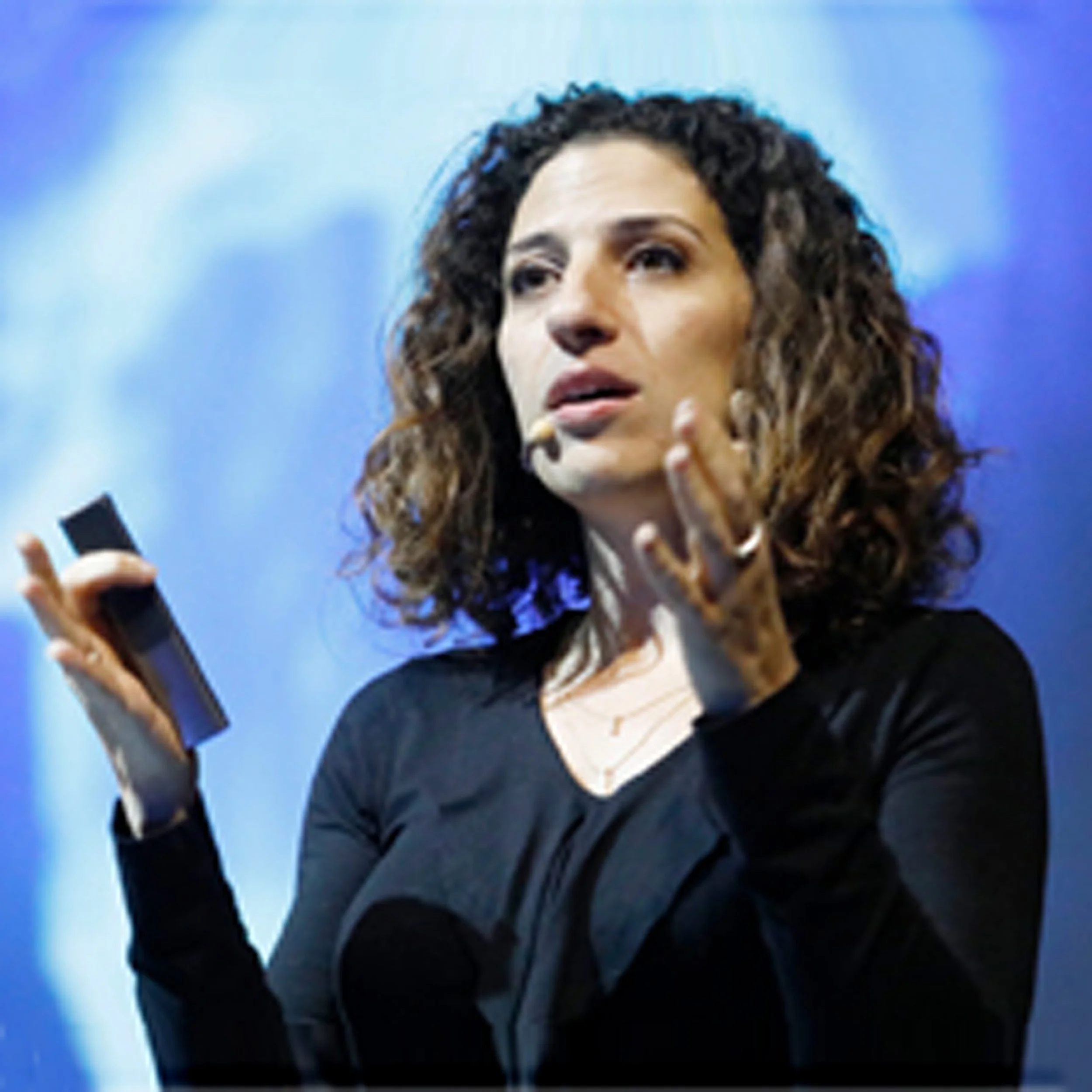
What distinguishes our consciousness from AI & machine learning? LIAD MUDRIK - Neuroscientist, Tel Aviv University

What distinguishes our consciousness from AI & machine learning? LIAD MUDRIK - Neuroscientist, Tel Aviv University

Neuroscientist · Principal Investigator Liad Mudrik Lab · Tel Aviv University

So when I say that I am a conscious creature, I mean that I don't only analyze information about the world, or not only even respond to the world because you can think about, your thermostat response to the world, but when I sense the world, I don't only process information. I also have a qualitative experience, adopting Thomas Nagel's famous title of his paper. It feels like something in his case to be a bat. In our case, to be me. It feels like something to drink coffee, right? So the question is what allows us as human beings not only to process information but also to experience it? And this is what we are trying to understand, basically. And I should say, I said us as human beings, but I think that animals also have such conscious experience.

So to what extent does our cognition affect perception itself? And I belong to those researchers who think that it does. We are affected by what we expect to see. And sometimes we even perceive the expected as opposed to the world as it is. That also pertains to day-to-day life, to politics, to the reality you construct for yourself. So the brain is an amazing, amazing piece of machinery. And one of the things that it does best is to create these narratives. into which we project ourselves. So it creates a model of the world.

GATOR HALPERN - Co-Founder & President of Coral Vita - UN Young Champion of the Earth - Forbes 30 Under 30 Social Entrepreneur

GATOR HALPERN - Co-Founder & President of Coral Vita - UN Young Champion of the Earth - Forbes 30 Under 30 Social Entrepreneur

Co-Founder & President of Coral Vita
UN Young Champion of the Earth · Forbes 30 Under 30 Social Entrepreneur

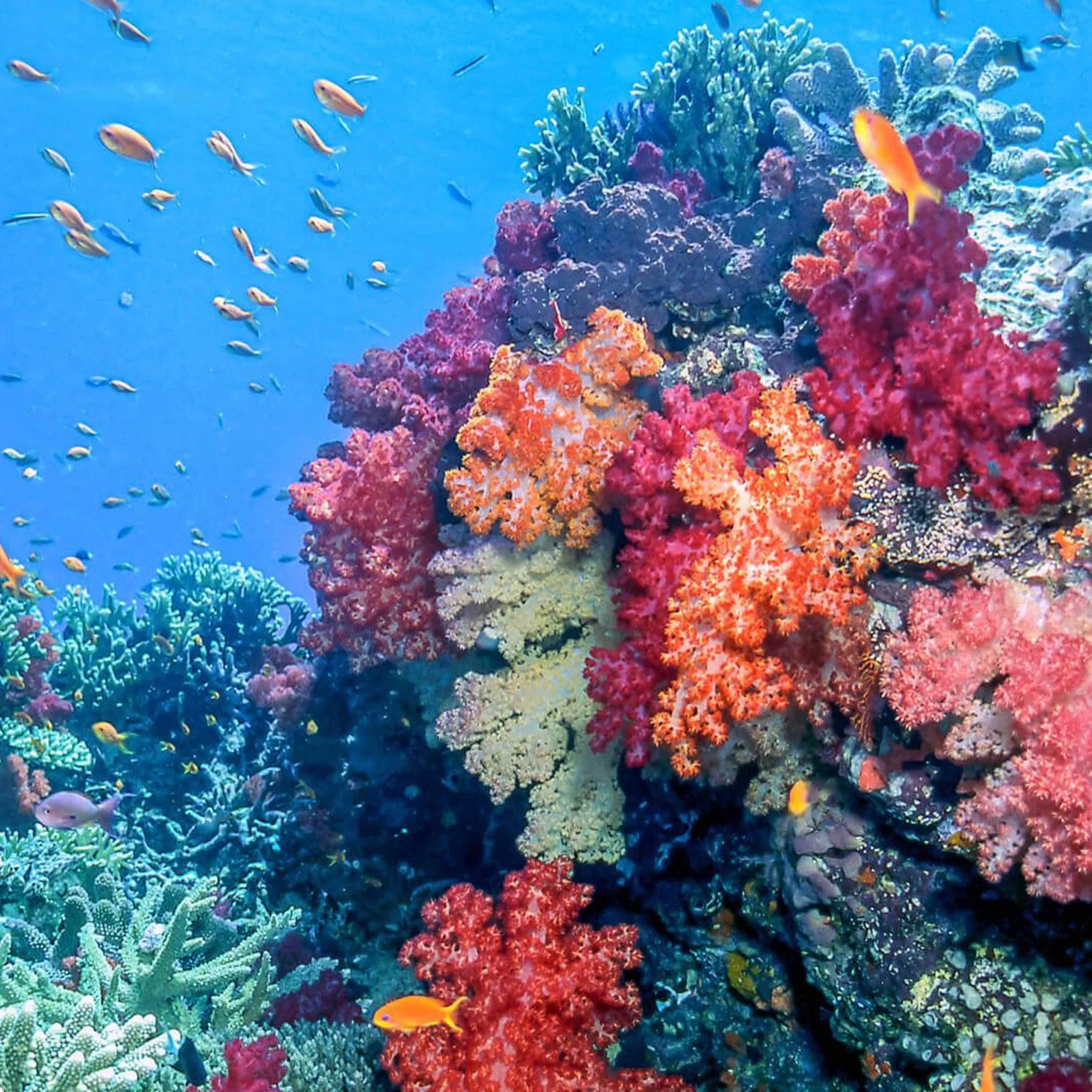
Coral reefs are the most biodiverse habitat on the planet, despite covering less than 1 percent of the ocean area, over a quarter of all marine life exists in these rainforests of the sea. And if you think of a coral reef as a rainforest, the trees are the coral themselves. Which are incredible organisms, so, magic is really the right word to describe them. They're these animals that are one of the original forms of animal life, the second branch of the animal kingdom is actually Cnidaria, which includes coral and jellyfish. So, an ancient animal, but they have a symbiotic relationship with algae, and so inside the animal tissue are these zooxanthellae, these algae that do photosynthesis, like algae do, like plants do. It's able to capture sunlight and convert it into sugars and energy. And so, it's an animal, but it's got plants that live inside it, this algae, and then even more wild - it grows a skeleton that is rock!

LEAH THOMAS - Author of The Intersectional Environmentalist - Founder of IE Platform & @GreenGirlLeah

LEAH THOMAS - Author of The Intersectional Environmentalist - Founder of IE Platform & @GreenGirlLeah

Author of The Intersectional Environmentalist: How to Dismantle Systems of Oppression to Protect People + Planet
Founder of @greengirlleah & The Intersectional Environmentalist platform

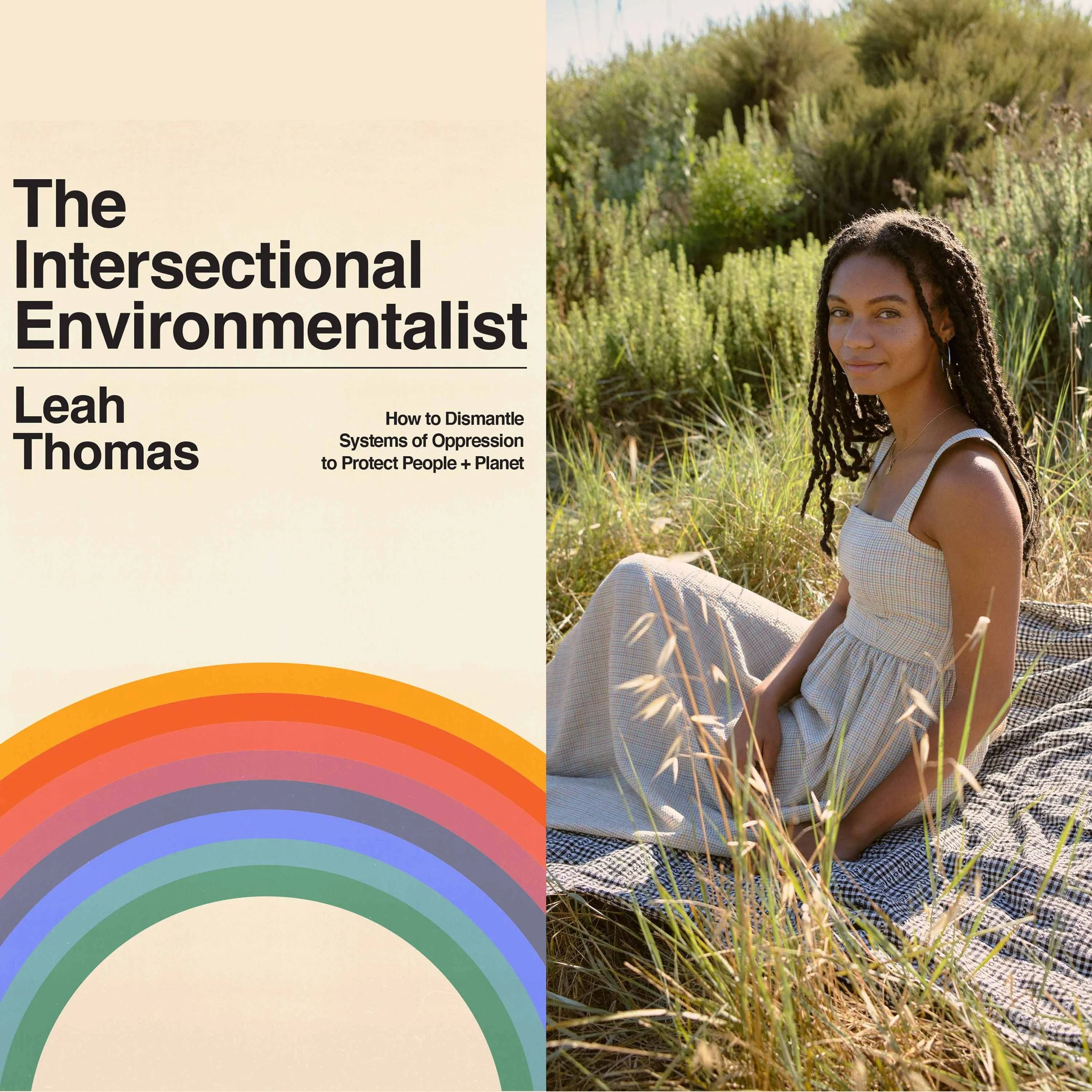
Intersectional Environmentalism to me means prioritizing social justice in environmental movements and really thinking about what communities are most impacted by different environmental injustices. So, for example, in the United States, a lot of communities of color, Black, Indigenous communities, and also lower-income communities struggle with things like unclean air and unclean water, and those are environmental injustices. So I thought it was important to have an intersectional approach to environmental advocacy that doesn't ignore these things and these intersections of identity, but explores them to make sure that every community, especially those most impacted by environmental injustices, no longer are. And I wanted to write a really accessible introduction that was targeted at school kids or anyone who wants to learn more.

ANDREW KLAVAN - Edgar Award-winning Author of The House of Love and Death - True Crime - Don’t Say a Word

ANDREW KLAVAN - Edgar Award-winning Author of The House of Love and Death - True Crime - Don’t Say a Word

Edgar Award-winning Author of The House of Love and Death
True Crime
dir. Clint Eastwood · Don’t Say a Word starring Michael Douglas
Journalist & Podcast Host

I think that the modern sensibility and certainly the post-modern sensibility tells us that everything is self-referential. That if we have a certain feeling, it's because of our chemistry, it's because of our sexuality or urges that come within ourselves. But the older way of thinking is that we're in a relationship with a world that actually is reflected in our mind. And I think that that older sensibility is probably closer to the truth. It explains a lot more. It makes a lot more sense of things.

So every writer knows this, that he's not actually drawing so much from himself as some kind of literal inspiration, some kind of breathing into him that connects him, his own experiences, his childhood experiences, life experiences, his mental experiences with something that is very real outside him. And what he's trying to do in art, I think, is communicate that experience to other people in the only way possible. You can't describe it, you can't put adjectives into it. You have to dramatize it or paint a picture of it or write a song about it. That's the way human beings communicate the experience of being human.

MICHAEL S. ROTH - President of Wesleyan University - Author of The Student: A Short History

MICHAEL S. ROTH - President of Wesleyan University - Author of The Student: A Short History

President of Wesleyan University
Author of The Student: A Short History

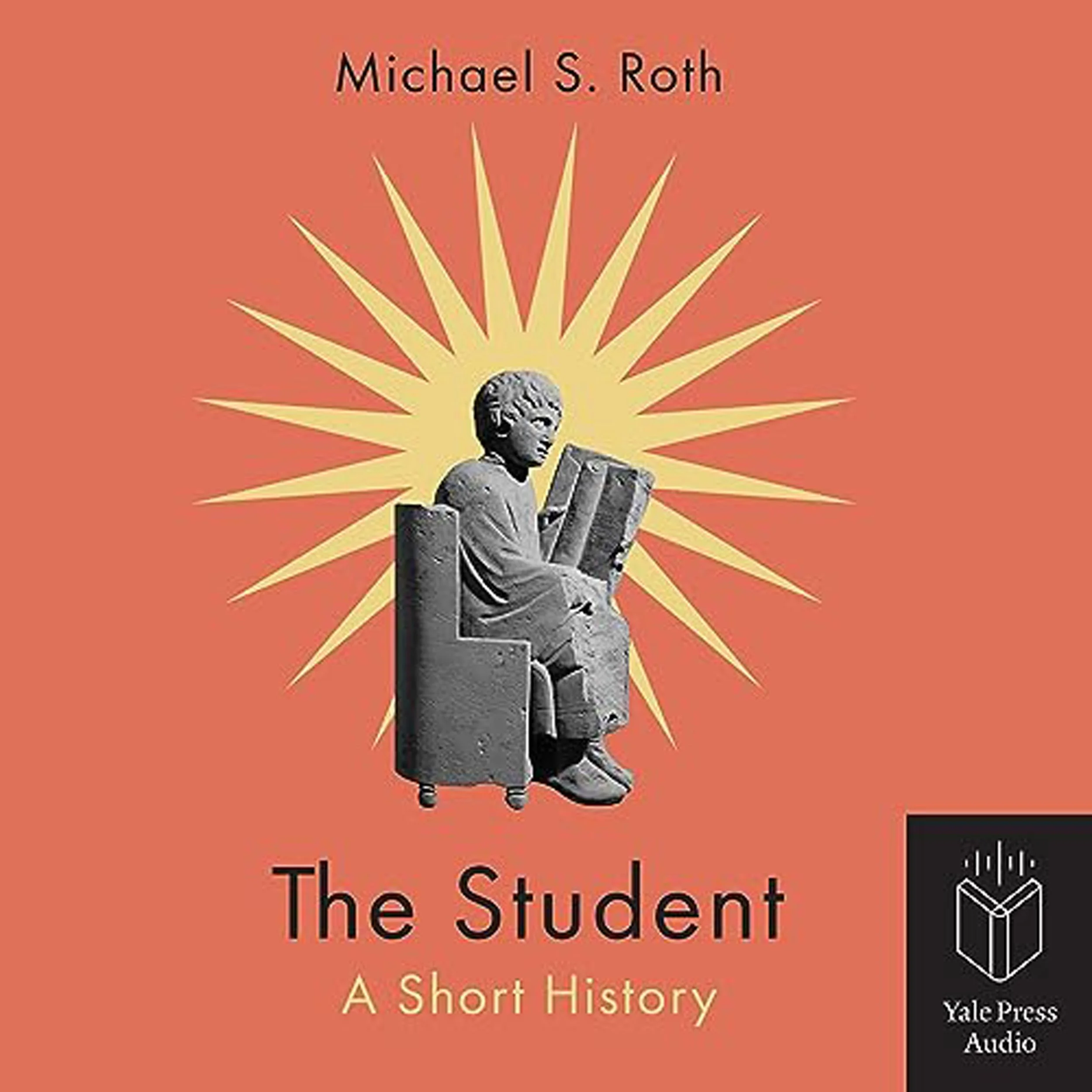
So I wrote this book and it was a lot of fun because I had to learn so much. The book examines three iconic teachers: Confucius, Socrates, and Jesus. And I look at how each of those teachers encourage a certain kind of student. The student as follower, someone who will take on the path that you've developed. In the case of Socrates, the student as critical interlocutor or critical conversation partner, someone who will, in dialogue with you, learn what they don't know, how to take things apart. And in the case of Jesus and the apostles, I look at trying to imitate a way of life to transform themselves to strive towards being the kind of person that Jesus incarnated. And so that's the beginning of the book, these models of studenthood, if I could use that word, and being a teacher. And then I look at the way in which these ideas reverberate in the West across a long period of time. So I'm interested in the idea of the student before there were schools. What did we expect young people to learn even when they weren't going to school?

BRIAN DAVID JOHNSON - Author of The Future You: How to Create the Life You Always Wanted - Futurist in Residence, ASU’s Center for Science & the Imagination

BRIAN DAVID JOHNSON - Author of The Future You: How to Create the Life You Always Wanted - Futurist in Residence, ASU’s Center for Science & the Imagination

Author of The Future You: How to Create the Life You Always Wanted
Director of the Arizona State University’s Threatcasting Lab
Futurist in Residence, ASU’s Center for Science & the Imagination

Let's talk about technology and the role of humanity and the role of being human and what it means to be present in that. We need to keep humans at the center of everything that we do, that everything that we do in our life is about humans. It begins with humans and ends with humans. There might be technologies and businesses and all these things in between, but we should measure the effect on humans.

When I talk to people about artificial intelligence or technology, I'm generally asking them two questions. What are you optimizing for? What's the effect that you're trying to get? Developing technology for technology's sake, although it can be kind of interesting...then is why you're doing it because you think it's interesting? But then ultimately, if you're doing it beyond your own gratification, why are you doing it?

So much of what I do in that is talking to governments and militaries and large organizations to say we always have to keep humans in the loop. You have to keep humans in the center because it's about us. That really is incredibly important. And that's one of the central ideas in the future. The future should be about humans, and where are humans going. And what do we want as humans? And how are we using technology to make us more human, or healthier, or happier, or more productive?

SUSAN SCHNEIDER - Director, Center for the Future Mind, FAU, Fmr. NASA Chair at NASA

SUSAN SCHNEIDER - Director, Center for the Future Mind, FAU, Fmr. NASA Chair at NASA

Founding Director · Center for the Future Mind · Florida Atlantic University
Author of Artificial You: AI and the Future of Your Mind
Fmr. NASA Chair at NASA · Fmr. Distinguished Scholar at US Library of Congress

So it's hard to tell exactly what the dangers are, but that's certainly one thing that we need to track that beings that are vastly intellectually superior to other beings may not respect the weaker beings, given our own past. It's really hard to tell exactly what will happen. The first concern I have is with surveillance capitalism in this country. The constant surveillance of us because the US is a surveillance capitalist economy, and it's the same elsewhere in the world, right? With Facebook and all these social media companies, things have just been going deeply wrong. And so it leads me to worry about how the future is going to play out. These tech companies aren't going to be doing the right thing for humanity. And this gets to my second worry, which is how's all this going to work for humans exactly? It's not clear where humans will even be needed in the future.

AI & THE FUTURE OF HUMANITY

AI & THE FUTURE OF HUMANITY

What will the future look like? What are the risks and opportunities of AI? What role can we play in designing the future we want to live in? In this first episode of our new channel, philosophers, futurists, AI experts, science fiction authors, activists, and lawyers reflect on AI, technology, and the Future of Humanity..

DAVID BYRNE'S THEATER OF THE MIND - SCIENCE SANDBOX FILMS produced by Simons Foundation & People’s TV

DAVID BYRNE'S THEATER OF THE MIND - SCIENCE SANDBOX FILMS produced by Simons Foundation & People’s TV

Science Sandbox · People’s TV

Q: Who is David Byrne?
David Byrne: …I have no idea.

Most people know me through music, but when I was in high school I saw science and the arts as being equally creative fields. More recently, I just started taking an interest in how the brain works, and there's been this explosion of literature. As much as I love reading about neuroscience, I realize that experiencing some of the phenomena is just on a different level. I wanted to create an experience that shows us we're not who we think we are. Theater of the Mind is an immersive Science Theater project. With this show, I've tried to marry a narrative to the experience of different scientific phenomena that reveal how malleable our perception memory and identity really are.

APRIL GORNIK - Artist, Environmentalist, Co-founder of The Church: Arts & Creativity Center

APRIL GORNIK - Artist, Environmentalist, Co-founder of The Church: Arts & Creativity Center

Artist · Environmentalist
Co-founder of The Church · Arts & Creativity Center
Co-director of Sag Harbor Cinema Board

I've chosen my work because I've loved the outside world. I love the things outside of myself. I love what isn't immediate to me. And I love projecting onto that as a way of kind of trying to reach the distance between my inner self and the vastness. To try to do that in a way that makes other people feel inspired by it, not be chided for not taking care of it. It's not something that I intend to be a message per se. I'd rather people look at the natural world and see the heartbreaking beauty of it and sense its fragility and its impermanence and their own impermanence and fragility and then have a response to that rather than say, you know, you have to act, you have to do something. I would hope that would inspire action rather than to cudgel them with a directive.

LINDSEY ANDERSON BEER - Writer, Director, Producer - Pet Sematary: Bloodlines - Sleepy Hollow - Bambi

LINDSEY ANDERSON BEER - Writer, Director, Producer - Pet Sematary: Bloodlines - Sleepy Hollow - Bambi

Writer · Director · Executive Producer
Pet Sematary: Bloodlines · Sleepy Hollow · Bambi · Lord of the Flies

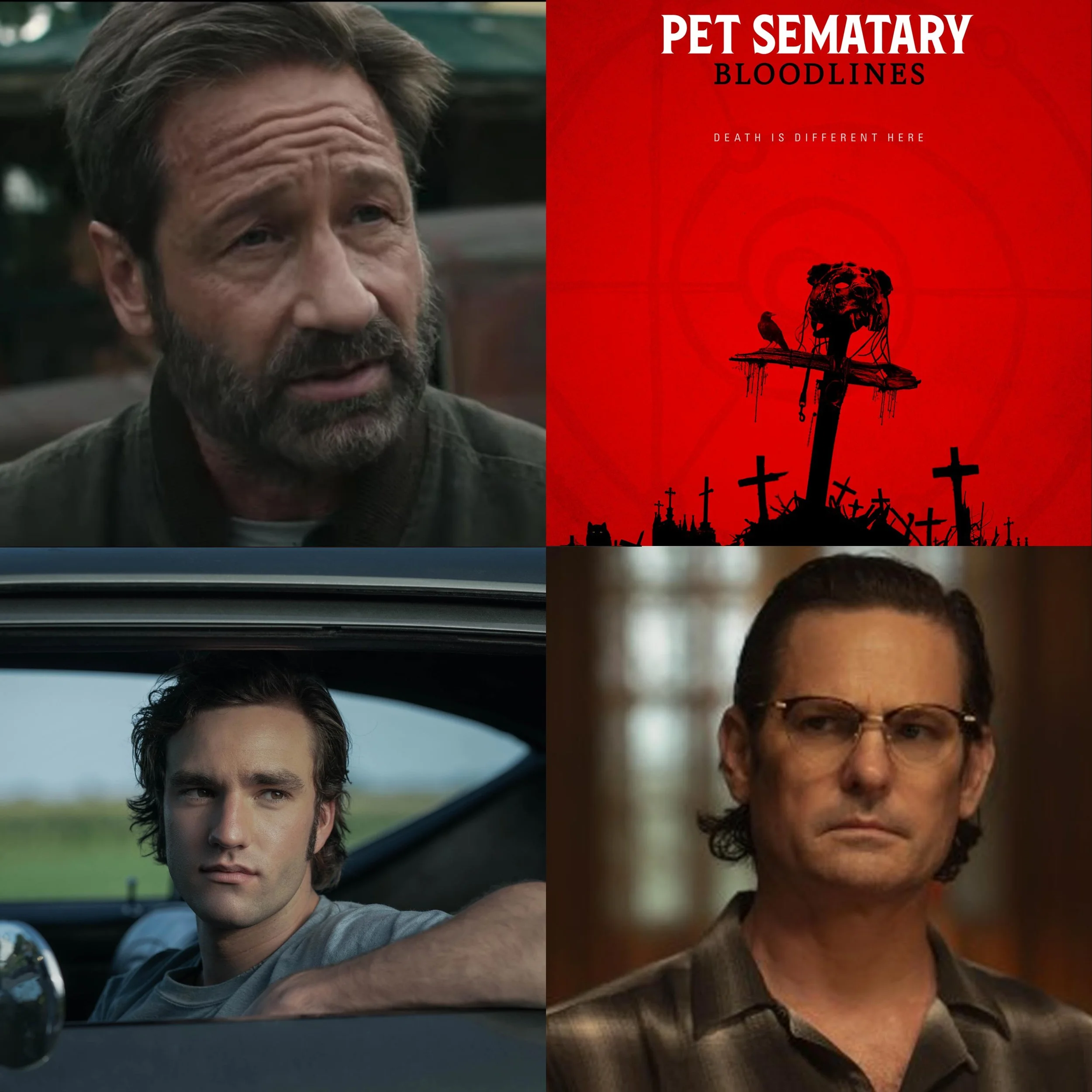
For me, I don't start a project unless I have a really clear understanding of who the main characters are and why this is a journey that's necessary for them to take. And why are these both the best and the worst people to be in this series? That's the question I ask myself all the time because you need to know: What are their strengths? What are their weaknesses? What are the dramatic tension points going to be where these specific people can really succeed or really fail in this scenario? I love people who are passionate, and Quentin Tarantino is just so passionate. And I've never been in a writer's room or even really in any kind of development experience where a director was just so passionate and so full of kind of energetic ideas. And that was really inspiring. Somebody who just completely knows their own point of view and gets excited by their own ideas is just fun to watch.

DEAN SPADE - Author of Normal Life: Administrative Violence, Critical Trans Politics, and the Limits of Law

DEAN SPADE - Author of Normal Life: Administrative Violence, Critical Trans Politics, and the Limits of Law

Organizer · Speaker · Professor at Seattle University's School of Law
Author of Normal Life: Administrative Violence, Critical Trans Politics, and the Limits of Law
Mutual Aid, Building Solidarity During This Crisis (and the Next)

I want to see movements that embolden our tactics. Like people blocking oil pipelines all over the world. That's what's required now. Asking endlessly from the dominant system to treat us fairly doesn't work. And this frustrating kind of endless appeal and hoping maybe we can get it to work this time doesn't work. And the clock is ticking, especially on ecological collapse. We need to save each other's lives and act.