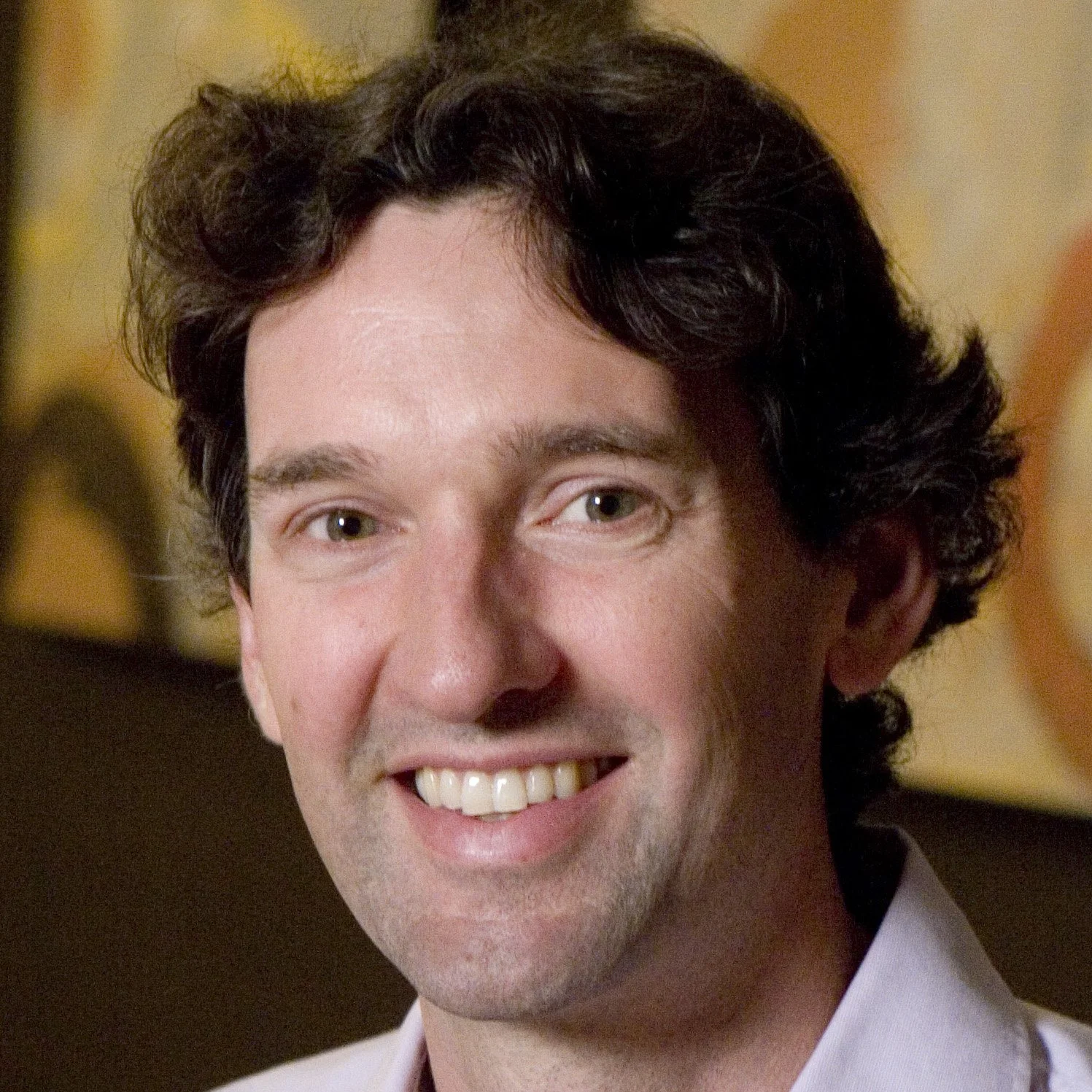
STEVE BIDDULPH - Educator & Bestselling Author of The Secret of Happy Children, Raising Boys, The New Manhood, and 10 Things Girls Need Most

STEVE BIDDULPH - Educator & Bestselling Author of The Secret of Happy Children, Raising Boys, The New Manhood, and 10 Things Girls Need Most

Parent Educator & Bestselling Author of The Secret of Happy Children
Raising Boys, The New Manhood
, and 10 Things Girls Need Most

We drastically misuse our mind and have neglected a very important part of the way our mind works in the modern world. I think preindustrial people and our ancestors used this very well. And that is that we have a whole right hemisphere of our brain which doesn't think in words, which takes in the holistic picture of everything around us. Anyone who is listening to this podcast will be aware that sometimes you have got feelings about things. They are signals that are sent from the right hemisphere of the brain, picking up things that we can't consciously interpret or read. It goes through our amygdala, which is our alarm system, and straight down the vagus nerve, and we feel it down in the middle of our body. What the books argue, if you want to be able to parent effectively, and live your life effectively, is to stay in touch with that. Include those signals as part of your mental checking out. Expand your awareness because you can read that every few seconds all the time. And your life will be very different. There are feelings below your feelings. They are not always right, but they're always worth listening to.

America, Goddam: Violence, Black Women & The Struggle for Justice w/ TREVA B. LINDSEY - Highlights
TREVA B. LINDSEY - Black Feminist Historian - Author of America, Goddam: Violence, Black Women & The Struggle for Justice
The Art of Provocation: ALBERT SERRA on Filmmaking & Libertinism - Highlights

The Art of Provocation: ALBERT SERRA on Filmmaking & Libertinism - Highlights

Albert Serra has been called one of the most radical and singular filmmakers working today. Born in Banyoles, Spain, he studied literature and art history at Barcelona University. In 2006 he wrote, directed and produced his first feature film, Honor of the Knights, followed by Birdsong; both were selected for the Directors’ Fortnight at Cannes. In 2010 he made Els noms de Crist before directing, a year later, El Senyor ha fet en mi meravelles for the exhibition Correspondencias at Barcelona. He is best known for his films Story of My Death and The Death of Louis XIV starring Jean-Pierre Léaud. His most recent feature film Liberté explores libertinism at the time of the French Revolution.


Mia Funk is an artist, interviewer and founder of The Creative Process.

Exploring Modern Life: TOM PERROTTA on The Leftovers & Mrs. Fletcher - Highlights

Exploring Modern Life: TOM PERROTTA on The Leftovers & Mrs. Fletcher - Highlights

Tom Perrotta is the bestselling author of nine works of fiction, including Election and Little Children, both of which were made into Oscar-nominated films, and The Leftovers, which was adapted into a critically acclaimed, Peabody Award-winning HBO series. His other books include Bad Haircut, The Wishbones, Joe College, The Abstinence Teacher, Nine Inches, and his newest, Mrs. Fletcher. His work has been translated into a multitude of languages. Perrotta grew up in New Jersey and lives outside of Boston.

ALBERT SERRA - Cannes Award-winning Director - The Death of Louis XIV - Tourment sur les îles

ALBERT SERRA - Cannes Award-winning Director - The Death of Louis XIV - Tourment sur les îles

Albert Serra has been called one of the most radical and singular filmmakers working today. Born in Banyoles, Spain, he studied literature and art history at Barcelona University. In 2006 he wrote, directed and produced his first feature film, Honor of the Knights, followed by Birdsong; both were selected for the Directors’ Fortnight at Cannes. In 2010 he made Els noms de Crist before directing, a year later, El Senyor ha fet en mi meravelles for the exhibition Correspondencias at Barcelona. He is best known for his films Story of My Death and The Death of Louis XIV starring Jean-Pierre Léaud. His most recent feature film Liberté explores libertinism at the time of the French Revolution.


Mia Funk is an artist, interviewer and founder of The Creative Process.

Uncommon Measure: A Journey Through Music, Performance, &
the Science of Time - NATALIE HODGES - Highlights

Uncommon Measure: A Journey Through Music, Performance, &
the Science of Time - NATALIE HODGES - Highlights

Author of Uncommon Measure A Journey Through Music, Performance, and
the Science of Time
· Fmr. Classical Violinist

There's a real decrease in functional connectivity between regions of the brain that modulate the ego and a sense of self for Gabriela Montero when she's improvising. That's not a region of the brain in particular, it’s the connections between a lot of them and that together as well and also our sense of self and also our conscious memory and our ability to anticipate and plan for the future. So our knowledge of ourselves in these different spheres of time, the light of that activity is dimmed during improvisation. There really is a biological reason behind her feeling that she gets out of the way and something else comes to the fore. The study asks why are her improvisations still so coherent, why did they hold together in time. They refer to it as this form of embodied creativity or embodied cognition, where it’s a deeper kind of memory. a more physical memory in her fingers in her body that know how to play and kind of takes over and allows for ego to kind of dissolve in that moment as she performs.

NATALIE HODGES - Author of Uncommon Measure A Journey Through Music, Performance & 
the Science of Time - Fmr. Classical Violinist

NATALIE HODGES - Author of Uncommon Measure A Journey Through Music, Performance & 
the Science of Time - Fmr. Classical Violinist

Author of Uncommon Measure A Journey Through Music, Performance, and
the Science of Time
· Fmr. Classical Violinist

There's a real decrease in functional connectivity between regions of the brain that modulate the ego and a sense of self for Gabriela Montero when she's improvising. That's not a region of the brain in particular, it’s the connections between a lot of them and that together as well and also our sense of self and also our conscious memory and our ability to anticipate and plan for the future. So our knowledge of ourselves in these different spheres of time, the light of that activity is dimmed during improvisation. There really is a biological reason behind her feeling that she gets out of the way and something else comes to the fore. The study asks why are her improvisations still so coherent, why did they hold together in time. They refer to it as this form of embodied creativity or embodied cognition, where it’s a deeper kind of memory. a more physical memory in her fingers in her body that know how to play and kind of takes over and allows for ego to kind of dissolve in that moment as she performs.

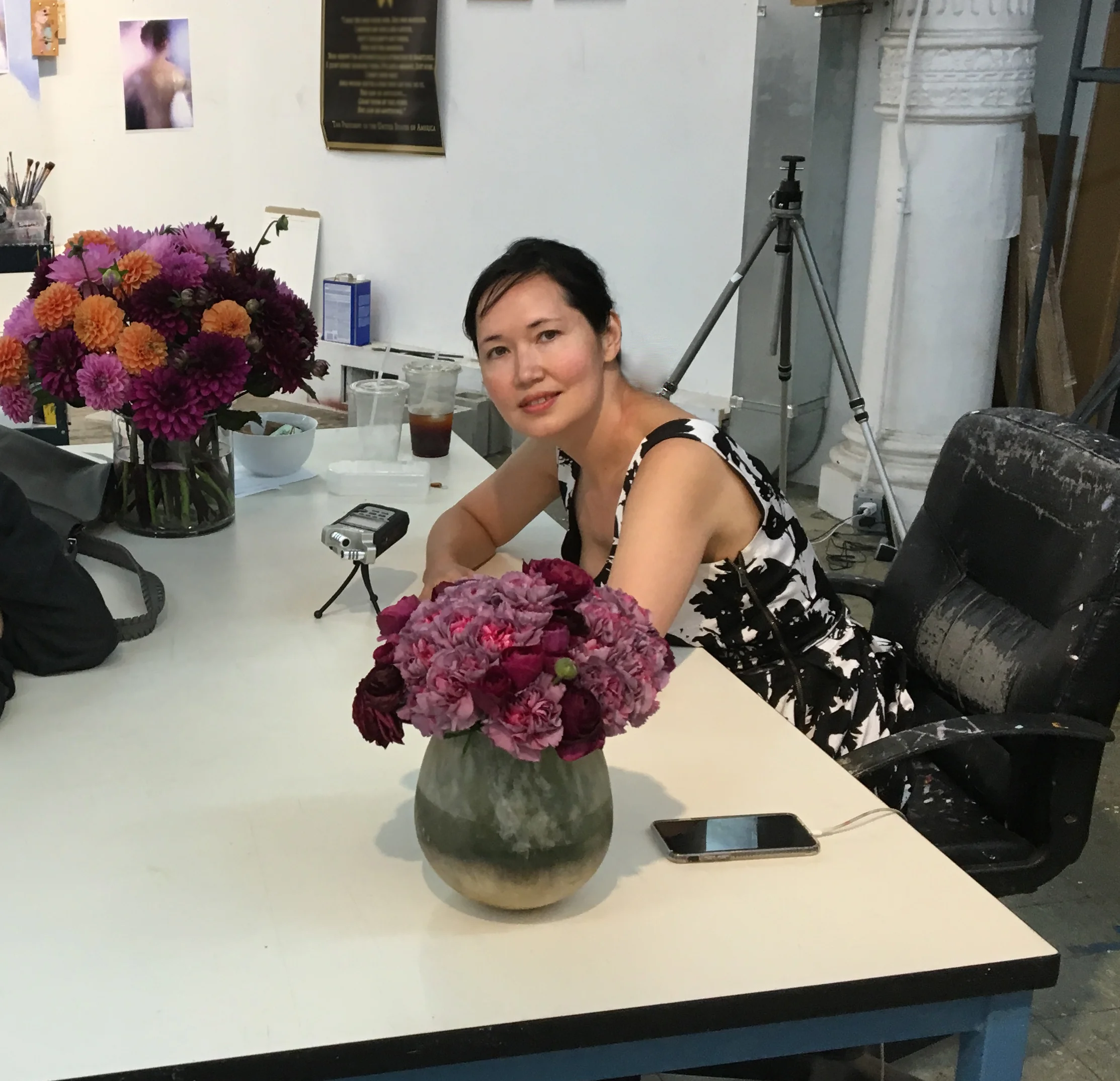
MIA FUNK - Artist, Interviewer & Founder of The Creative Process

MIA FUNK - Artist, Interviewer & Founder of The Creative Process

Interview with Founder of The Creative Process

What is very important to me is to create work that is meaningful, not only a beautiful painting that’s aesthetically pleasing or a story about limited personal experiences, but to reach beyond my particular concerns to speak to others and their concerns and interests, to do something that inspires the next generation and which is larger than myself.

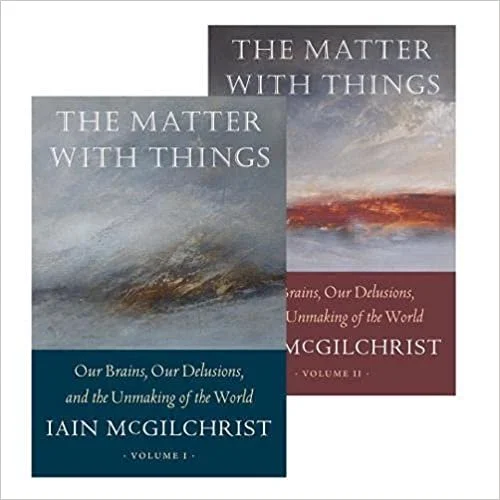
The Matter With Things: Our Brains, Our Delusions & the Unmaking of the World - DR. IAIN McGILCHRIST - Highlights

The Matter With Things: Our Brains, Our Delusions & the Unmaking of the World - DR. IAIN McGILCHRIST - Highlights

Author of The Matter with Things · The Master and his Emissary: The Divided Brain and the Making of the Western World Psychiatrist, Neuroscience Researcher, Philosopher & Literary Scholar

The heart also reports to the brain and receives from the brain. So our bodies are in dialogue with the brain. And we don't really know where consciousness is, we sort of imagine it's somewhere in the head. We have no real reason to suppose that it's just we identify it with our sight and we, therefore, think it must be somewhere up there behind the eyes, but it's something that takes in the whole of us and to which the whole of us contributes.

DR. IAIN McGILCHRIST - Author of The Matter with Things - Psychiatrist, Neuroscience Researcher, Philosopher & Literary Scholar

DR. IAIN McGILCHRIST - Author of The Matter with Things - Psychiatrist, Neuroscience Researcher, Philosopher & Literary Scholar

Author of The Matter with Things · The Master and his Emissary: The Divided Brain and the Making of the Western World Psychiatrist, Neuroscience Researcher, Philosopher & Literary Scholar

The heart also reports to the brain and receives from the brain. So our bodies are in dialogue with the brain. And we don't really know where consciousness is, we sort of imagine it's somewhere in the head. We have no real reason to suppose that it's just we identify it with our sight and we, therefore, think it must be somewhere up there behind the eyes, but it's something that takes in the whole of us and to which the whole of us contributes.

TOM PERROTA - Writer, Producer on Little Children, Mrs. Fletcher & The Leftovers

TOM PERROTA - Writer, Producer on Little Children, Mrs. Fletcher & The Leftovers

Tom Perrotta is the bestselling author of nine works of fiction, including Election and Little Children, both of which were made into Oscar-nominated films, and The Leftovers, which was adapted into a critically acclaimed, Peabody Award-winning HBO series. His other books include Bad Haircut, The Wishbones, Joe College, The Abstinence Teacher, Nine Inches, and his newest, Mrs. Fletcher. His work has been translated into a multitude of languages. Perrotta grew up in New Jersey and lives outside of Boston.

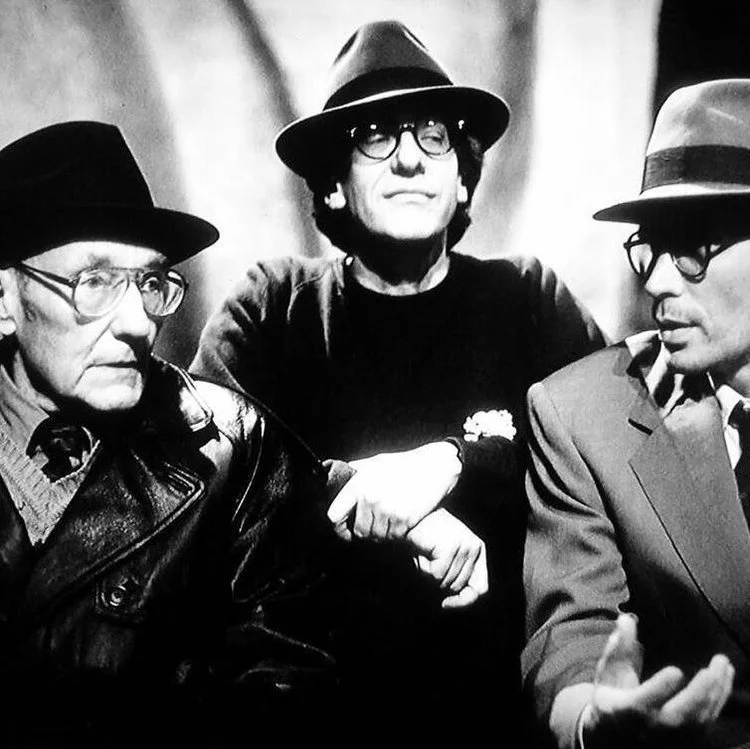
Beyond the Screen: Peter Weller on Acting, Directing & Art - PETER WELLER - Highlights

Beyond the Screen: Peter Weller on Acting, Directing & Art - PETER WELLER - Highlights

Peter Weller is a renowned theater and Hollywood actor. His performance in films such as Robocop and Naked Lunch garnering him much critical and commercial success over the years. Unbeknownst to most, Weller has spent much of his time over the decades, honing his appreciation for the visual and musical arts through his studies of the Renaissance era. Earning a Masters in  Roman architecture from Syracuse University before moving onto a PHD in Renaissance art from UCLA, Weller has even penned numerous academic papers covering the era’s influence on modern art. Recently, Weller has even returned to the setting of RoboCop in Detroit, Michigan to deliver a lecture on “The Crisis in Beauty”. Peter has also contributed an essay to a music anthology The Creative Process has co-curated for Routledge Press. Weller’s essay details his memories of the late Miles Davis, who was both a friend and an inspiration.

PETER WELLER - Actor, Art Historian & Director

PETER WELLER - Actor, Art Historian & Director

Peter Weller is a renowned theater and Hollywood actor. His performance in films such as Robocop and Naked Lunch garnering him much critical and commercial success over the years. Unbeknownst to most, Weller has spent much of his time over the decades, honing his appreciation for the visual and musical arts through his studies of the Renaissance era. Earning a Masters in  Roman architecture from Syracuse University before moving onto a PHD in Renaissance art from UCLA, Weller has even penned numerous academic papers covering the era’s influence on modern art. Recently, Weller has even returned to the setting of RoboCop in Detroit, Michigan to deliver a lecture on “The Crisis in Beauty”. Peter has also contributed an essay to a music anthology The Creative Process has co-curated for Routledge Press. Weller’s essay details his memories of the late Miles Davis, who was both a friend and an inspiration.

Photo by Steve Granitz - © WireImage.com

Cradle to Cradle: Remaking the Way We Make Things - WILLIAM McDONOUGH - Architect & Leader in Sustainable Design

Cradle to Cradle: Remaking the Way We Make Things - WILLIAM McDONOUGH - Architect & Leader in Sustainable Design

Leader in Sustainable Design & Development
Architect, Co-author of Cradle to Cradle: Remaking the Way We Make Things

I think believing in something is also part of the responsibility of the believer to sift through these things. So there are a lot of people saying I'm green because they do something less badly. So for me, it’s not green yet, it's just less bad. It's not really good yet. It's not really fabulous, but that just means there's an opportunity to keep going to share information and help each other because in the end, I think what we're dealing with now is the recognition that the world has a very serious issue with climate, that's very clear now. So how can we help each other? The question is no longer what is wrong with the way you're doing it. The real question now is how can I help you?

WILLIAM McDONOUGH - Leader in Sustainable Design & Development - Architect - Co-author of Cradle to Cradle: Remaking the Way We Make Things

WILLIAM McDONOUGH - Leader in Sustainable Design & Development - Architect - Co-author of Cradle to Cradle: Remaking the Way We Make Things

Leader in Sustainable Design & Development
Architect, Co-author of Cradle to Cradle: Remaking the Way We Make Things

I think believing in something is also part of the responsibility of the believer to sift through these things. So there are a lot of people saying I'm green because they do something less badly. So for me, it’s not green yet, it's just less bad. It's not really good yet. It's not really fabulous, but that just means there's an opportunity to keep going to share information and help each other because in the end, I think what we're dealing with now is the recognition that the world has a very serious issue with climate, that's very clear now. So how can we help each other? The question is no longer what is wrong with the way you're doing it. The real question now is how can I help you?

Understanding Our Ecosystems with DR. STEVEN ALLISON on Drought & Soil Ecology - Highlights

Understanding Our Ecosystems with DR. STEVEN ALLISON on Drought & Soil Ecology - Highlights

Professor of Ecology at UC Irvine
Director of Newkirk Center for Science & Society at UC Irvine

It’s basically a seed bank of genetic and metabolic diversity. The Earth’s entire microbiome is just a tremendous treasure trove of history, evolution, and diversity. So I would say we have no idea what’s in a lot of that diversity. It's like the dark matter of the universe. People call it the dark matter of the microbiome, and we're still figuring out what that matter does. We know that they're tremendously diverse. The sequencing revolution that happened over the last 20 or 30 years has made it possible to measure the diversity, but we don't know what that diversity is really doing or how to harness it if we need it. So would be wise not to disrespect it.

DR. STEVEN ALLISON - Professor of Ecology, UC Irvine - Director of Newkirk Center for Science & Society

DR. STEVEN ALLISON - Professor of Ecology, UC Irvine - Director of Newkirk Center for Science & Society

Professor of Ecology at UC Irvine
Director of Newkirk Center for Science & Society at UC Irvine

It’s basically a seed bank of genetic and metabolic diversity. The Earth’s entire microbiome is just a tremendous treasure trove of history, evolution, and diversity. So I would say we have no idea what’s in a lot of that diversity. It's like the dark matter of the universe. People call it the dark matter of the microbiome, and we're still figuring out what that matter does. We know that they're tremendously diverse. The sequencing revolution that happened over the last 20 or 30 years has made it possible to measure the diversity, but we don't know what that diversity is really doing or how to harness it if we need it. So would be wise not to disrespect it.

Reinventing Museums - YVES WINKIN on Cultural Anthropology & Communication - Highlights

Reinventing Museums - YVES WINKIN on Cultural Anthropology & Communication - Highlights

Yves Winkin is Distinguished Emeritus Professor at the University of Liège and Honorary Professor at the Conservatoire national des arts et métiers. He proposed an "anthropology of communication" based on an ethnographic approach. He was deputy director of the École normale supérieure de Lyon, director of the French Institute of Education and director of the musée des Arts et Métiers. He is the author of several books, most recently Réinventer les musées?

This interview was conducted by Mia Funk with the participation of collaborating universities and students. Associate Interviews Producer on this podcast was Sophie Mackin. Digital Media Coordinator is Yu Young Lee. “Winter Time” was composed by Nikolas Anadolis and performed by the Athenian Trio.

YVES WINKIN - Writer, Anthropologist, Fmr. Director of Musée des Arts et Métiers

YVES WINKIN - Writer, Anthropologist, Fmr. Director of Musée des Arts et Métiers

Yves Winkin is Distinguished Emeritus Professor at the University of Liège and Honorary Professor at the Conservatoire national des arts et métiers. He proposed an "anthropology of communication" based on an ethnographic approach. He was deputy director of the École normale supérieure de Lyon, director of the French Institute of Education and director of the musée des Arts et Métiers. He is the author of several books, most recently Réinventer les musées?

This interview was conducted by Mia Funk with the participation of collaborating universities and students. Associate Interviews Producer on this podcast was Sophie Mackin. Digital Media Coordinator is Yu Young Lee. “Winter Time” was composed by Nikolas Anadolis and performed by the Athenian Trio.