(Highlights) Mario Alberto Zambrano · Dancer, Writer, Assoc. Dir. of Dance, The Juilliard School

(Highlights) Mario Alberto Zambrano · Dancer, Writer, Assoc. Dir. of Dance, The Juilliard School

Dancer, Writer, Choreographer
Associate Director of Dance at The Juilliard School, NYC

In both writing a first draft and in the improvisation of a dancing body, what is so key and relevant and exposed is voice. That internal voice of the artist of what they're writing on the page or what they're writing in space. If you go to fiction workshop, you talk about plot, structure, and you talk about character development, but there are very few classes within a dance curriculum where you break down an improvisation and you talk about voice, point of view, metaphor, or musical composition within a phrase. The lifespan of a phrase. And so this realisation is helping me understand that a one minute post of improvisation or even a ten-minute span of improvisation if it’s recorded is very similar to a first draft of creative writing, where then the artist is in a position to evaluate those 10 minutes and identify what is the setting? What is the voice that has come out of my experience of writing this first draft of an improvisation? And how can I give it structure? How can I give it form?

Mario Alberto Zambrano - Dancer, Writer, Assoc. Director of Dance, The Juilliard School

Mario Alberto Zambrano - Dancer, Writer, Assoc. Director of Dance, The Juilliard School

Dancer, Writer, Choreographer
Associate Director of Dance at The Juilliard School, NYC

In both writing a first draft and in the improvisation of a dancing body, what is so key and relevant and exposed is voice. That internal voice of the artist of what they're writing on the page or what they're writing in space. If you go to fiction workshop, you talk about plot, structure, and you talk about character development, but there are very few classes within a dance curriculum where you break down an improvisation and you talk about voice, point of view, metaphor, or musical composition within a phrase. The lifespan of a phrase. And so this realisation is helping me understand that a one minute post of improvisation or even a ten-minute span of improvisation if it’s recorded is very similar to a first draft of creative writing, where then the artist is in a position to evaluate those 10 minutes and identify what is the setting? What is the voice that has come out of my experience of writing this first draft of an improvisation? And how can I give it structure? How can I give it form?

(Highlights) NATALIE HODGES

(Highlights) NATALIE HODGES

Author of Uncommon Measure A Journey Through Music, Performance, and
the Science of Time
· Fmr. Classical Violinist

There's a real decrease in functional connectivity between regions of the brain that modulate the ego and a sense of self for Gabriela Montero when she's improvising. That's not a region of the brain in particular, it’s the connections between a lot of them and that together as well and also our sense of self and also our conscious memory and our ability to anticipate and plan for the future. So our knowledge of ourselves in these different spheres of time, the light of that activity is dimmed during improvisation. There really is a biological reason behind her feeling that she gets out of the way and something else comes to the fore. The study asks why are her improvisations still so coherent, why did they hold together in time. They refer to it as this form of embodied creativity or embodied cognition, where it’s a deeper kind of memory. a more physical memory in her fingers in her body that know how to play and kind of takes over and allows for ego to kind of dissolve in that moment as she performs.

NATALIE HODGES

NATALIE HODGES

Author of Uncommon Measure A Journey Through Music, Performance, and
the Science of Time
· Fmr. Classical Violinist

There's a real decrease in functional connectivity between regions of the brain that modulate the ego and a sense of self for Gabriela Montero when she's improvising. That's not a region of the brain in particular, it’s the connections between a lot of them and that together as well and also our sense of self and also our conscious memory and our ability to anticipate and plan for the future. So our knowledge of ourselves in these different spheres of time, the light of that activity is dimmed during improvisation. There really is a biological reason behind her feeling that she gets out of the way and something else comes to the fore. The study asks why are her improvisations still so coherent, why did they hold together in time. They refer to it as this form of embodied creativity or embodied cognition, where it’s a deeper kind of memory. a more physical memory in her fingers in her body that know how to play and kind of takes over and allows for ego to kind of dissolve in that moment as she performs.

(Highlights) SEAN CURRAN

(Highlights) SEAN CURRAN

Bessie Award-winning Dancer & Choreographer · Chair of Dance, NYU Tisch School of the Arts
Founder Seán Curran Company

In terms of history, the humanities show us how we were, why we were, and while we were...But then I also think about the future. What are we doing now? What seeds are we planting to inform the future?...And I said it earlier about making sense out of a chaotic universe where bad things happen to good people. Arts will help you figure that out.

SEAN CURRAN

SEAN CURRAN

Bessie Award-winning Dancer & Choreographer · Chair of Dance, NYU Tisch School of the Arts
Founder Seán Curran Company

In terms of history, the humanities show was how we were, why we were, and while we were...But then I also think about the future. You know. What are we doing now? What seeds are we planting to inform the future...And I said it earlier about making sense out of a chaotic universe where bad things happen to good people. Arts will help you figure that out.

Highlights - JILL JOHNSON - Dancer - Choreographer & Ballet Stager - Fmr. Dance Director, Harvard

Highlights - JILL JOHNSON - Dancer - Choreographer & Ballet Stager - Fmr. Dance Director, Harvard

Dancer · Choreographer and Ballet Stager · Fmr. Director Harvard Dance

Keeping people interested in dance is exposing folks, no matter how big or small an audience, to the different ways of seeing. How can you place a value on solace, joy, or tenderness and vulnerability?

JILL JOHNSON - Dancer - Choreographer & Ballet Stager - Fmr. Dance Director, Harvard

JILL JOHNSON - Dancer - Choreographer & Ballet Stager - Fmr. Dance Director, Harvard

Dancer · Choreographer and Ballet Stager · Fmr. Director Harvard Dance

Keeping people interested in dance is exposing folks, no matter how big or small an audience, to the different ways of seeing. How can you place a value on solace, joy, or tenderness and vulnerability?

In Memory of TONY WALTON · 1934-2022 (Part 2)

In Memory of TONY WALTON · 1934-2022 (Part 2)

Art and Theater Director, Costume Designer

Creativity is perhaps the ultimate mystery. I veer wildly between opposing views on it and have different feelings depending on whether the creator is isolated or a collaborator.

In Memory of TONY WALTON · 1934-2022 (Part 1)

In Memory of TONY WALTON · 1934-2022 (Part 1)

Art and Theater Director, Costume Designer

Creativity is perhaps the ultimate mystery. I veer wildly between opposing views on it and have different feelings depending on whether the creator is isolated or a collaborator.

(Highlights) RENEÉ JAWORSKI · MATT KENT · EMILY KENT

(Highlights) RENEÉ JAWORSKI · MATT KENT · EMILY KENT

Pilobolus Dance Company

I guess the part that's our thing is the method or process that Renée Jaworski was describing. The constraint, the framework that we try to put on what we're doing includes that, for this time, let's not map everything out first and try and realize the vision that one person has but to put people together, as Renée was saying, and have something else emerge that's a product of everybody that's involved. Penn Jillette, who we were honored to work with, the way he put it is, "You're not a collective, you're not looking the same, talking the same, you don't use the same terms for movement. All the dancers look different, and they think differently as well. –MATT KENT

RENEÉ JAWORSKI · MATT KENT · EMILY KENT

RENEÉ JAWORSKI · MATT KENT · EMILY KENT

Pilobolus Dance Company

I guess the part that's our thing is the method or process that Renée Jaworski was describing. The constraint, the framework that we try to put on what we're doing includes that, for this time, let's not map everything out first and try and realize the vision that one person has but to put people together, as Renée was saying, and have something else emerge that's a product of everybody that's involved. Penn Jillette, who we were honored to work with, the way he put it is, "You're not a collective, you're not looking the same, talking the same, you don't use the same terms for movement. All the dancers look different, and they think differently as well. –MATT KENT

(Highlights) KOVACS

(Highlights) KOVACS

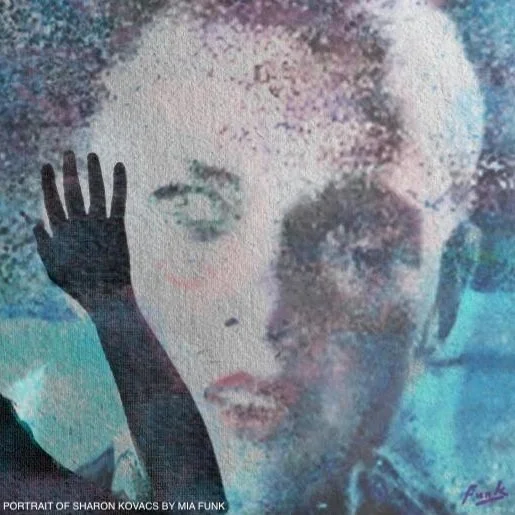
Sharon Kovacs is a soul-inspired singer from Eindhoven, Netherlands. Her unique passion for musical poetry and unorthodox vocal style made her stand out while attending Eindhoven’s Rock City Institute. After graduating in 2013, she found international success when her debut single, “My Love” became a number one hit in Europe. Kovacs is very honest about the struggles and inner-demons that she continues to face and how they inspire her art. Such is apparent in her song “Shades of Black” which reached the top of the charts in the Netherlands and garnered over 60 million views on YouTube. Kovacs has a clutch of awards to her name and has performed high-profile sets at major festivals such as Glastonbury, Sziget, Pinkpop, and Rock Werchter. 

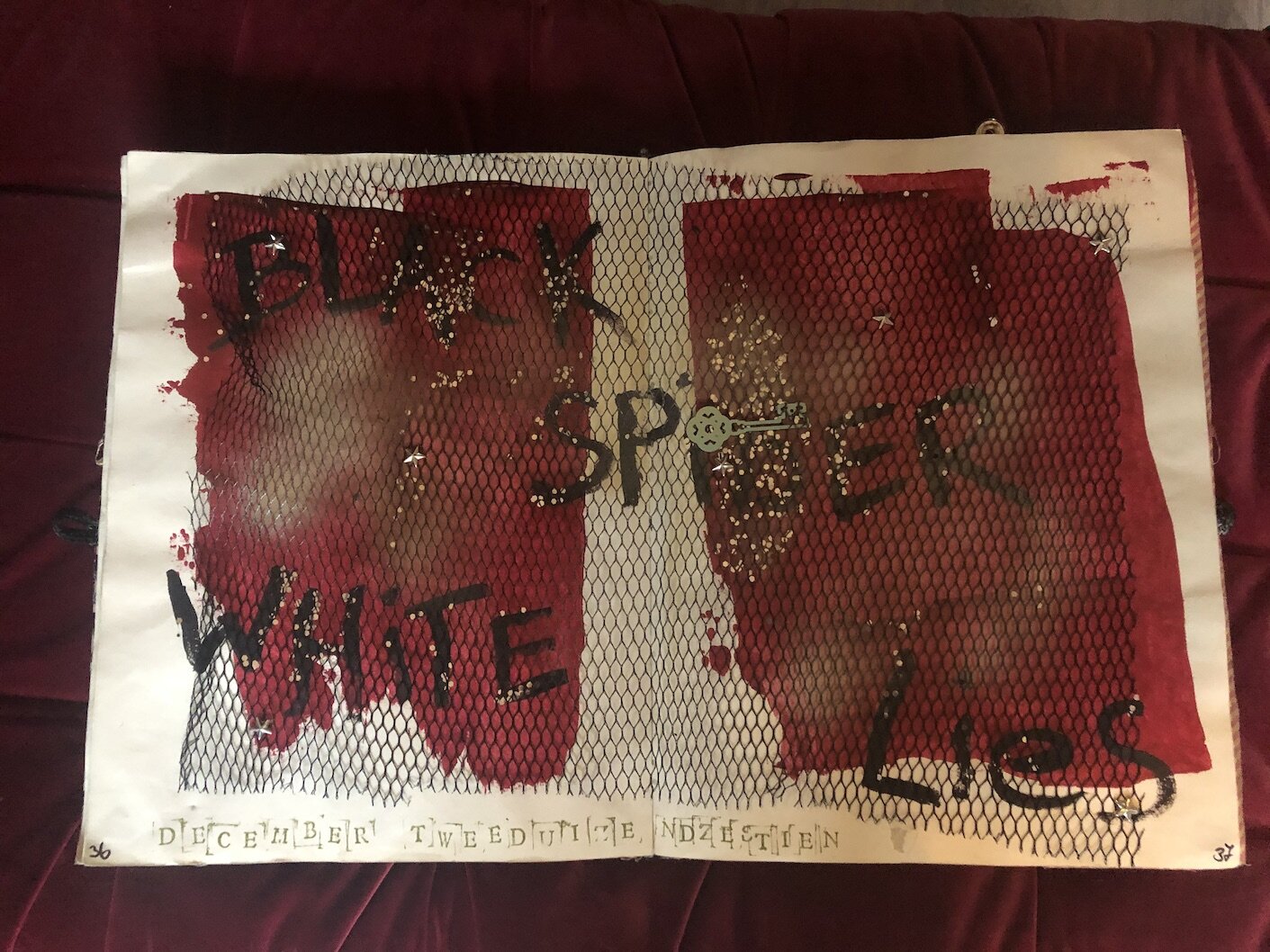
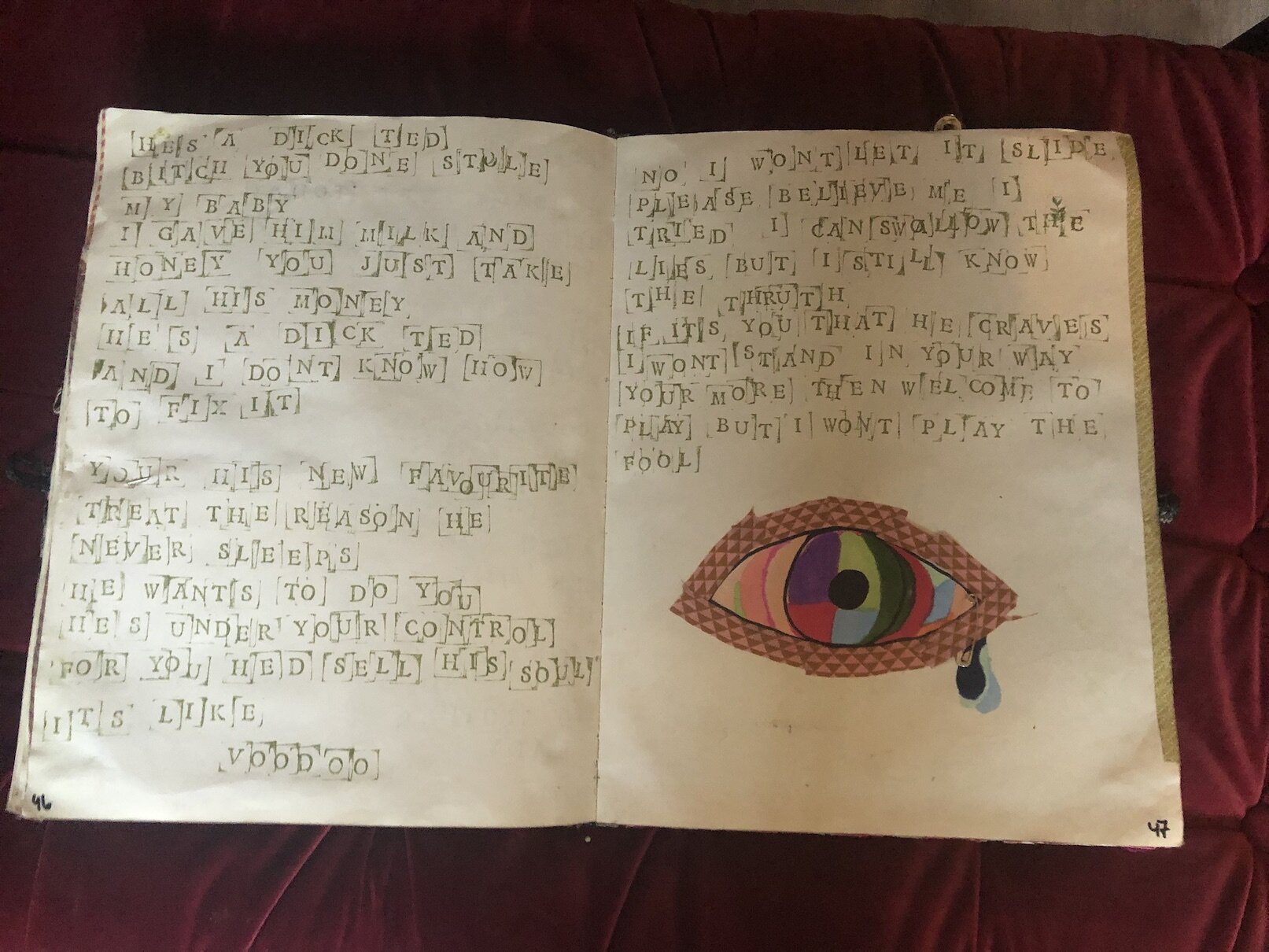
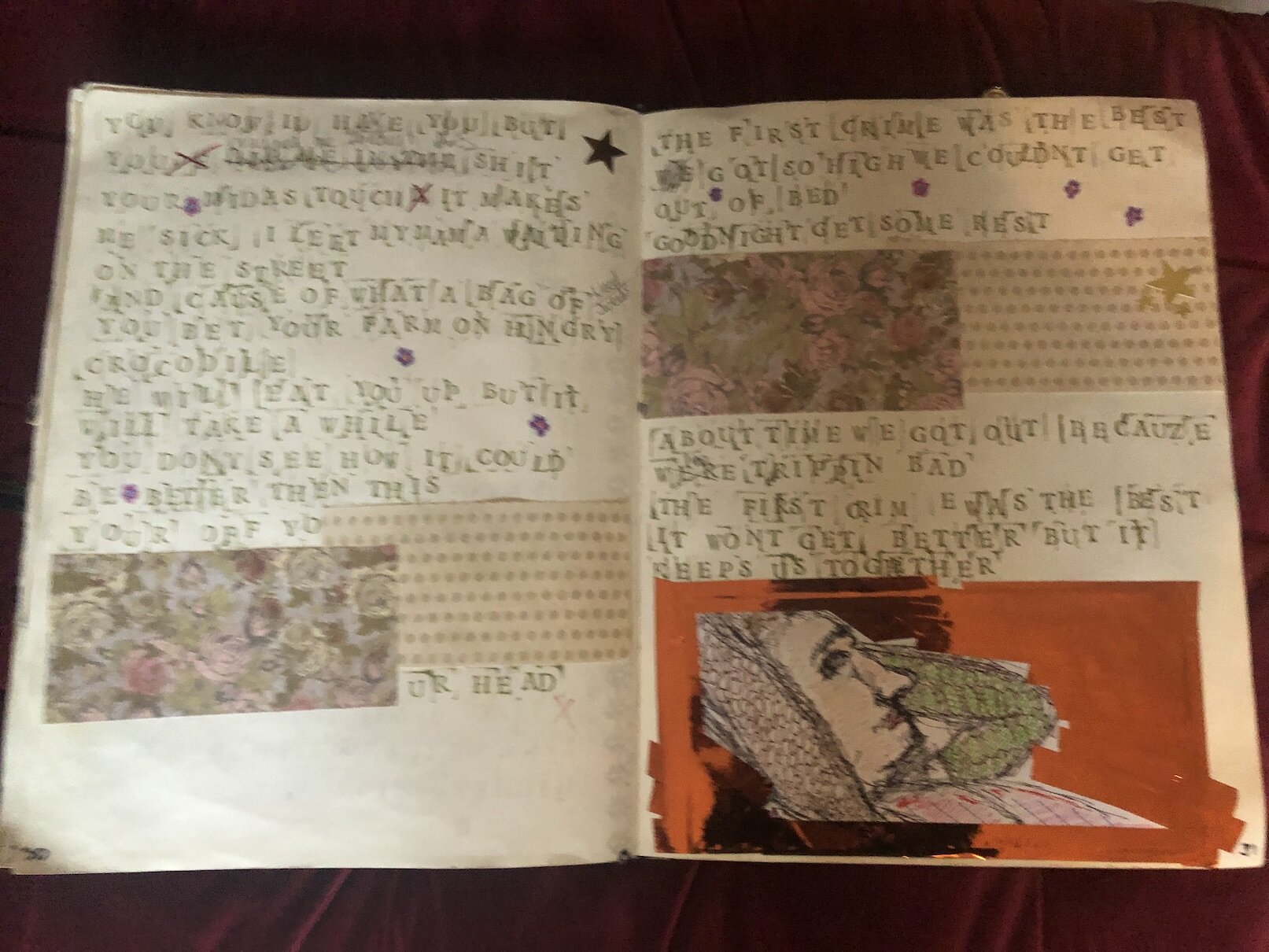
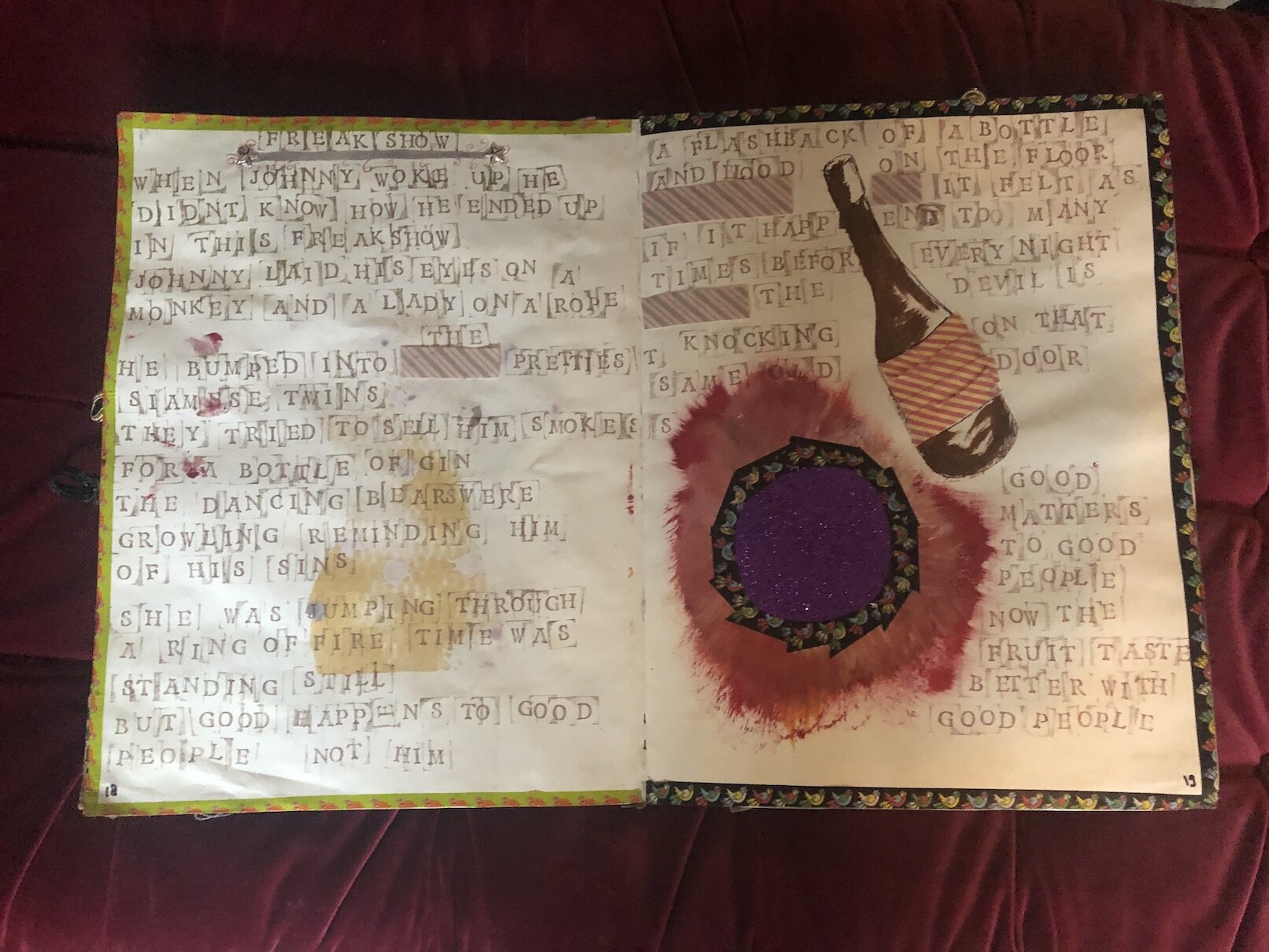
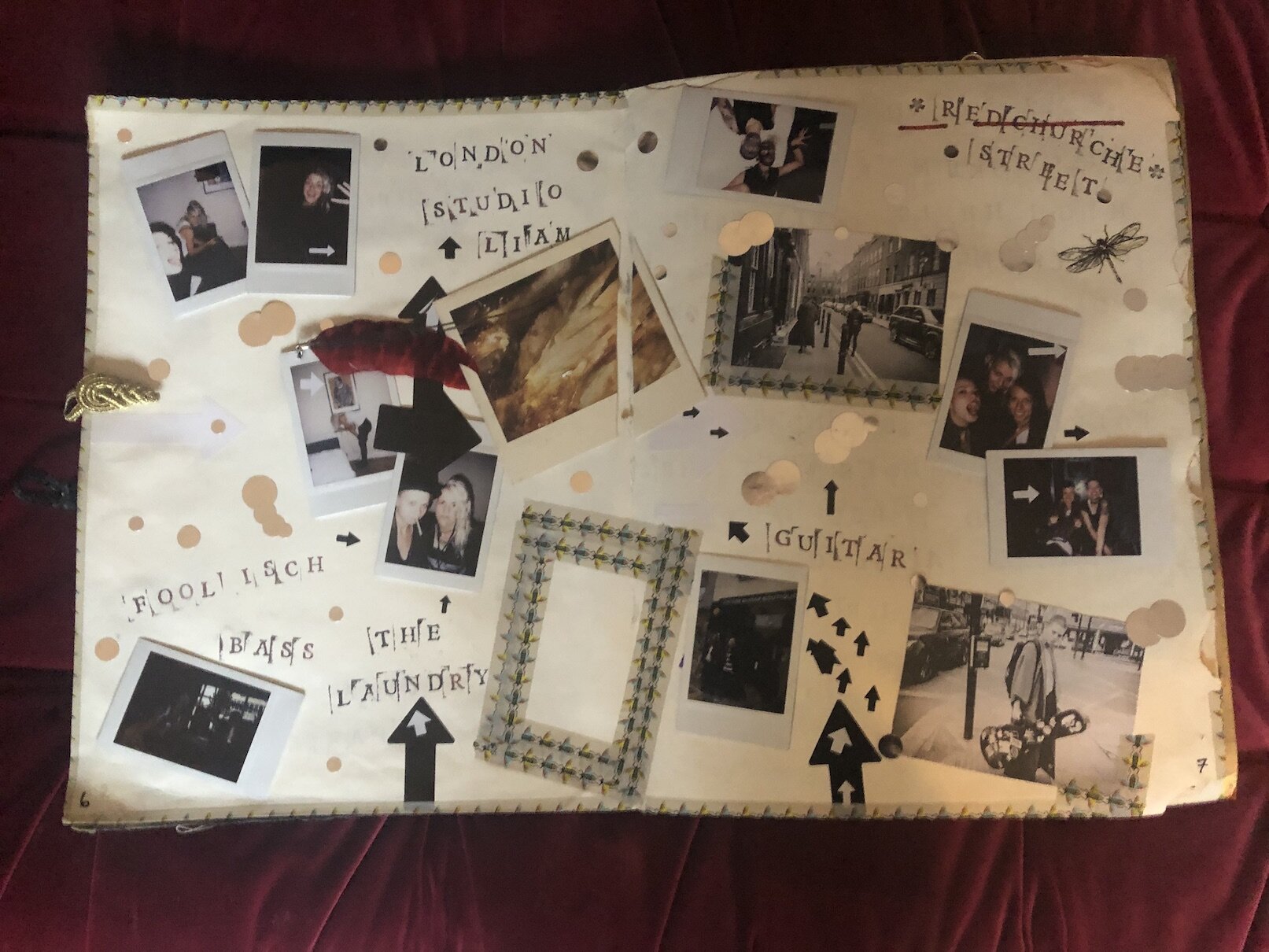
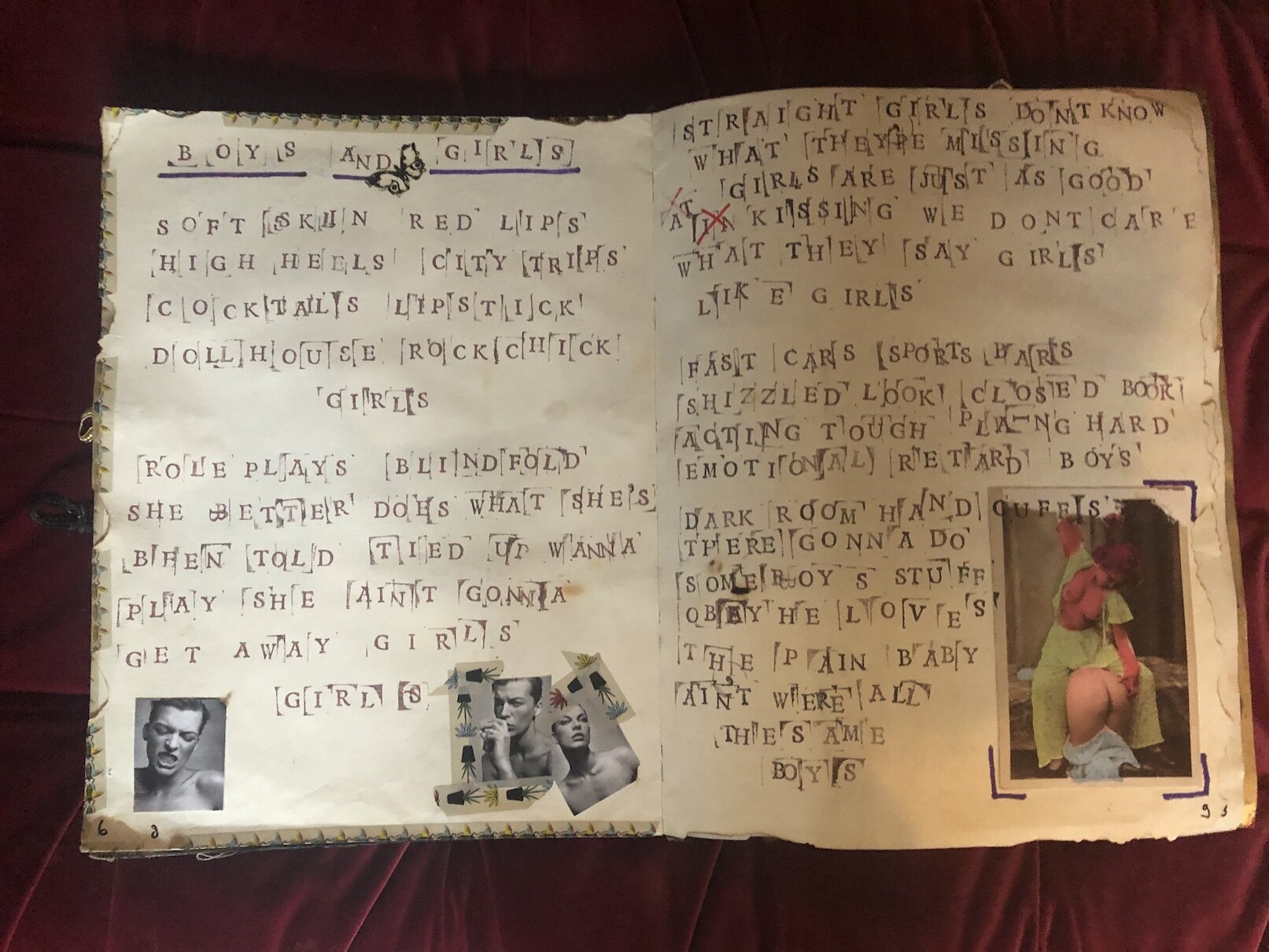
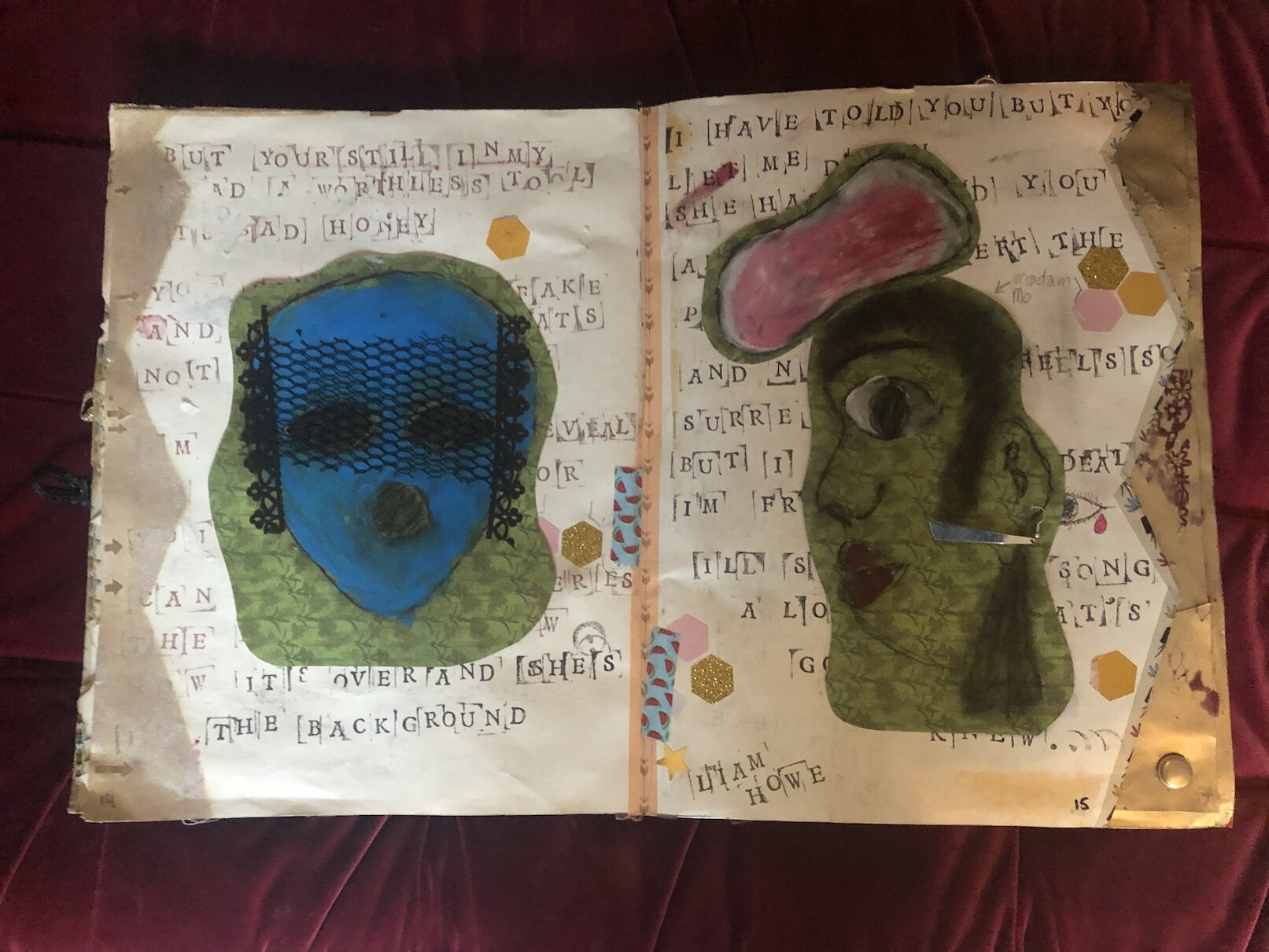
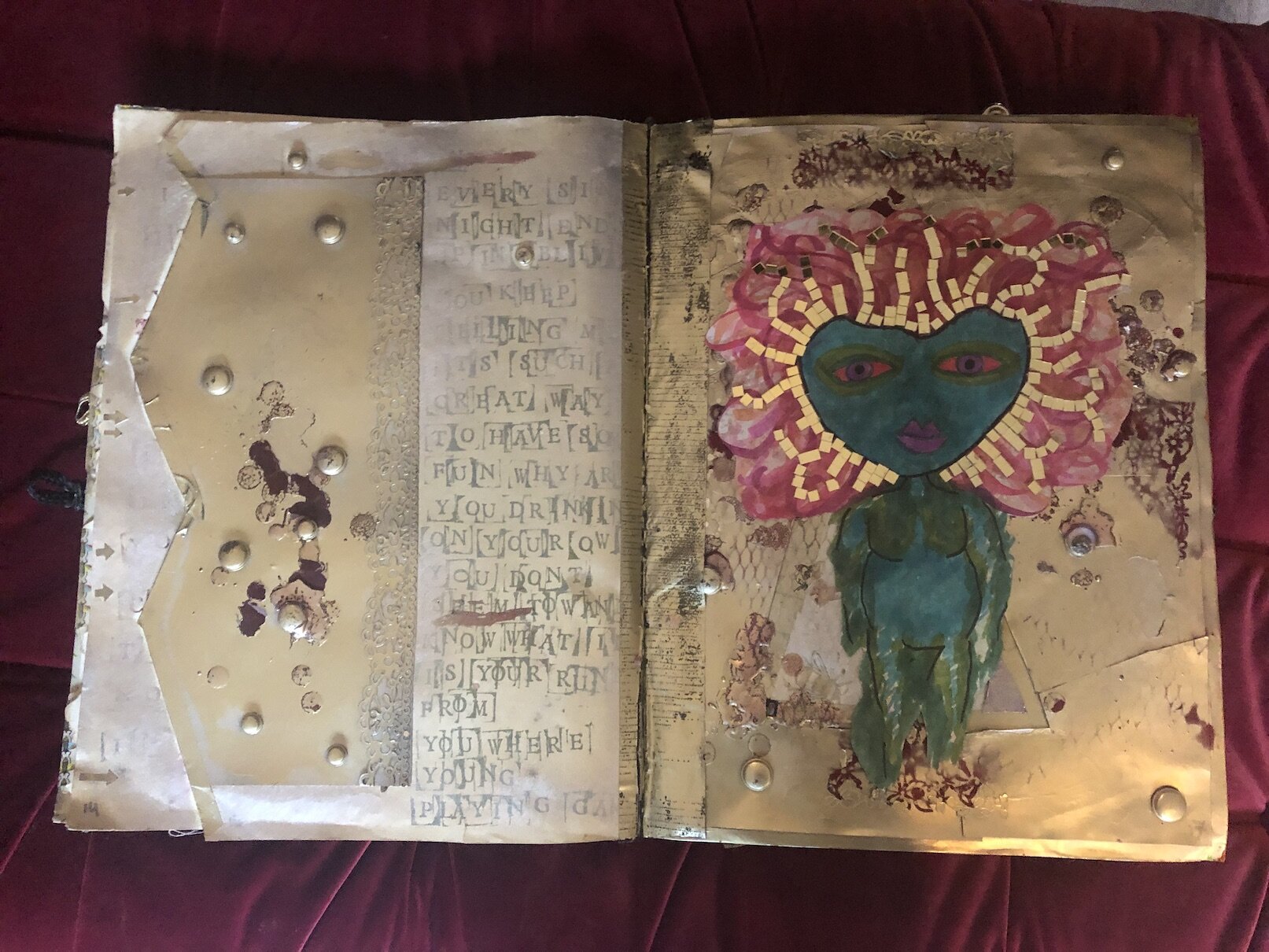
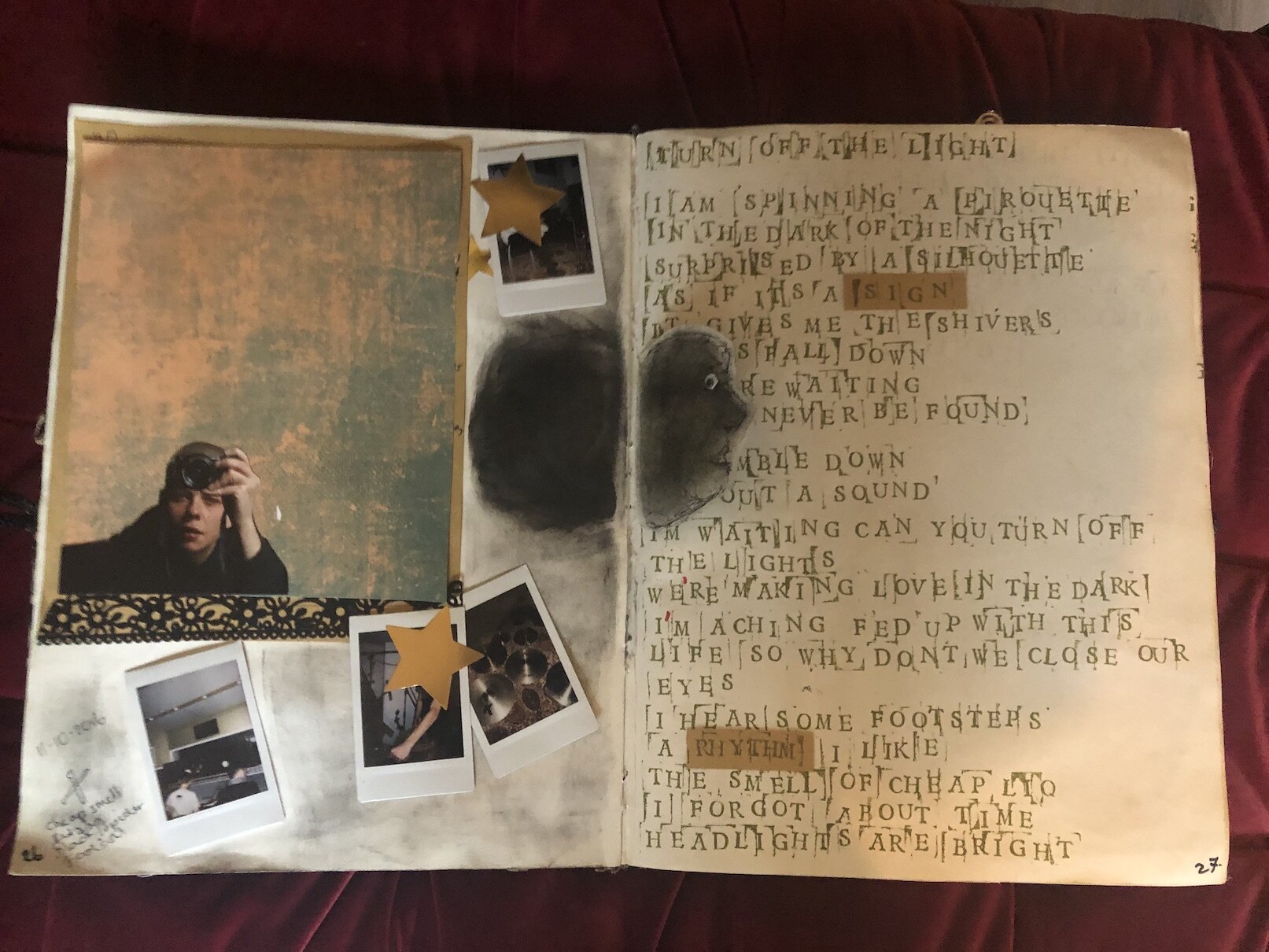
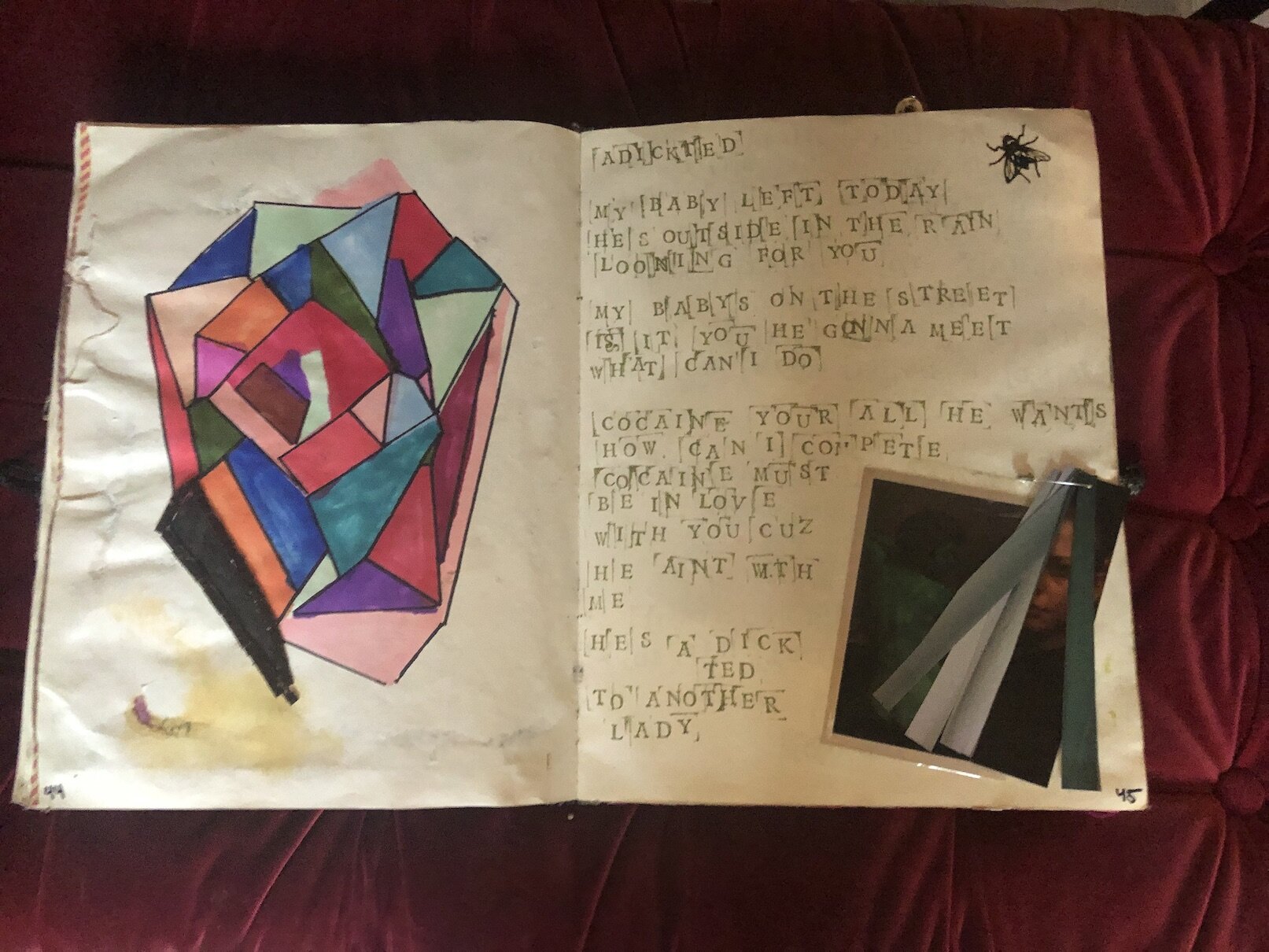
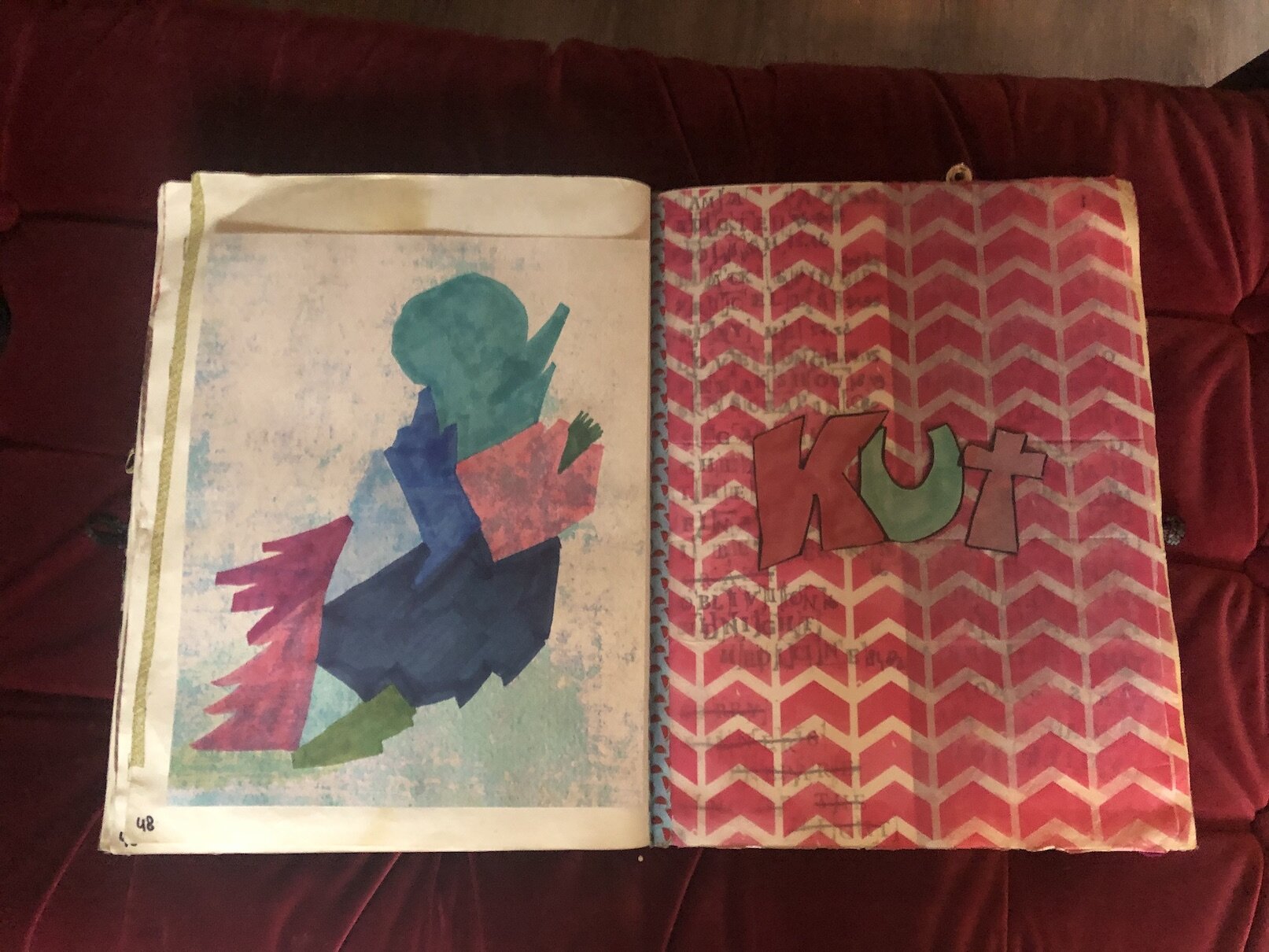
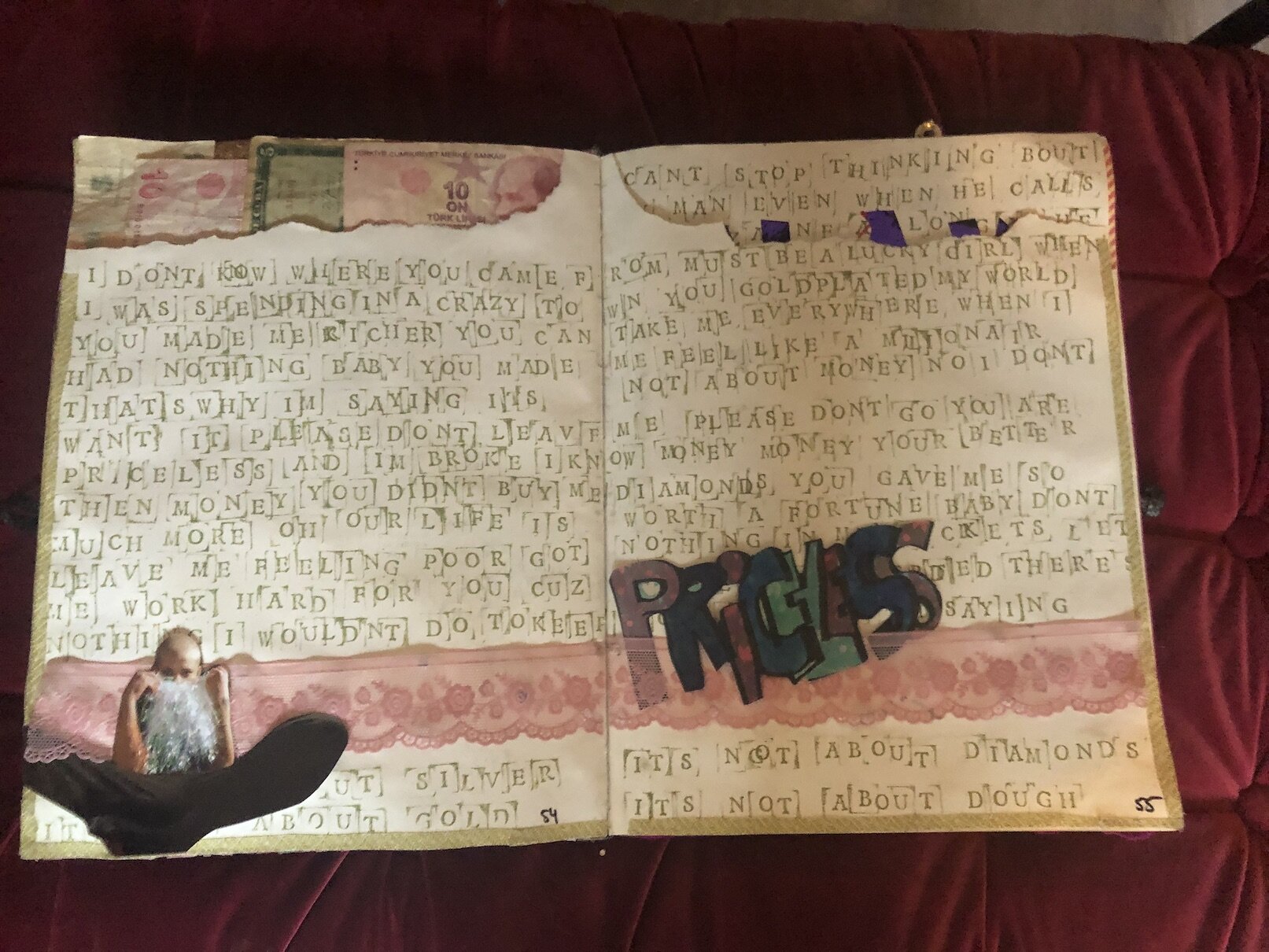
Songwriting Journal Courtesy of Kovacs

This interview was conducted by Mia Funk with the participation of collaborating universities and students. Associate Interviews Producer on this podcast was Konner Kienzle. Digital Media Coordinator is Hannah Story Brown. 

Mia Funk is an artist, interviewer and founder of The Creative Process.

KOVACS

KOVACS

Sharon Kovacs is a soul-inspired singer from Eindhoven, Netherlands. Her unique passion for musical poetry and unorthodox vocal style made her stand out while attending Eindhoven’s Rock City Institute. After graduating in 2013, she found international success when her debut single, “My Love” became a number one hit in Europe. Kovacs is very honest about the struggles and inner-demons that she continues to face and how they inspire her art. Such is apparent in her song “Shades of Black” which reached the top of the charts in the Netherlands and garnered over 60 million views on YouTube. Kovacs has a clutch of awards to her name and has performed high-profile sets at major festivals such as Glastonbury, Sziget, Pinkpop, and Rock Werchter. 

Songwriting Journal Courtesy of Kovacs

This interview was conducted by Mia Funk with the participation of collaborating universities and students. Associate Interviews Producer on this podcast was Konner Kienzle. Digital Media Coordinator is Hannah Story Brown. 

Mia Funk is an artist, interviewer and founder of The Creative Process.

(Highlights) DR. FRANÇOIS CLEMMONS

(Highlights) DR. FRANÇOIS CLEMMONS

Singer · Author
1st African American Actor on Children’s TV · Officer Clemmons on Mister Rogers’ Neighborhood

I always find it an ironic thing to think about the fact that Fred Rogers was colour-blind. He could barely tell a blue from a grey. I was young and to him I was a child and I certainly played the role of a child and he played the role of parent… He was profoundly patient.

DR. FRANÇOIS CLEMMONS

DR. FRANÇOIS CLEMMONS

Singer · Author
1st African American Actor on Children’s TV · Officer Clemmons on Mister Rogers’ Neighborhood

I always find it an ironic thing to think about the fact that Fred Rogers was colour-blind. He could barely tell a blue from a grey. I was young and to him I was a child and I certainly played the role of a child and he played the role of parent… He was profoundly patient.

(Highlights) PETER BOAL

(Highlights) PETER BOAL

Artistic Director of Pacific Northwest Ballet

Dance is for everyone. That’s the mission. We see people that might not be able to encounter dance in so many ways because it’s not something that their school offers…and I think traditionally ballet has felt like it can be an elitist art form. Only certain people are invited. You have to have a certain type of foot. You have to have a long neck. You may have to have finances to be able to study ballet. We would like to eliminate that and make sure that it’s available for everybody to sort of dip their toe in and get a sense of it and have an experience of dance.

PETER BOAL

PETER BOAL

Artistic Director of Pacific Northwest Ballet

Dance is for everyone. That’s the mission. We see people that might not be able to encounter dance in so many ways because it’s not something that their school offers…and I think traditionally ballet has felt like it can be an elitist art form. Only certain people are invited. You have to have a certain type of foot. You have to have a long neck. You may have to have finances to be able to study ballet. We would like to eliminate that and make sure that it’s available for everybody to sort of dip their toe in and get a sense of it and have an experience of dance.

AMY ANIOBI

AMY ANIOBI

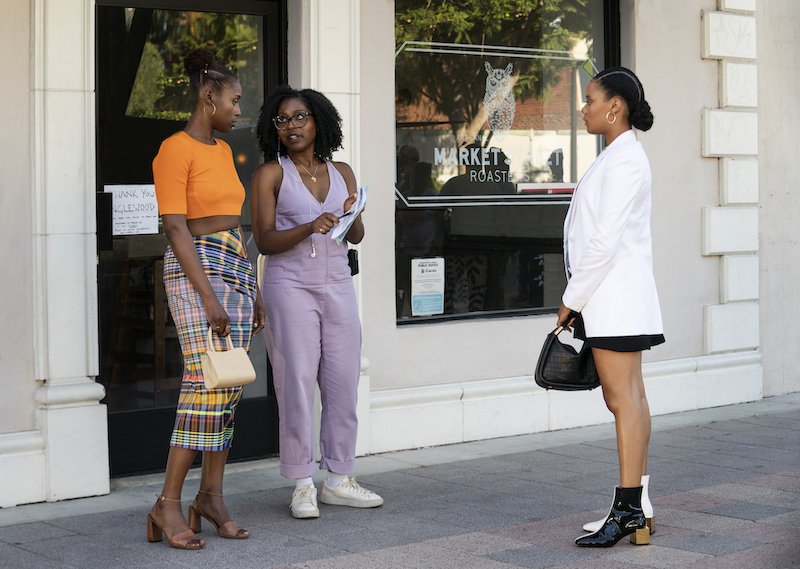
Amy Aniobi is a writer, director and Executive Producer on HBO’s Emmy-nominated comedy, “Insecure,” starring Issa Rae. “Insecure” will premiere its fifth and final season on October 24th with Aniobi behind the camera as director of the seventh episode (#507) to be broadcast on December 5th. She also served as showrunner/head writer/EP for season one of the HBO stand-up special “2 Dope Queens.” Under her new production shingle “SuperSpecial” and overall deal with HBO, Aniobi already is in development on several projects, as well as two features set up at Universal. Amy recently directed the award-winning short film, "Honeymoon," which explores a modern-day Nigerian couple's arranged marriage. She also co-created, co-directed and starred in the web series, “Lisa and Amy Are Black,” created the web series, “The Slutty Years” and wrote for both seasons of “Misadventures of Awkward Black Girl.” Amy is Nigerian, hails from North Texas, graduated from Stanford University and UCLA, and has lived both in the US (New York, the Bay Area) and abroad (France, Morocco).

AMY ANIOBI

Literally during the last week of production, we kept having this conversation. We are part of a cultural moment and we know we are, which is a very out of body experience… Any iconic black show, did they know? Because a lot of those when you look back at their history they were one the bubble, and I always think about Girlfriends and Living Single––did they know that people would still be talking about them?

Photo Credit: Merie W. Wallace/HBO


This interview was conducted by Mia Funk & Iyabo Lawal with the participation of collaborating universities and students. Associate Interviews Producer on this podcast was Iyabo Lawal. Digital Media Coordinator is Phoebe Brous.

Mia Funk is an artist, interviewer and founder of The Creative Process & One Planet Podcast (Conversations about Climate Change & Environmental Solutions).

(Highlights) PAULO SZOT

(Highlights) PAULO SZOT

Tony Award-Winning Singer, Actor and Star of Chicago, the longest-running American Musical in Broadway History

All the themes are very contemporary. I think what moves this story is the search for instantaneous celebrity. That’s what the girls are all about, Roxie and Velma. They want to be famous. Of course everything that you cited, corruption, crimes, the press focusing on sensational stories–it’s all there. And I think that’s why the public relates so much to it.