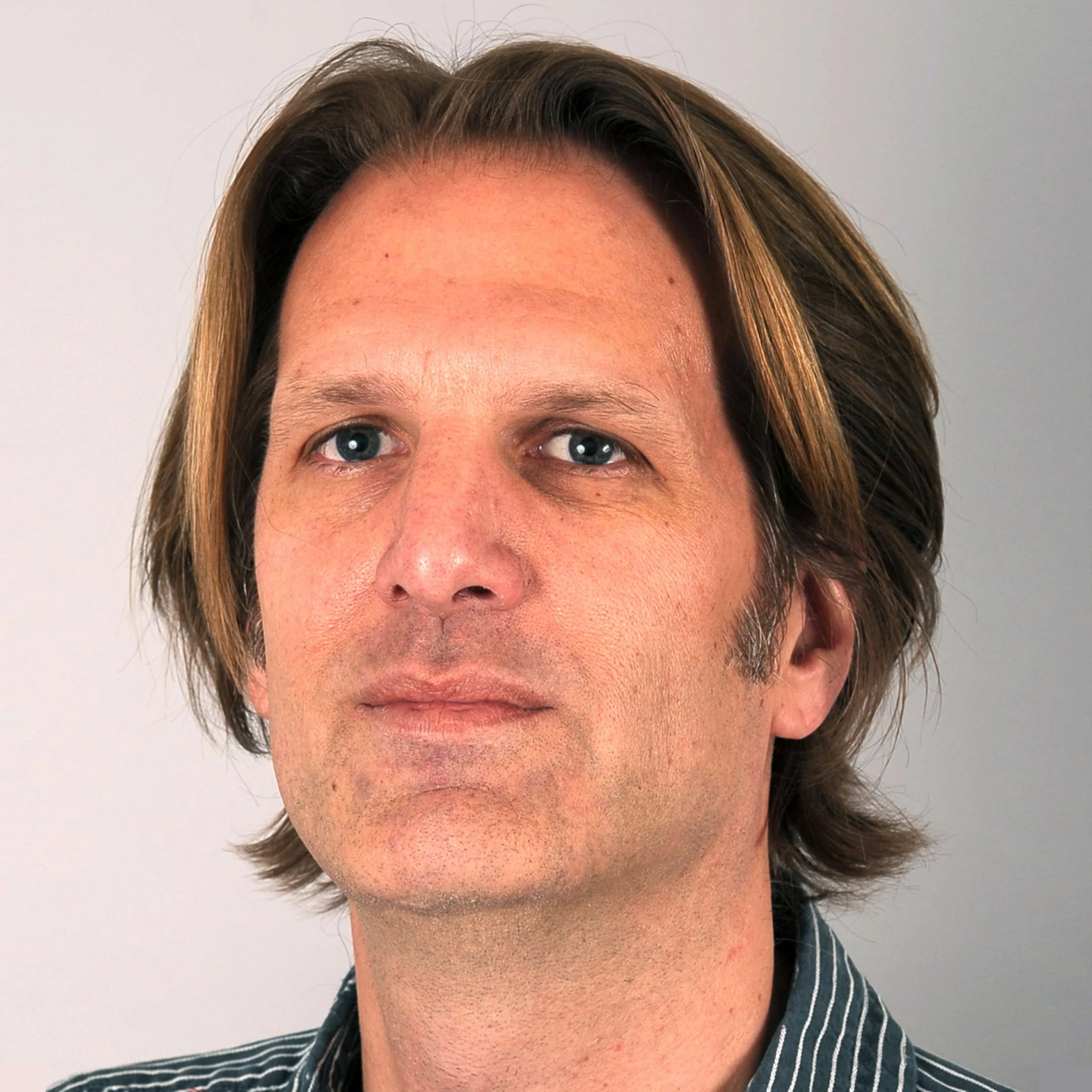
BRUCE EVAN BARNHART - Author of “Jazz in the Time of the Novel: The Temporal Politics of American Race and Culture”

BRUCE EVAN BARNHART - Author of “Jazz in the Time of the Novel: The Temporal Politics of American Race and Culture”

Author of Jazz in the Time of the Novel: The Temporal Politics of American Race and Culture
Temporal Experiments: Seven Ways of Configuring Time in Art and Literature
Co-director of University of Oslo’s Literature, Rights & Imagined Communities

I really admire how James Baldwin always talks about jazz as a kind of model for his writing style. But music has certainly had a profound influence on the way I see the world, especially in terms of the social world. One of the big problems we have in all sorts of different places around the world is the question of how to coordinate difference. All sorts of people have different modes of living, different cultural rhythms, and different ideas about the future. Jazz is brilliant at a lot of things, but it notably brings together different people and allows them to retain their own sense of time and rhythm while playing together. It's a really profound model of social coordination. Now, of course, it says something particularly pressing about the United States, but I think as a model for how differences go together, jazz is perhaps unparalleled.

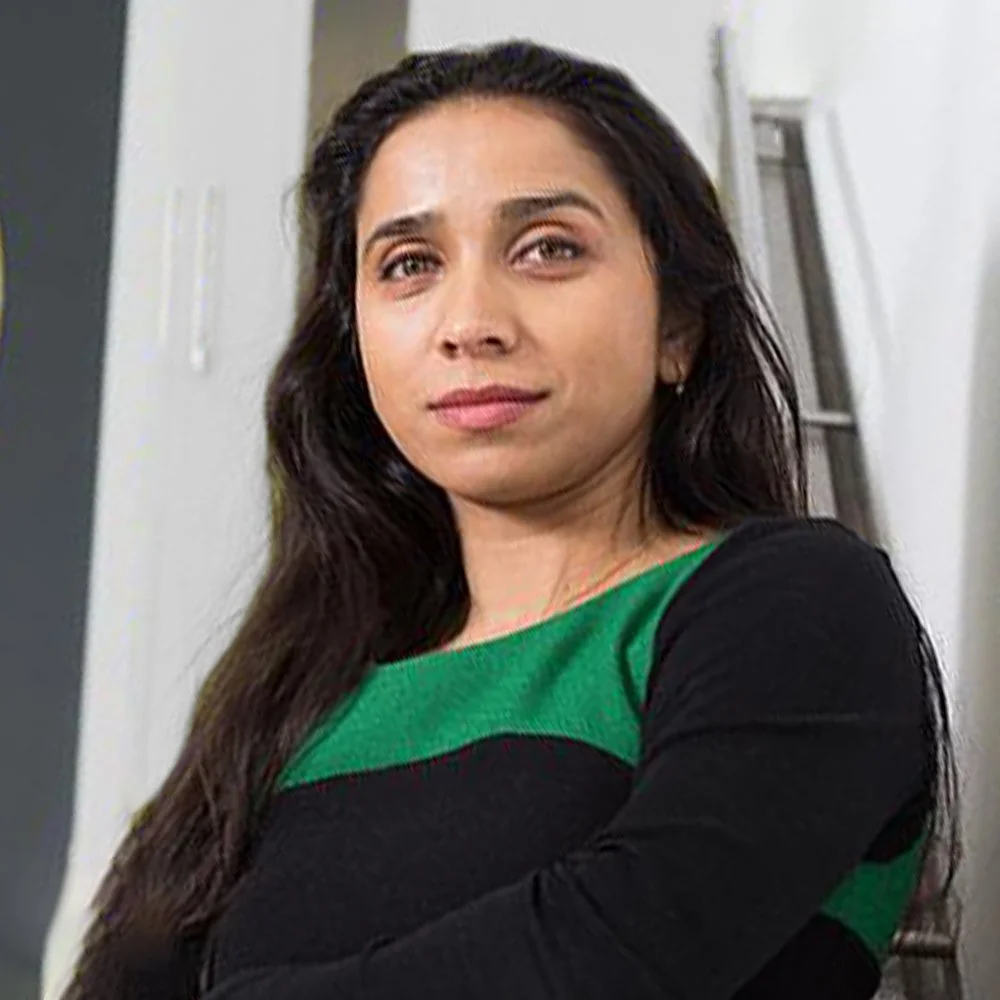
Highlights - ANNA ABRAHAM - Author of “The Neuroscience of Creativity” - Director of Torrance Center for Creativity

Highlights - ANNA ABRAHAM - Author of “The Neuroscience of Creativity” - Director of Torrance Center for Creativity

Author of The Neuroscience of Creativity
Director of the Torrance Center for Creativity & Talent Development, University of Georgia

I love podcasts and things like that, if only to listen to people who've done incredible things. We live in a kind of unusual time where we can hear firsthand people talking about their own experiences, and what they went through when they were creating something. And while artists differ greatly from one another in terms of the specifics of their process, what certainly seems to be the case is that they're extraordinarily interested in their own mind, and they have what we would call a metacognitive awareness. They know almost quite precisely, at least what doesn't work for them. They're very cued into what to avoid and how to sort of generate the mental conditions that are necessary in order to be as generative or as creative as they're likely to be in a specific situation. So that is a deep medical awareness that they have about their own process that is really quite something. They know themselves very well.

ANNA ABRAHAM - Author of “The Neuroscience of Creativity” - Director of Torrance Center for Creativity & Talent Development

ANNA ABRAHAM - Author of “The Neuroscience of Creativity” - Director of Torrance Center for Creativity & Talent Development

Author of The Neuroscience of Creativity
Director of the Torrance Center for Creativity & Talent Development, University of Georgia

I love podcasts and things like that, if only to listen to people who've done incredible things. We live in a kind of unusual time where we can hear firsthand people talking about their own experiences, and what they went through when they were creating something. And while artists differ greatly from one another in terms of the specifics of their process, what certainly seems to be the case is that they're extraordinarily interested in their own mind, and they have what we would call a metacognitive awareness. They know almost quite precisely, at least what doesn't work for them. They're very cued into what to avoid and how to sort of generate the mental conditions that are necessary in order to be as generative or as creative as they're likely to be in a specific situation. So that is a deep medical awareness that they have about their own process that is really quite something. They know themselves very well.

Highlights - CHRIS BLACKWELL - Founder of Island Records - Author of “The Islander: My Life in Music and Beyond"

Highlights - CHRIS BLACKWELL - Founder of Island Records - Author of “The Islander: My Life in Music and Beyond"

Founder of Island Records, which launched the careers of Bob Marley, U2, Cat Stevens, Grace Jones, Roxy Music, Amy Winehouse…
Author of The Islander: My Life in Music and Beyond

I think you need to be aware and see people be open to what can happen and get a feel, get an instinct. I think I've been blessed with instinct. I mean, I did not do well at school. I passed zero exams. I'm unemployable, but I've been blessed with having instincts. The instinct of U2 was seeing their determination, the fact that the music itself initially wasn't close to what most of my music was because most of my music was bass and drum. And most of their music was vocal, so it wasn't a certain kind of music that I like all the time. I like music from all different kinds of levels…I absolutely felt for Bob Marley to really make it worldwide as it were, he needed to change something a little bit. I didn't want him to change what he was doing, not his lyrics and everything else like that. It was more the instrumentation of it. I felt for Bob to be able to reach a wider audience that he needed to move away a little bit from that and focus more and more on his lyrics. When I finally met Cat Stevens, and we just sort of sat down and then when he played the song ‘Father and Son,’ then suddenly the lyrics of the song and what it meant and everything, I suddenly felt this guy is fantastic.

CHRIS BLACKWELL - Founder of Island Records featuring Bob Marley, U2, Cat Stevens, Grace Jones, Roxy Music, Amy Winehouse…

CHRIS BLACKWELL - Founder of Island Records featuring Bob Marley, U2, Cat Stevens, Grace Jones, Roxy Music, Amy Winehouse…

Founder of Island Records, which launched the careers of Bob Marley, U2, Cat Stevens, Grace Jones, Roxy Music, Amy Winehouse…
Author of The Islander: My Life in Music and Beyond

I think you need to be aware and see people be open to what can happen and get a feel, get an instinct. I think I've been blessed with instinct. I mean, I did not do well at school. I passed zero exams. I'm unemployable, but I've been blessed with having instincts. The instinct of U2 was seeing their determination, the fact that the music itself initially wasn't close to what most of my music was because most of my music was bass and drum. And most of their music was vocal, so it wasn't a certain kind of music that I like all the time. I like music from all different kinds of levels…I absolutely felt for Bob Marley to really make it worldwide as it were, he needed to change something a little bit. I didn't want him to change what he was doing, not his lyrics and everything else like that. It was more the instrumentation of it. I felt for Bob to be able to reach a wider audience that he needed to move away a little bit from that and focus more and more on his lyrics. When I finally met Cat Stevens, and we just sort of sat down and then when he played the song ‘Father and Son,’ then suddenly the lyrics of the song and what it meant and everything, I suddenly felt this guy is fantastic.

Highlights - Florian Hoffmeister - Award-winning DP “TAR” starring Cate Blanchett

Highlights - Florian Hoffmeister - Award-winning DP “TAR” starring Cate Blanchett

Florian Hoffmeister is a prolific director of photography. Recent works by Hoffmeister include his lensing on the Apple TV+ series Pachinko, the critically-acclaimed political thriller Official Secrets starring Keira Knightley, Ralph Fiennes, and Matt Smith, and TÁR starring Cate Blanchett. Hoffmeister is well-known for his collaboration with Terence Davies on feature films The Deep Blue Sea, starring Rachel Weisz, Tom Hiddleston and Simon Russel-Beale, and A Quiet Passion, starring Cynthia Nixon and Jennifer Ehle. His work on Brian Kirk’s television phenomenon Great Expectations earned him further distinction as well as numerous accolades, including a Primetime Emmy, a BAFTA, and an ASC Award.

Highlights - Max Stossel - Award-winning Poet, Filmmaker, Creator of "Words That Move"

Highlights - Max Stossel - Award-winning Poet, Filmmaker, Creator of "Words That Move"

Award-winning Poet, Filmmaker & Speaker
Creator of the Stand-Up Poetry Special Words That Move

Technology has very much changed the way we read and take in information and shortened it into quick bursts and attention spans. We're living in a new world, for sure. And how do we communicate in this new world? Not just in a way that gets the reach, because there are whole industries aimed at what do I do to get the most likes or the most attention, and all of that, which I don't think is very fulfilling as artists.

It's sort of a diminishing of our art form to try and play the game because then we're getting the attention and getting the hits, as opposed to what do I really want to create? How do I really want to create it? How do I want to display this? And can I do it in a way that breaks through so that if I do it my way, it's still going to get the attention, great. But if it doesn't, can I be cool with that? And can I be okay creating what I want to create, knowing that that's what it's about. It's about sharing in an honest, authentic way what I want to express without letting the tentacles of social media drip into my brain and take over why I'm literally doing the things that I'm doing.

Max Stossel - Award-winning Poet, Filmmaker, Creator of "Words That Move"

Max Stossel - Award-winning Poet, Filmmaker, Creator of "Words That Move"

Award-winning Poet, Filmmaker & Speaker
Creator of the Stand-Up Poetry Special Words That Move

Technology has very much changed the way we read and take in information and shortened it into quick bursts and attention spans. We're living in a new world, for sure. And how do we communicate in this new world? Not just in a way that gets the reach, because there are whole industries aimed at what do I do to get the most likes or the most attention, and all of that, which I don't think is very fulfilling as artists.

It's sort of a diminishing of our art form to try and play the game because then we're getting the attention and getting the hits, as opposed to what do I really want to create? How do I really want to create it? How do I want to display this? And can I do it in a way that breaks through so that if I do it my way, it's still going to get the attention, great. But if it doesn't, can I be cool with that? And can I be okay creating what I want to create, knowing that that's what it's about. It's about sharing in an honest, authentic way what I want to express without letting the tentacles of social media drip into my brain and take over why I'm literally doing the things that I'm doing.

Highlights - Etgar Keret - Transdisciplinary Artist - Author - Cannes Film Festival Award-winning Director

Highlights - Etgar Keret - Transdisciplinary Artist - Author - Cannes Film Festival Award-winning Director

Cannes Film Festival Award-winning Director
Author of Fly Already · Suddenly a Knock on the Door · The Seven Good Years

For me, there is something about art, it's not a monologue, it's a dialogue. Some people, it doesn't matter who they speak to, they will speak in the same way they would speak to a five-year-old or to an intellectual or to somebody who doesn't speak the language very well. They would speak the same way and they don't care because this is what they have to say, but I think that the natural thing in the dialogue is really to look into the eyes of the person you speak to and see when he understands or when she doesn't understand or when she's moved or when he's angry. And basically out of that, kind of create your own language.

Etgar Keret - Author - Cannes Film Festival Award-winning Director - Transdisciplinary Artist

Etgar Keret - Author - Cannes Film Festival Award-winning Director - Transdisciplinary Artist

Cannes Film Festival Award-winning Director
Author of Fly Already · Suddenly a Knock on the Door · The Seven Good Years

For me, there is something about art, it's not a monologue, it's a dialogue. Some people, it doesn't matter who they speak to, they will speak in the same way they would speak to a five-year-old or to an intellectual or to somebody who doesn't speak the language very well. They would speak the same way and they don't care because this is what they have to say, but I think that the natural thing in the dialogue is really to look into the eyes of the person you speak to and see when he understands or when she doesn't understand or when she's moved or when he's angry. And basically out of that, kind of create your own language.

Highlights - Sam Levy - Cinematographer of “Lady Bird” “Confess, Fletch” “Frances Ha”

Highlights - Sam Levy - Cinematographer of “Lady Bird” “Confess, Fletch” “Frances Ha”

Award-winning Cinematographer of Lady Bird · Frances Ha · While We’re Young · Confess, Fletch

Every movie is different. Every story is different. I think if we're lucky in our lives, we can choose the path that we want to go down, whether it's something creative or in the arts or something else. And I think if you're lucky, you can spend your life or your career following something you really love or spending time following the path, whether it's a hobby or your career. And spending that time paying the attention that the craft or the hobby or the creative pursuit wants.

Sam Levy - Award-winning Cinematographer of “Lady Bird” “Frances Ha” “While We’re Young”

Sam Levy - Award-winning Cinematographer of “Lady Bird” “Frances Ha” “While We’re Young”

Award-winning Cinematographer of Lady Bird · Frances Ha · While We’re Young · Confess, Fletch

Every movie is different. Every story is different. I think if we're lucky in our lives, we can choose the path that we want to go down, whether it's something creative or in the arts or something else. And I think if you're lucky, you can spend your life or your career following something you really love or spending time following the path, whether it's a hobby or your career. And spending that time paying the attention that the craft or the hobby or the creative pursuit wants.

Highlights - Oberon Sinclair - Founder CEO of Creative/Branding Agency My Young Auntie

Highlights - Oberon Sinclair - Founder CEO of Creative/Branding Agency My Young Auntie

CEO & Founder of Creative/Branding Agency My Young Auntie

If someone comes to me, and they say, “Oh, I have a new brand. It's a startup.” First of all, I have to like the person, they have to like me. It's a two way street. And that's the most important thing with anyone in life, not just work. In life, why do we make friends with who we make friends with? They are relationships. And if you connect with someone, magic will happen. If you don't connect with someone, and someone doesn't understand or have the same aesthetic or a similar way of thinking – you have to have something in common with someone. And if you have those qualities, which I look for, honesty and loyalty, and they're genuine, and you just know if you're going to get on with someone or not.

Oberon Sinclair - Founder CEO of Creative/Branding Agency My Young Auntie - Queen of Kale

Oberon Sinclair - Founder CEO of Creative/Branding Agency My Young Auntie - Queen of Kale

CEO & Founder of Creative/Branding Agency My Young Auntie

If someone comes to me, and they say, “Oh, I have a new brand. It's a startup.” First of all, I have to like the person, they have to like me. It's a two way street. And that's the most important thing with anyone in life, not just work. In life, why do we make friends with who we make friends with? They are relationships. And if you connect with someone, magic will happen. If you don't connect with someone, and someone doesn't understand or have the same aesthetic or a similar way of thinking – you have to have something in common with someone. And if you have those qualities, which I look for, honesty and loyalty, and they're genuine, and you just know if you're going to get on with someone or not.

Highlights - Dickie Landry - Composer, Musician, Photographer, Artist

Highlights - Dickie Landry - Composer, Musician, Photographer, Artist

Composer, Musician, Photographer, Artist

Einstein on the Beach, it's a masterpiece. America, in 1976, was to be celebrating its 200th year of existence, and Michel Guy, the French Minister of Culture, came to New York to offer a commission to Philip Glass and Robert Wilson to write an opera. This was the gift that France would give for America's two-hundredth anniversary. That was the first time I met Robert Wilson.

Dickie Landry - Composer, Musician, Photographer, Artist

Dickie Landry - Composer, Musician, Photographer, Artist

Composer, Musician, Photographer, Artist

Einstein on the Beach, it's a masterpiece. America, in 1976, was to be celebrating its 200th year of existence, and Michel Guy, the French Minister of Culture, came to New York to offer a commission to Philip Glass and Robert Wilson to write an opera. This was the gift that France would give for America's two-hundredth anniversary. That was the first time I met Robert Wilson.

Highlights - Gloria Pacis - Artist

Highlights - Gloria Pacis - Artist

Artist

I just feel there is already a connection, something I have to come to, but that I'm trying to search it out or see what's already there. I feel that we are truly connected as a world. And I'm just trying to make people aware of an existing connection we already have, to send that message out there. And I like to do it in the form of...I guess you'd call it a mundane image, where it's not really about bells and whistles, but it's about something in it makes you want to look, and you want to know why. And it's because you've been there before, regardless of whether you are a dancer or that particular guy in the subway, you know you've been in his head in that mood that he's experiencing.

Gloria Pacis - Artist

Gloria Pacis - Artist

Artist

I just feel there is already a connection, something I have to come to, but that I'm trying to search it out or see what's already there. I feel that we are truly connected as a world. And I'm just trying to make people aware of an existing connection we already have, to send that message out there. And I like to do it in the form of...I guess you'd call it a mundane image, where it's not really about bells and whistles, but it's about something in it makes you want to look, and you want to know why. And it's because you've been there before, regardless of whether you are a dancer or that particular guy in the subway, you know you've been in his head in that mood that he's experiencing.

Highlights - Fury Young - BL Shirelle - Co-Executive Directors of DJC Records

Highlights - Fury Young - BL Shirelle - Co-Executive Directors of DJC Records

Co-Executive Directors of DJC Records

I took this class on genocide that had a huge impact on me, and it also coincided, just the timing, with the Occupy Wall Street movement. So then two years later in 2013, I was reading The New Jim Crow by Michelle Alexander, and the book is about how mass incarceration is like a modern-day racial caste system. And I just got the idea to do an album, because I was listening to a lot of concept albums like Pink Floyd, The Wall. And it started from there, just a little seed and a spark of just this idea for this one album. And then over time, it just evolved into an EP, and then a record label and a nonprofit. –Fury Young

I think in the end, what our mission is, is to dismantle stereotypes around race and prison. But maybe from listening to that album, and you see this guy, he applied for your job, and he has a drug charge or something. Maybe you're not looking at it so crazy anymore. It's like, know what? I'll give him an interview. I'll see. And that interview may change, you know, your life and that person's life. So that's like the ideal scenario. – B.L. Shirelle

Fury Young - BL Shirelle - Co-Executive Directors of DJC Records

Fury Young - BL Shirelle - Co-Executive Directors of DJC Records

Co-Executive Directors of DJC Records

I took this class on genocide that had a huge impact on me, and it also coincided, just the timing, with the Occupy Wall Street movement. So then two years later in 2013, I was reading The New Jim Crow by Michelle Alexander, and the book is about how mass incarceration is like a modern-day racial caste system. And I just got the idea to do an album, because I was listening to a lot of concept albums like Pink Floyd, The Wall. And it started from there, just a little seed and a spark of just this idea for this one album. And then over time, it just evolved into an EP, and then a record label and a nonprofit. –Fury Young

I think in the end, what our mission is, is to dismantle stereotypes around race and prison. But maybe from listening to that album, and you see this guy, he applied for your job, and he has a drug charge or something. Maybe you're not looking at it so crazy anymore. It's like, know what? I'll give him an interview. I'll see. And that interview may change, you know, your life and that person's life. So that's like the ideal scenario. – BL Shirelle