ANTHONY WHITE - Artist - What is the Role of Artists in Society?

ANTHONY WHITE - Artist - What is the Role of Artists in Society?

Artist

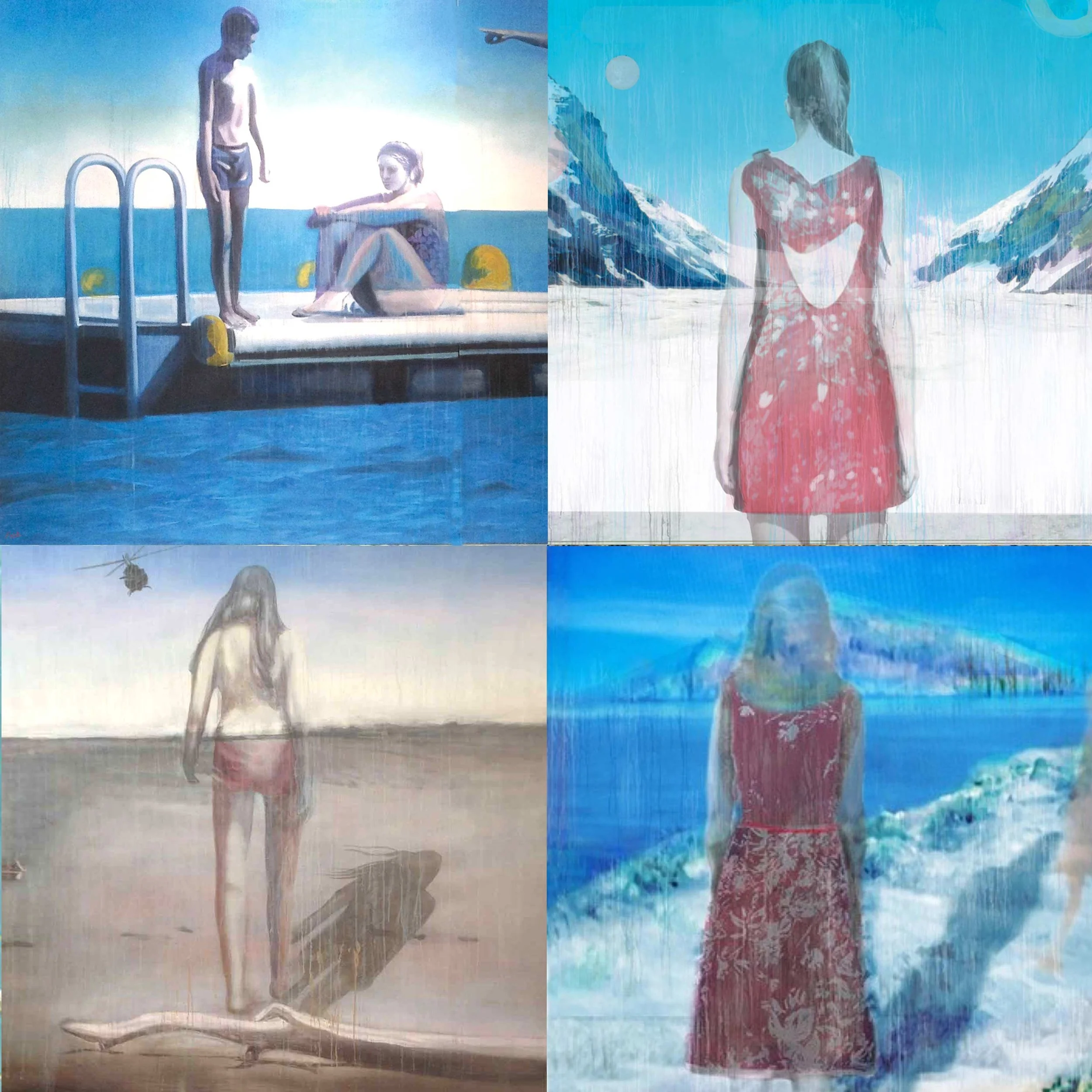
I think it is a job for artists, not all artists, but I think it's a job for artists to acknowledge that culture can make a difference towards these things and can hold people more accountable. Australians, myself included, grow up in this state of amnesia because what happened is that the British stole the land from the Aboriginal people. We made up a fiction, the fiction of Terra nullius. And then we basically disclaimed any relationship that the Aboriginal people had to the land. The National Day in Australia is the day marked by colonization, which is shameful. So that's another long conversation. And I think that, whether things are better or worse in the United States, but I do know that is the conversation that has only just begun in Australia. And there's a new openness that never has been before.

LAURIE ANDERSON - DICKIE LANDRY - "HOME OF THE BRAVE"

LAURIE ANDERSON - DICKIE LANDRY - "HOME OF THE BRAVE"

I still have problems today. Some people call it stage fright. I don't know what it is, but I'm always right before a concert thinking, Why am I doing this? I should be doing this. I should be doing that. Why am I here? What am I going to do? And I walk up to the microphone, I'm still thinking this, and I start playing. And I'm still thinking, What am I doing here? Why, why, why? All the questions of how I'm going to sustain playing for 45 minutes or an hour, and I'm still playing and playing. And then all of a sudden I go, Well, Mr. Landry, you've got people sitting in the audience. You're getting paid for this. So enjoy yourself. So the next thing I know, the concert is over, and I don't know where I've been.

.sqs-block-summary-v2 .summary-block-setting-text-size-small .summary-excerpt p { font-size: 10px; }
ROBERT PLANT - DICKIE LANDRY - LIL' BAND O' GOLD

ROBERT PLANT - DICKIE LANDRY - LIL' BAND O' GOLD

I still have problems today. Some people call it stage fright. I don't know what it is, but I'm always right before a concert thinking, Why am I doing this? I should be doing this. I should be doing that. Why am I here? What am I going to do? And I walk up to the microphone, I'm still thinking this, and I start playing. And I'm still thinking, What am I doing here? Why, why, why? All the questions of how I'm going to sustain playing for 45 minutes or an hour, and I'm still playing and playing. And then all of a sudden I go, Well, Mr. Landry, you've got people sitting in the audience. You're getting paid for this. So enjoy yourself. So the next thing I know, the concert is over, and I don't know where I've been.

WORLD OCEANS DAY

WORLD OCEANS DAY

Voices of environmentalists and artists.
Enjoy this Special Series with music courtesy of composer, producer and multi-instrumentalist Erland Cooper.

Special World Environment Day Stories - Environmentalists, Students & Teachers share their Love for the Planet

Special World Environment Day Stories - Environmentalists, Students & Teachers share their Love for the Planet

Environmentalists, Artists, Students & Teachers share their Love for the Planet

Today we’re streaming voices of environmentalists, artists, students, and teachers with music courtesy of composer Max Richter.

ANTHONY JOSEPH - T.S. Eliot Award-winning Poet, Novelist & Musician, Lead vocalist of The Spasm Band

ANTHONY JOSEPH - T.S. Eliot Award-winning Poet, Novelist & Musician, Lead vocalist of The Spasm Band

T.S. Eliot Award-winning Poet, Novelist & Musician, Lead vocalist of The Spasm Band
Author of Sonnets for Albert

The life of Caribbean people is not really documented. So this idea of Caribbean life being fragmented is something that I've had in my mind for a long time. So when I came to write this collection for my father, I realized that it was the same process and what I had were fragments, especially with him, because he wasn't around in a physical sense all the time. So all I had were little photographs, scattered memories, and remembrances. They're little parts of his life and parts of my experience with him... I never disliked my father. I always loved him and always was fascinated and captivated by him.

We All Live on One Planet We Call Home - Part 4 - Environmentalists, Economists, Policymakers & Architects Share their Stories

We All Live on One Planet We Call Home - Part 4 - Environmentalists, Economists, Policymakers & Architects Share their Stories

Environmentalists, Artists, Students & Teachers share their Love for the Planet

Today we’re streaming voices of environmentalists, artists, students, and teachers with music courtesy of composer Max Richter.

What Kind of World Are We Leaving for Future Generations? - Part 3 - Activists, Environmentalists & Teachers Share their Stories

What Kind of World Are We Leaving for Future Generations? - Part 3 - Activists, Environmentalists & Teachers Share their Stories

Environmentalists, Artists, Students & Teachers share their Love for the Planet

Today we’re streaming voices of environmentalists, artists, students, and teachers with music courtesy of composer Max Richter.

Earth Month Stories - Part 2 - Environmentalists, Artists, Students & Teachers Speak Out & Share How We Can Save the Planet

Earth Month Stories - Part 2 - Environmentalists, Artists, Students & Teachers Speak Out & Share How We Can Save the Planet

Environmentalists, Artists, Students & Teachers share their Love for the Planet

Today we’re streaming voices of environmentalists, artists, students, and teachers with music courtesy of composer Max Richter.

Special Earth Day Stories - Environmentalists, Artists, Students, Teachers share their Love for the Planet - Part 1

Special Earth Day Stories - Environmentalists, Artists, Students, Teachers share their Love for the Planet - Part 1

Environmentalists, Artists, Students & Teachers share their Love for the Planet

Today we’re streaming voices of environmentalists, artists, students, and teachers with music courtesy of composer Max Richter.

MAX RICHTER on Music, Memory & the Creative Process - Highlights

MAX RICHTER on Music, Memory & the Creative Process - Highlights

Award-winning Composer & Pianist
His album Sleep is the most streamed classical album of all time
Film & TV scores for Ad Astra · Black Mirror · Shutter Island · The Leftovers · Arrival · Taboo

For me, the creative process is a sort of a continuous thing in the sense that I'm writing kind of all the time, at some level. And that doesn't mean I'm sitting at my desk all the time, but it does mean that I've got a continuous thought process, a continuous engagement with the material I'm trying to shape. And it's many different kinds of processes. First of all, obviously an intention. You need to have an intention. What is it I'm trying to do? But then you get a process of making things, and then you get into a process of dialogue with the things you've made where they start to take on properties and it feels like the material has intentions of its own.

So then you are trying to - it's like herding cats, you know? - sort of corralling this material into some kind of structure, some kind of formed object. Then it becomes like a sculptural process on the large scale.

MAX RICHTER - Award-winning Composer & Pianist

MAX RICHTER - Award-winning Composer & Pianist

Award-winning Composer & Pianist
His album Sleep is the most streamed classical album of all time
Film & TV scores for Ad Astra · Black Mirror · Shutter Island · The Leftovers · Arrival · Taboo

For me, the creative process is a sort of a continuous thing in the sense that I'm writing kind of all the time, at some level. And that doesn't mean I'm sitting at my desk all the time, but it does mean that I've got a continuous thought process, a continuous engagement with the material I'm trying to shape. And it's many different kinds of processes. First of all, obviously an intention. You need to have an intention. What is it I'm trying to do? But then you get a process of making things, and then you get into a process of dialogue with the things you've made where they start to take on properties and it feels like the material has intentions of its own.

So then you are trying to - it's like herding cats, you know? - sort of corralling this material into some kind of structure, some kind of formed object. Then it becomes like a sculptural process on the large scale.

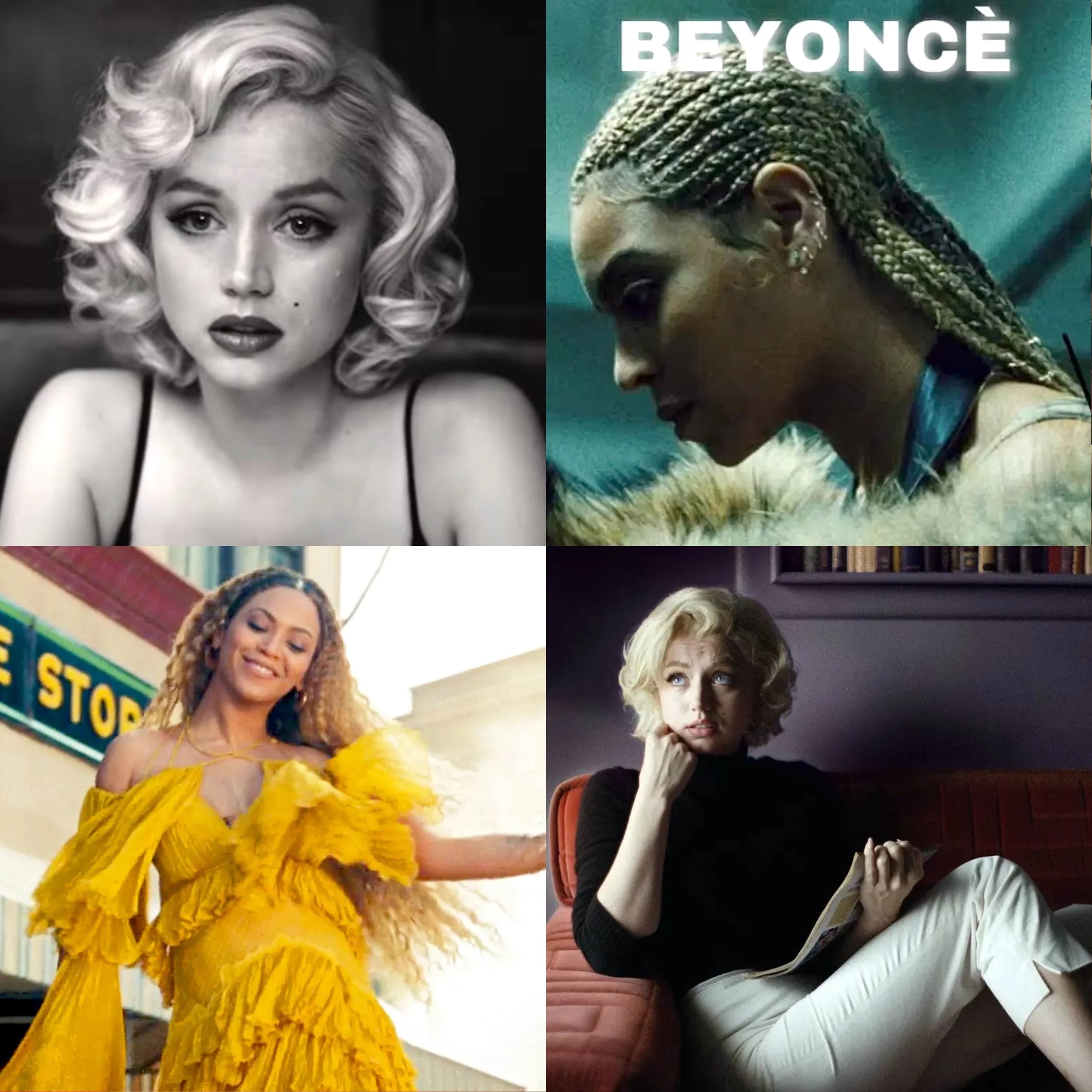
Highlights - CHAYSE IRVIN - Award-winning Cinematographer - Beyonce: Lemonade, Blonde starring Ana de Armas, Spike Lee’s BlacKkKlansman

Highlights - CHAYSE IRVIN - Award-winning Cinematographer - Beyonce: Lemonade, Blonde starring Ana de Armas, Spike Lee’s BlacKkKlansman

Award-winning Cinematographer
Blonde starring Ana de Armas · Beyonce: Lemonade · Spike Lee’s BlacKkKlansman

That's all I can do on a movie. I can't really make a movie good or not because that's decided by the spectator. That's not in my control. All I can do is give it everything that I have. Like that's just the love I have to give. So why bring in all these other things? Just set it up so you can give it everything that you've got each time. In those theoretical considerations about how a scene can function or be rendered or shot or executed or all these things, just think of it as, "Oh, this is the challenge." I want authenticity. How do we create an environment where that's more likely to happen? Because it's never going to be something that I can enforce, and the more I try to enforce it, the less likely it'll happen. For me, the more risky things, the more things that defied expectations are really important to me. I guess it even goes down to just novelty. How do you create a need or a yearning? And the spectator, you create a particular rhythm and then you change that rhythm, and then it's almost like you try to sensitize your spectator to these ideas by defining a particular rhythm that you've set for them.

CHAYSE IRVIN - Cinematographer of “Blonde” starring Ana de Armas, “Beyonce: Lemonade”, Spike Lee’s BlacKkKlansman, Kahlil Joseph, The Weekend, Netflix, Charlotte Rampling

CHAYSE IRVIN - Cinematographer of “Blonde” starring Ana de Armas, “Beyonce: Lemonade”, Spike Lee’s BlacKkKlansman, Kahlil Joseph, The Weekend, Netflix, Charlotte Rampling

Award-winning Cinematographer
Blonde starring Ana de Armas · Beyonce: Lemonade · Spike Lee’s BlacKkKlansman

That's all I can do on a movie. I can't really make a movie good or not because that's decided by the spectator. That's not in my control. All I can do is give it everything that I have. Like that's just the love I have to give. So why bring in all these other things? Just set it up so you can give it everything that you've got each time. In those theoretical considerations about how a scene can function or be rendered or shot or executed or all these things, just think of it as, "Oh, this is the challenge." I want authenticity. How do we create an environment where that's more likely to happen? Because it's never going to be something that I can enforce, and the more I try to enforce it, the less likely it'll happen. For me, the more risky things, the more things that defied expectations are really important to me. I guess it even goes down to just novelty. How do you create a need or a yearning? And the spectator, you create a particular rhythm and then you change that rhythm, and then it's almost like you try to sensitize your spectator to these ideas by defining a particular rhythm that you've set for them.

Highlights - JOY GORMAN WETTELS - Exec. Producer “UnPrisoned”, “13 Reasons Why”, "Home Before Dark”, “Eyes on the Prize: Hallowed Ground”

Highlights - JOY GORMAN WETTELS - Exec. Producer “UnPrisoned”, “13 Reasons Why”, "Home Before Dark”, “Eyes on the Prize: Hallowed Ground”

Award-winning Executive Producer of UnPrisoned starring Kerry Washington & Delroy Lindo
13 Reasons Why · Home Before Dark · Eyes on the Prize: Hallowed Ground
Founder of Joy Coalition

With UnPrisoned and with really my whole body of work as a producer, I'm really drawn to stories that make people feel seen that take issues that have stigma and shame attached to them, and making those issues just more palatable and more human. And few people realize that 50% of American families are touched by incarceration. And when you meet someone like Tracy McMillan, who really is a miracle, this is a woman who's now in her fifties who grew up in 22 different foster homes because her father was incarcerated when she was so little. And yet for all of his mistakes, the fact that he was a career criminal, he still, when he could change her diapers, he was present when he could be there. He braided her hair, and there was real love there. But they were separated not only by his mistakes, but by a system that is really unforgiving and really unfair, especially to black and brown men. So, the idea that we could tell a story where a young woman who was raised that way and by that person turns out to be Kerry Washington. You know, turns out to be somebody who you want to be, turns out to be "Olivia Pope", this woman that we all see as so beautiful and such a hero and so strong and so powerful, I felt was just an incredible opportunity. And when we first put Tracy and Kerry in the same room, Kerry said to Tracy, "You know you're a miracle, right?"

JOY GORMAN WETTELS - Exec. Producer “UnPrisoned” starring Kerry Washington, “13 Reasons Why”, Founder of Joy Coalition

JOY GORMAN WETTELS - Exec. Producer “UnPrisoned” starring Kerry Washington, “13 Reasons Why”, Founder of Joy Coalition

Award-winning Executive Producer of UnPrisoned starring Kerry Washington & Delroy Lindo
13 Reasons Why · Home Before Dark · Eyes on the Prize: Hallowed Ground
Founder of Joy Coalition

With UnPrisoned and with really my whole body of work as a producer, I'm really drawn to stories that make people feel seen that take issues that have stigma and shame attached to them, and making those issues just more palatable and more human. And few people realize that 50% of American families are touched by incarceration. And when you meet someone like Tracy McMillan, who really is a miracle, this is a woman who's now in her fifties who grew up in 22 different foster homes because her father was incarcerated when she was so little. And yet for all of his mistakes, the fact that he was a career criminal, he still, when he could change her diapers, he was present when he could be there. He braided her hair, and there was real love there. But they were separated not only by his mistakes, but by a system that is really unforgiving and really unfair, especially to black and brown men. So, the idea that we could tell a story where a young woman who was raised that way and by that person turns out to be Kerry Washington. You know, turns out to be somebody who you want to be, turns out to be "Olivia Pope", this woman that we all see as so beautiful and such a hero and so strong and so powerful, I felt was just an incredible opportunity. And when we first put Tracy and Kerry in the same room, Kerry said to Tracy, "You know you're a miracle, right?"

Highlights - NICHOLAS ROYLE - Author of  "David Bowie, Enid Blyton and the Sun Machine"

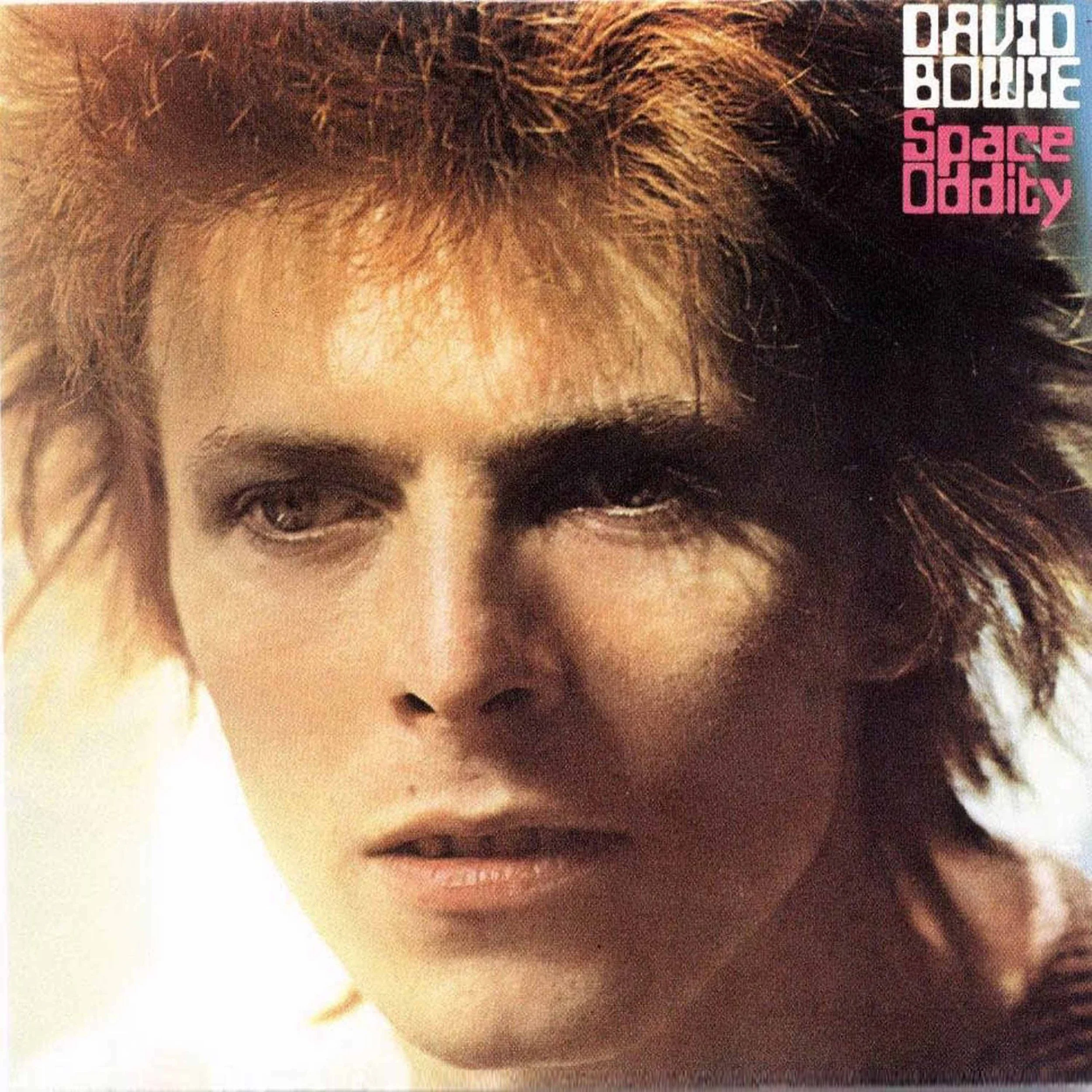
Highlights - NICHOLAS ROYLE - Author of "David Bowie, Enid Blyton and the Sun Machine"

Co-author of An Introduction to Literature, Criticism and Theory
Author of Mother: A Memoir · Managing Editor of Oxford Literary Review

My mother died years ago. What has induced me to write about her after all this time remains mysterious to me. It is connected to the climate crisis. As the natural historian David Attenborough says: 'the collapse of our civilizations and the extinction of much of the natural world is on the horizon.' In ways I cannot pretend to fathom I have found that writing about my mother is bound up with writing about Mother Nature and Mother Earth. And no doubt it has to do also with my own aging and the buried life of mourning. The strange timetables of realization and loss. A memoir is 'a written record of a person's knowledge of events or of a person's own experiences'. 'A record of events written by a person having intimate knowledge of them and based on personal observation.' So the dictionaries tell us. But this memoir of my mother makes no attempt at a comprehensive record.

NICHOLAS ROYLE - Author of  "David Bowie, Enid Blyton and the Sun Machine"

NICHOLAS ROYLE - Author of "David Bowie, Enid Blyton and the Sun Machine"

Co-author of An Introduction to Literature, Criticism and Theory
Author of Mother: A Memoir · Managing Editor of Oxford Literary Review

My mother died years ago. What has induced me to write about her after all this time remains mysterious to me. It is connected to the climate crisis. As the natural historian David Attenborough says: 'the collapse of our civilizations and the extinction of much of the natural world is on the horizon.' In ways I cannot pretend to fathom I have found that writing about my mother is bound up with writing about Mother Nature and Mother Earth. And no doubt it has to do also with my own aging and the buried life of mourning. The strange timetables of realization and loss. A memoir is 'a written record of a person's knowledge of events or of a person's own experiences'. 'A record of events written by a person having intimate knowledge of them and based on personal observation.' So the dictionaries tell us. But this memoir of my mother makes no attempt at a comprehensive record.

Highlights - BRUCE EVAN BARNHART - Author of “Jazz in the Time of the Novel”, “Temporal Experiments”

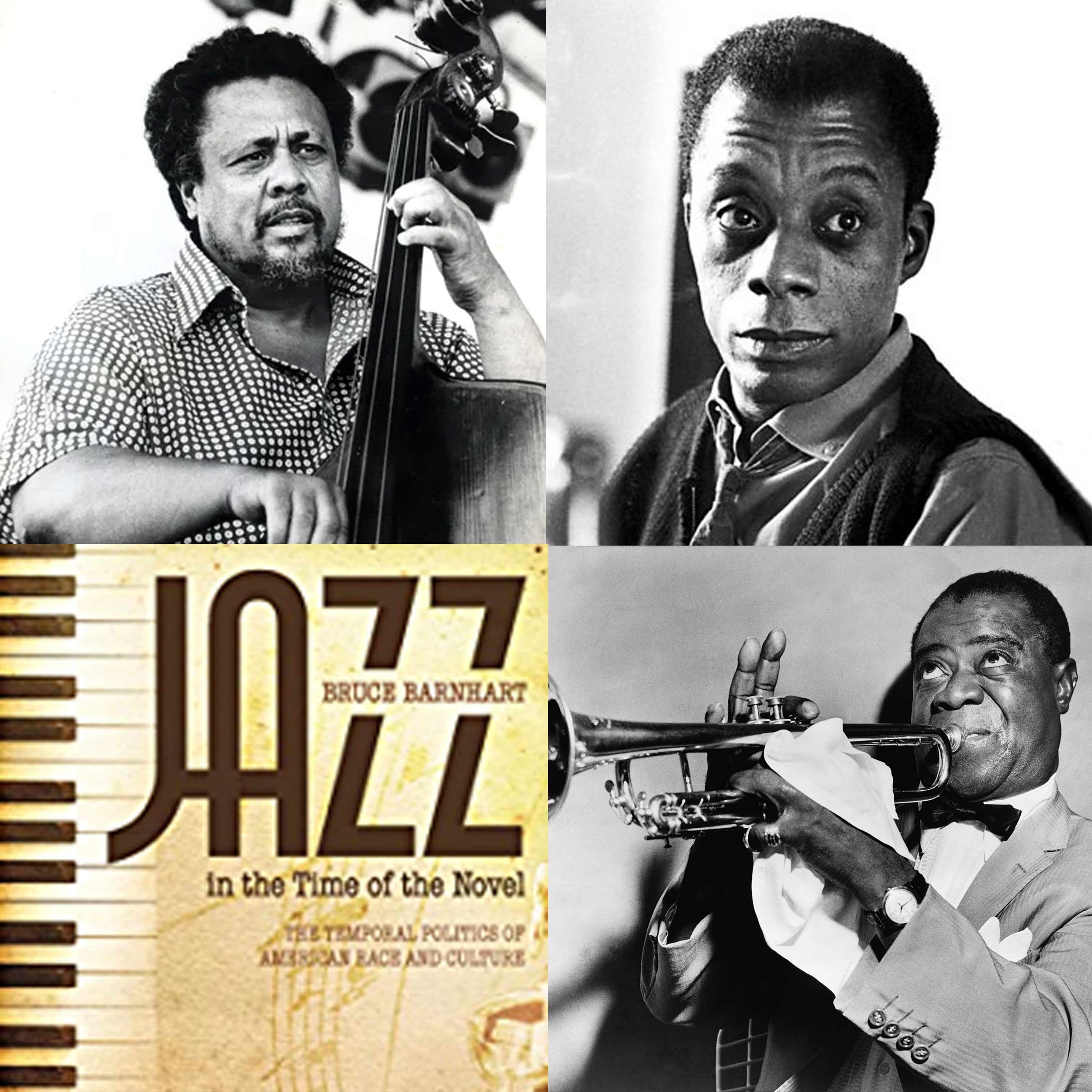
Highlights - BRUCE EVAN BARNHART - Author of “Jazz in the Time of the Novel”, “Temporal Experiments”

Author of Jazz in the Time of the Novel: The Temporal Politics of American Race and Culture
Temporal Experiments: Seven Ways of Configuring Time in Art and Literature
Co-director of University of Oslo’s Literature, Rights & Imagined Communities

I really admire how James Baldwin always talks about jazz as a kind of model for his writing style. But music has certainly had a profound influence on the way I see the world, especially in terms of the social world. One of the big problems we have in all sorts of different places around the world is the question of how to coordinate difference. All sorts of people have different modes of living, different cultural rhythms, and different ideas about the future. Jazz is brilliant at a lot of things, but it notably brings together different people and allows them to retain their own sense of time and rhythm while playing together. It's a really profound model of social coordination. Now, of course, it says something particularly pressing about the United States, but I think as a model for how differences go together, jazz is perhaps unparalleled.