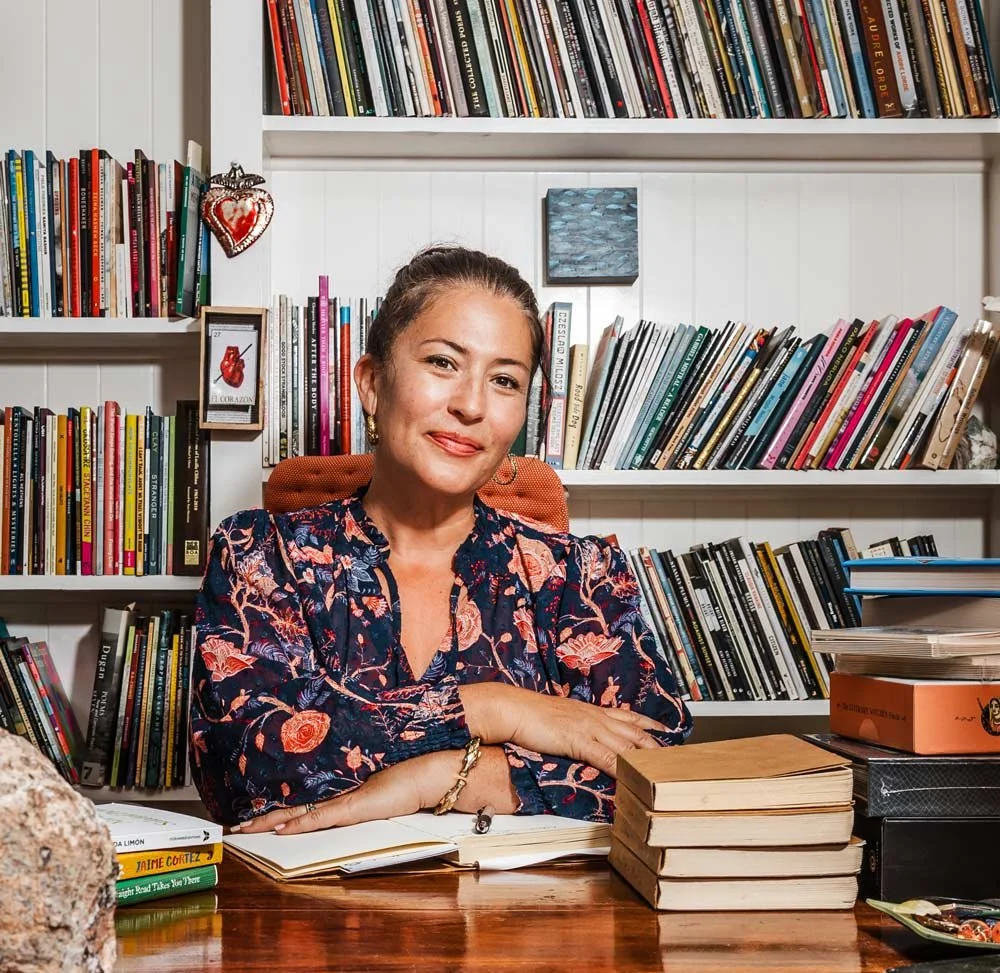
Interconnectedness, Startlement & The Power of Poetry

Interconnectedness, Startlement & The Power of Poetry

24th US Poet Laureate ADA LIMÓN
Author of Startlement · Against Breaking: On the Power of Poetry · The Hurting Kind

It’s always very interesting that we have to make a case for art because we don’t have to make a case for fast food. Like, we don’t have to make a case for all of these sort of things in our lives that we do not need, and yet we have to make a case for beauty? We have to make a case for the soul? We have to make a case for humanity? We have to make a case for singing back the wounded world? That to me is fascinating.
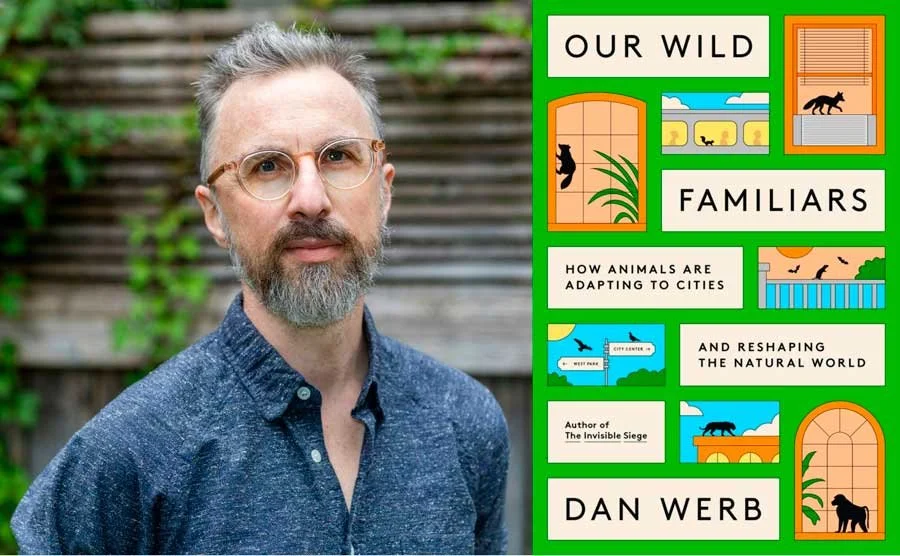
How Animals Are Adapting to Cities & Reshaping the Natural World

How Animals Are Adapting to Cities & Reshaping the Natural World

Epidemiologist · Musician · Author of Our Wild Familiars

So synanthropes are animals that have adapted to human-modified environments, and the Greek translation essentially is together with humans, so synanthrope. And they're a fascinating subset of wild animals that they're all around us, but we don't really notice them. And so in this new book, I was excited about writing something that had to do with the natural world. I was excited about writing something that touched on climate change and the way that the world was changing, but maybe not with such a sort of dirgey approach or funereal approach. Something that actually explored the wonder of the world as it is and as we experience it around our communities in our cities and towns. And I had come across this word synanthrope in the research for my last book, The Invisible Siege, which was about the rise of coronaviruses and the long scientific journey to find cures for COVID-19, and it just kind of stuck with me. There is this connection, of course, between wild animals and viruses and lots of questions about the origin of SARS-2, the virus that spread COVID-19 and caused the pandemic. And while that's touched on in the book a little bit, the vast majority of what I was excited to write about was just what these animals are doing in our cities. How is it that wild animals, raccoons, coyotes, all kinds of birds and animals as fragile as bats… These are not just insects and earthworms and things like that. These are very large predators that have nevertheless found a way to survive among us. And that in and of itself I think is just an amazing story and what I explore in this book.

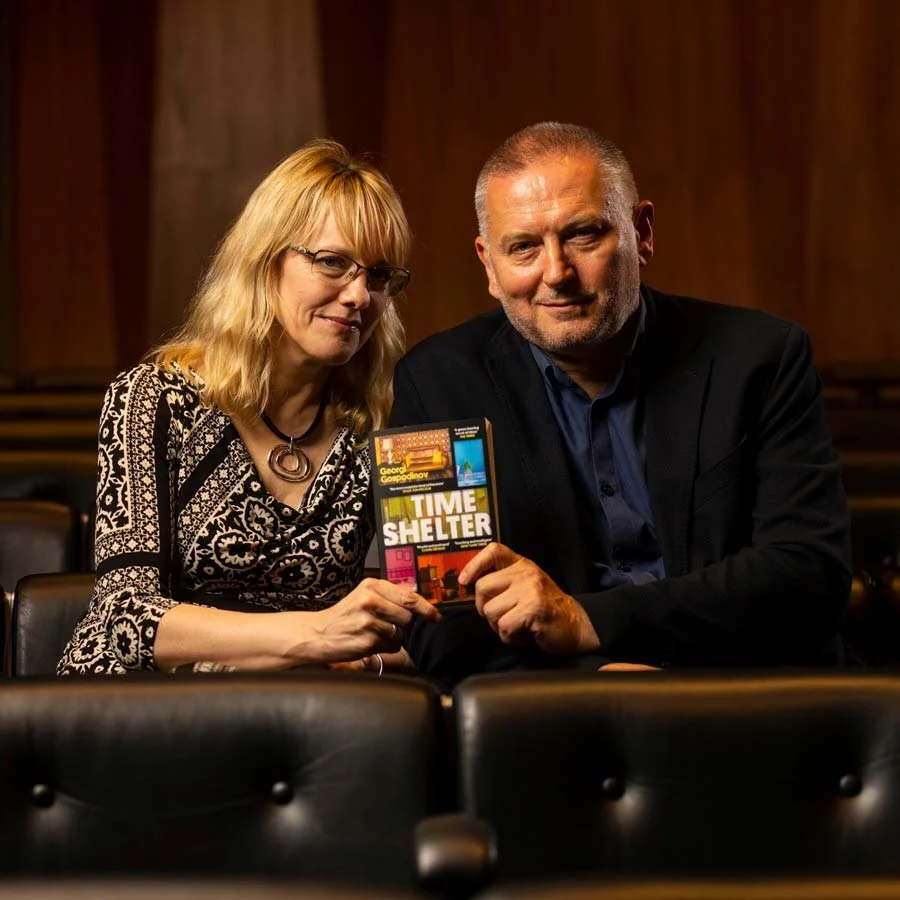
Time, Memory & the Art of Translation

Time, Memory & the Art of Translation

GEORGI GOSPODINOV (Author of Time Shelter · Death and the Gardener · The Physics of Sorrow) ANGELA RODEL (Translator · Musician · Exec. Director · Fulbright Bulgaria)

We are in the middle of a labyrinth which suggests to us many fake corridors. What's the superpower of literature? Literature is like an antidote against propaganda. Propaganda explains the world easily in a two-dimensional way.  Literature gives you a more complex explanation. Literature tells personal stories.

From Extraction to Regeneration

From Extraction to Regeneration

Redesigning Our Relationship with Nature

We explore our changing planet, from melting ice in Greenland to the depleted soils in our farmlands. We’re joined by writers, advocates and visionaries to discuss environmental justice and the circular economy. Abrahm Lustgarten, Jon Gertner, Rebecca Tickell, Bill Hare, Rob Nixon, Euan Nisbet, Roland Geyer, William McDonough, Carlo Ratti, Jason deCaires Taylor, Jane Madgwick, Paul Shrivastava, Liza Featherstone, Osprey Orielle Lake, Ron Gonen, Louis de Jaeger, Kathleen Rogers and Yolanda Kakabadse.

Listening to the Living World

Listening to the Living World

I want to be wowed by the world. I want to gaze at it in awe and wonder.

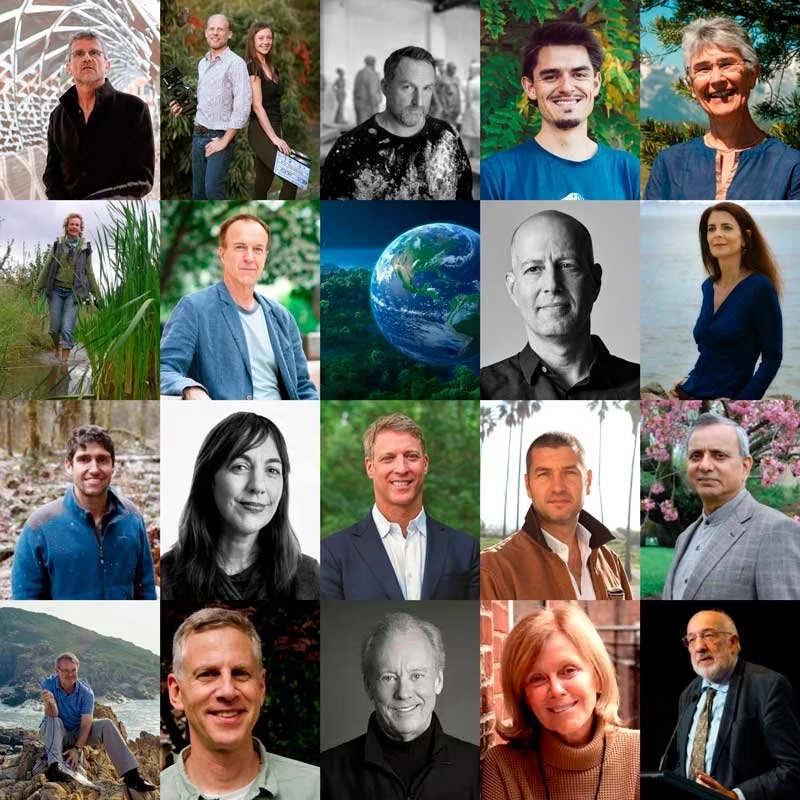
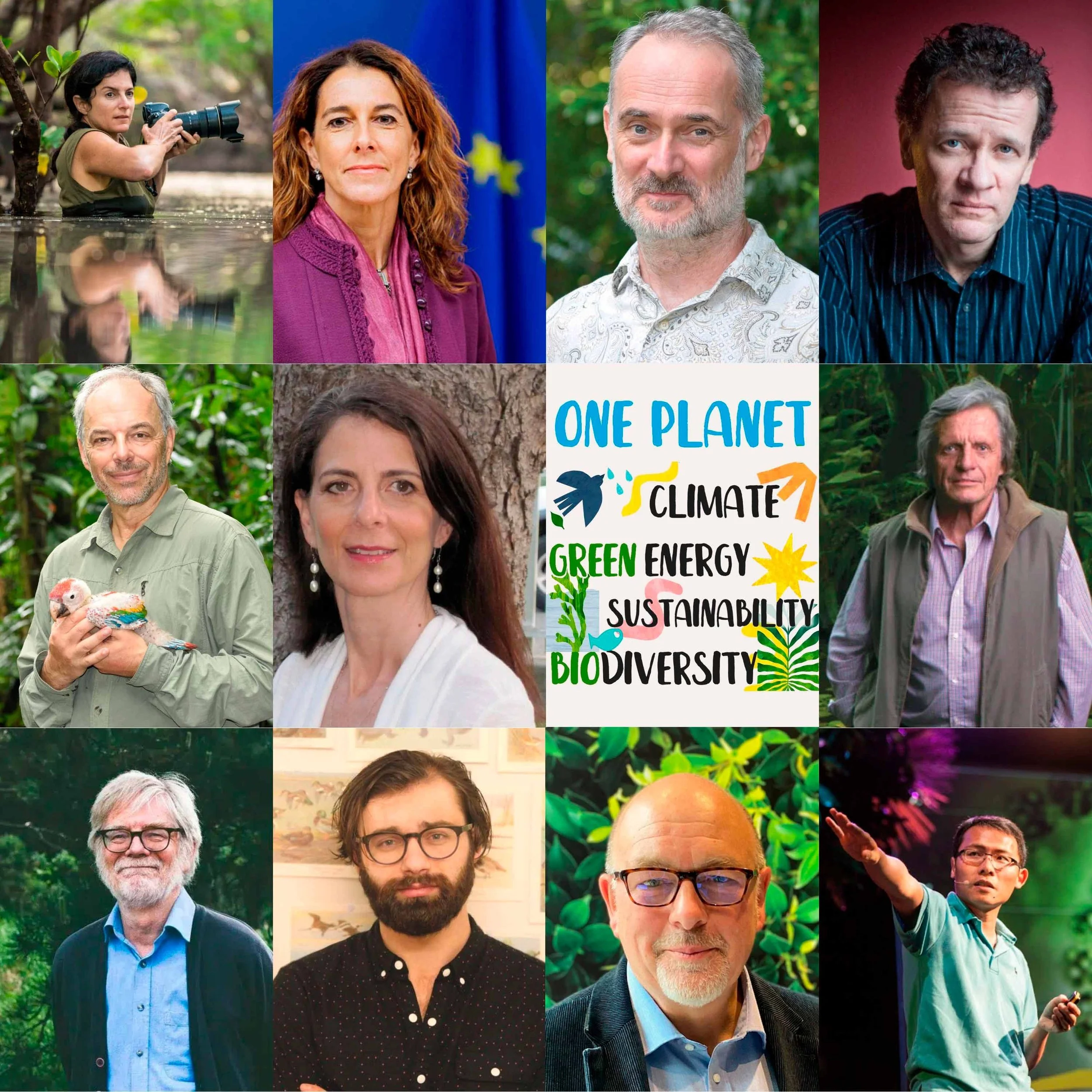
Clayton Page Aldern, David George Haskell, Yann Martel, Carl Safina, Martín von Hildebrand, Richard Black, Tom Chi, Paula Pinho, Osprey Orielle Lake, Bill Hare, Fred Pearce reflect on Climate Change & The Rights of Nature 

Why Do We Listen to the Talkers More Than the Builders Saving the Planet?

Why Do We Listen to the Talkers More Than the Builders Saving the Planet?

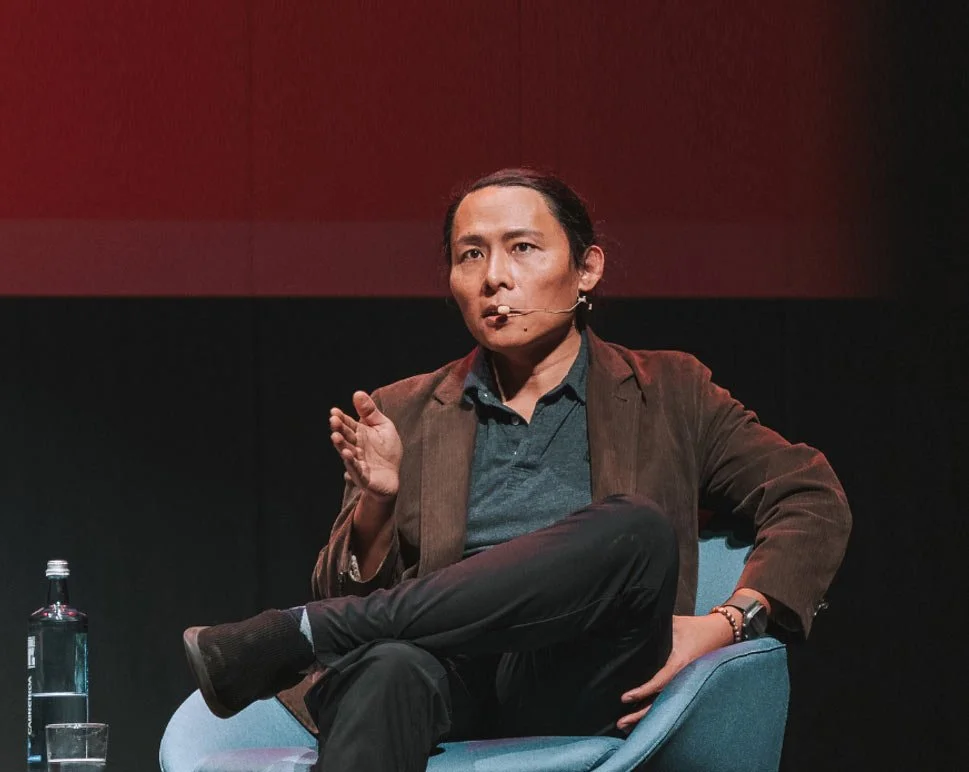
TOM CHI · Physicist · Designer · Inventor · Google X Co-founder (Glass, Loon, Waymo) · Founding Partner of At One Ventures · Author of Climate Capital

In the book I spend a bunch of time basically teaching skills and frameworks of thinking. Not to indoctrinate, it's not a framework like an ideology where you need to believe exactly these things. This is a lot more about how does one use their minds effectively to solve problems that have been solved before. I work on things that have to do with investment and climate and the future of the economy and automation. The main things I'm trying to teach in the book are skills around creativity, critical thinking, community compassion and frameworks around how to go and use that on problems that should be relatively portable to a bunch of problems that are meaningful to you. The way that education needs to change is that people need to actively be working on things that truly matter to them so that over time they end up being able to go make that difference.

Listening to the Living World

Listening to the Living World

I want to be wowed by the world. I want to gaze at it in awe and wonder.

Clayton Page Aldern, David George Haskell, Yann Martel, Carl Safina, Martín von Hildebrand, Richard Black, Tom Chi, Paula Pinho, Osprey Orielle Lake, Bill Hare, Fred Pearce reflect on Climate Change & The Rights of Nature 

The Salt Stones: Seasons of a Shepherd’s Life

The Salt Stones: Seasons of a Shepherd’s Life

HELEN WHYBROW
Writer · Shepherd · Organic Farmer

There are two ways that I measure diminishment in the natural world, a world we all have the ability to see and sense no matter where we live. The first is ecological: a loss of vitality, complexity and stability. This can be studied and measured, but it can also be perceived by simply listening and noticing. Nature has a voice that sings in different registers and in those registers you can hear health or struggle, presence or absence. The second way I measured diminishment is in the human experience-- loss of beauty, of meaning, of pattern language these also become more available to us as we watch and listen take in what surrounds us.  

In the Presence of the Dalai Lama

In the Presence of the Dalai Lama

 Everybody wants happiness, joyfulness, peaceful world. Our 21st century will not be easy century… I can change my mind. I can reduce anger, hatred. Nothing to do with religion. All religions carry the message of love, loving kindness, and tolerance. This century should be century of compassion, century of peace. No more bloodshed. We should develop a big “we,” rather than “we” or “they.” With these wings, you can fly. – THE DALAI LAMA, Wisdom of Happiness

All About Bees, Soil & Regeneration

All About Bees, Soil & Regeneration

A Conversation with Documentary Filmmaker REBECCA TICKELL

Today, we explore the work of a filmmaker whose lens is consistently turned toward the most critical issues facing our planet. Rebecca Tickell, in collaboration with her husband Josh Tickell, has created a powerful cinematic catalog of films that are not merely observations, but catalysts for change. They've taken on the complexities of our energy systems, the deep-seated problems within our food supply, and now, with her latest work, Bee: Wild, they explore the essential, fragile, and often unseen world of pollinators.

Their film Kiss the Ground sparked a global conversation about regenerative agriculture, leading to tangible shifts in policy and public understanding. Common Ground continued this exploration, unraveling the intricate web of our food systems. Now, with Bee: Wild, narrated by Ellie Goulding and executive produced by Angelina Jolie, Rebecca brings her characteristic blend of journalistic rigor, personal narrative, and solutions-driven storytelling to the urgent plight of bees, asking us to reconsider our relationship with the natural world.

Can Finance Revolutionize Climate Action?

Can Finance Revolutionize Climate Action?

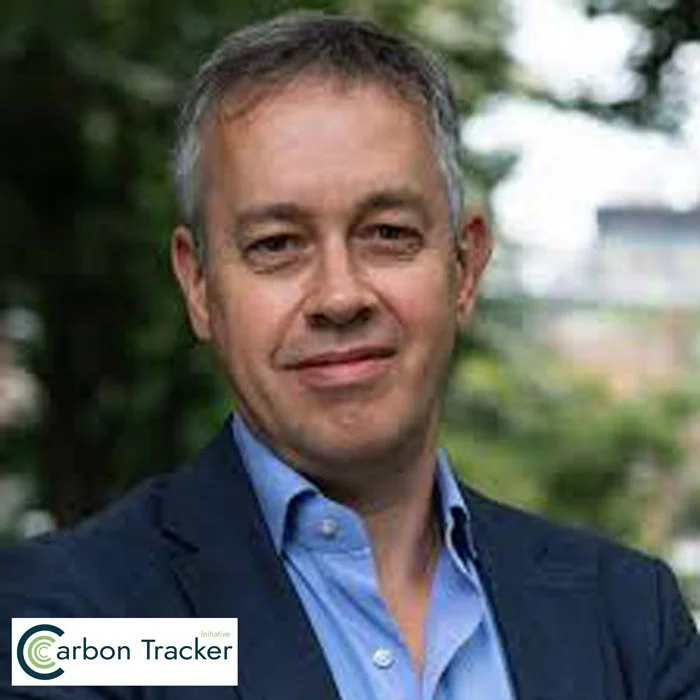
A Conversation with MARK CAMPANALE · Founder of Carbon Tracker

Carbon Tracker is a non-profit financial think tank focused on change and the energy transition. I set it up because I spent 20 years working in the financial world, and I noticed that a lot of coal, oil, and gas projects, even with all the evidence we know about climate change, were getting financed through banks and the stock market. It was almost as if investors were completely disregarding what climate change was going to do within our lifetime. What I wanted to do was challenge that, challenge the way people think, and challenge the financial operators, the bankers, stock exchange regulators, and investors to think about what climate change was going to do and what we could do about it. We're saying to the owners of these companies, the shareholders, "Why don't you think about what the world will look like in 50 years, and why are you putting these young people's pensions into coal, which we know is going to destroy the planet?"

Save Our Soils

Save Our Soils

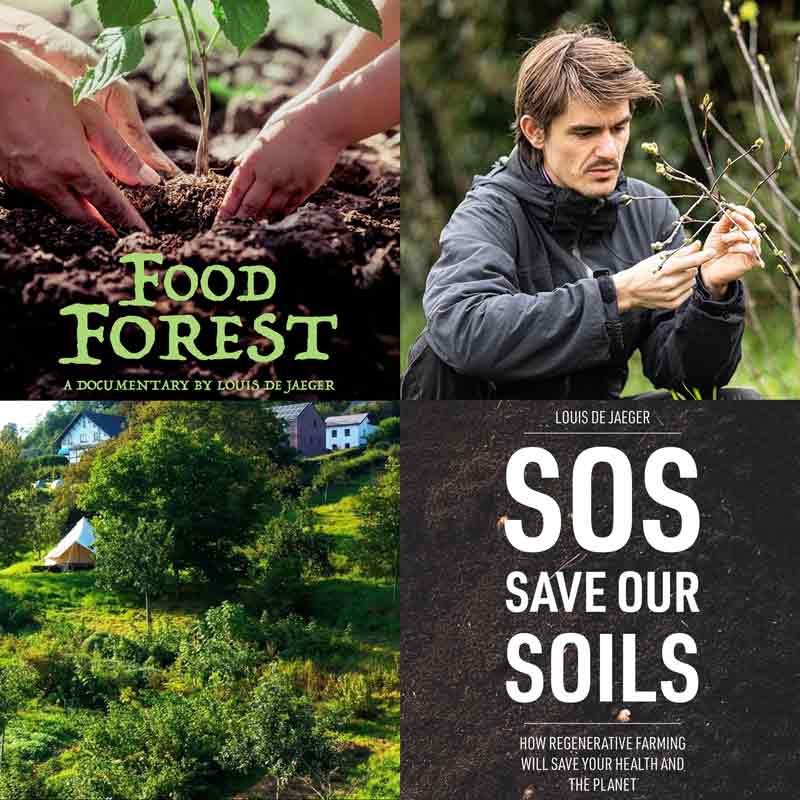
Eco-entrepreneur · Landscape Designer · Co-founder of Food Forest Institute LOUIS DE JAEGER on How Regenerative Food & Farming Will Save Your Health & The Planet

The Earth started as one big rock, and soil did not exist. Without soil, you can't really grow trees or any crops whatsoever. We are depleting soils super fast, and it is predicted that in less than 25 years, 90% of our soils will be degraded. We as humans can destroy things in a couple of years that have taken thousands or even millions of years to form. On the other hand, nature regenerates pretty fast. It heals itself. If humans help this healing process, it can go even faster.

A Barrister for the Earth

A Barrister for the Earth

MONICA FERIA-TINTA on Ten Cases of Hope for Our Future

I like young people to know that they're extremely powerful. I guess the book was about giving hope because I realized how much we could do together. If a person can manage to argue and make a major impact in the way we are understanding treaties in human rights or other things, imagine what could be if every single person is in their own place in some field, with that alertness and synced in the same way. I believe that ordinary people are the ones bringing changes here. I believe that the communities gathering together – for example, I am seeing that in this country around the protection of rivers – are the ones that will mark the change. It's not going to come from above; it's going to come from below, up. We all have a role. Working for the protection of what we love the most will make you happy. So get into a positive mindset. Learn all you can. Be part of things that make you feel positive. You will see how you will find your way, and there is no place for feeling disempowered. This is the moment where you should feel very powerful because it is us who are going to make the future of this Earth.

Happy World Bee Day!

Happy World Bee Day!

How Climate Change, Habitat Loss & Our Choices Shape the Future of Pollinators

Let’s give thanks for these tiny hardworking pollinators who play a huge role in our ecosystem. They are vital to our food supply and biodiversity. Bees can sense electric fields and navigate using the sun, and have to visit millions of flowers to produce just a pound of honey. Remarkably intelligent, they have excellent memories, they perform a waggle dance to guide each other to nectar, and can even recognize human faces. Yet they are increasingly threatened by climate change. Rising temperatures, shifting blooming seasons, and extreme weather events disrupt their life cycles and food sources, putting both wild and managed bee populations at risk. Without bees, many of the fruits, vegetables, and nuts we rely on would disappear. As we face a changing climate, it's more important than ever to protect them. By planting pollinator-friendly gardens, reducing pesticide use, and taking action to reduce greenhouse gas emissions, we can help bees thrive and ensure a healthier planet for all.

The Future of Activism

The Future of Activism

When Solutions Become Problems with BAYO AKOMOLAFE
Philosopher · Psychologist Public Intellectual · Author · Founder of the Emergence Network

I learn more than anything else from my children. My son, he's seven, he's autistic, and I call him my prophet for a reason. He teaches me to meet myself in ways that are usually very stunning. I can get information from other people; I can read a book here and there, but it's very rare to come across such an embodiment of grace, possibility, and futurity, all wrapped up in a tiny seven-year-old boy's body. My son has given me lots of gifts.

Why is it a Crime to Protest the Destruction of Our Planet?

Why is it a Crime to Protest the Destruction of Our Planet?

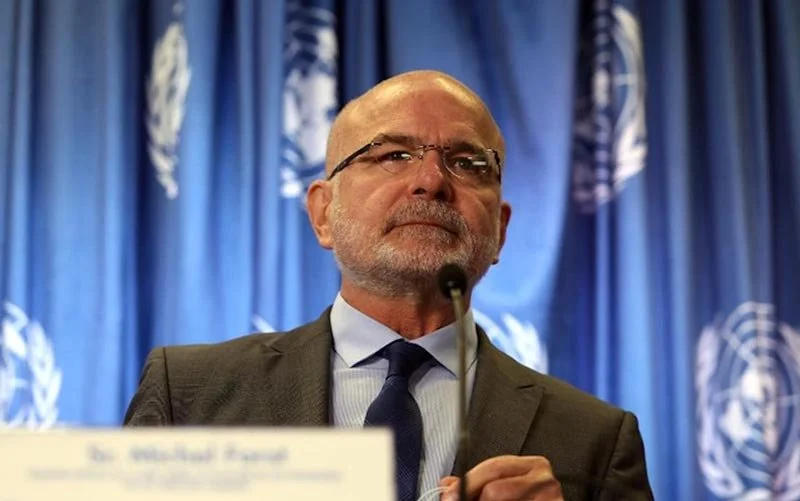
UN Special Rapporteur on Environmental Defenders MICHEL FORST on Protecting Environmental Activists

My mandate focuses on the protection of those trying to protect the planet. Protection of defenders is my main topic. When I'm speaking to states or companies, it's always related to cases of defenders facing threats, attacks, or penalization by companies or governments, like the recent case of Paul Watson (founder of Sea Shepherd) in Denmark… When I travel to places like Peru, Colombia, or Honduras and meet Indigenous people, I realize they have a relationship with nature that we don't have anymore. They express that the food they eat, the water they drink, and the air they breathe goes beyond just air and food; it represents what they call Pachamama or Mother Earth. This is a cosmovision shared across various communities, not only in Latin America but globally.

CARLOS MORENO

CARLOS MORENO

Originator of the 15-Minute City Concept · Author of The 15-Minute City: A Solution to Saving Our Time & Our Planet

It all starts at home. As a university professor, I have observed the process of transformation of different generations. We need to find a sense of life. We need to find a sense of belonging to our humanity, but to have this sense of life, we need to find a sense in our local communities.

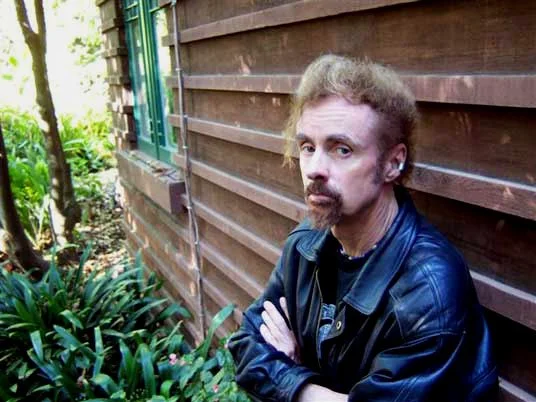
A Life in Writing with T.C. BOYLE

A Life in Writing with T.C. BOYLE

Novelist · Short Story Writer

What I have done in my career is just try to assess who we are, what we are, why we are here, and how come we, as animals, are able to walk around and wear pants and dresses and talk on the internet, while the other animals are not. It's been my obsession since I was young. I think if I hadn't become a novelist, I might have been happy to be a naturalist or a field biologist.

JULIAN LENNON

JULIAN LENNON

Singer-songwriter · Documentary Filmmaker · Founder of The White Feather Foundation
Photographer/Author of Life’s Fragile Moments

I think a lot of joy comes from helping others. One of the things that I've been really focusing on is finding that balance in life, what’s real and what’s true and what makes you happy. How can you help other people feel the same and have a happier life? I think whatever that takes. So if that's charity, if that's photography, if that's documentary, if that's music, and I can do it, then I'm going to do it.

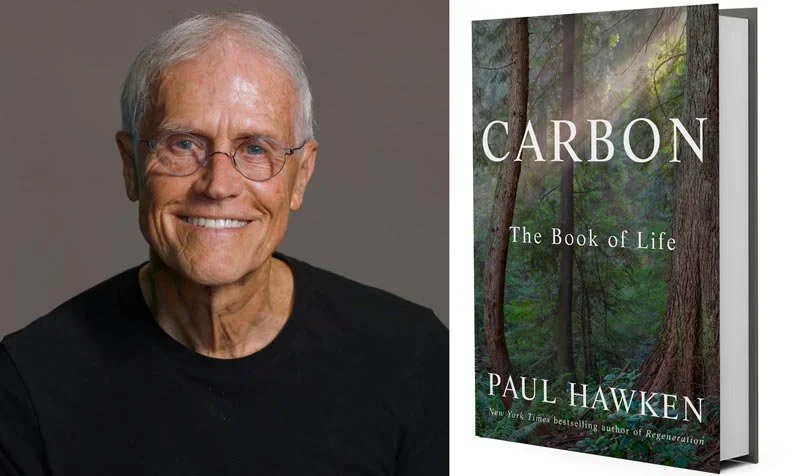
CARBON: The Book of Life

CARBON: The Book of Life

with PAUL HAWKEN
Environmentalist · Entrepreneur
Founder of Project Regeneration & Project Drawdown

We have 1.2 trillion carbon molecules in every cell. We have around 30 trillion cells, and that’s us. So carbon is really a flow that animates everything we love, enjoy, eat, and all plant life, all sea life—everything that's alive on this planet—is animated by the flow of carbon. We want to see the situation we're in as that, as a flow. Where are the flows coming from, and why are we interfering with them? Why are we crushing them? Why are we killing them? For sure. But also, we need to see the wonder, the awe, the astonishment of life itself and to have that sensibility as the overriding narrative of how we act in the world, how we live, and how we talk to each other. Unless we change the conversation about climate into something that's a conversation about more life—better conditions for people in terms of social justice, restoring so much of what we've lost—then we won’t get anywhere.