DIANE VON FÜRSTENBERG: Woman in Charge w/ Oscar-winning Director SHARMEEN OBAID-CHINOY on Women's Rights & Eco-Activism

DIANE VON FÜRSTENBERG: Woman in Charge w/ Oscar-winning Director SHARMEEN OBAID-CHINOY on Women's Rights & Eco-Activism

Oscar & Emmy-winning Director
Diane von Furstenberg: Woman in Charge · A Girl in the River
Forthcoming Star Wars film starring Daisy Ridley

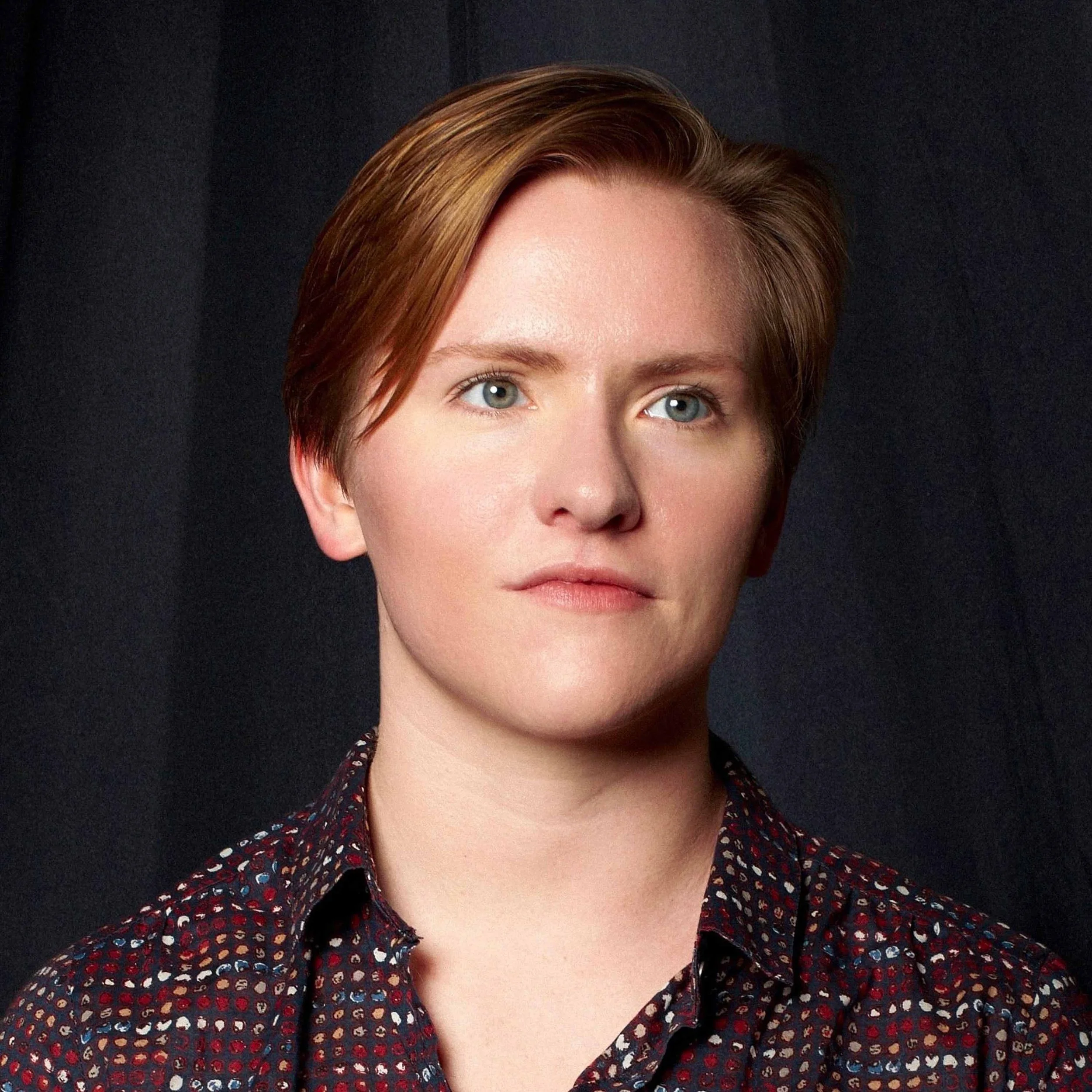
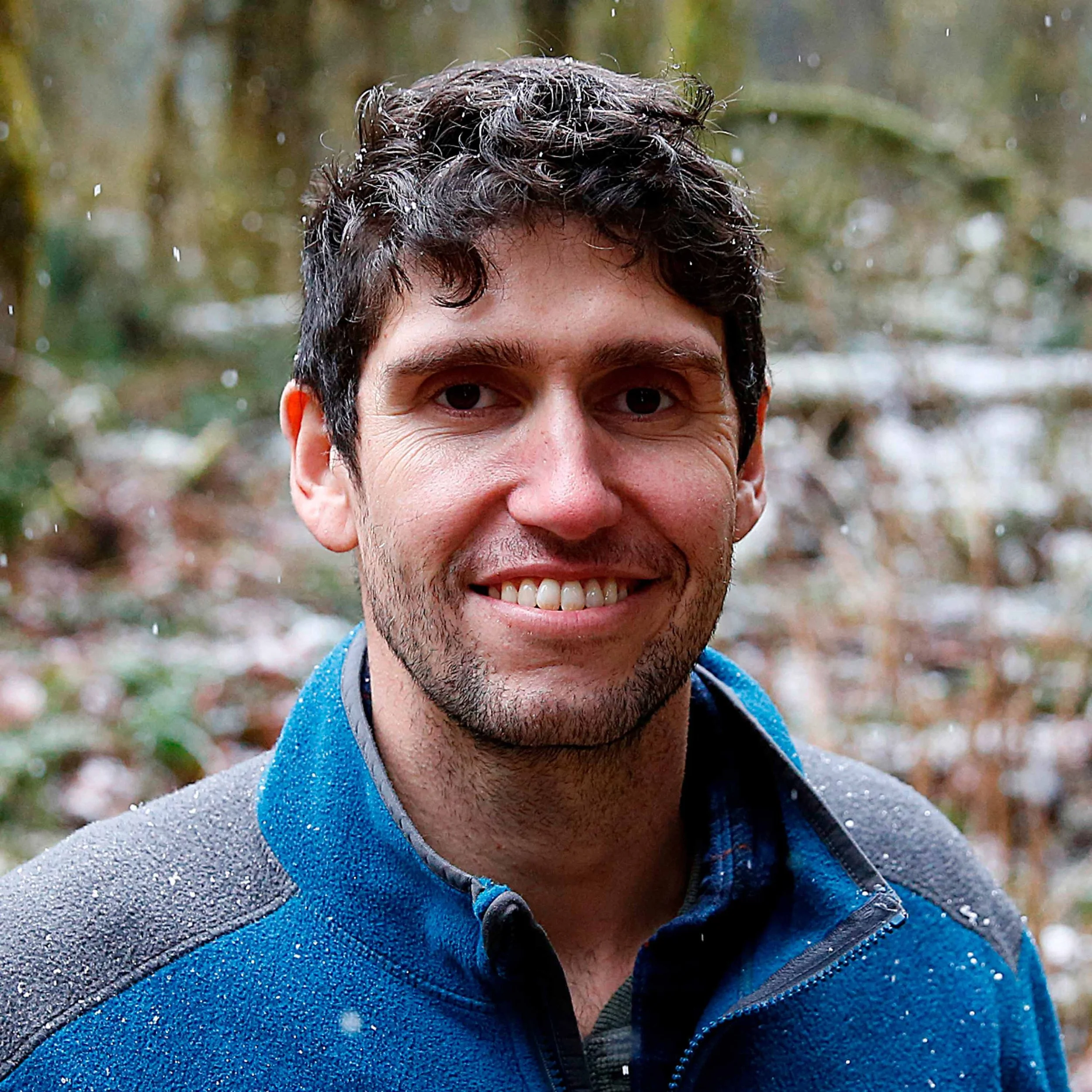
My production company SOC Films, which works out of Pakistan, has created more than 15 short films about climate change in the region, and created a book for children to talk about climate change heroes. Pakistan is one of the top 10 countries in the world most affected by climate change. And so at the heart of everything that I do, climate change matters greatly to me because I have a personal connection to it.

I love to hike and I seek out mountains and quiet places where one can be in solitude with nature. I think that in the desire to expand and consume, we have really shaken the core of that connection that we have with Mother Earth — and I think that it's important. It's incumbent upon us to make sure that our children's generation and their children's generation have that same connection, where they can be in parts of the world where Mother Nature has been left to be in the state that it's meant to be in.
Resisting Ecological Collapse & Fascism with Writer-Organizer-Activist CHRIS CARLSSON

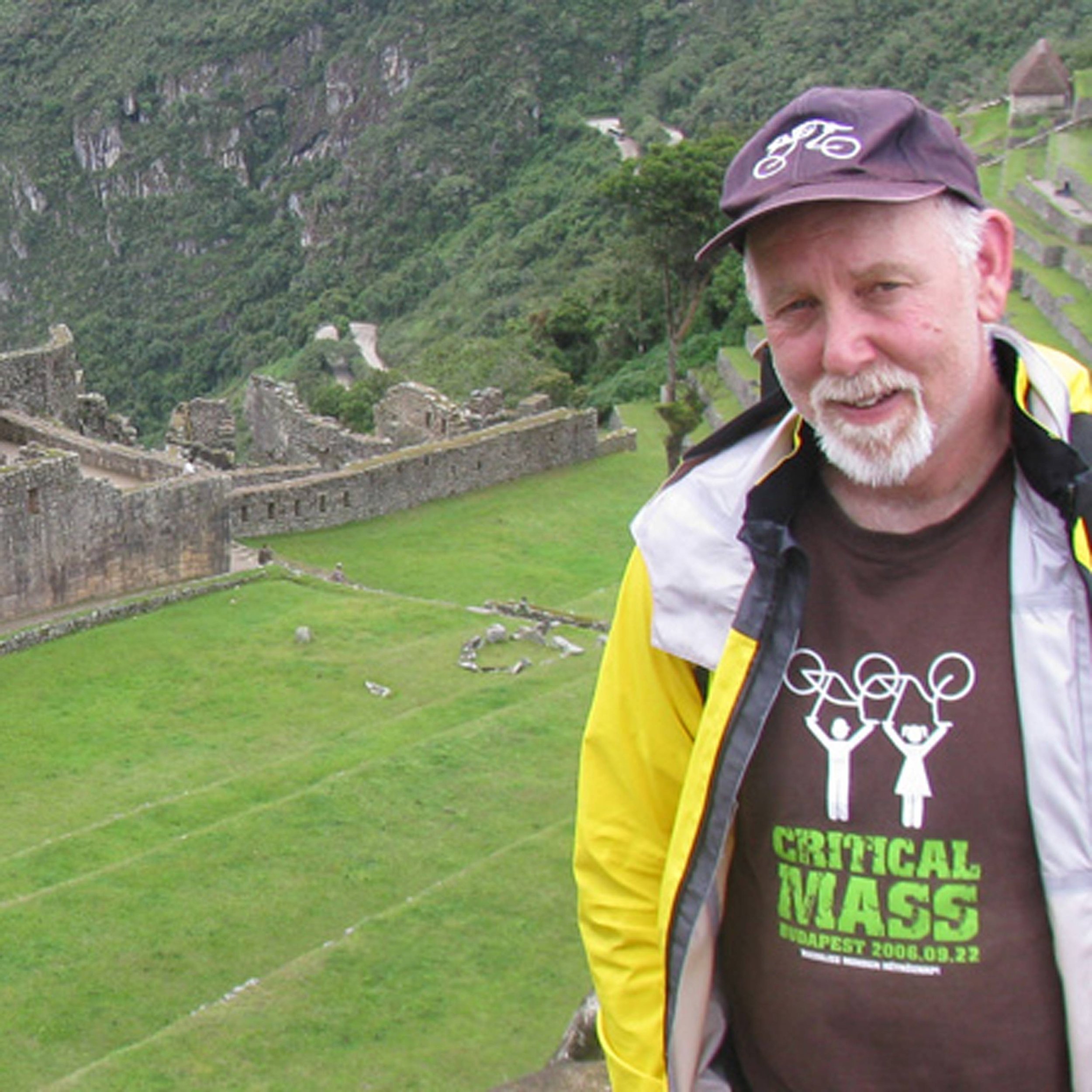
Resisting Ecological Collapse & Fascism with Writer-Organizer-Activist CHRIS CARLSSON

Writer · Organizer · Activist
When Shells Crumble · Shaping San Francisco · Critical Mass

The novel When Shells Crumble begins in December 2024, when the US Supreme Court nullifies the popular vote in the Presidential election and awards the presidency to an authoritarian Republican, who proceeds to demolish democracy and install a fascistic state that hastens ecological havoc. The novel is much more than your usual dystopian tale—it focuses on how to resist political cynicism and defeatism, and rebuild on planetary wreckage. It is a world-building project filled with wisdom, sadness, and joy. We specifically put this fictional text in conservation with his brilliant non-fiction work, Nowtopia, which offers a radical redefinition of “work” that restores dignity and value to their proper places.

PETA Founder INGRID NEWKIRK turns 75: A Lifetime of Animal Advocacy

PETA Founder INGRID NEWKIRK turns 75: A Lifetime of Animal Advocacy

Founder & President of PETA - People for the Ethical Treatment of Animals

I think things do change because of agitation. So agitation is vital. I mean, nobody who is in a cause should be there to win a popularity contest, whether you're working for children or the elderly or working for peace animals, it's all against nonviolence, aggression, domination, and needless cruelty and suffering. It's all for respect. So you have to be vigorous. You have to use your voice. You can use it politely, but if people don't listen, at PETA, we escalate. So we always start off with a polite letter, a polite entreaty. We always try to, as I say, do the homework. So we have the options that we put out on the table to say, look, instead of doing this, you could do that, and we will help you transition to that.

How do we get people to care about the environment? - Highlights - LEE McINTYRE

How do we get people to care about the environment? - Highlights - LEE McINTYRE

Philosopher · Author of On Disinformation: How To Fight For Truth and Protect Democracy · How to Talk to a Science Denier

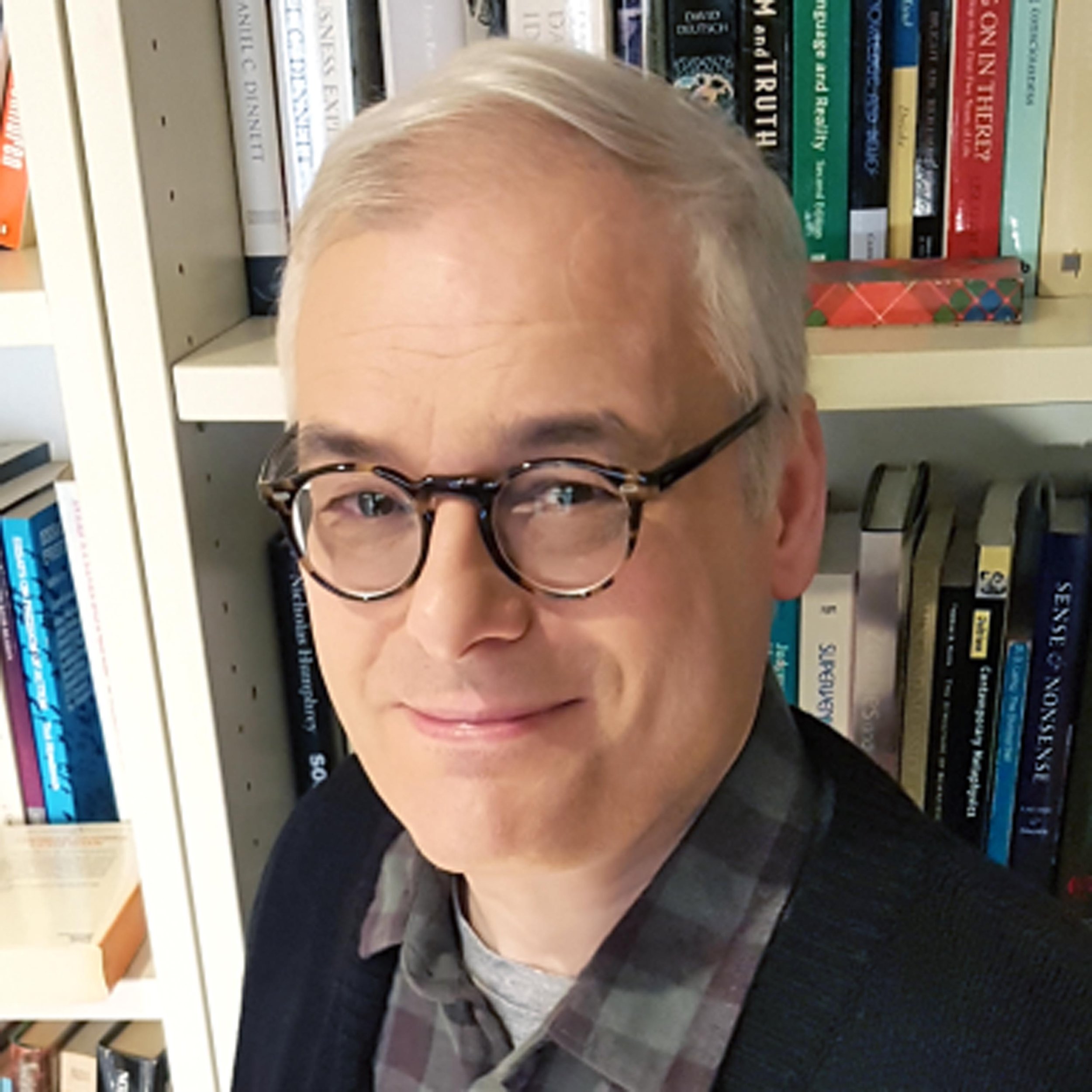
One thing people don't realize is that the goal of disinformation is not simply to get you to believe a falsehood. It's to demoralize you into giving up on the idea of truth, to polarize us around factual issues, to get us to distrust people who don't believe the same lie. And even if somebody doesn't believe the lie, it can still make them cynical. I mean, we've all had friends who don't even watch the news anymore. There's a chilling quotation from Holocaust historian Hannah Arendt about how when you always lie to someone, the consequence is not necessarily that they believe the lie, but that they begin to lose their critical faculties, that they begin to give up on the idea of truth, and so they can't judge for themselves what's true and what's false anymore. That's the scary part, the nexus between post-truth and autocracy. That's what the authoritarian wants. Not necessarily to get you to believe the lie. But to give up on truth, because when you give up on truth, then there's no blame, no accountability, and they can just assert their power. There's a connection between disinformation and denial.

How to Talk to a Science Denier with LEE McINTYRE

How to Talk to a Science Denier with LEE McINTYRE

Philosopher · Author of On Disinformation: How To Fight For Truth and Protect Democracy · How to Talk to a Science Denier

One thing people don't realize is that the goal of disinformation is not simply to get you to believe a falsehood. It's to demoralize you into giving up on the idea of truth, to polarize us around factual issues, to get us to distrust people who don't believe the same lie. And even if somebody doesn't believe the lie, it can still make them cynical. I mean, we've all had friends who don't even watch the news anymore. There's a chilling quotation from Holocaust historian Hannah Arendt about how when you always lie to someone, the consequence is not necessarily that they believe the lie, but that they begin to lose their critical faculties, that they begin to give up on the idea of truth, and so they can't judge for themselves what's true and what's false anymore. That's the scary part, the nexus between post-truth and autocracy. That's what the authoritarian wants. Not necessarily to get you to believe the lie. But to give up on truth, because when you give up on truth, then there's no blame, no accountability, and they can just assert their power. There's a connection between disinformation and denial.

Exploring Spirituality: A Computational Physicist’s Perspective - STEPHEN WOLFRAM

Exploring Spirituality: A Computational Physicist’s Perspective - STEPHEN WOLFRAM

Computer Scientist · Mathematician · Theoretical Physicist
Founder/CEO of Wolfram Research · Creator of Mathematica · Wolfram|Alpha

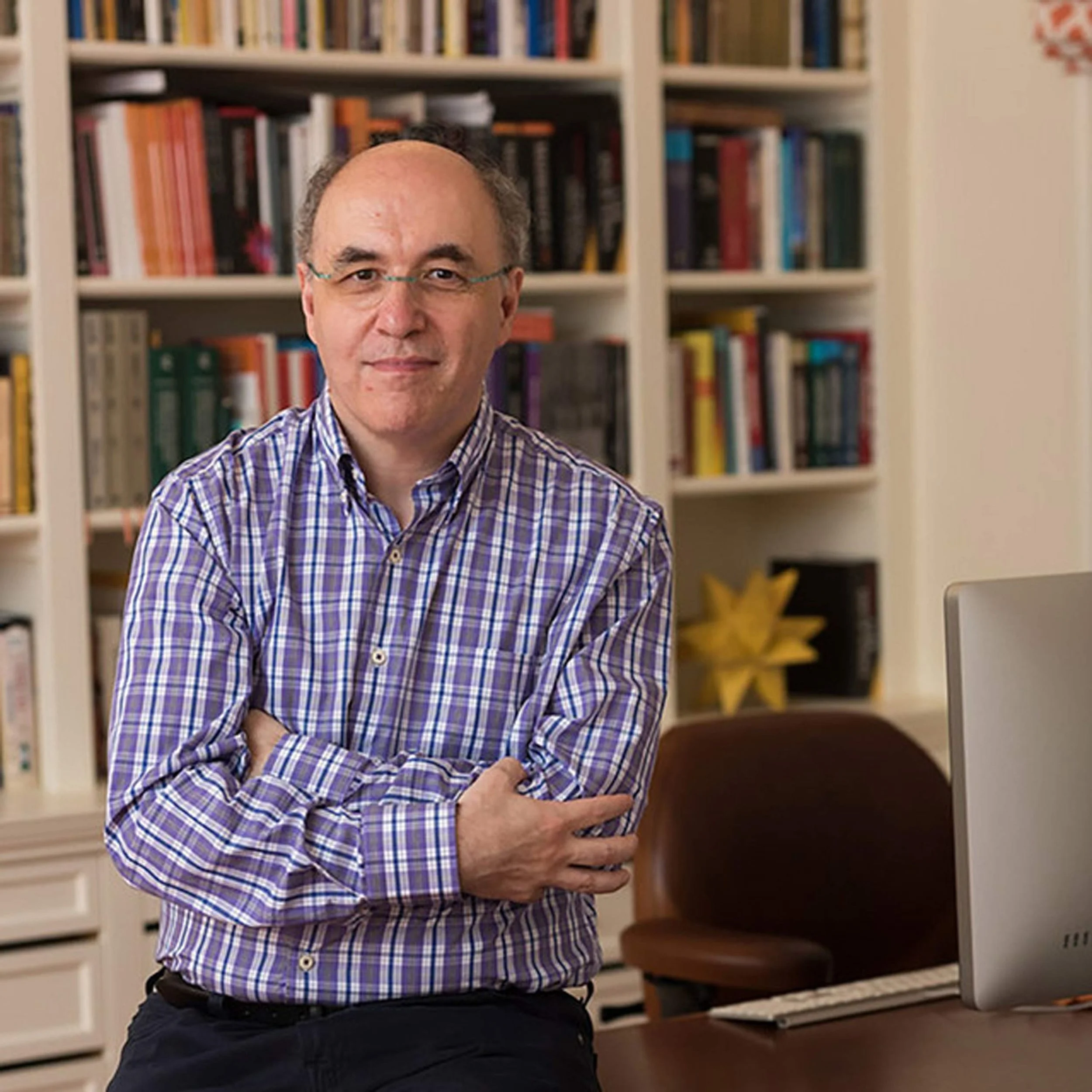
I think as there is more automation, there is more kind of emphasis on this question of our choice. The story of the development of things tends to be what do humans decide that they care about? In what direction do they want to go? What kind of art do they want to make? What kinds of things do they want to think about? There is in the computational universe of all possibilities, there is sort of infinite creativity.

Beyond the Surface: Embracing Nature's Complexity with Philosopher KEITH FRANKISH

Beyond the Surface: Embracing Nature's Complexity with Philosopher KEITH FRANKISH

Editor of Illusionism as a Theory of Consciousness · Cambridge University Press’ Elements in Philosophy of Mind
Author of Mind and Supermind · Consciousness

What I like about the sort of view I have is that it represents us as fully part of the world, fully part of the same world. We're not sealed off into little private mental bubbles, Cartesian theaters, where all the real action is happening in here, not out there. No, I think we're much more engaged with the world. It's not all happening in some private mental world. It's happening in our engagement with the shared world, and that seems to me a vision that I find much more uplifting, comforting, and rewarding.

How Can We End the Climate Crisis in One Generation? - Highlights - PAUL HAWKEN

How Can We End the Climate Crisis in One Generation? - Highlights - PAUL HAWKEN

Founder of Project Regeneration & Project Drawdown
Author of Regeneration: Ending the Climate Crisis in One Generation

We and all living beings thrive by being actors in the planet’s regeneration, a civilizational goal that should commence and never cease. We practiced degeneration as a species and it brought us to the threshold of an unimaginable crisis. To reverse global warming, we need to reverse global degeneration.

Regeneration: Ending the Climate Crisis in One Generation with PAUL HAWKEN

Regeneration: Ending the Climate Crisis in One Generation with PAUL HAWKEN

Founder of Project Regeneration & Project Drawdown
Author of Regeneration: Ending the Climate Crisis in One Generation

We and all living beings thrive by being actors in the planet’s regeneration, a civilizational goal that should commence and never cease. We practiced degeneration as a species and it brought us to the threshold of an unimaginable crisis. To reverse global warming, we need to reverse global degeneration.

How Will Our Cities, Communities & Country Cope with Climate Migration - Highlights - ABRAHM LUSTGARTEN

How Will Our Cities, Communities & Country Cope with Climate Migration - Highlights - ABRAHM LUSTGARTEN

Senior Reporter at ProPublica · Filmmaker · Author
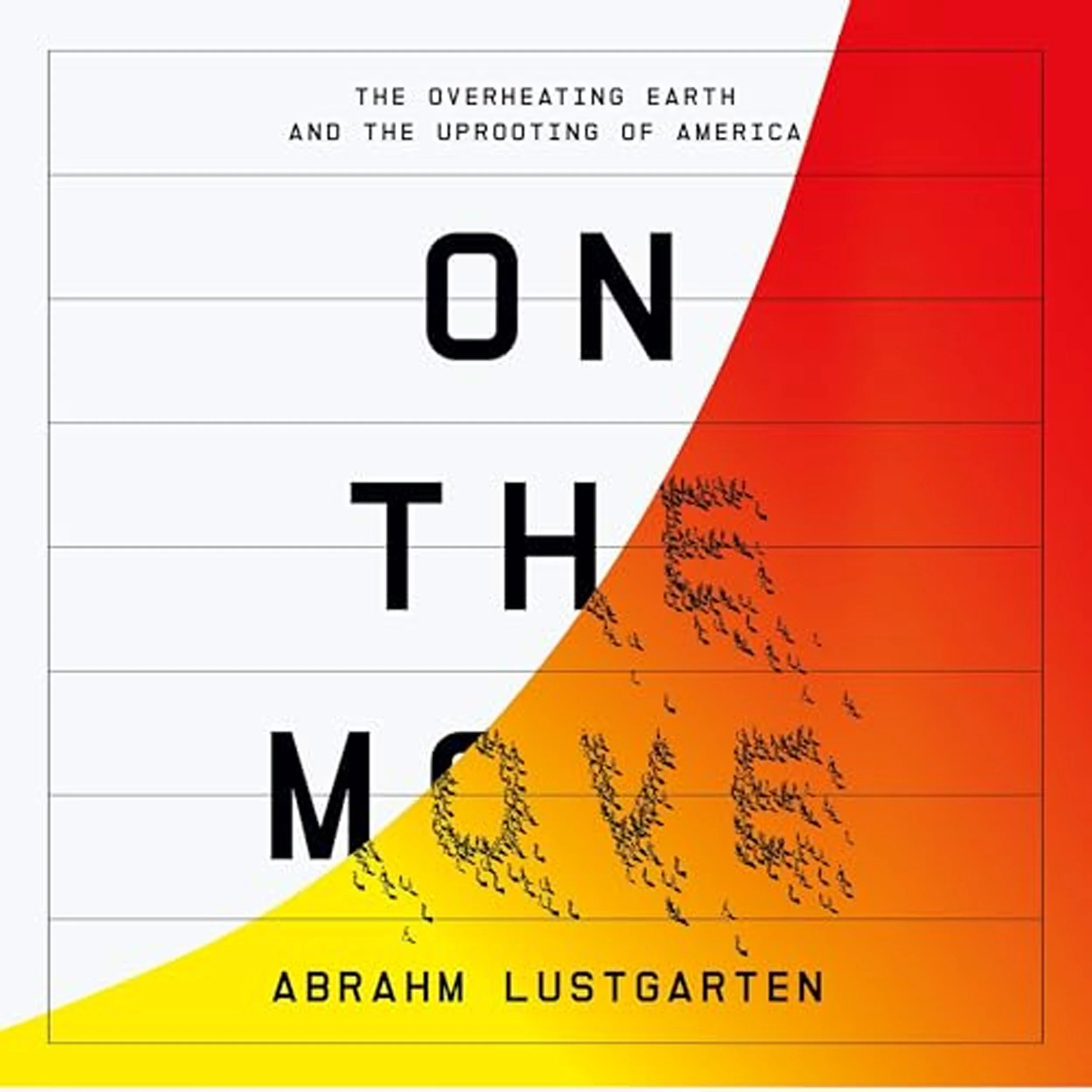
On The Move: The Overheating Earth and the Uprooting of America

Living in California, I've just come to accept the unsettledness of this era we're moving into. And I think that's really how I see the future. You know, we're living in an era of disruption, and there are others I talk to and write about in the book who also muse about the possibility of a more nomadic future. That maybe home isn't a permanent place with deep roots but is a transient place with shallow roots or two places that you alternate between. In addition to a lot of other dramatic changes that the book is about, a change in our sense of home and our sense of place is a part of this story.

On The Move: The Overheating Earth & the Uprooting of America with ABRAHM LUSTGARTEN

On The Move: The Overheating Earth & the Uprooting of America with ABRAHM LUSTGARTEN

Senior Reporter at ProPublica · Filmmaker · Author
On The Move: The Overheating Earth and the Uprooting of America

Living in California, I've just come to accept the unsettledness of this era we're moving into. And I think that's really how I see the future. You know, we're living in an era of disruption, and there are others I talk to and write about in the book who also muse about the possibility of a more nomadic future. That maybe home isn't a permanent place with deep roots but is a transient place with shallow roots or two places that you alternate between. In addition to a lot of other dramatic changes that the book is about, a change in our sense of home and our sense of place is a part of this story.

Music, Healing, Nature & Neurodivergence with with MATTIA MAURÉE

Music, Healing, Nature & Neurodivergence with with MATTIA MAURÉE

Interdisciplinary Composer ·  AuDHD Coach
Host of the AuDHD Flourishing Podcast

So for me, just removing a lot of the shame and then a lot of the energy that I was wasting trying to fit myself into a neurotypical process or framework or way of thinking or being. So, you know, some people call that unmasking, just kind of removing. I was wasting a lot of energy, basically trying to be someone else and function in a different way. And then just beating myself up internally for not being able to do that. And throughout my healing journey, as I really realized, Oh, that's actually what's happening. Like there's not actually anything wrong with me being able to...That's why it's called Love Your Brain. It's not just, you know, tolerate your brain. Or, fine, you can work with this brain that you have. It's like, no, I genuinely love the weird experiences that my brain can give me and the incredibly rich, deep experience I have of the world. Like I experience nature so deeply and so intensely. I have really strong connections with animals. I have really great intuition, which I think is just from picking up all this sensory data and putting it together. All these experiences that I get to have, but I don't get to have those experiences if I'm just trying to make myself be something else, which I think is most people who are late diagnosed, I feel like that's their experience. It's just like I've been trying to be someone else for so long. It's exhausting. And then you don't have the energy then to be creative, the carving out the time, making the time to actually create.

Apocalyptic Optimism: How We Can We Save Ourselves from the Climate Crisis? - Highlights - DANA FISHER
Saving Ourselves: From Climate Shocks to Climate Action - DANA FISHER
Working to Restore: Harnessing the Power of Business to Heal the Earth - Highlights - ESHA CHHABRA

Working to Restore: Harnessing the Power of Business to Heal the Earth - Highlights - ESHA CHHABRA

Author of Working to Restore: Harnessing the Power of Business to Heal the Earth

The term regenerative business started coming into the lexicon in 2017, 2018. And regenerative means to regenerate, means to bring life into something. To sustain means to keep the status quo. And regenerative looks at things from a very holistic lens. You know, it's like if you're going to run a regenerative farm, it's all the different components of the farm and the ecosystem ideally come within the ecosystem.

How can Regenerative Business Help Heal the Earth? - ESHA CHHABRA

How can Regenerative Business Help Heal the Earth? - ESHA CHHABRA

Author of Working to Restore: Harnessing the Power of Business to Heal the Earth

The term regenerative business started coming into the lexicon in 2017, 2018. And regenerative means to regenerate, means to bring life into something. To sustain means to keep the status quo. And regenerative looks at things from a very holistic lens. You know, it's like if you're going to run a regenerative farm, it's all the different components of the farm and the ecosystem ideally come within the ecosystem.

Road Ecology, The Secret Life of Beavers & Ecosystem Regeneration - Highlights - BEN GOLDFARB

Road Ecology, The Secret Life of Beavers & Ecosystem Regeneration - Highlights - BEN GOLDFARB

PEN/E.O. Wilson Literary Science Writing Award-winning Author

The creation of roads is this process that's sort of innate to all beings. We're all sort of inclined to create and follow trails. We just do it at a much vaster and more permanent and destructive scale. I think we need to reconceive how we think about roads. Roads aren't just symbols of movement and mobility and freedom for us. They're also preventing that mobility in basically all other life forms.

How Road Ecology is Shaping the Future of Our Planet with BEN GOLDFARB

How Road Ecology is Shaping the Future of Our Planet with BEN GOLDFARB

PEN/E.O. Wilson Literary Science Writing Award-winning Author

The creation of roads is this process that's sort of innate to all beings. We're all sort of inclined to create and follow trails. We just do it at a much vaster and more permanent and destructive scale. I think we need to reconceive how we think about roads. Roads aren't just symbols of movement and mobility and freedom for us. They're also preventing that mobility in basically all other life forms.

Environmental Crisis, Philosophy & the Search for Meaning - ROBERT PIPPIN - Highlights

Environmental Crisis, Philosophy & the Search for Meaning - ROBERT PIPPIN - Highlights

Author of The Culmination: Heidegger, German Idealism, and the Fate of Philosophy
Modernism as a Philosophical Problem
· Hegel’s Idealism

Philosophy is both an academic discipline and also something that everybody does. Everybody has to have reflective views about what's significant. They also have to justify to themselves why it's significant or important. The nature of justice itself, and the various opinions that have been written about in philosophy about justice, can get to a very high level. So there's this unusual connection between philosophy and human life. We've inherited from the middle ages, this incredible tradition that's now developed into a chance for young people to spend four or five years, in a way, released from the pressures of life. The idea to pursue your ideas a little further in these four years you have, exempt from the pressures of social life, allows philosophy to have a kind of position unique in the academy. In confronting what the best minds in the history of the world have had to say about these issues, the hope is that they provide for the people who are privileged enough to confront philosophy a better and more thoughtful approach to these fundamental questions that everybody has to confront.

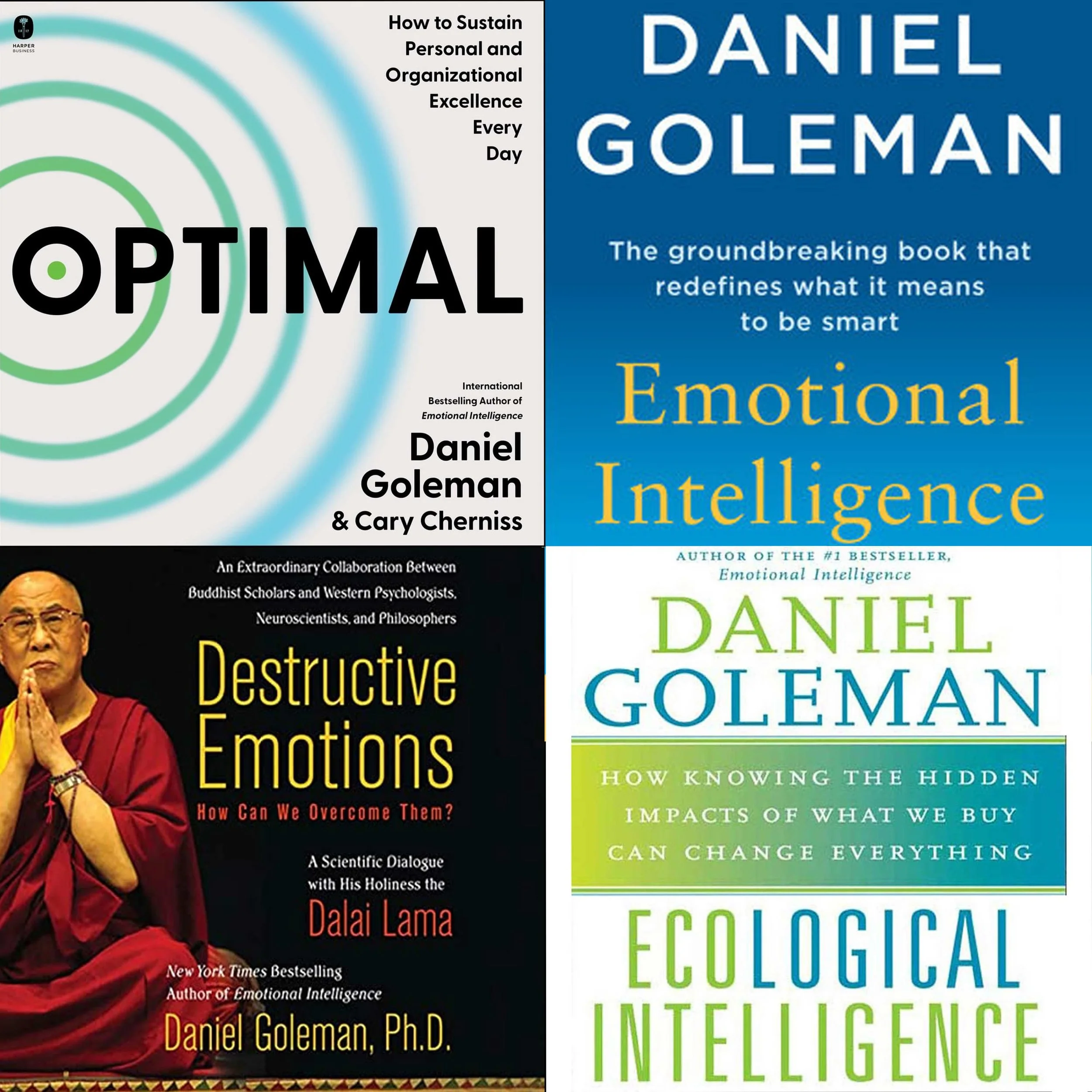
Ecological Intelligence, Balance & Meditation with DANIEL GOLEMAN - Author of Emotional Intelligence

Ecological Intelligence, Balance & Meditation with DANIEL GOLEMAN - Author of Emotional Intelligence

Psychologist
Author of Emotional Intelligence · Optimal
Ecological Intelligence · Destructive Emotions

Emotional intelligence is how you manage yourself and how you handle your relationships. Are you aware of what you're feeling? Can you use that awareness to handle emotions, to be positive, to be sure your upsetting emotions don't overwhelm you? This then helps you to tune into other people's emotions, to be empathic, and to put that all together to manage relationships well. It turns out that's what makes an engineer highly effective. I think it's what makes anyone highly effective.