"IMAGINATION is more important than knowledge. For knowledge is limited, whereas imagination embraces the entire world, stimulating progress, giving birth to evolution." –ALBERT EINSTEIN
🎧Listen on Apple Podcasts | Spotify
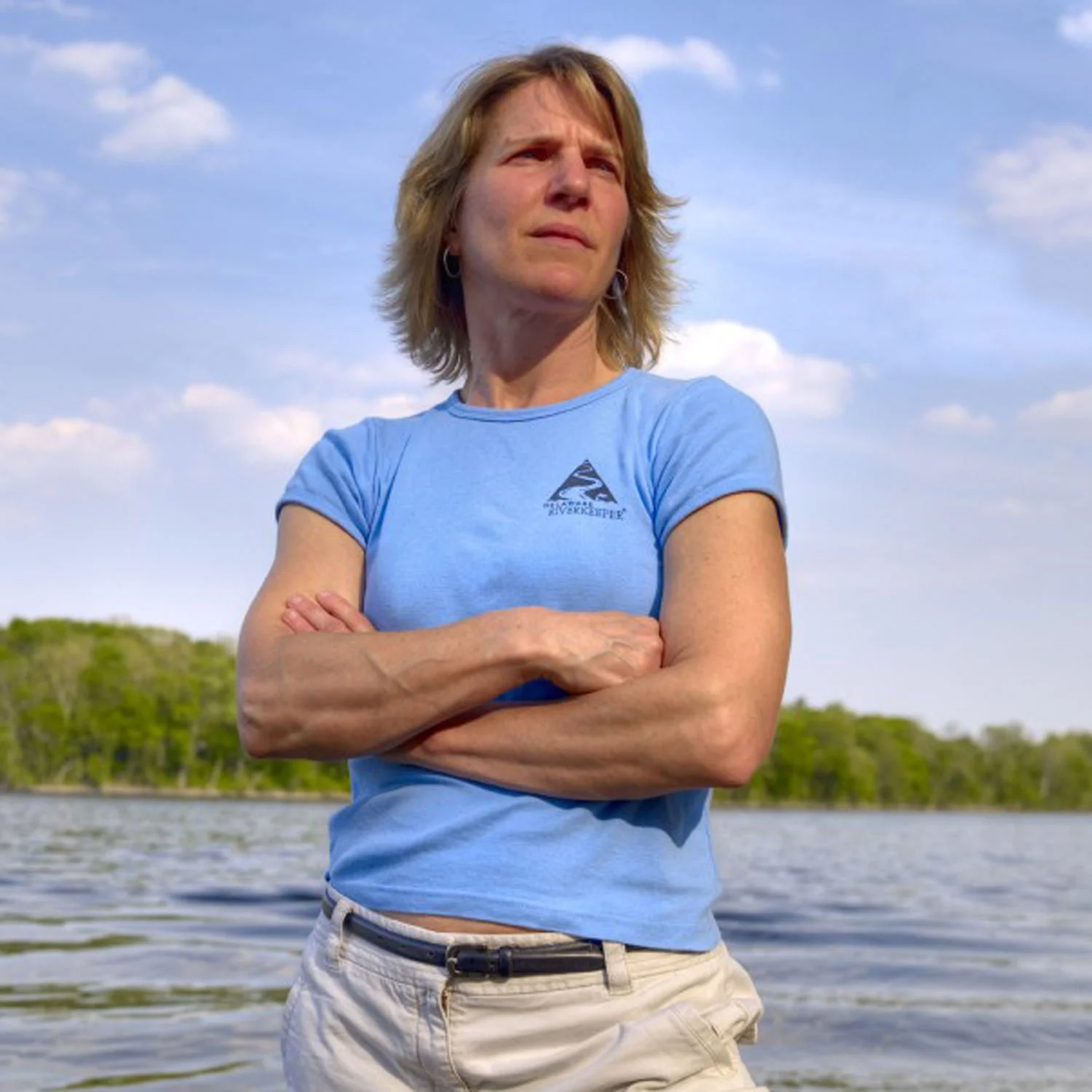
Founder of Green Amendments For The Generations · Leader of Delaware Riverkeeper Network
Author of The Green Amendment: The People's Fight for a Clean, Safe, and Healthy Environment
What is a Green Amendment? It is language that recognizes the rights of all people to clean water and clean air, a stable climate, and healthy environments, and obligates the government to protect those rights and the natural resources of the state for the benefit of all the people in the state, or if it was a federal green amendment in the United States, and they become obliged to protect those environmental rights and those natural resources for the benefit of both present and future generations, that's functionally what it does. But to help people understand what it accomplishes, a green amendment actually obligates the government to recognize and protect our environmental rights in the same, most powerful way we recognize and protect the other fundamental freedoms we hold dear. Things like the right to free speech, freedom of religion, civil rights, and private property rights. We all know how powerfully they are protected from government overreach and infringement. Well, when we have Green Amendments, now the environment and our environmental rights are added to that list of highest constitutional freedoms and protections.

Author of Generation Dread: Finding Purpose in an Age of Climate Crisis
Broadcaster and Researcher Working on Climate Change and Mental Health
I think the general waking up that I'm seeing around me in so many different parts of society, people from all walks understanding that this is here, it's not a future threat. It's active now. We need to get smart about addressing it. A lot of people are also asking themselves how can I be of service? What can I do at this time? How am I going to be? And you know, the more climate job boards and networking communities and sites of bringing people together to do that work of figuring out how they're going to go on their climate journey while infusing it with a sense of joy, with a sense of how can we make this fun, right? How can we reshift so this is not just focusing on the negative, but really focusing on what we want to be building and what is abundant and the better life that we're working towards? All of that has been popping up a lot and that gives me an honest sense of hope. So a lot of it is about that relationality, creating conditions of solidarity that bring a sense of stability and security. Even though there's a lot of uncertainty about what the impacts will be and how they're going to affect us, each and every one of us, in the decades ahead. There needs to, amidst all that uncertainty, be other things that can undergird a child and make them feel held, safe, secure, and like they belong to a protective community that's thinking and feeling with them through this.
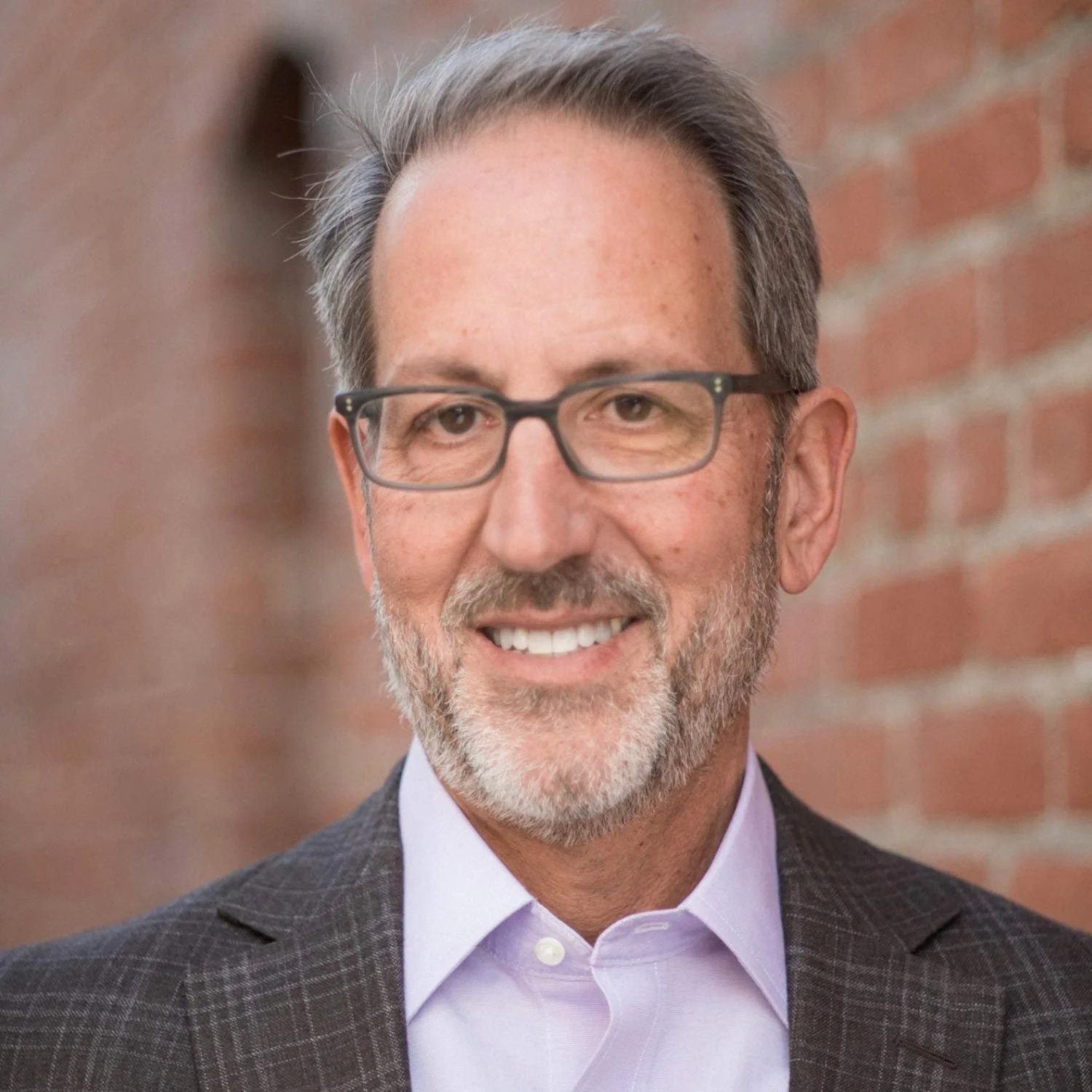
Hydrologist, Executive Director of the Global Institute for Water Security, U of Saskatchewan
Host of the Podcast What About Water?
I think water is taking a backseat and personally, I feel like water is the messenger that delivers the bad news of climate change to your front door. So in the work that I do, it's heavily intertwined, but it's taking a backseat. There are parts about water that are maybe separate from climate change, and that could be the quality discussions, the infrastructure discussions, although they are somewhat loosely related to climate change and they are impacted by climate change. That's sometimes part of the reason why it gets split off because it's thought of as maybe an infrastructure problem, but you know, the changing extremes, the aridification of the West, the increasing frequency, the increasing droughts, these broad global patterns that I've been talking about, that I've been looking at with my research – that's all climate change. Just 100% climate change, a hundred percent human-driven. And so it does need to be elevated in these climate change discussions.

Transnational Indigenous Scholar, Scientist
Author of Fresh Banana Leaves: Healing Indigenous Landscapes through Indigenous Science
I live my life embodying the teaching my grandmother instilled in me – that no matter which lens I walked on, I had to learn how to build relationships with the land and the Indigenous peoples whose land I reside on to become a welcome guest. As a displaced Indigenous woman, my longing to return to my ancestral homelands will always be there, and this is why I continue to support my communities in the diaspora. However, my relationships are not only with my community, but also the Indigenous communities whose land I am displaced on, and this is the foundation of my work while residing in the Pacific Northwest. I strongly believe that in order to start healing Indigenous landscapes, everyone must understand their positionality as either settlers, unwanted guests, or welcomed guests, and that is ultimately determined by the Indigenous communities whose land you currently reside on or occupy. This teaching has also helped me envision my goals in life. Every day I get closer to becoming an ancestor because life is not guaranteed but rather a gift we are granted from our ancestors who are now in the spiritual world.
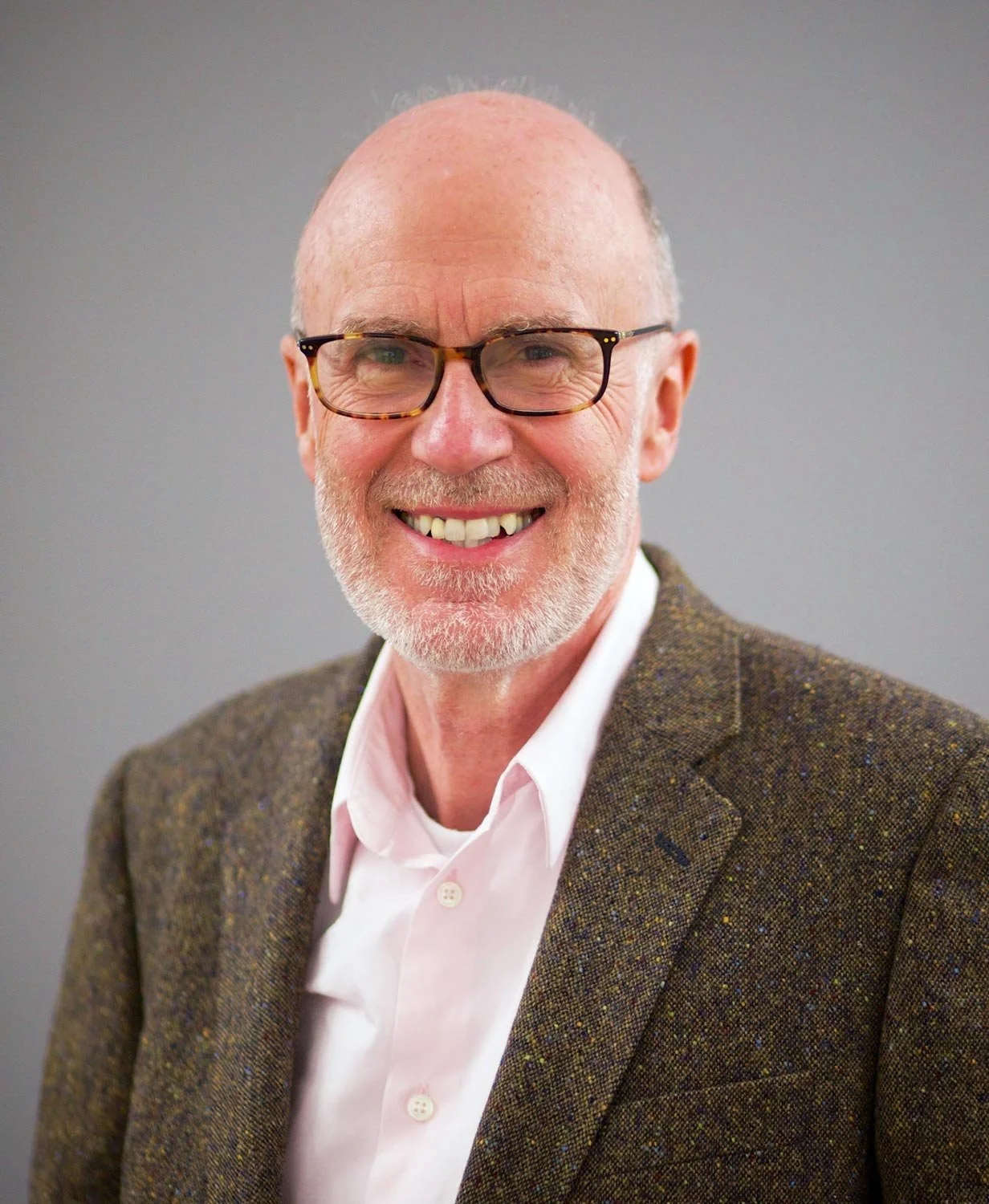
Author of Life is Simple: How Occam’s Razor Set Science Free and Shapes the Universe
Co-author of Life on the Edge: The Coming of Age of Quantum Biology
Professor of Molecular Genetics & Assoc. Dean (Int'l) · University of Surrey
I think that's what art is all about is communicating these big, complex objects, which are ideas inside our head, but in a non-dissected way in which the object isn't completely dissected, or it's dissected in such a way it can be reassembled in somebody else's mind. So you get a full experience of what the artist had or as close as he or she can make it. So I think that to me is what art does. It's a way of communicating these wonderful ideas and feelings that we have inside our heads. And they're trapped there, and art allows you - by playing music or painting, or writing poetry... - it allows you to communicate this in this holistic kind of way.
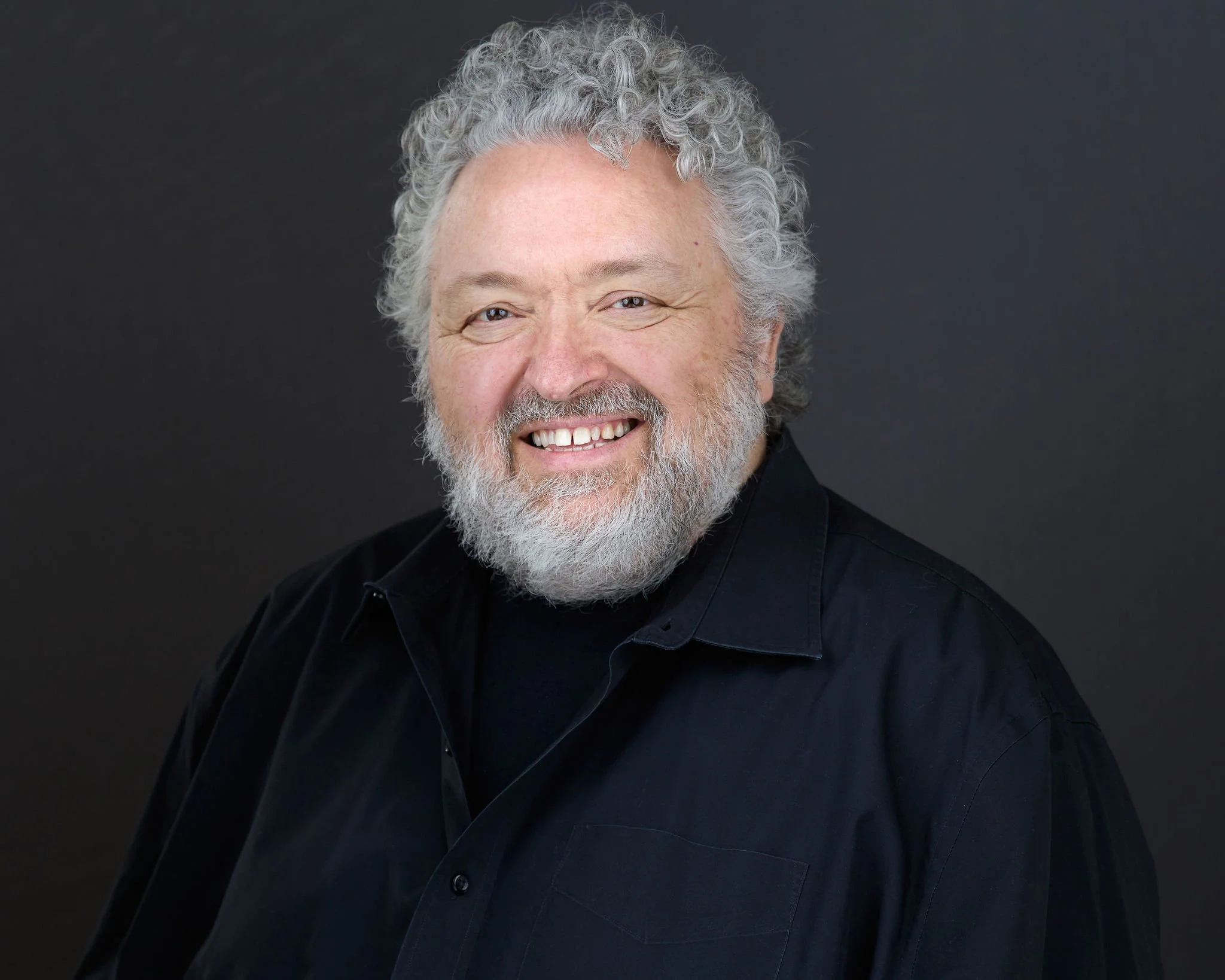
Award-winning Designer, Artist & Educator
Co-founder & CEO of Massive Change Network
Author/Co-author of Mau MC24 · The Nexus · S, M, L, XL
I would like them to know just how powerful they are, that they have the power to shape the world. At some point, I realized that the world is produced. The world is designed and produced, and since we designed and produced it, we can redesign it. And you can play a part in designing it. You can play a part in that production. It doesn't have to happen to you. And I think, for too many people, too much power and too much control is concentrated in too few hands. People need to have the power to control and design their own life.
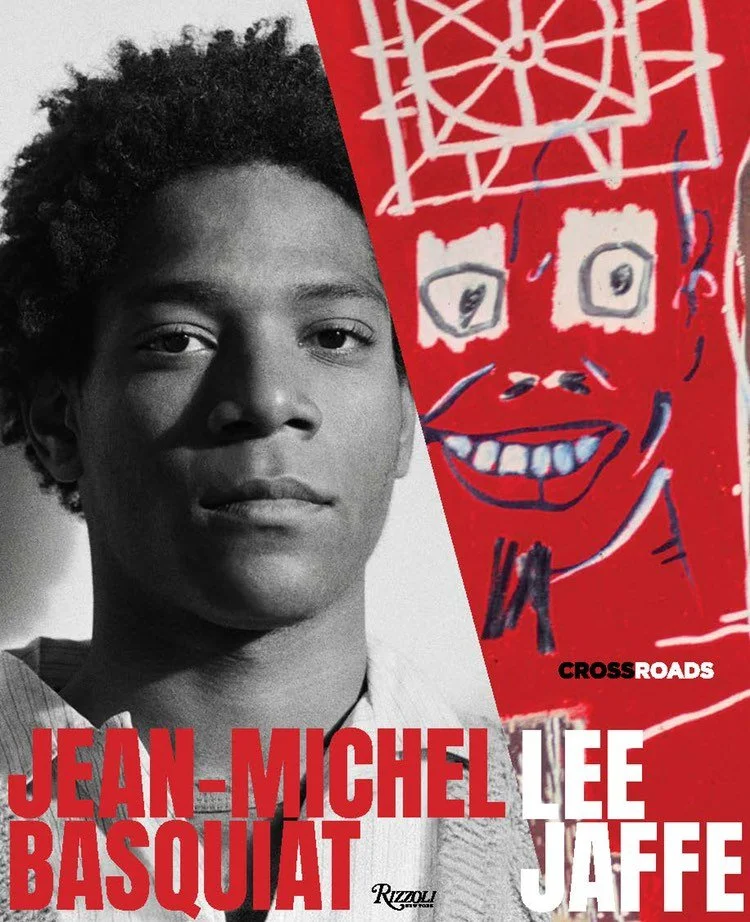
Artist, Musician, Poet
Author of Jean-Michel Basquiat: Crossroads
Jean-Michel Basquiat's combination of words and images, this visual poetry, just from a cultural standpoint has been so important. When I met him in 1983, black people were not allowed in the art market, pretty much. And you see that he broke down this barrier, which opened the door for all this multiculturalism within the art market. And you can't diminish the importance of that at all. It's helped to give a voice and an audience to all these incredible artists that might not have had that.
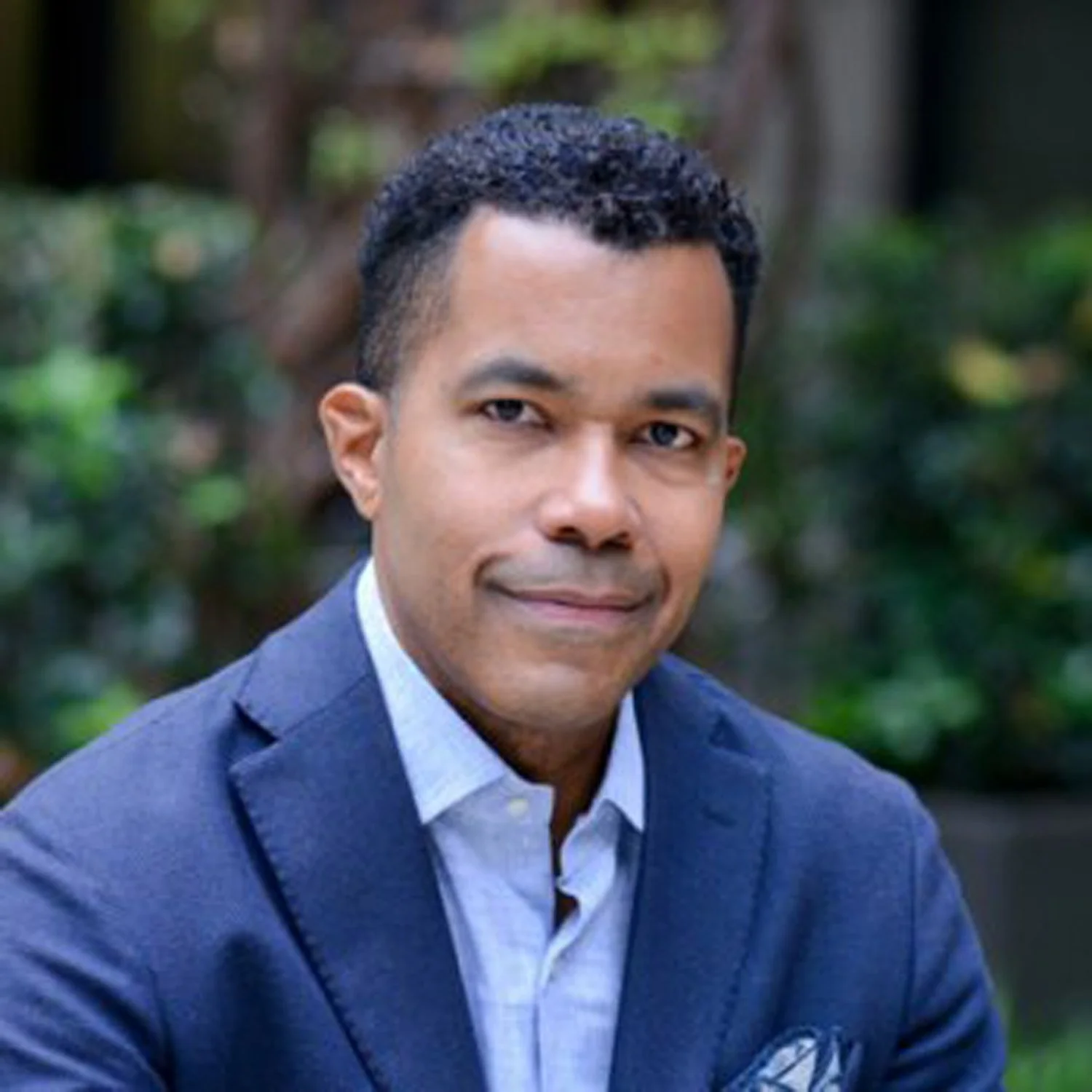
Stanford Professor of Law · Expert on Civil Rights & Antidiscrimination Law
Author of Dress Codes · Rights Gone Wrong · The Race Card
One of the things that I've tried to do in my work is demonstrate the way that laws that don't seem to be directly related to social equality, to equality of opportunity, to racial justice in fact are and that it's only through also reforming these kind of systemic and institutionalized forms of discrimination that we could truly achieve an egalitarian society. So what I've really wanted to argue against is the idea that civil rights are kind of a magic bullet and that those kinds of laws alone would be sufficient to achieve.
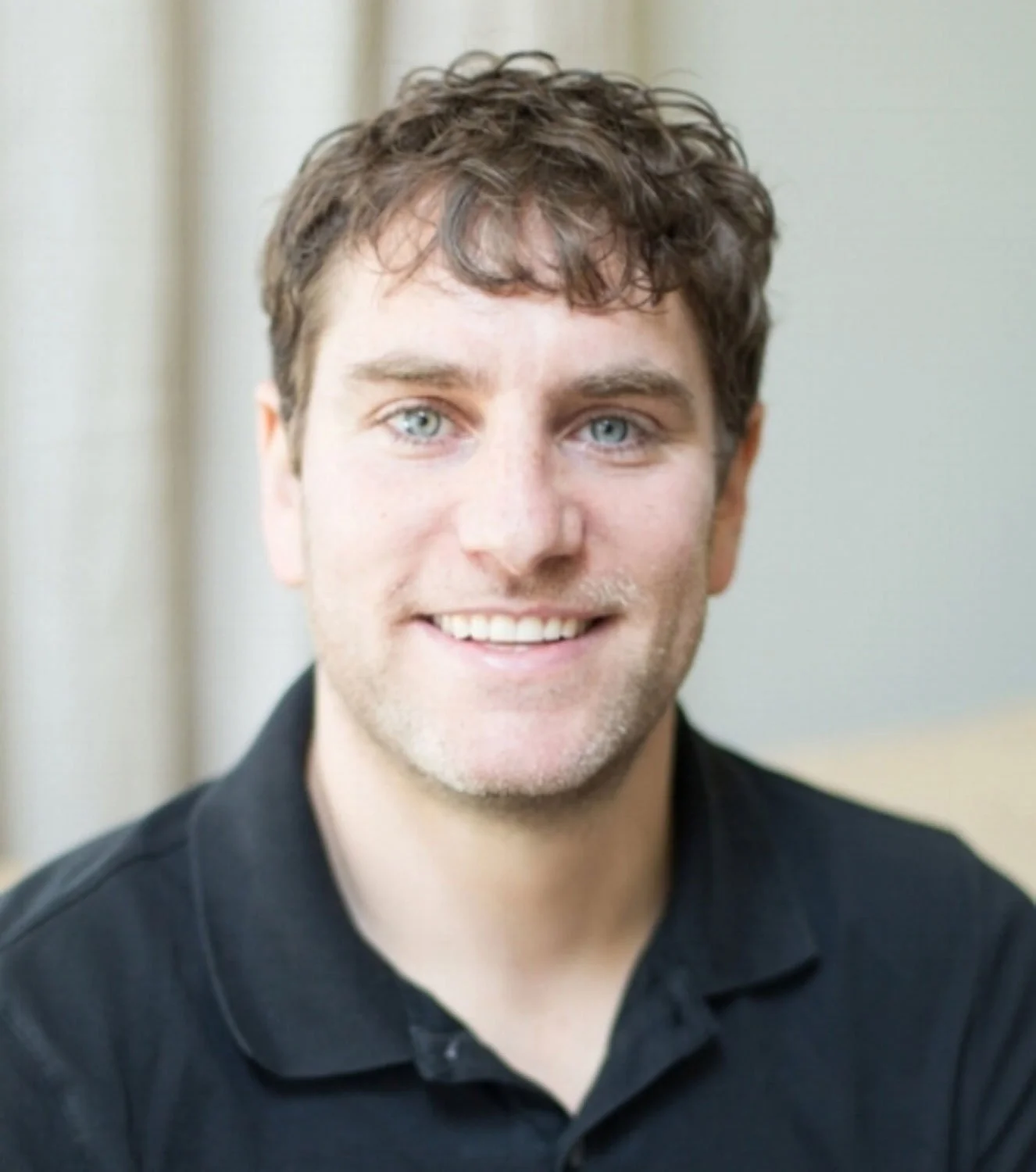
Co-author of The Knowledge Illusion: Why We Never Think Alone
Cognitive Scientist · Co-Director of Center for Research on Consumer Financial Decision Making, CU Boulder
The human mind is both genius and pathetic, brilliant and idiotic. People are capable of the most remarkable feats, achievements that defy the gods. We went from discovering the atomic nucleus in 1911 to megaton nuclear weapons in just over forty years. We have mastered fire, created democratic institutions, stood on the moon, and developed genetically modified tomatoes. And yet we are equally capable of the most remarkable demonstrations of hubris and foolhardiness. Each of us is error-prone, sometimes irrational, and often ignorant… How is it that people can simultaneously bowl us over with their ingenuity and disappoint us with their ignorance? How have we mastered so much despite how limited our understanding often is?
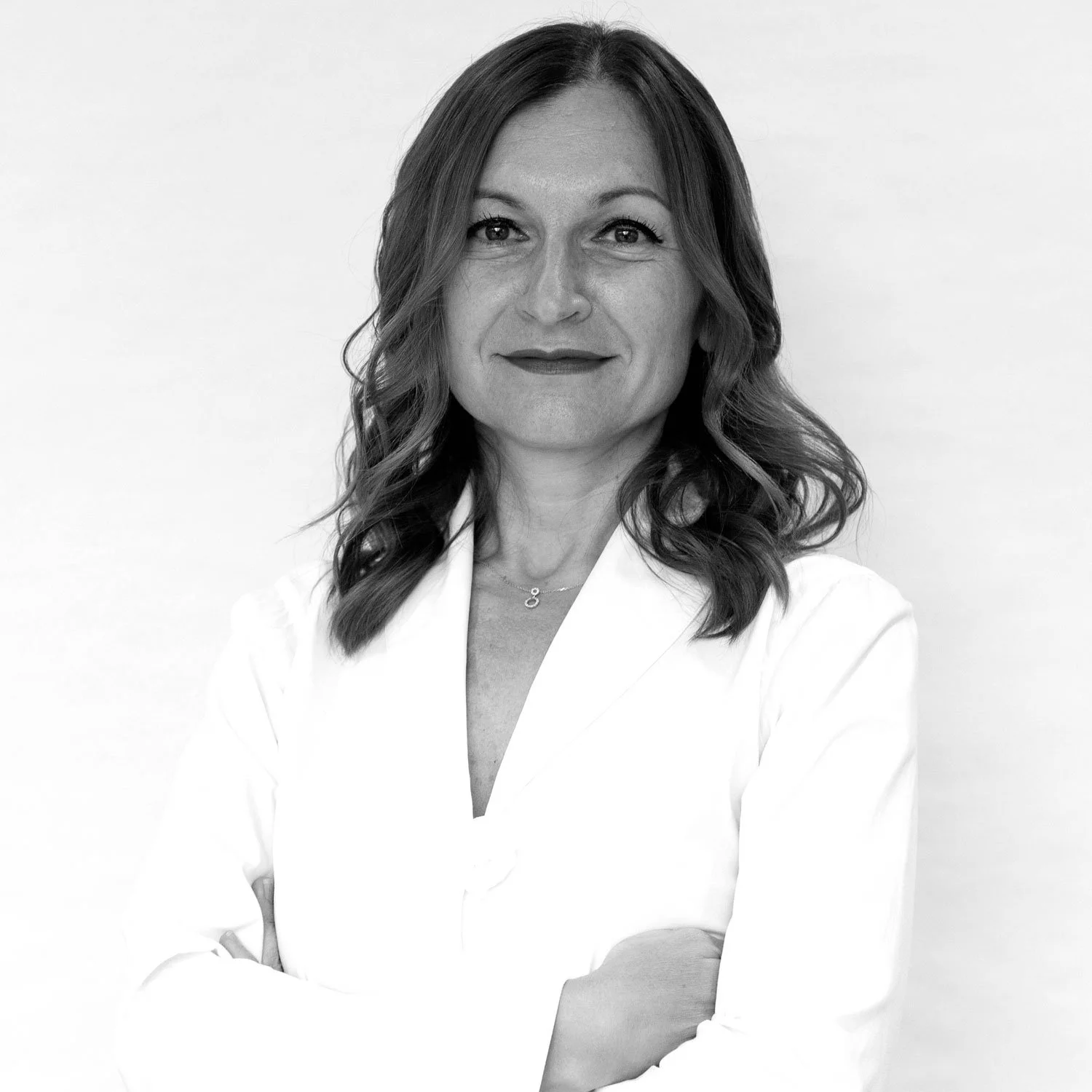
Co-founder of EDGE Certified Foundation (Economic Dividends for Gender Equality)
Champion of Diversity, Equity & Inclusion in the Workplace
I co-founded what has become EDGE for gender and intersectional equity back in 2009, and at that time workplace gender and intersectional equity were still very much seen as a societal issue rather than a business issue. Organizations were asking themselves if it's within their role to tackle these issues of equity, diversity, and inclusion in the workplace, or if they are the mere recipients of what is going on in societies, following the beliefs around what men and women should be doing at work and at home. So at that time we wanted to contribute to this transition from making gender and intersectional equity a business issue and help organizations see that how they manage their talent and how they are able to attract, develop, motivate, and retain diverse talent is a key component of their sustainable business success.
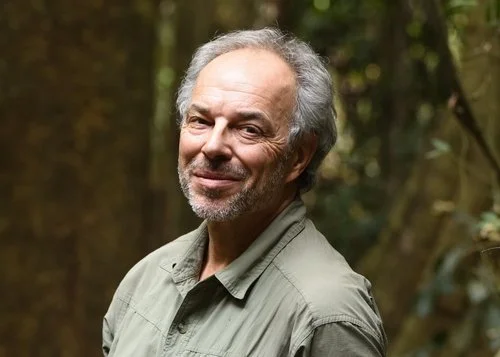
Ecologist, Founding President of Safina Center
NYTimes Bestselling Author of Becoming Wild · Song for the Blue Ocean · Beyond Words: What Animals Think and Feel
So we tend to take living for granted. I think that might be the biggest limitation of human intelligence is to not understand with awe and reverence and love that we live in a miracle that we are part of and that we have the ability to either nurture or destroy. The living world is enormously enriching to human life. I just loved animals. They're always just totally fascinating. They're not here for us. They're just here like we're just here. They are of this world as much as we are of this world. They really have the same claim to life and death and the circle of being.
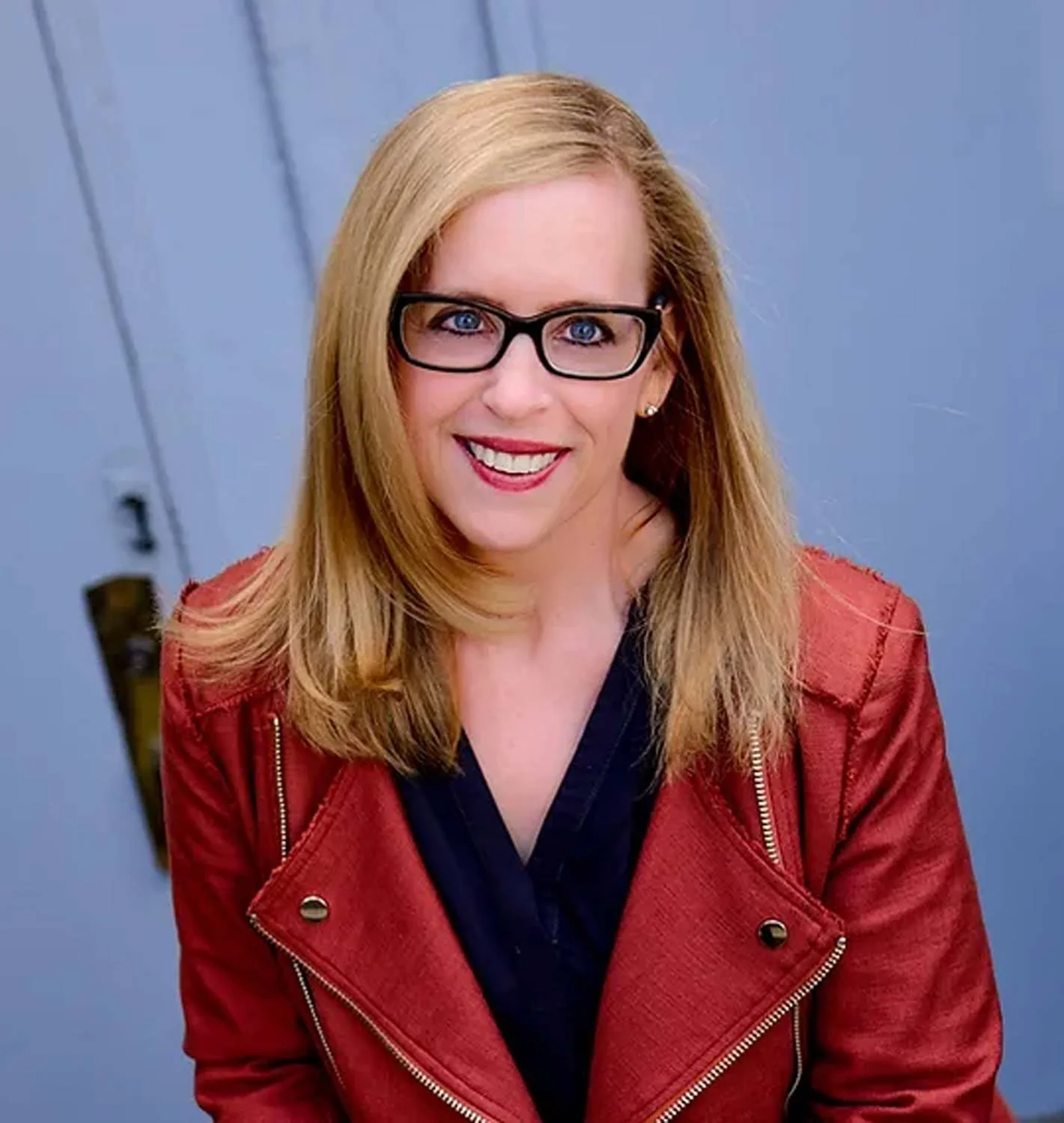
NYTimes Bestselling Author of Nothing More to Tell, One of Us is Lying
Well, I had a wonderful teacher in second grade who kind of inspired me to start writing and really stuck with me through elementary school and beyond as I made attempts to find my voice, but think part of the reason it never really went anywhere for me as a young person was because I was too afraid to share that with anyone except for that one teacher. I never showed friends. I didn't even really show family. I just always felt that it wasn't quite good enough. And so the thing I always tell writers now if they ask for, you know, "What's one tip?" It's let someone else tell you no, because I just told myself no for pretty much my entire young adulthood. And once I let other people tell me no, they did a lot, you know, but that is how I got better.

Co-author of Strange Natures: Conservation in the Era of Synthetic Biology
Principal at Archipelago Consulting · Former VP for Conservation Science & Strategy, Wildlife Conservation Society
The field of synthetic biology, which is known by some as extreme genetic engineering – that's a name mostly used by people who don't like it. It amounts to a set of tools that humans have developed to be able to very precisely and accurately change the genetic code, the DNA of living organisms in order to get those organisms to do things that humans want. So the applications in medicine are predominantly devoted to trying to make us healthier people, and they range from some really exciting work on tumor biology to work on the microbiome, which is all of the thousands and tens of thousands of species that live on our lips, our mouths, our guts, our skin. And in agriculture, it's primarily directed at crop genetics, trying to improve the productivity of crops, the nutritional value of crops, the ability of crops to respond to climate change, and a whole variety of other things. Some people may have heard of one of these tools called CRISPR used to very precisely alter the sequences of DNA.
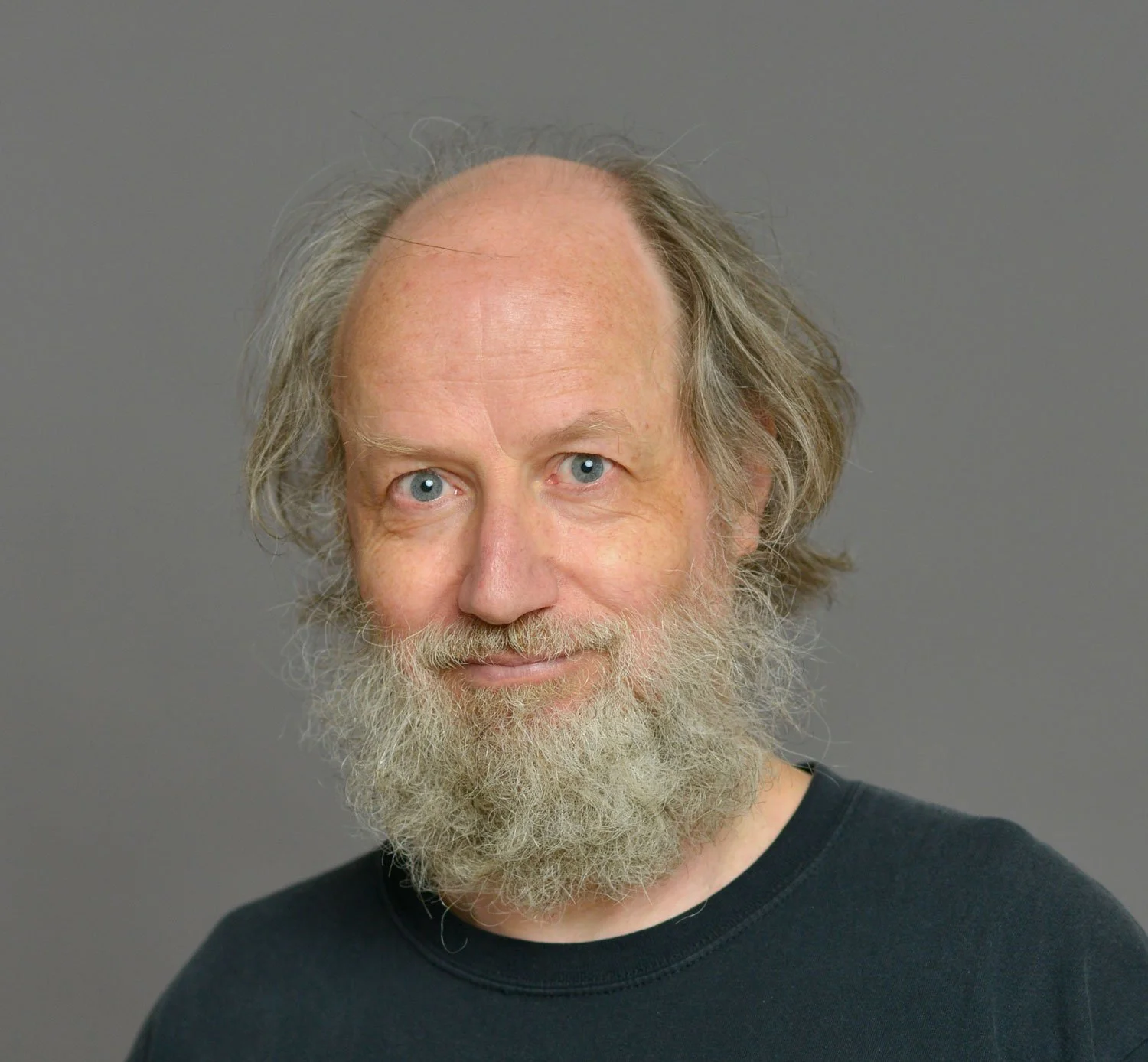
Author of The Mind of a Bee
Founder of the Research Centre for Psychology, Queen Mary University of London
The world of bees is under threat, and that is not because bees are singled out, but because bees live in the environment that we all share and they are a kind of a canary in the coal mine for what's going on more largely in destroying our environment. And in a sense they are, I think, a useful sort of mascot and icon to highlight these troubles, but they are only a signpost of other things that are also under threat. We need the bee for our own food because they pollinate our crops, and they pollinate the flowers that we enjoy, but I think their utility for us is not the only reason to support them and their environment. I think the growing appreciation that the world that surrounds us is full of sophisticated and unique minds places on us a kind of onus and obligation to preserve the diversity of these minds that are out there and make sure that they continue to thrive.

Founding Director of Future of Humanity Institute, University of Oxford
Philosopher, Author of Superintelligence: Paths, Dangers, Strategies
I do think though that there is a real possibility that within the lifetime of many people who are here today, we will see the arrival of transformative AI, machine intelligence systems that not only can automate specific tasks but can replicate the full generality of human thinking. So that everything that we humans can do with our brains, machines will be able to do, and in fact do faster and more efficiently. What the consequences of that are, is very much an open question and, I think, depends in part on the extent to which we manage to get our act together before these developments. In terms of, on the one hand, working out our technical issues in AI alignment, figuring out exactly the methods by which you could ensure that such very powerful cognitive engines will be aligned to our values, will actually do what we intend for them to do, as opposed to something else. And then, of course, also the political challenges of ensuring that such a powerful technology will be used for positive ends. So depending on how well we perform among those two challenges, the outcome, I think, could be extremely good or extremely bad. And I think all of those possibilities are still in the cards.
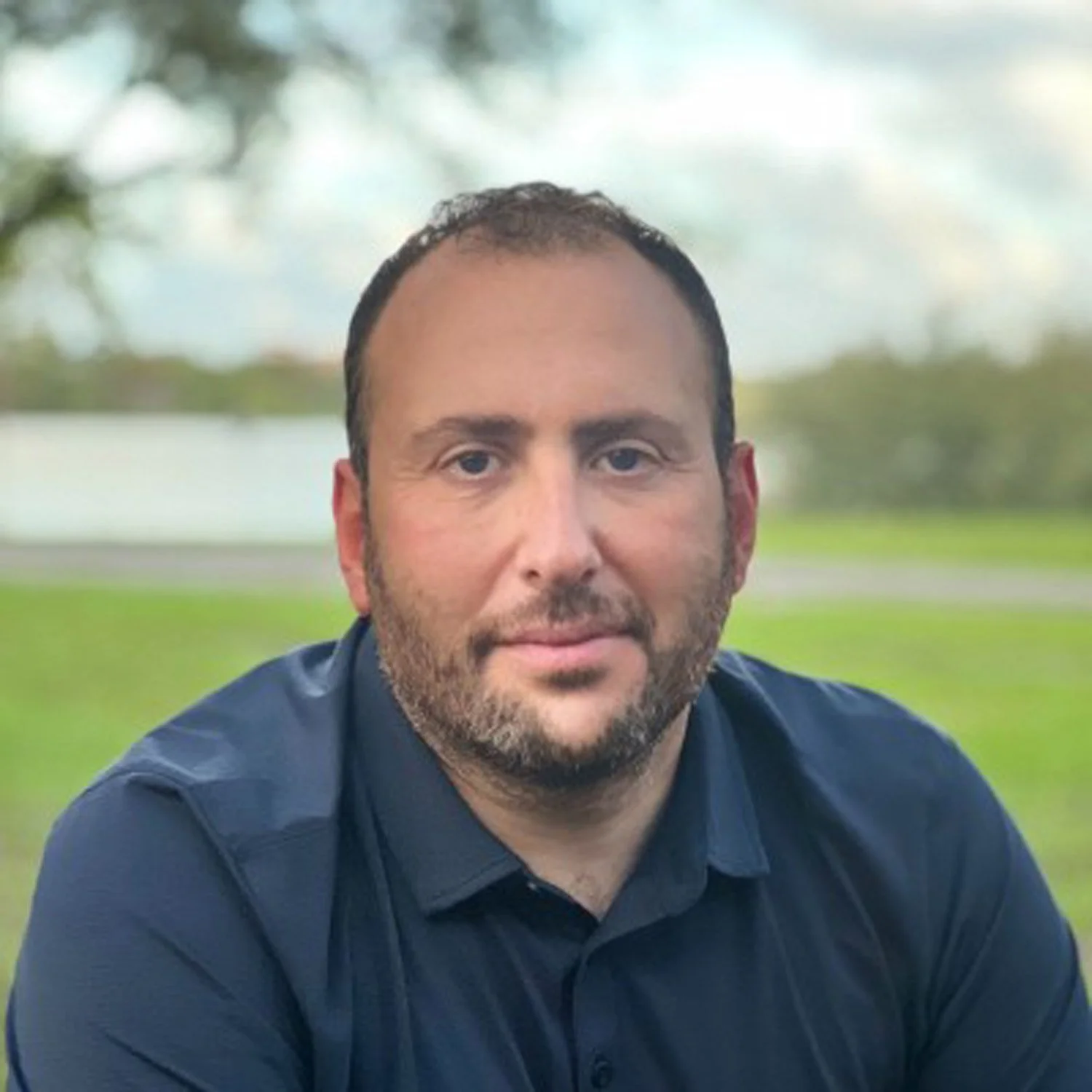
Author of Soul in the Game: The Art of a Meaningful Life
CEO of IMA - Investment Management Associates
There are four modes of communicating: preacher, prosecutor, politician, and scientist. So those three Ps are very important modes, but if you spend all your time in these modes, you will learn very little because all of them are kind of outward-looking modes. You're trying to convince others, and you don't learn very much when you're in those modes. Now, I would argue that most of us need to spend a good chunk of our time in a scientist mode. If you are in a scientist mode, then you are doing what Seneca said, "time discovers truth.

Executive Director & Founder of the Medical Society Consortium on Climate and Health
Director of the George Mason University Center for Climate Change Communication
Humanity needs to do three things if it wants to continue to flourish, and it will. The three things that humanity needs to do are decarbonize the global economy, drawdown, capture, harvest much of that heat-trapping pollution that we've already pumped into the atmosphere over the past hundred years because as long as it's up in our atmosphere, we're going to have continued warming. And the third thing that humanity needs to do is become more resilient to the impacts of climate change, which unfortunately will continue for the next several generations at least, even as we succeed in decarbonizing the global economy and harvesting that heat-trapping pollution from the atmosphere.
So these are the three things that have to happen. These three things will happen. The open question is how rapidly will they happen? Any business that can play a vital role in making any one or two or all three of those things happen, those are businesses that are going to flourish going forward. And any business that's sitting on the side and not contributing to one of those three areas, I really think they will become increasingly irrelevant, if not completely antiquated and increasingly understood to be harmful.

Award-winning Poet · Songwriter · Author of Sonnet’s Shakespeare
Editor of Best Canadian Poetry in English
Sonnet’s Shakespeare itself came out of thinking about the form of erasure, what working in that form could do and mean… And I was looking at critical writing about it, and I couldn't find anything that talked about the role of the poet who is doing that as censorial or as somehow violencing the original text. I was thinking about my resonance with the word erasure and thinking about censoring and deleting what somebody else has already said resonates with me as an analogy for being black, being mixed race, being racialized, and non-European in spaces that are predominantly Anglo-Canadian. One tries very hard. At least I did as a child, as a teenager, to just try to fit in and make my visible difference as minimal, as invisible as possible. So it's a way of thinking about erasing the self. And so I took that theme and thought, How do I show through a poetic erasure this dynamic of self-erasure and feeling erased?
Renowned Arsenic and Lead Specialist
Research Professor · Lamont-Doherty Earth Observatory · Columbia University
So this was maybe nine months after the fire in Notre Dame, and I had been struck visually by the fire, the yellow smoke, which is a telltale indicator of lead. The fact that 400 tons of lead constituted the covering of the roof of the cathedral. And a lot of that had volatilized, presumably, but no one really knew how much. So that got me thinking, and I happened to be in Paris at the time, so I thought if it's so much lead, could it be that it affected the population living within say a kilometer of the cathedral? I thought there wasn't really a lot of clear information about what had happened, and what had been measured. I thought some more openness and transparency was needed.
Professor of Earth and Space Sciences, University of Washington · MacArthur Fellow ’08
Co-author of What Your Food Ate: How to Heal Our Land and Reclaim Our Health · The Hidden Half of Nature
When you dig into the medical literature, 7 out of 10 of the leading causes of death in the United States are diet-related chronic diseases. And so one of the hopeful messages that I think comes out of The Hidden Half of Nature, Growing a Revolution, and What Your Food Ate is that what we do to the land, essentially we do to us. And what's good for the land is good for us. So if we think about farming differently, we can actually enjoy ripple effects that are not only beneficial to the farmers in terms of reduced costs for fertilizer, pesticides, and diesel, but it could also translate into better human health outcomes at a population level.
Award-winning Poet, Novelist & Musician, Lead vocalist of The Spasm Band
Author of Sonnets for Albert
The life of Caribbean people is not really documented. So this idea of Caribbean life being fragmented is something that I've had in my mind for a long time. So when I came to write this collection for my father, I realized that it was the same process and what I had were fragments, especially with him, because he wasn't around in a physical sense all the time. So all I had were little photographs, scattered memories, and remembrances. They're little parts of his life and parts of my experience with him... I never disliked my father. I always loved him and always was fascinated and captivated by him.

Renowned Dinosaur Paleontologist
Technical Advisor on all Jurassic Park / Jurassic World Films
I found my first fossil when I was six years old. And I found my first dinosaur bone when I was eight, my first dinosaur skeleton when I was 13. When I was a kid, I knew I wanted to be a paleontologist, and I didn't think there was much hope for it, though. I was doing very poorly in school. I think I was always a pretty positive kid. And so even though I wasn't doing well in school, I was really happy about the fact that I was finding all these cool fossils, and I was making collections. I don't know when it came to me that I would do this, but I think I just was born this way.
Writer & Executive Producer of Easter Sunday starring Jo Koy, Jimmy O’Yang, Tia Carrere, Tiffany Haddish
Co-Founder of Crab Club, Inc.
I think there's this belief that creativity requires our ability to think outward and extrapolate beyond our own experiences and think of the world in imaginative new ways - which is true in a lot of cases - but I also believe in creativity as the ability to access inward and look introspectively at our own personal experiences and mine those experiences in ways that aren't necessarily one to one copies of our lives, but that we can extrapolate themes and lessons, comedy, drama, humor...into new works.

CEO of GlobeScan - Co-author of All In: The Future of Business Leadership
While we need action, I think at the same time, the world and the agenda are moving so quickly. We're learning more all the time. We really can't skip the dialogue part, and we need to create more space and more opportunity to think through - What are we trying to do? What have we learned? How do we move smarter and more quickly? So it's not just about doing more action constantly. It's taking stock consistently because the agenda keeps evolving at a more rapid pace than it has historically, which means we need to find more places for proper dialogue that are springboards for this action, but we shouldn't discount the fact that we've got to sometimes just stop and chat and listen and learn and that makes us better and stronger.

Author of Footprints: In Search of Future Fossils · Anthropocene Poetics
Professor of Literature & the Environment · University of Edinburgh.
Just thinking about how our actions play out over multiple generations who will have to live with the consequences of these decisions. I think we need to stretch our sense of time, and within that stretch our sense of empathy. The philosopher Roman Krznaric talks about that in his book The Good Ancestor, that we need a more elastic sense of empathy that can encompass not just those close to us or living alongside us, but those who have yet to be born will have to inherit the world that we passed down to them. But I think in stretching that sense of empathy and stretching that sense of the times that we touch, if you like, because all of us are engaged in activities that will lead long legacies, long tails, in terms of the fossil fuels we're consuming. And so, alongside that, I think we need to accept that the time we live in is a strange one, and time itself is doing strange things in the anthropocene.
Journalist, Essayist, Author of A Hard Place to Leave: Stories from a Restless Life
100 Places in France Every Woman Should Go
I started looking over the stories that I had done. I would say the majority of the essays were not really about travel. They were more about aging and marriage and memory and all of those things, but I did find in the travel essays those kernels of things that I wanted to explore - bigger kernels of things that were sort of scratching at me from the inside like a piece of sand in my pocket that was irritating me and that I wanted to explore. What I found was that the theme of coming and going, the theme of arrivals and departures, the theme of entrances and exits, and the theme of home and away seemed to repeat itself. I felt that whenever I was somewhere, there was always a tide home. And when I was home, there was always the urge for going. And so I just weeded out and weeded out and really wanted to keep this theme of home and away.

Founder, Director & Co-Visionary of Fairhaven Farm
What's trending now with beginning farmers is that it is creating this kind of community connection. It's bringing people to the farm. It's connecting them to their food source. That creates community. It helps cultivate culture and connectivity, and so I think overall, it's like the landscape and agriculture as a whole is shifting towards a different direction.
Author of The Stoic Challenge & A Guide to the Good Life: The Ancient Art of Stoic Joy
Happiness is another interesting thing. I've been thinking about this lately. You know, people take aim at happiness. I don't know if you can actually do that, if you can have a recipe for attaining happiness. Happiness is something that just happens as a byproduct of something else going on in your life, and that is having a day where you're experiencing equanimity. You don't have this abundance of negative emotions, where you value the things you've already got, where you value the relationships you've got, where you feel good inside your own body. You like being who you are. And I think, if all that happens, then suddenly, you know, it'll dawn on me. 'Gosh, I guess I'm happy...'

Co-Executive Directors of DJC Records
I took this class on genocide that had a huge impact on me, and it also coincided, just the timing, with the Occupy Wall Street movement. So then two years later in 2013, I was reading The New Jim Crow by Michelle Alexander, and the book is about how mass incarceration is like a modern-day racial caste system. And I just got the idea to do an album, because I was listening to a lot of concept albums like Pink Floyd, The Wall. And it started from there, just a little seed and a spark of just this idea for this one album. And then over time, it just evolved into an EP, and then a record label and a nonprofit. –Fury Young
I think in the end, what our mission is, is to dismantle stereotypes around race and prison. But maybe from listening to that album, and you see this guy, he applied for your job, and he has a drug charge or something. Maybe you're not looking at it so crazy anymore. It's like, know what? I'll give him an interview. I'll see. And that interview may change, you know, your life and that person's life. So that's like the ideal scenario. – B.L. Shirelle

Dakota & Yaqui Writer, Health Advocate · Co-Chair, UN Global Indigenous Youth Caucus
Founder of Translations for our Nations · Co-founder Ohiyesa Premedical Program
My mom and my dad would often go to protests. They would organize movements. They'd be part of multilateral indigenous people's movements, not only nationally, but internationally, that were operating at the grassroots level. Activism, it’s a tradition in my family for indigenous rights. I have aunts and uncles that were very involved as well. So as a kid, I was often at those protests. I was running around as a little Native kid with all the other little Native kids, when our parents would be in meetings discussing how to move forward discussing indigenous rights.

Professor of Cognitive Sciences, UC Irvine
Author of The case against reality: Why evolution hid the truth from our eyes
This is really what life, I think, is about - learning to not believe your thoughts. Watch your thoughts, see their patterns and learn that you are not at the whim and beck and call of your thoughts. You can watch your thoughts, and you can choose to let go of thoughts and just be present and let go of the complaints. And that then opens up a level of creativity that's surprising. It could be in dance, science, it could be in music, or art. Wherever you have creative expression, letting go of thought and having this balance between thinking and no thinking, going into complete silence and then pulling ideas back for your art, your science, your dance, whatever it might be, is really the dance of life.

Nobel Prize-winning Climate Scientist · Lead Author of IPCC Assessment Reports
Author of The Changing Flow of Energy Through the Climate System
This is an intergenerational problem. The response to climate change relates very much to value systems. And one of the questions people ask, or should ask is: How much do you value the future generations? How much do you value the world that you're leaving your children and your grandchildren? And what kind of a climate you're leaving them with? And some people don't care, and some people don't have children. And they say, "Eh, it's not an issue for me. It's not one of my values." And so this is part of the problem, but if you're thinking about peoples as a whole, all of the community that you're leaving behind, this is a collective problem.

Earth System Scientist, Climate Sciences Department, Lawrence Berkeley National Laboratory
Lead Author on the IPCC Report
Looking into the future, as a scientist, what I've learned how to do is hold multiple futures in my head at the same time because we just don't know. We don't know what the future holds. We need to fight for the futures that we want, and against the futures that we don't want. All I can really say is that it's up to us. It's up to us to fight and advocate for the future we want, and what does that look like, and how do we get there?
Circular Economy Designer, Lecturer & Researcher, University of Sussex
Author of Welcome to the Circular Economy
That's something that I would want all of the next generations to have in some way or another, to have the ability to access and be amazed by how staggeringly beautiful, complicated - awful in some ways and just brutal - the natural world is, but then really sit and think about how the natural world just gets on and does it. And every species is benefited from everybody else. And you could remove humans from that equation, and nature would just carry on doing its thing. So that's what I would love for people to see and to realize is that nature is so incredibly beautiful and diverse. And so are we. So how can we take the beauty and diversity of the natural world and actually learn a lot more and stop thinking we're separate from nature because we are pretty much, we are all part of that same biosphere on the planet.

Ty Jones (Producing Artistic Director) & Allen Gilmore (Actor)
Classical Theatre of Harlem
I believe that these plays are living arguments and that when you actually read the full text, not cut down versions of them, but the full text, you'll see that Shakespeare was commenting on the ruling class, and for some reason, he found a way to comment on the workings of folks who make decisions in society. Now, I think what's tended to happen over the years is that the ruling class has essentially taken over how we see these plays… We hope that we can move people, and we hope that these are the kind of plays that ignite discourse. I hope that at the end of seeing that piece of art, their hearts begin to beat in sync. I believe all progress begins with a conversation.
Endocrinologist Scientist · Founder & Author of From Prison Cells to PhD
Assistant Professor, Howard University
I kind of thought there was justice in the criminal justice system and that there was care for people, like you matter to me within the system, and in that moment it hit me. There wasn't. And in fact, it's the opposite. In order for the system to work the way it does, it needs to de-humanize the people that it puts in these cages.
Brand President of SOURCE Global · Innovator of the SOURCE Hydropanel
Drinking Water Made from Sunlight and Air
Water insecurity and water scarcity is affecting all people in almost every part of the world. At this point, by 2025, we expect 1.8 billion people to suffer from water scarcity, which means they have no access to clean, safe drinking water within a 30-minute walk of their home. You fast forward to 2050, we expect 6 billion people will have water scarcity. So the rate at which this problem is increasing is far greater than the current infrastructure that has supported water for humans. And that's where innovation and rapid deployment of technology at scale is really essential. And that's what we're in the business to do.
Grammy & Emmy Award-winning Producer, Engineer, Composer
We all are looking for a little magic in our lives, and I think that's what art and the creative process allow for, above all. In a world that can be either way too predictable and mundane and create tedium, the creative mind, for me, is the curious mind and the mind that's always learning and allowing yourself to make mistakes. To generate from your core, from your soul, and from your experience something new and experimental and something that is unique to yourself.

Executive Producer of Television, Feature Films & Documentaries
Hulu’s The Great starring Elle Fanning & Nicholas Hoult
As a filmmaker, what you are selling and your primary asset is yourself, so the clearer you are about yourself, the clearer you can “play yourself”, the more effective you’re going to be in expressing the ideas that you are particularly gifted to do. So that clarity of voice is as important for a writer or a director or producer as it is for a performer or a musician or anybody else. You want to find the best version of yourself and that is about recognizing when those moments of clarity are there and when they are not.

Claudia Forestieri (Creator) & Brigitte Muñoz-Liebowitz (Showrunner)
Gordita Chronicles
When you immigrate, it's kind of like you're going through adolescence because you're in a new place. You feel weird in your own skin. You're learning new things. Everything is changing. You feel awkward. So that also helped us connect the adult stories to the children's stories.
Lead Author of Climate Change Biology, and Defending Biodiversity: Environmental Science and Ethics
Vice President of Research, Wilfrid Laurier University
Climate change is certainly going to affect biodiversity. Some species will benefit from climate change, but others will not, and we'll have different ecosystems, different biotic communities as a result of this. I think the impacts that are likely are pretty clear, and I think that's a pretty good reason to do all those things we can do without completely destroying our economies and our communities because those things have moral value as well. It's not just the environment that we think is important. We also think humans are important, then doing the things we can do now, do the less painful things first. We should have done them already, and we should be now thinking about how to do the harder things.
Emmy & BAFTA Award-winning Director of Photography
Pachinko · Great Expectations · Official Secrets
Every time I ask, ‘What do you need? What do I want? What does the director want? How do we collaborate? What is generated during the collaboration? What ideas, questions come across? And then I can start constructing something like a look.
Author of Learning to Die in the Anthropocene & We’re Doomed, Now What?
Director of the Notre Dame Environmental Humanities Initiative
It seems irresponsible to me to downplay the possible consequences of climate change. It seems irresponsible to assume that we're going to fix it. And so I think it's absolutely a responsibility for the people who are talking about it and thinking about it, to look at the worst-case scenario and to look at the current trajectories, absent technologies for carbon scrubbers, to look at where we're actually headed, the worst-case scenarios, and address that and bring that to each other and to our children and to our students. When you really look at the situation, it's scary and terrifying, and it upends everything that we've been told to make sense of life.
Director of Globalization Studies University of Albany at SUNY
Author of The City Authentic: How the Attention Economy Builds Urban America (forthcoming)
I think that is often what tourism is starting to move towards. Is this existential authentic? And what that means is that you're not even really looking to meet expectations or validate that the thing in front of you is what it says it is. You are trying to recreate who you think you should be in a time that is disconnected from your usual life. Because we're a pretty jaded and suspicious society now. “Is it a deep fake?” We live in this world of make-believe and fakeness, and you want to get to something that's real. And what's more real than yourself and the story that you tell to yourself about yourself. And if you can really connect to that, you'll feel really good.

Member of Web Collective degrowth.info
Master of Environmental Studies candidate, University of Pennsylvania
Degrowth as an idea has intellectual roots in the environmental critiques of the sixties and seventies found in landmark works like Rachel Carson's Silent Spring, the Club of Rome's Limits to Growth report, Nicholas Georgescu-Roegen's The Entropy Law and the Economic Process, which was a seminal piece of economic theory that applied the laws of thermodynamics to the economy and was very influential for ecological economics, which is intertwined with degrowth. Degrowth was first formulated in 1972 by French philosopher André Gorz in a public debate where he used the term décroissance to question whether planetary stability was compatible with capitalism.
Director of the Climate Hazards Center at UC Santa Barbara
Author of Drought, Flood, Fire: How Climate Change Contributes to Recent Catastrophes
The work that we're doing here at the Climate Hazards Center is trying to build out the science to cope with a two-degree world. And I think that we can do that. It's not going to be easy, but I think that's definitely within our capabilities, and it is already making human beings be smarter together in very empowering ways. And these are examples of people in Boulder, Colorado getting ready for the next big flood event and having conversations between the National Weather Service and local communities, or me on a zoom call at seven in the morning with my friends in East Africa as they're getting ready to cope with the next extreme. There are great examples of radio clubs in Niger who are working with their meteorological agencies and local farming communities that are pulling data that we're producing here in Santa Barbara, precipitation estimates, but then using them to decide whether they should fertilize their millet crops or not. And so there are ways that we can counter climate hazards and weather hazards by being smarter.
Author of The Journey of Humanity · Founding Thinker behind Unified Growth Theory
Herbert H. Goldberger Professor of Economics at Brown University
If we reduce population growth by 1% in the world economy, we can have growth in income per capita at a level of about 7% and still hold carbon emissions unchanged. Namely, by reducing population growth, we can permit growth in income per capita without polluting planet earth more than otherwise. So this is very important because it suggests to us that policies that target gender equality, the diffusion of contraceptive methods, and the rewards of education are policies that could mitigate population growth and ultimately permit the growth of income per capita without the liability of greater carbon emissions.
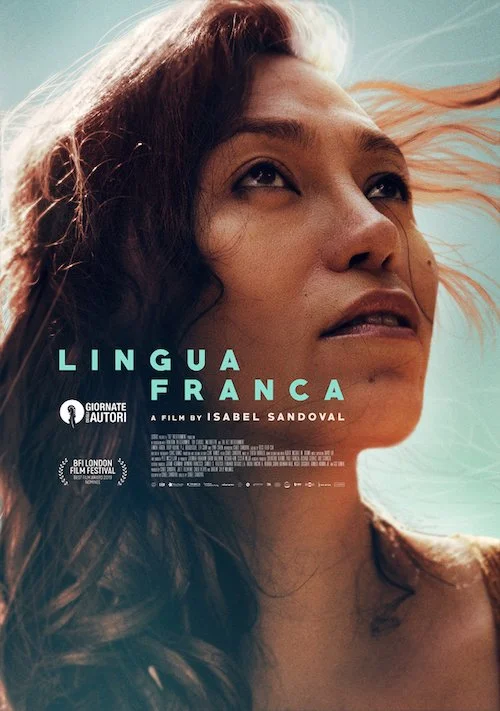
Director of Lingua Franca & Under the Banner of Heaven
Before coming on board Under the Banner of Heaven, I had very little knowledge of Mormonism, but having read the script by Academy Award-winning screenwriter Dustin Lance Black, who is also the showrunner for the show, I resonated deeply with Jeb Pyre (played by Andrew Garfield) when it comes to his growing ambivalence and his crisis of faith. And the more he learned about the gruesome, grisly history of the founding Mormonism, and also about the case that he was investigating, the more disillusioned and disenchanted he was becoming. And that resonated with me because I was raised Catholic in the Philippines, but as I grew older, actually went to Catholic schools and universities from kindergarten until college, and then the more I learned about the history of the Catholic Church and the atrocities and the injustices that it has committed, especially in the name of colonialist and imperialist pursuits in the Middle ages, the more I questioned its control over me and my life.
Human & Girls’ Rights Activist
Founder & Executive Director of Foundation for Girls Leadership
One thing that we should remember as young people is that everything allowed us is political by nature. We shouldn't be really scared of getting ourselves into different political aspects of issues around us. Be bold enough to speak out on the biggest challenges that are around you. And at the same time, it's in us to understand what kind of environment I am in? What is it that I can contribute to the problems that I am facing? That young people or people in general facing? So just go on. Be a part of that, and you'll be surprised that you will be the biggest game-changer.
VP, Growth & Special Projects at Terraformation - Silicon Valley Entrepreneur
We're trying to help the world's forestry organizations collectively plant a trillion trees in the next decade and cover 3 billion acres of net new forest. That's a very, very large number. Some of the very largest tree-planting organizations in the world collectively plant something like half a billion to three-quarters of a billion trees per year. And even that number sounds large, too, but then you realize that's actually three full orders of magnitude smaller than the actual number we need to hit in the next decade. So we actually need to take all of the world's largest forestry organizations as a group and multiply by a thousand their efforts. So that's a very large undertaking, and I just can't underscore enough the scale at which we as a human species seeks to operate when we talk about tree-planting and forestry operations.

Author of Another World is Possible: How to Reignite Social & Political Imagination
Professor of Collective Intelligence, Public Policy & Social Innovation at University College London
The great thing about a complex society is there is space for lots of different kinds of people. There's space for wildly visionary poets and accountants and actuaries and engineers. And they all have a slightly different outlook, but it's the combination of this huge diversity, which makes our societies work. But what we probably do need a bit more of are the bilingual people, the trilingual people who are as at ease spending a day, a week, a year designing how a criminal justice system could look in 50 years and then getting back to perhaps working in a real court or real lawyer's office.
Author of Blueprint: The Evolutionary Origins of a Good Society
Director of the Human Nature Lab at Yale · Co-director of the Yale Institute for Network Science
We're not attempting to invent super smart AI to replace human cognition. We are inventing dumb AI to supplement human interaction. Are there simple forms of artificial intelligence, simple programming of bots, such that when they are added to groups of humans – because those humans are smart or otherwise positively inclined - that help the humans to help themselves? Can we get groups of people to work better together, for instance, to confront climate change, or to reduce racism online, or to foster innovation within firms? Can we have simple forms of AI that are added into our midst that make us work better together? And the work we're doing in that part of my lab shows that abundantly that's the case. And we published a stream of papers showing that we can do that.
Author of Trans Kids: Being Gendered in the Twenty-First Century
Assistant Professor of Sociology, Columbia University
Co-editor of Other Please Specify: Queer Methods in Sociology
So while there is no kind of one size fits all story, there are plenty of times when...kind of like clusters of activity. And some kids don't come out as trans. They come out as wanting to begin a process of exploration around gender, wanting to sort of bend things a little bit or begin to present themselves in slightly different ways without a concrete cross-identification.
Co-founder & CEO of veritree - Data-driven Restorative Platform & tentree Apparel Co.
I think what's powerful about a tree is it's tangible and it's symbolic in a lot of ways. We as humans naturally have this emotional connection, I think, to trees, and so particularly when you think of our ability to take action within the climate crisis conversation, a tree is this really powerful symbol and vehicle because it's a lot easier to understand a tree than it is to understand a pound or two of CO2 that's floating in the air. So for us, tree planting is just the start of the communication, just the start of the impact. Really if all it was was to get a stick in the ground that wouldn't have the long-term impact, whether that be carbon, whether that be socioeconomic impact, and things like that. So really for us, veritree helps us collect all that data and create the operating system to pull in the data on everything from planting forms and field updates that are coming in, survivability analysis, and different updates on things like biodiversity. We're partnering with some groups to test underwater sensors in some of these planting sites. We're collecting socioeconomic surveys and things like that to try to attach the impact to the community and back to the planting that's happening.

Artist
I think to pursue mystery and beauty, these things are a bit subjective, so you can't really tell people exactly what it shouldn't be about. And also I have to preserve these things for myself. I primarily make the work for myself, so if I don't have some questions that are unanswered, even for me, then there's not really an interest to like keep going otherwise. So it's also sort of protection and a preservation mindset that I have about leaving things really open for other people and for myself.

Fmr. Under Secretary of State for Global Affairs
Fmr. Chief U.S. Climate Negotiator
We have a number of problems, but two of them are war - we see that at the very moment - but the one that is relatively new, that we didn't have a word for it when I grew up, we certainly didn't understand when I grew up, is environmental consequences. And we have gone from not understanding that to understanding it pretty well, but having a difficult time responding appropriately to that threat.
When I decided I would spend some time in the nonprofit sector, it was my wife who said, "Don't diddle around with a whole bunch of things, focus on something that you care about, and spend both time and your money on that." And so I picked the environment because it seemed to me it had a rather unusual and unique combination of social, economic, political, technical, and scientific elements to it that made it a really interesting complex issue.

Creator, Executive Producer & Showrunner of Minx
starring Ophelia Lovibond & Jake Johnson
What drew me to the time period of the 70s was the real story of these magazines Playgirl, Viva, Foxy Lady, all the magazines that existed in this period. So it was a natural outgrowth of trying to tell a story that was inspired by, to some extent, real-life events. When I started developing Minx, what struck me about the 70s, in particular, is just how similar it was to our time. It seems like the magazines were covering all the same issues that we're now talking about. Obviously, we all saw with the leaked decision in Roe vs. Wade just how close we are to that time period and how far we haven't come.
Co-founder & CEO of The Best Bees Company
Largest Beekeeping service in the US
I was originally drawn to bees because they're social creatures. And as humans, I always wanted to know about ourselves and how we can be our healthiest selves and our healthiest society. Bees and wasps, and all of these organisms have been around for so long. Bees especially have been around for 100 million years.
Founder Business for Impact Program at Georgetown University
Co-founder of Porter Novelli, Global PR Agency · Former CEO of AARP
This is one of the biggest problems that we have in this country. So, on the one hand, we know that we have to take personal responsibility for ourselves, our own health, our families – it's up to us. As some people like to say, you're on your own. And we have to balance that against the concept that we're all in this together. You know, the idea that it takes a village and both sides essentially disrespect the other side. They criticize the other side. No, we're not in this together. It's your own responsibility, and vice versa. If we're going to be good citizens, and we're going to make progress, we have to see both sides of that equation. That's not easy to do.

Professor of Contemporary Art History, University of Oxford
Fmr. Head, Ruskin School of Art · Co-author of Biennials, Triennials and documenta: The Exhibitions That Created Contemporary Art
I think art can engage with the body, the mind, and the imagination in so many different ways that can compliment modes of thinking, other modes of creating and thinking through and working through and devising.
I was thinking about this in relation to the last 18 months and how the sciences have rightly been heralded as the great way of getting ourselves out of this pandemic, but culture is the way and art is the way that we've been getting through the pandemic.

Global Leader in the Study of Present-Day Extinctions & Biodiversity
Founder & Director of Saving Nature
It's a complicated issue. I think a lot of those bird disappearances come from the fact that we have massively intensified our agriculture. Large areas of North America and Europe are now under intense agriculture. They are sprayed with a whole variety of pesticides, which I think is also responsible for the fact that many insects have disappeared, so species that depend on farmland have clearly declined dramatically, but it isn't all birds and there is a piece of this complicated story that involves water birds. Herons and egrets and ducks. Those species both in North America and Europe, are now much more common than they were 30, or 40 years ago. That comes from active conservation of protecting wetlands, making sure we don't shoot our wetland birds. So it’s not all doom and gloom. There are some success stories. There are many things we can do. I think 50 years ago, there were only something like 300 bald eagles in the lower 48 states. Bald eagles are now nesting in every state apart from Hawaii. Our conservation efforts have done a great job.

YA Writer & Poet
Author of Pillow Thoughts & I Hope You Stay
I really hope that kindness is preserved. I really think manners and being polite can go a long way. People are in such a rush these days. Everybody wants to acquire so much, and they forget to just be thankful for the little things in life. To slow down, how you move through the world and how selfless you are, holding open a door for someone, or just telling someone to have a good day. Those are all things that can have a lasting effect on another person and make them want to be better as well.
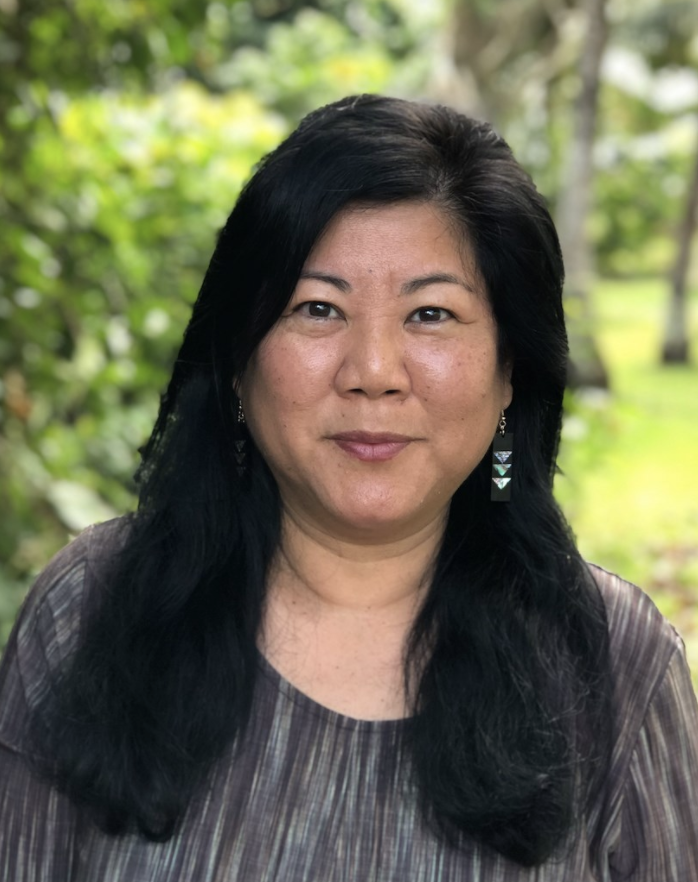
Author of Mapping Abundance for a Planetary Future
Professor of English at the University of the Hawaiʻi at Manoa
The struggle for a planetary future calls for a profound epistemological shift. Indigenous ancestral knowledges are now providing a foundation for our work against climate change, one based on what I refer to as Indigenous economies of abundance—as opposed to capitalist economies of scarcity. Rather than seeing climate change as apocalyptic, we can see that climate change is bringing about the demise of capital, making way for Indigenous lifeways that center familial relationships with the earth and elemental forms. Kānaka Maoli are restoring the worlds where their attunement to climatic change and their capacity for kilo adaptation, regeneration, and tranforma- tion will enable them to survive what capital cannot.
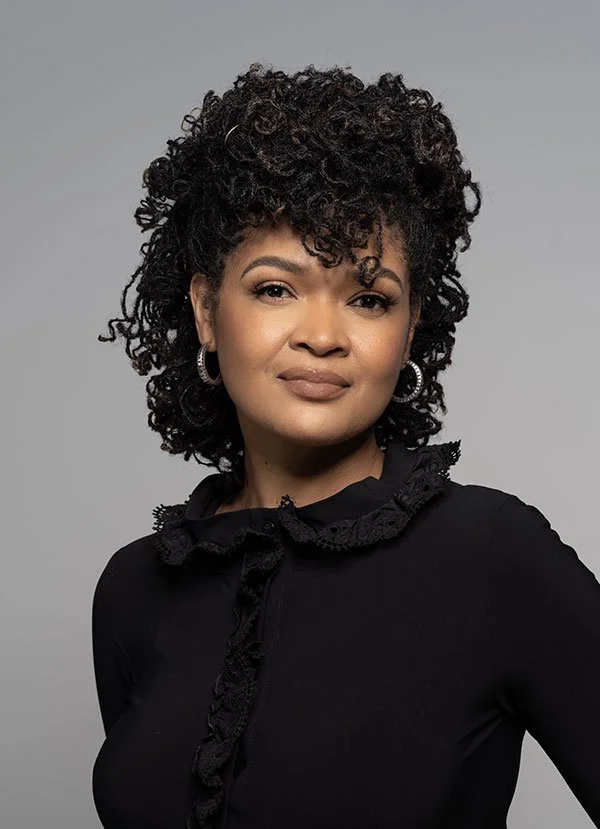
Winner of the 2023 NAACP Image Award & Black Caucus of the American Library Association Award
NYTimes Bestselling Author of Take My Hand · Balm · Chair of the Board of the PEN/Faulkner Foundation
My dad graduated from Tuskegee, and he often told me about the Tuskegee Syphilis Experiment. He really wanted me to understand the history, not only of medical experimentation but more specifically, medical experimentation in the state of Alabama. So my feeling about medical experimentation is that there's a long history in this country of medical experimentation on black bodies, particularly based behind this racist notion that black people don't feel pain in the same way. And so I've always sort of known that, but once I started to research this book, I began to really understand more specifically what it has meant for black women.
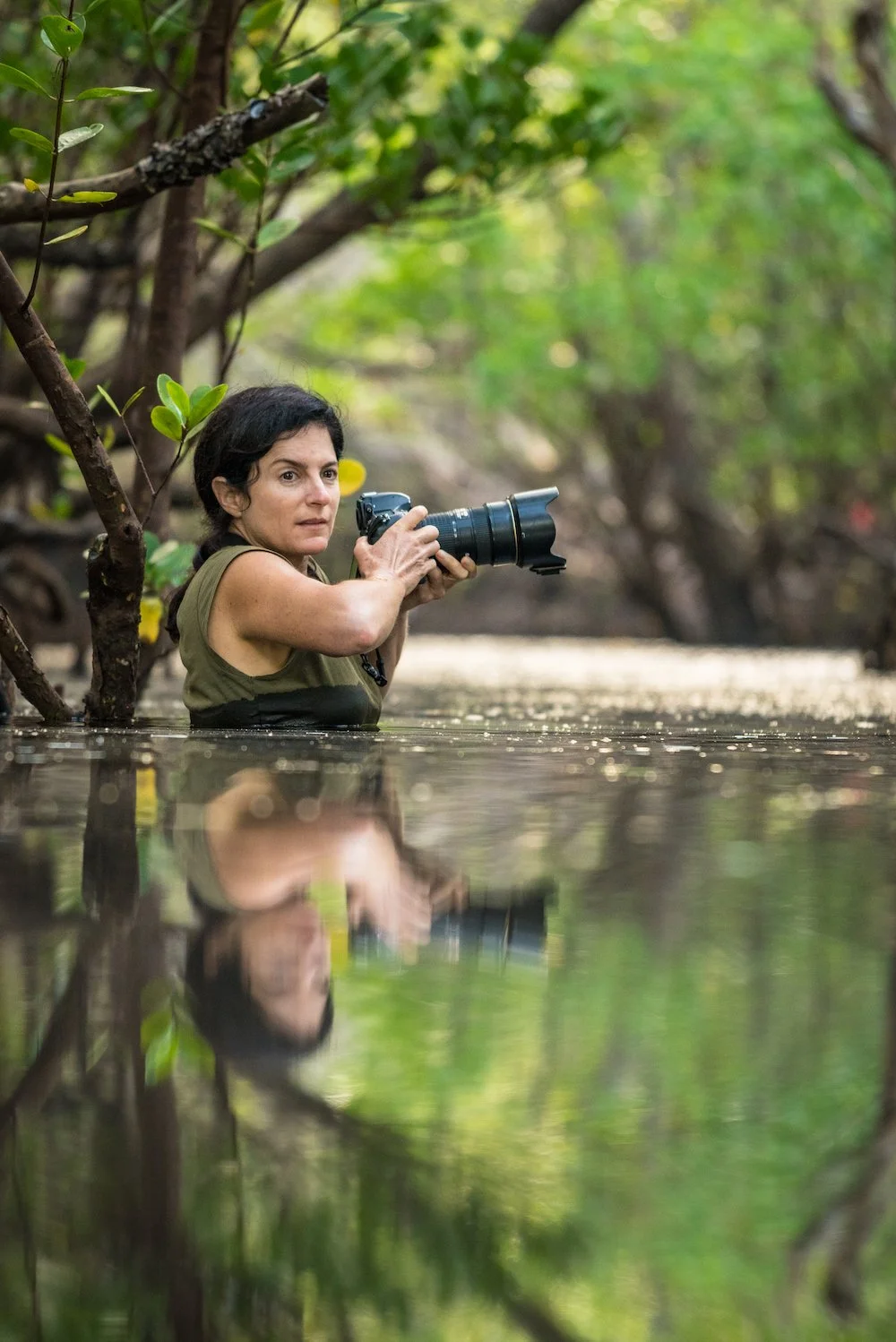
Award-Winning Photographer & Filmmaker
Executive Director of Vital Impacts
When are we all going to start to care about one another? Because all of our individual choices do have impacts. And I just think the demands that we place on this planet, on the ecosystems, are what are driving conflict and human suffering. In some cases, it's really the scarcity of resources, just like water. In others, it's the changing climate and the loss of fertile lands to be able to grow food. But in the end, it's always the people living in these places that really suffer the most. All of my work today, it’s not really about wildlife, and it's not just about people either. It's about how deeply interconnected all of those things are. People and the human condition are the backdrop of every one of the stories on this planet.

Leadership Strategist · Author of Bet on Yourself
Host of the Bet on Yourself podcast
I am very concerned that the future seems to be consolidated among the 10 wealthiest, most powerful people in the world who are all white guys. And they're great. I know most of them personally. I have mad respect for them, but it's really concerning when a private individual can buy Twitter. It's very concerning when a billionaire can own one of the most important news organizations in the United States…So my major deliverable and really the motivation behind writing Bet on Yourself was to democratize success. I want more people participating because what concerns me most about globalization is it's being controlled by about 10 people.
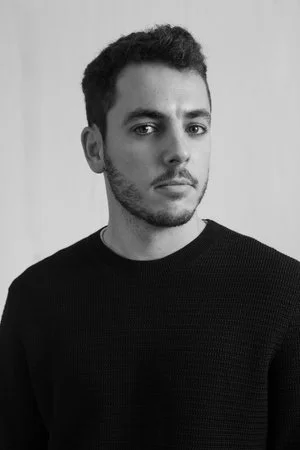
Author of Warmth: Coming of Age at the End of Our World
Organizer · Campaign Director Climate Jobs National Resource Center
It felt to me that if I wasn't able to figure out a way to orchestrate a genuine emotional encounter for myself with the enormity of this thing I was meant to be taking action on, then something in me was going to break, and I just wouldn't be able to keep doing the work. So, there was never a point where it's like, I'm going to write a book, but I did turn to the written word, almost little diary entries, to make psychological and spiritual sense of the crisis that I was dealing with in a thin way every day.
Journalists
Co-authors of Our Towns · Founders of Our Towns Civic Foundation
It was the accumulation of a month or two of travel in South Dakota and then in rural Vermont, and rural Michigan. We thought, we're seeing things that we never read about, that just by following the newspapers, we know all about New York and D.C., but we don't know anything about Sioux Falls.
We don't know anything about Howell, Michigan, and it's so interesting. And I think what I'm building to on the timeliness, it was and is, I think, a moment in American history where people have a sort of caricatured view of the America that's not directly in their experience. They think, okay, where I am is all right, but those people out there are crazy. Those people out there are extreme. Those people out there, we don't understand them.
Artist
I always feel that you can never fail if you don't know what you're doing. The best work is what you do when you don’t know what you’re doing…A lot of the images that have struck me, that I get drawn to, a lot of them were from painting. Some of them were from early movies. Some of them were from places I visited, but mostly gardens or wild gardens that had things in them I’d never seen before, and then learning what that was when I'd been working on it. Generally speaking most of what I do had to do with my feelings about other artists work that I admired. A lot of the industrial materials that are use, floor tiling and things like that came from site specific artists, sculptors, people who built into the buildings, Arte Povera. Using works that were just found, the poor materials, that kind of thing. Tar I kind of got from working in my fathers tire shop with the grinding of the rubber and so on. Things come together and I wasn’t even aware of it until people start asking me about it. I remember telling them about this man, being in black room with all this rubber, smoking Camels. It was a very cool image. I’ll never forget the guy, but when I was doing it myself, that’s not what I was thinking. I was really thinking about the materials I was using and inverting them.
Dancer, Writer, Choreographer
Associate Director of Dance at The Juilliard School, NYC
In both writing a first draft and in the improvisation of a dancing body, what is so key and relevant and exposed is voice. That internal voice of the artist of what they're writing on the page or what they're writing in space. If you go to fiction workshop, you talk about plot, structure, and you talk about character development, but there are very few classes within a dance curriculum where you break down an improvisation and you talk about voice, point of view, metaphor, or musical composition within a phrase. The lifespan of a phrase. And so this realisation is helping me understand that a one minute post of improvisation or even a ten-minute span of improvisation if it’s recorded is very similar to a first draft of creative writing, where then the artist is in a position to evaluate those 10 minutes and identify what is the setting? What is the voice that has come out of my experience of writing this first draft of an improvisation? And how can I give it structure? How can I give it form?

Parent Educator & Bestselling Author of The Secret of Happy Children
Raising Boys, The New Manhood, and 10 Things Girls Need Most
We drastically misuse our mind and have neglected a very important part of the way our mind works in the modern world. I think preindustrial people and our ancestors used this very well. And that is that we have a whole right hemisphere of our brain which doesn't think in words, which takes in the holistic picture of everything around us. Anyone who is listening to this podcast will be aware that sometimes you have got feelings about things. They are signals that are sent from the right hemisphere of the brain, picking up things that we can't consciously interpret or read. It goes through our amygdala, which is our alarm system, and straight down the vagus nerve, and we feel it down in the middle of our body. What the books argue, if you want to be able to parent effectively, and live your life effectively, is to stay in touch with that. Include those signals as part of your mental checking out. Expand your awareness because you can read that every few seconds all the time. And your life will be very different. There are feelings below your feelings. They are not always right, but they're always worth listening to.
Black Feminist Historian · Founder of the Transformative Black Feminisms Initiative at Ohio State University
Author of America, Goddam: Violence, Black Women & The Struggle for Justice
We have to be unwavering in our commitment to principles of justice and freedom and be harbingers of hope. So for me, this is a lifelong thing, and I think of it as ancestor work that I one day will be somebody's ancestor, and I want them to be proud of the work that we did to give them a world that’s a little better of an inheritance than the world that I was born into. And I think that is how we mark progress in more nuanced ways, in more honest ways. It doesn't need to be a straight line towards freedom, more of a journey with wins and losses, setbacks and victories.
Author of Uncommon Measure A Journey Through Music, Performance, and
the Science of Time · Fmr. Classical Violinist
There's a real decrease in functional connectivity between regions of the brain that modulate the ego and a sense of self for Gabriela Montero when she's improvising. That's not a region of the brain in particular, it’s the connections between a lot of them and that together as well and also our sense of self and also our conscious memory and our ability to anticipate and plan for the future. So our knowledge of ourselves in these different spheres of time, the light of that activity is dimmed during improvisation. There really is a biological reason behind her feeling that she gets out of the way and something else comes to the fore. The study asks why are her improvisations still so coherent, why did they hold together in time. They refer to it as this form of embodied creativity or embodied cognition, where it’s a deeper kind of memory. a more physical memory in her fingers in her body that know how to play and kind of takes over and allows for ego to kind of dissolve in that moment as she performs.
Author of The Matter with Things · The Master and his Emissary: The Divided Brain and the Making of the Western World Psychiatrist, Neuroscience Researcher, Philosopher & Literary Scholar
The heart also reports to the brain and receives from the brain. So our bodies are in dialogue with the brain. And we don't really know where consciousness is, we sort of imagine it's somewhere in the head. We have no real reason to suppose that it's just we identify it with our sight and we, therefore, think it must be somewhere up there behind the eyes, but it's something that takes in the whole of us and to which the whole of us contributes.

Leader in Sustainable Design & Development
Architect, Co-author of Cradle to Cradle: Remaking the Way We Make Things
I think believing in something is also part of the responsibility of the believer to sift through these things. So there are a lot of people saying I'm green because they do something less badly. So for me, it’s not green yet, it's just less bad. It's not really good yet. It's not really fabulous, but that just means there's an opportunity to keep going to share information and help each other because in the end, I think what we're dealing with now is the recognition that the world has a very serious issue with climate, that's very clear now. So how can we help each other? The question is no longer what is wrong with the way you're doing it. The real question now is how can I help you?
Professor of Ecology at UC Irvine
Director of Newkirk Center for Science & Society at UC Irvine
It’s basically a seed bank of genetic and metabolic diversity. The Earth’s entire microbiome is just a tremendous treasure trove of history, evolution, and diversity. So I would say we have no idea what’s in a lot of that diversity. It's like the dark matter of the universe. People call it the dark matter of the microbiome, and we're still figuring out what that matter does. We know that they're tremendously diverse. The sequencing revolution that happened over the last 20 or 30 years has made it possible to measure the diversity, but we don't know what that diversity is really doing or how to harness it if we need it. So would be wise not to disrespect it.
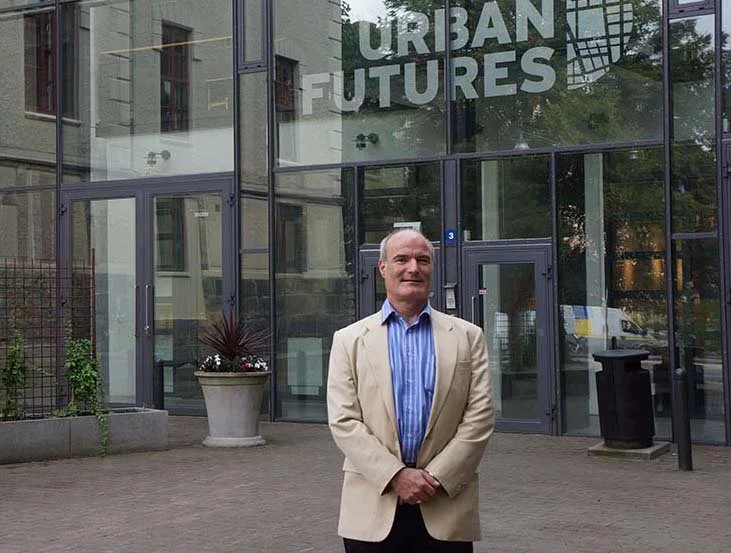
Editor of Rethinking Sustainable Cities · Professor of Development Geography & Director for External Engagement, School of Life Sciences & Environment, Royal Holloway, University of London
That principle, what is now called by Anne Hidalgo, the mayor of Paris, and being popularized more widely by the C40 Cities Climate Leadership Network and others as the 15 or 20 Minute City. The idea underpinning it is that a higher proportion of the goods and services, the activities, the social interactions that we need are obtainable within a 1 1/2 to 2 km radius of one's home, which means a far higher proportion of one's individual trips or multiple purpose journeys can be done on foot and by bicycle, therefore, you use your vehicle if you have one more sparingly. You use the bus or minibusses to reach slightly more distant places, and then you have transport interchanges is where you connect with the metro system or the best rapid transit or the railway to reach other parts of large cities or indeed for inner-city journeys. And that is what is now becoming the new best practice in terms of urban planning redesign.
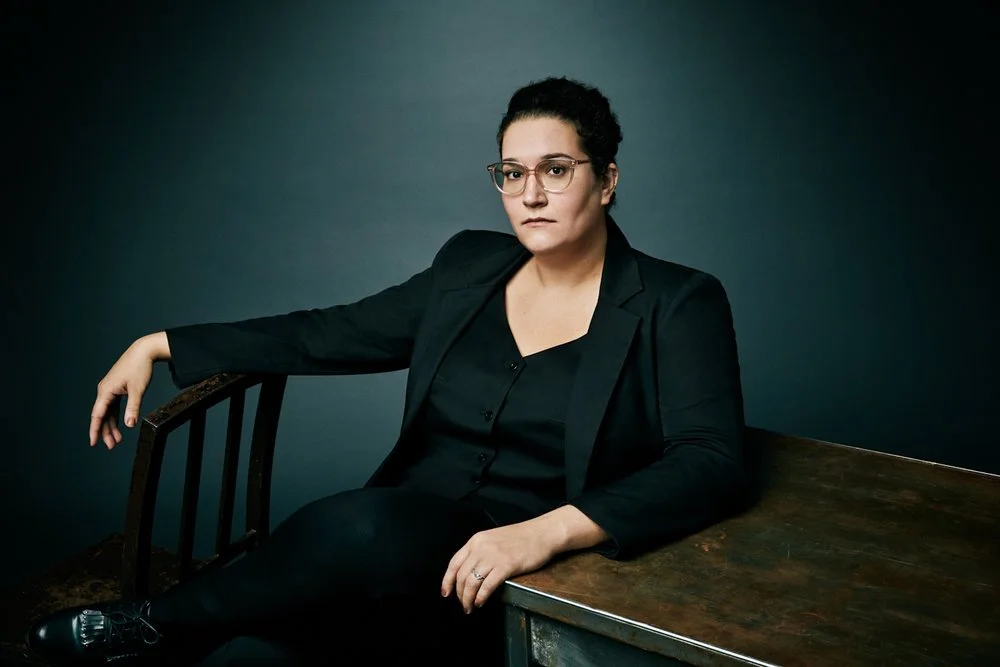
Lambda Literary Award Winning Author of In the Dream House & Her Body and Other Parties
I would say that I write liminal fantasy. I write surrealist work and literary fiction. I write horror. Horror is probably the genre that speaks to me the most. I feel horror is the genre that I feel the most affinity towards. For me, that is the sweet spot where the beautiful and the grotesque meet each other. It's very interesting to me, and I think encouraging people to look at certain ideas that are horrifying, making them beautiful and interesting, that intersection of beauty and pain, humor and darkness, it’s the most interesting place.

Showrunner · Writer · Director
They are very different skill sets and very different ways of approaching storytelling. Writing is very private. I find writing to be very difficult. I have an idea. I have a feeling, and then I write into it. That part of the process is the most painful and the most demanding. Directing is easier. It’s a very different skill set. It’s applying a story to the technique of how you film it, how it’s going to work. That part is so simple. The writing is brutally hard. There’s an architecture to every season that you write in television. I have to see the whole story. This big twelve-hour story. There’s a lot of math in that. There’s a lot of Where am I going? and How is it going to feel? Because at the end of the day, all I’m doing is trying to make people feel something.

Photographer
I always tell people the worst picture can ever take is one you don't take. And that is a simple philosophy. If you don't go out there and do the work, then you will never know. You may think there's going to be another great snowstorm. You might think there's going to be another great moment where a block is going to have a certain kind of rhythm or a culture is going to have a certain amount of innocence or a musician is going to be as reluctant or vulnerable or sympathetic. You just have to embrace the moment and do the work.

Director · National Museum of Women in the Arts
I came to work at the National Museum of Women in the Arts thirty-two years ago. I really took to the idea that the museum was controversial, that a lot of men said, "Why do you need a women's museum? There are so many other museums. Why do women have to be separated?"

Dayton Literary Peace Prize Winning Novelist, Poet & Clinical Psychologist
We become the stories we tell ourselves…I started writing around the time I learned English because we moved to the States soon after my fourth birthday, and so I was here for kindergarten into elementary school. I grasped this new language just as I was learning how to also put things onto the page. Those two things really happened at the same time for me. I entered this world where I felt very different and very other, for all intents and purposes I was set to be raised in Kuwait. And then that of course got turned upside down after the invasion by Saddam. I think that so much of my trying to make sense of the world had to do with the displacement, exile and these experiences that my parents had experienced but then that I had as well as we were fleeing the war. It’s hard to know because I think that language was being formed in my brain at the same time that these things were happening.
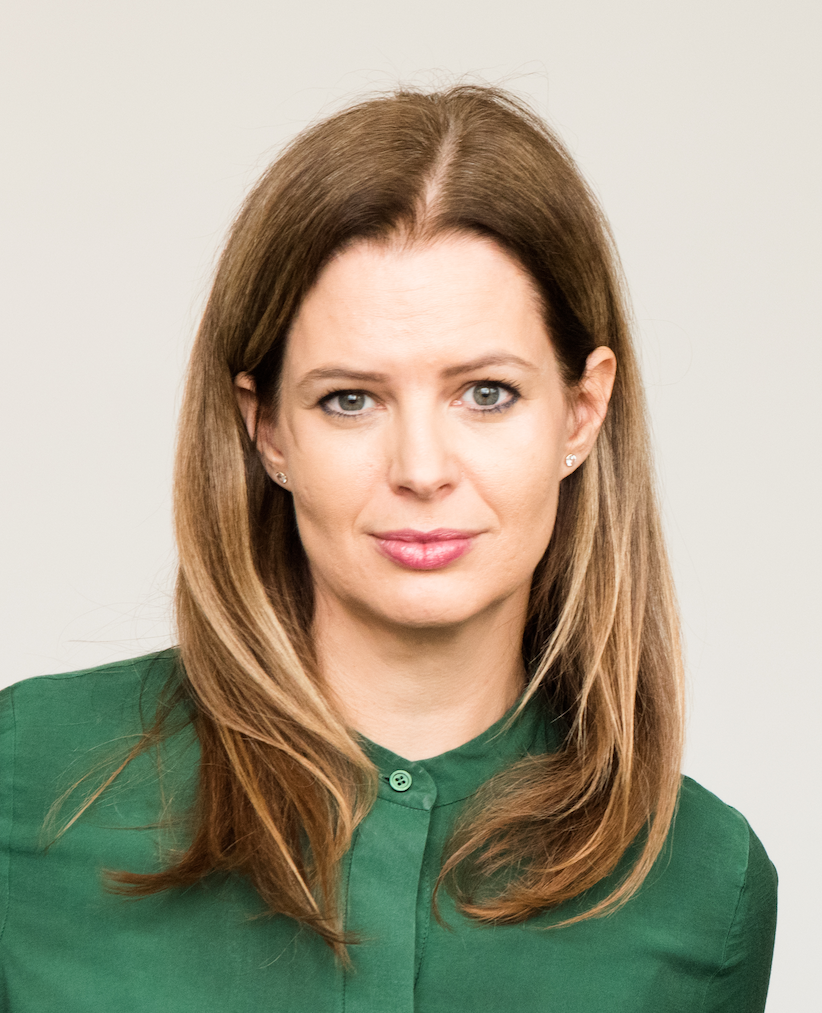
Global Sustainability Advisor · Co-Author of The Sustainability Puzzle: How Systems Thinking, Climate Action, Circularity and Social Transformation Can Improve Health, Wealth and Wellbeing for All
What is societal progress? I think the last 70 years, clearly, in the post World War II period, we have been thinking of economic growth and have been equating that with societal progress. To an extent of course that's right. To an extent, we need this economic growth to lift people out of poverty. We’ve kind of lost the reasoning. We have been following only this economic growth paradigm measured by the GDP, the Gross domestic product and we have forgotten that it measures many things, but it doesn't actually measure progress. It doesn't measure how healthy people are, how educated they are, how clean the environment is, how safe it is, how secure it is. It’s something where we really need to do a lot to transform those mindsets and in the end to understand that sustainability is about making their lives better and not worse.

Bessie Award-winning Dancer & Choreographer · Chair of Dance, NYU Tisch School of the Arts
Founder Seán Curran Company
In terms of history, the humanities show us how we were, why we were, and while we were...But then I also think about the future. What are we doing now? What seeds are we planting to inform the future?...And I said it earlier about making sense out of a chaotic universe where bad things happen to good people. Arts will help you figure that out.

Author of Doing the Right Thing: How to End Systemic Racism in Faculty Hiring
Executive Director of the Samuel DeWitt Proctor Institute for Leadership, Equity, & Justice & Rutgers Center for Minority Serving Institutions
We all have things to learn when it comes to these diversity-related issues or issues of identity. We have so much to learn. Just because, let's say, you’re a person of color, it doesn't necessarily mean that you are going to be accepting of transgender individuals. You might have some real hangups. Or you could be transgender and have some hangups around people of color, all around the spectrum. You can be a woman who doesn't support women. You can be a woman who doesn't support women trans-women. There are all of these kinds of things that I think we have to be open to, and we have to be open to learning and also open to making mistakes because sometimes people are going to make mistakes around these issues.

Executive Director of Youth Endowment Fund
Author of Fractured: How We Learn to Live Together
I think humans really need to feel valued and loved. The question is where do you get your value from? And I try to get my value from–faith plays a big part of my life, but not everyone has that way of thinking about the world, so I'm not going to major on that, but that's only part of it, the sense that I believe there's a God who thinks I'm of worth, but it's more than that. I believe that my closest friends and my family think I'm of worth. And so I think that's probably made me more comfortable in saying if I start a charity and it fails, and I have started things that fell apart, it's not the end of the world.
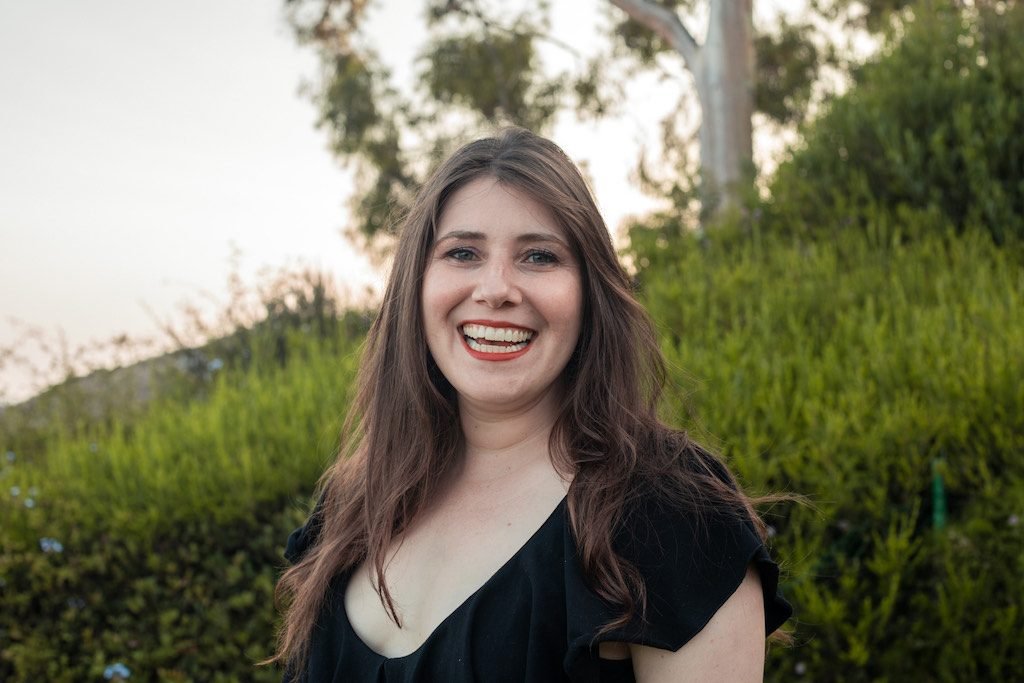
Emmy-Nominated Showrunner, Executive Producer & Writer of iCarly
What we deal with more in the second season is how your online persona and your real-life persona sometimes can't help but be at odds with one another. In the first episode back we get into how women are treated, how women in relationships are treated online. In a later episode, we deal with how women are or are not allowed to express their anger online as content creators. So it’s something we talked a lot about in the room. That fracturing of self, that even in a goofy show that's very lighthearted and entertaining, it’s something that we do discuss and try to sneak little tidbits in there.
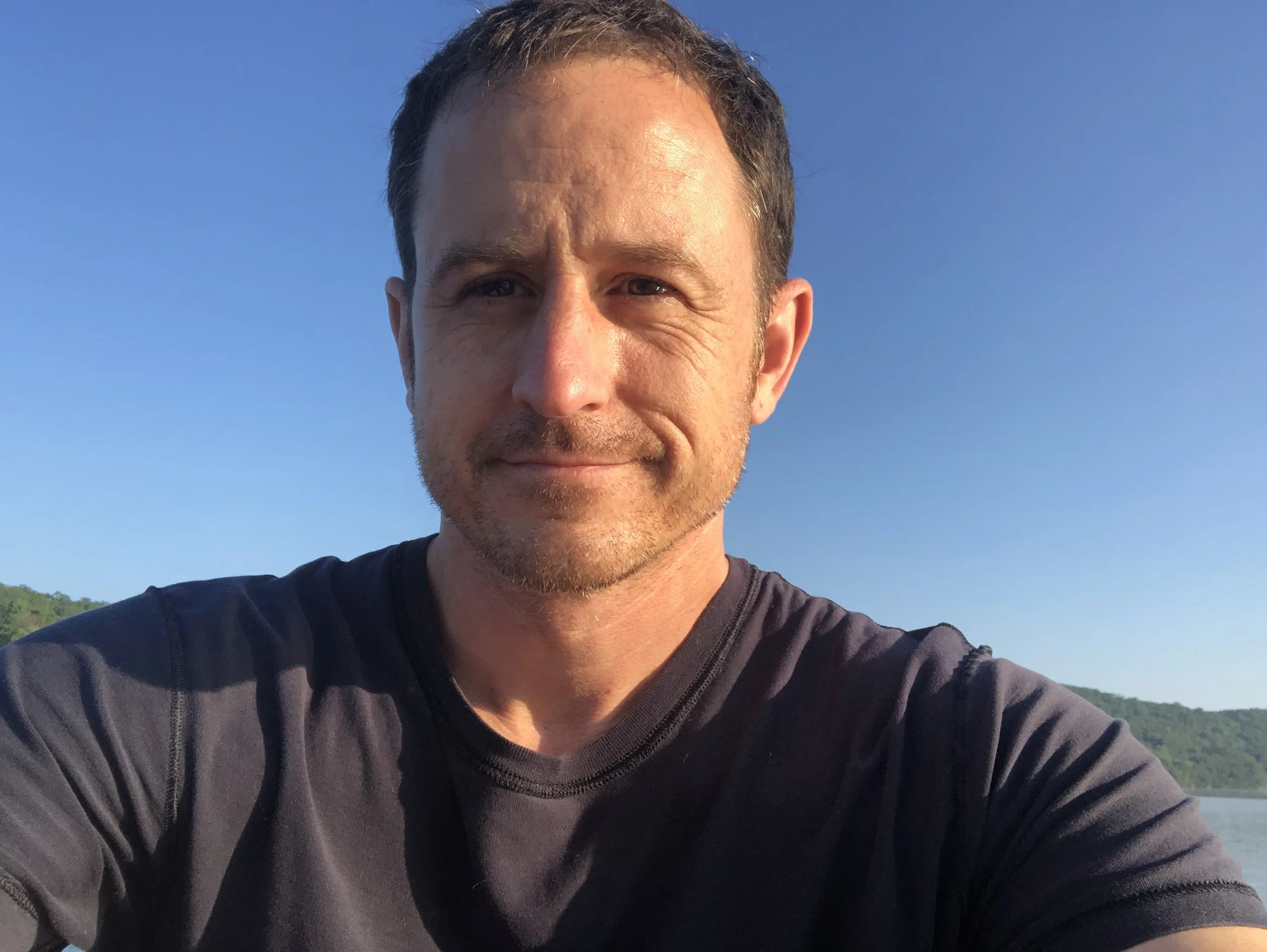
Sculptor
The figure in my work is me. The figure in my work is you. It's me placing objects. It’s me putting things together. It’s you standing near it. It’s you in proximity moving back and forth, moving around it. It’s us. One of the reasons I make the things I do the way I make them is because I can't imagine them. I make things that I couldn't draw or even think about clearly. I can only look at them. I enjoy the complexity that I make because I'm striving to see it.
Author of The Business of Less
Professor at Bren School of Environmental Science & Management, UC Santa Barbara
So, if we study transportation, then we need to study urban development and infrastructure. Suddenly, we need to think about housing. We need to think about the co-location of jobs and shops, and you realize it's all connected. That might be one of the challenges of urban sustainability. It's all connected. So the way we move around is connected to the way we built the city. And I think the intrinsic sustainability or non-sustainability in urban areas seems to be designed in. Especially in the United States where there are just so many places where, if you don't have a car, you're basically stranded. You can't go anywhere. The European model is to have co-located things, and I miss that. I think it has some intrinsic sustainability built-in.
Author of Just Enough · Small Spaces · Lead Researcher for Safecast
Authority on Japanese Architecture, Design & Environmentalism
In Edo Japan, basically life was pretty good, and they recycled everything. Everything was reused, upcycled. Waste was considered taboo. A person who was wasting was considered an ugly person. So there’s a lot that we could talk about design, the layout, scale. Buildings were rarely taller than two storeys. Very good use of environmental features, microclimates, use of wind for cooling, passive solar heating. Good use of planting, gardens, etc. But regarding cities of the future, I think the main thing is it needs to be a place where people feel like they belong and want to take responsibility.

Author
I started writing out of a desire to counter stereotypes of the roles that women traditionally played in crime fiction, in which case they were wicked. They used their bodies to do good boys to do bad things. Or they were virgins who couldn’t tie their shoes couldn’t tie their shoes without adult supervisions. Or they were victims, most often. And so I wanted a detective who was like the women that I knew who could solve their own problems, who didn’t need to be rescued, who could have a sex life that didn’t make her a bad person.

Chief Engineer & Co-founder of Marine BioEnergy
Grows Kelp in the Ocean to Provide Carbon-neutral Fuels
The kelp plant itself can grow to 30 meters easily, and sometimes 40 meters, so it’s a huge plant…When people look around the world today, seeing the news, making the world a better place is getting increasingly important. People have to pay attention to what they can do as individuals to make the world a better place. The world is not going to become a good place on its own. If there weren’t for thousands and millions of people, phenomenal sacrifices that people make. When you see what some people do and the risks they take. I have basically found my job for the remaining years that I have on the earth to try to make the world a better place.

Psychologist, Neuroanthropologist & Cognitive Neuroscientist
Author of Origins of the Modern Mind, & A Mind So Rare
Lots of people have written books both optimistic and pessimistic about the Internet. It's a wonderful thing, it gives an opportunity to broaden our experience. I think in many ways the Internet is the only hope if you want to eliminate racism and want to raise the bar across the world, but at the same time, the inequalities are completely ridiculous. They've reached a point of insanity, and we have a moral issue. Is one person ever worth twice as much as another person? Can you justify one human being owning 10 times as much as another person? I don't think you can. I don't think that the president of the biggest cooperation in the world is worth 10 times the poorest person in the world, but that's not what we have. Sometimes he may be “worth” a million times more, a hundred thousand times more. That’s crazy.

Author of Living Queer History · Assoc. Professor of History, Roanoke College
Co-founder of the Southwest Virginia LGBTQ+ History Project
One of the things I really tried to get across in Living Queer History, and particularly in my chapter called “The Whiteness of Queerness” is to first make clear that LGBTQ histories have long been informed by white supremacy. It's kind of the unspoken thing that people don't want to talk about. It’s true all over the country. And so what I’ve started to think about is that often LGBTQ spaces are just unthinkingly white because there's a racial blindness, a racial myopia where folks are not thinking about the fact of how racial dominance is playing into that space. Or how racial dominance is playing into the way we tell stories about LGBTQ belonging.

Writer, Activist, Comparative Literature Professor
Author of Speaking Out of Place: Getting Our Political Voices Back
To explore different worlds. That’s what literature has taught me. Reading has taught me how difficult it is to write well, to do you something other than the mundane or the expected, so all those things point to a kind of human creativity and a human capacity to both create and also to learn. To learn about life in different ways and to pass on those lessons to other people. One thing I think great teachers do is to embody what they talk about, the values that they profess, the things they feel are important in their everyday lives outside of the literature. So when I become involved in politics or a cause, it’s a reflection of what I've learned through any number of things including literature. Literature doesn’t stand alone. Literature is part of the world.

Author of NYTimes bestseller All of the Marvels, Eisner Award–winning Reading Comics
Host of the Voice of Latveria podcast
I like the idea that your actions in the world can be motivated by both idealism and realism about how to achieve those ideals. I like the idea that morality is not simple. There is this idea that there are the heroes and there's the villains and you can easily tell who's who, and that's not so true as it used to be in comics and that's meaningful. One thing that is interesting about the Marvel story is there’s basically nobody who's just a bad guy to be a bad guy. Everyone has their reasons. Almost everyone is capable of redemption in some way, even the worst of the worst are capable of tremendous heroism and tremendous idealism and genuinely wanting to heal the world make it a better place.

We're all part of a web like a dreamcatcher. Everybody knows a dreamcatcher and whatever you do that’s wrong will eventually come back and affect you because we’re all connected.

Producers of the Award-Winning Mass starring Reed Birney, Ann Dowd, Jason Isaacs & Martha Plimpton
“Usually we just see the soundbites and the news and then there's a new one or a new story, the politics that takes away from what these families are going. These people in these towns are just glossed over, looked over. And that's not the case in real life. They live with this trauma forever…What I hope the next generation takes is just to absorb everything from our generation and our parents’ generation. There are a lot of living generations right now. The longevity of people and the young families, it’s amazing. I had five generations of my family alive at one point in my life, and it was just the most amazing thing I've ever been a part of.” –JP Ouellette

Scientist Emeritus & Fmr. Director of the National Institute of Environmental Health Sciences
& the National Toxicology Program
There are thousands of chemicals in our water, just like there are in air, just like there are in food. We sometimes compartmentalize too much. We forget, but what is food? Food is made up of chemicals. And I think we need to be broader in our understanding because, for example, we all have on us and within us our Microbiomes and we think about the GI bacteria and we now know that if people are obese they have very different microbial content in their gut compared to people who are not obese. And we know that a baby born by C-section section has a different position than a baby born vaginally. And we know that these things have impacts. We know that many of the bacteria have the ability for example to metabolize the contaminants as well as things in our food. And we know that you can have a different response depending upon what people are eating.

NYT Bestselling Author of A New Way to Wealth · Doing More with Teams
Founder of AHC Group
Each day you wake up you make decisions that shape your own fate, your ascent, position, your own creativity. I like to think of it as fate is a personal construct. When I was at Cornell they had me teach an Emerson essay called “Freedom and Fate” where he said that fate was so overwhelming in some traditions that it’s as though we were each involved in a shipwreck and we were each thrown off the ship and all we had a chance to do was look at each other. I’ve come to believe is that not only is the future near you can design your own life.

Pulitzer Prize-winning Poet
Author of The Tradition & The New Testament
I just want to make the poems like a living being…There are moments that I’m not at the desk, but I’m living life. And living life is actually what leads to writing. You have to have experiences to write about. Whether or not you are aware of those experiences as you are writing them down because if you’re doing music first, maybe you’re not aware of what you’re writing. And yet, those experiences are what come to fruition in your writing. You become aware. Oh, I did come on that roller coaster that time that I haven’t thought about in twenty years. Oh I did make love to that cute person that I haven’t thought about in ten years, but you’ve got to make love, you’ve got to get on roller coasters, you’ve got to get your heart broken. You’ve got to dance. You gotta get out and do things and that, too, is a part of writing. You have to trust you’re a writer by identity. And if you can trust that you’re a writer by identity, then you don’t have to be at a desk.

Founder of Fondasyon Felicitee
Afrodescendant Ourstorian, Educator, Writer & Humanitarian
It’s true. In Haiti, to a large degree more women were involved in the Revolution, in the war, in the fighting for the nation for the very simple reason that women had more opportunities. After a certain time, we became invisible. Once you’re in your 60’s, you are missing a few front teeth, in fact, some of the women used to take a stone and break up their front teeth so that they wouldn’t be noticed anymore. “That’s just an old lady with no front teeth. Okay, she goes about her business, nobody looks at her. She can do nothing.” And those were the fighters–the greatest fighters of our revolution.

Founder & Executive Director of the Women's Earth & Climate Action Network International
Author of Uprisings for the Earth: Reconnecting Culture with Nature & Artist
There’s a wide range of reasons that we really need to understand the root causes of a lot of our social ills and environmental ills. I think we need to continue to come back to this question of how we heal this imposed divide between the natural world and human social constructs. And that healing is key to how we’re going to really unwind the perilous moment that we face right now. How do we reconnect with the natural world? Not just intellectually, but in a very embodied way.

Author of Plagues upon the Earth: Disease and the Course of Human History
G.T. & Libby Blankenship Chair in the History of Liberty, Professor of Classics & Letters, University of Oklahoma
Human well-being is both a question of social development in a very holistic sense that people have jobs that provide adequate food and clean water as well as the elimination of dangerous microbes, and so the question is how do societies continue to develop in a way that's globally equitable and sustainable and that's really one of wicked hardest problems on the planet is how do we continue to experience growth without having carbon emissions that make growth and impossible, that continue to hold societies in poverty, and that continue to imperil human health.
Award-winning Memoirist & Poet
The Magical Language of Others · A Lesser Love
I had delayed speech, and I had quite a bit of trouble with speaking. I think I must have been five before I was uttering some of my first words and trying to articulate. Simple communication was very difficult for me and my family, especially in a family where we were speaking several languages. They hoped to instill English. It’s the language of survival. There was a lot of frustration and fear in my relationship to language, and the relationship these languages had to each other, that was something I felt very sensitive to since I was young. Since before I could speak.

Cosmologist, Theoretical physicist & Star of South Africa Medal Recipient
Artistic creativity and it’s crucial to artistic creativity amongst many other things. In artistic creativity, from my viewpoint, is that you start off with an idea and you’re shaping and you’re totally in control and it doesn’t matter if it's music or sculpture or painting or a novel, eventually the thing sparks its own life, becomes itself, and at that point, the role of the artist is to stand back and let it become what its got to become. And that’s where you get the great art.

Photographer & Videographer
Winner of the World Press Photo 6*6 Global talent in Africa 2020
I’m not just taking beautiful pictures. I’m collecting their voices, collecting their movement, collecting different aspects, and preserving this moment because they will not always be here. I don’t just see myself as a photographer, an artist. I also see myself as an archiver. Someone who is archiving as a researcher.
35th Generation of Shaolin Masters
Headmaster of the Shaolin Temple Europe
Just getting to know what is Buddhism, which is the foundation of every monastery. The Shaolin Temple is in the core, first of all, it’s a Buddhist monastery and when you are starting to read about Buddhism, one of the key sentences, in the beginning, is: With your thoughts, you are creating the world…So it’s very rarely clearly stated that it is the thoughts that are creating the world. Nevertheless, if you are now looking at the practices that the Shaolin Temple offers, that is quite physical. There is a lot of physicality in there, so you might think but why are you saying with thoughts you create the world, but you have so many different physical activities. It is because if you want to have mental freedom. If you want to approach freedom, you cannot just approach freedom by doing things or trying to chase freedom. The freedom that we are looking for is the type of freedom that is derived and that is very closely related to its counterpart, which is very hard restriction or very hard structure. So if you want to experience what freedom is, look at the restrictions of your life.
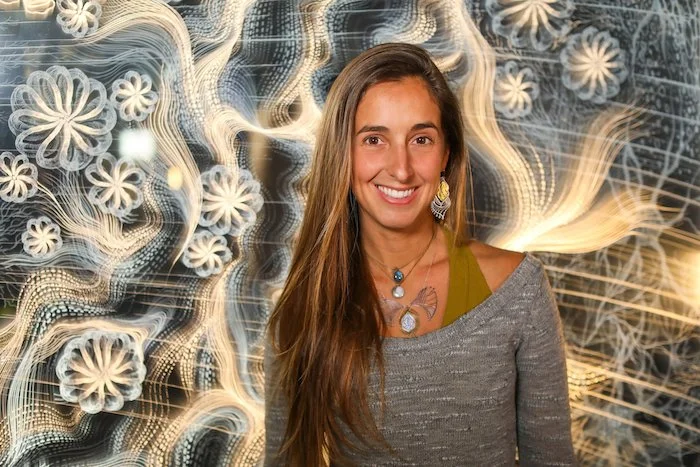
Artist in Light, Sculpture & Sound
Nature is my home because. It doesn't matter where I am. It’s available and it's there and it's always giving me the same sort of nourishment. All of us have had to develop a sense of home elsewhere. With me in particular, I've been traveling and living in different countries for the last 20 years since I was 22, so it's not even that I've had a geographical place that is my new home because I've moved around every four years. I'm in a new place a new community and new friends, so nature is my home.

Picower Professor of Neuroscience
MIT’s Picower Institute for Learning and Memory & Department of Brain & Cognitive Sciences
There are a lot of distractions in cities. So it's always good to maybe take some time out, be in a quieter place with no distractions so you can let your thoughts run. And that leads into the creative process because new ideas, new thoughts and where they come from. They come from following the garden path of associations in your mind. One thought leads to another, leads to another until your mind is in a new place it's never been before. Or you put two thoughts together that were never together before, but now they are because you managed to somehow follow this garden path of thoughts from one thought to the other. That's where creativity comes from, that's where your ideas come from, seeing things in a new way, seeing things that were never together before. And if you have constant distractions that interferes with that process.

Director of Kotter International · Co-author of Change: How Organizations Achieve Hard to Imagine Results in Uncertain & Volatile Times
How do you get people to have a sense of urgency to actually take action and do something different? What we're finding is the learnings from business very much do apply to other spheres and also more generally to challenges like climate change. We’re facing the question of how do you get more people to actually be willing to take real meaningful action.

Carbon Ruins · Climate Futures · Climaginaries · Earth Systems Governance Project
Our starting point was that a lot of the stories we tell about future worlds are quite poor. It’s not stories that are meeting the world as it is now. It’s difficult for people to inhabit the kinds of worlds that we imagine through scenarios or modelling, so there is a kind of distance between where we are now and the life worlds of a decarbonized or a post-fossil world.
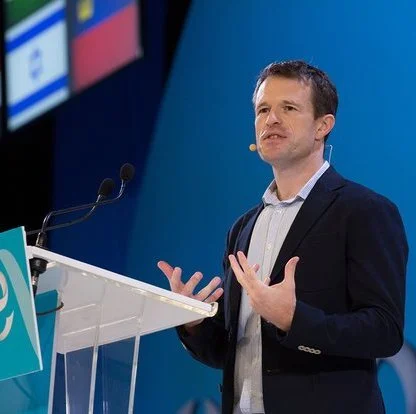
CEO of Global Witness
As an organization, Global Witness has to take security risks extremely seriously. We encounter quite a range of threats to our work and some of those take the form of cyberattacks, we’re regularly threatened with lawsuits by powerful companies and individuals who don’t like the scrutiny we place them under, but far and away the most serious category of threats is to those we work with in fragile and sometimes dangerous parts of the world.
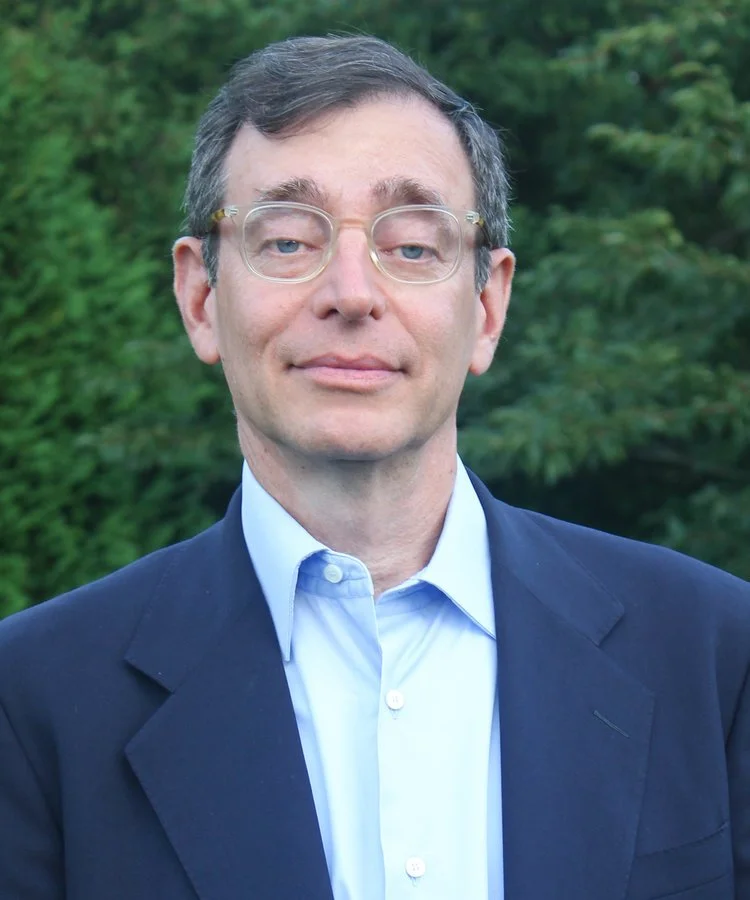
Entrepreneur, Public Speaker & NYTimes Bestselling Author
Let There Be Water: Israel’s Solution for a Water-Starved World · Troubled Water: What's Wrong with What We Drink
On average in advanced societies, about 70% of freshwater that’s consumed is consumed by agriculture. In less developed countries, sometimes as high as 95% of the freshwater goes to agriculture, which means that you’re depleting the amount of water available for the environment. You’re depleting amount of groundwater to preserve for the future, especially in dry times, and it creates a stress for the future…What are you going to do when you have hundreds of millions of water refugees coming from places where there used to be enough water where there’s now just not enough water? What is the world going to do then?

Environmental Artist Mary Edna Fraser & Prof. Emeritus Orrin H. Pilkey
Co-authors of A Celebration of the World’s Barrier Islands & Global Climate Change: A Primer
I think any time we are closer to the earth, we can feel the struggles of other human beings as well. –Mary Edna Fraser
All over the world, we’re seeing because of climate change we’re seeing vast changes affecting all aspects of society. That’s something that we’ve not been able to face politically. We need to do that. – Orrin H. Pilkey
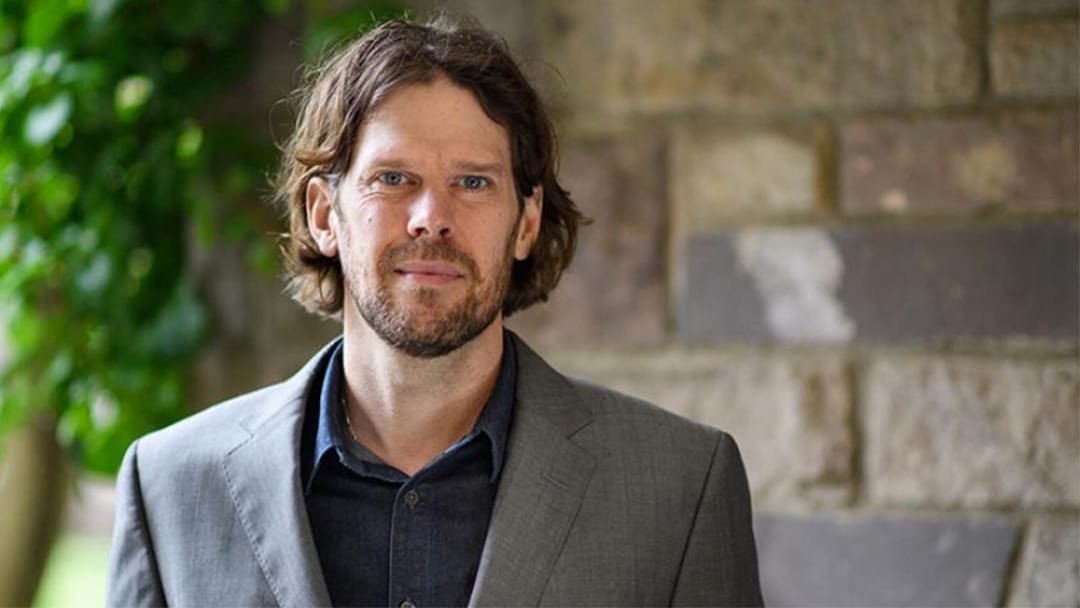
Ecology & Evolutionary Biology Professor Princeton University · Pringle Lab
For nature and natural beauty to survive, people have to want it. If they don’t ever experience it, why should they want it? What could you see of value in it, something that you not only have never experienced but don’t ever expect to. We intellectually know that the Amazon is an important thing because it stores carbon and it’s home to many species, but I’ve been there. That’s a different thing entirely to be able to appreciate it on that level and care about it for the sheer beauty and magic and joy of being in a place that’s still so big and so wild. So that I think is the most important thing for the next generation.

Science Writer, Broadcaster & Author
Transcendence: How Humans Evolved Through Fire, Language, Beauty & Time · Adventures in the Anthropocene
The good thing about our species is that we create our own environment. What we’ve been doing so far is creating an environment where we’re much more successful. We live a lot longer, we’re much healthier than we have been in the past. There are many, many more of us, so we’re very successful as a species and that’s been at the expense of other ecosystems, but what’s happened is we are now dominating the planet to a dangerous degree, but we are also self-aware. We’re capable of understanding that.

Public Intellectual & Erasmus Prize-Winning Author
The Churchill Complex, Murder in Amsterdam, A Tokyo Romance…
I have a strong feeling that at the moment, especially in the United States, people are much more interested in the culture and backgrounds of minorities than they are in the cultures where those minorities originally came from. I think it’s a sign of people drawing inwards more and more. That goes for the Right Wing populists and White Supremacists just as much. They’re also drawing the wagons around what they see as their identity, and I think that’s exactly not the way to go…I can only emphasize that in terms of education is that everything should be fostered to open people’s minds. Open minds to the past, to other cultures and not to have minds closed by limiting ourselves more and more to the circumstances of our birth.

Author of People’s Power, Extreme Cities, Extinction
Professor of Postcolonial Studies at City University of New York
The political struggle is really hard today and I feel like we haven't been winning, but I think it's important not to think of this as either we win it, or there's catastrophe and that's the end. We win or lose, and there’s this big tidal wave that kills us all. That's not the way the climate crisis is going to play out. It’s going to be a long, slow, attritional crisis punctuated by forms of natural disaster that will decimate populations, but it's also going to be something that people will be impacted by for generations and that people will continue to mobilize around, so I think it's important to keep that in mind.
Creator of Cyberpunk · Origins Award-Winning Game Designer
One of the things I’ve noticed is that a lot of those younger people are actually much nicer than they need to be. And they have to realize that this is going to be your world. It turns out the way you want to make it and so you should be thinking now about what you want out of this. What do you want that world to be? Do not wait around until the two generations beyond you have gone ahead and done it the way they want it because, by the time they get done, you’re not going to have the chance to shift it to where you want it. So start thinking now about where do you want to be? What is the future you want? And don’t be nice about it, just go ahead and start planning it now.
Director of Research at Grantham Institute, Imperial College
Author on UN Environment Programme & Intergovernmental Panel on Climate Change
A key part of how I go about doing my research is being involved in policy discussions, policy conversations, and also by following the international climate negotiations very closely. Actually, I started my research career as a part of the Presidency of the International Climate Negotiations in 2009. After that I remained an advisor to country delegations in the international negotiations, particularly small island development states or least developed countries. That really helped me to get a sense of what the real questions are that they are struggling with.
Founder & CEO of Roetz · Manufacturer of Circular Bicycles & e-Bikes
I think the next crisis is going to be a materials crisis. The whole point of moving from a zero-sum game–like who makes the best cheapest product at the lowest price and can find lowest labor somewhere around the world so someone can be happy with a new laundry machine and buy another one in five years–that’s not going to work for us.
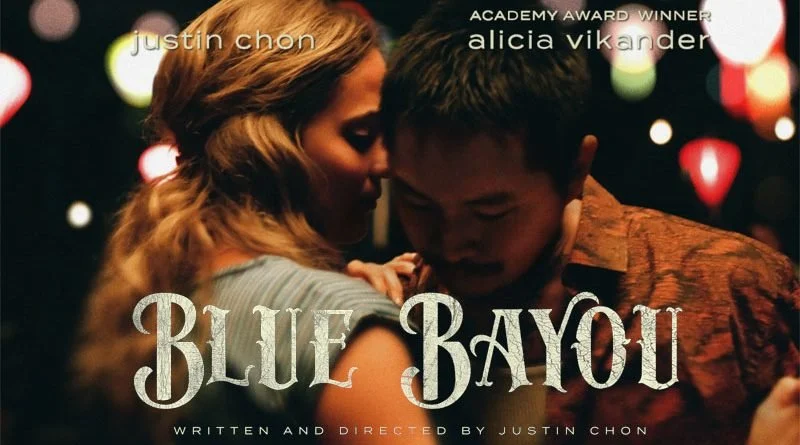
Cinematographers Ante Cheng & Matthew Chuang
Blue Bayou starring Justin Chon & Alicia Vikander
The search for identity is something I think everyone goes through in their lives. It’s a constantly evolving answer. I think all of us can relate to the sense of belonging and what is home. Alicia Vikander’s scene was memorable to me. One of the rare times I cried while operating the camera.
There’s not really many stories about people who look like me in Australia, so I was just making films. How do I be invisible in a way and transcend whatever I’m shooting? It wasn’t until I came to the U.S…it was the first time I had to think about me being Asian and my experiences and how does that relate to what we’re telling in this film.
Global Oceans Hero Award-Winner · Distinguished Professor of Earth Sciences
Director Institute of Marine Sciences at UC Santa Cruz 1991 to 2017
Gary Griggs received his B.A. in Geological Sciences from the University of California Santa Barbara and a Ph.D. in Oceanography from Oregon State University. He has been a Professor of Earth Sciences at the University of California Santa Cruz since 1968 and was Director of the Institute of Marine Sciences from 1991 to 2017. His research and teaching have been focused on the coast of California and include coastal processes, hazards and engineering, and sea-level rise. Dr. Griggs has written over 185 articles for professional journals as well as authored or co-authored eleven books.
Award-winning Xicana Activist, Editor, Poet, Novelist, Artist
Author of My Book of the Dead
One of the things that is dying is our planet. We hear these sirens every single day. We’re being warned daily by experts and concerned people how vast that squandering is going. It’s a case of urgency and it’s astounding and a very sad, a very pathetic comment on modern life that most people are ignoring those signs. As a poet, it seems to me that one of the tasks that the poet takes on, it’s a vocation that’s born with it, it’s this consciousness, this serving as witness.
Award-Winning Writer, Director & Executive Producer of “Insecure,” starring Issa Rae
Literally during the last week of production, we kept having this conversation. We are part of a cultural moment and we know we are, which is a very out of body experience… Any iconic black show, did they know? Because a lot of those when you look back at their history they were one the bubble, and I always think about Girlfriends and Living Single––did they know that people would still be talking about them?
Founding Director of Planetary Health Alliance
Principal Research Scientist at Harvard T.H. Chan School of Public Health
I think the environmental community has been guilty of a lot of catastrophism, a lot of statements like ‘Game Over for the Planet’, and we’ve painted a lot of very dark pictures about where we’re going, but when you look across these different sectors and all the solutions that are out there, there’s no reason to believe that our grandchildren couldn’t live in an incredibly exciting world.
Neurosurgeon
Author of NYTimes #1 Bestseller Proof of Heaven, Seeking Heaven, The Map of Heaven & Living in a Mindful Universe.
Take care of yourself. Bring that love and kindness and compassion into your dealings with self and others. And this world will change dramatically. I think you’ll find great reason for optimism and hope and viewing the way our world can go, but it absolutely involves a change from the status quo from our current direction.
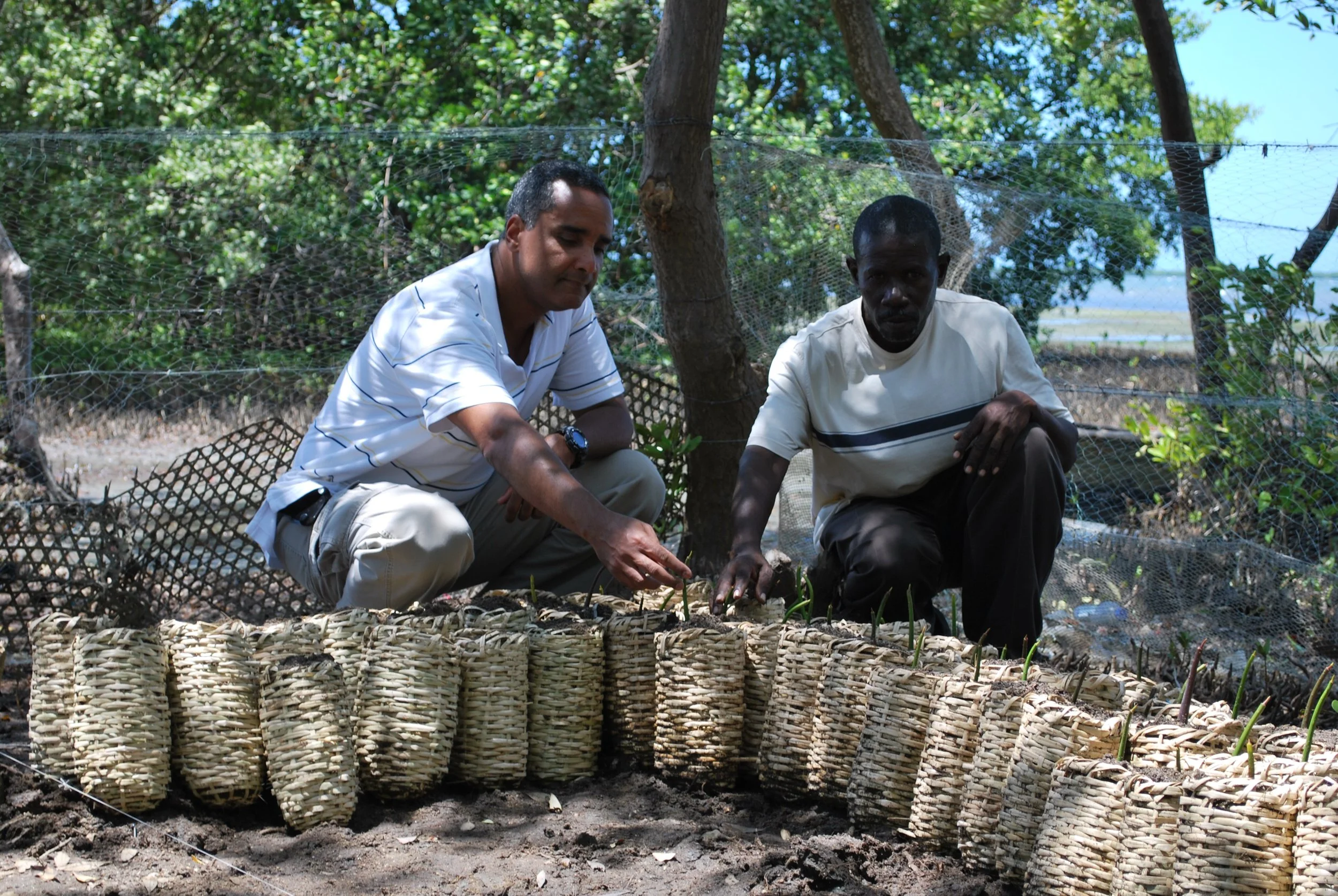
Goldman Environmental Prize Winner
Founder of Fondation pour la Protection de la Biodiversité Marine in Haiti
We’re coming out of one of the worst times for resource exploitation, waste and everything related to that waste of resources, so trying to set the example, especially for my kids, recycling, trying to be reasonable about purchasing things, about where things end up after you’re done using them, just in general being careful about what you do, what impacts there are down the line. Even for them already, they’re 18 and 20 now–What are you going to do to try to protect the planet for your kids? Already trying to put that mindset for them because it’s very difficult for our generation to change the way it has done things for so long, but trying to at least bring that change. Be responsible, be reasonable, think about the impacts.
Director of Photography of Old Henry
Best Cinematographer Award-Winner · LA Asian Pacific Film Festival
What frame, what scene, ultimately what story is going to capture the most emotion to make you feel something? Because those are the films that have always resonated the most with me. Those films that actually make you feel. They stop you and they make you feel and make you think. They really jar you.

Indigenous Rights Activist
Winner of Right Livelihood & Skoll Awards
Founder of Fundacion Gaia Amazonas named #40 of NGOs of the World
I went to the Amazon and I got a canoe and I started rowing into the forest. It was absolutely like going back into the 17th century! I went around for six months on my own and that was fantastic because in this part of the Colombian rainforest there were absolutely no roads, no towns, no electricity, no flowing water. You are with the indigenous group. They are all still in their loincloths. They speak different languages. I went through about eight different ethnic groups. They all spoke different languages. I couldn’t understand what they said. They couldn’t understand what I said, but we got along well.
Award-Winning Writer, Director, Producer, Speaker
& Author of Beyond The Craft: What You Need to Know to Make A Living Creatively!
I like uncovering truth about behaviour, about history. I think all artists are attracted to unveiling truth. I think it’s a mirror of our society, of our world. It’s the soul of our world.
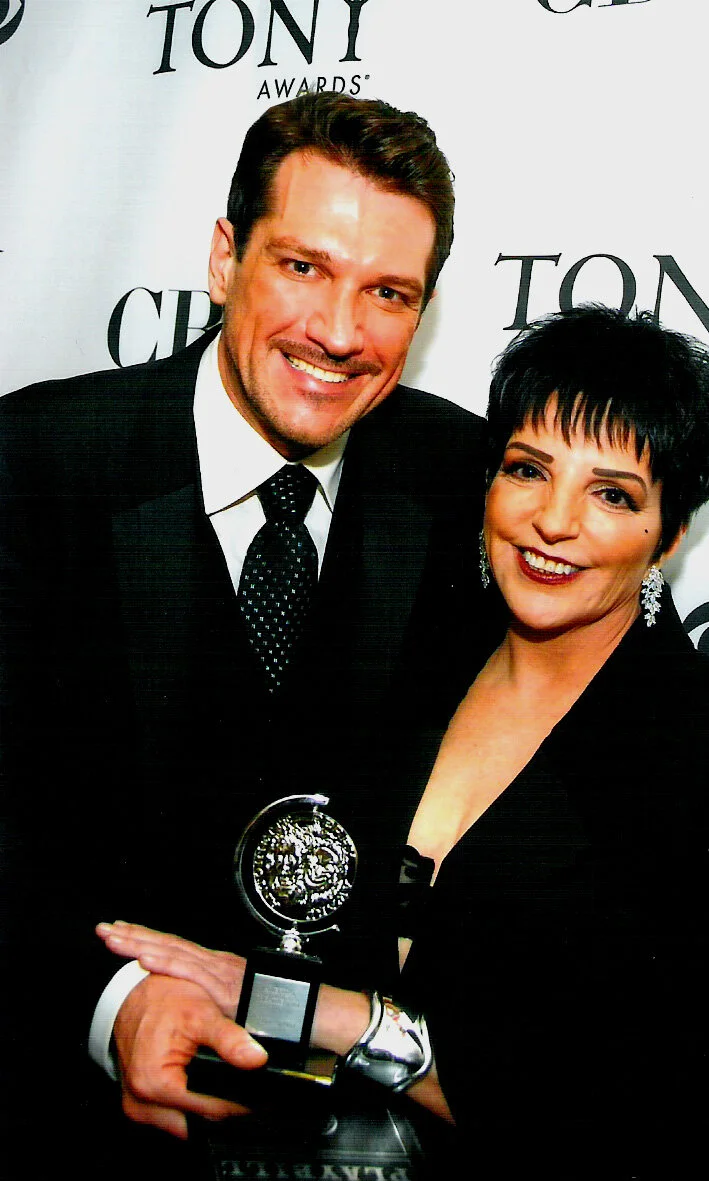
Tony Award-Winning Singer, Actor and Star of Chicago, the longest-running American Musical in Broadway History
All the themes are very contemporary. I think what moves this story is the search for instantaneous celebrity. That’s what the girls are all about, Roxie and Velma. They want to be famous. Of course everything that you cited, corruption, crimes, the press focusing on sensational stories–it’s all there. And I think that’s why the public relates so much to it.

Author of Water, A Biography
Natural Resource Security & Environmental Sustainability Expert
The problem doesn’t really reside there. The problem is that people have gotten used to thinking about water as a technical issue that can be solved by somebody sitting in a room somewhere with a white coat. The reality is that the history of water shows that this is probably the most political and salient issue of society–How we share the resources that make it possible for us to live is a fundamentally political problem. And in nations that live together under a social contract is fundamentally a constitutional problem. So my hope is that we elevate water to a much higher level of political discourse.
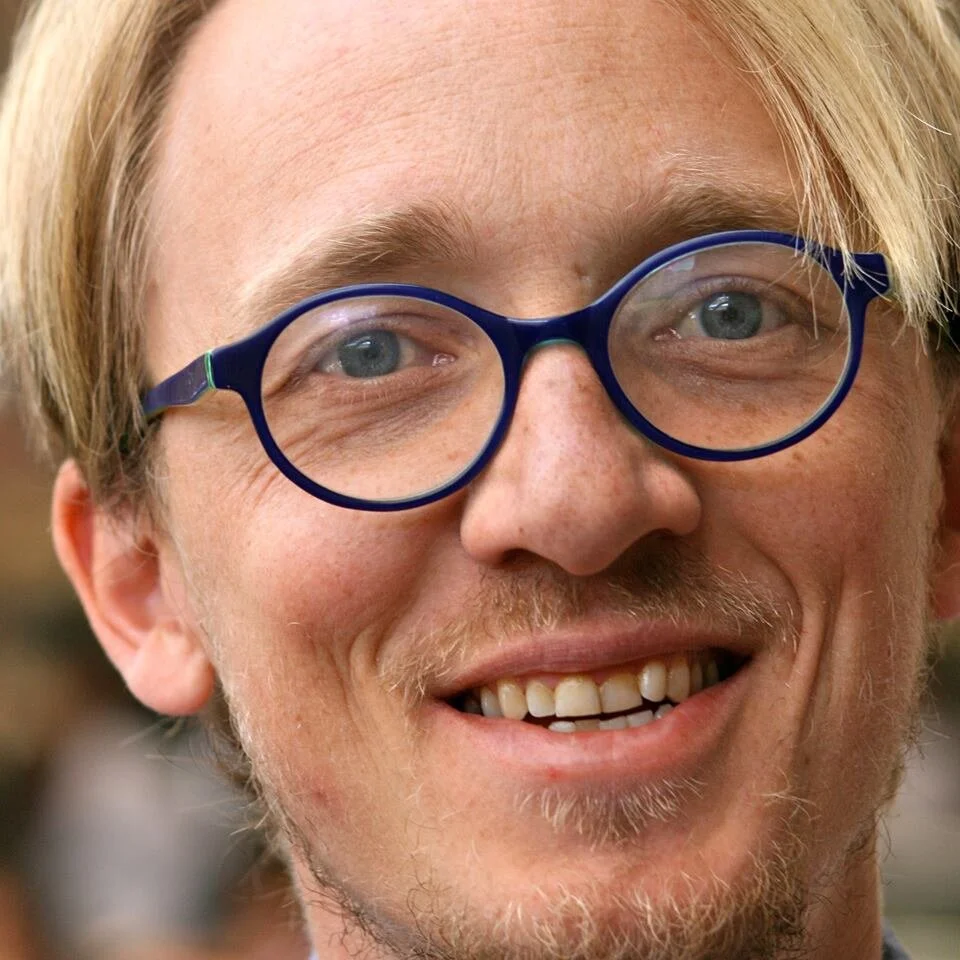
Senior Policy Officer Economic Transition at European Environmental Bureau
Author of Turning Point: The pandemic as an opportunity for change
Now with this crisis even the IMF, even the economists are saying we’re not going to go back to the neoliberal era. And they were defending this era for decades. So, I have hope that maybe we can now transition to something like a Wellbeing Era, where countries are already saying “we want to be a wellbeing economy. New Zealand is telling every ministry: Tell us how you are improving the wellbeing of the New Zealand people. So that means wellbeing has become the cop who rules over the others. There are countries like Bhutan who have thirty years of experience of doing that. They call it Gross National Happiness.
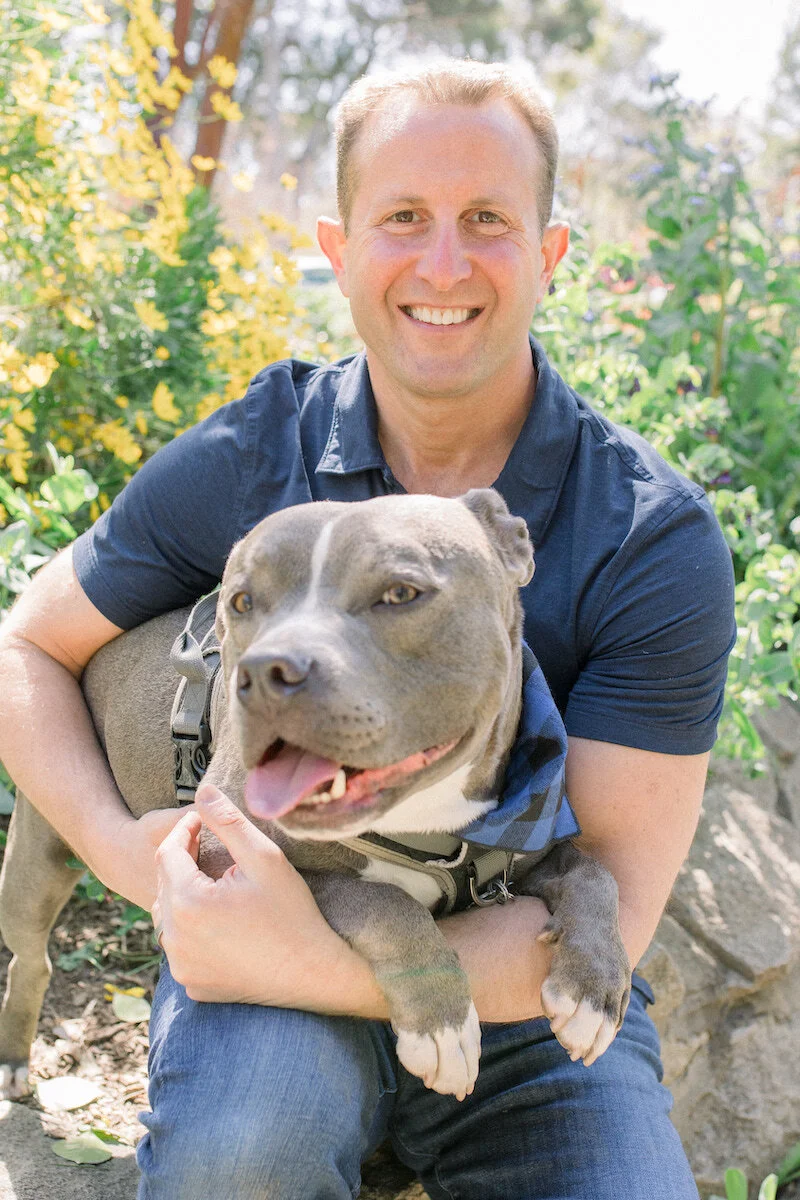
CEO of The Better Meat Co.
Author of Nat’l Bestseller Clean Meat: How Growing Meat Without Animals Will Revolutionize Dinner and the World
If you go fill up your car with gas in the United States, chances are high that probably about 10% of your gas is not actually coming from fossil fuels. It's coming from ethanol.You don't even contemplate the fact that there's ethanol in your gas. And I think that meat maybe come like that, where people will obtain meat. But the norm will be for that meat not to be totally animal in its nature. And I think that people will just have a different view of what meat is, and it will be far more diverse than what it is today.
Director of Cognizant’s Center for the Future of Work
Author of Monster: A Tough Love Letter On Taming the Machines that Rule Our Jobs, Lives
They’re single-purpose engines doing one thing in extraordinary ways, and they’ve been encouraged in that by the ecosystem around them, by the funding that’s being pumped into them by people whose only motivation is simply to make more money–and you can see the results of that in the world as this technology has grown from a little acorn to now being the biggest Sequoia in the forest. And it’s shading every other tree, it’s taking all the light, it’s taking all the energy from the forest, and it’s distorting so much in the world.
Journalist & Author
Build Bridges, Not Walls · Storming the Wall: Climate Change, Migration & Homeland Security
In 2003, the Pentagon commissioned a report titled something like An Abrupt Climate Scenario. They asked some independent researchers to look at what would happen in a worse case scenario. They found that the United States and Australia. They said that they would have to put up defensive fortresses “to stop unwanted starving immigrants”…

Pianist, Musicologist & Concert Curator for Contemporary Music · Onassis Cultural Centre, Athens
As a child, music felt very natural for me. I didn’t feel I needed to put any effort into learning the piano. I wanted to find all the musical information that was there. What was the purpose of studying the piano? Suddenly the whole thing became so creative. I felt that the sound is something malleable and you can have an infinite number of possibilities and ways of phrasing and expressing, so that opened a whole new area of possibilities and I found this just fascinating.
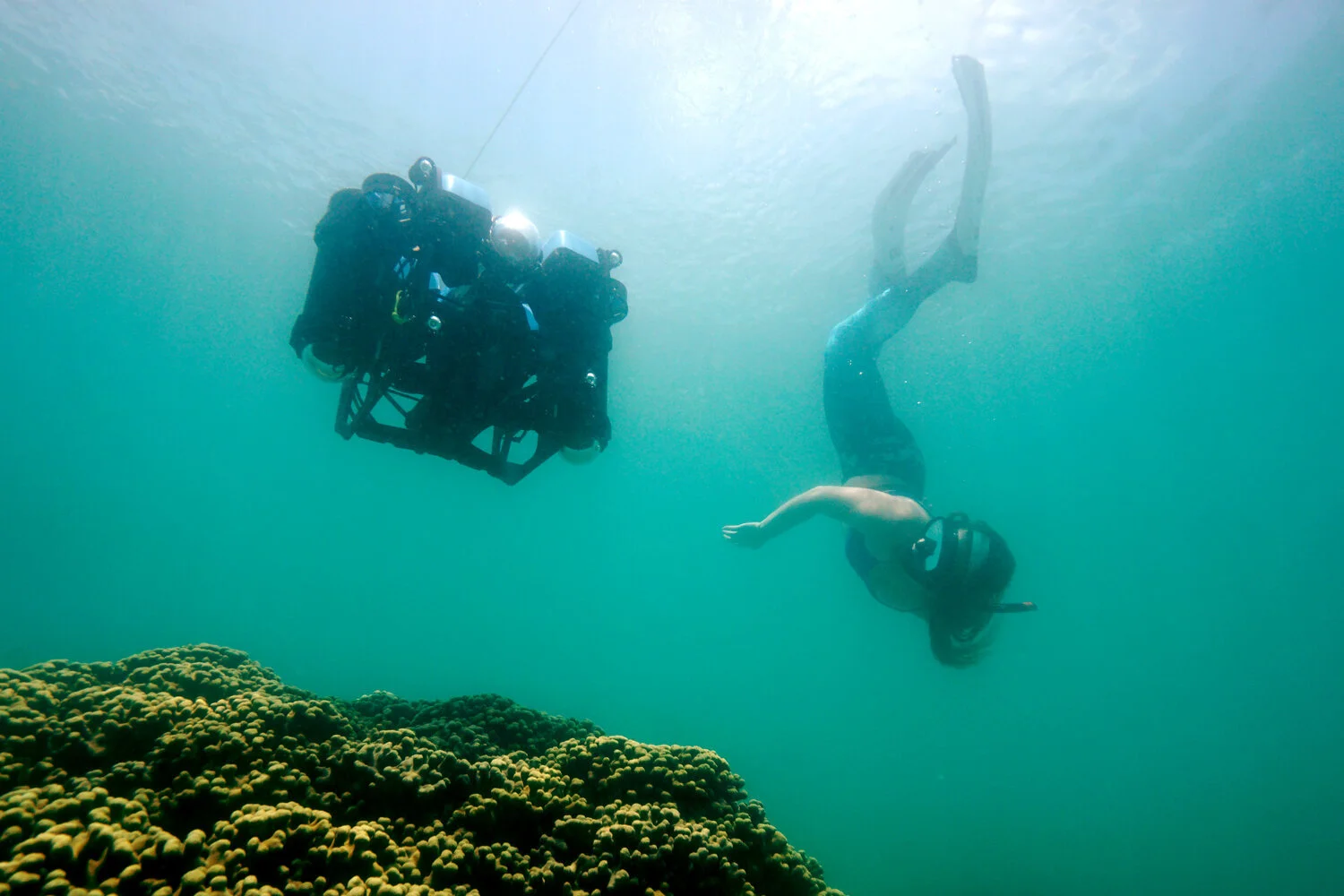
National Geographic Explorer
National Science Foundation Research Fellow · Contextual Robotics Institute, UCSD
I’m grateful for the fact that through my work I’ve had a lot of opportunities to go to places that a lot of people just simply won’t ever get a chance to go. I like having those opportunities to try to share with people what that’s like. I honestly had no idea I would ever be here. I’m from a working-class background, didn’t have a huge amount of opportunities but now I can and that’s one thing that I particularly enjoy.
Founder and CEO of FullCycle Fund
Is it okay that you benefit at the expense of everyone and everything else? Is that a way that you really feel like you are winning at life? If not, then reconsider what you’re doing and just realize that we all live in this inextricably connected closed sphere in the middle of space. Anything that harms one area harms every area. There is nobody who can escape dirty air, dirty water, dirty food, economic political disruptions, etc. We’re all in this together. So don’t fool yourself by thinking somehow you’re going to come out this unscathed and having ‘won’ while everybody else loses.
Journalist & PEN Literary Award-Winning Author of Windfall
As a parent and especially through all this reporting, what I’ve tried to do is think through these solutions and these fixes we have for everything and make sure that we’re not forgetting…that we’re thinking about other people. Capitalism won’t do it. Self-interest isn’t going to do this for us. As silly as it is to think that empathy will do or caring about your fellow humans will do it, I don’t know what else there is to hope for. I don’t believe that people do stuff purely out of rational self-interest, this libertarian idea that I was quietly pushing against the entire time in Windfall. That we do things just for ourselves or just to make money–that’s not been the reality of my lifetime.
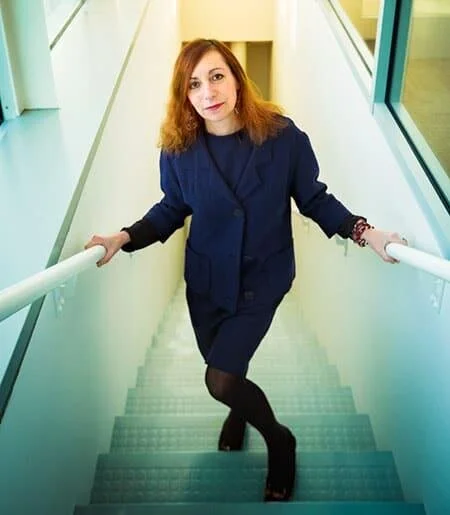
Author of Fuel: A Speculative Dictionary
Professor of Italian & Comparative Literature, Cornell University
For many years I wrote, taught, and published about climate change from a more philosophical, existential point of view, especially thinking about deep time, but I did come back to fuels with my Fuel book in part for the fact that so much of the press and so much of public discourse confuses fuel and energy, and it’s still happening today. I thought about this so long and the same themes, the same tropes are still being recycled.
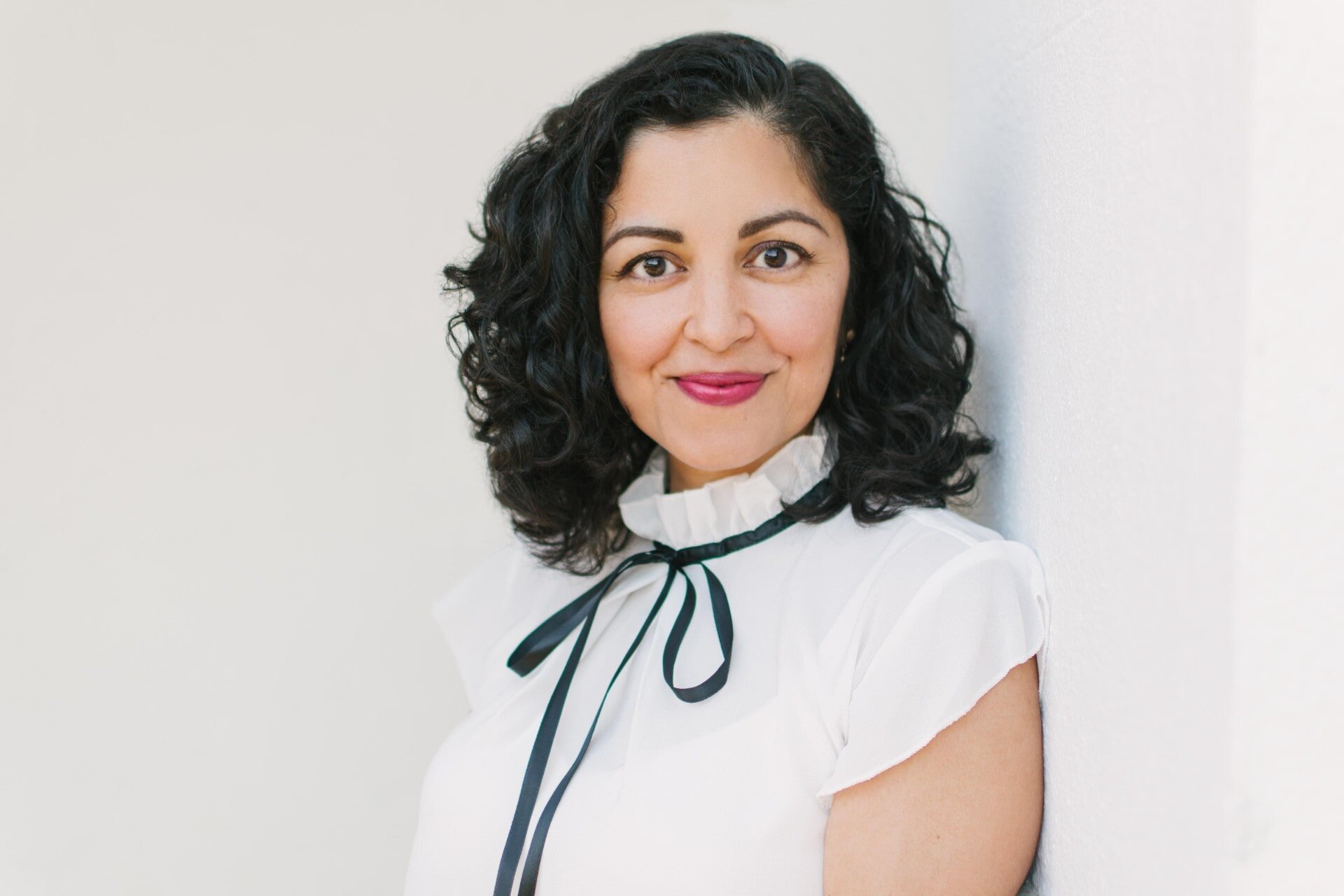
Poet & Author of World of Wonders: In Praise of Fireflies, Whale Sharks & Other Astonishments
I think something happened in 2016, where I just snapped. There was a lot of a hateful news going around with American politics, and I didn’t know how to answer a lot of my kids questions then. Something I know I can do is to tell them things that I loved about this planet or things that I loved in other people because all they saw or heard about was just this weird ugliness, school shootings, leaders who were saying ‘build that wall’ to anybody who looked different than them, and so I remember the night I shut myself up in my office after the kids went to bed and just started writing about plants and animals that I loved from my childhood.

Comedian & Host of Awakening Orientation Dept. & Soberish
That’s just always been something that’s been inspiring to me which is helping people from the wrong side of the tracks, the misunderstood, the addicted, helping people step into their power and believe in themselves.
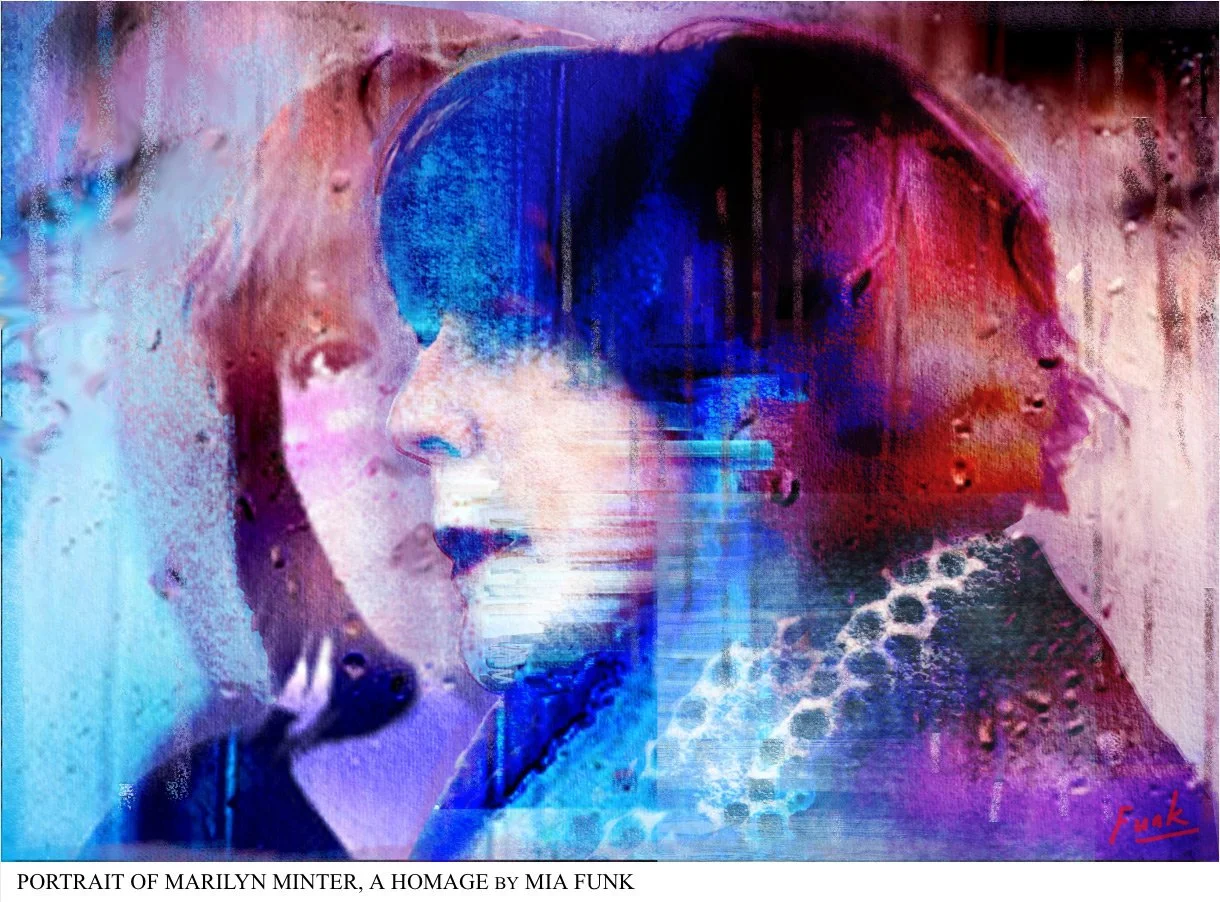
Artist
That's what my work is about. Women owning agency. Any kind. And that's what makes you really excited. Having agency. Sexual agency. Owning sexuality not being the object of it.
I don't really look for inspiration. I just let it come to me, but I don't stop working. So work comes from work. So when I'm stuck I just keep working and make terrible looking things until something else comes out of it. That's the creative process. Work comes from work. You can't think yourself out a right action. You have to act yourself into right thinking. You can't sit there and smoke cigarettes and look at the wall waiting for inspiration.
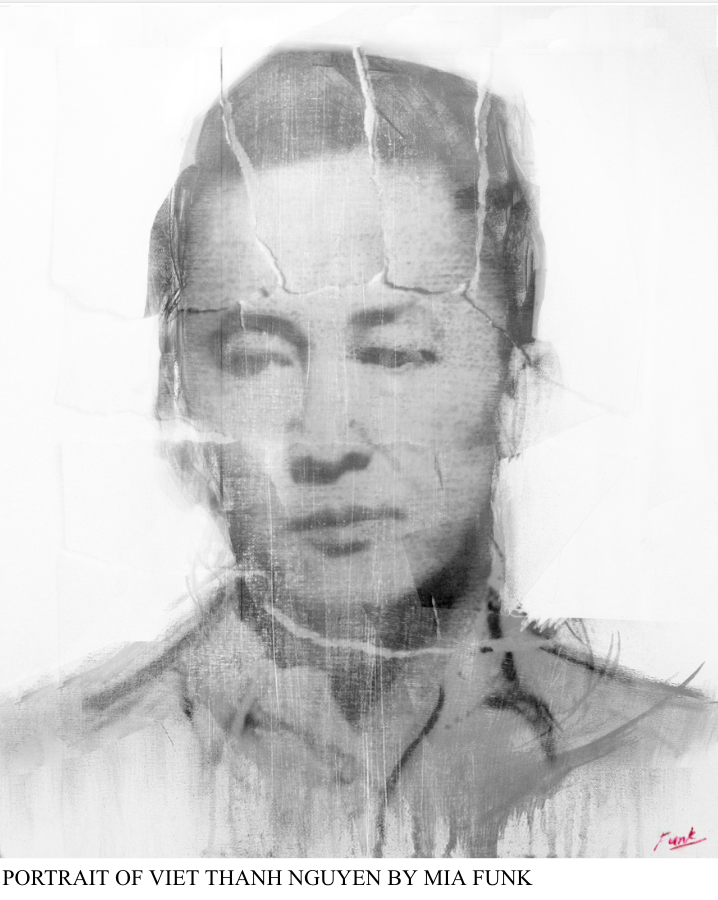
Pulitzer-Prize Winning Author
Ever since I was a kid, I see this sign in a window near my parents' store. 'Another American Driven Out of Business by the Vietnamese.' And I thought, That's a story. At ten or twelve or whatever, I knew that was a story. And it didn't include me and my parents. But there's a direct connection between that story and Make America Great Again. That's been my life project to say, 'No, we didn't drive you out of your own country.' You know, there's a much more complicated story here about America, about Vietnam, about me, about my people and as American people and Vietnamese people that needs to be told through the arts and the humanities, right? It's a crucial terrain, which is why we keep fighting about it, whether we're Democrats or Republicans, conservatives or liberals. We know that culture is an important place where we define who we are.
President · EARTHDAY.ORG
On the Importance of Climate Literacy & Training Programs
Not a single country in the world makes–probably one of the most important skills you’ll ever have–which is understanding the planet, a requirement. Nobody graduates from our high schools having those skills.
Leader in field of Particle Astrophysics
Professor Emeritus of Physics & Astronomy U of Utah
Dean Emeritus of the College of Science
As an administrator for 15 years, I still tried to do science and it was difficult because being a dean, every day there is a problem. Every day you have to solve some personal issues, so it’s difficult to concentrate and what I would do was, whenever there was an opportunity to go to a conference away from the university, particularly in a different country, I would sit in the conference room listening to these lectures. You know how it is with meetings, maybe 10% of the speakers are exciting and interesting. What I found is even when I was not listening because I was in this atmosphere of people talking about physics, my mind was set free and would just start percolating. And all of a sudden ideas would come completely unrelated to what the speaker was talking about, except that they were scientific ideas. And I would jot them down and I found that this was really quite an interesting process because it was kind of an immersion process where you actually are not concentrating on what is exactly in front of you, but it puts you in this mood. The brain turns on a different lode and I think by association other ideas come up.
Historian of Alternative Spirituality & PEN Award-Winning Author
I’ve always considered myself a believing historian and, in fact, most historians of religion are actually believing historians. Very frequently they emerge from the congregations that they’re writing about, whether new religious movements or traditional religions, this is true of Kabbalistic scholar Gershom Scholem, it’s true of people who have written probably the most important biographies of more recent religious figures like Mary Baker Eddy or Joseph Smith, a Mormon prophet. Although, historians don’t frequently acknowledge being believing historians because they feel that it might seem to compromise their capacity for critical judgement, but my impression is different. My impression is that being in very direct proximity to the nature of the philosophical, religious, ethical, therapeutic movements that you’re writing about can heighten your critical acumen.
Founder of Le Compostier, Creator of “Worm Hotels” for Community Composting
Know first of all that we are not separate from nature, but that we are part of it. To not even think of what is the benefit for me from it. I find it a very beautiful the concept of the food forest. Like you're actually building soil, and then the surplus is that you get some food back. To focus more on giving than on taking, especially for children.
What I like to teach my children–really look at what is your talent, what drives you and how you think you can use that to improve and to create more harmony. I think is very important. Do not think so much about what others expect from you, but what is really driving you? I think that's very important to find out and go for it.

Award-Winning Underwater Director of Photography
It’s about leaving the planet in a better condition than it is currently. What you’re witnessing is years of neglect. It’s the humans who have screwed it all up, and the warming of the earth is no different. The oceans are changing. The topography is changing. Mussels are being fried when the tides recede. This is all unnatural. Or maybe it’s natural. I think it’s Mother Nature just being pissed off and saying, “This is what you get.” And so it’s up to everyone to change their ways. Their shopping habits, their eating habits, how much gas they use. All that stuff which people think “that can’t affect anything.” Well, you’re seeing the result of it now.

Founder & CEO of Closed Loop Partners
Former Deputy Commissioner of Sanitation, Recycling & Sustainability, NYC
We live in buildings and cities because that’s what generates a living for a lot of people, but where we’re most comfortable as humans is when we’re in nature. Your generation owns this. Don’t let anybody take it from you or damage it because you own it. The next generation is the one that owns it and view it with a sense of ownership and a sense of pride and a sense of protection because there are a lot of benefits you get from nature.
Interdisciplinary Artist, Curator & Feminist Activist
Now I think we’re in another culture war. I think we’re in, as we see the realm of cancel culture in social media and this very polarising war between the liberal left and the conservative right. I think that we’re in another culture and a lot of it is centering around gender and race. If you look at what’s happened to black women athletes in the last couples of months, the censuring of their bodies either because of hormones in the case of Caster Semenya or Naomi Osaka, there’s a lot of ways that our society has found to police black bodies for being too exceptional in a lot of ways. For performing in exceptional ways, and the white patriarchy doesn’t like to see that because it starts to diminish their power.
Novelist, Poet & Activist
People who take care of sick people and AIDS and teachers and garbage collectors and people who work in daycare…all the things that have to happen in society we pay shit for. We pay an enormous amount of money to people who can throw a ball through a hoop. We pay an enormous amount of hedge fund people. All the people who take over corporations go in and destroy get immensely rich while the people who do what we actually need doing, what we must have to survive, the people who grow food, the independent farmers that used to exist…
Environmental Historian, Historical Geographer & Professor of Sociology · Binghamton University
We’re not waiting for the disasters to happen. They have happened. They are happening, and the disasters aren’t natural. They involve climate, but the disasters are very much made by the conditions of capitalist accumulation. We are not going to be able to grapple with the challenges of planetary crisis with the thinking that created planetary crisis.
Award-winning Cinematographer
In The Heights, Tick, Tick…Boom!
There’s this children’s book called Miss Rumphius, and I’ve carried it around with me my entire life. It’s about a woman whose grandfather tells her three things, and the last one is the most difficult thing of all and that’s to fill the world with beauty. And I give this book to every one of my friends who are having babies, I have a copy with me almost at all times, and I’m reminded of that feeling that Jonathan Larson had in Tick, Tick…Boom! Of how much time do we have to do something great.
Award-winning Flutist, Composer, Teacher & Author
I decided that I wanted to explore the flute. I mean really explore the flute. People had known a few multi-phonics where you could play two notes. But they had been basically “special effects”, sort of sprinkled into a traditional line to spice it up. And I thought, why not just go the whole way? So my concept that first of all music is made by people. All art is made by people. Music is not made by instruments. The sound of the flute is silence. The sound of the piano is silence. The mark of a brush is a white canvas until the person makes the mark. So music comes from people. We use instruments.

Tema Staig · Women in Media Executive Director & Art Director
Allison Vanore · WIM Secretary & Emmy-Winning Producer of After Forever
I started Women in Media in 2010 as a sort of community group. We talked about women above and below the line because there weren’t any organizations or conversations really happening about women in the below the line positions, meaning women in the crew who are in the camera, art, grip and electronics departments. There were only conversations happening about more women directors and, being a scenic artist and production designer, I knew that there are so many women in the crew and there’s only one director. So if we only aimed for one, we would never get to parity and there would never be room like myself who wanted to advance from these crew positions.
Associate Professor of Political Science at the University of Oregon
Member of the United Nations Knowledge Network on Harmony with Nature
The term Rights of Nature tends to be applied to two different things. One is this underlying legal philosophy that is actually broader than just Rights of Nature, that’s probably better understood as ecological jurisprudence that may or may not be expressed in terms of rights, but because Rights of Nature is getting a lot of attention that term tends to be applied to represent this broader underlying philosophy. Of course, the other way it’s used it to refer to the legal provisions that explicitly recognize Rights for ecosystems.
Writer, Cognitive-Behavioural Psychotherapist
Author of How to Think Like a Roman Emperor
President of Plato’s Academy Centre
At first when I began writing these books, people told me that they didn’t think there was an audience for them. They thought it was a kind of niche subject, nobody was really that interested in it. And then gradually it became clear that there’s a surprisingly big audience of people, that really have a craving for Classical wisdom and are interested in history, in the relationship between history and self-improvement and philosophy and psychotherapy.
Executive Director of the President Wilson House in Washington, D.C.
I have three missions, topics of conversation, ideas for exhibitions and really discussions that we want to bring to life at the House, and those are stories of African-Americans, racial conflict, and social justice, as well as women and women’s stories, suffrage, and finally Wilson’s international legacy and how he was seen after the Great War. I think those three topics are topics that resonate today. So, even though they’re 100 years old and issues that he faced in his Presidency, these are topics that are still relevant. We’re still talking about social and racial justice. We’re still about women being enfranchised and women, not just in the vote, but having positions in Board of Directors, museums, companies, and corporations across the United States.
Anthropologist, Educator, Writer & Filmmaker
As a culture, how do we approach the environment? How do we approach the planet? Within our education systems are we emphasizing our arrogance? Or are we emphasizing our humility in the face of planetary-scale challenges? I think at the moment, from what I’ve seen in a number of countries, this huge focus on the natural sciences, hard science as a way of mastering nature. And perhaps less of a focus on social sciences, humanities that allow us to reflect a bit more deeply on our relationship more fundamentally with the planet.
Sculptor
I think direct contact with the material should be important to every sculptor because I think once you lose that it becomes a second hand process. It’s one of the reasons the casting process isn’t so interesting to me just because the final product, the final piece has not been touched by the artist. There’s no relationship with the mind that conceived the piece or designed it. I think something is lost when that happens. And it becomes something else.
Sébastien Gokalp · Director of France’s National Museum of Immigration
Curator of Exhibitions at Centre Pompidou, Musée d’art Moderne de la Ville de Paris & Louis Vuitton Foundation
We have a motto that says that ‘we want to change the gaze on immigration or to open the eyes on immigration’. We’re not here to make action in society, but we want people who come here to have elements of reflection, perception about the question of immigration. To change a mind, because immigration is about the stories of people who come from another country–they are someone else, basically–by assisting them we want to show how someone else can be great for us and not a stranger, foreigner, nor an enemy, but a friend. Someone who will bring us many things about culture, about work, about a way of meaning, of thinking. We have a historical point of view. We want to show that from the French Revolution until now, so two centuries of stories.
Professor at Physics Institute of Potsdam University
Senior Research Scientist at Earth Institute, Columbia University
A lot of people think climate change is about avoiding the extinction of mankind. In my opinion, climate change is about putting pressure on society and disrupting society to an extent that it can't function properly anymore. So my greatest fear is that if we don't combat climate change, the weather extremes will hit us with a frequency and intensity that we will not be able to recover after each impact. And then we will start to fight with each other.

Journalist & Historian on Science, Technology & Nature
I don’t think there is anything in our history that prepares us for what we have to do next. I think we have a lot of promising signs. It seems like the real work is still ahead of us. To me it feels that we’re making this up as we go along, we’ve made a couple good steps, we know the problem really well. We know what to do or at least what is needed, but those questions of policy and politics and how to mobilise governments and align people, at least to me it seems like the world has gotten more contentious, maybe because of the pandemic, rather than more willing to align.

Shark Scientist, Science Communicator, TV Presenter & Author
A lot of people when you think of sharks, you think of hammerheads, great white sharks, tiger sharks, but there’s so much more diversity than just that. There’s over 500 different species and on average we’re discovering new species every two weeks, not just of sharks, but also their cousins, the stingrays, skates and sometimes the chimeras as well. And so knowing that diversity exists, for me it’s really important to get that message out there.

Writer, Literary Translator, Book Critic & Host of Desi Books Podcast
People talk about the work life, the line between your work and your life and keeping them separate and keeping the balance. For me, it’s always been that my work defines who I am and who I am in my personal life also defines who I am at my workplace. I don’t know how you separate those identities because I take all my belief systems and who I am to my workplace.
Editor, Writer, Curator, Content Creator, Pianist & Composer
This particular exhibition definitely had to do with my close relationship to dance. I have collaborated a lot with choreographers for contemporary dance theater, and I was often advising collaborators, so we would create the tasks and the content of the choreography together. We would exchange the tasks. We would create the score and narrative together. Also, because I’m a pianist, which is a very physically demanding instrument, you have this geography of the piano. I think this exhibitions links to my own experience as a performer and composer for dance and the relationship that music has with the body.
Senior Research Associate at Imazon
Technical & Scientific Coordinator at MapBiomas
Find a balance. Use technology. And connect with nature. I think that’s really critical. There is big hope for your generation because you have better environmental education. I can see this. You are more aware of these issues. In terms of the environmental issues that we face now, we need to connect more with nature, to open up your heart for that. You have this amazing opportunity to reach out information to explore technologies through the Internet. What you choose now what we’re going to focus on, it’s really critical.

Artist, Documentary Filmmaker & Multimedia Installation Creator
Art can be part healing process. There's a lot of research being done. People heal faster a garden rather than a parking lot, for example. The theory is that an opening in the woods with a little bit of water is probably the most healing place. That's the safest because that's what we have built-in as humans as the safe spot. The ocean is not safe, but the little pond. So, what I've done in this particular project with the radiotherapy rooms is that I've taken images from healing wells, partly from Stellenbosch National Park in Capetown, in Rio. I've been filming these water surfaces. I’ve been filming the trees through the water surface basically to create that water pond and the trees around, but from these places that have kind of a healing history.
Multiple GRAMMY Award-winning composer
One of the ten most performed composers in America
“Architecture is frozen music,” as Goethe said…There is something about when you’re exploring not knowing exactly where it’s going to go or how it’s going to turn out which creates an element of surprise and an element of intrigue.

Director of Photography
Emmy & Sundance Special Jury Award-Winning & Oscar Nominated Documentaries
I hope that film and the story can help people get their heads around these huge ideas that are pretty terrifying and almost hopeless to think about. What can we do? Are we on this track? What have we done to the earth? I think scientists are very much starting to agree that it’s getting to the point where it’s almost too late. So can humans see that far ahead? Can we understand the track we’re on in time? I don’t know, but I’m willing to use whatever tools possible to try to help that conversation happen.

Novelist, Playwright & Author of Most Widely Used Creative Writing Text in America
There’s a lot of controversy about that idea at the moment, about whether fiction is truly empathic and how much freedom the imagination should have because, as one of my friends says, the imagination is not free. It comes from all of the places that we come from. So it’s a controversial notion, but I am firmly on the side of literature is empathic. In fact, I think that all the arts are empathic because all the arts basically say, ‘Wait a minute. Look at it this way.’ And they allow us to see from some other vantage point than our extremely self-interested selves.
MacArthur & ASCAP Award-Winning Composer, Conductor & Pianist
Founder & Artistic Director of Intimacy of Creativity at The Hong Kong University of Science and Technology
I try to preserve the Chinese music flavor. So, you imagine in Chinese band, the country music that people usually reserve for weddings or for big moments or for funerals. That kind of a feeling. Drums and music playing. I try to preserve it from my memory because what we have now is just a tune. You can probably recognize the tune, but the execution of translating that for a Western orchestra and make it sound like it’s a Chinese band playing Chinese instruments.

Award-Winning Memoirist, Author & Educator
What interested me about this particular experience is that I didn’t have the language to attach to it in the way I had the language to attach to a later experience that I would have no trouble calling rape, but happened to me and I call Mark in the book. I didn’t know what to call that for the longest time, so I didn’t know what to feel about it, and so as a writer that interests me. When I don’t have the words for something, when I sense that inevitably I’m going to fail.

Former Consultant for the UN, World Bank & US Department of Defense
Professor Emeritus of Political Science & Public Policy at University of Michigan
National Medal of Science Award-Winner
I think the most critical thing is education for critical thinking. The ability to listen to a political argument or an argument of any sort, on COVID, for example, or climate change, and not necessarily understand the science behind that, but to understand how to evaluate the credibility of the speaker, how to evaluate the logic of the arguments and to see whether a conspiracy theory is behind this that has no grounding… And so I think what’s especially important in would be an educational in critical thinking.

Writer, Director & Composer
I think it goes to this feeling of freedom, looking how freedom changes as you grow, being a very particular type of freedom that children have just by the nature of not having learned what the rules are. As we grow, we start to limit what we believe is possible. When you’re a kid, there isn’t a delineation between this is real, and this is my imagination. It’s all real. That’s your life experience.

Artist & Grandfather of French Street Art
There was the war from ‘40 to ‘45 under the Fascists, so I didn’t have art training at that time. The painter Picasso, we knew the name, the artist who painted an eye in the place of a navel, that’s all I knew at the age of seventeen. I found a book published in 1926, the year of my birth, speaking of the painters Braque, Picasso and Miró. And then all the figurative painters at that time, Van Dongen…so it was a new style that I encountered there.

President & Founder of Integrate Autism Employment Advisors
For autistic individuals, there’s really sort of two paths. There are those today, about 35% percent of 18 year olds with an autism diagnosis who do go on to college or some form of post-secondary education, and then those who don’t. Of those who don’t and want to work, there’s about a 55% unemployment rate. And those who go to college and then look for employment afterwards, there’s about a 75 to 85% underemployment rate. So you can see the unemployment rates whether you go to college or not are astronomical, but they’re even higher if you go to college, which is sort of counterintuitive.

Creative Director & Co-founder of The Weather Makers holistic engineering company
The story behind The Weather Makers and the whole intention is that five years by accident, I was working in a dredging company and one of the commercial people from Egypt approached me on a question about a lagoon where the fish were disappearing. So we started with this very small thing and set up a whole flow modelling approach, so really from the hydraulics, we could determine what would happen with the fish. And that really was the regretting the Sinai could have a very big impact on the world.
Master Origamist, Physicist & Author
In origami design, historically people have always used their intuition. They probably started by folding traditional shapes or folding designs by others, developed an intuitive understanding of how the paper behaves and then from there they can explore that intuition to create new shapes. That was the way design worked for years and years, that was the way it worked for me, but I eventually hit a limit to what I could do with my intuition and so part of my motivation for exploring mathematical methods was to externalise some of the design process. If I could get some of the design process on paper in a meaningful way, then I could handle more complicated goals than I could just fit in my brain.

Human & Animal Rights Activists
“74 billion animals, according to the United National Food & Agriculture Organization, that we raise and kill each year on this planet. If we can’t make inroads into that and change attitudes to that, then I still have fears for where we are going.” – Peter Singer
Pushcart Award-Winning Poet
When I was younger, I never really thought of living past twenty-five…I felt like I was in a movie. I thought that I was living this movie idea of things and there’d be gunshots around you. You hear it hitting the concrete, and you’re like ‘Oh, shit’. Seriously, I didn’t think of it as real life. When you’re young, the idea that I’d known people that were killed early, you go to prison. These just felt like matter of fact. They seemed to be this part of life and you just accepted them.
Canopy Director of One Tree Planted
“We planted over 10 million trees in 2020 alone. And it’s one tree planted for every dollar donated, so we make it as simple as possible, but when you add it all up together the impact is just tremendous and growing every day.”
Tony & Olivier Award-Winning Actor, Singer & Songwriter
To not honor that we are all creative, beautiful, interesting deep, rich individuals. We’re not zeros and ones on a spreadsheet. We’re not scientifically explained. We are not mathematically judged. We are imperfect blobs of emotion and bone and spirit and life and when we come together there is nothing greater than the chemistry and the alchemy of musical theater… There’s a joy, there’s a bounce, there’s an effervescence that’s part of that music. I had a great teacher in college, the head of our program Brent Wagner said, 'With lyrics, I can tell you to open the door, but with music I can tell you how.’ Lyrics are information and music is emotion.

Singer · Author
1st African American Actor on Children’s TV · Officer Clemmons on Mister Rogers’ Neighborhood
I always find it an ironic thing to think about the fact that Fred Rogers was colour-blind. He could barely tell a blue from a grey. I was young and to him I was a child and I certainly played the role of a child and he played the role of parent… He was profoundly patient.
Harvard Astronomer · Theoretical Physicist
NY Times Bestselling Author of Extraterrestrial, The First Sign of Intelligent Life Beyond Earth
If we are not open to discover wonderful things, we will never discover them. It very much depends on us allowing ourselves to explore and find new things. My mother used to tell me when I was a kid that when I was born as an infant I was very different from the other babies in the room. I was looking around with open eyes, and I should say that’s where it all started. Once I got out of the womb of my mother and I started looking around, I was very curious. The great privilege of being a scientist is that you don’t need to give up on that curiosity. You can maintain your childhood curiosity.
Pina Gervassi is the Climate Director of the Forest Stewardship Council
Since I was a child, most of my family were dedicated to nature, fishing and agricultural engineers, so I started to love nature since I was very little, and then when I realised how important the Amazon is for the world and that I was living in a country [Peru] that’s really important, not only because of forests but also for biodiversity, indigenous people…I decided that I wanted to do that and I knew that was the place I wanted to be.
Jazz Singer, Writer, Radio Host & Producer
Over the years I’ve had a career as an actor, as a writer. I wrote books for many years. I’ve been singer, singer, songwriter, radio host… When I look at the whole drawing on the napkin, and I tried to ask myself–What unifies all of these things? And it came down to songs. Songs really are at the heart of all of these pursuits. Something about songs really matters to me. In the same people believe in Jesus Christ, and they can’t really get through the day without connecting with that figure. That’s how I am about songs. They are the fuel for me.
Director of the Paris Yiddish Center (Maison de la Culture Yiddish) & Medem Library
A lot of people in my family and among my friends when they heard that I study Yiddish and that later made it my livelihood, they are very surprised. Yiddish? How come Yiddish? Why Yiddish? They even laugh sometimes, they are very surprised. And what I answer to them is that there is nothing surprising about the fact that I study or speak Yiddish. The real surprise, the real question that has to be asked is how come my parents, this last generation, didn’t speak Yiddish? Because, if you consider my family, for hundreds of years on all sides they spoke Yiddish.

Fmr. Executive Director of Greenpeace International
Special Envoy for International Climate Action · German Foreign Ministry
I have always hoped and dreamt to work with young people because I’ve always felt that it is their future. It’s so inspiring to be working with young people all around the world. I feel that we are in the midst of transformational change and that working together around these key moments where you can see those shifts happening – unimaginable things that you never thought were going to happen can happen. That would be my other advice to young activists that just when you aren’t expecting it, something will happen and you’ll be like, “I can’t believe they just decided that! Holy cow!” And then you’ve got to celebrate.
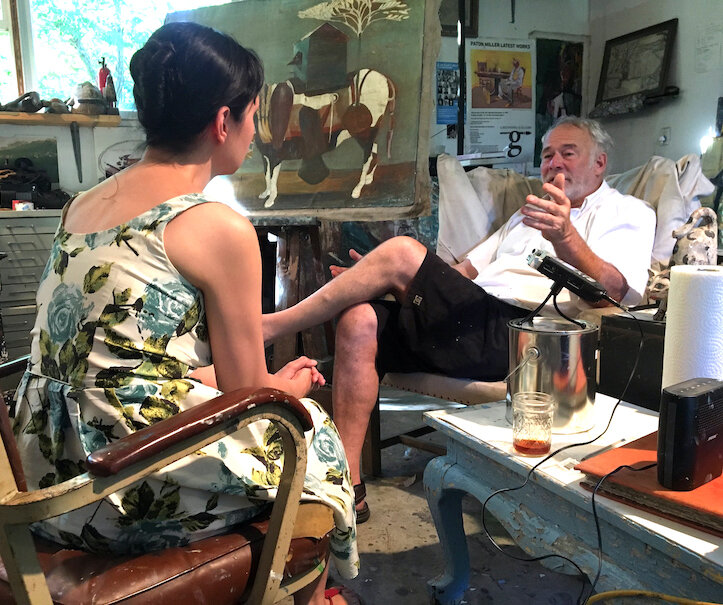
Artist & World Traveler
When we moved back to Hawaii and lived on Molokai. I was teaching at the Kalaupapa Leprosy Colony, we had no money. And I was spearfishing, not for sport, but to get food for my family. And it was a beautiful time of our lives. We were so poor, but we were not poor. Poor is a state of mind. We were without money, but we were having so much fun.
Environmental Activist
Founder Assisi Bird Campaign & Action for Nature
I witnessed being totally rejected and not only witnessed, I remembered as a ten-year old all the children would go to a class in eugenics that I was not allowed to go to. I remember the insults that children learned against Jews while I was still in Germany. And I’m one of the lucky Jews who managed to leave.”

Jazz Harpist
The harp or the instrument that I play is a traditional instrument from Colombia (I’m from Bogota, Colombia). We have traditional music there called Janetta music. It’s the music from the plains of Colombia and Venezuala. It’s like the cowboy music… I met the harp when I was seven years old. That’s the first time I saw this instrument. I was like–Wow! I knew I was born to play the harp that day!
Most Influential Living Philosopher
Author · Founder of The Life You Can Save
I would like young people to recognise that they are part of a long tradition that has been trying to the make the world a better place. A tradition that goes back as far as we have recorded history, that there are people who tried to–like Socrates, but also like Buddha and many other figures in different cultures–think more about how we ought to live and tried to live in accordance with their thinking. Tried to do good in the world and that’s a traditional they can be part of. This generation really does hold the future of the planet in its hands.
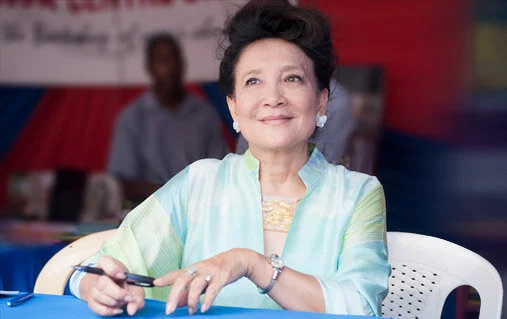
Historian & Author of International Bestseller Wild Swans
Writing Wild Swans was the thing that resolved the trauma for me. When I first came to Britain in 1978, I was one of the first people to leave China and come to the West. I wrote about the experience in Wild Swans. And for many years I had nightmares of the horrible things I saw and experienced. Writing Wild Swans made all these nightmares disappear. It was a wonderful process. The writing process turned trauma in memory. I am now able to talk to you about my book, my life, to read it without too much pain. I think this is a luxury people in China still don’t have.
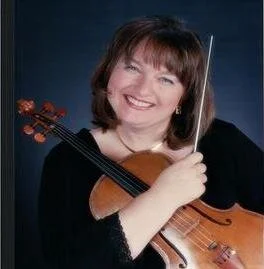
Founding Conductor of the Four Seasons Orchestra
Principal Violist of the Scottsdale Philharmonic
I feel that the earth is like a classroom for soul growth and we’re put here to overcome challenges, and we may be working on something like humility or compassion or love of humanity. The challenges might be something like war or cancer. Everybody gets a challenge to work on in their lives, but they also get a great gift to help them through those challenges. You just have to know how to use those gifts.
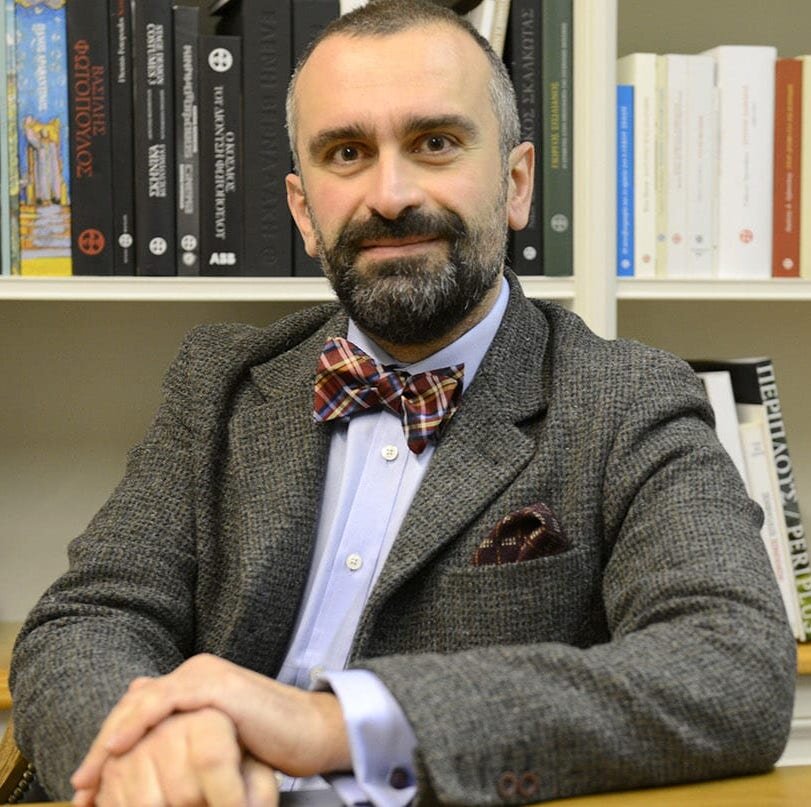
Academic Director of the Benaki Museum
If we are to use a few words to characterise the Benaki, we can say it is the only museum in the world that presents Greek culture from the history to the 21st century, and culture seen holistically, so not just fine art, but also applied arts and historical documents, literature, photography, and architecture. It’s a very inclusive perception of art, but also in relation to global art and world cultures.

Author & Artistic Director of Athens-based Persona Theatre Company
Unless it starts from within you, then you’re not going to set the same amount of investment. So there are moments when I feel I’m suffocating within the limits of those roles I have to play, and sometimes I feel like I’m failing them all. I’m always on the lookout for the next thing to quench the desire to create.
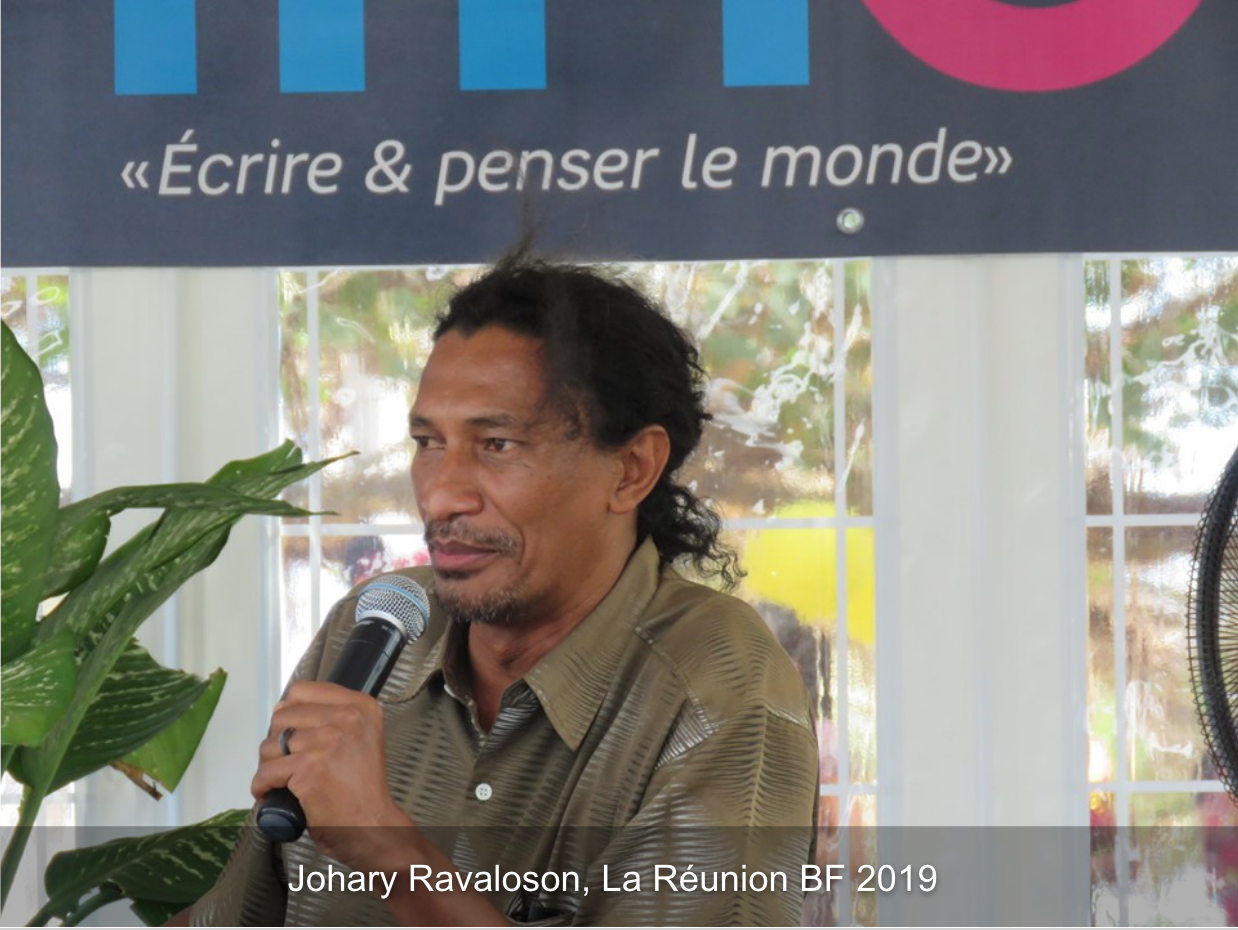
My books tell the story of Madagascar, its legends and mysteries, the insular island, its nature and the history of contact with the other, with other people. I wanted to show that Madagascar is inhabited. Westerners discover Madagascar in history books (through Marco Polo, then Diogo Dias in 1500). I wanted readers to discover the humans who live there, with their contradictions and complexities. I just wish to write in the stories of the world, my part of bricks. I am part of the world, too.
Winner of the Francqui Prize
Art Historian and Professor
My work never avoids large-scale questions. My work links knowledge and questions from the history of ideas, cultural anthropology, philosophy, and in some measure also from psychoanalysis, and shows great sensitivity to cultural archetypes and their symptoms in the visual arts.
Erasmus Smith's Professor of Modern History at Trinity College Dublin
Director of the Trinity Long Room Hub, Trinity’s research institute for advanced study in the Arts & Humanities
In fact, some of the biggest issues of the contemporary world can be better understood through the prism of the Arts and Humanities because these disciplines have important things to say about every aspect of human existence. The list is endless but some pressing examples that come to mind are terrorism and war; migration and multi-culturalism; security; privacy and freedom; environmental and digital issues; and mental and physical well-being. The Arts and Humanities both celebrate and challenge the expression of the human condition in its numerous manifestations and place human values at the centre of our world.
Writer
All artists are seeking to create a modified world that conforms to their emotional and artistic expectations, and I am one of them, though, of course, as we grow and age those expectations are continually in flux. [...] Yes, like all of us, I have experienced disillusionment with the limits of human life and understanding.
Writer
Characters begin as voices, then gain presence by being viewed in others' eyes. Characters define one another in dramatic contexts. It is often very exciting, when characters meet-- out of their encounters, unanticipated stories can spring.


President of Energy Watch Group
Member of German Parliament 1998-2013
Climate scientists forecast that we will see more pandemics, more sickness in people. We have about 8 million people die from air pollution every year around the world. So if we want to save their lives so that they do not become ill, we have to stop air pollution. Climate protection is the best contribution to healthcare for humankind.
Choreographer & Media Artist
Choreography is always, also, a Visual Art…
The etymology of crisis is very productive and constructive because krísis in the Greco-Roman etymology is what happens when there is a germ in the body, so this heat from the krísis creates fever, and fever and the breaking of fever tends to flush out the germ. Healing the germ through crisis is the etymology. And crisis gave birth and rebirth to criticism. Criticism and crisis have the same root word.

Inaugural Director · UNESCO Mahatma Gandhi Institute of Education for Peace & Sustainable Development
The whole of hierarchy is just wrong. It’s about passion and it’s about letting the person explore themselves. That’s how I think education should be. It should not be a mechanised…it should be a place to explore. It’s a place to have dialogues.

International Outreach Citizens’ Climate Lobby
Coordinator, Senior Stewards Acting for the Environment
When I was in highschool, I recognized that climate change was going to be the largest problem facing my generation and future generations, and I couldn’t help but feel like there was nothing I could do in the face of such an impending problem. So I was actively looking at different organizations that I could become involved with that would help me develop the skills and knowledge I needed to be an effective climate advocate.

Songwriter & President of the Songwriters Guild of America
Songwriters create the meaning in people’s lives. When you’re married, you have a song. When you fall in love, you have a song. At a funeral, they play a song. When people go off to war, they’re singing a war ballad. Songs create the meaningful moments in people’s lives. People bookmark the moment they met and kissed for the first time with a song. Songs are the bookmarks of your life. Your life is not going to have those meaningful moments cemented into your heart and soul without those songs. That’s a critically important job. That’s worth paying for.
Artistic Director of Pacific Northwest Ballet
Dance is for everyone. That’s the mission. We see people that people that might not be able to encounter dance in so many ways because it’s not something that their school offers…and I think traditionally ballet has felt like it can be an elitist art form. Only certain people are invited. You have to have a certain type of foot. You have to have a long neck. You may have to have finances to be able to study ballet. We would like to eliminate that and make sure that it’s available for everybody to sort of dip their toe in and get a sense of it and have an experience of dance.

Founder & President of People for the Ethical Treatment of Animals (PETA)
They’re not human traits. They’re all shared traits because, of course, we all love. We all love our families, or not. We all grieve if somebody we love disappears or dies. A family dog, perhaps. A grandfather. We all feel loneliness, we all feel joy. We all really value our freedom. And so I think, if anything, looking into the eyes of the animal, even online, you see a person in there. There’s a someone in whatever the shape or the physical properties of that individual are. And that lesson is that I am you. You are me, only different. We are all the same in all the ways that count…Any living being teaches you– Look into my eyes. And there you are, the reflection of yourself.
Professor Emeritus of Management at George Washington University School of Business
Former President of the American Society of Cybernetics
Associate Editor of the Journal of Cybernetics and Systems
“Cybernetics is the Greek word for governor, that’s where it came from. It was introduced into the contemporary discussion with a book by Norbert Wiener in 1948 called Cybernetics: Or Control and Communication in the Animal and the Machine. These were the very early days of computers and they were looking for a theory to guide the creation of computers.”

The Creative Process’s poetry and prose series hosted by Mia Funk & Yu Young Lee. Powerful readings of poems and prose from Neil Gaiman, Marge Piercy, Alice Fulton, EJ Koh, Alice Notley, Margo Berdeshevsky, Gerald Fleming, Jess Wilber, and Yu Young Lee.

Artist & Environmentalist
I have this idea art should be in the world in as many forms and ways as possible, and I love communicating with skate decks… It partially started out in Brazil because what I was doing in Brazil is x-raying animals in the Amazon and I thought there was this idea in the old days that you’d go to the Amazon, you’d kill an animal, stuff it, bag it, and then you’d have this trophy of your kill. The alligators that we x-rayed were alive. I got them from a zoo in a town called Belem, which means Bethlehem in Portuguese.
Essayist & Co-Author of The Lifespan of a Fact
For a writer of non-fiction or essayist that’s very difficult to work with because we aren’t, or at least some of us don’t consider ourselves journalists. The tools that we are working with aren’t–What your favorite color is. Where you grew up. Or what your favorite number is. If we’re writing a profile of something, the tools that we’re working with are long conversations in which people are sharing anecdotes about themselves. When I do an interview with somebody, I don’t take out a tape recorder. I don’t have a notebook. I invite them on a walk so that we can feel at least that we’re just chatting.
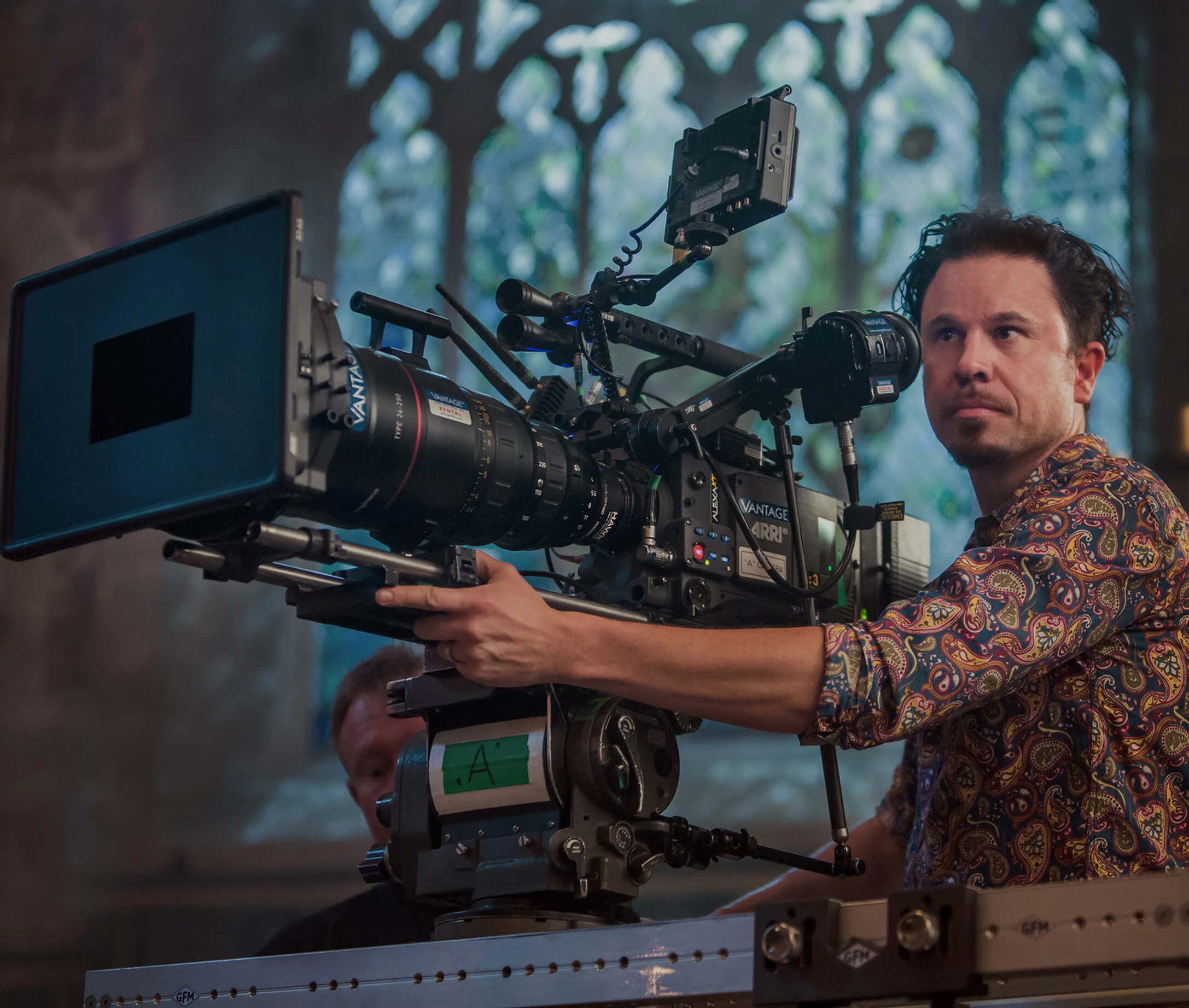
Australian Cinematographer of the Year ACS
One of the first things that we did when we did when we arrived in New Zealand to start pre-production was to travel to some of the actual locations where the story is set. One of them is Hokitika on the West Coast of the south island of New Zealand. And we discovered there’s an absolutely fantastic very small but a little museum that was full of so much incredible archival photography that you could not find searching the internet and the imagery just inspired so many thoughts and ideas and design. What was really interesting is it’s so unique to New Zealand.

Award-winning Singer-Songwriter
I like the dark. I don't like the darkness actually. Everybody has parts of darkness in themselves, and I feel that my creations have always come out of a dark place, from that sense of being alone, feeling alone, feeling misunderstood for being the person I am, too extravagant and sometimes too much for people. This is a way to help myself deal with it, to give it a place somewhere in my mind where it's okay.

Award-Winning Writer, Producer & Co-founder of Third Wave Fund
The idea of writing memoir is about listening carefully. The way to find a story or, at least the story that needs to be told is that moment that you’re writing is the emerges from a deep kind of inner listening and finding the memories that are charged that don’t want to leave that have a certain kind of energy to them and, if you listen to them, and you allow them to be born in the writing, you discover your own story because your story is basically made up of all the memories that continue to hold the charge for you. All the memories that are lodged in your mind that you’ve secreted away and when you can excavate that story and you can write it down, then you can make sense of it and you can understand why you’re living the way you’re living and why you feel the way you feel. And you can also decide to to release those memories so that you can have new memories that can define and can shape your life.
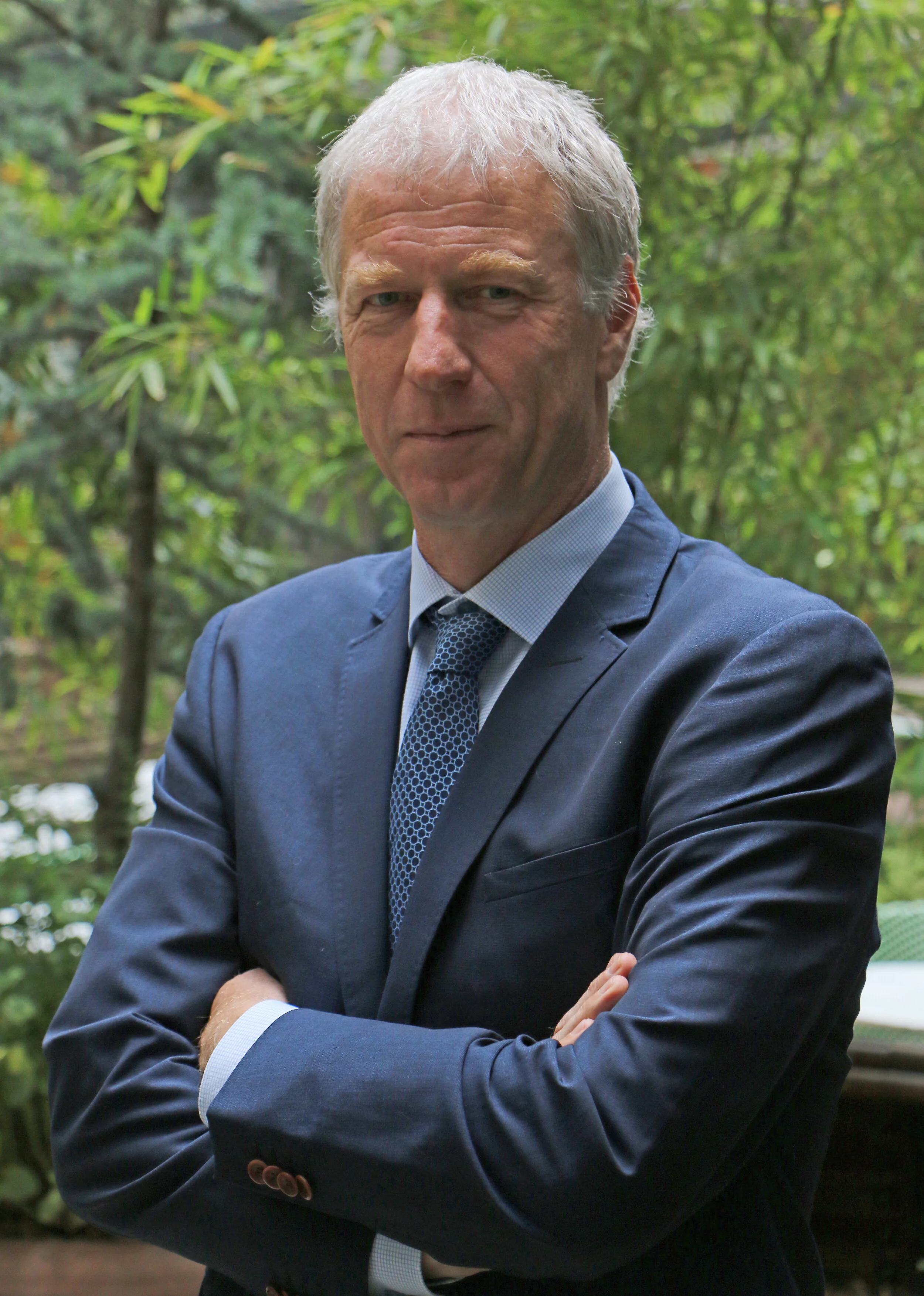
Executive Director · European Environment Agency
I'm a deep believer in the values of democracy, human rights, and the system where civil society and people play a key role in the discussions about society and also assuming responsibility, whether it's through labor unions, youth organizations…I think one key solution at the level of society is more equality. More equal societies bring a lot of advantages. I think that is a critical component to building a sustainable society. We cannot pretend that the current distribution of wealth on this planet between countries and within countries is a fertile ground for longterm sustainability. It isn’t.

Winner of the Bailey Women’s Prize for Fiction · Goldsmiths Prize · Irish Novel of the Year
Author of A Girl Is a Half-formed Thing · The Lesser Bohemians · Strange Hotel
Eimear McBride trained at The Drama Centre in London. Her debut novel A Girl is a Half-formed Thing received a number of awards, including the Bailey Women’s Prize for Fiction, and the Irish Novel of the Year. She occasionally writes interviews for The Guardian, TLS, and The New Statesman.


Award-Winning Cinematographer
There are many people you meet along the way and you pick up things from them. I loved when I started working with Anton Corbijn. His photography is so…he mainly uses one lens. One camera. It’s not complicated, but he gets intimate with people in the way he is with them. That’s why his portrait photography is so stunning. Over the years, it’s relevant because he’s curious, he’s open, and he just allows things to happen. I love that. I love creative things.
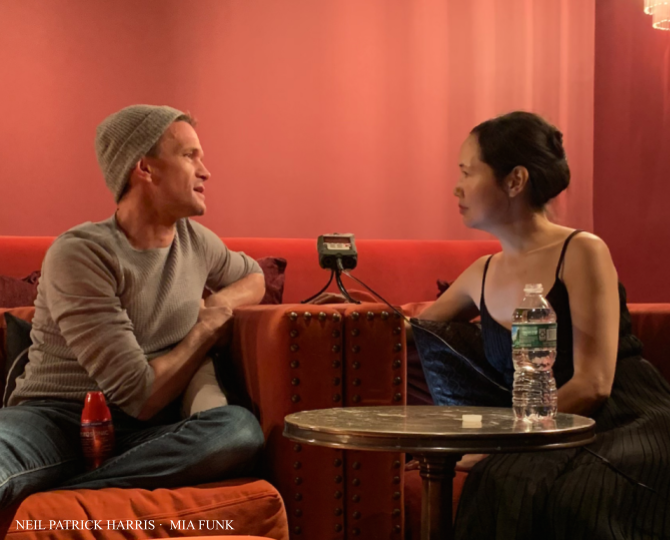
Founder of The Creative Process
What is very important to me is to create work that is meaningful, to reach beyond my particular concerns to speak to others and their concerns and interests, to do something that inspires the next generation and which is larger than myself.