BILL McKIBBEN & CAROLINE LEVINE

BILL McKIBBEN & CAROLINE LEVINE

Co-Founder of 350.org · Founder Third Act · Author of The Activist Humanist

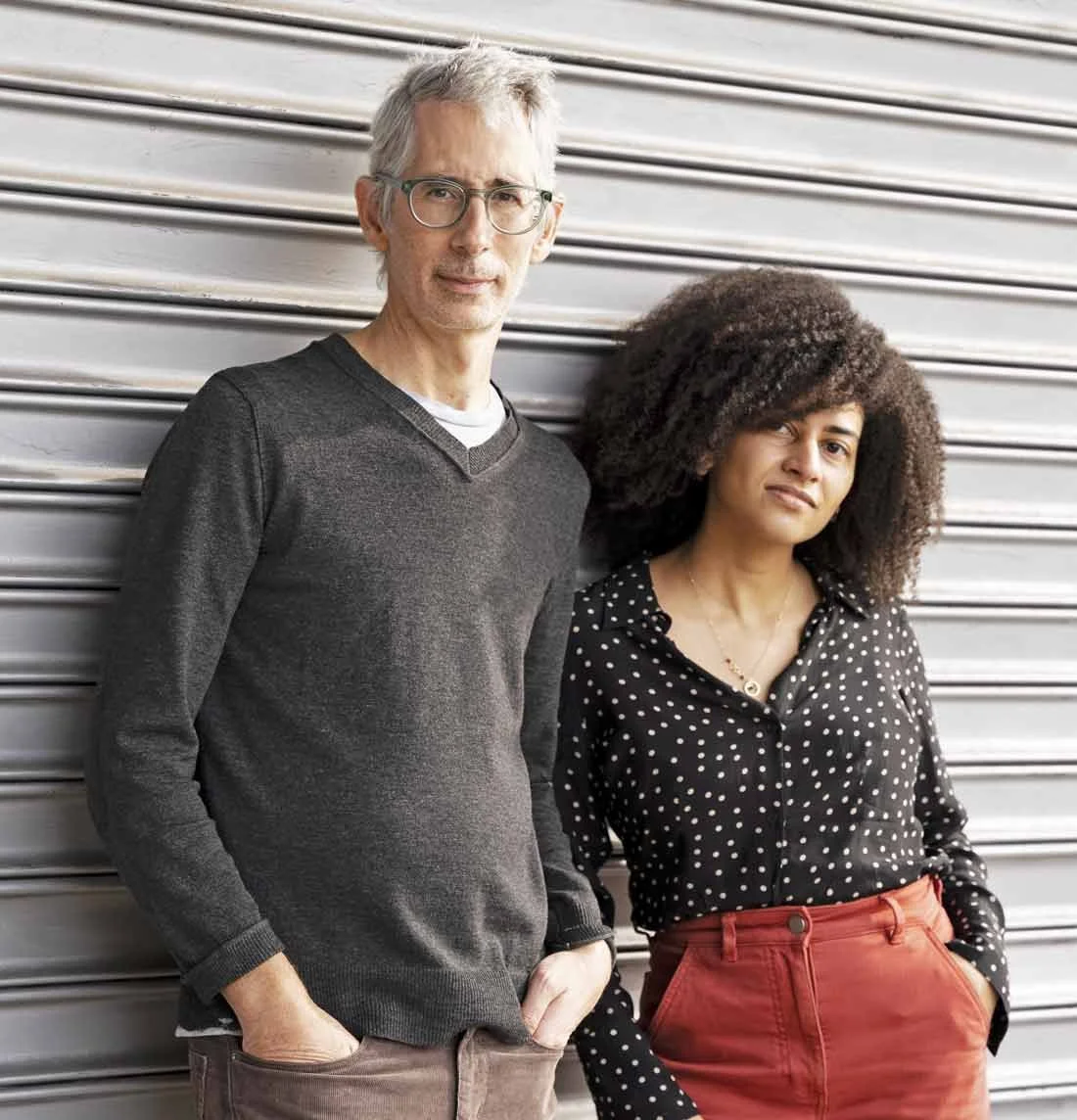
Viewed one way, we live in a very hopeful moment. Thanks to in large part the work of university scientists and engineers, we now live on a planet where the cheapest way to produce power is to point a sheet of glass at the sun. That is to say, we could run our Earth on energy from heaven instead of hell, and we could do it fast. The fast is the hard part here. The only difference between all the examples of the long victories of social justice activism that we're in now is that this one is a time-limited problem. If we don't solve it fast, then no one's got a plan for how you refreeze the Arctic once you've melted it. And so we have to move very quickly. Our systems are not designed to move quickly. It's the easiest thing in the world to slow down and delay change, which is all that the fossil fuel industry at this point is trying to do, and that means that it's time for maximum effort from all of us. The story to tell is that the planet is outside its comfort zone, so we need to be outside ours.

WORLD CHILDREN’S DAY

WORLD CHILDREN’S DAY

What is a day in the life for a Palestinian child in Gaza today?

As of last night, the current statistics - and we hate to use numbers describing the kind of tragedy that's fallen on Palestinian children, civilians, men, and women - but over 11, 000 people have been killed. Over 26, 000 have been injured. And of the individuals that have been killed, over 4, 500 have been children. Another 1, 000 children are unaccounted for because presumably they're buried underneath the rubble. And because of the situation on the ground in Gaza right now, we can't even get equipment or people to bring the dead out of the rubble. There continues to be fuel. The water, food, and medicine blockade in the last three days, there have been no shipments of humanitarian supplies coming into Gaza. It is absolutely earth-shattering and catastrophic, the amount of malnutrition and lack of food, water, and medicine that is being denied access to people in Gaza right now. There are over a million internally displaced Palestinians in Gaza right now.

FADY JOUDAH

FADY JOUDAH

Palestinian American Poet & Physician

Fady Joudah’s poetry has always addressed the situation of the Palestinians in Israel, in the Occupied Territories, and in diaspora, managing somehow to capture both the political and the personal, and above all the courage and humanity of the Palestinian people. We speak in particular about his recent LitHub piece, “A Palestinian Meditation in a Time of Annihilation: Thirteen Maqams for an Afterlife.” We are honored that he made time in this period of crisis to speak with us.

VEENA DUBAL

VEENA DUBAL

on how Uber, Lyft, Instacart, DoorDash and others use algorithmic wage discrimination against their workers

In this episode of the Speaking Out of Place podcast, Professor David Palumbo-Liu speaks with Professor Veena Dubal about how such companies have exported globally a technique of algorithmic wage discrimination that pays workers based on data to which they have no access. Owners dangle bonuses before workers but take away work from them as they draw close to achieving their targets; they use psychological tricks derived from video games to create a casino-like environment where the house always wins. Dubal urges us not to fall into the trap of competing against the house, but back to “good old-fashioned organizing.”

Voices of Solidarity with the Palestinian People

Voices of Solidarity with the Palestinian People

from Activists · Scholars & Cultural Workers from Around the World

LIZA BLACK & JOSEPH PIERCE

LIZA BLACK & JOSEPH PIERCE

Discuss When “Natives” Aren’t: The Epistemic & Communal Violence & Re-storying

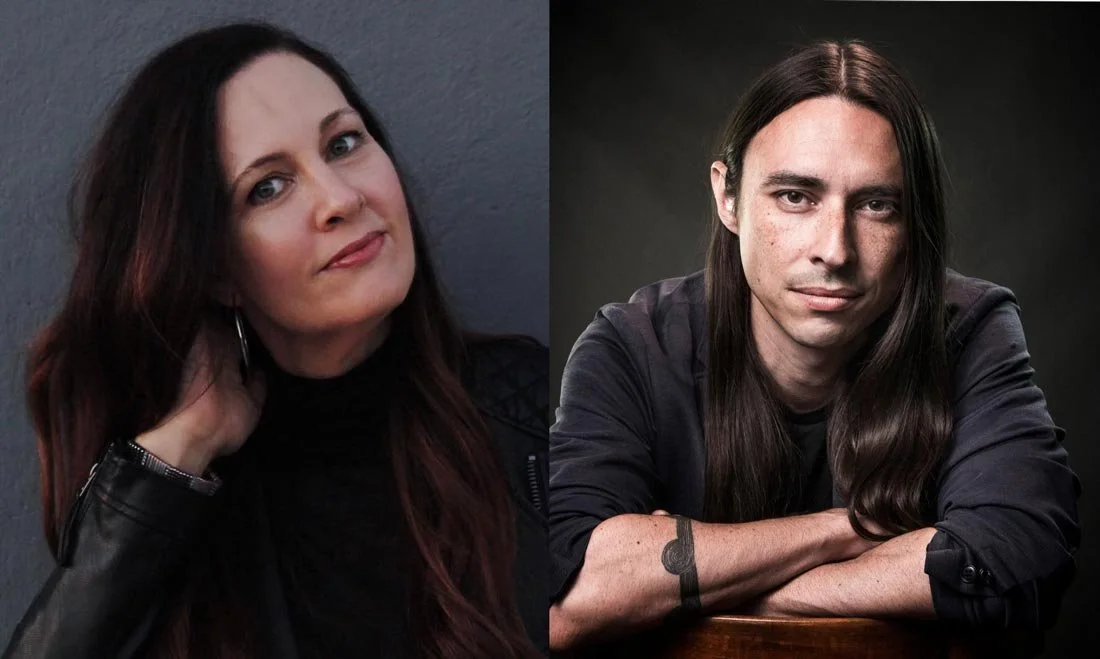
A lot of Pretendians lay claim to this identity of being Native American, and the universities have no problem with it whatsoever. It's indigenous people who fight against that settler colonial initiative to make this about diversity, equity, and inclusion, and not about indigeneity or indigenous rights. And so when students mark down Indigenous, they're accepted as an Indigenous person, and the university pats itself on the back for admitting yet another Indigenous person. And they happily add up those numbers that go into all sorts of reports to say, "This is how many Indigenous students we have at the moment. The numbers are rising, etc." And many of those students never attend any Indigenous events, but some do. Some will come to the support center for Native students. And some will really take on ownership of this idea that they are Native, when in fact they're not. And they actually know they're not. But let's say we have a person who's gifted intellectually. And they can get their heads around these stories. And they can get their heads around epistemic violence. And they become friends with people in the Native community. That's the beginning of their story. And that's the way in which academia produces these people.

DIANA BUTTU · RICHARD FALK

DIANA BUTTU · RICHARD FALK

Voices of Solidarity with Palestinian People

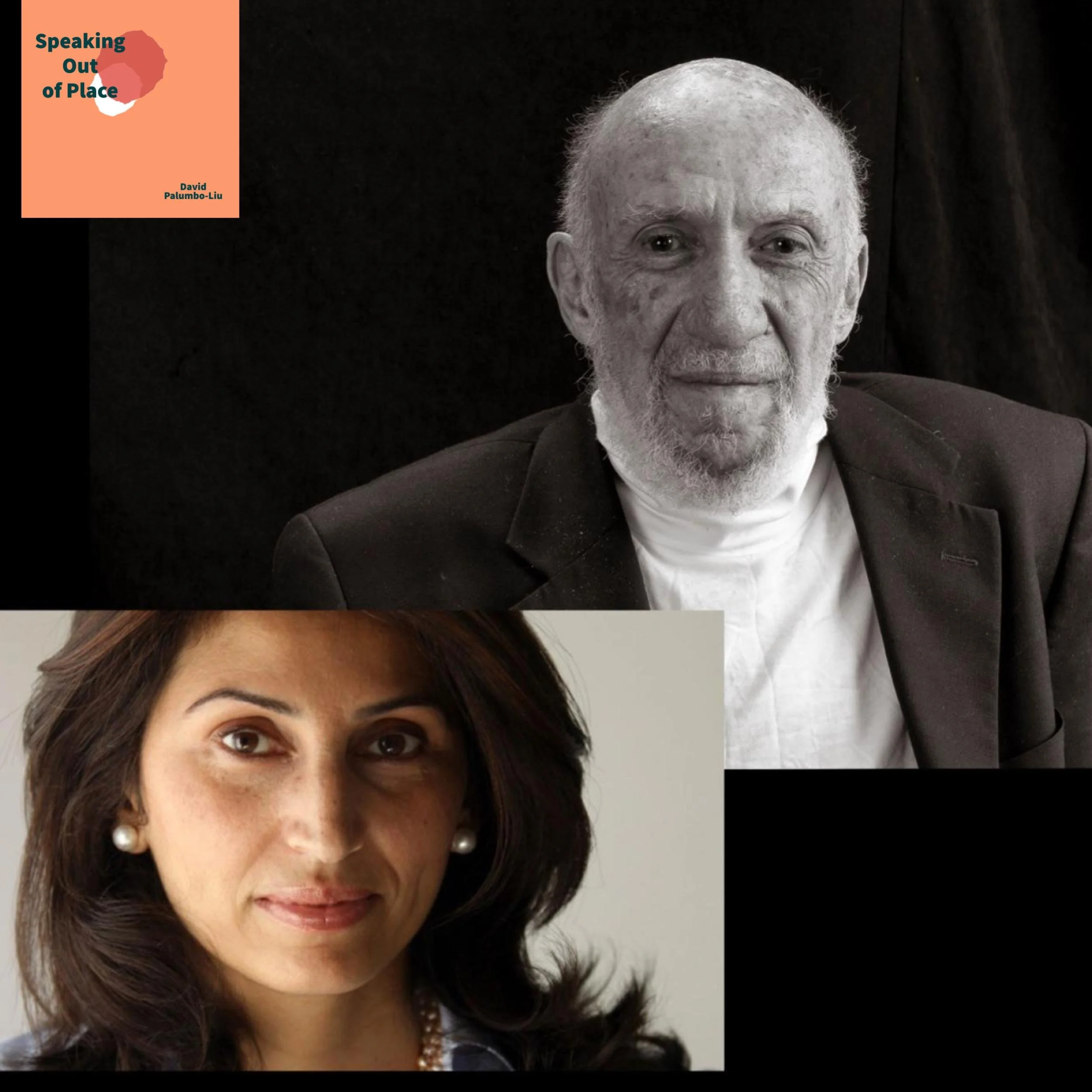
This episode concludes with statements of solidarity with the Palestinian people from activists, scholars, and cultural workers from around the world. We begin with a powerful statement from the University Union of Professors and Employees Occupied Palestine. Next is activist and scholar Cynthia Franklin, a long-time champion for Palestinian and other Indigenous peoples’ rights. Next is celebrated feminist scholar, philosopher, and public intellectual Sara Ahmed.  After Sara Ahmed we hear a statement from Michael Hardt, eminent political philosopher and writer. After him we hear from the award-winning poet, scholar and long-time civil rights and anti-Zionist Hilton Obenzinger.

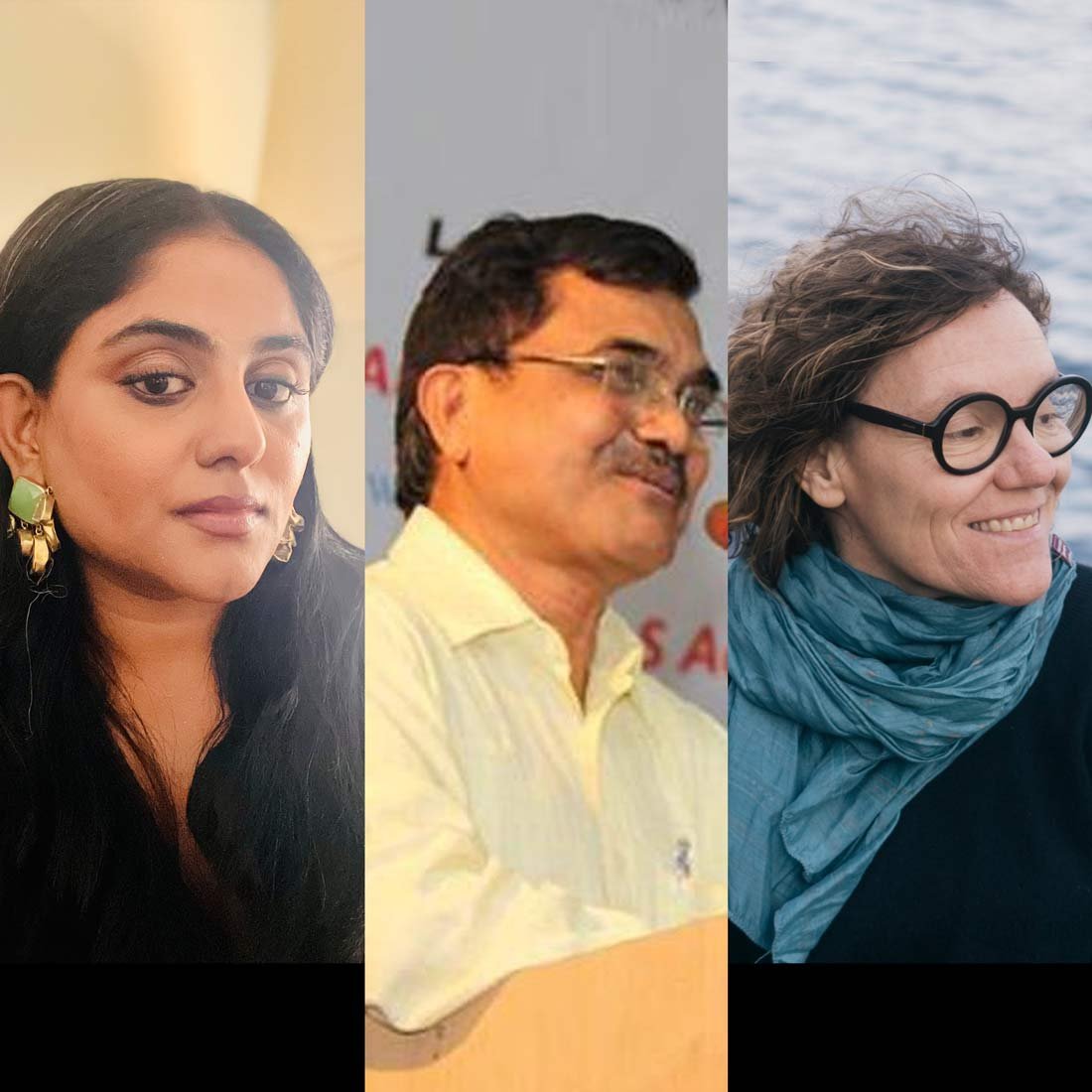
SUCHITRA VIJAYAN · FRANCESCA RECCHIA · ANAND TELTUMBDE

SUCHITRA VIJAYAN · FRANCESCA RECCHIA · ANAND TELTUMBDE

Speaking Out of Place: Voices of Resistance Emerge from Behind the Walls of India’s Security State

Professor David Palumbo-Liu and Azeezah Kanji talk with the founders of the Polis Project—Suchitra Vijayan and Francesca Recchia—about their new book, How Long Can the Moon Be Caged? Voices of Indian Political Prisoners. They are joined by the eminent Dalit intellectual, and former political prisoner Dr. Anand Teltumbde to lend his unique insight into the political situation in India and the realities of being a political prisoner there. The book combines deep historical research, documents regarding the current political situation in India, and a set of creative works from political prisoners conveying to the world their resistance and courage.

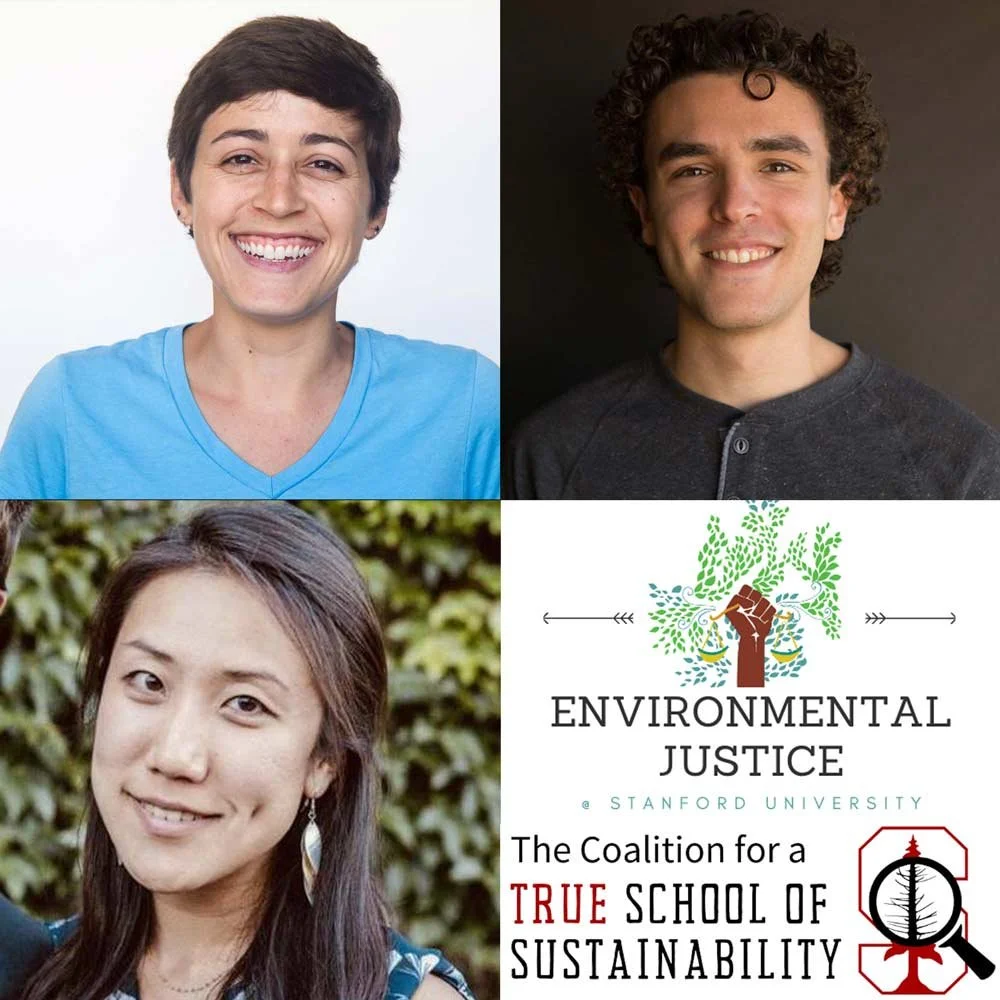
JUNE CHOI · YANNAI KASHTAN & BELINDA RAMIREZ

JUNE CHOI · YANNAI KASHTAN & BELINDA RAMIREZ

Coalition for a True School of Sustainability

In this episode of the Speaking Out of Place podcast, Professor David Palumbo-Liu speaks with June Choi, Yannai Kashtan, and Belinda Ramírez from the Coalition for a True School of Sustainability. Amidst great fanfare, Stanford University created the Doerr School for Sustainability, which immediately said that it would accept funding from the fossil fuel industry. June, Yannai, and Belinda are helping lead the movement of students pushing back to dissociate from such funds. David asks what drives them and sustains them in building a True School of Sustainability.

LIZA FEATHERSTONE

LIZA FEATHERSTONE

Journalist · Essayist · Author · Teacher
Columnist Jacobin Magazine · New Republic

We have passed the Build Public Renewables Act which mandates and requires the state's power authority the New York State Power Authority to build its own publicly funded renewables: renewable energy, wind, and solar. And this was a long, long hard hard-fought victory. And to say how it happened, we need to think back to the early Bernie days just after the Bernie Sanders' 2016 presidential campaign. Obviously, people were very disappointed that Bernie Sanders didn't win, but a lot of people were also very politicized by that campaign and by that moment. And so a lot of people were joining DSA (Democratic Socialists of America). At the same time, a lot of young people were becoming very aware and very anxious, disturbed, and deeply depressed by the climate crisis.

SARA AHMED

SARA AHMED

Author of The Feminist Killjoy Handbook
Independent Queer Feminist Scholar

You're more likely to progress if you say yes. It's a reproductive mechanism, which is why feminist culture knows so much about everything. We can explain how it is that institutions keep being reproduced in the same way. So what then do you do? Where do you go if your no has nowhere to go? And I think when you say no to the world, and you're pushed out by it, you still find your people. And that there's the world-making is in the people who find in the refusal of the institution a common ground.

MANIJEH MORADIAN

MANIJEH MORADIAN

Author of This Flame Within: Iranian Revolutionaries in the United States

So you start having Iranian students coming in the late 1950s. The numbers increased throughout the sixties and seventies. Tens of thousands of Iranian students, more than from any other country, come to the United States to study. At the moment, in 1979, the moment of the revolution, there were 50,000 or more students in the United States. So it's by far the largest foreign student population here. In the 1970s, it became possible for less affluent students to come. For the first time, there were more government scholarships available to certain groups of workers in the oil industry, for example, to their children. They were not blue-collar, but more like white-collar office workers. Before that, it had been mostly wealthy families who could afford to send their children abroad and who had access to education in the first place, but when you have less affluent students coming to less expensive, smaller colleges. By the 1970s, Iran had become so repressive that young people were trying to leave. They want to leave, and some of them want to leave intentionally to become activists and join the Iran student opposition movement.

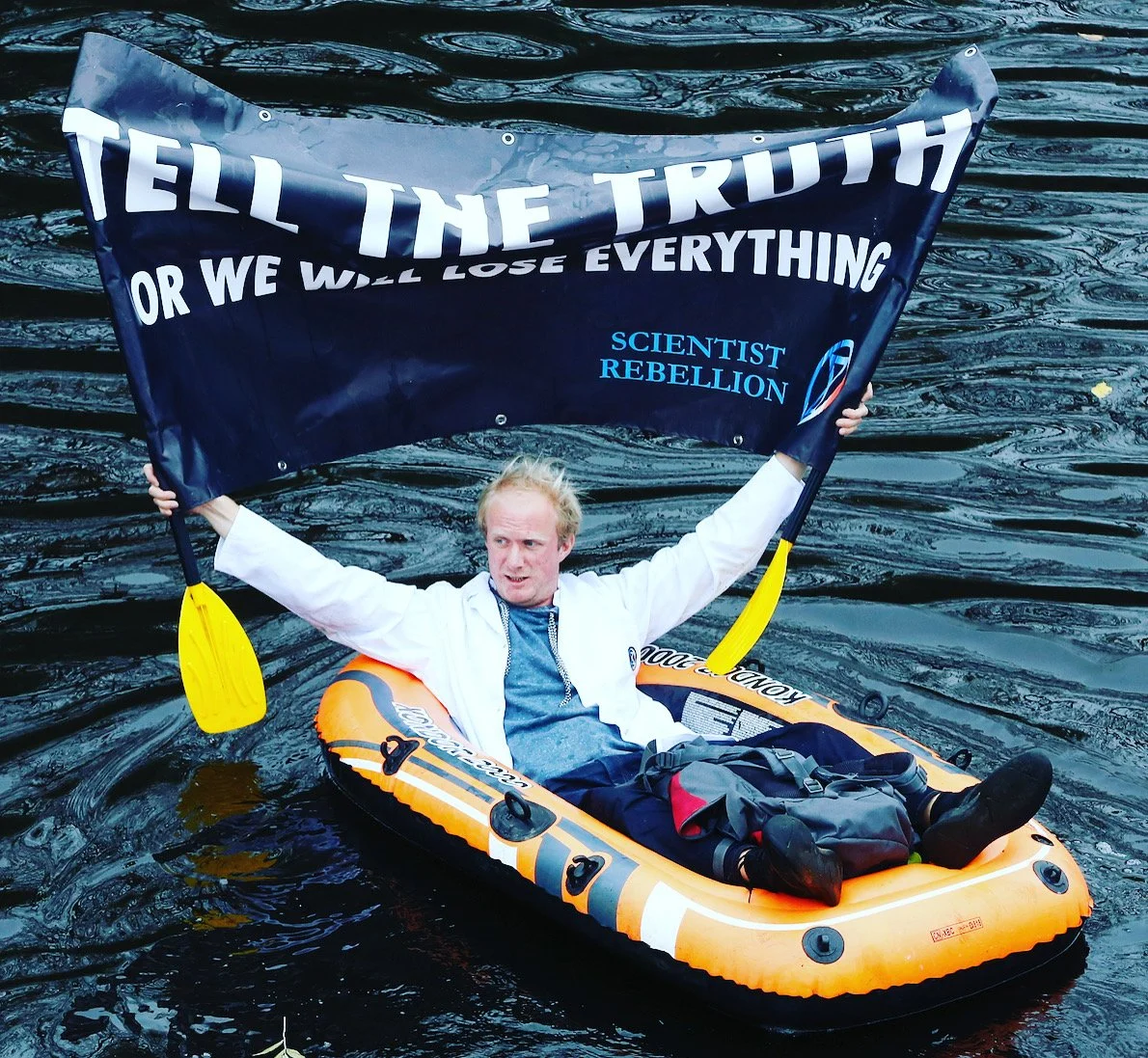
TIM HEWLETT

TIM HEWLETT

Co-founder of Scientist Rebellion · Climate Activist · Astrophysicist

I think the more pernicious aspect is the way that science as a set of institutions fits into a paradigm that is doomed from the outset. For instance, if you look at the framing of the science within the IPCC reports and how that informs the construction of policy related to the climate around the globe, well, it's foundationally dishonest. If you frame an entire report around the need to keep temperatures below 1.5 degrees or 2 degrees, and all of the efforts that societies are going to make to do that, and you omit from the public discussion the fact that we have no chance whatsoever of achieving those goals.

ANTHONY ARNOVE & HALEY PESSIN

ANTHONY ARNOVE & HALEY PESSIN

Co-Editors of Voices of a People’s History of the United States in the 21st Century
with contributions from Angela Y. Davis, Nick Estes, Colin Kaepernick, Rebecca Solnit, Christian Smalls, Viet Thanh Nguyen, Howard Zinn, Rev. William Barber, Bree Newsome, Kimberlé Crenshaw, Tarana J. Burke, Dream Defenders, Sins Invalid, Mariame Kaba, Naomi Klein, among others

We have to create alternative institutions to understand history. And to have conversations about how we can intervene because these conversations are increasingly being criminalized, and librarians are being fired and punished. Teachers are also being fired. Whole colleges are being taken over and certain courses are being labeled as not credit-worthy and being canceled. And while conversations around critical race theory and other topics are being declared illegal, there's a long history of book banning in this country. There's a long history of criminalizing dissent in this country, but I do think we all have to recognize that we're in a much more dangerous moment right now, where a new form of McCarthyism is emboldened and we have to speak out against that. - Anthony Arnove

SILVIA FEDERICI

SILVIA FEDERICI

Scholar · Educator · Feminist Activist
Author of Caliban and the Witch
Re-enchanting the World: Feminism and the Politics of the Commons

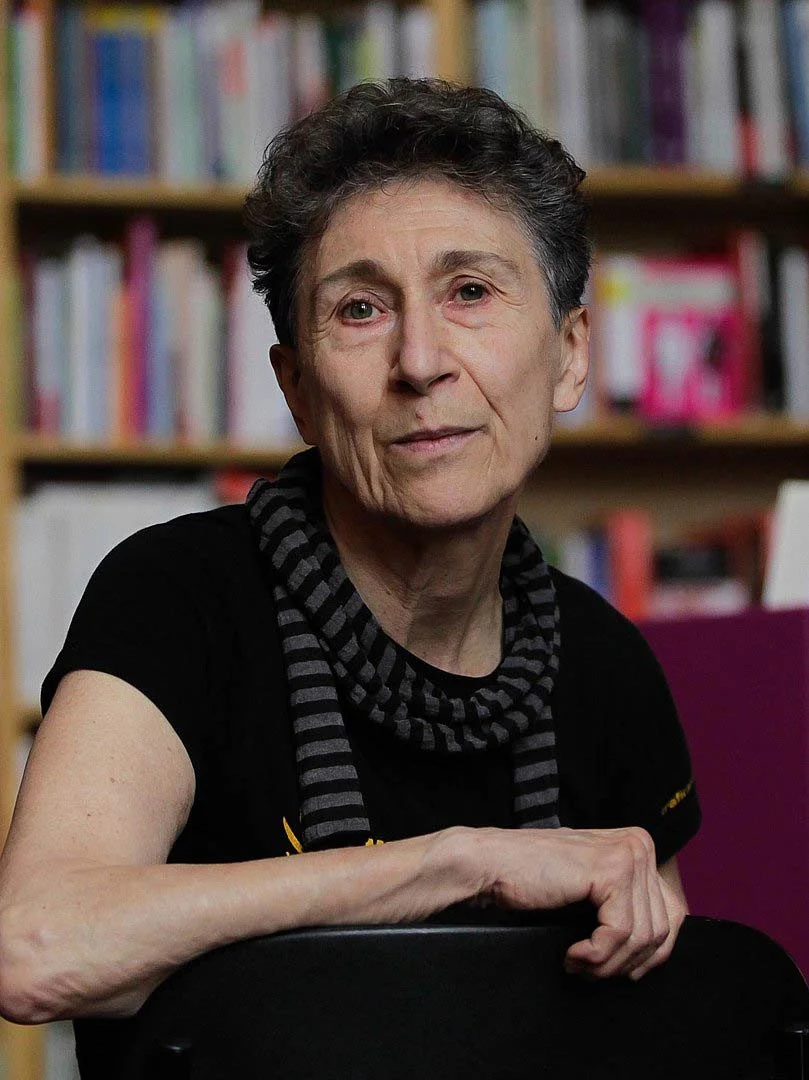
When I came to America I had a shock. I never knew what it meant to be in a country that seems to have no history, being in a place where you feel like you are nowhere, you could have been dropped by a plane in a cultural, historical desert. In the United States, they're destroying historic buildings. They've paved over cemeteries of African slaves. They're changing the environment so that memory is destroyed.

Because you are placing yourself in a broader arc of time, I asked a woman from Guatemala: how can women keep fighting for so much power? And she said, "Because, for us, the dead are not dead." This gives them the courage to go on when everything seems to be lost. I think that this is the kind of struggle that we need to make against war, against the destruction of nature.

SUSAN ALBUHAWA

SUSAN ALBUHAWA

Novelist · Poet · Essayist · Scientist · Mother · Activist
Organizer of “Palestine Writes” · the only North American literature festival celebrating Palestinian Writers & Artists
Founder of the Children’s Organization Playgrounds for Palestine

Palestinians have been facing erasure for decades. There's the physical erasure of our villages, the names of our villages, the erasure of the word Palestine from the map, erasure of our identities. And now there's this kind of colonization of our narratives, of our stories, and our history. And Palestine Writes is part of a counterforce against this new form of colonization. The Zionist colonial narrative has always shifted with shifting wind, depending on what's in vogue at the time. Initially, it was a sort of romantic ending to Europe's genocide of its own Jewish population. And there was this epic myth of "a land without people for a people without land". And of course that was unsustainable.

JENNIFER JACQUET

JENNIFER JACQUET

Author of The Playbook: How to Deny Science, Sell Lies, and Make a Killing in the Corporate World

They weren't able to employ scientists to not find a fingerprint of anthropogenic climate change. They weren't able to pull that off, and when they're not able to do that, what they do instead is create an arsenal of expertise who just create the illusion of disagreement, and they were so successful at doing that with climate change that it's remarkable because there actually was scientific consensus. There wasn't this giant rift in the scientific community, and for decades, they created an illusion of disagreement that we all bought. And they're able to do that using Stanford University, Rockefeller University, these names of institutions as well as individuals, but they're not actually publishing science. And so I think it deserves a kind of special carve out of all of the tactics because it really says: actually these systems are working pretty well. You're just not getting the right information. And they do that again through the media and PR firms and controlling the dialogues and press releases and journals, and especially their relationship with the media, is very, very privileged.

CHING-IN CHEN & KATE HAO

CHING-IN CHEN & KATE HAO

on the cancellation of the Asian American Literary Festival 2023

This August, the Asian American Literary Festival was to take place in Washington, DC.. The longstanding event had been on hiatus because of the pandemic, so this year’s event had generated a lot of buzz.  Organized by the Smithsonian Asian Pacific American Center (APAC), the event had already garnered substantial investments and expectations from both national and international groups and states. Ching-In Chen is a poet who was curating a festival event featuring books by trans and nonbinary writers. Kate Hao is a program coordinator who was on contract with the Smithsonian for the festival.

JEFF CHANG

JEFF CHANG

Journalist · Activist · Public Intellectual
Author of We Gon' Be Alright: Notes On Race and Resegregation ·
Can't Stop Won't Stop: A History of the Hip-Hop Generation

This conversation focuses on the Supreme Court’s recent decision on affirmative action and presenting a ”true and historically honest confrontation with America’s racism.”

DAVID PALUMBO-LIU

DAVID PALUMBO-LIU

Activist · Professor · Podcast Host
Author of Speaking Out of Place: Getting Our Political Voices Back

To explore different worlds. That’s what literature has taught me. Reading has taught me how difficult it is to write well, to do something other than the mundane or the expected, so all those things point to a kind of human creativity and a human capacity to both create and also to learn. To learn about life in different ways and to pass on those lessons to other people. One thing I think great teachers do is embody what they talk about, the values that they profess, and the things they feel are important in their everyday lives outside of the literature. So when I become involved in politics or a cause, it’s a reflection of what I've learned through any number of things including literature. Literature doesn’t stand alone. Literature is part of the world.