Archipelago of Resettlement

Archipelago of Resettlement

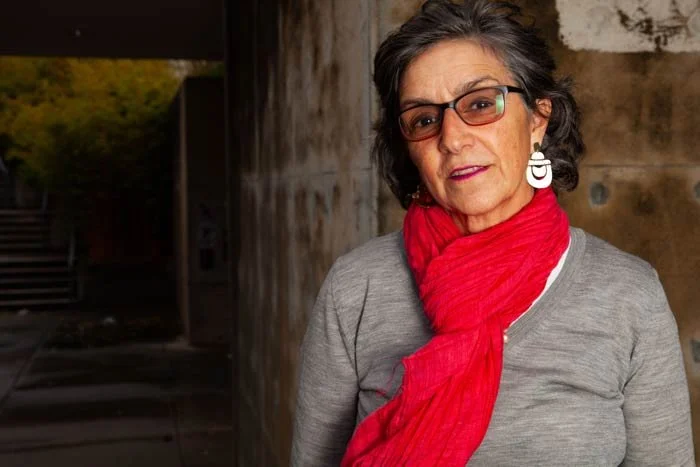
& the New Southern Question with EVYN LE ESPIRITU GANDHI

A discussion about the fascinating personal stories of refugees that have moved between these spaces, disclosing complex and often contradictory notions of belonging and loyalty. They also talk about her current book project, which tackles the idea of southern regions such as South Korea, South Vietnam, and the American South, as each mourning lost images of the nation.

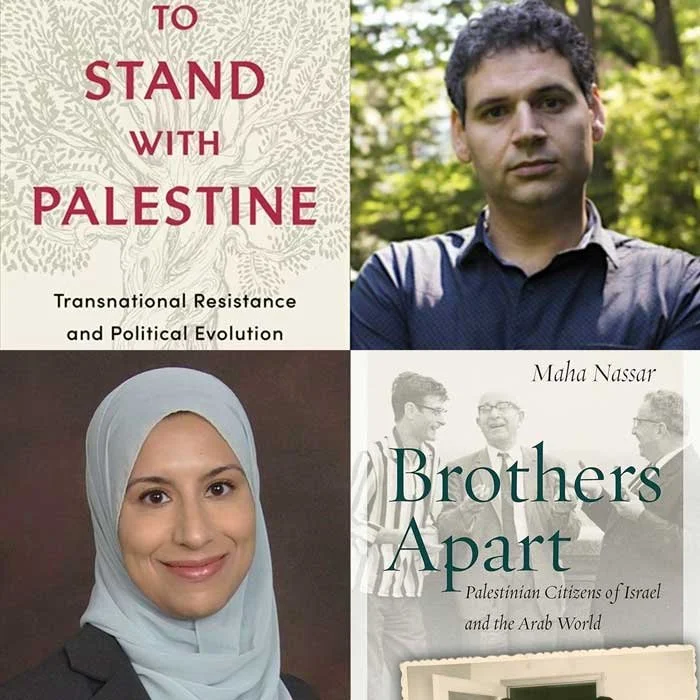
Palestinian Transnational Identity & Activism

Palestinian Transnational Identity & Activism

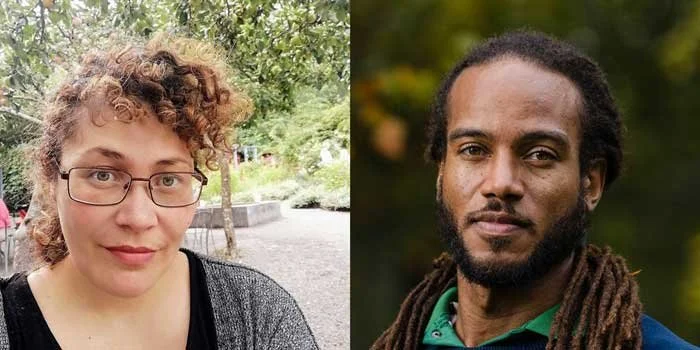
A Discussion with MAHA NASSER & KARAM DANA

An examination of two studies offer a fascinating account of the historical and present-day formation of transnational Palestinian identities and the way that these complex histories inform today’s struggles for Palestinian liberation and rights by both Palestinians and non-Palestinians. They talk about the importance of language, the arts, and especially poetry, as well as contemporary cultural forms. They take on the violence of settler colonialism, neoliberalism, and capitalism and the importance of finding paths of solidarity while never losing sight of what is distinct about Palestine and Palestinians.

Poetics, Poesis & Un-making the Climate Crisis

Poetics, Poesis & Un-making the Climate Crisis

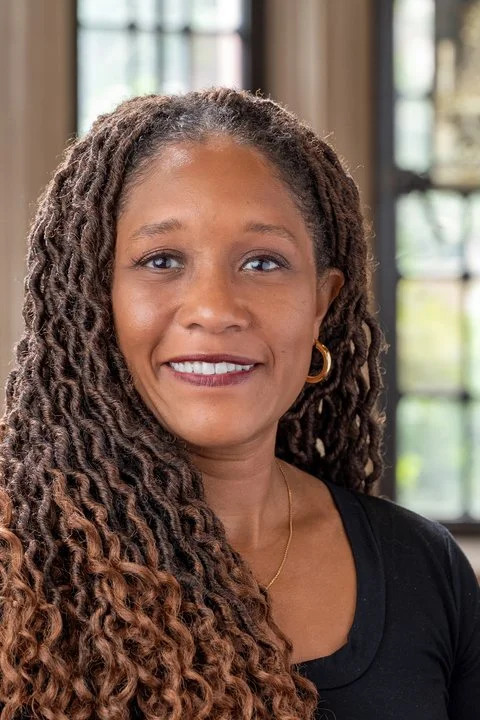
with TAO LEIGH GOFFE · Author of Dark Laboratory: On Columbus, the Caribbean, and the Origins of the Climate Crisis

We manage to create a poetics out of that which wishes to destroy us and the planet. How else will we be able to live in ‘the after’? We must reassess what a problem is.  Living is not a problem, as Audrey Lorde reminds us. I would add that dying is not a problem either. Decomposing is essential to the natural order and cycle of life. Living at the expense of others is a problem.

“One Day, Everyone Will Have Always Been Against This”
We Grow the World Together

We Grow the World Together

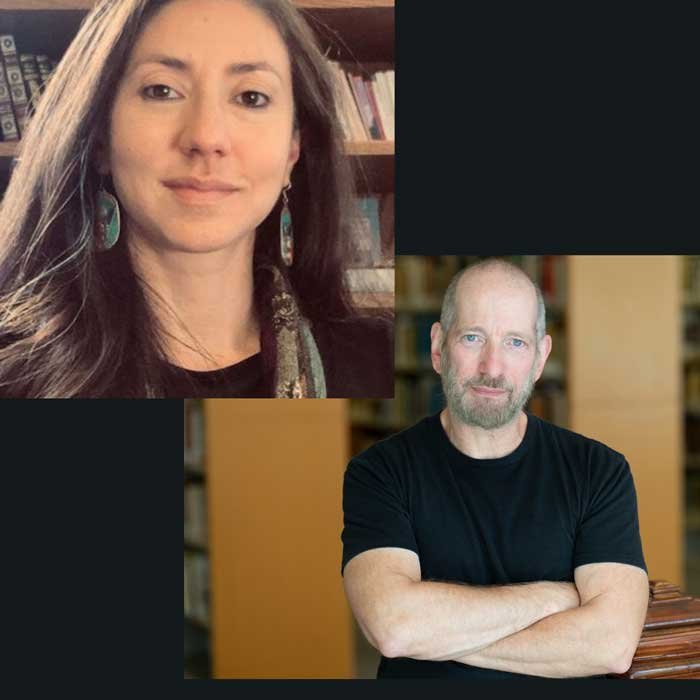
Parenting Toward Abolition
A Conversation with MAYA SCHENWAR & KIM WILSON about what inspired them to commission a wide range of amazing activists, artists, scholars, and organizers to write whatever came to their minds about the topic of parenting and abolition. The result is a rich mosaic of unique insights expressed in diverse forms, but each one touching deeply on the interdependency of living beings and the importance of caregiving in all its forms. It is this commitment that leads us always to imagine an abolitionist future for ourselves, and all children.

Being Jewish After the Destruction of Gaza

Being Jewish After the Destruction of Gaza

A Conversation with PETER BEINART:

Many Jews treat a Jewish state the way the Bible feared Jewish monarchs would treat themselves: as a higher power, beholden to no external standard. Again and again, we are ordered to accept a Jewish state’s ‘right to exist.’ But the language is perverse. In Jewish tradition, states have no inherent value. States are not created in the image of God; human beings are. States are mere instruments… The legitimacy of a Jewish state—like the holiness of the Jewish people—is conditional on how it behaves. It is subject to law, not a law in and of itself.

Building Worlds Beyond Modernity’s Double Fracture

Building Worlds Beyond Modernity’s Double Fracture

A Discussion with Azucena Castro & Malcom Ferdinand

Ferdinand discusses the “double fracture”—the environmental division of humans from their connection to the biosphere, and the colonial division instantiated by white supremacism and patriarchy. He insists that we not see these two phenomena as separate, rather as intimately connected. This double fracture makes any attempts to solve either environmental violence or colonial violence ineffective. In her foreword to Ferdinand’s Decolonial Ecologies, Angela Y. Davis writes that as she read the book, she “recognized how perfectly his conceptualizations illuminate the frameworks we need for both philosophical and popular understandings of our planetary conditions today.” The conversation covers how art, film, and poetry can manifest some of those frameworks, and Azucena takes us into a deep discussion of this and reads two poems in Spanish and then in English translation and has Malcom gloss them for us.

Shaping Iranian Diasporic Identities in Times of Crisis and Change

Shaping Iranian Diasporic Identities in Times of Crisis and Change

A Conversation with Persis Karim and Roya Ahmadi on a new documentary film, The Dawn is Too Far: Stories of Iranian-American Life. The film captures the lives of young Iranian-Americans who come to the San Francisco Bay Area around the time of the Iranian Revolution, and find themselves involved with, and helping to shape, a vibrant, international culture of politics and art.

The Dialectic is in the Sea

The Dialectic is in the Sea

A Conversation with Christen A. Smith on the Work of Black Feminist Beatrix Nascimento

Beatriz was a critical figure in Brazil’s Black Movement until her untimely death in 1995. Although she published only a handful of articles before she died and left only a few other recorded thoughts, her ideas about the symbolic relationship between quilombos (Afro-Brazilian maroon societies) and black subjectivity encourage us to re-imagine the meaning of Black liberation from a transnational, Black feminist perspective.

Palestinian Poetry Reveals the Truth Institutions Silence

Palestinian Poetry Reveals the Truth Institutions Silence

A Conversation with HUDA FAKHREDDINE & ANTHONY ALESSANDRINI about the unique manners in which literature can disclose the human significance of the historical and ongoing genocide in Palestine. Such revelation has to fight at least two things—the sheer brutality and inhumanity of this violence, and the active silencing of Palestinian voices by institutions that, ironically, profess to champion the humanities. Here, once again, we find a pernicious instantiation of the Palestine Exception. Despite these efforts to censor and silence, Huda and Tony delve deeply into the power of Palestinian poetry through translations and readings of some of the most remarkable literature in the world.

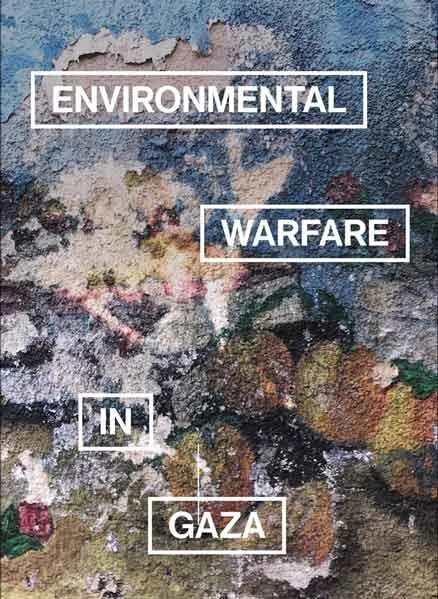
Environmental Warfare in Gaza: A Conversation with Shourideh Molavi

Environmental Warfare in Gaza: A Conversation with Shourideh Molavi

A Conversation with Shourideh Molavi

In this episode on Speaking Out of Place podcast Professor David Palumbo-Liu talks with Shourideh Molavi, who discusses the ways in which Israel has waged a protracted war on both the people and environment of Gaza. Linking this war to its colonial precedents, Molavi explains that, as a researcher for the Forensic Architecture project, she combines technologies like satellite imaging with on-the-ground stories from Palestinian farmers to produce a powerful form of witnessing and testimony to Israel’s war.  She connects the trauma felt by the environment and the trauma felt by the people. She also tells of the new and powerful forms of resistance and resilience that take place at the nexus of nature, landscape, and the Palestinian people.

COSTS OF WAR

COSTS OF WAR

One Year Later—The True Cost of Israel’s War on Gaza & the West Bank
A Conversation with Prof. Sophia Stamatopoulou-Robbins & Dr. Jess Ghannam

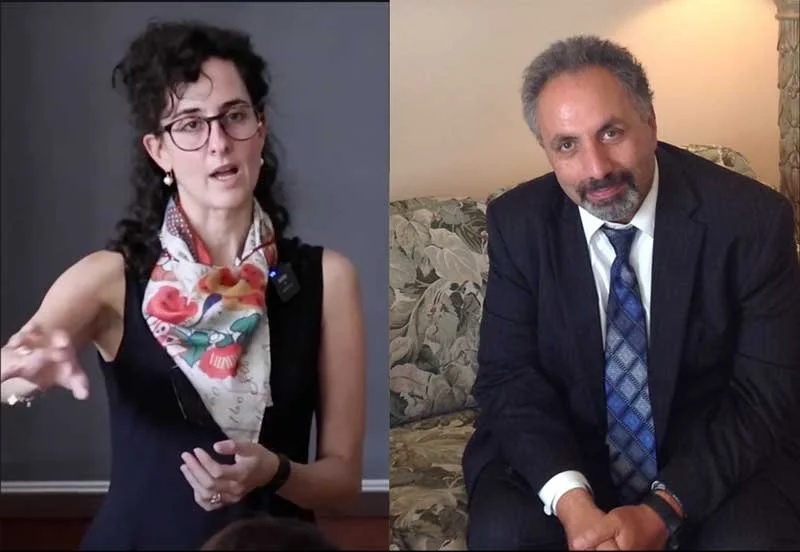
In this episode on Speaking Out of Place podcast Professor David Palumbo-Liu talks with Sophia Stamatopoulou-Robbins and Jess Ghannam, who comment on a devastating new report authored by Stamatopoulou-Robbins. This report, “Costs of War,” reviews data gathered in Palestine since October 7, 2023. In that year alone, the report finds that the US has spent at least $22.76 billion on military aid to Israel and related US operations in the region. The number of direct deaths, but also so-called “indirect deaths” (and such a term forces us to project such deaths well into the future due to Israel’s massive destruction of the infrastructure and environment necessary to sustain even the barest forms of life), leads this report to claim that “the scale and rapidity of Gaza’s destruction … is unprecedented, not only in Palestinian history, but in recent global history.”  Today we review but a small portion of the information that supports this terrible claim.

On Abolition Sanctuary & Environmental Activism from Below

On Abolition Sanctuary & Environmental Activism from Below

with Naomi Paik & Ashley Dawson

In this episode on Speaking Out of Place podcast Professor David Palumbo-Liu talks with scholar-activists Naomi Paik and Ashley Dawson about the close connection between abolition and environmental activism from below. How are the twin projects raising profound questions about borders, carcerality, enclosures, and the separation of humans from each other and all other forms of life, including supposedly “inanimate” objects?  How can we create “sanctuary for all” in a radical rethinking of notions like “the commons”? 

Volunteers to Stop the Destruction of Palestinian Villages & Homes

Volunteers to Stop the Destruction of Palestinian Villages & Homes

An Interview with Members of the International Solidarity Movement

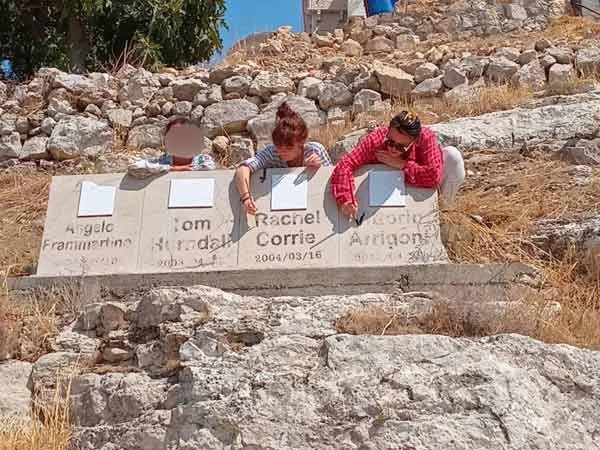
In this episode on Speaking Out of Place podcast Professor David Palumbo-Liu talks with three international volunteers from the International Solidarity Movement. They are all involved in the effort to save the Masafer Yatta region in the Occupied West Bank.

While it has been a common practice of psychological warfare for the IOF to place military firing ranges near villages, neighborhoods, outside Palestinian hospitals, and prisons as a persistent reminder of its power and the possibility of lethal force in every space, the case of Masafer Yatta is exceptional--people’s actual homes are bulldozed, land confiscated, livestock stolen, and people often driven to live in caves.  Palestinians face physical attacks, including indiscriminate shootings, from Israeli settlers, military police, and the Israeli Occupation Force, who each act in collusion with each other, and enjoy near immunity.
The New Indonesian Regime & Revitalizing the Decolonial Critique

The New Indonesian Regime & Revitalizing the Decolonial Critique

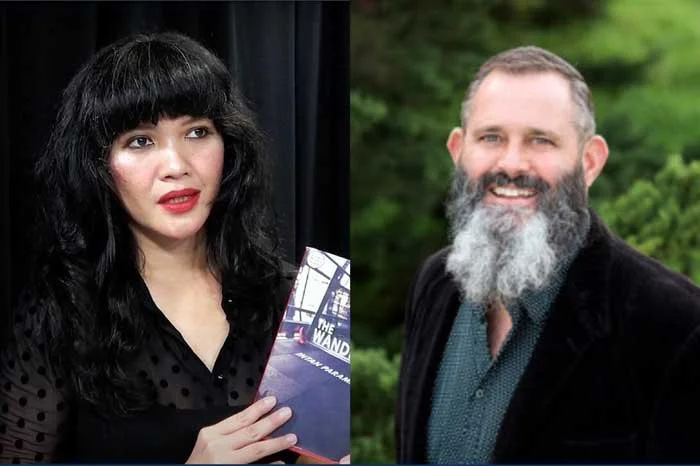
A Conversation with Intan Paramaditha and Michael Vann

Today, Sunday morning, October 20, former general Prabowo Subianto is being sworn in as Indonesia’s new president. In this episode on Speaking Out of Place podcast Professor David Palumbo-Liu and Azeezah Kanji talk with Intan Paramaditha and Michael Vann about the road leading up to this inauguration, beginning in the 1960s with the Suharto regime.  Prabowo is a strong-arm authoritarian figure with a bloody record of human rights violations, yet he has remade his image as a cuddly, elder populist figure.  We spend some time talking about how his regime is likely to continue, if not accelerate, aggressive and brutal economic development policies that have wrecked the environment and displaced Indigenous peoples.  We talk a lot about how both the Indonesian media and some of its art world has been enlisted to promote this regime, and how decolonial feminists and others have taken on the task to both resist and present, and embody, other ways of being through listening to and engaging with voices from outside Jakarta and the liberal elites.

 A Landscape of War

A Landscape of War

Ecologies of Resistance and Survival in South Lebanon with Munira Khayyat

In this episode on Speaking Out of Place podcast Professor David Palumbo-Liu talks with Munira Khayyat, a Lebanese anthropologist whose book, A Landscape of War: Ecologies of Resistance and Survival in South Lebanon examines what she calls “resistant ecologies in a world of perennial warfare.”  Drawing on long-term fieldwork in frontline villages along Lebanon’s southern border with Israel, she examines war not only as a place of death and destruction, but also necessarily, as an environment of living.

We appreciate greatly that she was able to join us now, during the massive and deadly new war Israel is waging on Lebanon. Munira shows how this devastation is a continuation of wars Israel has waged against Lebanon for decades, but also how both the Lebanese people and the Lebanese landscape are resisting death and persisting in life.  This episode is especially useful to those wanting to know more about Lebanon, as Professor Khayyat gives us an informative account of the intertwined histories of Lebanon, Palestine, and the State of Israel.

Was Stanford Firing 23 Lecturers in Creative Writing Really Necessary?

Was Stanford Firing 23 Lecturers in Creative Writing Really Necessary?

A Conversation with Lecturers & Students

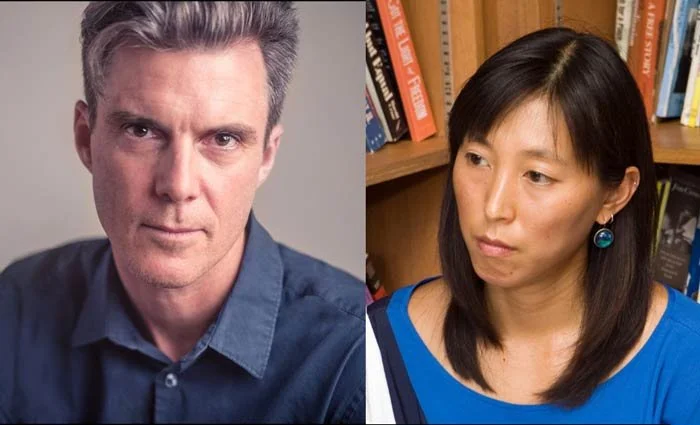
Recently, twenty-three lecturers in the highly successful Creative Writing program at Stanford were summoned to a Zoom meeting where they were first praised, and then summarily fired. One of the most surprising aspects of this purge is the fact that it was carried out not by top-tier university administrators, but by tenure-track faculty in the program. It was they who decided to brutally terminate their colleagues. On this episode of the Speaking Out of Place podcast Professor David Palumbo-Liu speaks with two of the lecturers who have been told they will leave Stanford in nine months, and one of their students, a published novelist. They explain the devastating nature of this act and share statistics and histories that show this was not at all necessary.  Expediency for senior faculty trumped the survival of a carefully developed and nurtured community of creative writers.

PRIYAMVADA GOPAL · FRANÇOISE VERGÈS

PRIYAMVADA GOPAL · FRANÇOISE VERGÈS

on the Recent Elections in Britain and France

I would say what we can celebrate is the incredible mobilization of the young people. They went everywhere, they knocked on the door, they mobilized. This was an incredible, incredible mobilization. So that was extraordinary because it showed real mobilization and an understanding that the National Rally was a real threat. We knew that if they came to power, the first people who would be targeted would be people of color, and that was absolutely clear.

On the War & Famine in Sudan

On the War & Famine in Sudan

with Dr. Osman Hamdan & Umniya Najaer

The ongoing conflict in Sudan has pushed millions to the brink of famine, threatening to devastate an entire generation. Despite the severe humanitarian crisis, global awareness remains limited. Today learn about the long history behind these events, the people and groups involved, and the roles that foreign governments and international organizations like the IMF have played. Importantly, we learn how civil society groups are bringing a form of mutual aid and support to the people of Sudan where the national government, warring factions, and international humanitarian organizations have utterly failed.

ANGANA CHATTERJI · SIDDHARTHA DEB

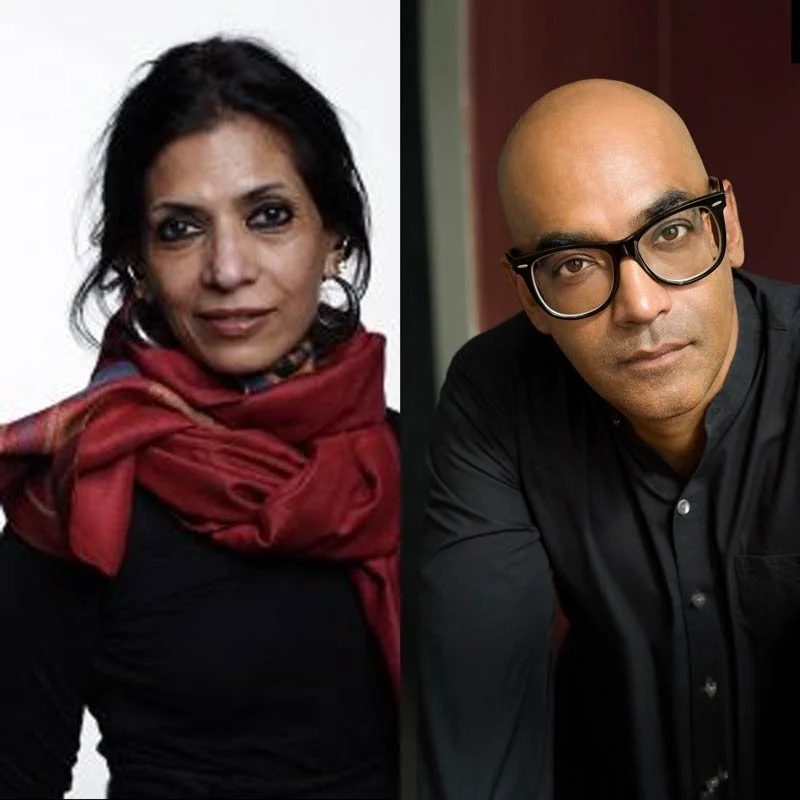
ANGANA CHATTERJI · SIDDHARTHA DEB

What Do the June 2024 Elections in India Mean?

I think that the 2024 national elections in India signaled a slowdown in its slide into authoritarianism, but did not halt it. The BJP (Bharatiya Janata Party) and the ways in which it secured votes merit analysis. In his June 4th victory speech, Narendra Modi's rallying cry was "Bharat Mata Ki Jai" (Hail to Mother India), a slogan promoted by Hindu nationalists. It objectifies and feminizes the state, linking control over women and control in general to nationalist assertion. "Bharat Mata" is also associated with "Akhand Bharat," or undivided India, the once and future homeland of Hindus. Modi did not show humility in his speech. Instead, he emphasized the exceptionalism of a third consecutive win, stating, "I believe that the country will write a new chapter of big decisions. This is the Modi guarantee." Nevertheless, he also talked about his government's efforts to weed out forms of corruption, which is ironic given the BJP's recent collusion in the electoral bond scandal.