BRIAN WILCOX

BRIAN WILCOX

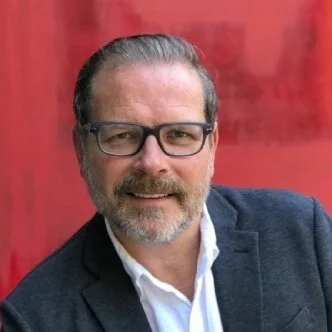
Chief Engineer & Co-founder of Marine BioEnergy
Grows Kelp in the Ocean to Provide Carbon-neutral Fuels

The kelp plant itself can grow to 30 meters easily, and sometimes 40 meters, so it’s a huge plant…When people look around the world today, seeing the news, making the world a better place is getting increasingly important. People have to pay attention to what they can do as individuals to make the world a better place. The world is not going to become a good place on its own. If there weren’t for thousands and millions of people, phenomenal sacrifices that people make. When you see what some people do and the risks they take. I have basically found my job for the remaining years that I have on the earth to try to make the world a better place.

(Highlights) MIKE PONDSMITH

(Highlights) MIKE PONDSMITH

Creator of Cyberpunk · Origins Award-Winning Game Designer

One of the things I’ve noticed is that a lot of those younger people are actually much nicer than they need to be. And they have to realize that this is going to be your world. It turns out the way you want to make it and so you should be thinking now about what you want out of this. What do you want that world to be? Do not wait around until the two generations beyond you have gone ahead and done it the way they want it because, by the time they get done, you’re not going to have the chance to shift it to where you want it. So start thinking now about where do you want to be? What is the future you want? And don’t be nice about it, just go ahead and start planning it now.

MIKE PONDSMITH

MIKE PONDSMITH

Creator of Cyberpunk · Origins Award-Winning Game Designer

One of the things I’ve noticed is that a lot of those younger people are actually much nicer than they need to be. And they have to realize that this is going to be your world. It turns out the way you want to make it and so you should be thinking now about what you want out of this. What do you want that world to be? Do not wait around until the two generations beyond you have gone ahead and done it the way they want it because, by the time they get done, you’re not going to have the chance to shift it to where you want it. So start thinking now about where do you want to be? What is the future you want? And don’t be nice about it, just go ahead and start planning it now.

(Highlights) BEN PRING

(Highlights) BEN PRING

Director of Cognizant’s Center for the Future of Work
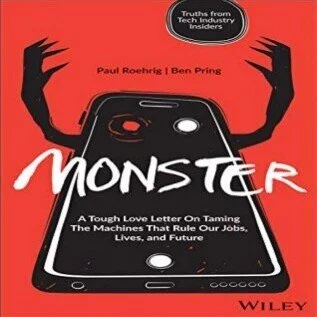
Author of Monster: A Tough Love Letter On Taming the Machines that Rule Our Jobs, Lives

They’re single-purpose engines doing one thing in extraordinary ways, and they’ve been encouraged in that by the ecosystem around them, by the funding that’s being pumped into them by people whose only motivation is simply to make more money–and you can see the results of that in the world as this technology has grown from a little acorn to now being the biggest Sequoia in the forest. And it’s shading every other tree, it’s taking all the light, it’s taking all the energy from the forest, and it’s distorting so much in the world.

BEN PRING

BEN PRING

Director of Cognizant’s Center for the Future of Work
Author of Monster: A Tough Love Letter On Taming the Machines that Rule Our Jobs, Lives

They’re single-purpose engines doing one thing in extraordinary ways, and they’ve been encouraged that by the ecosystem around them, by the funding that’s being pumped into them by people whose only motivation is simply to make more money–and you can see the results of that in the world as this technology has grown from a little acorn to now being the biggest Sequoia in the forest. And it’s shading every other tree, it’s taking all the light, it’s taking all the energy from the forest, and it’s distorting so much in the world.

(Highlights) IBRAHIM ALHUSSEINI

(Highlights) IBRAHIM ALHUSSEINI

Founder and CEO of FullCycle Fund

Is it okay that you benefit at the expense of everyone and everything else? Is that a way that you really feel like you are winning at life? If not, then reconsider what you’re doing and just realize that we all live in this inextricably connected closed sphere in the middle of space. Anything that harms one area harms every area. There is nobody who can escape dirty air, dirty water, dirty food, economic political disruptions, etc. We’re all in this together. So don’t fool yourself by thinking somehow you’re going to come out this unscathed and having ‘won’ while everybody else loses.

IBRAHIM ALHUSSEINI

IBRAHIM ALHUSSEINI

Ibrahim AlHusseini was born in Jordan and raised in Saudi Arabia by parents who are Palestinian refugees. He emigrated to the United States in the 1990s to attend college at the University of Washington and he currently resides in Los Angeles. 

AlHusseini is a venture capitalist, sustainability-focused entrepreneur, and environmentalist. He is the founder and CEO of FullCycle, an investment company accelerating the deployment of climate-restoring technologies. AlHusseini is also the founder and managing partner of The Husseini Group.

This interview was conducted by Mia Funk, Justin Hayes & Daniel Soroudi with the participation of collaborating universities and students. Associate Interviews Producer on this podcast was Daniel Soroudi. Digital Media Coordinator is Hannah Story Brown.

Mia Funk is an artist, interviewer and founder of The Creative Process.

(Highlights) ANTONELLA WILBY

(Highlights) ANTONELLA WILBY

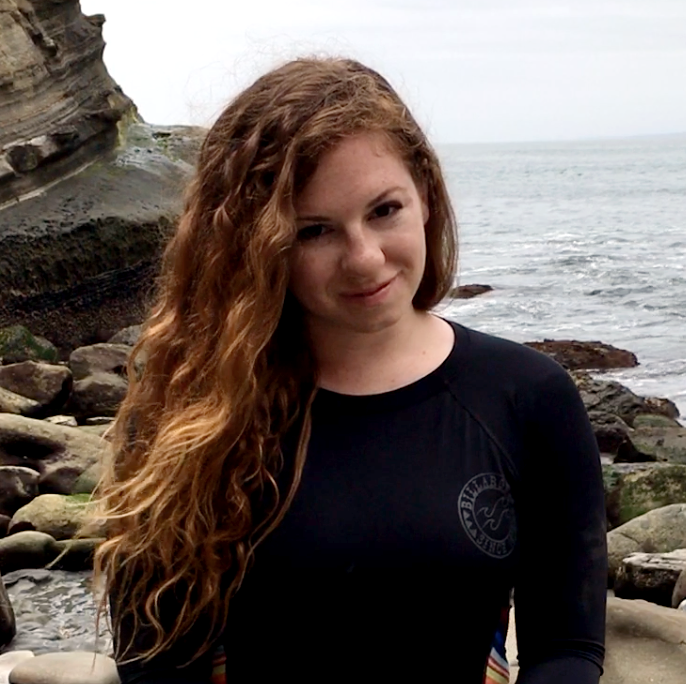
National Geographic Explorer
National Science Foundation Research Fellow · Contextual Robotics Institute, UCSD

I’m grateful for the fact that through my work I’ve had a lot of opportunities to go to places that a lot of people just simply won’t ever get a chance to go. I like having those opportunities to try to share with people what that’s like. I honestly had no idea I would ever be here. I’m from a working-class background, didn’t have a huge amount of opportunities but now I can and that’s one thing that I particularly enjoy.

ANTONELLA WILBY

ANTONELLA WILBY

Antonella Wilby is a PhD Candidate and National Science Foundation Graduate Research Fellow at the Contextual Robotics Institute, UC San Diego, and a National Geographic Explorer. Her current research focuses on the development of autonomous underwater robots and vision-based algorithms for mapping and exploration of ocean environments, with the ultimate goal of better understanding and protecting our blue planet. She holds Master of Science and Bachelor of Science degrees in Computer Science from the University of California, San Diego.

This interview was conducted by Mia Funk with the participation of collaborating universities and students. Associate Interviews Producer on this podcast was Anna Iselli. Digital Media Coordinator is Hannah Story Brown.

Mia Funk is an artist, interviewer and founder of The Creative Process.

(Highlights) MARTIN RUHE

(Highlights) MARTIN RUHE

Martin Ruhe is the internationally-acclaimed German cinematographer behind the Netflix film The Midnight Sky directed by and starring George Clooney. Previously, Ruhe worked on Catch-22, also directed by Clooney, as well as the critically acclaimed Counterpart, Run All Night with Liam Neeson, and the British Independent film award winner Control. Ruhe photographed the dark spy thriller Page Eight for BBC Films, directed by David Hare. The film earned him an American Society of Cinematographers Outstanding Achievement in Cinematography in Motion Picture/Miniseries Television Award for his work on the film.

Working closely with director Anton Corbijn, Ruhe photographed The American. Starring Clooney as an aging assassin on an assignment to create a specialized weapon, Ruhe’s meticulously arranged shots helped to build the tone of The American, while reviews applauded the film’s beauty. Ruhe lensed Harry Brown, a Michael Caine-starring vigilante thriller which premiered at 2009’s Toronto International Film Festival. His photography on Harry Brown received critical acclaim; Joe Leydon of Variety saying, “The moody lensing by Martin Ruhe vividly conveys the no-hope squalor of a contemporary urban wasteland.” Combining the best cultural influences from the U.S. and Europe, Ruhe is fluent in English, German and Spanish. He loves stills photography and travel.

MARTIN RUHE

Early on in my career, I met a cameraman called Mike Southon. When I was working as a runner in London, on weekends I would try to go to shoots and see as many shoots as I could. Mike once told me our job would be. 10% is craft, 10% is talent, and 80% would be diplomacy. It’s actually interesting because quite often we caught in-between producers telling you, “Oh, you can’t have this.” Or, you have to do this. Or this is the framework. And then directors telling you, “I want to see the whole world at night.” And you go, “That’s a lot of money...” So, I think that’s one interesting thing I learned early on.

There are many people you meet along the way and you pick up things from them. I loved when I started working with Anton Corbijn. His photography is so…he mainly uses one lens. One camera. It’s not complicated, but he gets intimate with people in the way he is with them. That’s why his portrait photography is so stunning. Over the years, it’s relevant because he’s curious, he’s open, and he just allows things to happen. I love that. I love creative things.

Early on, I did some workshops with some of the great DPs like Robby Müller. And then you watch films, you read, you listen to what people have to say about them.


This interview was conducted by Mia Funk with the participation of collaborating universities and students. Associate Interviews Producer on this podcast was Bret Young. Digital Media Coordinator is Yu Young Lee. 

Mia Funk is an artist, interviewer and founder of The Creative Process.

Find us on Apple Podcasts, Spotify, Google Podcasts, Podcast Addict, Pocket Casts, Breaker, Castbox, TuneIn, Overcast, RadioPublic, Podtail, and Listen Notes, among others. 

MARTIN RUHE

MARTIN RUHE

Martin Ruhe is the internationally-acclaimed German cinematographer behind the Netflix film The Midnight Sky directed by and starring George Clooney. Previously, Ruhe worked on Catch-22, also directed by Clooney, as well as the critically acclaimed Counterpart, Run All Night with Liam Neeson, and the British Independent film award winner Control. Ruhe photographed the dark spy thriller Page Eight for BBC Films, directed by David Hare. The film earned him an American Society of Cinematographers Outstanding Achievement in Cinematography in Motion Picture/Miniseries Television Award for his work on the film.

Working closely with director Anton Corbijn, Ruhe photographed The American. Starring Clooney as an aging assassin on an assignment to create a specialized weapon, Ruhe’s meticulously arranged shots helped to build the tone of The American, while reviews applauded the film’s beauty. Ruhe lensed Harry Brown, a Michael Caine-starring vigilante thriller which premiered at 2009’s Toronto International Film Festival. His photography on Harry Brown received critical acclaim; Joe Leydon of Variety saying, “The moody lensing by Martin Ruhe vividly conveys the no-hope squalor of a contemporary urban wasteland.” Combining the best cultural influences from the U.S. and Europe, Ruhe is fluent in English, German and Spanish. He loves stills photography and travel.

MARTIN RUHE

Early on in my career, I met a cameraman called Mike Southon. When I was working as a runner in London, on weekends I would try to go to shoots and see as many shoots as I could. Mike once told me our job would be. 10% is craft, 10% is talent, and 80% would be diplomacy. It’s actually interesting because quite often we caught in-between producers telling you, “Oh, you can’t have this.” Or, you have to do this. Or this is the framework. And then directors telling you, “I want to see the whole world at night.” And you go, “That’s a lot of money...” So, I think that’s one interesting thing I learned early on.

There are many people you meet along the way and you pick up things from them. I loved when I started working with Anton Corbijn. His photography is so…he mainly uses one lens. One camera. It’s not complicated, but he gets intimate with people in the way he is with them. That’s why his portrait photography is so stunning. Over the years, it’s relevant because he’s curious, he’s open, and he just allows things to happen. I love that. I love creative things.

Early on, I did some workshops with some of the great DPs like Robby Müller. And then you watch films, you read, you listen to what people have to say about them.


This interview was conducted by Mia Funk with the participation of collaborating universities and students. Associate Interviews Producer on this podcast was Bret Young. Digital Media Coordinator is Yu Young Lee. 

Mia Funk is an artist, interviewer and founder of The Creative Process.

Find us on Apple Podcasts, Spotify, Google Podcasts, Podcast Addict, Pocket Casts, Breaker, Castbox, TuneIn, Overcast, RadioPublic, Podtail, and Listen Notes, among others. 

(Highlights) AVI LOEB

(Highlights) AVI LOEB

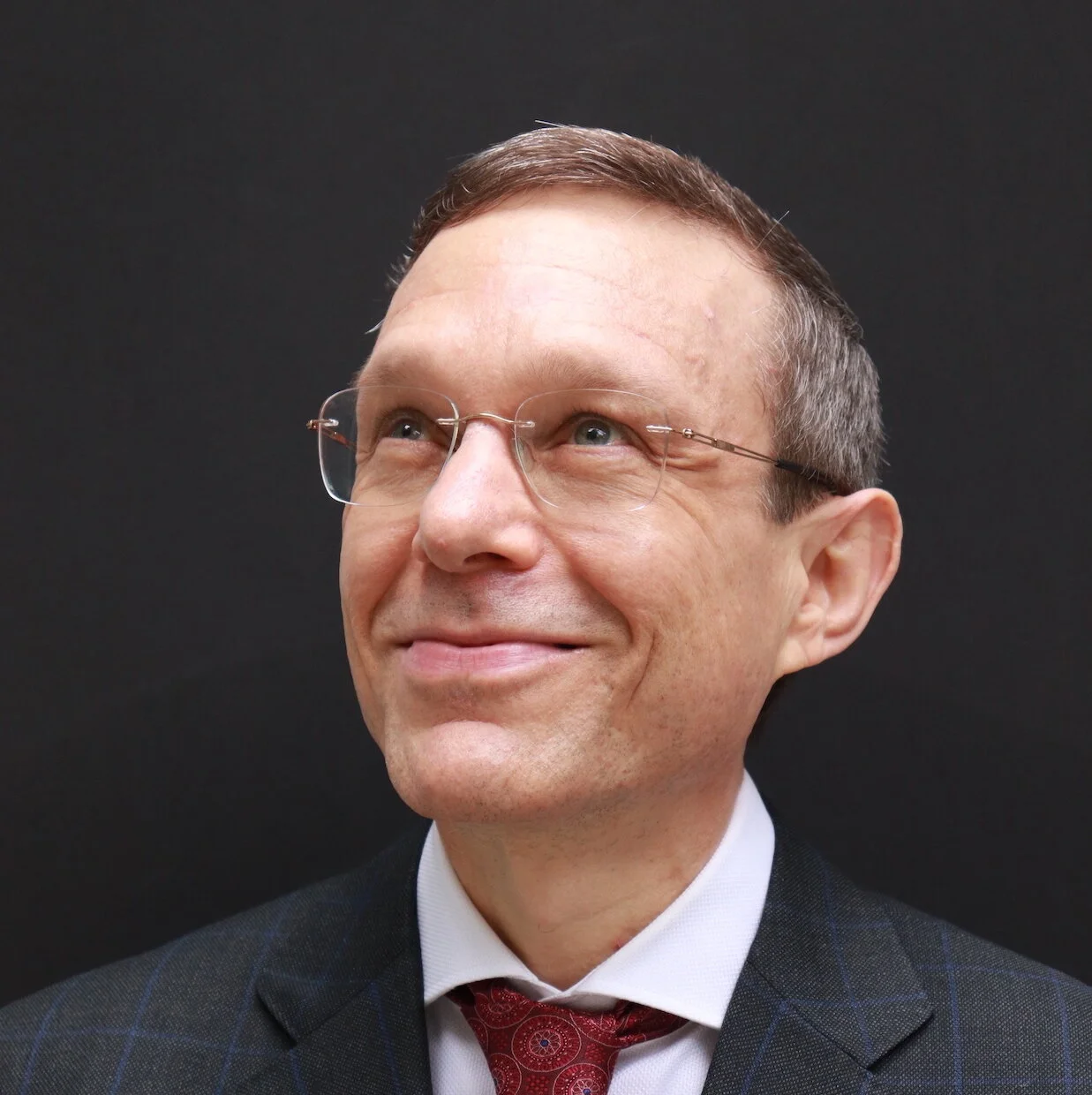
Harvard Astronomer · Theoretical Physicist
NY Times Bestselling Author of Extraterrestrial, The First Sign of Intelligent Life Beyond Earth

If we are not open to discover wonderful things, we will never discover them. It very much depends on us allowing ourselves to explore and find new things. My mother used to tell me when I was a kid that when I was born as an infant I was very different from the other babies in the room. I was looking around with open eyes, and I should say that’s where it all started. Once I got out of the womb of my mother and I started looking around, I was very curious. The great privilege of being a scientist is that you don’t need to give up on that curiosity. You can maintain your childhood curiosity.

AVI LOEB

AVI LOEB

Harvard Astronomer · Theoretical Physicist
NY Times Bestselling Author of Extraterrestrial, The First Sign of Intelligent Life Beyond Earth

If we are not open to discover wonderful things, we will never discover them. It very much depends on us allowing ourselves to explore and find new things. My mother used to tell me when I was a kid that when I was born as an infant I was very different from the other babies in the room. I was looking around with open eyes, and I should say that’s where it all started. Once I got out of the womb of my mother and I started looking around, I was very curious. The great privilege of being a scientist is that you don’t need to give up on that curiosity. You can maintain your childhood curiosity.

(Highlights) ROBERT J. LANG

(Highlights) ROBERT J. LANG

Master Origamist, Physicist & Author

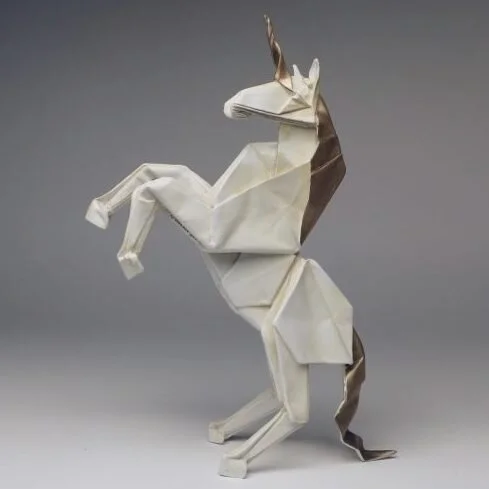
In origami design, historically people have always used their intuition. They probably started by folding traditional shapes or folding designs by others, developed an intuitive understanding of how the paper behaves and then from there they can explore that intuition to create new shapes. That was the way design worked for years and years, that was the way it worked for me, but I eventually hit a limit to what I could do with my intuition and so part of my motivation for exploring mathematical methods was to externalise some of the design process. If I could get some of the design process on paper in a meaningful way, then I could handle more complicated goals than I could just fit in my brain.

ROBERT J. LANG

ROBERT J. LANG

Master Origamist, Physicist & Author

In origami design, historically people have always used their intuition. They probably started by folding traditional shapes or folding designs by others, developed an intuitive understanding of how the paper behaves and then from there they can explore that intuition to create new shapes. That was the way design worked for years and years, that was the way it worked for me, but I eventually hit a limit to what I could do with my intuition and so part of my motivation for exploring mathematical methods was to externalise some of the design process. If I could get some of the design process on paper in a meaningful way, then I could handle more complicated goals than I could just fit in my brain.

(Highlights) CARLOS SOUZA, JR.

(Highlights) CARLOS SOUZA, JR.

Senior Research Associate at Imazon
Technical & Scientific Coordinator at MapBiomas

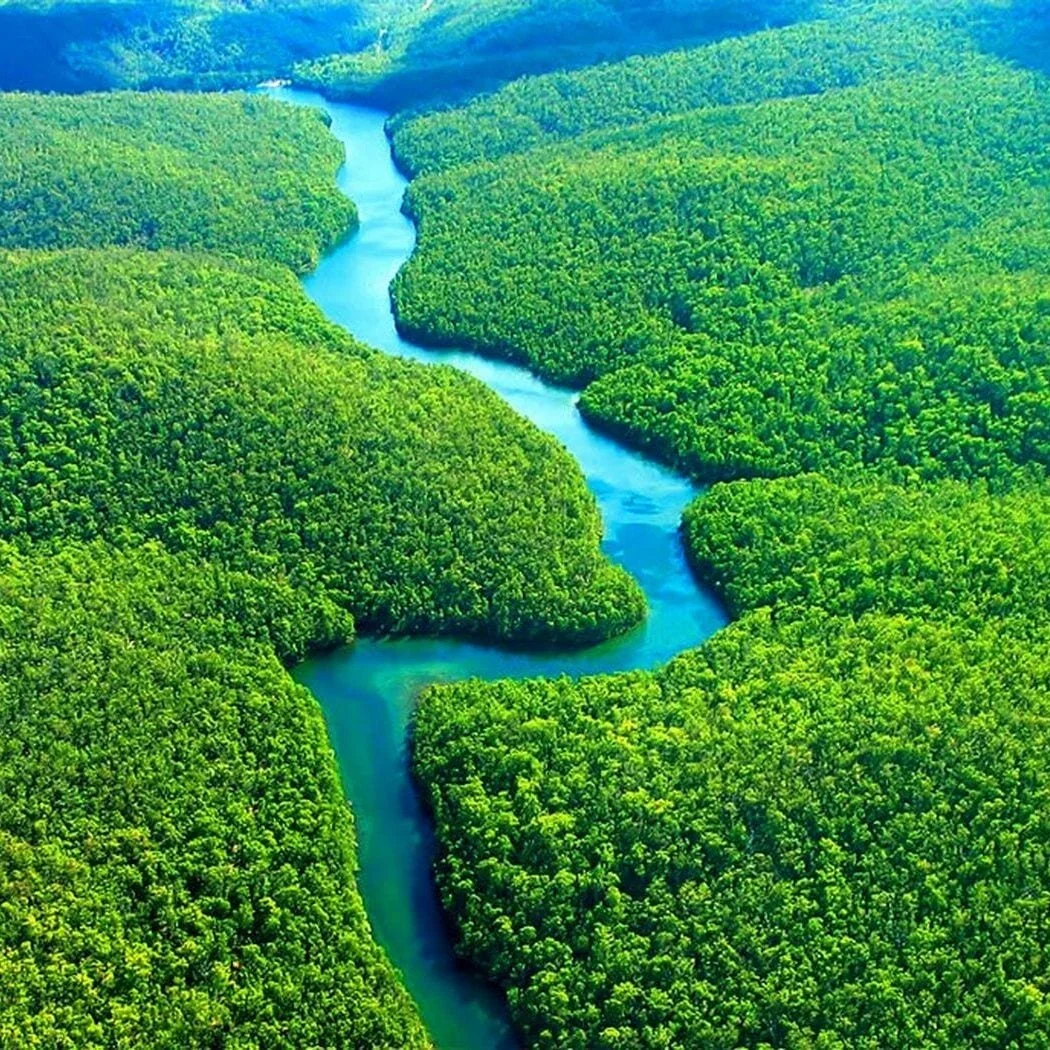
Find a balance. Use technology. And connect with nature. I think that’s really critical. There is big hope for your generation because you have better environmental education. I can see this. You are more aware of these issues. In terms of the environmental issues that we face now, we need to connect more with nature, to open up your heart for that. You have this amazing opportunity to reach out information to explore technologies through the Internet. What you choose now what we’re going to focus on, it’s really critical.

CARLOS SOUZA, JR.

CARLOS SOUZA, JR.

Senior Research Associate at Imazon
Technical & Scientific Coordinator at MapBiomas

Find a balance. Use technology. And connect with nature. I think that’s really critical. There is big hope for your generation because you have better environmental education. I can see this. You are more aware of these issues. In terms of the environmental issues that we face now, we need to connect more with nature, to open up your heart for that. You have this amazing opportunity to reach out information to explore technologies through the Internet. What you choose now what we’re going to focus on, it’s really critical.

(Highlights) TANNER WOODFORD

(Highlights) TANNER WOODFORD

Tanner Woodford is founder and executive director of the Design Museum of Chicago. He teaches at the School of the Art Institute of Chicago and paints large scale typographic murals across public spaces. As a designer, educator, and entrepreneur, he has taught, lectured, and led workshops on design issues, social change, and design history in classrooms and at conferences. He is happy to be scrappy, irrepressibly optimistic, and believes design has the capacity to fundamentally improve the human condition. He lives and works in Chicago, Ill.

TANNER WOODFORD

TANNER WOODFORD

Tanner Woodford is founder and executive director of the Design Museum of Chicago. He teaches at the School of the Art Institute of Chicago and paints large scale typographic murals across public spaces. As a designer, educator, and entrepreneur, he has taught, lectured, and led workshops on design issues, social change, and design history in classrooms and at conferences. He is happy to be scrappy, irrepressibly optimistic, and believes design has the capacity to fundamentally improve the human condition. He lives and works in Chicago, Ill.

(Highlights) RON GONEN

(Highlights) RON GONEN

Founder & CEO of Closed Loop Partners
Former Deputy Commissioner of Sanitation, Recycling & Sustainability, NYC

We live in buildings and cities because that’s what generates a living for a lot of people, but where we’re most comfortable as humans is when we’re in nature. Your generation owns this. Don’t let anybody take it from you or damage it because you own it. The next generation is the one that owns it and view it with a sense of ownership and a sense of pride and a sense of protection because there are a lot of benefits you get from nature.