BASQUIAT: The Price of Fame w/ Author DOUG WOODHAM - Highlights

BASQUIAT: The Price of Fame w/ Author DOUG WOODHAM - Highlights

A Conversation with Author DOUG WOODHAM
Managing Partner, Art Fiduciary Partners

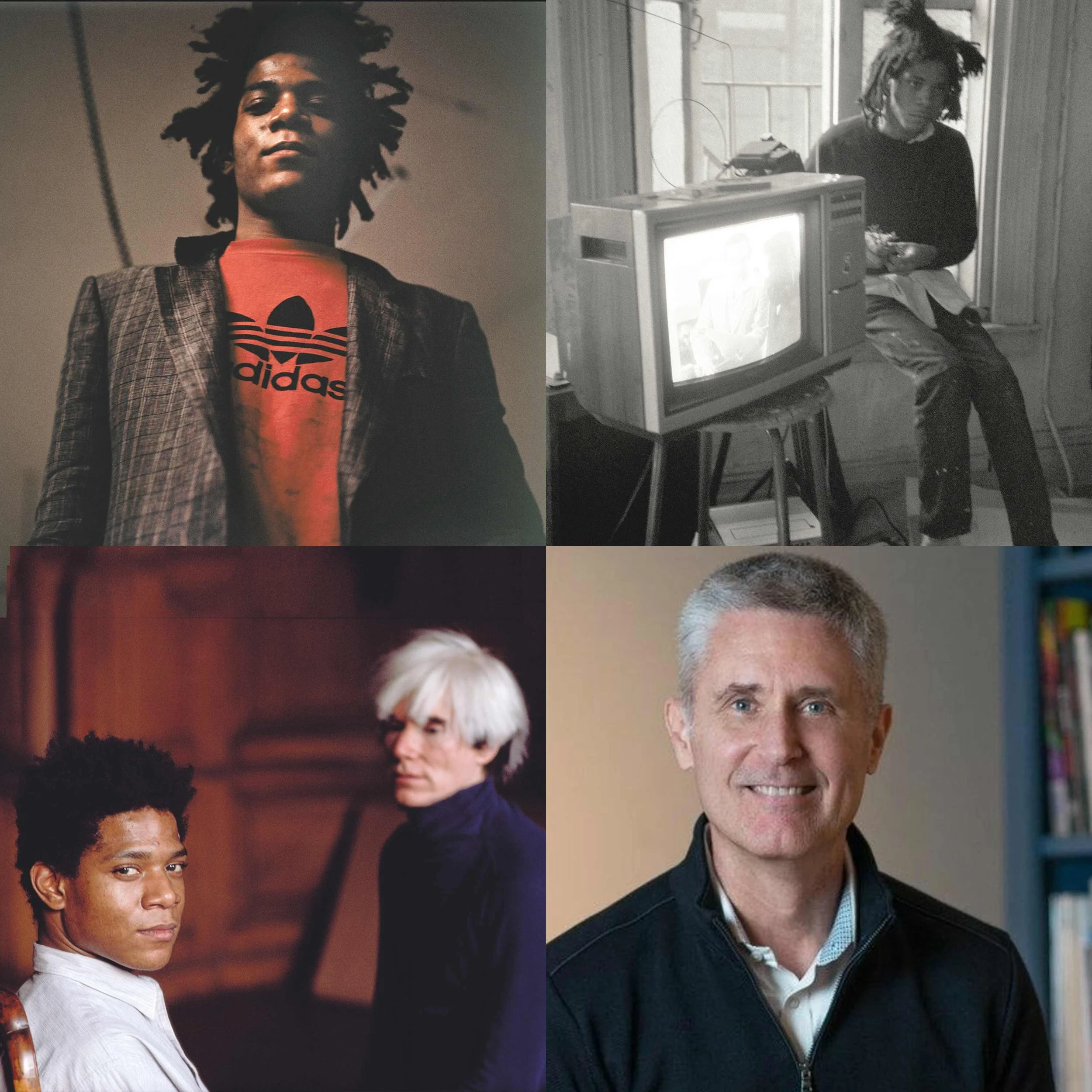
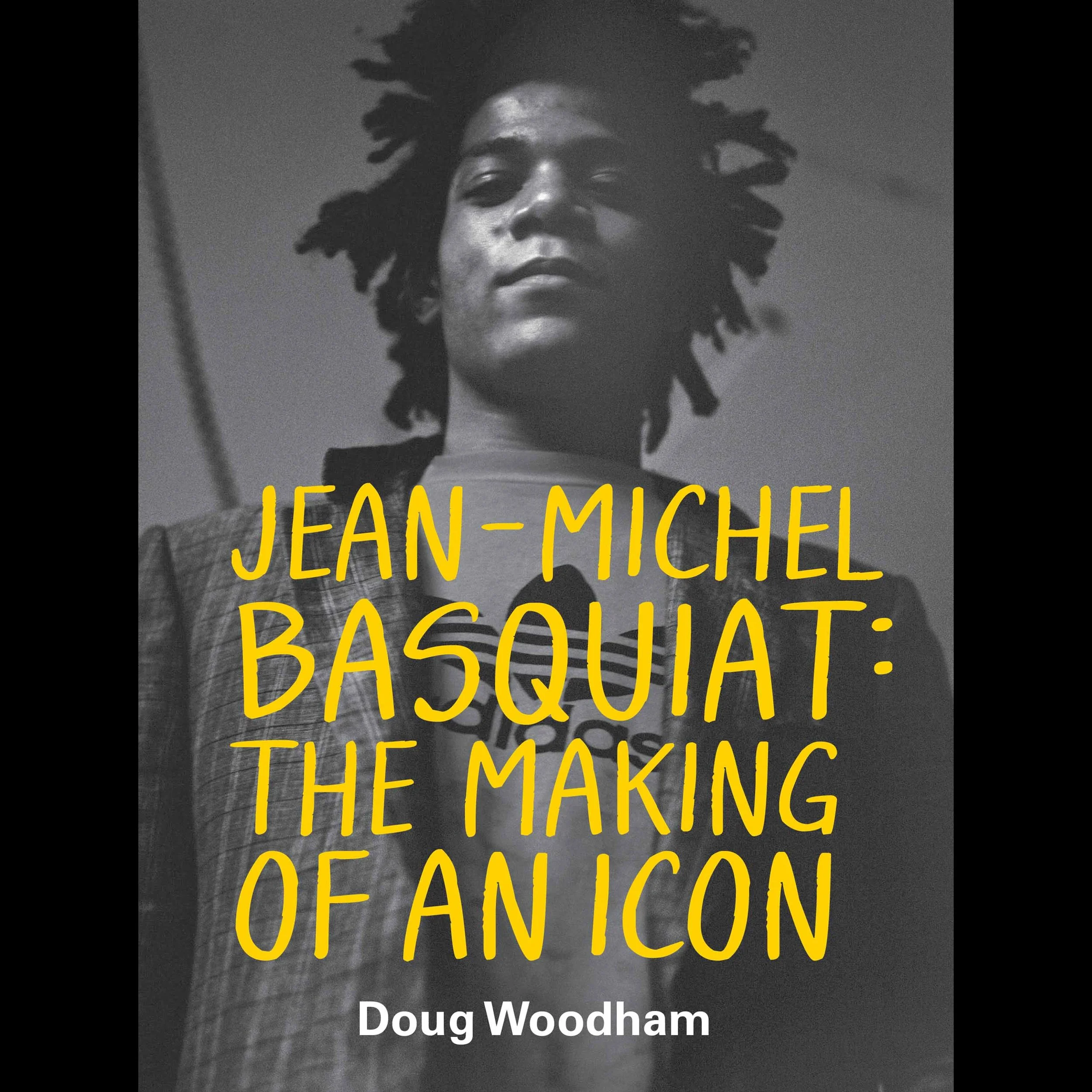
All of the great artists are there for a reason: because they rebelled in some way. They created a visual vocabulary that felt fresh and new, which excited people. So, the great artists are not built on sort of anthills of sand. They're built on things of substance and of meaning. Though this is not a sufficient condition to become an icon, it's a necessary but not sufficient condition. I think you have to have an interesting and vivid personality or personal narrative that makes you interesting for people to talk about and want to learn about. I think you also have to have a support network of galleries, curators, and collectors who are excited about your work and want to push it forward, not wanting it to be forgotten. Basquiat's visual vocabulary is distinctive and stands out relative to what was being done in the 1980s. That's the sort of strong hill on which his reputation is built. Basquiat benefited from being the first black artist of note who got pushed forward. As in many things, the first benefits.

JEAN-MICHEL BASQUIAT: The Making of an Icon with DOUG WOODHAM, Fmr. President of Christie's Americas

JEAN-MICHEL BASQUIAT: The Making of an Icon with DOUG WOODHAM, Fmr. President of Christie's Americas

A Conversation with Author DOUG WOODHAM
Fmr. President of the Americas at Christie’s · Managing Partner, Art Fiduciary Partners

All of the great artists are there for a reason: because they rebelled in some way. They created a visual vocabulary that felt fresh and new, which excited people. So, the great artists are not built on sort of anthills of sand. They're built on things of substance and of meaning. Though this is not a sufficient condition to become an icon, it's a necessary but not sufficient condition. I think you have to have an interesting and vivid personality or personal narrative that makes you interesting for people to talk about and want to learn about. I think you also have to have a support network of galleries, curators, and collectors who are excited about your work and want to push it forward, not wanting it to be forgotten. Basquiat's visual vocabulary is distinctive and stands out relative to what was being done in the 1980s. That's the sort of strong hill on which his reputation is built. Basquiat benefited from being the first black artist of note who got pushed forward. As in many things, the first benefits.

Guggenheim Abu Dhabi: Innovation, Culture, Legacy - Highlights

Guggenheim Abu Dhabi: Innovation, Culture, Legacy - Highlights

A Conversation with Manager of Digital Media AMR HUSSEIN

Guggenheim Abu Dhabi is a unique concept. The idea behind the building itself is a dance. It's a living building because it's a dance between spaces. It's a dance between blocks of spaces and shapes and cones, and it's inspiring for the future because the legacy is a huge factor for every project. It's the legacy for young architects and for other architects. It gives them the space to dream more and to feel like it can be possible, and not to be shy. Present more bold ideas that can inspire creativity because you can't see this building and walk in without feeling like you want to be creative as well.

Guggenheim Abu Dhabi's Vision for the Future

Guggenheim Abu Dhabi's Vision for the Future

A Conversation with Manager of Digital Media AMR HUSSEIN

Guggenheim Abu Dhabi is a unique concept. The idea behind the building itself is a dance. It's a living building because it's a dance between spaces. It's a dance between blocks of spaces and shapes and cones, and it's inspiring for the future because the legacy is a huge factor for every project. It's the legacy for young architects and for other architects. It gives them the space to dream more and to feel like it can be possible, and not to be shy. Present more bold ideas that can inspire creativity because you can't see this building and walk in without feeling like you want to be creative as well.

Nordic Art & Contemporary Perspectives at the ARKEN MUSEUM OF CONTEMPORARY ART - Highlights

Nordic Art & Contemporary Perspectives at the ARKEN MUSEUM OF CONTEMPORARY ART - Highlights

We don't need to find an end solution, but it's a space where we can speculate, imagine, and practice our foresight. We can be part of a bigger imagination together with an institutional framework, which is really what we try to motivate as well when we communicate these exhibitions to our audience and speak with our guests about these works. 

We can also sense that it's really a place where a lot of people like to enter these days. When you turn on a TV, look at a newspaper, listen to your radio, or speak with your friends, it seems like the world is falling apart on so many levels. It's such a challenging time. I think we can also offer this space for reflection and hopefully provide a reflection that gives some idea or feeling of agency. I think that is one of the places where we are really challenged, especially when we speak to kids and young people, as they often feel they have little agency in creating a better future for themselves. So, I believe we can really give that space to our audiences by showcasing some of these groundbreaking practices that are out there right now in contemporary art.

For me, it's this awe that I feel every time I meet an artist who has the courage to deal with what it means to be in the world as a human being and to tackle it from different ways and through different media. I always feel that through the collaborations I have with artists, I learn a little bit more about the world.
The Future of Museums with MARIE NIPPER, Director of ARKEN MUSEUM OF CONTEMPORARY ART

The Future of Museums with MARIE NIPPER, Director of ARKEN MUSEUM OF CONTEMPORARY ART

We don't need to find an end solution, but it's a space where we can speculate, imagine, and practice our foresight. We can be part of a bigger imagination together with an institutional framework, which is really what we try to motivate as well when we communicate these exhibitions to our audience and speak with our guests about these works. 

We can also sense that it's really a place where a lot of people like to enter these days. When you turn on a TV, look at a newspaper, listen to your radio, or speak with your friends, it seems like the world is falling apart on so many levels. It's such a challenging time. I think we can also offer this space for reflection and hopefully provide a reflection that gives some idea or feeling of agency. I think that is one of the places where we are really challenged, especially when we speak to kids and young people, as they often feel they have little agency in creating a better future for themselves. So, I believe we can really give that space to our audiences by showcasing some of these groundbreaking practices that are out there right now in contemporary art.

For me, it's this awe that I feel every time I meet an artist who has the courage to deal with what it means to be in the world as a human being and to tackle it from different ways and through different media. I always feel that through the collaborations I have with artists, I learn a little bit more about the world.
Art is a Fundamental Element of Life - Gallerist HANNAH BARRY on a Life in Art

Art is a Fundamental Element of Life - Gallerist HANNAH BARRY on a Life in Art

There's something fundamental about the value of art and culture. Not just being integrated for vocational reasons, but because the experience of art and having a cultural element in one's life brings enjoyment, learning, relief, or any of the many experiences and feelings that art provides. I think this is quite fundamental as an element of life. Creativity is key in any career and also in personal life, especially in terms of problem-solving, relationships, kindness, compassion, and empathy. The arts, creativity, and the cultural world at large are not just nice to have; they are essential. Their value is fundamental, although sometimes it's extremely difficult to define in a way that aligns with what people might prefer. To see the arts lost from the developmental moments in one's life is tragic. Developmental moments in life come at all points in the arc of one's existence. To see that taken or diminished is unfortunate. Everyone involved in working with artists, artists themselves, or those who are creative knows this and believes in it.

Art Without Borders - RAJIV MENON'S Vision for South Asian Art

Art Without Borders - RAJIV MENON'S Vision for South Asian Art

A Conversation with Gallerist · Curator RAJIV MENON
Founder of RAJIV MENON CONTEMPORARY

I want people to understand South Asian art as broader than a single gallery or a single artist, but as a larger cultural movement. I want people to encounter art in all parts of their lives, and I’m constantly thinking about new ways to achieve that. I was very aware, as someone launching a South Asia-focused gallery, that this was the cultural dynamic that undergirded the way that most people in the West were thinking about art from the region. Taking that on directly and inviting artists to work with that theme was a really important ground for setting the ethos of the gallery and the types of critical questions we wanted to tackle with the work we were doing.

AI, UFOs, Perception & Reality with Artist, Geographer, Author TREVOR PAGLEN - Highlights

AI, UFOs, Perception & Reality with Artist, Geographer, Author TREVOR PAGLEN - Highlights

At the core of the work is that sense of curiosity, that sense of joy, that sense of beauty, and that sense of learning. I've been fortunate to have all kinds of strange and interesting experiences, whether that's seeing weird things in the sky over secret military bases in the middle of the Nevada desert, going scuba diving and finding internet cables on the bottom of the ocean, or tracking spy satellites in the sky and being able to predict when they'll appear in a flash against the backdrop of stars. The world around us is extraordinary and embodied, right? It is not on screens, and I’m very privileged to have that be so much a part of my process.

How AI is Shaping Perception, How Deception is Sculpting Our Reality with Artist TREVOR PAGLEN

How AI is Shaping Perception, How Deception is Sculpting Our Reality with Artist TREVOR PAGLEN

How Deception is Sculpting Our Reality
A Conversation Artist, Geographer, Author TREVOR PAGLEN

At the core of the work is that sense of curiosity, that sense of joy, that sense of beauty, and that sense of learning. I've been fortunate to have all kinds of strange and interesting experiences, whether that's seeing weird things in the sky over secret military bases in the middle of the Nevada desert, going scuba diving and finding internet cables on the bottom of the ocean, or tracking spy satellites in the sky and being able to predict when they'll appear in a flash against the backdrop of stars. The world around us is extraordinary and embodied, right? It is not on screens, and I’m very privileged to have that be so much a part of my process.

Art, Empathy & Resilience with CADY McCLAIN, Actor, Director, Writer, Artist, Musician - Highlights

Art, Empathy & Resilience with CADY McCLAIN, Actor, Director, Writer, Artist, Musician - Highlights

A Conversation with Emmy Award-winning Actor, Director, Writer CADY McCLAIN

I won my first Emmy when I was 21, which was the result of absolutely devoting myself day and night for two years to doing all the scene work. I attended classes simultaneously and did plays until my mother died. I studied with Michael Howard for eight years. Even when I was so tired I couldn't get up to do a scene, he would say, "Get up and do a poem." It helped me enormously; it saved me. The way I was trained and how I train others is that you know when you’re in the zone. Oh God, it feels so good. It feels like flying. And that's what you want. You want to be so unselfaware that you're on liftoff?

A Life in Acting with Emmy Award-winning Actor, Artist, Director CADY McCLAIN

A Life in Acting with Emmy Award-winning Actor, Artist, Director CADY McCLAIN

A Conversation with Emmy Award-winning Actor, Director, Writer CADY McCLAIN

I won my first Emmy when I was 21, which was the result of absolutely devoting myself day and night for two years to doing all the scene work. I attended classes simultaneously and did plays until my mother died. I studied with Michael Howard for eight years. Even when I was so tired I couldn't get up to do a scene, he would say, "Get up and do a poem." It helped me enormously; it saved me. The way I was trained and how I train others is that you know when you’re in the zone. Oh God, it feels so good. It feels like flying. And that's what you want. You want to be so unselfaware that you're on liftoff?

Life As No One Knows It - Exploring AIR Aspen with NICOLA LEES - Highlights

Life As No One Knows It - Exploring AIR Aspen with NICOLA LEES - Highlights

& The Future of Museums
A Conversation with NICOLA LEES · Director of the Aspen Art Museum

It's a complicated time to think about how we can slow down, be still, and bring a brilliant group of people together to do something that feels purposeful and can be productive. It's a moment where things are moving so fast. When I brought up the idea of a hinge generation, I think it's impossible to know how we will look back and reflect on this time and these moments. This year, there is a real emphasis on the relationship between the question we have posed for the retreat, which is fundamentally about our relationship with technology and identifying our relationship with the world and how we want to be present in the moment.

The First Artist-Led Global Summit & The Future of Museums - NICOLA LEES, Director, Aspen Art Museum

The First Artist-Led Global Summit & The Future of Museums - NICOLA LEES, Director, Aspen Art Museum

& The Future of Museums
A Conversation with NICOLA LEES · Director of the Aspen Art Museum

It's a complicated time to think about how we can slow down, be still, and bring a brilliant group of people together to do something that feels purposeful and can be productive. It's a moment where things are moving so fast. When I brought up the idea of a hinge generation, I think it's impossible to know how we will look back and reflect on this time and these moments. This year, there is a real emphasis on the relationship between the question we have posed for the retreat, which is fundamentally about our relationship with technology and identifying our relationship with the world and how we want to be present in the moment.

Examining Monuments, Memory & The History of White Supremacy IRVIN WEATHERSBY JR. - Highlights

Examining Monuments, Memory & The History of White Supremacy IRVIN WEATHERSBY JR. - Highlights

A Conversation with Author IRVIN WEATHERSBY JR.

One of the biggest symbols of America is Mount Rushmore. This monument, right? But I think most people fail to realize where it's located and why it's located there. Even more importantly, who did it? It's on a sacred Native American mountain, a place that was central to their creation stories. But then you think about who did it, and it was a Klansman. The guy who sculpted Mount Rushmore was a Klansman. People were like, "Wait, really?" Like, how is that a thing? But it seeps into our understanding and our embrace of white supremacy. This whole notion of us using Mount Rushmore as a metric of excellence is really sad. We are honoring slave owners and people who viciously killed natives, and those who pillage other lands in the name of capitalism. That's what America is, I guess.

I think there's such a disinterest in education in America that it is sickening. We can't even agree on facts. It's up to states' rights to decide. Really? States can say that this is true in one state, but it's not true in another? Although these states are united, it's very bizarre. I'm hopeful for revolution. I'm optimistic. I want radical change. I think we are repeating history. We are going through a cycle of fascism and greed, and I think we're going to see a lot of states collapse. As a result of that, I think people are going to be forced back to their primal needs and concerns, but I think they're going to be forced to think about what makes us human. How do we become more human? Because we've lost that. We've given it up to technology. How can we figure out what makes us a really powerful species again?

In Open Contempt: Confronting White Supremacy in Art & Public Space with IRVIN WEATHERSBY JR.

In Open Contempt: Confronting White Supremacy in Art & Public Space with IRVIN WEATHERSBY JR.

A Conversation with Author IRVIN WEATHERSBY JR.

One of the biggest symbols of America is Mount Rushmore. This monument, right? But I think most people fail to realize where it's located and why it's located there. Even more importantly, who did it? It's on a sacred Native American mountain, a place that was central to their creation stories. But then you think about who did it, and it was a Klansman. The guy who sculpted Mount Rushmore was a Klansman. People were like, "Wait, really?" Like, how is that a thing? But it seeps into our understanding and our embrace of white supremacy. This whole notion of us using Mount Rushmore as a metric of excellence is really sad. We are honoring slave owners and people who viciously killed natives, and those who pillage other lands in the name of capitalism. That's what America is, I guess.

I think there's such a disinterest in education in America that it is sickening. We can't even agree on facts. It's up to states' rights to decide. Really? States can say that this is true in one state, but it's not true in another? Although these states are united, it's very bizarre. I'm hopeful for revolution. I'm optimistic. I want radical change. I think we are repeating history. We are going through a cycle of fascism and greed, and I think we're going to see a lot of states collapse. As a result of that, I think people are going to be forced back to their primal needs and concerns, but I think they're going to be forced to think about what makes us human. How do we become more human? Because we've lost that. We've given it up to technology. How can we figure out what makes us a really powerful species again?

ADAM MOSS - Fmr. Editor of New York Magazine, Author, Artist on Creativity as a Process - Highlights

ADAM MOSS - Fmr. Editor of New York Magazine, Author, Artist on Creativity as a Process - Highlights

ADAM MOSS
Author · Artist · Fmr. Editor of New York magazine · The New York Times Magazine

 I was very interested in the state of mind of an artist as he or she goes about making. I think one of the things that artists have is not just an interest in their own subconscious, but also an ability to find ways, tricks, and hacks to access their subconscious. Over time, they understand how to make productive use of what they find there. We all have subconsciousness; we all dream and daydream. We all have disassociated thoughts that float through our head, but we don't generally know what to do with them. One of the traits that successful artists seem to have is this ability to cross borders into recesses of their own minds.

The Work of Art: How Something Comes from Nothing w/ ADAM MOSS Fmr. Editor of New York Magazine

The Work of Art: How Something Comes from Nothing w/ ADAM MOSS Fmr. Editor of New York Magazine

ADAM MOSS
Author · Artist · Fmr. Editor of New York magazine · The New York Times Magazine

 I was very interested in the state of mind of an artist as he or she goes about making. I think one of the things that artists have is not just an interest in their own subconscious, but also an ability to find ways, tricks, and hacks to access their subconscious. Over time, they understand how to make productive use of what they find there. We all have subconsciousness; we all dream and daydream. We all have disassociated thoughts that float through our head, but we don't generally know what to do with them. One of the traits that successful artists seem to have is this ability to cross borders into recesses of their own minds.