

All of the great artists are there for a reason: because they rebelled in some way. They created a visual vocabulary that felt fresh and new, which excited people. So, the great artists are not built on sort of anthills of sand. They're built on things of substance and of meaning. Though this is not a sufficient condition to become an icon, it's a necessary but not sufficient condition. I think you have to have an interesting and vivid personality or personal narrative that makes you interesting for people to talk about and want to learn about. I think you also have to have a support network of galleries, curators, and collectors who are excited about your work and want to push it forward, not wanting it to be forgotten. Basquiat's visual vocabulary is distinctive and stands out relative to what was being done in the 1980s. That's the sort of strong hill on which his reputation is built. Basquiat benefited from being the first black artist of note who got pushed forward. As in many things, the first benefits.
People today are so used to Basquiat's prices being extraordinarily high and rising that it's almost hard for people to understand that wasn't always the case. In the year he died, 1988, a terrific painting by Basquiat might have sold for $30,000. Relative to his other artistic peers, like a great Julian Schnabel painting that cost $800,000. After Basquiat died, some speculative capital entered his market, and his prices did pop, but in the early 1990s, his prices fell apart, and for much of the first half of the 1990s, his work was selling for 80% off what it had been selling before. Auction houses didn't want to include him in their auctions. There was a really good chance he was going to be remembered, but certainly not become a great star. Three key figures believed in him and proceeded to buy almost every available Basquiat in the first half of the 1990s. They were also just passionate believers in his work. But for those three people, it would have taken much longer for Basquiat to achieve acclaim, if ever.
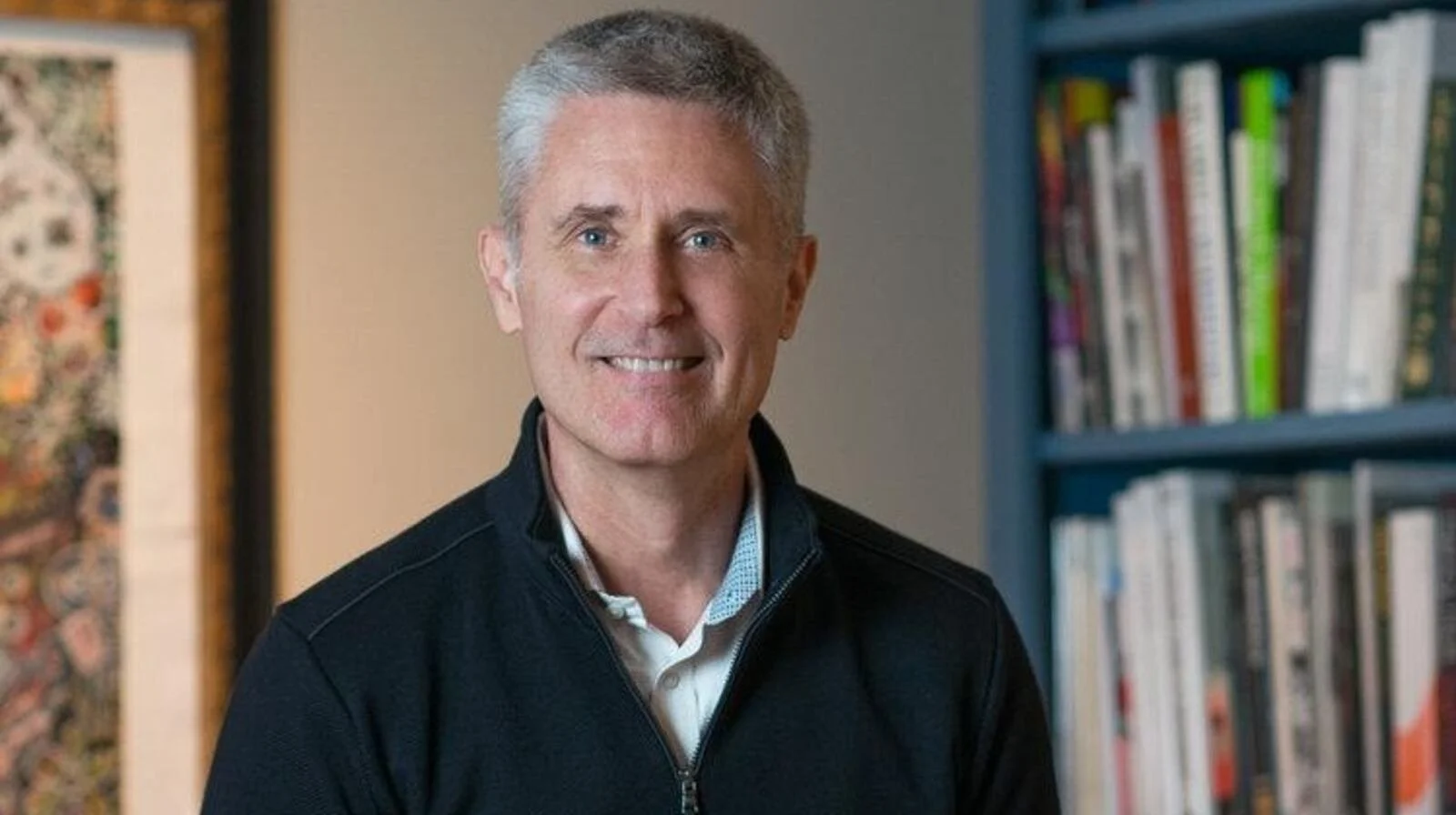
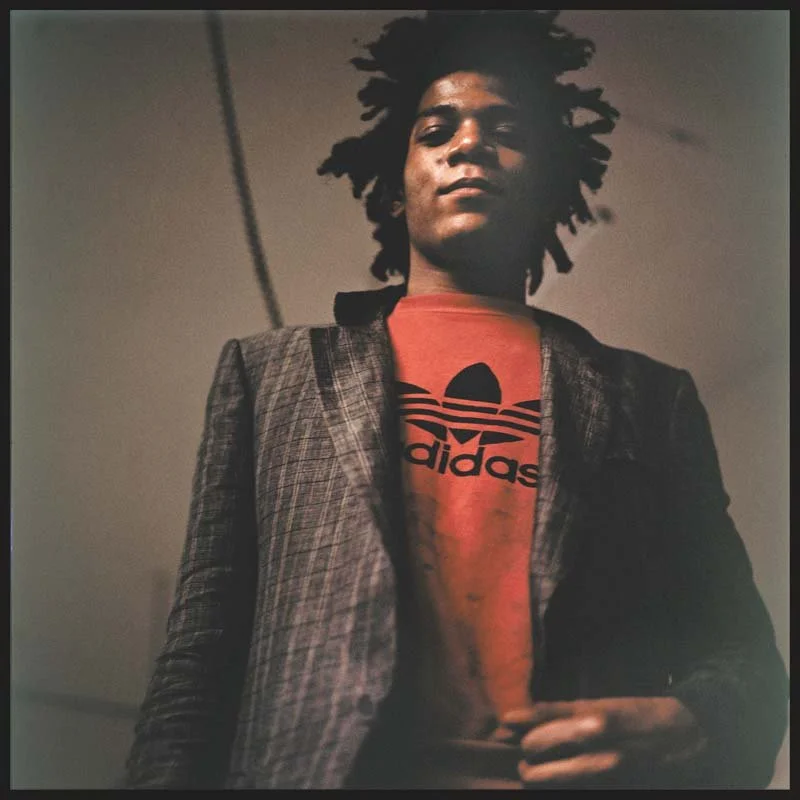
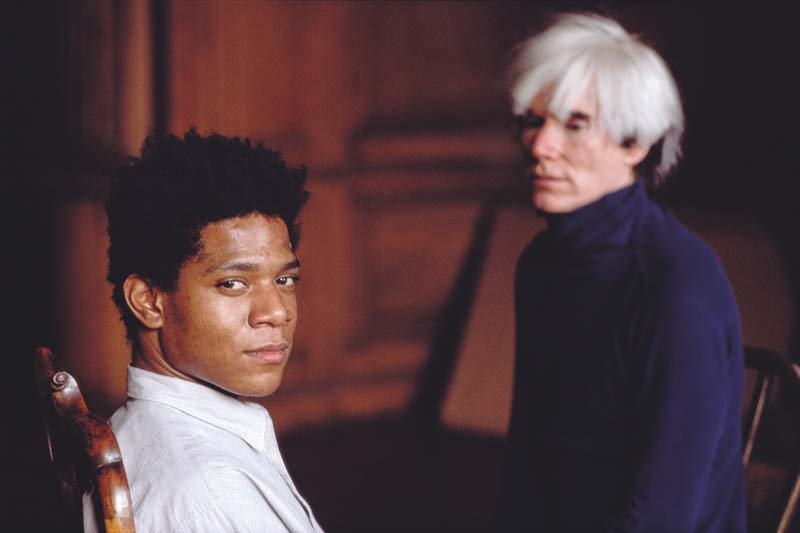
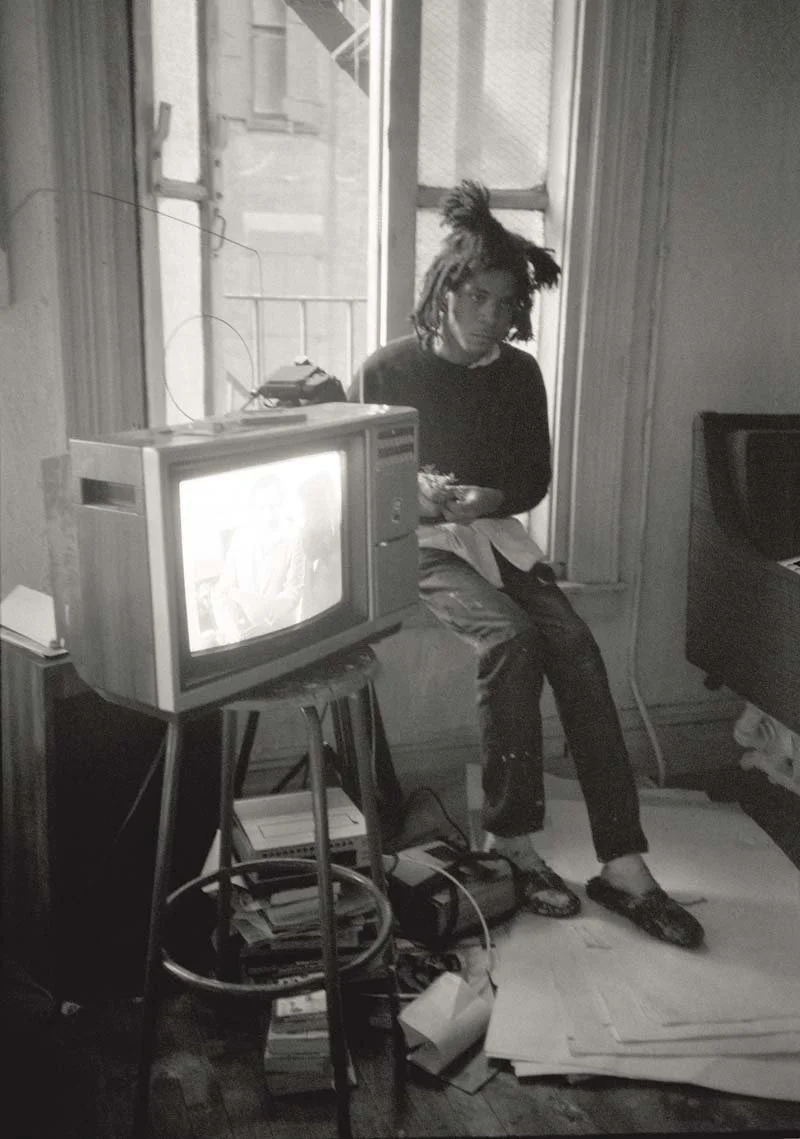
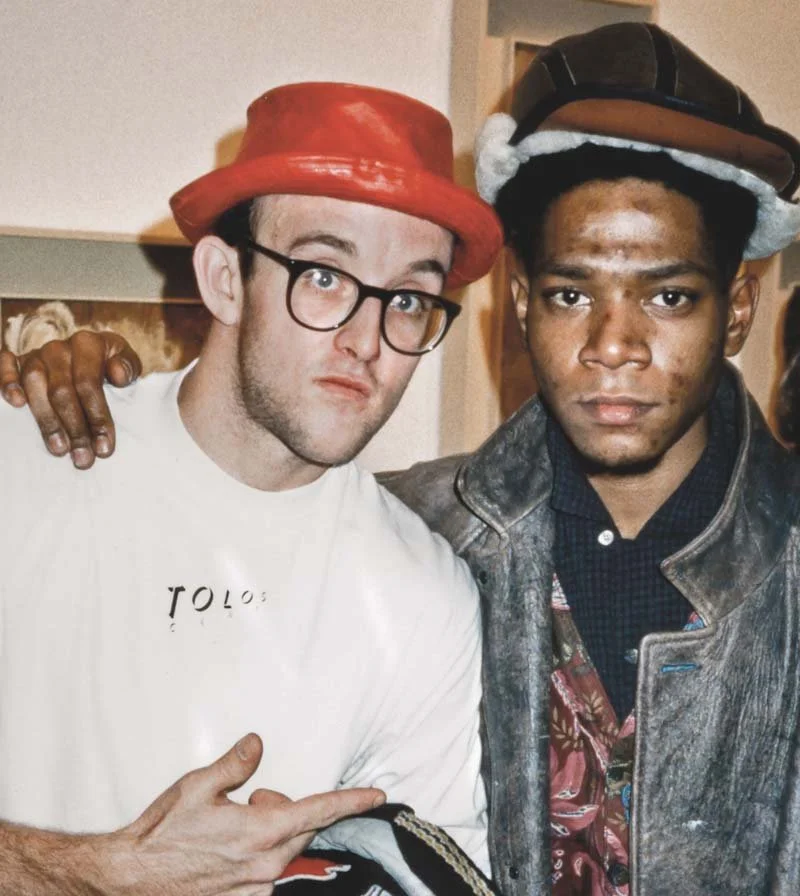
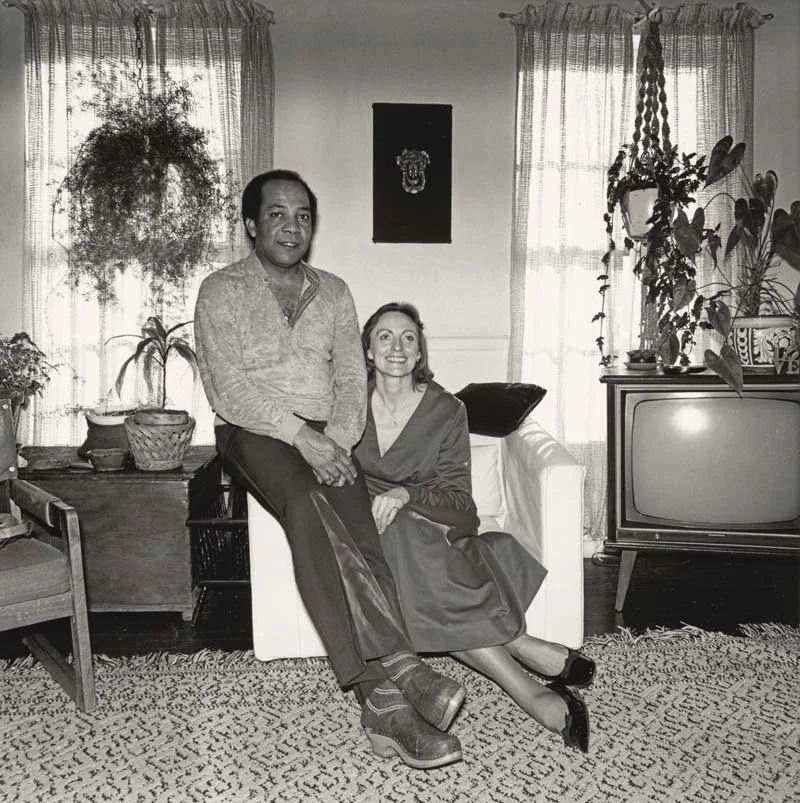
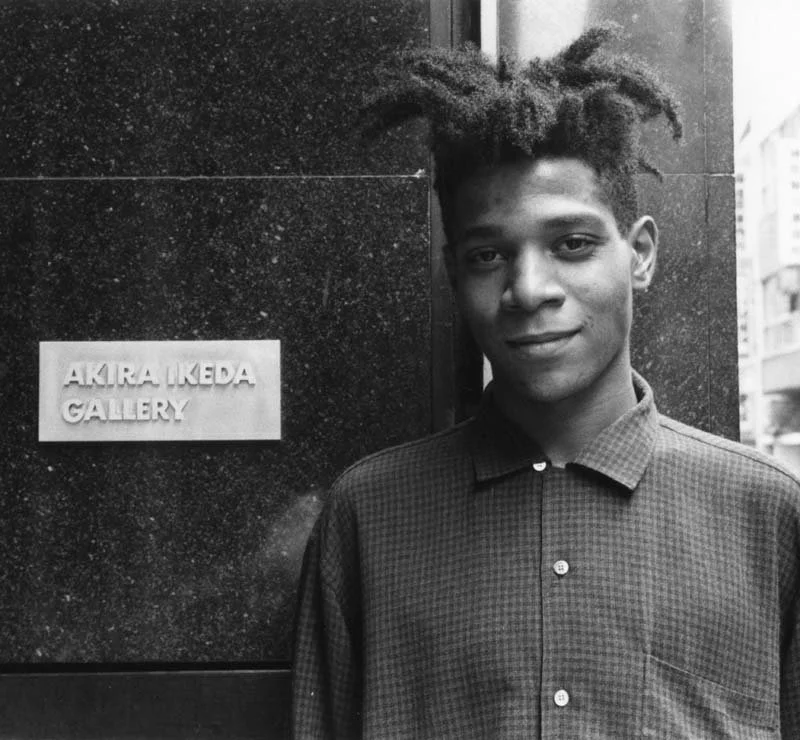
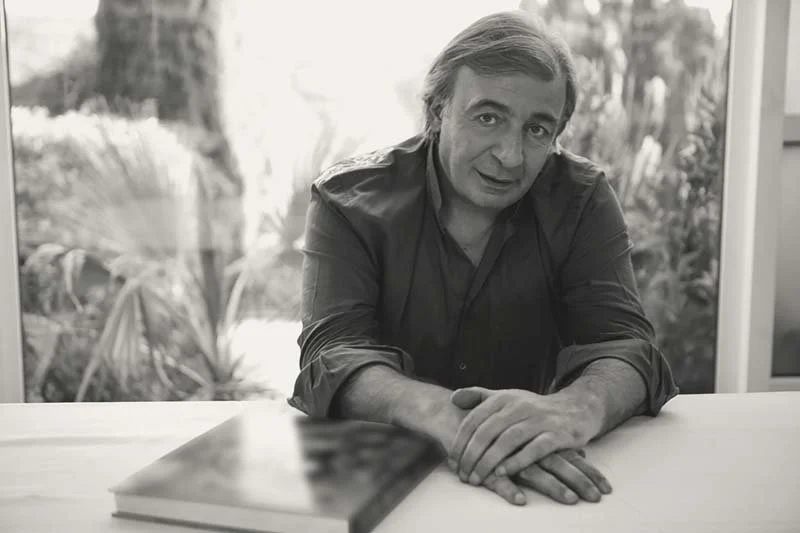

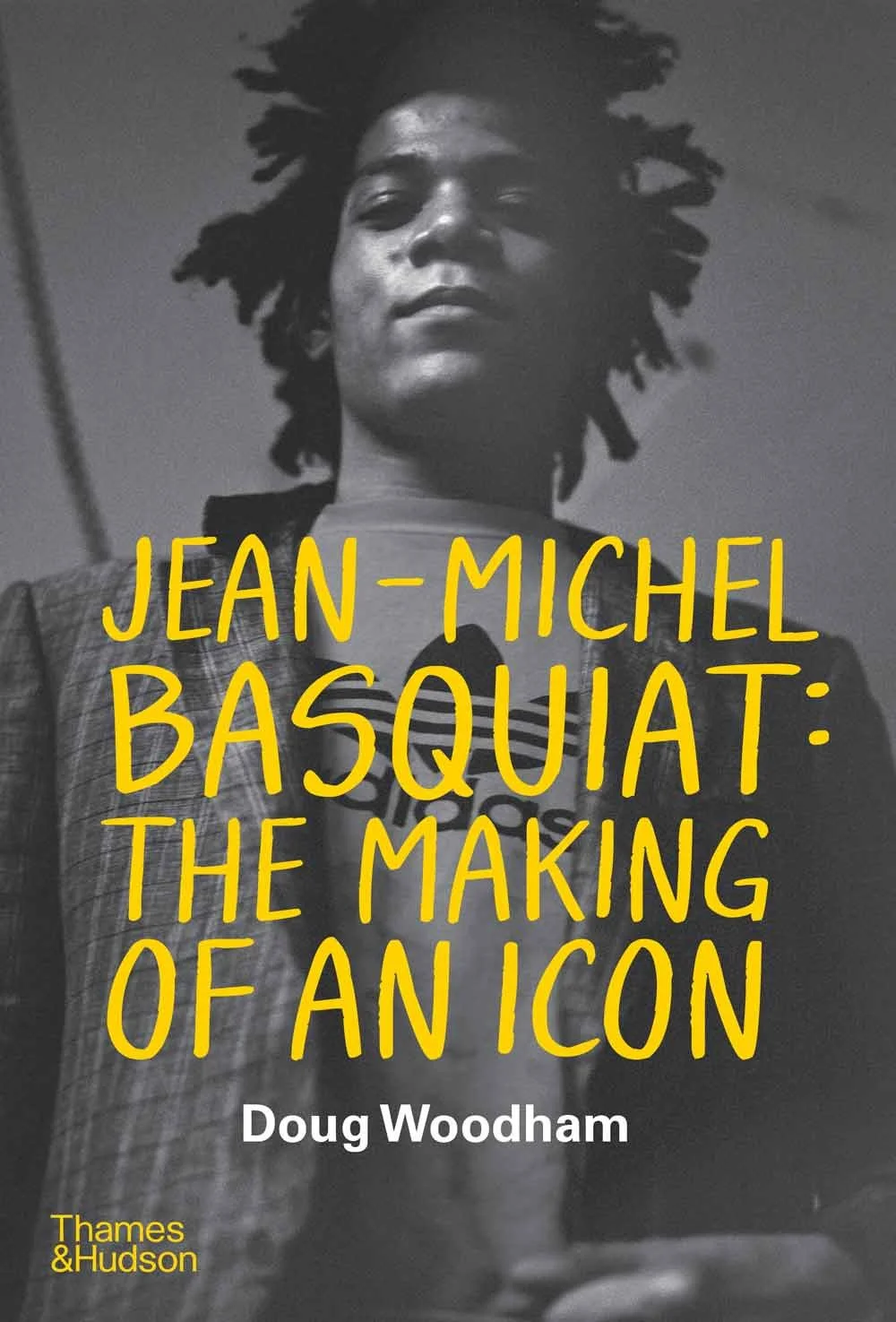
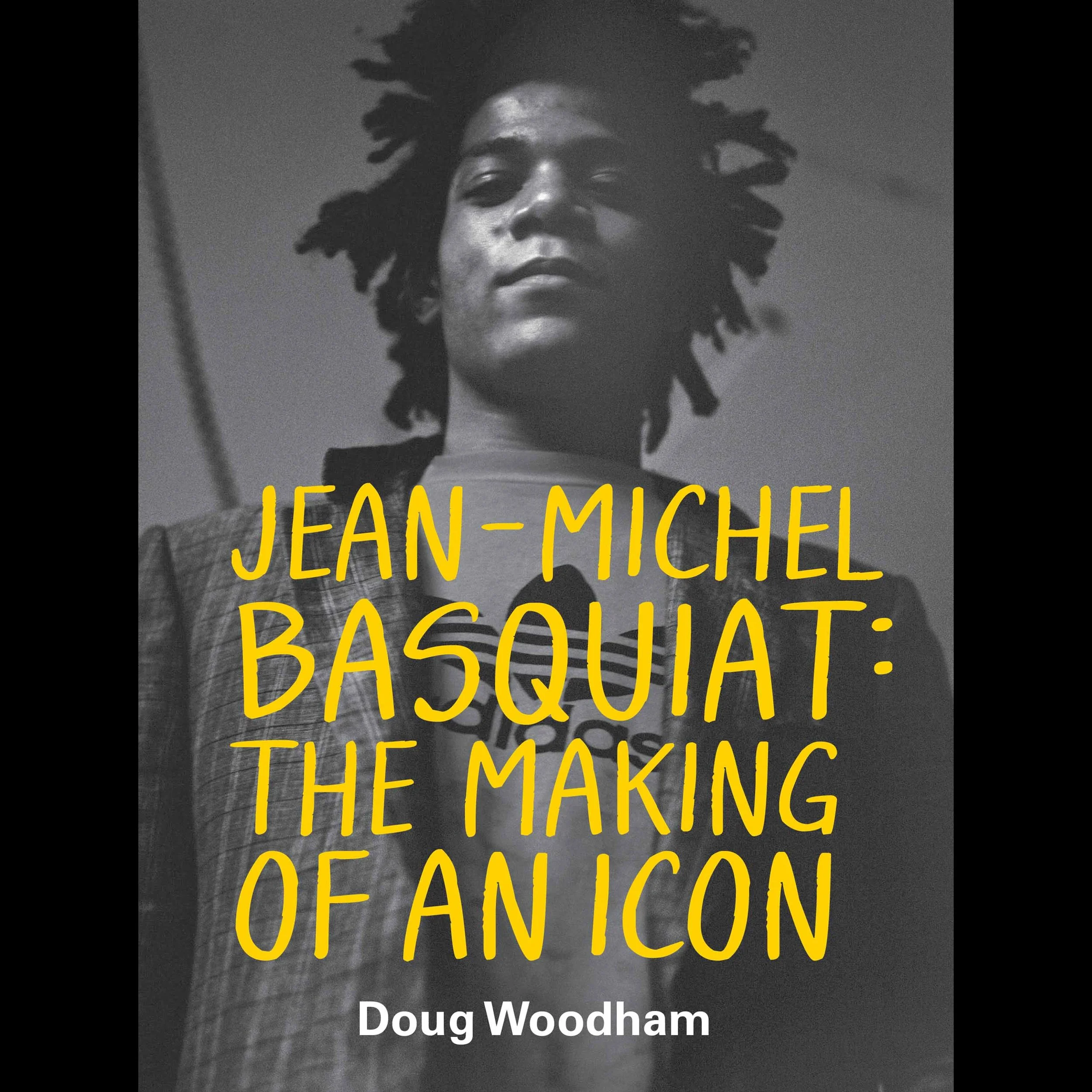
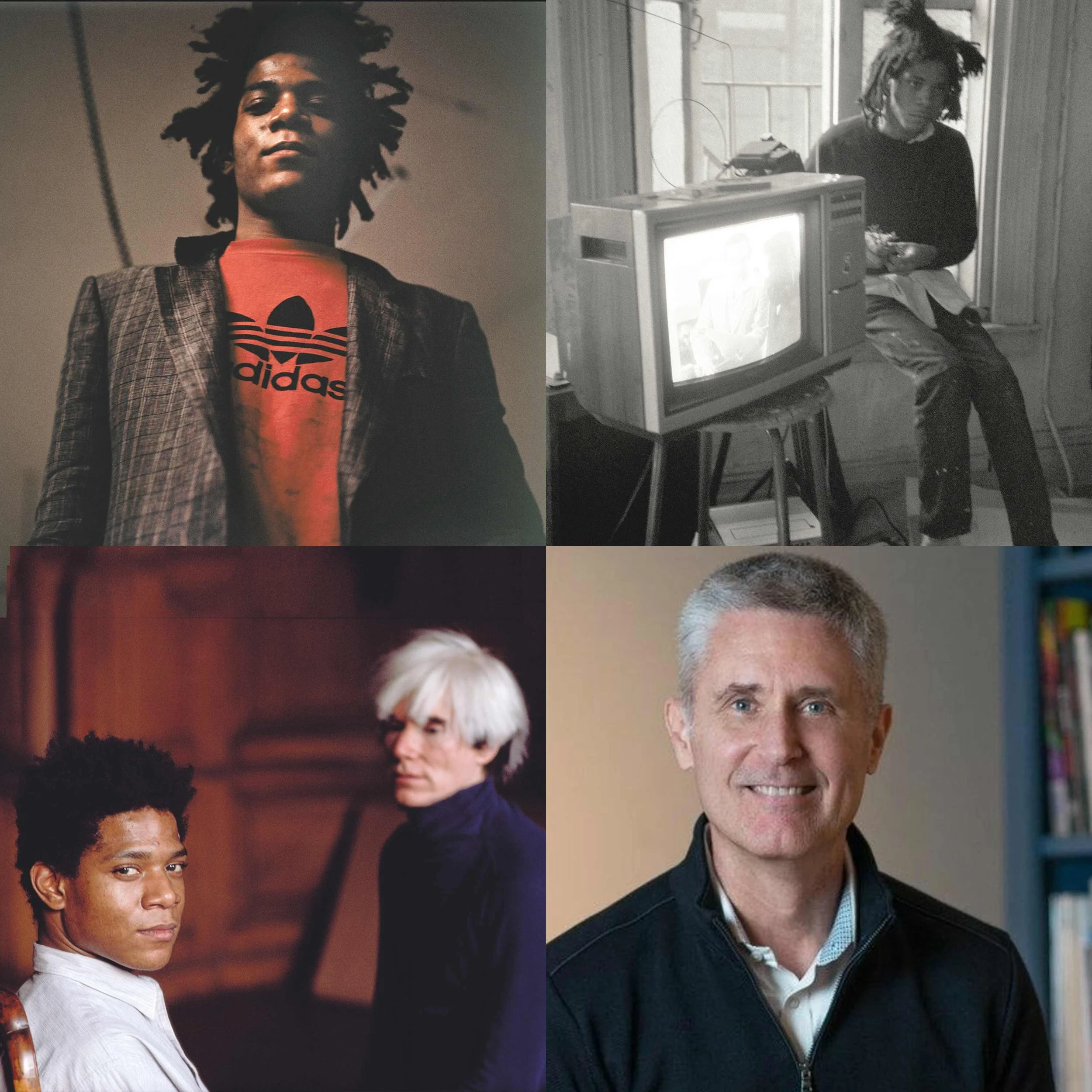
Today, we’re joined by someone uniquely positioned to unpack the art world’s inner workings and to help us understand one of its most mythic figures — Jean-Michel Basquiat. Doug Woodham is the author of the new biography, Jean-Michel Basquiat: The Making of an Icon, the first major life study of Basquiat in over twenty-five years. Drawing on more than a hundred interviews — from family and friends to collectors and curators — Doug traces the rise, fall, and resurrection of an artist who redefined what it means to be a cultural icon. Before turning to writing, Doug served as President of the Americas for Christie’s, one of the world’s leading auction houses. That role gave him an insider’s perspective on how value is created — and mythologized — in the modern art market. In this conversation, we’ll explore not just the man behind the legend, but the powerful machinery that turned Jean-Michel Basquiat into one of the most recognized and commercially successful artists in the world.
THE CREATIVE PROCESS
What do you feel are those key ingredients that turn an artist into a global icon?
DOUG WOODHAM
They have to have created something that's new, fresh, and distinctive for their day. All of the great artists are there for a reason, and they are there for a reason because they rebelled in some way. They created a visual vocabulary that felt fresh and new, that excited people. The great artists are not built on sort of anthills of sand. They're built on things of substance and meaning. Though this is not a sufficient condition to become an icon, it's a necessary but not sufficient condition to become one of the greats that is accepted. I think you have to have an interesting and vivid personality or personal narrative that makes you interesting for people to talk about and want to learn about. I think you also have to have a support network of galleries, curators, and collectors who are excited about your work and want to push it forward, and don't want it to be forgotten. So I think those are factors. I think also, if you can always remain part of the sort of relevant zeitgeist, that's also important. Basquiat has benefited enormously from the pivot in the art world that started in the 1990s to identity being such an important part of what, at least in the contemporary art world, came to be viewed as incredibly important and relevant for some artists to be considered important. Again, I think Basquiat's distinctive visual vocabulary stands out relative to what was being done in the 1980s. That's the sort of strong hill on which his reputation is built. I think there are just so many interesting stories, and he is such an interesting personality that helped propel him. There were collectors and curators who gravitated around him and who wanted to be part of that story and push him. The zeitgeist really pushed and promoted him, making him the Black artist that curators and collectors wanted to be talking about. There are so many great Black artists who were active in the seventies and eighties, many of whom today have been found and pushed into the forefront. You find them in museums; you find them in auction houses, but Basquiat benefited from being the first Black artist of note who got pushed forward. As in many things, the first benefits. If you're the fifth, sixth, or seventh, you still benefit, but he's benefited from being the first. There's something very pragmatic—it's the economist in me that thinks about these things.
THE CREATIVE PROCESS
Speaking of connections to the artist’s life and work, I had the opportunity to interview Lee Jaffe, who, as you know, traveled with Basquiat through Asia and Europe in the early eighties. From his recollections and photographs of that time, as well as from others you've interviewed who knew him, a very sensitive and thoughtful person emerges, very, very different from Basquiat, the icon. You also write about talking about legacy and how it was built by these different visionary gallerists and speculators. Of course, his father, Jared, revived his work nearly a decade after his death and reshaped his legacy because it wasn't a straight-line trajectory upward. I mean, yes, he was on the cover of TIME magazine, and various other magazines very popular, but he wasn't always the most solid blue-chip artist that he has become today. Could you just tell us how all these different elements factored into the Basquiat we know today and how he's valued by the market? We shouldn't neglect, of course, the auction house's role in this as well.
WOODHAM
People today are so used to Basquiat's prices being extraordinarily high and rising that it's almost hard for them to understand that this wasn't always the case. In the year he died, 1988, a terrific painting by Basquiat might have sold for $30,000. He was not. He might have been somewhat well-known within the contemporary art world, but relative to his artistic peers, like a great painting by Julian Schnabel that cost $800,000 or a great painting by other neo-expressionists that were a quarter of a million dollars, Basquiat's was only $30,000. After he died, some speculative capital entered his market, and his prices did pop. However, in the early 1990s, his prices fell apart. For much of the first half of the 1990s, his work was selling for 80% off what it had been selling for before. Auction houses didn't want to include him in their auctions, and galleries weren't showing his work. In the early 1990s, he was more of the forgotten man. The art world is a place where, once your prices fall, it's hard to reignite interest. For Basquiat in particular, there was a taint around him in the early 1990s because a lot of collectors felt that he gained fame due to his association and relationship with Warhol, and the fact that he died young.
There really wasn't an intellectual framework to situate Basquiat into the history of art. There was a real chance he would be remembered, but certainly not become a great star. Three key figures believed in him, thought that there was a market opportunity associated with him, and proceeded to buy almost every available Basquiat in the first half of the 1990s that became available. They were collectors, speculators, and investors. They were also just passionate believers in his work. But for those three people, it would have taken much longer for Basquiat to achieve acclaim, if ever.
THE CREATIVE PROCESS
When you read from the introduction of your book, it touched on so many questions I wanted to ask you. It shows us the power of Basquiat as an artist, that his story speaks to each of us in its specificity in such a universal way that we can all read ourselves into his story. I think you illuminate quite a few things that we didn't know. Then, of course, there’s that whole other matter of the life of the artist after their death, which is a kind of strange contradiction to bear in mind. One of the things I found interesting, which I don't think has been focused on as much, is your identification of him as being an intellectually gifted child. Often, the narrative is just that he was very free, dancing it out and putting it on the canvas. But from a very early age, he was in a different way, a little like Da Vinci. He was constantly absorbing and learning different ideas and finding connections.
Now, when I look at the paintings through this new lens, I can see that's really true. To go further into that Da Vinci metaphor, he was also in dialogue with all these great artists as well, and in the paintings, you can see Basquiat's creative mind at work. I think that people really love learning, and that's why I feel like, if you look at his paintings—maybe comparing them to Da Vinci or others—he's created this giant boldly colored codex and embedded so many puzzles and enigmas in his paintings that I feel like he knew people would be talking about them for years to come.
WOODHAM
I love the way that you think about it and talk about it. The fact that he was intellectually gifted came about because I interviewed his uncle, with whom he lived for the first five years of his life in a multi-generational household in Brooklyn. When I talked with his uncle and also Jean-Michel's cousin, who was the son of that uncle, they talked about how he was reading New York Times articles when he was in first grade. I remember stopping them and saying, “Say that again,” because I hadn't heard that ever before. They talked about how intelligent and wickedly smart he was. This led me to go down the path of reading all the research on gifted children; there's a huge body of work. I tracked down two leading academics who helped me understand how to distill that body of research down to what was relevant for somebody like Jean-Michel. From all that research, I learned that gifted children, and we're talking about the 1% gifted, have this remarkable ability to absorb information and find patterns in it that others don't see. They pursue interests passionately and go down rabbit holes really quickly. They retain that information for long periods of time and are able to see the world through a sort of mature lens at an early age. For many gifted children, this can be somewhat terrifying when they're young because they're seeing things that are beyond their emotional comprehension, but they're trying to figure out what's going on. Jean-Michel exhibited all these characteristics, and this understanding became a huge door opener for me to understand his work. For 40 years, I've seen most of his paintings, and it was just a visual cacophony. There had to be something deeper than him just having visual acuity.
I think he also wanted the love and admiration of his dad, with whom he had a fractious relationship. I think he knew that he had this fragile background. He was a fragile person, and I think that fragility is something he wanted to exhibit and show.
There’s one passage in the book where I talk about this incredibly poignant painting that he did of his mom, inspired by her schizophrenia. It came to a head when he was seven. She had a nervous breakdown after his parents split up in a very violent way. His mom actually attacked his dad with a hammer. The father left the townhouse that they owned, and she was institutionalized for a period. She chose not to raise the children but to ask Jean-Michel's father to do that when he was seven years old. Can you imagine? Certainly, in the 1960s, people didn't divorce. People didn't separate. Moms didn't give up their children to be raised by their dads. He was remarkably close with his mother, and she remained close throughout his life, but he was thrust into this acute state of otherness when he was quite young. There's this painting called Masonic Lodge that I just love because it's a portrait of his mom. The references to schizophrenia are buried in the painting. Once you understand his mom's suffering with schizophrenia—how that manifested itself in a vivid way when Jean-Michel was seven and how he had to live with the consequences for the rest of his life—you gain insight into it. It is a portrait of his mom struggling with the effects of schizophrenia, and it's a very coded painting. Unless you know this backstory, you'd have no idea what's going on. But once you understand it's a portrait of his mom dealing with schizophrenia and the impact it had on him personally, it becomes one of my favorite paintings by him. The fact that he chose to paint this and reveal it, but in a way that's so coded—up until my book, there were probably just ten people on the planet who understood what was going on in this painting.
THE CREATIVE PROCESS
Yes, it's a kind of crying woman, and that might be something behind his productivity and searching for fame, too. The shadow of schizophrenia—is it going to come for me? You know, I'll keep busy and keep on producing, examining the thoughts in my mind, making sure they don't run ahead of me.
WOODHAM
Right?
THE CREATIVE PROCESS
And maybe the drug taking was a way of numbing it.
WOODHAM
The drug taking is a really important point. I mean, there's a long passage in the book about the impact of his drug addictions on his art and his productivity. So many creatives throughout history have relied on heroin and drugs; it's not a new thing. I was really interested in trying to understand what about his heroin use contributed to his productivity, his mindset, and his attitudes. It's interesting—if you read the literature on heroin addictions, you can't find anything that suggests anything positive about heroin, and that's for a good reason. It's addictive, it's horrible—it's not a good path to go down. All the literature describes it as awful, evil, and terrible. Some of the literature on jazz will talk about it, but I finally found somebody who knew Basquiat very well—he met him when he was young. This person didn't have a heroin addiction per se, but he knew William Burroughs and talked about the impact of heroin on creatives. It was a door-opening interview because he mentioned that with relatively small doses of heroin, it pulls the worry cord out of the socket for artists.
You know, artists are walking on a tightrope, trying to figure out what to create and how to create things of note. He said heroin is actually an elixir in the early stages. He talked about there being almost a three-year heroin honeymoon, where when you're using it, you can work for extended periods of time. Your worry cord has been pulled from the socket. Life is great; life is exalted; life is wonderful.
Much of the great work that Basquiat created in '82 and '83 was when he was using heroin. This interview helped me understand the positive impacts that heroin had on unleashing his creativity. But it, of course, came to bite him in the end, as his addictions surged at some point. A lot of the work he made in the last couple of years of his life are sort of vague echoes of what he was doing in his great years, in part because he became so listless on heroin. He was just sort of banging out works for exhibitions.
THE CREATIVE PROCESS
How is digital technology and AI changing the art we’re making and how we appreciate it? There's probably already a Basquiat chatbot out there. I'm sure people are generating their own lines of text, trying to be Basquiat or at least channel him on a digital level. There is a lot of unfairness in terms of copyright in that. Also, I think we need the struggle. We need to put in the 10,000 hours—I think, is the bare minimum.
WOODHAM
I am so with you. I'm a 10,000 hours guy when it comes to being creative. It is such hard work. You have so many false starts. You've got to learn; you've got to try. So look, there's a lot of creative slop out there. I think people are maybe thinking, "Well, all these generative AI tools are going to enable me to become an esteemed creative faster without having to do the 10,000 hours."
THE CREATIVE PROCESS
In closing, as you think about art, the future and the kind of world we're leaving for the next generation, what would you like young people to know, preserve, and remember?
WOODHAM
I guess I would like them to have a greater sense of optimism. By most objective standards—infant mortality rates, food security, longevity—this is actually one of the greatest times in history to be alive. I think Homo sapiens have a long track record of solving problems and making things better. So I believe having a greater sense of optimism about the future is important because while there are many intractable problems, solutions do emerge over time. Again, that's just the history of humanity.
If you compare today to the dark days of 1944 during World War II, this is a pleasure palace. I think a greater sense of optimism about people being able to do things and create is needed. Both the left and right seem to want to scream and be upset. I think a greater sense of optimism is needed. How does this really compare with previous moments in time? Sure, things are troubled and difficult, and there are horrible things happening, but maybe it's not as bad as I thought. If I just have a slightly longer time period with which to form my opinion.