A LIFE IN ART
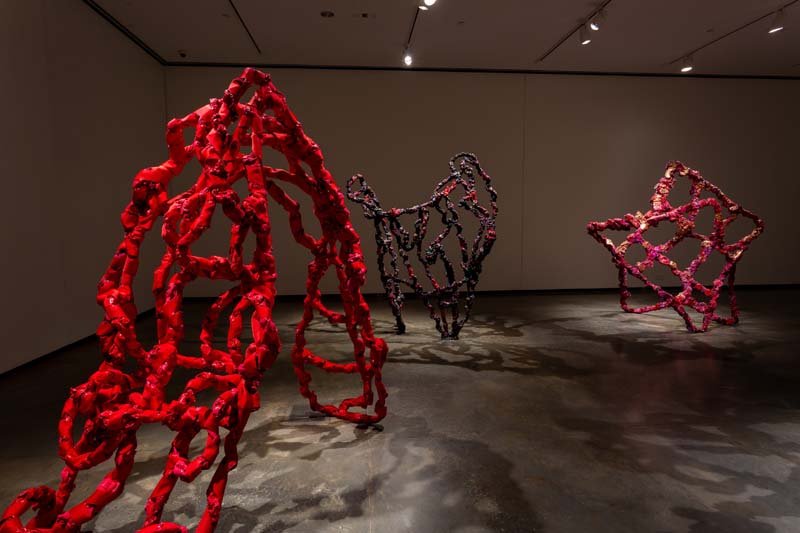
A Conversation with Artist VADIS TURNER
It's an important time, and Tennessee is an important place to be making art. I think a lot about the behavioral expectations for women and what is embedded within domestic spaces. My studio practice encourages the misbehaviors and transcendence of decorative, functional and structural elements from the home into storied grid-based forms. Aiming to redirect the narrative of feminine folklore, I have created megalithic rock formations out of bedsheets, freestanding figurative windows out of curtains and unruly vessels made with mineral wool and brick dust.
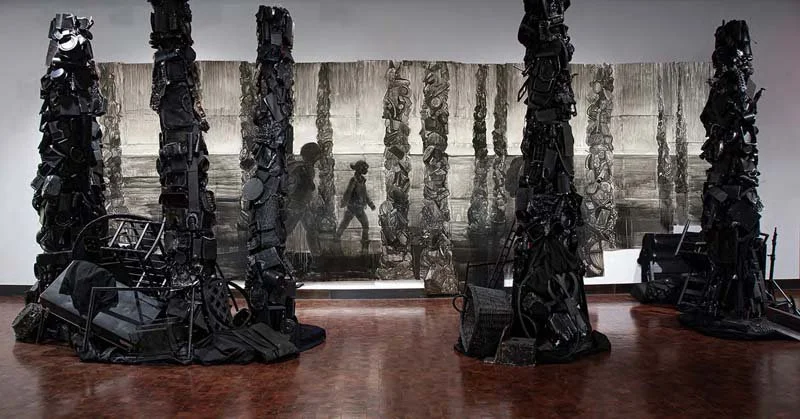
Artist HOLLIS HAMMONDS on Memory, Disaster, and the Hand-Made
As Hammonds + West we have produced several solo exhibitions exploring climate grief while bringing into question our own contributions to the current environmental crisis. Combining images with poems, video, sculptural installations, and sound, we create experiential installations that engage viewers on a visceral level, in an attempt to engage them in questioning their own impacts on the environment. This newest project, however, is based on the idea of "The Great Turning." Through this new body of work, we hope to offer pathways for thinking about an environmental future filled with reclamation, restoration, and positive growth. Of course, this is a difficult position to embody in our tumultuous world today.
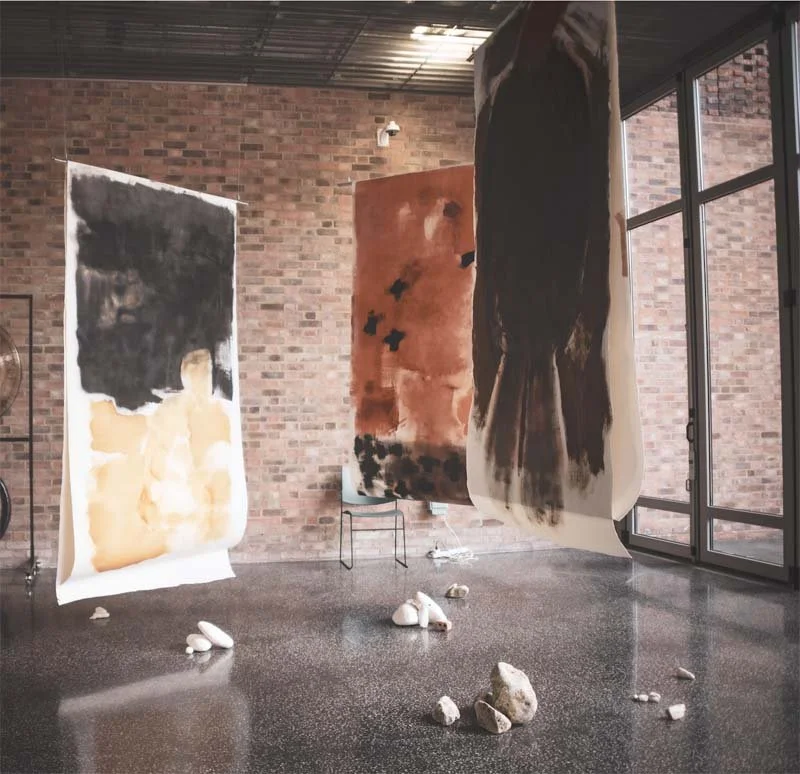
Artist SARAH NEEDHAM on the The Ecology of Empathy
I am aiming for a sensory experience that connects to grief and that cycles round within an economy or maybe even an ecology of empathy. When we listen very carefully while holding in our hands material pigments that were once in the hands of or under the feet of or in the clothes on the backs of people from the past, we hold those people and we can hear them. It makes it possible to link from the past to the present in a kind of multiplicity, and to see alternative possibilities in the now. I am currently exploring aspects of grief and liveness by investigating Cave Painting and crows.
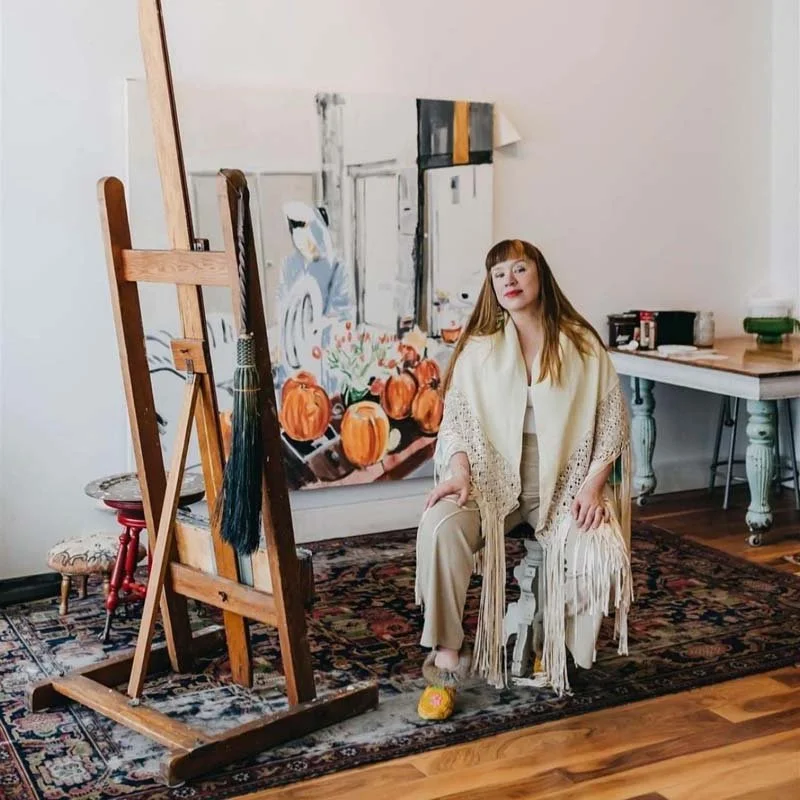
In Dialogue with Artist & Writer MELANIE JANISSE-BARLOW
I have a writing and a visual arts practice. I knew I wanted to write from a very, very young age. I published my first 'book' Jim, Jan and Kojan Escape From Spies when I was like, seven. My aunt was a teacher and so she laminated and spiral bound by illustrated book for me. I still have it. So sweet. I started writing poetry in grade school. Not surprising to have wound up with two trade books of poetry. As for visual art, it was when I was in Montreal at Concordia University that I started to take photos. I had an old Contax and an old Yaschica Mat twin lens portrait camera that I was obsessed with. I transferred from an english degree to visual arts, where I pursued photography. It wasn't until later, when I did a second visual arts degree at Emily Carr in Vancouver, Canada that I made the move from photography to painting. I got tired of the paper substrate, and started to experiment with alternative photographic processes, and eventually sort of moved into painting, with the encouragement of some other painters that lived in the same warehouse building that I lived in on Hastings Street in Vancouver. I think that I have had a few times in my life where I have had to question and reconfirm that I am an artist. I keep picking art, and so I feel like it has become a firm realization over time. Art is important to me because it is a site of personal expression and freedom. I can unapologetically explore myself and my reality here, no permission needed. It is mine—an honest and fairly unencumbered place to explore.
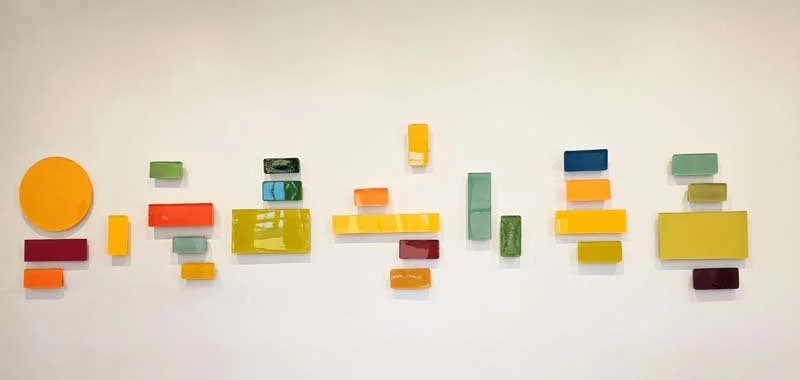
A Conversation with Artist ANA MARIA RENDICH
Exploring ideas, art and the creative process connects me to our inner world, nature and rhythms of the earth and our own being, expanding our possibilities, the grow of the soul and contemplation… I was born in Argentina. I was raised in Merlo; at that time, it was a small town in the province of Buenos Aires. I grow up in an extended family. My grandma, my mom and dad created this beautiful environment of “constant moving”, or reading, or helping or playing but I had to do something…that was my first encounter with making stuff… When I was growing up, we received at my home several international students. Through them I learned that the world is more connected that I thought and we were not so different about “unspoken “rules of respect, empathy and the importance of having a supporting family… One of these students had a brother who was a Vietnan soldier and told me about the Vietnan war in detail… He was still mourning the loss of this brother, who committed suicide after he returned from combat. It impacted me profoundly; I was only 12 years old.
I remember another beautiful human being, Vance. He is the son of an American and a Indian- American lady. I loved to hear about his mom all this was unknown, inspiring and open my being and my mind in so many ways…
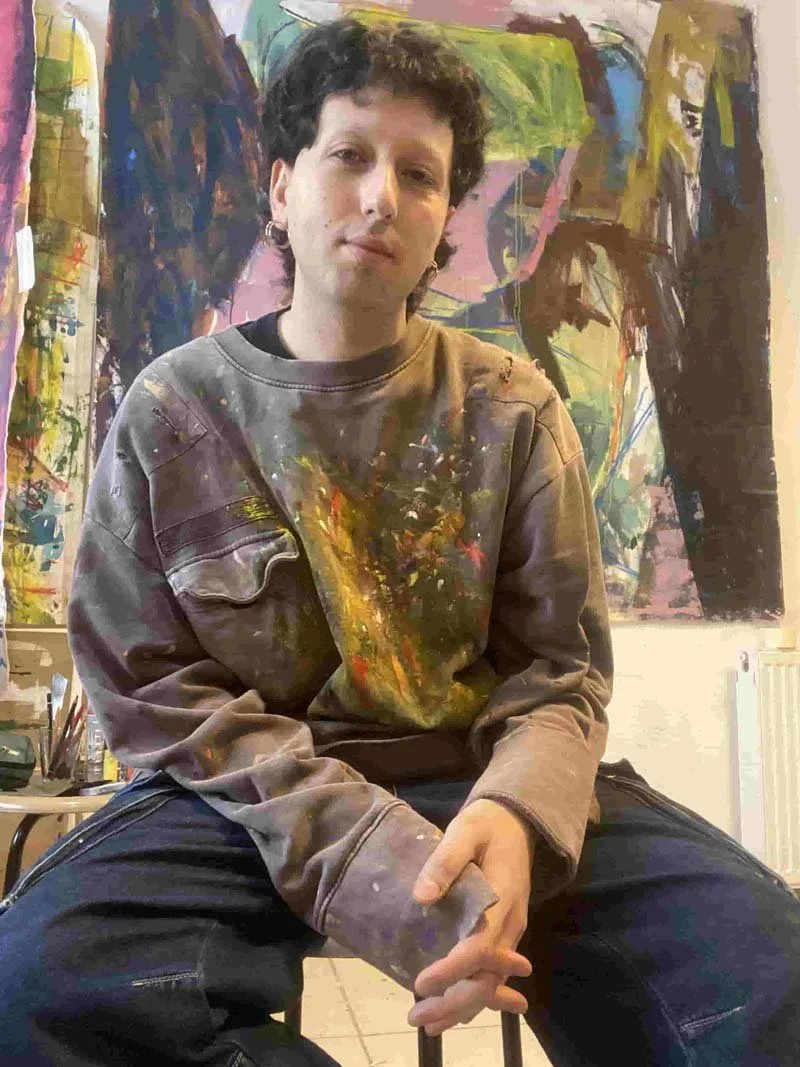
Artist BATU GÖKÇE on the Poetics of Process
I was born and raised in Ankara, Turkey. I wish I could say that growing up in Turkey—especially as an LGBTQ+ person—had been a positive experience. However, for me, this process was blurry, hidden, woven with fear, surrounded by boundaries, and often felt like an experience where I couldn't truly belong.
Growing up in a homophobic household created a need to establish a safe space where I could express my emotions. At this point, art became a refuge for me. When I'm painting or creating something, I enjoy turning inward—both to my own experiences and to invisible lives similar to mine. This introspection stands at the most honest place in my production.
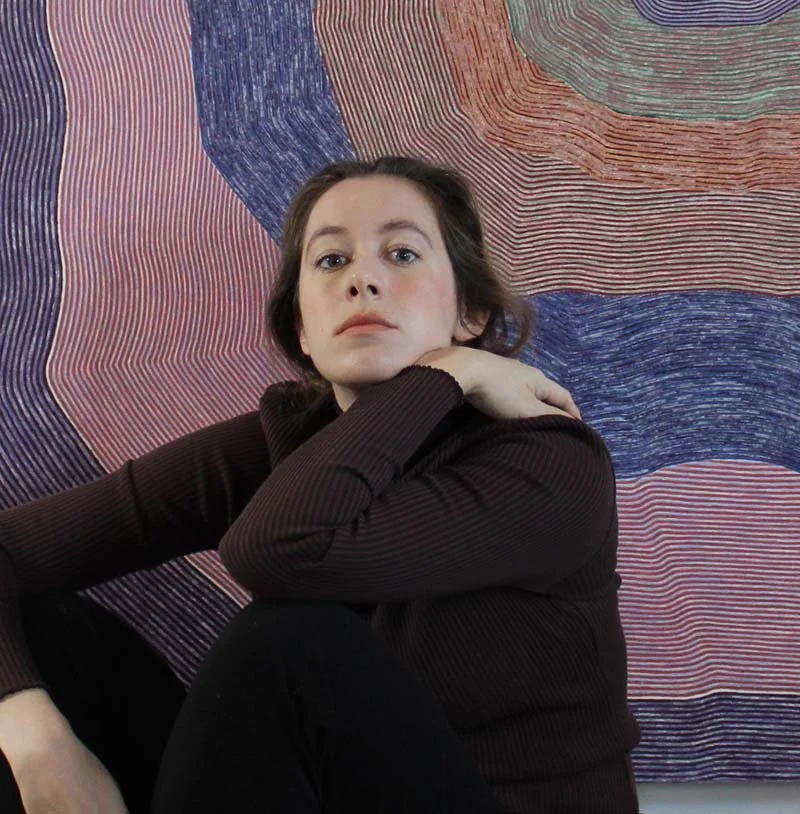
A Conversation with Artist BRITTANY MILLER
I don't remember ever not wanting to be an artist. One memory that sticks out, though, is buying a book of optical illusions from a book fair. There were pages of black and white kinetic optical illusions that looked like they were spinning and vibrating on the page. It felt like magic. I thought it was so powerful that images could tell stories, change the way we feel, change the way that we see the world. Images can create revolutions and make people believe in things they didn't think possible. For me, making art is and was compulsive, but I have always wanted to participate in the visual art world in any way possible.
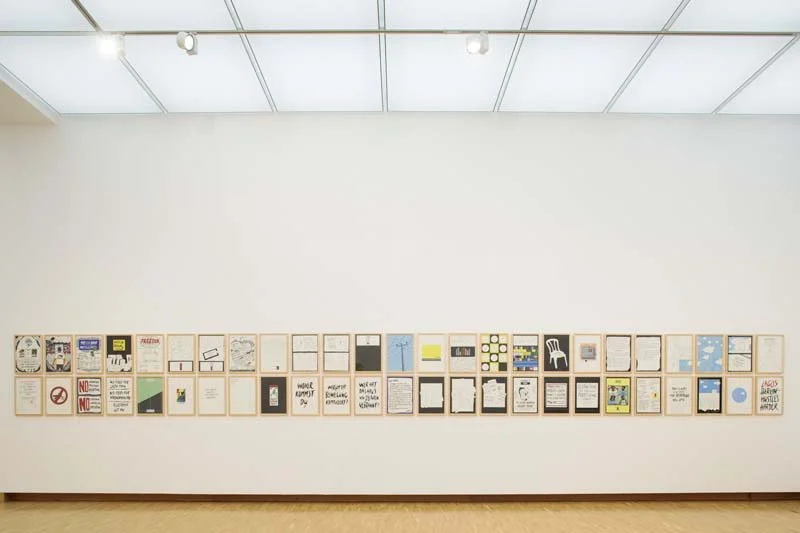
A Conversation with Artist KARO AKPOKIERE
Growing up in Lagos made me sensitive to how messages of any kind can be shared in accessible ways; it also made me appreciate the beauty of language and its varied expressions. Most importantly, it gave me an openness to engaging with the world as I realised quite early that though Lagos was a huge city, there was a world out there bigger than it, and I wanted to see it!
During my childhood, I was exposed to art in many forms. While this exposure helped shape my visual identity, I never considered becoming an artist. Art was something to create and enjoy while pursuing more socially accepted interests. The realisation that I could be an artist came when I was 18 from the most unlikely place: a youth programme at church.
I remember the Bishop’s simple yet powerful statements:
Not everyone is meant to be a lawyer, doctor, or engineer
Your talent is a pointer to your purpose
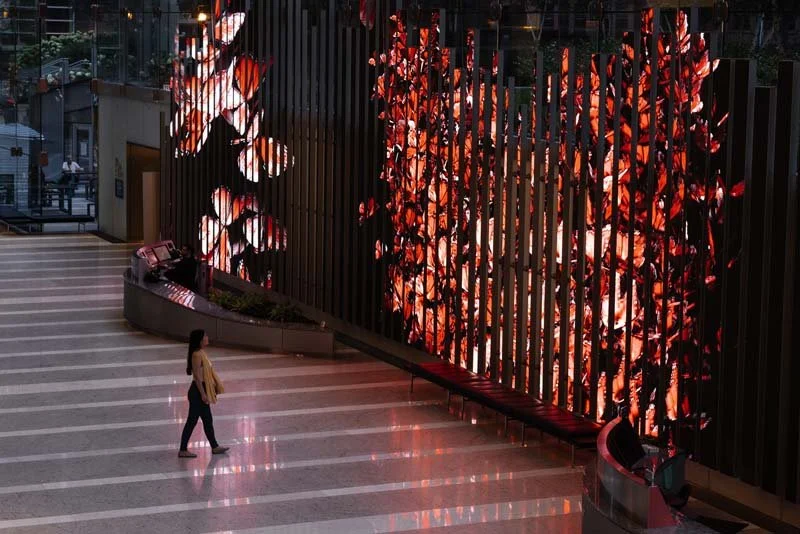
A Conversation with Artist, Writer & Filmmaker LEOPOLDO GOÛT
Making art has always been my most natural state—the only place I feel truly at home making it, even when it's painful. I walk, I wander—I try to slip into the zone. To disconnect from the constant noise of the world. My work is built on memory, on scent, on private rituals I’ve developed over time to access the deeper layers—the ones that live beneath language. The ideas that circle in my head aren't linear; they come in waves, fragments, pulses. I often feel like a custodian in an ancient library, flashlight in hand, checking on the fragile machinery of thought. The work defines the process. The act of making sets my rhythm, shapes my thinking. I don’t impose ideas—I respond to them. It’s the same in film. Most of what I create arrives uninvited. I just try to be present enough to catch it.
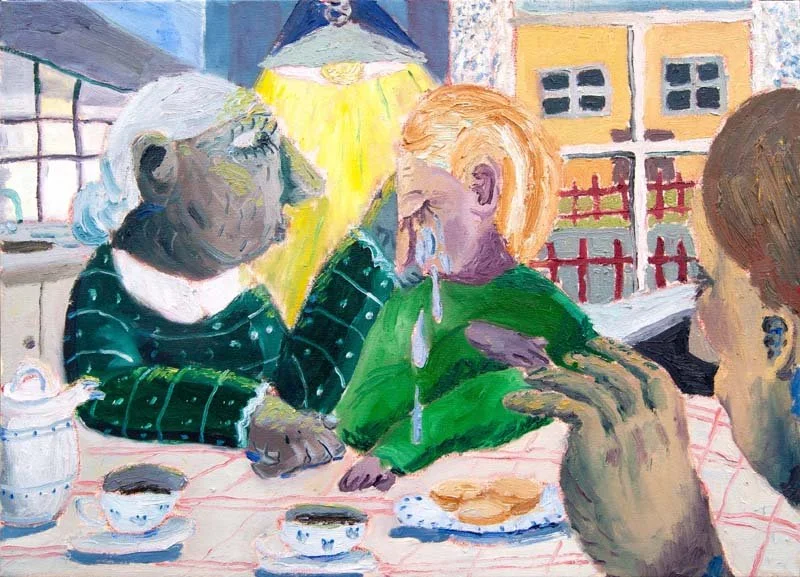
A Conversation with Artist ALEXANDER BÄCKMAN
I grew up in a small town outside of Stockholm called Västerhaninge. It was a community marked by things like poverty, alcoholism, substance abuse, violence, and racism. I believe all of that shaped how I see and move through the world. Lately, I’ve been deeply focused on the gaze—particularly the gaze turned away. There's something about a half-turned face that fascinates me: a cheek seen from behind, the ear, the nape of the neck, eyelashes looking outward toward something—often nature or other people. I try to capture these brief, fleeting moments from everyday life.
This is often contrasted with more chaotic, dreamlike imagery. There’s a movement in my work between the dream world and the waking one. A lot of it centers on the body—how we navigate the world through it, and how experiences and relationships imprint themselves over time. The body holds so much: awkwardness, discomfort, shame, and memory.
I’m interested in how these feelings manifest physically—our protruding bellies, drooling mouths, itchy ears, sweaty armpits, folded skin. Lately, this focus has started to appear more in interior scenes as well—around the dinner table, in bed, on the sofa. There’s a growing emphasis in my work on observation and on the body’s desire to simply exist in the world.
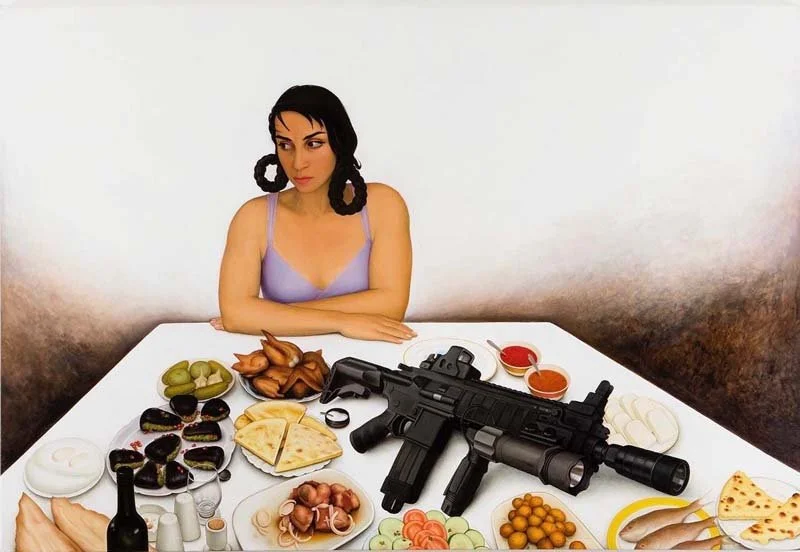
A Conversation with Artist ETERI CHKADUA
What emotions do you aim to evoke through your art?
For me, painting is like visual poetry—a silent song—where I’m free to express my thoughts, vulnerability, and emotions, sometime I don’t know how to deal with. I devote a great deal of time to shaping the facial expressions of my characters, trying to capture the emotional essence of each painting’s theme. My hope is that viewers will form a connection with these figures—that something in their gaze or posture will stir empathy, or reflection. I am glad to see people standing in front of my artwork, quietly observing every detail for long minutes, even when the subject matter is disturbing.
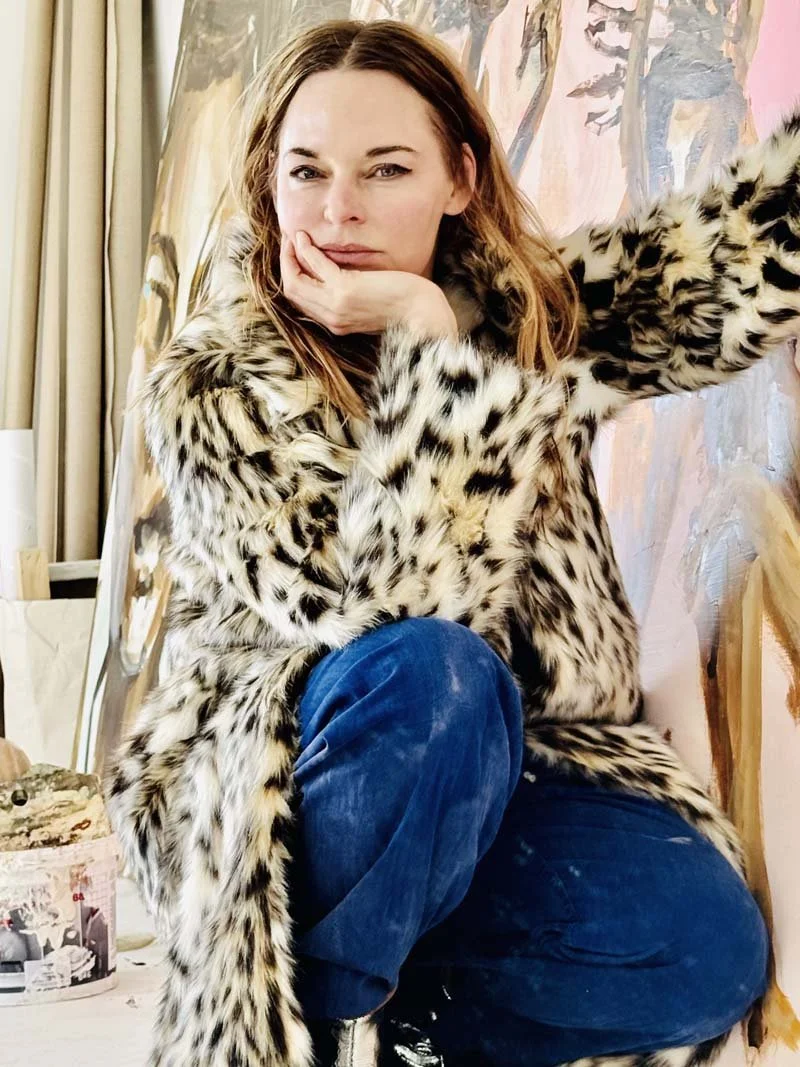
A Conversation with Artist MIE OLISE KJRGAARD
I grew up partly on an island in Denmark and on a big wooden ship. I was often so bored that I would shout it out to the ocean. That made me start drawing and making up stories for them. I had a big inner life, and drawing made sense in order to make new space in my head. Exploring ideas, art, and the creative process connects me to a timeless world of energy, that for me is the reason to jump out of bed in the morning. It’s how I connect to myself and the world. Feel very privileged and grateful.
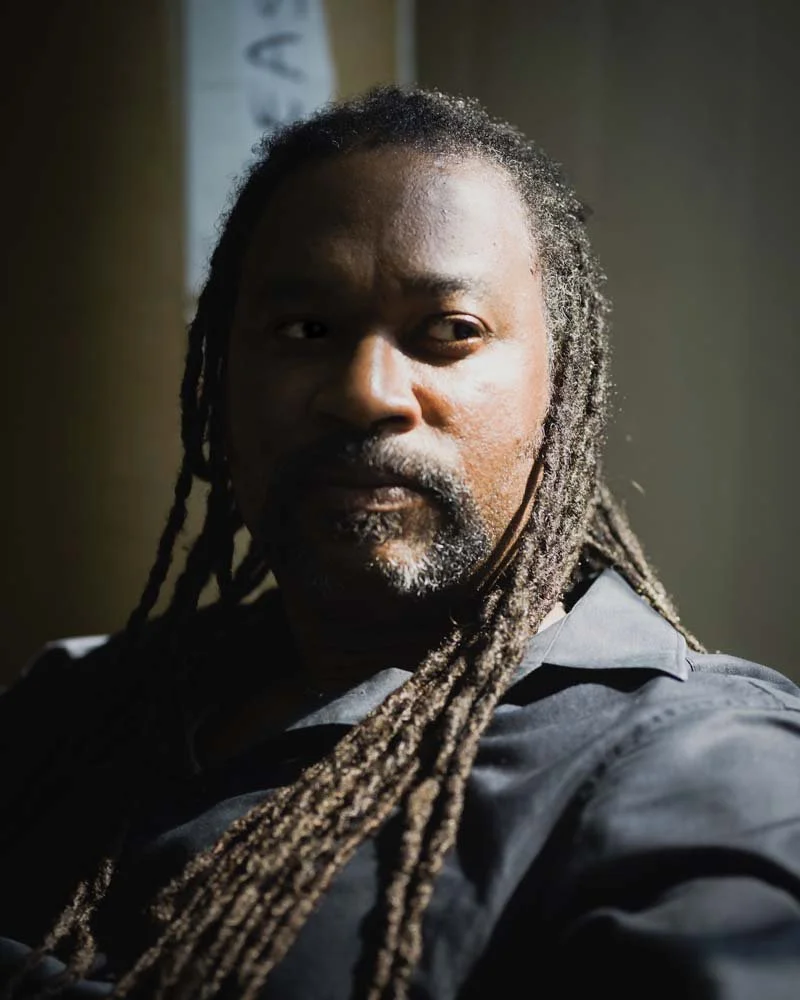
A Conversation with Artist CULLEN B. WASHINGTON, JR.
The setting is Alexandria, Louisiana in he early 70’s. My dad was a theologian, minister and a chaplain, and my mom, an educator and two older sisters. My home environment was scholastic. My dad had two libraries in the home, and he would transliterate Greek and Hebrew in the mornings to get a deeper understanding of the scriptures to prepare his sermons. At the age of 3, He would put me up in the highchair next to him and I would watch him write or what I thought was draw pictures but these were actually letter forms or glyphs that communicated both languages. I would mimic him, I would write/draw those things, and I just never stopped doing it. My mom, the educator, would facilitate my imagination, surrounding me with encyclopedias and books of anything that I was interested in, and also buy me art supplies. Both my sisters also supported my interests whether it was encouragement or comic books.
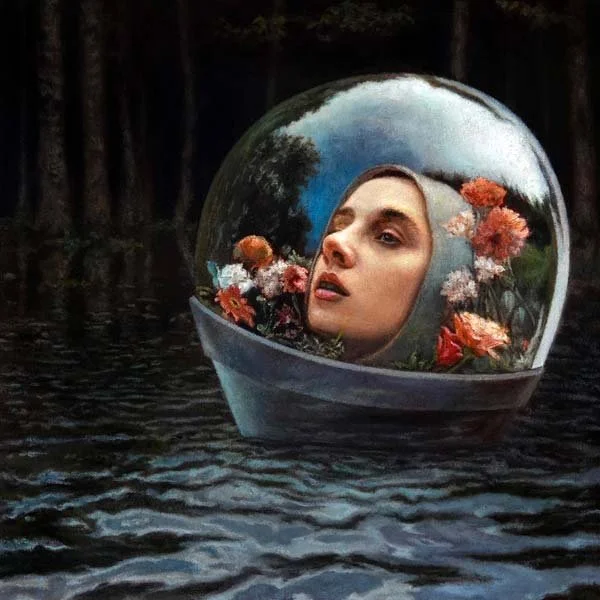
A Conversation with Artist J. ADAM MCGALLIARD
I'm working on a series titled Erewhon, which imagines a post-collapse society where unreal figures navigate ambiguous, symbolic environments. The work explores nature’s resurgence, climate anxiety, and spiritual fragmentation. I often incorporate botanical elements or environmental symbolism into my work. I find inspiration in the Florida landscape—its lush, unruly, and often haunted quality mirrors the emotional terrain I explore in my paintings.

A Conversation with Artist JEFF MUSSER
My current body of work aims is to examine the construct of race from two vantage points. One aspect falls loosely into the category of history painting. For example, the painting titled “We Did Not Exist Before 1681” questions how the term white first appeared in early 17th century Colonial Maryland. The second aspect investigates the many ways race has affected my family. The painting titled “Undesirable, Swarthy Swede in 1817: Proud White Southerner in 1860” asks what was lost when my father’s side of the family morphed from being not the right kind of white in 1817, to fighting proudly for the Confederacy in a single generation. I also examine how that shift created a schism between the many sides of my family, particularly the Native American side, who were not considered white. Finally I scrutinize how being viewed as white has affected my personal outlook on the world.
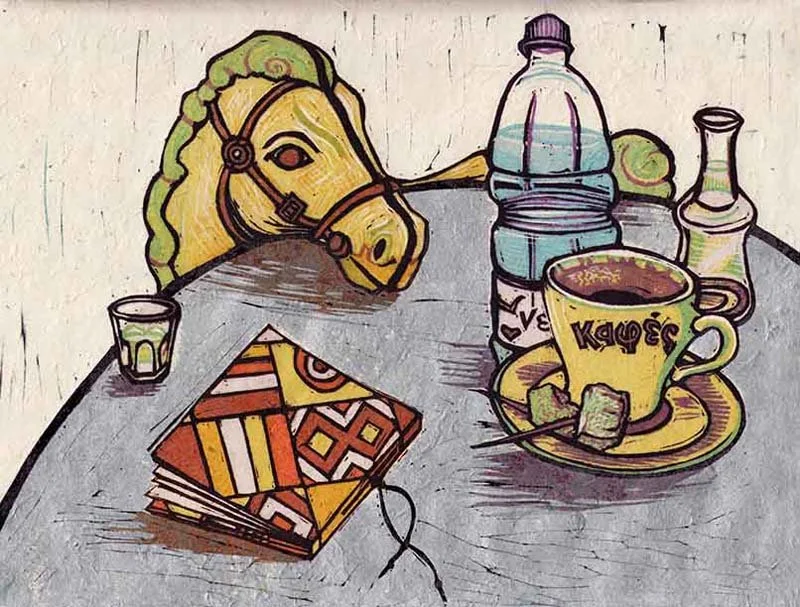
A Conversation with Artist COURTNEY NICOLE GOOGE
My life is always the main theme or idea- to create, live, and document my story (my mythology) in various ways. Experiences, emotions, dreams… I want people to feel validated in their humanness; a connection, common ground, the inspiration and encouragement to go out and live. I only tell my story- which is why I call myself an autobiographical artist- rather than pigeon-holing myself into any specific disciple. I don't have the right to present anyone else’s life, but my own. However, in being vulnerable and genuine with my life experiences, perhaps that will comfort (or not) others who view my work.

Artist SHARON PIERCE MCCULLOUGH on the Intimacy of Process
Exploring ideas, art and the creative process connects me to the world at large. In every piece of art I make, whether a painting or a sculpture, I hope that my work brings joy and happiness into the lives of my collectors and anyone that experiences my art. By using different colors in my paintings, I envision each color representing a different culture or different backgrounds. I hope that this is evident.
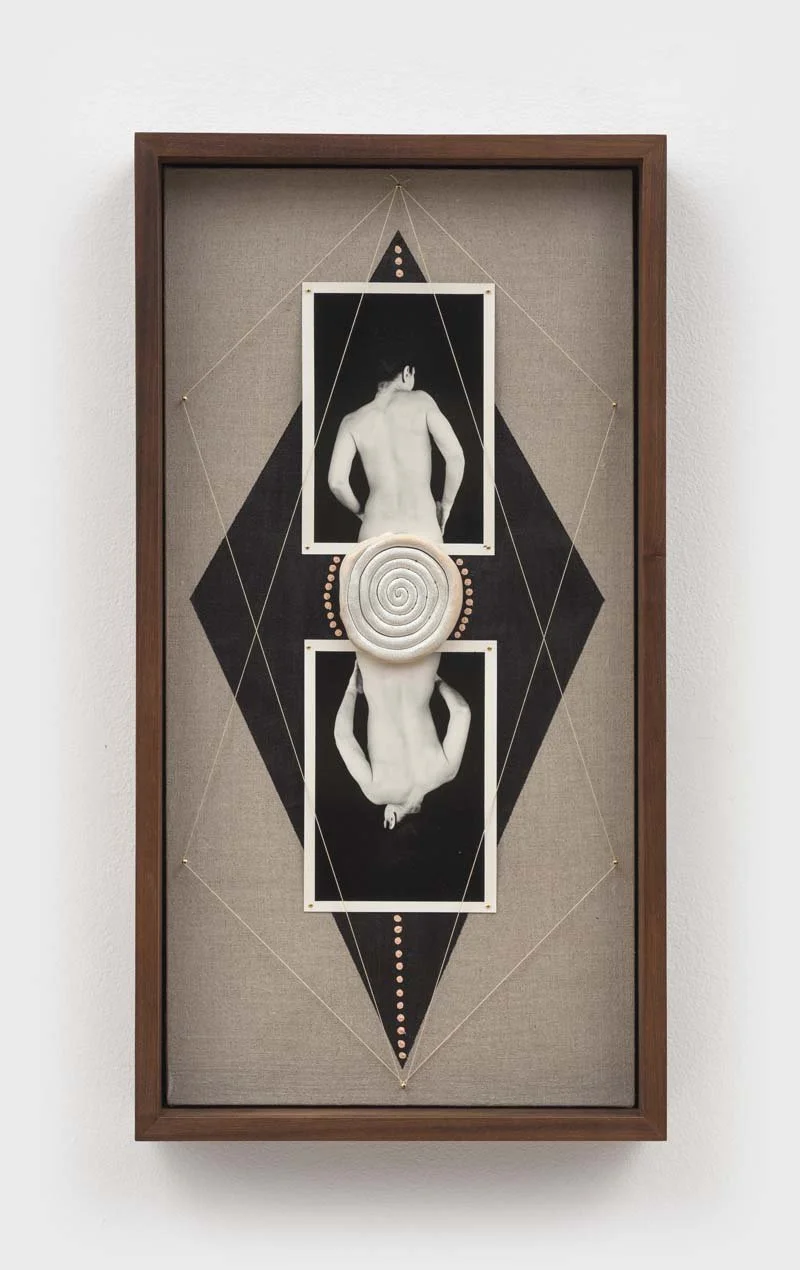
A Conversation with Artist SHEREE HOVSEPIAN
I am navigating the complexities of identity and subjectivity through the lens of embodiment, archival processes, and the interplay of the indexical and the unknown. My work is deeply informed by the dichotomy of the body as an archive—where the physical exists distinct from the psyche—allowing me to explore the physicality of experience and primordial desire.
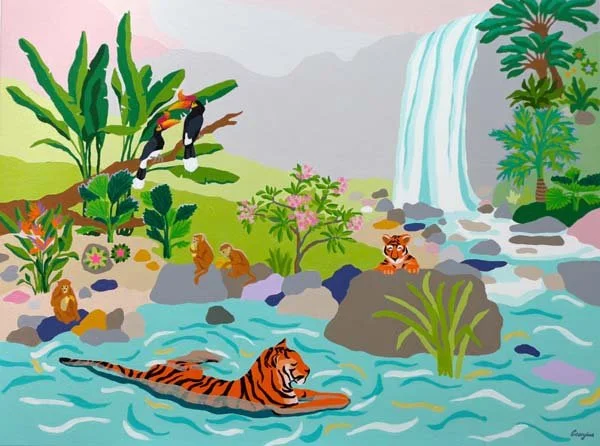
A Conversation with Artist GEORGINA GRAY
I was born in England but have spent most of my life in Singapore. Living in the tropics has had a strong influence on my work. Nature is a central theme in my work, and much of my art celebrates the simple pleasures found in the natural world. I’m most inspired when I travel, and being in nature helps me slow down, be present and notice the little things—like the way light filters through leaves, for example. That sense of wonder finds its way into my work, especially in the colours I choose and the mood I try to create. My work is more about capturing a feeling than a place.
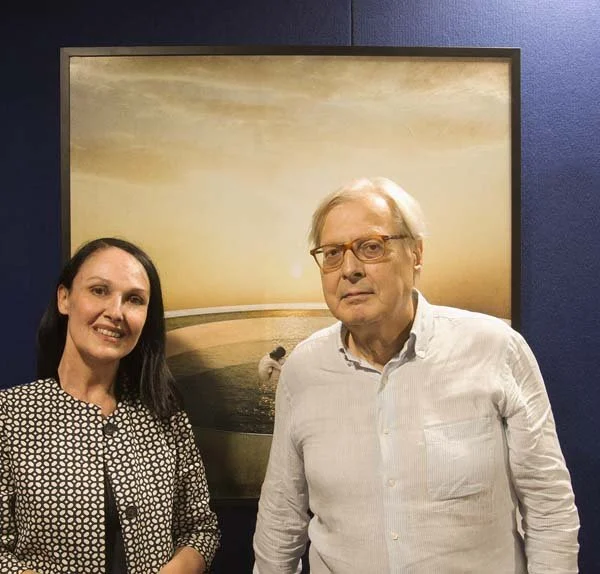
A Conversation with Artist SABRINA AURELI
I was born in Rome. Since I was a child I loved colors and at 10 years old I was fascinated by my neighbor who painted with a ladder because he was a Master of religious frescoes and one day he invited me to paint in oil. From then on my passion for drawing and colors became stronger, that my teacher took me and one of my paintings with her to a collective exhibition in Rome. Living in Rome you can breathe the air of art everywhere and probably this bond that marries with the music that I love very much is embodied in me. For the rest I am passionate about art from all over the world I could not say that I like one artist more than another. Even prehistoric art fascinates me.
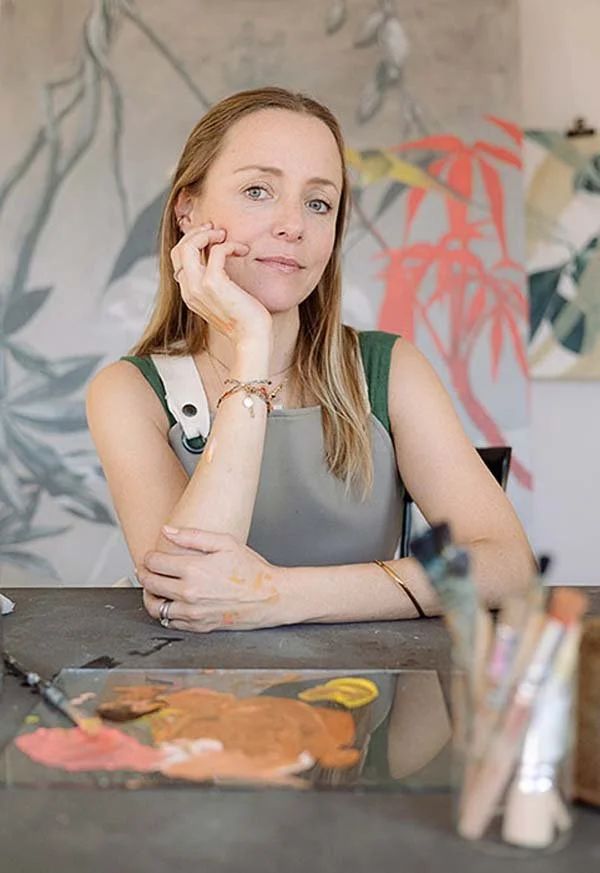
A Conversation with Artist CLARISSA P. VALAEYS
Reconnecting with myself led to a deeper, more sacred connection with nature. I no longer see a division between us and the earth, when we neglect our bodies, our minds, and our emotional health, we also lose our sensitivity to what’s happening around us. This realization has profoundly influenced my work. Nature speaks to me in ways I didn’t understand before. Through meditation, dreams, my studio plants, the rhythm of animals and water, I’ve learned to listen. And I try to translate that into my art, as a form of devotion and reciprocity.
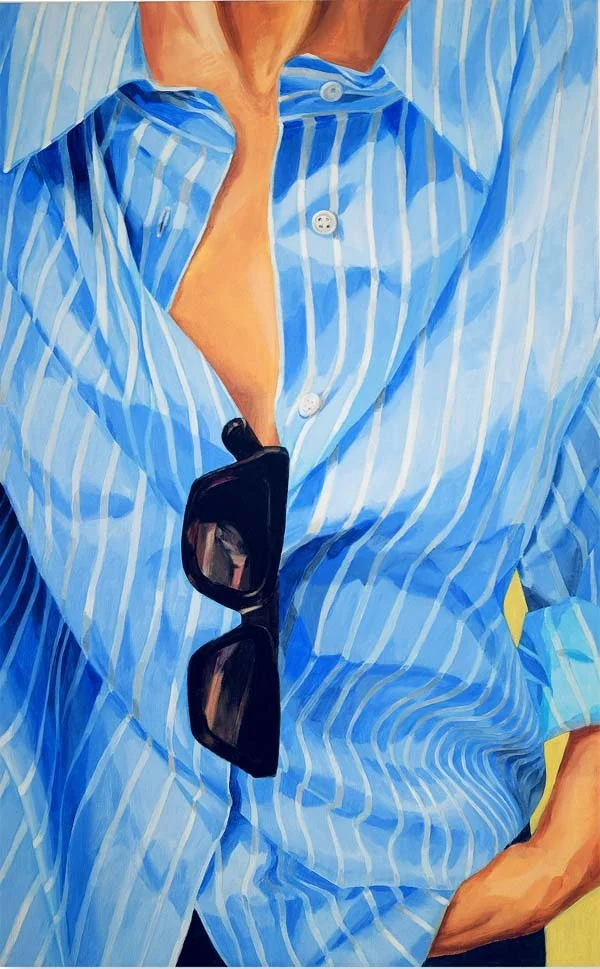
A Conversation with Artist ARA YOUN
Nature is one of my main inspirations, especially natural light, the ocean, and flowers. Swimming in the sea has always been an amazing experience for me. It makes me feel like I'm in Mother Nature's arms safely, and allows my mind to be open so I can see my mind and thoughts on a greater scale. Growing flowers is just magic. Cameras cannot capture the essence of the beauty and mystery of flowers. I find dynamic beauty, sereneness, balance, and joy from flowers.
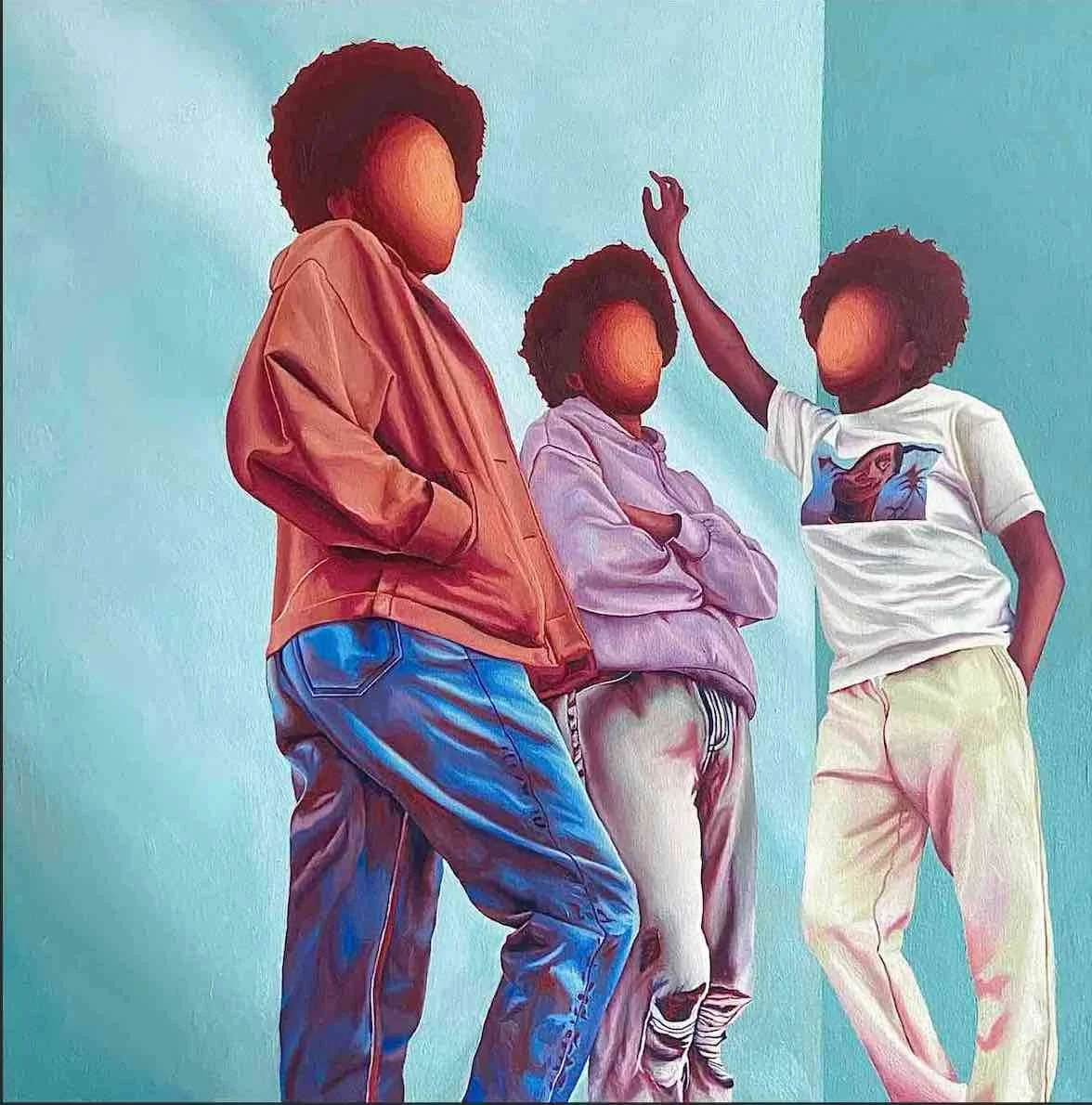
A Conversation with Artist SIERRA OROSCO on Vulnerability & Form
My upbringing taught me to look for the best in people and to understand that humanity is complex. Life isn’t just black and white, but there’s a gray area we often choose to ignore, where no one is entirely good or entirely bad. Exploring ideas, art, and the creative process connects me to the deepest parts of myself and to others. It allows me to reflect, to question, and to express truths that can’t always be put into words. Through creating, I find clarity, connection, and a sense of freedom in being fully, unapologetically human.

A Conversation with Artist HANNA JENNINGS
Exploring ideas, art and the creative process connects me to people and the way they feel. I'd love to express togetherness through individuality. Like each person, each piece is unique alone, but when collaged all together, it makes something beautiful, like a more unified world, comprised of stories and reflections of "soul" the perhaps others might relate to. Art creates a less shallow relationship between you, the artist, and the viewer. I am an empath and feel deeply about people, places, and the art they bring to the table. I really love hearing about cultures, personal experiences, and how people create in order to communicate, when sometimes words have a hard time doing it. I love how a bunch of people can all be staring at one painting, but have separate experiences, but at the same time, can come together to share and learn to understand one another from a more intimate perspective.

A Conversation with Artist SEBASTIÁN ESPEJO
I was born in Viña del Mar, Chile. Its influence is so strong that I can hardly distinguish anything that escapes it. I’m still the child climbing the tree, looking at the Pacific Ocean through the leaves. Art has always been a tool for building my own subjectivity; for me, and for others.
I never fell in love with it—it was always there, before me. The importance of art lies in attention and the sharing of experiences.
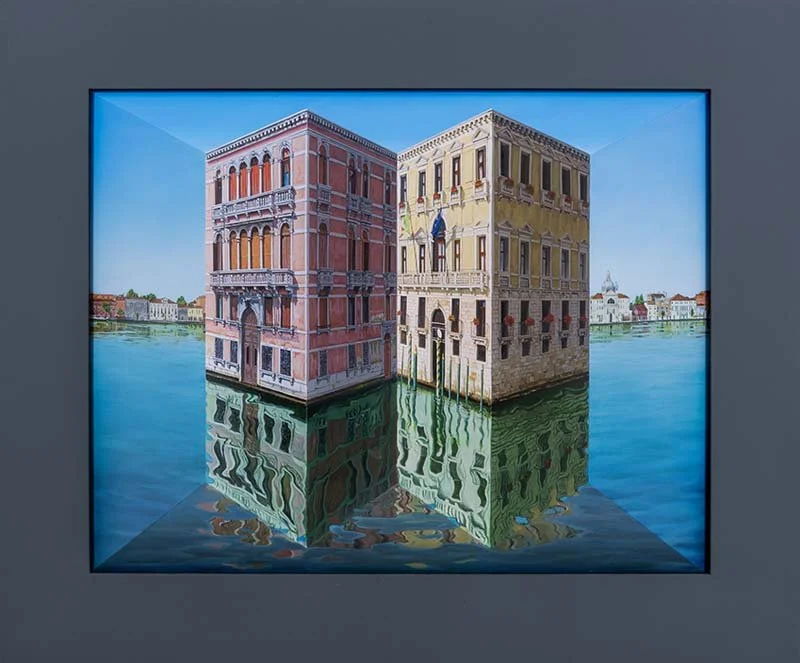
Exploring Reverse Perspectives with Artist PATRICK HUGHES
I hope people wonder why it is that my work seems to move when it does not move, it is the seer who moves and transfers their movement on to the art. I am expressing my understanding that reality is paradoxical, that change is the essence of life, so that the viewer will notice that their experience in front of my art will relate to their experience of overall reality. We create illusions and take them for life.
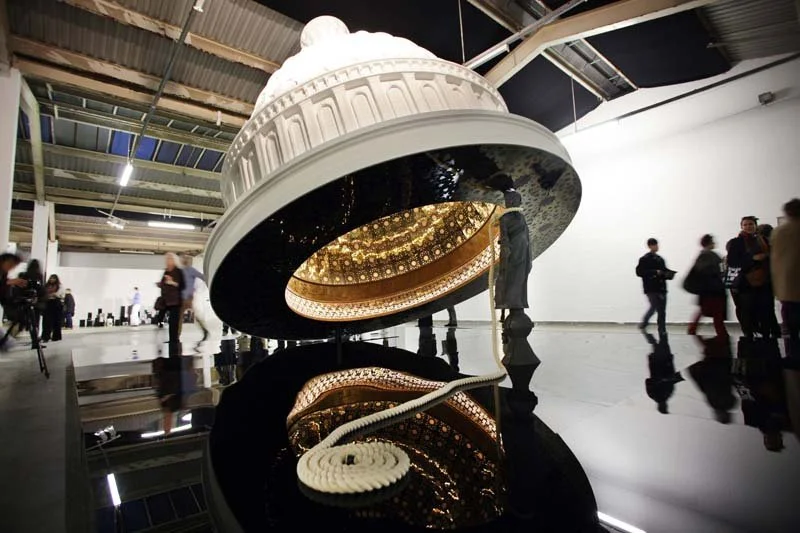
A Conversation with Artist ABDULNASSER GHAREM
I’m currently working on a project titled The Healthy Sin (Aniconism),. This work addresses my personal and cultural journey navigating the strict religious and social prohibitions against depicting ensouled beings in Saudi Arabia. It explores the complex tension between faith, state control, and artistic expression that has shaped my life and practice. The project consists of a multi-layered installation combining video, sound, and painting. It documents my early experience as a child instructed to deface illustrations in schoolbooks, the silent conflict between government modernization and religious conservatism, and my later act of resistance by organizing a covert live drawing session using a disassembled and smuggled mannequin.
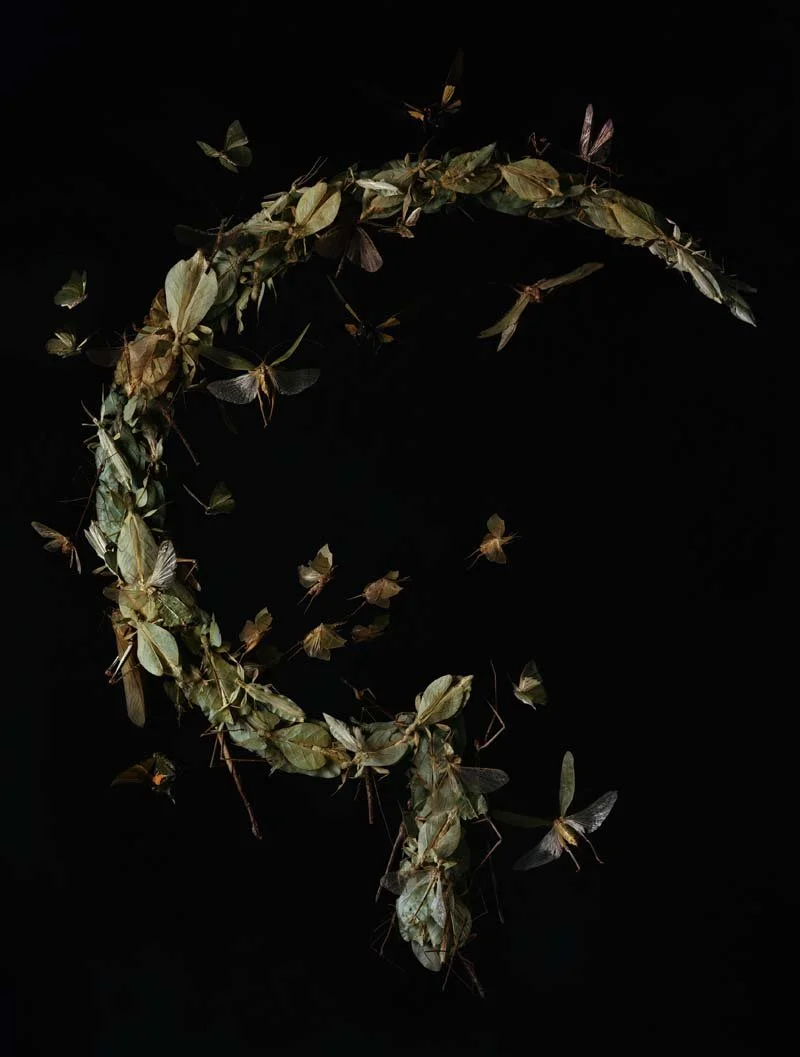
A Conversation with Artist TARA SELLIOS
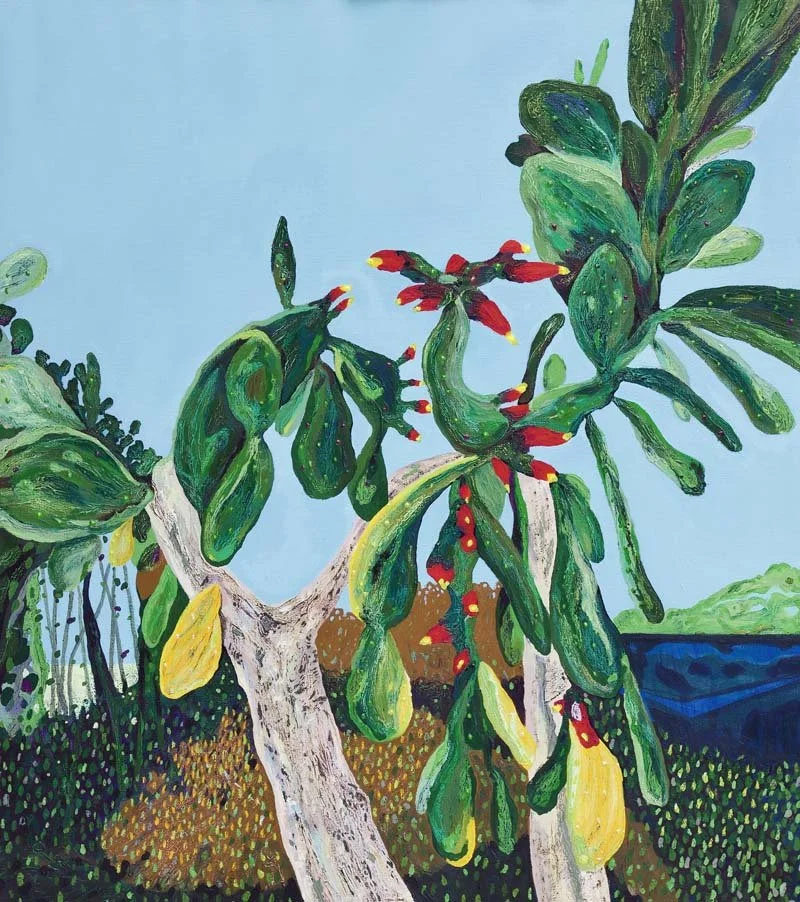
The creative process connects me to the collective unconscious. My main focus at the moment is a series called Ad Altiora Tendo, which means “I strive for higher things” in Latin. Having a lot of deep, rich greens and earth tones, I want it to feel like a lush, subtly psychedelic forest. It explores themes of transcendence and regeneration through suffering and sacrifice. Some of the inspiration is drawn from the martyrs, those who have voluntarily suffered for refusing to denounce their faith and beliefs and ultimately transcend to a higher, more spiritual place. There is some violence in the imagery, but it is portrayed with natural elements of beauty, like flowing red flowers in the place of blood. Ultimately, the work is becoming more celebratory, with more foliage and musical instruments, and probably other elements that will arrive in the future. I have spent much of my time focusing on the research of Hell within art history and have read Dante’s Divine Comedy several times. I’m at a point of moving forward with my work where I want to start focusing more on moving toward and ultimately to, paradise. I have a separate series revolving around in the back of my head in regard to that heavenly/paradise concept, but I'm not sure how that will show up visually yet.
A Conversation with Artist JON JOANIS
I was always pretty serious about music and have worked as a musician in some capacity since I was around 14. For me, the disciplines, although differing in skill sets, occupy almost the same mental and emotional space. Also, I learned (and continue to learn) about harmony and composition in art and music almost synchronistically and simultaneously. But where the inspiration comes from in the desire to be connected to these worlds is harder to locate.
A Conversation with Artist DELPHINE LEBOURGEOIS
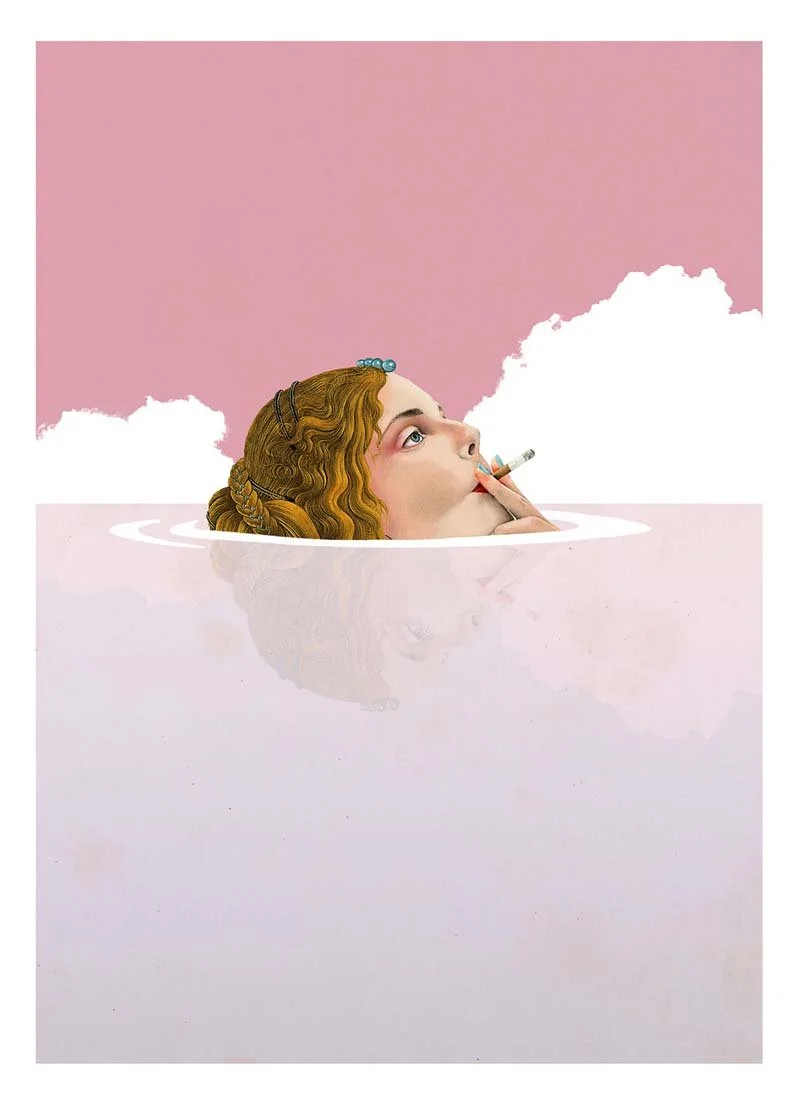
Nature was very much part of my upbringing. I spent most of my teenage years exploring the surroundings of my grand-paren’s house in rural Auvergne. A few years ago, I did an installation where I placed large cardboard cutouts of my Amazonians in a remote forest in France. The installation was hidden, away from touristic trails and not signed posted. I wanted passers by to see it by chance rather than people searching for it. The cut outs were made from recycled cardboard so extremely fragile and prone to quick degradation. The project had to be ecological and ephemeral.
Art about nature or in nature holds a particular place for me. I remember loving “My Back to Nature” the exhibition by George Shaw at the National Gallery in London, and more recently got the same awe whilst visiting “Light into Life” by Mark Quinn at Kew Gardens.
Sustainability is important but paradoxically beauty is everywhere… in decay, in a plastic bag stuck in a tree, even in garbage. This is why I liked George Shaw’s exhibition so much. He painted woodlands with traces that humans have left behind. Dirty mattresses, soiled duvets hanging from branches. His mastery as a painter made the objects nearly sacred. I don’t think art should be sanitised.