Security, Sustainability & the Physics of Social Order

Security, Sustainability & the Physics of Social Order

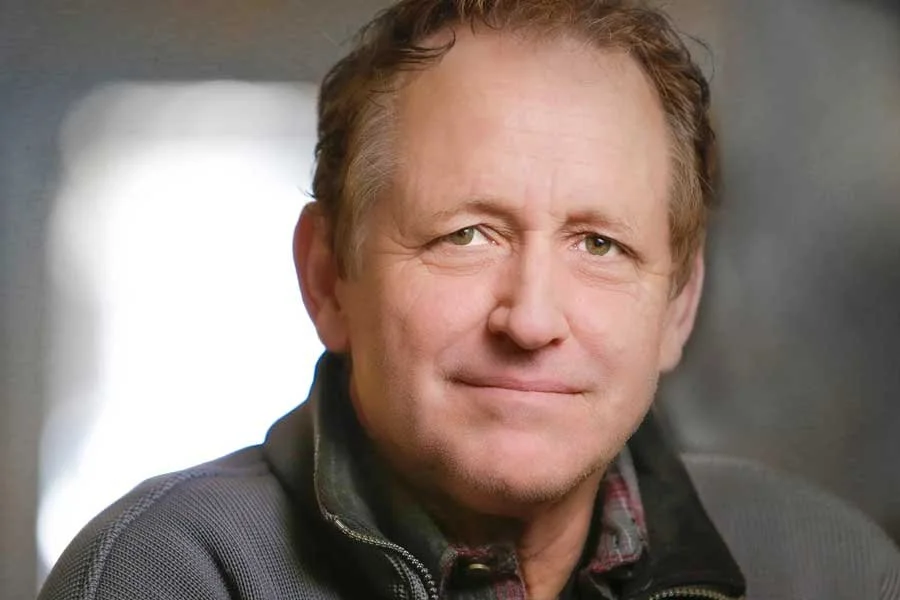
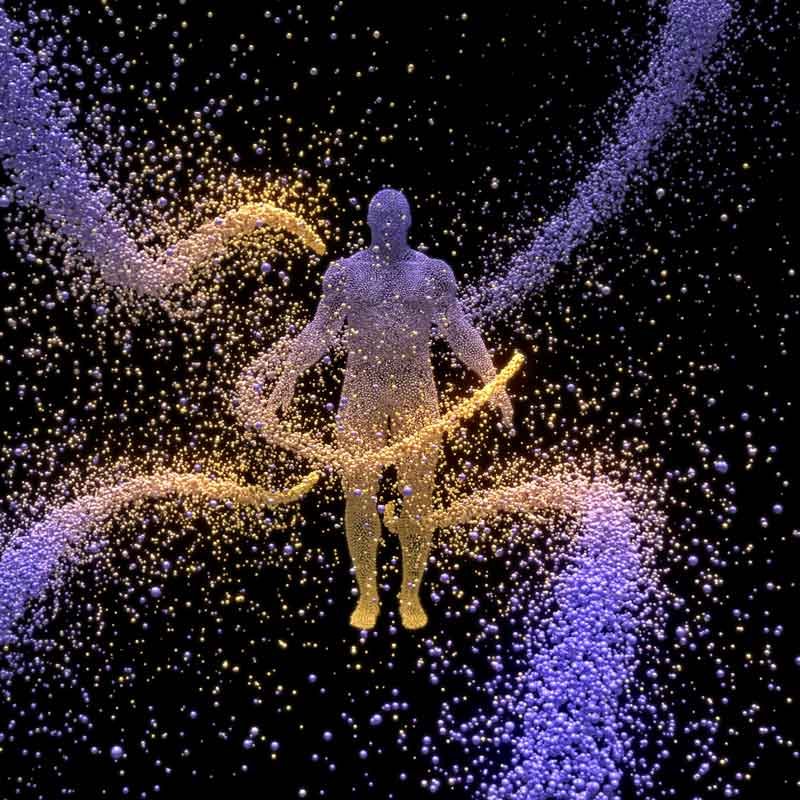
A Conversation with ED SALTZBERG
Exec. Director, Security & Sustainability Forum · Publisher of The Stability Brief

I grew up in a pretty unstable time in the 1960s, in the United States. Right now, what's going on in the world is probably even more threatening because of whatever the normal stuff that happens in politics, you've got climate change kind of riding over the top of that. Young people, especially, I think, are very anxious about what the future looks like.

Bruce Piasecki: Doing More with Less

Bruce Piasecki: Doing More with Less

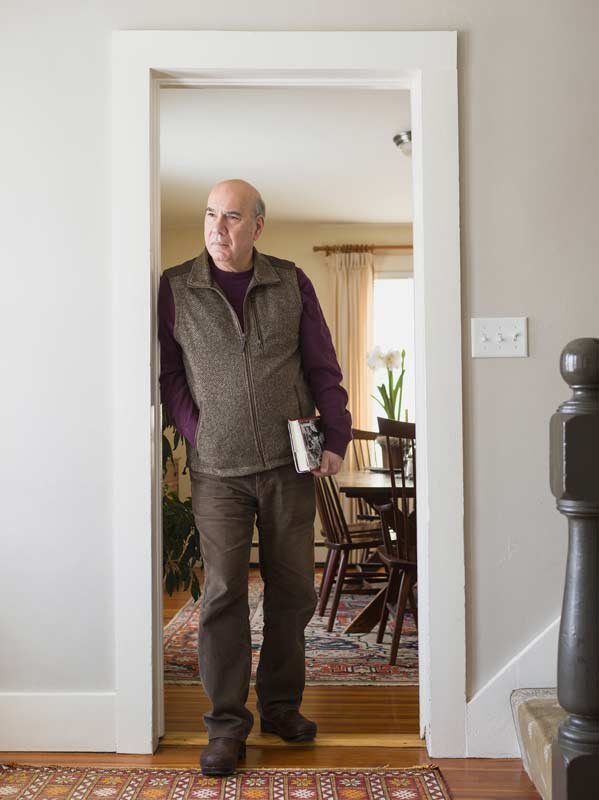
Bruce Piasecki is a visionary author who challenges conventional thinking, inspiring readers to embrace simplicity, sustainability, and the pursuit of a thriving, adaptive life. With a storyteller's touch and a focus on doing more with less, he bridges the gap between personal values, business needs, and societal good. His work transforms how we see wealth and frugality, showing us how to create value and live richly without waste. Now the subject of a new PBS documentary.

.sqs-block-summary-v2 .summary-block-setting-text-size-small .summary-excerpt p { font-size: 10px; display: -webkit-box; /* Enable webkit box model */ -webkit-box-orient: vertical; /* Make the box orientation vertical */ overflow: hidden; /* Hide overflow text */ -webkit-line-clamp: 12; /* Limit text to 12 lines */ text-overflow: ellipsis; /* Show ellipsis (...) when text overflows */ }
Writing, Imagination & Memory

Writing, Imagination & Memory

A Conversation with Author & Filmmaker JAY PARINI

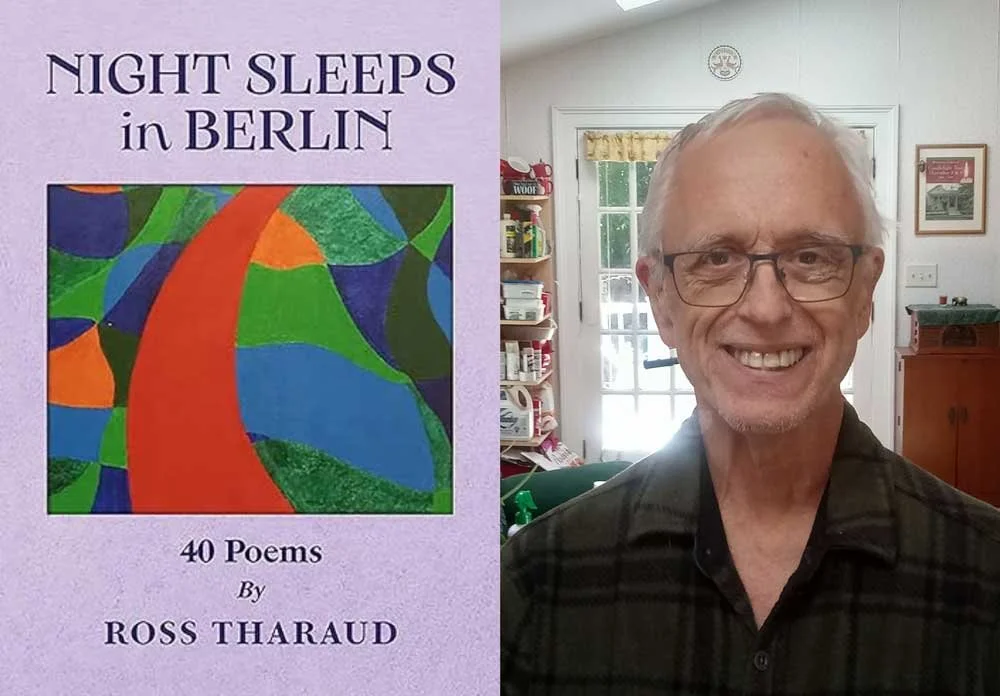
Poetry is the prince of the literary arts to me. It's at the very top because it's language refined to its apex of memorability. I am interested in poetry as memorability and poetry as something you live by. These are the words you live by. These words stay in your brain and guide your life. That's what I am interested in. My memoir slash autofiction is called Borges and Me, and as you know, it's a story of my time in 1970 when my best friend Billy was drafted for the Vietnam War, and so was I. He went to Vietnam, and I went to Scotland to hide out and do my graduate work. I spent nearly seven years in Scotland, but I certainly spent the next five years definitely in Scotland. I was there before as an undergraduate for a bit, too. During that time, Billy was killed in Vietnam, and I was a nervous wreck. My memoir talks about my depression, my anxieties, and then, through my friend Alastair Reid, I met Borges, the great Argentine writer. We went on a little road trip through the Highlands, and this conversation with Borges really restored me back to myself and what was important in life. I felt that I owed a huge amount to that contact with Borges… I was lucky that suddenly, out of nowhere, came a wonderful director-producer named Mark Turtletaub. He had read my book and loved it, and he approached me. We had a conversation, and he said, "Look, I want to make this movie." So off we went.

A Well-Spent Life in Retrospect

A Well-Spent Life in Retrospect

I have been lucky in life.

Born poor, I learned the skills of doing more with less early on. I saw firsthand how close invention and creativity and diplomacy sit near frugality. These choices sat in my head like competing family members.

I learned from my mother to act with the spirit of frugality and to mimic the older sisters of invention and diplomacy. After my father died when I was three years old, my mother, Lillian Anna Piasecki, took in foster children from New York City foundling homes to make ends meet. From Lillian, I learned how painfully accurate Franklin's warnings about folly, pride, and idleness prove to lives with little margin of protection.

1 Comment
.sqs-block-summary-v2 .summary-block-setting-text-size-small .summary-excerpt p { font-size: 10px; display: -webkit-box; /* Enable webkit box model */ -webkit-box-orient: vertical; /* Make the box orientation vertical */ overflow: hidden; /* Hide overflow text */ -webkit-line-clamp: 12; /* Limit text to 12 lines */ text-overflow: ellipsis; /* Show ellipsis (...) when text overflows */ }
The Healing Power of Music

The Healing Power of Music

Community & Belonging with ROBERT & VICTORIA PATERSON

In an age of seeming isolationism, where some countries tend to isolate, this is such a great way to bring people together. When you're doing music and the arts, all those barriers just fall away. People are just collaborating and having fun. It’s such a bridge-building endeavor. I don't mean that to sound cheesy either, because I just think it is really amazing. They end up being ambassadors who go back to their own country and say, “Wow, I had a great time at this festival in America or in the Netherlands.” It ends up being one more step in our way, with our organization, of trying to connect people together in an age when so many people seem to want to hide out and not connect. We’re big advocates of connecting, and that’s another great reason why I think we love to do this. too.

A Global American 3.0

A Global American 3.0

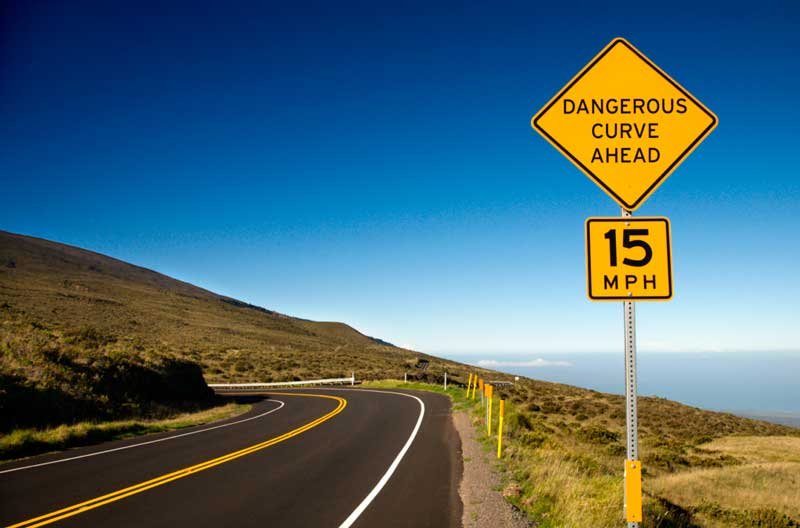
Avoiding the oncoming car crash by watching the road signs and warnings. More on our homeland, your national rights, and the wisdom to know the difference.

Almost every morning, I get into my car to drive to the local YMCA. This nourishes me, body and soul. I enjoy the social value of vibing with friends, colleagues, and health fanatics. But, I also do it for a simpler purpose: to rediscover, daily, that motion is the solution to many things.  The routine opens my mind and spirit.

Comment
.sqs-block-summary-v2 .summary-block-setting-text-size-small .summary-excerpt p { font-size: 10px; display: -webkit-box; /* Enable webkit box model */ -webkit-box-orient: vertical; /* Make the box orientation vertical */ overflow: hidden; /* Hide overflow text */ -webkit-line-clamp: 12; /* Limit text to 12 lines */ text-overflow: ellipsis; /* Show ellipsis (...) when text overflows */ }
A Global American, 2.0

A Global American, 2.0

On Cars, Computers & Moving Beyond Blame

The cars we drive, the computers we use, and even the homes we live in are products of international collaboration. The people making these products span many nations and states. We are all friends in this same world, making money, befriending diversity, acknowledging the global supply chain that enables real modern-day innovation in a car, a computer, or a handheld. These aren’t just machines—they’re the foundation of our modern quality of life. Instead of dividing ourselves over ideology or politics, we should embrace the efficiency and ingenuity that unites us, and by doing so enjoy the incredible innovations of our era.

Comment
.sqs-block-summary-v2 .summary-block-setting-text-size-small .summary-excerpt p { font-size: 10px; display: -webkit-box; /* Enable webkit box model */ -webkit-box-orient: vertical; /* Make the box orientation vertical */ overflow: hidden; /* Hide overflow text */ -webkit-line-clamp: 12; /* Limit text to 12 lines */ text-overflow: ellipsis; /* Show ellipsis (...) when text overflows */ }
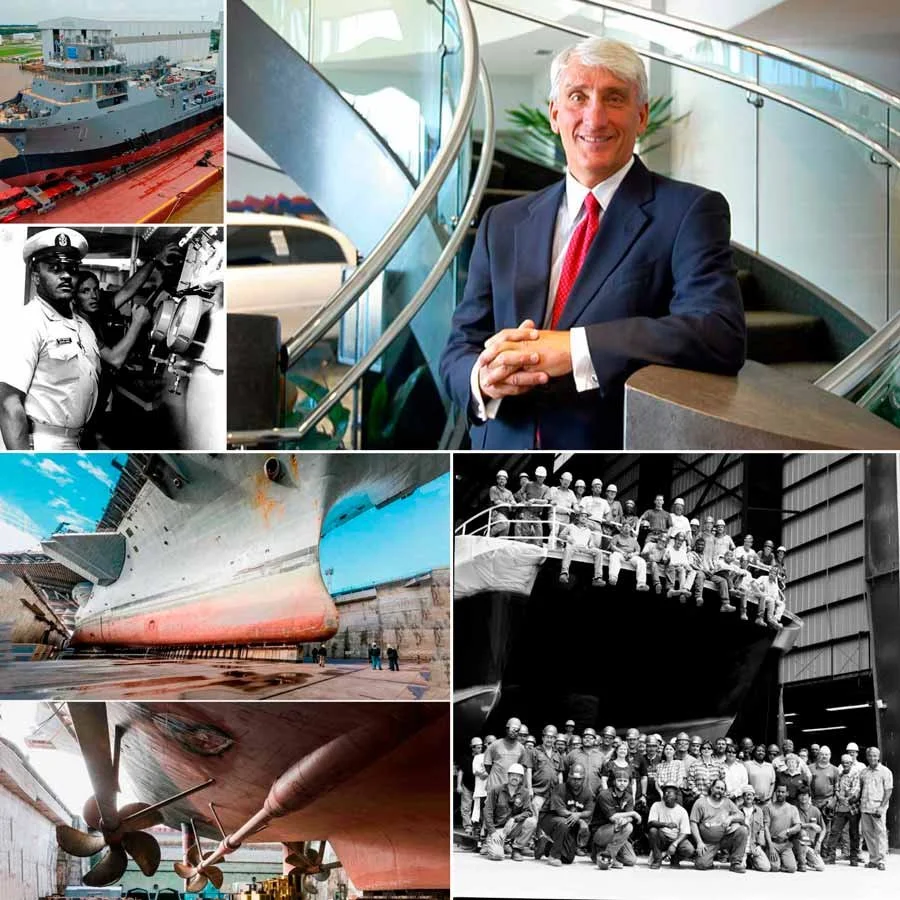
BILL FLEDERBACH

BILL FLEDERBACH

President & CEO of ClimeCo

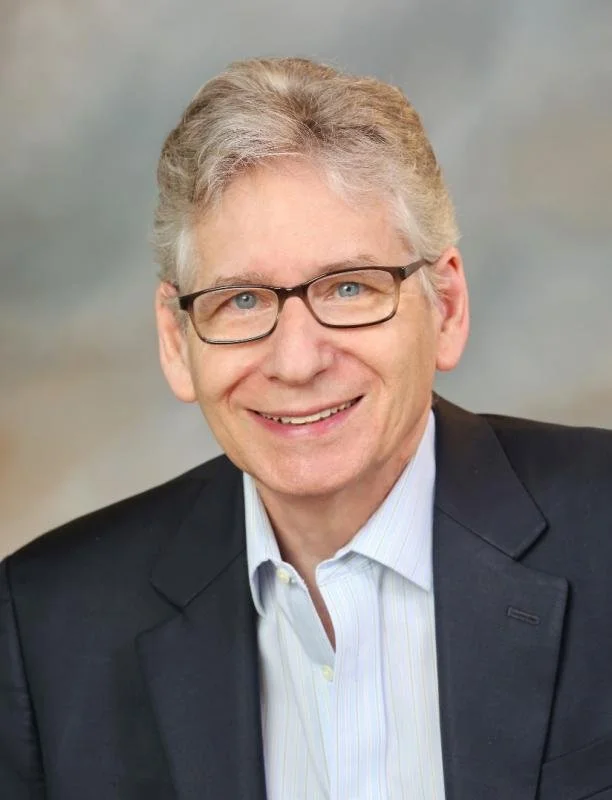
You'll hear ClimeCo speak a lot about market-based solutions because oftentimes, to really drive change in the market when a company is looking at ways to decarbonize, the first thing they typically do is look within their own operations. How can they get decarbonized? What's the cost of decarbonization? We call it the marginal abatement. Can they decarbonize with the technologies that exist? Oftentimes, those technologies exist outside of their operations. The benefit of the environmental markets allows companies to invest in projects that have a reasonable marginal cost.

A Global American

A Global American

In today’s swift and severe interconnected world, we need to sharpen our acceptance of diversity, innovation, and inclusion and celebrate what the world has to offer us. Our readers who embody this “Global American” ethos transcend national borders and the politics of hate. Many of us vacation in vibrant precious cities of the world. Many of us have children who studied abroad or who benefit from international medical colleagues and lawyers. The average American is more caring than presented recently.

Comment
.sqs-block-summary-v2 .summary-block-setting-text-size-small .summary-excerpt p { font-size: 10px; display: -webkit-box; /* Enable webkit box model */ -webkit-box-orient: vertical; /* Make the box orientation vertical */ overflow: hidden; /* Hide overflow text */ -webkit-line-clamp: 12; /* Limit text to 12 lines */ text-overflow: ellipsis; /* Show ellipsis (...) when text overflows */ }
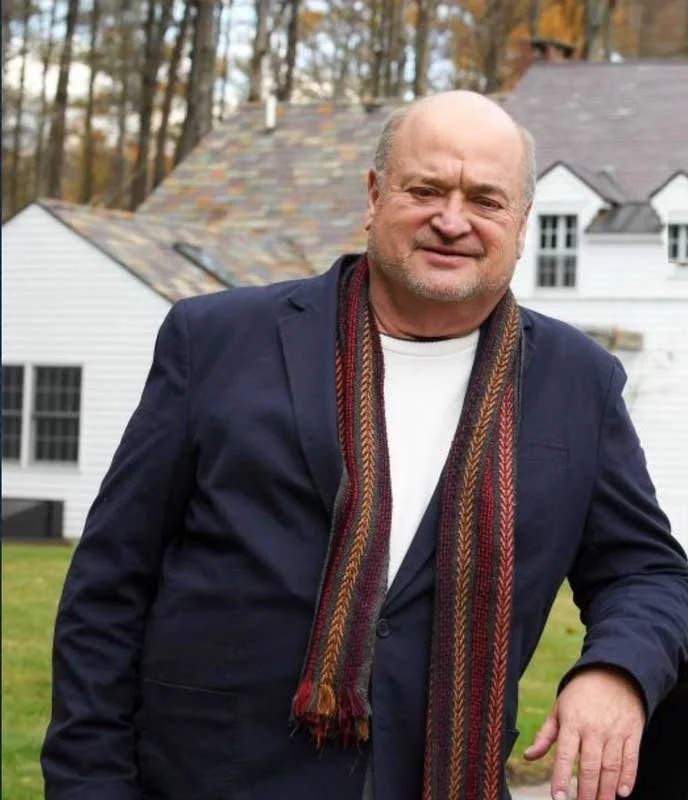
DR. BRUCE PIASECKI

DR. BRUCE PIASECKI

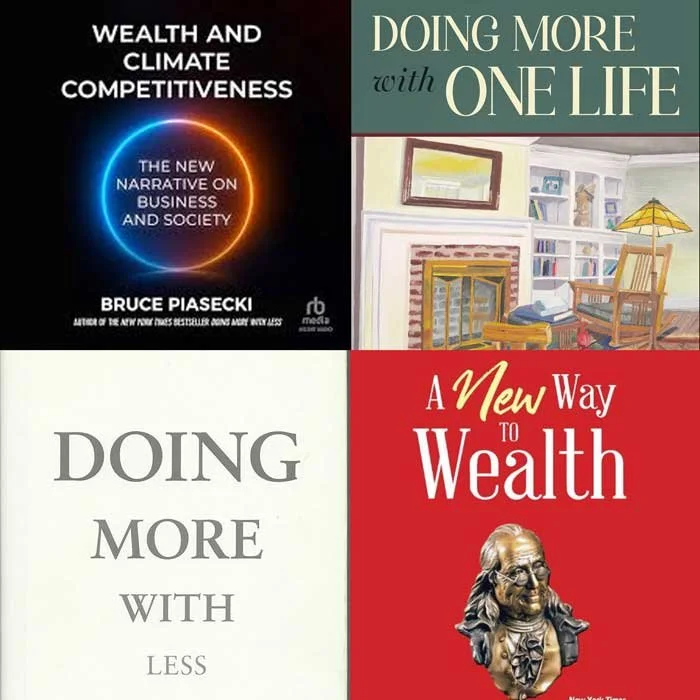
Author of Wealth and Climate Competitiveness and Doing More with One Life
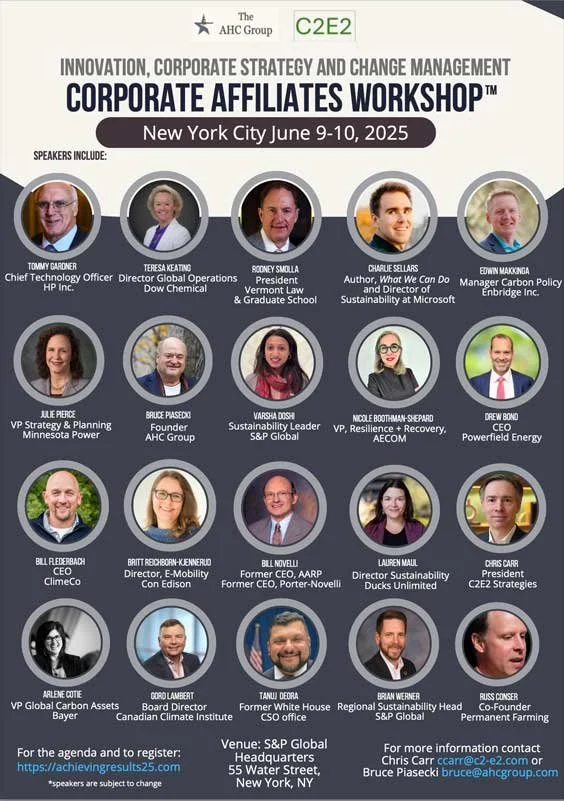
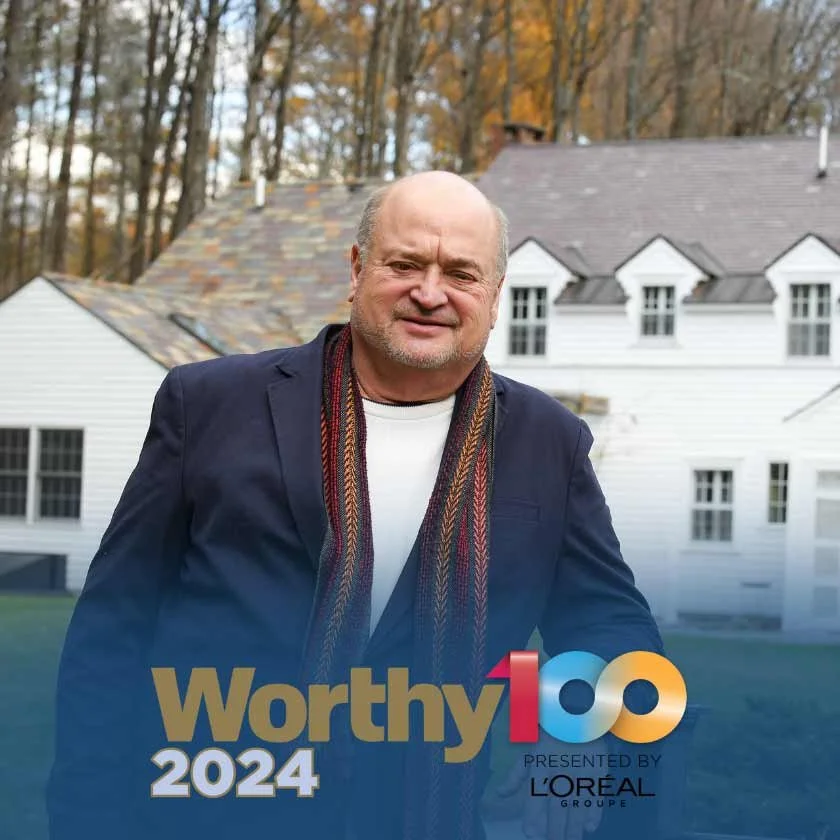
Founder & Chair of AHC Group · Named one of 2024’s Worthy100 by Worth Magazine, in recognition of changemakers who are making a difference

Many of the central concerns of the twenty-first century—racial inequity, white supremacy movements, greater inclusiveness of diverse peoples—are rooted in facing and overcoming prejudices, both common and hidden. Another great challenge—the role of wealth and innovation in solving the climate crisis—is also riddled with disabling prejudices about how corporations work, and about the rights and needs of consumers and world citizens.

.sqs-block-summary-v2 .summary-block-setting-text-size-small .summary-excerpt p { font-size: 10px; display: -webkit-box; /* Enable webkit box model */ -webkit-box-orient: vertical; /* Make the box orientation vertical */ overflow: hidden; /* Hide overflow text */ -webkit-line-clamp: 12; /* Limit text to 12 lines */ text-overflow: ellipsis; /* Show ellipsis (...) when text overflows */ }