JAMES FISHKIN
THE DIPLOMAT

THE DIPLOMAT

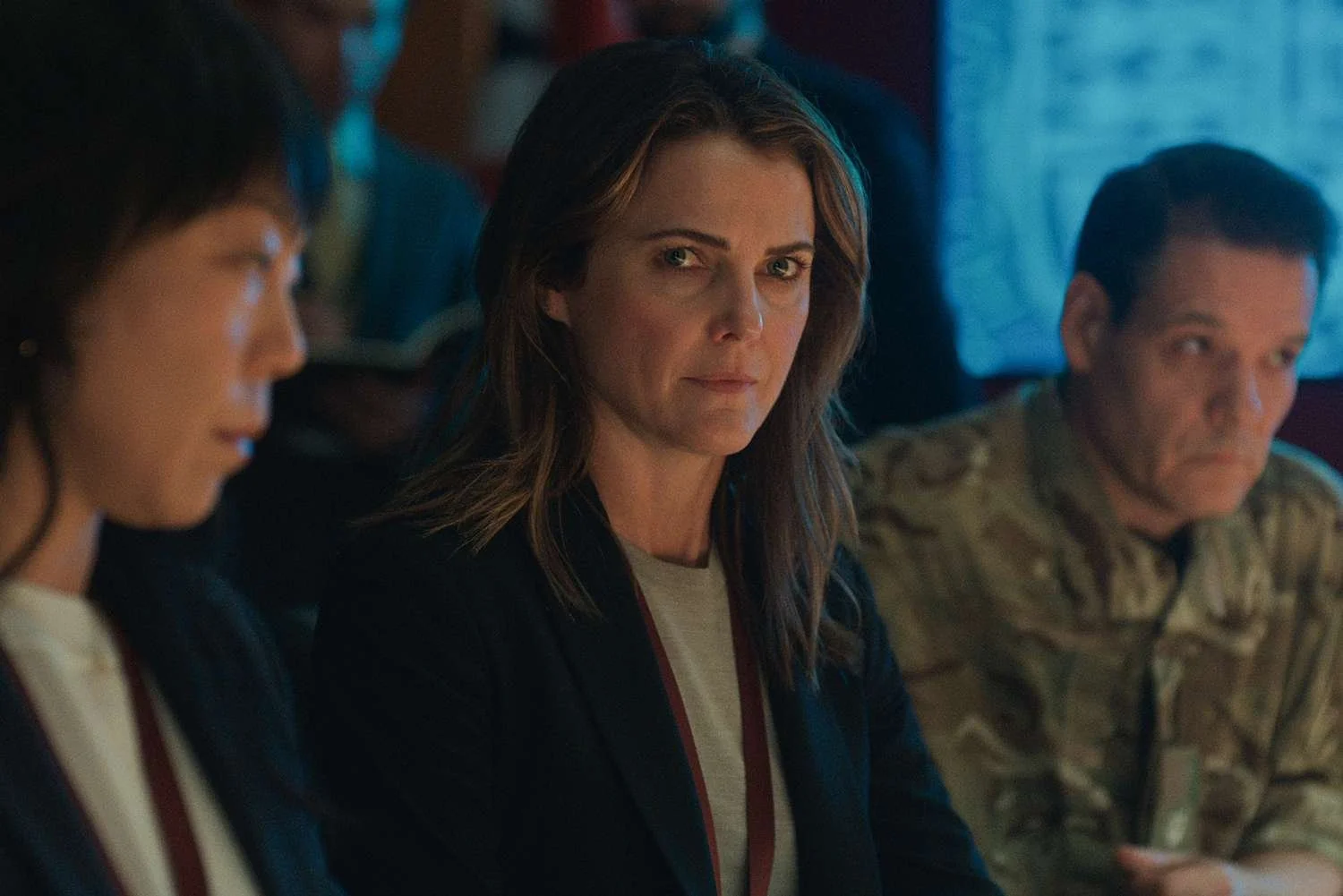
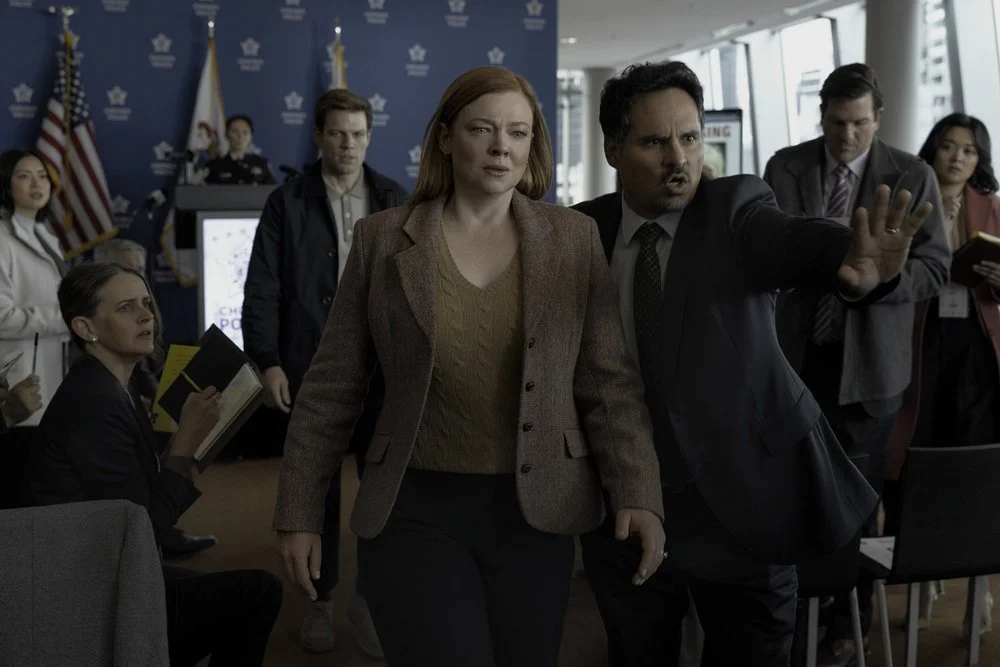
Conversation with Showrunner · Creator · Head Writer
DEBORA CAHN

I feel very fortunate that the medium I’m in is television, which is a very long form of storytelling. You're not telling a single story; you're telling a world. You're inviting people into a world and asking them to live there with you and these characters for a period of time. The best I can do is build a world where people grapple with these important questions and try their best. All I can expect from people and from myself is that we're trying to do something larger than ourselves.

The First Artist-Led Global Summit

The First Artist-Led Global Summit

& The Future of Museums
A Conversation with NICOLA LEES · Director of the Aspen Art Museum

It's a complicated time to think about how we can slow down, be still, and bring a brilliant group of people together to do something that feels purposeful and can be productive. It's a moment where things are moving so fast. When I brought up the idea of a hinge generation, I think it's impossible to know how we will look back and reflect on this time and these moments. This year, there is a real emphasis on the relationship between the question we have posed for the retreat, which is fundamentally about our relationship with technology and identifying our relationship with the world and how we want to be present in the moment.

On Borges, Gore Vidal, Robert Frost & The Writing Life

On Borges, Gore Vidal, Robert Frost & The Writing Life

A Conversation with Author & Filmmaker JAY PARINI

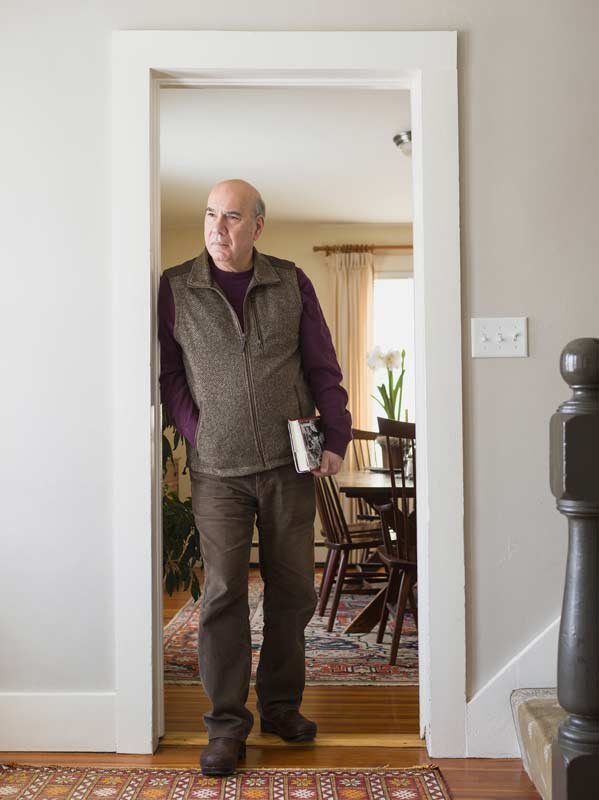
Poetry is the prince of the literary arts to me. It's at the very top because it's language refined to its apex of memorability. I am interested in poetry as memorability and poetry as something you live by. These are the words you live by. These words stay in your brain and guide your life. That's what I am interested in. My memoir slash autofiction is called Borges and Me, and as you know, it's a story of my time in 1970 when my best friend Billy was drafted for the Vietnam War, and so was I. He went to Vietnam, and I went to Scotland to hide out and do my graduate work. I spent nearly seven years in Scotland, but I certainly spent the next five years definitely in Scotland. I was there before as an undergraduate for a bit, too. During that time, Billy was killed in Vietnam, and I was a nervous wreck. My memoir talks about my depression, my anxieties, and then, through my friend Alastair Reid, I met Borges, the great Argentine writer. We went on a little road trip through the Highlands, and this conversation with Borges really restored me back to myself and what was important in life. I felt that I owed a huge amount to that contact with Borges… I was lucky that suddenly, out of nowhere, came a wonderful director-producer named Mark Turtletaub. He had read my book and loved it, and he approached me. We had a conversation, and he said, "Look, I want to make this movie." So off we went.

All the Water in the World

All the Water in the World

A Conversation with Writer & Musician EIREN CAFFALL

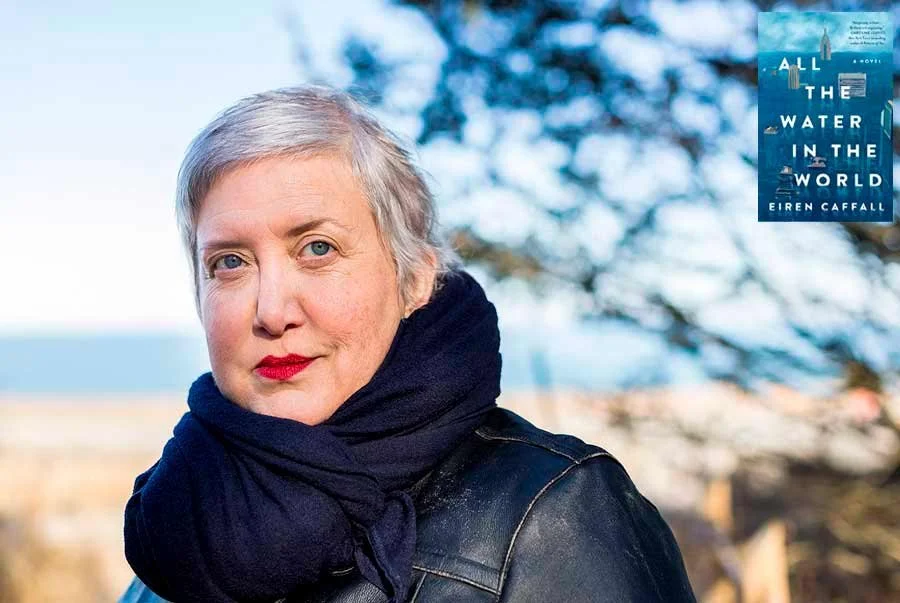
We are in a complex and delicately balanced relationship of connection to everything else on the planet. We begin to recognize, write into, and speak into the complex interdependence and interconnection of every gesture that we make on the planet. Most storytelling that I really respond to, whether it's from my own culture or from previous civilizations, acknowledges that we are in this complex relationship where every gesture we make is connected to the lives of every other creature on the planet. The more narratives we allow to be complex in that way and interconnected, the more we begin to change our brain chemistry around how we protect ourselves and everything that is in relation to us. The more that you have that evolving relationship with it, that's dynamic and alive to the moment you're in, and that's not afraid of the feelings of fear, hopelessness, grief, or pain that attend paying close attention to the world as it is evolving around you, the better we are able to be flexible in the relationship we need to form with fixing what we can and holding onto what we have.

From RoboCop to the Renaissance

From RoboCop to the Renaissance

with Actor, Art Historian, Director, Musician, Author PETER WELLER

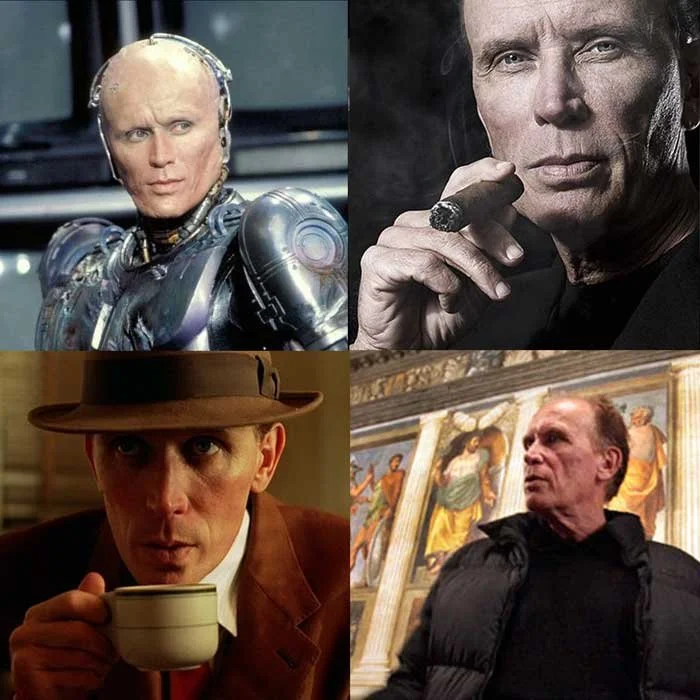
Art transcends time and culture—the beauty of it. People worry about the world now. I remind them to go live in 1968, a time of preparing to go to the moon while people died for their beliefs. This is a difficult time in a republic that’s supposed to be free, but music was leading the way. Whether it was Miles, Coltrane, Aretha, Leonard Cohen, Dylan, the music was extraordinarily influential and cutting-edge… Leon Battista Alberti is an interesting figure because he was a poet, painter, architect, and particularly an architect, writer, and humanist. He wrote this amazing book on painting that everyone has to read.

CARLOS MORENO

CARLOS MORENO

Originator of the 15-Minute City Concept · Author of The 15-Minute City: A Solution to Saving Our Time & Our Planet

It all starts at home. As a university professor, I have observed the process of transformation of different generations. We need to find a sense of life. We need to find a sense of belonging to our humanity, but to have this sense of life, we need to find a sense in our local communities.

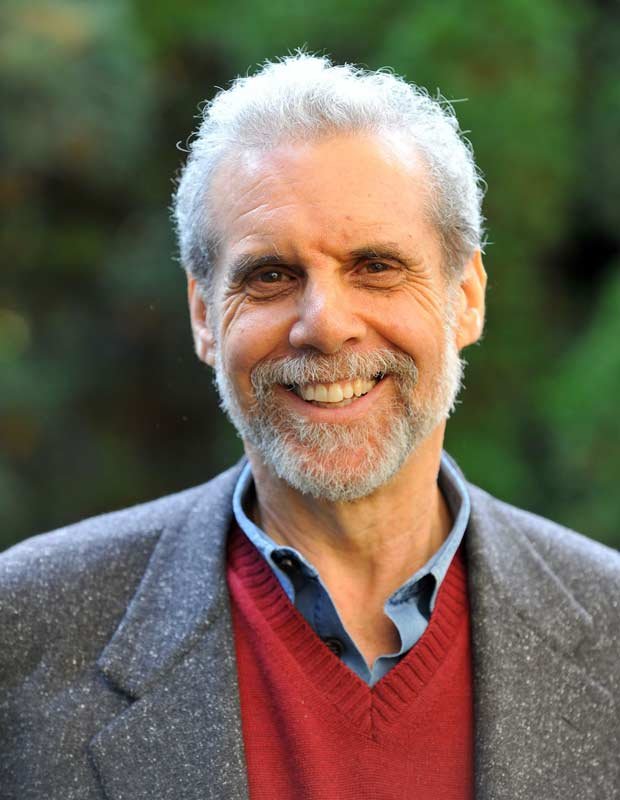
DANIEL GOLEMAN

DANIEL GOLEMAN

Psychologist
Author of Emotional Intelligence · Optimal · Ecological Intelligence

Emotional intelligence is how you manage yourself and how you handle your relationships. Are you aware of what you're feeling? Can you use that awareness to handle emotions, to be positive, to be sure your upsetting emotions don't overwhelm you? This then helps you to tune into other people's emotions, to be empathic, and to put that all together to manage relationships well. It turns out that's what makes an engineer highly effective. I think it's what makes anyone highly effective. 

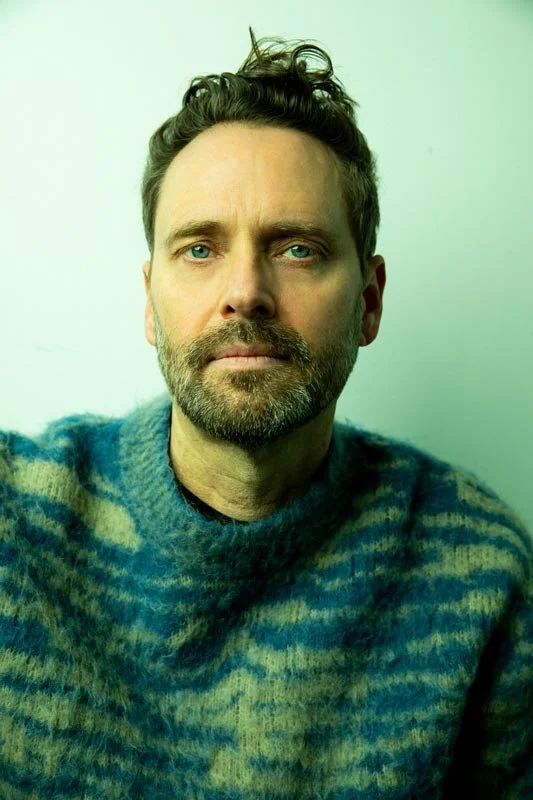
DUSTIN O'HALLORAN

DUSTIN O'HALLORAN

Emmy Award-winning · Oscar-nominated Composer · Musician
1 0 0 1 · Silfur · Transparent · Lion

The album 1 0 0 1 is really like a journey from our connection with nature to where we are now, in this moment where we're playing with technology. We're almost in this hybrid space, not fully understanding where it's going. And it's very deep in our subconscious and probably much greater than we realize. And it sort of ends in this space where the consciousness of what we're creating, it's going to be very separate from us. And I believe that's kind of where it's heading – the idea of losing humanity, losing touch with nature and becoming outside of something that we have created.

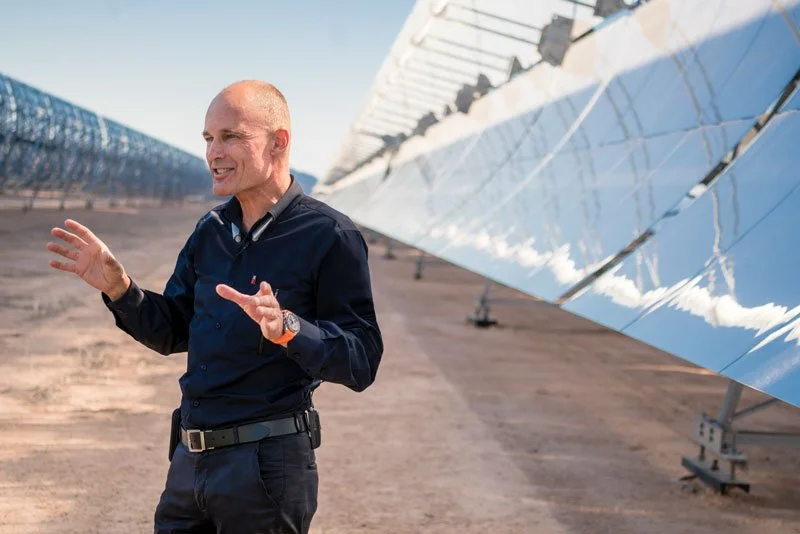
BERTRAND PICCARD

BERTRAND PICCARD

Explorer & Aviator of the First Round-the-World Solar-powered Flight
Founder of Solar Impulse Foundation & Climate Impulse

The goal with Climate Impulse is to revolutionize aviation and show that we can decarbonize aviation. Of course, it's not yet a jumbo jet with hydrogen. It's a two-seater airplane. If we go around the world nonstop with two people on board, this project can become like a flagship of climate action.

Bridging Cultures

Bridging Cultures

Connecting Brazil and China Through Art and Music
A Conversation with Curator · Philanthropist · Collector SARINA TANG

I think that, based on the fact that both Brazil and China are tied to my own roots, I understand a little more about the culture and history of both countries. About 15 to 20 years ago, I felt that I didn’t want to work just for income or to gain more fame. I felt I should do something meaningful for the rest of my life. Very few people from Brazil have ever been to China. This is why I brought a few Chinese artists from China to Brazil and from Brazil to China. That was my first experience doing some form of residency, but it was more than a residency. It was really for the Brazilian artists to learn more about China and its culture, and for some of the Chinese artists to learn more about Brazilian art and culture.

.sqs-block-summary-v2 .summary-block-setting-text-size-small .summary-excerpt p { font-size: 10px; display: -webkit-box; /* Enable webkit box model */ -webkit-box-orient: vertical; /* Make the box orientation vertical */ overflow: hidden; /* Hide overflow text */ -webkit-line-clamp: 12; /* Limit text to 12 lines */ text-overflow: ellipsis; /* Show ellipsis (...) when text overflows */ }
All Her Fault

All Her Fault

Starring SARAH SNOOK · A Conversation with Exec. Producer NIGEL MARCHANT & Creator MEGAN GALLAGHER

The people that we choose to love and the ones we choose to rely on and trust… Marissa and Jenny's relationship and that female friendship, that's what we watch happen in the series in real time. Whereas the marriages and the relationships that they're already in maybe aren't so perfect, the one we watch them choose is the one that's rewarding. It's so nice to listen to people's reactions to that relationship and how real that relationship feels. These two women, from a character perspective, have every reason to not get along or to hate each other or to yell at each other. That's the opposite of what each one of them does, and that just feels true and honest. I know a lot of women who I feel would act that way, be the best version of themselves in such an awful situation.

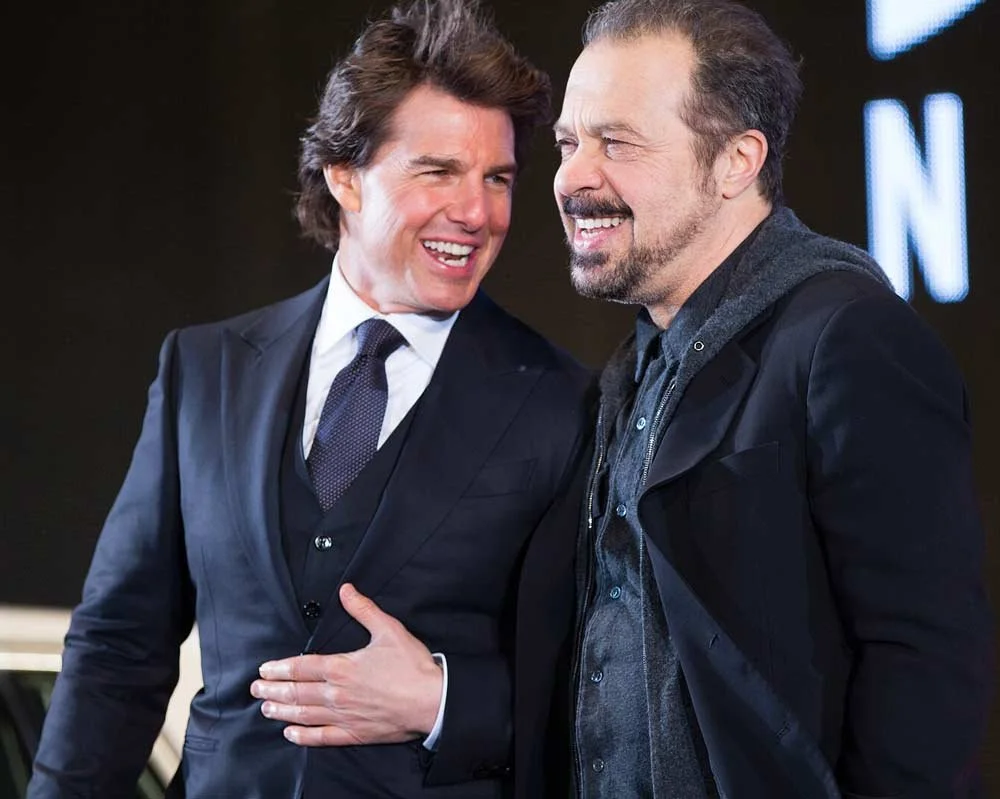
ED ZWICK

ED ZWICK

Academy Award-winning Writer, Director & Producer
Glory · The Last Samurai · Shakespeare in Love · Thirtysomething
Author of NYTimes Bestseller Hits, Flops & Other Illusions: My Fortysomething Years in Hollywood

My intention was to write about my experiences, obviously, but also I felt that there was a little bit of a counterintuitive approach, which is to talk about some of the inner experiences of the creative process and being a director, being a writer, and I felt that that would open the window a little bit wider. I liked that it wasn't just a behind-the-scenes look. It is that, and I think it's full of fun anecdotes and little reveals, but it is to be a real book. It presumes to be a memoir, like many of the memoirs that I have loved of creative people in the past.

The Future of Activism

The Future of Activism

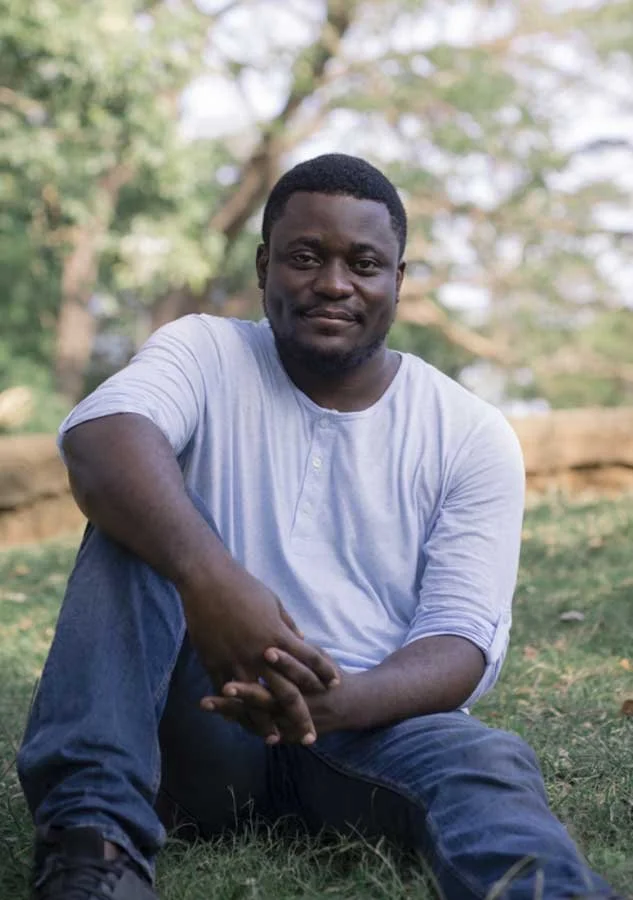
When Solutions Become Problems with BAYO AKOMOLAFE
Philosopher · Psychologist Public Intellectual · Author · Founder of the Emergence Network

I learn more than anything else from my children. My son, he's seven, he's autistic, and I call him my prophet for a reason. He teaches me to meet myself in ways that are usually very stunning. I can get information from other people; I can read a book here and there, but it's very rare to come across such an embodiment of grace, possibility, and futurity, all wrapped up in a tiny seven-year-old boy's body. My son has given me lots of gifts.

Sleep, The Nocturnal Brain & The Biology of Being Human

Sleep, The Nocturnal Brain & The Biology of Being Human

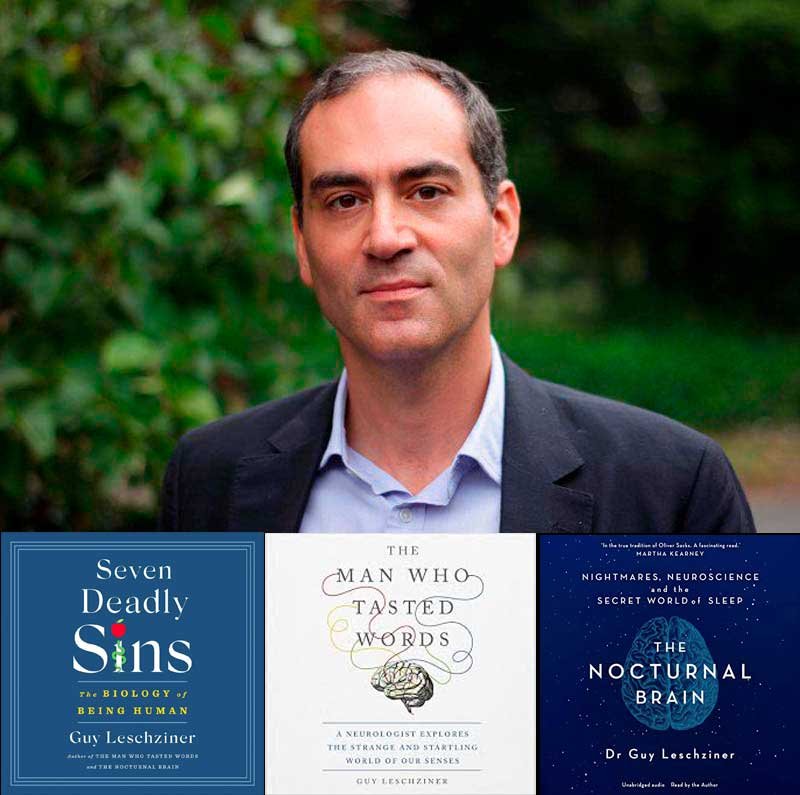
with Neurologist · DR. GUY LESCHZINER
Professor of Neurology & Sleep Medicine · King's College London
Author of Seven Deadly Sins · The Nocturnal Brain · The Man Who Tasted Words

 I'm fascinated by the extremes of the human experience, partly because it is so far removed from our own experience of life. In another way, when you look at people who have neurological disorders or diseases, these are really nature's experiments. They are ways of trying to understand how the brain works for all of us. By extrapolation from looking at these extremes, we can learn about the workings of our own brains. That's very much the case across all the areas of my work, whether it be sleep disorders, neurology, or epilepsy—how we regulate our emotions, how we move, how we experience the world.

The Creative Process

The Creative Process

JULIE ANDREWS · PAUL SCHRADER · JOHN PATRICK SHANLEY · ETGAR KERET · JOY GORMAN WETTELS · CHAYSE IRVIN · MANUEL BILLETER
Share their Stories

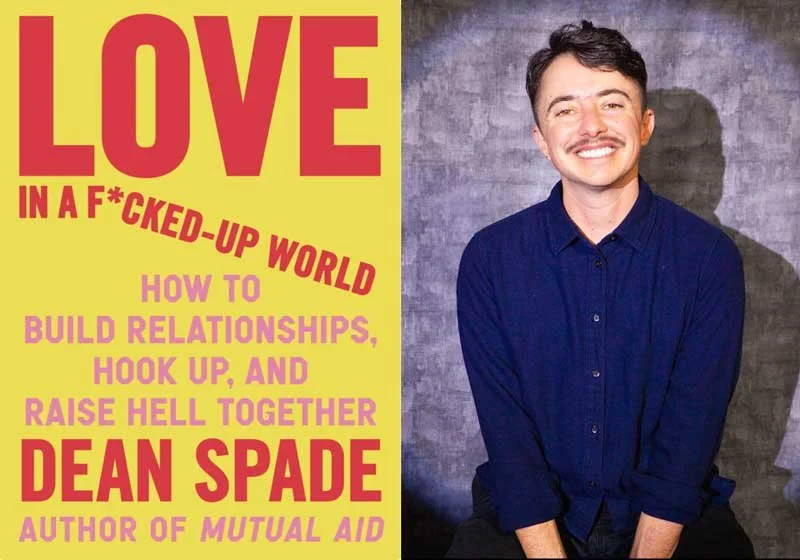
LOVE in a F*cked-Up World

LOVE in a F*cked-Up World

Conversation with DEAN SPADE about How to Build Relationships, Hook Up, and Raise Hell Together

This book has a lot of the wisdom of things that feminists and queers have learned in the community about sexuality, but the book is really for anybody who is political, even those just starting out and beginning to realize that there is something wrong with the systems they live under. I want to be in movements. Our movements are made of relationships. So, if you're just getting into our movements, or if you've been here for years and have been watching the ways we hurt each other and fall apart relationally, this book is about identifying these common patterns.

OUR PLANET · OUR FUTURE

OUR PLANET · OUR FUTURE

Environmentalists, Artists, Scientists & Earth Defenders Share their Stories

We are privileged to present the voices of individuals dedicated to effecting change and mitigating the harm inflicted upon our precious planet. These are individuals deeply committed to the core values that drive positive transformation: Max Richter, Ingrid Newkirk, Julian Lennon, Bertrand Piccard, Carl Safina, Nan Hauser, Claire Potter, Ada Limón, David Farrier, Cynthia Daniels, Oded Galor, Kathleen Rogers, Joelle Gergis, Sir Geoff Mulgan, Alain Robert, Noah Wilson-Rich, Chris Funk, Suzanne Simard, Peter Singer, and Jennifer Morgan.

.sqs-block-summary-v2 .summary-block-setting-text-size-small .summary-excerpt p { font-size: 10px; display: -webkit-box; /* Enable webkit box model */ -webkit-box-orient: vertical; /* Make the box orientation vertical */ overflow: hidden; /* Hide overflow text */ -webkit-line-clamp: 12; /* Limit text to 12 lines */ text-overflow: ellipsis; /* Show ellipsis (...) when text overflows */ }
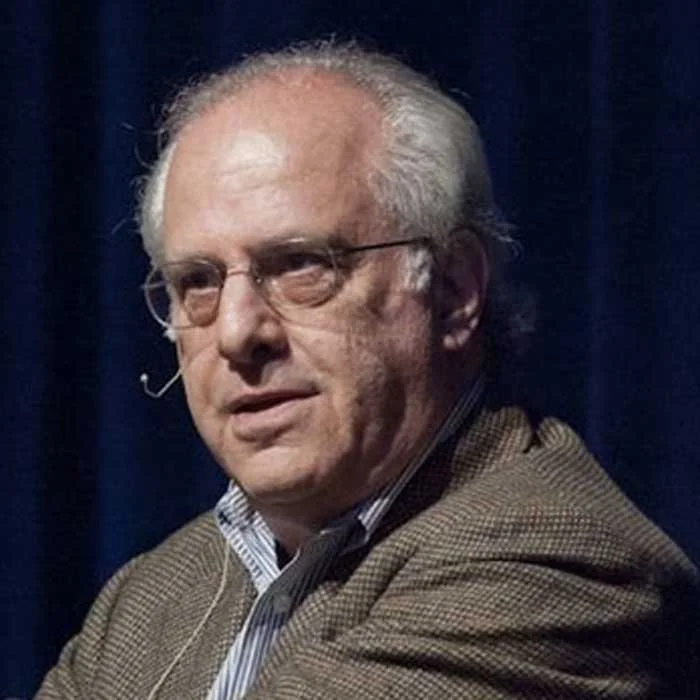
Understanding Capitalism

Understanding Capitalism

w/ Economist RICHARD D. WOLFF
Co-founder of Democracy at Work
Author · Host of Economic Update

The position of the United States in the world, economically and politically, is the weakest it has been in my lifetime. I was born in the middle of the 20th century, so I have watched the rise of the American empire and the success of American capitalism in the second half of the 20th century. However, over the last 20 years, I have watched that turn into its opposite—a decline. The decline is visible everywhere. Unless you live in the United States and consume mainstream media, there is a level of denial that will be recorded historically as one of the great examples, not just of a declining empire, which typically has people who cannot face it and who refuse to see it. You can go to Great Britain today and find quite a few people who think we still have the British Empire, even though everyone who isn't crazy knows that is silly. But we are earlier in the decline phase than the British are; they have had to endure it for a century while we have just had to do it for a couple of decades. It is fresh.

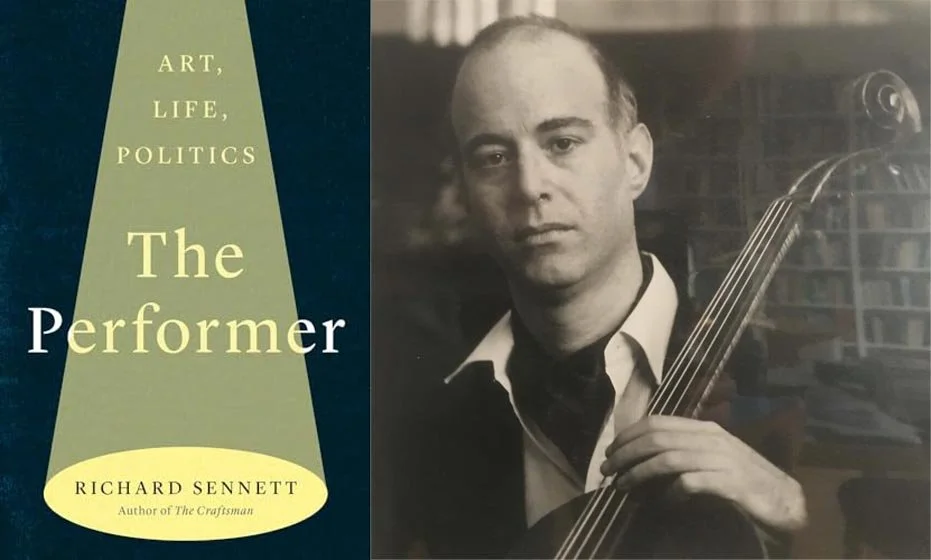
The Performer: Art · Life · Politics

The Performer: Art · Life · Politics

RICHARD SENNETT Centennial Professor of Sociology · London School of Economics · Fmr. Humanities Professor · NYU
Author of The Performer · The Fall of Public Man · The Culture of the New Capitalism · The Craftsman

We look at creative work as though the very creative process itself is something good. These are tools of expression, and like any tool, you can use them to damage something or to make something. They can be turned to very malign purposes, for instance, in the operas of Wagner. So I wanted to do this set of books, I want to show what is kind of the basic DNA that people use for good or for ill. What are the tools they use, if you like, of expression that they use in the creative process?