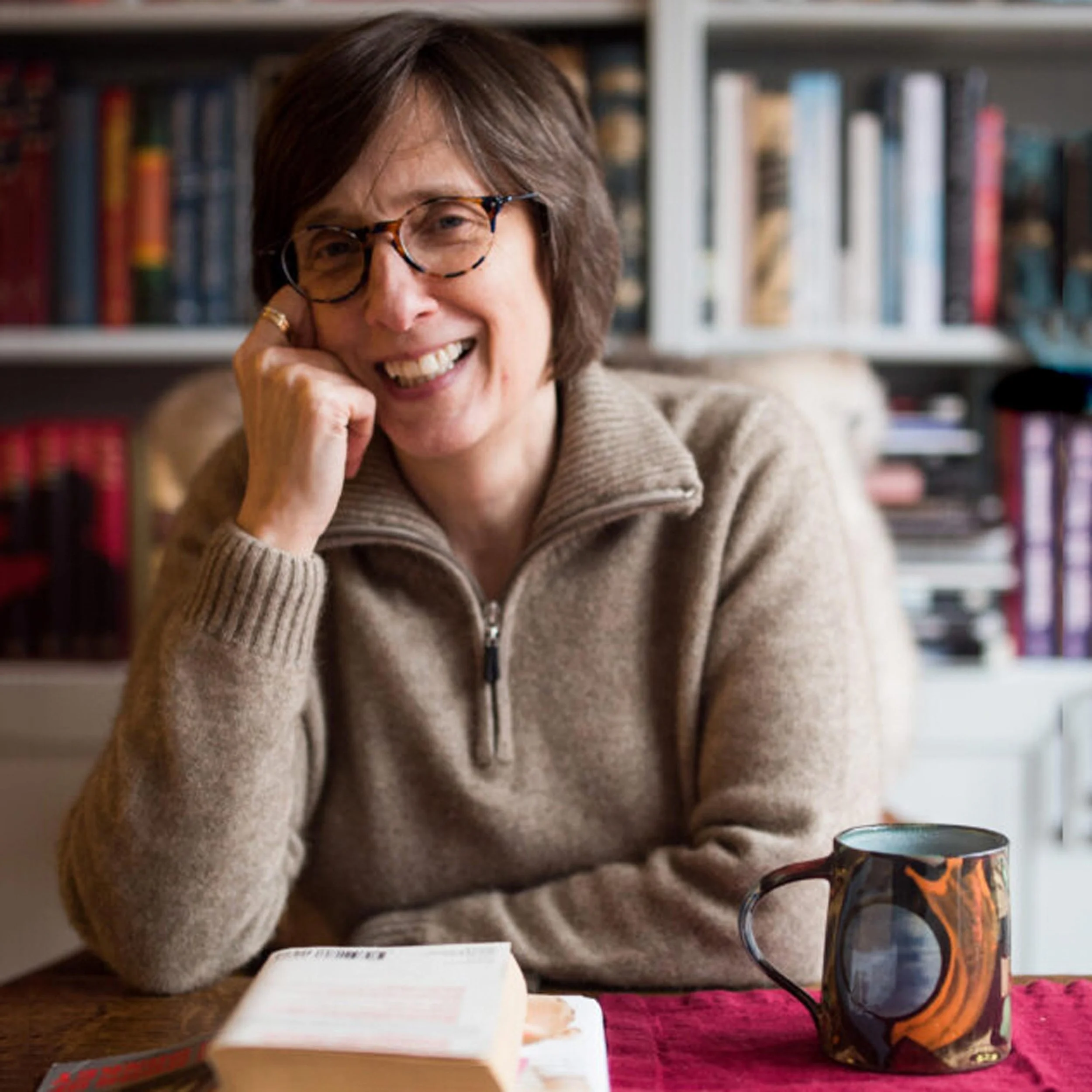
In the Presence of the DALAI LAMA - Doc. Director of WISDOM OF HAPPINESS - Highlights

In the Presence of the DALAI LAMA - Doc. Director of WISDOM OF HAPPINESS - Highlights

 Everybody wants happiness, joyfulness, peaceful world. Our 21st century will not be easy century… I can change my mind. I can reduce anger, hatred. Nothing to do with religion. All religions carry the message of love, loving kindness, and tolerance. This century should be century of compassion, century of peace. No more bloodshed. We should develop a big “we,” rather than “we” or “they.” With these wings, you can fly. -DALAI LAMA

WISDOM OF HAPPINESS - Heart-to-Heart w/ DALAI LAMA - Conversation w/ Director Barbara Miller

WISDOM OF HAPPINESS - Heart-to-Heart w/ DALAI LAMA - Conversation w/ Director Barbara Miller

 Everybody wants happiness, joyfulness, peaceful world. Our 21st century will not be easy century… I can change my mind. I can reduce anger, hatred. Nothing to do with religion. All religions carry the message of love, loving kindness, and tolerance. This century should be century of compassion, century of peace. No more bloodshed. We should develop a big “we,” rather than “we” or “they.” With these wings, you can fly. -DALAI LAMA

THE SPIRULINA REVOLUTION with FUL FOODS Co-Founder Julia Streuli & Oberon Sinclair

THE SPIRULINA REVOLUTION with FUL FOODS Co-Founder Julia Streuli & Oberon Sinclair

A Conversation with Co-Founder of FUL Foods JULIA STREULI & Founder of Creative Agency My Young Auntie OBERON SINCLAIR

Spirulina does everything. If you extract protein, there's a huge booming market and human need for protein. If you extract fats, omegas, etc., if you look at the recent FDA ruling around the color transition, every food and beverage company now is looking for a natural source of color. Spirulina can provide that. It's about looking at this ancient substance and seeing how it can plug into our future food system in a way that works for people and the planet. 

Listening to the Planet -  Writers' Perspectives on Nature, Place & Interconnectedness

Listening to the Planet - Writers' Perspectives on Nature, Place & Interconnectedness

Katie Kitamura, Eiren Caffall, Jay Parini, Irvin Weathersby Jr., Natasha Hakimi Zapata, Audrea Lim & Dr. Bayo Akomolafe share their stories

How do our environments shape who we are and how we care for the world and each other? There are many solutions to climate change, inequality, and poverty around the world. How can we learn from them and transform our society?

The Arrogant Ape: The Myth of Human Exceptionalism & Why it Matters with CHRISTINE WEBB

The Arrogant Ape: The Myth of Human Exceptionalism & Why it Matters with CHRISTINE WEBB

A Conversation with Primatologist CHRISTINE WEBB

There are many ways in which I think human exceptionalism has seeped into the sciences, but one of the many ways is through the methodologies we use when we compare the intelligence of humans and other species. In particular, in my field, I’m a primatologist by training, comparing the cognitive abilities of humans with the abilities of our closest living relatives, the great apes. Many times, those studies compare the intelligence of captive chimpanzees who are living in highly restricted, manmade environments. Often, these chimpanzees have been separated from their biological mothers at birth. They're often separated from the group during testing. They're subjected to very human-centric experimental paradigms, like playing with plastic puzzle boxes or computer touchscreens, and we're measuring how they perform on these tasks.

Building a Vital Earth for Everyone with President of Environmental Defense Fund’s EDF Action DAVID KIEVE
Hayek’s Bastards: Race, Gold, IQ & the Capitalism of the Far Right with QUINN SLOBODIAN

Hayek’s Bastards: Race, Gold, IQ & the Capitalism of the Far Right with QUINN SLOBODIAN

Race, Gold, IQ & the Capitalism of the Far Right
A Conversation with QUINN SLOBODIAN

The origin was really trying to make sense of that 2016-2017 moment and to ask whether the alt-right was, as we were being told, a return to the 1930s, a kind of awakening of the sleeping beast of white supremacy armed in the streets in the United States. There are many explanations, but I decided to take this kind of curious route in with the distorted readings and reinterpretations of the works of people like Ludwig von Mises and Friedrich Hayek. As a scholar of comparative literature, I wanted to write a revision based on Crack-Up Capitalism.

What Do We Do with the One Life We’re Given? - Environmentalists, Scientists, Writers & Philosophers Share their Stories

What Do We Do with the One Life We’re Given? - Environmentalists, Scientists, Writers & Philosophers Share their Stories

In this time of rapid technological change, how do we hold onto our humanity? How do stories, traditions, and community help us find meaning in loss and face an uncertain future? How can science, art, and spirituality open new pathways to understanding ourselves and the human experience?

From 'Bee: Wild' to  the 'Kiss the Ground' Regenerative Agriculture Documentary Trilogy - Highlights

From 'Bee: Wild' to the 'Kiss the Ground' Regenerative Agriculture Documentary Trilogy - Highlights

A Conversation with Documentary Filmmaker REBECCA TICKELL

Today, we explore the work of a filmmaker whose lens is consistently turned toward the most critical issues facing our planet. Rebecca Tickell, in collaboration with her husband Josh Tickell, has created a powerful cinematic catalog of films that are not merely observations, but catalysts for change. They've taken on the complexities of our energy systems, the deep-seated problems within our food supply, and now, with her latest work, Bee: Wild, they explore the essential, fragile, and often unseen world of pollinators.

Their film Kiss the Ground sparked a global conversation about regenerative agriculture, leading to tangible shifts in policy and public understanding. Common Ground continued this exploration, unraveling the intricate web of our food systems. Now, with Bee: Wild, narrated by Ellie Goulding and executive produced by Angelina Jolie, Rebecca brings her characteristic blend of journalistic rigor, personal narrative, and solutions-driven storytelling to the urgent plight of bees, asking us to reconsider our relationship with the natural world.

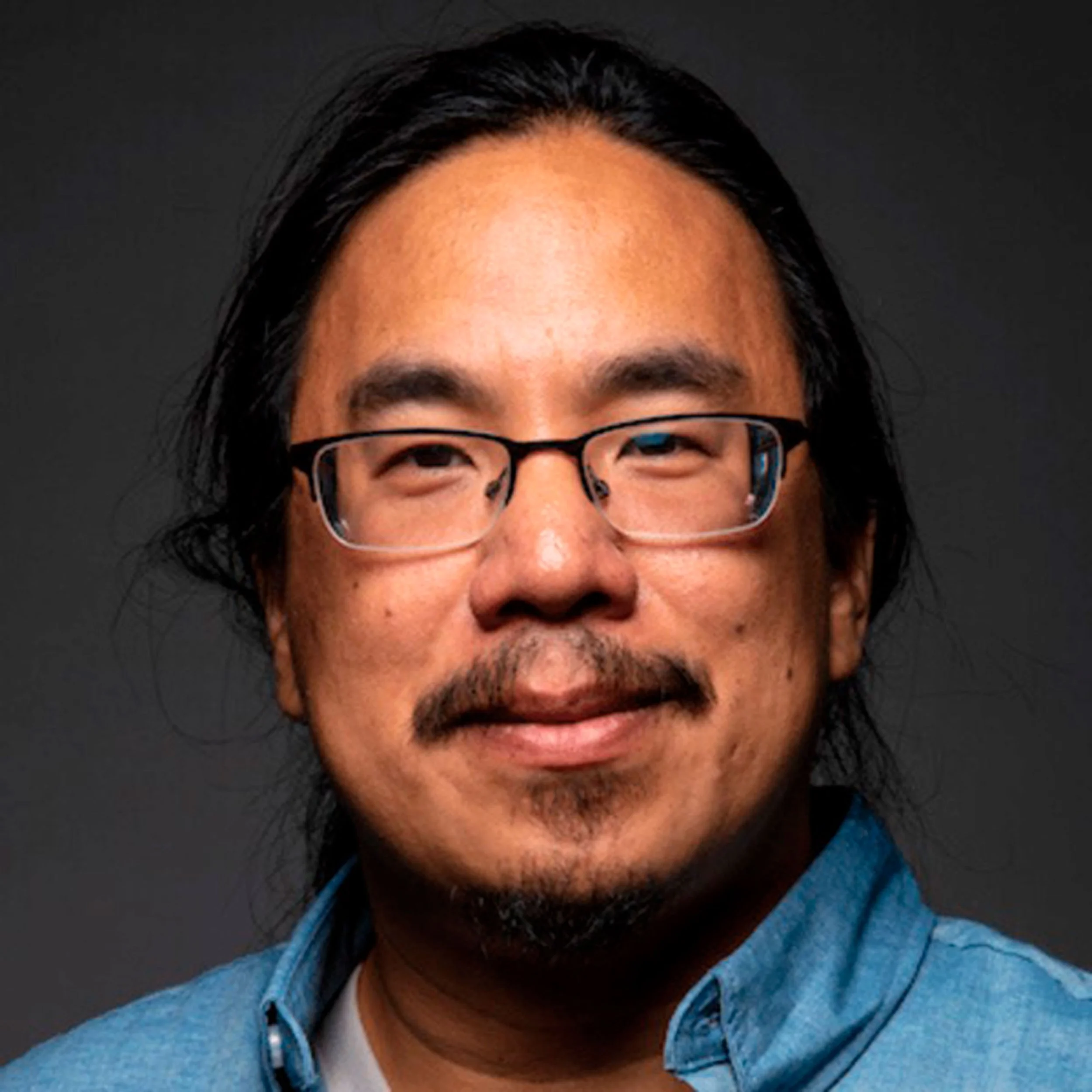
All About Bees, Soil & Regeneration with Documentary Filmmaker REBECCA TICKELL

All About Bees, Soil & Regeneration with Documentary Filmmaker REBECCA TICKELL

A Conversation with Documentary Filmmaker REBECCA TICKELL

Today, we explore the work of a filmmaker whose lens is consistently turned toward the most critical issues facing our planet. Rebecca Tickell, in collaboration with her husband Josh Tickell, has created a powerful cinematic catalog of films that are not merely observations, but catalysts for change. They've taken on the complexities of our energy systems, the deep-seated problems within our food supply, and now, with her latest work, Bee: Wild, they explore the essential, fragile, and often unseen world of pollinators.

Their film Kiss the Ground sparked a global conversation about regenerative agriculture, leading to tangible shifts in policy and public understanding. Common Ground continued this exploration, unraveling the intricate web of our food systems. Now, with Bee: Wild, narrated by Ellie Goulding and executive produced by Angelina Jolie, Rebecca brings her characteristic blend of journalistic rigor, personal narrative, and solutions-driven storytelling to the urgent plight of bees, asking us to reconsider our relationship with the natural world.
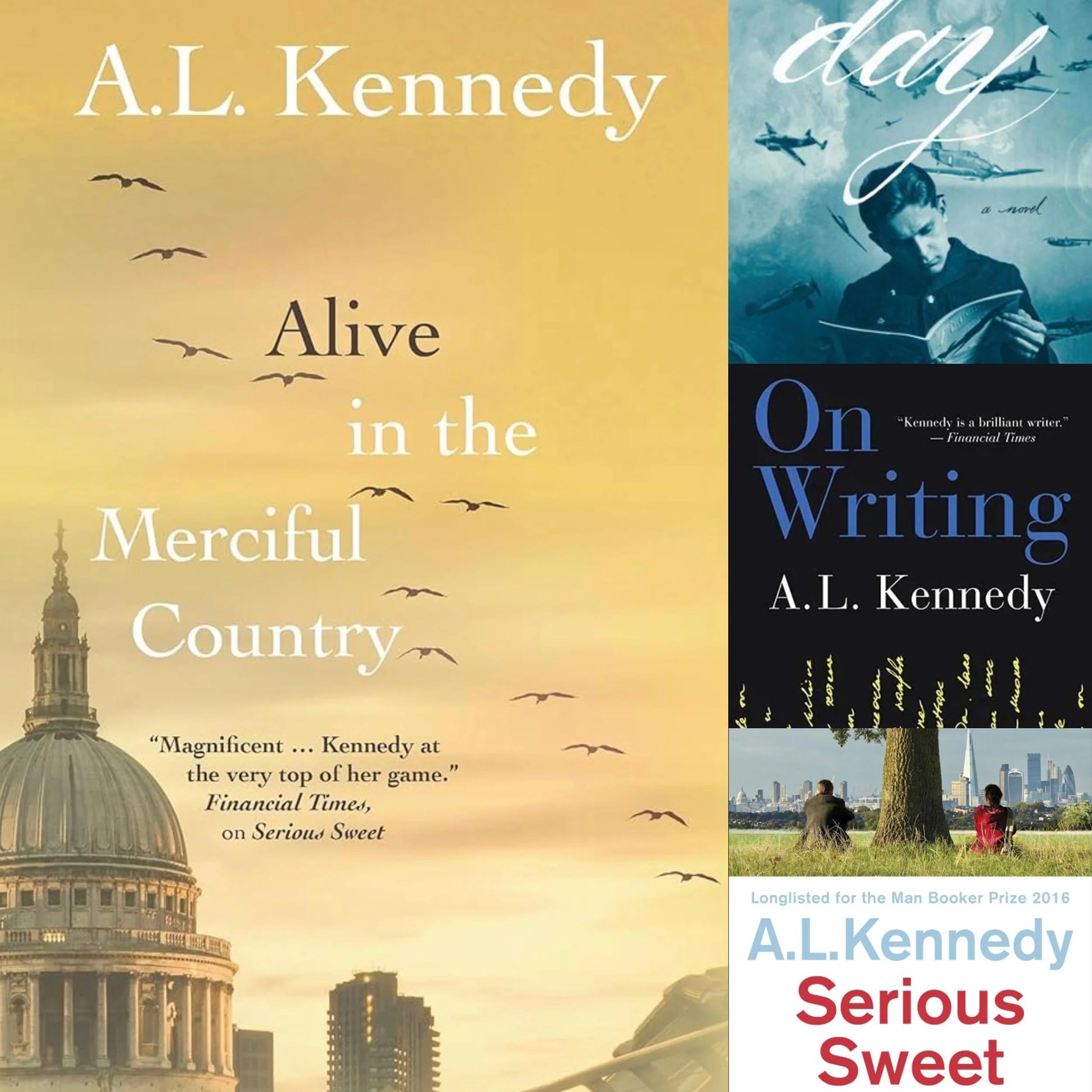
Revolutionizing Investment Strategies with Carbon Tracker - MARK CAMPANALE - Highlights

Revolutionizing Investment Strategies with Carbon Tracker - MARK CAMPANALE - Highlights

A Conversation with MARK CAMPANALE · Founder of Carbon Tracker

Carbon Tracker is a non-profit financial think tank focused on change and the energy transition. I set it up because I spent 20 years working in the financial world, and I noticed that a lot of coal, oil, and gas projects, even with all the evidence we know about climate change, were getting financed through banks and the stock market. It was almost as if investors were completely disregarding what climate change was going to do within our lifetime. What I wanted to do was challenge that, challenge the way people think, and challenge the financial operators, the bankers, stock exchange regulators, and investors to think about what climate change was going to do and what we could do about it. We're saying to the owners of these companies, the shareholders, "Why don't you think about what the world will look like in 50 years, and why are you putting these young people's pensions into coal, which we know is going to destroy the planet?"

Can Finance Revolutionize Climate Action? with MARK CAMPANALE, Founder of Carbon Tracker

Can Finance Revolutionize Climate Action? with MARK CAMPANALE, Founder of Carbon Tracker

A Conversation with MARK CAMPANALE · Founder of Carbon Tracker

Carbon Tracker is a non-profit financial think tank focused on change and the energy transition. I set it up because I spent 20 years working in the financial world, and I noticed that a lot of coal, oil, and gas projects, even with all the evidence we know about climate change, were getting financed through banks and the stock market. It was almost as if investors were completely disregarding what climate change was going to do within our lifetime. What I wanted to do was challenge that, challenge the way people think, and challenge the financial operators, the bankers, stock exchange regulators, and investors to think about what climate change was going to do and what we could do about it. We're saying to the owners of these companies, the shareholders, "Why don't you think about what the world will look like in 50 years, and why are you putting these young people's pensions into coal, which we know is going to destroy the planet?"

Exploring  Organic, Biodynamic & Regenerative Agriculture with LOUIS DE JAEGER - Highlights

Exploring  Organic, Biodynamic & Regenerative Agriculture with LOUIS DE JAEGER - Highlights

The Earth started as one big rock, and soil did not exist. Without soil, you can't really grow trees or any crops whatsoever. We are depleting soils super fast, and it is predicted that in less than 25 years, 90% of our soils will be degraded. We as humans can destroy things in a couple of years that have taken thousands or even millions of years to form. On the other hand, nature regenerates pretty fast. It heals itself. If humans help this healing process, it can go even faster.

Art, Sustainability & The First Artist-Led Global Summit w/ NICOLA LEES, Director of Aspen Art Museum

Art, Sustainability & The First Artist-Led Global Summit w/ NICOLA LEES, Director of Aspen Art Museum

& The Future of Museums
A Conversation with NICOLA LEES · Director of the Aspen Art Museum

It's a complicated time to think about how we can slow down, be still, and bring a brilliant group of people together to do something that feels purposeful and can be productive. It's a moment where things are moving so fast. When I brought up the idea of a hinge generation, I think it's impossible to know how we will look back and reflect on this time and these moments. This year, there is a real emphasis on the relationship between the question we have posed for the retreat, which is fundamentally about our relationship with technology and identifying our relationship with the world and how we want to be present in the moment.

Ten Cases of Hope for Our Future w/ MONICA FERIA-TINTA - Highlights

Ten Cases of Hope for Our Future w/ MONICA FERIA-TINTA - Highlights

MONICA FERIA-TINTA on Ten Cases of Hope for Our Future

I like young people to know that they're extremely powerful. I guess the book was about giving hope because I realized how much we could do together. If a person can manage to argue and make a major impact in the way we are understanding treaties in human rights or other things, imagine what could be if every single person is in their own place in some field, with that alertness and synced in the same way. I believe that ordinary people are the ones bringing changes here. I believe that the communities gathering together – for example, I am seeing that in this country around the protection of rivers – are the ones that will mark the change. It's not going to come from above; it's going to come from below, up. We all have a role. Working for the protection of what we love the most will make you happy. So get into a positive mindset. Learn all you can. Be part of things that make you feel positive. You will see how you will find your way, and there is no place for feeling disempowered. This is the moment where you should feel very powerful because it is us who are going to make the future of this Earth.

The Theory of Water with LEANNE BETASAMOSAKE SIMPSON

The Theory of Water with LEANNE BETASAMOSAKE SIMPSON

World-Making, Life-Giving & Indigenous Internationalism with LEANNE BETASAMOSAKE SIMPSON

So I think that part of colonialism for Indigenous peoples has been this idea that Indigenous peoples aren't thinking peoples and that we don't have thought on a kind of systemic level. One of the things that I was interested in doing is intervening in that because I think Indigenous people have a lot of beautiful, very intellectual, theoretical contributions to make to the world. A lot of our theory is encoded in story, but a lot of our theory is also encoded in land-based practice. You can't learn about it from reading books or from going to lectures. You have to really be out on the land with elders for long periods of time. 

Everything for Everyone: An Oral History of the New York Commune, 2052-2072 (Copy)

Everything for Everyone: An Oral History of the New York Commune, 2052-2072 (Copy)

A Conversation with M. E. O’BRIEN & EMAN ABDELHADI

The book is a speculative fiction novel that imagines a transition out of capitalism in the nation-state in the next few decades, but it is composed of a series of fictional oral history interviews. We imagine ourselves in the future, and we are writing a book to celebrate the 20th anniversary of a food riot that launches the New York version of this kind of revolutionary transition. We are conducting various oral histories with different actors, some who participated in the revolution and some who grew up in the new social form, which is the commune. The book consists of a series of 12 interviews that we trade off as interviewers. It was actually Michelle’s idea to write the book. She had written a fictional oral history interview for an online magazine and invited me to create a whole novel of these interviews. We both have a relationship with oral history as a form of research and engagement with the world. I conduct life history interviews for my sociological research, and Michelle ran a New York Trans Oral History project, which is a great archive that people should check out. It has 200 interviews, so we both have experience in this field. We are both science fiction fans, friends, and comrades. I have spent many years discussing politics, the future, and the left. The book is a culmination of all these elements, representing an intersection of various facets of our lives as scholars, as well as our friendship and comradeship. We pitched the book to Common Notions, presenting a general outline of the world and brief paragraphs about each character we thought we might write about. They encouraged us to proceed, and the rest is history.

A Barrister for the Earth: Ten Cases of Hope for Our Future w/ MONICA FERIA-TINTA

A Barrister for the Earth: Ten Cases of Hope for Our Future w/ MONICA FERIA-TINTA

I like young people to know that they're extremely powerful. I guess the book was about giving hope because I realized how much we could do together. If a person can manage to argue and make a major impact in the way we are understanding treaties in human rights or other things, imagine what could be if every single person is in their own place in some field, with that alertness and synced in the same way. I believe that ordinary people are the ones bringing changes here. I believe that the communities gathering together – for example, I am seeing that in this country around the protection of rivers – are the ones that will mark the change. It's not going to come from above; it's going to come from below, up. We all have a role. Working for the protection of what we love the most will make you happy. So get into a positive mindset. Learn all you can. Be part of things that make you feel positive. You will see how you will find your way, and there is no place for feeling disempowered. This is the moment where you should feel very powerful because it is us who are going to make the future of this Earth.

Another World Is Possible: Lessons for America From Around the Globe w/ NATASHA HAKIMI ZAPATA

Another World Is Possible: Lessons for America From Around the Globe w/ NATASHA HAKIMI ZAPATA

Lessons for America From Around the Globe with Journalist NATASHA HAKIMI ZAPATA

 It's a really dangerous time we're living through, and I do think that when we talk about these progressive policies, a huge problem in the US is that we still have a lot of stigma left over from the Cold War that keeps us from really great ideas because they're branded as socialist or communist. And I’ve seen, in the time I've been a journalist for the past 15 years, how that stigma has slowly faded. And you see that younger people are more and more interested in these ideas, whether or not they're considered socialist.

"We're connected to the lives of every creature on the planet" EIREN CAFFALL - Highlights

"We're connected to the lives of every creature on the planet" EIREN CAFFALL - Highlights

We are in a complex and delicately balanced relationship of connection to everything else on the planet. We begin to recognize, write into, and speak into the complex interdependence and interconnection of every gesture that we make on the planet. Most storytelling that I really respond to, whether it's from my own culture or from previous civilizations, acknowledges that we are in this complex relationship where every gesture we make is connected to the lives of every other creature on the planet. The more narratives we allow to be complex in that way and interconnected, the more we begin to change our brain chemistry around how we protect ourselves and everything that is in relation to us. The more that you have that evolving relationship with it, that's dynamic and alive to the moment you're in, and that's not afraid of the feelings of fear, hopelessness, grief, or pain that attend paying close attention to the world as it is evolving around you, the better we are able to be flexible in the relationship we need to form with fixing what we can and holding onto what we have.