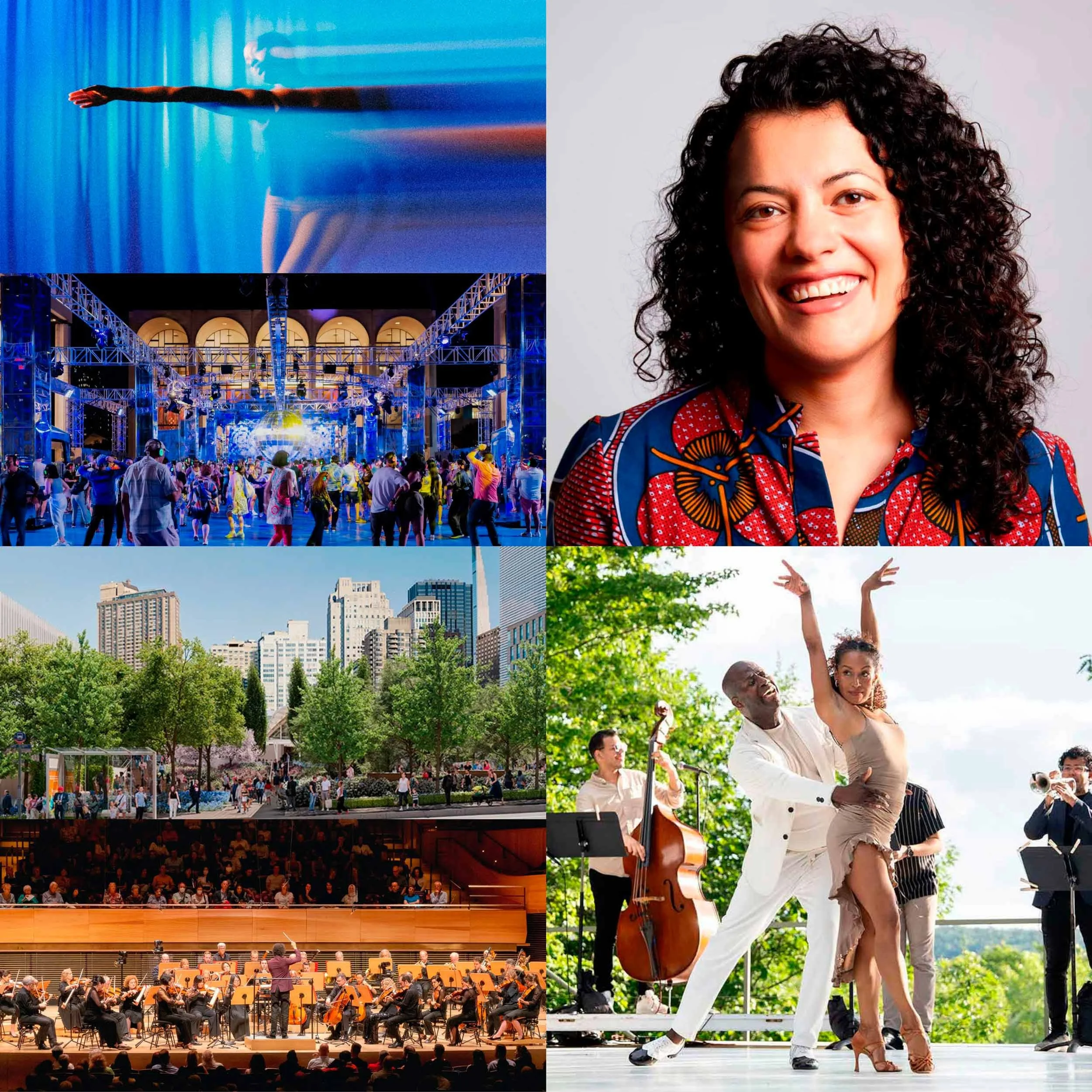
Navigating Collective Care, Heat Waves: Bioacoustics, Ecology & Human Synchronicity w/ LINCOLN CENTER’S SHANTA THAKE

Navigating Collective Care, Heat Waves: Bioacoustics, Ecology & Human Synchronicity w/ LINCOLN CENTER’S SHANTA THAKE

Lincoln Center is multiple stages. I think probably over three dozen stages across 16 acres. It is a vast canvas in and of itself. And then we have this beautiful plaza that leads to this beautiful campus, and that’s the visual I think that most people have when they think of Lincoln Center is this beautiful fountain in the center and these three gorgeous buildings.It’s New York’s biggest plaza, and it feels very vibrant and beautiful. In the summer, we really take that plaza and we transform it into a dance floor. So this idea of also interrupting what people’s notion of Lincoln Center is because it’s a space that is very aspirational, which is a great thing.
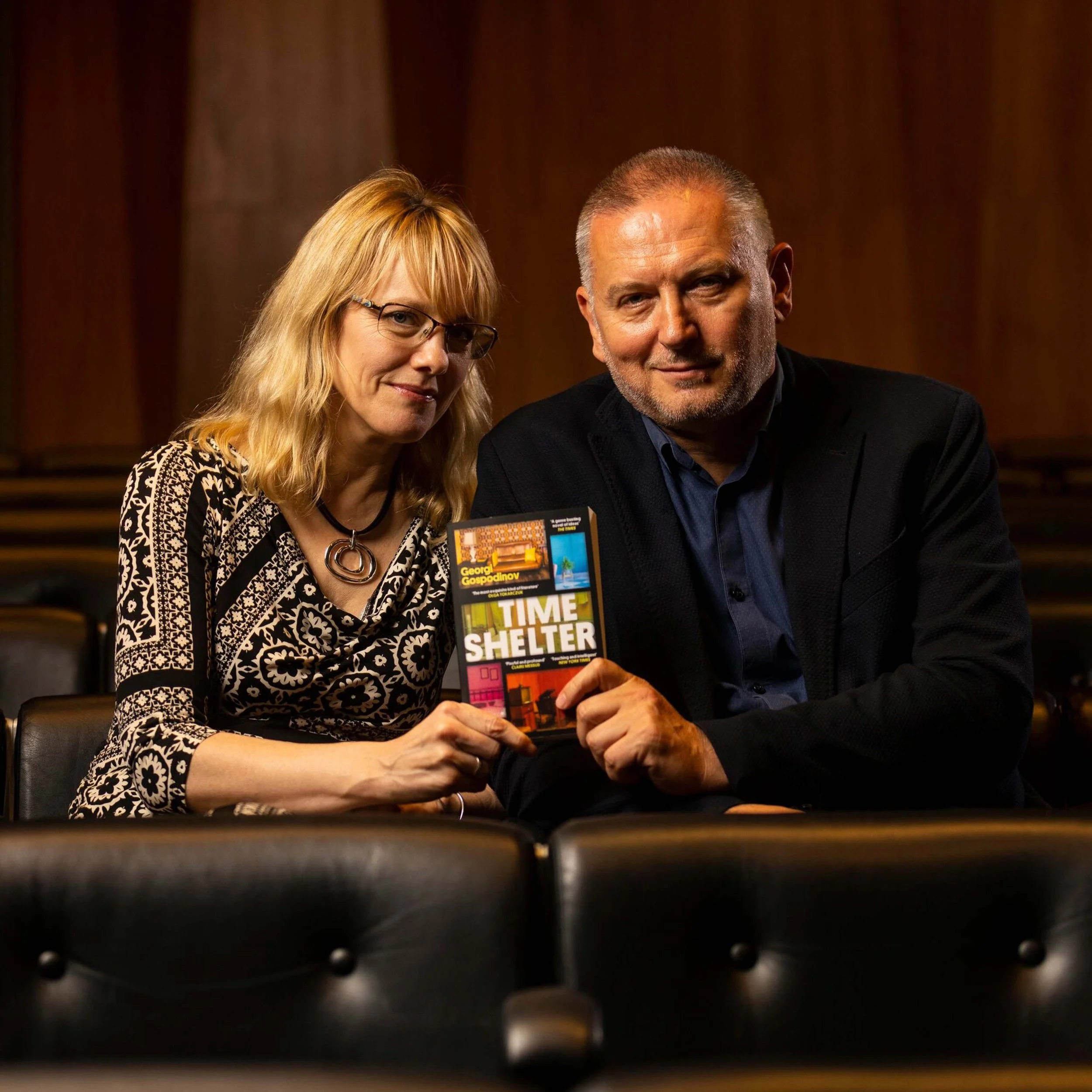
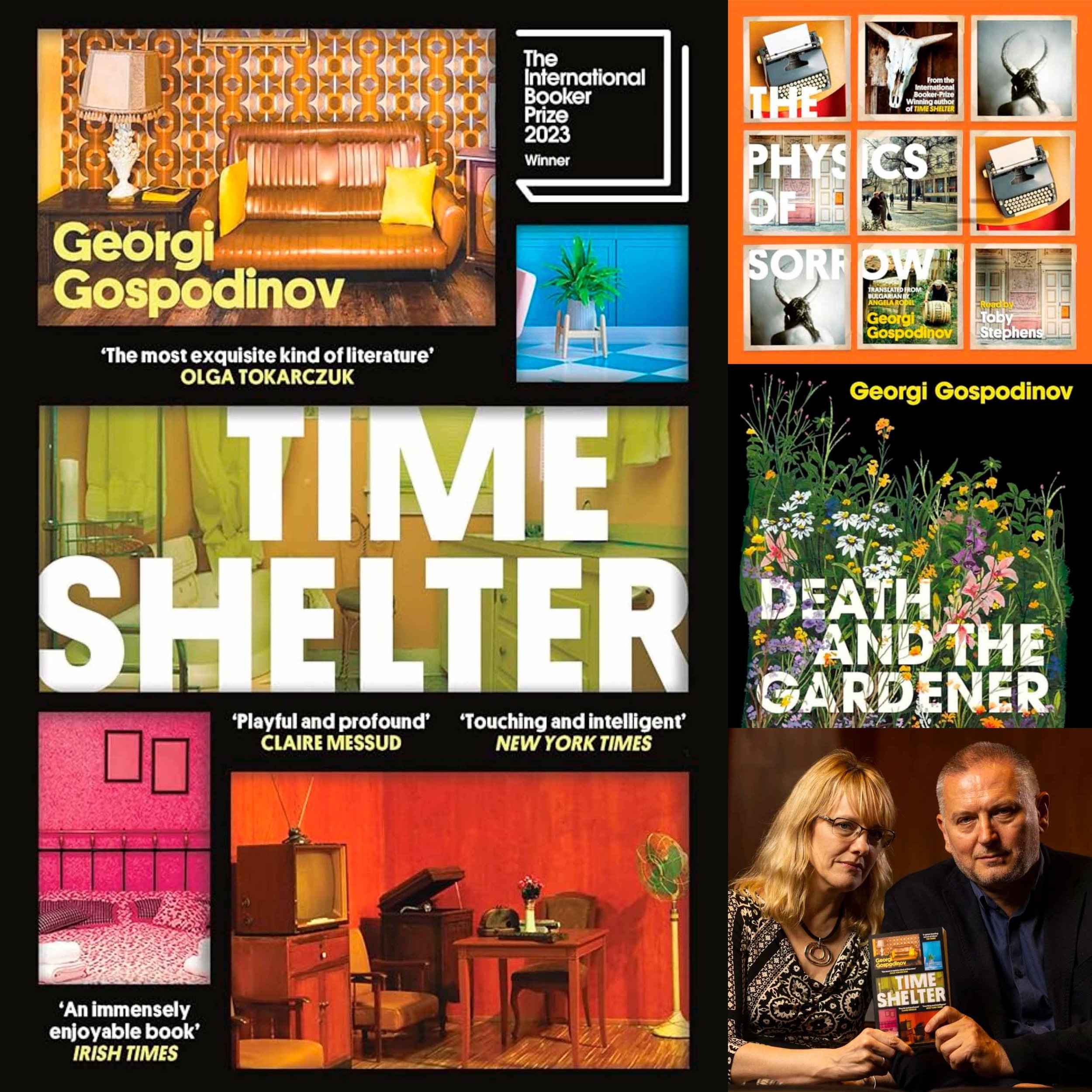
Ecological Empathy, Time & Memory with GEORGI GOSPODINOV & ANGELA RODEL

Ecological Empathy, Time & Memory with GEORGI GOSPODINOV & ANGELA RODEL

We are in the middle of a labyrinth which suggests to us many fake corridors. What's the superpower of literature? Literature is like an antidote against propaganda. Propaganda explains the world easily in a two-dimensional way.  Literature gives you a more complex explanation. Literature tells personal stories.

Literature, The Lives of Animals & the Future of Humanity w/ G. GOSPODINOV & A. RODEL - Highlights

Literature, The Lives of Animals & the Future of Humanity w/ G. GOSPODINOV & A. RODEL - Highlights

We are in the middle of a labyrinth which suggests to us many fake corridors. What's the superpower of literature? Literature is like an antidote against propaganda. Propaganda explains the world easily in a two-dimensional way.  Literature gives you a more complex explanation. Literature tells personal stories.

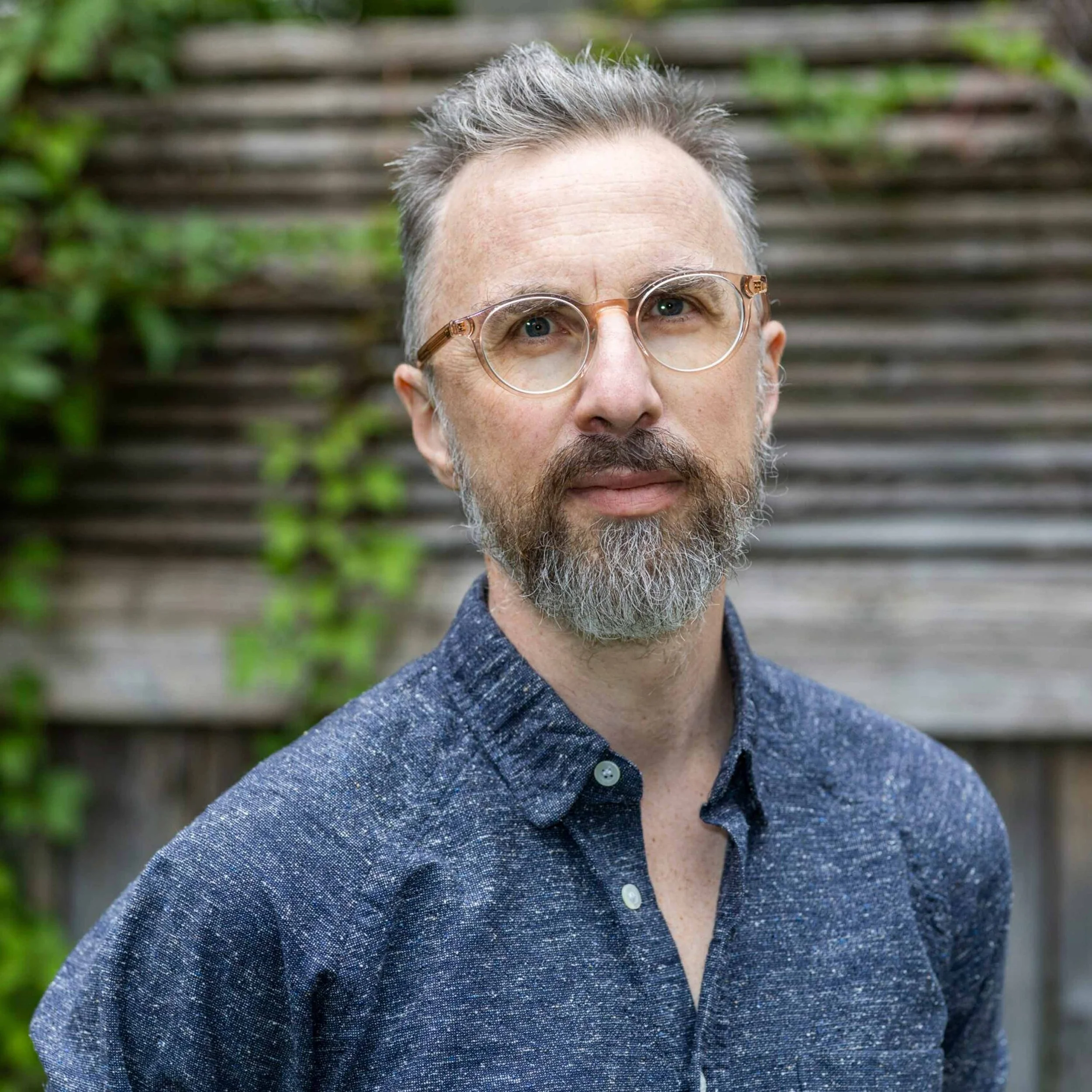
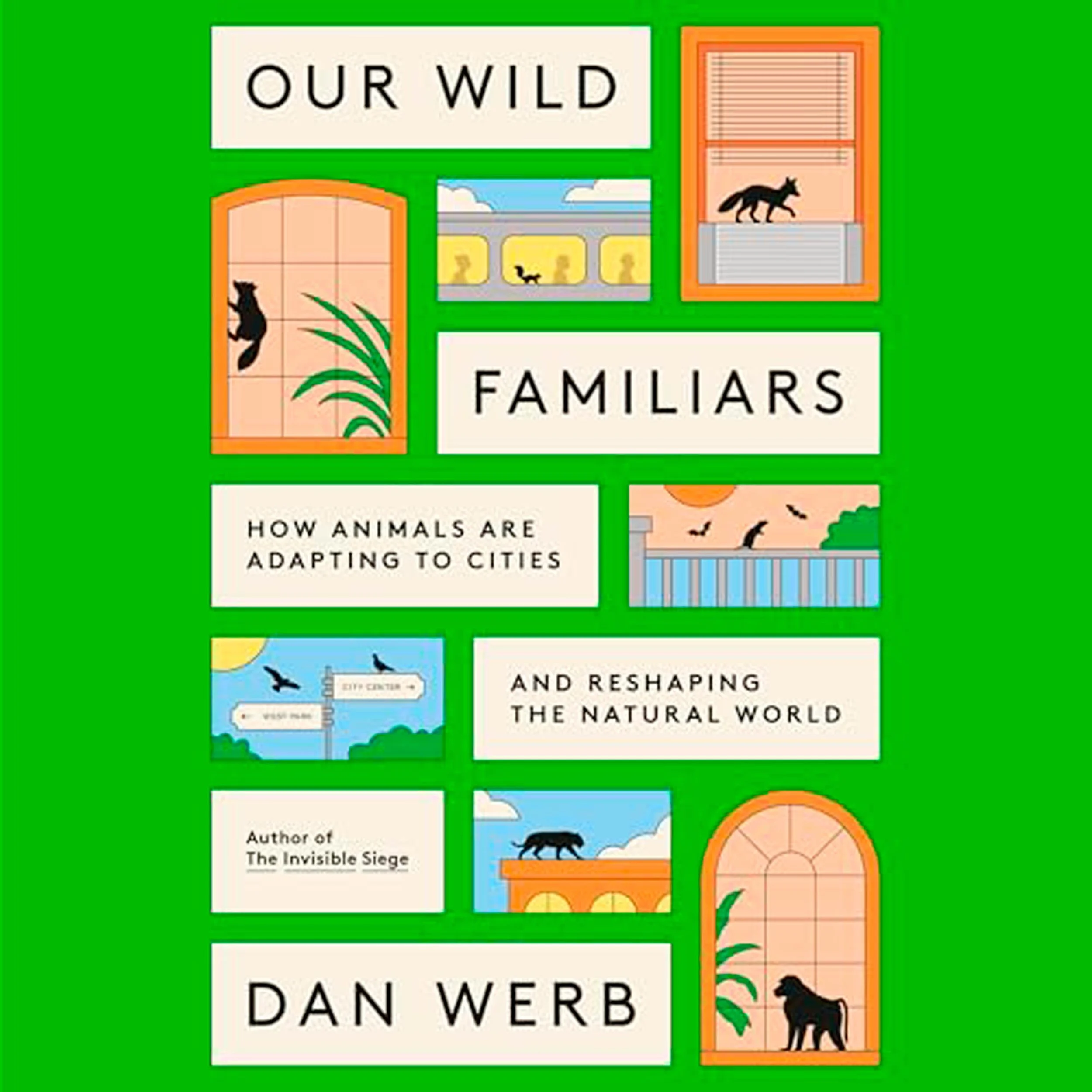
How Animals Are Adapting to Cities & Reshaping the Natural World w/ Author & Epidemiologist DAN WERB

How Animals Are Adapting to Cities & Reshaping the Natural World w/ Author & Epidemiologist DAN WERB

So synanthropes are animals that have adapted to human-modified environments, and the Greek translation essentially is together with humans, so synanthrope. And they're a fascinating subset of wild animals that they're all around us, but we don't really notice them. And so in this new book, I was excited about writing something that had to do with the natural world. I was excited about writing something that touched on climate change and the way that the world was changing, but maybe not with such a sort of dirgey approach or funereal approach. Something that actually explored the wonder of the world as it is and as we experience it around our communities in our cities and towns. And I had come across this word synanthrope in the research for my last book, The Invisible Siege, which was about the rise of coronaviruses and the long scientific journey to find cures for COVID-19, and it just kind of stuck with me. There is this connection, of course, between wild animals and viruses and lots of questions about the origin of SARS-2, the virus that spread COVID-19 and caused the pandemic. And while that's touched on in the book a little bit, the vast majority of what I was excited to write about was just what these animals are doing in our cities. How is it that wild animals, raccoons, coyotes, all kinds of birds and animals as fragile as bats… These are not just insects and earthworms and things like that. These are very large predators that have nevertheless found a way to survive among us. And that in and of itself I think is just an amazing story and what I explore in this book.

Our Wild Familiars - DR. DAN WERB on Animals that Live Among Us & Urban Wildlife Conservation - Highlights

Our Wild Familiars - DR. DAN WERB on Animals that Live Among Us & Urban Wildlife Conservation - Highlights

So synanthropes are animals that have adapted to human-modified environments, and the Greek translation essentially is together with humans, so synanthrope. And they're a fascinating subset of wild animals that they're all around us, but we don't really notice them. And so in this new book, I was excited about writing something that had to do with the natural world. I was excited about writing something that touched on climate change and the way that the world was changing, but maybe not with such a sort of dirgey approach or funereal approach. Something that actually explored the wonder of the world as it is and as we experience it around our communities in our cities and towns. And I had come across this word synanthrope in the research for my last book, The Invisible Siege, which was about the rise of coronaviruses and the long scientific journey to find cures for COVID-19, and it just kind of stuck with me. There is this connection, of course, between wild animals and viruses and lots of questions about the origin of SARS-2, the virus that spread COVID-19 and caused the pandemic. And while that's touched on in the book a little bit, the vast majority of what I was excited to write about was just what these animals are doing in our cities. How is it that wild animals, raccoons, coyotes, all kinds of birds and animals as fragile as bats… These are not just insects and earthworms and things like that. These are very large predators that have nevertheless found a way to survive among us. And that in and of itself I think is just an amazing story and what I explore in this book.

From Extraction to Regeneration: Redesigning Our Relationship with Nature

From Extraction to Regeneration: Redesigning Our Relationship with Nature

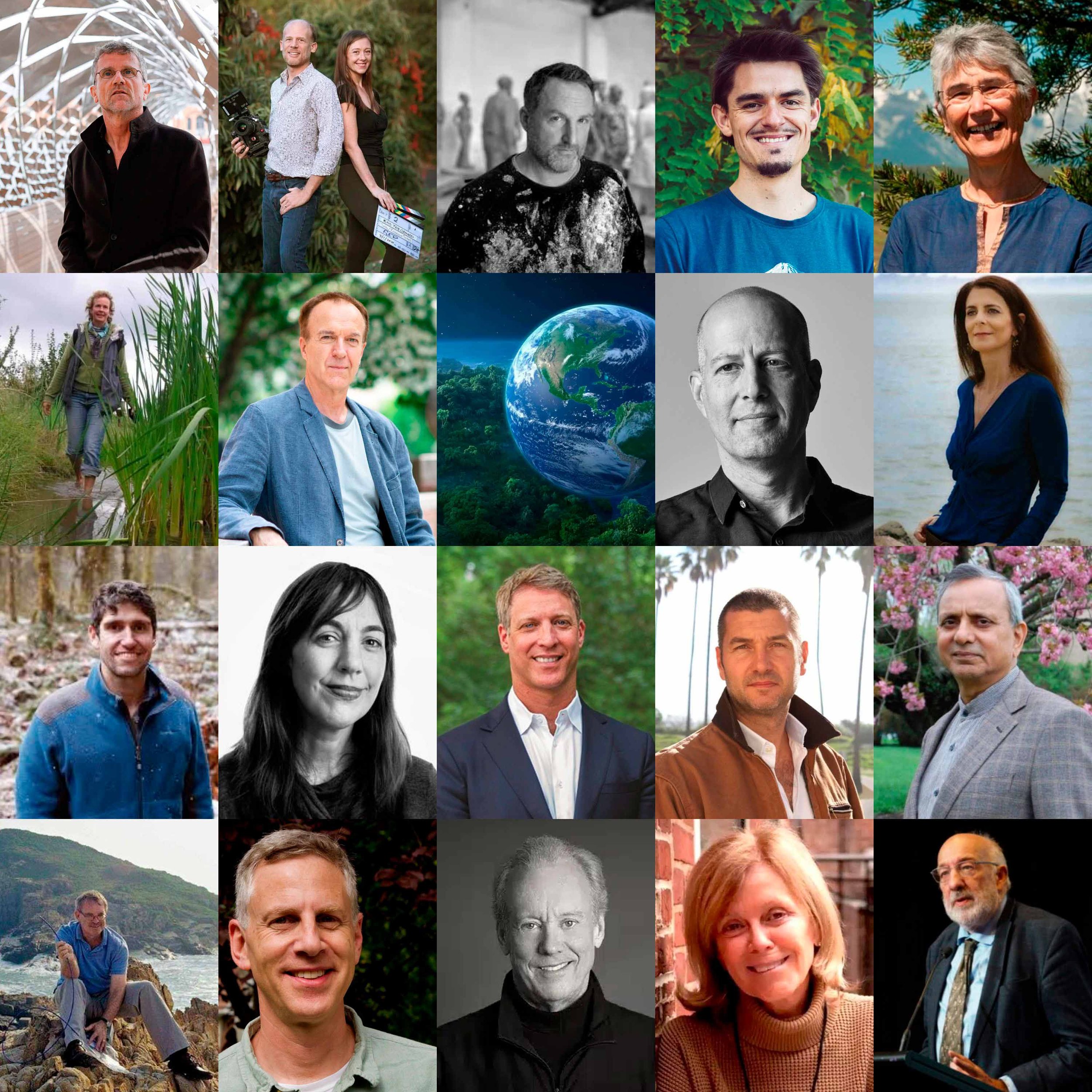
We explore our changing planet, from the melting ice in Greenland to the depleted soils of our farmlands. We’re joined writers, advocates and visionaries to discuss environmental justice, circular economies, and actionable design. Abrahm Lustgarten, Jon Gertner, Liza Featherstone, Rebecca Tickell, Bill Hare, Rob Nixon, Euan Nisbet, Roland Geyer, William McDonough, Carlo Ratti, Jason deCaires Taylor, Jane Madgwick, Paul Shrivastava, Osprey Orielle Lake, Ron Gonen, Louis de Jaeger, Kathleen Rogers, Yolanda Kakabadse, and Ben Goldfarb.

Voices for the Earth: Sustainability, Nature, and the Changing World

Voices for the Earth: Sustainability, Nature, and the Changing World

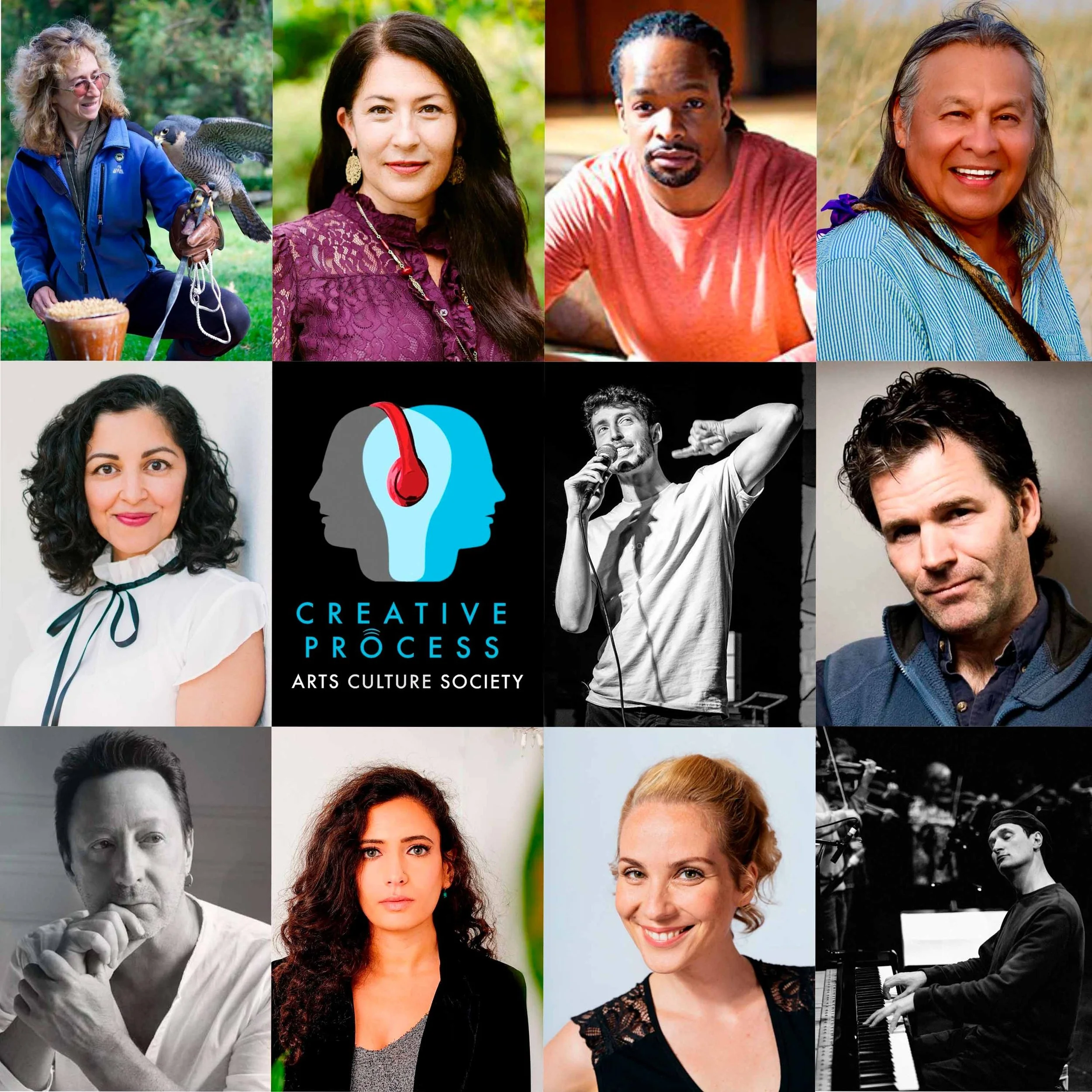
Why do we write? Today we explore the practice of writing as an awakening and a bridge to memory. We hear from poets and novelists, musicians, dancers, and science writers. Hala Alyan, Andre Dubus III, Jericho Brown, Ada Limón, Aimee Nezhukumatathil, Max Stossel, Sy Montgomery, Tiokasin Ghosthorse, Julian Lennon, Julia Christensen, and Erland Cooper discuss how to hold onto hope in a changing world.

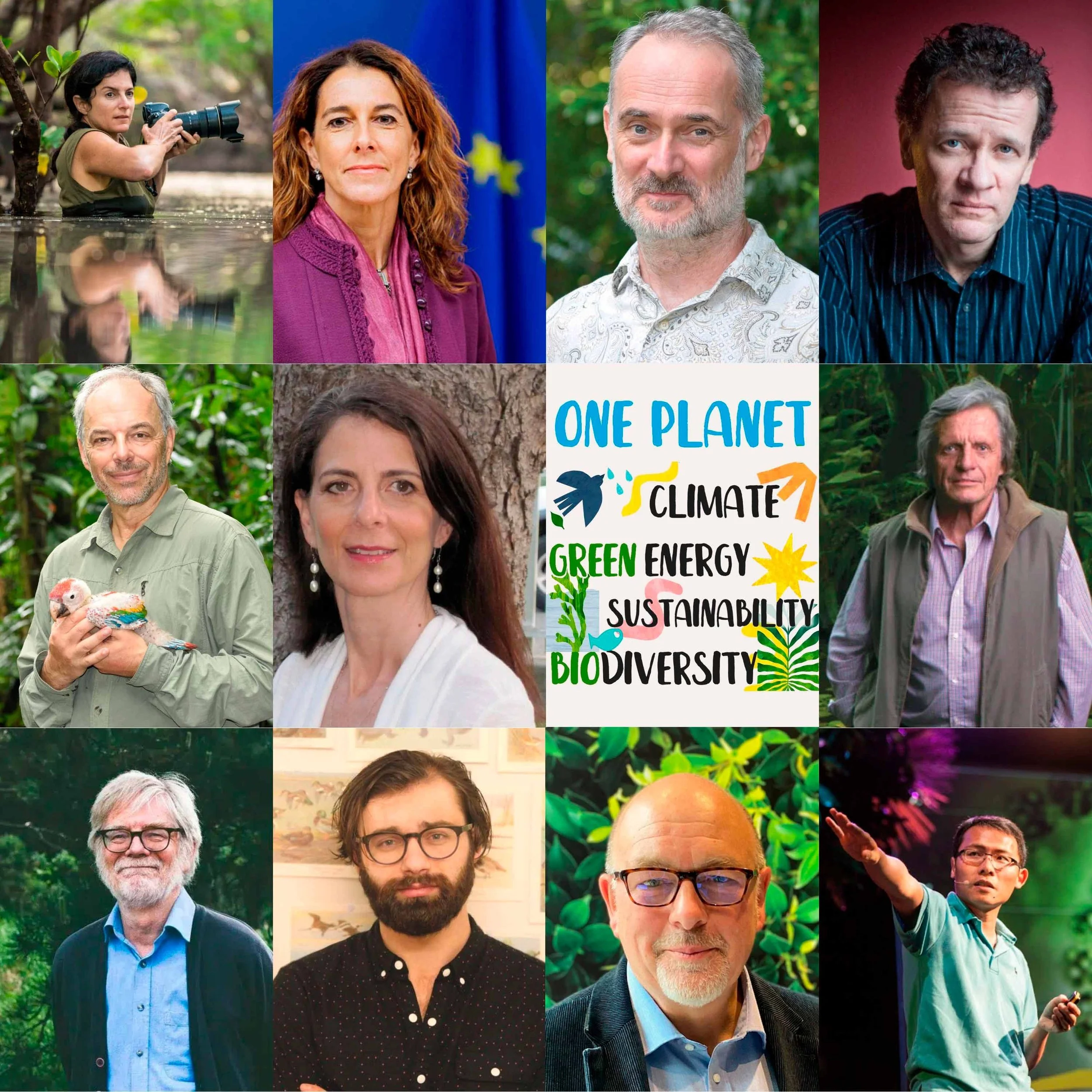
Listening to the Living World: Ami Vitale, Yann Martel, Carl Safina, David George Haskell & Others on Climate Change & The Rights of Nature

Listening to the Living World: Ami Vitale, Yann Martel, Carl Safina, David George Haskell & Others on Climate Change & The Rights of Nature

I want to be wowed by the world. I want to gaze at it in awe and wonder.

Clayton Page Aldern, David George Haskell, Yann Martel, Carl Safina, Martín von Hildebrand, Richard Black, Tom Chi, Paula Pinho, Osprey Orielle Lake, Bill Hare, Fred Pearce reflect on Climate Change & The Rights of Nature 

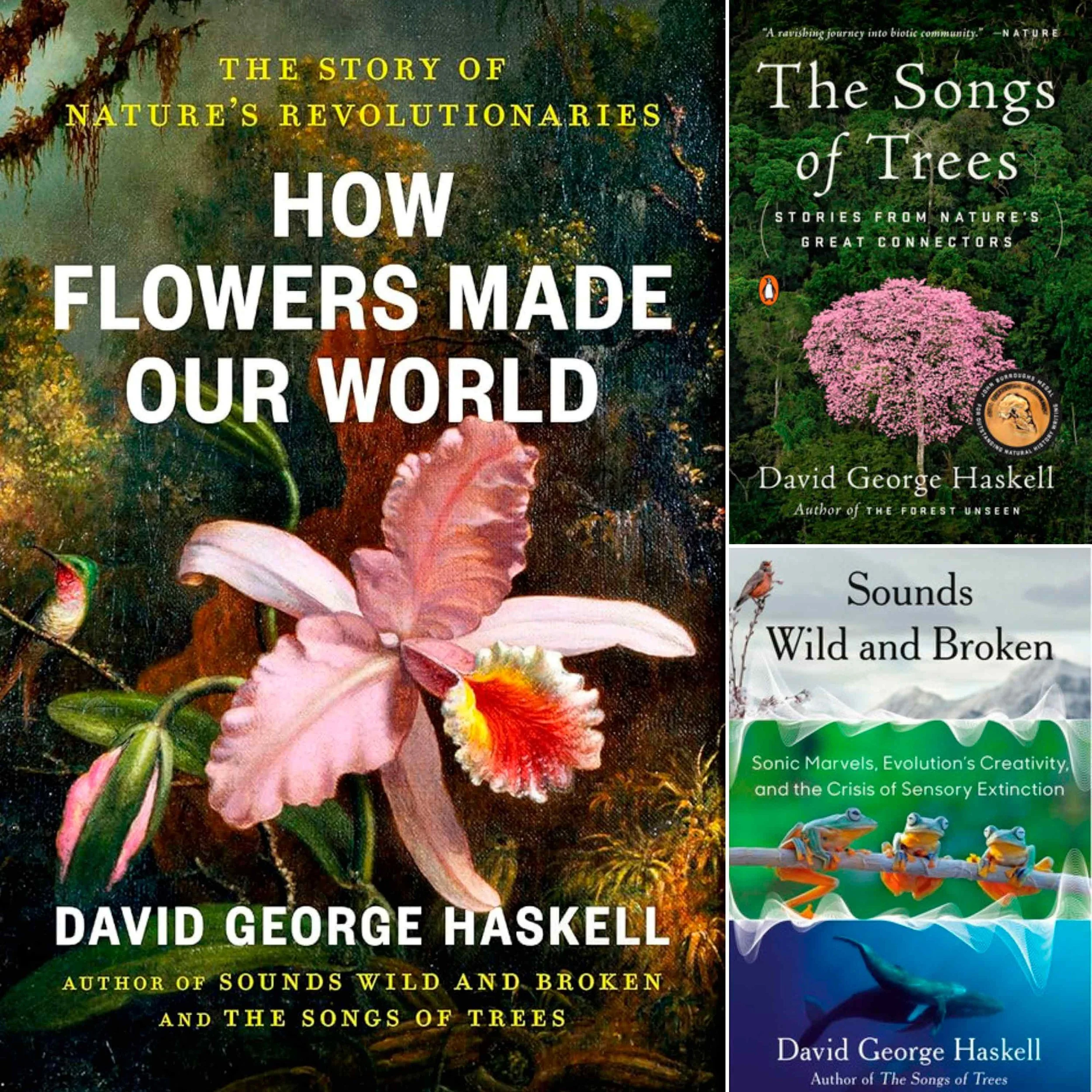
How Flowers Made Our World: DAVID GEORGE HASKELL on Deep Time, Plant Intelligence & Listening to the Living World

How Flowers Made Our World: DAVID GEORGE HASKELL on Deep Time, Plant Intelligence & Listening to the Living World

For at least 150 years biological sciences emphasized individuality and aloneness. So individual species, individual genes, individual organisms. And that's a useful view, up to a point. I mean, it is true that I am an individual organism. I've got a skin, and then the air begins and there's a gap between me and the next person over. But that view is also utterly false in many ways, in that the human body is not just comprised of human cells. There are bacteria, fungi, and viruses, all these other creatures that we now know are essential to our health. Our minds are not solitary. They're formed in relation to other beings. Ecosystems work only through relationship. So relationship and interconnection, not separation. And atomism is in fact the fundamental nature of life. Even from the very, very first fossils that we have of living organisms way back more than 3 billion years ago, these little cells are sitting next to one another.

Listening to the Living World: Biologist DAVID GEORGE HASKELL on Flowers, Forests & Songs of Nature - Highlights

Listening to the Living World: Biologist DAVID GEORGE HASKELL on Flowers, Forests & Songs of Nature - Highlights

For at least 150 years biological sciences emphasized individuality and aloneness. So individual species, individual genes, individual organisms. And that's a useful view, up to a point. I mean, it is true that I am an individual organism. I've got a skin, and then the air begins and there's a gap between me and the next person over. But that view is also utterly false in many ways, in that the human body is not just comprised of human cells. There are bacteria, fungi, and viruses, all these other creatures that we now know are essential to our health. Our minds are not solitary. They're formed in relation to other beings. Ecosystems work only through relationship. So relationship and interconnection, not separation. And atomism is in fact the fundamental nature of life. Even from the very, very first fossils that we have of living organisms way back more than 3 billion years ago, these little cells are sitting next to one another.

The Environmental, Psychological, Emotional Impact of Occupation w/ Actress, Director CHERIEN DABIS

The Environmental, Psychological, Emotional Impact of Occupation w/ Actress, Director CHERIEN DABIS

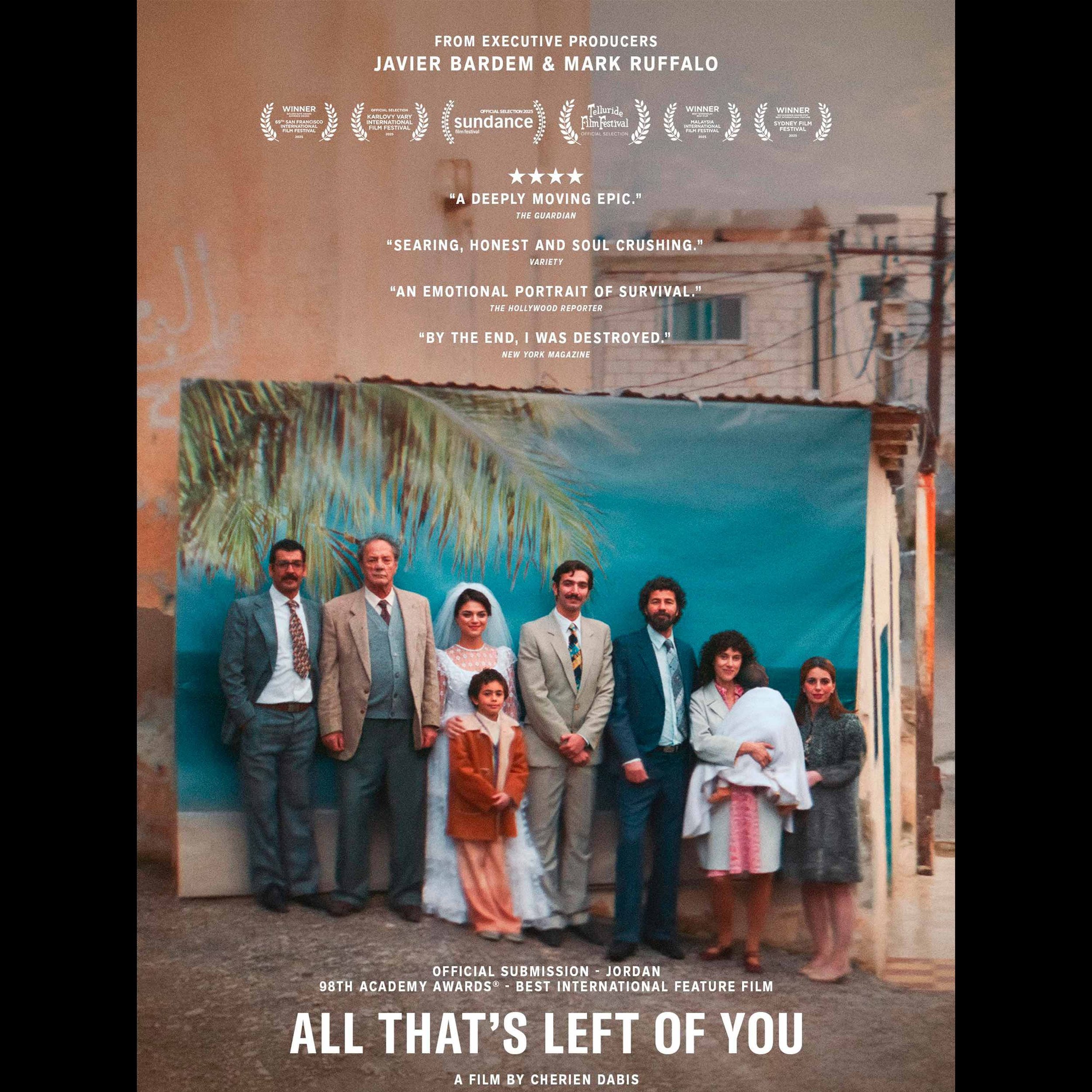
For me, we Palestinians are so much more than our pain and suffering, and the world often sees only our pain and suffering. I wanted to show other facets of who we are, no matter whether we're on the activist side of the spectrum or audience members who don't know very much about the situation. At the end of the day, we all have to choose humanity. In many ways I was inspired by observing the different generations of my own family and how our identities were shaped by everything happening in Palestine. That became the first idea for this film, to really show how it is a collective trauma for all Palestinians. That trauma is being passed down from generation to generation. Even if you're not a direct descendant of Nakba survivors, you still have that trauma. I wanted to explore that passage of trauma, that inheritance of my own trauma and take a look at how history and political events shape people.

 The Score: How to Stop Playing Somebody Else's Game with C. THI NGUYEN - Highlights

 The Score: How to Stop Playing Somebody Else's Game with C. THI NGUYEN - Highlights

To be in the process of making things, to be in the process of talking to people about what things mean… The creative process is actually, I think, the most meaningful part of life, but it's very hard to measure. When we get shoved towards a world that demands easy measurables, it's very hard to optimize away from the creative process and optimize towards things that are more static.

 Games that Help Us Reconnect with Nature & Our Sense and Wonder & Play with C. THI NGUYEN

 Games that Help Us Reconnect with Nature & Our Sense and Wonder & Play with C. THI NGUYEN

To be in the process of making things, to be in the process of talking to people about what things mean… The creative process is actually, I think, the most meaningful part of life, but it's very hard to measure. When we get shoved towards a world that demands easy measurables, it's very hard to optimize away from the creative process and optimize towards things that are more static.

Alive in the Merciful Country with Author, Activist, Stand-up Comedian AL KENNEDY - Highlights

Alive in the Merciful Country with Author, Activist, Stand-up Comedian AL KENNEDY - Highlights

Author · Activist ·  Stand-Up Comedian AL KENNEDY · Author of Alive in the Merciful Country

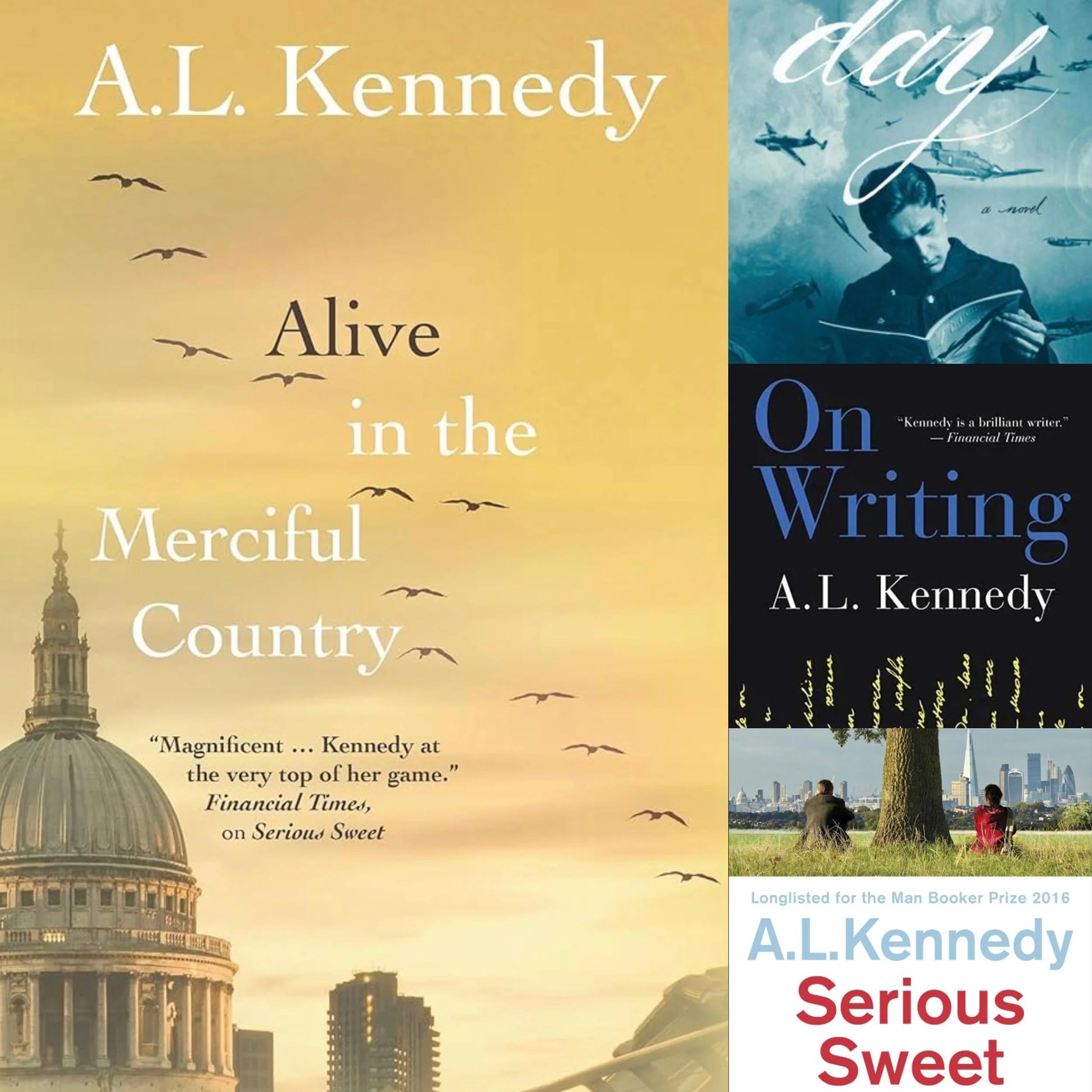
The thing that puzzled him was why people don't agree to be fully expressed while they're alive. Why does it only happen in their last moment? Why wouldn't you live being fully expressed? If you have love, eventually you're going to win. It's not that people aren't going to die. It's not terrible things aren't going to happen. But if you stay with that and you stay centered in that, you'll get through and you will not have turned into a monster in order to overcome monsters.”

The Climate of Truth: Lockdown Rewilding & Environmental Resistance with Author AL KENNEDY

The Climate of Truth: Lockdown Rewilding & Environmental Resistance with Author AL KENNEDY

Author · Activist ·  Stand-Up Comedian AL KENNEDY · Author of Alive in the Merciful Country

The thing that puzzled him was why people don't agree to be fully expressed while they're alive. Why does it only happen in their last moment? Why wouldn't you live being fully expressed? If you have love, eventually you're going to win. It's not that people aren't going to die. It's not terrible things aren't going to happen. But if you stay with that and you stay centered in that, you'll get through and you will not have turned into a monster in order to overcome monsters.”

Who Are We? What Makes Us Care? Jim Shepard, Neil Patrick Harris, John Patrick Shanley & Artists Share Their Stories

Who Are We? What Makes Us Care? Jim Shepard, Neil Patrick Harris, John Patrick Shanley & Artists Share Their Stories

We explore the internal dialogues of artists and writers to ask what it means to step into someone else's shoes and expand our sense of solidarity through stories. Jim Shepard, Neil Patrick Harris, Katie Kitamura, Laura Eason, Sharmeen Obaid-Chinoy, Benoit Delhomme, Etgar Keret, Viet Thanh Nguyen, Adam Moss, John Patrick Shanley and Nicholas Kristof share their stories.

The Wisdom of Nature: Artists & Scientists on The Beauty & Fragility of Our Planet

The Wisdom of Nature: Artists & Scientists on The Beauty & Fragility of Our Planet

Artists & Scientists on The Beauty & Fragility of Our Planet

The Earth is talking. Are we listening? In this special edition, we hear from our guests from across the arts and sciences. From composers and poets to forest ecologists and climate envoys, they tell the story of our planet. Moving beyond the data of destruction, we explore the intelligence of nature, the ethics of what we eat, and the empathy required to save our future.

The Musician Who Sings to Animals - PLUMES on Trust & Cross-Species Communication - Highlights

The Musician Who Sings to Animals - PLUMES on Trust & Cross-Species Communication - Highlights

Musician & Activist PLUMES

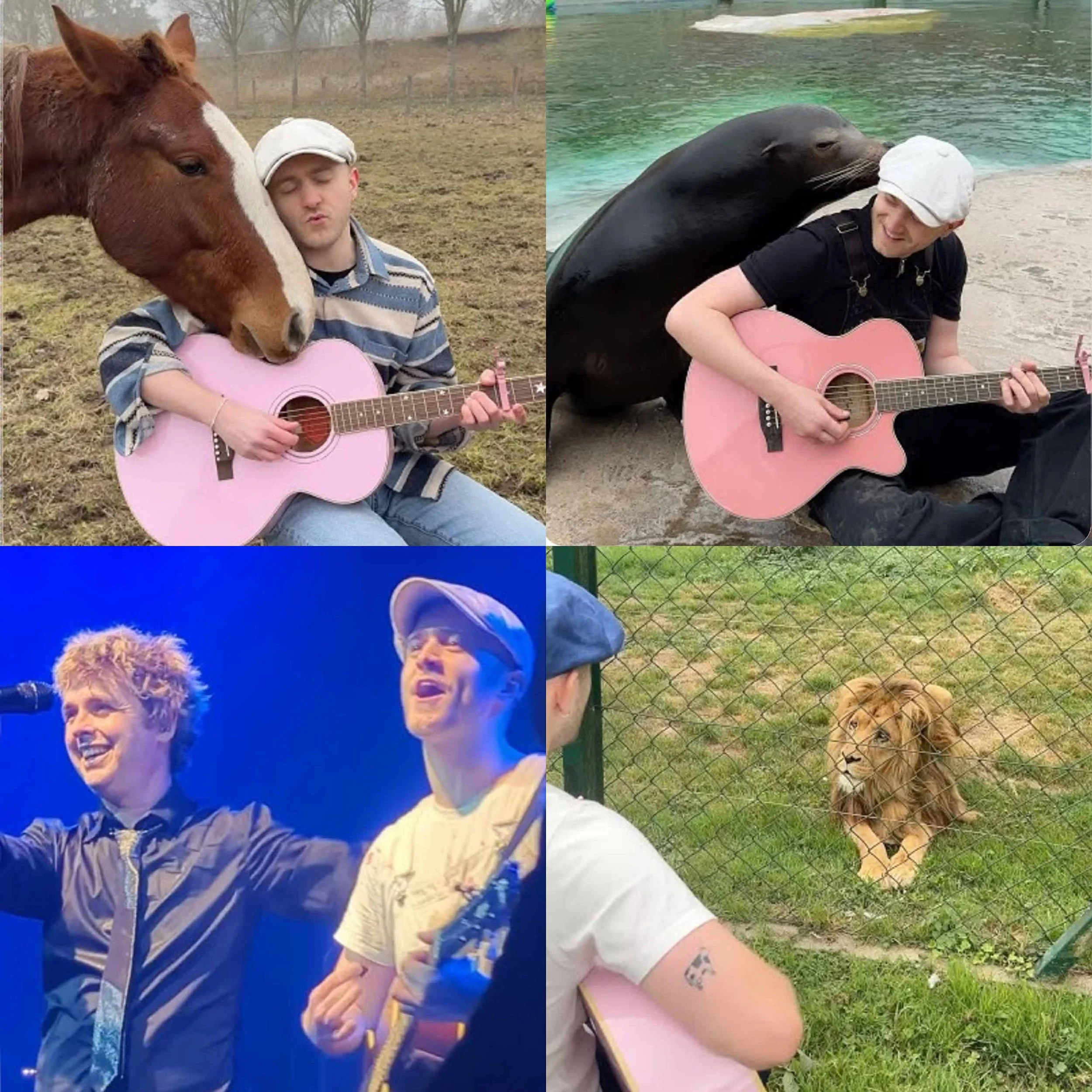
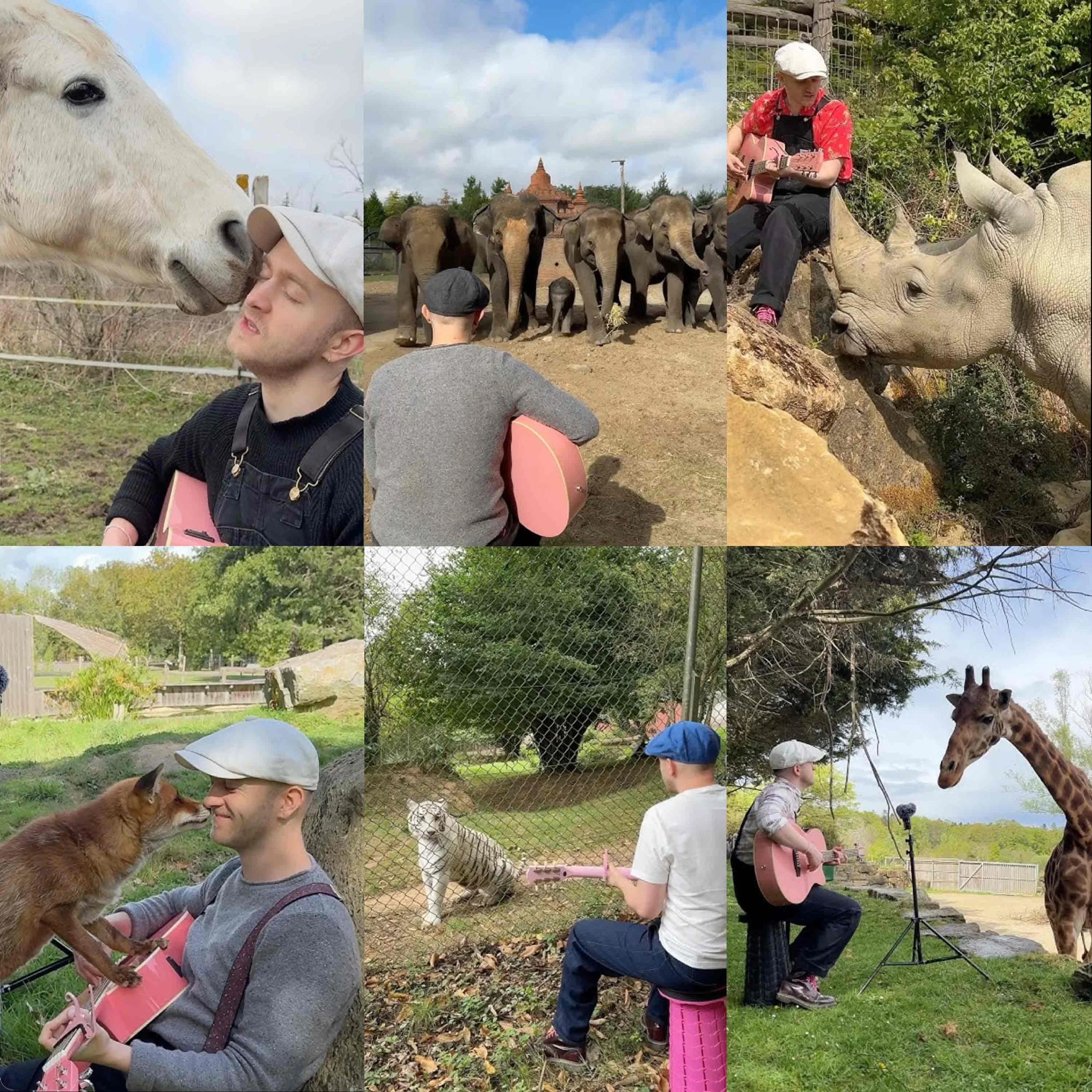
Mostly I’ll play in a minor key, something sad, which I think can work for an animal because they can sense the sadness, and they try to reassure me and comfort me. I chose love songs because I'm convinced they are very intuitive and they can sense what I am trying to say to them, and profess my love in a way. I think there's always a way to connect, and if you're being cautious and don't threaten the animals, something beautiful can happen.

Animals & The Healing Power of Music

Animals & The Healing Power of Music

Musician & Activist PLUMES

Mostly I’ll play in a minor key, something sad, which I think can work for an animal because they can sense the sadness, and they try to reassure me and comfort me. I chose love songs because I'm convinced they are very intuitive and they can sense what I am trying to say to them, and profess my love in a way. I think there's always a way to connect, and if you're being cautious and don't threaten the animals, something beautiful can happen.