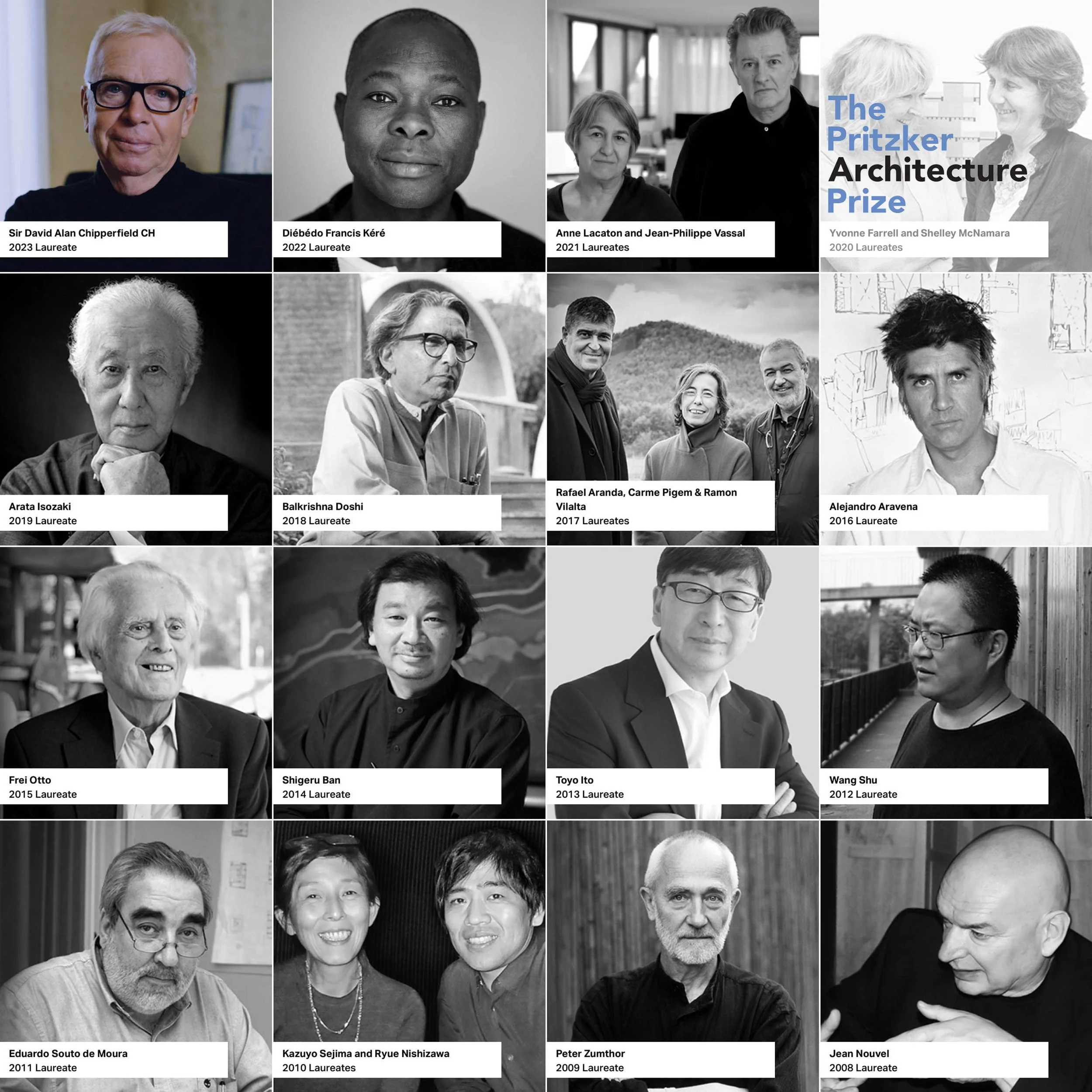
Highlights - MANUELA LUCÁ-DAZIO - Exec. Director of Pritzker Architecture Prize - Fmr. Exec. Director of Venice Biennale, Visual Arts & Architecture Dept.

Highlights - MANUELA LUCÁ-DAZIO - Exec. Director of Pritzker Architecture Prize - Fmr. Exec. Director of Venice Biennale, Visual Arts & Architecture Dept.

Executive Director of the Pritzker Architecture Prize
Fmr. Executive Director of Venice Biennale (Dept. of Visual Arts & Architecture)

When I started and I had to decide what to do in life - because I was working with museums, in exhibition design, and on the restoration of buildings - and then at some point, I had the chance to arrive at the Venice Biennale and my whole perspective changed. And it changed because I was working with living artists and architects. Until that moment, I was working around Old Masters, works in museums, and things that were there with the aura of history. And all of a sudden I was dealing with living architects and artists, and this was, for me, the most incredible experience. So I decided to leave all the rest, because I was doing quite a lot at the same time, and to concentrate on the Biennale.

MANUELA LUCÁ-DAZIO - Executive Director, Pritzker Architecture Prize - Fmr. Exec. Director of Venice Biennale, Visual Arts & Architecture Dept.

MANUELA LUCÁ-DAZIO - Executive Director, Pritzker Architecture Prize - Fmr. Exec. Director of Venice Biennale, Visual Arts & Architecture Dept.

Executive Director of the Pritzker Architecture Prize
Fmr. Executive Director of Venice Biennale (Dept. of Visual Arts & Architecture)

When I started and I had to decide what to do in life - because I was working with museums, in exhibition design, and on the restoration of buildings - and then at some point, I had the chance to arrive at the Venice Biennale and my whole perspective changed. And it changed because I was working with living artists and architects. Until that moment, I was working around Old Masters, works in museums, and things that were there with the aura of history. And all of a sudden I was dealing with living architects and artists, and this was, for me, the most incredible experience. So I decided to leave all the rest, because I was doing quite a lot at the same time, and to concentrate on the Biennale.
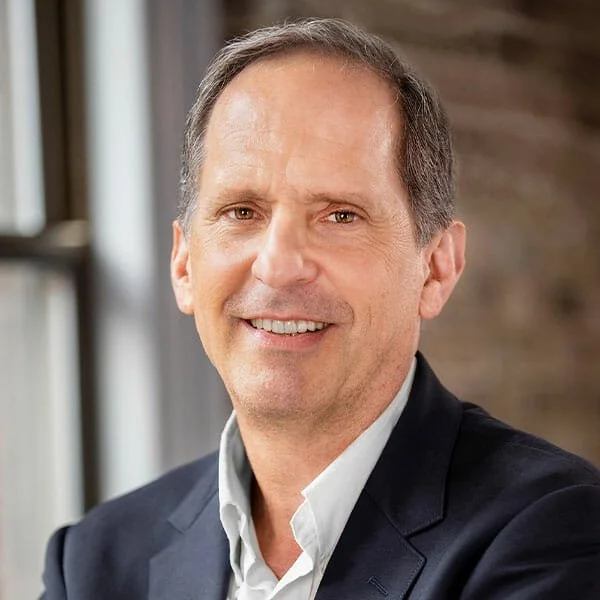
Highlights - ARMOND COHEN - Executive Director of Clean Air Task Force

Highlights - ARMOND COHEN - Executive Director of Clean Air Task Force

Executive Director of Clean Air Task Force

There's no such thing as completely clean energy. We use that term a lot, but it's not really true. We have low carbon energy, and lower carbon energy, but any kind of industrial system has requirements for materials and processing, and nothing is completely natural in the industrial world. If we can electrify transportation, I think we can clean up the grid, and then I think we can deal with these life cycle issues in a way that's responsible, but it'll never be zero. That's impossible. The good thing about technology is it can move very fast. And so my advice would be if you're interested in this topic, if you have a mathematical, scientific, or business orientation, or you just like solving problems, get trained to really be part of the technological business revolution that's going on right now.

ARMOND COHEN - Executive Director of Clean Air Task Force

ARMOND COHEN - Executive Director of Clean Air Task Force

Executive Director of Clean Air Task Force

There's no such thing as completely clean energy. We use that term a lot, but it's not really true. We have low carbon energy, and lower carbon energy, but any kind of industrial system has requirements for materials and processing, and nothing is completely natural in the industrial world. If we can electrify transportation, I think we can clean up the grid, and then I think we can deal with these life cycle issues in a way that's responsible, but it'll never be zero. That's impossible. The good thing about technology is it can move very fast. And so my advice would be if you're interested in this topic, if you have a mathematical, scientific, or business orientation, or you just like solving problems, get trained to really be part of the technological business revolution that's going on right now.

LISA JACKSON PULVER - Deputy Vice-Chancellor, University of Sydney's Indigenous Strategy and Services

LISA JACKSON PULVER - Deputy Vice-Chancellor, University of Sydney's Indigenous Strategy and Services

Deputy Vice-Chancellor University of Sydney's Indigenous Strategy & Services

We come from the land, and we go back to the land. Aboriginal people have been on this land for at least 60,000 years in some of the most extreme conditions on Earth and survived. And over the last 230 years, the most catastrophic events have occurred to this land because people didn't listen to ancient Aboriginal cultures and knowledge. So my question is, if people were able to look after this place for 60,000 years and thrive, what have we done to ensure that we have a healthy fit world for the next 60,000 years?

Highlights - Amanda E. Machado - Writer, Public Speaker - Founder of Reclaiming Nature Writing

Highlights - Amanda E. Machado - Writer, Public Speaker - Founder of Reclaiming Nature Writing

Writer, Public Speaker, Facilitator · Founder of Reclaiming Nature Writing

So much of the travel industry was built on the idea of colonialism which really makes us all inherit this idea that whatever we need in life is going to come from seeking it elsewhere and grabbing it from somewhere else, I think looking at that, really deeply thinking about what is lost from that mindset and the harm that is caused by it has been something I've been trying to do over the last few years. And a lot of that has to do with land trauma, right? Like really acknowledging where our settlement of land comes from and how we can heal that in the ways that we travel.

AMANDA E. MACHADO - Writer, Public Speaker, Facilitator - Founder of Reclaiming Nature Writing

AMANDA E. MACHADO - Writer, Public Speaker, Facilitator - Founder of Reclaiming Nature Writing

Writer, Public Speaker, Facilitator · Founder of Reclaiming Nature Writing

So much of the travel industry was built on the idea of colonialism which really makes us all inherit this idea that whatever we need in life is going to come from seeking it elsewhere and grabbing it from somewhere else, I think looking at that, really deeply thinking about what is lost from that mindset and the harm that is caused by it has been something I've been trying to do over the last few years. And a lot of that has to do with land trauma, right? Like really acknowledging where our settlement of land comes from and how we can heal that in the ways that we travel.

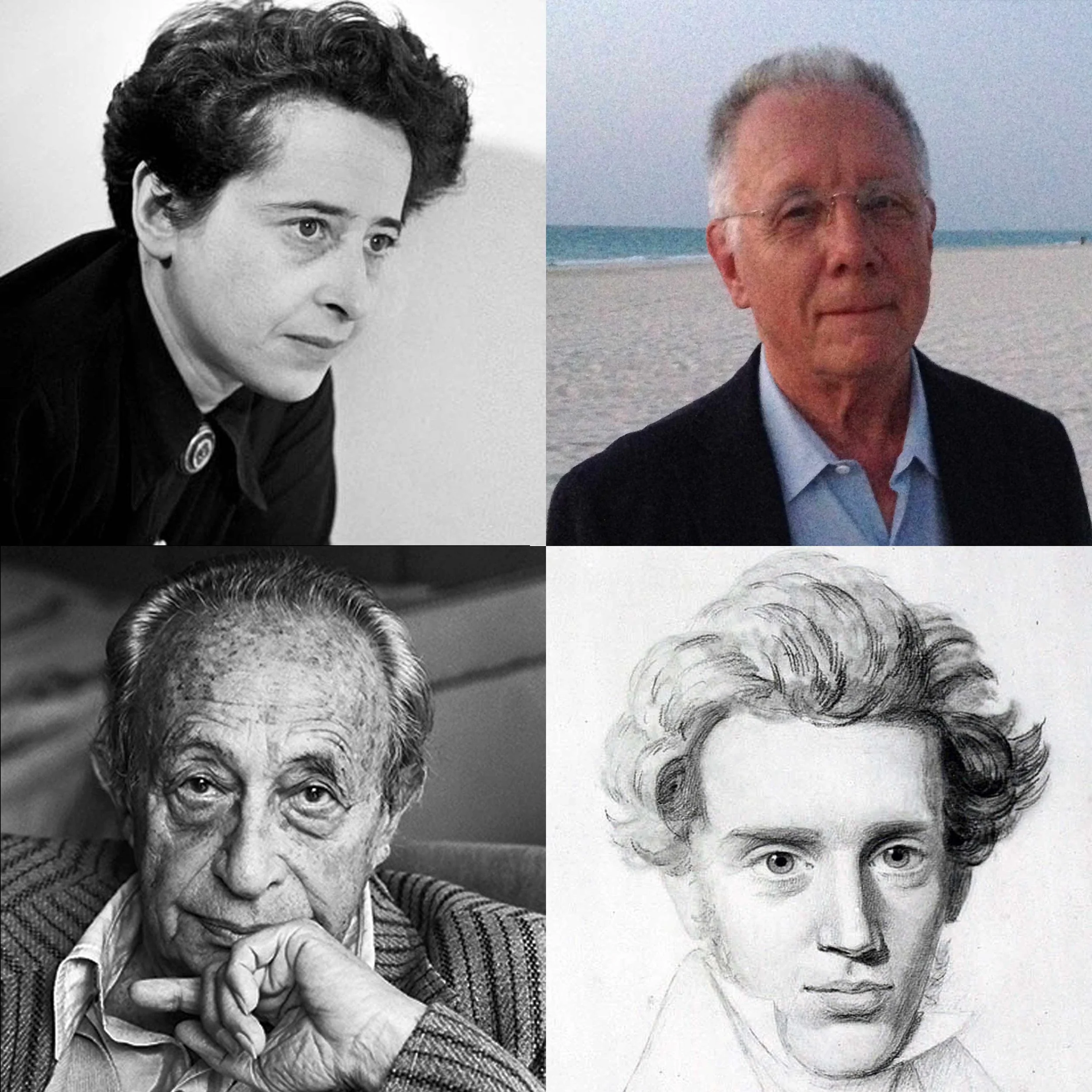
Highlights - HAROLD P. SJURSEN - Professor of Philosophy - Science, Technology, the Arts

Highlights - HAROLD P. SJURSEN - Professor of Philosophy - Science, Technology, the Arts

Professor of Philosophy focusing on Science, Technological Ethics, Engineering & the Arts

I have a granddaughter who's just going into high school, and she is filled with idealistic thoughts and is optimistic. She's a person who is both in love with art and in love with science. She's vivacious and just everything about her seems like life is beautiful, and “I'm going to be able to do this and that.” And, of course, when I talk to her, I do everything I can to encourage this kind of openness and optimism, and belief in herself and her ability to do worthwhile things. And not be too concerned about is she going to be able to have a job with enough income to be where she wants to be. And so it’s how to perpetuate and strengthen that kind of spirit and hope, that it can be validated by giving this generation the opportunity to do things. Because I believe that if she and people who think and feel like her were really given the opportunity to be influential and to do things that would have a tremendous shift in the way the world is going. She doesn't think in terms of quarterly profits. She thinks in terms of human happiness and human good, human fairness, and the beauty of nature. I think we need to do. I think the universities can play a part. Schools play a part, but there has to be a broader general sense that this is how we should conceive the future. And, you know, galleries, podcasts, books, newspapers, universities, schools, every kind of institution needs to offer something to help this.

HAROLD P. SJURSEN - Professor of Philosophy - Science, Technology, the Arts

HAROLD P. SJURSEN - Professor of Philosophy - Science, Technology, the Arts

Professor of Philosophy focusing on Science, Technological Ethics, Engineering & the Arts

I have a granddaughter who's just going into high school, and she is filled with idealistic thoughts and is optimistic. She's a person who is both in love with art and in love with science. She's vivacious and just everything about her seems like life is beautiful, and “I'm going to be able to do this and that.” And, of course, when I talk to her, I do everything I can to encourage this kind of openness and optimism, and belief in herself and her ability to do worthwhile things. And not be too concerned about is she going to be able to have a job with enough income to be where she wants to be. And so it’s how to perpetuate and strengthen that kind of spirit and hope, that it can be validated by giving this generation the opportunity to do things. Because I believe that if she and people who think and feel like her were really given the opportunity to be influential and to do things that would have a tremendous shift in the way the world is going. She doesn't think in terms of quarterly profits. She thinks in terms of human happiness and human good, human fairness, and the beauty of nature. I think we need to do. I think the universities can play a part. Schools play a part, but there has to be a broader general sense that this is how we should conceive the future. And, you know, galleries, podcasts, books, newspapers, universities, schools, every kind of institution needs to offer something to help this.

JOSH KAMPEL - CEO of Clarim Media

JOSH KAMPEL - CEO of Clarim Media

Josh Kampel is the CEO of Clarim Media where he oversees the overall strategic direction of the organization as well as works closely with the management teams of the individual portfolio companies to build scalable products and services. 

Prior to Clarim, Josh served as CEO of Techonomy Media, which was sold to Clarim Holdings in 2018. At Techonomy, Josh spent 8 years driving sustainable business growth through strategic partnerships and new product development. He built Techonomy to be one of the leading media companies covering technology and it’s impact on business and society. Techonomy Climate 2023 takes place March 28th. The conference surveys the booming climate tech sector and highlight companies making the most significant impact.

JOSH KAMPEL

Think about how do they deliver value to all of those constituents rather than just their shareholders. So they will create the more successful long-term companies, especially generationally, as Gen X and millennials care more and more about mission and purpose.

This idea of greenwashing or now what we can call woke-washing and that ESG goals are typically held within PR groups, within companies. They just talk about what they're doing versus being held accountable. I think we will continue to see that paradigm shift towards accountability, transparency of companies doing the right thing.

I'm impressed every day when I see next generation leaders, entrepreneurs, and educational institutions focus more on this idea of social entrepreneurship. That they're really embedding some of these core values into the next generation of leaders.

This interview was conducted by Bruce Piasecki, Mia Funk & Maureen Nole and with th

e participation of collaborating universities and students. Associate Interviews Producer on this podcast was Bianca Bartolini. Digital Media Coordinators are Jacob A. Preisler and Megan Hegenbarth.

Mia Funk is an artist, interviewer and founder of The Creative Process & One Planet Podcast (Conversations about Climate Change & Environmental Solutions).

Highlights - TANSY E. HOSKINS - Author of "The Anti-Capitalist Book Of Fashion”, “Foot Work”, “Stitched Up”

Highlights - TANSY E. HOSKINS - Author of "The Anti-Capitalist Book Of Fashion”, “Foot Work”, “Stitched Up”

Author of The Anti-Capitalist Book Of Fashion · Foot Work · Stitched Up
Freelance Fashion & Beauty Writer Award Winner

I definitely believe at the moment that fashion brands, big fashion in particular, they just exist to exploit people. It's an excuse to exploit the poor, basically. I see fashion as part of this very extractive global economic society where 100, 150 years ago, that extraction was very obvious. You had the enslavement of people. You had taxation. You had literally armies turning up and occupying the land that they wanted and just taking resources or land. These days it's more subtle, but the brands are still following those colonial pathways.

TANSY E. HOSKINS - Author of "The Anti-Capitalist Book Of Fashion” - Freelance Fashion & Beauty Writer Award Winner

TANSY E. HOSKINS - Author of "The Anti-Capitalist Book Of Fashion” - Freelance Fashion & Beauty Writer Award Winner

Author of The Anti-Capitalist Book Of Fashion · Foot Work · Stitched Up
Freelance Fashion & Beauty Writer Award Winner

I definitely believe at the moment that fashion brands, big fashion in particular, they just exist to exploit people. It's an excuse to exploit the poor, basically. I see fashion as part of this very extractive global economic society where 100, 150 years ago, that extraction was very obvious. You had the enslavement of people. You had taxation. You had literally armies turning up and occupying the land that they wanted and just taking resources or land. These days it's more subtle, but the brands are still following those colonial pathways.

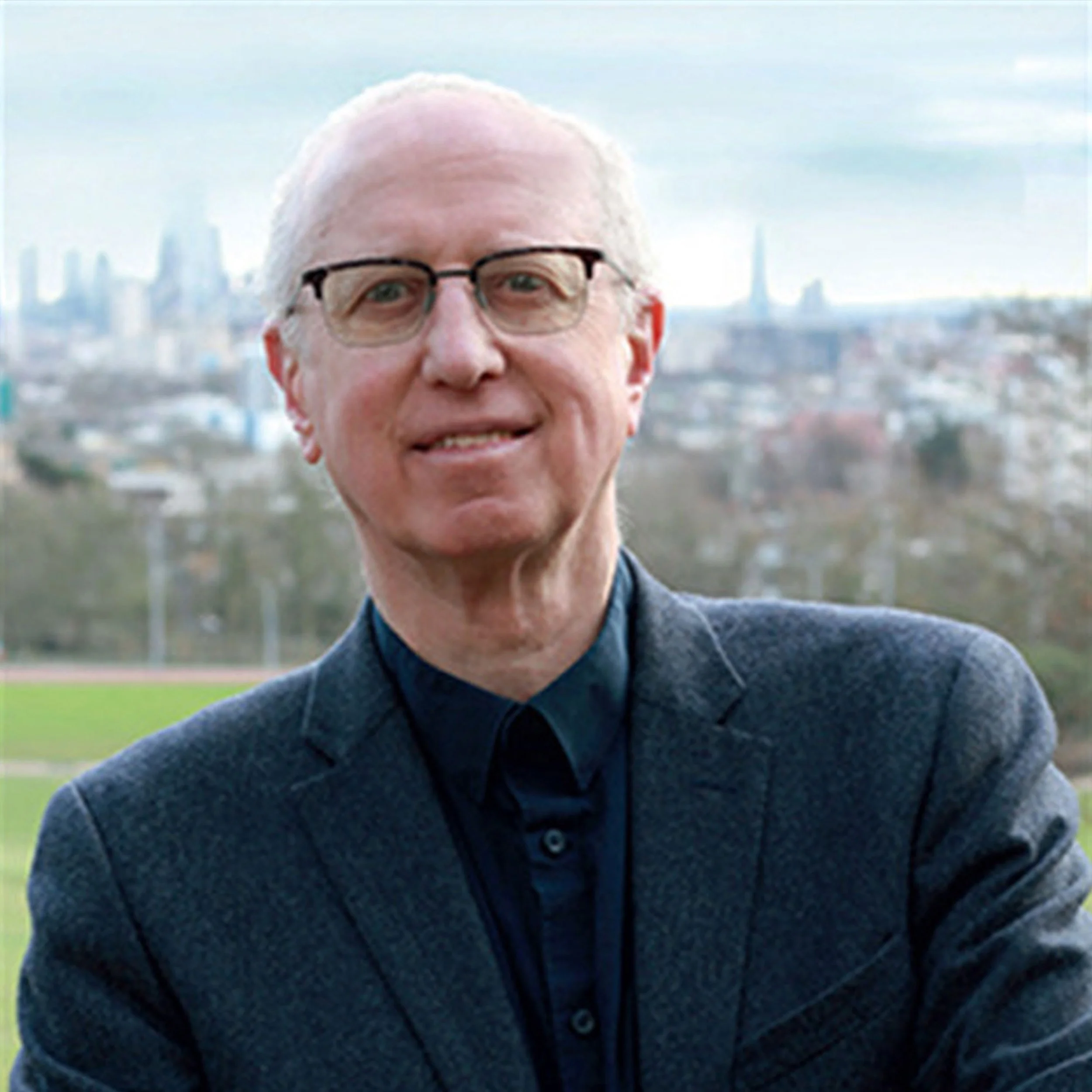
Highlights - SIR ANDY HAINES - Tyler Prize Award-winner - Fmr. Chair of WHO World Health Report - Chair InterAcademy Partnership

Highlights - SIR ANDY HAINES - Tyler Prize Award-winner - Fmr. Chair of WHO World Health Report - Chair InterAcademy Partnership

Tyler Prize Award-winner for Environmental Achievement
Professor of Environmental Change & Public Health
Fmr. Chair of WHO World Health Report · Rockefeller /Lancet Commission on Planetary Health

In terms of the impacts of climate change on health when we started 30 years ago, because there was very little data then, so we made suggestions as to what we thought the health outcomes we thought would be affected like vector-borne diseases, crop failures, water availability, sea level rise, increasing disasters related to climatic extreme events, and obviously the effects of extreme heat on vulnerable populations. In particular, elderly people, but not just elderly people. So we suggested a whole range of different health impacts that could occur. And I think, in general, those ideas have stood the test of time, but of course, as the situation has moved on, we've also become much more preoccupied with what kind of action we need to take.

SIR ANDY HAINES - Tyler Prize Award-winner for Environmental Achievement - Prof. Env. Change & Public Health

SIR ANDY HAINES - Tyler Prize Award-winner for Environmental Achievement - Prof. Env. Change & Public Health

Tyler Prize Award-winner for Environmental Achievement
Professor of Environmental Change & Public Health
Fmr. Chair of WHO World Health Report · Rockefeller /Lancet Commission on Planetary Health

In terms of the impacts of climate change on health when we started 30 years ago, because there was very little data then, so we made suggestions as to what we thought the health outcomes we thought would be affected like vector-borne diseases, crop failures, water availability, sea level rise, increasing disasters related to climatic extreme events, and obviously the effects of extreme heat on vulnerable populations. In particular, elderly people, but not just elderly people. So we suggested a whole range of different health impacts that could occur. And I think, in general, those ideas have stood the test of time, but of course, as the situation has moved on, we've also become much more preoccupied with what kind of action we need to take.

Highlights - MARK BURGMAN - Author of “Trusting Judgments: How to Get the Best Out of Experts”

Highlights - MARK BURGMAN - Author of “Trusting Judgments: How to Get the Best Out of Experts”

Director of the Centre for Environmental Policy, Imperial College London · Editor-in-Chief of Conservation Biology

Author of Trusting Judgments: How to Get the Best Out of Experts

The idea of expertise and expert judgment has been around and has been something that society depends upon for a long time, but there have been no serious empirical explorations of who's an expert, what a domain of expertise is, and what sort of frailties are experts susceptible to. Those things haven't been addressed in an empirical way until the last 30 years. Some of this work began in the fifties with Kahneman and Tversky. They began to explore the things that make people misjudge risky situations, and that led to a body of research on who makes good judgments and under what circumstances for things that might affect us in various ways.

MARK BURGMAN - Director, Centre for Environmental Policy, Imperial College London - Editor-in-Chief, Conservation Biology

MARK BURGMAN - Director, Centre for Environmental Policy, Imperial College London - Editor-in-Chief, Conservation Biology

Director of the Centre for Environmental Policy, Imperial College London · Editor-in-Chief of Conservation Biology

Author of Trusting Judgments: How to Get the Best Out of Experts

The idea of expertise and expert judgment has been around and has been something that society depends upon for a long time, but there have been no serious empirical explorations of who's an expert, what a domain of expertise is, and what sort of frailties are experts susceptible to. Those things haven't been addressed in an empirical way until the last 30 years. Some of this work began in the fifties with Kahneman and Tversky. They began to explore the things that make people misjudge risky situations, and that led to a body of research on who makes good judgments and under what circumstances for things that might affect us in various ways.

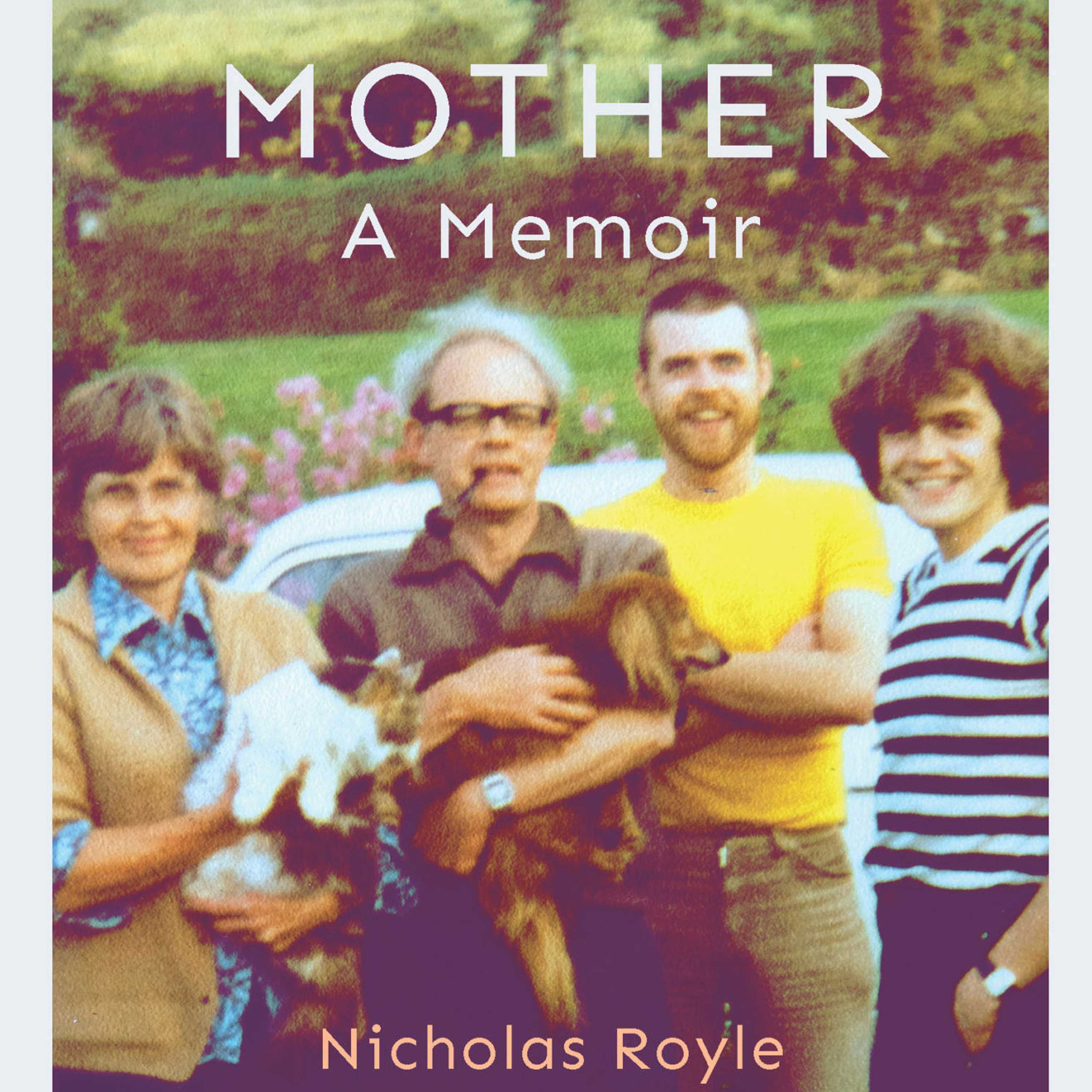
Highlights - NICHOLAS ROYLE - Author of "Mother: A Memoir"

Highlights - NICHOLAS ROYLE - Author of "Mother: A Memoir"

Co-author of An Introduction to Literature, Criticism and Theory
Author of Mother: A Memoir · Managing Editor of Oxford Literary Review

My mother died years ago. What has induced me to write about her after all this time remains mysterious to me. It is connected to the climate crisis. As the natural historian David Attenborough says: 'the collapse of our civilizations and the extinction of much of the natural world is on the horizon.' In ways I cannot pretend to fathom I have found that writing about my mother is bound up with writing about Mother Nature and Mother Earth. And no doubt it has to do also with my own aging and the buried life of mourning. The strange timetables of realization and loss. A memoir is 'a written record of a person's knowledge of events or of a person's own experiences'. 'A record of events written by a person having intimate knowledge of them and based on personal observation.' So the dictionaries tell us. But this memoir of my mother makes no attempt at a comprehensive record.

NICHOLAS ROYLE -  Author of “Mother: A Memoir” - Co-author of "An Introduction to Literature, Criticism and Theory"

NICHOLAS ROYLE - Author of “Mother: A Memoir” - Co-author of "An Introduction to Literature, Criticism and Theory"

Co-author of An Introduction to Literature, Criticism and Theory
Author of Mother: A Memoir · Managing Editor of Oxford Literary Review

My mother died years ago. What has induced me to write about her after all this time remains mysterious to me. It is connected to the climate crisis. As the natural historian David Attenborough says: 'the collapse of our civilizations and the extinction of much of the natural world is on the horizon.' In ways I cannot pretend to fathom I have found that writing about my mother is bound up with writing about Mother Nature and Mother Earth. And no doubt it has to do also with my own aging and the buried life of mourning. The strange timetables of realization and loss. A memoir is 'a written record of a person's knowledge of events or of a person's own experiences'. 'A record of events written by a person having intimate knowledge of them and based on personal observation.' So the dictionaries tell us. But this memoir of my mother makes no attempt at a comprehensive record.

Highlights - JILL HEINERTH - Explorer, Presenter, Author of “Into The Planet: My Life as a Cave Diver”

Highlights - JILL HEINERTH - Explorer, Presenter, Author of “Into The Planet: My Life as a Cave Diver”

Explorer · Presenter · Author of Into The Planet: My Life as a Cave Diver

If I die, it will be in the most glorious place that nobody has ever seen. I can no longer feel the fingers in my left hand. The glacial Antarctic water to see through a tiny puncture in my formerly waterproof glove. If this water were one-tenth of a degree colder, the ocean will become solid. Finding the knife-edged freeze is depleting my strength, my blood vessels throbbing in a futile attempt to deliver warmth to my extremities. The archway of ice above our heads is furrowed like the surface of a golf ball, carved by the hand of the sea. Iridescent blue, Wedgewood, azure, cerulean, cobalt, and pastel robin’s egg meld with chalk and silvery alabaster. The ice is vibrant, right, and at the same time ghostly. The beauty contradicts the danger. We are the first people to cave dive inside an iceberg. And we may not live to tell the story.

JILL HEINERTH - Explorer, Presenter, Author of “Into The Planet: My Life as a Cave Diver”

JILL HEINERTH - Explorer, Presenter, Author of “Into The Planet: My Life as a Cave Diver”

Explorer · Presenter · Author of Into The Planet: My Life as a Cave Diver

If I die, it will be in the most glorious place that nobody has ever seen. I can no longer feel the fingers in my left hand. The glacial Antarctic water to see through a tiny puncture in my formerly waterproof glove. If this water were one-tenth of a degree colder, the ocean will become solid. Finding the knife-edged freeze is depleting my strength, my blood vessels throbbing in a futile attempt to deliver warmth to my extremities. The archway of ice above our heads is furrowed like the surface of a golf ball, carved by the hand of the sea. Iridescent blue, Wedgewood, azure, cerulean, cobalt, and pastel robin’s egg meld with chalk and silvery alabaster. The ice is vibrant, right, and at the same time ghostly. The beauty contradicts the danger. We are the first people to cave dive inside an iceberg. And we may not live to tell the story.