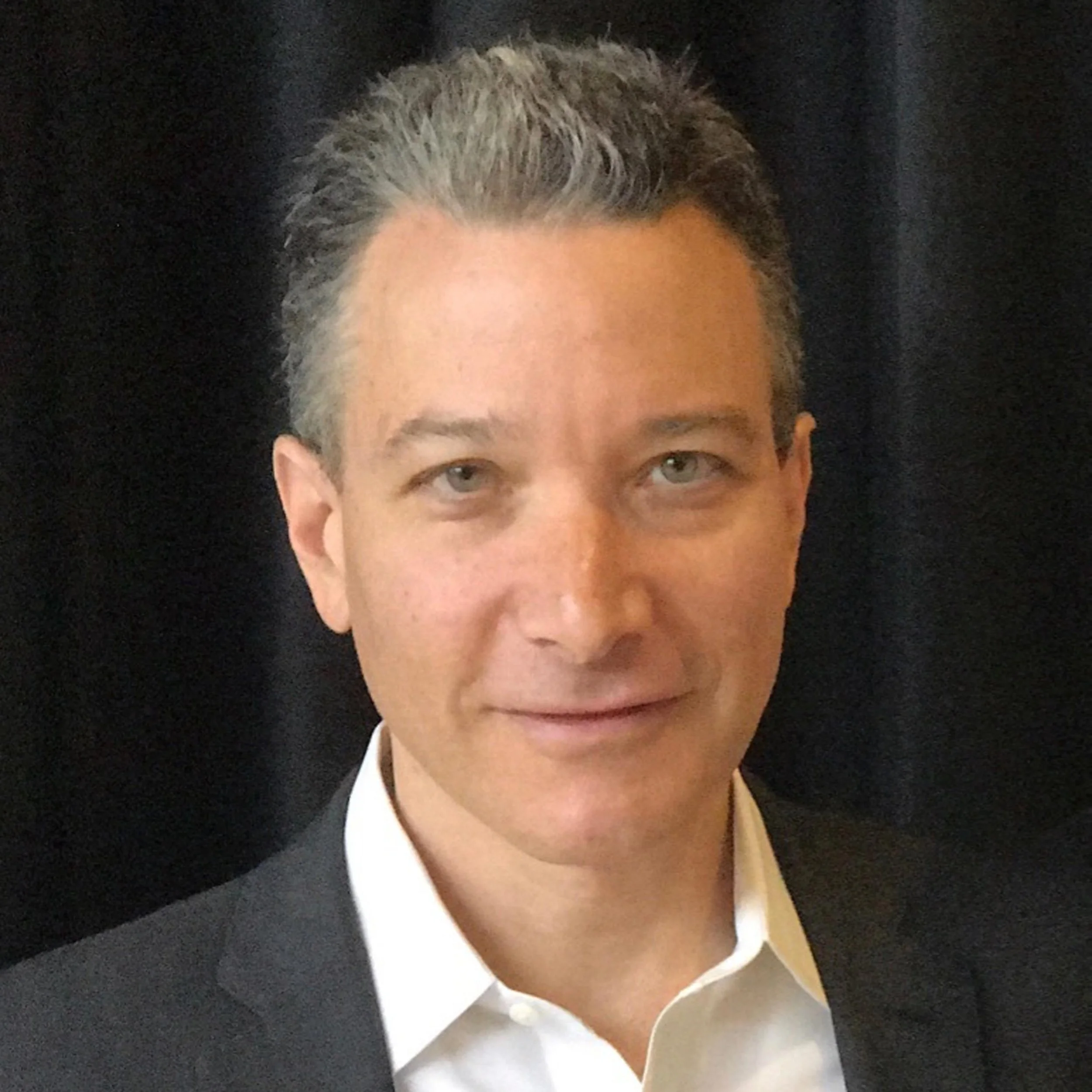
The Pursuit of Happiness - JEFFREY ROSEN - President & CEO of the National Constitution Center

The Pursuit of Happiness - JEFFREY ROSEN - President & CEO of the National Constitution Center

President & CEO of the National Constitution Center
Author of The Pursuit of Happiness: How Classical Writers on Virtue Inspired the Lives of the Founders and Defined America

That idea of planting seeds for future generations came from the Tusculan Disputations. There’s something especially empowering about Cicero. And it's very striking that Thomas Jefferson and John Adams and so many in the Founding Era viewed this manual about overcoming grief as the definition for achieving happiness. And I think it's because it's a philosophy of self-mastery, self-improvement, and self-empowerment.
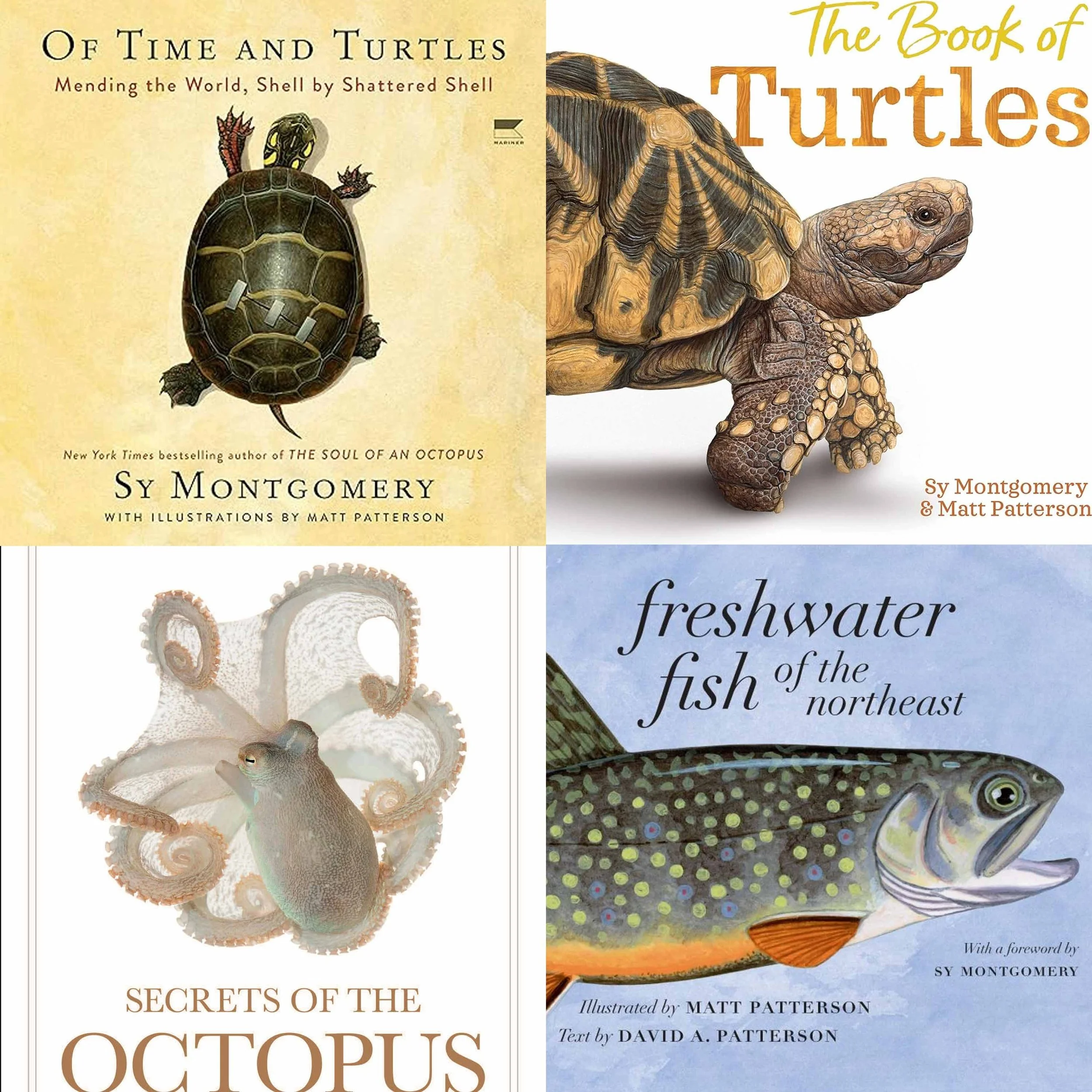
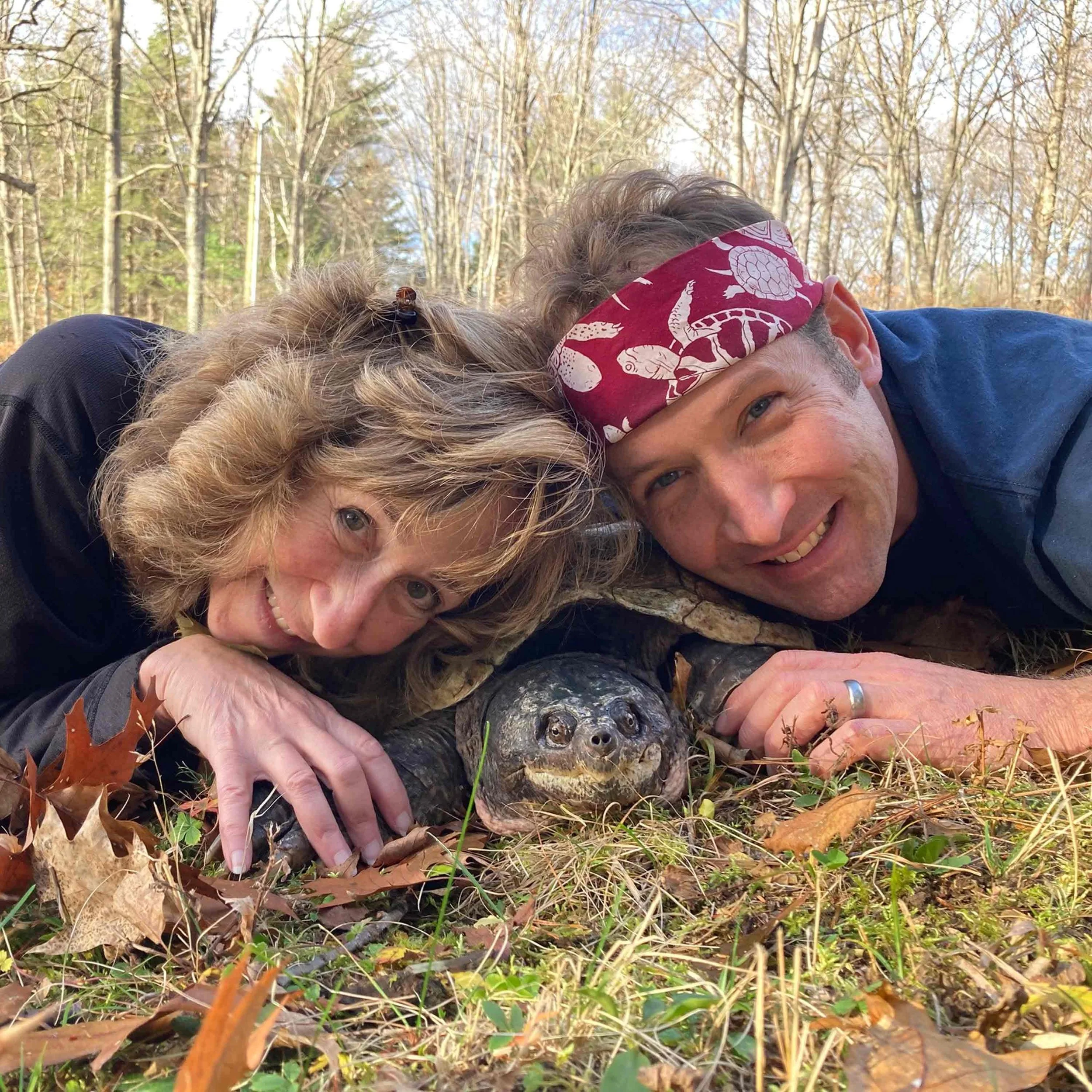
What can turtles teach us about time, patience & wisdom? - Highlights -  SY MONTGOMERY & MATT PATTERSON

What can turtles teach us about time, patience & wisdom? - Highlights - SY MONTGOMERY & MATT PATTERSON

Author | Illustrator

I did know that I wanted this book about turtles to also be about time. It's one of two big questions in philosophy. The one big mystery that I had tackled in a previous book, Soul of an Octopus, was the mystery of consciousness. The other big hard problem in philosophy is time. And I felt, you know, who better to lead me in this exploration than turtles, who live in some cases for centuries, who've been around...they arose with dinosaurs, yet they survived the asteroid impact. They are the embodiment of patience and wisdom.

Of Time and Turtles - Author SY MONTGOMERY & Illustrator MATT PATTERSON

Of Time and Turtles - Author SY MONTGOMERY & Illustrator MATT PATTERSON

Author | Illustrator

I did know that I wanted this book about turtles to also be about time. It's one of two big questions in philosophy. The one big mystery that I had tackled in a previous book, Soul of an Octopus, was the mystery of consciousness. The other big hard problem in philosophy is time. And I felt, you know, who better to lead me in this exploration than turtles, who live in some cases for centuries, who've been around...they arose with dinosaurs, yet they survived the asteroid impact. They are the embodiment of patience and wisdom.

Revolutionizing Sustainability: BERTRAND PICCARD's Path to a Cleaner Planet - Highlights

Revolutionizing Sustainability: BERTRAND PICCARD's Path to a Cleaner Planet - Highlights

Explorer & Aviator of the First Round-the-World Solar-powered Flight
Founder of Solar Impulse Foundation & Climate Impulse
UN Goodwill Ambassador for the Environment

The goal with Climate Impulse is to revolutionize aviation and show that we can decarbonize aviation. We can make it more efficient. Of course, it's not yet a jumbo jet with hydrogen. It's a two-seater airplane. But I want to make the ultimate flight to shake a little bit the certitudes of the people. If we go around the world nonstop with two people on board, this project can become like a flagship of climate action.

Beyond the Horizon: Pioneering Green Aviation with BERTRAND PICCARD - Aviator, Explorer, Environmentalist

Beyond the Horizon: Pioneering Green Aviation with BERTRAND PICCARD - Aviator, Explorer, Environmentalist

Explorer & Aviator of the First Round-the-World Solar-powered Flight
Founder of Solar Impulse Foundation & Climate Impulse
UN Goodwill Ambassador for the Environment

The goal with Climate Impulse is to revolutionize aviation and show that we can decarbonize aviation. We can make it more efficient. Of course, it's not yet a jumbo jet with hydrogen. It's a two-seater airplane. But I want to make the ultimate flight to shake a little bit the certitudes of the people. If we go around the world nonstop with two people on board, this project can become like a flagship of climate action.

Who were the Neanderthals? - Highlights - DR. LUDOVIC SLIMAK

Who were the Neanderthals? - Highlights - DR. LUDOVIC SLIMAK

Paleoanthropologist · Author of The Naked Neanderthal: A New Understanding of the Human Creature

This book is not just about Neanderthals. It's a book about us. I wanted to warn humans, to say there is something in us that is so efficient and dangerous. We've effectively collapsed many things and are now inducing the collapse of natural environments on the planet. And after that, we might even cause the collapse of ourselves as Homo sapiens.

Will human efficiency destroy the planet and us? - DR. LUDOVIC SLIMAK - Author of The Naked Neanderthal

Will human efficiency destroy the planet and us? - DR. LUDOVIC SLIMAK - Author of The Naked Neanderthal

Paleoanthropologist · Author of The Naked Neanderthal: A New Understanding of the Human Creature

This book is not just about Neanderthals. It's a book about us. I wanted to warn humans, to say there is something in us that is so efficient and dangerous. We've effectively collapsed many things and are now inducing the collapse of natural environments on the planet. And after that, we might even cause the collapse of ourselves as Homo sapiens.

What does it mean to have an ecological mind? - Highlights - PAOLA SPINOZZI

What does it mean to have an ecological mind? - Highlights - PAOLA SPINOZZI

Coordinator, Phd Programme, Environmental Sustainability & Wellbeing · University of Ferrara
Co-editor of Cultures of Sustainability and Wellbeing: Theories, Histories and Policies

The humanities are all about representing the world, while the sciences are all about knowing the world. But I believe the roles are deeply intertwined, and that literature, the humanities, philosophy, history, and the arts are all ways of knowing the world. They do exactly the same thing in our understanding of the world. And it is really important to try to put these things together to bring people closer in talking to each other.

Literature, Humanities & Sustainability: PAOLA SPINOZZI - Coordinator, Phd Programme, Environmental Sustainability & Wellbeing, UNIFE

Literature, Humanities & Sustainability: PAOLA SPINOZZI - Coordinator, Phd Programme, Environmental Sustainability & Wellbeing, UNIFE

Coordinator, Phd Programme, Environmental Sustainability & Wellbeing · University of Ferrara
Co-editor of Cultures of Sustainability and Wellbeing: Theories, Histories and Policies

The humanities are all about representing the world, while the sciences are all about knowing the world. But I believe the roles are deeply intertwined, and that literature, the humanities, philosophy, history, and the arts are all ways of knowing the world. They do exactly the same thing in our understanding of the world. And it is really important to try to put these things together to bring people closer in talking to each other.

Reshaping Our World: Climate Change, Education, Mental Health & Advocacy for Nature

Reshaping Our World: Climate Change, Education, Mental Health & Advocacy for Nature

Climate Change, Education, Mental Health & Advocacy for Nature

Climate change gives us a chance to re-imagine the world in a way that every single human being can participate in. And so whether you're in a remote part of the United States or some other country, when you learn about climate change, it shouldn't just be the science. It should be the opportunity. –Kathleen Rogers, President of EarthDay·ORG

Songs of Nature - Musicians, Writers, Ecologists, Philosophers on the Mysteries of the Natural World

Songs of Nature - Musicians, Writers, Ecologists, Philosophers on the Mysteries of the Natural World

The natural world has its own sonic language. Its own fingerprints. And that's one of the beautiful things about being out here. There is another acoustic environment, another sort of sonic fingerprint, and it is always changing. Every day is a sort of a different sound picture. I walk out the door and you do hear it changing over time. The leaves are coming in now, different kinds of bird song. The wind sounds different. Tt's a wonderful thing to be around and experience.
—Max Richter

Climate Education: Does Healing the Planet Begin in the Classroom? - BRYCE COON - Director of Education - EarthDay.ORG

Climate Education: Does Healing the Planet Begin in the Classroom? - BRYCE COON - Director of Education - EarthDay.ORG

Director of Education · EarthDay.ORG

If you talk to a young person about the climate crisis, they tend to have one of two responses. They either feel like we're not doing enough, and they're advocating for more. The other response is that students would just shut down and wouldn't want to talk about it. I believe introducing climate education is key to addressing that climate anxiety and providing students with climate optimism, hope and solutions.

KATHLEEN ROGERS - President of EarthDay.ORG - Planet vs. Plastics Campaign 2024

KATHLEEN ROGERS - President of EarthDay.ORG - Planet vs. Plastics Campaign 2024

President of EarthDay.ORG

The world recognizes that plastics have imperiled our future. Many environmentalists, myself included, view plastics as on par with, if not worse than, climate change because we do see a little light at the end of the tunnel on climate change. Babies vs. Plastics is a collection of studies, and we particularly focused on children and babies because their bodies and brains are more impacted than adults by the 30, 000 chemicals that assault us every day.

The Unseen Invasion of Microplastics in Our Lives - KATHLEEN ROGERS - President of EarthDay.ORG

The Unseen Invasion of Microplastics in Our Lives - KATHLEEN ROGERS - President of EarthDay.ORG

Interview with KATHLEEN ROGERS
President of EarthDay·org

Microplastics and nanoplastic pollution are currently blanketing the planet. They are in the air we breathe, the food we eat, and the water we drink, infiltrating our bodies and even brains and human embryos. Coca-Cola alone sells 100 billion+ single-use plastic bottles each year, ending up in landfills and the ocean. Earth’s population will reach 9.8 billion people by 2050. Two-thirds of humans will become city dwellers. Our waste will drive a mounting worldwide crisis.

Nearly half of US honeybee colonies died last year. How can we save our bees? - Highlights - NOAH WILSON RICH

Nearly half of US honeybee colonies died last year. How can we save our bees? - Highlights - NOAH WILSON RICH

Co-founder & CEO of The Best Bees Company
Largest Beekeeping service in the US

I was originally drawn to bees because they're social creatures. And as humans, I always wanted to know about ourselves and how we can be our healthiest selves and our healthiest society. Bees and wasps, and all of these organisms have been around for so long. Bees especially have been around for 100 million years.

NOAH WILSON RICH Ph.D - Co-founder & CEO - The Best Bees Company - Largest Beekeeping service in the US

NOAH WILSON RICH Ph.D - Co-founder & CEO - The Best Bees Company - Largest Beekeeping service in the US

Co-founder & CEO of The Best Bees Company
Largest Beekeeping service in the US

I was originally drawn to bees because they're social creatures. And as humans, I always wanted to know about ourselves and how we can be our healthiest selves and our healthiest society. Bees and wasps, and all of these organisms have been around for so long. Bees especially have been around for 100 million years.

How can we improve animal-human relationships? - Highlights - POORVA JOSHIPURA

How can we improve animal-human relationships? - Highlights - POORVA JOSHIPURA

PETA U.K. · Senior Vice President
Author of Survival at Stake: How Our Treatment of Animals is Key to Human Existence

I wrote Survival at Stake because I've been working in animal rights for nearly the past 25 years. Throughout that time, one common question has been asked: Well, shouldn't we deal with human issues first. But animal rights are human rights. Animal rights is environmentalism. These things are not distinct. And that's the point I was really trying to make in my book. I was inspired to write it because of the COVID-19 crisis. It just brings us back to the point of why it is so important to teach people, young people, and young men the importance of being kind to everyone, animals included. If you teach them that, I think the other lessons start to much more automatically transfer over.

POORVA JOSHIPURA - Senior VP, PETA UK - Author of Survival at Stake: How Our Treatment of Animals is Key to Human Existence

POORVA JOSHIPURA - Senior VP, PETA UK - Author of Survival at Stake: How Our Treatment of Animals is Key to Human Existence

PETA U.K. · Senior Vice President
Author of Survival at Stake: How Our Treatment of Animals is Key to Human Existence

I wrote Survival at Stake because I've been working in animal rights for nearly the past 25 years. Throughout that time, one common question has been asked: Well, shouldn't we deal with human issues first. But animal rights are human rights. Animal rights is environmentalism. These things are not distinct. And that's the point I was really trying to make in my book. I was inspired to write it because of the COVID-19 crisis. It just brings us back to the point of why it is so important to teach people, young people, and young men the importance of being kind to everyone, animals included. If you teach them that, I think the other lessons start to much more automatically transfer over.

How can we develop AI systems that are more respectful, ethical, and sustainable? - Highlights - DR. SASHA LUCCIONI

How can we develop AI systems that are more respectful, ethical, and sustainable? - Highlights - DR. SASHA LUCCIONI

Founding Member of Climate Change AI
AI Researcher & Climate Lead · Hugging Face

My work is really about figuring out how, right now, AI is using resources like energy and emitting greenhouse gases and how it's using our data without our consent. I feel that if we develop AI systems that are more respectful, ethical, and sustainable, we can help future generations so that AI will be less of a risk to society.  The way I got into this field was working on the environmentally beneficial applications of AI, and I do believe that that's an impactful way of using AI techniques because there's so much data about the climate, satellite data, and sensor data, and the way to go about this is to work with domain experts. AI is never going to solve the problem on its own, but it can be a tool. So I think that there's a lot of promise there.

DR. SASHA LUCCIONI - Founding Member Climate Change AI - Climate Lead & AI Researcher - Hugging Face

DR. SASHA LUCCIONI - Founding Member Climate Change AI - Climate Lead & AI Researcher - Hugging Face

Founding Member of Climate Change AI
AI Researcher & Climate Lead · Hugging Face

My work is really about figuring out how, right now, AI is using resources like energy and emitting greenhouse gases and how it's using our data without our consent. I feel that if we develop AI systems that are more respectful, ethical, and sustainable, we can help future generations so that AI will be less of a risk to society.  The way I got into this field was working on the environmentally beneficial applications of AI, and I do believe that that's an impactful way of using AI techniques because there's so much data about the climate, satellite data, and sensor data, and the way to go about this is to work with domain experts. AI is never going to solve the problem on its own, but it can be a tool. So I think that there's a lot of promise there.