Highlights - UN Young Champion of the Earth GATOR HALPERN - Co-Founder & President of Coral Vita - Forbes 30 Under 30 Social Entrepreneur

Highlights - UN Young Champion of the Earth GATOR HALPERN - Co-Founder & President of Coral Vita - Forbes 30 Under 30 Social Entrepreneur

Co-Founder & President of Coral Vita
UN Young Champion of the Earth · Forbes 30 Under 30 Social Entrepreneur

Coral reefs are the most biodiverse habitat on the planet, despite covering less than 1 percent of the ocean area, over a quarter of all marine life exists in these rainforests of the sea. And if you think of a coral reef as a rainforest, the trees are the coral themselves. Which are incredible organisms, so, magic is really the right word to describe them. They're these animals that are one of the original forms of animal life, the second branch of the animal kingdom is actually Cnidaria, which includes coral and jellyfish. So, an ancient animal, but they have a symbiotic relationship with algae, and so inside the animal tissue are these zooxanthellae, these algae that do photosynthesis, like algae do, like plants do. It's able to capture sunlight and convert it into sugars and energy. And so, it's an animal, but it's got plants that live inside it, this algae, and then even more wild - it grows a skeleton that is rock!

GATOR HALPERN - Co-Founder & President of Coral Vita - UN Young Champion of the Earth - Forbes 30 Under 30 Social Entrepreneur

GATOR HALPERN - Co-Founder & President of Coral Vita - UN Young Champion of the Earth - Forbes 30 Under 30 Social Entrepreneur

Co-Founder & President of Coral Vita
UN Young Champion of the Earth · Forbes 30 Under 30 Social Entrepreneur

Coral reefs are the most biodiverse habitat on the planet, despite covering less than 1 percent of the ocean area, over a quarter of all marine life exists in these rainforests of the sea. And if you think of a coral reef as a rainforest, the trees are the coral themselves. Which are incredible organisms, so, magic is really the right word to describe them. They're these animals that are one of the original forms of animal life, the second branch of the animal kingdom is actually Cnidaria, which includes coral and jellyfish. So, an ancient animal, but they have a symbiotic relationship with algae, and so inside the animal tissue are these zooxanthellae, these algae that do photosynthesis, like algae do, like plants do. It's able to capture sunlight and convert it into sugars and energy. And so, it's an animal, but it's got plants that live inside it, this algae, and then even more wild - it grows a skeleton that is rock!

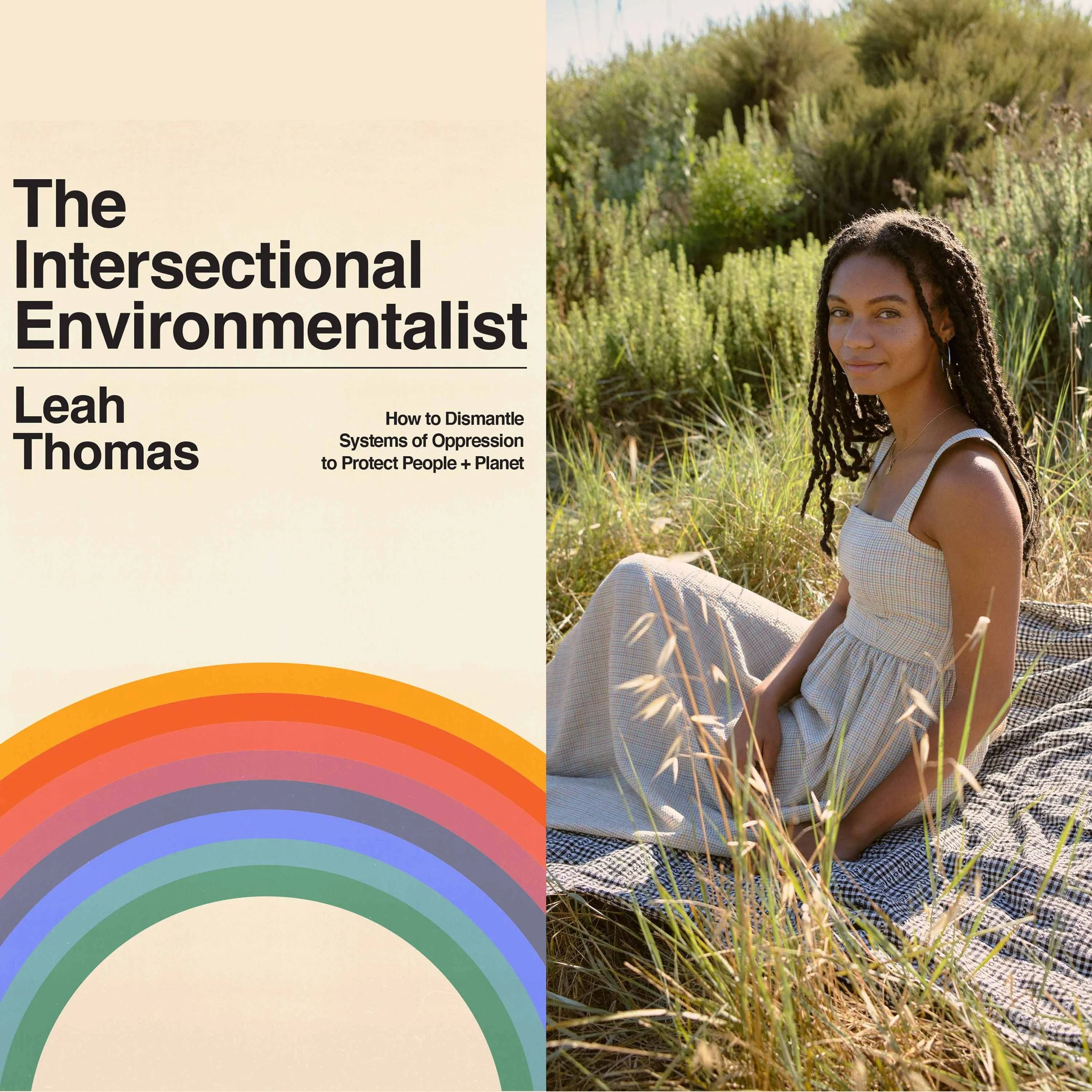
Highlights - LEAH THOMAS - Author of The Intersectional Environmentalist: How to Dismantle Systems of Oppression to Protect People + Planet

Highlights - LEAH THOMAS - Author of The Intersectional Environmentalist: How to Dismantle Systems of Oppression to Protect People + Planet

Author of The Intersectional Environmentalist: How to Dismantle Systems of Oppression to Protect People + Planet
Founder of @greengirlleah & The Intersectional Environmentalist platform

Intersectional Environmentalism to me means prioritizing social justice in environmental movements and really thinking about what communities are most impacted by different environmental injustices. So, for example, in the United States, a lot of communities of color, Black, Indigenous communities, and also lower-income communities struggle with things like unclean air and unclean water, and those are environmental injustices. So I thought it was important to have an intersectional approach to environmental advocacy that doesn't ignore these things and these intersections of identity, but explores them to make sure that every community, especially those most impacted by environmental injustices, no longer are. And I wanted to write a really accessible introduction that was targeted at school kids or anyone who wants to learn more.

LEAH THOMAS - Author of The Intersectional Environmentalist - Founder of IE Platform & @GreenGirlLeah

LEAH THOMAS - Author of The Intersectional Environmentalist - Founder of IE Platform & @GreenGirlLeah

Author of The Intersectional Environmentalist: How to Dismantle Systems of Oppression to Protect People + Planet
Founder of @greengirlleah & The Intersectional Environmentalist platform

Intersectional Environmentalism to me means prioritizing social justice in environmental movements and really thinking about what communities are most impacted by different environmental injustices. So, for example, in the United States, a lot of communities of color, Black, Indigenous communities, and also lower-income communities struggle with things like unclean air and unclean water, and those are environmental injustices. So I thought it was important to have an intersectional approach to environmental advocacy that doesn't ignore these things and these intersections of identity, but explores them to make sure that every community, especially those most impacted by environmental injustices, no longer are. And I wanted to write a really accessible introduction that was targeted at school kids or anyone who wants to learn more.

Highlights - ANDREW KLAVAN - Journalist, Podcast Host, Author of True Crime - The House of Love and Death - Don’t Say a Word

Highlights - ANDREW KLAVAN - Journalist, Podcast Host, Author of True Crime - The House of Love and Death - Don’t Say a Word

Edgar Award-winning Author of The House of Love and Death
True Crime
dir. Clint Eastwood · Don’t Say a Word starring Michael Douglas
Journalist & Podcast Host

I think that the modern sensibility and certainly the post-modern sensibility tells us that everything is self-referential. That if we have a certain feeling, it's because of our chemistry, it's because of our sexuality or urges that come within ourselves. But the older way of thinking is that we're in a relationship with a world that actually is reflected in our mind. And I think that that older sensibility is probably closer to the truth. It explains a lot more. It makes a lot more sense of things.

So every writer knows this, that he's not actually drawing so much from himself as some kind of literal inspiration, some kind of breathing into him that connects him, his own experiences, his childhood experiences, life experiences, his mental experiences with something that is very real outside him. And what he's trying to do in art, I think, is communicate that experience to other people in the only way possible. You can't describe it, you can't put adjectives into it. You have to dramatize it or paint a picture of it or write a song about it. That's the way human beings communicate the experience of being human.

ANDREW KLAVAN - Edgar Award-winning Author of The House of Love and Death - True Crime - Don’t Say a Word

ANDREW KLAVAN - Edgar Award-winning Author of The House of Love and Death - True Crime - Don’t Say a Word

Edgar Award-winning Author of The House of Love and Death
True Crime
dir. Clint Eastwood · Don’t Say a Word starring Michael Douglas
Journalist & Podcast Host

I think that the modern sensibility and certainly the post-modern sensibility tells us that everything is self-referential. That if we have a certain feeling, it's because of our chemistry, it's because of our sexuality or urges that come within ourselves. But the older way of thinking is that we're in a relationship with a world that actually is reflected in our mind. And I think that that older sensibility is probably closer to the truth. It explains a lot more. It makes a lot more sense of things.

So every writer knows this, that he's not actually drawing so much from himself as some kind of literal inspiration, some kind of breathing into him that connects him, his own experiences, his childhood experiences, life experiences, his mental experiences with something that is very real outside him. And what he's trying to do in art, I think, is communicate that experience to other people in the only way possible. You can't describe it, you can't put adjectives into it. You have to dramatize it or paint a picture of it or write a song about it. That's the way human beings communicate the experience of being human.

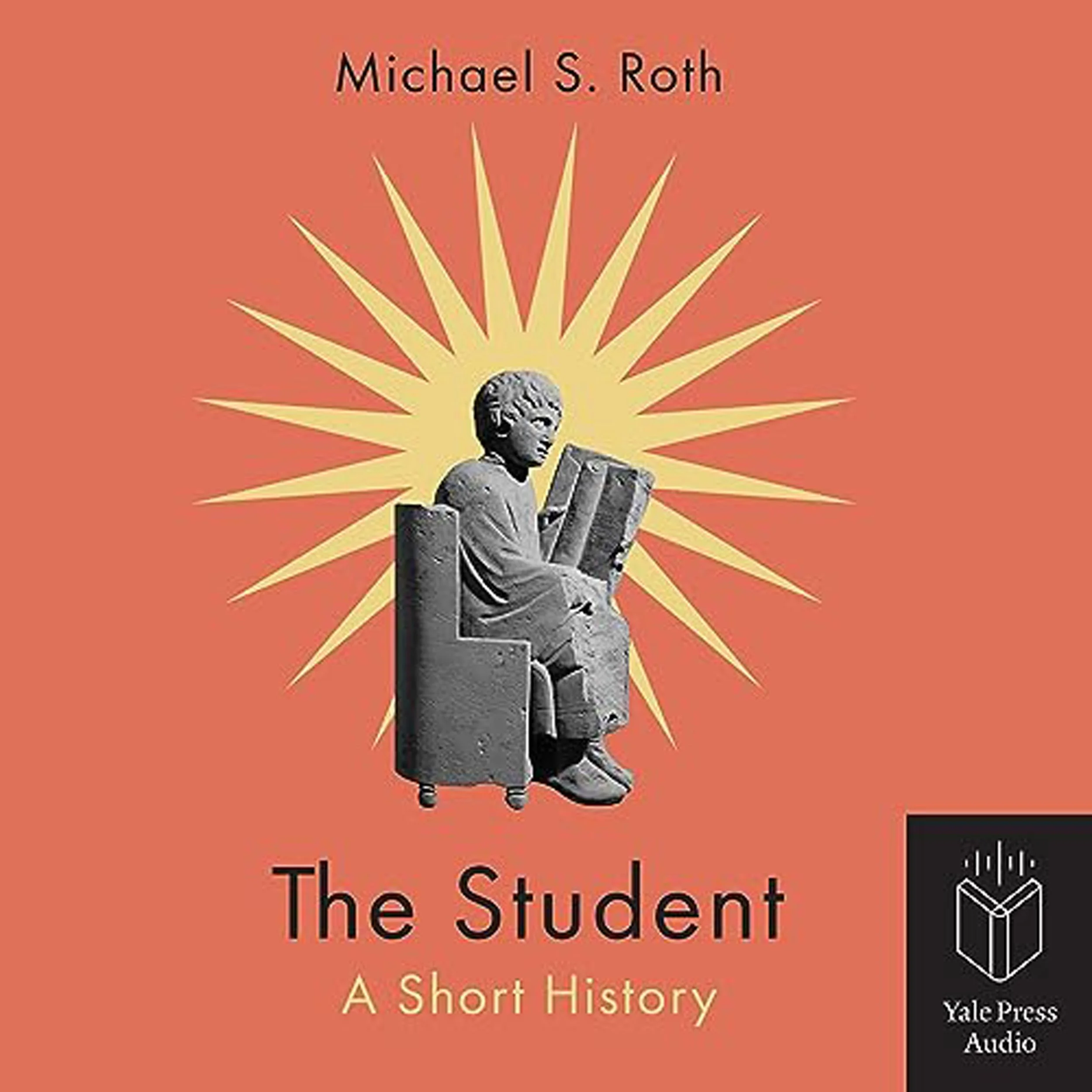
Highlights - MICHAEL S. ROTH - President of Wesleyan University - Author of The Student: A Short History

Highlights - MICHAEL S. ROTH - President of Wesleyan University - Author of The Student: A Short History

President of Wesleyan University
Author of The Student: A Short History

So I wrote this book and it was a lot of fun because I had to learn so much. The book examines three iconic teachers: Confucius, Socrates, and Jesus. And I look at how each of those teachers encourage a certain kind of student. The student as follower, someone who will take on the path that you've developed. In the case of Socrates, the student as critical interlocutor or critical conversation partner, someone who will, in dialogue with you, learn what they don't know, how to take things apart. And in the case of Jesus and the apostles, I look at trying to imitate a way of life to transform themselves to strive towards being the kind of person that Jesus incarnated. And so that's the beginning of the book, these models of studenthood, if I could use that word, and being a teacher. And then I look at the way in which these ideas reverberate in the West across a long period of time. So I'm interested in the idea of the student before there were schools. What did we expect young people to learn even when they weren't going to school?

MICHAEL S. ROTH - President of Wesleyan University - Author of The Student: A Short History

MICHAEL S. ROTH - President of Wesleyan University - Author of The Student: A Short History

President of Wesleyan University
Author of The Student: A Short History

So I wrote this book and it was a lot of fun because I had to learn so much. The book examines three iconic teachers: Confucius, Socrates, and Jesus. And I look at how each of those teachers encourage a certain kind of student. The student as follower, someone who will take on the path that you've developed. In the case of Socrates, the student as critical interlocutor or critical conversation partner, someone who will, in dialogue with you, learn what they don't know, how to take things apart. And in the case of Jesus and the apostles, I look at trying to imitate a way of life to transform themselves to strive towards being the kind of person that Jesus incarnated. And so that's the beginning of the book, these models of studenthood, if I could use that word, and being a teacher. And then I look at the way in which these ideas reverberate in the West across a long period of time. So I'm interested in the idea of the student before there were schools. What did we expect young people to learn even when they weren't going to school?

Highlights - BRIAN DAVID JOHNSON - Director of the ASU Threatcasting Lab - Author of The Future You

Highlights - BRIAN DAVID JOHNSON - Director of the ASU Threatcasting Lab - Author of The Future You

Author of The Future You: How to Create the Life You Always Wanted
Director of the Arizona State University’s Threatcasting Lab
Futurist in Residence, ASU’s Center for Science & the Imagination

Let's talk about technology and the role of humanity and the role of being human and what it means to be present in that. We need to keep humans at the center of everything that we do, that everything that we do in our life is about humans. It begins with humans and ends with humans. There might be technologies and businesses and all these things in between, but we should measure the effect on humans.

When I talk to people about artificial intelligence or technology, I'm generally asking them two questions. What are you optimizing for? What's the effect that you're trying to get? Developing technology for technology's sake, although it can be kind of interesting...then is why you're doing it because you think it's interesting? But then ultimately, if you're doing it beyond your own gratification, why are you doing it?

So much of what I do in that is talking to governments and militaries and large organizations to say we always have to keep humans in the loop. You have to keep humans in the center because it's about us. That really is incredibly important. And that's one of the central ideas in the future. The future should be about humans, and where are humans going. And what do we want as humans? And how are we using technology to make us more human, or healthier, or happier, or more productive?

BRIAN DAVID JOHNSON - Author of The Future You: How to Create the Life You Always Wanted - Futurist in Residence, ASU’s Center for Science & the Imagination

BRIAN DAVID JOHNSON - Author of The Future You: How to Create the Life You Always Wanted - Futurist in Residence, ASU’s Center for Science & the Imagination

Author of The Future You: How to Create the Life You Always Wanted
Director of the Arizona State University’s Threatcasting Lab
Futurist in Residence, ASU’s Center for Science & the Imagination

Let's talk about technology and the role of humanity and the role of being human and what it means to be present in that. We need to keep humans at the center of everything that we do, that everything that we do in our life is about humans. It begins with humans and ends with humans. There might be technologies and businesses and all these things in between, but we should measure the effect on humans.

When I talk to people about artificial intelligence or technology, I'm generally asking them two questions. What are you optimizing for? What's the effect that you're trying to get? Developing technology for technology's sake, although it can be kind of interesting...then is why you're doing it because you think it's interesting? But then ultimately, if you're doing it beyond your own gratification, why are you doing it?

So much of what I do in that is talking to governments and militaries and large organizations to say we always have to keep humans in the loop. You have to keep humans in the center because it's about us. That really is incredibly important. And that's one of the central ideas in the future. The future should be about humans, and where are humans going. And what do we want as humans? And how are we using technology to make us more human, or healthier, or happier, or more productive?

Highlights - SUSAN SCHNEIDER - Author of Artificial You: AI and the Future of Your Mind, Fmr. Distinguished Scholar, US Library of Congress

Highlights - SUSAN SCHNEIDER - Author of Artificial You: AI and the Future of Your Mind, Fmr. Distinguished Scholar, US Library of Congress

Founding Director · Center for the Future Mind · Florida Atlantic University
Author of Artificial You: AI and the Future of Your Mind
Fmr. NASA Chair at NASA · Fmr. Distinguished Scholar at US Library of Congress

So it's hard to tell exactly what the dangers are, but that's certainly one thing that we need to track that beings that are vastly intellectually superior to other beings may not respect the weaker beings, given our own past. It's really hard to tell exactly what will happen. The first concern I have is with surveillance capitalism in this country. The constant surveillance of us because the US is a surveillance capitalist economy, and it's the same elsewhere in the world, right? With Facebook and all these social media companies, things have just been going deeply wrong. And so it leads me to worry about how the future is going to play out. These tech companies aren't going to be doing the right thing for humanity. And this gets to my second worry, which is how's all this going to work for humans exactly? It's not clear where humans will even be needed in the future.

SUSAN SCHNEIDER - Director, Center for the Future Mind, FAU, Fmr. NASA Chair at NASA

SUSAN SCHNEIDER - Director, Center for the Future Mind, FAU, Fmr. NASA Chair at NASA

Founding Director · Center for the Future Mind · Florida Atlantic University
Author of Artificial You: AI and the Future of Your Mind
Fmr. NASA Chair at NASA · Fmr. Distinguished Scholar at US Library of Congress

So it's hard to tell exactly what the dangers are, but that's certainly one thing that we need to track that beings that are vastly intellectually superior to other beings may not respect the weaker beings, given our own past. It's really hard to tell exactly what will happen. The first concern I have is with surveillance capitalism in this country. The constant surveillance of us because the US is a surveillance capitalist economy, and it's the same elsewhere in the world, right? With Facebook and all these social media companies, things have just been going deeply wrong. And so it leads me to worry about how the future is going to play out. These tech companies aren't going to be doing the right thing for humanity. And this gets to my second worry, which is how's all this going to work for humans exactly? It's not clear where humans will even be needed in the future.

AI & THE FUTURE OF HUMANITY

AI & THE FUTURE OF HUMANITY

What will the future look like? What are the risks and opportunities of AI? What role can we play in designing the future we want to live in? In this first episode of our new channel, philosophers, futurists, AI experts, science fiction authors, activists, and lawyers reflect on AI, technology, and the Future of Humanity..

Highlights - DAVID BYRNE'S THEATER OF THE MIND - Stories of Impact - Nicholas Bruckman, John Tracey, Ian Moubayed

Highlights - DAVID BYRNE'S THEATER OF THE MIND - Stories of Impact - Nicholas Bruckman, John Tracey, Ian Moubayed

Stories of Impact · People’s TV

Q: Who is David Byrne?
David Byrne: …I have no idea.

Most people know me through music, but when I was in high school I saw science and the arts as being equally creative fields. More recently, I just started taking an interest in how the brain works, and there's been this explosion of literature. As much as I love reading about neuroscience, I realize that experiencing some of the phenomena is just on a different level. I wanted to create an experience that shows us we're not who we think we are. Theater of the Mind is an immersive Science Theater project. With this show, I've tried to marry a narrative to the experience of different scientific phenomena that reveal how malleable our perception memory and identity really are.

DAVID BYRNE'S THEATER OF THE MIND - Stories of Impact produced by Simons Foundation & People’s TV

DAVID BYRNE'S THEATER OF THE MIND - Stories of Impact produced by Simons Foundation & People’s TV

Stories of Impact · People’s TV

Q: Who is David Byrne?
David Byrne: …I have no idea.

Most people know me through music, but when I was in high school I saw science and the arts as being equally creative fields. More recently, I just started taking an interest in how the brain works, and there's been this explosion of literature. As much as I love reading about neuroscience, I realize that experiencing some of the phenomena is just on a different level. I wanted to create an experience that shows us we're not who we think we are. Theater of the Mind is an immersive Science Theater project. With this show, I've tried to marry a narrative to the experience of different scientific phenomena that reveal how malleable our perception memory and identity really are.

Speaking Out of Place: LIZA BLACK & JOSEPH PIERCE discuss When “Natives” Aren’t: The Epistemic & Communal Violence & Re-storying

Speaking Out of Place: LIZA BLACK & JOSEPH PIERCE discuss When “Natives” Aren’t: The Epistemic & Communal Violence & Re-storying

Discuss When “Natives” Aren’t: The Epistemic & Communal Violence & Re-storying

A lot of Pretendians lay claim to this identity of being Native American, and the universities have no problem with it whatsoever. It's indigenous people who fight against that settler colonial initiative to make this about diversity, equity, and inclusion, and not about indigeneity or indigenous rights. And so when students mark down Indigenous, they're accepted as an Indigenous person, and the university pats itself on the back for admitting yet another Indigenous person. And they happily add up those numbers that go into all sorts of reports to say, "This is how many Indigenous students we have at the moment. The numbers are rising, etc." And many of those students never attend any Indigenous events, but some do. Some will come to the support center for Native students. And some will really take on ownership of this idea that they are Native, when in fact they're not. And they actually know they're not. But let's say we have a person who's gifted intellectually. And they can get their heads around these stories. And they can get their heads around epistemic violence. And they become friends with people in the Native community. That's the beginning of their story. And that's the way in which academia produces these people.

Highlights - APRIL GORNIK - Artist, Environmentalist, Co-founder of The Church: Arts & Creativity Center

Highlights - APRIL GORNIK - Artist, Environmentalist, Co-founder of The Church: Arts & Creativity Center

Artist · Environmentalist
Co-founder of The Church · Arts & Creativity Center
Co-director of Sag Harbor Cinema Board

I've chosen my work because I've loved the outside world. I love the things outside of myself. I love what isn't immediate to me. And I love projecting onto that as a way of kind of trying to reach the distance between my inner self and the vastness. To try to do that in a way that makes other people feel inspired by it, not be chided for not taking care of it. It's not something that I intend to be a message per se. I'd rather people look at the natural world and see the heartbreaking beauty of it and sense its fragility and its impermanence and their own impermanence and fragility and then have a response to that rather than say, you know, you have to act, you have to do something. I would hope that would inspire action rather than to cudgel them with a directive.

APRIL GORNIK - Artist, Environmentalist, Co-founder of The Church: Arts & Creativity Center

APRIL GORNIK - Artist, Environmentalist, Co-founder of The Church: Arts & Creativity Center

Artist · Environmentalist
Co-founder of The Church · Arts & Creativity Center
Co-director of Sag Harbor Cinema Board

I've chosen my work because I've loved the outside world. I love the things outside of myself. I love what isn't immediate to me. And I love projecting onto that as a way of kind of trying to reach the distance between my inner self and the vastness. To try to do that in a way that makes other people feel inspired by it, not be chided for not taking care of it. It's not something that I intend to be a message per se. I'd rather people look at the natural world and see the heartbreaking beauty of it and sense its fragility and its impermanence and their own impermanence and fragility and then have a response to that rather than say, you know, you have to act, you have to do something. I would hope that would inspire action rather than to cudgel them with a directive.

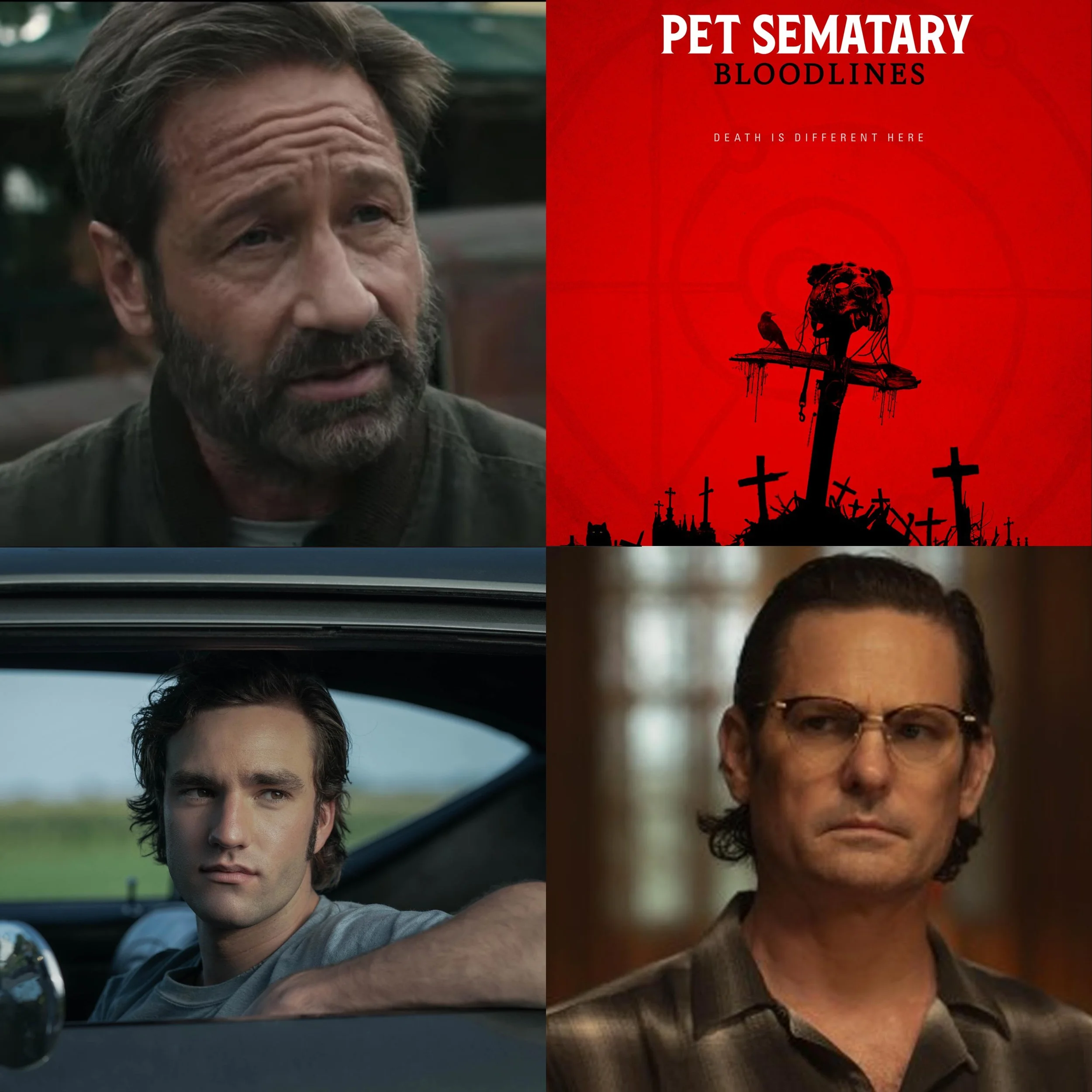
Highlights - LINDSEY ANDERSON BEER - Writer, Director - Pet Sematary: Bloodlines - Sleepy Hollow

Highlights - LINDSEY ANDERSON BEER - Writer, Director - Pet Sematary: Bloodlines - Sleepy Hollow

Writer · Director · Executive Producer
Pet Sematary: Bloodlines · Sleepy Hollow · Bambi · Lord of the Flies

For me, I don't start a project unless I have a really clear understanding of who the main characters are and why this is a journey that's necessary for them to take. And why are these both the best and the worst people to be in this series? That's the question I ask myself all the time because you need to know: What are their strengths? What are their weaknesses? What are the dramatic tension points going to be where these specific people can really succeed or really fail in this scenario? I love people who are passionate, and Quentin Tarantino is just so passionate. And I've never been in a writer's room or even really in any kind of development experience where a director was just so passionate and so full of kind of energetic ideas. And that was really inspiring. Somebody who just completely knows their own point of view and gets excited by their own ideas is just fun to watch.

LINDSEY ANDERSON BEER - Writer, Director, Producer - Pet Sematary: Bloodlines - Sleepy Hollow - Bambi

LINDSEY ANDERSON BEER - Writer, Director, Producer - Pet Sematary: Bloodlines - Sleepy Hollow - Bambi

Writer · Director · Executive Producer
Pet Sematary: Bloodlines · Sleepy Hollow · Bambi · Lord of the Flies

For me, I don't start a project unless I have a really clear understanding of who the main characters are and why this is a journey that's necessary for them to take. And why are these both the best and the worst people to be in this series? That's the question I ask myself all the time because you need to know: What are their strengths? What are their weaknesses? What are the dramatic tension points going to be where these specific people can really succeed or really fail in this scenario? I love people who are passionate, and Quentin Tarantino is just so passionate. And I've never been in a writer's room or even really in any kind of development experience where a director was just so passionate and so full of kind of energetic ideas. And that was really inspiring. Somebody who just completely knows their own point of view and gets excited by their own ideas is just fun to watch.