The Theory of Water with LEANNE BETASAMOSAKE SIMPSON

The Theory of Water with LEANNE BETASAMOSAKE SIMPSON

World-Making, Life-Giving & Indigenous Internationalism with LEANNE BETASAMOSAKE SIMPSON

So I think that part of colonialism for Indigenous peoples has been this idea that Indigenous peoples aren't thinking peoples and that we don't have thought on a kind of systemic level. One of the things that I was interested in doing is intervening in that because I think Indigenous people have a lot of beautiful, very intellectual, theoretical contributions to make to the world. A lot of our theory is encoded in story, but a lot of our theory is also encoded in land-based practice. You can't learn about it from reading books or from going to lectures. You have to really be out on the land with elders for long periods of time. 

Bombs Will Never Liberate Iran: PERSIS KARIM & MANIJEH MORADIAN in Conversation

Bombs Will Never Liberate Iran: PERSIS KARIM & MANIJEH MORADIAN in Conversation

A Conversation with MANIJEH MORADIAN & PERSIS KARIM

 I think one must frame what happened in Iran recently in the context of what is happening in the larger Middle East, which is that Israel and the United States principally are orchestrating a kind of regional shift in their power that can only be seen in light of what happened, and it continues to happen in Gaza and the wider Palestinian Territories, which is that Israel is, by virtue of signaling an aggressive move towards Iran, suggesting that it will continue unabated to exercise its will throughout the region, and that it also is interested in destroying Iranian support for Palestinian rights in the region.

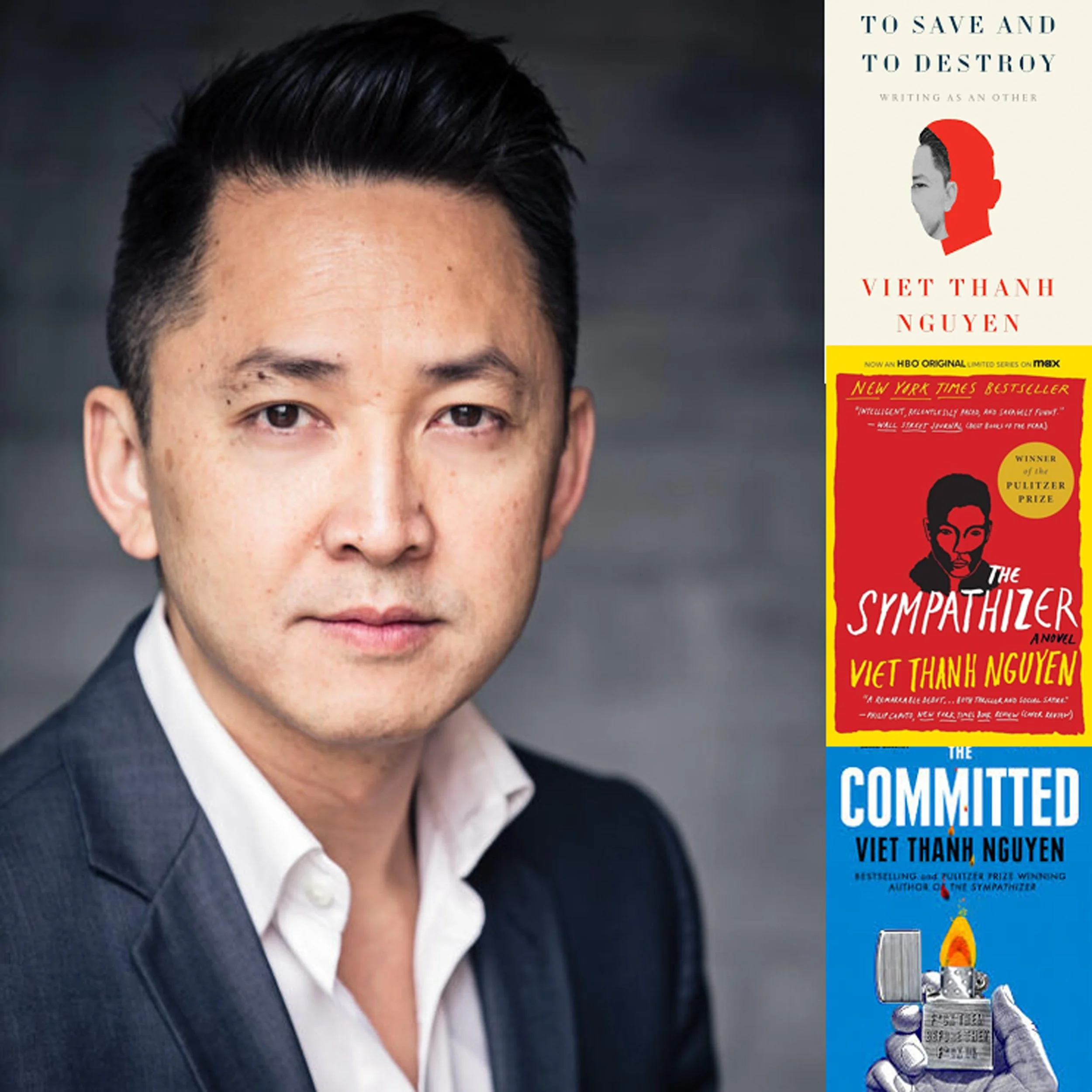
On Writing, America's Forever Wars & Challenging Power with Author VIET THANH NGUYEN

On Writing, America's Forever Wars & Challenging Power with Author VIET THANH NGUYEN

A Conversation with Pulitzer Prize-winning Author VIET THANH NGUYEN

What I've discovered as a writer is that fear is a good indicator that there is a truth. To speak the truth in a society is oftentimes an act that requires some courage. Those processes of being an other for me in the United States were obviously very fundamental to shaping who I am as a person and as a writer. It was very difficult to undergo, but to become a writer who could talk about those issues was also a lot of fun. Writing The Sympathizer was a lot of fun, and I hope that the novel was enjoyable and humorous to read as well, despite its very serious politics. When I wrote The Committed, I also had a lot of fun as an outsider to France. In writing the novel itself, The Committed, there was a lot of humor, satire, and these kinds of tools to confront the tragedy of othering. This is very important to me as literary and political devices. I think I could do that in both The Sympathizer and The Committed because I had a lot of distance from the time periods that those novels described. My challenge right now is to try to find my sense of humor in describing what the United States is undergoing and doing to other countries, its own immigrants, and its own people of color, and minorities in the present. That's proving to be a little more challenging at this moment.

Everything for Everyone: An Oral History of the New York Commune, 2052-2072

Everything for Everyone: An Oral History of the New York Commune, 2052-2072

A Conversation with M. E. O’BRIEN & EMAN ABDELHADI

The book is a speculative fiction novel that imagines a transition out of capitalism in the nation-state in the next few decades, but it is composed of a series of fictional oral history interviews. We imagine ourselves in the future, and we are writing a book to celebrate the 20th anniversary of a food riot that launches the New York version of this kind of revolutionary transition. We are conducting various oral histories with different actors, some who participated in the revolution and some who grew up in the new social form, which is the commune. The book consists of a series of 12 interviews that we trade off as interviewers. It was actually Michelle’s idea to write the book. She had written a fictional oral history interview for an online magazine and invited me to create a whole novel of these interviews. We both have a relationship with oral history as a form of research and engagement with the world. I conduct life history interviews for my sociological research, and Michelle ran a New York Trans Oral History project, which is a great archive that people should check out. It has 200 interviews, so we both have experience in this field. We are both science fiction fans, friends, and comrades. I have spent many years discussing politics, the future, and the left. The book is a culmination of all these elements, representing an intersection of various facets of our lives as scholars, as well as our friendship and comradeship. We pitched the book to Common Notions, presenting a general outline of the world and brief paragraphs about each character we thought we might write about. They encouraged us to proceed, and the rest is history.

A Barrister for the Earth: Ten Cases of Hope for Our Future w/ MONICA FERIA-TINTA

A Barrister for the Earth: Ten Cases of Hope for Our Future w/ MONICA FERIA-TINTA

I like young people to know that they're extremely powerful. I guess the book was about giving hope because I realized how much we could do together. If a person can manage to argue and make a major impact in the way we are understanding treaties in human rights or other things, imagine what could be if every single person is in their own place in some field, with that alertness and synced in the same way. I believe that ordinary people are the ones bringing changes here. I believe that the communities gathering together – for example, I am seeing that in this country around the protection of rivers – are the ones that will mark the change. It's not going to come from above; it's going to come from below, up. We all have a role. Working for the protection of what we love the most will make you happy. So get into a positive mindset. Learn all you can. Be part of things that make you feel positive. You will see how you will find your way, and there is no place for feeling disempowered. This is the moment where you should feel very powerful because it is us who are going to make the future of this Earth.

Constitutional Collapse & the Possibilities of a New Democracy w/ AZIZ RANA

Constitutional Collapse & the Possibilities of a New Democracy w/ AZIZ RANA

A Conversation with AZIZ RANA

In the US, we have this idea that exists as a kind of popular cultural sense. The country has basically had the same constitution—a document ratified in the 1780s, and it has really been in effect since then. However, one of the things that's distinctive about the US Constitution is that it is perhaps the hardest in the world to formally amend. It is incredibly difficult to change the actual terms of the text, even during times when we've had pretty profound changes to the language. Here, we can think about the Reconstruction period with the passage of the 13th, 14th, and 15th amendments.

Another World Is Possible: Lessons for America From Around the Globe w/ NATASHA HAKIMI ZAPATA

Another World Is Possible: Lessons for America From Around the Globe w/ NATASHA HAKIMI ZAPATA

 It's a really dangerous time we're living through, and I do think that when we talk about these progressive policies, a huge problem in the US is that we still have a lot of stigma left over from the Cold War that keeps us from really great ideas because they're branded as socialist or communist. And I’ve seen, in the time I've been a journalist for the past 15 years, how that stigma has slowly faded. And you see that younger people are more and more interested in these ideas, whether or not they're considered socialist.

THE DREAM HOTEL with LAILA LALAMI

THE DREAM HOTEL with LAILA LALAMI

A Conversation with Author LAILA LALAMI
on Dreaming Beyond the Algorithmic State

What happens when the state, with the pretext of protecting public safety, can detain indefinitely certain individuals whose dreams seem to indicate they may be capable of committing a crime?  Set in a precarious world where sleep-enhancing devices and algorithms provide the tools and formulae for making one’s unconscious a witness to one’s possible waking life, this novel touches on a myriad of political, philosophical, and moral concerns as they particularly connect to issues of gender, race, ethnicity, privacy, and the security state.

Examining Monuments, Memory & The History of White Supremacy IRVIN WEATHERSBY JR. - Highlights

Examining Monuments, Memory & The History of White Supremacy IRVIN WEATHERSBY JR. - Highlights

A Conversation with Author IRVIN WEATHERSBY JR.

One of the biggest symbols of America is Mount Rushmore. This monument, right? But I think most people fail to realize where it's located and why it's located there. Even more importantly, who did it? It's on a sacred Native American mountain, a place that was central to their creation stories. But then you think about who did it, and it was a Klansman. The guy who sculpted Mount Rushmore was a Klansman. People were like, "Wait, really?" Like, how is that a thing? But it seeps into our understanding and our embrace of white supremacy. This whole notion of us using Mount Rushmore as a metric of excellence is really sad. We are honoring slave owners and people who viciously killed natives, and those who pillage other lands in the name of capitalism. That's what America is, I guess.

I think there's such a disinterest in education in America that it is sickening. We can't even agree on facts. It's up to states' rights to decide. Really? States can say that this is true in one state, but it's not true in another? Although these states are united, it's very bizarre. I'm hopeful for revolution. I'm optimistic. I want radical change. I think we are repeating history. We are going through a cycle of fascism and greed, and I think we're going to see a lot of states collapse. As a result of that, I think people are going to be forced back to their primal needs and concerns, but I think they're going to be forced to think about what makes us human. How do we become more human? Because we've lost that. We've given it up to technology. How can we figure out what makes us a really powerful species again?

In Open Contempt: Confronting White Supremacy in Art & Public Space with IRVIN WEATHERSBY JR.

In Open Contempt: Confronting White Supremacy in Art & Public Space with IRVIN WEATHERSBY JR.

A Conversation with Author IRVIN WEATHERSBY JR.

One of the biggest symbols of America is Mount Rushmore. This monument, right? But I think most people fail to realize where it's located and why it's located there. Even more importantly, who did it? It's on a sacred Native American mountain, a place that was central to their creation stories. But then you think about who did it, and it was a Klansman. The guy who sculpted Mount Rushmore was a Klansman. People were like, "Wait, really?" Like, how is that a thing? But it seeps into our understanding and our embrace of white supremacy. This whole notion of us using Mount Rushmore as a metric of excellence is really sad. We are honoring slave owners and people who viciously killed natives, and those who pillage other lands in the name of capitalism. That's what America is, I guess.

I think there's such a disinterest in education in America that it is sickening. We can't even agree on facts. It's up to states' rights to decide. Really? States can say that this is true in one state, but it's not true in another? Although these states are united, it's very bizarre. I'm hopeful for revolution. I'm optimistic. I want radical change. I think we are repeating history. We are going through a cycle of fascism and greed, and I think we're going to see a lot of states collapse. As a result of that, I think people are going to be forced back to their primal needs and concerns, but I think they're going to be forced to think about what makes us human. How do we become more human? Because we've lost that. We've given it up to technology. How can we figure out what makes us a really powerful species again?

"We're connected to the lives of every creature on the planet" EIREN CAFFALL - Highlights

"We're connected to the lives of every creature on the planet" EIREN CAFFALL - Highlights

We are in a complex and delicately balanced relationship of connection to everything else on the planet. We begin to recognize, write into, and speak into the complex interdependence and interconnection of every gesture that we make on the planet. Most storytelling that I really respond to, whether it's from my own culture or from previous civilizations, acknowledges that we are in this complex relationship where every gesture we make is connected to the lives of every other creature on the planet. The more narratives we allow to be complex in that way and interconnected, the more we begin to change our brain chemistry around how we protect ourselves and everything that is in relation to us. The more that you have that evolving relationship with it, that's dynamic and alive to the moment you're in, and that's not afraid of the feelings of fear, hopelessness, grief, or pain that attend paying close attention to the world as it is evolving around you, the better we are able to be flexible in the relationship we need to form with fixing what we can and holding onto what we have.

All the Water in the World with Writer & Musician EIREN CAFFALL

All the Water in the World with Writer & Musician EIREN CAFFALL

A Conversation with Writer & Musician EIREN CAFFALL

We are in a complex and delicately balanced relationship of connection to everything else on the planet. We begin to recognize, write into, and speak into the complex interdependence and interconnection of every gesture that we make on the planet. Most storytelling that I really respond to, whether it's from my own culture or from previous civilizations, acknowledges that we are in this complex relationship where every gesture we make is connected to the lives of every other creature on the planet. The more narratives we allow to be complex in that way and interconnected, the more we begin to change our brain chemistry around how we protect ourselves and everything that is in relation to us. The more that you have that evolving relationship with it, that's dynamic and alive to the moment you're in, and that's not afraid of the feelings of fear, hopelessness, grief, or pain that attend paying close attention to the world as it is evolving around you, the better we are able to be flexible in the relationship we need to form with fixing what we can and holding onto what we have.

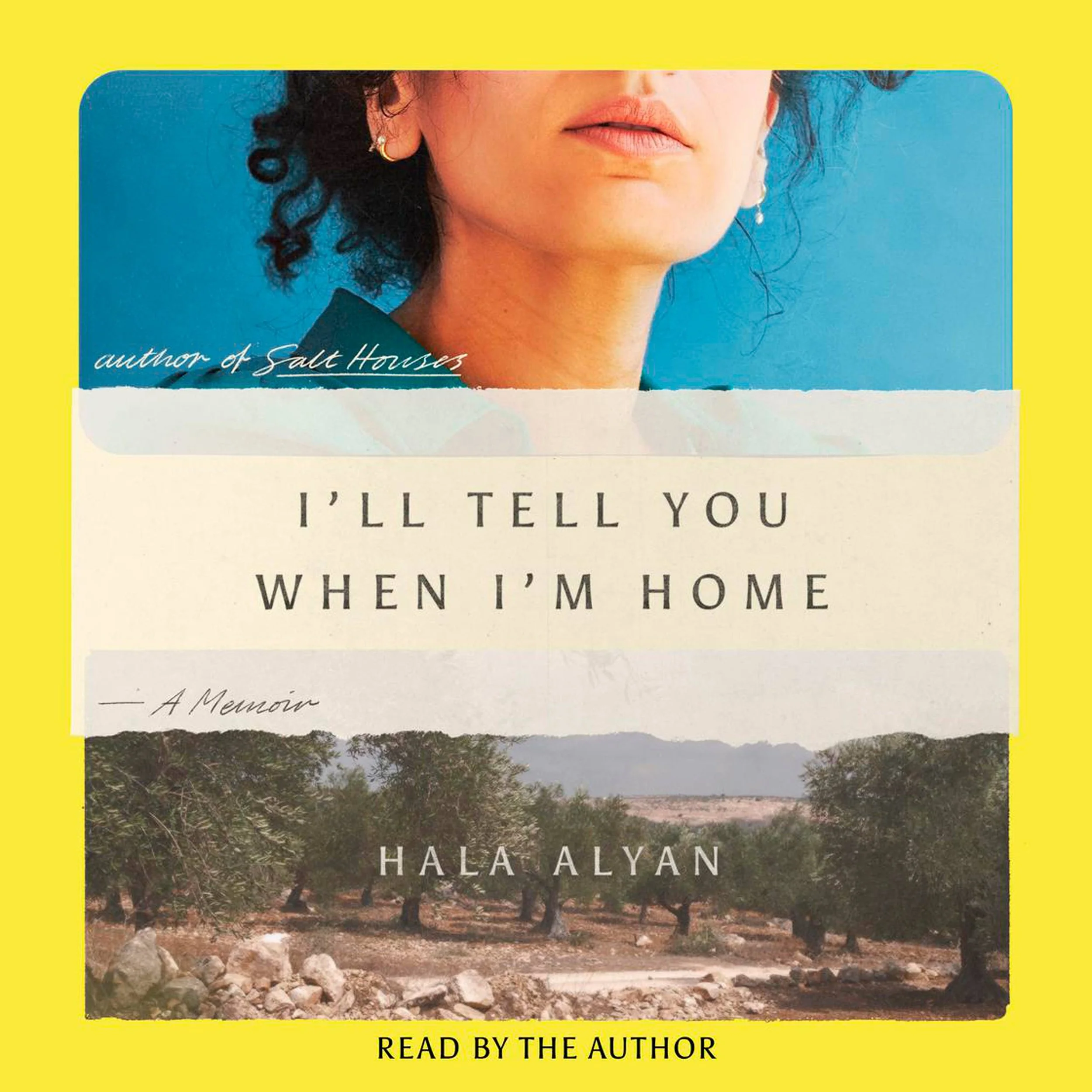
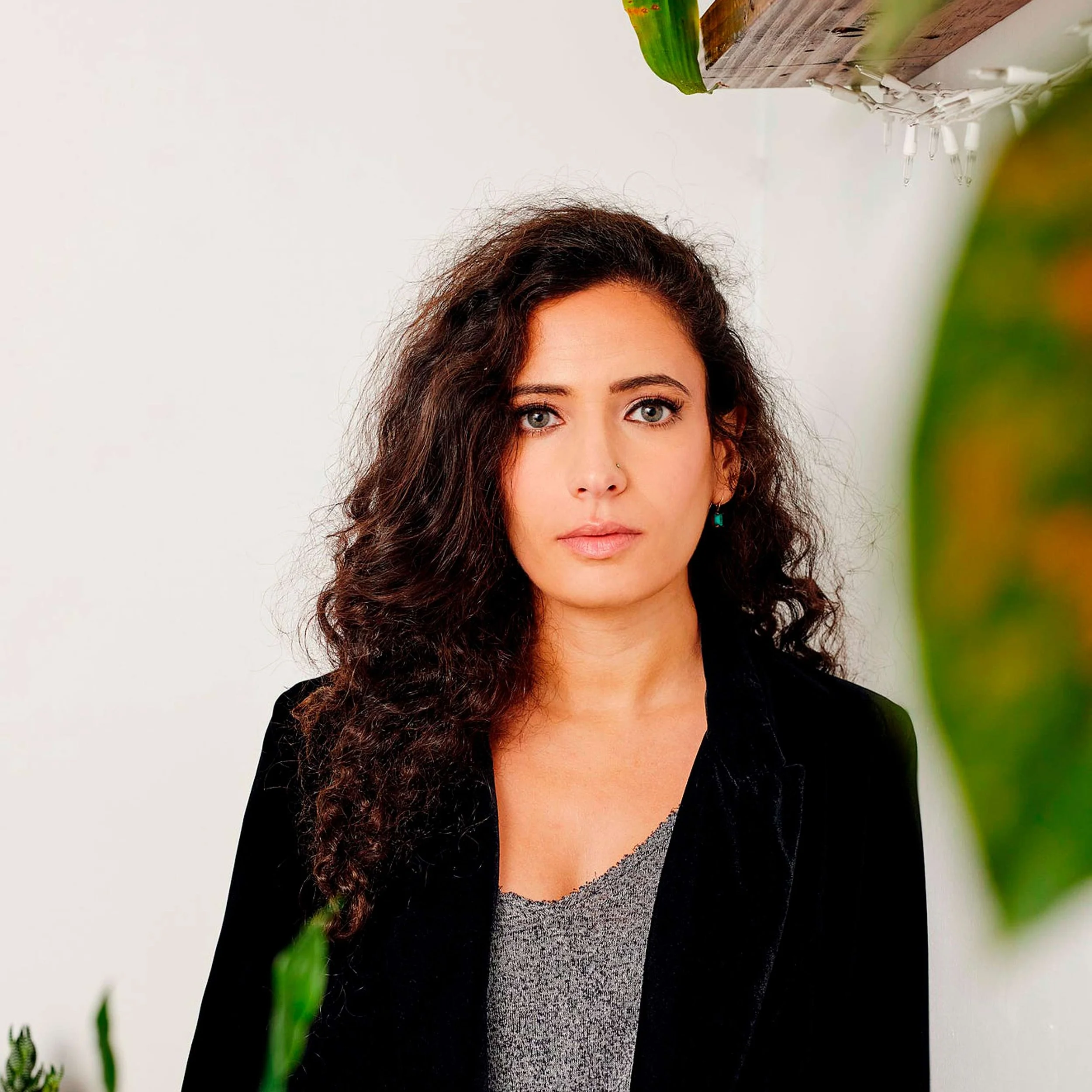
 On Motherhood & Memory, Trauma & Survival with Author HALA ALYAN - Highlights

On Motherhood & Memory, Trauma & Survival with Author HALA ALYAN - Highlights

Novelist · Poet · Psychologist HALA ALYAN
Author of I’ll Tell You When I’m Home: A Memoir

I want to live a life of consequence, and I want to live a life that has stakes in it because that means that things matter to you. I think, in some ways, this memoir was a project of sifting through and excavating the darkest hours, both for me and for the lineage and ancestry that I came from. I think the darkest hours were experienced by so many people I come from who have had to leave places they didn't want to leave. I live in exile and have been forced to leave behind houses, land, cities, and people. Oftentimes, this has happened more than once in a lifetime, so they have carried that trauma. Of course, it plays out intergenerationally in many different ways.

I think it's a time of fear. I don't think I'm alone in that. I am scared for people that I love. I am scared for people who are quite vulnerable. I worry for my students. I am concerned for the places that I feel are engaging in complicity because that will be such a heavy legacy to endure later on, how people, places, and entities comport themselves in moments like this. They will be remembered. There will always be people who remember it.

I’ll Tell You When I’m Home - Author HALA ALYAN on Motherhood & Memory, Trauma & Survival

I’ll Tell You When I’m Home - Author HALA ALYAN on Motherhood & Memory, Trauma & Survival

Novelist · Poet · Psychologist HALA ALYAN
Author of I’ll Tell You When I’m Home: A Memoir

I want to live a life of consequence, and I want to live a life that has stakes in it because that means that things matter to you. I think, in some ways, this memoir was a project of sifting through and excavating the darkest hours, both for me and for the lineage and ancestry that I came from. I think the darkest hours were experienced by so many people I come from who have had to leave places they didn't want to leave. I live in exile and have been forced to leave behind houses, land, cities, and people. Oftentimes, this has happened more than once in a lifetime, so they have carried that trauma. Of course, it plays out intergenerationally in many different ways.

I think it's a time of fear. I don't think I'm alone in that. I am scared for people that I love. I am scared for people who are quite vulnerable. I worry for my students. I am concerned for the places that I feel are engaging in complicity because that will be such a heavy legacy to endure later on, how people, places, and entities comport themselves in moments like this. They will be remembered. There will always be people who remember it.

Building Bridges, Breaking Cycles: Personal Stories of Healing, Social Justice & Activism

Building Bridges, Breaking Cycles: Personal Stories of Healing, Social Justice & Activism

How do our personal relationships affect political movements and activism? What can we learn from Native American tradition to restore ecological balance? How can transforming capitalism help address global inequality and the environmental crisis? Dean Spade, Jericho Brown, Alexi Hawley, Tiokasin Ghosthorse, and Paul Shrivastava share their stories.

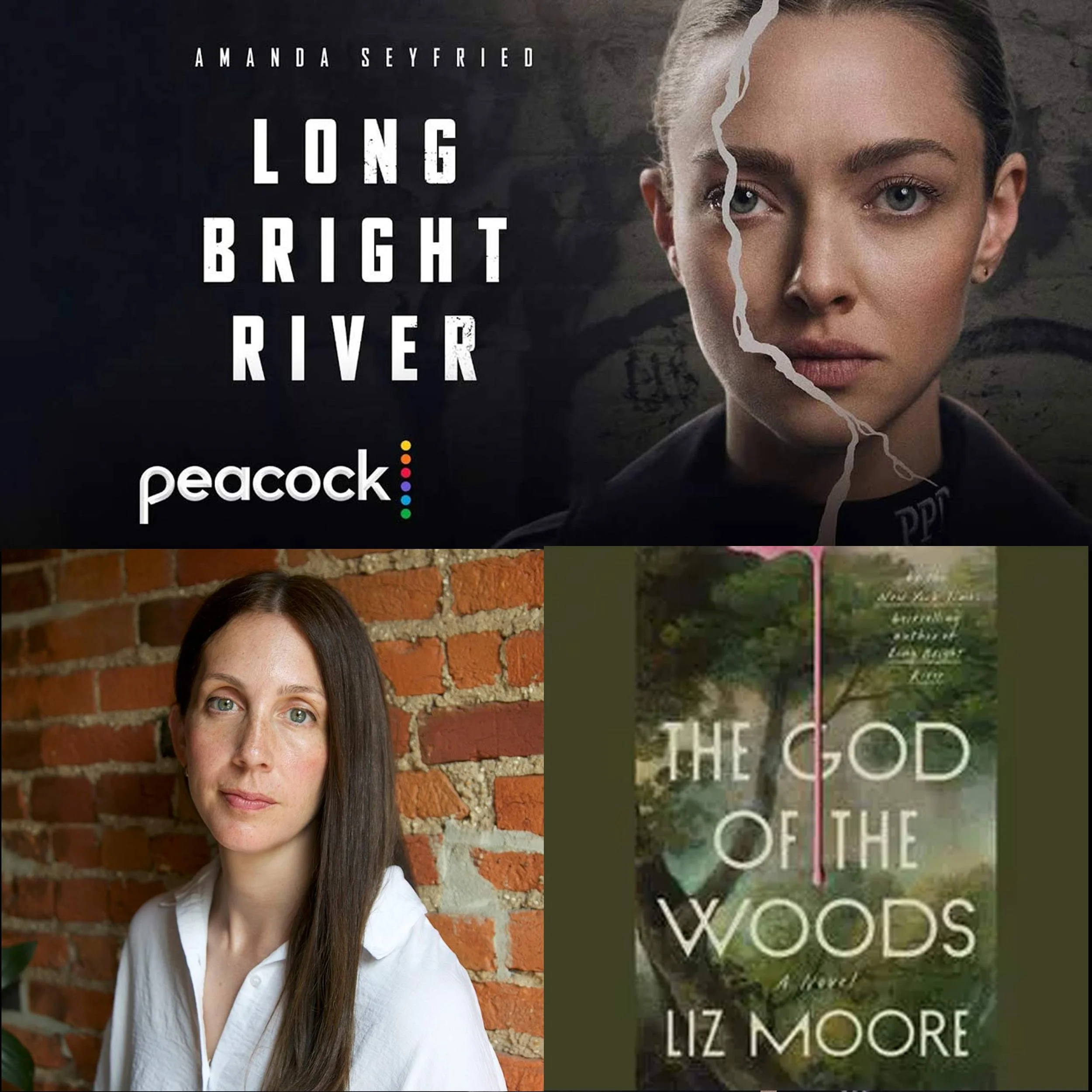
Exploring Trauma, Healing & the Creative Process with Author LIZ MOORE - Highlights

Exploring Trauma, Healing & the Creative Process with Author LIZ MOORE - Highlights

I think income inequality really greatly contributes to the rage that people might feel, even as some Americans won't. What don't recognize that a more communal society might benefit them. What they see instead is, why don't I have what that person has? Something's getting in my way. And it's not a lack of, of community, it's: somebody else is keeping me down, you know? And that's, I think that's a theme that emerges in The God of the Woods.

I think there's a certain thread in American history of, like, individualism at all costs. The Van Laars named their house Self-reliance, which is a testament to the idea that they, I think, falsely believe themselves to have, have created their own power, their own capital, their own wealth, and ignore the fact that it's really the labor of the working class community around them- that, and of the people of Albany who've invested their money in the Van Laars Bank - that that really contributed to the acquisition of this enormous wealth that they now have and this enormous power that they now have.

Family, Addiction & Overcoming Trauma - LIZ MOORE on Long Bright River starring AMANDA SEYFRIED

Family, Addiction & Overcoming Trauma - LIZ MOORE on Long Bright River starring AMANDA SEYFRIED

I've lived in Philadelphia for about 16 years.  The book itself was inspired by my time spent in the Kensington neighborhood of Philadelphia interviewing a lot of the people that I met there, both longtime residents of the neighborhood and also people who were transient,  a lot of people struggling with addiction and a lot of women doing sex work to fund their  physical addiction to opioids. You find out about their past,  their road into addiction, their aspirations, their fears.  I began to lead free writing workshops at an organization named St. Francis Inn, which is a longstanding food service organization in the community. They had a women's day shelter where I taught.  I was really able to connect with people within the community on a quite personal level and loved my experiences in Kensington. And I still go, I'm still quite close with a number of the community workers, people who run free healthcare clinics. All of it ultimately informed the writing of Long Bright River.

PAUL LYNCH discusses Prophet Song, Beyond the Sea & his Creative Process - Highlights

PAUL LYNCH discusses Prophet Song, Beyond the Sea & his Creative Process - Highlights

Booker Prize-winning Novelist PAUL LYNCH
Author of Prophet Song · Beyond the Sea · Red Sky in the Morning

We narrate the story of our lives to ourselves. We narrate it in linear fashion. And I know many writers have played with time in all sorts of amazing ways, but we're storytellers. This is what we do. And if you give the brain a story, a prepackaged story, you're giving a cheesecake. That's what it wants. That's why it loves stories. That's why our society is just built on stories. Politics is nothing but stories. Everything you do in the evenings – we sit down, we're watching Netflix – just stories. We consume them all the time. We are just machines for belief.

On Storytelling & The Human Condition with Booker Prize Winner PAUL LYNCH

On Storytelling & The Human Condition with Booker Prize Winner PAUL LYNCH

Author of Prophet Song · Beyond the Sea · Red Sky in the Morning

We narrate the story of our lives to ourselves. We narrate it in linear fashion. And I know many writers have played with time in all sorts of amazing ways, but we're storytellers. This is what we do. And if you give the brain a story, a prepackaged story, you're giving a cheesecake. That's what it wants. That's why it loves stories. That's why our society is just built on stories. Politics is nothing but stories. Everything you do in the evenings – we sit down, we're watching Netflix – just stories. We consume them all the time. We are just machines for belief.

OUR PLANET, OUR FUTURE - Environmentalists, Artists, Scientists & Earth Defenders Share their Stories

OUR PLANET, OUR FUTURE - Environmentalists, Artists, Scientists & Earth Defenders Share their Stories

Environmentalists, Artists, Scientists & Earth Defenders Share their Stories

We are privileged to present the voices of individuals dedicated to effecting change and mitigating the harm inflicted upon our precious planet. These are individuals deeply committed to the core values that drive positive transformation: Max Richter, Ingrid Newkirk, Julian Lennon, Bertrand Piccard, Carl Safina, Nan Hauser, Claire Potter, Ada Limón, David Farrier, Cynthia Daniels, Oded Galor, Kathleen Rogers, Joelle Gergis, Sir Geoff Mulgan, Alain Robert, Noah Wilson-Rich, Chris Funk, Suzanne Simard, Peter Singer, and Jennifer Morgan.