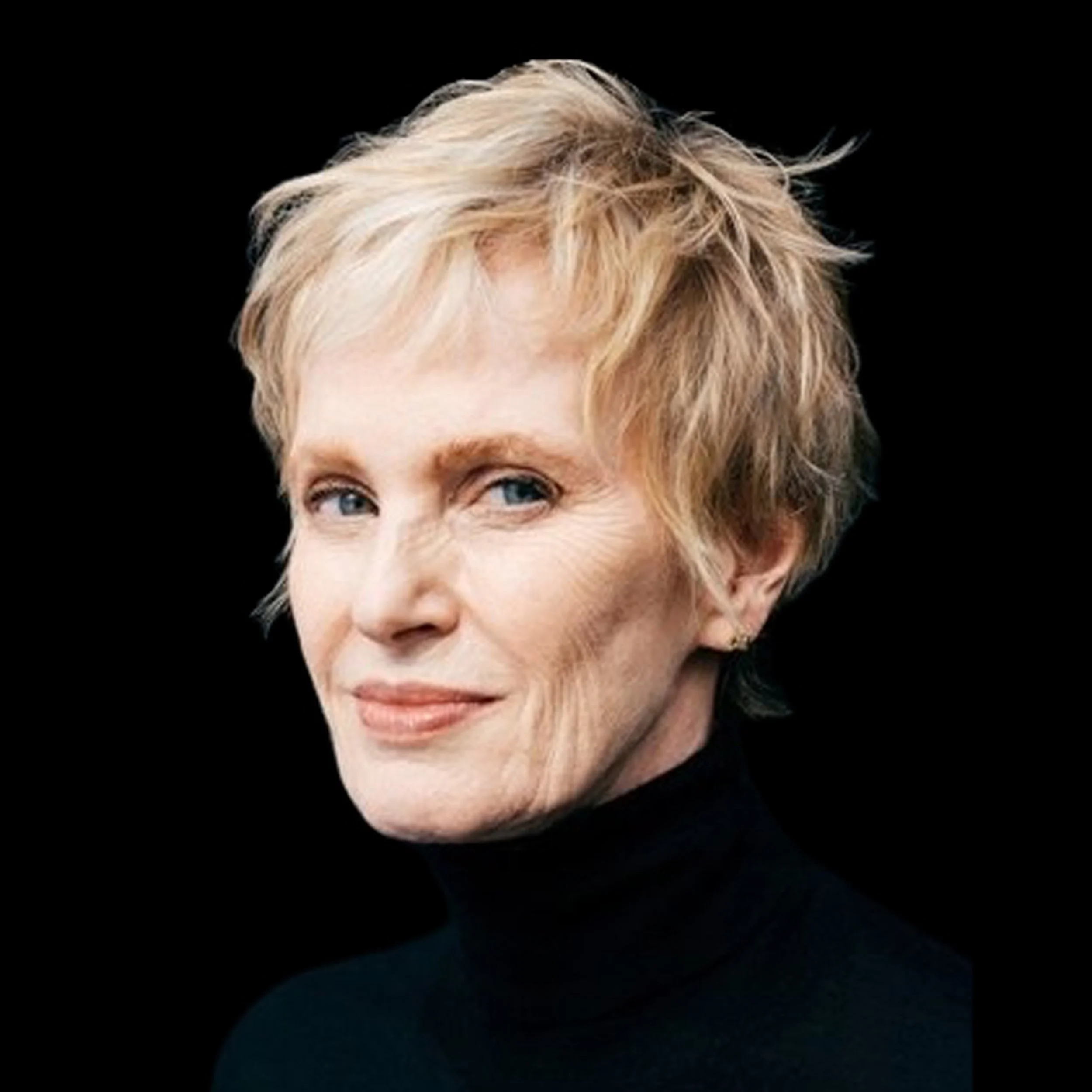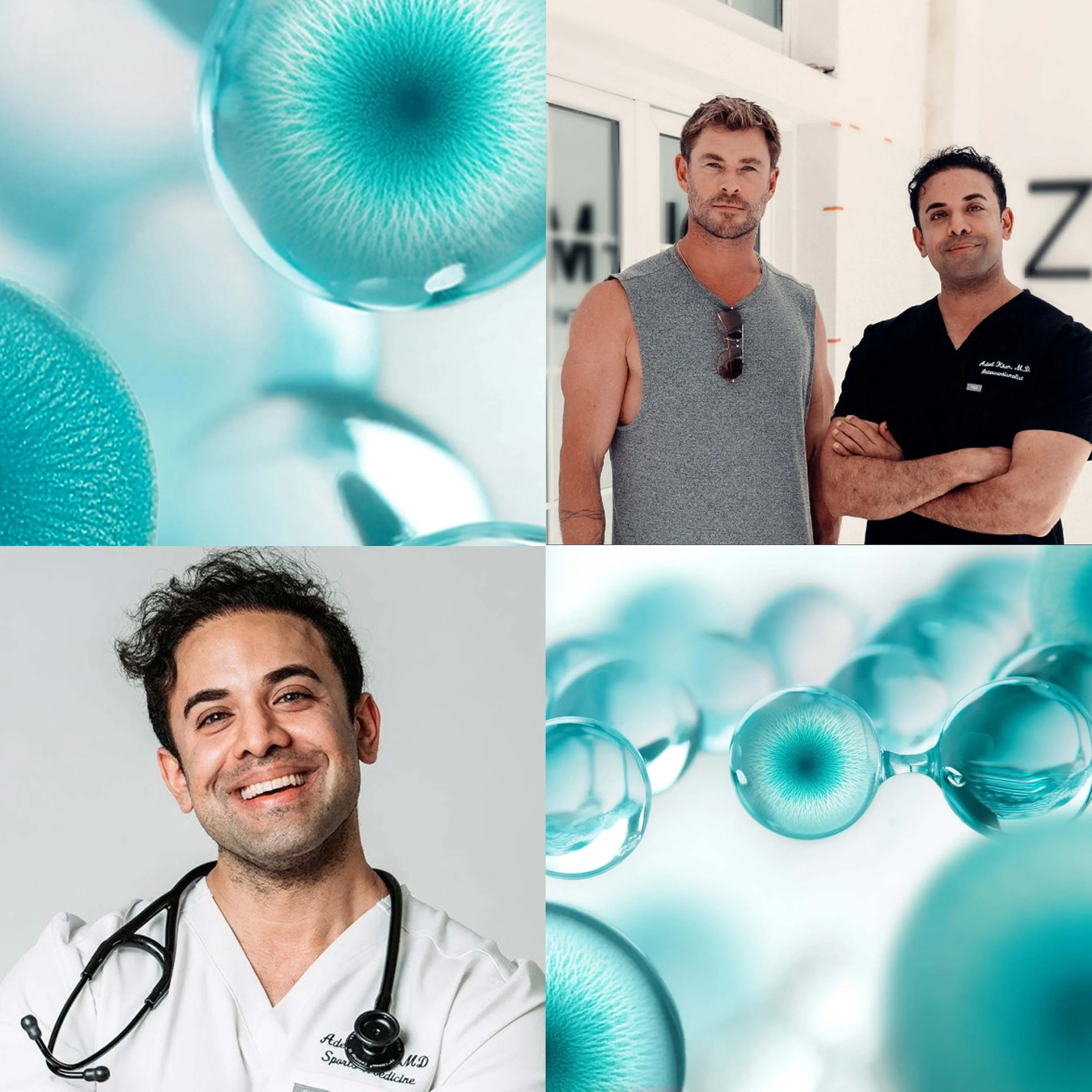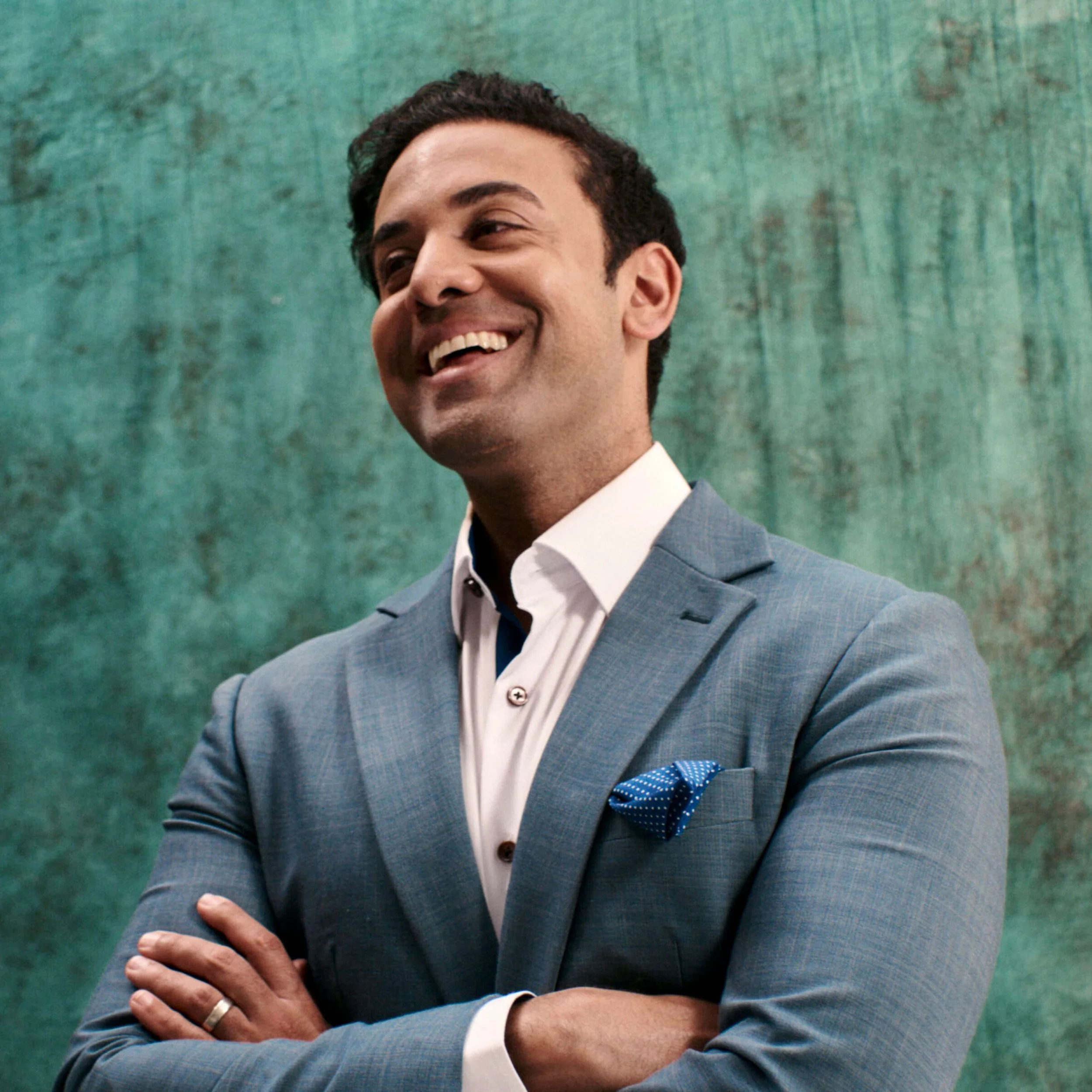
HOWARD GORDON & DANIEL PEARLE on THE BEAST IN ME, AI & The Future of Storytelling

HOWARD GORDON & DANIEL PEARLE on THE BEAST IN ME, AI & The Future of Storytelling

Starring CLAIRE DANES & MATTHEW RHYS
A Conversation with Showrunner, Exec. Producer HOWARD GORDON & Exec. Producer Writer DANIEL PEARLE

And I think there's also just something about an unfettered or uncensored id that is so captivating. We all have that fantasy of doing exactly what we want with no consequences and sort of letting that go. I think when you see an athlete at the peak of their game, doing that embodied thing and living that dream, or when someone has actually done horrible things that you would never allow yourself to do, there is a fascination there. I had one teacher who said, "Anyone who drives you crazy or that you just cannot stand in life, put them in a play or put them in a scene, and the audience will love them." If someone has really gotten under your skin and you just cannot stand them, and you have a visceral reaction—like, "I just hate this person"—make them a character, and the audience will make them everyone's favorite character. There is something to that.

In the Presence of the DALAI LAMA - Doc. Director of WISDOM OF HAPPINESS - Highlights

In the Presence of the DALAI LAMA - Doc. Director of WISDOM OF HAPPINESS - Highlights

 Everybody wants happiness, joyfulness, peaceful world. Our 21st century will not be easy century… I can change my mind. I can reduce anger, hatred. Nothing to do with religion. All religions carry the message of love, loving kindness, and tolerance. This century should be century of compassion, century of peace. No more bloodshed. We should develop a big “we,” rather than “we” or “they.” With these wings, you can fly. -DALAI LAMA

WISDOM OF HAPPINESS - Heart-to-Heart w/ DALAI LAMA - Conversation w/ Director Barbara Miller

WISDOM OF HAPPINESS - Heart-to-Heart w/ DALAI LAMA - Conversation w/ Director Barbara Miller

 Everybody wants happiness, joyfulness, peaceful world. Our 21st century will not be easy century… I can change my mind. I can reduce anger, hatred. Nothing to do with religion. All religions carry the message of love, loving kindness, and tolerance. This century should be century of compassion, century of peace. No more bloodshed. We should develop a big “we,” rather than “we” or “they.” With these wings, you can fly. -DALAI LAMA

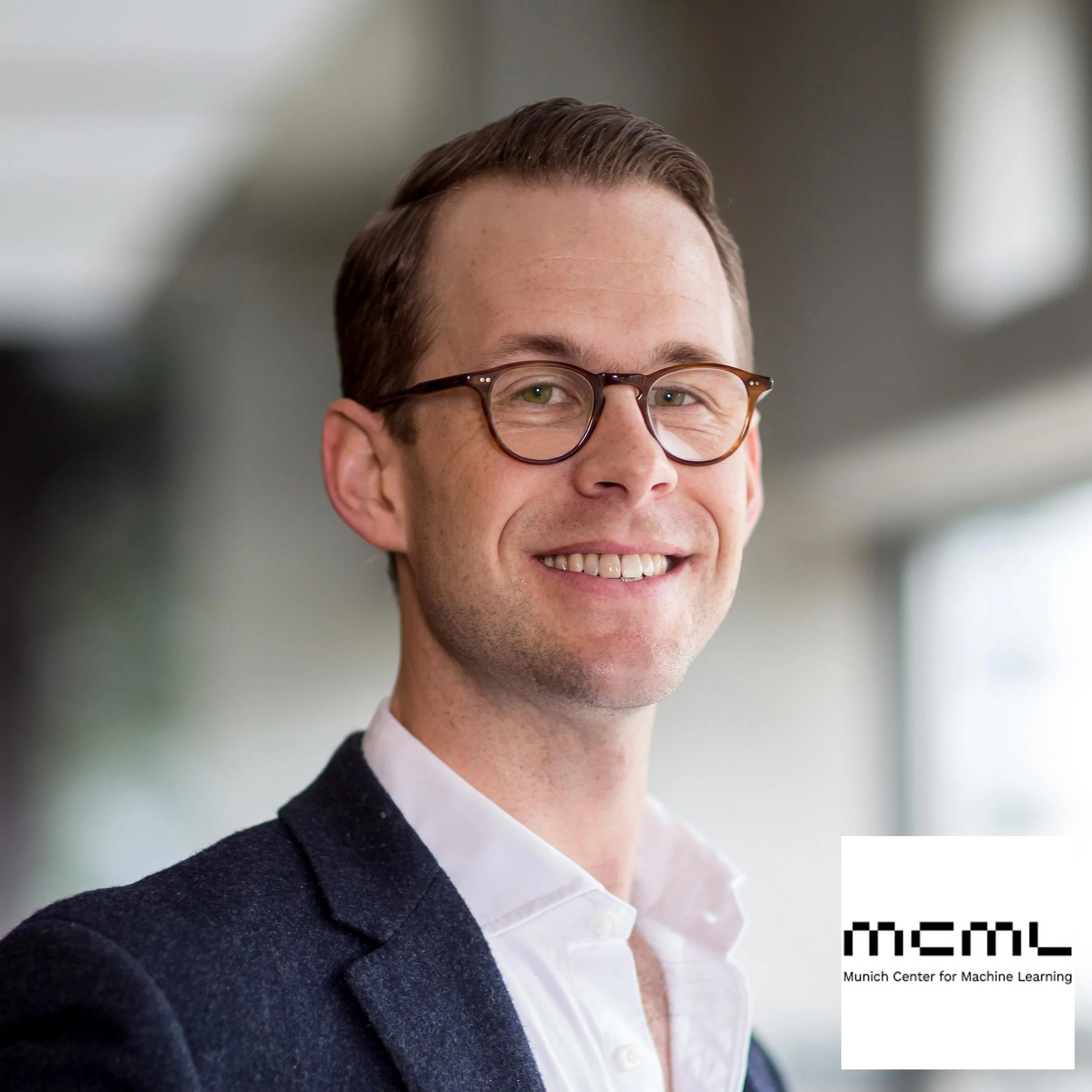
AI & The Future of Life with RISTO UUK, Head of EU Policy & Research, FUTURE OF LIFE INSTITUTE

AI & The Future of Life with RISTO UUK, Head of EU Policy & Research, FUTURE OF LIFE INSTITUTE

A Conversation with RISTO UUK · Head of EU Policy & Research · FUTURE OF LIFE INSTITUTE

The Future of Life Institute has been working on AI governance-related issues for the last decade. We're already over 10 years old, and our mission is to steer very powerful technology away from large-scale harm and toward very beneficial outcomes. You could think about any kind of extreme risks from AI, all the way to existential or extinction risk, the worst kinds of risks and the benefits. You can think about any kind of large benefits that humans could achieve from technology, all the way through to utopia, right? Utopia is the biggest benefit you can get from technology. Historically, that has meant we have focused on climate change, for example, and the impact of climate change. We have also focused on bio-related risks, pandemics and nuclear security issues. If things go well, we will be able to avoid these really bad downsides in terms of existential risk, extinction risks, mass surveillance, and really disturbing futures. We can avoid that very harmful side of AI or technology, and we can achieve some of the benefits.

Guggenheim Abu Dhabi: Innovation, Culture, Legacy - Highlights

Guggenheim Abu Dhabi: Innovation, Culture, Legacy - Highlights

A Conversation with Manager of Digital Media AMR HUSSEIN

Guggenheim Abu Dhabi is a unique concept. The idea behind the building itself is a dance. It's a living building because it's a dance between spaces. It's a dance between blocks of spaces and shapes and cones, and it's inspiring for the future because the legacy is a huge factor for every project. It's the legacy for young architects and for other architects. It gives them the space to dream more and to feel like it can be possible, and not to be shy. Present more bold ideas that can inspire creativity because you can't see this building and walk in without feeling like you want to be creative as well.

Guggenheim Abu Dhabi's Vision for the Future

Guggenheim Abu Dhabi's Vision for the Future

A Conversation with Manager of Digital Media AMR HUSSEIN

Guggenheim Abu Dhabi is a unique concept. The idea behind the building itself is a dance. It's a living building because it's a dance between spaces. It's a dance between blocks of spaces and shapes and cones, and it's inspiring for the future because the legacy is a huge factor for every project. It's the legacy for young architects and for other architects. It gives them the space to dream more and to feel like it can be possible, and not to be shy. Present more bold ideas that can inspire creativity because you can't see this building and walk in without feeling like you want to be creative as well.

How to Make an Algorithm in the Microwave with Poet MAYA SALAMEH

How to Make an Algorithm in the Microwave with Poet MAYA SALAMEH

Poetry is like one of the great loves of my life, and I think it's probably the longest relationship I'll ever have. I read a lot of poetry. I also wrote these short stories even when I was pretty young, like in second grade, and the stories kept getting shorter and shorter. My family used to go to Damascus in Syria and Lebanon every summer for three months until 2011, when the Civil War broke out in Syria. In 2015, we made our first return after that gap, and my father and I went to Lebanon for two weeks. It's the first time I felt that I belong. To the extent that was true or not, I'm obviously irrevocably American. I speak broken Arabic. I don't think I could ever live in Lebanon or Syria. But for what it was worth at 15 years old, it was a life-changing trip. I wrote my first official poem on the plane back to San Diego from that trip, and I feel that was a formative moment for me. I felt that I had a story to tell and wanted to put it to paper in the form of poetry.

In 2015, we made our first return after that gap, and my father and I went to Lebanon for two weeks. Being back in one of my two homelands as a more fully formed person and not like a young child, I thought, "Wow, this is the first time I've been in an Arabic-speaking Arab place as a teenager." 

Art is a Fundamental Element of Life - Gallerist HANNAH BARRY on a Life in Art

Art is a Fundamental Element of Life - Gallerist HANNAH BARRY on a Life in Art

There's something fundamental about the value of art and culture. Not just being integrated for vocational reasons, but because the experience of art and having a cultural element in one's life brings enjoyment, learning, relief, or any of the many experiences and feelings that art provides. I think this is quite fundamental as an element of life. Creativity is key in any career and also in personal life, especially in terms of problem-solving, relationships, kindness, compassion, and empathy. The arts, creativity, and the cultural world at large are not just nice to have; they are essential. Their value is fundamental, although sometimes it's extremely difficult to define in a way that aligns with what people might prefer. To see the arts lost from the developmental moments in one's life is tragic. Developmental moments in life come at all points in the arc of one's existence. To see that taken or diminished is unfortunate. Everyone involved in working with artists, artists themselves, or those who are creative knows this and believes in it.

 Empire of AI: Dreams & Nightmares in Sam Altman's Open AI with KAREN HAO

 Empire of AI: Dreams & Nightmares in Sam Altman's Open AI with KAREN HAO

My book is called Empire of AI because I'm trying to articulate this argument and illustrate that these companies operate exactly like empires of old. I highlight four features that essentially encapsulate the three things you read. However, I started talking about it in a different way after writing the book.

The four features are: they lay claim to resources that are not their own, which is the centralization of resources; they exploit an extraordinary amount of labor, both in the development of the technology and the fact that they're producing labor-automating technologies that then suppress workers' ability to bargain for better rights; they monopolize knowledge production, which comes when they centralize talent.

Healing, Connection & Creativity in the Age of AI - ETGAR KERET on Why We Need Stories in Times of Crisis - Highlights

Healing, Connection & Creativity in the Age of AI - ETGAR KERET on Why We Need Stories in Times of Crisis - Highlights

A Conversation with Author · Filmmaker ETGAR KERET
Winner of Cannes Film Festival’s Caméra d’Or · Charles Bronfman Prize & Sapir Prize

When I write my stories, I don't want to solve things in life. I just want to persuade myself that there is a way out. Maybe I am in a cell, maybe I'm trapped. Maybe I won't make it, but if I can imagine a plan for escape, then I'll be less trapped because at least in my mind, there is a way. I think that my parents are survivors. They always talked about this idea of humanity. My parents always said to me, when you look at people, don't look at their political views; that's not important. Look at the way that they look at you. If they see you, if they listen to you, if they can understand your intention, even if it's a failing one, they're your people. And if they can't, it doesn't matter.

I think that when I came with my mother and father, they thought there are people, there are human beings, and there are people who want to be human beings but are still struggling. And you go with humanity; you go with the person who can go against his ideology if his heart tells him something.

AI & Finding Humanity Through Storytelling w/ Author & Filmmaker ETGAR KERET

AI & Finding Humanity Through Storytelling w/ Author & Filmmaker ETGAR KERET

A Conversation with Author · Filmmaker ETGAR KERET
Winner of Cannes Film Festival’s Caméra d’Or · Charles Bronfman Prize & Sapir Prize

When I write my stories, I don't want to solve things in life. I just want to persuade myself that there is a way out. Maybe I am in a cell, maybe I'm trapped. Maybe I won't make it, but if I can imagine a plan for escape, then I'll be less trapped because at least in my mind, there is a way. I think that my parents are survivors. They always talked about this idea of humanity. My parents always said to me, when you look at people, don't look at their political views; that's not important. Look at the way that they look at you. If they see you, if they listen to you, if they can understand your intention, even if it's a failing one, they're your people. And if they can't, it doesn't matter.

I think that when I came with my mother and father, they thought there are people, there are human beings, and there are people who want to be human beings but are still struggling. And you go with humanity; you go with the person who can go against his ideology if his heart tells him something.

What's Left: Three Paths Through the Planetary Crisis (Copy) (Copy)

What's Left: Three Paths Through the Planetary Crisis (Copy) (Copy)

A Conversation with Author MALCOLM HARRIS

One day, I woke up with this concept of oil being tied up in our lives in ways that we don't talk about. It’s sort of a value-theoretical approach to climate change and the climate crisis. Something that's impersonal and goes to the root of our entire social metabolic structure.

Building a Vital Earth for Everyone with President of Environmental Defense Fund’s EDF Action DAVID KIEVE
Hayek’s Bastards: Race, Gold, IQ & the Capitalism of the Far Right with QUINN SLOBODIAN

Hayek’s Bastards: Race, Gold, IQ & the Capitalism of the Far Right with QUINN SLOBODIAN

Race, Gold, IQ & the Capitalism of the Far Right
A Conversation with QUINN SLOBODIAN

The origin was really trying to make sense of that 2016-2017 moment and to ask whether the alt-right was, as we were being told, a return to the 1930s, a kind of awakening of the sleeping beast of white supremacy armed in the streets in the United States. There are many explanations, but I decided to take this kind of curious route in with the distorted readings and reinterpretations of the works of people like Ludwig von Mises and Friedrich Hayek. As a scholar of comparative literature, I wanted to write a revision based on Crack-Up Capitalism.

What Do We Do with the One Life We’re Given? - Scientists, Writers, Philosophers & Changemakers Share their Stories

What Do We Do with the One Life We’re Given? - Scientists, Writers, Philosophers & Changemakers Share their Stories

In this time of rapid technological change, how do we hold onto our humanity? How do stories, traditions, and community help us find meaning in loss and face an uncertain future? How can science, art, and spirituality open new pathways to understanding ourselves and the human experience?

AI, UFOs, Perception & Reality with Artist, Geographer, Author TREVOR PAGLEN - Highlights

AI, UFOs, Perception & Reality with Artist, Geographer, Author TREVOR PAGLEN - Highlights

At the core of the work is that sense of curiosity, that sense of joy, that sense of beauty, and that sense of learning. I've been fortunate to have all kinds of strange and interesting experiences, whether that's seeing weird things in the sky over secret military bases in the middle of the Nevada desert, going scuba diving and finding internet cables on the bottom of the ocean, or tracking spy satellites in the sky and being able to predict when they'll appear in a flash against the backdrop of stars. The world around us is extraordinary and embodied, right? It is not on screens, and I’m very privileged to have that be so much a part of my process.

How AI is Shaping Perception, How Deception is Sculpting Our Reality with Artist TREVOR PAGLEN

How AI is Shaping Perception, How Deception is Sculpting Our Reality with Artist TREVOR PAGLEN

How Deception is Sculpting Our Reality
A Conversation Artist, Geographer, Author TREVOR PAGLEN

At the core of the work is that sense of curiosity, that sense of joy, that sense of beauty, and that sense of learning. I've been fortunate to have all kinds of strange and interesting experiences, whether that's seeing weird things in the sky over secret military bases in the middle of the Nevada desert, going scuba diving and finding internet cables on the bottom of the ocean, or tracking spy satellites in the sky and being able to predict when they'll appear in a flash against the backdrop of stars. The world around us is extraordinary and embodied, right? It is not on screens, and I’m very privileged to have that be so much a part of my process.

Revolutionizing Investment Strategies with Carbon Tracker - MARK CAMPANALE - Highlights

Revolutionizing Investment Strategies with Carbon Tracker - MARK CAMPANALE - Highlights

A Conversation with MARK CAMPANALE · Founder of Carbon Tracker

Carbon Tracker is a non-profit financial think tank focused on change and the energy transition. I set it up because I spent 20 years working in the financial world, and I noticed that a lot of coal, oil, and gas projects, even with all the evidence we know about climate change, were getting financed through banks and the stock market. It was almost as if investors were completely disregarding what climate change was going to do within our lifetime. What I wanted to do was challenge that, challenge the way people think, and challenge the financial operators, the bankers, stock exchange regulators, and investors to think about what climate change was going to do and what we could do about it. We're saying to the owners of these companies, the shareholders, "Why don't you think about what the world will look like in 50 years, and why are you putting these young people's pensions into coal, which we know is going to destroy the planet?"

Can Finance Revolutionize Climate Action? with MARK CAMPANALE, Founder of Carbon Tracker

Can Finance Revolutionize Climate Action? with MARK CAMPANALE, Founder of Carbon Tracker

A Conversation with MARK CAMPANALE · Founder of Carbon Tracker

Carbon Tracker is a non-profit financial think tank focused on change and the energy transition. I set it up because I spent 20 years working in the financial world, and I noticed that a lot of coal, oil, and gas projects, even with all the evidence we know about climate change, were getting financed through banks and the stock market. It was almost as if investors were completely disregarding what climate change was going to do within our lifetime. What I wanted to do was challenge that, challenge the way people think, and challenge the financial operators, the bankers, stock exchange regulators, and investors to think about what climate change was going to do and what we could do about it. We're saying to the owners of these companies, the shareholders, "Why don't you think about what the world will look like in 50 years, and why are you putting these young people's pensions into coal, which we know is going to destroy the planet?"

Abolish Silicon Valley—How to Liberate Technology from Capitalism

Abolish Silicon Valley—How to Liberate Technology from Capitalism

A Conversation with WENDY LIU

Abolishing Silicon Valley means freeing the development of technology from a system that will always relegate it to a subordinate role, that of entrenching existing power relations. It means designing a new system that isn't deluged in the logic of the bucket. It means liberating our worlds from the illegitimate ring of capital. Perhaps this sounds unfair to capital. Perhaps I sound like I'm not grateful enough for everything that capital has given us, but we don't owe capital anything; the things we attribute to capital were built by workers. People can labor and sometimes die in a process. Their contributions are unrecognized in death as in life. So don't thank capital. It doesn't deserve our gratitude, and it doesn't need it. Thank the people who created everything that capital always takes credit for. Capital is a means of accounting for wealth ownership, not its creation. And that means it's perpetually shrouded in a fundamental untruth; we can leap the swamp of capital behind and start over with something new. 

In this episode on Speaking Out of Place podcast Professor David Palumbo-Liutalks with Wendy Liu. Ever since its publication, Abolish Silicon Valley—How to Liberate Technology from Capitalism has proven to be more urgent and insightful. Today, he talks with author Wendy Liu about how developments like AI and LLM, further erosions of intellectual property, and increased invasions of privacy make the case for abolishing Silicon Valley even more important. They talk about how abolition is critical at a time when more and more the private sector has come to eviscerate the public good. Turning to the genocide in Gaza, they discuss the ways Capital has enlisted technology in deadly and horrific manners. They end with a meditation on the commons and how one can live with fewer commodities and find value in common projects to make life more valuable and worthwhile outside of the logic of the market.