Highlights - Walter Stahel - Architect, Founding Father of Circular Economy - Founder-Director, Product-Life Institute

Highlights - Walter Stahel - Architect, Founding Father of Circular Economy - Founder-Director, Product-Life Institute

Founding Father of the Circular Economy · Founder-Director of Product-Life Institute
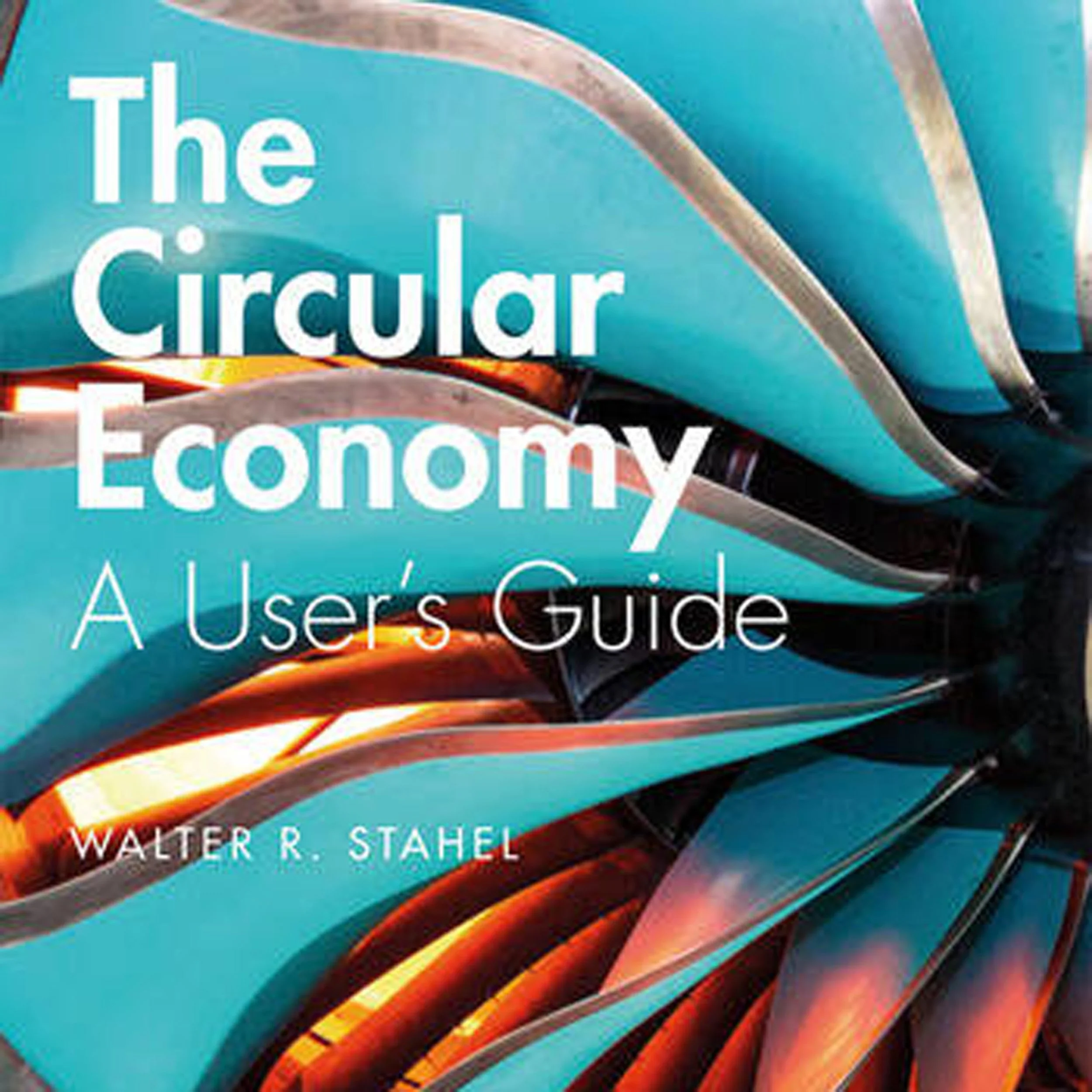
Author of The Circular Economy: A User’s Guide.

The circularity, of course, has existed in nature for a long time. Actually, nature's circularity is by evolution. There is no plan, there is no liability, and there are no preferences. It's simply the cycles such as marine tides, CO2, and water cycles, plants and animals, and basically by evolution, the best solution wins. Also, there is no waste. Dead material becomes food for other animals or plants. Now, early mankind survived by depending on these local natural resources sharing a non-monetary chaotic symbiosis dominated by nature, then poverty or necessity-based society changed when humankind used science to overcome shortages of everything. In other words, the Anthropocene. With nuclear energy, petrochemicals, metal alloys, we became independent from nature, but we overlooked the fact that these new manmade anthropogenic resources or synthetic resources were unknown to nature, so nature could not deal with them. And that means that we, humankind, has to take responsibility for it.

Walter Stahel - Architect, Economist, Founding Father of Circular Economy - Founder-Director, Product-Life Institute

Walter Stahel - Architect, Economist, Founding Father of Circular Economy - Founder-Director, Product-Life Institute

Founding Father of the Circular Economy · Founder-Director of Product-Life Institute
Author of The Circular Economy: A User’s Guide.

The circularity, of course, has existed in nature for a long time. Actually, nature's circularity is by evolution. There is no plan, there is no liability, and there are no preferences. It's simply the cycles such as marine tides, CO2, and water cycles, plants and animals, and basically by evolution, the best solution wins. Also, there is no waste. Dead material becomes food for other animals or plants. Now, early mankind survived by depending on these local natural resources sharing a non-monetary chaotic symbiosis dominated by nature, then poverty or necessity-based society changed when humankind used science to overcome shortages of everything. In other words, the Anthropocene. With nuclear energy, petrochemicals, metal alloys, we became independent from nature, but we overlooked the fact that these new manmade anthropogenic resources or synthetic resources were unknown to nature, so nature could not deal with them. And that means that we, humankind, has to take responsibility for it.
Highlights - Todd Kashdan - APA Award-winning Author of The Art of Insubordination, and Curious?

Highlights - Todd Kashdan - APA Award-winning Author of The Art of Insubordination, and Curious?

APA Award-winning Author of The Art of Insubordination: How to Dissent and Defy Effectively
Curious? · The Upside of Your Dark Side
Leading Authority on Well-being, Curiosity, Courage & Resilience

We're really talking about principled rebels. And when we talk about insubordination, we're talking about most of us live in these social hierarchies, and there's the idea, this started in the military and still goes on, where if someone at a lower rank questions or challenges a command or a norm that someone of a higher rank, that's considered an act of insubordination. And one of the main problems of that, I think anyone who's listening can acknowledge, is it depends on the quality of the idea of the person who's raising the question. I just realized there was this whole body of literature on minority influence that no one had put together into a book for the general public, and considering the racial reckoning that occurred during COVID-19, the extra attention to diversity, to disadvantaged groups, every moment of society, it just feels like it's more and more relevant of what I've been working on.

Todd Kashdan - Award-winning Author of “The Art of Insubordination: How to Dissent and Defy Effectively”

Todd Kashdan - Award-winning Author of “The Art of Insubordination: How to Dissent and Defy Effectively”

APA Award-winning Author of The Art of Insubordination: How to Dissent and Defy Effectively
Curious? · The Upside of Your Dark Side
Leading Authority on Well-being, Curiosity, Courage & Resilience

We're really talking about principled rebels. And when we talk about insubordination, we're talking about most of us live in these social hierarchies, and there's the idea, this started in the military and still goes on, where if someone at a lower rank questions or challenges a command or a norm that someone of a higher rank, that's considered an act of insubordination. And one of the main problems of that, I think anyone who's listening can acknowledge, is it depends on the quality of the idea of the person who's raising the question. I just realized there was this whole body of literature on minority influence that no one had put together into a book for the general public, and considering the racial reckoning that occurred during COVID-19, the extra attention to diversity, to disadvantaged groups, every moment of society, it just feels like it's more and more relevant of what I've been working on.

Highlights - Dr. Anna Lembke - Author of Dopamine Nation - Chief of Stanford Addiction Medicine Dual Diagnosis Clinic

Highlights - Dr. Anna Lembke - Author of Dopamine Nation - Chief of Stanford Addiction Medicine Dual Diagnosis Clinic

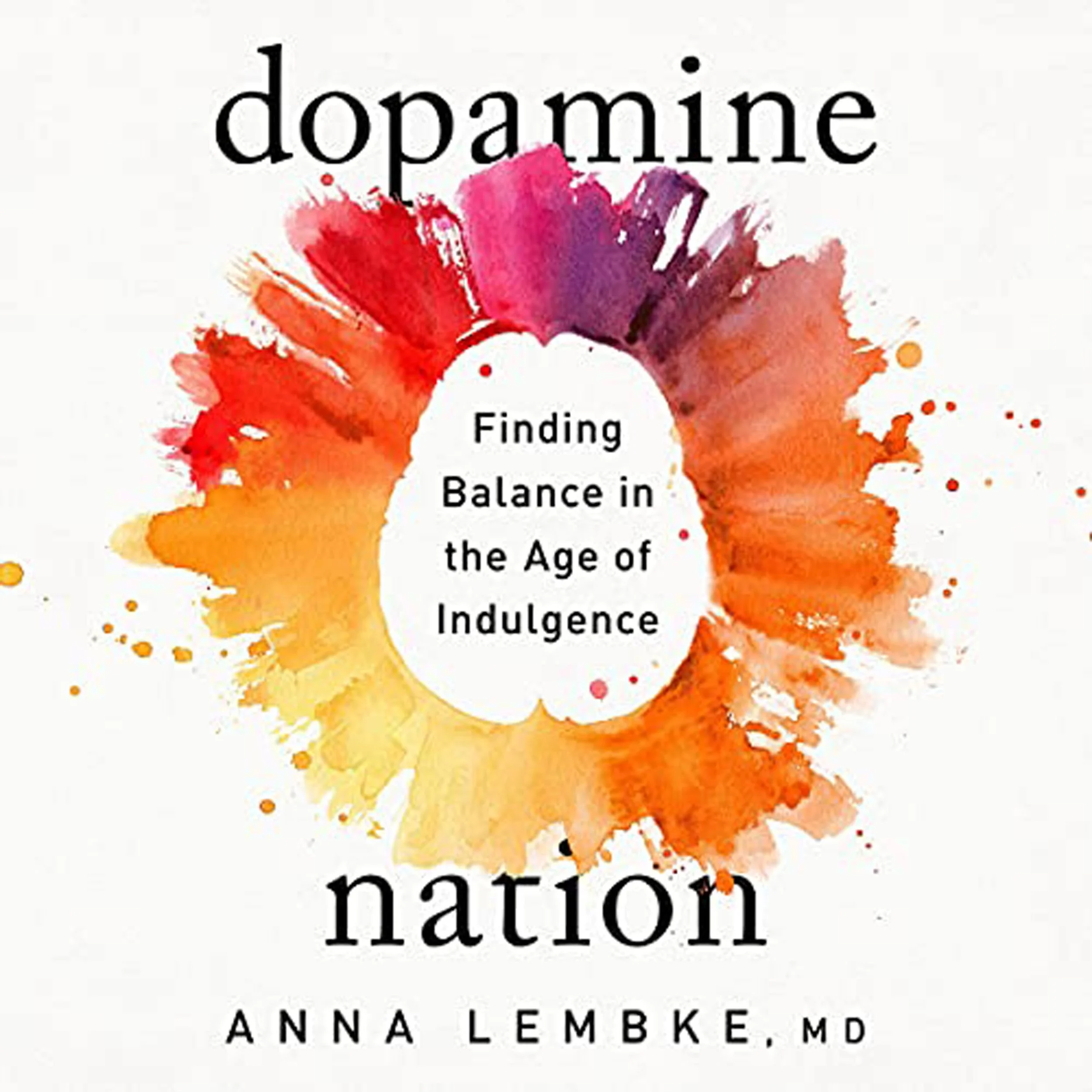
Author of Dopamine Nation: Finding Balance in the Age of Indulgence
Chief of the Stanford Addiction Medicine Dual Diagnosis Clinic

I'm an addiction psychiatrist. When I use the word addiction, I'm really talking about having crossed the line from basically healthy use with an occasional slip to somebody who's really caught in the vortex of compulsive overconsumption with consequences and typically needing help from others. It's one of the main points of my book Dopamine Nation that we are living in this addictogenic world where almost all human behaviors and substances have become drugified in one way, right? Social media has drugified human connection. Our food has been drugified by the addition of salt, fat, sugar. Reading is drugified, the way that these genre novels fill this sort of gaping hole of compulsive consumption among their readership, people always wanting more. The Netflix binges, where you get the next episode automatically fills unless you do something to stop it. You know, these are all little ways in which our lives have been engineered to keep us clicking and swiping and eating and smoking and drinking to the detriment of the globe. I mean, 70% of global deaths are due to diseases caused by modifiable risk factors, and the top three are smoking, inactivity, and overeating or diet. So we're literally titillating ourselves to death.

Dr. Anna Lembke - Author of Dopamine Nation: Finding Balance in the Age of Indulgence

Dr. Anna Lembke - Author of Dopamine Nation: Finding Balance in the Age of Indulgence

Author of Dopamine Nation: Finding Balance in the Age of Indulgence
Chief of the Stanford Addiction Medicine Dual Diagnosis Clinic

I'm an addiction psychiatrist. When I use the word addiction, I'm really talking about having crossed the line from basically healthy use with an occasional slip to somebody who's really caught in the vortex of compulsive overconsumption with consequences and typically needing help from others. It's one of the main points of my book Dopamine Nation that we are living in this addictogenic world where almost all human behaviors and substances have become drugified in one way, right? Social media has drugified human connection. Our food has been drugified by the addition of salt, fat, sugar. Reading is drugified, the way that these genre novels fill this sort of gaping hole of compulsive consumption among their readership, people always wanting more. The Netflix binges, where you get the next episode automatically fills unless you do something to stop it. You know, these are all little ways in which our lives have been engineered to keep us clicking and swiping and eating and smoking and drinking to the detriment of the globe. I mean, 70% of global deaths are due to diseases caused by modifiable risk factors, and the top three are smoking, inactivity, and overeating or diet. So we're literally titillating ourselves to death.

Highlights - Jay Famiglietti - Exec. Director - Global Institute for Water Security, Host of “What About Water?” Podcast

Highlights - Jay Famiglietti - Exec. Director - Global Institute for Water Security, Host of “What About Water?” Podcast

Hydrologist, Executive Director of the Global Institute for Water Security, U of Saskatchewan
Host of the Podcast What About Water?

I think water is taking a backseat and personally, I feel like water is the messenger that delivers the bad news of climate change to your front door. So in the work that I do, it's heavily intertwined, but it's taking a backseat. There are parts about water that are maybe separate from climate change, and that could be the quality discussions, the infrastructure discussions, although they are somewhat loosely related to climate change and they are impacted by climate change. That's sometimes part of the reason why it gets split off because it's thought of as maybe an infrastructure problem, but you know, the changing extremes, the aridification of the West, the increasing frequency, the increasing droughts, these broad global patterns that I've been talking about, that I've been looking at with my research – that's all climate change. Just 100% climate change, a hundred percent human-driven. And so it does need to be elevated in these climate change discussions.

Jay Famiglietti - Hydrologist, Exec. Director - Global Institute for Water Security, Host of "What About Water?" Podcast

Jay Famiglietti - Hydrologist, Exec. Director - Global Institute for Water Security, Host of "What About Water?" Podcast

Hydrologist, Executive Director of the Global Institute for Water Security, U of Saskatchewan
Host of the Podcast What About Water?

I think water is taking a backseat and personally, I feel like water is the messenger that delivers the bad news of climate change to your front door. So in the work that I do, it's heavily intertwined, but it's taking a backseat. There are parts about water that are maybe separate from climate change, and that could be the quality discussions, the infrastructure discussions, although they are somewhat loosely related to climate change and they are impacted by climate change. That's sometimes part of the reason why it gets split off because it's thought of as maybe an infrastructure problem, but you know, the changing extremes, the aridification of the West, the increasing frequency, the increasing droughts, these broad global patterns that I've been talking about, that I've been looking at with my research – that's all climate change. Just 100% climate change, a hundred percent human-driven. And so it does need to be elevated in these climate change discussions.

Highlights - Johnjoe McFadden - Author of “Life is Simple” - Prof. Molecular Genetics, Assoc. Dean - U of Surrey

Highlights - Johnjoe McFadden - Author of “Life is Simple” - Prof. Molecular Genetics, Assoc. Dean - U of Surrey

Author of Life is Simple: How Occam’s Razor Set Science Free and Shapes the Universe
Co-author of Life on the Edge: The Coming of Age of Quantum Biology
Professor of Molecular Genetics & Assoc. Dean (Int’l) · University of Surrey

I think that's what art is all about is communicating these big, complex objects, which are ideas inside our head, but in a non-dissected way in which the object isn't completely dissected, or it's dissected in such a way it can be reassembled in somebody else's mind. So you get a full experience of what the artist had or as close as he or she can make it. So I think that to me is what art does. It's a way of communicating these wonderful ideas and feelings that we have inside our heads. And they're trapped there, and art allows you - by playing music or painting, or writing poetry... - it allows you to communicate this in this holistic kind of way.

Johnjoe McFadden - Author of “Life is Simple: How Occam’s Razor Set Science Free and Shapes the Universe”

Johnjoe McFadden - Author of “Life is Simple: How Occam’s Razor Set Science Free and Shapes the Universe”

Author of Life is Simple: How Occam’s Razor Set Science Free and Shapes the Universe
Co-author of Life on the Edge: The Coming of Age of Quantum Biology
Professor of Molecular Genetics & Assoc. Dean (Int’l) · University of Surrey

I think that's what art is all about is communicating these big, complex objects, which are ideas inside our head, but in a non-dissected way in which the object isn't completely dissected, or it's dissected in such a way it can be reassembled in somebody else's mind. So you get a full experience of what the artist had or as close as he or she can make it. So I think that to me is what art does. It's a way of communicating these wonderful ideas and feelings that we have inside our heads. And they're trapped there, and art allows you - by playing music or painting, or writing poetry... - it allows you to communicate this in this holistic kind of way.

Highlights - Karina Manashil - Pres. of Mad Solar - Exec. Producer of “Entergalactic”, “Pearl”, “X”

Highlights - Karina Manashil - Pres. of Mad Solar - Exec. Producer of “Entergalactic”, “Pearl”, “X”

President of Mad Solar · Creative Confidante & Industry Catalyst for Scott Mescudi a.k.a. Kid Cudi
Exec. Producer: Entergalactic starring Mescudi, Jessica Williams & Timothée Chalamet
Pearl · X
starring Mia Goth

And what was so moving was when we went into Netflix to the theater to screen the finished product for the first time. You're sitting there and at the end of it, Scott was crying, and I looked over - it made me cry low-key - but Scott was crying and he said – This completely blows my mind because this is the first time I had a vision up here in my head and tried to express it, and then had to trust all 300 plus people, all around the world, working in different time zones, in different places, and each of them putting a hand to it and seeing exactly that vision. And then watching the product, and it is the best version of anything I could have ever possibly had in my head.
So, to us, that's the purest, most beautiful... Again, how fortunate that every hand was moving in tandem and moving in lockstep, and all of it. But that was the beauty of collaboration, this opportunity for a small vision to touch so many hands and become the big vision.

Karina Manashil - President of Mad Solar - Creative Confidante for Kid Cudi - Exec. Producer of “Entergalactic”

Karina Manashil - President of Mad Solar - Creative Confidante for Kid Cudi - Exec. Producer of “Entergalactic”

President of Mad Solar · Creative Confidante & Industry Catalyst for Scott Mescudi a.k.a. Kid Cudi
Exec. Producer: Entergalactic starring Mescudi, Jessica Williams & Timothée Chalamet
Pearl · X
starring Mia Goth

And what was so moving was when we went into Netflix to the theater to screen the finished product for the first time. You're sitting there and at the end of it, Scott was crying, and I looked over - it made me cry low-key - but Scott was crying and he said – This completely blows my mind because this is the first time I had a vision up here in my head and tried to express it, and then had to trust all 300 plus people, all around the world, working in different time zones, in different places, and each of them putting a hand to it and seeing exactly that vision. And then watching the product, and it is the best version of anything I could have ever possibly had in my head.
So, to us, that's the purest, most beautiful... Again, how fortunate that every hand was moving in tandem and moving in lockstep, and all of it. But that was the beauty of collaboration, this opportunity for a small vision to touch so many hands and become the big vision.

Highlights - Lee Jaffe - Author of “Jean-Michel Basquiat: Crossroads” - Artist, Musician, Poet

Highlights - Lee Jaffe - Author of “Jean-Michel Basquiat: Crossroads” - Artist, Musician, Poet

Artist, Musician, Poet
Author of Jean-Michel Basquiat: Crossroads

Jean-Michel Basquiat's combination of words and images, this visual poetry, just from a cultural standpoint has been so important. When I met him in 1983, black people were not allowed in the art market, pretty much. And you see that he broke down this barrier, which opened the door for all this multiculturalism within the art market. And you can't diminish the importance of that at all. It's helped to give a voice and an audience to all these incredible artists that might not have had that.

Lee Jaffe - Author of “Jean-Michel Basquiat: Crossroads” - Artist, Musician, Poet

Lee Jaffe - Author of “Jean-Michel Basquiat: Crossroads” - Artist, Musician, Poet

Artist, Musician, Poet
Author of Jean-Michel Basquiat: Crossroads

Jean-Michel Basquiat's combination of words and images, this visual poetry, just from a cultural standpoint has been so important. When I met him in 1983, black people were not allowed in the art market, pretty much. And you see that he broke down this barrier, which opened the door for all this multiculturalism within the art market. And you can't diminish the importance of that at all. It's helped to give a voice and an audience to all these incredible artists that might not have had that.

Highlights - Philip Fernbach - Cognitive Scientist - Co-Director, Ctr. for Research, Consumer Financial Decision Making - Co-author, “The Knowledge Illusion”

Highlights - Philip Fernbach - Cognitive Scientist - Co-Director, Ctr. for Research, Consumer Financial Decision Making - Co-author, “The Knowledge Illusion”

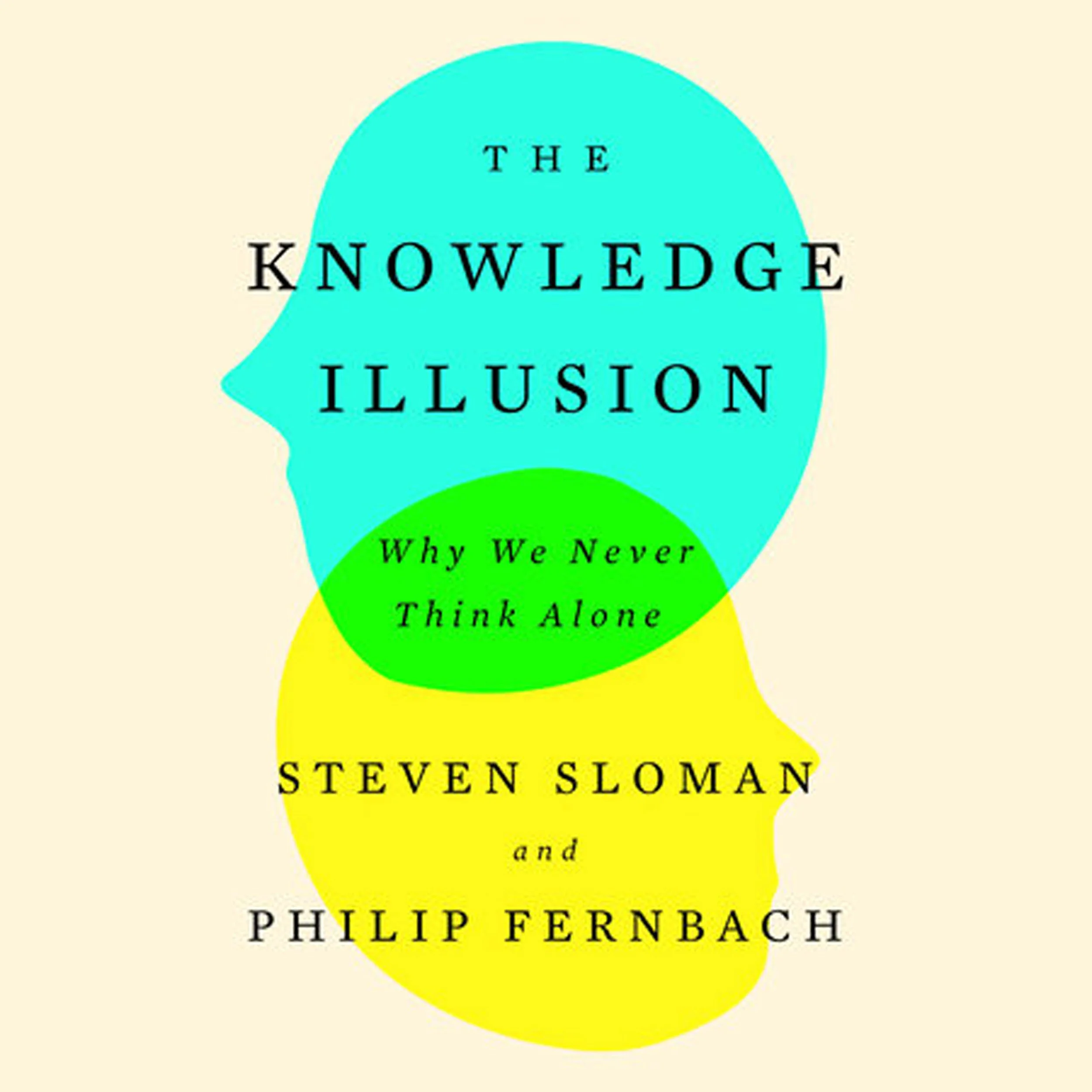
Co-author of The Knowledge Illusion: Why We Never Think Alone
Cognitive Scientist · Co-Director of Center for Research on Consumer Financial Decision Making, CU Boulder

The human mind is both genius and pathetic, brilliant and idiotic. People are capable of the most remarkable feats, achievements that defy the gods. We went from discovering the atomic nucleus in 1911 to megaton nuclear weapons in just over forty years. We have mastered fire, created democratic institutions, stood on the moon, and developed genetically modified tomatoes. And yet we are equally capable of the most remarkable demonstrations of hubris and foolhardiness. Each of us is error-prone, sometimes irrational, and often ignorant… How is it that people can simultaneously bowl us over with their ingenuity and disappoint us with their ignorance? How have we mastered so much despite how limited our understanding often is?

Philip Fernbach - Co-author of “The Knowledge Illusion” - Cognitive Scientist - Co-Director of Ctr. for Research on Consumer Financial Decision Making

Philip Fernbach - Co-author of “The Knowledge Illusion” - Cognitive Scientist - Co-Director of Ctr. for Research on Consumer Financial Decision Making

Co-author of The Knowledge Illusion: Why We Never Think Alone
Cognitive Scientist · Co-Director of Center for Research on Consumer Financial Decision Making, CU Boulder

The human mind is both genius and pathetic, brilliant and idiotic. People are capable of the most remarkable feats, achievements that defy the gods. We went from discovering the atomic nucleus in 1911 to megaton nuclear weapons in just over forty years. We have mastered fire, created democratic institutions, stood on the moon, and developed genetically modified tomatoes. And yet we are equally capable of the most remarkable demonstrations of hubris and foolhardiness. Each of us is error-prone, sometimes irrational, and often ignorant… How is it that people can simultaneously bowl us over with their ingenuity and disappoint us with their ignorance? How have we mastered so much despite how limited our understanding often is?

Highlights - Aniela Unguresan - Champion of Diversity, Equity, Inclusion in the Workplace - EDGE Cert

Highlights - Aniela Unguresan - Champion of Diversity, Equity, Inclusion in the Workplace - EDGE Cert

Co-founder of EDGE Certified Foundation (Economic Dividends for Gender Equality)
Champion of Diversity, Equity & Inclusion in the Workplace

I co-founded what has become EDGE for gender and intersectional equity back in 2009, and at that time workplace gender and intersectional equity were still very much seen as a societal issue rather than a business issue. Organizations were asking themselves if it's within their role to tackle these issues of equity, diversity, and inclusion in the workplace, or if they are the mere recipients of what is going on in societies, following the beliefs around what men and women should be doing at work and at home. So at that time we wanted to contribute to this transition from making gender and intersectional equity a business issue and help organizations see that how they manage their talent and how they are able to attract, develop, motivate, and retain diverse talent is a key component of their sustainable business success.

Aniela Unguresan - Co-founder, Economic Dividends for Gender Equality - EDGE Cert. Foundation

Aniela Unguresan - Co-founder, Economic Dividends for Gender Equality - EDGE Cert. Foundation

Co-founder of EDGE Certified Foundation (Economic Dividends for Gender Equality)
Champion of Diversity, Equity & Inclusion in the Workplace

I co-founded what has become EDGE for gender and intersectional equity back in 2009, and at that time workplace gender and intersectional equity were still very much seen as a societal issue rather than a business issue. Organizations were asking themselves if it's within their role to tackle these issues of equity, diversity, and inclusion in the workplace, or if they are the mere recipients of what is going on in societies, following the beliefs around what men and women should be doing at work and at home. So at that time we wanted to contribute to this transition from making gender and intersectional equity a business issue and help organizations see that how they manage their talent and how they are able to attract, develop, motivate, and retain diverse talent is a key component of their sustainable business success.

Highlights - Kent Redford - Co-author, ”Strange Natures: Conservation in the Era of Synthetic Biology”

Highlights - Kent Redford - Co-author, ”Strange Natures: Conservation in the Era of Synthetic Biology”

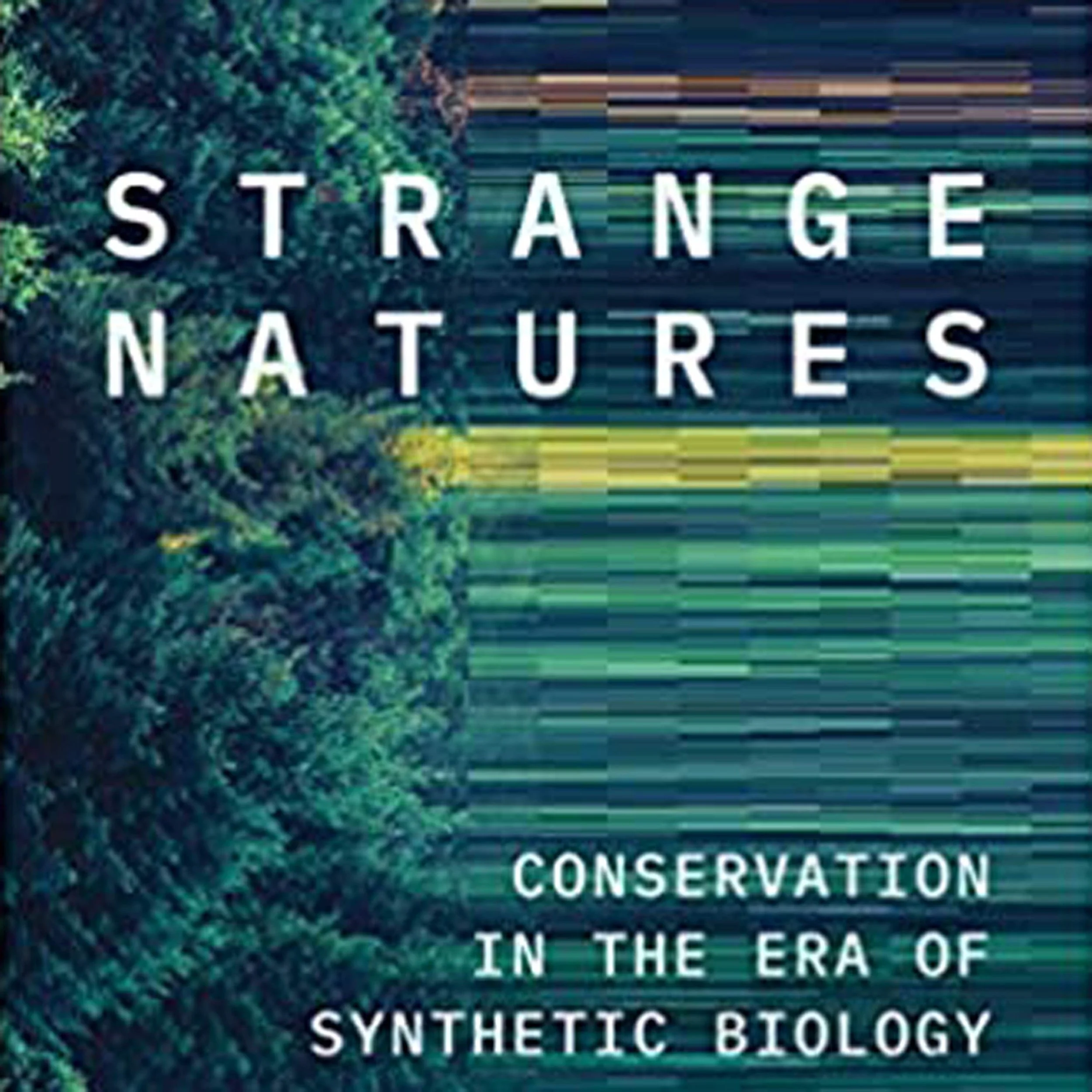
Co-author of Strange Natures: Conservation in the Era of Synthetic Biology
Principal at Archipelago Consulting · Former VP for Conservation Science & Strategy, Wildlife Conservation Society

The field of synthetic biology, which is known by some as extreme genetic engineering – that's a name mostly used by people who don't like it. It amounts to a set of tools that humans have developed to be able to very precisely and accurately change the genetic code, the DNA of living organisms in order to get those organisms to do things that humans want. So the applications in medicine are predominantly devoted to trying to make us healthier people, and they range from some really exciting work on tumor biology to work on the microbiome, which is all of the thousands and tens of thousands of species that live on our lips, our mouths, our guts, our skin. And in agriculture, it's primarily directed at crop genetics, trying to improve the productivity of crops, the nutritional value of crops, the ability of crops to respond to climate change, and a whole variety of other things. Some people may have heard of one of these tools called CRISPR used to very precisely alter the sequences of DNA.

Kent Redford - Co-author of "Strange Natures: Conservation in the Era of Synthetic Biology”

Kent Redford - Co-author of "Strange Natures: Conservation in the Era of Synthetic Biology”

Co-author of Strange Natures: Conservation in the Era of Synthetic Biology
Principal at Archipelago Consulting · Former VP for Conservation Science & Strategy, Wildlife Conservation Society

The field of synthetic biology, which is known by some as extreme genetic engineering – that's a name mostly used by people who don't like it. It amounts to a set of tools that humans have developed to be able to very precisely and accurately change the genetic code, the DNA of living organisms in order to get those organisms to do things that humans want. So the applications in medicine are predominantly devoted to trying to make us healthier people, and they range from some really exciting work on tumor biology to work on the microbiome, which is all of the thousands and tens of thousands of species that live on our lips, our mouths, our guts, our skin. And in agriculture, it's primarily directed at crop genetics, trying to improve the productivity of crops, the nutritional value of crops, the ability of crops to respond to climate change, and a whole variety of other things. Some people may have heard of one of these tools called CRISPR used to very precisely alter the sequences of DNA.