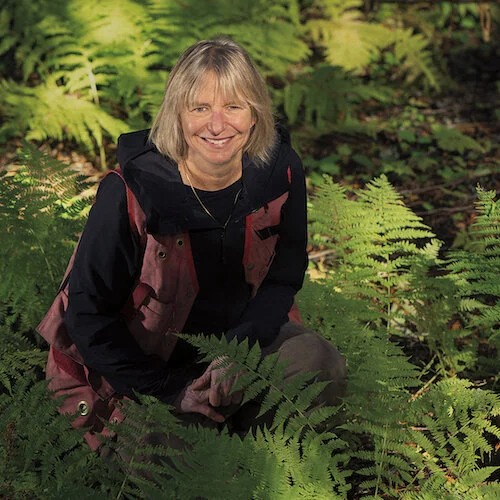
AIMEE NEZHUKUMATATHIL

AIMEE NEZHUKUMATATHIL

Poet & Author of World of Wonders: In Praise of Fireflies, Whale Sharks & Other Astonishments

I think something happened in 2016, where I just snapped. There was a lot of a hateful news going around with American politics, and I didn’t know how to answer a lot of my kids questions then. Something I know I can do is to tell them things that I loved about this planet or things that I loved in other people because all they saw or heard about was just this weird ugliness, school shootings, leaders who were saying ‘build that wall’ to anybody who looked different than them, and so I remember the night I shut myself up in my office after the kids went to bed and just started writing about plants and animals that I loved from my childhood.

(Highlights) RON GONEN

(Highlights) RON GONEN

Founder & CEO of Closed Loop Partners
Former Deputy Commissioner of Sanitation, Recycling & Sustainability, NYC

We live in buildings and cities because that’s what generates a living for a lot of people, but where we’re most comfortable as humans is when we’re in nature. Your generation owns this. Don’t let anybody take it from you or damage it because you own it. The next generation is the one that owns it and view it with a sense of ownership and a sense of pride and a sense of protection because there are a lot of benefits you get from nature.


RON GONEN

RON GONEN

Founder & CEO of Closed Loop Partners
Former Deputy Commissioner of Sanitation, Recycling & Sustainability, NYC

We live in buildings and cities because that’s what generates a living for a lot of people, but where we’re most comfortable as humans is when we’re in nature. Your generation owns this. Don’t let anybody take it from you or damage it because you own it. The next generation is the one that owns it and view it with a sense of ownership and a sense of pride and a sense of protection because there are a lot of benefits you get from nature.


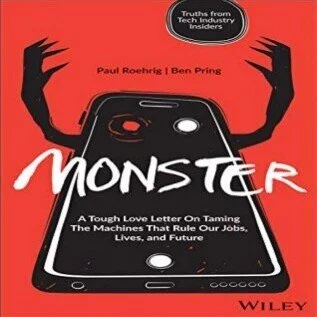
(Highlights) BEN PRING

(Highlights) BEN PRING

Director of Cognizant’s Center for the Future of Work
Author of Monster: A Tough Love Letter On Taming the Machines that Rule Our Jobs, Lives

They’re single-purpose engines doing one thing in extraordinary ways, and they’ve been encouraged in that by the ecosystem around them, by the funding that’s being pumped into them by people whose only motivation is simply to make more money–and you can see the results of that in the world as this technology has grown from a little acorn to now being the biggest Sequoia in the forest. And it’s shading every other tree, it’s taking all the light, it’s taking all the energy from the forest, and it’s distorting so much in the world.

BEN PRING

BEN PRING

Director of Cognizant’s Center for the Future of Work
Author of Monster: A Tough Love Letter On Taming the Machines that Rule Our Jobs, Lives

They’re single-purpose engines doing one thing in extraordinary ways, and they’ve been encouraged that by the ecosystem around them, by the funding that’s being pumped into them by people whose only motivation is simply to make more money–and you can see the results of that in the world as this technology has grown from a little acorn to now being the biggest Sequoia in the forest. And it’s shading every other tree, it’s taking all the light, it’s taking all the energy from the forest, and it’s distorting so much in the world.

(Highlights) TODD MILLER

(Highlights) TODD MILLER

Journalist & Author
Build Bridges, Not Walls · Storming the Wall: Climate Change, Migration & Homeland Security

In 2003, the Pentagon commissioned a report titled something like An Abrupt Climate Scenario. They asked some independent researchers to look at what would happen in a worse case scenario. They found that the United States and Australia. They said that they would have to put up defensive fortresses ‘to stop unwanted starving immigrants’…

TODD MILLER

TODD MILLER

Journalist & Author
Build Bridges, Not Walls · Storming the Wall: Climate Change, Migration & Homeland Security

In 2003, the Pentagon commissioned a report titled something like An Abrupt Climate Scenario. They asked some independent researchers to look at what would happen in a worse case scenario. They found that the United States and Australia. They said that they would have to put up defensive fortresses ‘to stop unwanted starving immigrants’…

(Highlights) McKENZIE FUNK

(Highlights) McKENZIE FUNK

Journalist & PEN Literary Award-Winning Author of Windfall

As a parent and especially through all this reporting, what I’ve tried to do is think through these solutions and these fixes we have for everything and make sure that we’re not forgetting…that we’re thinking about other people. Capitalism won’t do it. Self-interest isn’t going to do this for us. As silly as it is to think that empathy will do or caring about your fellow humans will do it, I don’t know what else there is to hope for. I don’t believe that people do stuff purely out of rational self-interest, this libertarian idea that I was quietly pushing against the entire time in Windfall. That we do things just for ourselves or just to make money–that’s not been the reality of my lifetime.

McKENZIE FUNK

McKENZIE FUNK

Journalist & PEN Literary Award-Winning Author of Windfall

As a parent and especially through all this reporting, what I’ve tried to do is think through these solutions and these fixes we have for everything and make sure that we’re not forgetting…that we’re thinking about other people. Capitalism won’t do it. Self-interest isn’t going to do this for us. As silly as it is to think that empathy will do or caring about your fellow humans will do it, I don’t know what else there is to hope for. I don’t believe that people do stuff purely out of rational self-interest, this libertarian idea that I was quietly pushing against the entire time in Windfall. That we do things just for ourselves or just to make money–that’s not been the reality of my lifetime.

(Highlights) KAREN PINKUS

(Highlights) KAREN PINKUS

Author of Fuel: A Speculative Dictionary
Professor of Italian & Comparative Literature, Cornell University

For many years I wrote, taught, and published about climate change from a more philosophical, existential point of view, especially thinking about deep time, but I did come back to fuels with my Fuel book in part for the fact that so much of the press and so much of public discourse confuses fuel and energy, and it’s still happening today. I thought about this so long and the same themes, the same tropes are still being recycled.

KAREN PINKUS

KAREN PINKUS

Author of Fuel: A Speculative Dictionary
Professor of Italian & Comparative Literature, Cornell University

For many years I wrote, taught, and published about climate change from a more philosophical, existential point of view, especially thinking about deep time, but I did come back to fuels with my Fuel book in part for the fact that so much of the press and so much of public discourse confuses fuel and energy, and it’s still happening today. I thought about this so long and the same themes, the same tropes are still being recycled.

(Highlights) MITCH HOROWITZ

(Highlights) MITCH HOROWITZ

Historian of Alternative Spirituality & PEN Award-Winning Author

I’ve always considered myself a believing historian and, in fact, most historians of religion are actually believing historians. Very frequently they emerge from the congregations that they’re writing about, whether new religious movements or traditional religions, this is true of Kabbalistic scholar Gershom Scholem, it’s true of people who have written probably the most important biographies of more recent religious figures like Mary Baker Eddy or Joseph Smith, a Mormon prophet. Although, historians don’t frequently acknowledge being believing historians because they feel that it might seem to compromise their capacity for critical judgement, but my impression is different. My impression is that being in very direct proximity to the nature of the philosophical, religious, ethical, therapeutic movements that you’re writing about can heighten your critical acumen.

MITCH HOROWITZ

MITCH HOROWITZ

Historian of Alternative Spirituality & PEN Award-Winning Author

I’ve always considered myself a believing historian and, in fact, most historians of religion are actually believing historians. Very frequently they emerge from the congregations that they’re writing about, whether new religious movements or traditional religions, this is true of Kabbalistic scholar Gershom Scholem, it’s true of people who have written probably the most important biographies of more recent religious figures like Mary Baker Eddy or Joseph Smith, a Mormon prophet. Although, historians don’t frequently acknowledge being believing historians because they feel that it might seem to compromise their capacity for critical judgement, but my impression is different. My impression is that being in very direct proximity to the nature of the philosophical, religious, ethical, therapeutic movements that you’re writing about can heighten your critical acumen.

(Highlights) MARGE PIERCY

(Highlights) MARGE PIERCY

Novelist, Poet & Activist

People who take care of sick people and AIDS and teachers and garbage collectors and people who work in daycare…all the things that have to happen in society we pay shit for. We pay an enormous amount of money to people who can throw a ball through a hoop. We pay an enormous amount of hedge fund people. All the people who take over corporations go in and destroy get immensely rich while the people who do what we actually need doing, what we must have to survive, the people who grow food, the independent farmers that used to exist…

MARGE PIERCY

MARGE PIERCY

Novelist, Poet & Activist

People who take care of sick people and AIDS and teachers and garbage collectors and people who work in daycare…all the things that have to happen in society we pay shit for. We pay an enormous amount of money to people who can throw a ball through a hoop. We pay an enormous amount of hedge fund people. All the people who take over corporations go in and destroy get immensely rich while the people who do what we actually need doing, what we must have to survive, the people who grow food, the independent farmers that used to exist…

(Highlights) DR. SUZANNE SIMARD

(Highlights) DR. SUZANNE SIMARD

Professor of Forest Ecology
Author of Finding the Mother Tree

Think of yourself as a tree. You’ve got neighbours that you live beside for hundreds if not thousands of years, and none of you can move around, so you just have to communicate in other ways. And so trees have evolved to have these ways of communicating with each other, and they’re sophisticated, they’re nuanced. They include things like transmitting information through these root networks that link them together. They transmit information to each other through the air, so they perceive each other, they communicate and then they respond to each other. And that language is complex.

DR. SUZANNE SIMARD

DR. SUZANNE SIMARD

Professor of Forest Ecology
Author of Finding the Mother Tree

Think of yourself as a tree. You’ve got neighbours that you live beside for hundreds if not thousands of years, and none of you can move around, so you just have to communicate in other ways. And so trees have evolved to have these ways of communicating with each other, and they’re sophisticated, they’re nuanced. They include things like transmitting information through these root networks that link them together. They transmit information to each other through the air, so they perceive each other, they communicate and then they respond to each other. And that language is complex.

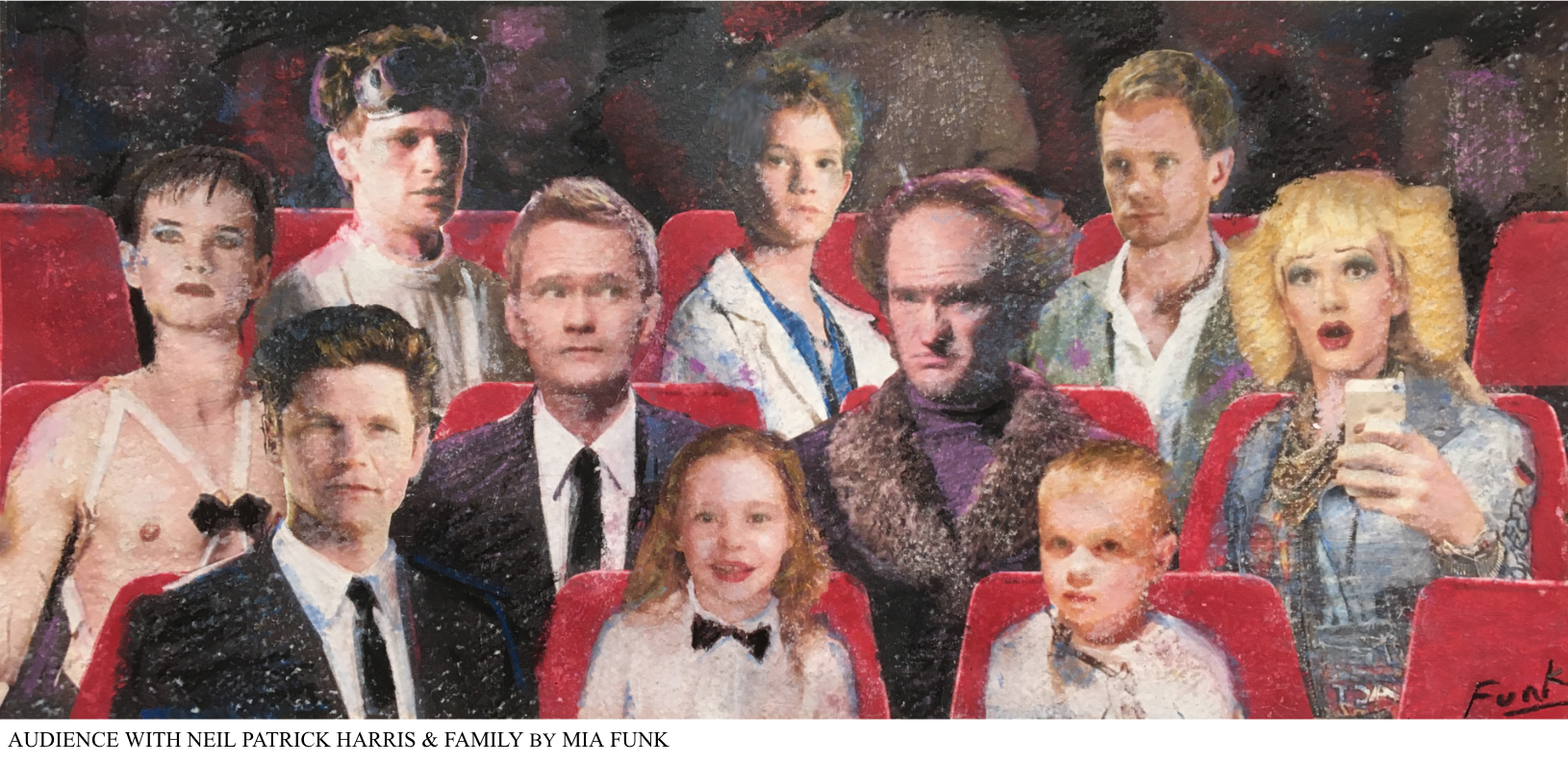
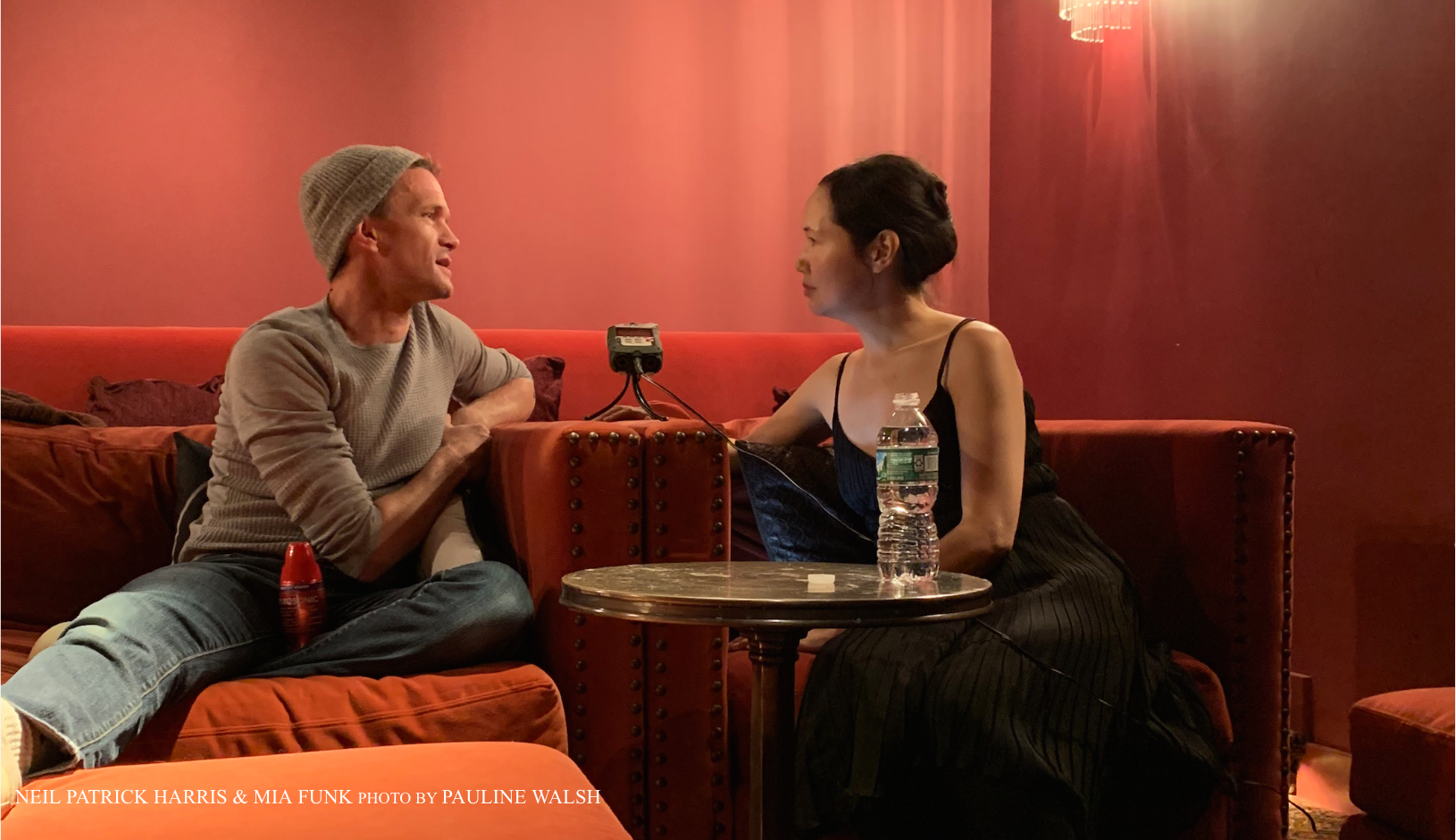
(Highlights) NEIL PATRICK HARRIS

(Highlights) NEIL PATRICK HARRIS

Interview Highlights

Days are filled with things that happen. And you have to sort of determine whether you're going to make choices for things to happen or just react to things that are happening around you. And why not choose to go do things. You're not going to see art unless you go to the museum.

NEIL PATRICK HARRIS

NEIL PATRICK HARRIS

Actor · Comedian · Filmmaker · Magician · Singer · Writer

And I remember I was just the whitest kid ever from small-town New Mexico in this big city of Los Angeles…I'm sitting there watching this play about a lower middle-class African-American man in Pittsburgh and his family. And I just remember being so moved, moved to tears at 13, 14 years old…And it was so moving. And I did think even back then, I recognized the impact that the theater can have on someone that isn't even anything like what they're like.

(Highlights) DAVID TOMAS MARTINEZ

(Highlights) DAVID TOMAS MARTINEZ

Pushcart Award-Winning Poet

When I was younger, I never really thought of living past twenty-five…I felt like I was in a movie. I thought that I was living this movie idea of things and there’d be gunshots around you. You hear it hitting the concrete, and you’re like ‘Oh, shit’. Seriously, I didn’t think of it as real life. When you’re young, the idea that I’d known people that were killed early, you go to prison. These just felt like matter of fact. They seemed to be this part of life and you just accepted them.